

East Indian lipsucker
Andamia heteroptera
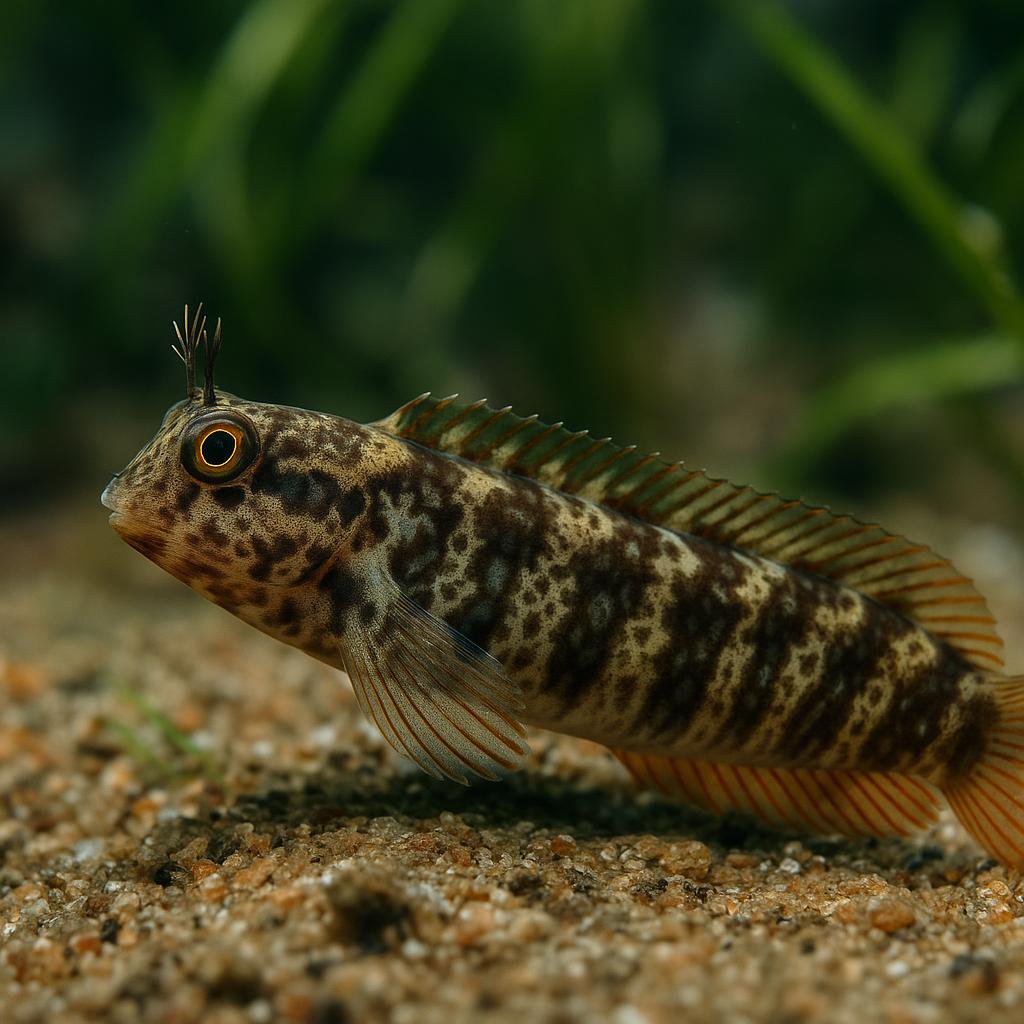
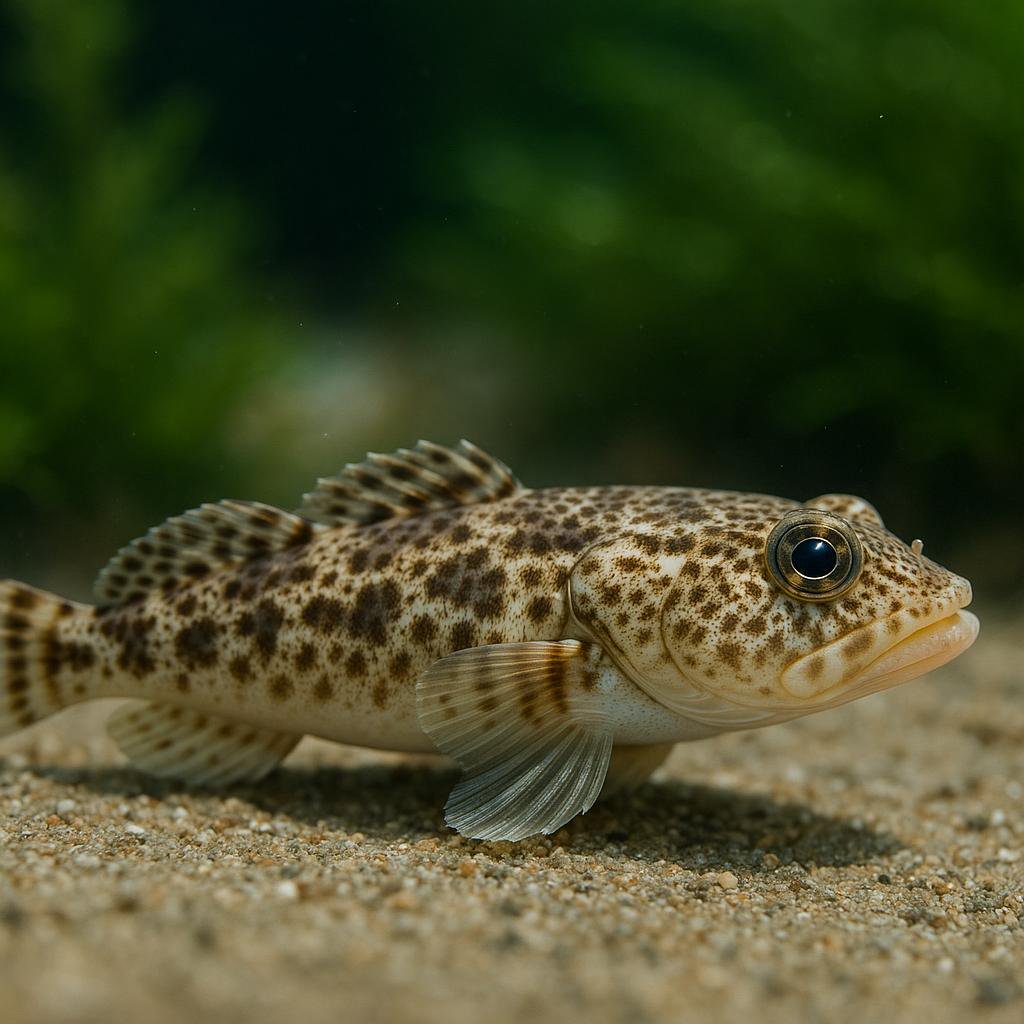
Andamia heteroptera exhibits a slender body with a distinct yellow and black pattern and elongated pectoral fins, adapted for maneuverability.
This page includes AI-generated images. Why am I seeing AI images?
About the East Indian lipsucker
This is one of those wild intertidal blennies that clings to wave-battered rocks with a sucker-like lower lip and will even pop out onto damp rock when conditions let it. In the ocean its whole lifestyle is about hanging on in the splash zone, grazing and picking at tiny foods between surges, so it is a super cool fish but honestly not a typical "throw it in a reef tank" kind of species.
Quick Facts
Size
6.4 cm
Temperament
Semi-aggressive
Difficulty
Expert
Min Tank Size
20 gallons
Lifespan
3-7 years
Origin
Eastern Indian Ocean (around Christmas Island; also recorded from parts of SE Asia in literature checklists)
Diet
Omnivore leaning herbivore - algae growth, small benthic invertebrates, and meaty frozen foods in captivity
Water Parameters
22-28°C
8-8.4
8-12 dGH
Need a heater for this species?
This species needs 22-28°C in a 20 gallon tank. Use our heater calculator to find the right wattage.
Calculate heater sizeCare Notes
- Intertidal/splash-zone blenny: provide abundant rockwork with crevices and perching surfaces, and strong, well-oxygenated water movement to reflect wave-washed rocky habitat.
- Maintain stable marine salinity appropriate for reef conditions and ensure very high oxygenation/strong gas exchange; this intertidal species is adapted to wave-washed habitats and may be sensitive to low dissolved oxygen.
- Feed like you are keeping a micro-grazer: mature algae film and diatoms on rocks/glass are the base, then supplement with nori on a clip, spirulina flakes/pellets, and small meaty bits (mysis, chopped shrimp) a few times a week.
- Do not put it in a sterile new tank - if there is no natural biofilm/algae to pick at all day, they get skinny even if you 'feed' them once or twice.
- Tankmates need to be chill and not food-competitive: avoid aggressive wrasses, dottybacks, and big hungry clowns that will harass it off grazing spots; small peaceful reef fish and inverts are usually fine.
- Cover every gap and overflow - they can hop and they love exploring the rim, especially when startled by lights or a bully.
- Watch the belly and fins: a pinched stomach means it is losing the food race, and frayed fins usually means flow is too direct or a tankmate is nipping while it perches.
Compatibility
Good Tankmates
- Tough little rock-perchers like small gobies (think neon gobies or other reef gobies that stay in their lane). Andamia will do its lip-sucking and grazing thing and mostly just argue over a favorite rock.
- Clownfish in a normal pair setup. They are busy with their own turf and generally do not care about a lipsucker glued to the rocks, as long as the tank is not tiny.
- Damsels that are on the calmer side (chromis are the easy example). They are fast, midwater, and not likely to get pushed around by a semi-aggressive grazer.
Avoid
- Avoid other combtooth blennies and especially anything that looks/acts like a rival rock grazer. Similar-shaped blennies turn it into a nonstop shoving match over perches and grazing spots.
- Avoid slow, chill fish that like to sit on the rocks (mandarins, scooter 'blennies', seahorses). Andamia is not a predator, but it will pester and outcompete them, and the constant bumping stresses them out.
- Avoid big bullies and hard-nippers (dottybacks, some larger damsels, aggressive hawkfish). Semi-aggressive only goes so far - these guys will turn the lipsucker into a punching bag.
Where they come from
Andamia heteroptera is one of those fish that makes you go, "How is that even a fish?" In the wild its a rock-hugging blenny from wave-battered shores in the Indian Ocean region. Think splash zone, surge, slippery algae-covered stone, and very little forgiveness for anything that cant cling.
That background explains pretty much everything about keeping them: they are built for current, grazing, and wedging themselves onto hard surfaces, not for cruising around open water like a typical reef fish.
Setting up their tank
If you set this species up like a normal reef display, you will fight them the whole time. They want a "shoreline" tank: lots of textured rock, strong chaotic flow, and tons of grazing area. The more mature and algae-friendly the rock is, the easier your life gets.
- Tank size: bigger footprint beats taller tanks. I would not bother under 30-40 gallons, and 55+ makes territory issues easier.
- Rockwork: build wide terraces and flat-ish faces they can park on. Leave tight cracks and shallow caves for sleeping spots.
- Flow: strong, messy flow (multiple pumps) so there are no dead zones. They are from surge, not gentle lagoon water.
- Filtration: oversize your skimmer and keep nutrients from swinging wildly. They graze a lot, and that feeding adds up.
- Lighting: reef lighting is fine, but you actually want some algae film growth on at least part of the rock.
Cover the tank. Seriously. They can launch themselves during spats or if startled, and the "splash zone" lifestyle doesnt teach them to respect glass tops or rims.
Stability matters more than chasing numbers. Keep salinity steady, keep oxygen high, and avoid sudden temperature swings. A little seasonal variation is fine, but big daily swings are where weird problems start.
What to feed them
These are grazers first. A new import that goes into a sterile, spotless tank is the classic failure mode. You want them picking all day, then taking supplemental foods when you show up.
- Natural grazing: mature live rock with film algae, diatoms, and microfauna. Let one area of the tank stay a bit "dirty."
- Nori and seaweed: rubber-band a strip to a small rock right on the bottom where they like to sit. Clip-on-the-glass often gets ignored.
- Prepared foods: spirulina flakes, herbivore pellets, and gel foods with a lot of plant content.
- Meaty add-ons: small amounts of mysis or finely chopped seafood now and then, mostly to keep weight on them.
If they are shy about prepared foods, try smearing a paste (spirulina powder + a little tank water, or a gel food) onto a flat rock and dropping it right into their favorite perch. Once they learn "that rock means food," things get way easier.
Watch the belly and the head profile. A healthy lipsucker looks like its got some meat behind the skull and a gently rounded belly after grazing. A pinched head and hollow belly usually means its not finding enough to pick at, even if it nibbles at feeding time.
How they behave and who they get along with
Personality-wise, think: stubborn little rock gremlin with a strong sense of personal space. They spend most of their time attached to rock, hopping short distances, and scraping. They can be bold in their territory and surprisingly quick when they want to be.
- Best tankmates: calm fish that occupy open water and do not care about the rocks (some cardinals, small peaceful wrasses, etc.).
- Risky tankmates: other blennies, similarly shaped gobies, or anything that perches on rock and competes for the same real estate.
- Bad match: aggressive dottybacks, big hawkfish, triggers, or anything that treats perched fish like snacks.
Do not mix them with other "algae blennies" and assume it will be fine. Even if nobody dies, constant low-level harassment keeps them from grazing, and thats how you get a slow decline.
They are usually fine with corals, but they can irritate stuff by parking on it. If you keep LPS on low rocks, expect an occasional grumpy coral because the fish decided that was the best seat in the house.
Breeding tips
Breeding them in a home aquarium is not something Ive seen reliably pulled off, and its not like breeding clownfish where there is a well-worn playbook. They are blenny-like spawners in behavior (territory, crevices), but the pelagic larval stage and tiny first foods are the hard part.
- If you ever want a shot, start with: a bonded pair (not easy to sex), lots of secure crevices, and very stable conditions.
- Condition them with heavy grazing opportunities plus quality prepared foods.
- If eggs appear, expect very small larvae that will need live planktonic foods (rotifers and then copepod nauplii) and a dedicated rearing setup.
Most hobbyists focus on long-term maintenance and getting them eating well. That is already an expert-level win with this species.
Common problems to watch for
The big issue is slow starvation. They can look "fine" for weeks while they gradually burn off reserves, especially if the tank is too clean or tankmates outcompete them at feeding time.
- New fish not grazing: if it sits still and does not pick at rock all day, something is off (stress, too little cover, weak flow, or just no biofilm to eat).
- Harassment: torn fins and constant dashing back into cracks usually means a territory dispute.
- Jumping: found on the floor after a night scare or a fight.
- Oxygen/flow issues: heavy breathing and hanging in one spot in low flow zones can happen fast in warm tanks with marginal surface agitation.
- Parasites after import: marine ich and flukes can show up, but the bigger danger is treating too aggressively and stressing a fish that already isnt eating.
Avoid copper unless you really know what you are doing and have no alternatives. With a finicky grazer, appetite loss during treatment can be the difference between recovery and a crash.
My best advice: set the tank up for the fish, not for the photo. Mature rock, strong flow, lots of perches, and a feeding routine that matches a grazer. If you get those right, this weird little shoreline blenny becomes a genuinely fun fish to watch day to day.
Similar Species
Other marine semi-aggressive species you might be interested in.
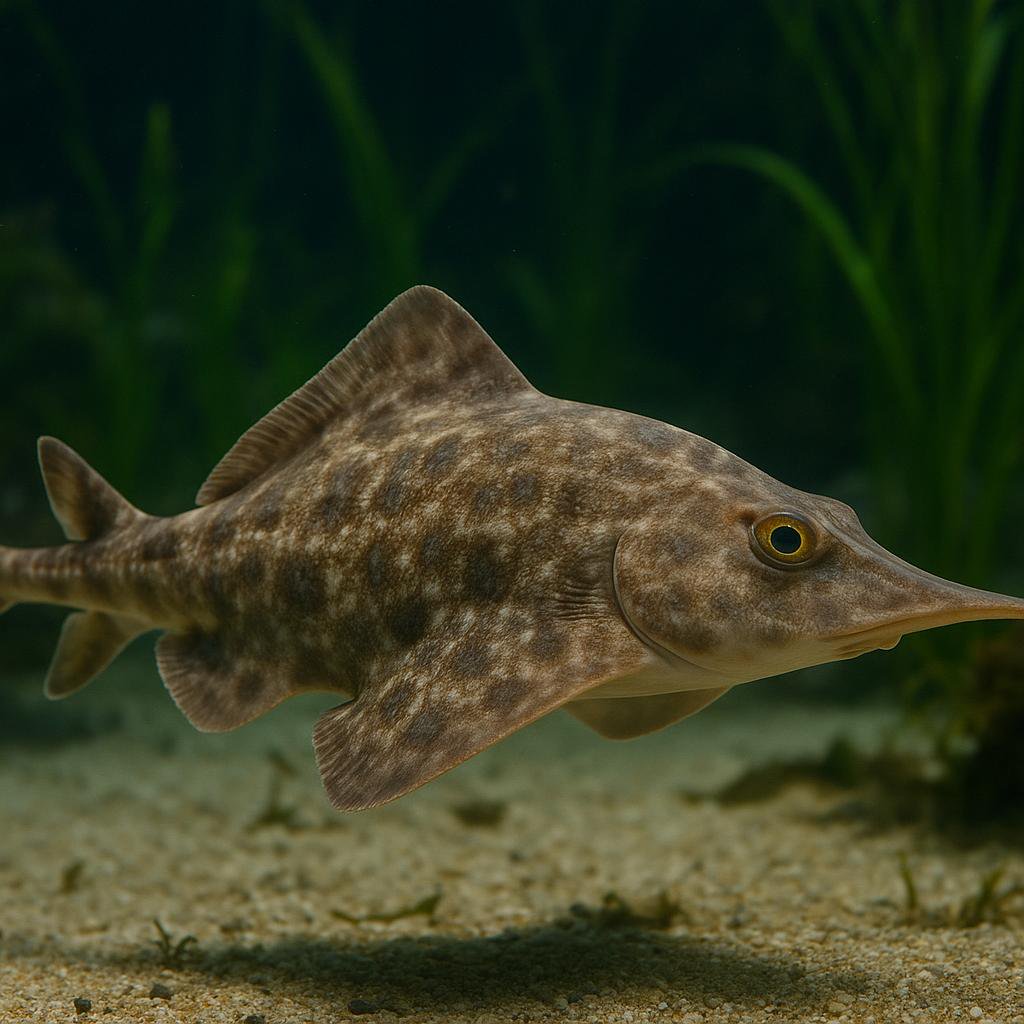
Aleutian skate
Bathyraja aleutica
This is a big, cold-water deep-slope skate from the North Pacific that cruises muddy bottoms and eats chunky benthic prey like crabs and shrimp. The really cool bit is its egg-laying skate life - it does distinct pairing (the classic skate "embrace") and drops those tough egg cases on the seafloor. Not an aquarium fish at all unless you're basically running a public-aquarium-style chilled system.
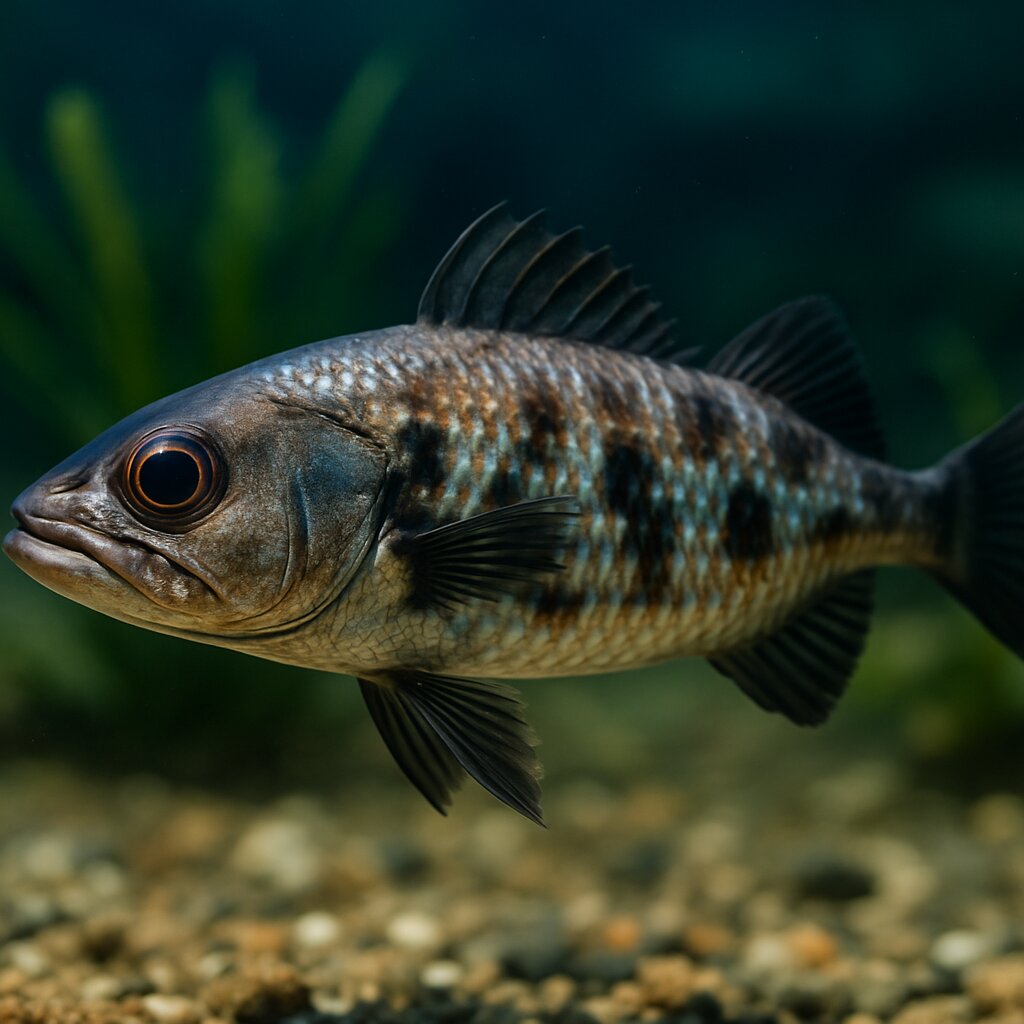
Antarctic dragonfish
Vomeridens infuscipinnis
Deep down around Antarctica, this sleek dragonfish cruises the water column like a little submarine, nearly neutrally buoyant so it can hover above the seafloor. It munches almost exclusively on Antarctic krill and lives in near-freezing water 500-800 m down, so it is a cool species to read about, not one for home tanks.
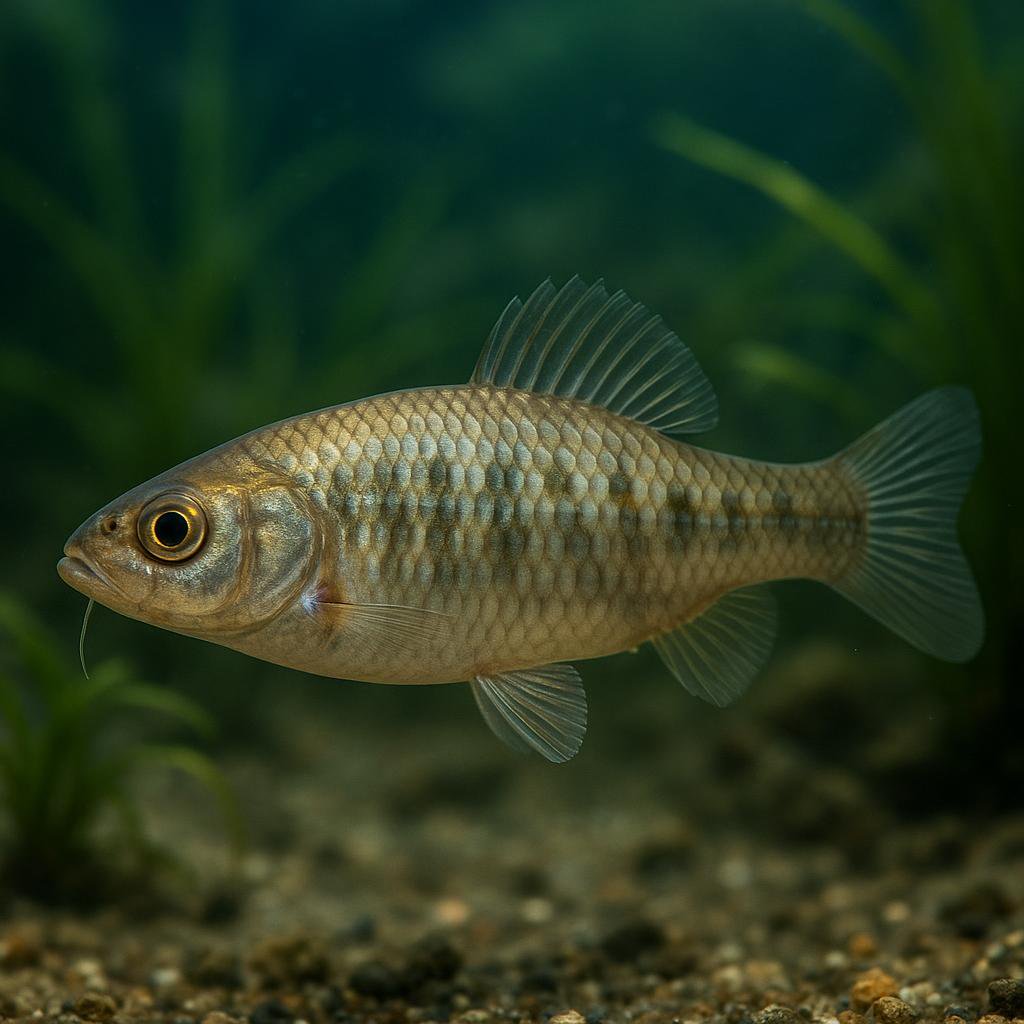
Arabian spiny eel
Notacanthus indicus
Notacanthus indicus is a deep-sea spiny eel (family Notacanthidae; not a true eel) known from the Arabian Sea on the continental slope at roughly ~960–1,046 m depth, with reported maximum length around 20 cm TL; it is a deep-water bycatch species and not established in the aquarium trade.
Arctic rockling
Gaidropsarus argentatus
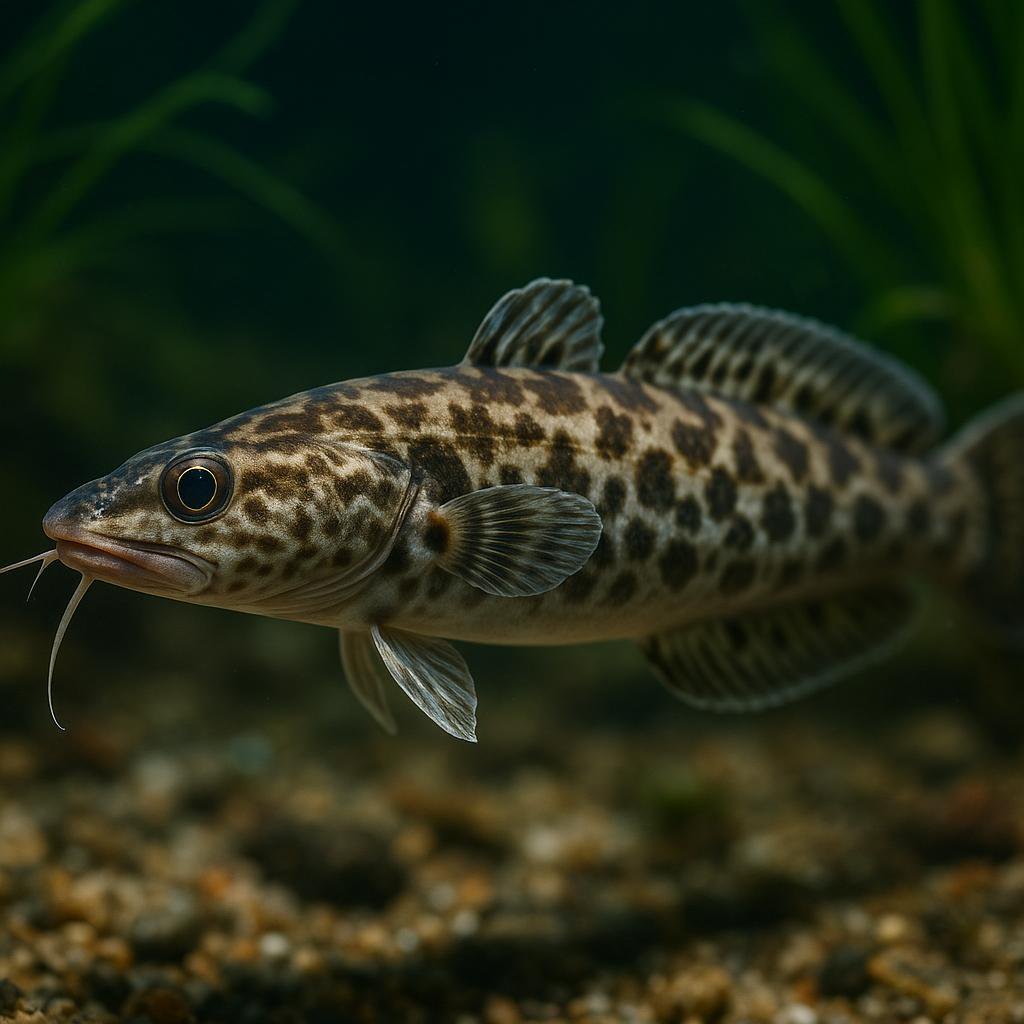
This is a deepwater North Atlantic rockling (a cod relative) that hangs out on soft bottoms way down the slope. It is a cold-water, bottom-hugging predator that snoots around for crustaceans and will also take small fish when it gets the chance.
Atlantic pomfret
Brama brama
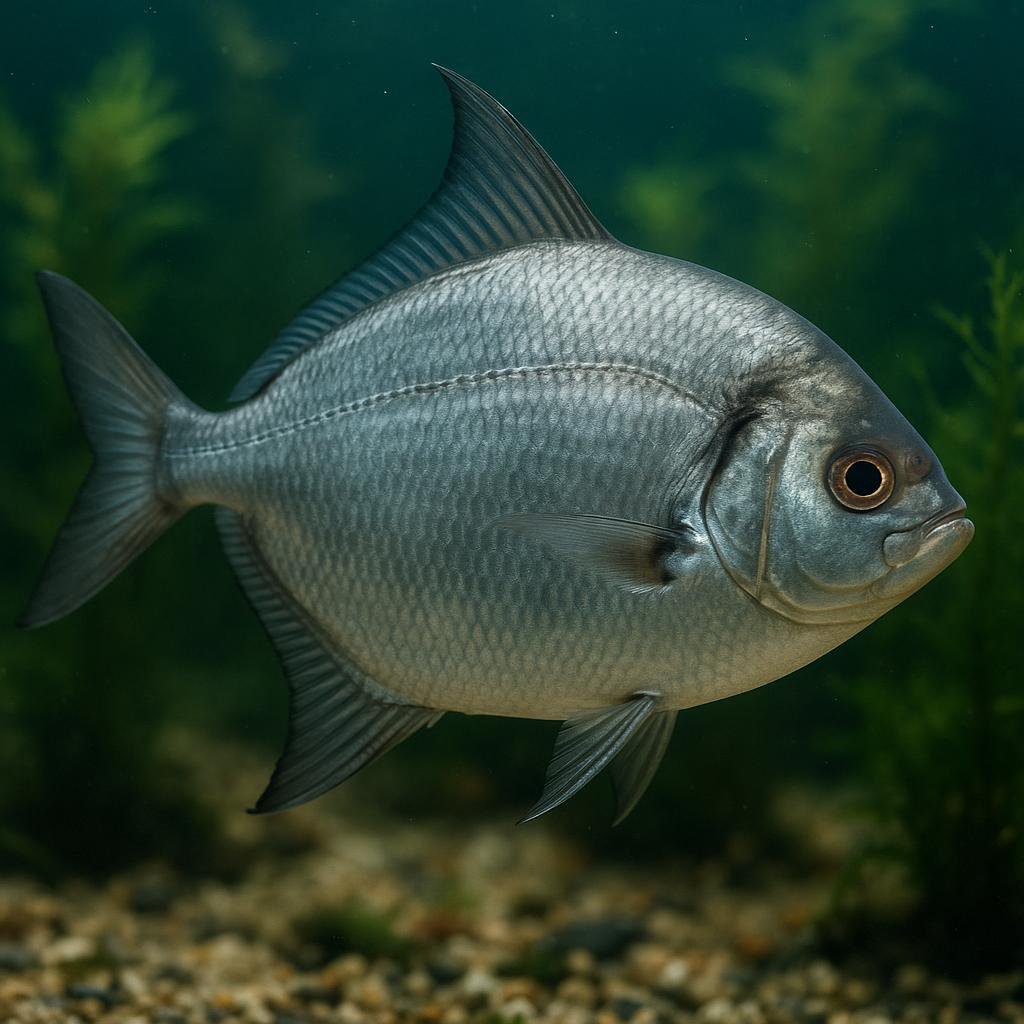
Brama brama is the Atlantic pomfret (aka Ray's bream) - a deep-bodied, open-ocean pelagic fish that cruises around in small schools and follows water temps. It is a legit big, wild marine species (not an aquarium fish) that eats other small sea critters like fish and squid, and it ranges across a huge chunk of the Atlantic plus parts of the Indian and South Pacific.
Australian sawtail catshark
Figaro boardmani
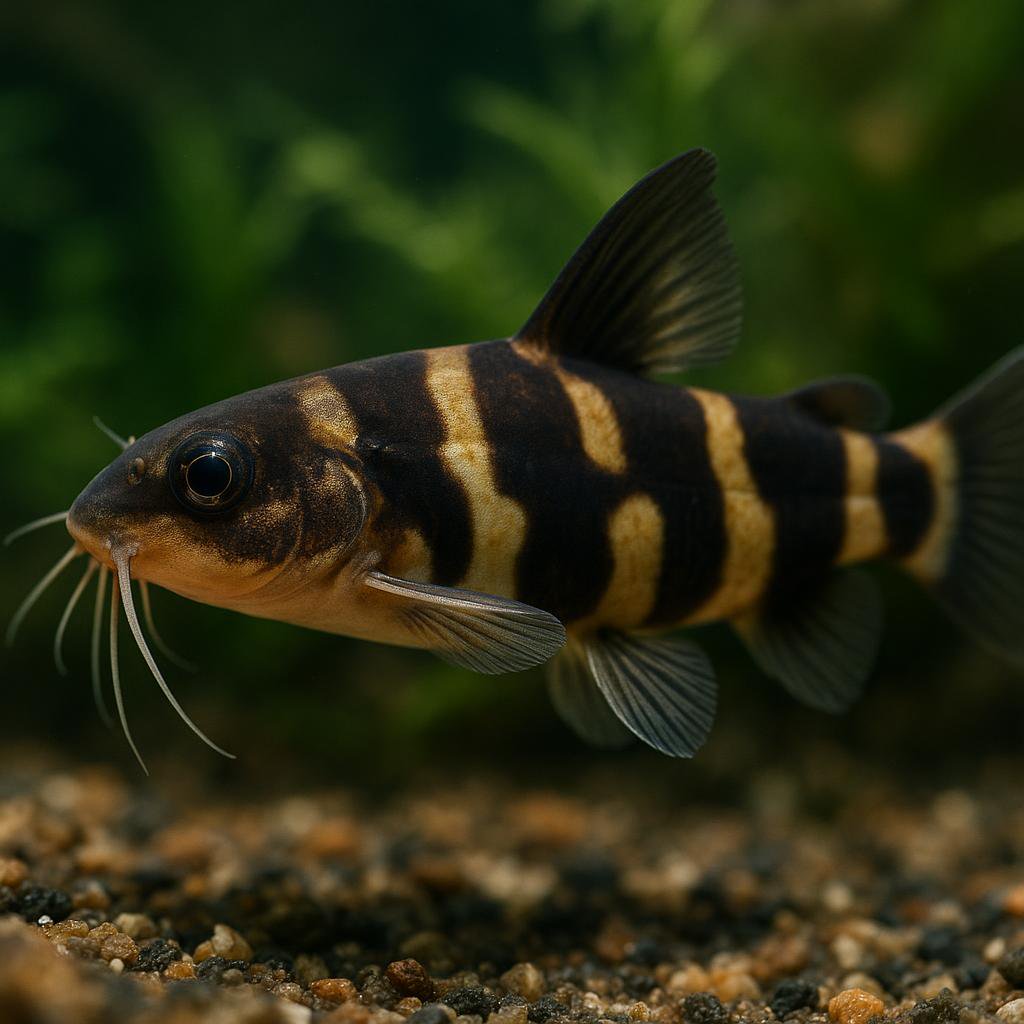
Figaro boardmani is a small, deepwater Australian catshark with these cool saw-like ridges of spiny denticles along the tail and a neat pattern of dark saddle bands. It lives way down on the outer continental shelf and slope, so its natural water is cold, dim, and stable - totally not a typical home-aquarium fish. Diet-wise its a predator that goes after fish, crustaceans, and cephalopods.
More to Explore
Discover more marine species.
Abe's eelpout
Japonolycodes abei
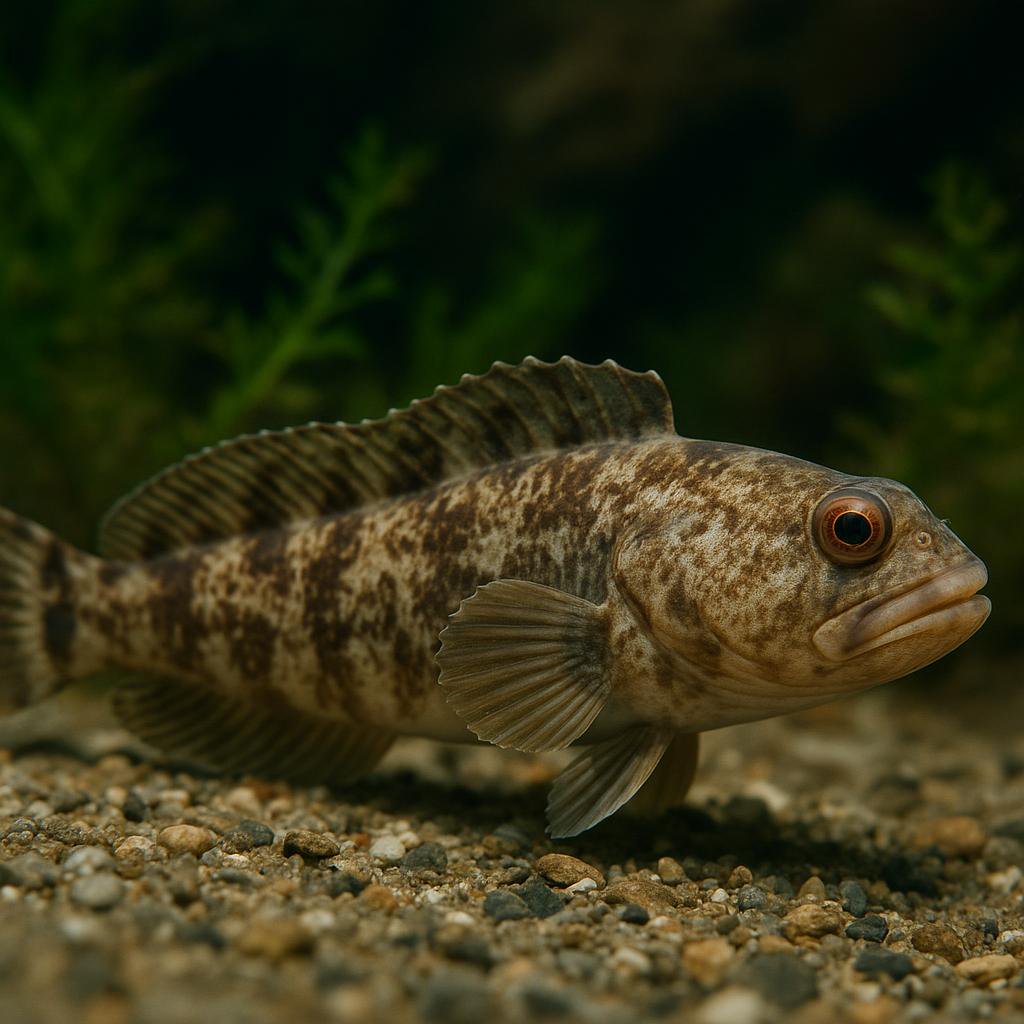
Japonolycodes abei is a temperate, deepwater demersal eelpout (family Zoarcidae) endemic to Japan (Kumano-nada Sea reported; other sources also report Sagami Bay and Tosa Bay). It is the only species in the genus Japonolycodes and occurs roughly 40-300 m depth, making it an uncommon/atypical aquarium species.
Affinis blind cusk-eel
Barathronus affinis
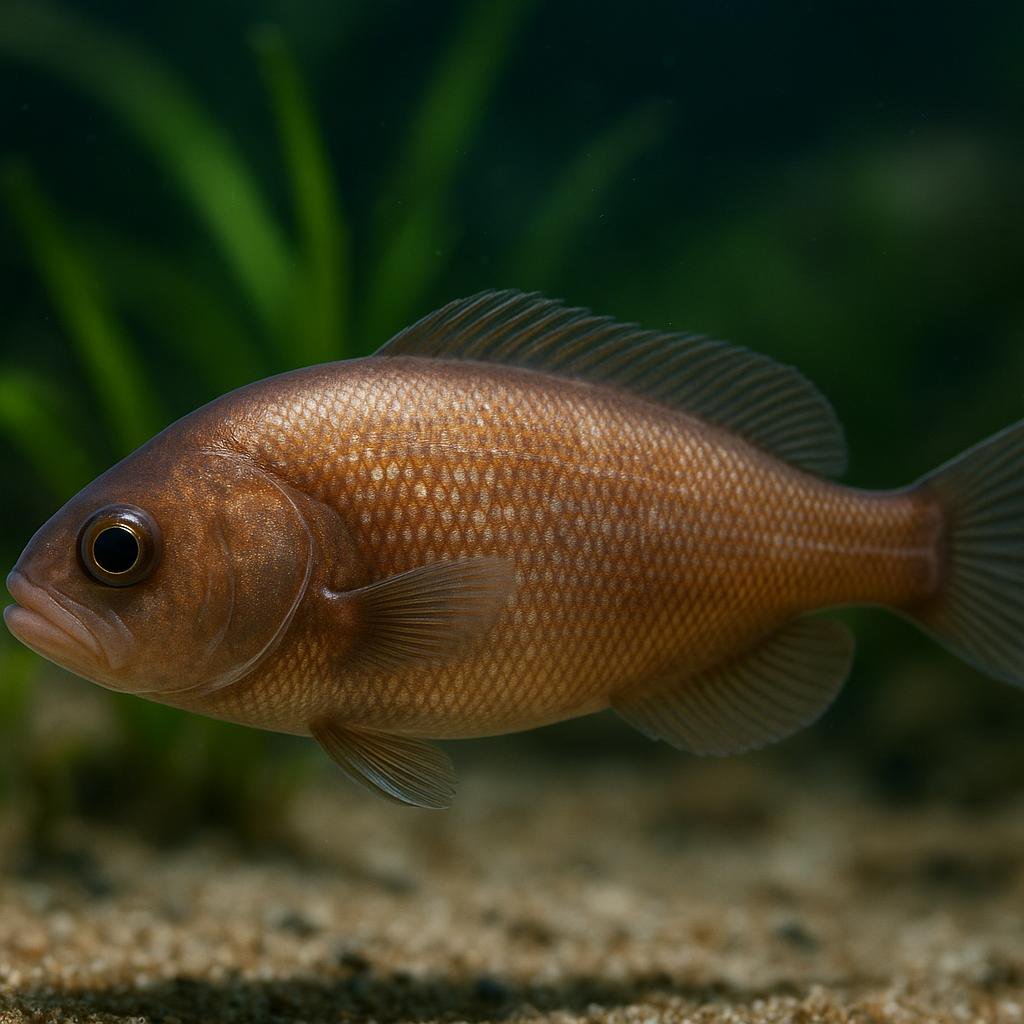
Barathronus affinis is a tiny, super-weird deep-sea blind cusk-eel from the western-central Indian Ocean. It is one of those gelatinous, loose-skinned brotula-type fishes that live way down in the dark and are basically never seen alive, so almost everything we know comes from preserved specimens and taxonomic work.
African red snapper
Lutjanus agennes
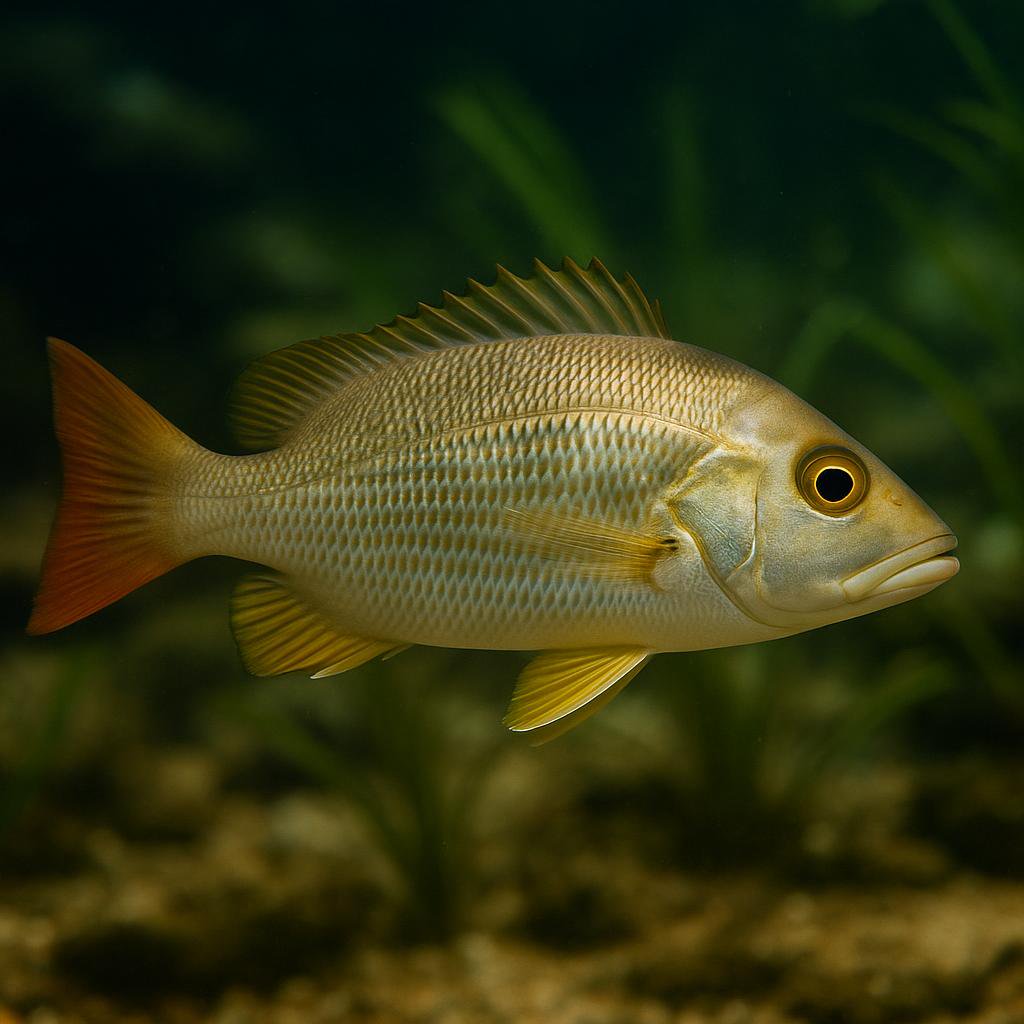
This is a true snapper from West Africa - a big, fast-growing predator that goes from coastal reefs to brackish lagoons and estuaries (especially as a juvenile). Super cool fish in the wild, but it gets absolutely huge and will eat smaller tankmates once it has the mouth for it, so its really more of a public-aquarium scale animal than a home-aquarium fish.
Allis shad
Alosa alosa
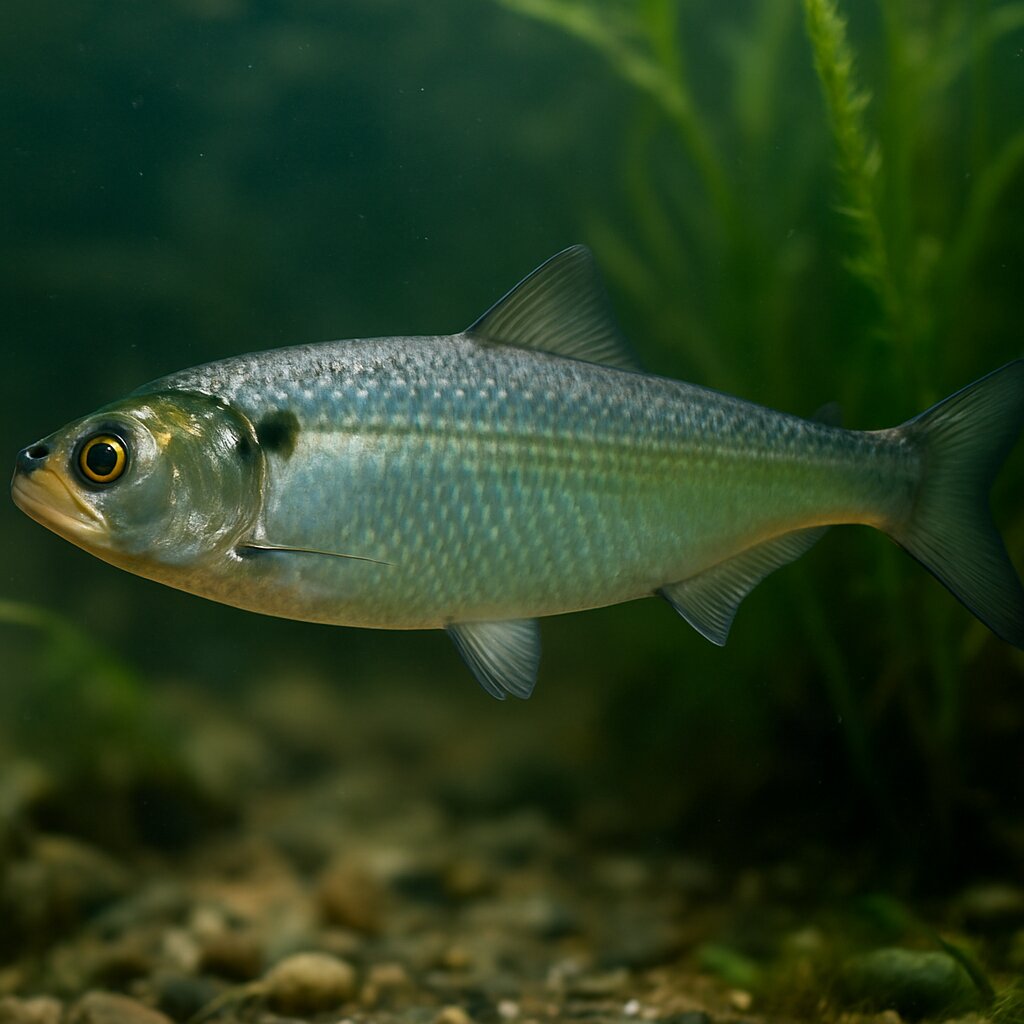
Gorgeous silver, fast-swimming shad that spends most of its life in the sea and then surges up big rivers in noisy, surface-spawning schools. It grows huge for a herring-type fish and needs cool, ultra-oxygenated water and tons of open space, so it is a public-aquarium species rather than a home tank fish.
Annandale's zebra sole
Zebrias annandalei
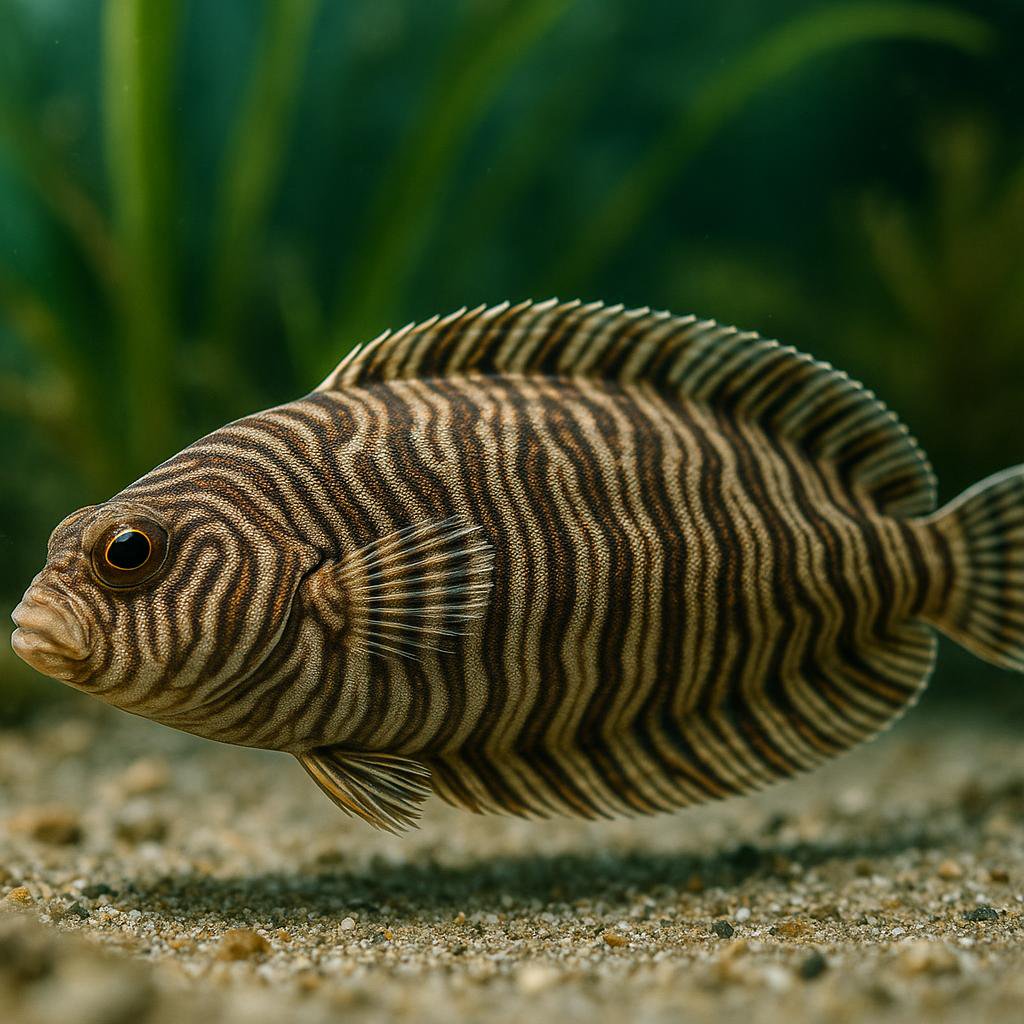
Zebrias annandalei is a small demersal sole from coastal India that inhabits sandy or muddy bottoms and buries for camouflage. It is rarely kept in home aquaria and would require a specialized marine sand-bottom setup and appropriate feeding.
Banded stargazer
Kathetostoma binigrasella
This is a New Zealand stargazer that lives half-buried in sand or mud with its eyes pointed up, waiting to rocket upward and nail passing prey. It has those neat dark saddle-bands across the back (especially as a juvenile), and like other stargazers it is venomous with spines near the gill cover/pectoral area - definitely a look-dont-touch fish.
Looking for other species?