

Search Species
Search for fish species by common or scientific name, or use filters to browse by water type, size, temperament, and difficulty.
Found 337 species
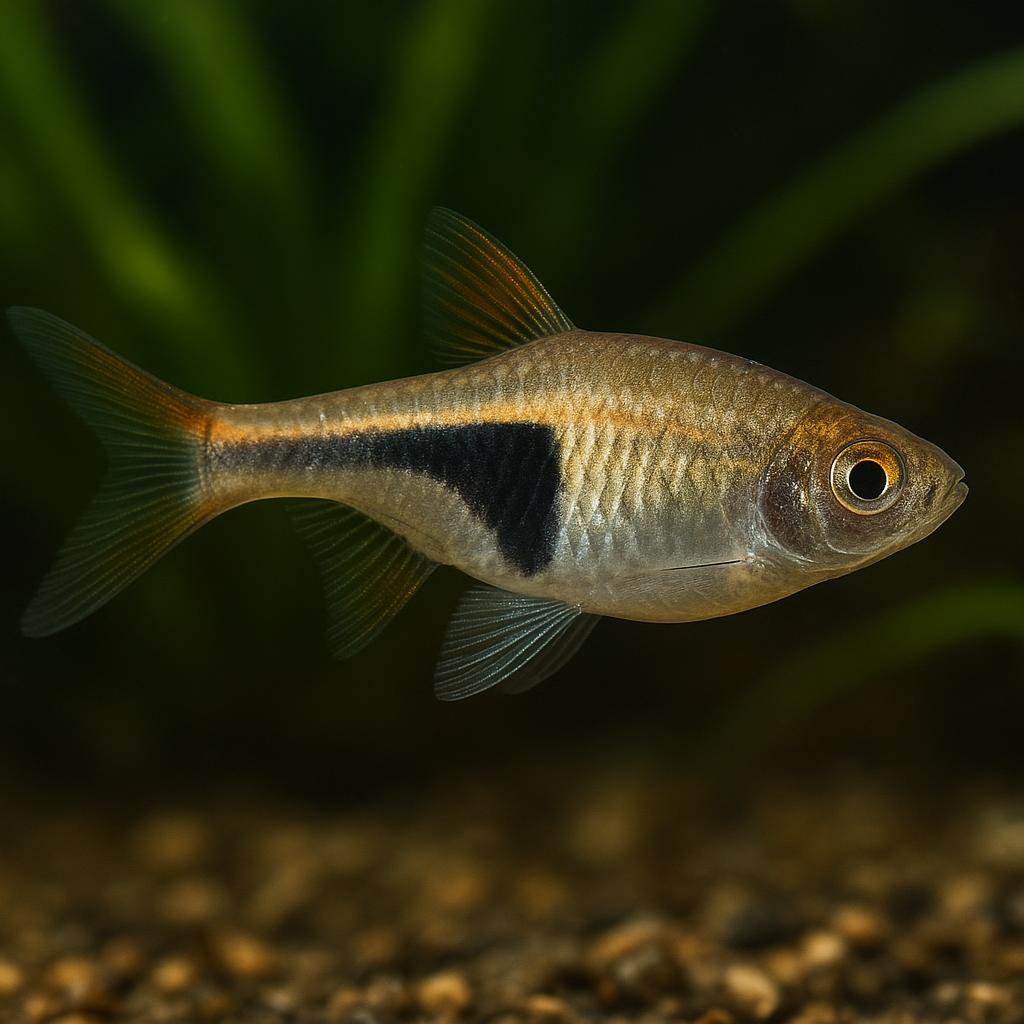
Glowlight rasbora
Trigonostigma hengeli
This is the little "orange neon line + tiny black wedge" rasbora that absolutely glows when you keep it over a dark substrate with plants and a bit of tannin-stained water. The best part is how tight they school-get a decent group and they move like one fish, super calming to watch.
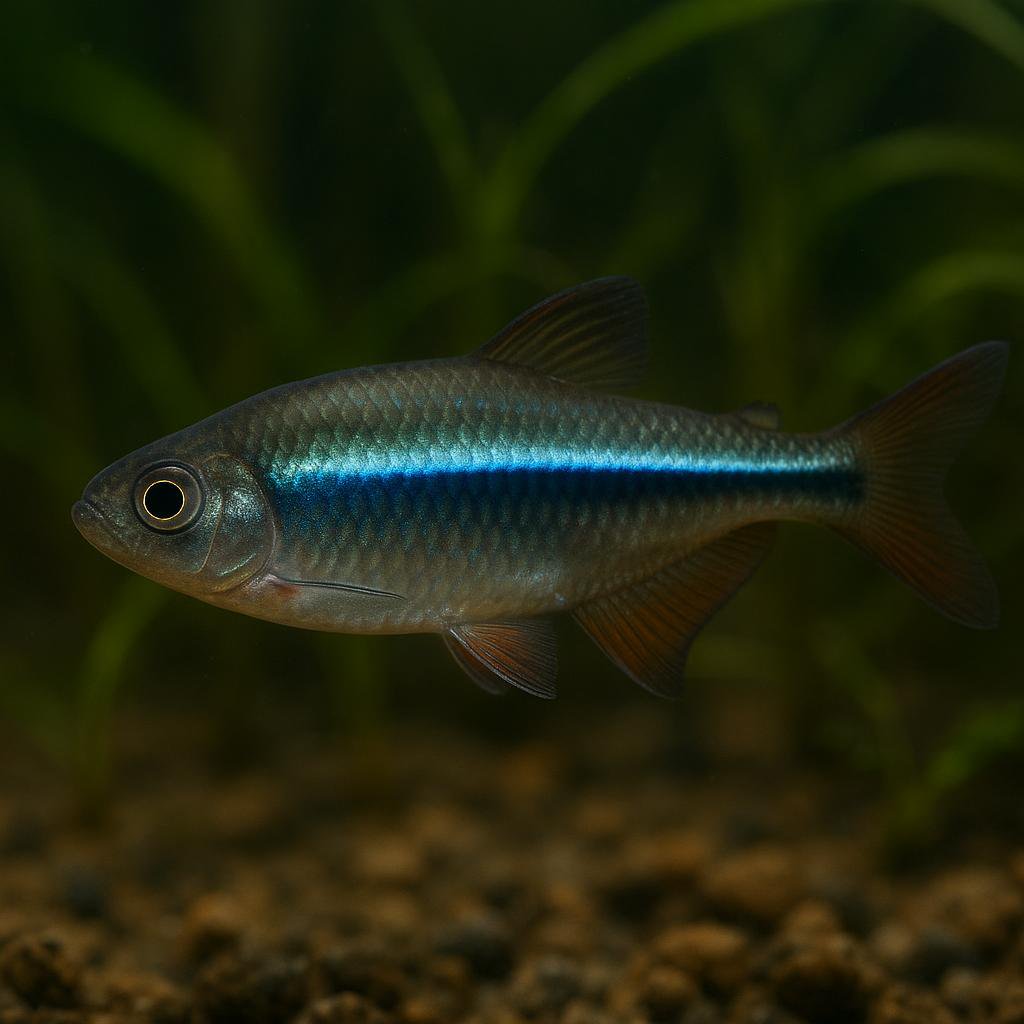
Glow Light Tetra
Hemigrammus erythrozonus
The Glowlight Tetra (Hemigrammus erythrozonus) is a small, peaceful South American schooling tetra with a translucent silvery body and a distinctive iridescent orange-red stripe running from the snout to the base of the tail.
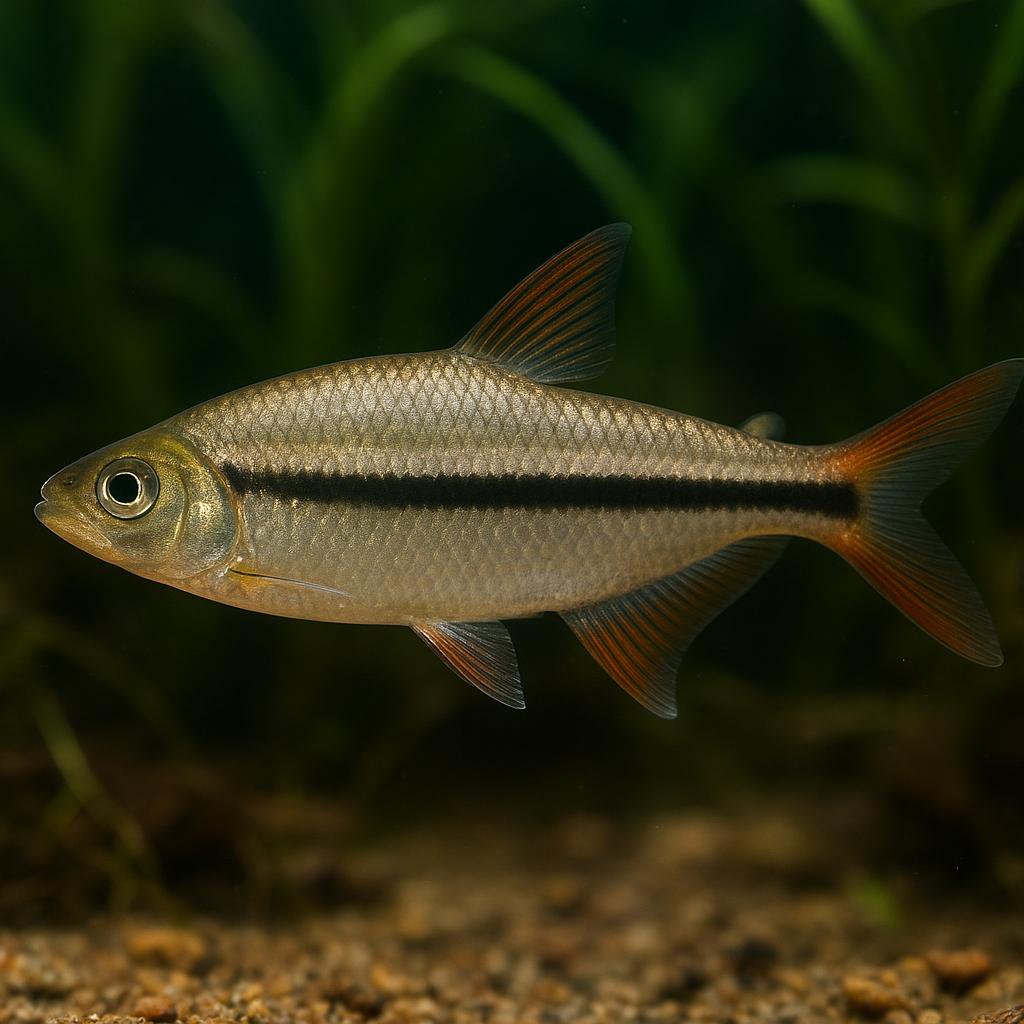
Goeldi's hemiodus
Hemiodus goeldii
Hemiodus goeldii is one of those sleek, torpedo-shaped South American schooling characins that really looks best when you keep a proper group and give them lots of open swimming room. They can be a bit stressy and skittish if cramped or kept singly, but in a calm, oxygen-rich setup they turn into constant, graceful motion - and theyre often mixed up with similar Hemiodus species in the trade.
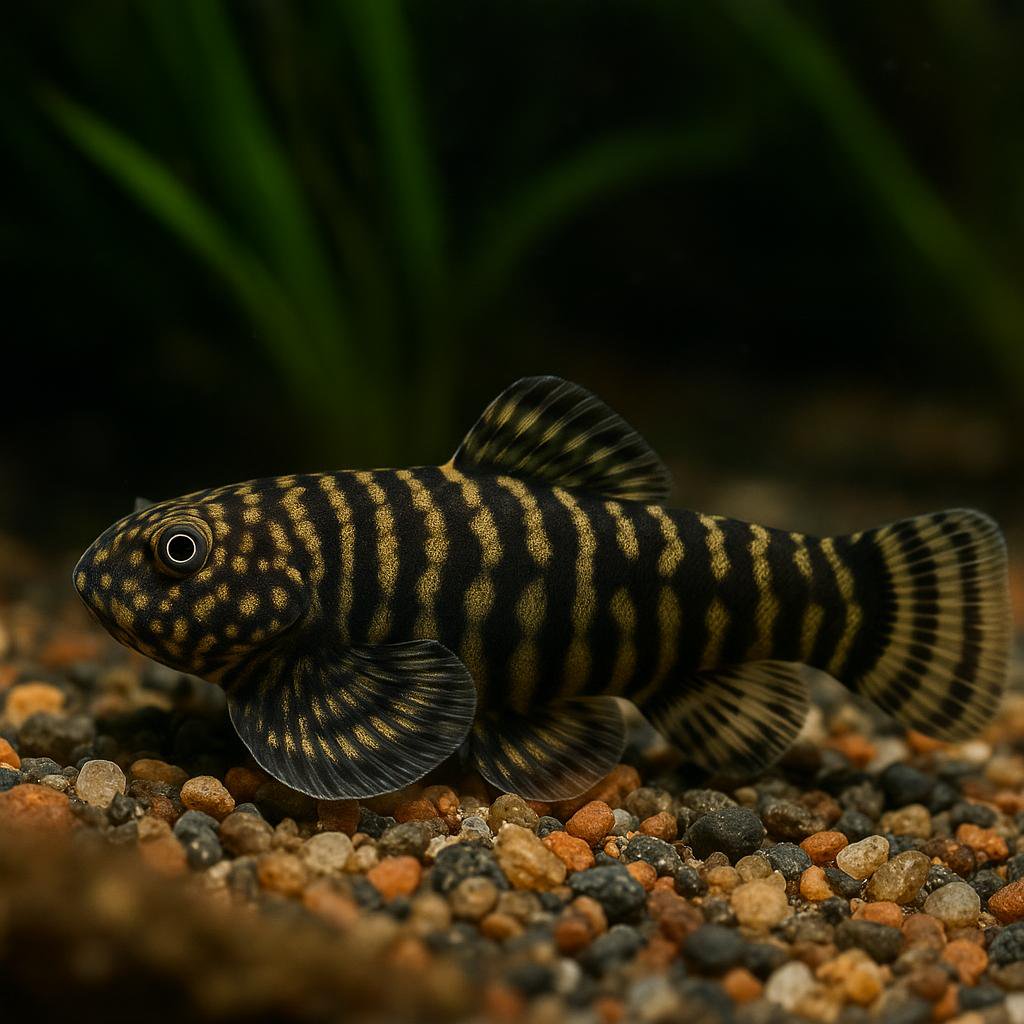
Gold-black Borneo sucker
Gastromyzon auronigrus
This is one of the Borneo hillstream loaches that lives plastered to rocks in fast, oxygen-rich streams, using its belly and fins like a suction cup. The wild coloration is a really sharp black base with thin gold bars, so it looks like a little living racing stripe when it scoots around grazing biofilm on stones.
Golden otocinclus
Otocinclus affinis
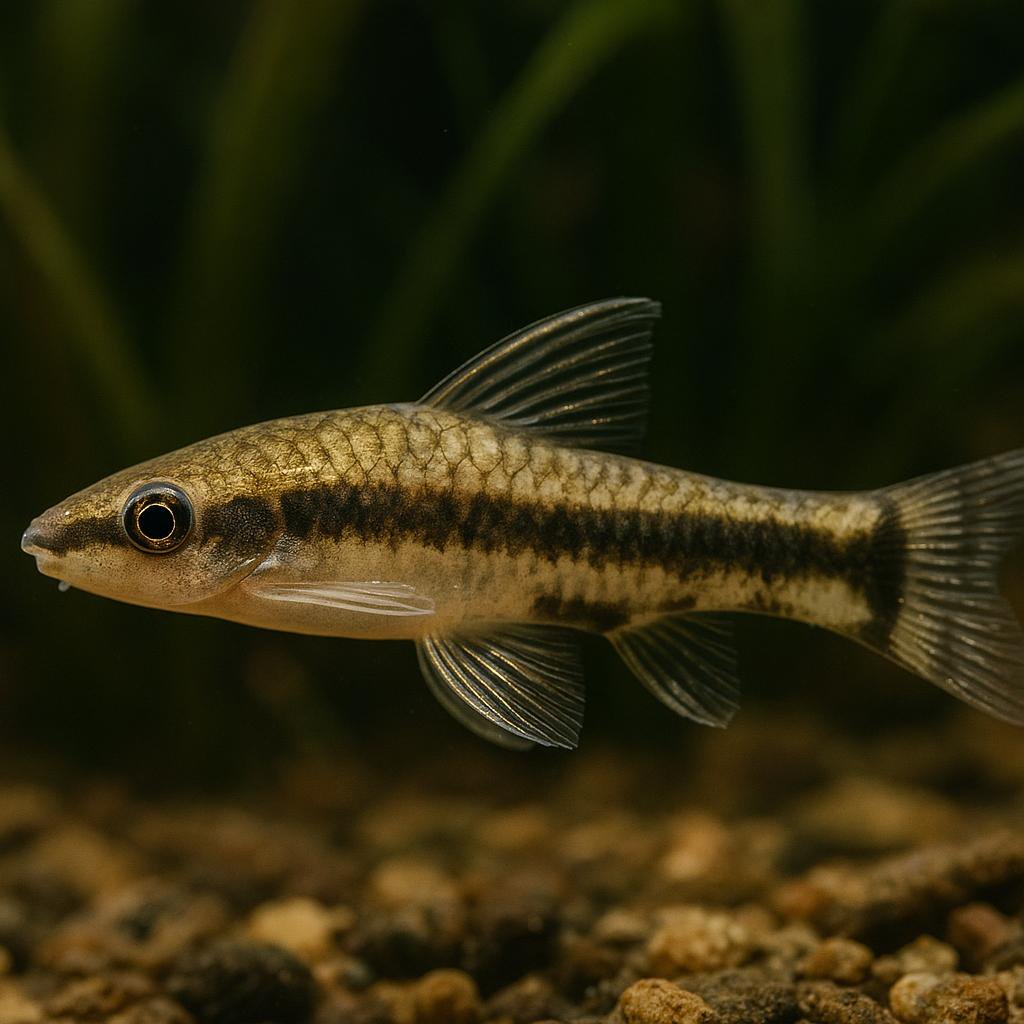
Otocinclus affinis is a small South American suckermouth catfish prized for grazing soft algae and biofilm on plants, glass, and décor. It has a slender body with a dark lateral stripe and a pale underside, and it is best kept in groups where it feels secure. Although peaceful, it can be delicate when newly imported and does best in mature, well-oxygenated aquariums with plenty of natural growth to graze.
Golden pencilfish
Nannostomus beckfordi
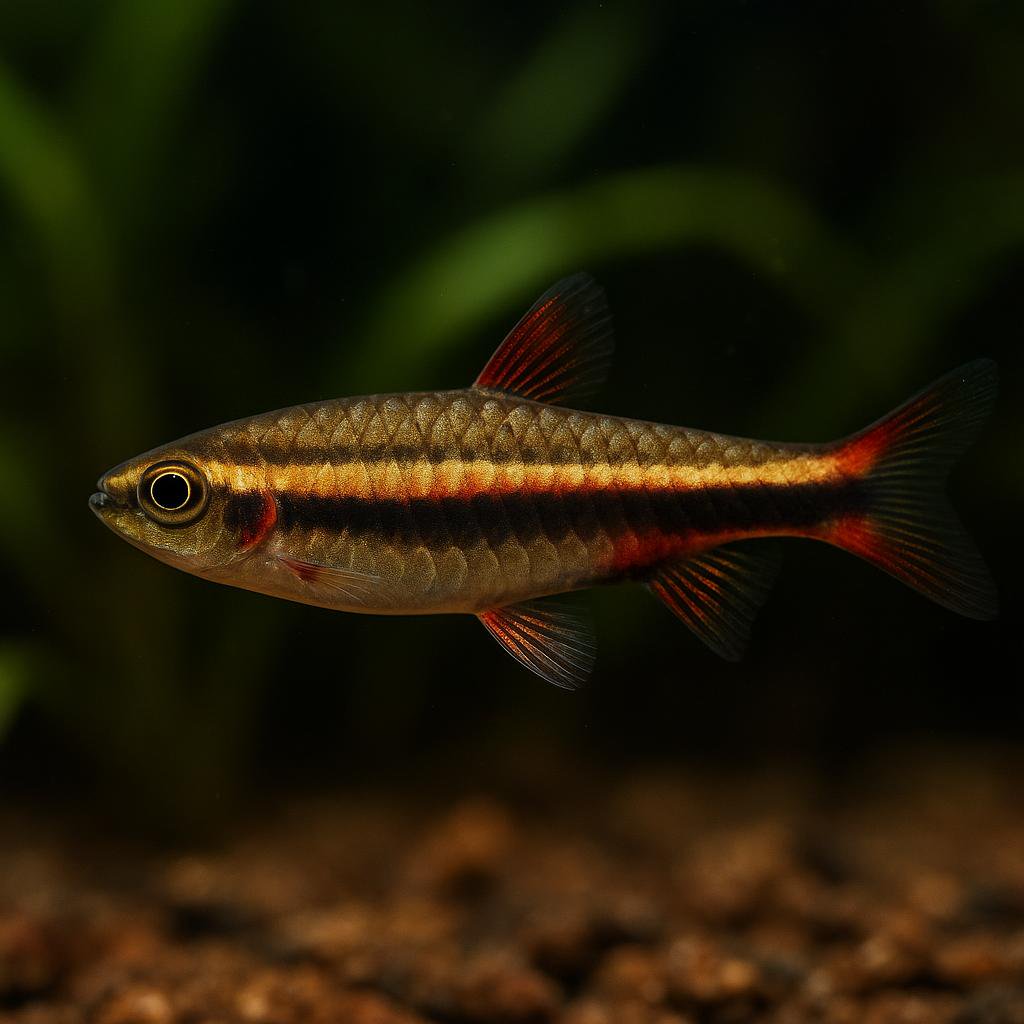
Beckford's pencilfish is that sleek little "stick with fins" that likes to hang in the upper half of the tank at a slight angle and flash a crisp dark stripe. Keep a proper group and you'll see males do these tiny sparring/display moments (no real damage) and the whole school just looks super classy over dark substrate and plants.
Golden spiny eel
Macrognathus aureus
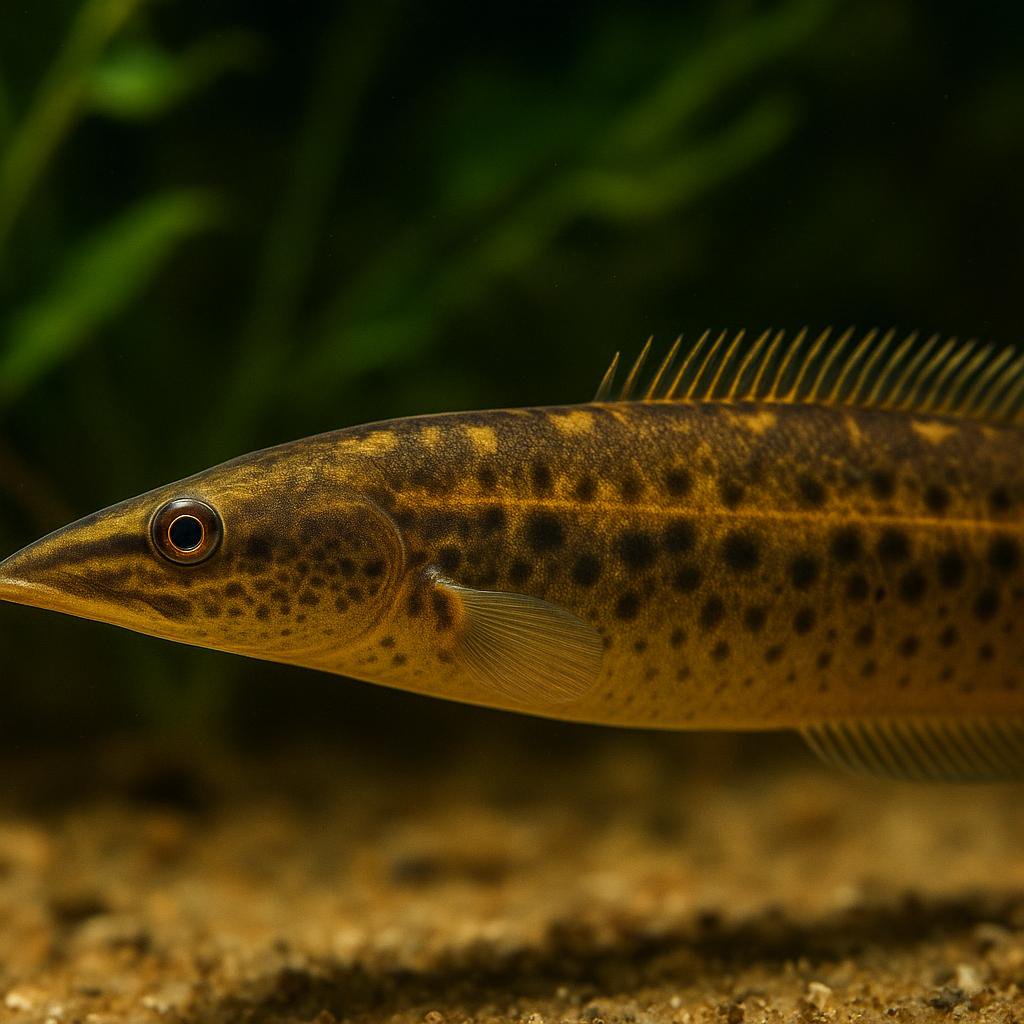
This is a Myanmar spiny eel with those bold, white-edged dark blotches running along the back and sides - it looks like someone hand-painted it. Like most Macrognathus, it is a shy, burrowing little noodle that comes alive at dusk and will absolutely make you fall in love once it starts taking worms from tongs.
Goldfish
Carassius auratus
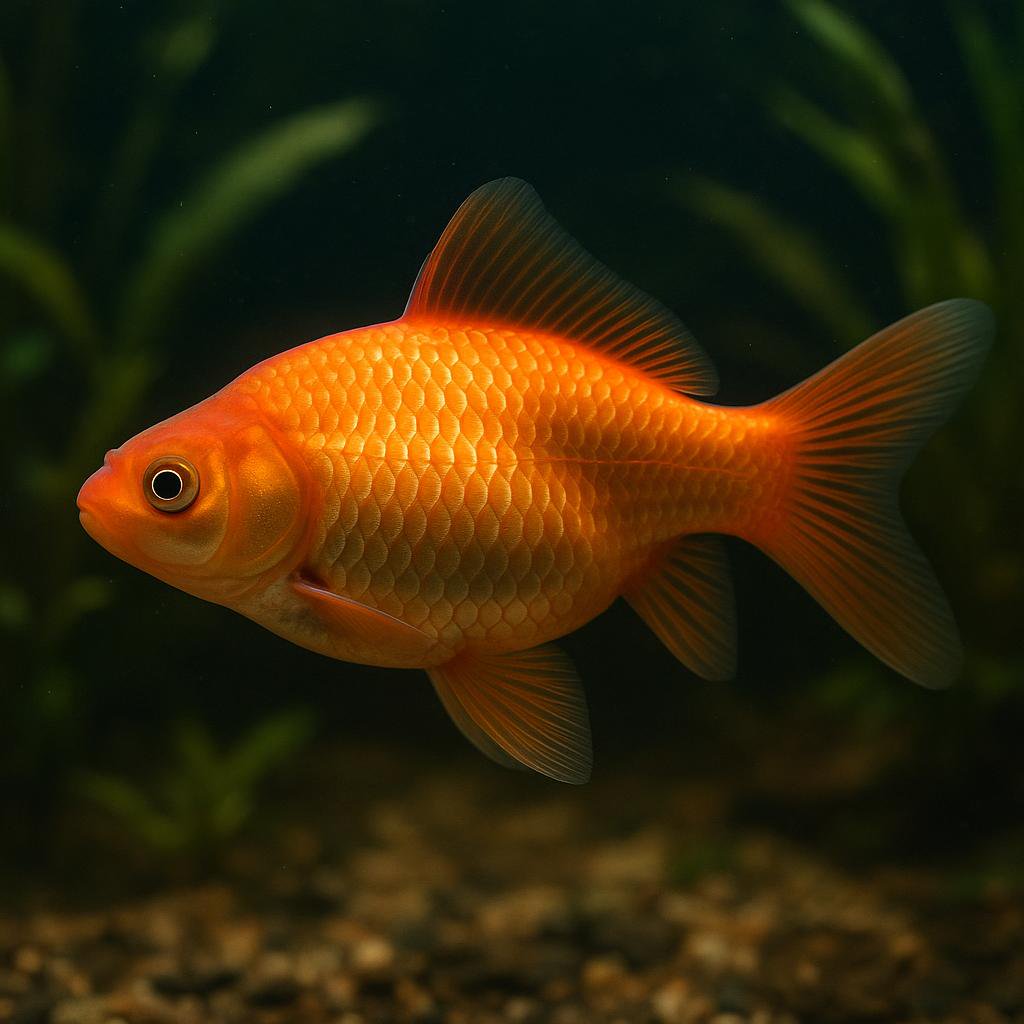
Goldfish are one of the most popular and recognizable freshwater fish in the aquarium hobby. They are known for their golden-orange coloration, although they can also appear in red, white, yellow, and black. Goldfish are highly adaptable and can thrive in a variety of conditions, making them a favorite among beginners.
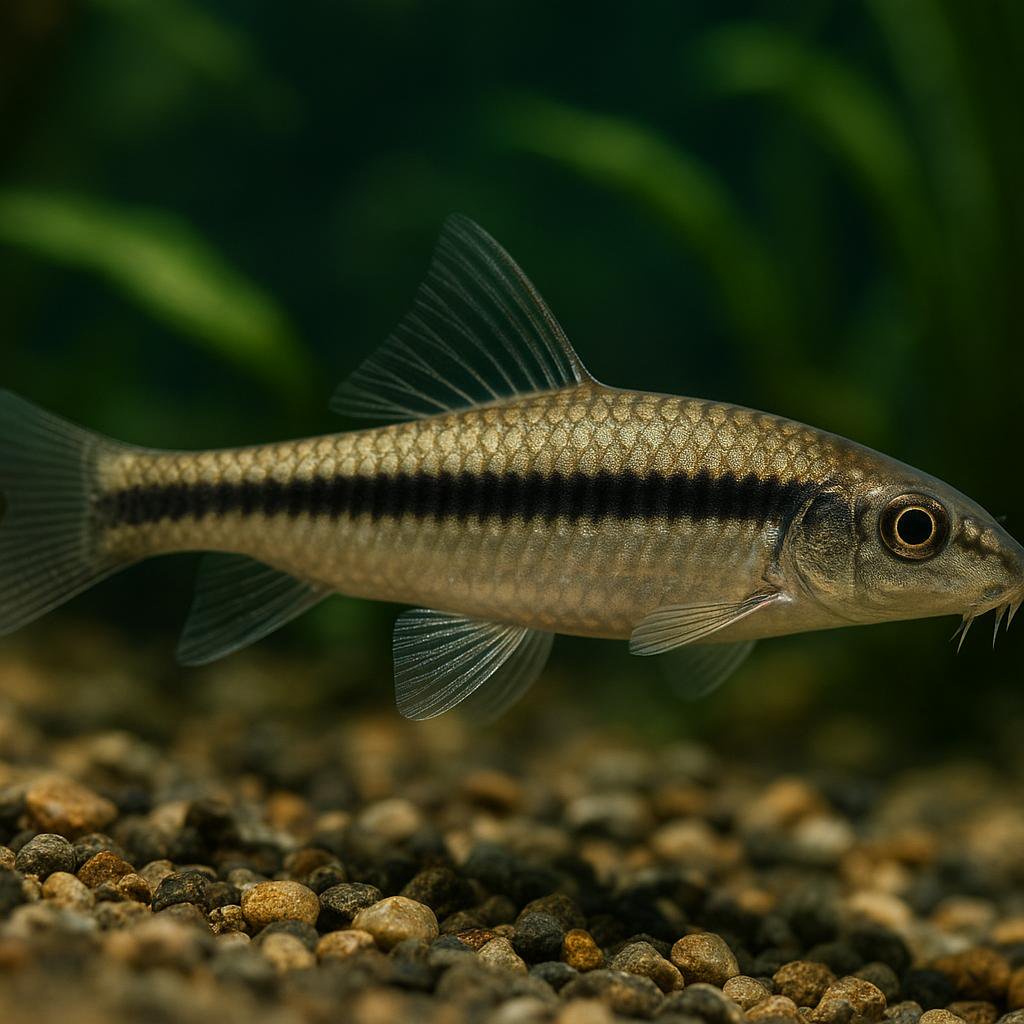
Goldstriped flying fox
Crossocheilus cobitis
Crossocheilus cobitis is one of those true river fish that spends its day cruising and grazing - algae, periphyton, and whatever micro-stuff it can rasp off hard surfaces. It gets a decent adult size (around 15 cm/6 in) and really appreciates a long, current-y tank with tons of oxygen and clean water. Also, it is a species that can be mixed up in the trade with other similar Crossocheilus, so ID matters.
Goulding's lampeye
Fluviphylax gouldingi
This is one of those truly tiny Rio Negro blackwater lampeyes - like, adult size is basically the length of a grain of rice. In the right light you can catch a little orange blotch on the face, and males have a neat filament on the pelvic fin. They do best in a calm, heavily planted (or leaf-litter) setup where micro-food is always available.
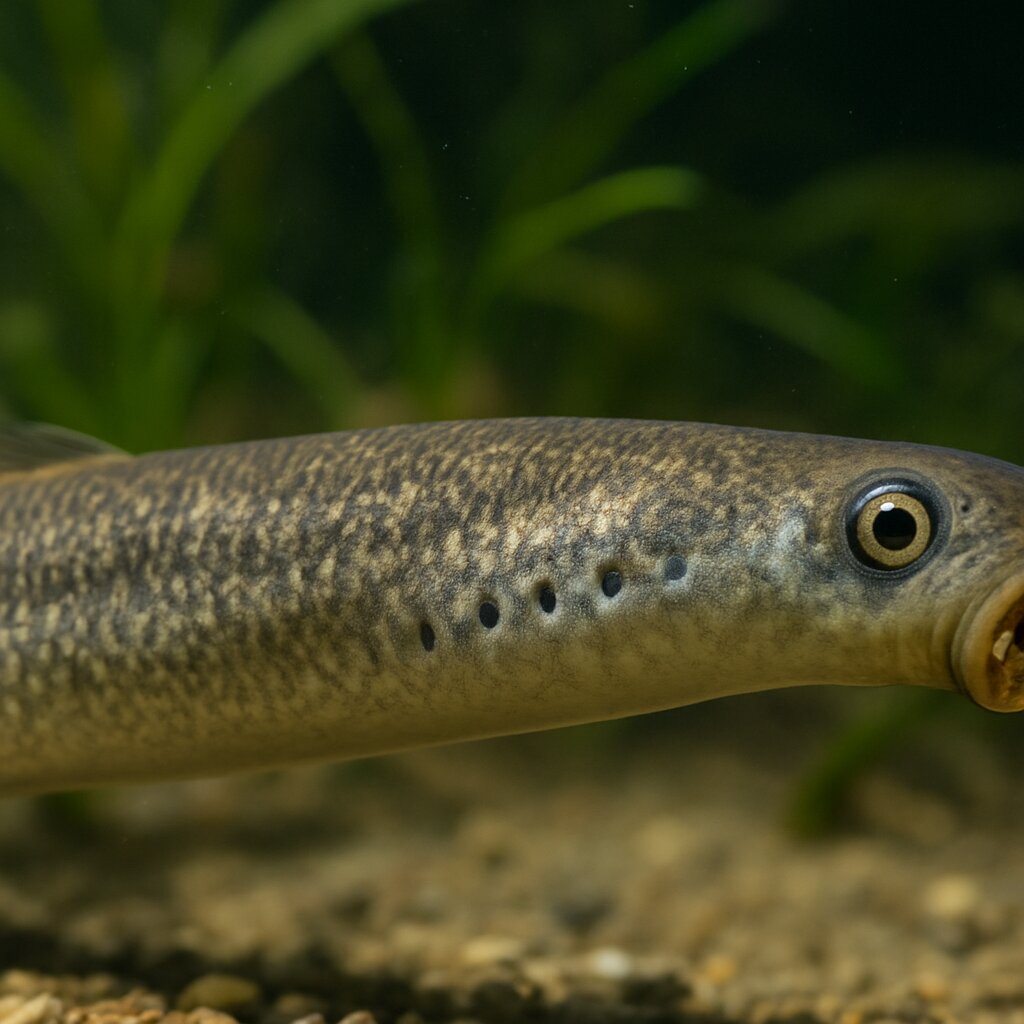
Greek lamprey
Caspiomyzon hellenicus
Wild little jawless oddball from cool Greek spring-fed streams. Larvae live buried in sand filtering microscopic food for years, then transform into short-lived, non-feeding adults that spawn and fade out. Super neat biology, but not a practical aquarium fish at all.
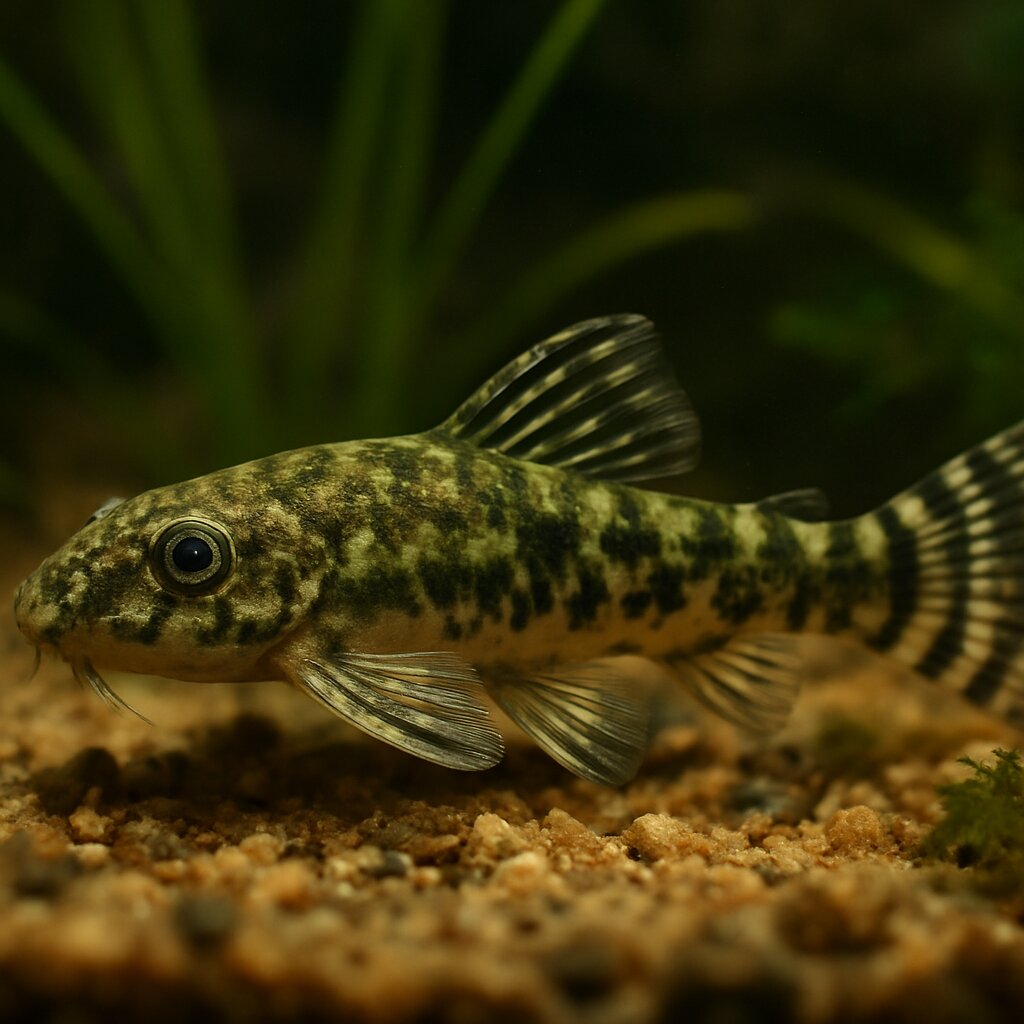
Green Uruguay Dwarf Pleco
Hisonotus ringueleti
A tiny, green-tinged sucker cat from the Uruguay River, Hisonotus ringueleti stays truly bite-sized and spends its day grazing leaves and glass. Give it cool, clean, well-oxygenated water and a planted tank with plenty of biofilm and it will cruise around in a group like little leaf-hoppers.