

Goldfish
Carassius auratus
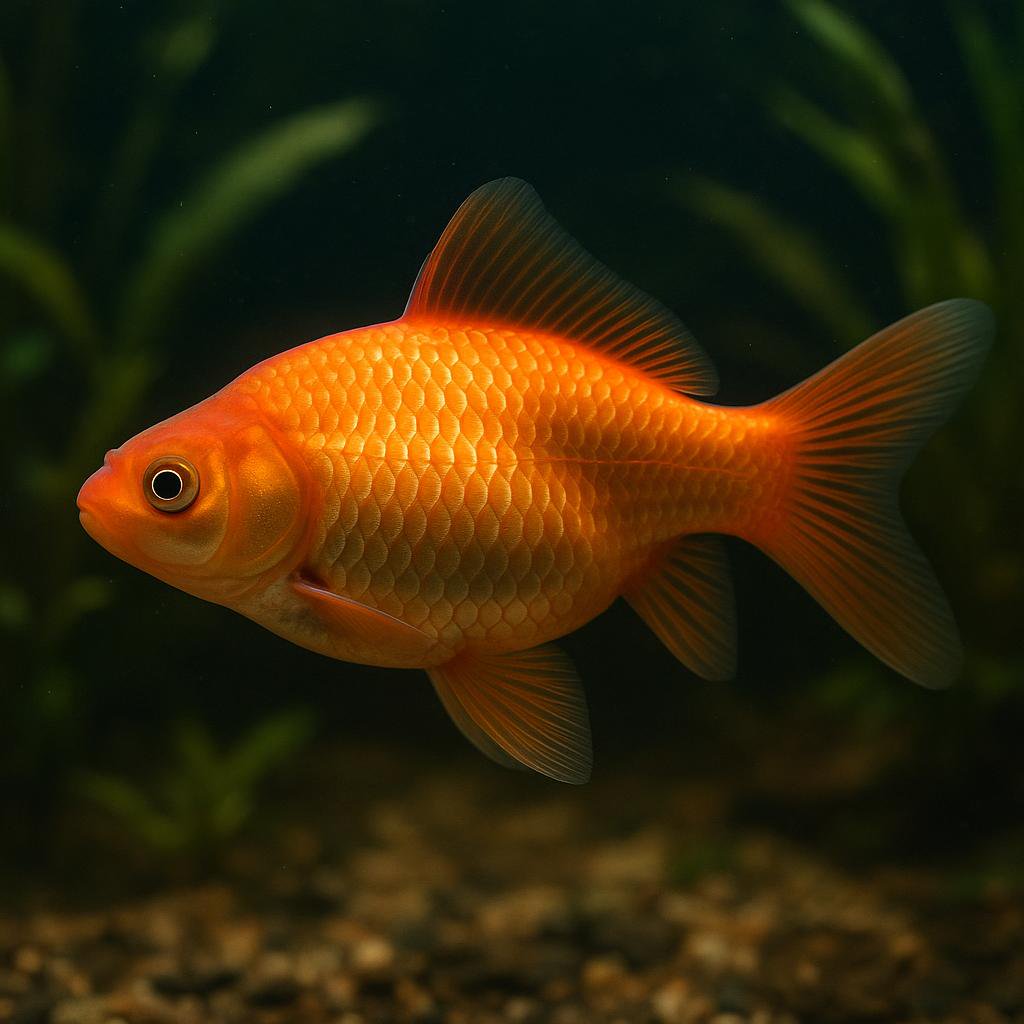
Goldfish exhibit a variety of colors, including orange, white, and black, with long flowing fins and a rounded, bulbous body shape.
This page includes AI-generated images. Why am I seeing AI images?
About the Goldfish
Goldfish are one of the most popular and recognizable freshwater fish in the aquarium hobby. They are known for their golden-orange coloration, although they can also appear in red, white, yellow, and black. Goldfish are highly adaptable and can thrive in a variety of conditions, making them a favorite among beginners.
Quick Facts
Size
18 inches
Temperament
Peaceful
Difficulty
Beginner
Min Tank Size
20 gallons
Lifespan
10-30+ years
Origin
East Asia
Diet
Omnivore - flakes, pellets, vegetables
Care Notes
- Goldfish require a spacious tank of at least 20 gallons for a single fish, with an additional 10 gallons for each additional fish, to accommodate their growth and energetic swimming habits.
- Maintain clean water with a filtration system, as goldfish produce a significant amount of waste; perform weekly water changes of around 20-30% to keep the ammonia and nitrite levels low.
- Goldfish are omnivores and thrive on a varied diet of high-quality pellets or flakes, supplemented with occasional treats of vegetables like peas and spinach, and protein sources such as brine shrimp or bloodworms.
- They are social creatures that enjoy the company of their kind; keep them with other goldfish of similar size to prevent bullying and stress, but avoid housing them with tropical species that require higher temperatures.
- Goldfish are cool-water fish; typical aquarium guidance places them around 65-75°F (18-24°C), though some sources note different optimal ranges by variety (e.g., fancy goldfish warmer than comets). pH is generally not critical if stable; commonly cited acceptable ranges include about 6.5-7.5 or broader, with many guides recommending roughly 7.0-8.4.
- Watch for common health issues such as swim bladder disease, fin rot, and ich; early detection and appropriate treatment are crucial to prevent severe health deterioration.
- Goldfish have long lifespans, sometimes exceeding 10 years; commitment to proper care and regular monitoring is essential to ensure a healthy and vibrant life.
Compatibility
Good Tankmates
- Other goldfish varieties (best with similar size and similar swimming ability; avoid mixing very fast single-tails with slow fancy types in small tanks)
- Bottom-dwelling fish such as dojo loaches
- Snails like nerite or mystery snails
- Rosy barbs, which can tolerate cooler water temperatures
Avoid
- White cloud mountain minnows (often too small; may be eaten by adult goldfish)
- Tropical fish requiring warmer water like guppies and neon tetras
- Aggressive or semi-aggressive fish like cichlids
- Fin-nipping fish such as tiger barbs
- Long-finned or slow-moving fish like bettas
Habitat and Natural Environment
Goldfish (Carassius auratus) are a domesticated version of a wild Asian carp species. In their natural environment, they are found in slow-moving, freshwater bodies such as ponds, rivers, and lakes.
Goldfish prefer environments with abundant plant life and plenty of hiding spots.
Tank Setup Requirements
A proper tank setup is crucial for the health and wellbeing of Goldfish. They require a spacious tank to accommodate their potential growth.
- Minimum tank size: 20 gallons for one Goldfish
- Water temperature: 65-75°F (18-24°C)
- Water pH: 7.0-8.0
- Substrate: Fine gravel or sand
- Filtration: Strong, efficient filter to maintain water quality
Goldfish produce a significant amount of waste, making regular water changes essential.
Feeding and Diet
Goldfish are omnivorous and thrive on a varied diet that includes high-quality pellets or flakes, supplemented with live, frozen, or freeze-dried foods such as brine shrimp or bloodworms.
Avoid overfeeding as it can lead to water quality issues and health problems in Goldfish.
Behavior and Temperament
Goldfish are known for their peaceful and social nature. They are generally friendly and can be housed with other non-aggressive species.
- Behavior: Active and curious
- Temperament: Calm and social
- Compatibility: Can live with other peaceful fish species
Goldfish enjoy exploring their environment and appreciate tanks with a variety of plants and decorations.
Breeding
With the right conditions, Goldfish can be bred in home aquariums. Successful breeding often requires preparation and monitoring.
- Spawning condition: Males chase females, which lay eggs
- Egg care: Remove parents after spawning to prevent them from eating the eggs
- Fry care: Provide small live or powdered foods
To encourage breeding, simulate spring conditions with gradual temperature increases and diet enhancements.
Health and Common Issues
Goldfish are generally hardy, but they can suffer from common freshwater fish diseases. Maintaining good water quality and a balanced diet is key to preventing health issues.
- Swim bladder disorder
- Ich (white spot disease)
- Fin rot
- Fungal infections
Always quarantine new fish before adding them to your main tank to prevent the introduction of diseases.
Similar Species
Other freshwater peaceful species you might be interested in.
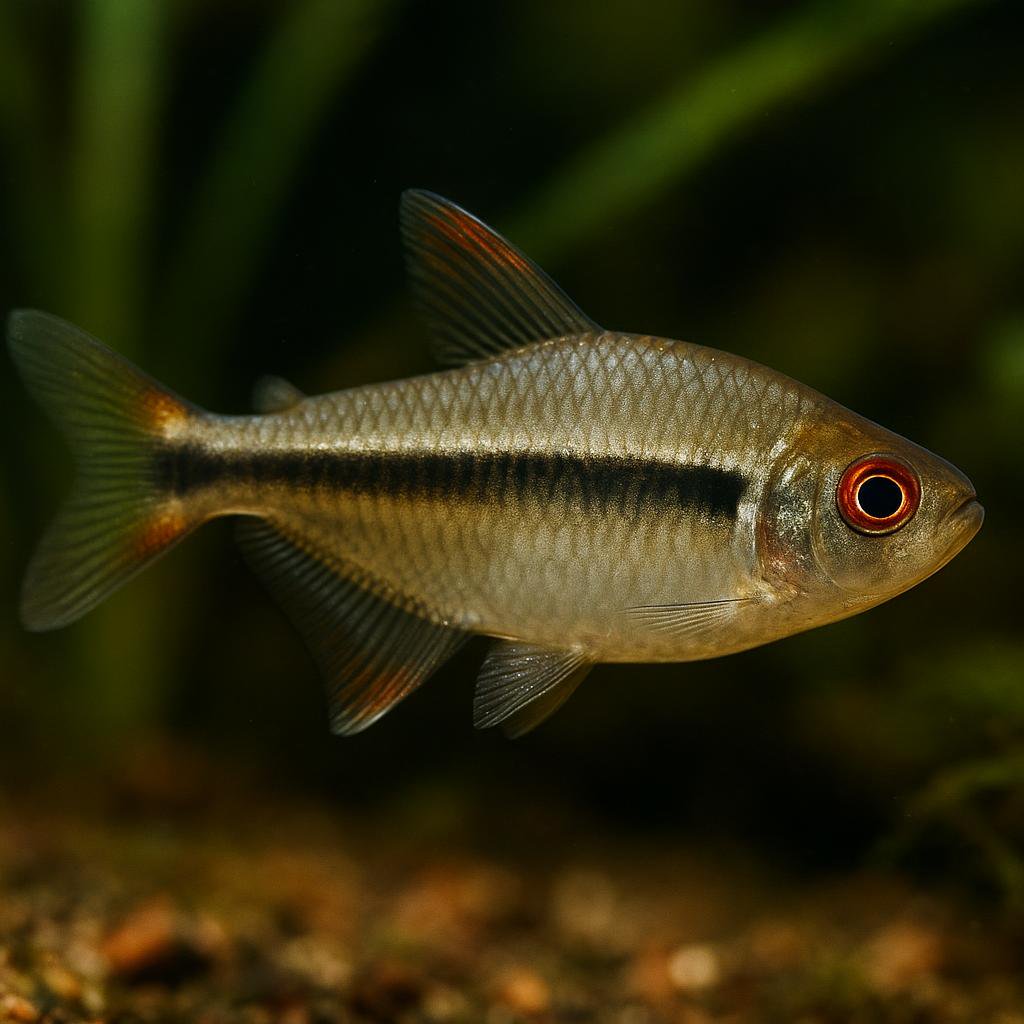
Amapa tetra
Hyphessobrycon amapaensis
This is a tiny, super sleek little tetra with a clean red stripe down the side that really pops once its settled in. It does best in a planted, slightly tinted "creek-style" setup and looks way cooler when you keep a proper group so they school and flash that line together. If you can give it soft, slightly acidic water and a calm community, its an easy fish to fall for.
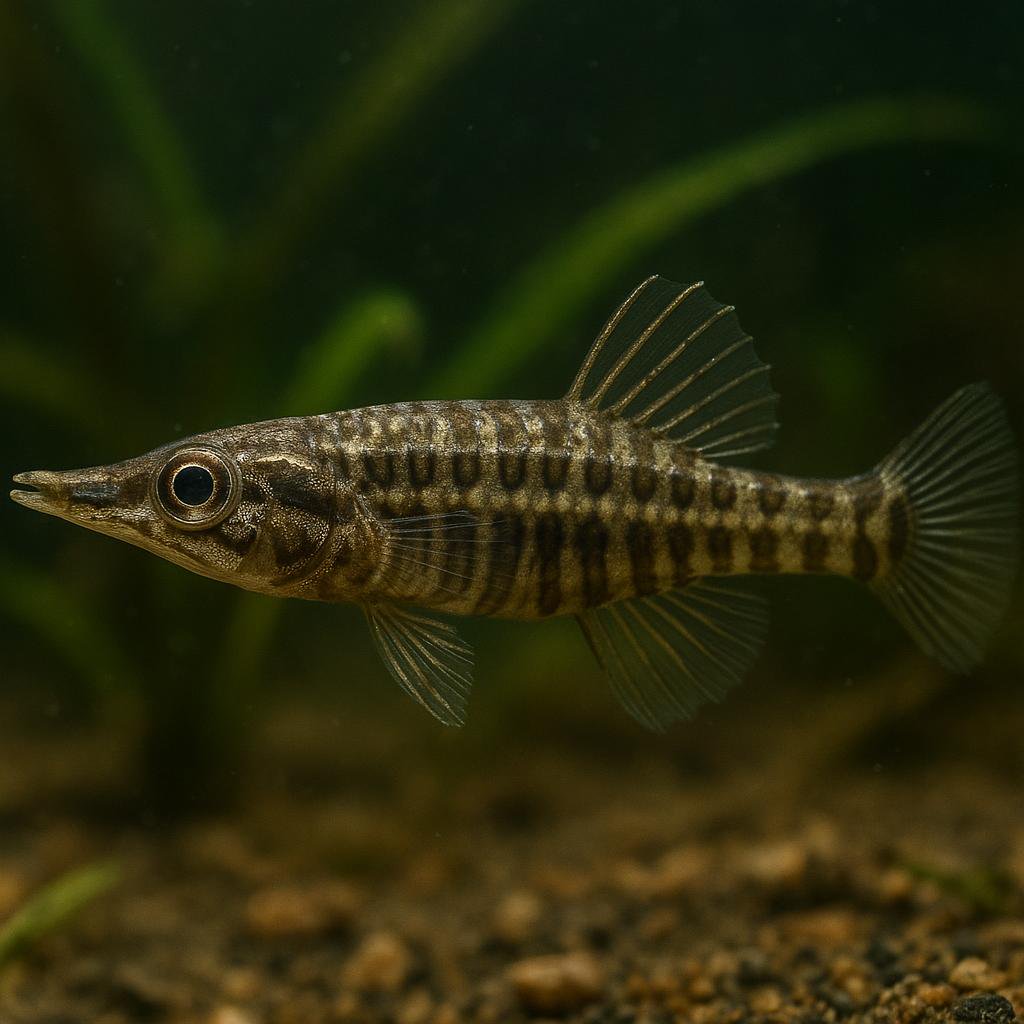
Armoured stickleback
Indostomus paradoxus
This is that goofy little "freshwater seahorse"-looking fish that just kind of perches and scoots around like a tiny armored twig. Its whole vibe is slow, sneaky micropredator - once its settled in, you will catch it stalking microfoods and doing these subtle little posture displays. The big trick is feeding: they do best when you can provide lots of small live foods in a calm, planted tank.
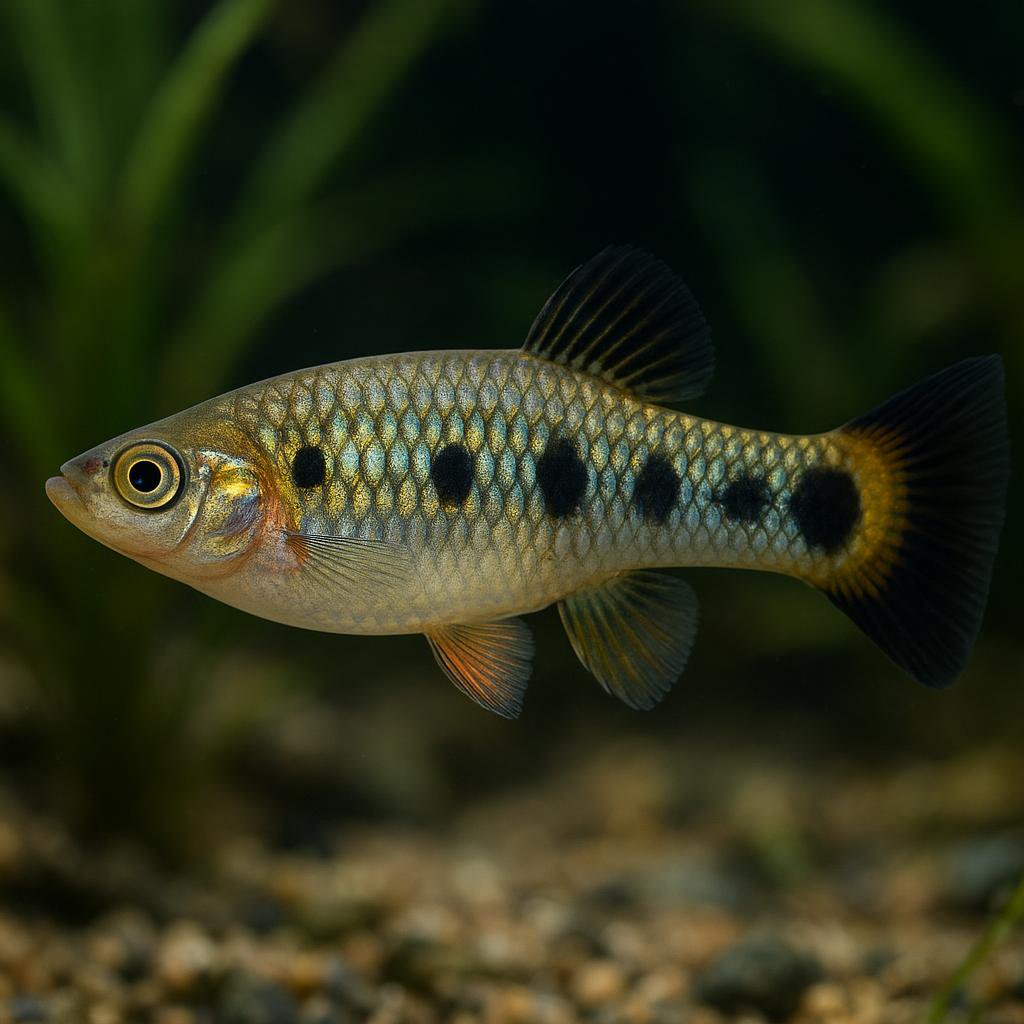
Bishop toothcarp
Brachyrhaphis episcopi
This is a tiny Panamanian livebearer that does best when you treat it more like a shy wild fish than a fancy guppy-lots of cover, calm vibes, and really clean water. The fun part is watching the males posture and spar while the females cruise around dropping fully-formed fry about once a month.
Black Neon Tetra
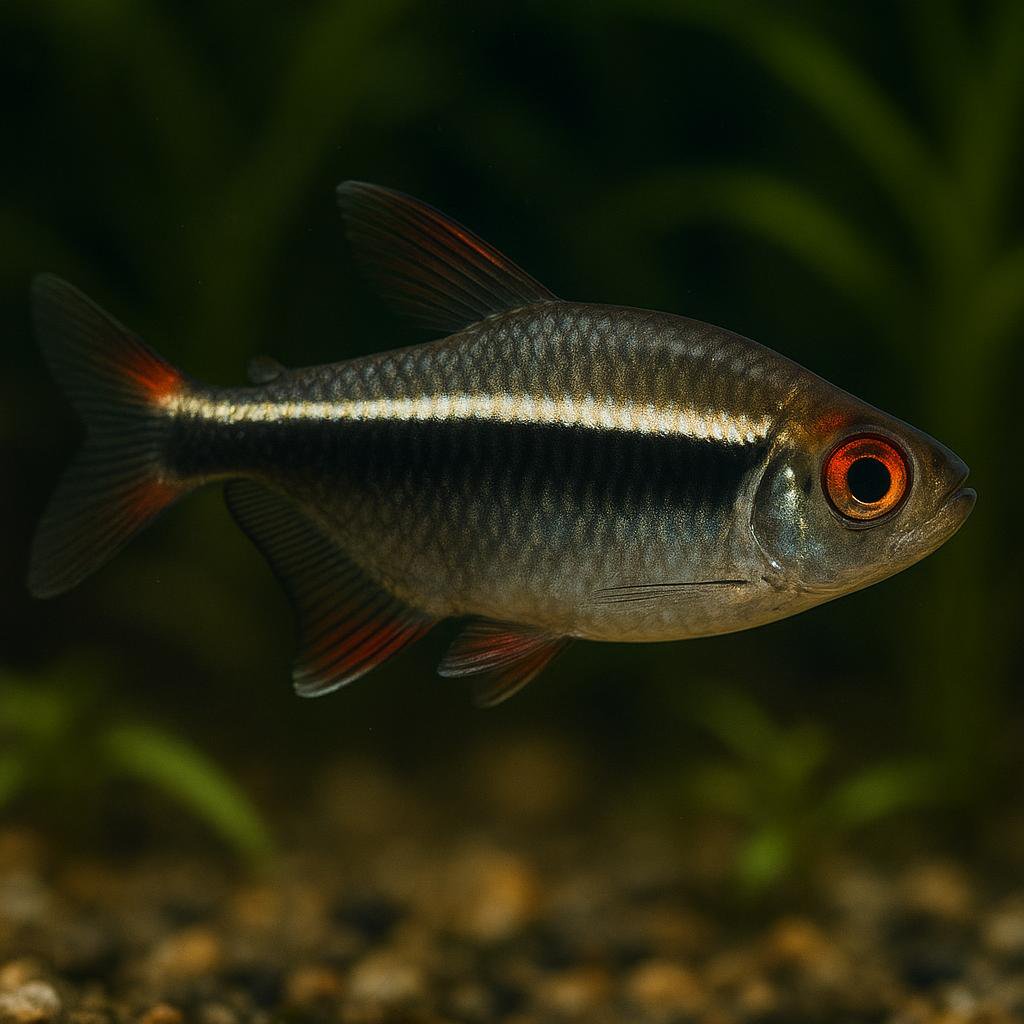
Hyphessobrycon herbertaxelrodi
Black neons are one of those little tetras that look kinda understated until the light hits them-then that bright stripe pops and they shimmer when the school turns together. They're super chill, always cruising mid-water, and they make a tank feel "alive" without being hectic. If you keep a nice group, they get bolder and you'll see way more of their personality.
Black Skirt Tetra (Black Widow Tetra)
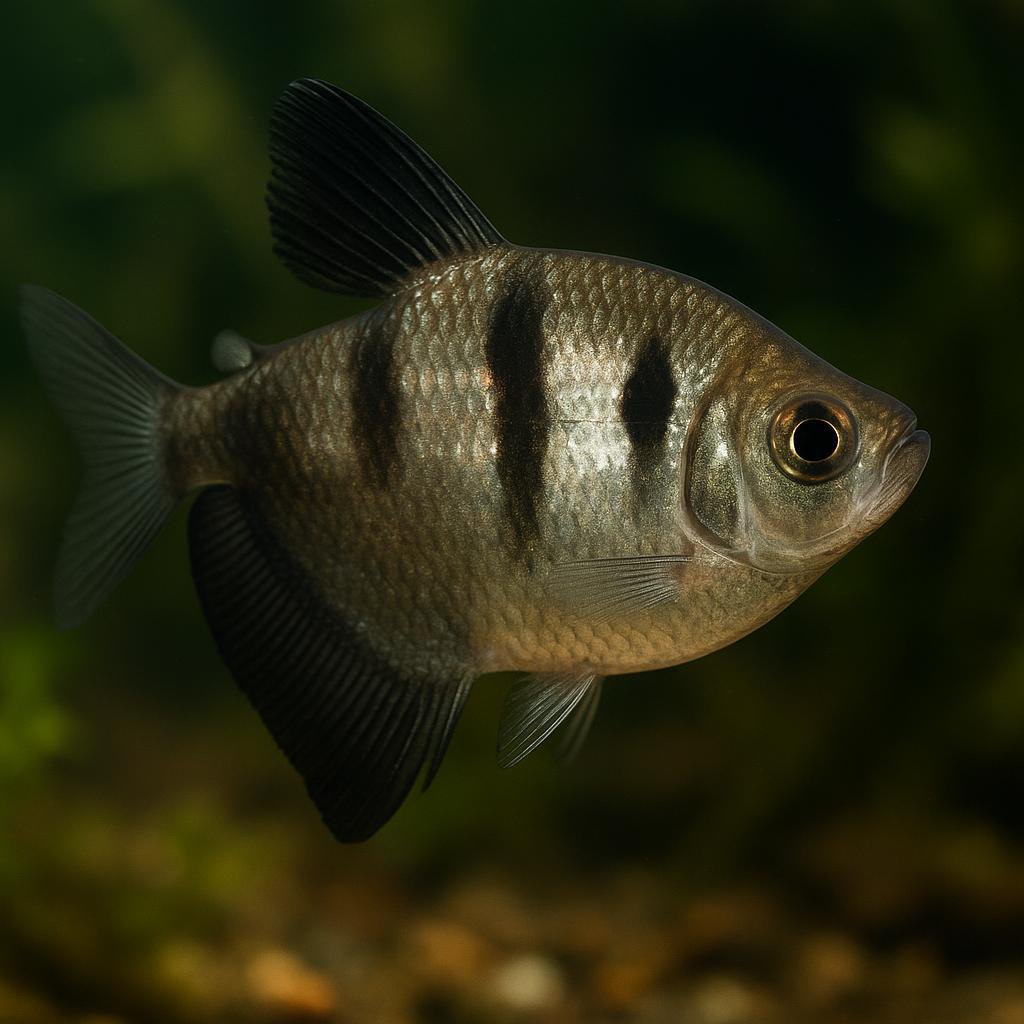
Gymnocorymbus ternetzi
Black skirts are those little "suit-and-tie" tetras with the dark bands and flowing fins that look way fancier than they should for how tough they are. They're super active midwater fish, and when you keep a proper group they do that tight, zippy schooling thing that makes the whole tank feel alive. Just give them enough buddies and finny tankmates they won't be tempted to nip.
Black morpho tetra
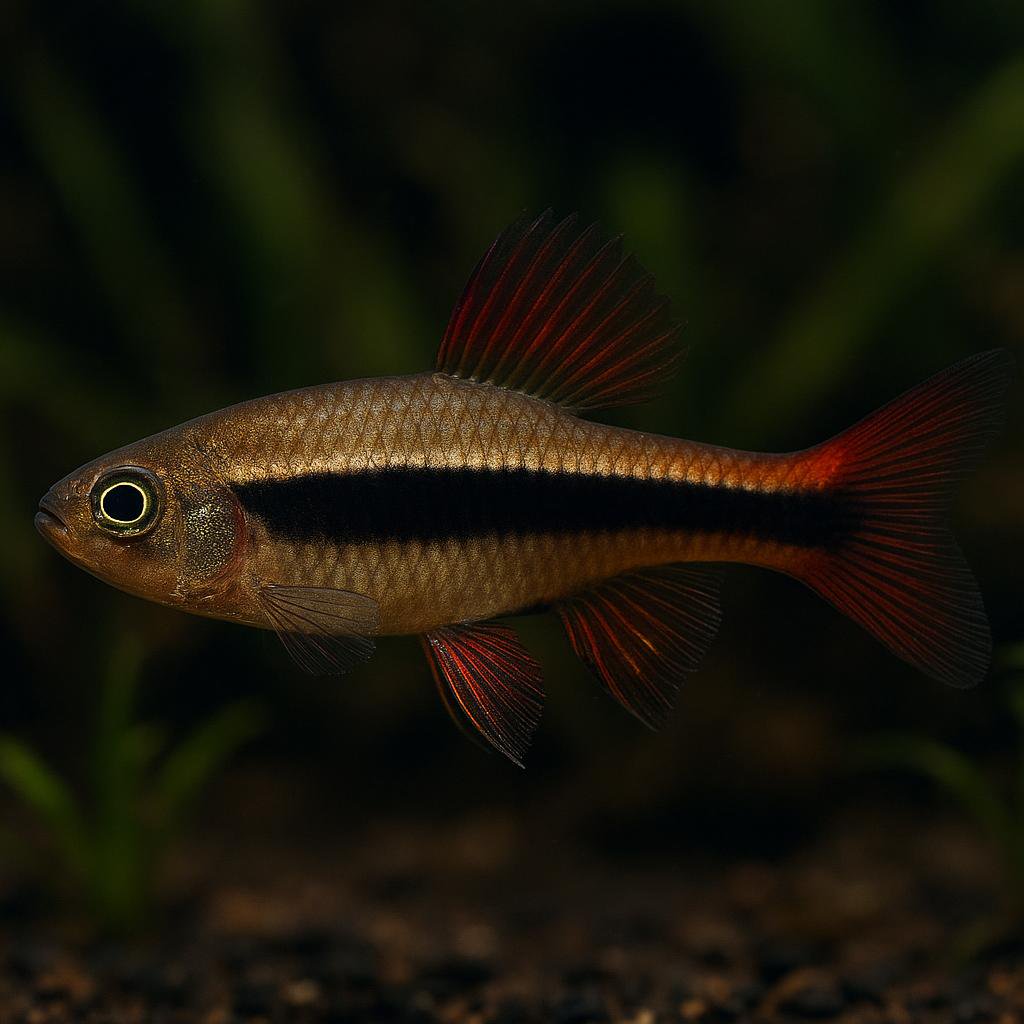
Poecilocharax weitzmani
Poecilocharax weitzmani is one of those tiny blackwater oddballs that acts more like a little darter than a typical tetra - it hangs low, darts between cover, and the males can get pretty showy with fin-flares. The really cool part is they are cave breeders with male brood care, which is not what most people expect from a small characin. Give them very soft, acidic, super-clean water and lots of leaf litter and hidey holes, and they settle in and start showing their best colors.
More to Explore
Discover more freshwater species.
American flagfish
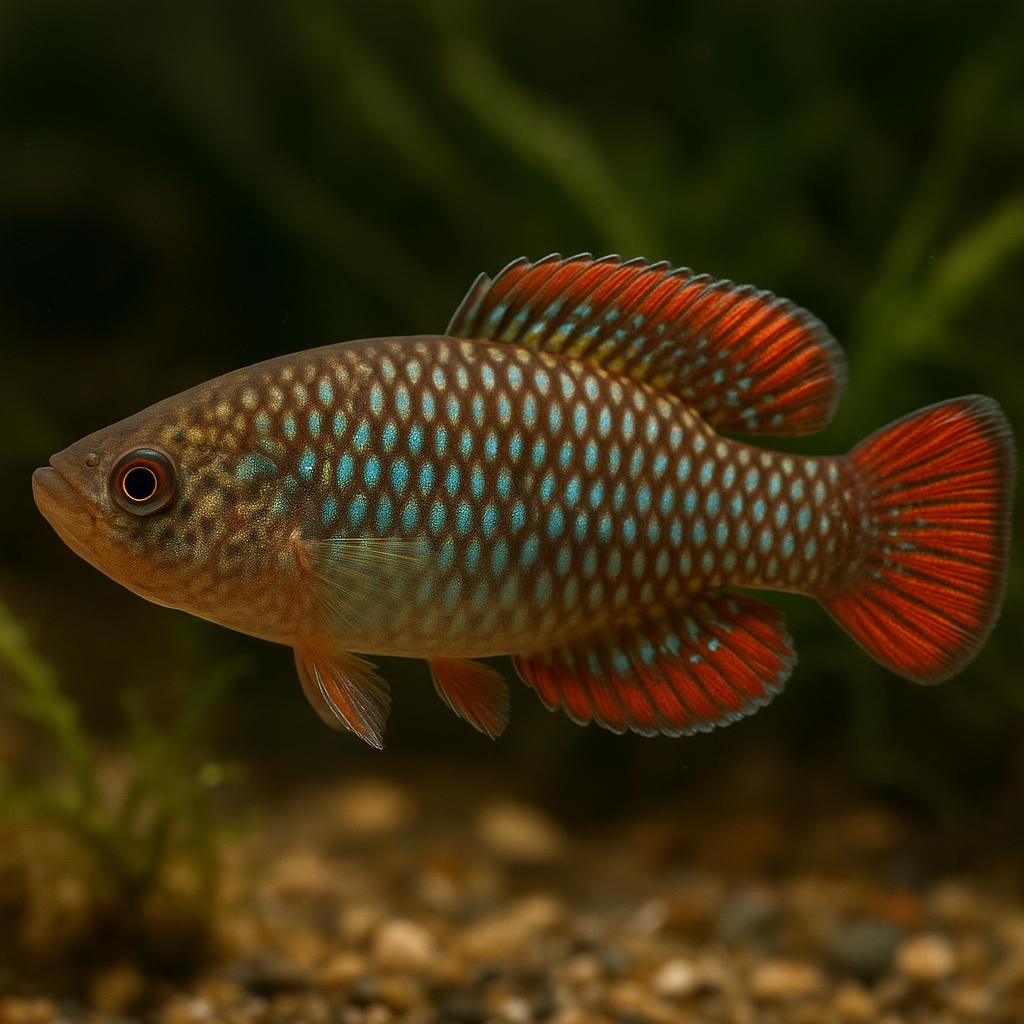
Jordanella floridae
Jordanella floridae is that little Florida native with the red-and-cream striping that really does look like a tiny flag once a male colors up. They graze algae like champs (especially stringy/hair algae), but they have a bit of attitude - give them plants and space so the bossy behavior stays manageable. Bonus: the male guards the eggs and will actively fan them, which is pretty fun to watch.
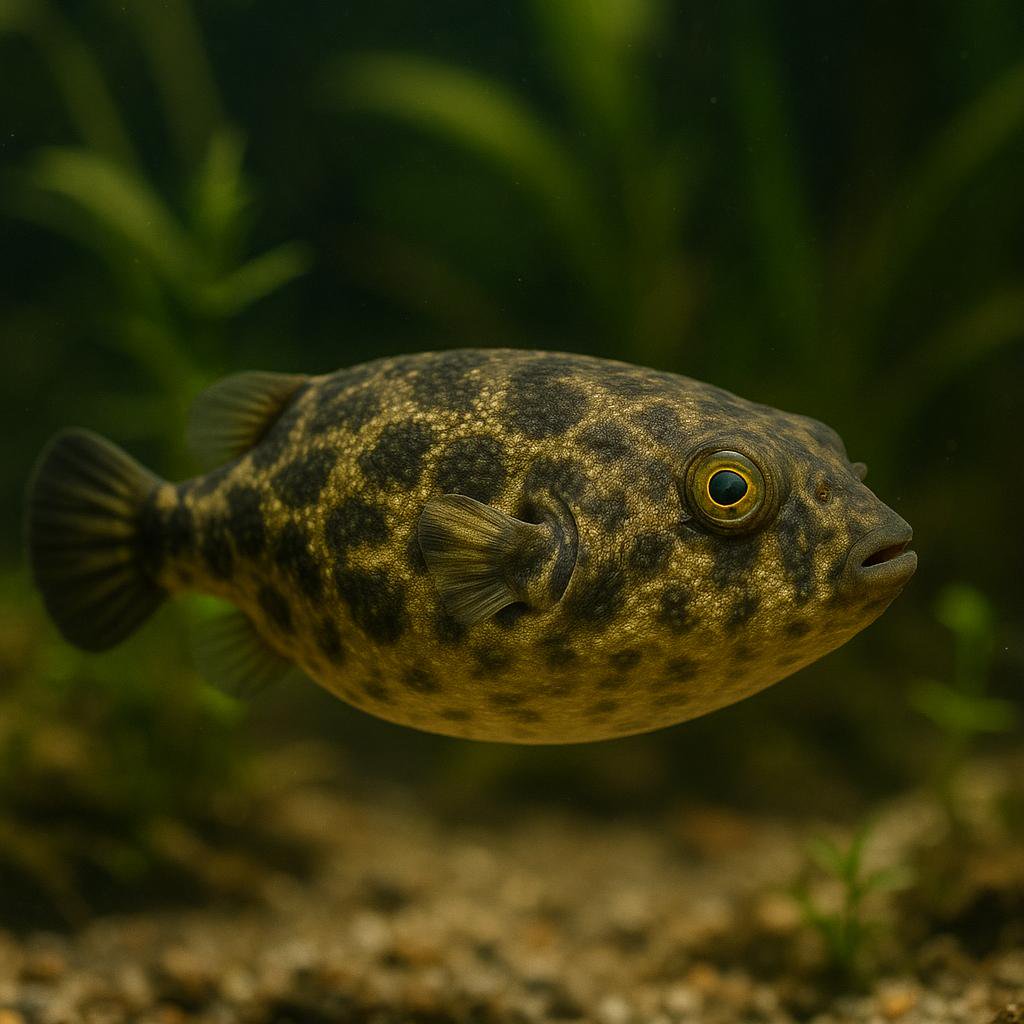
Arrowhead puffer
Pao suvattii
Pao suvattii is that sneaky Mekong puffer that likes to sit low and ambush food, and it has that super recognizable arrow/V pattern on its back. Gorgeous fish with tons of personality, but it is absolutely not a community guy - plan on a solo, species-only setup if you want everybody to stay in one piece.
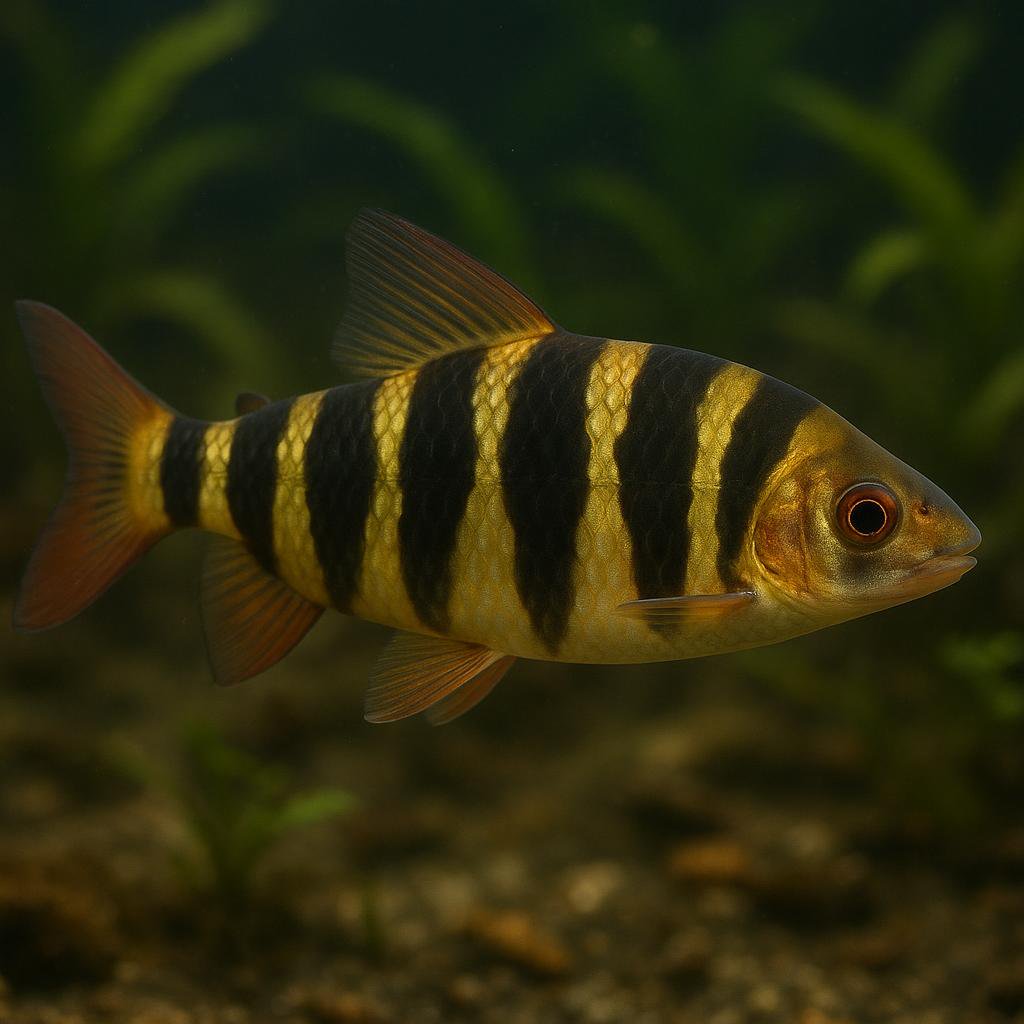
Banded Leporinus
Leporinus fasciatus
Banded Leporinus are those torpedo-shaped, black-and-yellow striped fish that look like they're wearing a little prison outfit-and they stay on the move. They've got a ton of personality and they're awesome to watch cruising and picking at stuff, but they're also the kind of fish that will redecorate your tank and "taste test" anything soft-looking.
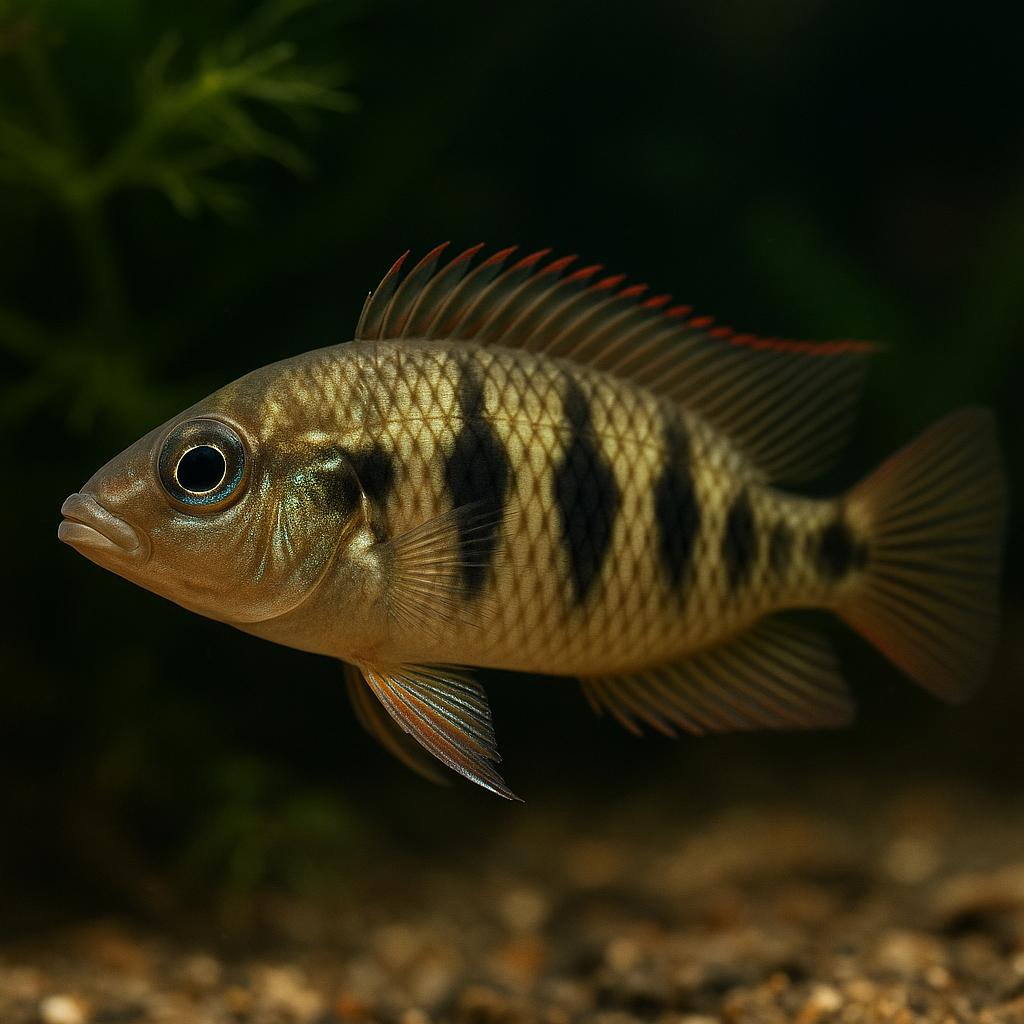
Bandi cichlid
Wallaceochromis signatus
A West African dwarf cichlid from Guinea's Bandi River, this fish shows crisp vertical bars and spotted fins with red highlights. Females have a bold black spot at the base of the tail, and pairs guard eggs and fry in caves, which makes their parental behavior fun to watch.
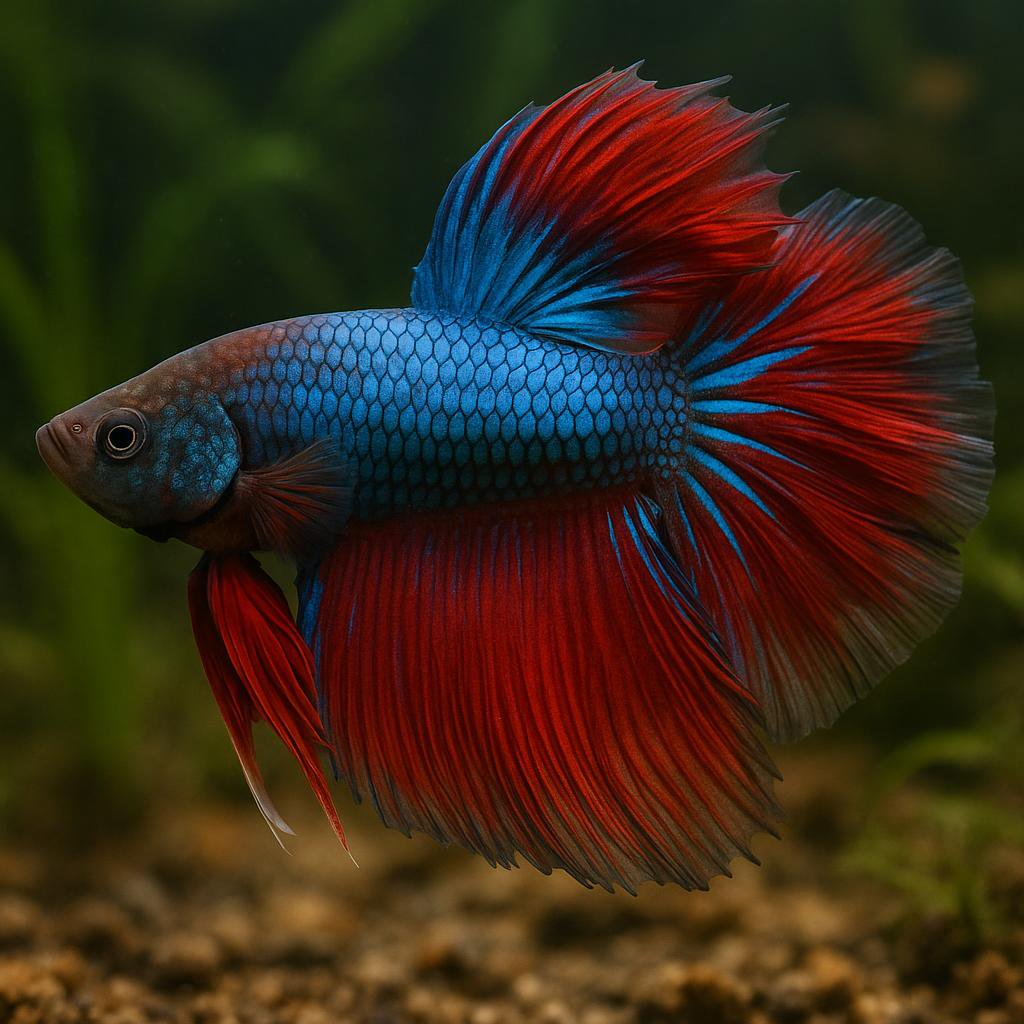
Betta
Betta splendens
Betta fish, also known as Siamese fighting fish, are popular for their striking colors and flowing fins. They are known for their territorial nature, especially males, which can display aggressive behavior towards each other.
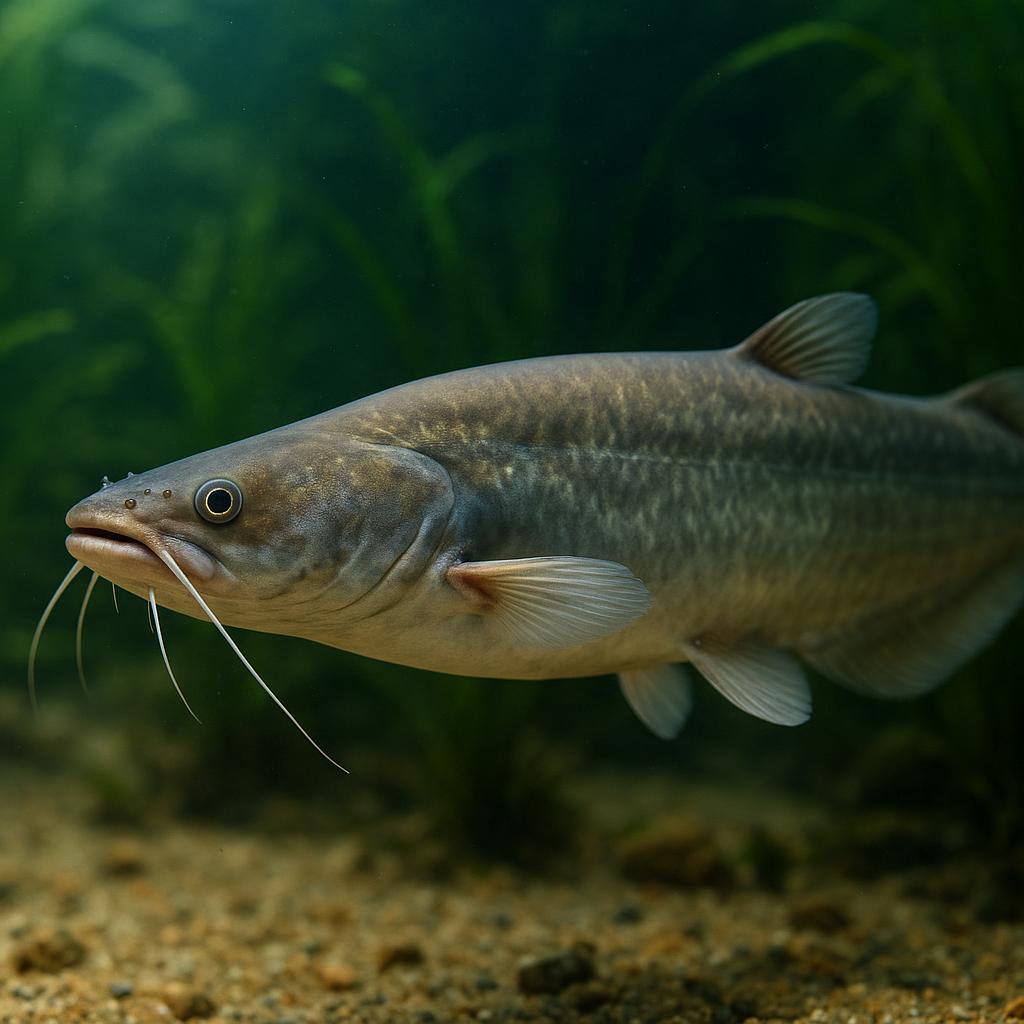
Blackhawk catfish
Wallagonia micropogon
Wallagonia micropogon is a giant Southeast Asian sheatfish with an eel-like body and a huge, scoop-like mouth for hunting other fish. It is native to the Mekong and middle Chao Phraya basins and was long confused with Wallagonia leerii, which makes IDs and care notes tricky. Stunning as a juvenile but it grows to true megafish size, so it is only realistic for expert keepers or public aquariums.
Looking for other species?