

Search Species
Search for fish species by common or scientific name, or use filters to browse by water type, size, temperament, and difficulty.
Found 528 species
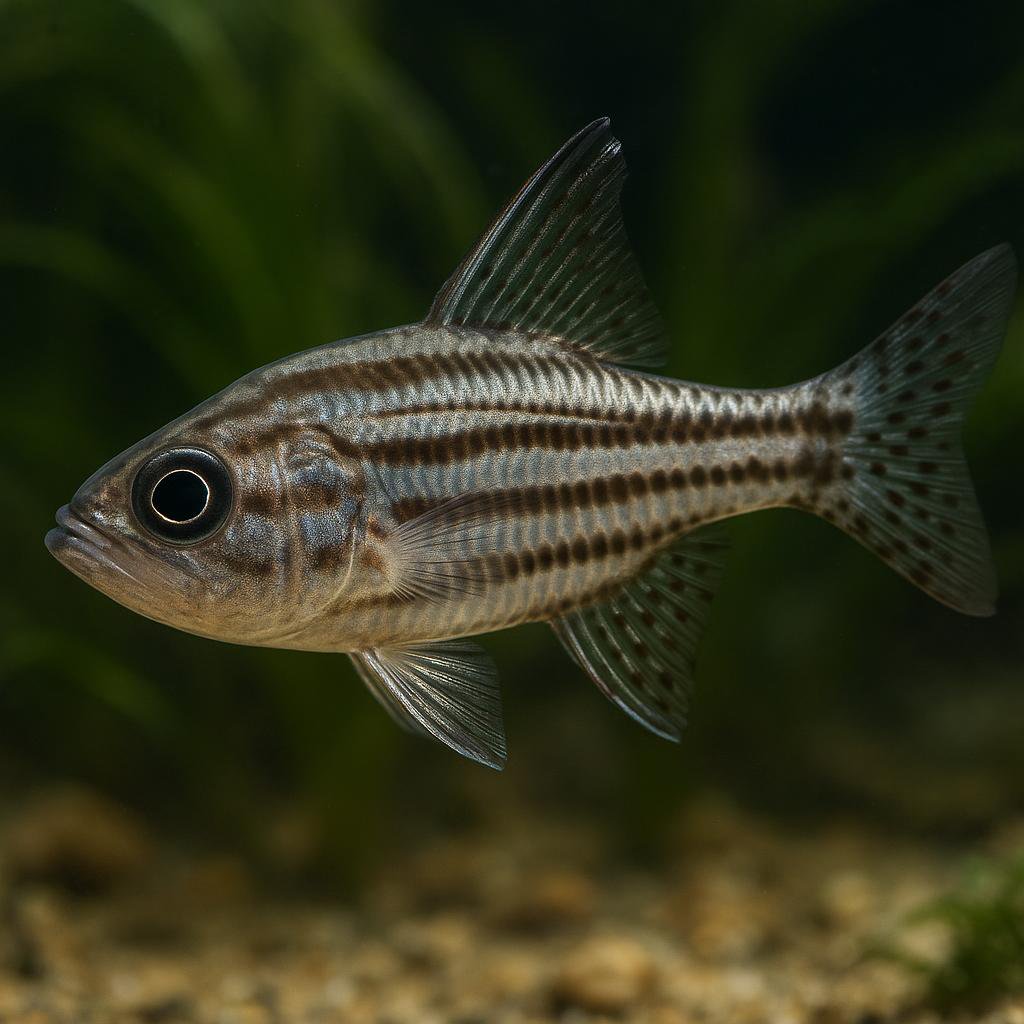
Flagfin cardinalfish
Jaydia truncata
Jaydia truncata is a nocturnal reef-associated cardinalfish found in inshore waters of the continental shelf in the Indo-Pacific. It reaches about 15 cm total length and in aquaria should be provided with calm tankmates and ample shelter/overhangs.
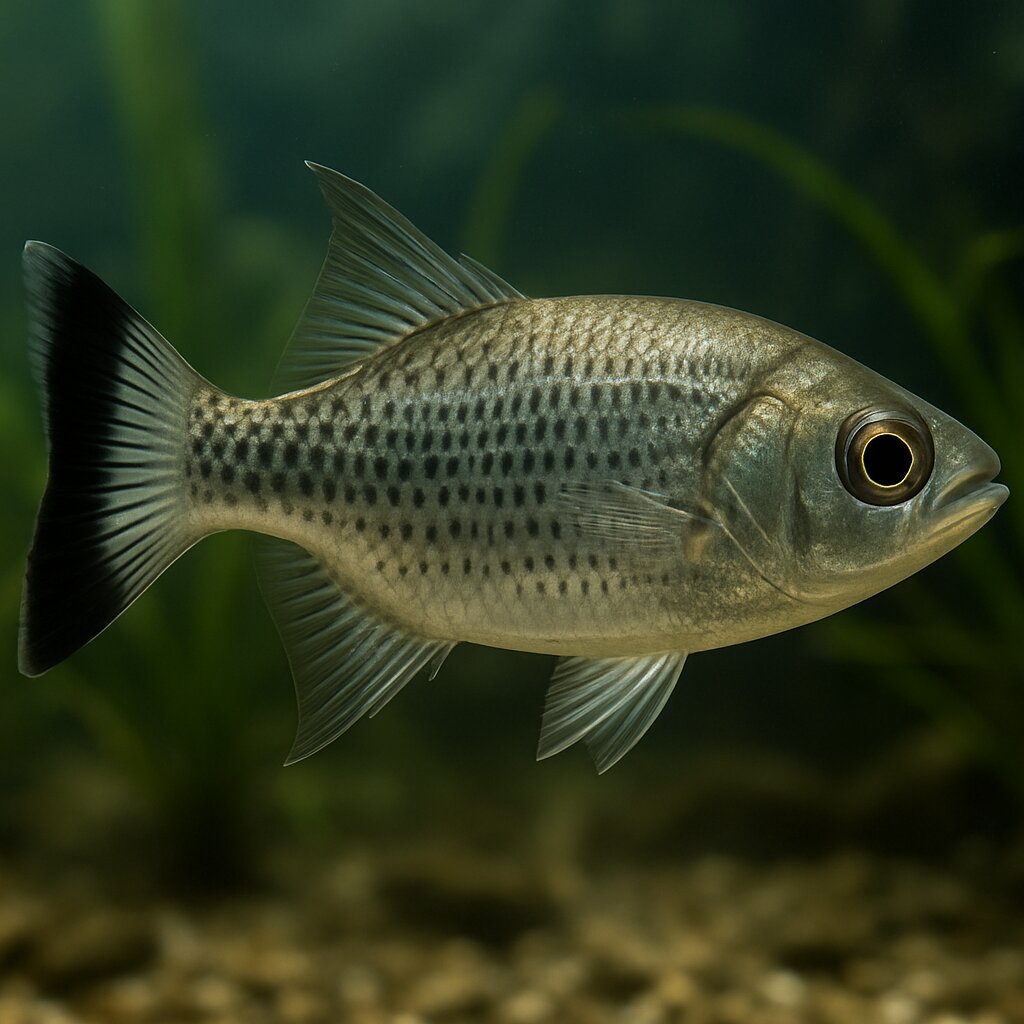
Flagtail
Kuhlia petiti
Silvery central-Pacific flagtail with a crisp black tail and bold white C-shaped marks on each lobe - it looks sharp cruising in the surf zone. It is a fast, schooling planktivore, so in captivity it wants strong flow and a lot of open water to swim.
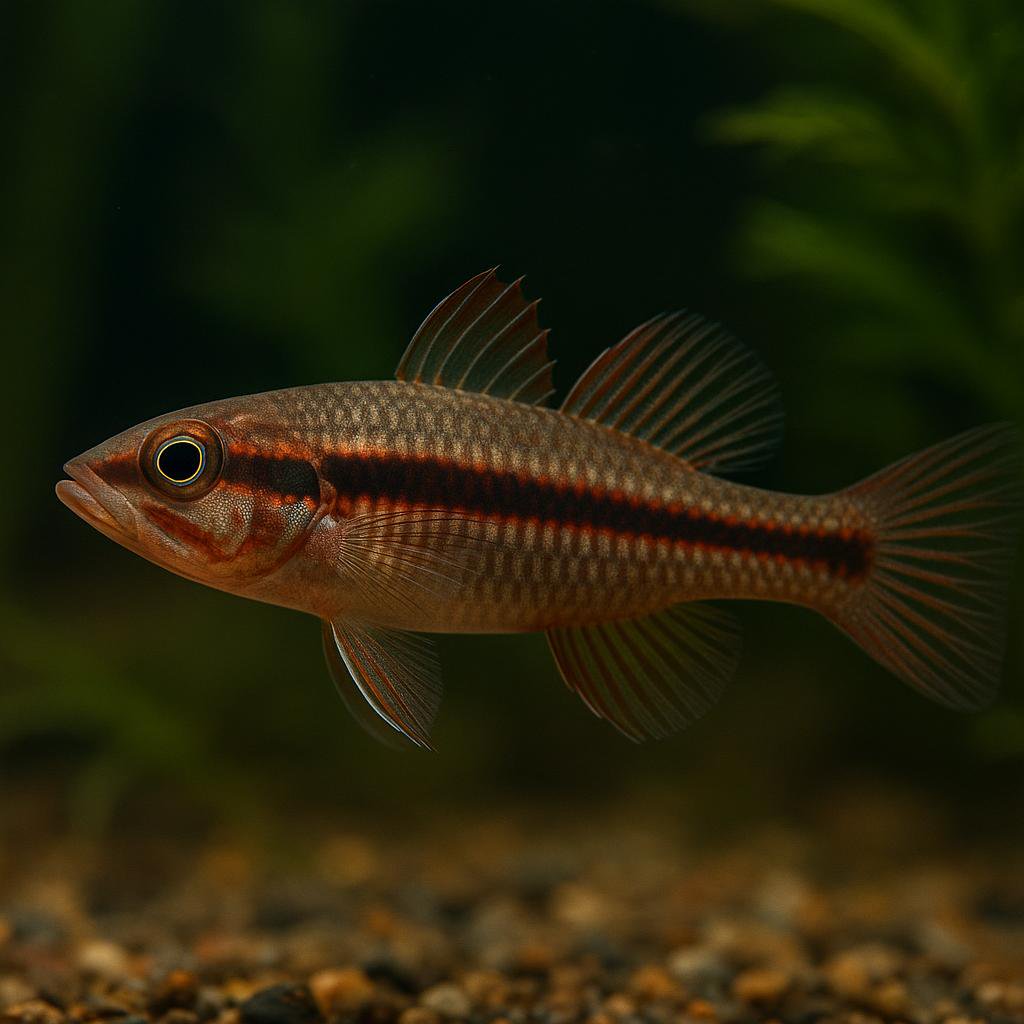
Flame cardinalfish
Fowleria amblyuroptera
Fowleria amblyuroptera is a very small Indo-Pacific/Western Pacific cardinalfish (to about 4 cm SL) associated with coastal reefs/bays and is primarily nocturnal. Like many cardinalfishes, the male mouthbroods the eggs; in captivity it should be provided with ample shelter and offered appropriately sized meaty foods/planktonic items.
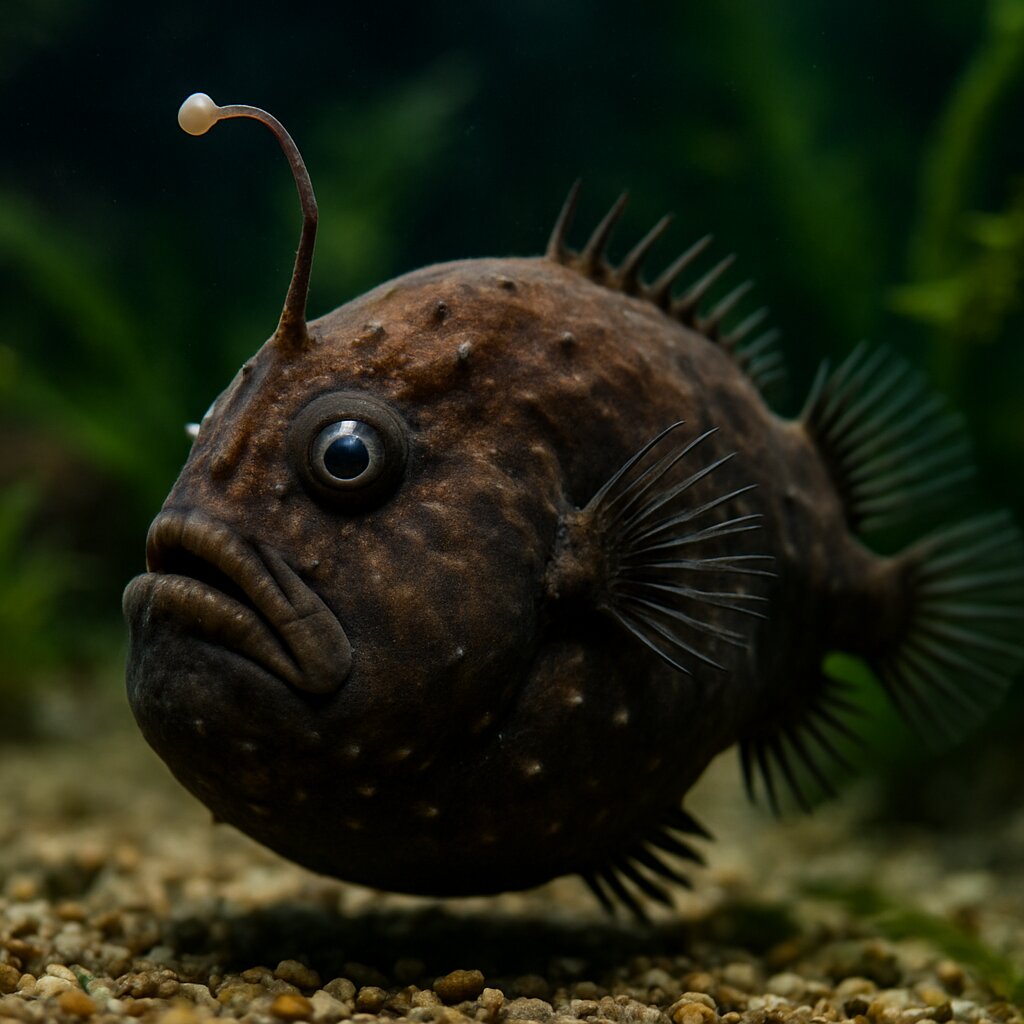
Footballfish
Himantolophus danae
Picture a tiny round anglerfish with a built-in glow stick on her head, shaped like a spiky football. This one lives way out in the Indo-West Pacific at hundreds of meters deep in near-freezing water, so it is a look-dont-keep fish for home tanks. The family is fun to read about too - females fish with the light while the teensy males stay free-living and just focus on finding a mate.
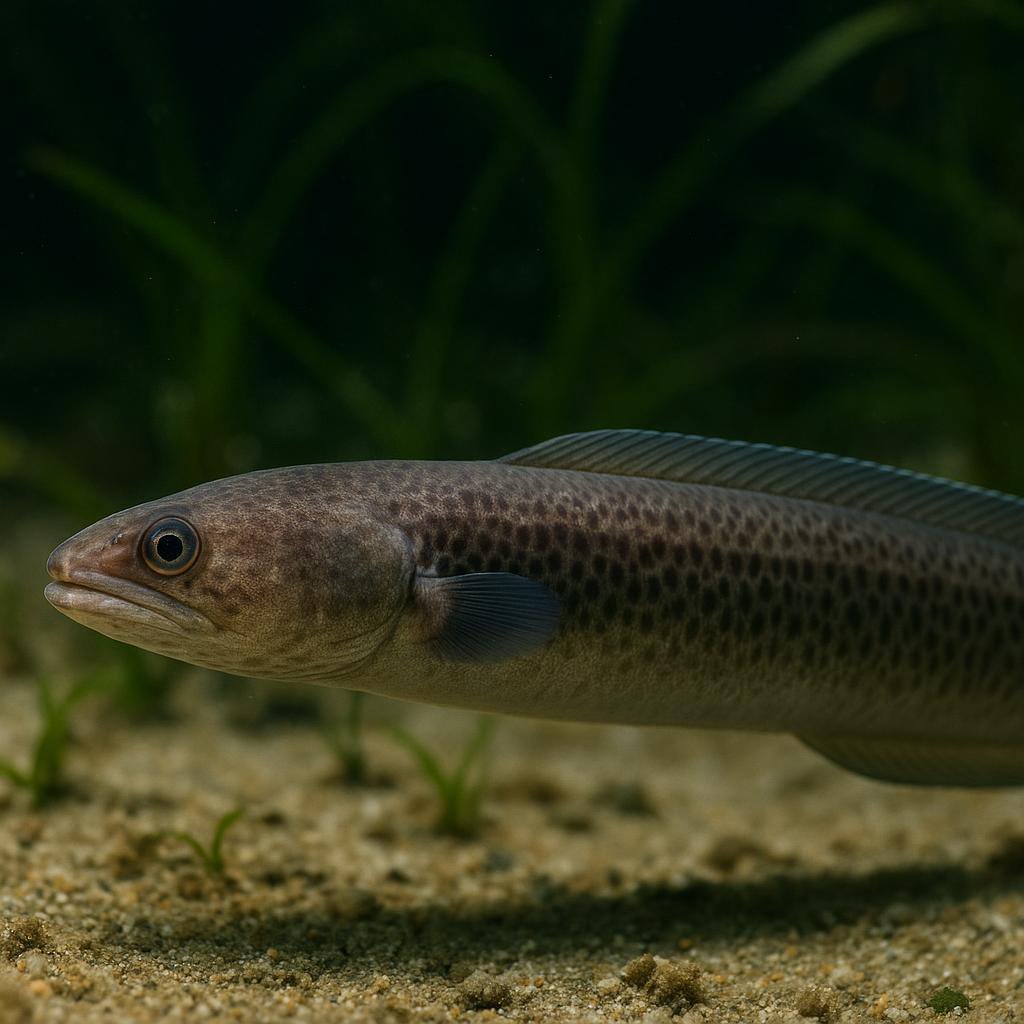
Fowler's large-toothed conger
Bathyuroconger fowleri
Bathyuroconger fowleri is a deepwater conger eel, the kind of fish that spends its life down on the slope rather than cruising a reef. Think secretive, bottom-oriented, and very much not an aquarium species - it is more of a cool ID-only eel than something you would ever plan a home setup around.
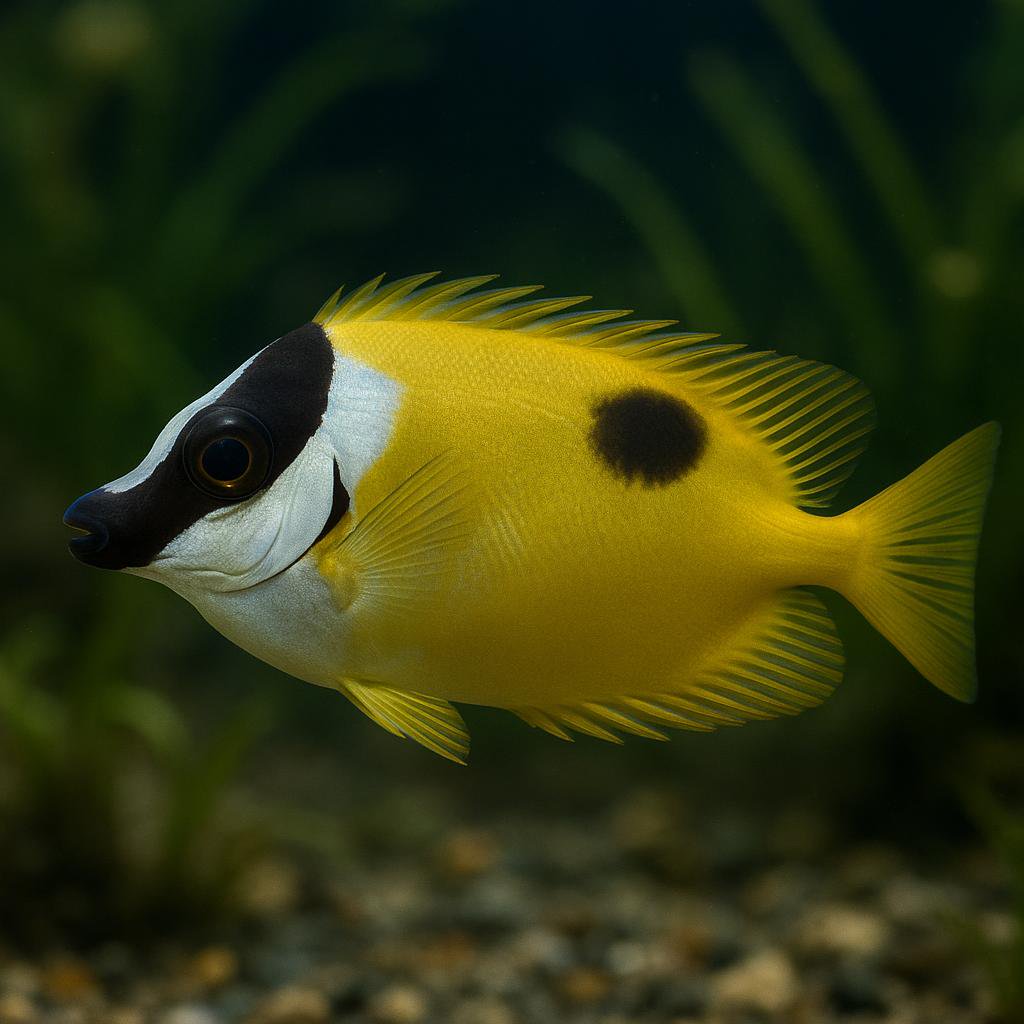
Foxface Rabbitfish
Siganus vulpinus
Siganus vulpinus is that bright yellow "fox-masked" rabbitfish you see cruising around picking at algae all day. It's generally chill with other fish, but it can get a little bossy with similar-shaped grazers-and those dorsal spines are venomous, so nets and hands need to be treated with respect.
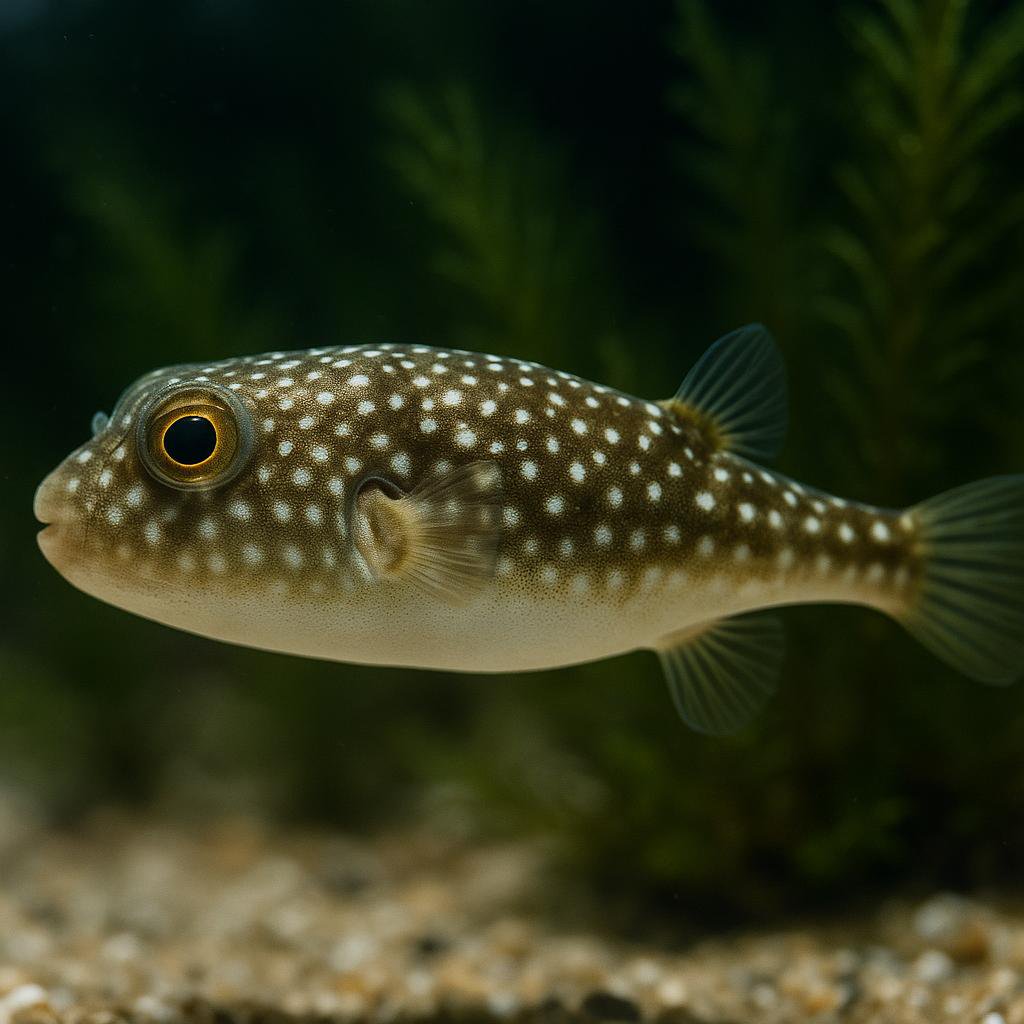
Fringe-gill toadfish
Torquigener tuberculiferus
This is a little marine puffer relative that lives down on the bottom in tropical waters. It is the kind of fish that does the classic puffer thing (cute until it decides it is had enough of tankmates), and it is much more of a niche species than a standard saltwater "beginner puffer".
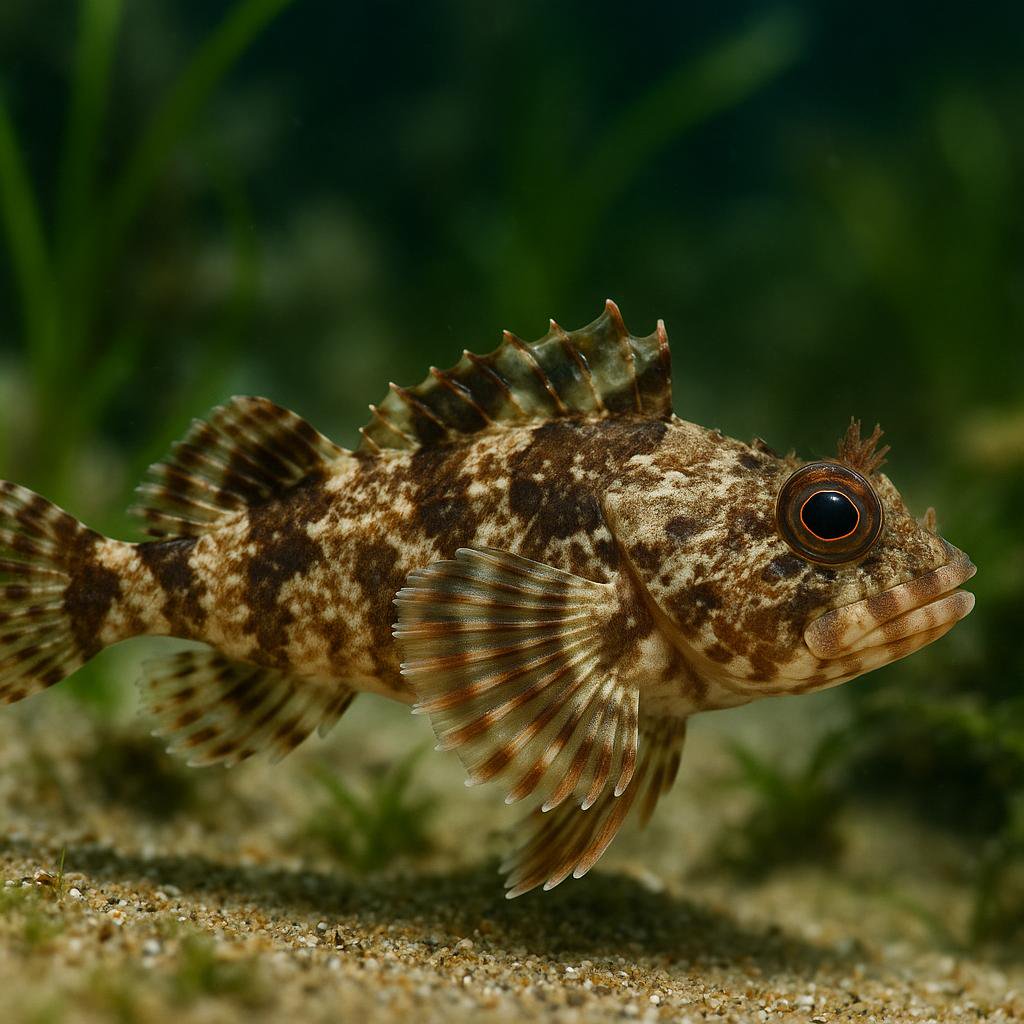
Frogmouth sculpin
Icelinus oculatus
Frogmouth sculpin is a little coldwater, bottom-hugging marine sculpin from the Pacific coast. It spends its time sitting on the substrate and blending in like a living rock, then darts short distances when food shows up. Super cool fish, but it is absolutely not a warm reef tank animal - it really wants chilly, oxygen-rich water and a calm setup.
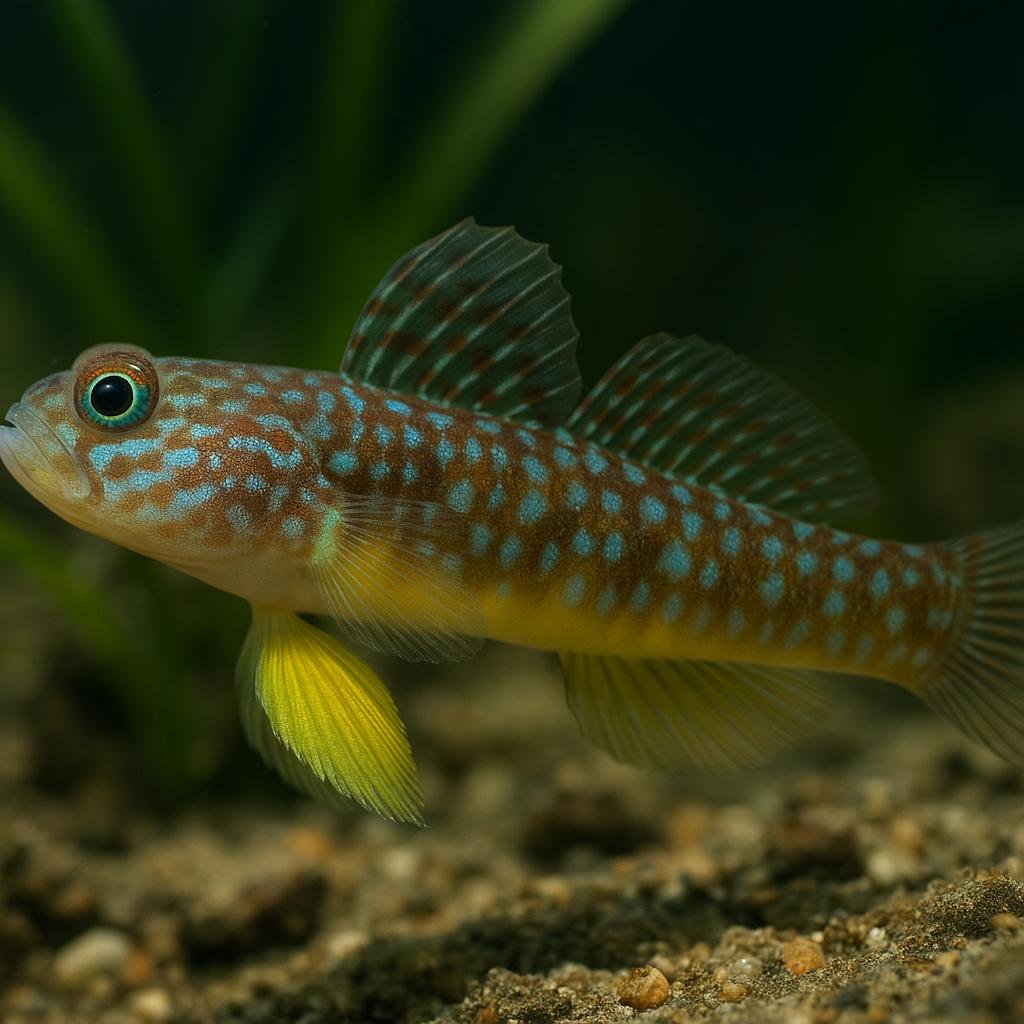
Fulvopelvis shrimpgoby
Vanderhorstia fulvopelvis
This is a tiny little shrimpgoby from Okinawa (Japan) that lives down on sand and rubble and does the classic prawn-goby thing - hanging at a burrow entrance and relying on a snapping/pistol shrimp roommate for the digging. Its name literally points at a shiny yellow mark on the male's pelvic fin, and the fish itself is patterned with yellow spotting and a clean stripey/barred look.
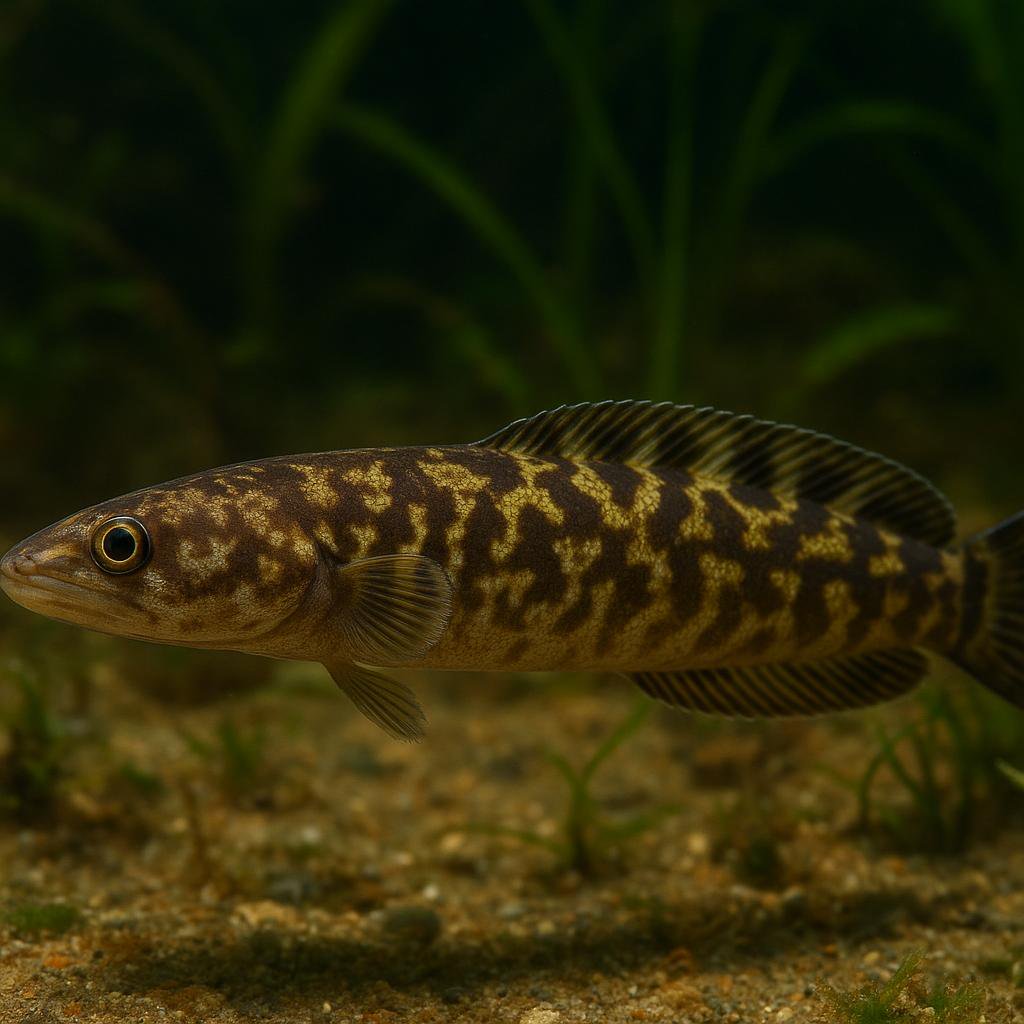
Galapagos snake eel
Quassiremus evionthas
Quassiremus evionthas (Galapagos snake eel) is a marine snake eel (family Ophichthidae) from the eastern Pacific that inhabits areas with sand/gravel/rubble around reefs and is often associated with sandy substrates.
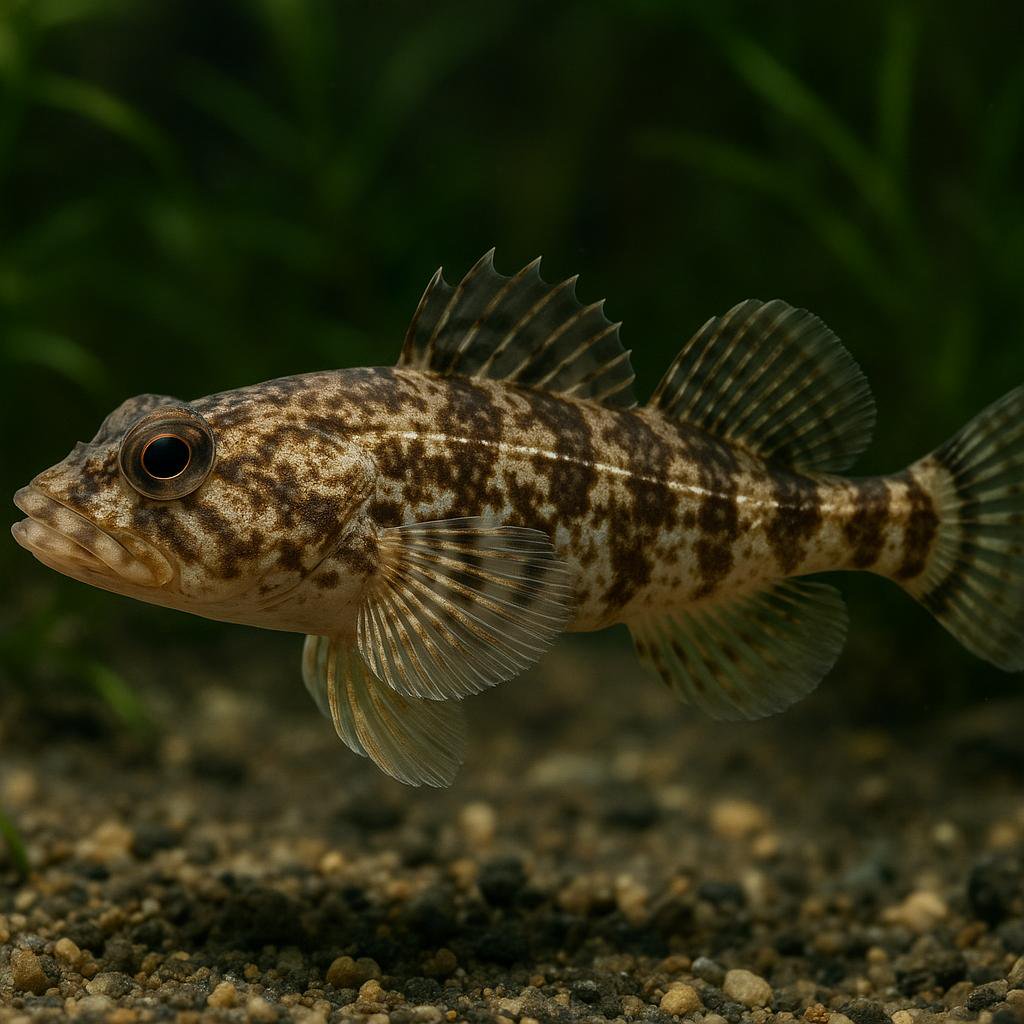
Ghost flathead
Hoplichthys langsdorfii
Hoplichthys langsdorfii is a little bottom-dwelling ghost flathead from the northwest Pacific (southern Japan down toward the East China Sea). It is a demersal marine predator that hangs on or in the substrate, doing that classic flathead thing of lying still and waiting for food to wander close.
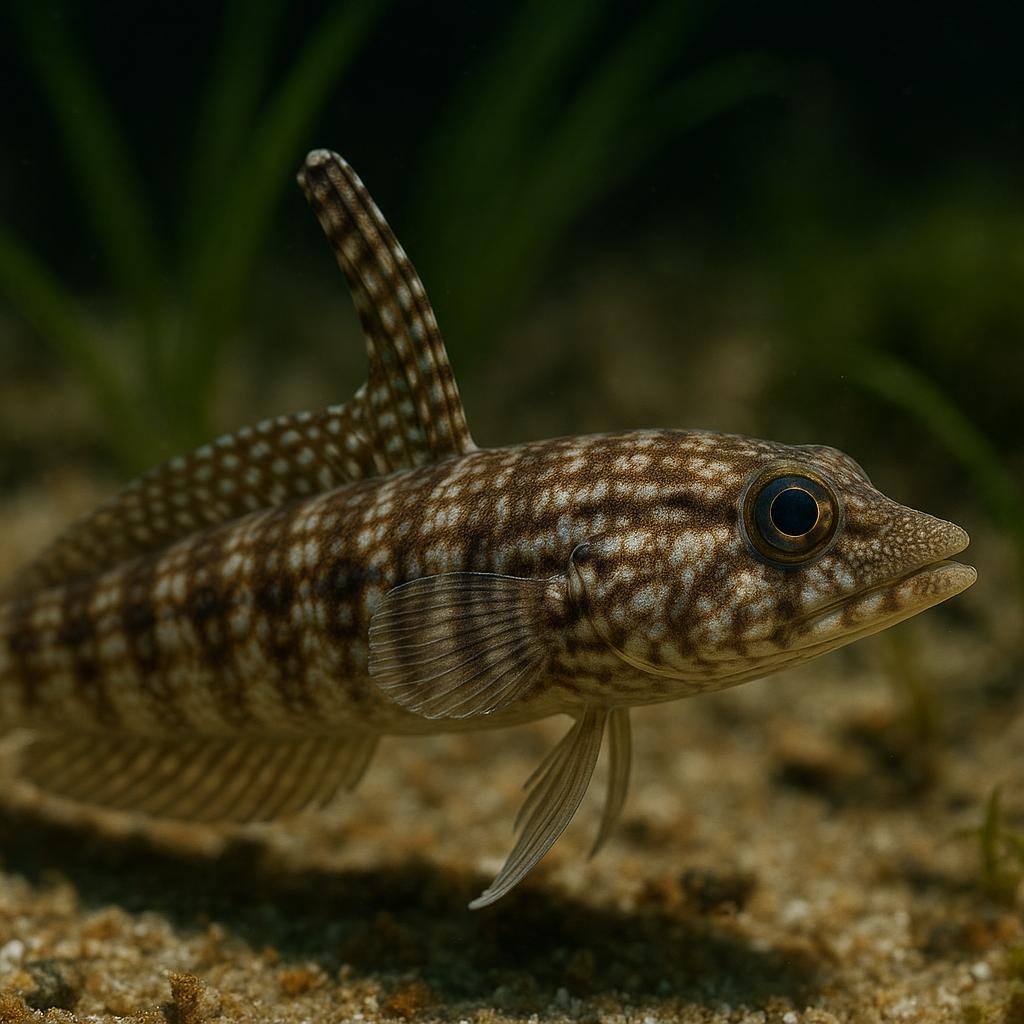
Giant sand stargazer
Dactylagnus mundus
This is a little ambush predator that lives buried in clean sand with just the eyes and mouth showing, waiting to nail small crustaceans and fish. It tops out around 6 inches, but the bigger challenge is that it is a marine surf-zone fish - it really wants a sandy bottom, great oxygenation, and stable saltwater conditions to do well. Super cool behavior, but honestly not something most home aquariums are set up for long-term.