

Pearly hairtail
Trichiurus auriga
The Pearly hairtail features a slender, elongated body with a distinctive silver sheen and a deeply forked tail fin.
This page includes AI-generated images. Why am I seeing AI images?
About the Pearly hairtail
This is a real-deal marine cutlassfish - long, silver, and built like a ribbon with a mouth full of grabby teeth. Its care is basically "public-aquarium predator" territory: it wants big open swimming room, strong filtration, and meaty foods, and it will happily eat tankmates that look snack-sized.
Also known as
Quick Facts
Size
70.2 cm TL
Temperament
Aggressive
Difficulty
Expert
Min Tank Size
300 gallons
Lifespan
unknown
Origin
Northwest Pacific (Japan)
Diet
Carnivore - fish, shrimp, squid (meaty/frozen foods)
Water Parameters
18-24°C
8-8.4
8-12 dGH
Need a heater for this species?
This species needs 18-24°C in a 300 gallon tank. Use our heater calculator to find the right wattage.
Calculate heater sizeCare Notes
- Give it a long tank, not a tall one - they cruise like a ribbon. Think 6 ft+ footprint with a tight lid because they spook-jump and can wedge through tiny gaps.
- Run heavy filtration and strong aeration/oxygenation appropriate for a large, active marine predator. General marine targets (rather than species-proven requirements): stable salinity ~1.023–1.026, pH ~8.0–8.4, and ammonia/nitrite at 0.
- Decor: open swim lanes with a couple of dim caves or overhangs, and subdued lighting. They settle way faster if they have a dark spot to park their head in.
- Feeding is the whole game - start with live or fresh marine meaty foods (silversides, squid strips, shrimp, marine fish flesh), then wean to frozen with tongs. Feed smaller meals 3-5x/week and use feeding sticks so your fingers do not become the 'shrimp'.
- Do not mix with anything that fits in its mouth, and assume it will test tankmates at night. Best bets are large, tough, non-nippy fish that do not look like prey; avoid triggers, puffers, and aggressive wrasses that will chew the fins and stress it out.
- Quarantine is worth the effort because they crash hard from shipping damage and parasites; watch for rapid breathing and flashing. Copper can be rough on scaleless-ish predators, so if you treat, go slow and monitor closely.
- Breeding in home tanks is basically a non-event - they are pelagic spawners and need big seasonal cues and space. If you ever see eggs, they are likely gone fast unless you pull them immediately and raise larvae on live plankton (expert-level pain).
Compatibility
Good Tankmates
- Big, tough groupers (smaller to medium ones that are too chunky to swallow) - they can handle the hairtail's attitude and won't get bullied easily
- Moray eels (snowflake/chainlink types) - similar predator vibe, mostly mind their own business if everyone has caves and you keep them well fed
- Lionfish (volitans or other larger lions) - works if the lion is not bite-sized and you are careful at feeding time so nobody gets outcompeted
- Large hawkfish (like a bigger flame hawk) - perchy, bold, not easily intimidated, and usually smart enough to avoid the hairtail's strike zone
- Big scorpionfish/waspfish types - sit-and-wait predators that don't panic easily and aren't shaped like easy prey
- Robust, larger puffers (dogface/porcupine puffer size range) - they hold their ground and the hairtail usually learns quick not to pick fights
Avoid
- Small baitfish and slim swimmers (chromis, small wrasses, anthias, damsels) - the hairtail is basically built to chase and swallow these
- Slow, long-finned stuff (bannerfish, batfish, fancy angels) - easy targets for nips and ambush hits, plus they lose at feeding time
- Tiny bottom perchers and small gobies/blennies - they disappear at night, especially if they are narrow-bodied
- Other aggressive, toothy ambush predators their same size (other hairtails/cutlassfish, big barracuda types) - this turns into nonstop sparring and somebody gets shredded
Where they come from
Pearly hairtails (Trichiurus margarites) are pelagic, open-water predators from the Indo-West Pacific. You mostly see them along coastal shelves and deeper water edges where they cruise for baitfish and squid. They're built like a living knife - long, compressed, and made to hunt in current, not to hover politely in a reef tank.
If you're thinking "cool eel" - nope. They look eel-ish, but they behave more like a fast, nervous, midwater predator that wants room and flow.
Setting up their tank
I'll be straight with you: this is an expert-only fish because the tank needs are closer to "public aquarium style" than "home reef." The biggest mistake people make is trying to fit one into a big-looking tank that still isn't long enough.
- Tank size: plan for a very large, long tank. Think 8-10 ft length as a starting point, bigger is better. Height matters less than runway.
- Open swimming space: minimal rockwork, keep the middle wide open. If you do rock, keep it low and locked in place.
- Flow and oxygen: strong, broad flow (not a sandblaster jet) plus heavy aeration. These fish burn oxygen like a tuna compared to reef fish.
- Filtration: oversized skimmer, lots of biological capacity, and a way to export nutrients (roller mat, refugium, water changes). They are messy eaters.
- Lid: tight, weighted cover. Gaps get found. They can launch when spooked.
- Lighting: moderate is fine. Give them dim areas or a dusk period if you can - they settle better.
Plan the aquascape like you will eventually have to catch the fish. Hairtails wedge themselves and thrash. Give yourself room to use a large net or barrier without tearing the tank apart.
Water numbers are the easy part: stable marine salinity (around 1.025), steady temp in the mid-70s F, and low ammonia/nitrite always. The real battle is stability under heavy feeding and keeping dissolved oxygen high. If you run a controller, set alarms for temp and pH swings - you'll be surprised how fast things shift on a predator-heavy system.
What to feed them
They're fish and squid eaters, and they want food that moves. New arrivals often ignore dead food for a bit, especially under bright lights or with lots of activity around the tank.
- Best staples: marine-origin meaty foods like silversides, smelt, sardine chunks, squid, and large shrimp.
- Training foods: start with fresh or thawed items on tongs, then transition to less "perfect" pieces once they're confident.
- Vitamins: soak occasionally (especially if you feed a lot of one type of fish). Helps with long-term issues.
- Feeding schedule: smaller meals more often beats one giant feeding. Less waste, steadier behavior.
Use long feeding tongs and keep your hands out of the "strike zone." They can hit hard and they don't always aim well.
Avoid freshwater feeder fish (goldfish, rosy reds). Bad fatty acid profile and they foul water fast. If you use live food at all, use marine or salt-acclimated options and treat it like a quarantine risk.
Watch the belly line and body thickness. A hairtail can look "fine" while slowly losing condition because it's mostly length. If it starts looking pinched behind the head, bump variety and frequency and check for parasites.
How they behave and who they get along with
They are predators, plain and simple. Anything they can fit in their mouth will eventually become "food," and they don't always wait until lights-out. They're also skittish for such a tough-looking fish. Sudden movement outside the glass, slamming cabinet doors, even an aggressive tankmate charging them can trigger panic laps and injuries.
- Temperament: predatory, not usually "mean" for the sake of it, but will strike opportunistically.
- Activity: lots of cruising, especially at low light. They want current lanes.
- Tankmates: only large, robust fish that won't be swallowed and won't harass them (think big, calm species).
- Bad tankmates: small fish, slow hoverers, long-finned fish, and anything that likes to nip or chase.
They can scrape and tear easily during panic dashes. Rounded corners, no sharp rock edges, and no exposed pump intakes makes a huge difference.
If you keep more than one, do it only in a very large system and expect hierarchy issues. Similar-shaped predators can turn that long body into a chew toy during disputes. Most hobbyists do best with a single specimen.
Breeding tips
Breeding in home aquariums is basically a non-starter. In the wild they're pelagic spawners, releasing eggs into open water. Even if you got a pair and conditions lined up, raising the larvae would be a specialized live-food project on another level. If you're set on breeding marine predators, there are other species that are far more realistic.
Common problems to watch for
- Refusing food after shipping: usually stress, bright lights, too much commotion, or parasites. Dim the tank, give space, try fresh marine foods on tongs.
- Jumping and impact injuries: happens when startled. Tight lid, calm surroundings, and gentle acclimation help.
- Mouth/face damage: from striking glass, rock, or tongs. Feed away from hardscape and use soft-tip tongs if you can.
- Oxygen crashes at night: heavy bioload plus warm water can get ugly fast. Strong aeration and surface agitation are your friend.
- Ammonia spikes: messy feeding and big chunks left behind. Siphon leftovers and tune your export.
- External parasites (marine ich/velvet): predators often come in with them and crashes can be fast. Quarantine is worth the hassle on a fish like this.
Quarantine isn't optional with hairtails. Treating velvet in a giant display with a high-value predator is nightmare fuel. Set up a big, bare QT with strong aeration and cover, and be ready for a long observation period.
Last thing: plan your long-term logistics. Moving one, catching one, even doing major maintenance with one in the tank takes forethought. If you're the kind of hobbyist who enjoys building systems and routines, they're fascinating. If you want a relaxed show fish, this one will make you earn it.
Similar Species
Other marine aggressive species you might be interested in.
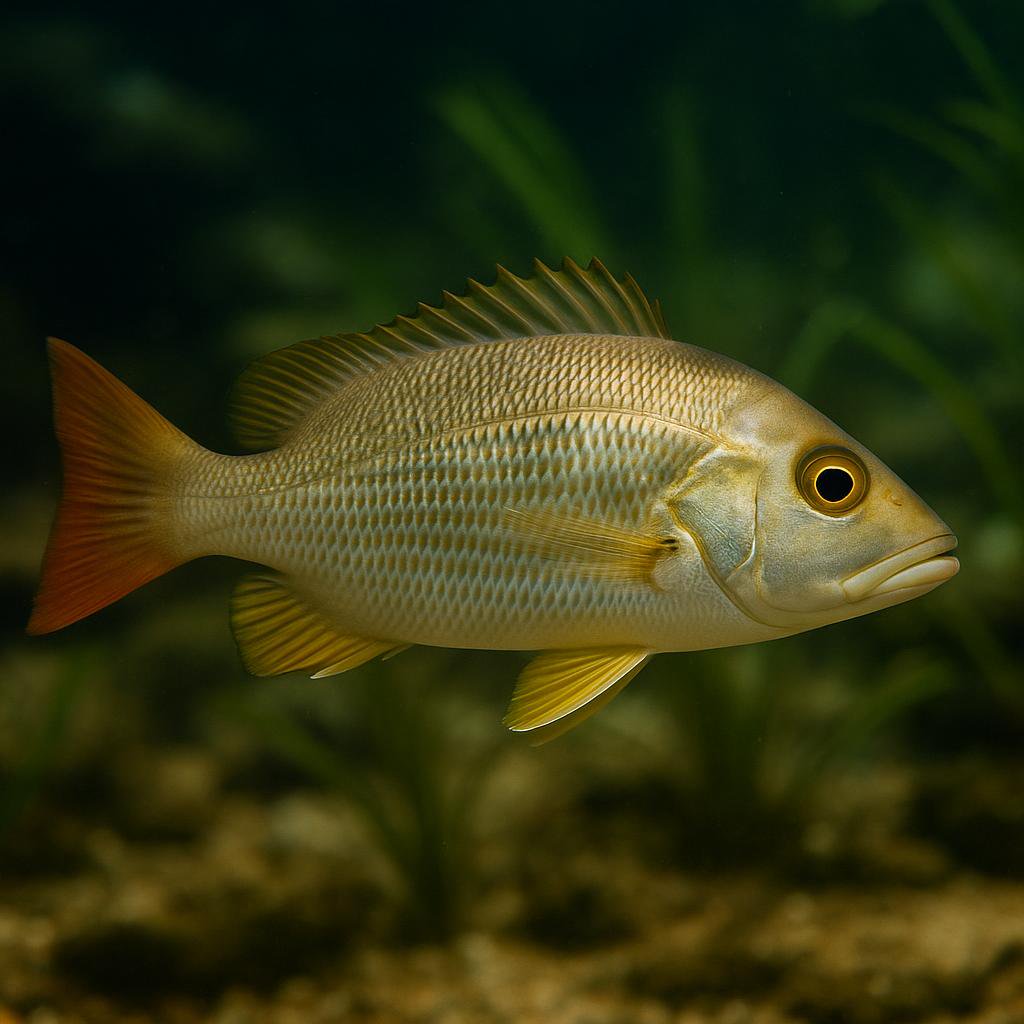
African red snapper
Lutjanus agennes
This is a true snapper from West Africa - a big, fast-growing predator that goes from coastal reefs to brackish lagoons and estuaries (especially as a juvenile). Super cool fish in the wild, but it gets absolutely huge and will eat smaller tankmates once it has the mouth for it, so its really more of a public-aquarium scale animal than a home-aquarium fish.
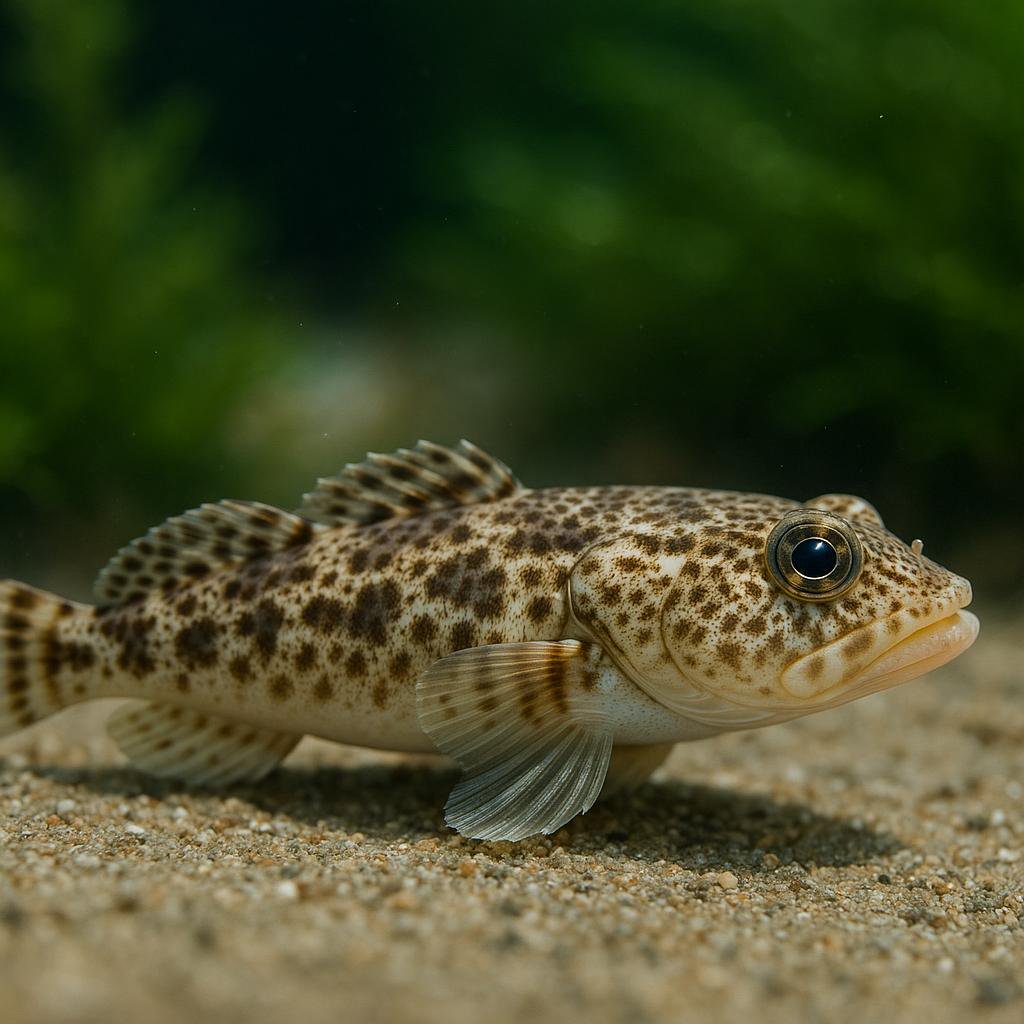
Banded stargazer
Kathetostoma binigrasella
This is a New Zealand stargazer that lives half-buried in sand or mud with its eyes pointed up, waiting to rocket upward and nail passing prey. It has those neat dark saddle-bands across the back (especially as a juvenile), and like other stargazers it is venomous with spines near the gill cover/pectoral area - definitely a look-dont-touch fish.
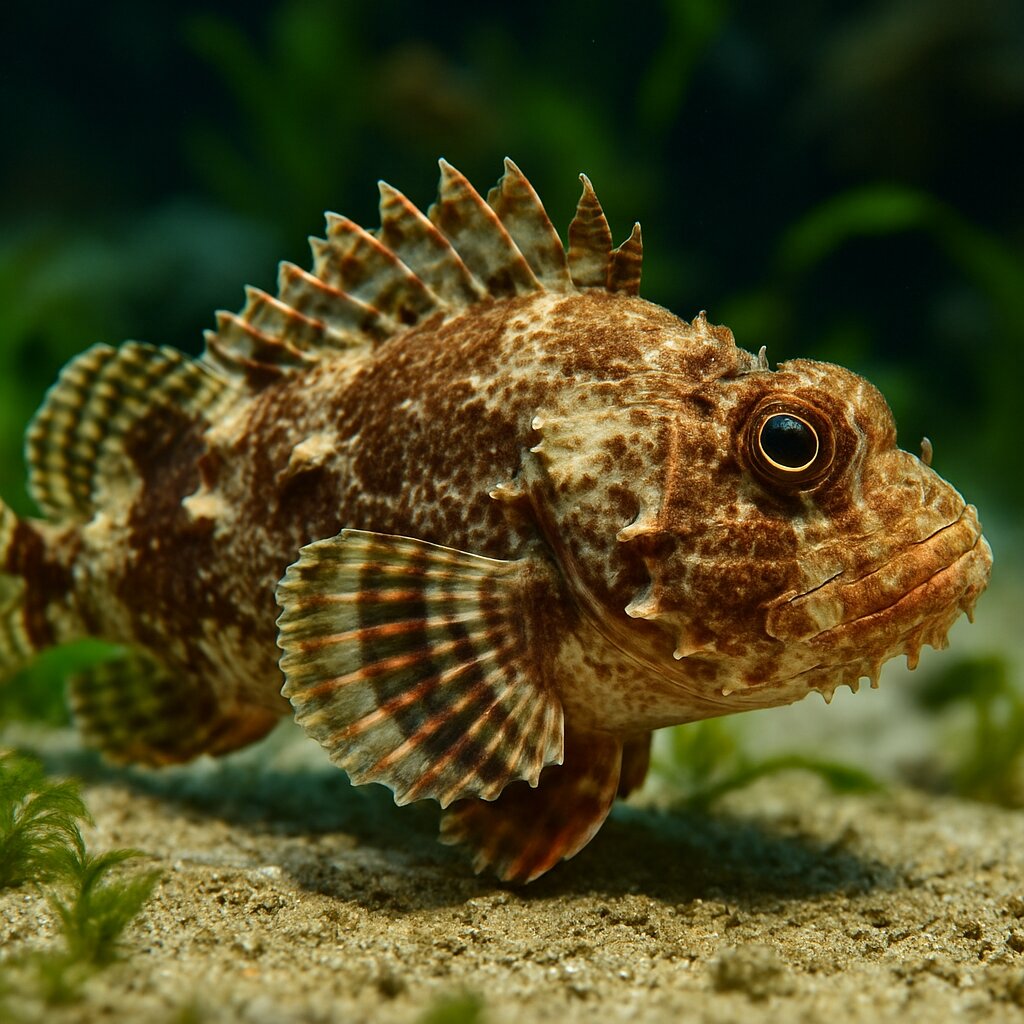
Bandfin scorpionfish
Scorpaenopsis vittapinna
Think tiny ambush predator that vanishes into rubble and coral bits, then flashes a dark band on its pelvic and anal fins when it shifts. It tops out around 3 inches, packs venomous spines, and loves to gulp unsuspecting shrimp and small fish. Super cool to watch once it settles, but it absolutely demands careful handling and smart tankmate choices.
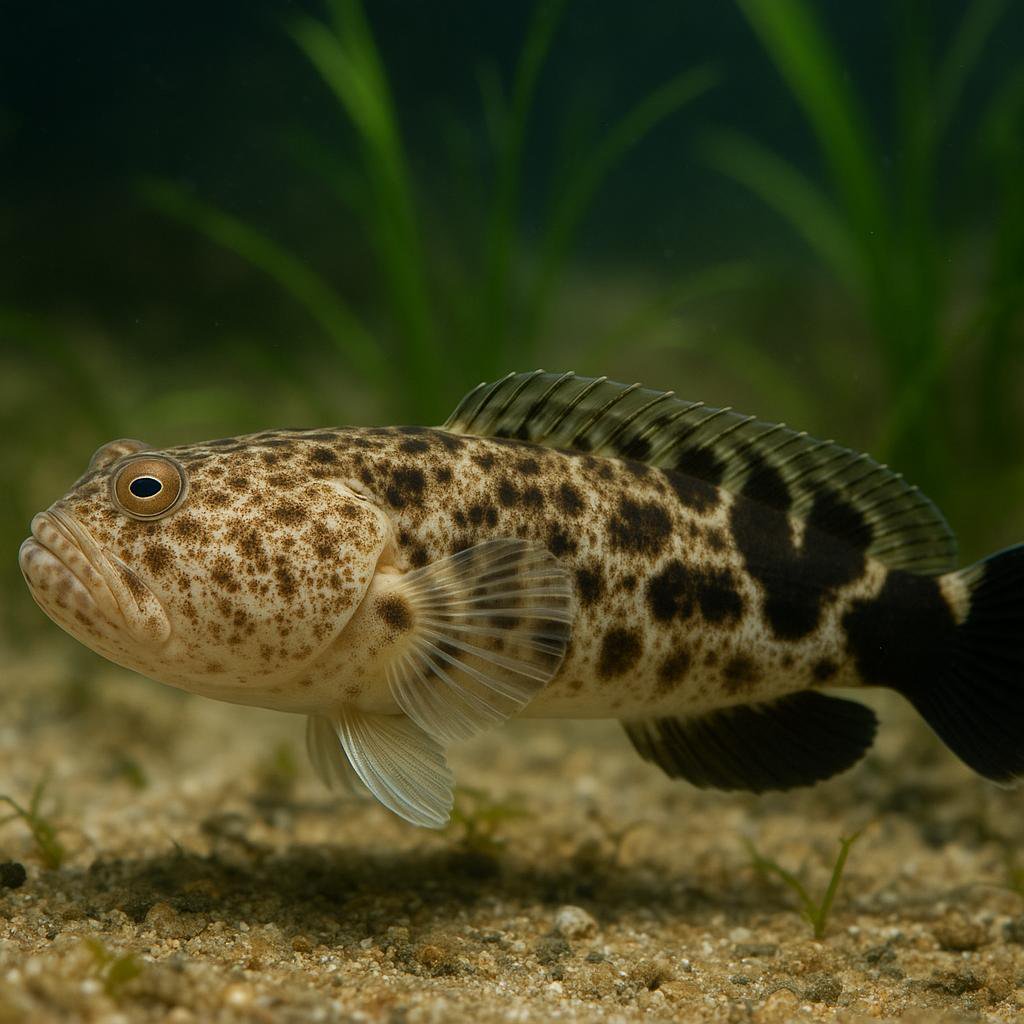
Blackfin stargazer
Ichthyscopus nigripinnis
This is a little sand-sitting stargazer from Australia that likes to lie in wait with its eyes up top and nail passing prey. That black mark on the front part of the dorsal fin is basically its signature. Cool fish, but its more of a wild marine predator than something you set up in a typical home aquarium.
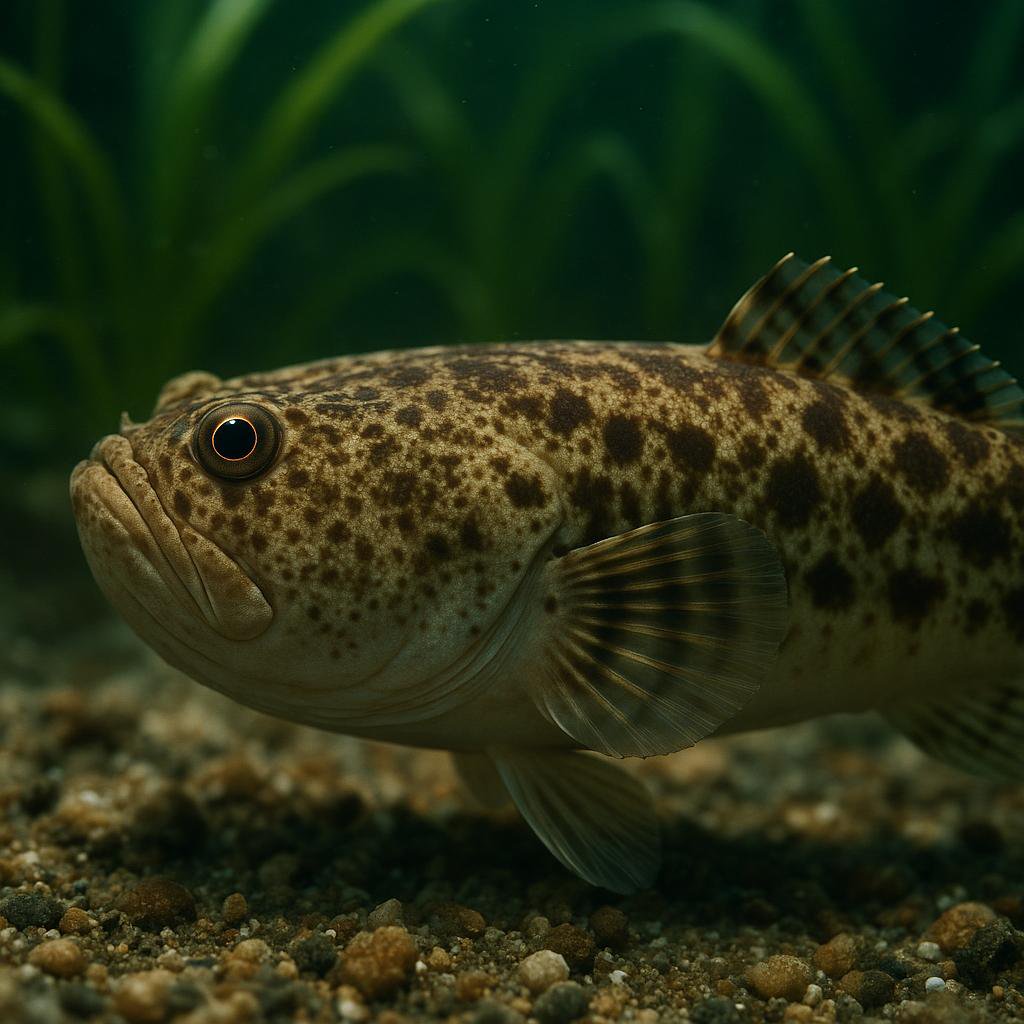
Brownspotted stargazer
Uranoscopus fuscomaculatus
A deep demersal stargazer recorded at 366–389 m that lies buried in sand or mud to ambush prey. Distribution is Southwestern Pacific (Vanuatu and Fiji). Given its deep, cold habitat and specialized requirements, it is not a practical aquarium species.
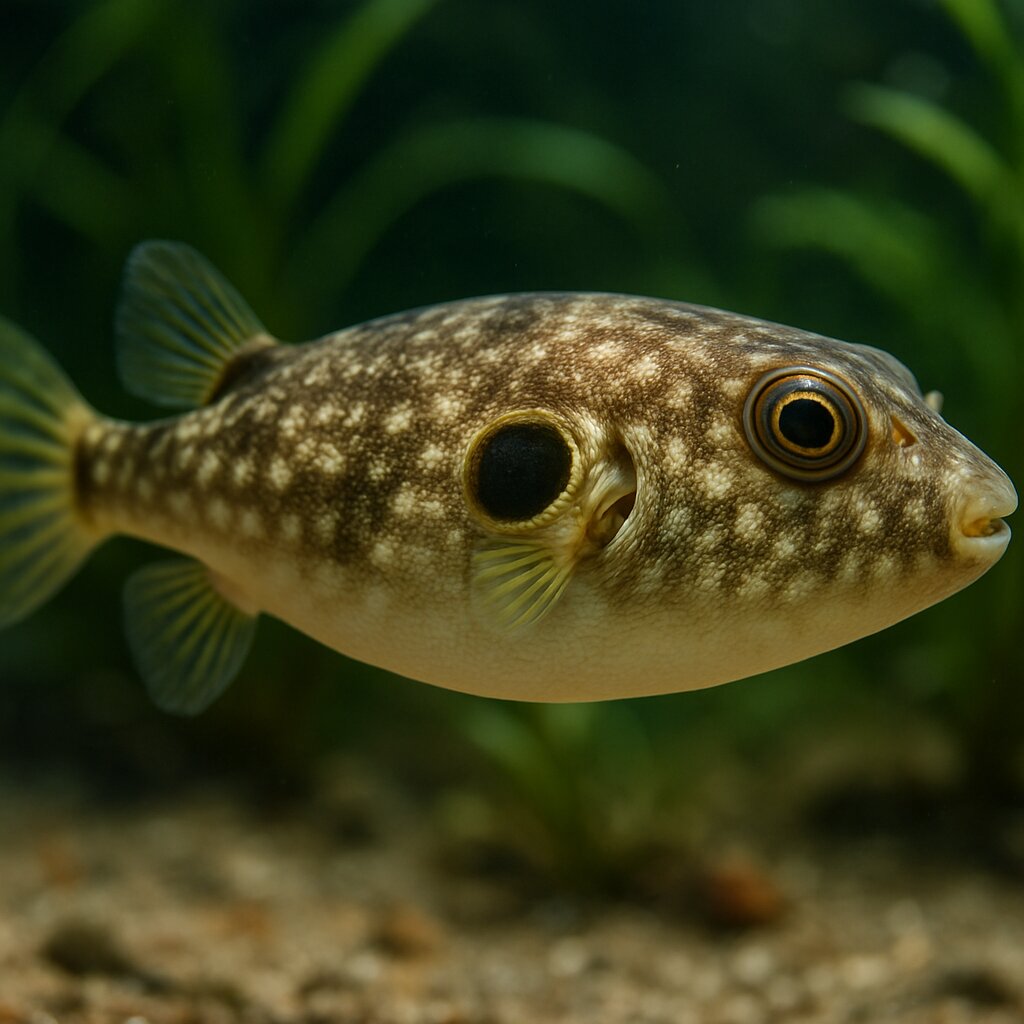
Bullseye puffer
Sphoeroides annulatus
Big personality in a football-shaped body with pale rings along the back that make a bullseye pattern. This is a stout Eastern Pacific puffer that crunches snails and crabs with ease and needs true saltwater and lots of room. Super cool to watch, but it turns nippy with tankmates and grows into a serious, messy eater.
More to Explore
Discover more marine species.
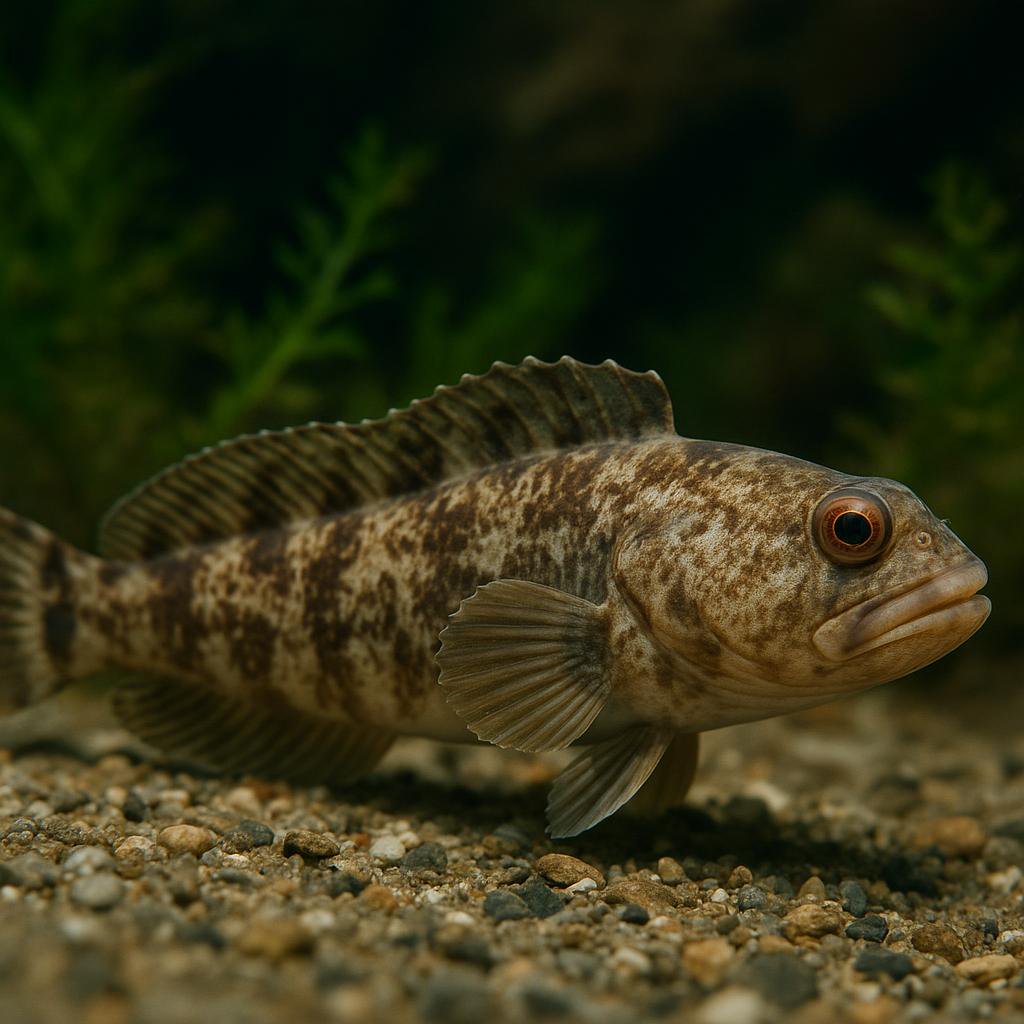
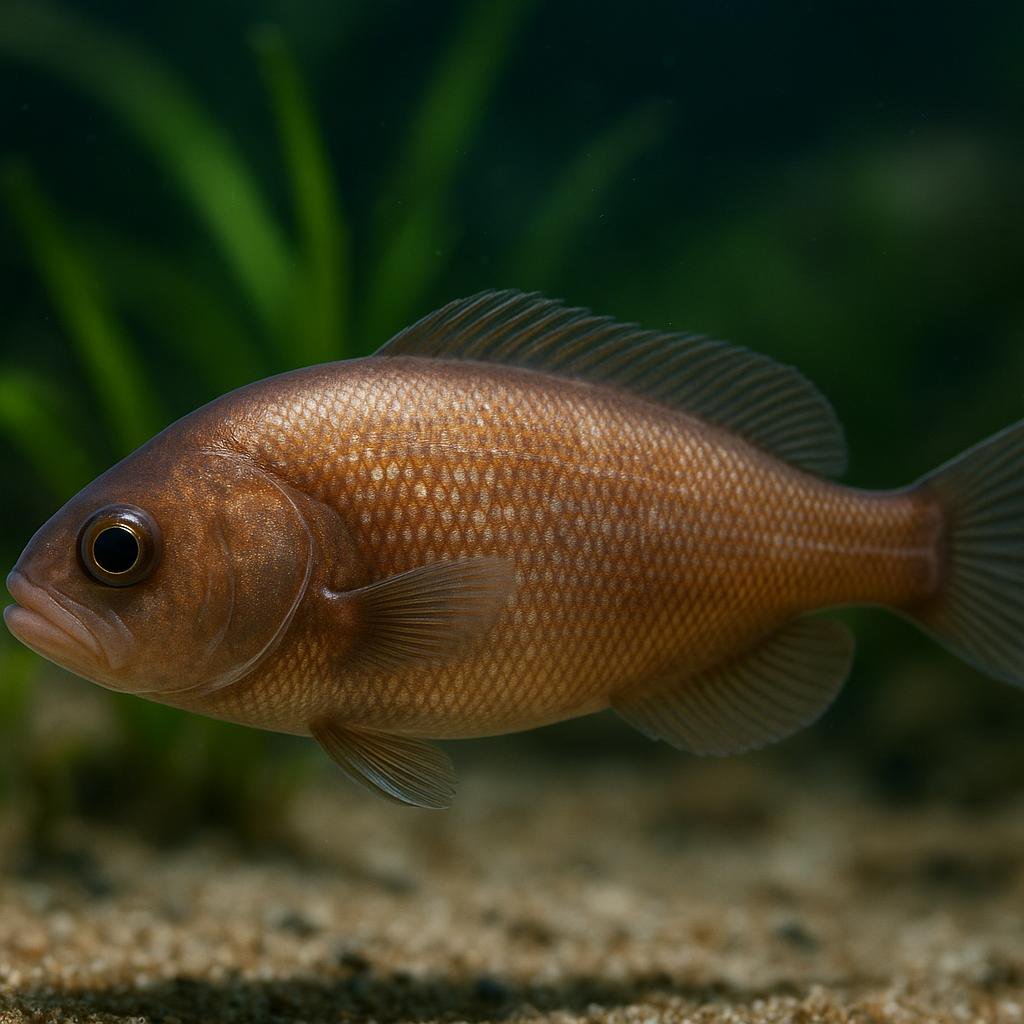
Abe's eelpout
Japonolycodes abei
Japonolycodes abei is a temperate, deepwater demersal eelpout (family Zoarcidae) endemic to Japan (Kumano-nada Sea reported; other sources also report Sagami Bay and Tosa Bay). It is the only species in the genus Japonolycodes and occurs roughly 40-300 m depth, making it an uncommon/atypical aquarium species.
Affinis blind cusk-eel
Barathronus affinis
Barathronus affinis is a tiny, super-weird deep-sea blind cusk-eel from the western-central Indian Ocean. It is one of those gelatinous, loose-skinned brotula-type fishes that live way down in the dark and are basically never seen alive, so almost everything we know comes from preserved specimens and taxonomic work.
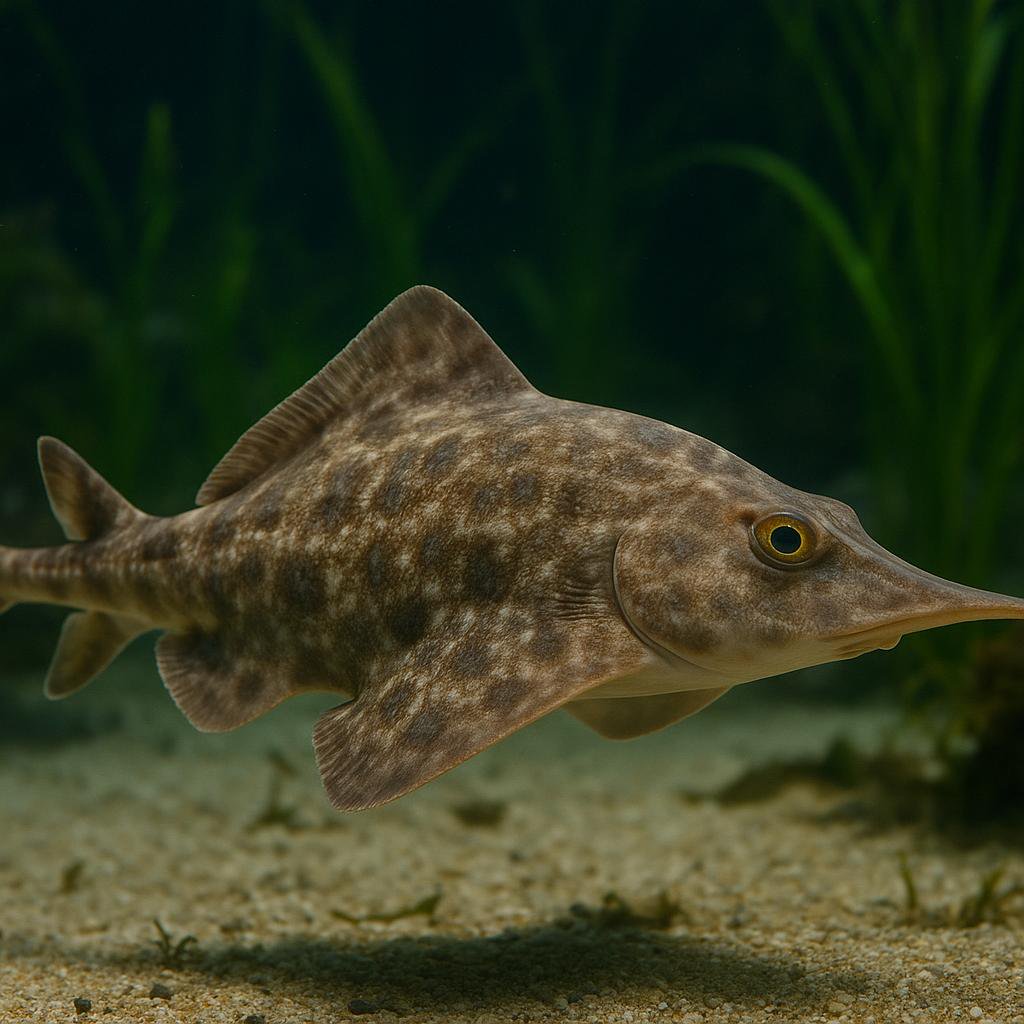
Aleutian skate
Bathyraja aleutica
This is a big, cold-water deep-slope skate from the North Pacific that cruises muddy bottoms and eats chunky benthic prey like crabs and shrimp. The really cool bit is its egg-laying skate life - it does distinct pairing (the classic skate "embrace") and drops those tough egg cases on the seafloor. Not an aquarium fish at all unless you're basically running a public-aquarium-style chilled system.
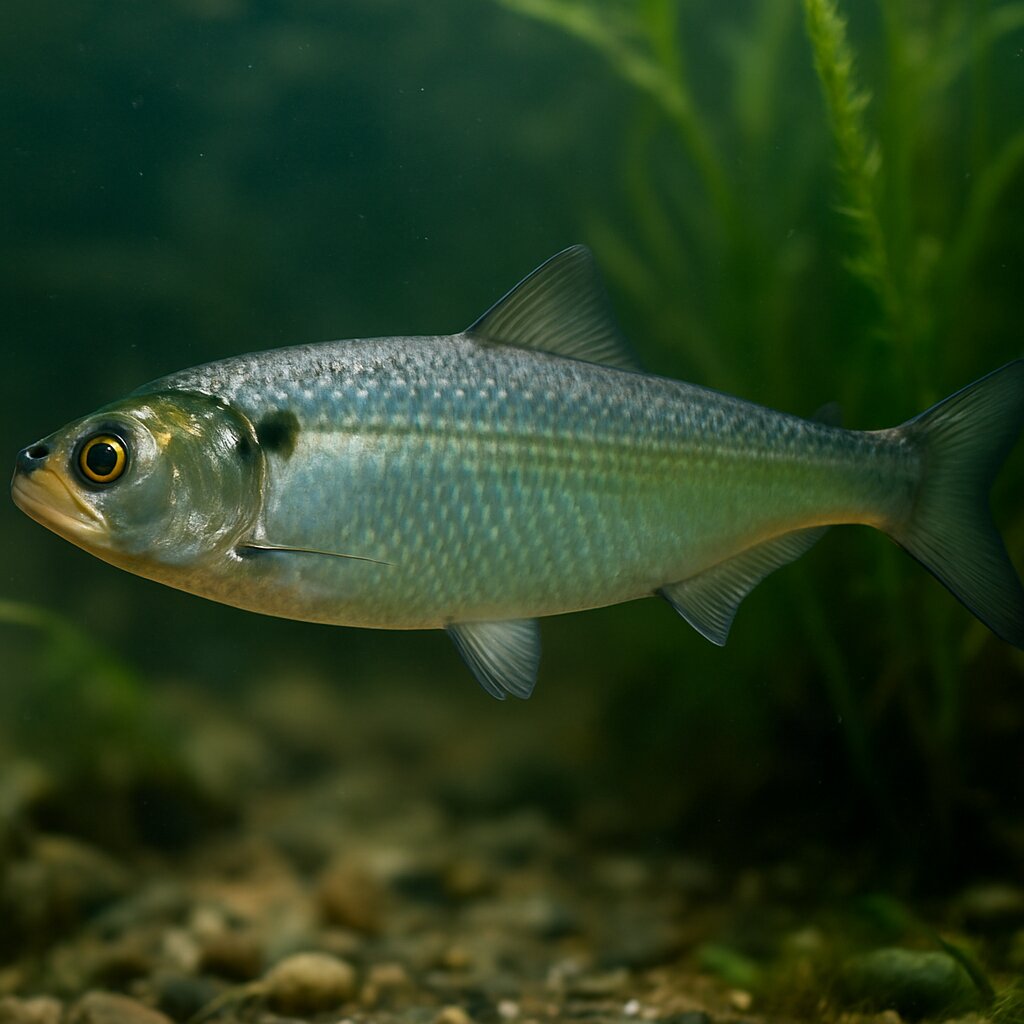
Allis shad
Alosa alosa
Gorgeous silver, fast-swimming shad that spends most of its life in the sea and then surges up big rivers in noisy, surface-spawning schools. It grows huge for a herring-type fish and needs cool, ultra-oxygenated water and tons of open space, so it is a public-aquarium species rather than a home tank fish.
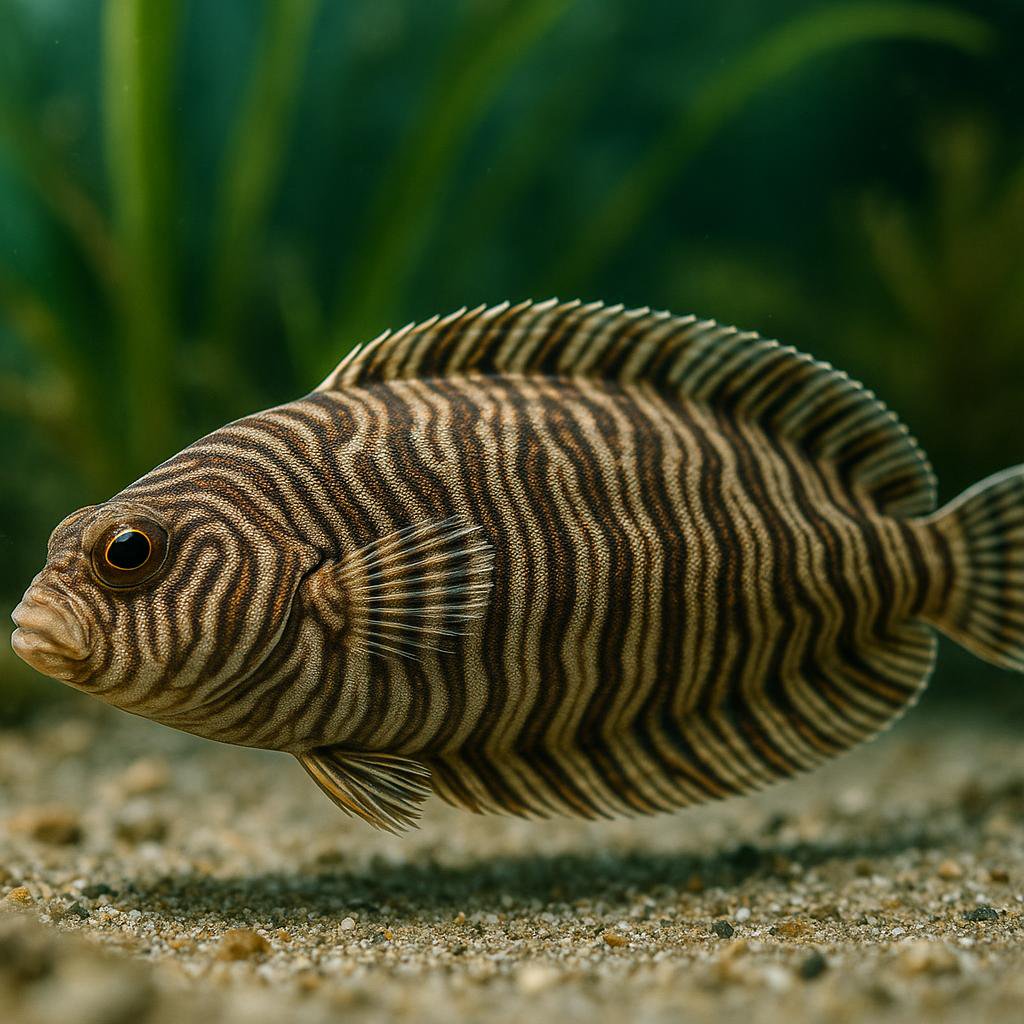
Annandale's zebra sole
Zebrias annandalei
Zebrias annandalei is a small demersal sole from coastal India that inhabits sandy or muddy bottoms and buries for camouflage. It is rarely kept in home aquaria and would require a specialized marine sand-bottom setup and appropriate feeding.
Antarctic dragonfish
Vomeridens infuscipinnis
Deep down around Antarctica, this sleek dragonfish cruises the water column like a little submarine, nearly neutrally buoyant so it can hover above the seafloor. It munches almost exclusively on Antarctic krill and lives in near-freezing water 500-800 m down, so it is a cool species to read about, not one for home tanks.
Looking for other species?