

Peruvian chromis
Azurina intercrusma
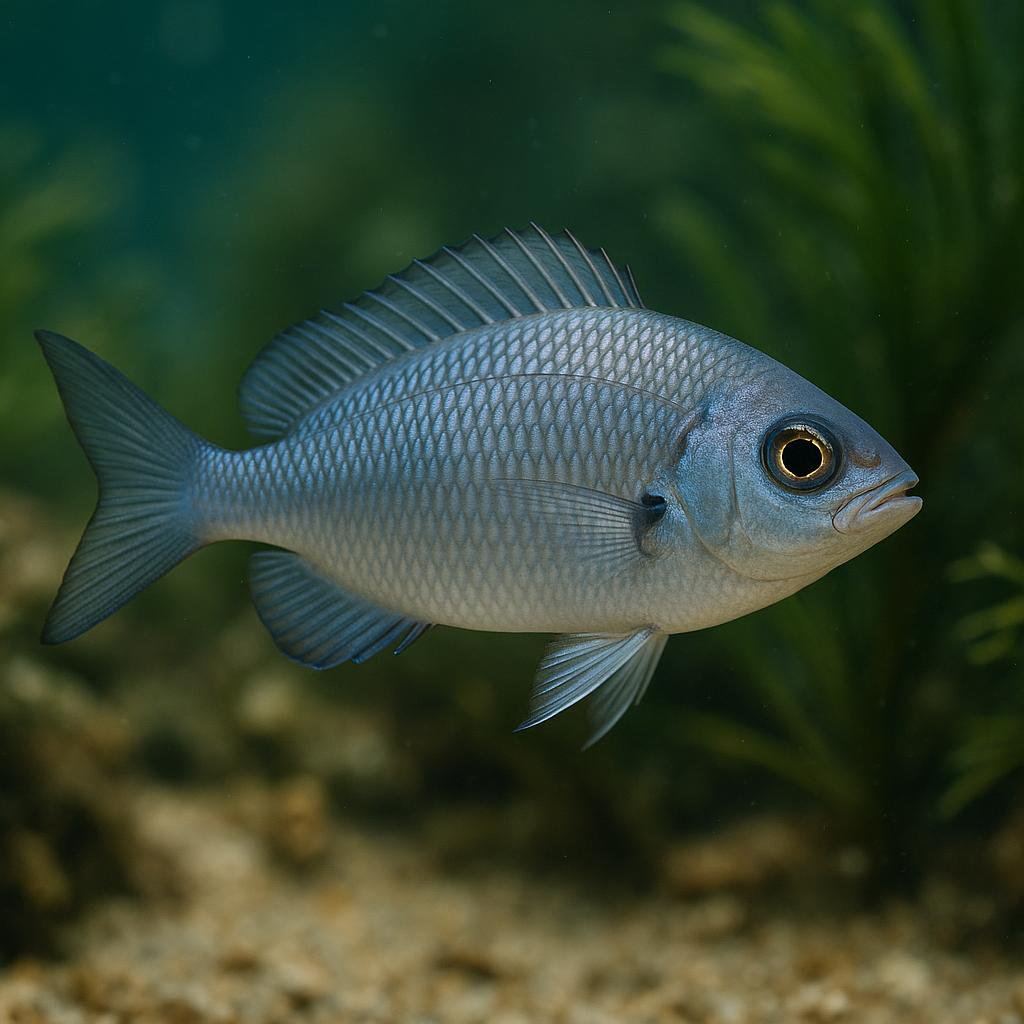
The Peruvian chromis exhibits a vibrant blue body with a distinct yellow belly and an elongated, sleek shape favorable for schooling.
This page includes AI-generated images. Why am I seeing AI images?
About the Peruvian chromis
Azurina intercrusma is a bigger, cool-water chromis from the rocky reefs off Peru down into Chile. It spends a lot of time out in the water column grabbing zooplankton, and in the wild the male will guard and fan the eggs after spawning. Not really a typical home-aquarium fish unless you're set up for a temperate marine system (most reef tanks run too warm).
Also known as
Quick Facts
Size
29 cm
Temperament
Semi-aggressive
Difficulty
Expert
Min Tank Size
125 gallons
Lifespan
5-10 years
Origin
Southeast Pacific (Peru and Chile)
Diet
Planktivore - zooplankton, fine frozen foods, small pellets
Water Parameters
15.2-23.5°C
8-8.4
8-12 dGH
Need a heater for this species?
This species needs 15.2-23.5°C in a 125 gallon tank. Use our heater calculator to find the right wattage.
Calculate heater sizeCare Notes
- Give them room and flow - think 120+ gallons for a small group, lots of open water to cruise, and a big pile of rockwork to duck into when spooked.
- Keep temp around 72-78 F and salinity 1.025-1.026; they get cranky fast with swings, so run an ATO and don-t let the tank yo-yo day to day.
- They hate dirty water from heavy feeding - aim nitrate under ~10-20 ppm and keep oxygen high with strong surface agitation, especially at night.
- Feed like a planktivore: small foods several times a day (mysis, finely chopped shrimp, calanus, quality pellets); one big feeding a day usually leaves the shy ones skinny.
- Best kept in a group (5-9) so aggression spreads out; a single fish can turn into a nervous wreck or a jerk depending on the tank.
- Avoid housing them with big bruisers and fast pigs at feeding time (large wrasses, triggers, big dottybacks); they do way better with other active-but-not-bullying reef fish like anthias, chromis, and peaceful tangs.
- Watch for the usual damsel-family drama: if one starts claiming a corner and chasing everyone off, pull it or re-scape before it turns the whole tank into a stress fest.
- Breeding can happen in mature tanks: a pair will pick a rock and guard eggs hard, but in a community tank the fry basically need a separate rearing setup and tiny live foods (rotifers/copepods) if you want any to survive.
Compatibility
Good Tankmates
- Other Peruvian chromis in a small group (like 5-9) - they act way better in a shoal and spread the attitude around instead of picking on one fish
- Hardy, similar-sized Pacific community fish like other temperate damsel-type schooling fish (think active swimmers that will not get bullied easily)
- Medium wrasses that are quick and confident (Halichoeres-type) - they can handle the constant motion and do not get stressed by the chromis being pushy at feeding time
- Tang-like algae grazers in the right size tank (yellow tang type vibe) - steady, not easily intimidated, and usually ignores the chromis drama
- Basslets/gramma-type fish that can hold a little territory but are not outright jerks - they tend to coexist fine as long as you have rockwork and multiple hideouts
- Clownfish (most common types) - generally a solid match, just expect some posturing on both sides and give them space to claim their corner
Avoid
- Tiny, super-peaceful fish like small gobies, firefish, and similar shy hoverers - they get outcompeted for food and can get chased into hiding nonstop
- Slow, long-finned show fish (lionfish, some butterflies, anything that cruises slowly) - the chromis can turn into fin-nippers and make their life miserable
- Hyper-territorial bruisers (big damsels, dottybacks, triggerfish) - you are basically asking for a constant brawl and stressed fish
Where they come from
Peruvian chromis (Azurina intercrusma) are one of those cool, niche damselfish from the eastern Pacific - think Peru and nearby waters where the Humboldt Current keeps things a bit cooler and nutrient-rich. Theyre often found schooling in the water column around rocky reef areas, picking plankton out of the flow.
A lot of the trouble people have with this fish comes from treating it like a warm-water, bulletproof Chromis from the Indo-Pacific. Different ocean, different vibe.
Setting up their tank
If you want a real shot with Peruvian chromis, start by thinking "cooler, high oxygen, lots of flow, very stable." They spend time in open water, so the tank needs swim room, not just a rock pile.
Ive had the best luck in a mature system that already runs clean and steady. Newly cycled tanks and Peruvian chromis are a rough combo. They dont forgive swings.
- Tank size: I would not do these in anything under 75 gallons, and bigger is easier if you want a group
- Aquascape: open water up front with a few rocky "islands" and caves so they can bail out if spooked
- Flow and oxygen: strong random flow plus surface agitation - they act stressed fast in stagnant water
- Filtration: oversized skimmer helps a lot because youre going to feed heavy
- Lighting: whatever fits your reef, but give them shaded areas so theyre not stuck in full blast all day
Temperature is the make-or-break detail for many people. These are eastern Pacific fish and tend to do better on the cool side of what most reefers run. If your tank sits warm (upper 70s to 80F), dont be surprised if they slowly fade.
Acclimation: go slow, dim the lights, and dont toss them into a busy tank on day one. I like to introduce them after the more aggressive fish are already settled, but only if those fish are truly peaceful. Otherwise, they get harassed and stop eating.
What to feed them
These are planktivores. Youll see it right away - they hang in the water column and peck at anything drifting by. Small foods, frequent meals, and variety is what keeps them putting on weight.
- Staples: enriched brine shrimp, mysis (smaller pieces), calanus, copepod blends, finely chopped krill
- Dry food: small pellets and quality flakes can work, but I treat them as backup, not the main diet
- Live foods: live copepods or baby brine can kickstart shy new fish
- Feeding schedule: 2-4 small feedings a day beats one big dump
If one is hanging back, target feed with a turkey baster. Getting that first week of strong eating makes everything easier later.
How they behave and who they get along with
They look like they should be easy community fish, but theyre kind of a "sensitive schooler". In a calm tank theyll cruise together and look awesome. Under pressure they turn into wall-huggers, stop feeding confidently, and then you start losing them one by one.
Group size matters. Singles can be skittish. Pairs can get weirdly bossy. A small group can spread aggression out, but only if the tank is big enough and you feed enough.
- Good tankmates: peaceful tangs, smaller wrasses that arent bullies, gobies, blennies, cardinalfish
- Avoid: aggressive damsels, dottybacks, big pushy wrasses, triggers, and anything that likes to "test bite" newcomers
- Reef safety: generally reef safe with corals, but they will compete hard for food
Watch for that classic chromis problem: a dominant fish picking on the weakest one in the group. If you see one getting excluded at feeding time, you may need to separate it before it crashes.
Breeding tips
Theyre damselfish, so spawning is possible, but raising the babies is the real project. If youre already set up for pelagic larvae (rotifers, phytoplankton, larval kreisel or round tub, tight lighting/flow control), then its at least on the table.
In a stable, well-fed tank, youll sometimes see pair behavior and a fish cleaning a patch of rock. Eggs are typically laid on a hard surface and guarded. The problem is the larvae are tiny and need live food right away, and most display tanks will just turn them into coral food overnight.
- Condition the adults with frequent small planktonic foods
- Provide flat rock faces or tiles they can choose as a nest site
- If you get eggs, move the tile/rock to a dedicated larval setup before hatch night
- Have rotifers running ahead of time - dont try to spin them up after you see eggs
If youre not already breeding marine fish, dont feel bad skipping this. Keeping the adults healthy is the win with this species.
Common problems to watch for
Most losses Ive seen come from slow decline rather than dramatic events. Theyll still swim around, but they get thinner, less bold at feeding, and then one day theyre gone. The earlier you catch the change, the better.
- Shipping stress and refusal to eat the first week
- Wasting away from internal parasites (stringy poop, pinched belly, fading energy)
- Bullying in groups - one fish gets singled out and starves
- Low oxygen or not enough flow, especially at night
- Temperature running too warm long-term
If you see rapid breathing, clamped fins, hiding, and a fish that used to eat now ignoring food, dont wait a week hoping it fixes itself. Pull it to a quiet hospital tank and troubleshoot (oxygen, temp, parasites) right away.
Quarantine helps a lot with this species. Not just for ich management, but to get them eating hard, put some weight on them, and treat for internal stuff if they show signs. Once theyre settled and confident, they do way better in the display.
Similar Species
Other marine semi-aggressive species you might be interested in.
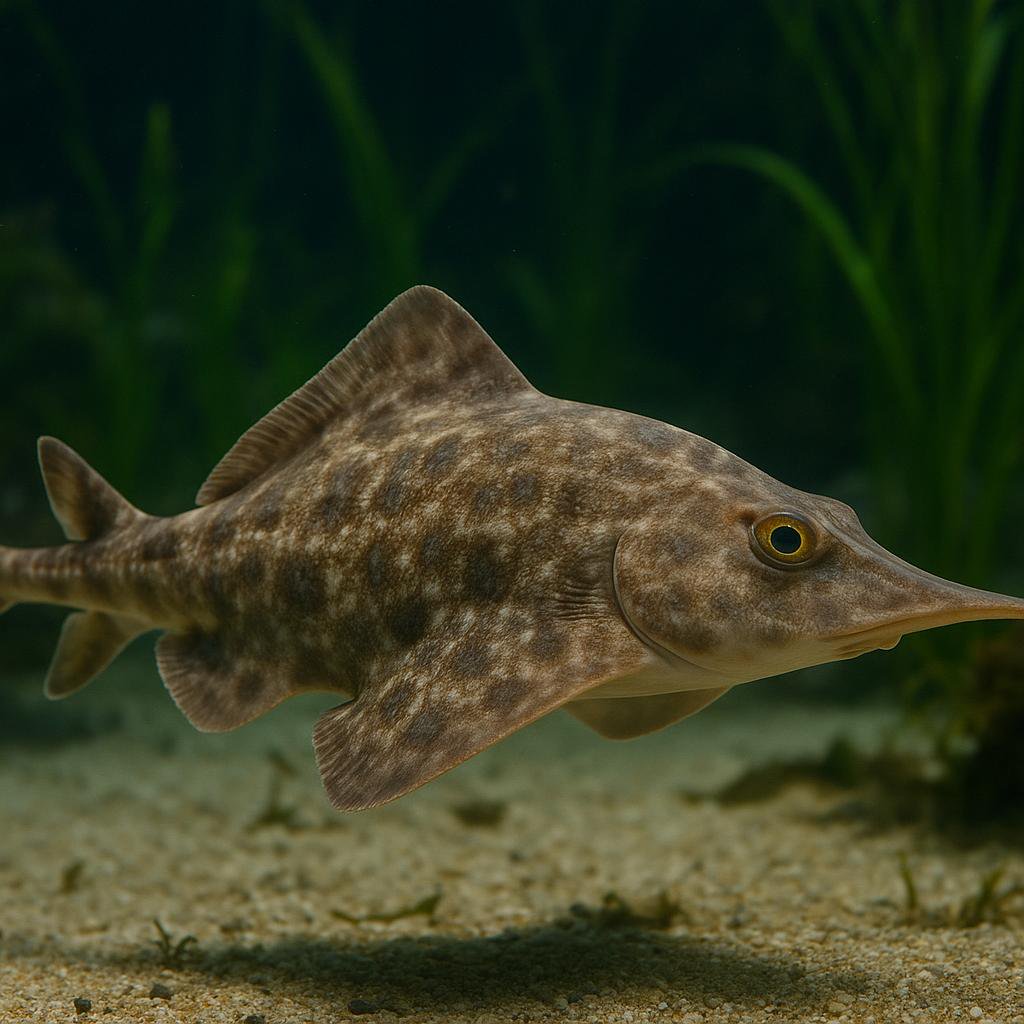
Aleutian skate
Bathyraja aleutica
This is a big, cold-water deep-slope skate from the North Pacific that cruises muddy bottoms and eats chunky benthic prey like crabs and shrimp. The really cool bit is its egg-laying skate life - it does distinct pairing (the classic skate "embrace") and drops those tough egg cases on the seafloor. Not an aquarium fish at all unless you're basically running a public-aquarium-style chilled system.
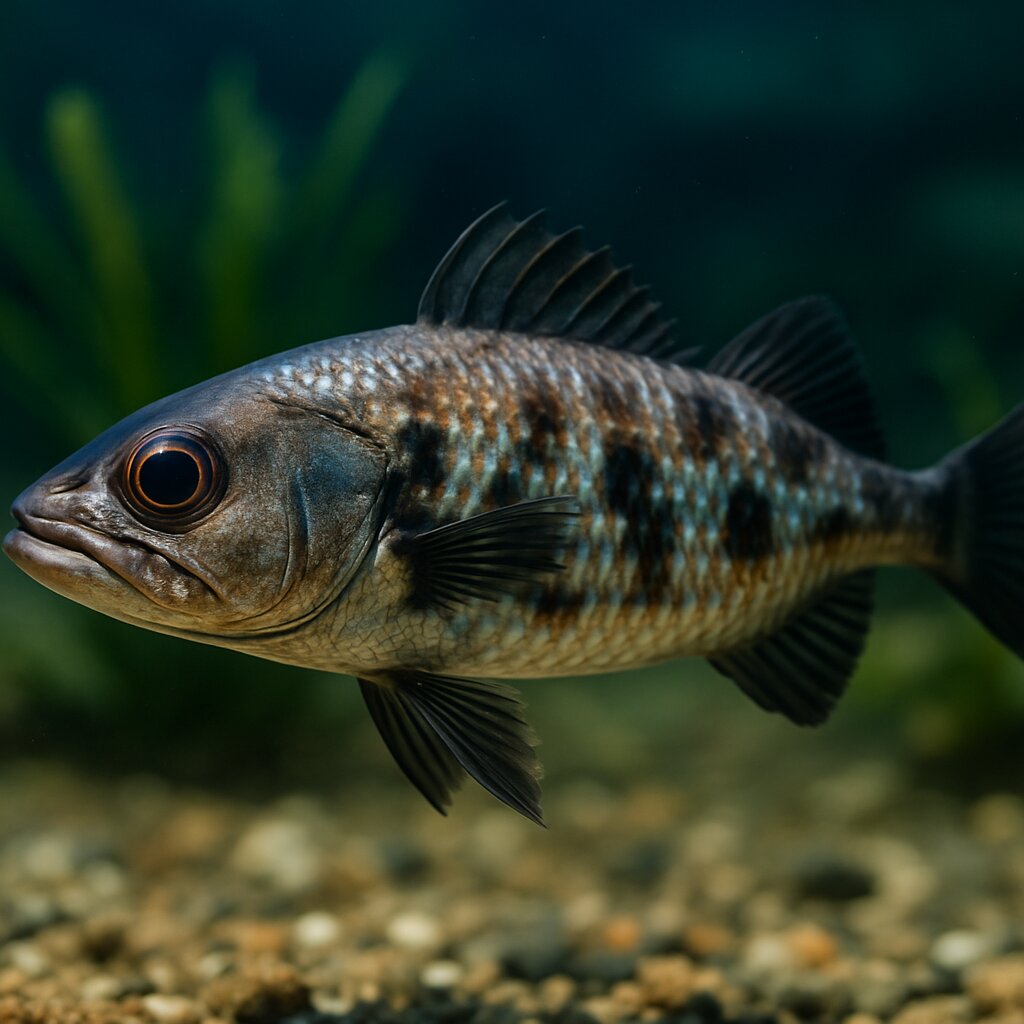
Antarctic dragonfish
Vomeridens infuscipinnis
Deep down around Antarctica, this sleek dragonfish cruises the water column like a little submarine, nearly neutrally buoyant so it can hover above the seafloor. It munches almost exclusively on Antarctic krill and lives in near-freezing water 500-800 m down, so it is a cool species to read about, not one for home tanks.
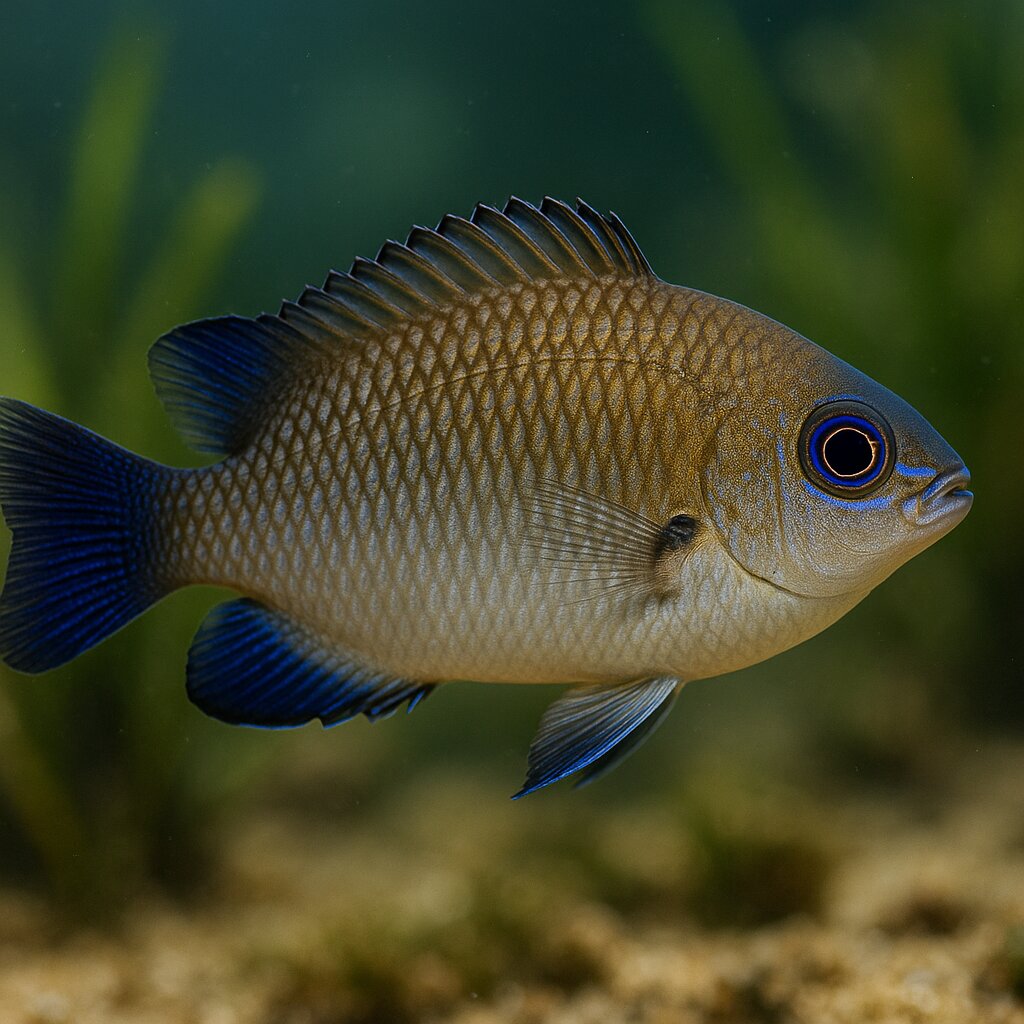
Arabian demoiselle
Neopomacentrus sindensis
A small lyretail damsel from the Persian Gulf and Arabian Sea, it hangs in loose groups around coral heads, rocks, and even pier pilings picking zooplankton from the flow. Think classic damsel toughness with a slightly milder attitude than the real bruisers, plus subtle yellow tail accents. Males clean a patch, get a mate to lay eggs there, and then stand guard fanning the clutch.
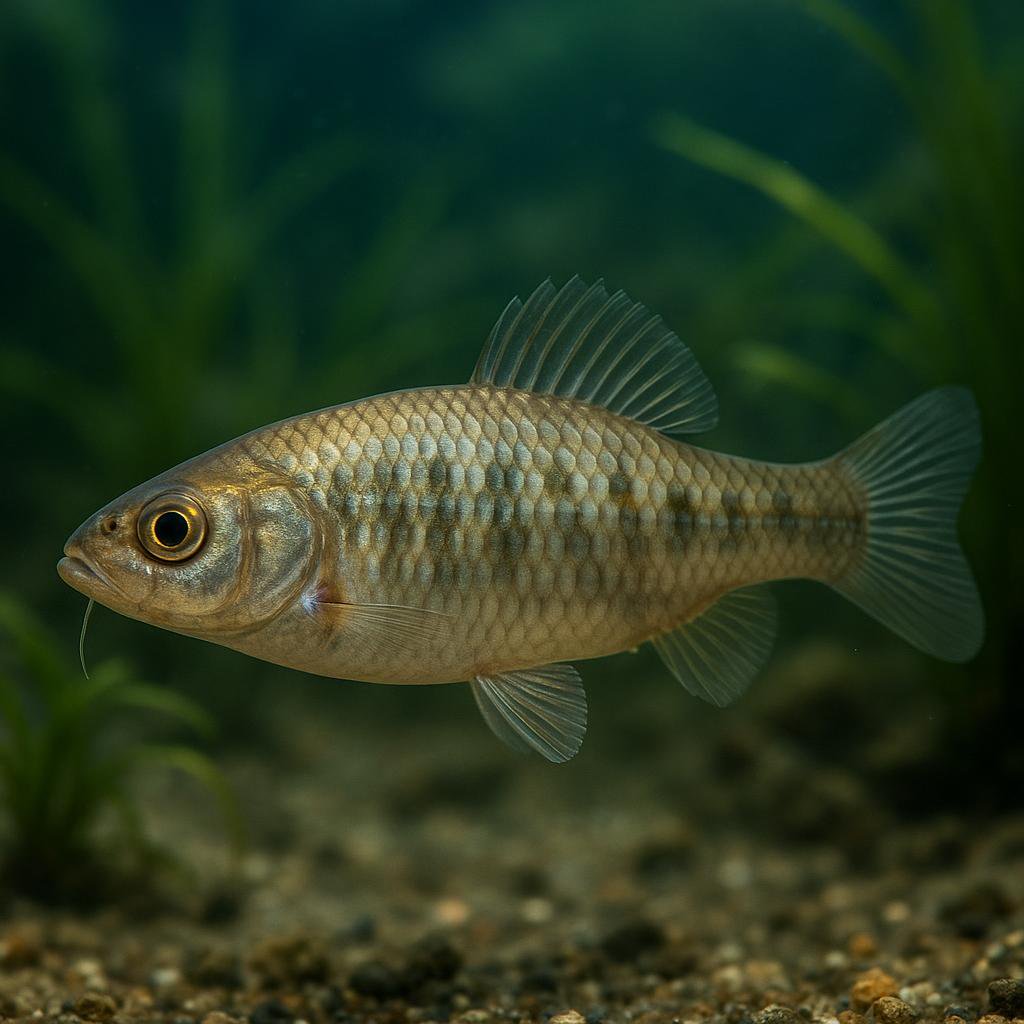
Arabian spiny eel
Notacanthus indicus
Notacanthus indicus is a deep-sea spiny eel (family Notacanthidae; not a true eel) known from the Arabian Sea on the continental slope at roughly ~960–1,046 m depth, with reported maximum length around 20 cm TL; it is a deep-water bycatch species and not established in the aquarium trade.
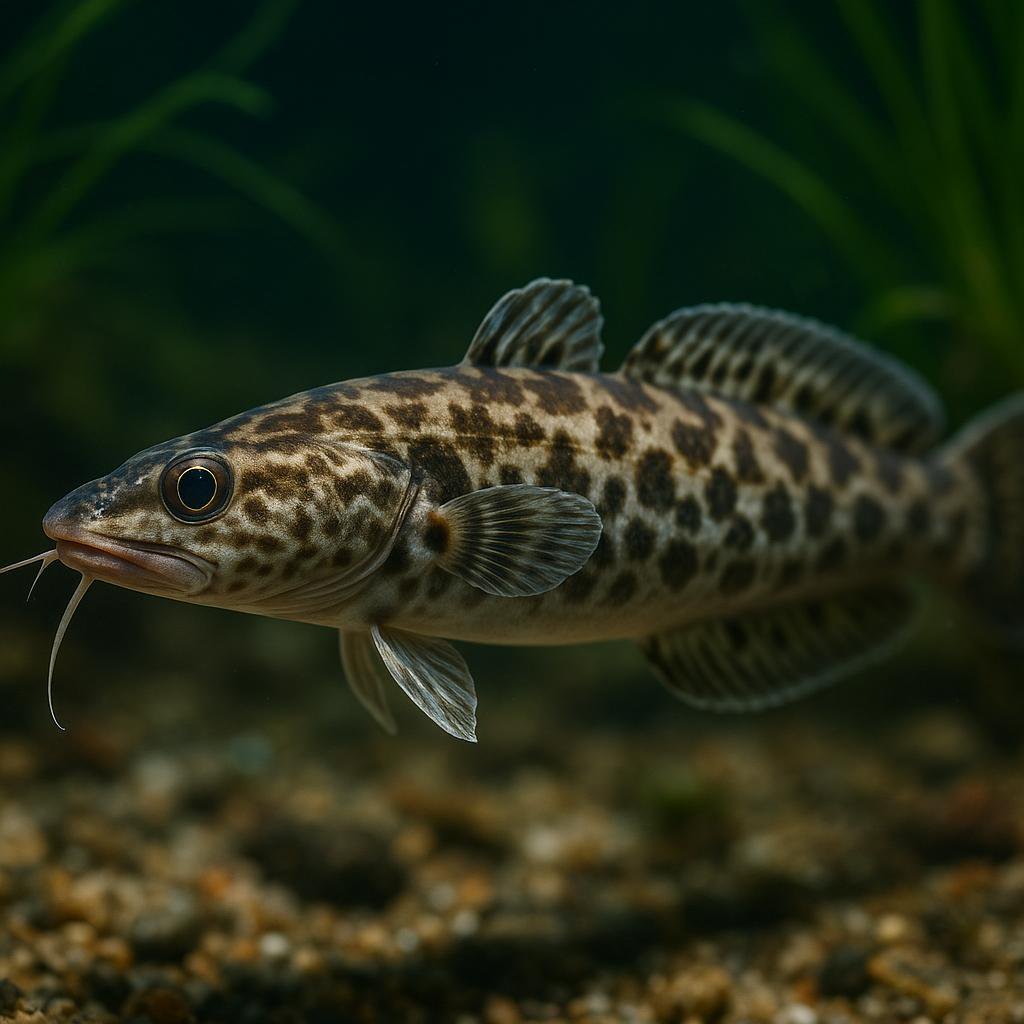
Arctic rockling
Gaidropsarus argentatus
This is a deepwater North Atlantic rockling (a cod relative) that hangs out on soft bottoms way down the slope. It is a cold-water, bottom-hugging predator that snoots around for crustaceans and will also take small fish when it gets the chance.
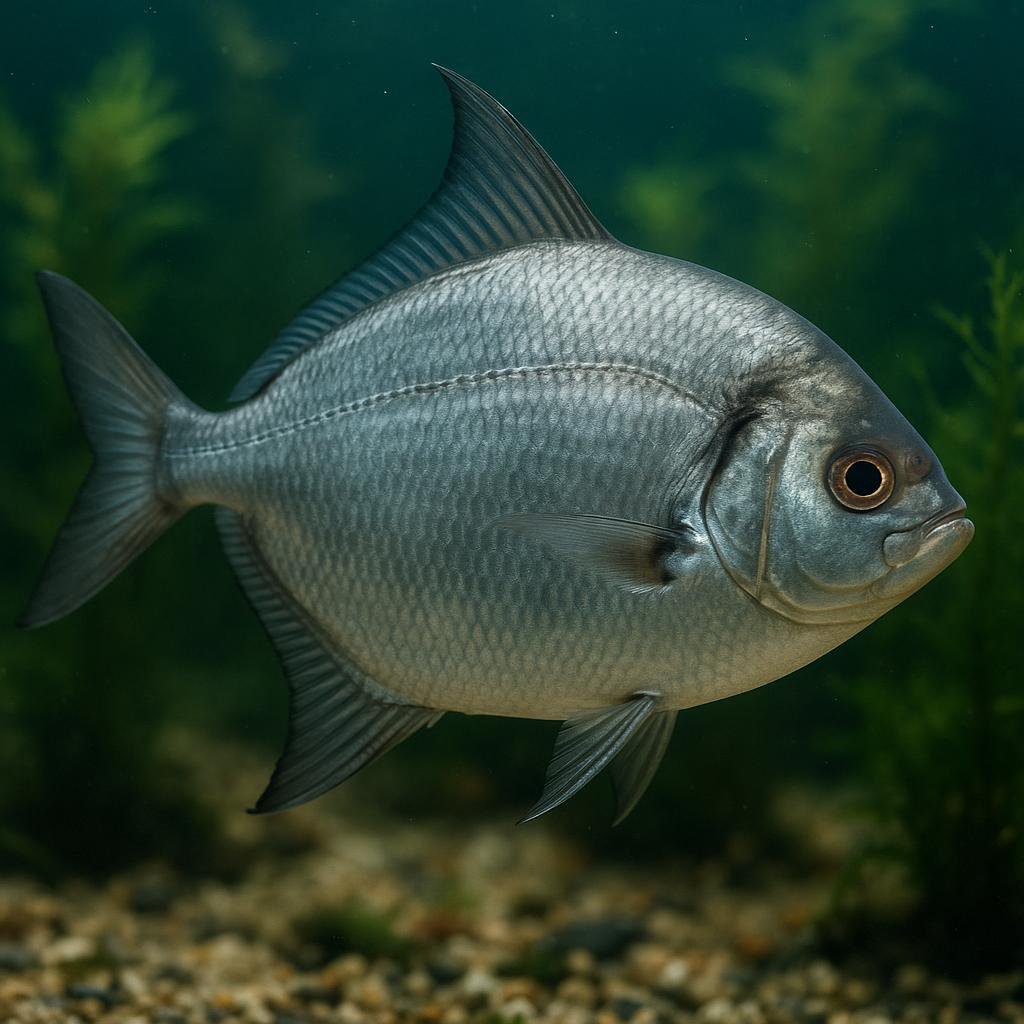
Atlantic pomfret
Brama brama
Brama brama is the Atlantic pomfret (aka Ray's bream) - a deep-bodied, open-ocean pelagic fish that cruises around in small schools and follows water temps. It is a legit big, wild marine species (not an aquarium fish) that eats other small sea critters like fish and squid, and it ranges across a huge chunk of the Atlantic plus parts of the Indian and South Pacific.
More to Explore
Discover more marine species.
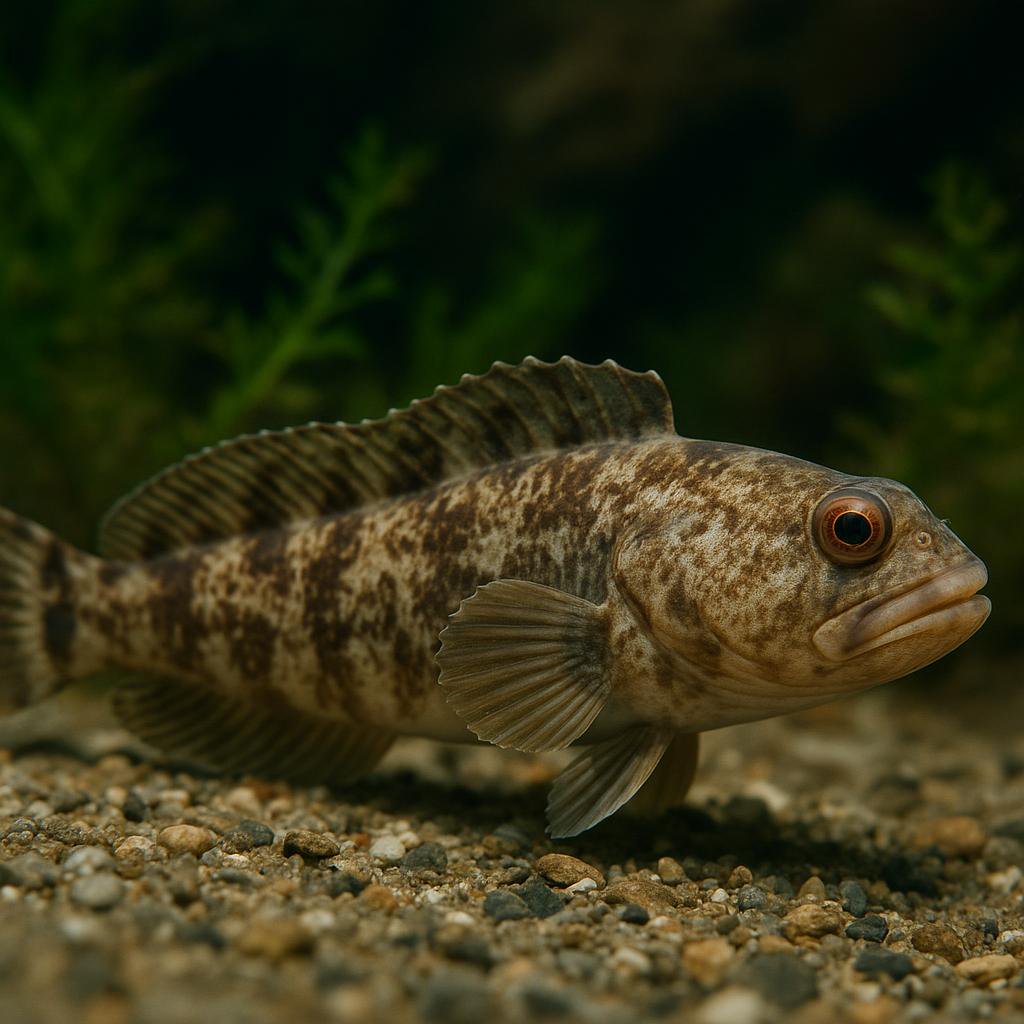
Abe's eelpout
Japonolycodes abei
Japonolycodes abei is a temperate, deepwater demersal eelpout (family Zoarcidae) endemic to Japan (Kumano-nada Sea reported; other sources also report Sagami Bay and Tosa Bay). It is the only species in the genus Japonolycodes and occurs roughly 40-300 m depth, making it an uncommon/atypical aquarium species.
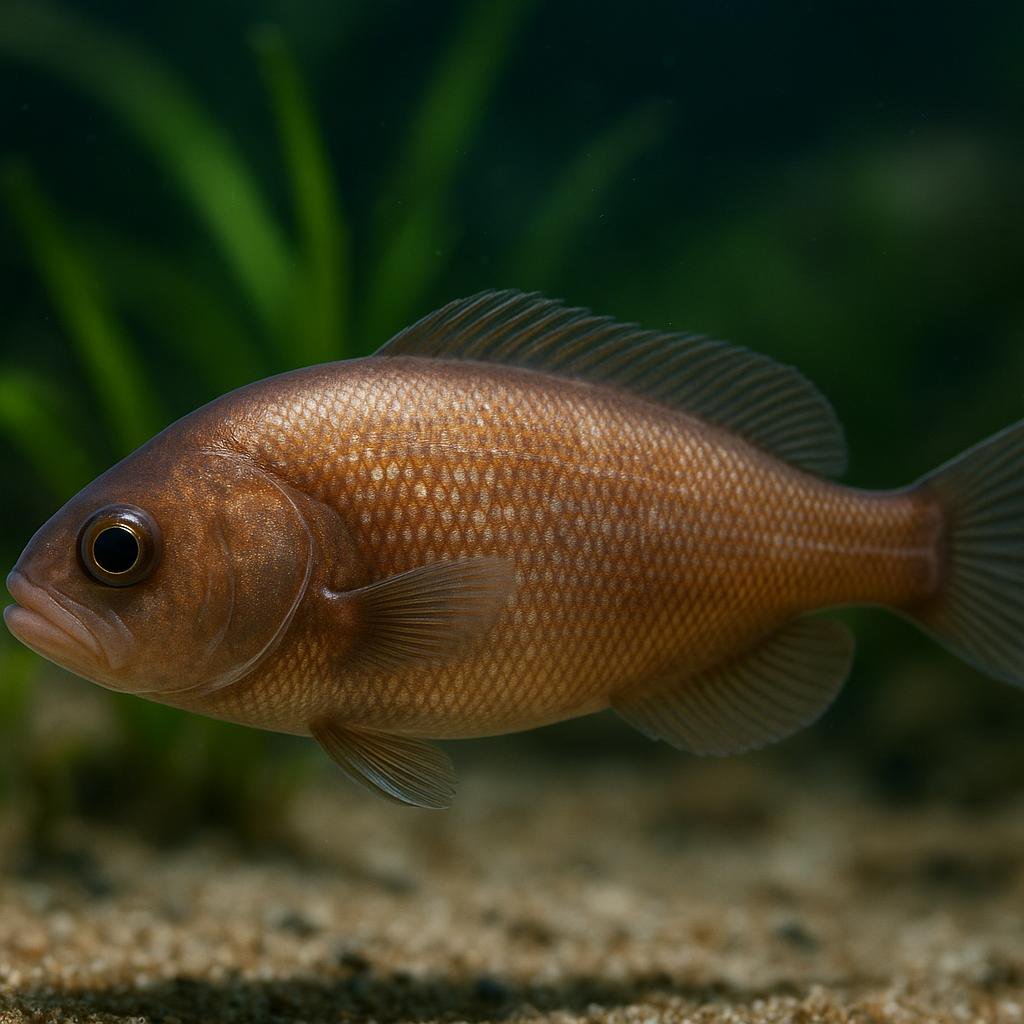
Affinis blind cusk-eel
Barathronus affinis
Barathronus affinis is a tiny, super-weird deep-sea blind cusk-eel from the western-central Indian Ocean. It is one of those gelatinous, loose-skinned brotula-type fishes that live way down in the dark and are basically never seen alive, so almost everything we know comes from preserved specimens and taxonomic work.
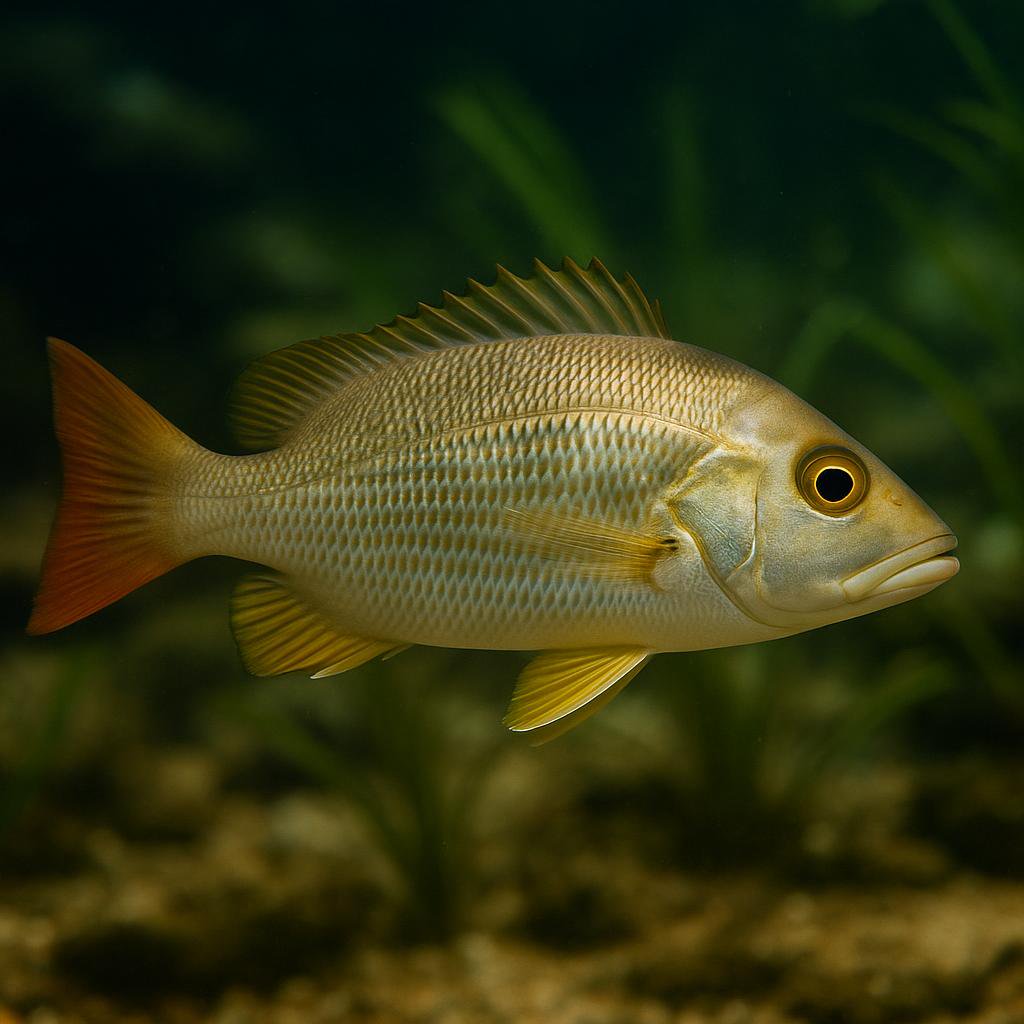
African red snapper
Lutjanus agennes
This is a true snapper from West Africa - a big, fast-growing predator that goes from coastal reefs to brackish lagoons and estuaries (especially as a juvenile). Super cool fish in the wild, but it gets absolutely huge and will eat smaller tankmates once it has the mouth for it, so its really more of a public-aquarium scale animal than a home-aquarium fish.
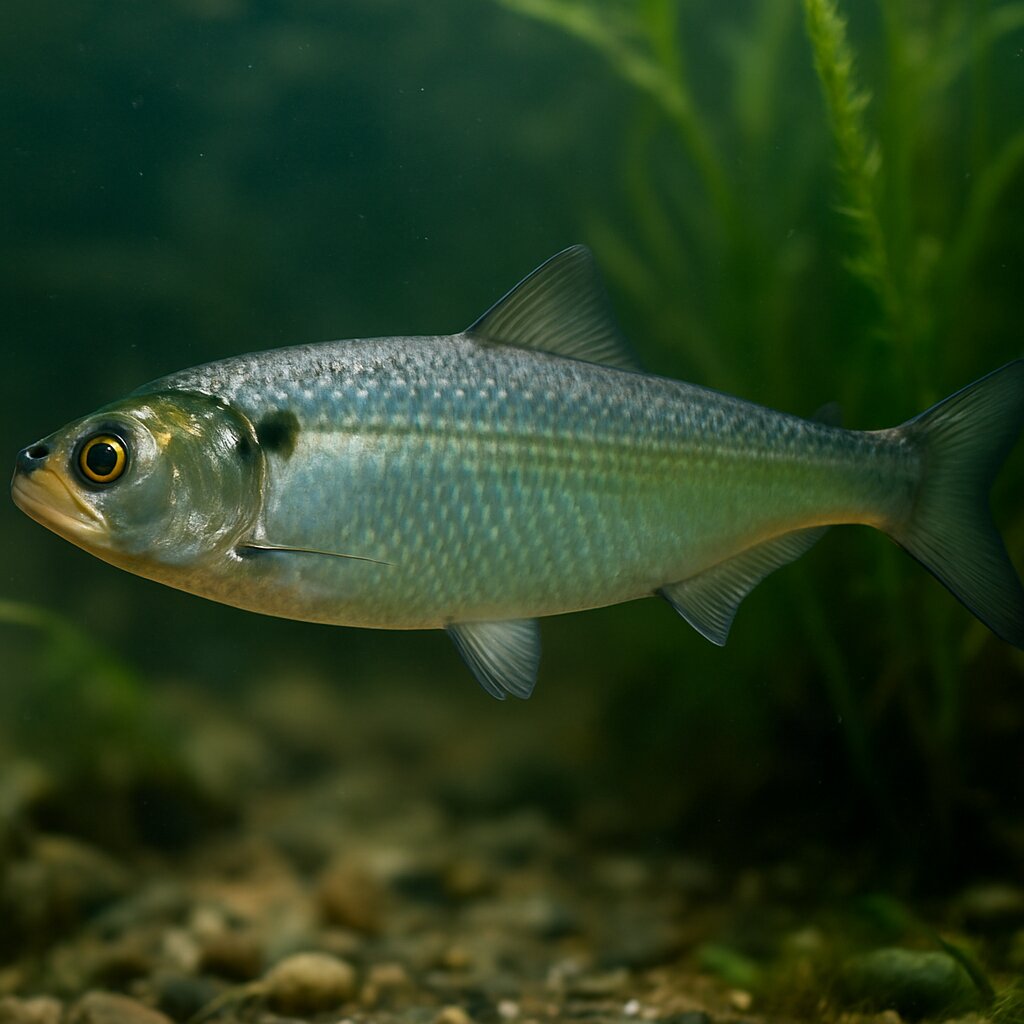
Allis shad
Alosa alosa
Gorgeous silver, fast-swimming shad that spends most of its life in the sea and then surges up big rivers in noisy, surface-spawning schools. It grows huge for a herring-type fish and needs cool, ultra-oxygenated water and tons of open space, so it is a public-aquarium species rather than a home tank fish.
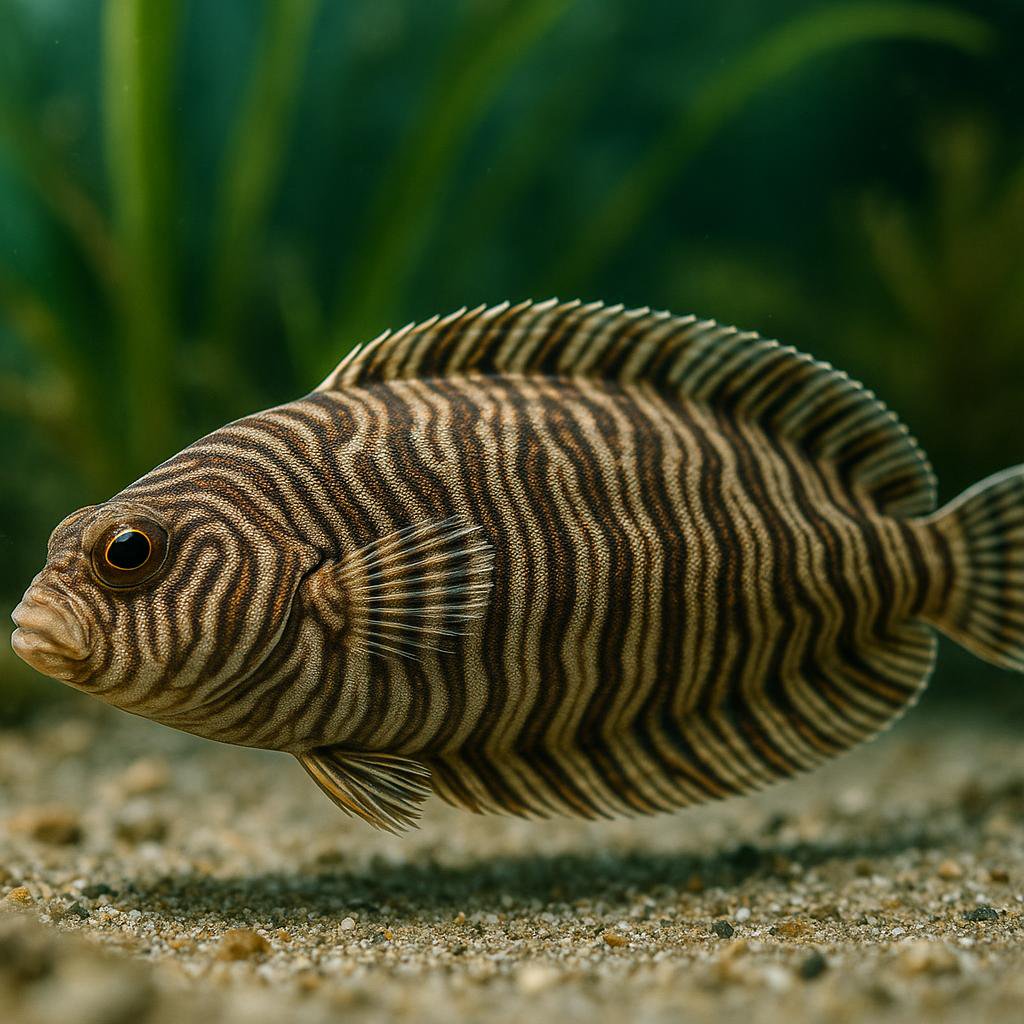
Annandale's zebra sole
Zebrias annandalei
Zebrias annandalei is a small demersal sole from coastal India that inhabits sandy or muddy bottoms and buries for camouflage. It is rarely kept in home aquaria and would require a specialized marine sand-bottom setup and appropriate feeding.
Australian sawtail catshark
Figaro boardmani
Figaro boardmani is a small, deepwater Australian catshark with these cool saw-like ridges of spiny denticles along the tail and a neat pattern of dark saddle bands. It lives way down on the outer continental shelf and slope, so its natural water is cold, dim, and stable - totally not a typical home-aquarium fish. Diet-wise its a predator that goes after fish, crustaceans, and cephalopods.
Looking for other species?