

Search Species
Search for fish species by common or scientific name, or use filters to browse by water type, size, temperament, and difficulty.
Found 337 species
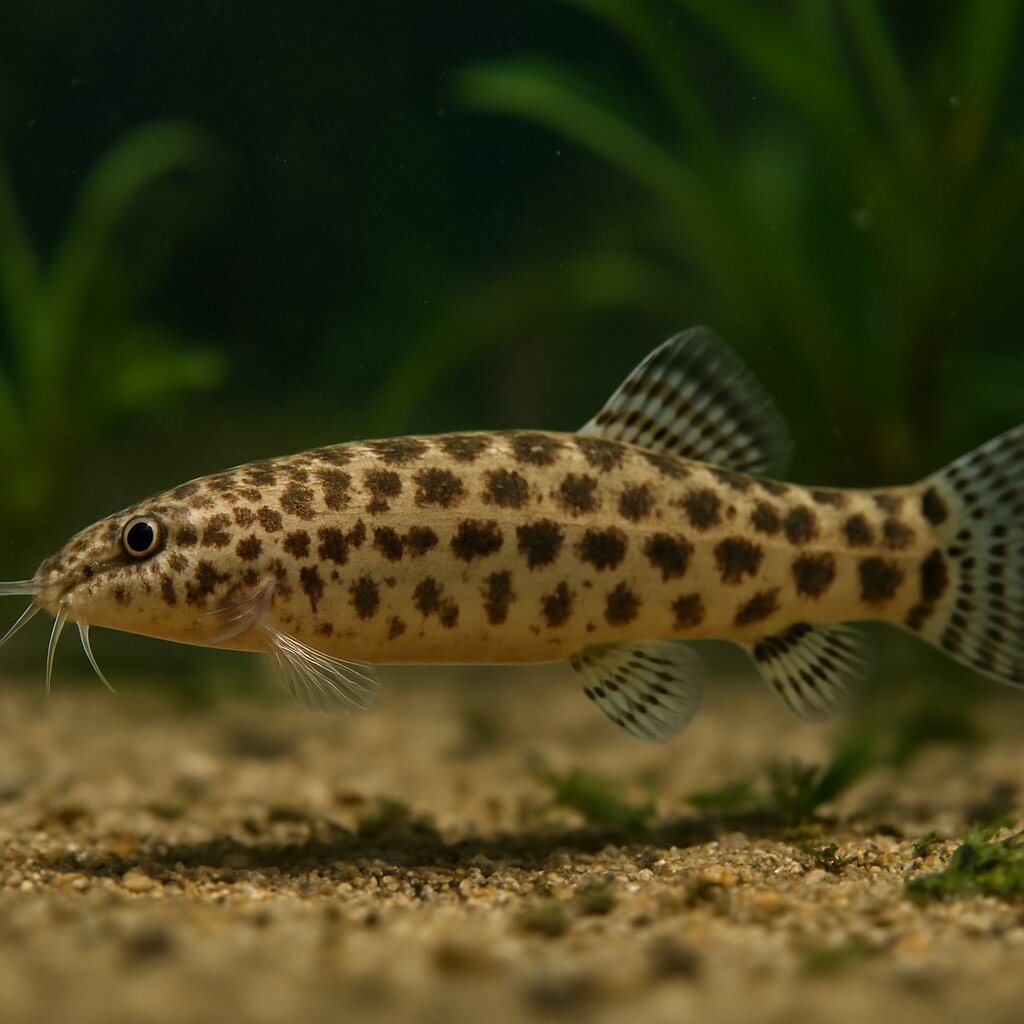
Lepidocephalichthys coromandelensis
Lepidocephalichthys coromandelensis
A tiny burrowing loach from hill streams in eastern India, it maxes out around two inches and spends a lot of time nosing through sand with just the eyes peeking out. Give it fine sand, leaf litter, and a calm group and it will show tons of character at feeding time.
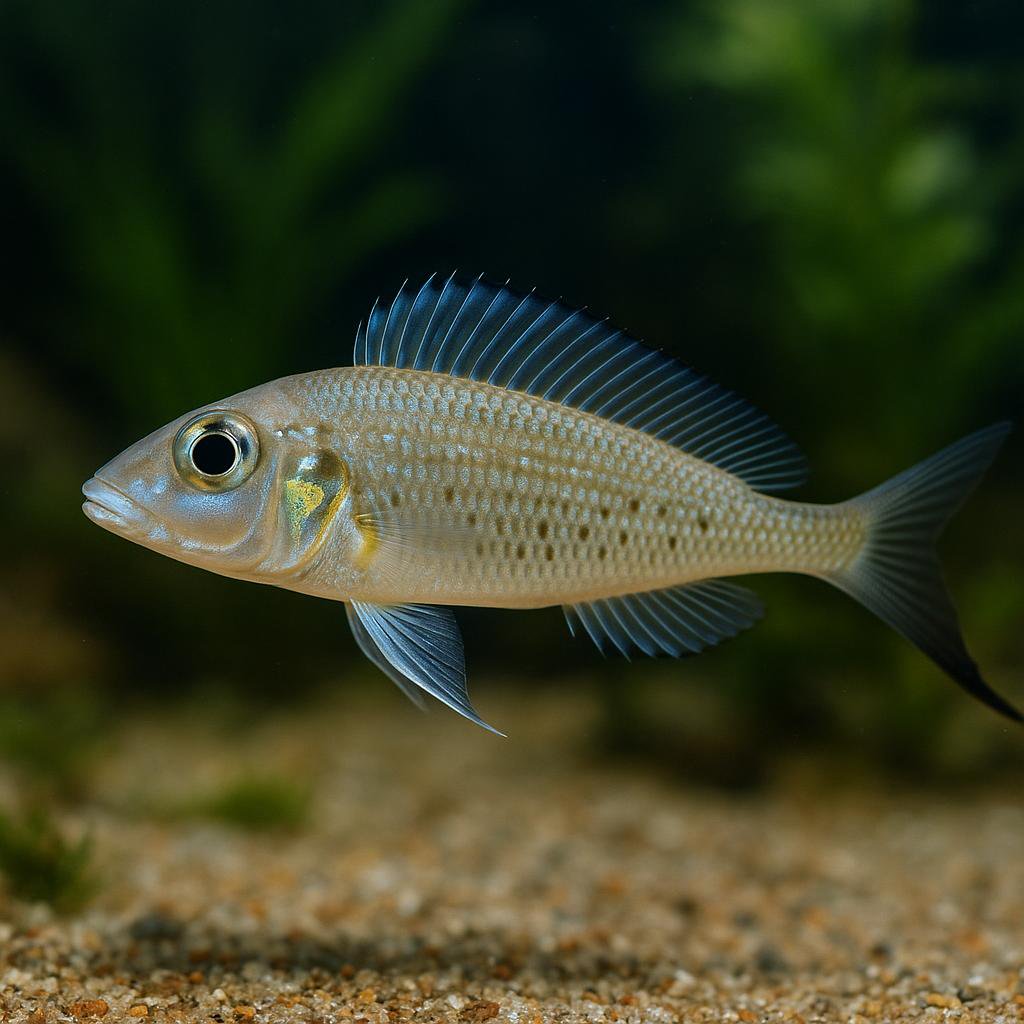
Leptura cichlid
Xenotilapia leptura
Xenotilapia leptura is a Lake Tanganyika ectodine cichlid that hangs around rocky areas and stays pretty small, topping out around 11 cm. What I love about these is the social vibe - females can school in big groups - and they do best when you keep the water hard, alkaline, and super stable.
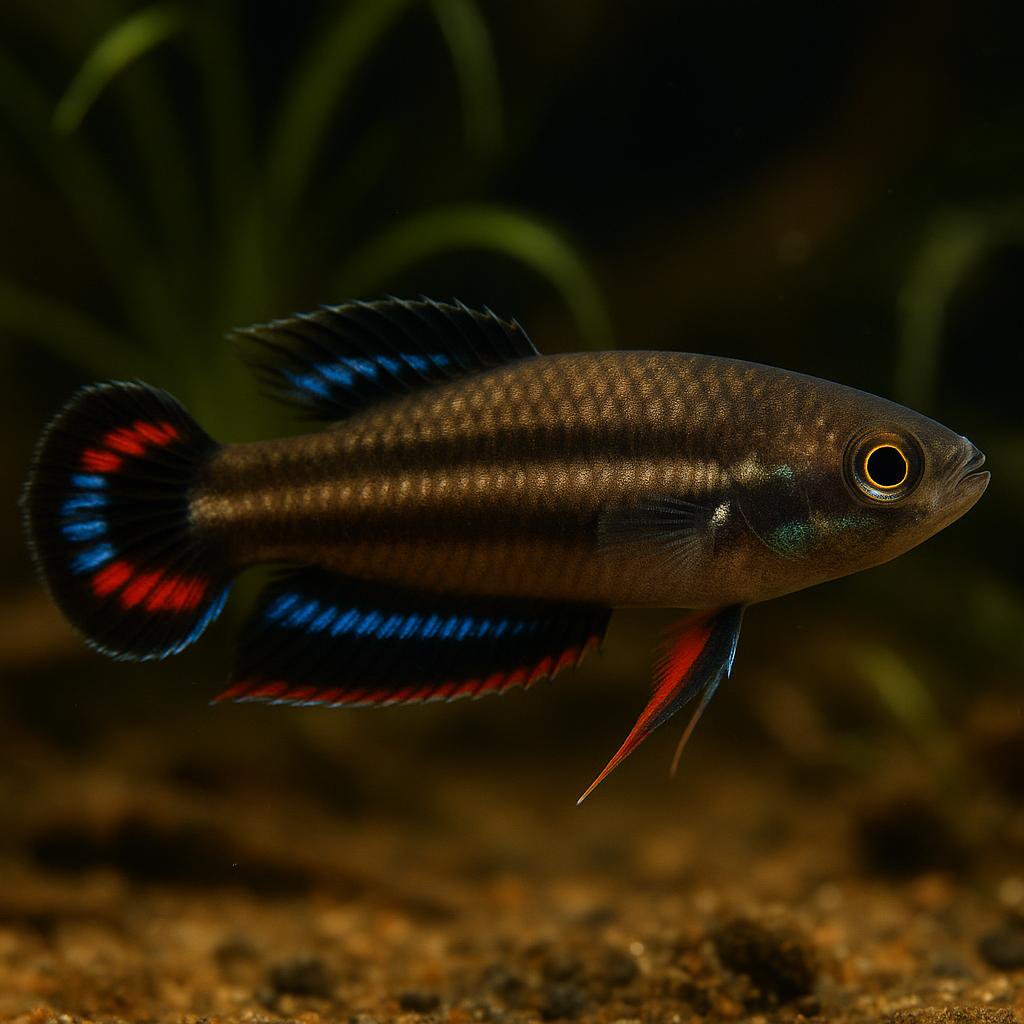
Linke’s Licorice Gourami
Parosphromenus linkei
This is one of those tiny, dark little gouramis that looks kind of understated in a store tank... until it settles in and the male starts flashing those deep reds and blues with the fancy fin edging. They're shy and a bit secretive, but when you keep them the way they like (soft, acidic, calm), they turn into these surprisingly bold little show-offs around spawning time.
Longbarbel stone loach
Micronemacheilus longibarbatus
This is a little southern China stone loach with extra-long mouth barbels - built for feeling around the bottom in dark, rocky habitats. Its a super niche fish (not something you will randomly see at most stores), and it does best when you treat it like a small river/karst loach: clean water, lots of oxygen, and a soft substrate so those barbels stay perfect.
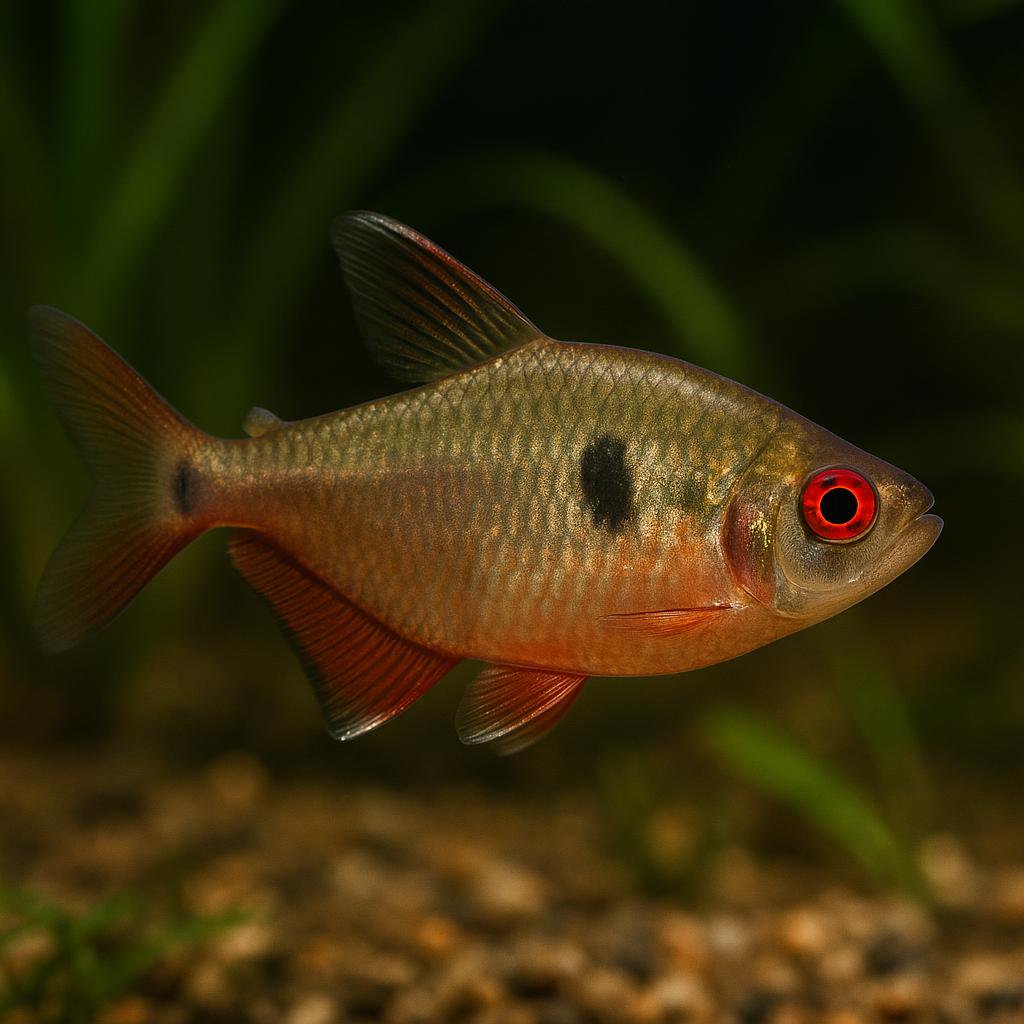
Lowe's tetra
Hyphessobrycon loweae
This is a tiny Upper Xingu tetra that can glow gold in the right light, with males showing that cool elongated dorsal fin. It does best when you keep a real group and give it a calm, planted setup so it feels bold enough to come out and color up.
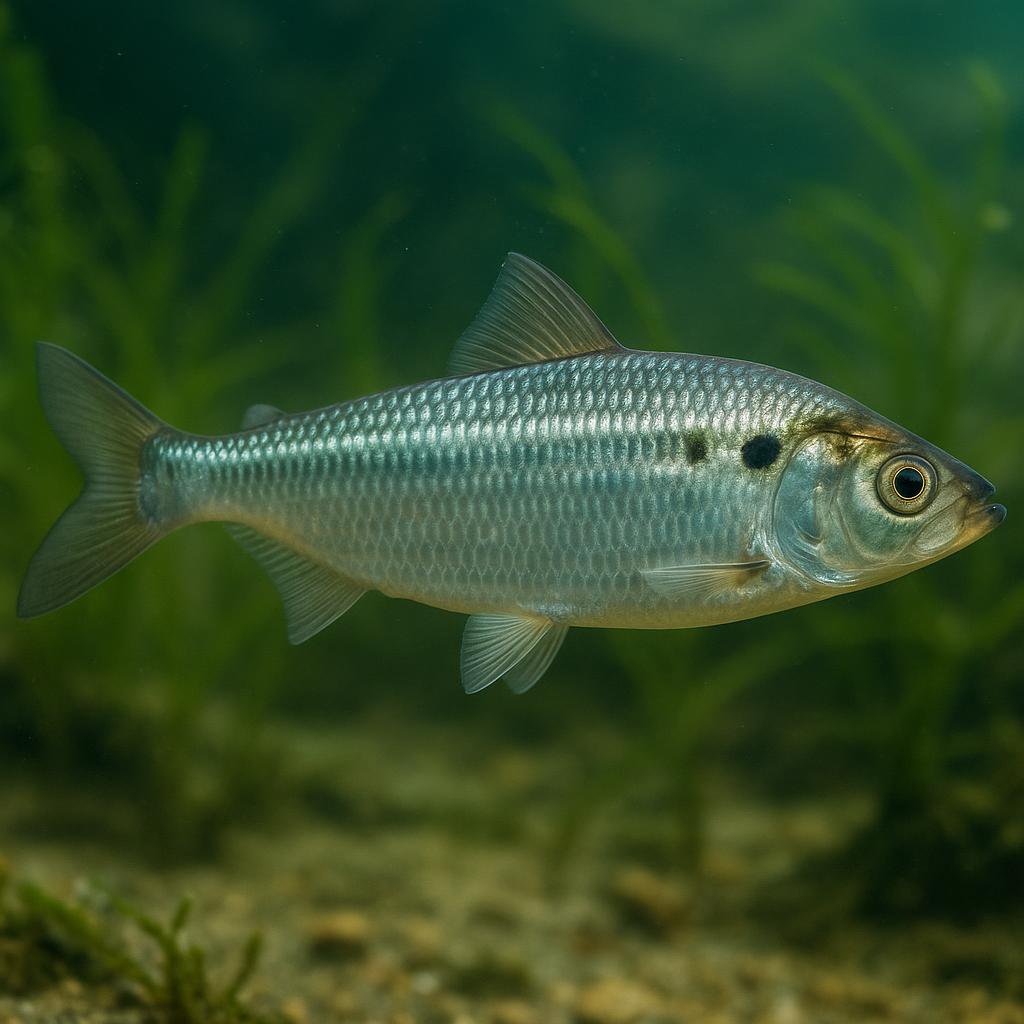
Macedonia shad
Alosa macedonica
Landlocked shad endemic to northern Greece; formerly occurred in Lakes Volvi and Koronia but now restricted to Lake Volvi. Spawning occurs in summer (July–August) and begins around 19–20 °C.
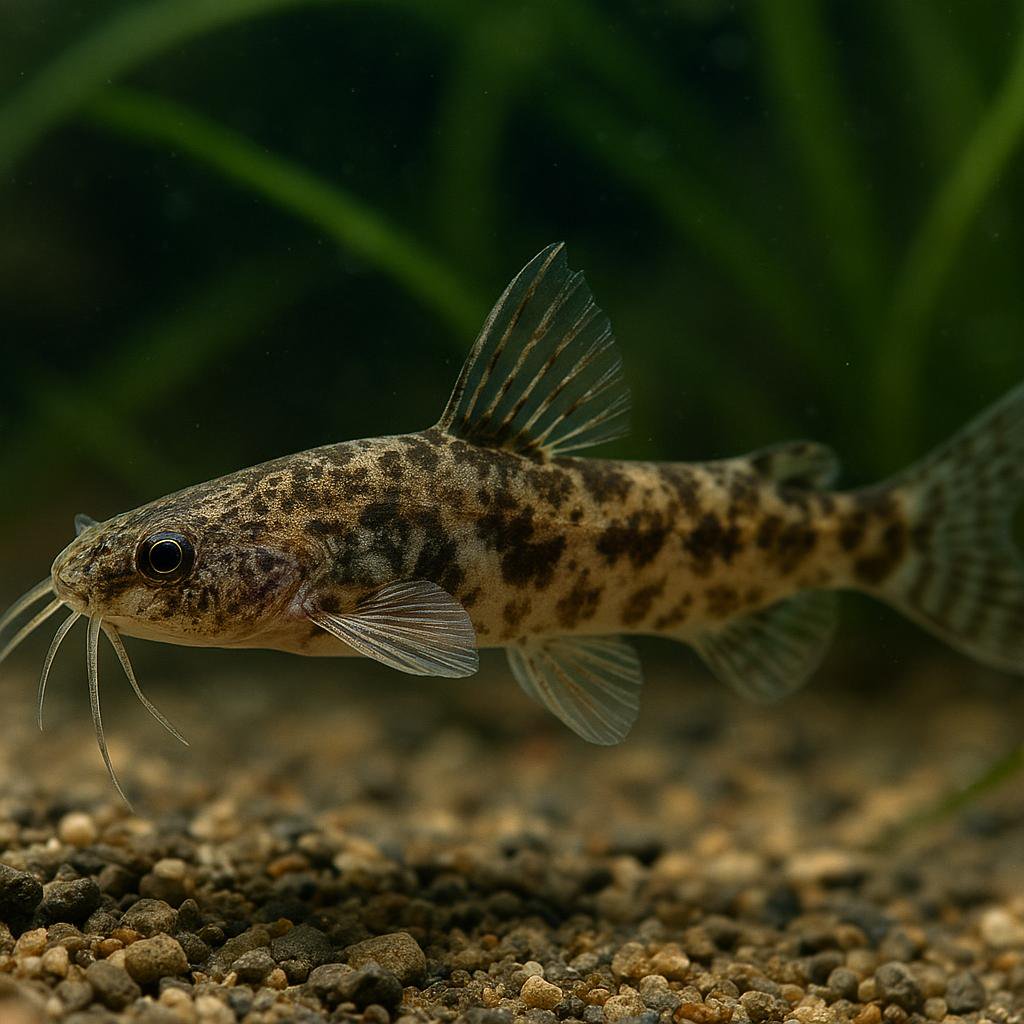
Mandeville's loach catfish
Zaireichthys mandevillei
This is a tiny little Congo River loach catfish that stays about an inch long, with a bold dark collar right behind the head and a speckly pattern. Its basically built for life in moving water - it likes to tuck into sand and squeeze around rocks - so its a super cool "micro-catfish" for a river-style setup if you can actually source one.
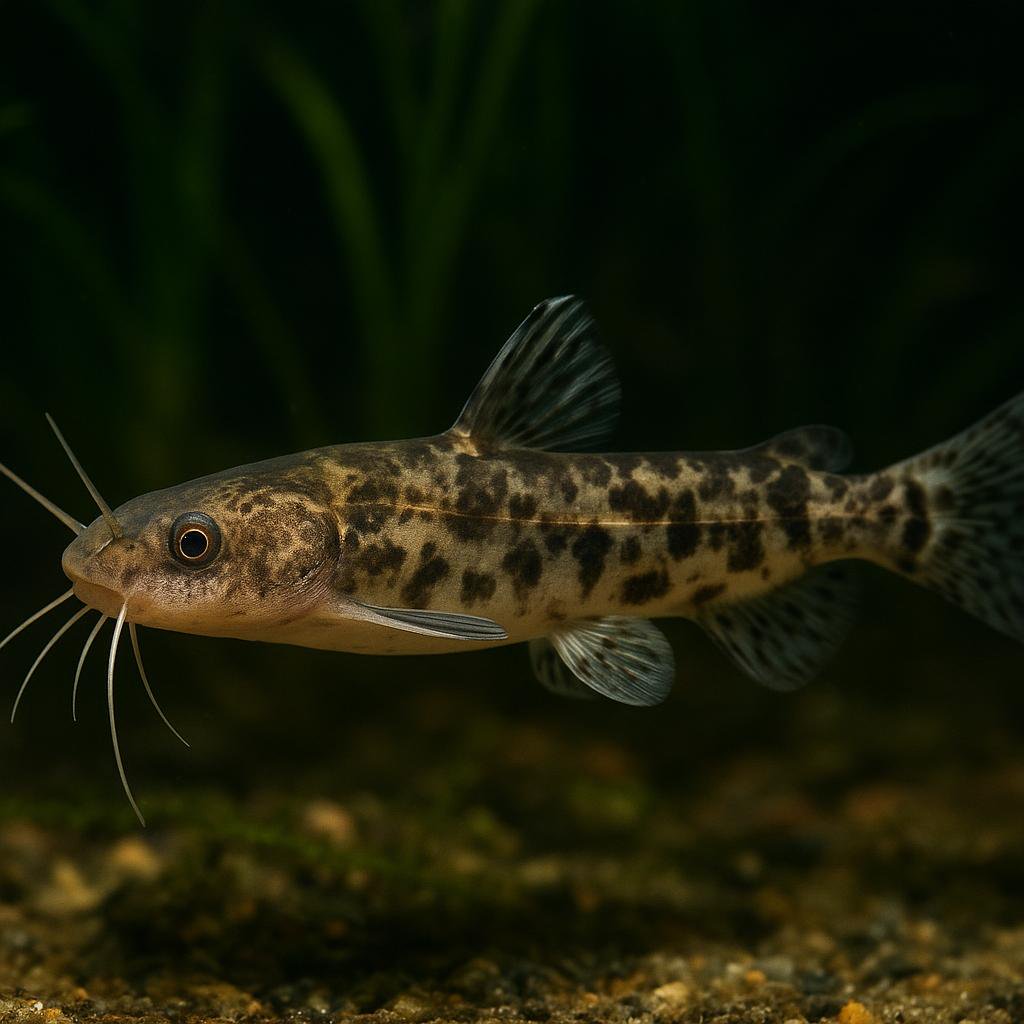
Mandi
Rhamdioglanis frenatus
Rhamdioglanis frenatus is a freshwater heptapterid catfish endemic to Brazil's Atlantic Forest coastal drainages (SE Atlantic). It reaches about 22 cm total length and is primarily carnivorous; in aquaria it is expected to appreciate ample shelter and floor space, though detailed species-specific husbandry data is scarce.
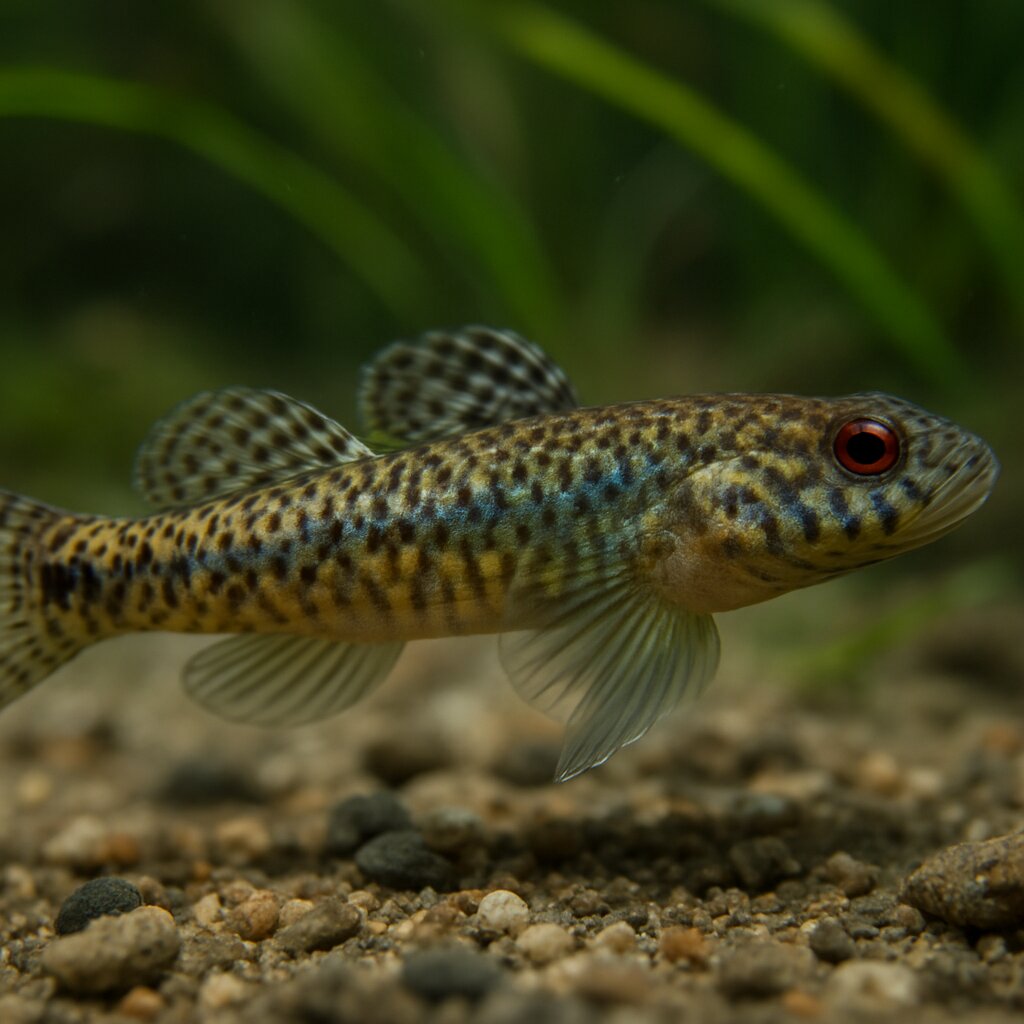
Manglolo
Sicydium bustamantei
This is a rock-hugging stream goby from the Gulf of Guinea islands that lives in clear, fast water and sends its larvae out to sea before they return upstream. It scrapes algae and diatoms off stones with its sucker mouth and will clamber around rocks all day, but it almost never shows up in the hobby and really needs a high-flow river setup to do well.
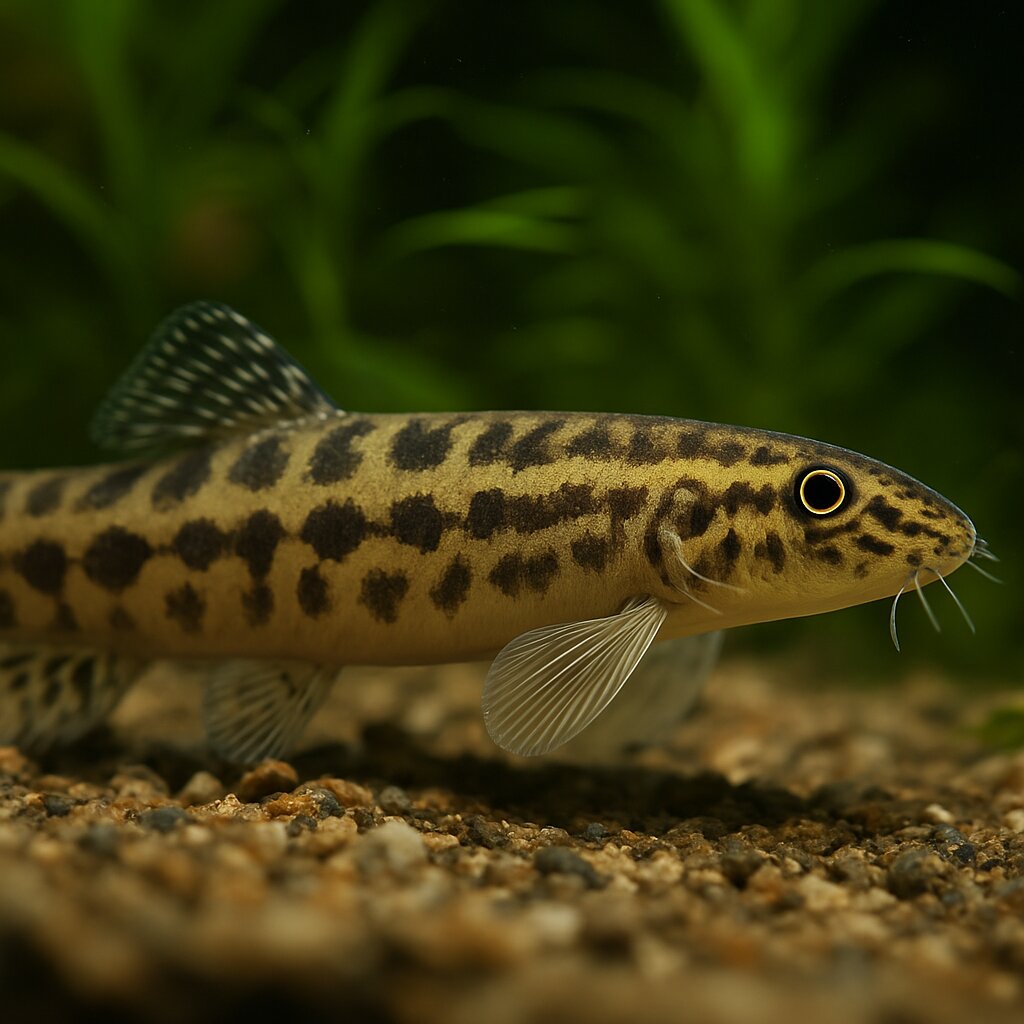
Marsh Yunnan loach
Yunnanilus paludosus
A neat little stone loach from marshes in Yunnan, China, it tops out around 3 inches and spends its time nosing through plants and leaf litter for tiny critters. It is a coolwater, subtropical fish from calm vegetated marshes rather than a high-flow hillstream, so it appreciates gentle flow, clean water, and a soft sandy bottom. Keep a small group and it will settle in nicely once it feels safe.
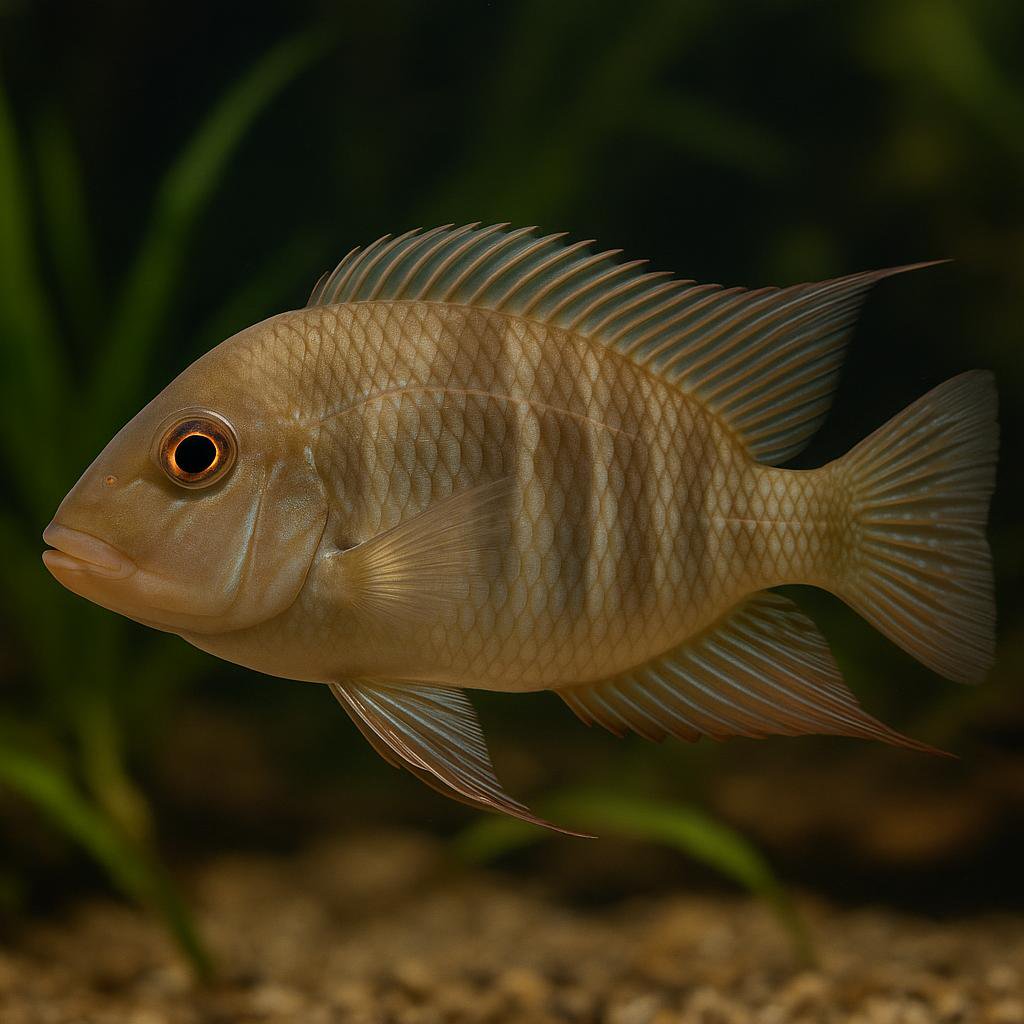
Megasema eartheater
Geophagus megasema
Geophagus megasema is one of those classic sand-sifting eartheaters that spends all day taking mouthfuls of sand, filtering out snacks, then "spitting" the clean sand back out. Give it a soft sandy bottom and roomy floor space and it really comes alive, plus that big side spot is a dead giveaway when you see one in person.
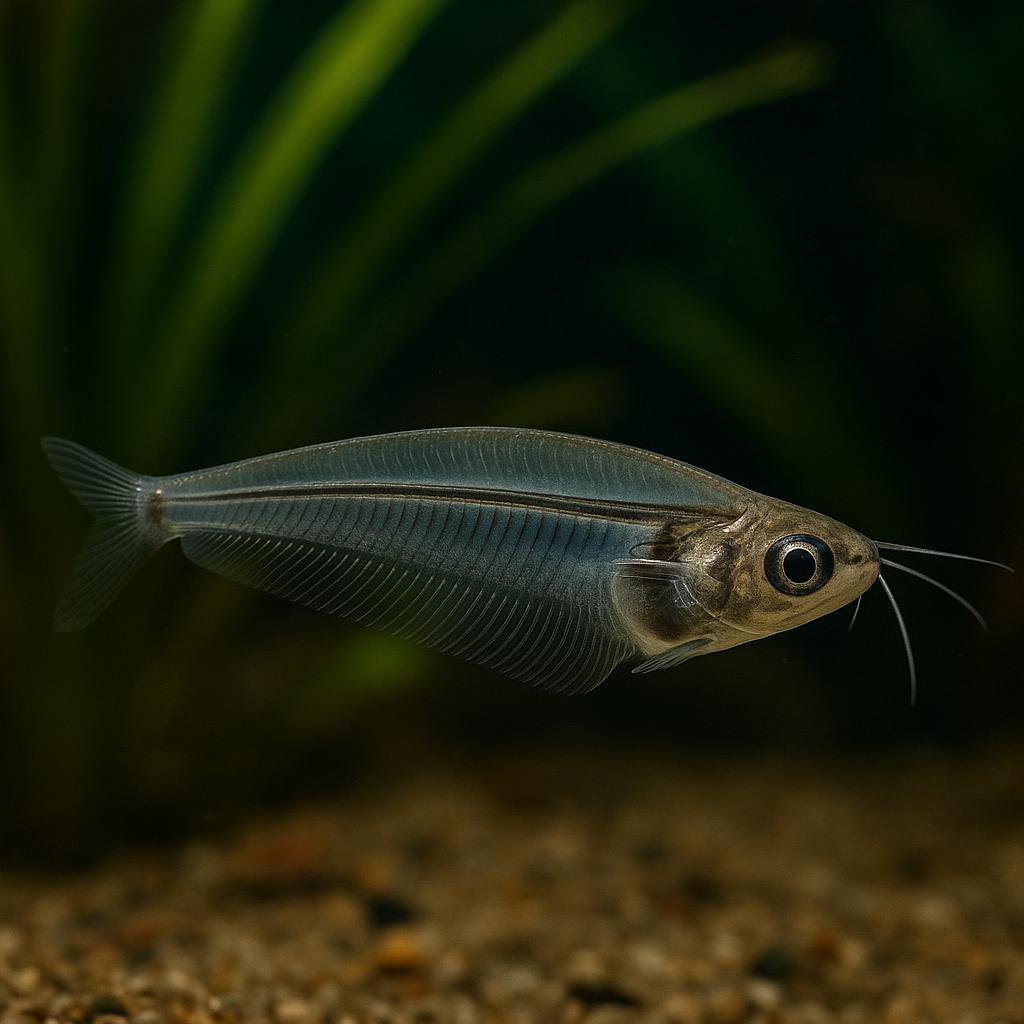
Mekong sheatfish
Kryptopterus paraschilbeides
Kryptopterus paraschilbeides is a small Mekong River sheatfish that does the whole sleek, no-dorsal-fin Kryptopterus look, but its body is more "normal catfish" than the super see-through glass catfish you usually see in shops. In the wild it moves with the flood cycle - heading into flooded forest at high water, then back to the main river seasonally - which is a pretty cool bit of behavior for a little catfish.