

Manglolo
Sicydium bustamantei
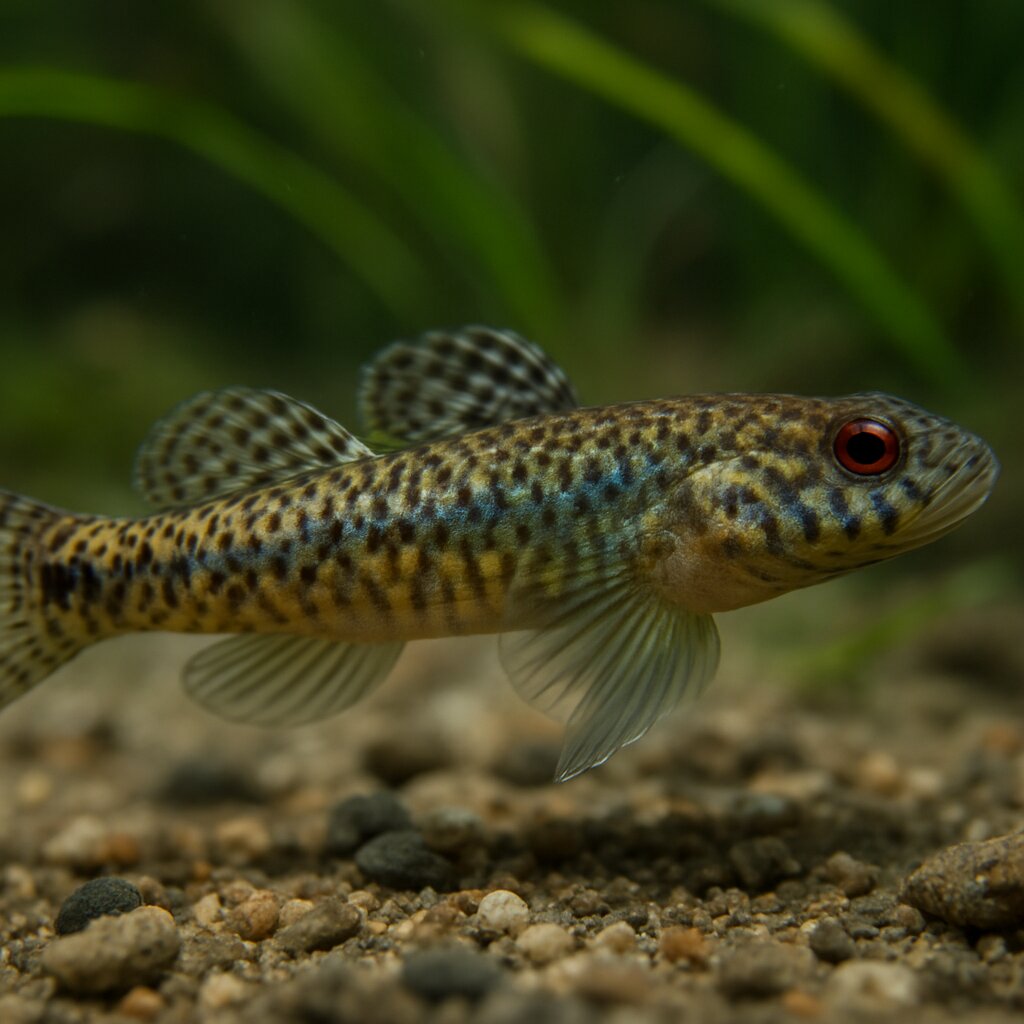
The Manglolo features a slender body with vibrant blue and yellow markings, and a distinctive elongated dorsal fin.
This page includes AI-generated images. Why am I seeing AI images?
About the Manglolo
This is a rock-hugging stream goby from the Gulf of Guinea islands that lives in clear, fast water and sends its larvae out to sea before they return upstream. It scrapes algae and diatoms off stones with its sucker mouth and will clamber around rocks all day, but it almost never shows up in the hobby and really needs a high-flow river setup to do well.
Also known as
Quick Facts
Size
10 cm
Temperament
Peaceful
Difficulty
Advanced
Min Tank Size
20 gallons
Lifespan
2-3 years
Origin
West Africa - Gulf of Guinea
Diet
Omnivore - grazes algae/biofilm and diatoms; will take small frozen foods and fine prepared foods once settled
Water Parameters
22-26°C
6.5-7.5
4-10 dGH
Need a heater for this species?
This species needs 22-26°C in a 20 gallon tank. Use our heater calculator to find the right wattage.
Calculate heater sizeCare Notes
- Go full river-tank: rounded cobbles, thin sand at most, tight lid, and 15-20x turnover with powerheads blasting across the rocks.
- Run cool, oxygen-rich water - 72-77 F (22-25 C), pH 6.8-7.8, GH 4-12, zero ammonia/nitrite, nitrate under 10 ppm.
- They are biofilm grazers, so let the tank age and grow algae; smear Repashy Soilent Green or spirulina paste on stones for them to rasp.
- Feed daily with algae gel, nori, and blanched greens; skip meaty pellets and heavy protein that cause bloat.
- Tankmates: pick fast-water fish that ignore algae patches (danios, white clouds, rainbow shiners) and avoid plecos, hillstream loaches, Siamese algae eaters, cichlids, and nippy barbs.
- Keep silt out - use pre-filters, turkey-baste detritus off rocks, and do 40-60% weekly changes to keep things clean and oxygen high. Drip acclimate with extra air; they crash fast from low O2 or any ammonia.
- Buy a small group (3-6) and stack rocks to break sight lines; males will posture but settle if each has a flow-swept patch.
- Breeding at home is basically a no-go: they spawn in freshwater, but the larvae need a marine/brackish drift stage.
Compatibility
Good Tankmates
- Fast, peaceful river fish that enjoy flow - white cloud mountain minnows, zebra danios, rainbow shiners. They cruise midwater and ignore rock-grazers.
- Other algae-grazing gobies with the same vibe - Stiphodon, Sicyopus, Lentipes. Lots of rocks and sight breaks and everyone minds their own business.
- Hillstream loaches like Sewellia, Gastromyzon, Beaufortia - same oxygen and current needs, no trouble if there is plenty of grazing space.
- Amano and dwarf Caridina shrimp plus nerite snails - the goby ignores them and they help work the algae and biofilm.
- Gentle algae helpers like otocinclus in a mature tank - share the biofilm without pushing gobies off their rocks.
- Small, not-too-pushy Garra (panda garra) in a roomy, high-flow scape - watch for the occasional food hog but usually fine.
Avoid
- Nippy or hyper fish that outcompete and harass - tiger barbs, giant danios, serpae tetras.
- Cichlids or other territory police - convicts, acara, rams, or angelfish. They claim the bottom and the goby loses.
- Slow or fancy-finned fish that hate current - bettas, fancy guppies, longfin varieties. Wrong environment and they get battered.
- Bulldozing catfish and big plecos - synodontis, common pleco. They shove gobies around and strip the biofilm buffet.
Where they come from
Sicydium bustamantei is a river goby from fast, clear streams in Central America. Think rock gardens, whitewater, and bright sun. They use a pelvic suction cup to cling to boulders while they rasp algae. Like many sicydiine gobies, they are amphidromous: adults live and spawn in freshwater, but the hatchlings drift to the sea, grow for a while, then the youngsters ride the currents back up into the rivers.
Setting up their tank
Set this species up like a river, not a pond. Current and oxygen are the whole game. A mature, algae-rich hardscape matters more than decorations.
- Tank size: 30 inches length or more for a small group. More footprint beats height.
- Flow: 15-30x turnover with directional powerheads or a river-manifold. Aim for a strong, laminar push across rock faces.
- Temperature: 70-76 F (21-24 C). They handle cooler nights fine. Avoid long stretches above 78 F.
- Water: very clean, well-oxygenated. pH 6.8-7.8, moderate hardness. Big, regular water changes.
- Substrate: sand or fine gravel with piles of rounded river stones and cobbles. They spend their day on rock faces.
- Light: bright. You want healthy biofilm growth on the rocks.
Seed the tank with algae before buying the fish. I keep extra stones in a sunlit tub outdoors. Rotate a couple into the tank each week so there is always fresh grazing.
Tight lid. They are climbers and can scale glass and cords. Cover filter intakes with sponge so they do not get stuck while grazing.
Let the tank run for a few months with high light and flow. If the only algae you see is long hair algae, the biofilm is not mature yet. These gobies want thin, soft films and diatoms, not stringy mats.
What to feed them
They are specialized grazers. Mine spend hours rasping microalgae and diatoms off smooth rock. Sinking pellets are a bonus, not the main course.
- Primary: natural biofilm on rocks and wood.
- Staples to add: nori sheets rubber-banded to stones, spirulina flakes pressed onto rock faces, algae wafers shaved thin and stuck to surfaces.
- Great trick: paint Repashy Soilent Green or Super Green onto warm rocks, let it set, then drop them in.
- Occasional: frozen cyclops or baby brine. Go easy on protein-heavy foods to avoid bloat.
Feed small amounts 2-3 times a day and keep the flow on. The current helps spread micro-particles and keeps them grazing naturally.
How they behave and who they get along with
Expect a lot of perching and rock-hopping. Males stake out a favorite stone in the current and posture at rivals, but scuffles are short. They mostly ignore midwater fish.
- Best kept as 1 male with 2-3 females, or multiple males only if the tank has long rock lines and broken sightlines.
- Good tankmates: river fish that like current and cool, clean water. Danios, white clouds, smaller rainbow shiners, hillstream loaches, and Amano shrimp all work well.
- Avoid: big cichlids, barbs that nip, plecos and Siamese algae eaters that bulldoze the rocks and outcompete them for algae.
They are not aggressive feeders. If you add fast midwater fish, drop food directly onto the rocks for the gobies.
Breeding tips
You may see courtship and egg guarding under a stone in strong flow, but raising the young is the hard part. The larvae need a marine phase. In a home tank they hatch, drift, and vanish into filters.
- If you are curious: provide flat stones in high flow and keep the water very clean. Males will clean a spot and fan eggs.
- Raising larvae requires moving them to saltwater, feeding rotifers under strong light, and weeks of careful rearing. I have not pulled this off, and I do not know hobbyists who have done it with this exact species.
Common problems to watch for
- Starvation in new tanks: they look fine for weeks, then fade. If there is not steady biofilm, they are not eating enough.
- Low oxygen: panting on the glass or hanging at the surface means bump up flow and aeration immediately.
- Overheating: sustained temps in the high 70s F lead to wasted fish and infections. Use a fan or chiller in summer.
- Bloat from rich foods: heavy protein pellets can cause trouble. Keep the diet algae-heavy.
- Scrapes and fungus: they slam rocks in current. Use smooth stones and keep water pristine so small wounds heal.
- Jumping and climbing: cover every gap. They will go up airlines and heater cords.
- Medication sensitivity: go gentle. Half-dose formalin-malachite or use salt and extra oxygen. Copper is risky for gobies.
Quarantine new fish. Many arrive thin. In QT, load the tank with pre-seeded rocks and keep flow high. Watch for stringy white feces and treat for internal worms if needed.
Similar Species
Other freshwater peaceful species you might be interested in.
Amphilius dimonikensis
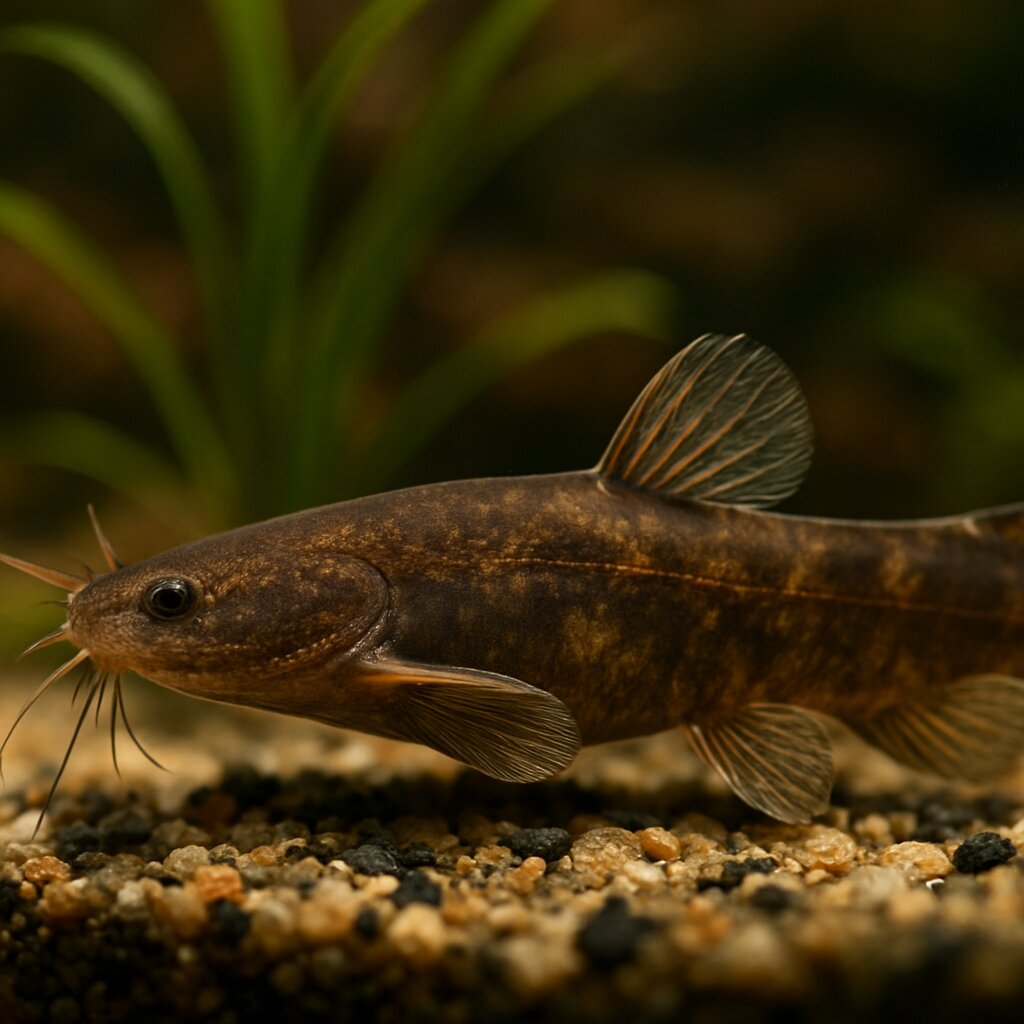
A small loach catfish endemic to the Mpoulou River in the Mayombe (Dimonika Biosphere Reserve), Republic of the Congo. Amphilius dimonikensis has a subtle banded pattern and inhabits fast, clear streams over rock and sand. In aquaria, prioritize strong, well-oxygenated flow with rounded stones and sand to mimic hillstream conditions.
Aboina barb
Enteromius aboinensis
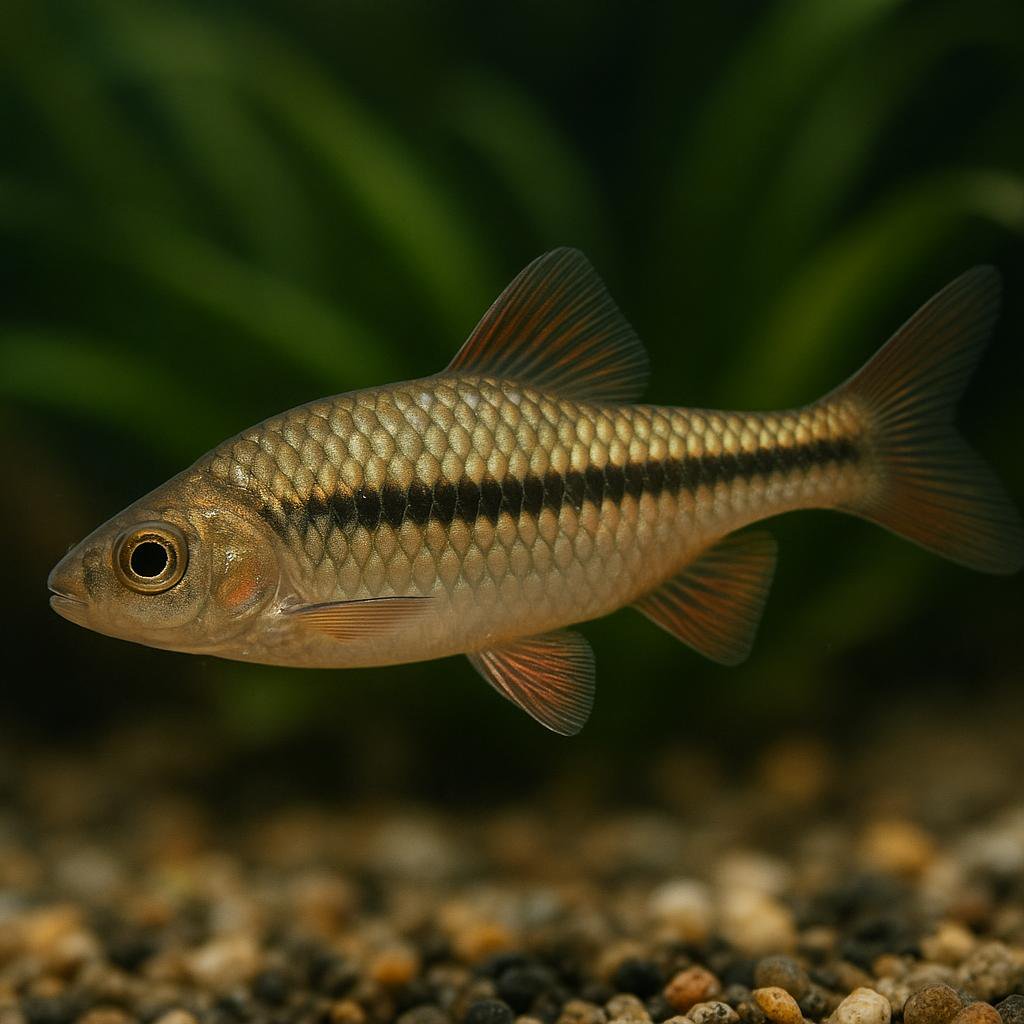
Enteromius aboinensis (the Aboina barb) is a small West African barb with a clean black midline stripe and a little spot right at the base of the tail. It does best when you treat it like a proper schooling fish - keep a decent group and give it plants around the edges with open swimming room in the middle.
Ajuricaba tetra
Jupiaba ajuricaba
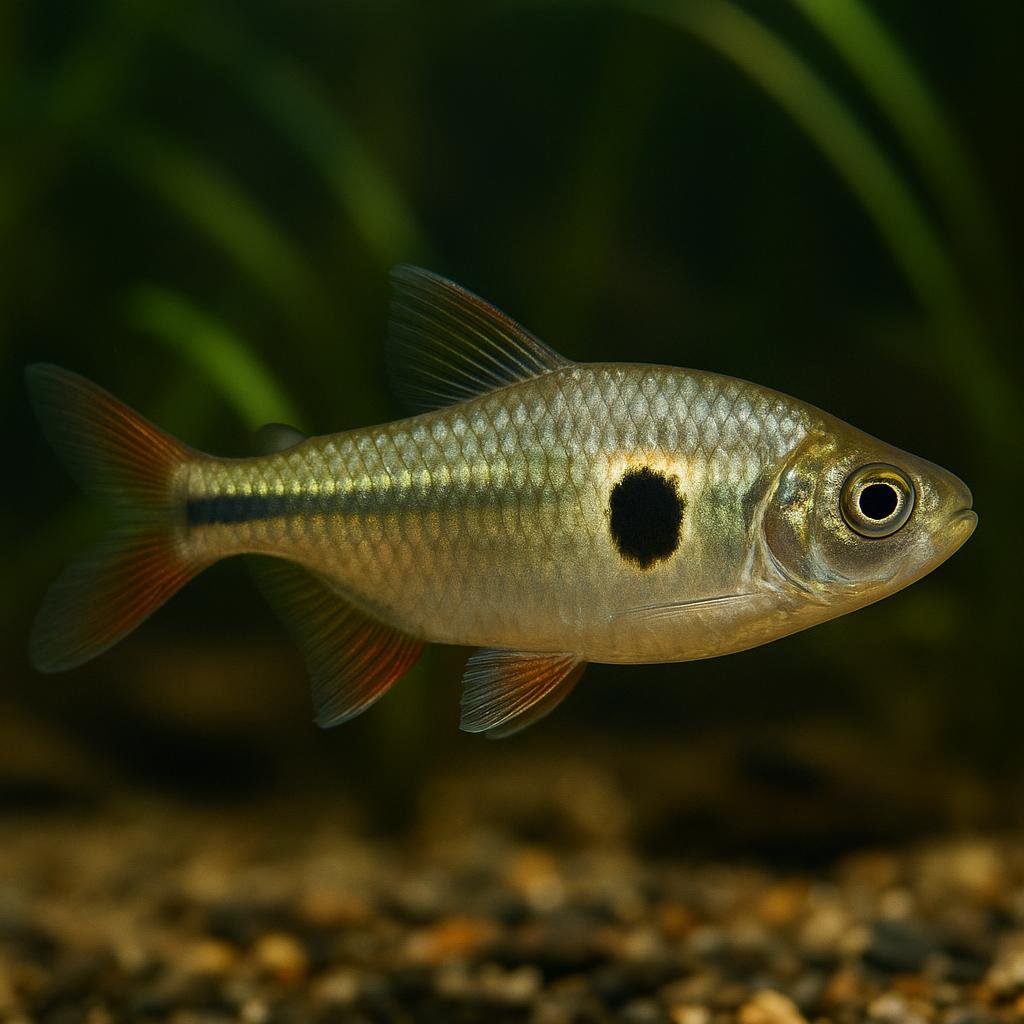
Jupiaba ajuricaba is a South American freshwater characin from the Amazon basin in Brazil (rio Negro, rio Solimões, and rio Tapajós basins). It reaches about 9.5 cm SL and is diagnosed by a narrow dark midlateral stripe, an elongated humeral spot, and an ocellated spot on the upper caudal-fin lobe. Wild specimens have been collected from blackwater forest streams and also oxbow-lake habitats.
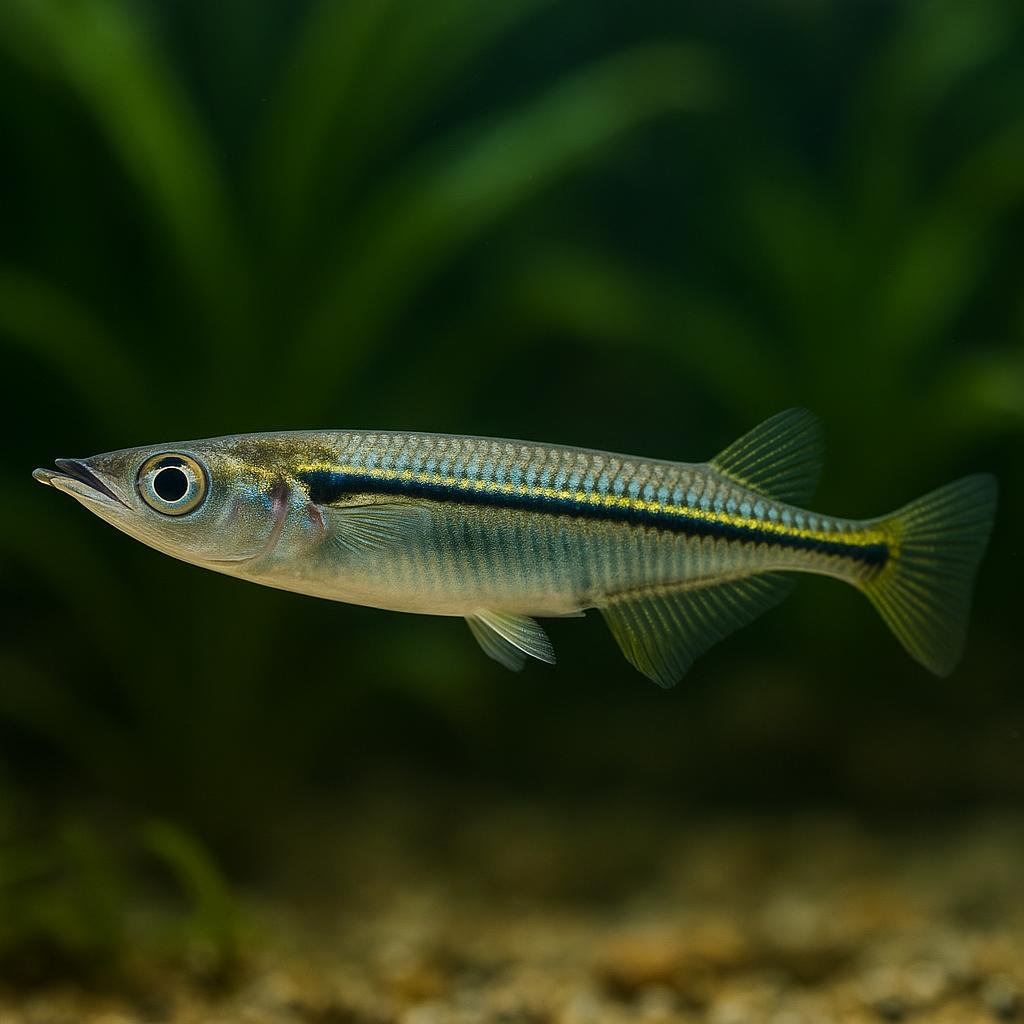
Allen's river garfish
Zenarchopterus alleni
A poorly known freshwater halfbeak endemic to West Papua (Mamberamo River), described from a single specimen (~13 cm SL). Beyond basic habitat/occurrence, little is published about its ecology or aquarium suitability; assume it is a surface-oriented, jump-prone halfbeak only by analogy with related taxa.
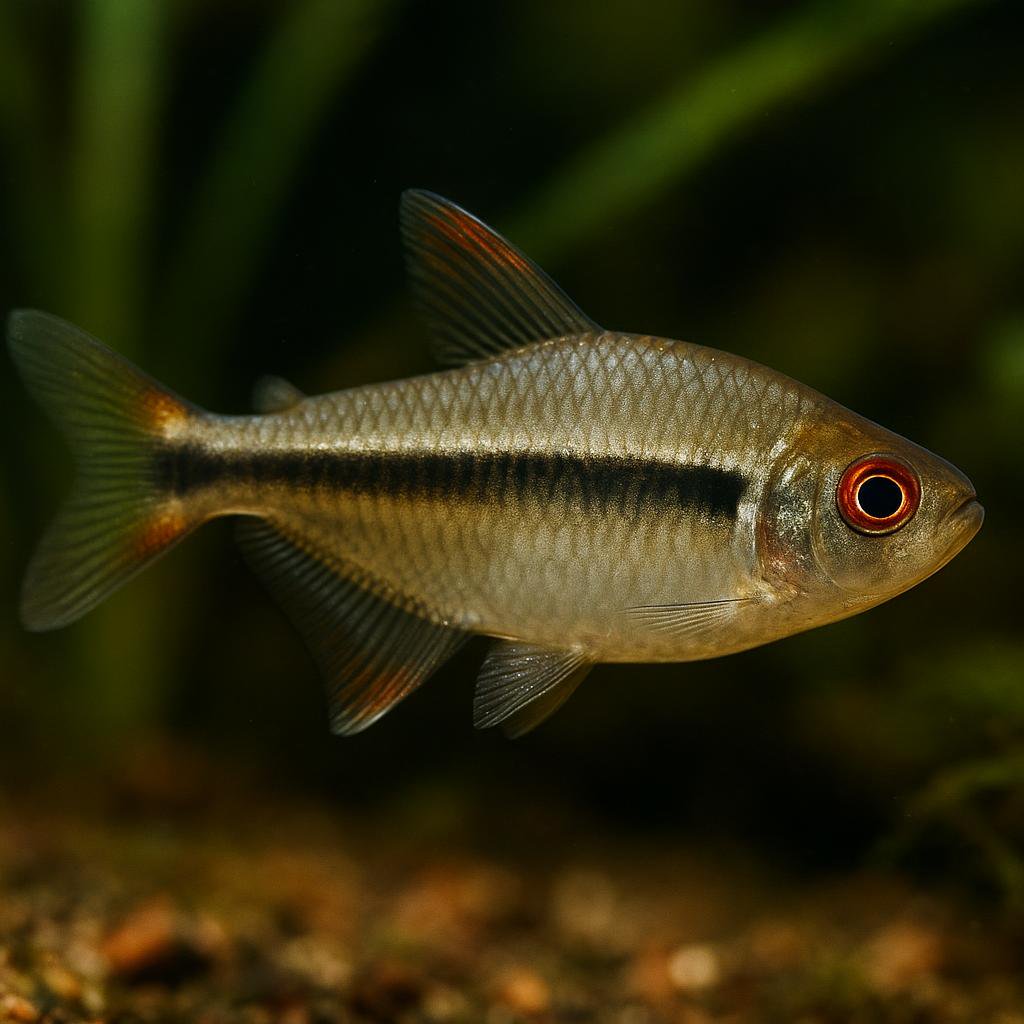
Amapa tetra
Hyphessobrycon amapaensis
This is a tiny, super sleek little tetra with a clean red stripe down the side that really pops once its settled in. It does best in a planted, slightly tinted "creek-style" setup and looks way cooler when you keep a proper group so they school and flash that line together. If you can give it soft, slightly acidic water and a calm community, its an easy fish to fall for.
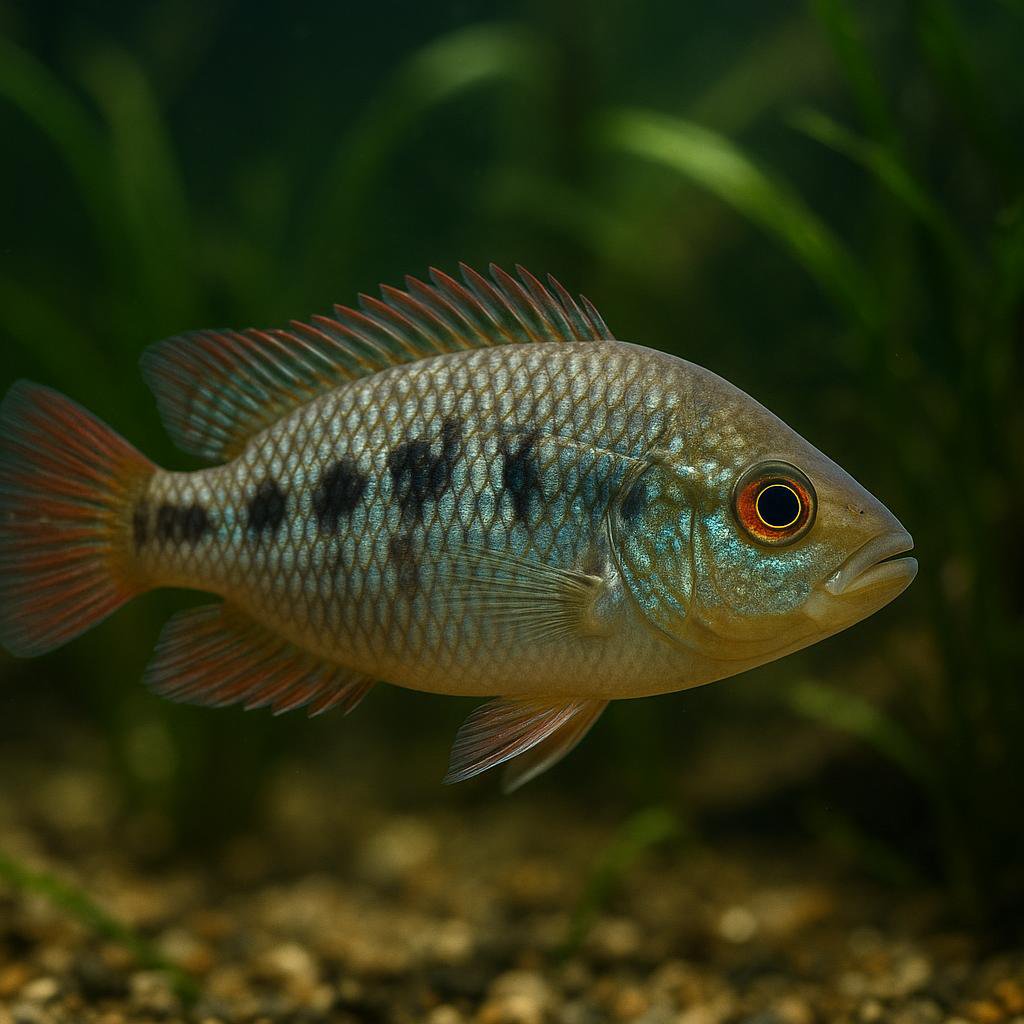
Amatlan chub
Yuriria amatlana
Yuriria amatlana (the Amatlan chub) is a little Mexican native minnow from the Ameca River basin. Its wild range is pretty limited and it is listed as Endangered, so its care info in the aquarium hobby is basically nonexistent and its availability is usually low. In the original species description, preserved fish show a dark lateral stripe with a darker patch on the caudal peduncle, and they can have tiny barbels at the mouth corners.
More to Explore
Discover more freshwater species.
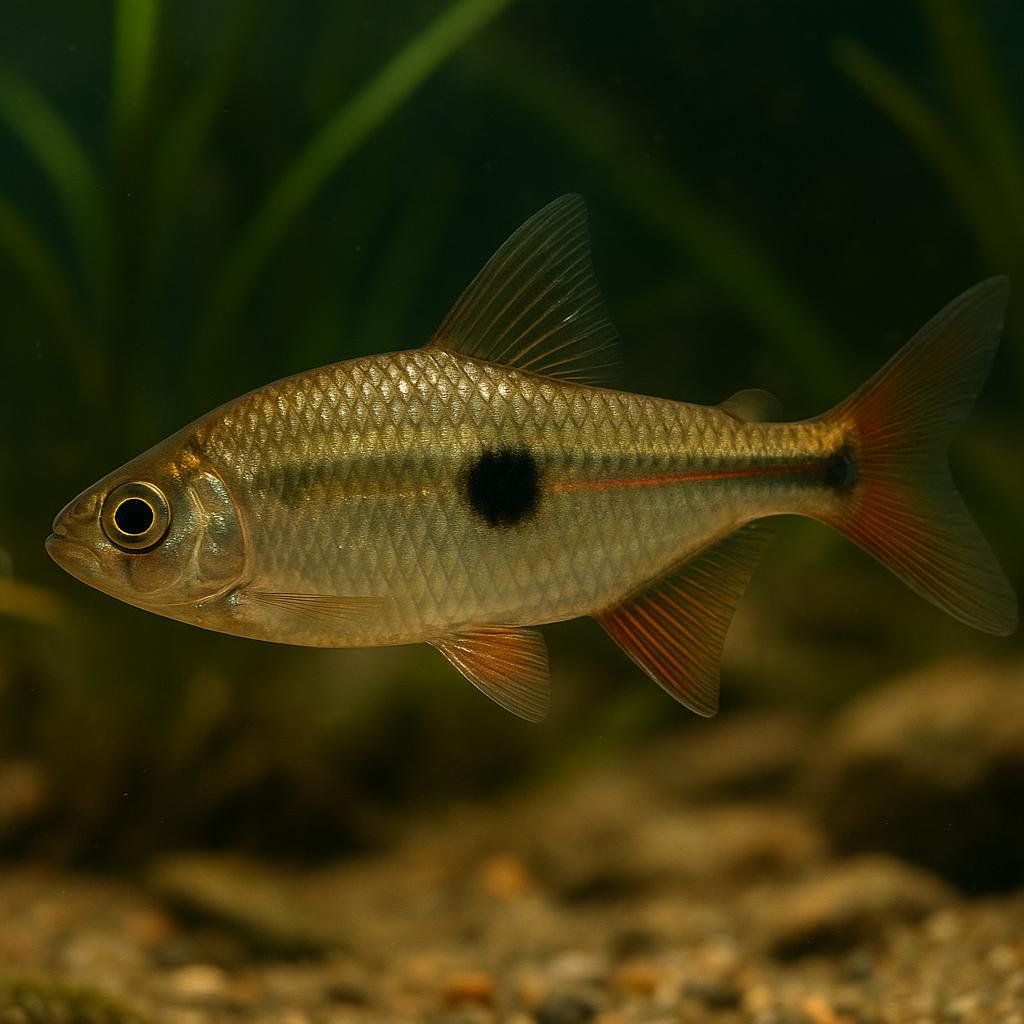
Jupiaba kurua
Small South American characin endemic to the upper rio Curuá (rio Xingu basin, Brazil). Reaches about 8.7 cm SL and inhabits clearwater rivers. Distinguished by dark dots on the bases of many lateral scales and a distinct dark caudal‑peduncle spot. Reported diet indicates omnivory, including aquatic insects, small fishes, and fragments of Podostemaceae and filamentous algae.
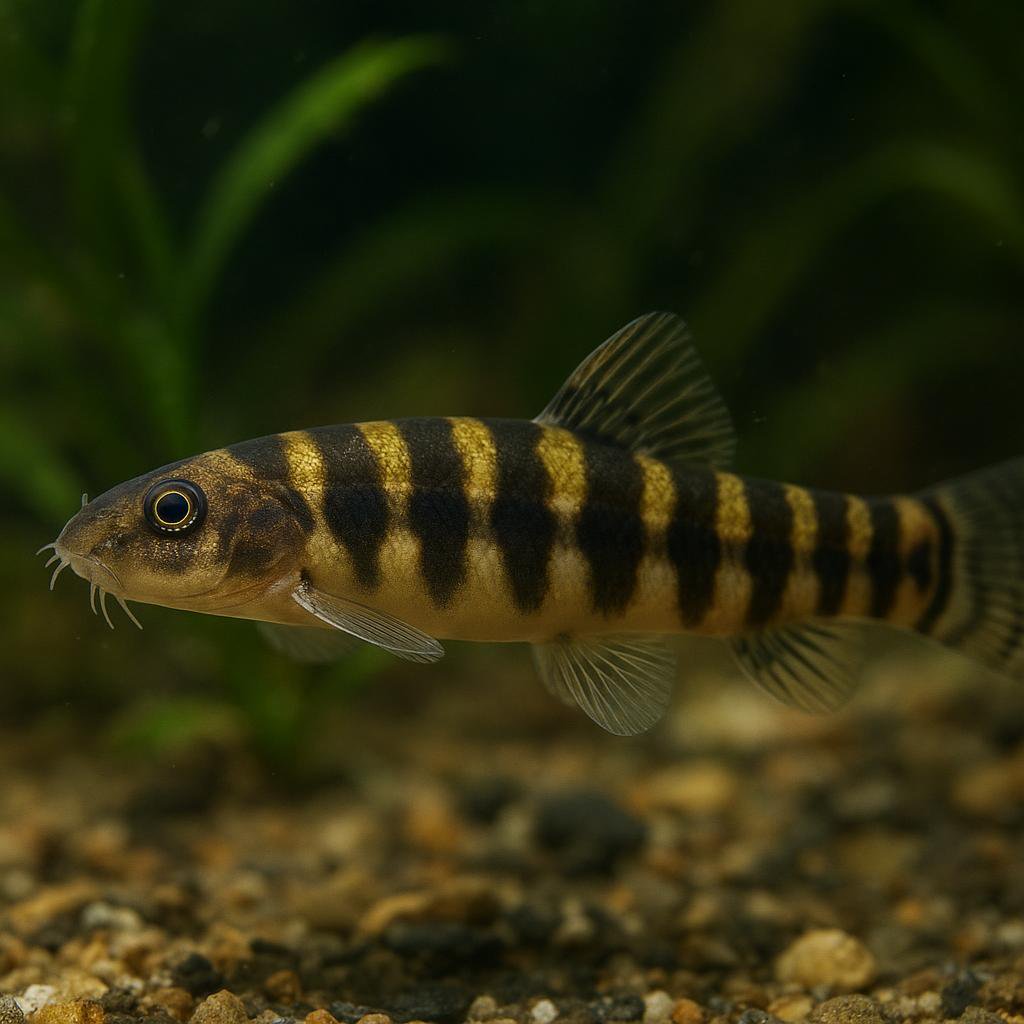
Altipedunculata stone loach
Schistura altipedunculata
Schistura altipedunculata is one of those little stream loaches that wants clean, well-oxygenated water and a bunch of rock nooks to claim as home. It is a bottom-hugger that will spend its day scooting from crevice to crevice, and it tends to get a bit spicy with its own kind if you do not give it enough hiding spots.
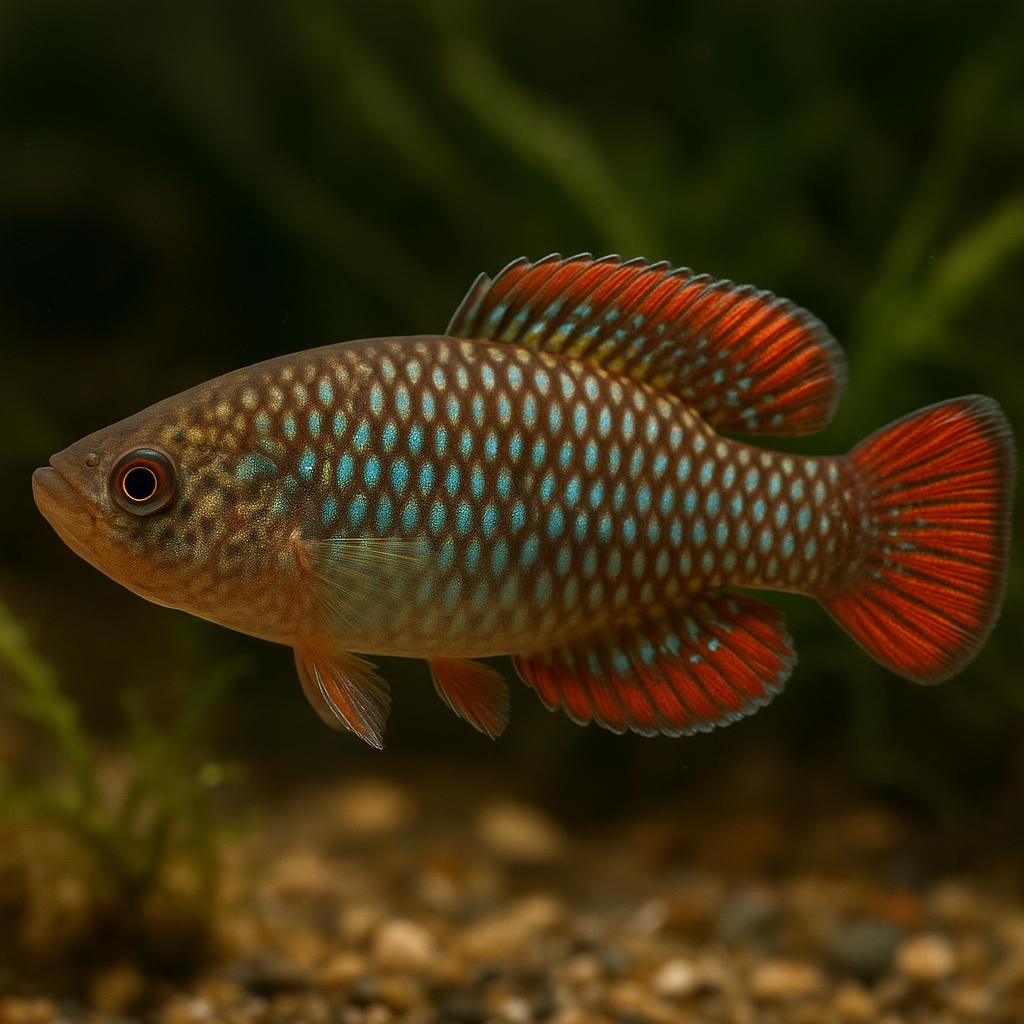
American flagfish
Jordanella floridae
Jordanella floridae is that little Florida native with the red-and-cream striping that really does look like a tiny flag once a male colors up. They graze algae like champs (especially stringy/hair algae), but they have a bit of attitude - give them plants and space so the bossy behavior stays manageable. Bonus: the male guards the eggs and will actively fan them, which is pretty fun to watch.
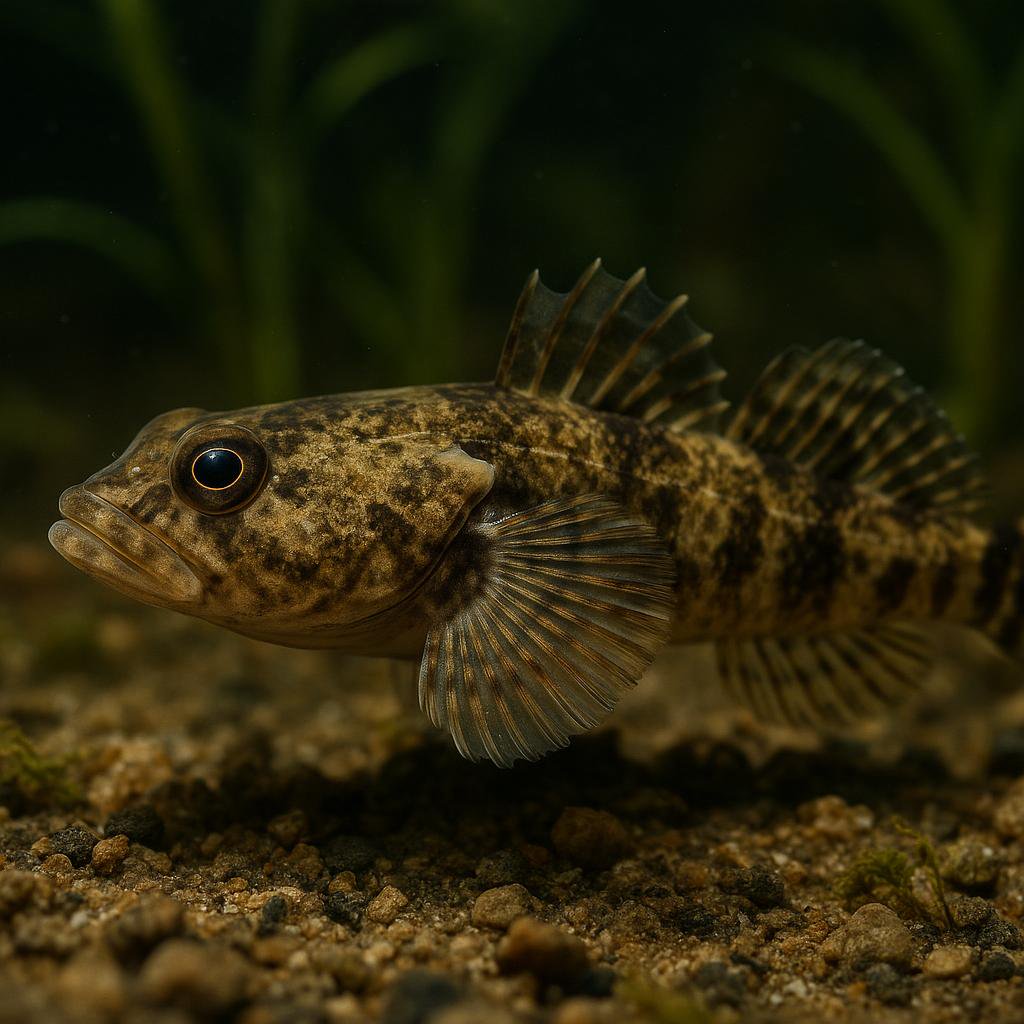
Amur sculpin
Alpinocottus szanaga
This is a little coldwater sculpin from the Amur drainage - a bottom-hugging, rock-and-gravel fish that spends its day wedged under stones and darting out to grab food. Super cool behavior and attitude, but it is absolutely not a warm tropical community fish - it wants chilly, fast, oxygen-rich water and will bicker with other bottom fish.
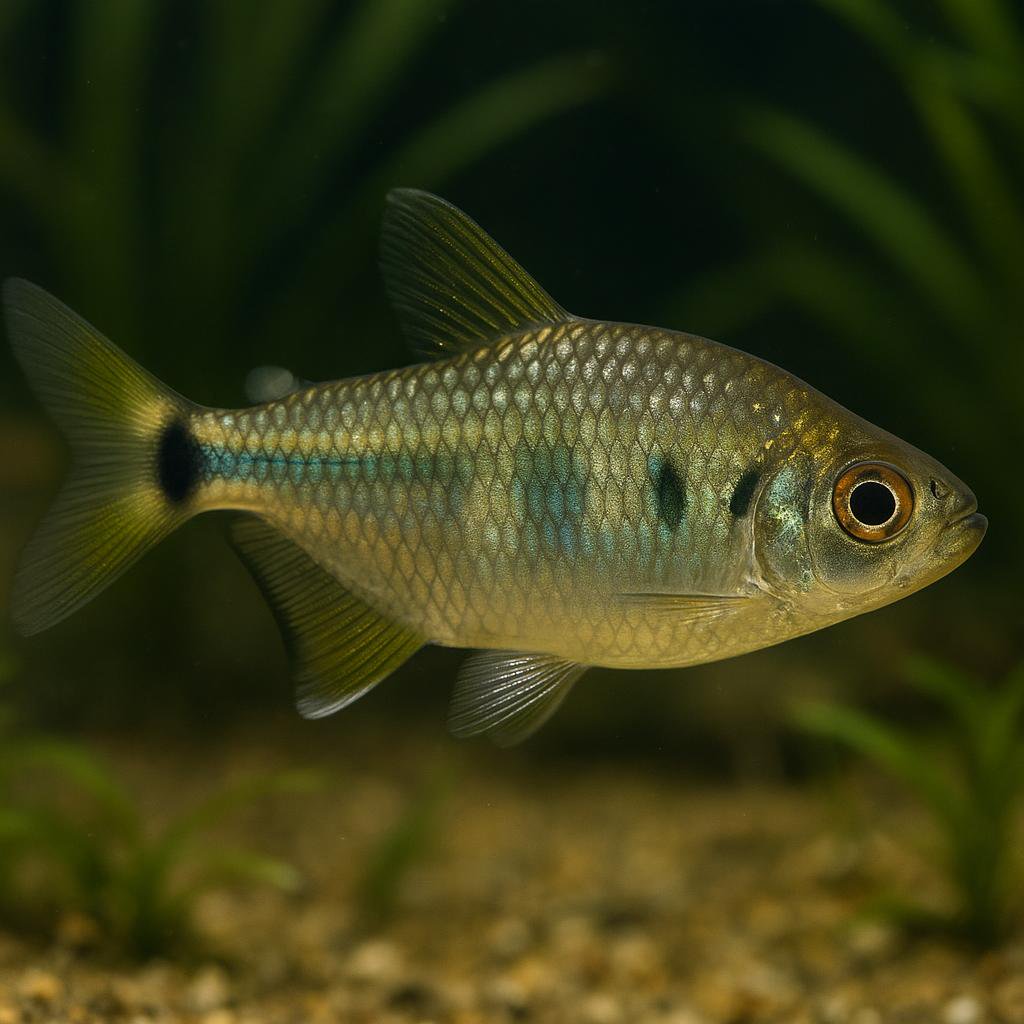
Andrica moenkhausia
Moenkhausia andrica
Moenkhausia andrica is a little Brazilian characin from the Tapajos system that tops out around 7 cm (about 2.8 inches) standard length. It has a neat netted (reticulated) scale pattern plus a dark spot on the caudal peduncle, and the really wild part is that mature females can have tiny fin hooklets too, which is usually a male-only thing in a lot of characins.
Anhanga pygmy pencil catfish
Potamoglanis anhanga
This is a truly tiny Amazonian trichomycterid catfish - like 1.3 cm max - so it is more of a micro-predator oddball than a typical community catfish. It is the kind of fish that disappears into sand, leaf litter, and plant roots, and you will spend way more time setting up the right micro-habitat than you will actually seeing it.
Looking for other species?