

Search Species
Search for fish species by common or scientific name, or use filters to browse by water type, size, temperament, and difficulty.
Found 541 species
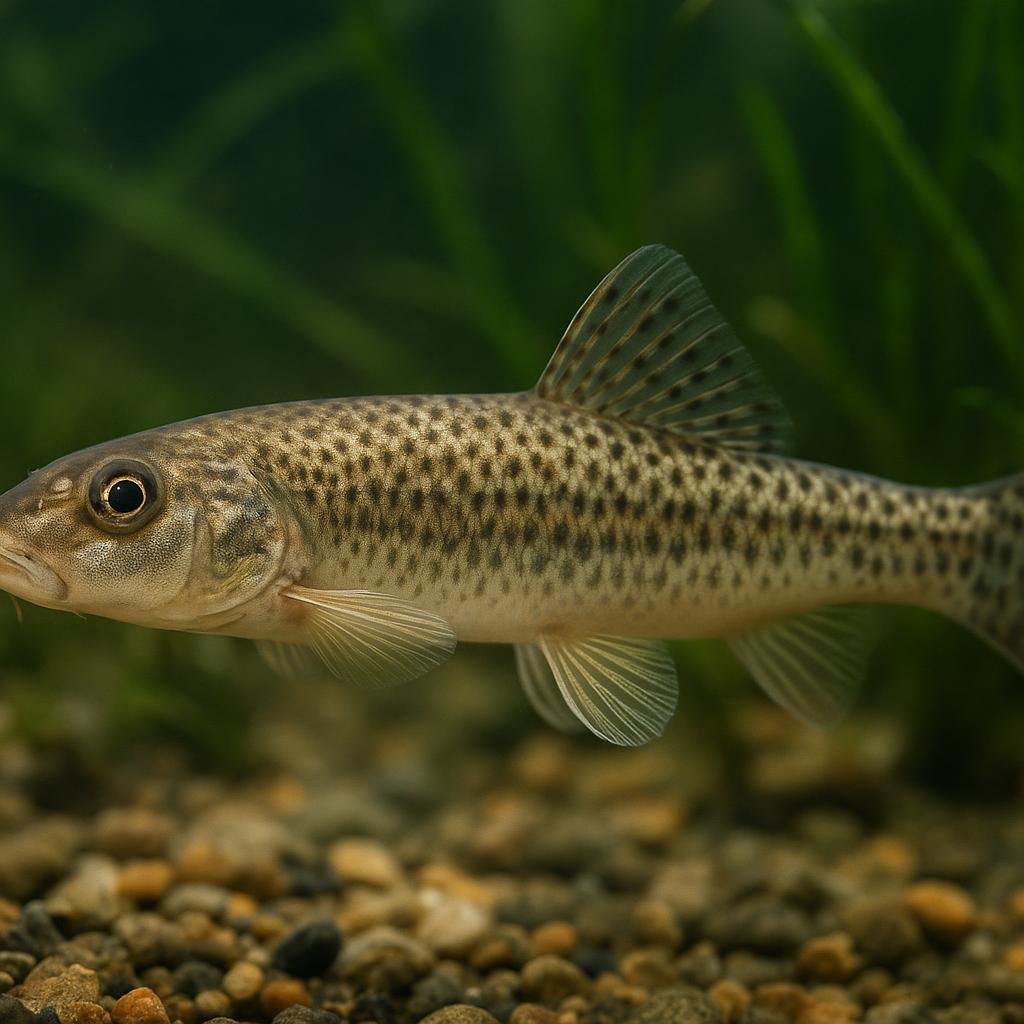
Guenther's gudgeon
Acanthogobio guentheri
This is a Chinese river gudgeon from the upper Yellow River area, a bottom-hugging little cyprinid that spends a lot of time cruising the substrate. Its vibe is more "stream fish" than "tropical community" - give it good flow, lots of oxygen, and a sand-and-pebble setup and it really shines.
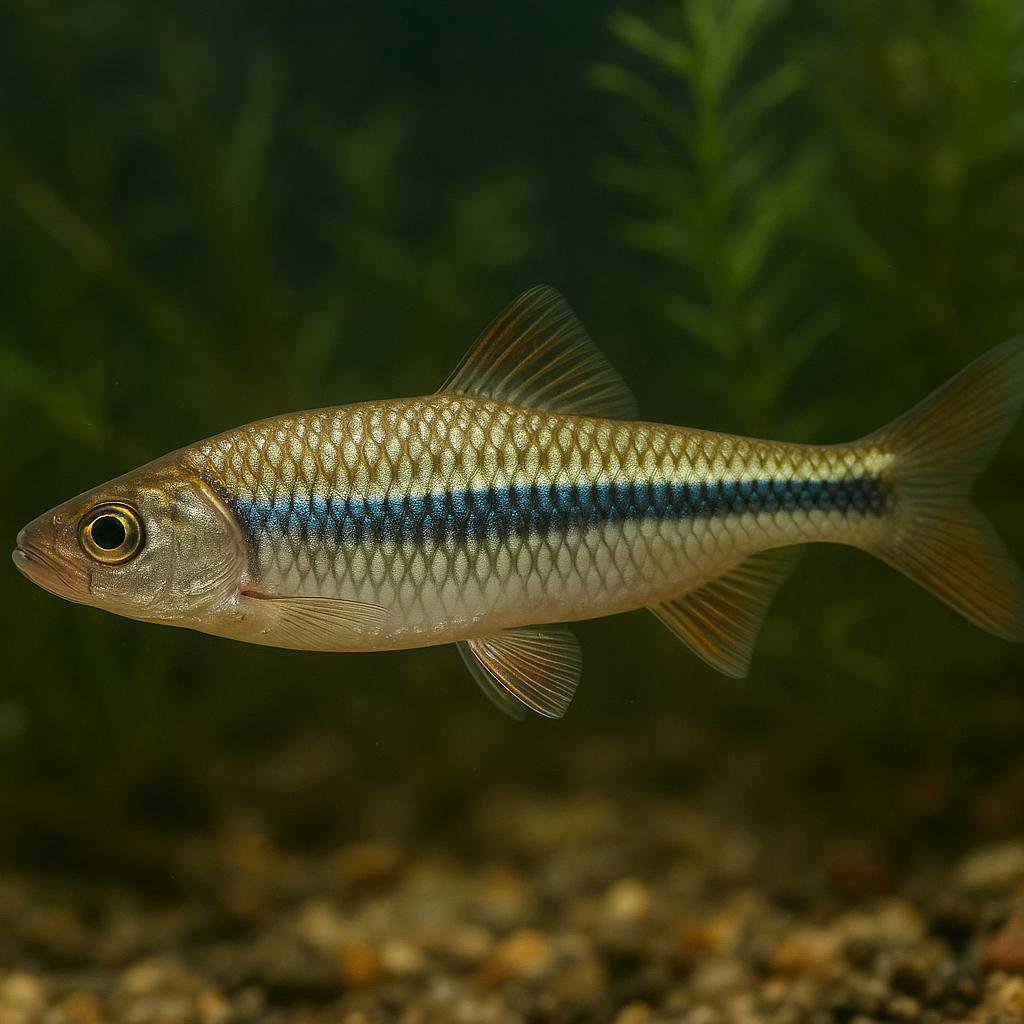
Gunther's baril
Opsarius radiolatus
Opsarius radiolatus is a fast, stream-type danio relative that really wants room to cruise - think clear, gravelly water and a lot of current. If you keep a small group in a long tank with good flow, they settle in and you get that constant, zippy midwater action that makes river tanks feel alive.
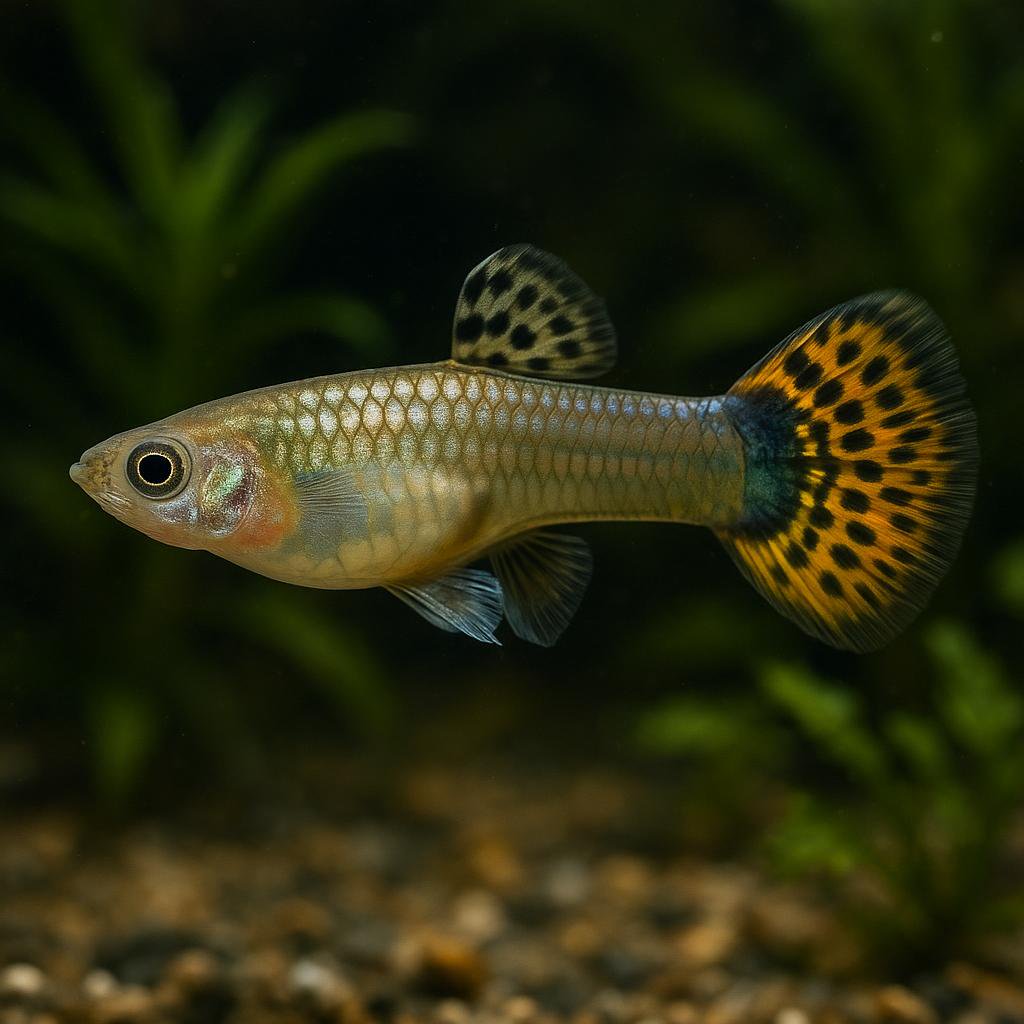
Guppy
Poecilia reticulata
The Guppy is one of the most popular freshwater fish among aquarium enthusiasts due to its colorful appearance and lively nature. These fish have a wide range of vibrant colors and tail shapes, making them a visual delight in any aquarium. Guppies are known for their peaceful temperament and ease of care, making them ideal for both beginner and experienced fishkeepers.
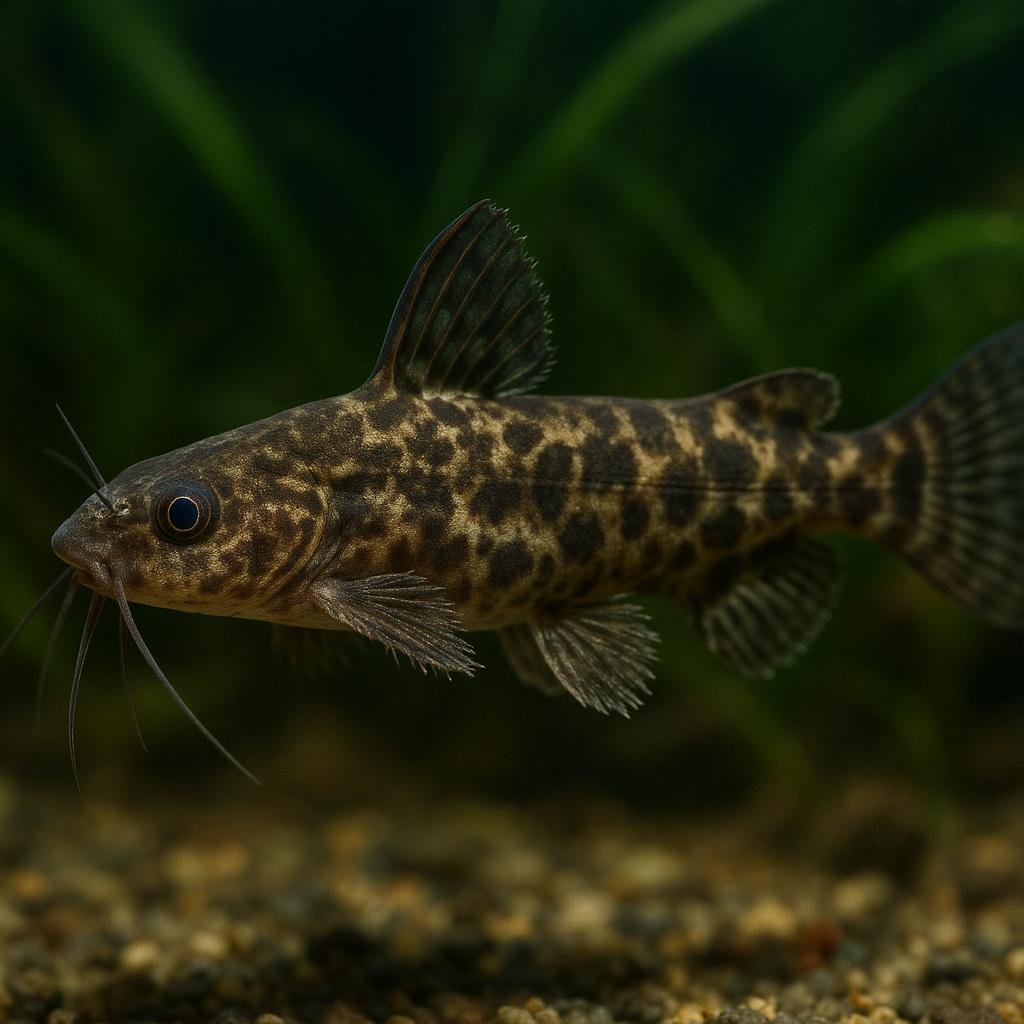
Hairy bagrid catfish
Bagroides hirsutus
Bagroides hirsutus is a pretty obscure Asian bagrid catfish that shows up in the literature mainly from southern China, and it is rarely (if ever) seen as a true, correctly-identified aquarium fish. The big catch with this one is the name - multiple references flag its ID/placement as uncertain, and it has been bounced around as Liocassus/Leiocassis and even suggested as Tachysurus, so buying one in the hobby would be a bit of a gamble.
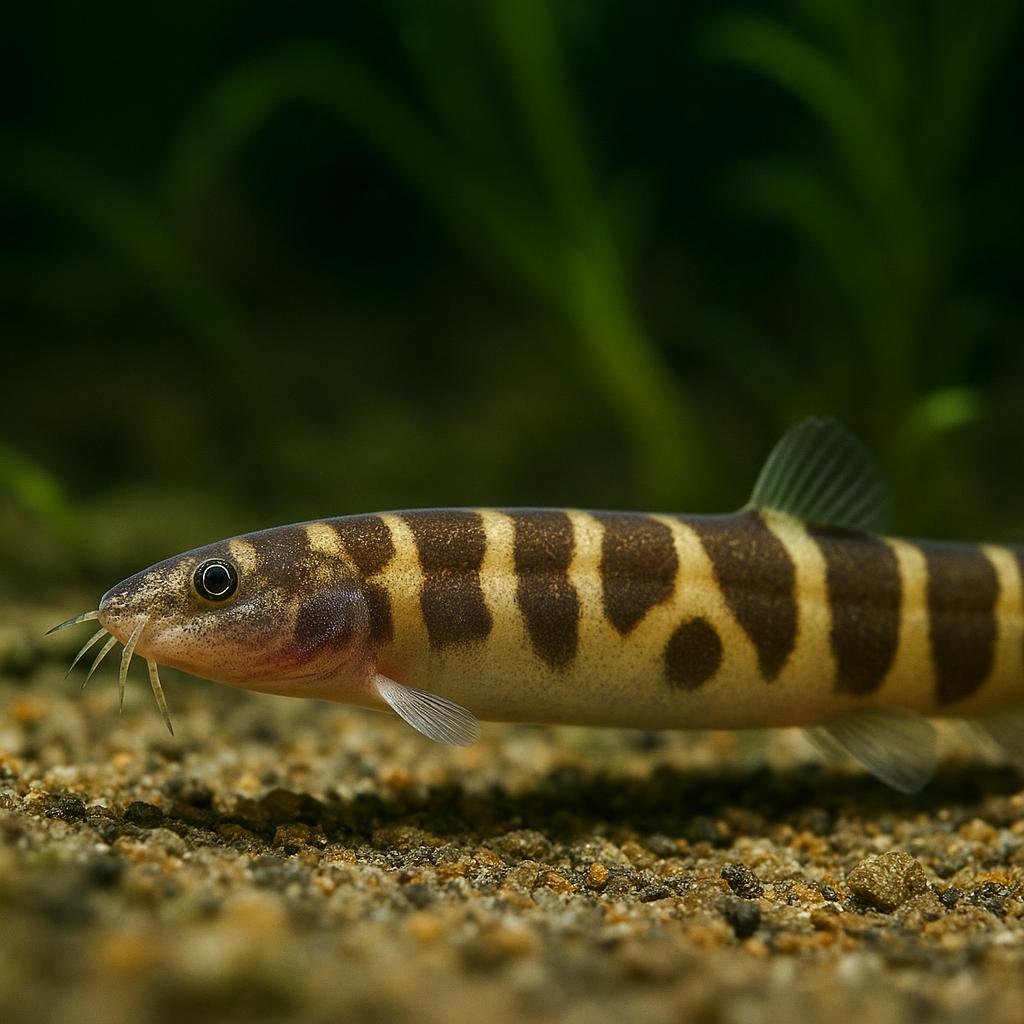
Half-banded kuhli loach
Pangio semicincta
Pangio semicincta is one of those classic "striped kuhli" loaches that spends the day wedged in plants and caves, then comes out at lights-down to wiggle around like a tiny eel. They're super social once you keep a proper group, and they're famous for piling into the same hidey-hole together. Also: they're one of the species that gets mixed up/mislabeled in the trade a lot, so buying from a shop that IDs them carefully is a win.
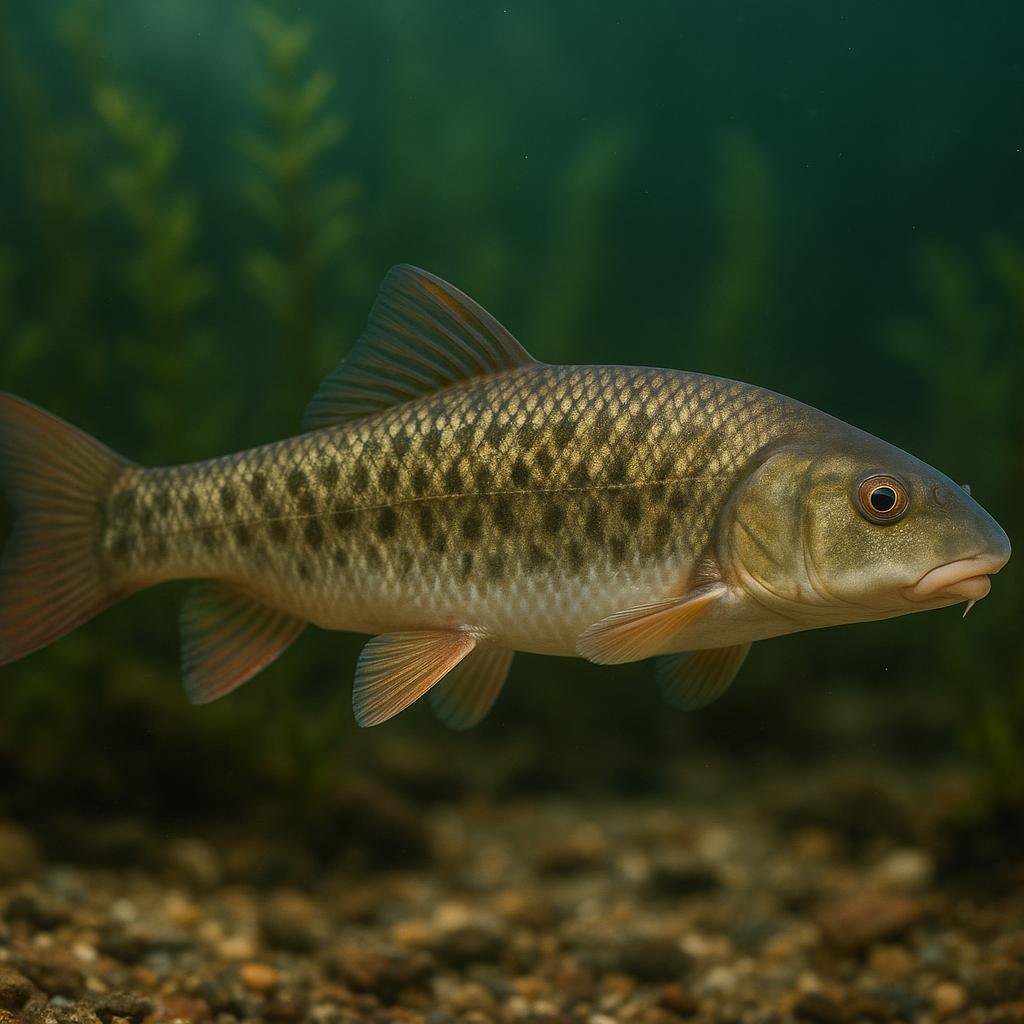
Harelip sucker
Moxostoma lacerum
Moxostoma lacerum (the harelip sucker, also called the hairlip redhorse) was a temperate North American sucker with a really odd split lower lip and a specialized bottom-feeding setup. Sadly its whole story is basically a cautionary tale - it was sensitive to silt and habitat changes, and it is now listed as Extinct (IUCN assessed August 4, 2012).
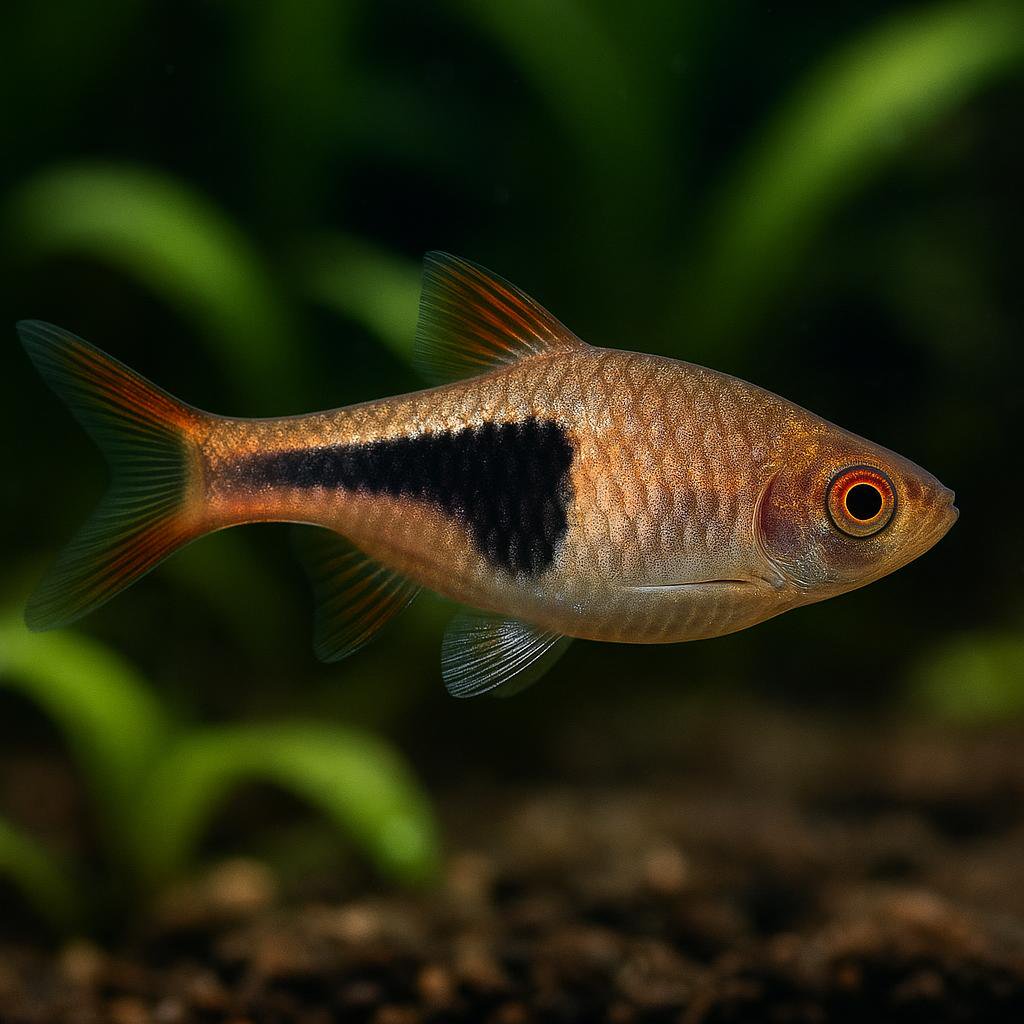
Harlequin Rasbora
Trigonostigma heteromorpha
Harlequin rasboras are those little coppery-orange fish with the bold black "wedge" on their sides that somehow look even better once they're cruising in a group. Give them a nice school and some plants to weave through and they'll do this tight, synchronized swimming thing that's honestly kind of hypnotic.
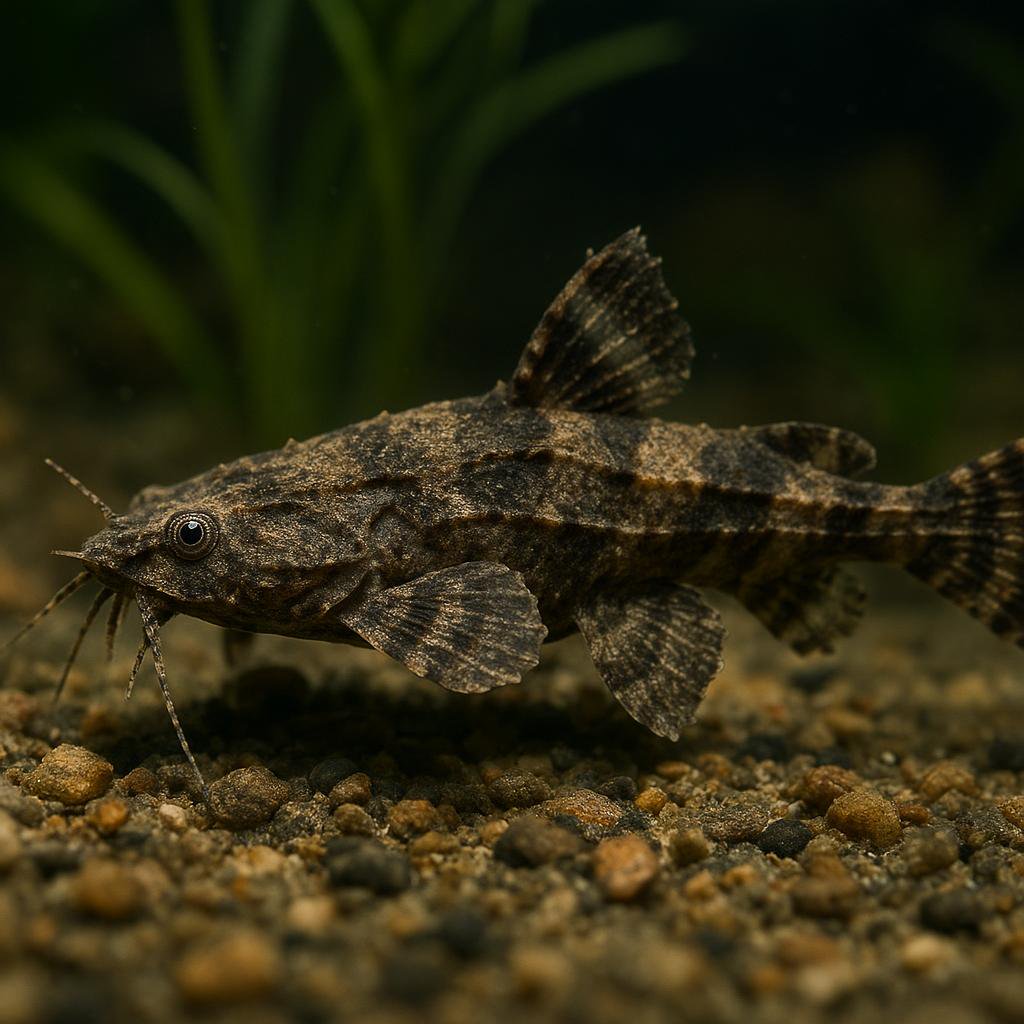
Hartt's banjo catfish
Bunocephalus hartti
Bunocephalus hartti is a tiny little banjo catfish from the Sao Francisco basin in Brazil that lives its best life looking like a dead leaf and pretending it does not exist. Give it sand and leaf litter and it will vanish for days, then suddenly pop out at night like a little cryptid vacuuming up food off the bottom.
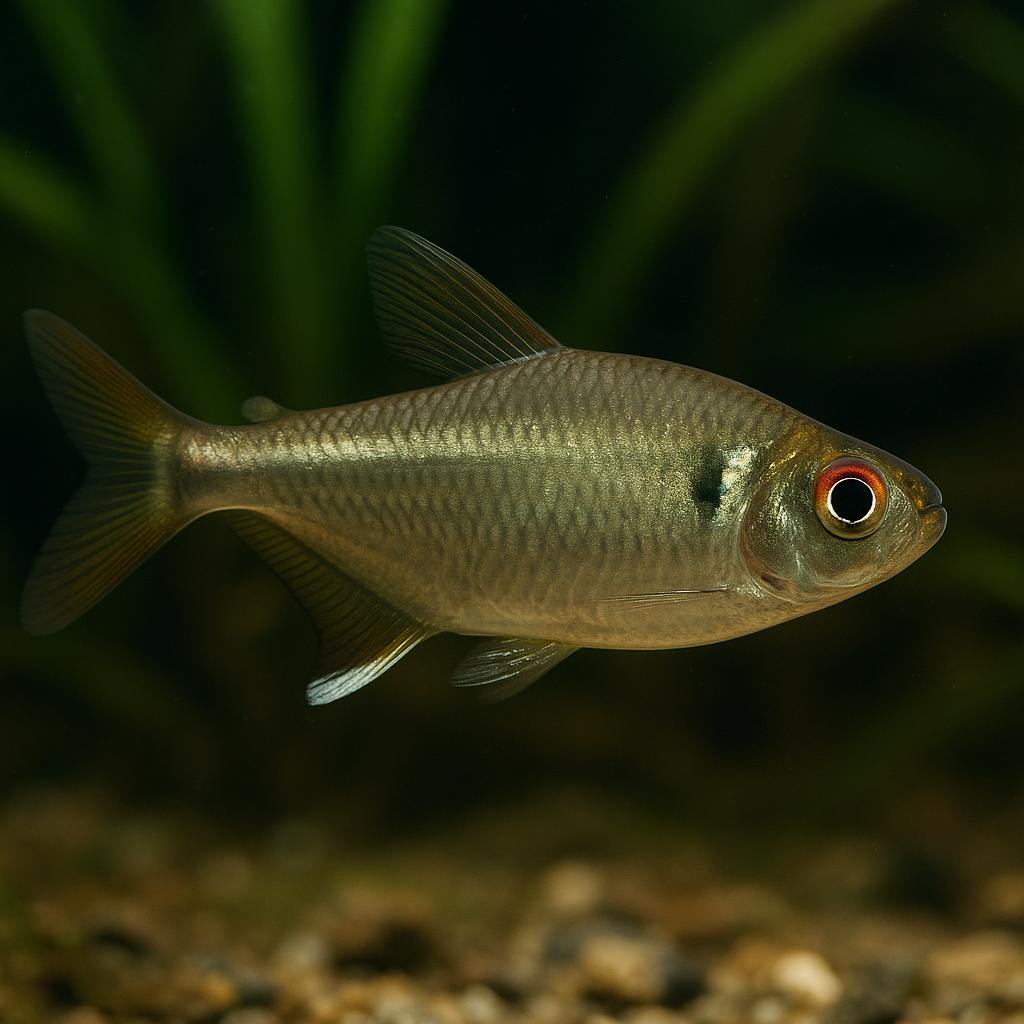
Head-and-Tail Light Tetra
Hemigrammus ocellifer
This little tetra does a neat trick in the light-there's a shiny "headlight" spot near the gills and a glowing "taillight" at the base of the tail, so the whole school kind of sparkles as they turn. They're super chill in a group, and they look way better the bigger the shoal is and the more plants you give them to cruise through.
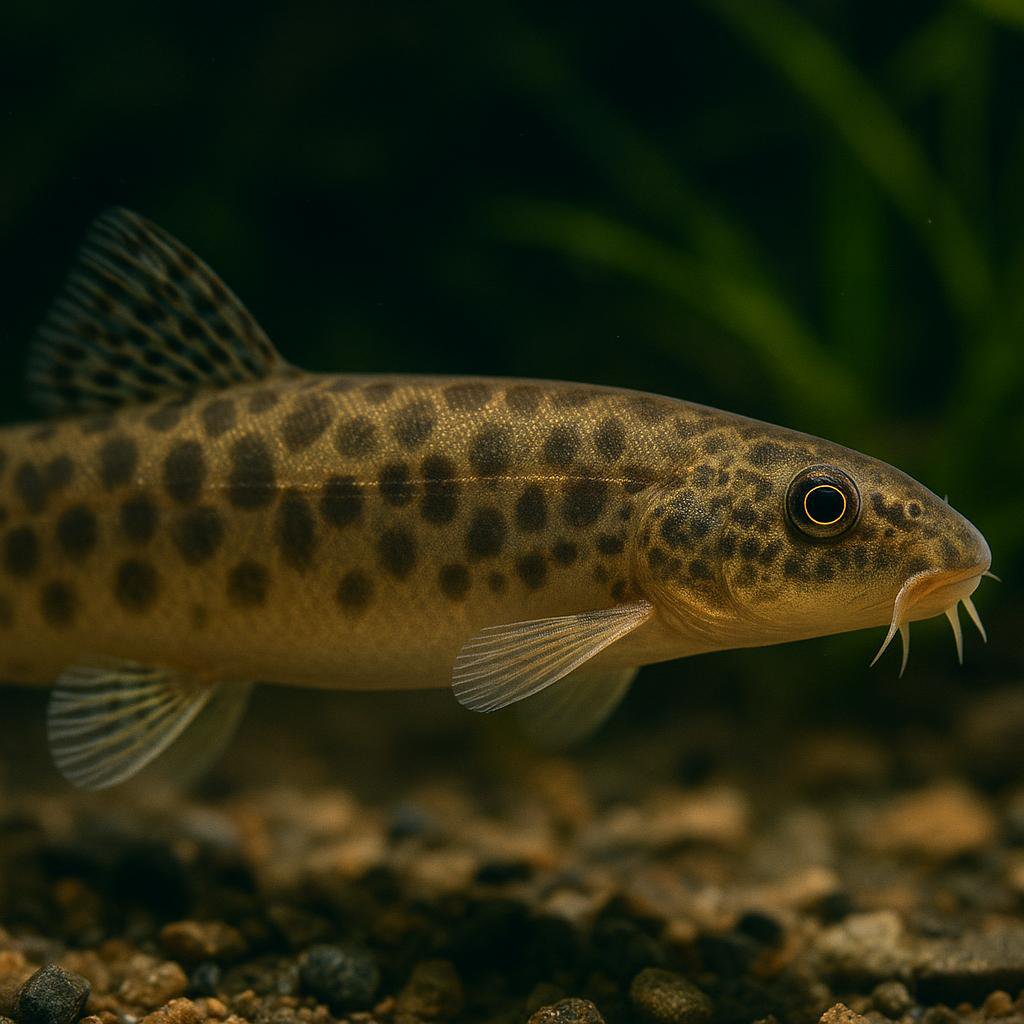
Hexi stone loach
Triplophysa hexiensis
This one is a little taxonomic curveball: Triplophysa rossoperegrinatorum (Prokofiev, 2001) is treated as a synonym of Triplophysa hexiensis in major references, so in the hobby you will basically want to think of it as T. hexiensis. Its a bottom-dwelling river loach from northern China that likes clean, well-oxygenated water and spends a lot of time hugging the substrate and darting between rocks.
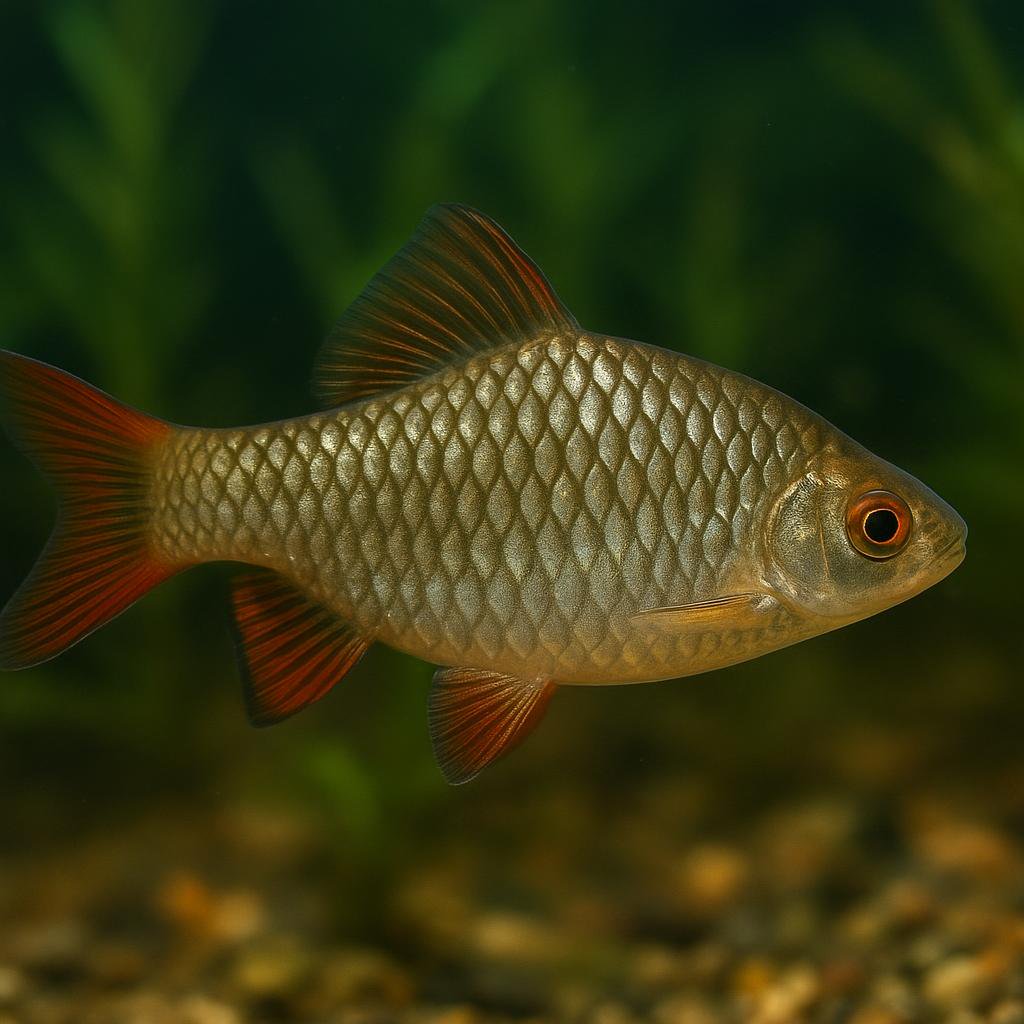
Hi-fin headstander barb
Oreichthys cosuatis
Oreichthys cosuatis is a tiny Indian/Bangladeshi barb where the males can throw up a really cool tall dorsal fin and some nice red/yellow accents when they settle in. They spend a lot of time cruising midwater and picking around for food, and they do best when you keep them in a proper little group so they feel bold.
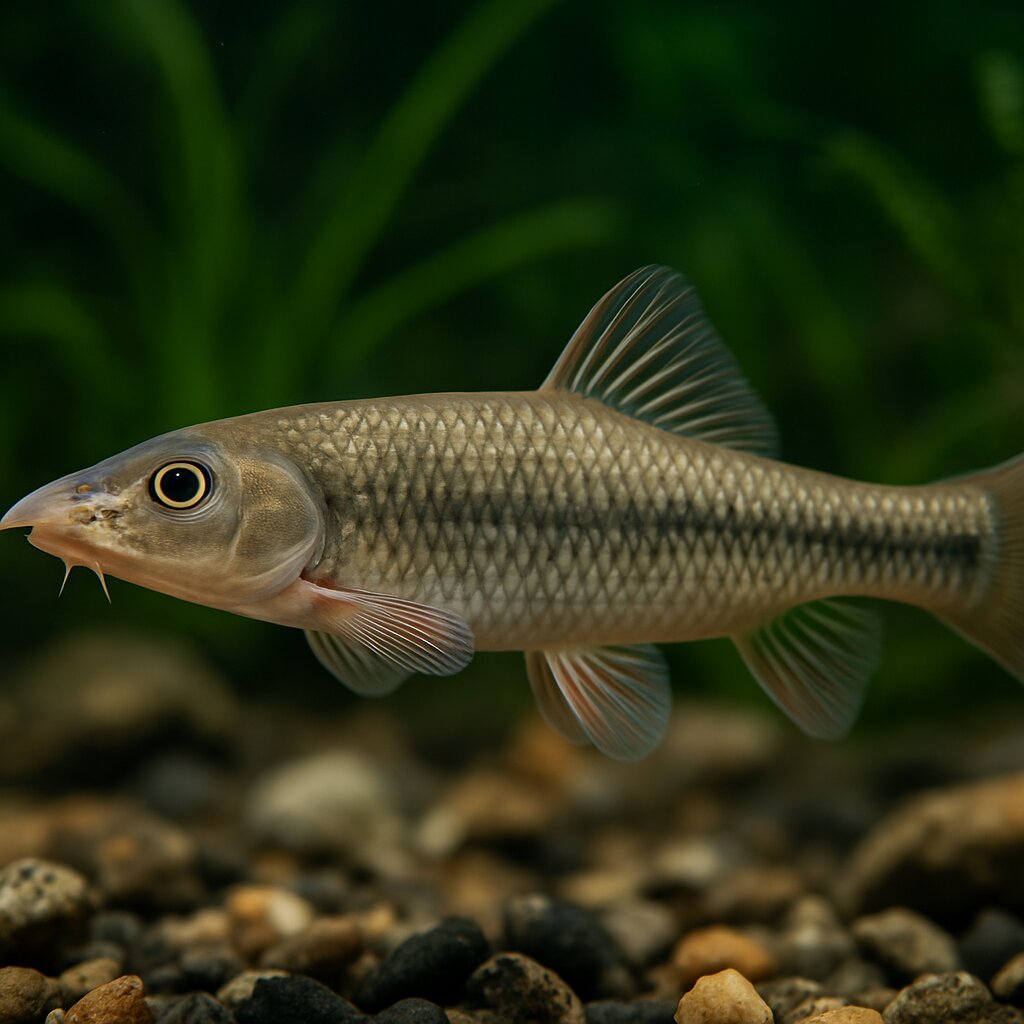
Highbody longnose gudgeon
Microphysogobio alticorpus
Little bottom-hugger from Taiwan’s fast, well-oxygenated streams that spends its day scooting over gravel and picking at biofilm between snacking on tiny insects. Keep a small group over a gritty-sandy bed with good current and they’ll settle in and school nicely, especially if you feed fine live or frozen foods.