

Parana leporinus
Leporinus paranensis
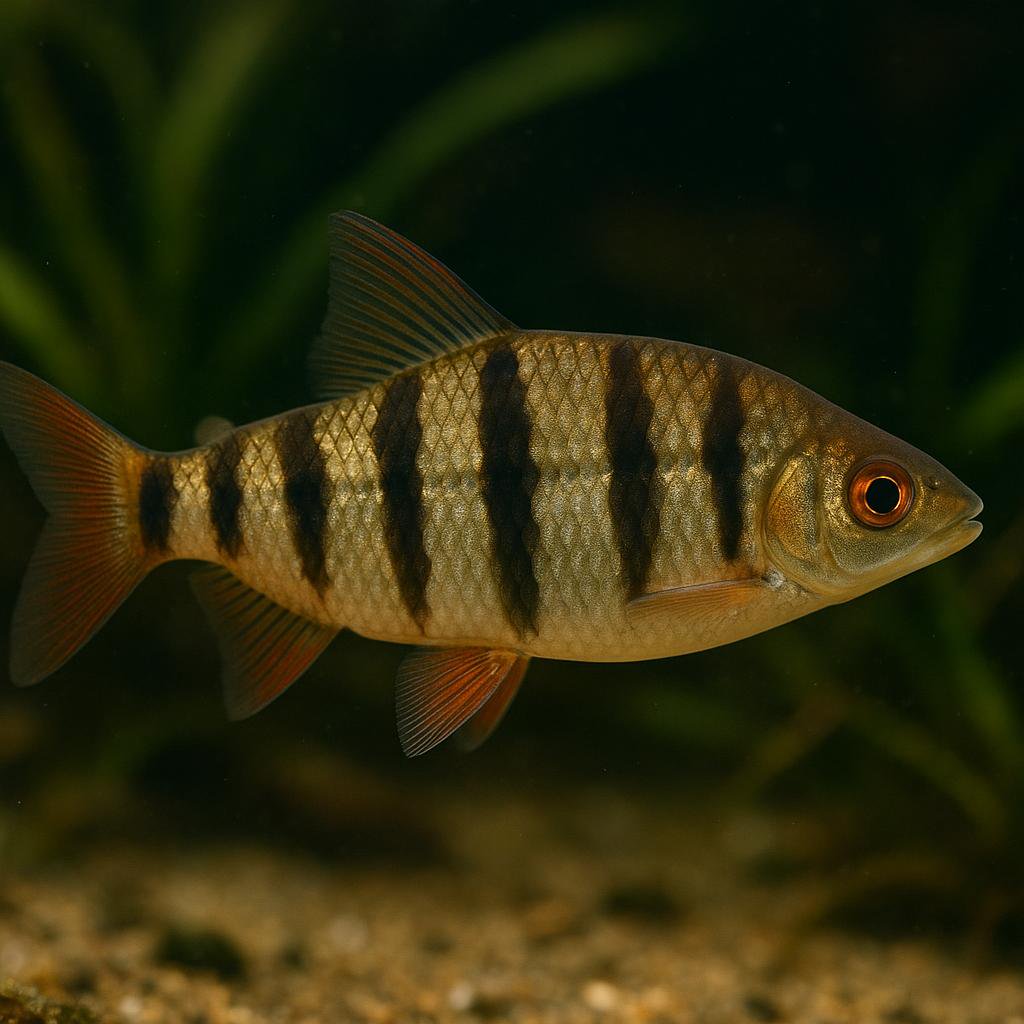
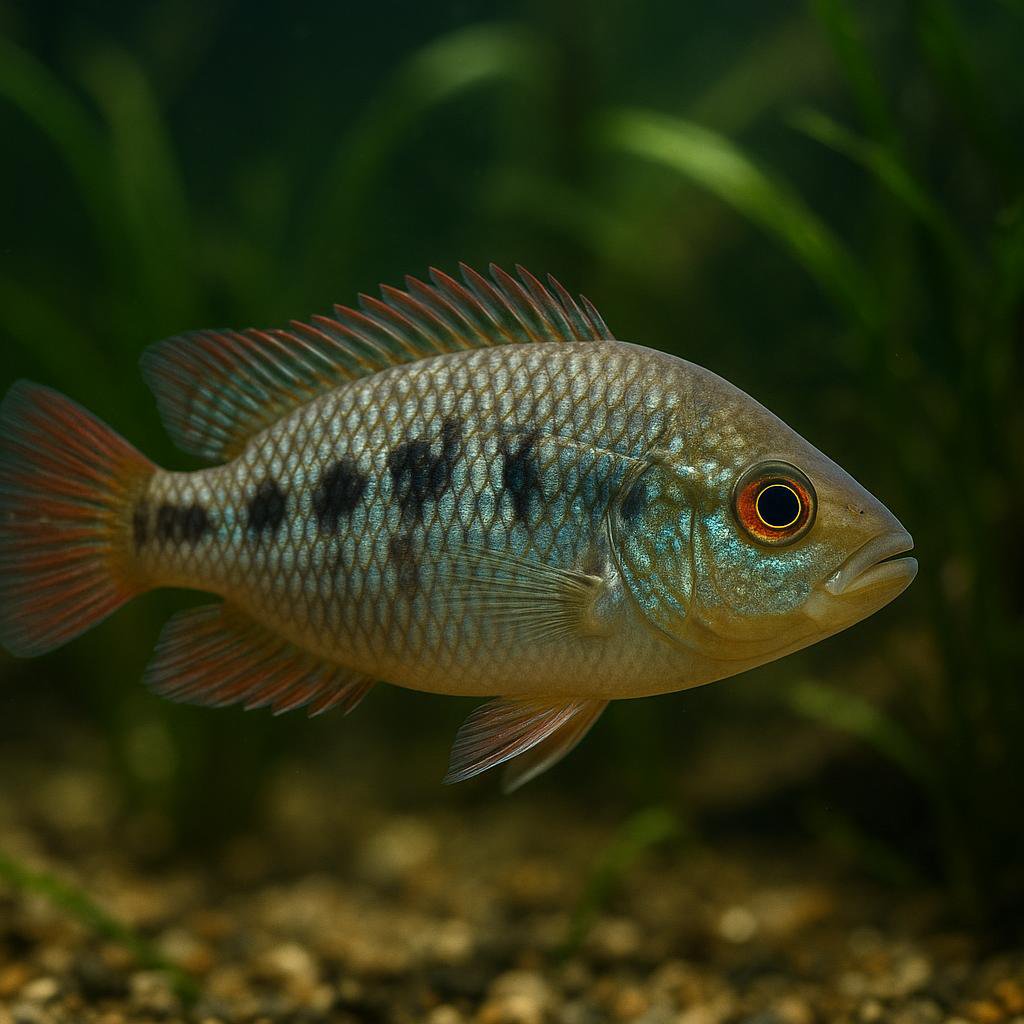
The Parana leporinus features a streamlined body with a silver hue, dark vertical stripes, and elongated dorsal and anal fins.
This page includes AI-generated images. Why am I seeing AI images?
About the Parana leporinus
Leporinus paranensis is a smaller Leporinus from the Parana River basin - think quick, curious headstander vibes without getting into the really big, tank-busting sizes some relatives hit. In the wild it breeds in pairs around dense weeds, so it tends to appreciate cover and structure even though it still wants room to cruise.
Quick Facts
Size
16.0 cm SL (about 6.3 inches)
Temperament
Semi-aggressive
Difficulty
Intermediate
Min Tank Size
55 gallons
Lifespan
5-8 years
Origin
South America (Parana River basin)
Diet
Omnivore - quality pellets/flakes plus veggies (blanched greens) and frozen foods
Water Parameters
22-28°C
6-7.5
2-15 dGH
Need a heater for this species?
This species needs 22-28°C in a 55 gallon tank. Use our heater calculator to find the right wattage.
Calculate heater sizeCare Notes
- Give Parana leporinus a long tank with real swimming room - think 5+ feet if you want it to grow out, because they cruise nonstop and get pushy when cramped.
- They do best with high water quality and good oxygenation. Specific temperature/pH targets for Leporinus paranensis are not well-documented in authoritative species-level sources, so treat any exact ranges as general Leporinus/anostomid guidance and prioritize stability and cleanliness.
- Skip delicate plants and flimsy decor - they will bulldoze and chew; use tough wood, smooth rocks, and sturdy hides, and make sure everything is anchored.
- Feed like an omnivore with a veggie bias: quality pellets plus lots of greens (zucchini, cucumber, spinach, nori) and some protein (shrimp, earthworms) a few times a week.
- Do not trust them with soft-leaved plants, slow fancy fish, or anything small enough to fit in their mouth; they are better with robust, similarly sized fish that can handle a bit of attitude.
- Watch their teeth and beak-like mouth - they will rasp driftwood and nip fins, so if tankmates look shredded, rearrange the tank or move fish before it becomes a habit.
- Breeding in home tanks is basically a long shot - they are seasonal river spawners and most captive breeding happens in ponds or farms with heavy conditioning and flow cues.
Compatibility
Good Tankmates
- Big, confident cichlids that can hold their own (think Severums, Blue Acaras, Geophagus) - not the super mean stuff, just sturdy midwater fish that will not get pushed around
- Silver dollars and other fast, schooling characins with some size - they are quick enough to dodge the random Leporinus chase, and they match the same 'busy' vibe
- Medium to larger catfish that mind their business (Synodontis, Raphael catfish, bigger Pimelodus types) - good armor, mostly nocturnal, and they do not compete much for the same space
- Tough plecos (Bristlenose works if the Leporinus is not huge, otherwise go for a larger common/sailfin type) - lots of wood and caves helps keep everybody from bickering over spots
- Bigger, quick barbs/danios in a proper group (like tinfoil barbs) - active, not delicate, and less likely to get singled out
- Other semi-tough midwater fish with size, like larger rainbowfish - as long as the tank is long and they have room to cruise without constant bumping into the Leporinus
Avoid
- Slow fish with fancy fins (angelfish, gouramis, bettas) - Leporinus are classic fin nippers once they settle in and get confident
- Small, peaceful community fish (neon/cardinal tetras, guppies, small rasboras) - they get stressed, chased, and sometimes treated like snacks
- Shrimp and tiny bottom clean-up critters - if it fits in their mouth or looks like food, it usually becomes food
- Other Leporinus or similar shaped 'torpedo' fish in tight quarters - can turn into nonstop sparring and lip-locking unless the tank is huge and laid out with sight breaks
Where they come from
Parana leporinus (Leporinus paranensis) is a South American headstander from the Parana River basin. Think big, fast rivers with current, rocks, wood, and lots of seasonal change. They are built to cruise and nibble all day, not hover in one spot like a cichlid.
Most of the ones you see in the hobby are wild caught or come through mixed "Leporinus" shipments. They tend to be hardy once settled, but they do not love being tossed into a brand new tank.
Setting up their tank
Give this fish space first, decorations second. A young one can look like it would fit anywhere, then a year later you are wondering where your swimming room went. They are strong, constantly moving, and they turn into little bulldozers at feeding time.
- Tank size: I would not bother with less than a 5 ft tank for an adult. Bigger footprint beats extra height.
- Filtration: overfilter it. They eat a lot and they poop like it is their job.
- Flow and oxygen: a decent current and good surface movement keeps them acting more natural and less skittish.
- Lid: tight. They spook-jump, especially the first few weeks.
- Hardscape: smooth rocks and sturdy driftwood. Avoid delicate plants unless you like replanting.
They will rearrange anything lightweight. If you stack rocks, make it stable on the glass, not perched on sand where they can undermine it.
For substrate, sand or fine gravel both work. I like sand because it is easier to keep clean and they sometimes mouth around looking for bits. Keep open lanes for swimming and put the wood/rocks to the sides so they can do laps.
If your fish is pacing the glass nonstop, try dimming the lights, adding a background, and giving it more cover at the ends of the tank. They calm down once they feel like they have "routes" instead of a bright empty box.
What to feed them
Leporinus are omnivores that lean heavily toward plant and algae matter, but they will happily take meaty foods too. The trick is keeping them on a varied diet so they do not turn into fin-nipping little gremlins from constant hunger.
- Staples: quality pellets (cichlid/omnivore pellets work), spirulina wafers, veggie-based sticks
- Veg: zucchini, cucumber, blanched spinach, shelled peas, green beans (clip it down so it does not float away)
- Protein treats: krill, prawns, earthworms, mussel, frozen bloodworms (not as the main diet)
- Grazing: let some algae grow on rocks or wood - they will work it over
If you keep live plants, expect sampling. Even if they do not eat a plant to the stem, they often rasp leaves and weaken them.
I feed adults once a day, heavy on veg, and toss in a protein meal a couple times a week. Juveniles do better with smaller meals 2 times a day. Either way, watch the belly shape: you want them filled out, not pinched behind the head.
How they behave and who they get along with
This is a busy, opinionated fish. They are not "aggressive" like a jaguar cichlid, but they are pushy, fast, and confident once settled. They also have that classic headstander attitude: lots of pecking and investigating, and sometimes they decide a tankmate tastes like a salad.
- Best tankmates: other robust medium-large fish that can handle some chaos (bigger tetras, silver dollars, many larger catfish, sturdier cichlids that are not timid)
- Avoid: slow fish, long fins, delicate bottom dwellers, tiny fish they can gulp, and anything that stresses easily
- Group vs solo: one works fine. Groups can work in very large tanks, but expect chasing and a pecking order
Fin nipping is the big one. If you see shredded fins on slow tankmates, do not assume it is "just temporary". A hungry or bored Leporinus can keep doing it.
They can be surprisingly personable and will learn the feeding routine fast. The downside is they also learn which tankmates are easy to bother. Lots of structure, strong current, and keeping them well-fed cuts down on the nonsense.
Breeding tips
Breeding Leporinus paranensis in a home aquarium is pretty uncommon. Most species in this group are seasonal spawners tied to river flood cycles, and many are bred commercially with hormones rather than casual hobby setups.
If you ever want to try, the best "realistic" hobby approach is keeping a group in a very large tank or pond-like setup, feeding heavy for months, then doing big water changes with slightly cooler water and stronger flow to mimic rainy season. Even then, do not be surprised if nothing happens.
Sexing is not straightforward. Unless you are working with mature adults and see clear differences during spawning condition, it is mostly guesswork.
Common problems to watch for
- Stress from cramped quarters: pacing, crashing into glass, constant skittishness
- Jumping: especially right after adding them or during sudden light changes
- Nitrate creep and "mystery" water quality issues: they are messy eaters and will punish weak filtration
- Diet problems: too much protein and not enough veg can lead to bloaty, sluggish fish and more nipping
- Ich after shipping: not because they are delicate, but because many arrive stressed and scraped up
Quarantine helps a lot with this species. They often come in with little mouth or nose scrapes from nets and shipping bags, and clean water plus low stress heals them faster than any miracle bottle.
The pattern I see most is people underestimating size and activity. If your fish looks "fine" but your tank feels like it is always dirty and your other fish are acting jumpy, it is usually a space and filtration problem, not a medication problem.
Similar Species
Other freshwater semi-aggressive species you might be interested in.
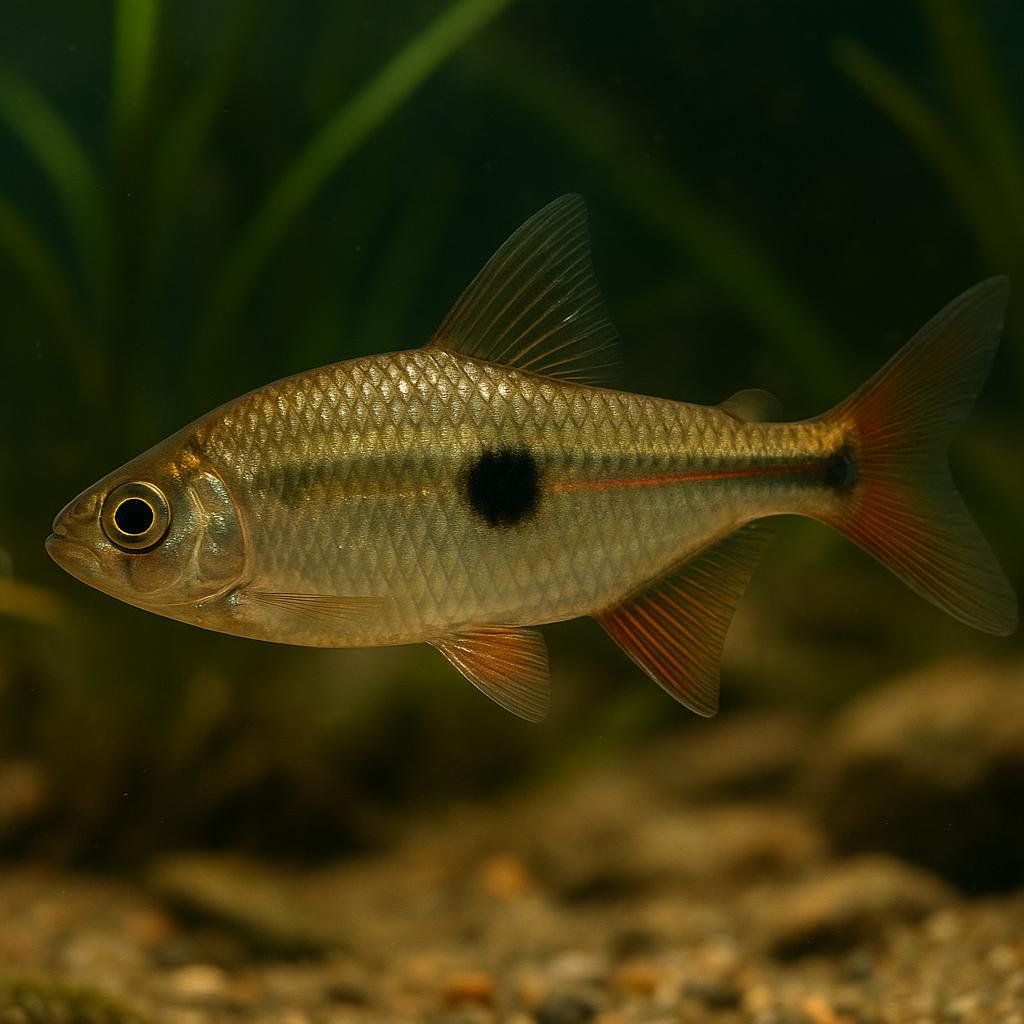
Jupiaba kurua
Small South American characin endemic to the upper rio Curuá (rio Xingu basin, Brazil). Reaches about 8.7 cm SL and inhabits clearwater rivers. Distinguished by dark dots on the bases of many lateral scales and a distinct dark caudal‑peduncle spot. Reported diet indicates omnivory, including aquatic insects, small fishes, and fragments of Podostemaceae and filamentous algae.
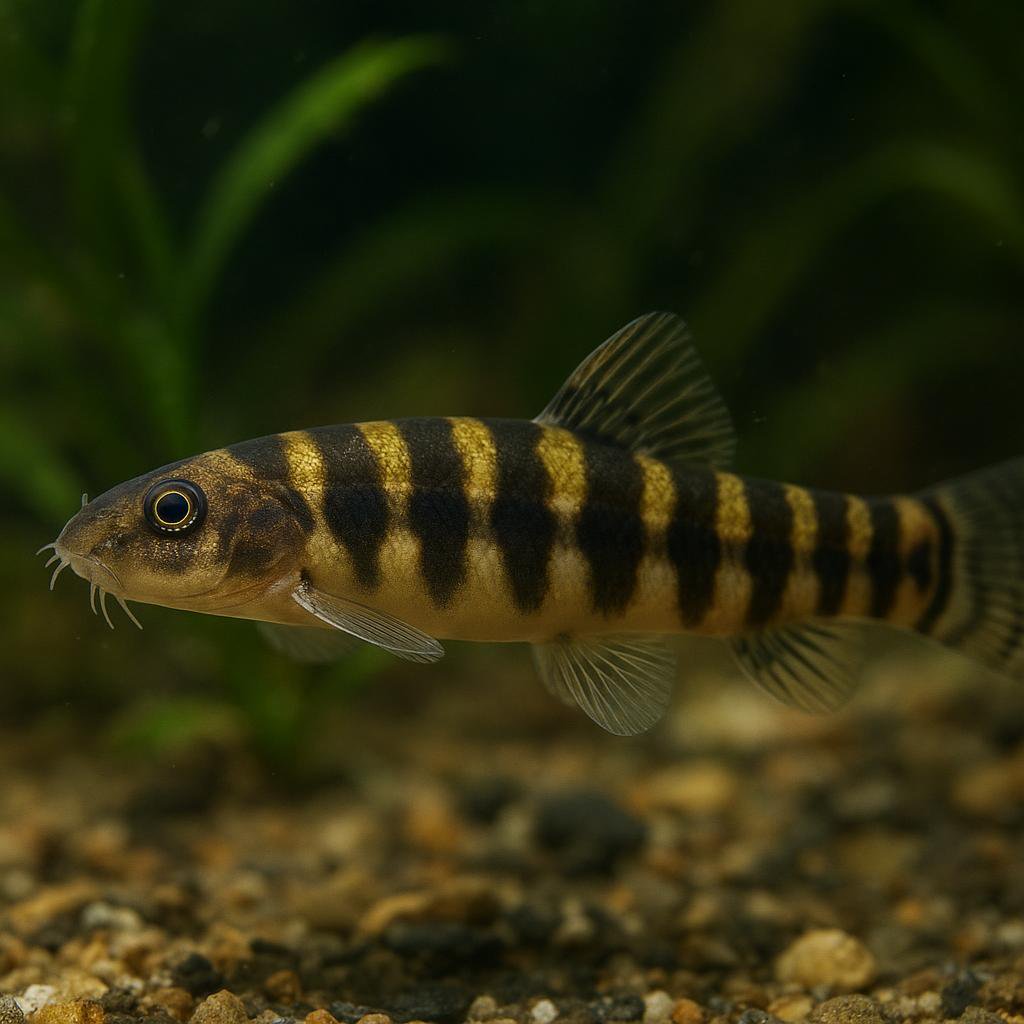
Altipedunculata stone loach
Schistura altipedunculata
Schistura altipedunculata is one of those little stream loaches that wants clean, well-oxygenated water and a bunch of rock nooks to claim as home. It is a bottom-hugger that will spend its day scooting from crevice to crevice, and it tends to get a bit spicy with its own kind if you do not give it enough hiding spots.
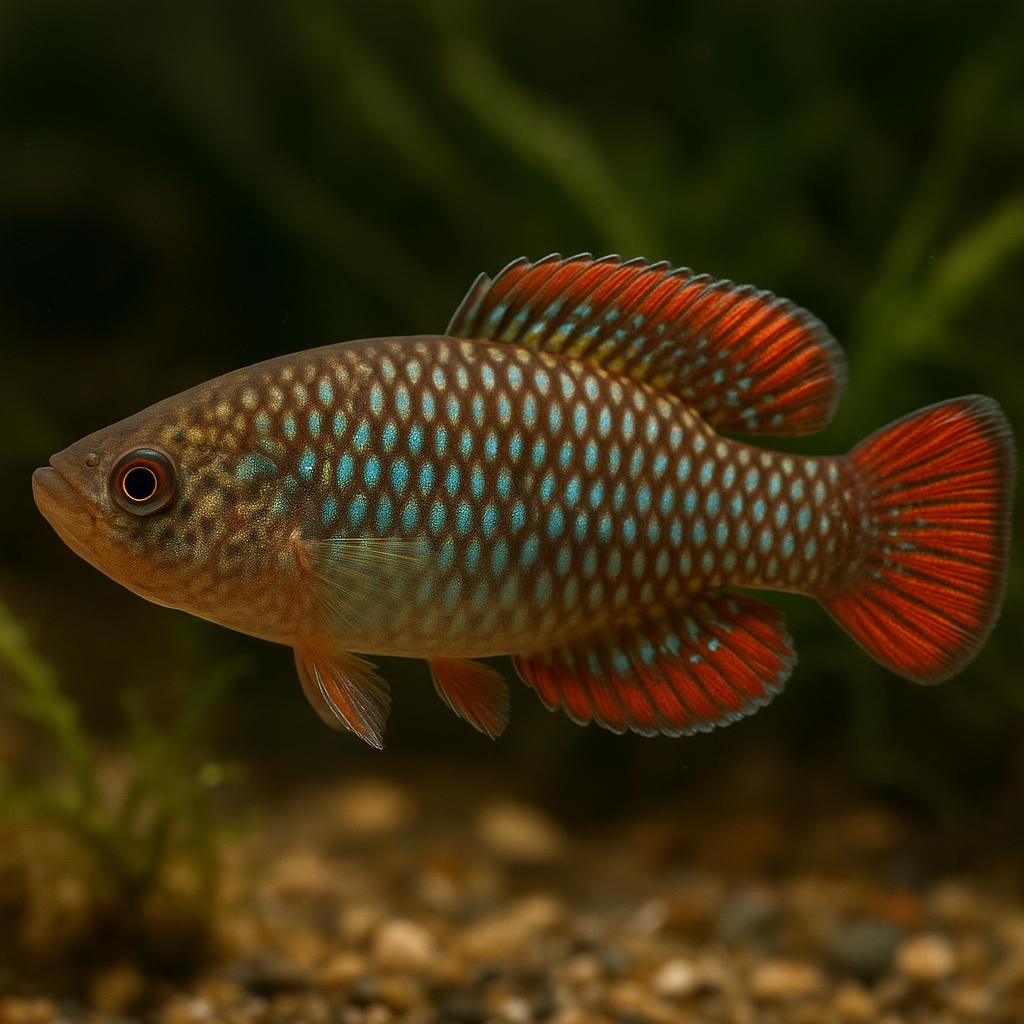
American flagfish
Jordanella floridae
Jordanella floridae is that little Florida native with the red-and-cream striping that really does look like a tiny flag once a male colors up. They graze algae like champs (especially stringy/hair algae), but they have a bit of attitude - give them plants and space so the bossy behavior stays manageable. Bonus: the male guards the eggs and will actively fan them, which is pretty fun to watch.
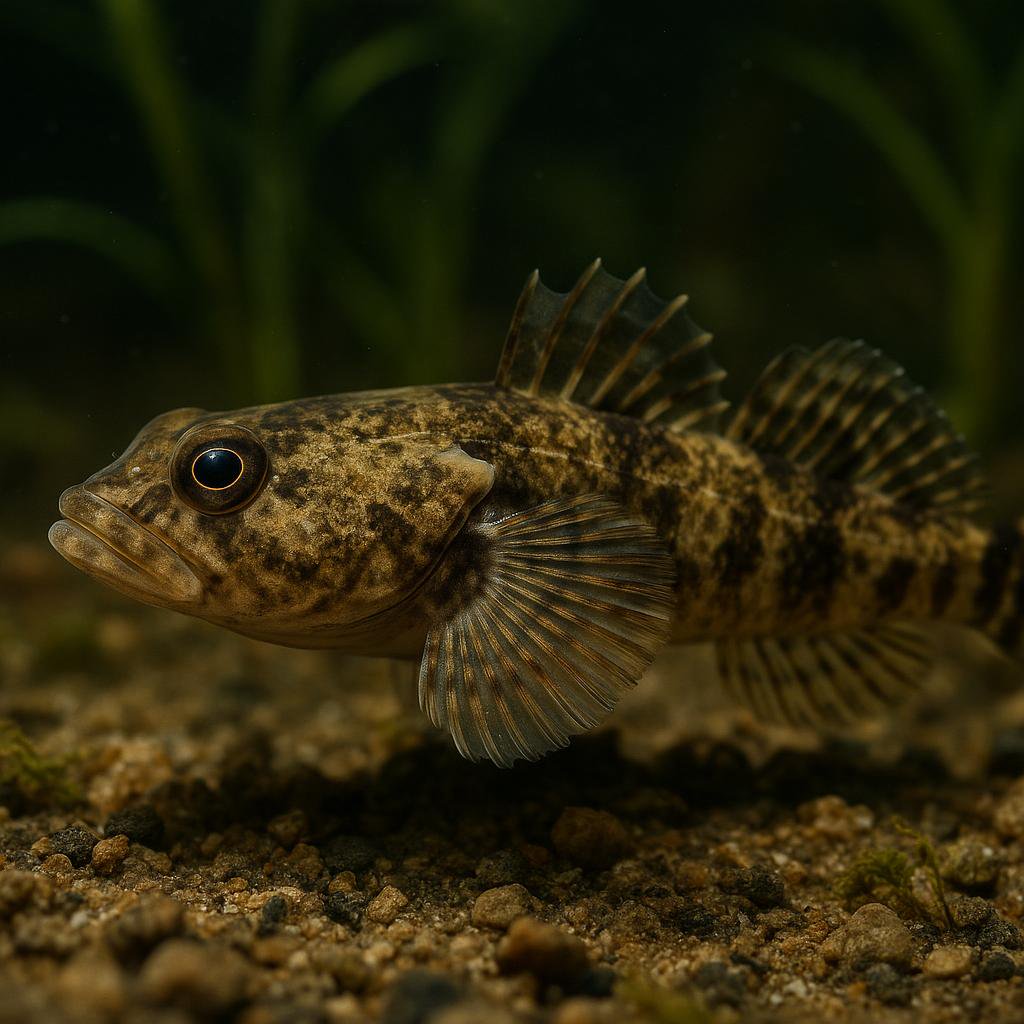
Amur sculpin
Alpinocottus szanaga
This is a little coldwater sculpin from the Amur drainage - a bottom-hugging, rock-and-gravel fish that spends its day wedged under stones and darting out to grab food. Super cool behavior and attitude, but it is absolutely not a warm tropical community fish - it wants chilly, fast, oxygen-rich water and will bicker with other bottom fish.
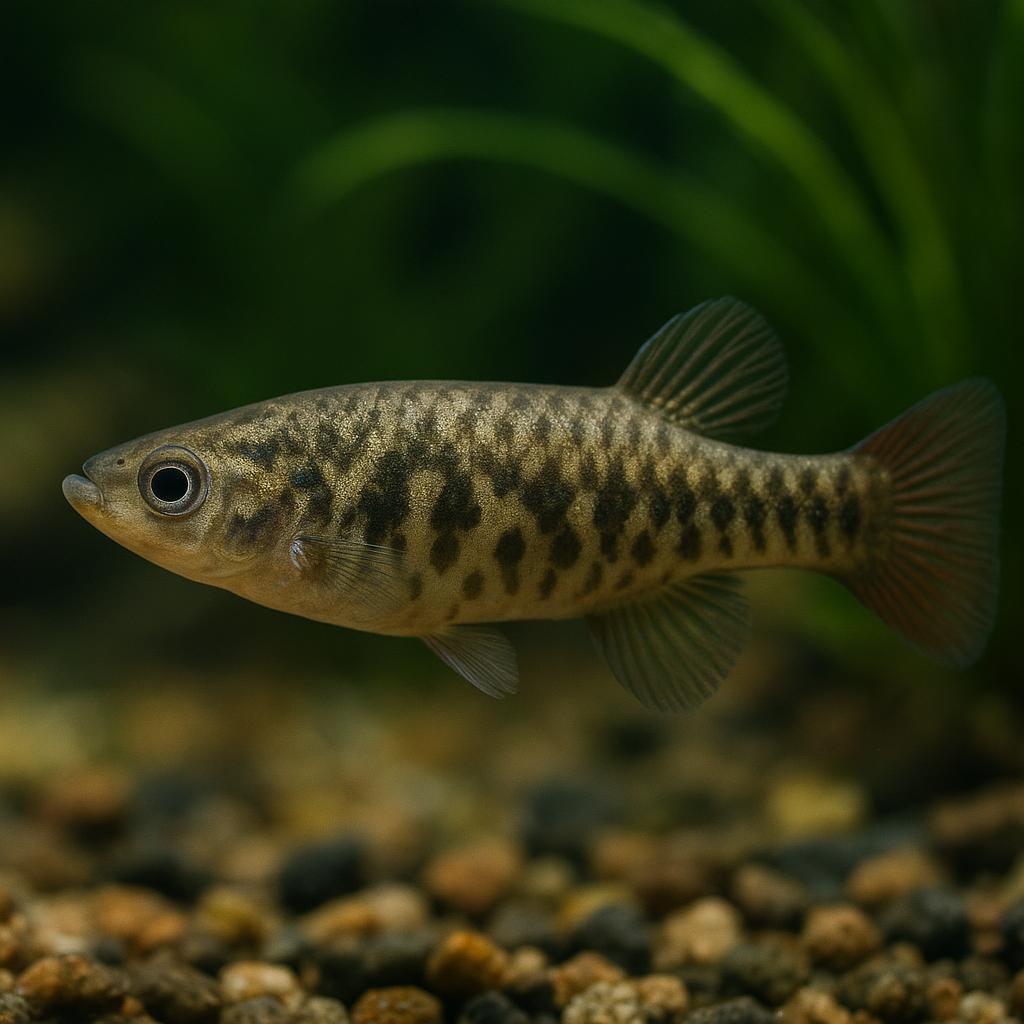
Anitápolis livebearer
Jenynsia weitzmani
Jenynsia weitzmani is a freshwater anablepid livebearer endemic to southern Brazil (currently known only from the type locality near Anitápolis, Santa Catarina). Like other Jenynsia (onesided livebearers), reproduction involves lateralized mating morphology/behavior; aquarium care guidance is not well-documented for this species specifically.
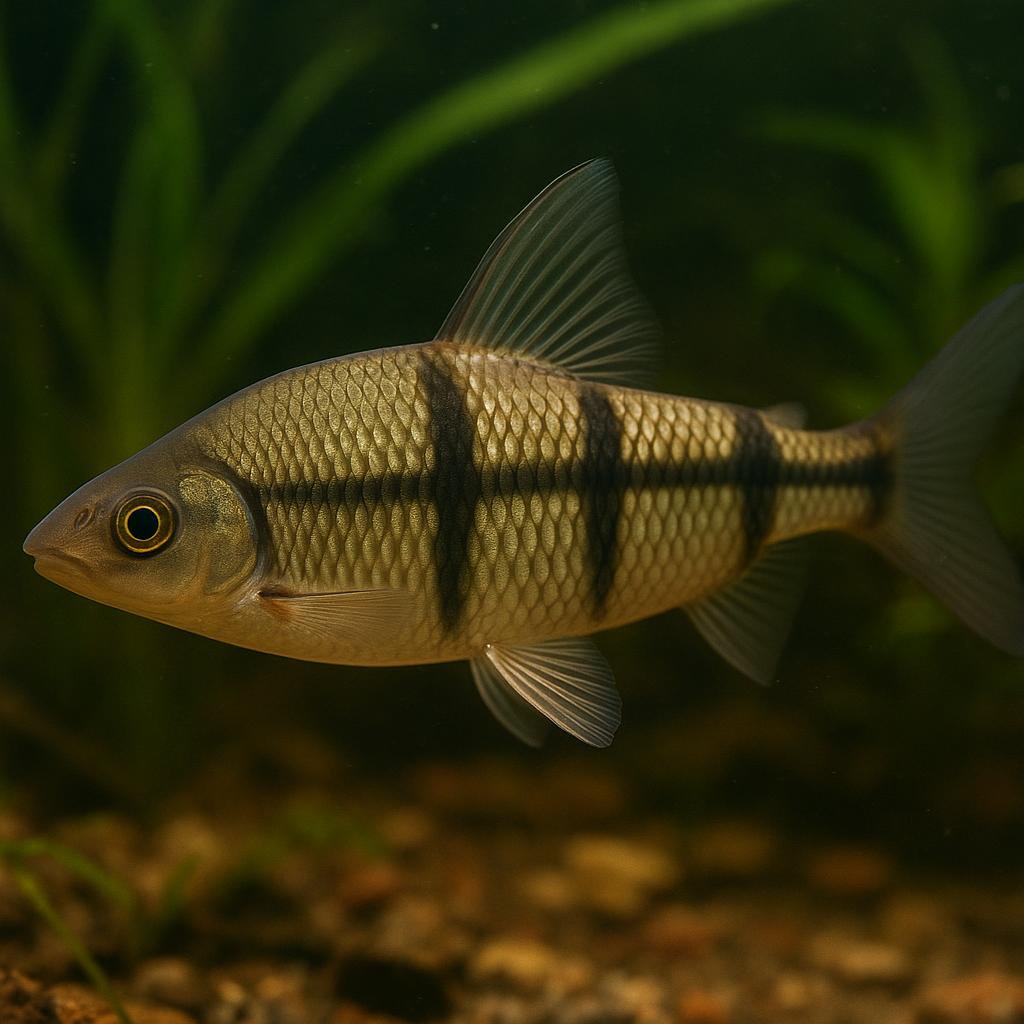
Aracu-comum
Schizodon vittatus
Schizodon vittatus is a large South American anostomid (family Anostomidae). Reported maximum size is about 35 cm standard length; it is harvested/consumed in parts of Brazil and is not commonly covered by mainstream aquarium husbandry references.
More to Explore
Discover more freshwater species.
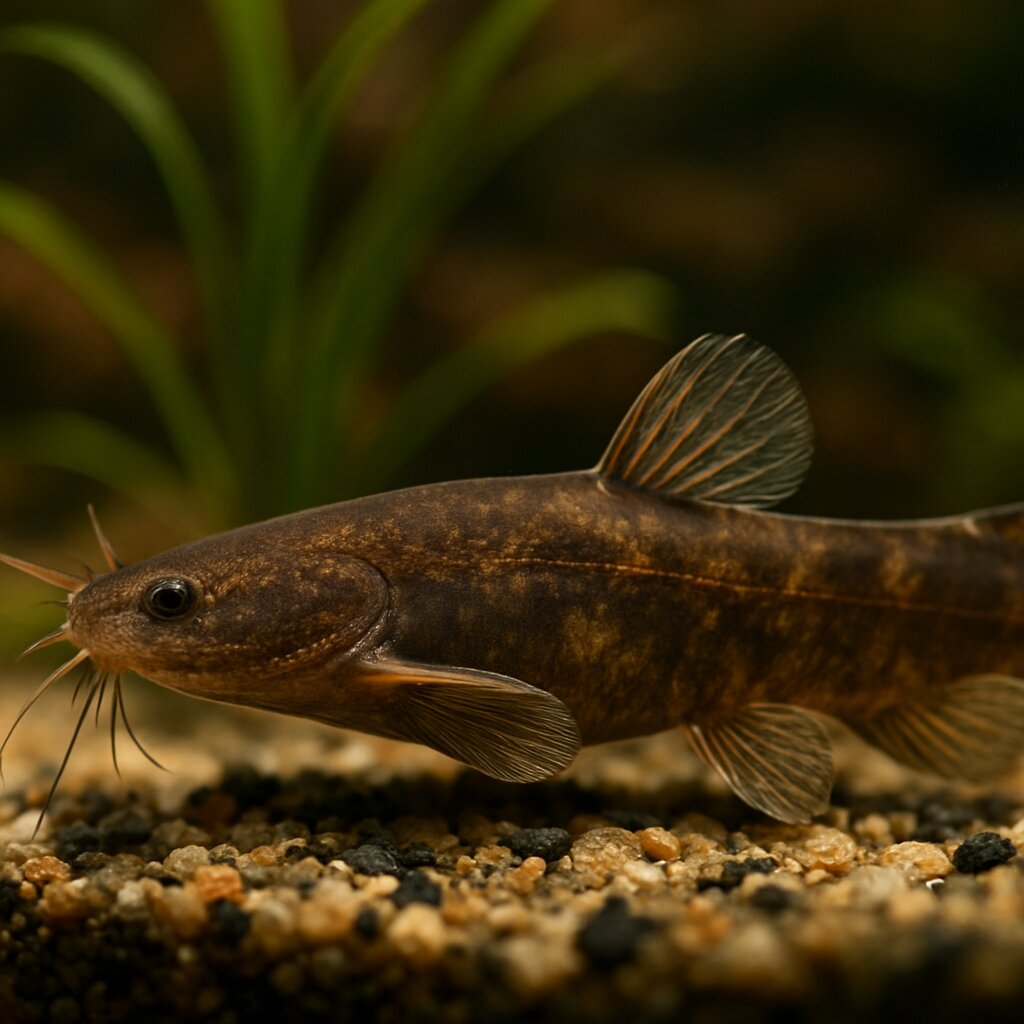
Amphilius dimonikensis
A small loach catfish endemic to the Mpoulou River in the Mayombe (Dimonika Biosphere Reserve), Republic of the Congo. Amphilius dimonikensis has a subtle banded pattern and inhabits fast, clear streams over rock and sand. In aquaria, prioritize strong, well-oxygenated flow with rounded stones and sand to mimic hillstream conditions.
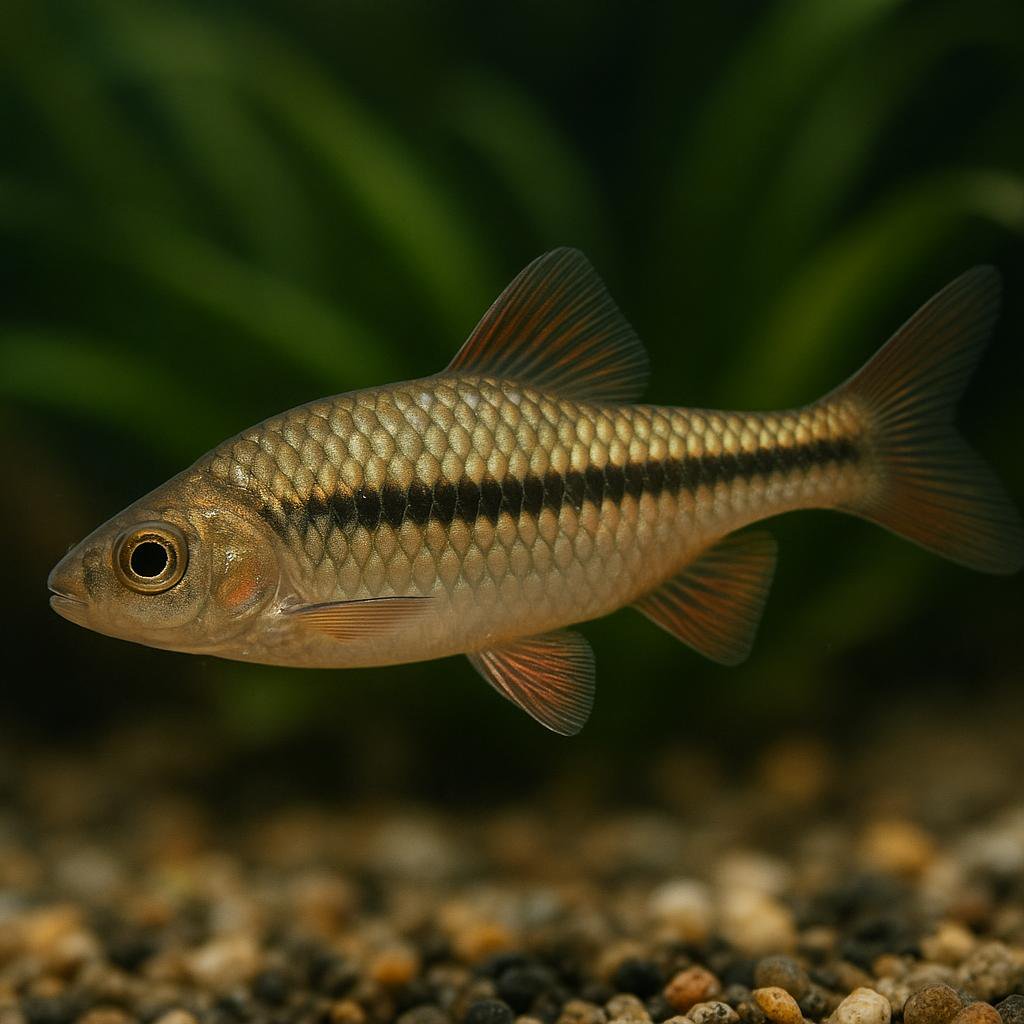
Aboina barb
Enteromius aboinensis
Enteromius aboinensis (the Aboina barb) is a small West African barb with a clean black midline stripe and a little spot right at the base of the tail. It does best when you treat it like a proper schooling fish - keep a decent group and give it plants around the edges with open swimming room in the middle.
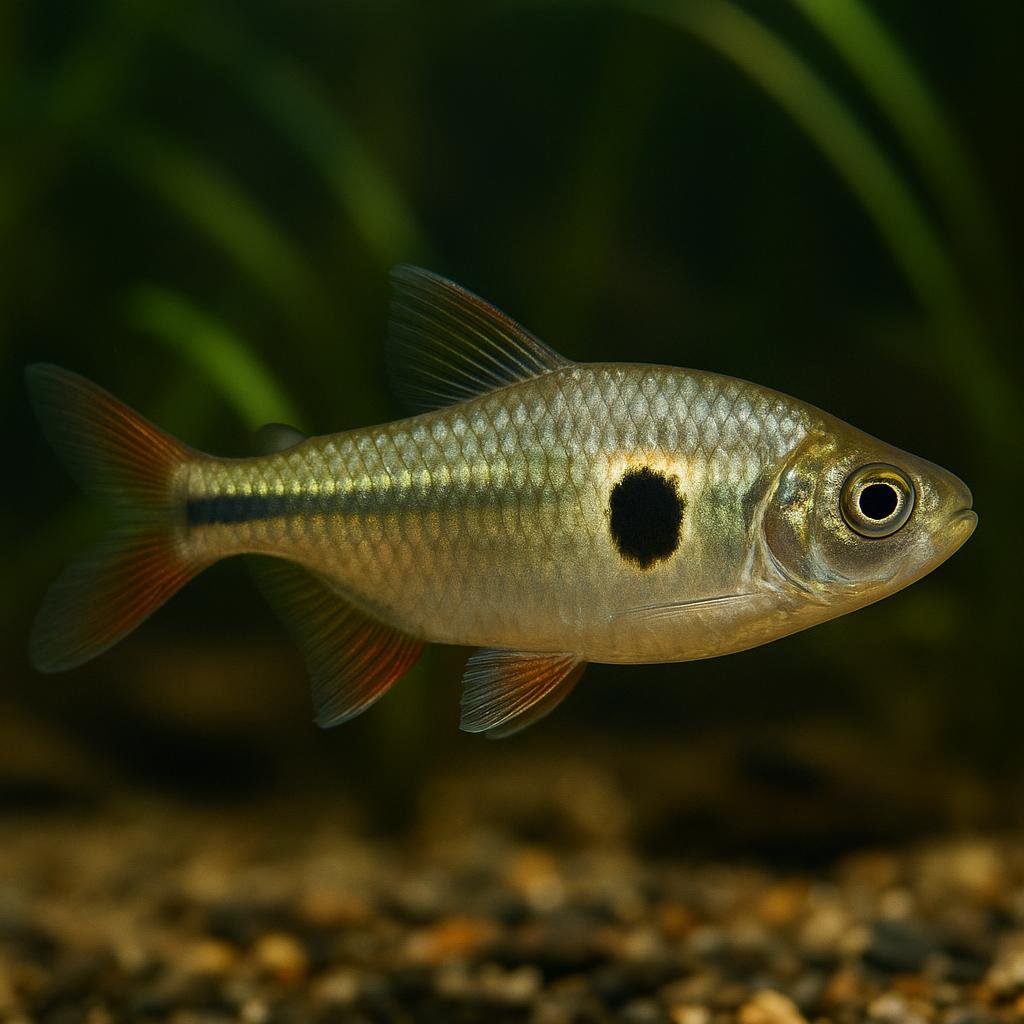
Ajuricaba tetra
Jupiaba ajuricaba
Jupiaba ajuricaba is a South American freshwater characin from the Amazon basin in Brazil (rio Negro, rio Solimões, and rio Tapajós basins). It reaches about 9.5 cm SL and is diagnosed by a narrow dark midlateral stripe, an elongated humeral spot, and an ocellated spot on the upper caudal-fin lobe. Wild specimens have been collected from blackwater forest streams and also oxbow-lake habitats.
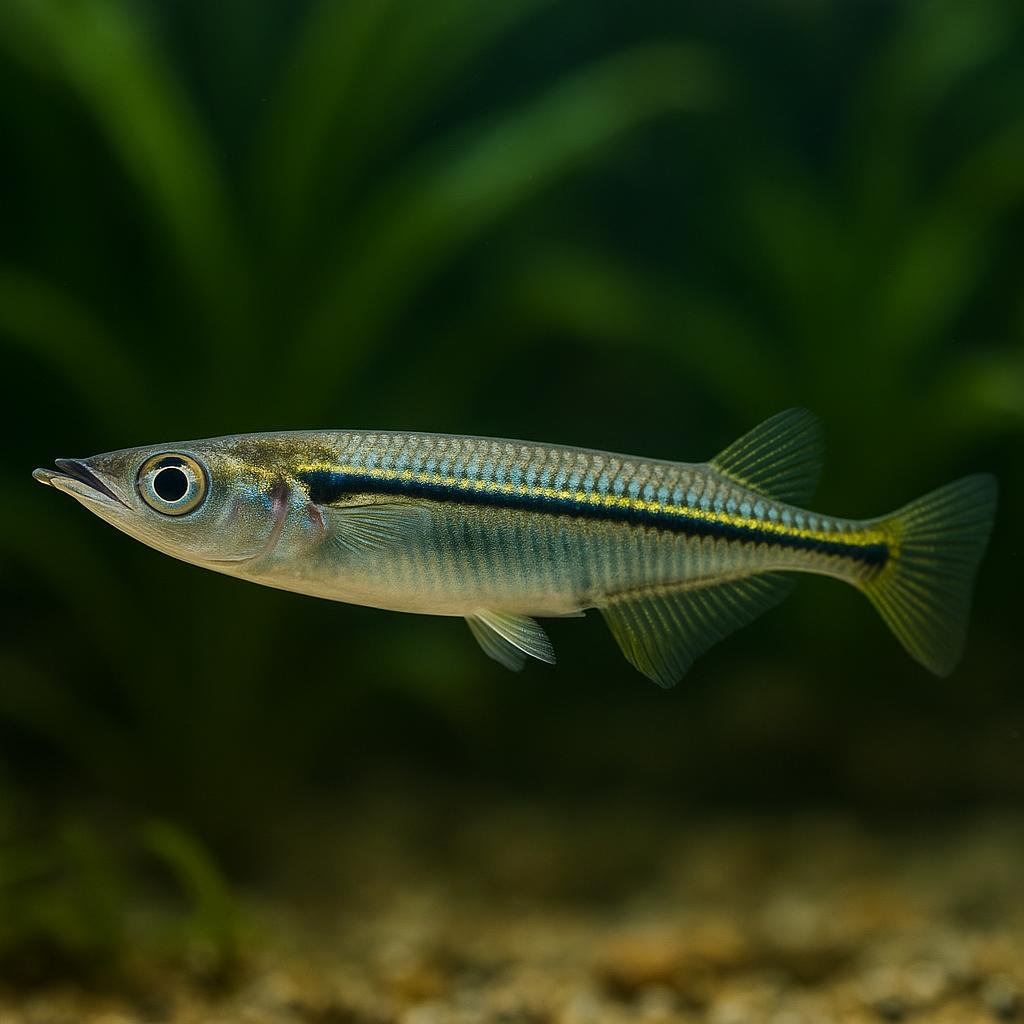
Allen's river garfish
Zenarchopterus alleni
A poorly known freshwater halfbeak endemic to West Papua (Mamberamo River), described from a single specimen (~13 cm SL). Beyond basic habitat/occurrence, little is published about its ecology or aquarium suitability; assume it is a surface-oriented, jump-prone halfbeak only by analogy with related taxa.
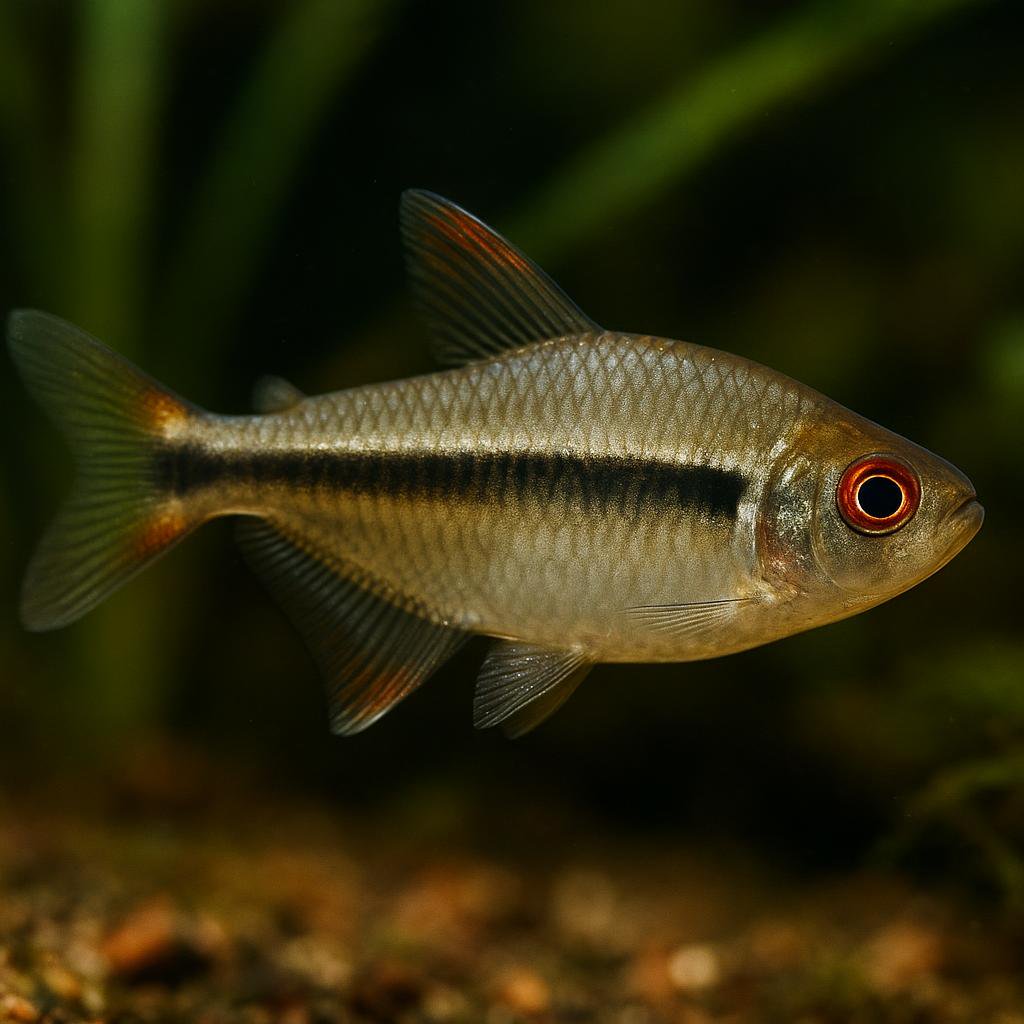
Amapa tetra
Hyphessobrycon amapaensis
This is a tiny, super sleek little tetra with a clean red stripe down the side that really pops once its settled in. It does best in a planted, slightly tinted "creek-style" setup and looks way cooler when you keep a proper group so they school and flash that line together. If you can give it soft, slightly acidic water and a calm community, its an easy fish to fall for.
Amatlan chub
Yuriria amatlana
Yuriria amatlana (the Amatlan chub) is a little Mexican native minnow from the Ameca River basin. Its wild range is pretty limited and it is listed as Endangered, so its care info in the aquarium hobby is basically nonexistent and its availability is usually low. In the original species description, preserved fish show a dark lateral stripe with a darker patch on the caudal peduncle, and they can have tiny barbels at the mouth corners.
Looking for other species?