

Papilio cichlid
Xenotilapia papilio
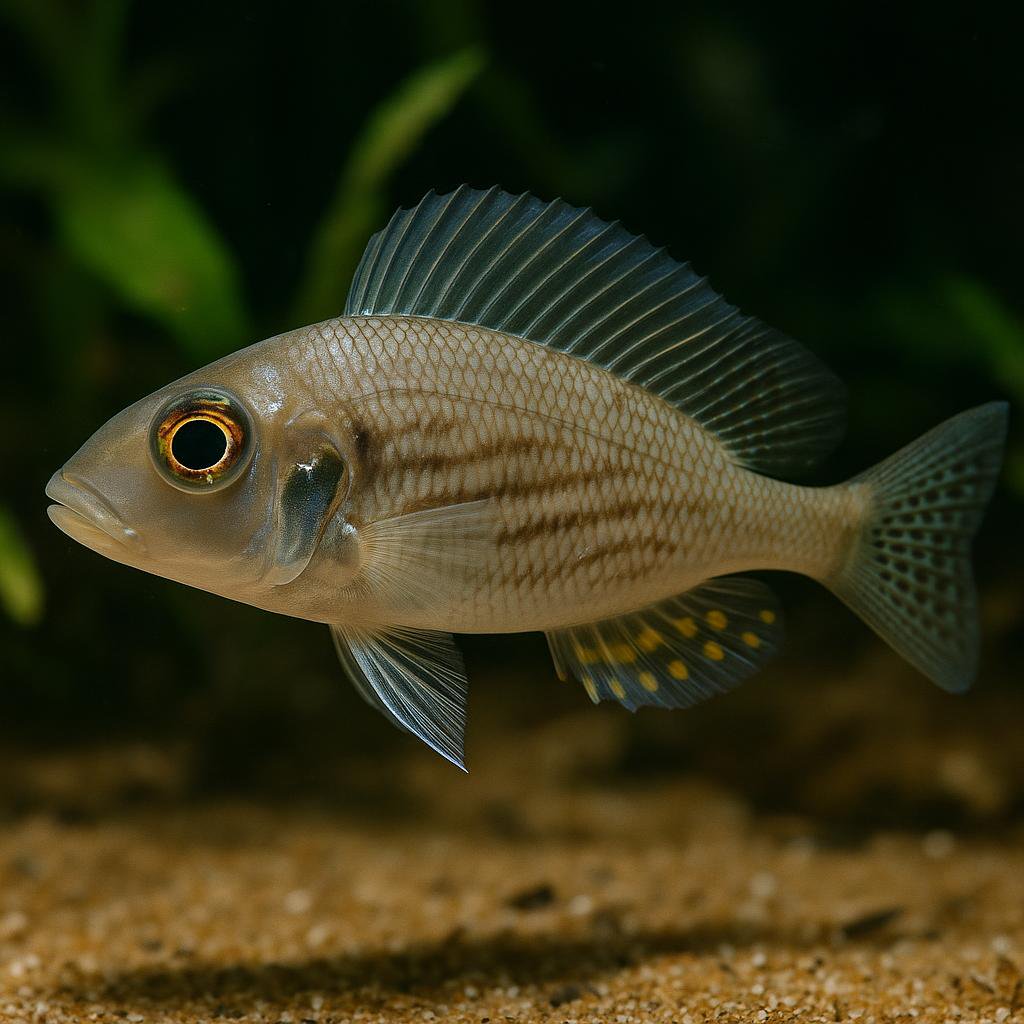
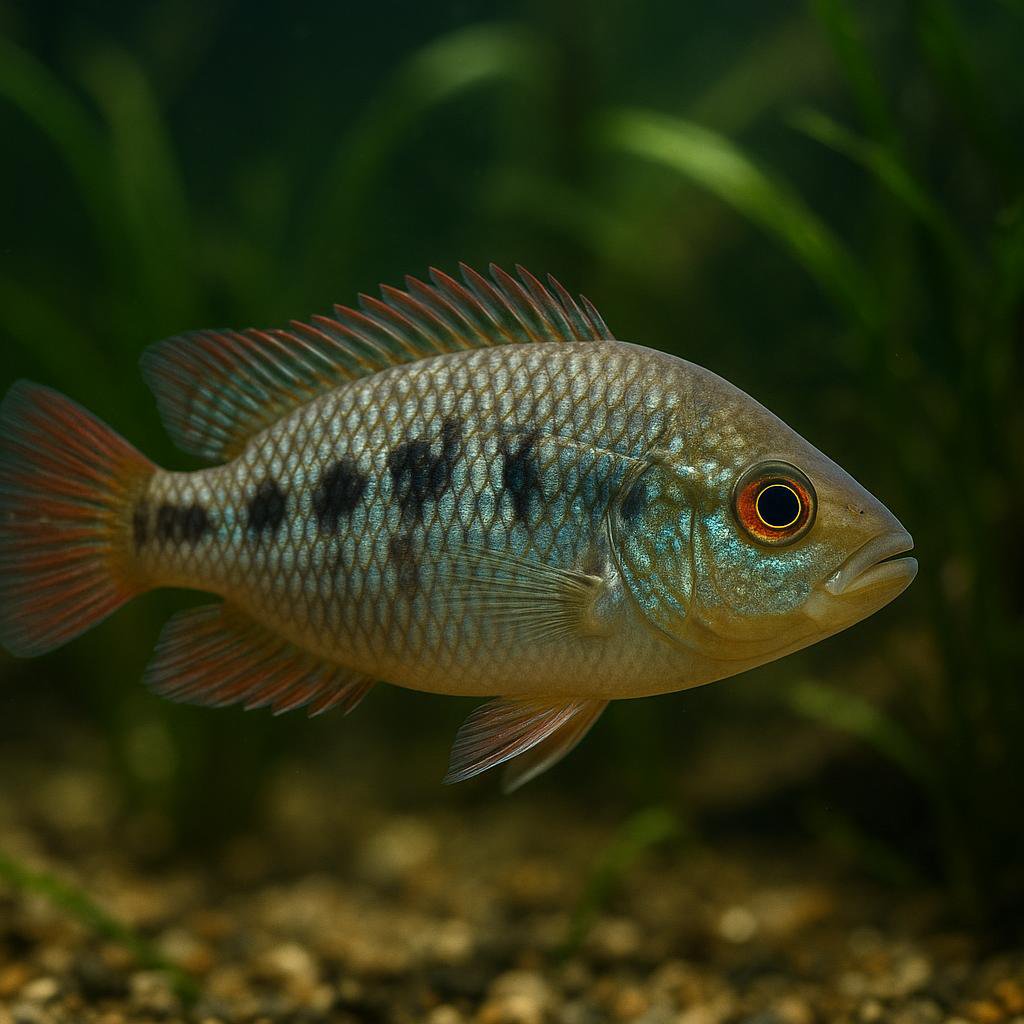
Papilio cichlid features a slender body with bright blue and yellow coloration, and a distinctive long dorsal fin.
This page includes AI-generated images. Why am I seeing AI images?
About the Papilio cichlid
Xenotilapia papilio is a small Lake Tanganyika cichlid that feeds by taking in mouthfuls of sediment/sand and filtering out tiny invertebrates. It inhabits rocky areas with sand (rock–sand transition zones) and shows biparental mouthbrooding, with adults forming territories/pairs during reproduction.
Also known as
Quick Facts
Size
7.8 cm
Temperament
Semi-aggressive
Difficulty
Intermediate
Min Tank Size
55 gallons
Lifespan
5-7 years
Origin
East Africa (Lake Tanganyika)
Diet
Carnivore/micro-predator - small crustaceans and insect larvae; in aquariums, small pellets plus frozen/live foods
Water Parameters
24-28°C
7.5-9
10-25 dGH
Need a heater for this species?
This species needs 24-28°C in a 55 gallon tank. Use our heater calculator to find the right wattage.
Calculate heater sizeCare Notes
- Give them a long tank with lots of open sand (3-4 inch footprint matters more than height). Add a few rock piles or shells as "breaks" but keep the middle clear so they can cruise and sift.
- Keep the water hard and alkaline: around 76-80F, pH 8.0-9.0, and decent carbonate hardness (KH) so the pH doesn't swing. They sulk fast if nitrates creep up, so stay on top of water changes.
- Sand is not optional - they constantly pick up mouthfuls and sift it for food, and rough gravel will wear their mouths down. Fine aragonite or silica sand works great.
- Feed small stuff they can grab from the bottom: frozen cyclops, baby brine, mysis chopped small, and a good small sinking pellet. Do a couple smaller feedings instead of one big dump, because they don't like to compete in a frenzy.
- Pick calm Tanganyikan tankmates that won't hog food or bully them - think other gentle sand-sifters or smaller peaceful rock fish. Avoid big aggressive Tropheus, frontosa, and hyper food-thieves like many Synodontis if you want them to eat well.
- They are jumpy when spooked, especially new fish - use a tight lid and keep the lights from blasting on suddenly. Give them hiding spots at both ends so they feel like they can bail out.
- Breeding is doable: they are mouthbrooders, and a bonded pair will usually pick a sandy patch near a rock and do their thing. If you want fry, be ready to move the holding fish or run a calm species-only setup because tankmates will pester them into spitting.
Compatibility
Good Tankmates
- Other calm Tanganyikan sand-sifters like Xenotilapia spilopterus or X. flavipinnis - similar pace, they stick to the sand, and they usually just do the little display thing instead of going full psycho
- Featherfin squeaker catfish (Synodontis petricola or S. lucipinnis) - tough, quick, and they mind their own business while cleaning up leftovers
- Small to medium Tanganyikan schooling fish like Cyprichromis (leptosoma types) - they hang up in the water column so Papilio can have the sand without feeling crowded
- Julidochromis (ornatus or transcriptus) in a rocky pile on one side - they stay on the rocks, Papilio stays on the sand, so everyone kind of has their own zip code
- Calm shell dwellers like Neolamprologus multifasciatus - works if the shell bed is away from the main sand hunting area, and the tank has enough footprint so they are not constantly bumping into each other
- A single bristlenose pleco (Ancistrus) - not a Tanganyika fish, but in real life it is usually fine if your water is hard and clean, and the pleco is not stealing food right in their face
Avoid
- Mbuna or other hyper-aggressive rock brawlers (like Melanochromis, Pseudotropheus) - they stress Papilio out and turn the whole tank into a chasing contest
- Big predatory Tanganyikans like frontosa or large Lepidiolamprologus - Papilio are not built for getting slammed by a bruiser, and anything small enough can become lunch
- Fin-nippers and nonstop pests (tiger barbs, some larger rainbowfish that get pushy) - Papilio are busy sifting and posturing, they do not love getting harassed all day
- Other bottom-territory bullies like Tropheus or overly cranky Lamprologus that claim the whole lower level - too much overlap on the sand and it turns into constant sparring
Where they come from
Xenotilapia papilio is a Tanganyika fish, and it acts like one the second you get it home. In the lake they hang around sandy areas with rock piles nearby, constantly picking at the bottom for tiny food. The "papilio" name fits - the fins and the way they hover and flutter over the sand is half the appeal.
They are not a "dump them in a community tank" cichlid. They are more like a fussy little sand-sifter that wants stable water, calm tankmates, and room to do their thing.
Setting up their tank
Think sand first, rocks second. These fish live with their face in the substrate, and you will see way more natural behavior if you give them a big open sandy run with a few rock islands.
- Tank size: I would not do them in anything under a 36 in footprint. A 40 breeder style footprint is great. Bigger is easier because you can spread territories out.
- Substrate: fine sand. Not gravel. They sift, and gravel just frustrates them and can mess up their mouth.
- Hardscape: a couple of rock piles (stable, on the glass or eggcrate, then sand around them). Leave open sand in front.
- Filtration: strong, steady, and quiet. They like clean water but not a constant sandstorm.
- Lighting: whatever you like. They do not need bright plant lighting. They look good under neutral to slightly warm light.
If you only take one setup tip: use fine sand and keep it clean. These guys show their best behavior when they can sift all day without getting blasted by flow or choking on chunky substrate.
For water, aim for Tanganyika-style: hard, alkaline, and stable. I keep them around the mid-to-high 70s F. Stability matters more than chasing a magic number. Weekly water changes go a long way with papilios because they are sensitive to old water and sudden swings.
Make sure your rocks cannot shift. Papilios dig and sift constantly. A wobbly rock pile will eventually become a problem, and you do not want to learn that the hard way.
What to feed them
Mine have always done best on small foods offered more than once a day. They are pickers, not pigs. If you feed one big meal, the bolder fish get everything and the papilios end up thin.
- Staples: quality small pellets (0.5-1 mm) that sink, and fine granules
- Frozen: cyclops, mysis (chopped if large), brine shrimp, daphnia
- Live (if you have it): baby brine shrimp, grindal worms, blackworms (sparingly and from a clean source)
I avoid big, fluffy foods that float around forever. You want stuff that gets down to them and stays in the lower half of the tank. Also go easy on super-rich feeding for long stretches. Tanganyikans can get bloaty if you push heavy, fatty foods and skip maintenance.
A simple routine that works: small sinking pellets in the morning, frozen cyclops or brine in the evening. If they start looking pinched behind the head, feed smaller portions more often, not bigger dumps.
How they behave and who they get along with
Papilios are not "mean" cichlids, but they are still cichlids. They do a lot of posturing, sand-sifting, and little spats around their chosen patch. The real issue is that they can get stressed by pushy fish and they do not compete well at feeding time.
- Good tankmates: calm Tanganyika species that are not hyper-aggressive and do not hog the bottom
- Be careful with: fast, boisterous eaters and anything that constantly dives on the sand in the same zones
- Avoid: hard-core mbuna-style bullying, big predatory cichlids, and anything that will keep them pinned in a corner
If you want a group, you can do it, but give them space and lots of sight breaks. In smaller setups, I have had the best luck with a bonded pair or a small group of young fish that you let sort themselves out. Watch for one fish getting bullied off the sand and hiding all day.
They are mouthbrooders, so you will see a lot of subtle social behavior. A tank that is "too busy" often stops them from showing those cool interactions.
Breeding tips
If your fish settle in and you keep things steady, they will often pair up on their own. Courtship is usually over sand with a lot of hovering and quivering. After spawning, one of the adults will hold the eggs/fry in the mouth (depending on the specific pairing/behavior in your group).
- Start with a group of juveniles if you can, then let a pair form
- Keep the tank calm during holding - sudden changes or bullying can make them spit
- Feed the group well before and after spawning, but do not overdo greasy foods
- If you want to save fry, a separate quiet tank for the holding fish can help, but only if you can move them without stress
If you see a fish holding (not eating, slightly swollen mouth), resist the urge to mess with them. Keep your routine consistent and let them ride it out.
Common problems to watch for
Most problems with papilios come down to stress: cramped footprint, wrong substrate, pushy tankmates, or water that swings around. They are not the fish I use to "test" a new tank or a new filter setup.
- Shyness and hiding: usually too much aggression or not enough open sand and sight breaks
- Weight loss: they are getting outcompeted at feeding time or you are feeding foods that never reach them
- Sandstorms: flow aimed at the substrate keeps them irritated and can lead to frayed fins and constant stress
- Bloat/intestinal issues: often tied to heavy feeding, dirty water, or sudden parameter changes
If one starts breathing fast, clamping fins, and hanging in a corner, do not just medicate blindly. Check the basics first: ammonia/nitrite, nitrate, temperature swings, aggression, and whether the filter got partially clogged.
The best "medicine" I have used with this species is boring: clean water, steady hardness/pH, fine sand, and a tank where they can feed without getting shoved around. Get those right and they are a really rewarding Tanganyika cichlid to keep.
Similar Species
Other freshwater semi-aggressive species you might be interested in.
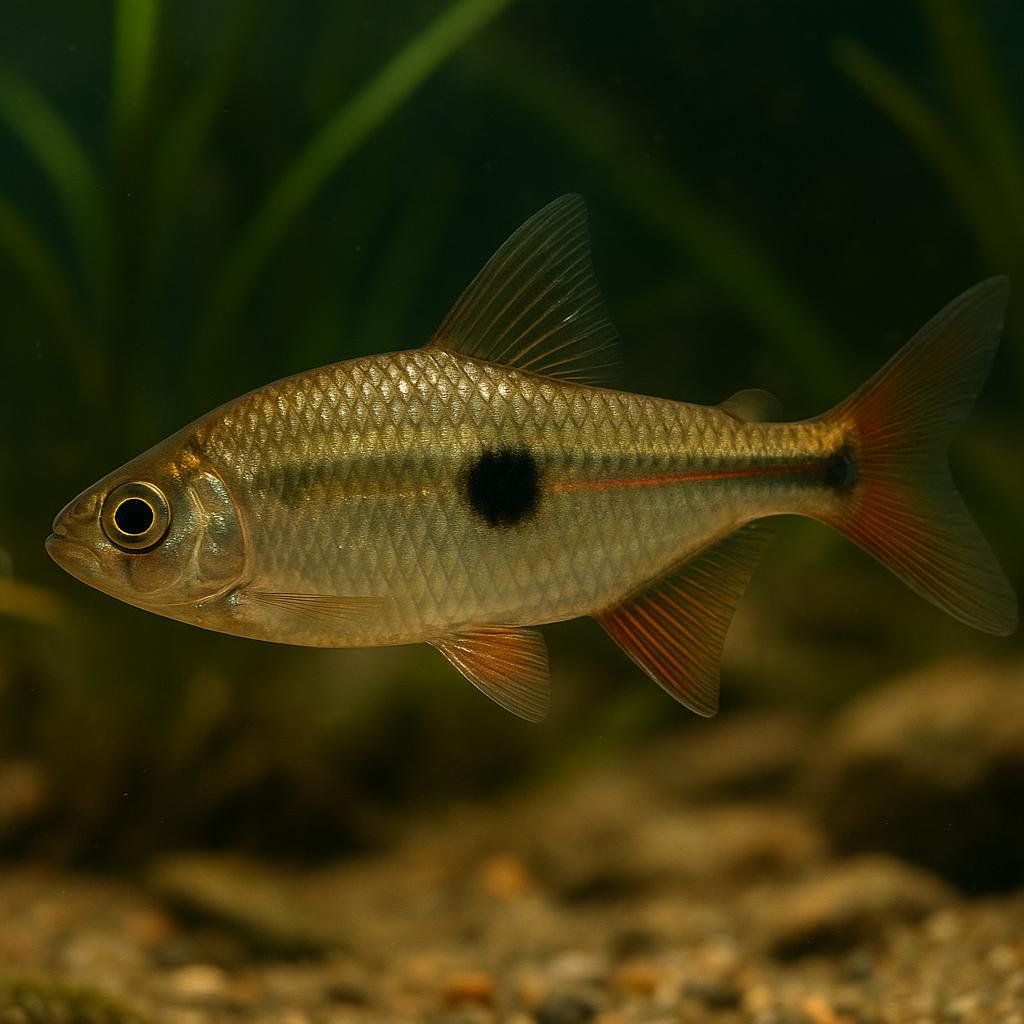
Jupiaba kurua
Small South American characin endemic to the upper rio Curuá (rio Xingu basin, Brazil). Reaches about 8.7 cm SL and inhabits clearwater rivers. Distinguished by dark dots on the bases of many lateral scales and a distinct dark caudal‑peduncle spot. Reported diet indicates omnivory, including aquatic insects, small fishes, and fragments of Podostemaceae and filamentous algae.
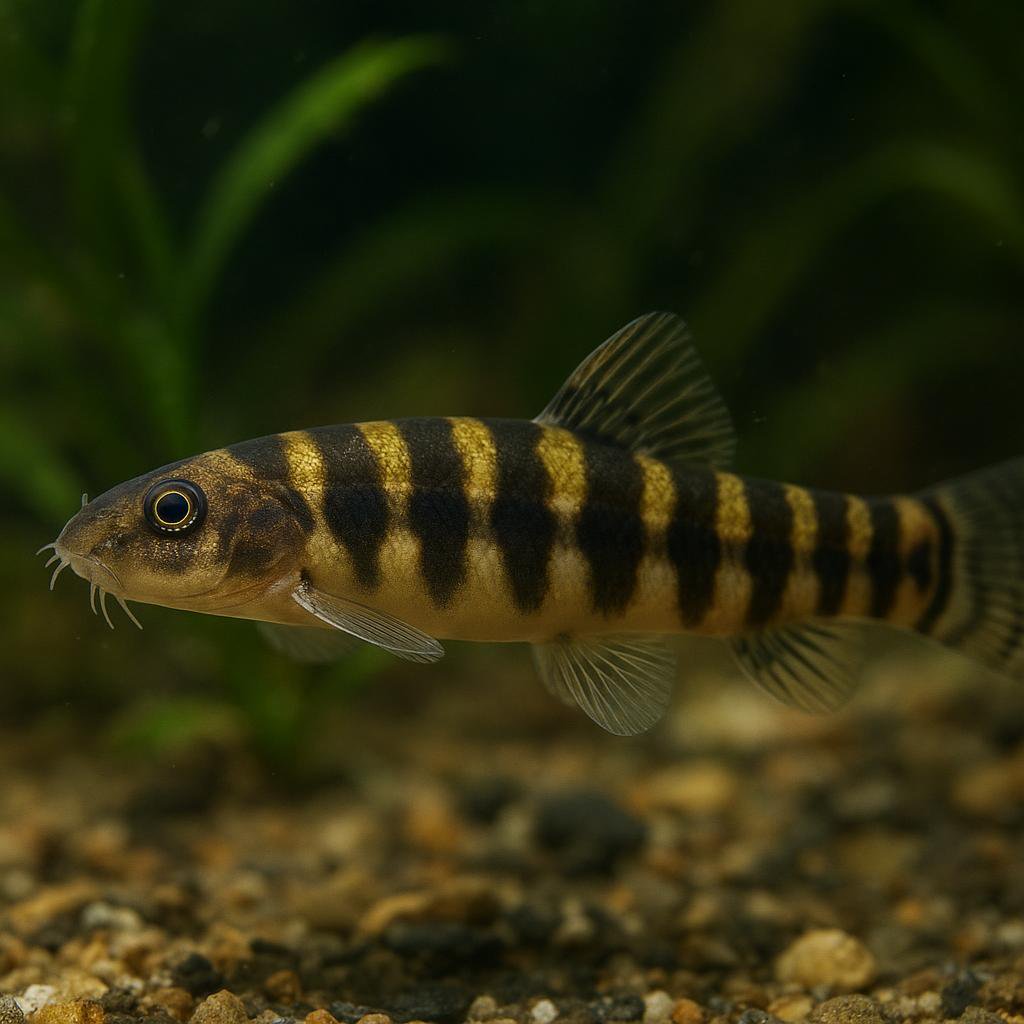
Altipedunculata stone loach
Schistura altipedunculata
Schistura altipedunculata is one of those little stream loaches that wants clean, well-oxygenated water and a bunch of rock nooks to claim as home. It is a bottom-hugger that will spend its day scooting from crevice to crevice, and it tends to get a bit spicy with its own kind if you do not give it enough hiding spots.
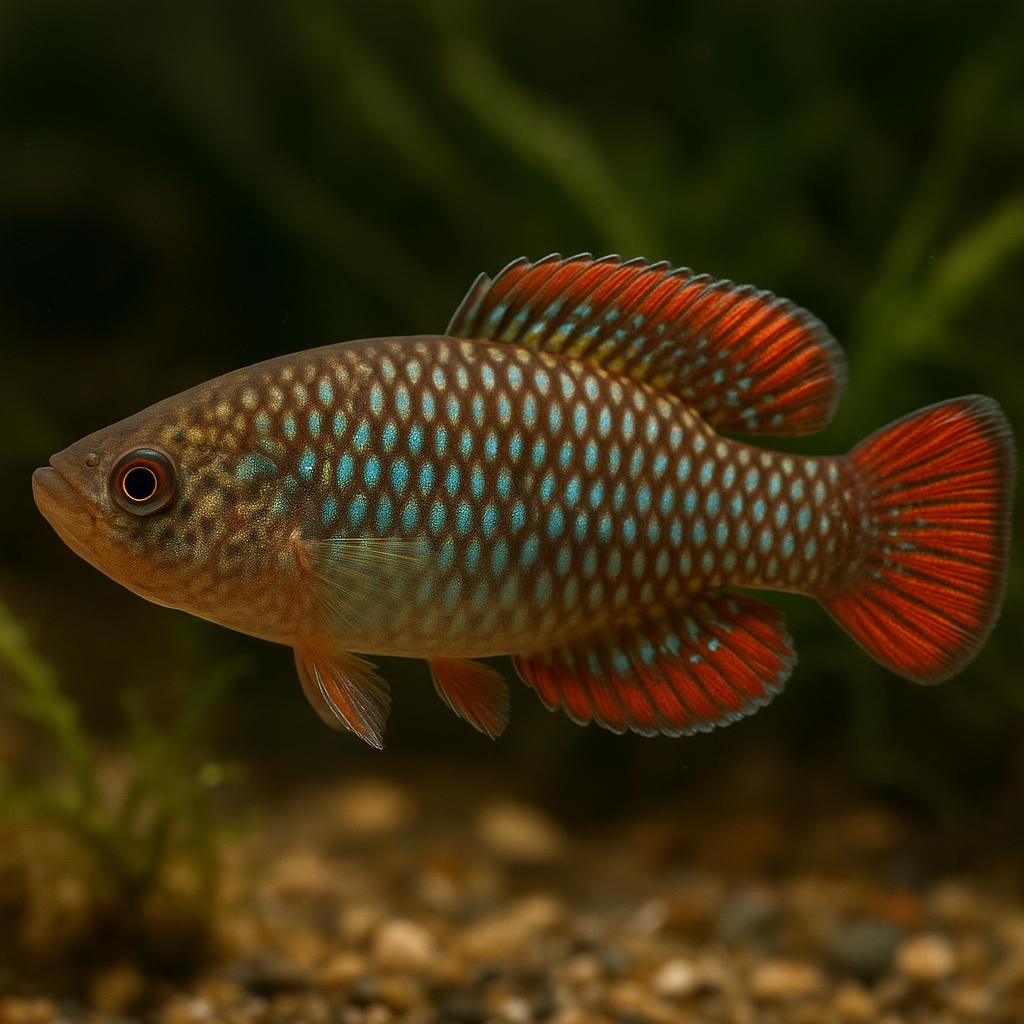
American flagfish
Jordanella floridae
Jordanella floridae is that little Florida native with the red-and-cream striping that really does look like a tiny flag once a male colors up. They graze algae like champs (especially stringy/hair algae), but they have a bit of attitude - give them plants and space so the bossy behavior stays manageable. Bonus: the male guards the eggs and will actively fan them, which is pretty fun to watch.
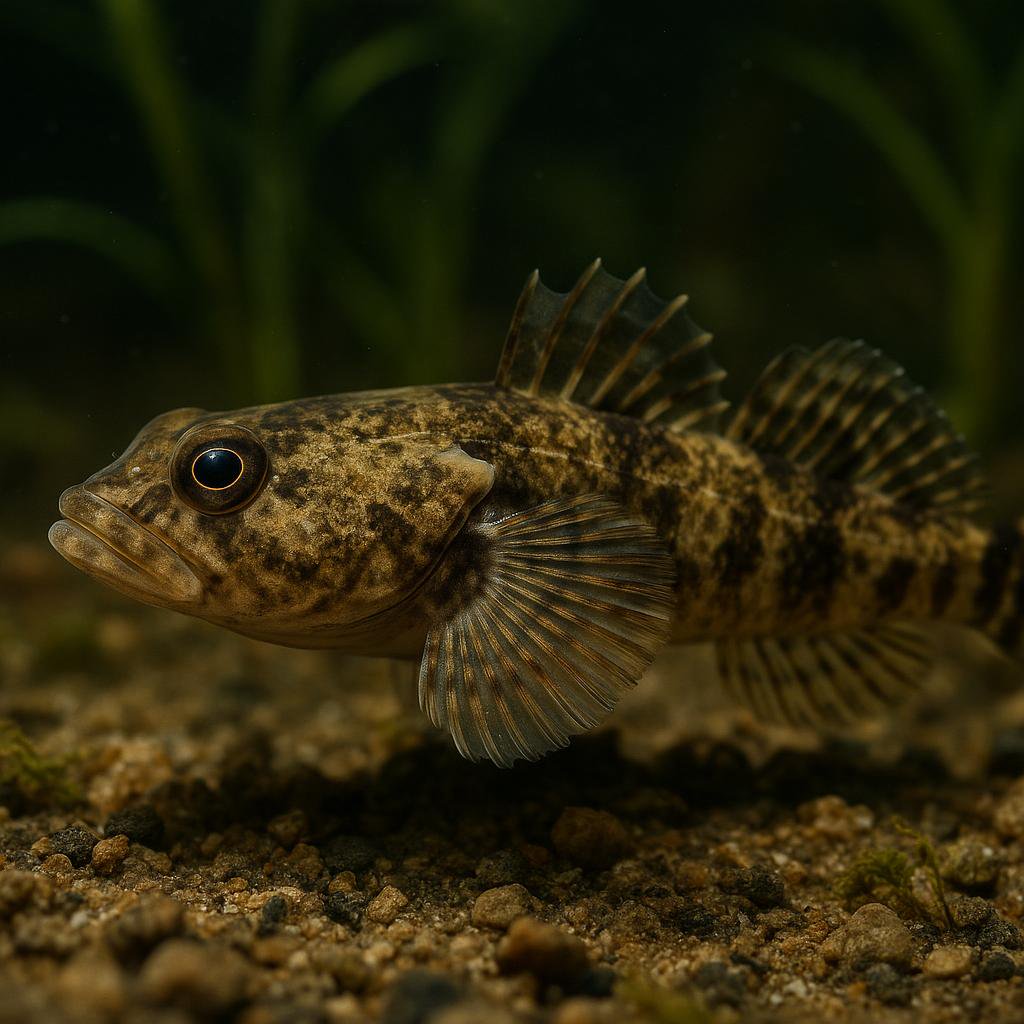
Amur sculpin
Alpinocottus szanaga
This is a little coldwater sculpin from the Amur drainage - a bottom-hugging, rock-and-gravel fish that spends its day wedged under stones and darting out to grab food. Super cool behavior and attitude, but it is absolutely not a warm tropical community fish - it wants chilly, fast, oxygen-rich water and will bicker with other bottom fish.
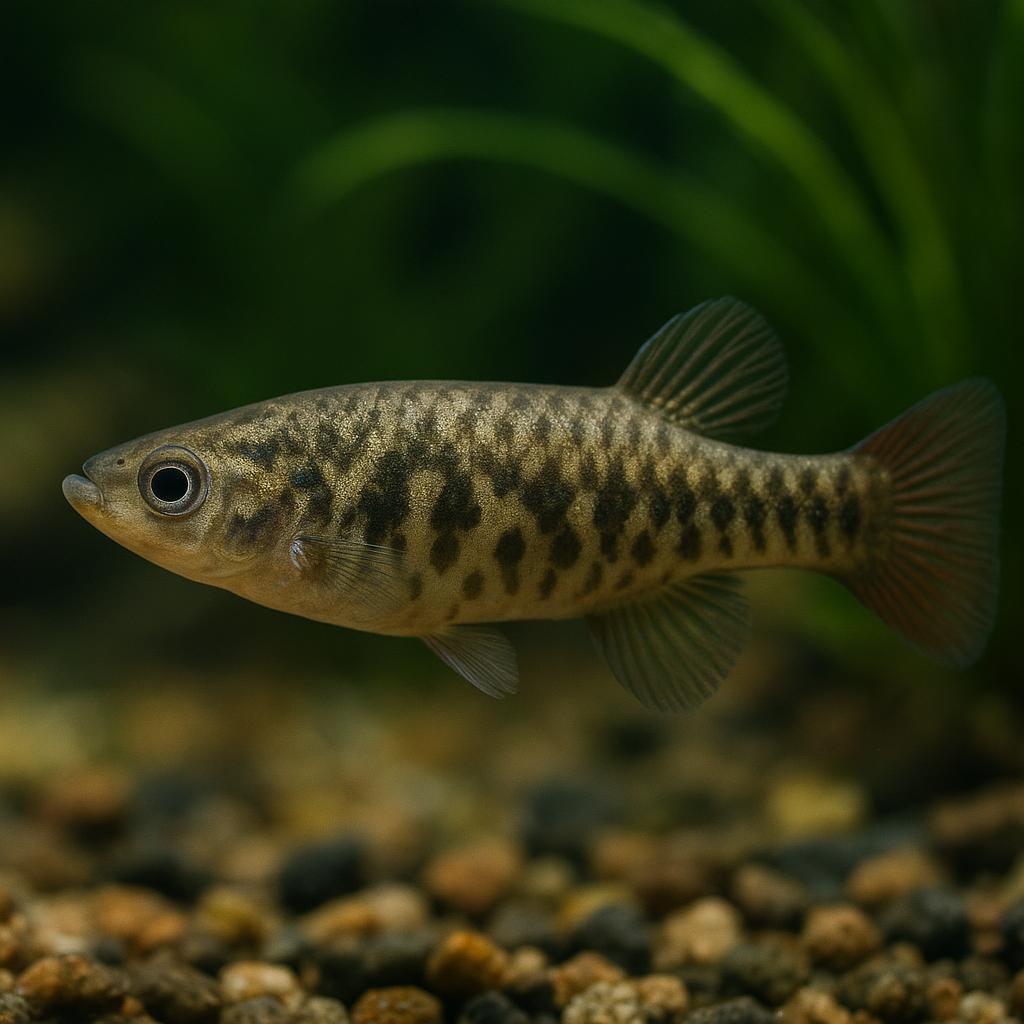
Anitápolis livebearer
Jenynsia weitzmani
Jenynsia weitzmani is a freshwater anablepid livebearer endemic to southern Brazil (currently known only from the type locality near Anitápolis, Santa Catarina). Like other Jenynsia (onesided livebearers), reproduction involves lateralized mating morphology/behavior; aquarium care guidance is not well-documented for this species specifically.
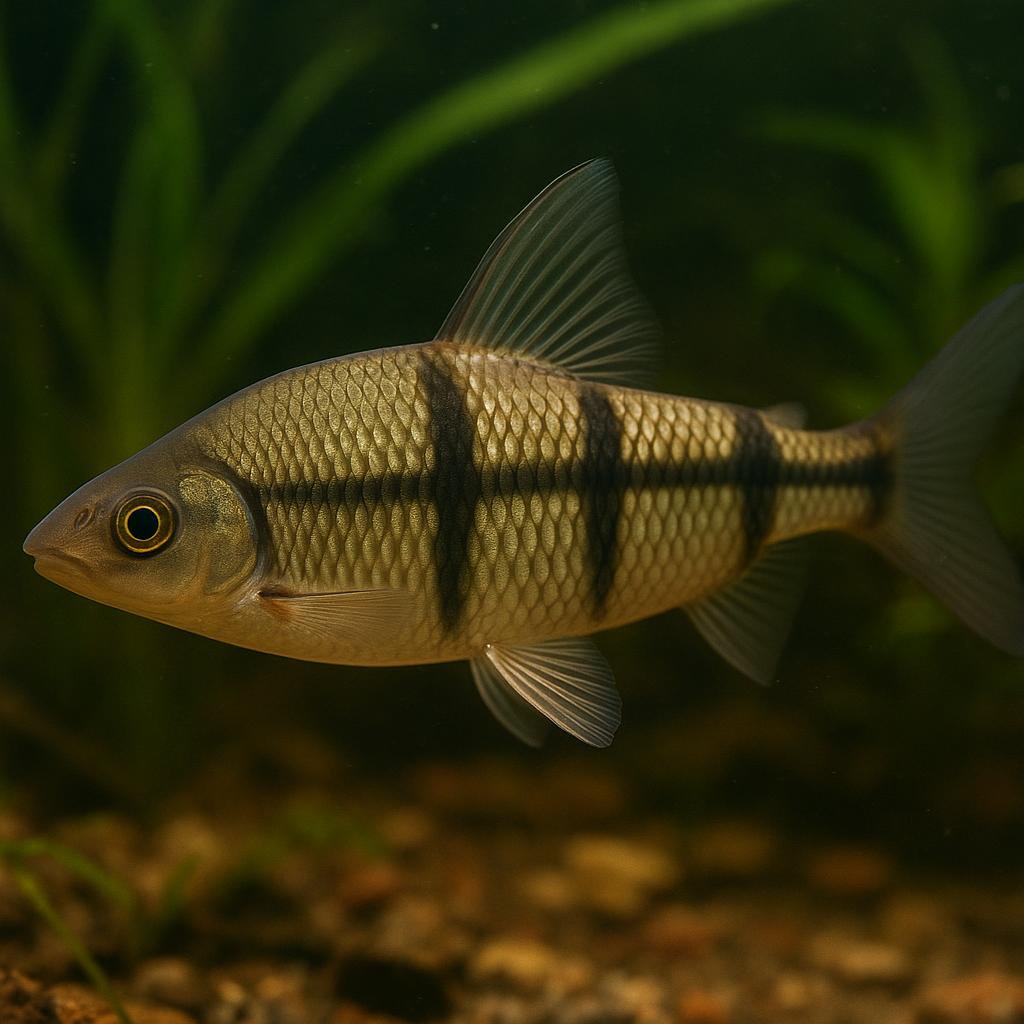
Aracu-comum
Schizodon vittatus
Schizodon vittatus is a large South American anostomid (family Anostomidae). Reported maximum size is about 35 cm standard length; it is harvested/consumed in parts of Brazil and is not commonly covered by mainstream aquarium husbandry references.
More to Explore
Discover more freshwater species.
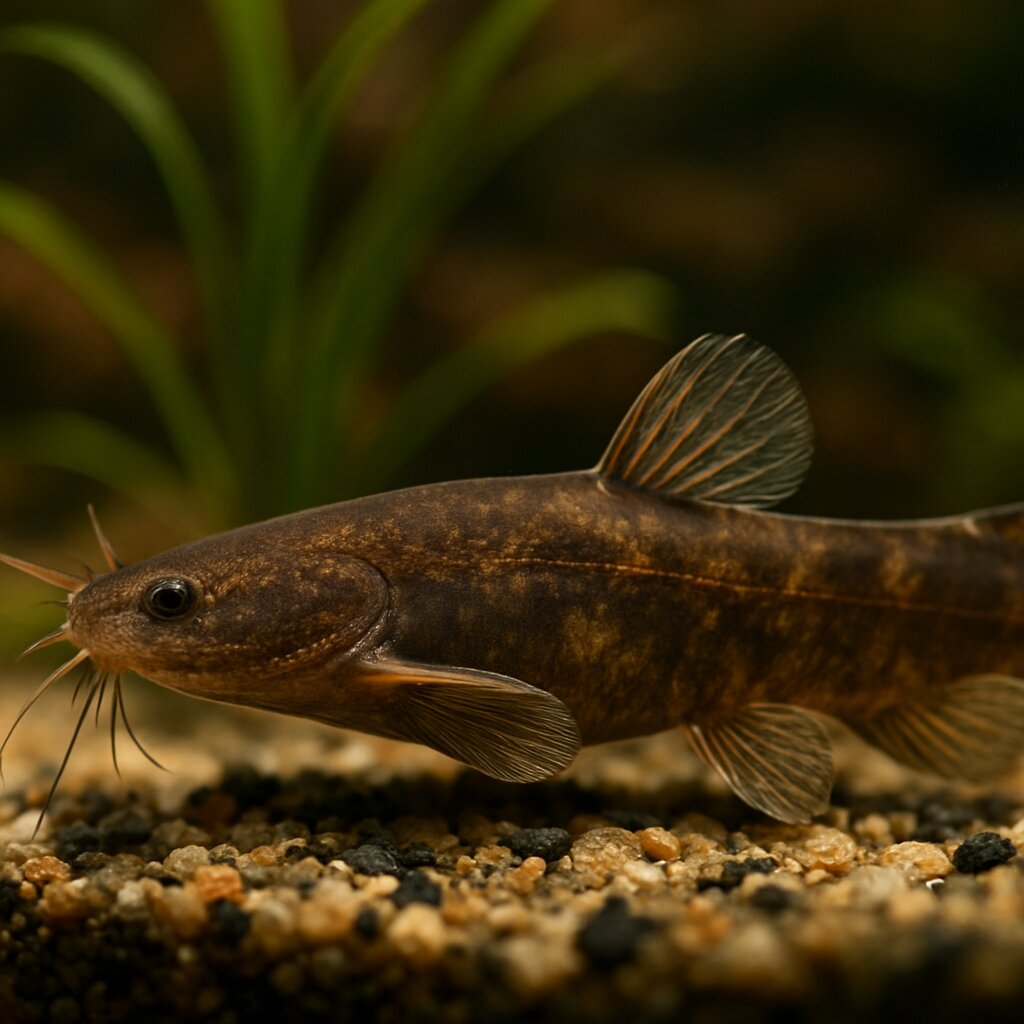
Amphilius dimonikensis
A small loach catfish endemic to the Mpoulou River in the Mayombe (Dimonika Biosphere Reserve), Republic of the Congo. Amphilius dimonikensis has a subtle banded pattern and inhabits fast, clear streams over rock and sand. In aquaria, prioritize strong, well-oxygenated flow with rounded stones and sand to mimic hillstream conditions.
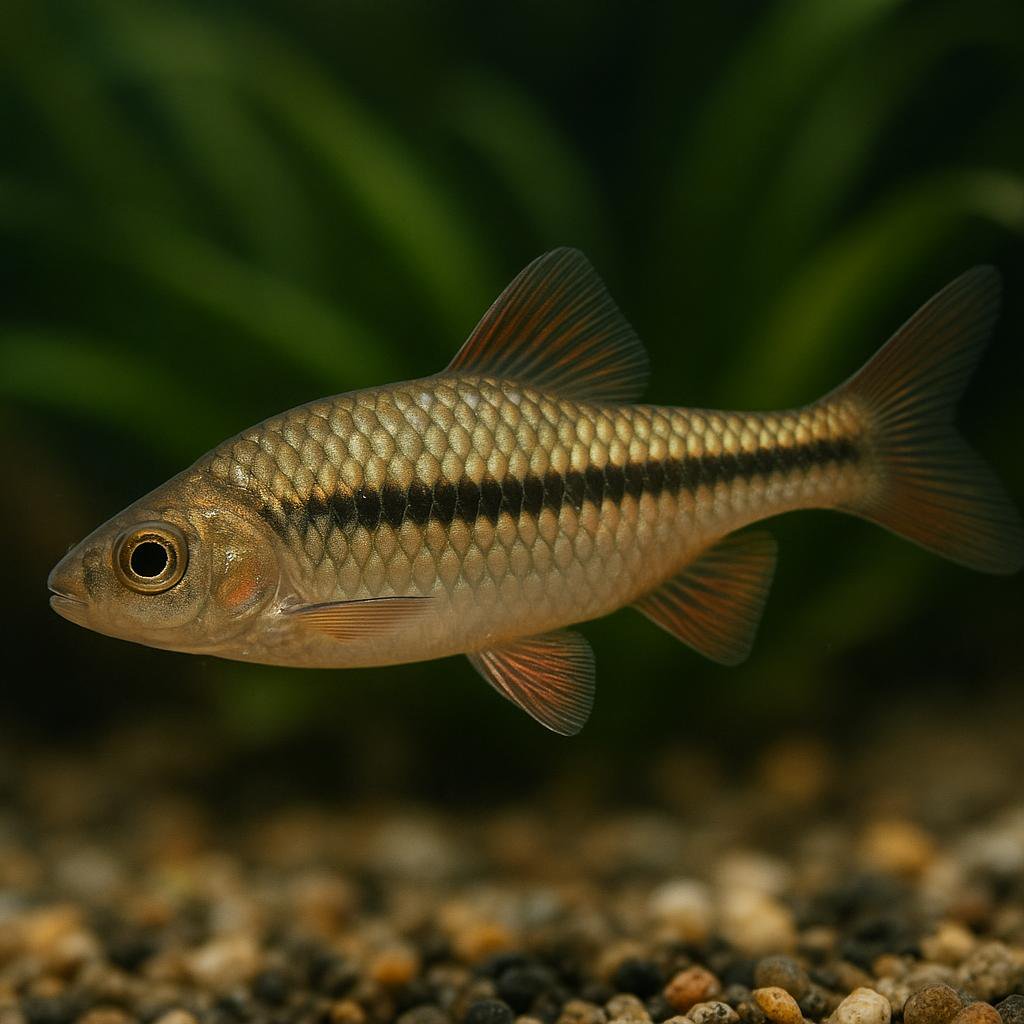
Aboina barb
Enteromius aboinensis
Enteromius aboinensis (the Aboina barb) is a small West African barb with a clean black midline stripe and a little spot right at the base of the tail. It does best when you treat it like a proper schooling fish - keep a decent group and give it plants around the edges with open swimming room in the middle.
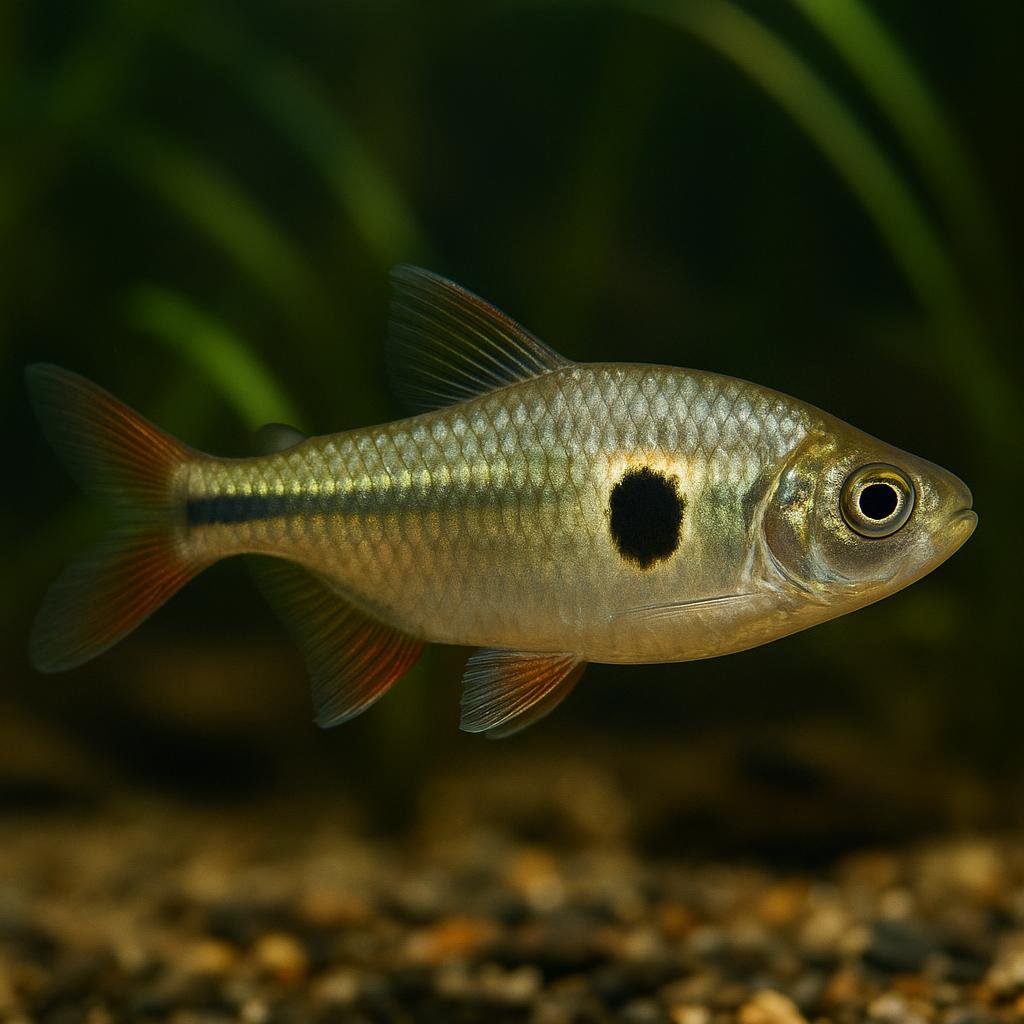
Ajuricaba tetra
Jupiaba ajuricaba
Jupiaba ajuricaba is a South American freshwater characin from the Amazon basin in Brazil (rio Negro, rio Solimões, and rio Tapajós basins). It reaches about 9.5 cm SL and is diagnosed by a narrow dark midlateral stripe, an elongated humeral spot, and an ocellated spot on the upper caudal-fin lobe. Wild specimens have been collected from blackwater forest streams and also oxbow-lake habitats.
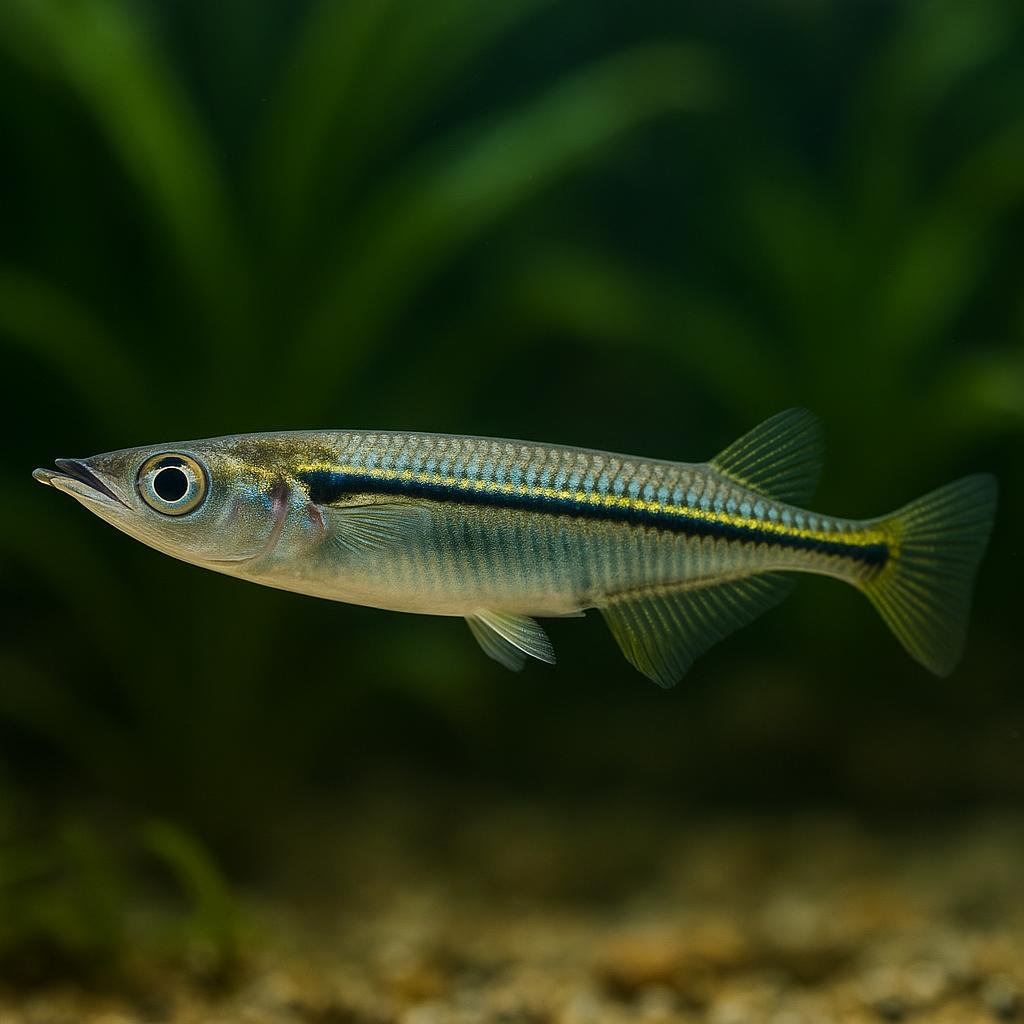
Allen's river garfish
Zenarchopterus alleni
A poorly known freshwater halfbeak endemic to West Papua (Mamberamo River), described from a single specimen (~13 cm SL). Beyond basic habitat/occurrence, little is published about its ecology or aquarium suitability; assume it is a surface-oriented, jump-prone halfbeak only by analogy with related taxa.
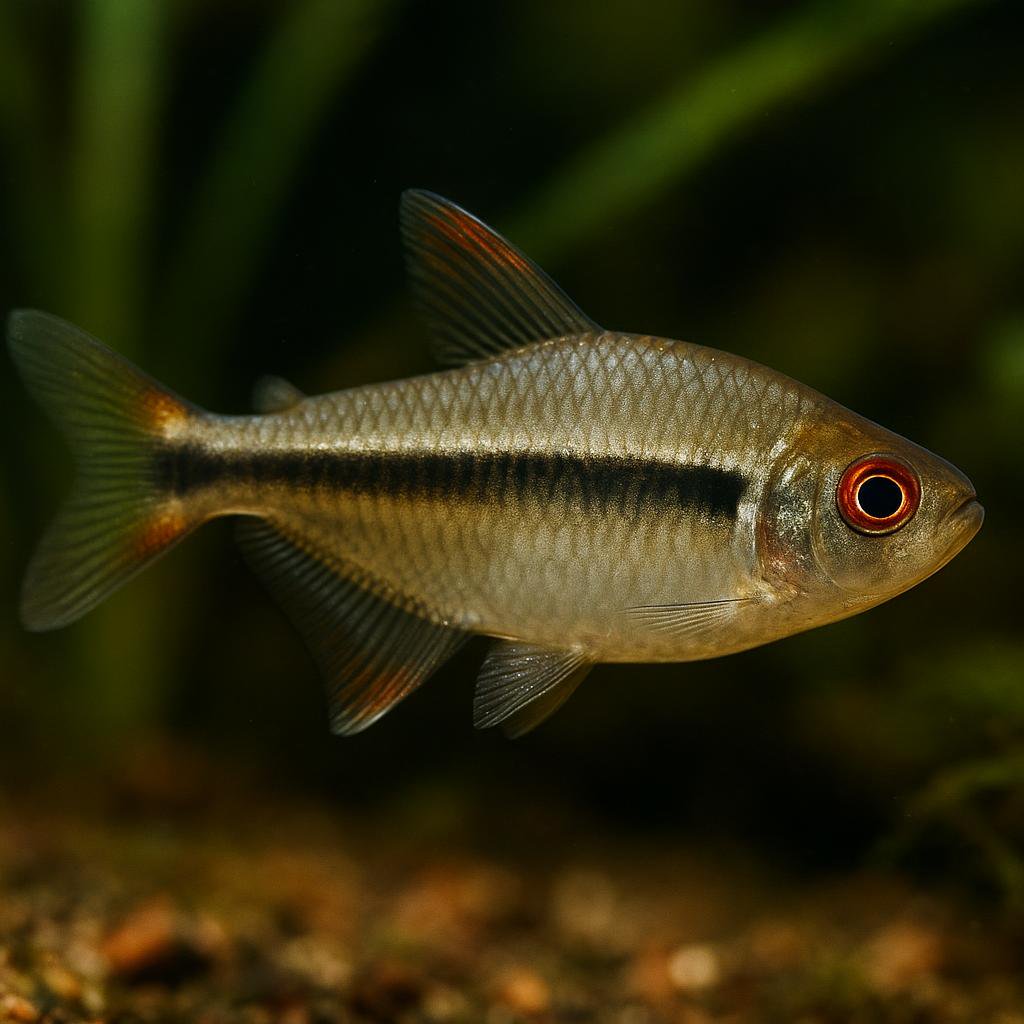
Amapa tetra
Hyphessobrycon amapaensis
This is a tiny, super sleek little tetra with a clean red stripe down the side that really pops once its settled in. It does best in a planted, slightly tinted "creek-style" setup and looks way cooler when you keep a proper group so they school and flash that line together. If you can give it soft, slightly acidic water and a calm community, its an easy fish to fall for.
Amatlan chub
Yuriria amatlana
Yuriria amatlana (the Amatlan chub) is a little Mexican native minnow from the Ameca River basin. Its wild range is pretty limited and it is listed as Endangered, so its care info in the aquarium hobby is basically nonexistent and its availability is usually low. In the original species description, preserved fish show a dark lateral stripe with a darker patch on the caudal peduncle, and they can have tiny barbels at the mouth corners.
Looking for other species?