

Search Species
Search for fish species by common or scientific name, or use filters to browse by water type, size, temperament, and difficulty.
Found 654 species
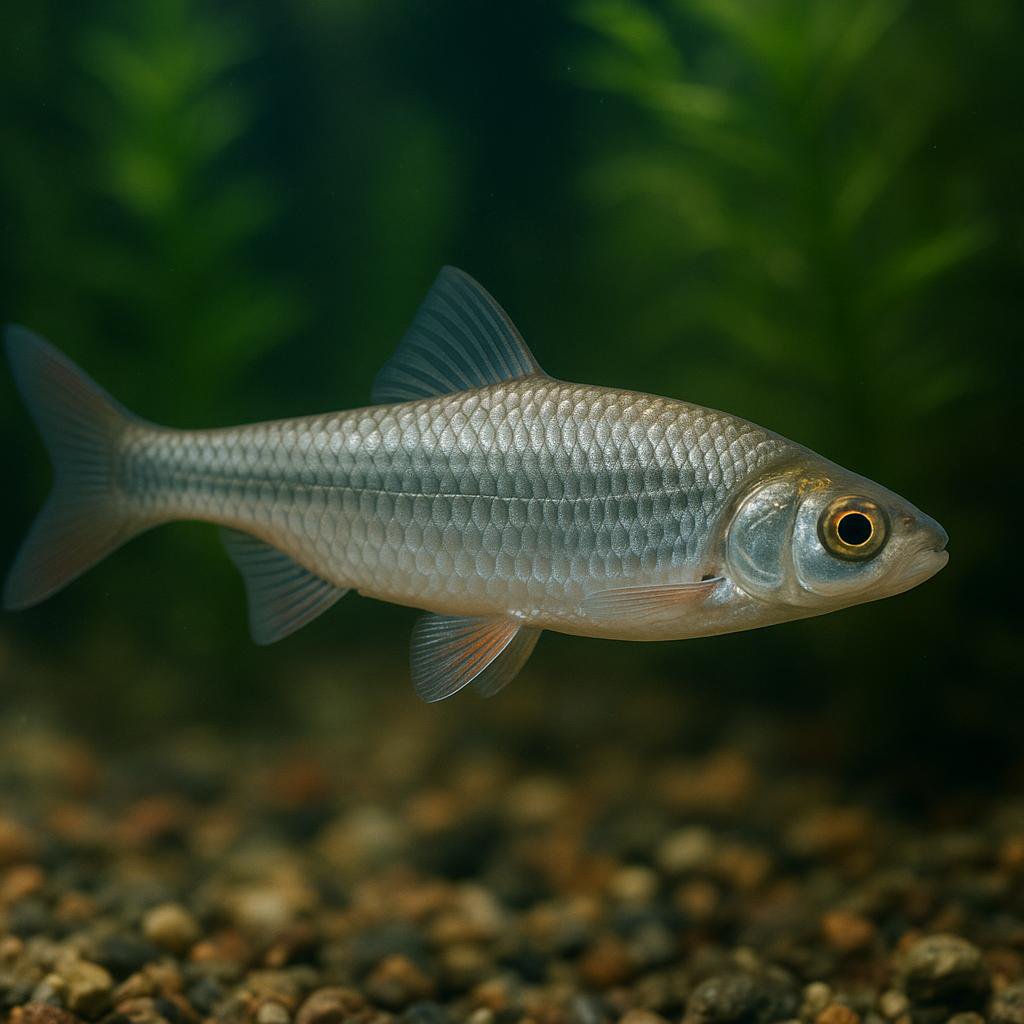
Hubei sharpbelly
Xenocypris hupeinensis
Xenocypris hupeinensis is a freshwater sharpbelly (family Xenocyprididae) endemic to China, reported from the middle and upper reaches of the Changjiang (Yangtze) River system, with a maximum recorded length of about 25.6 cm TL. Aquarium husbandry information appears scarce in mainstream hobby references; any care guidance should be treated as extrapolation from similar open-water cypriniform fishes rather than species-specific data.
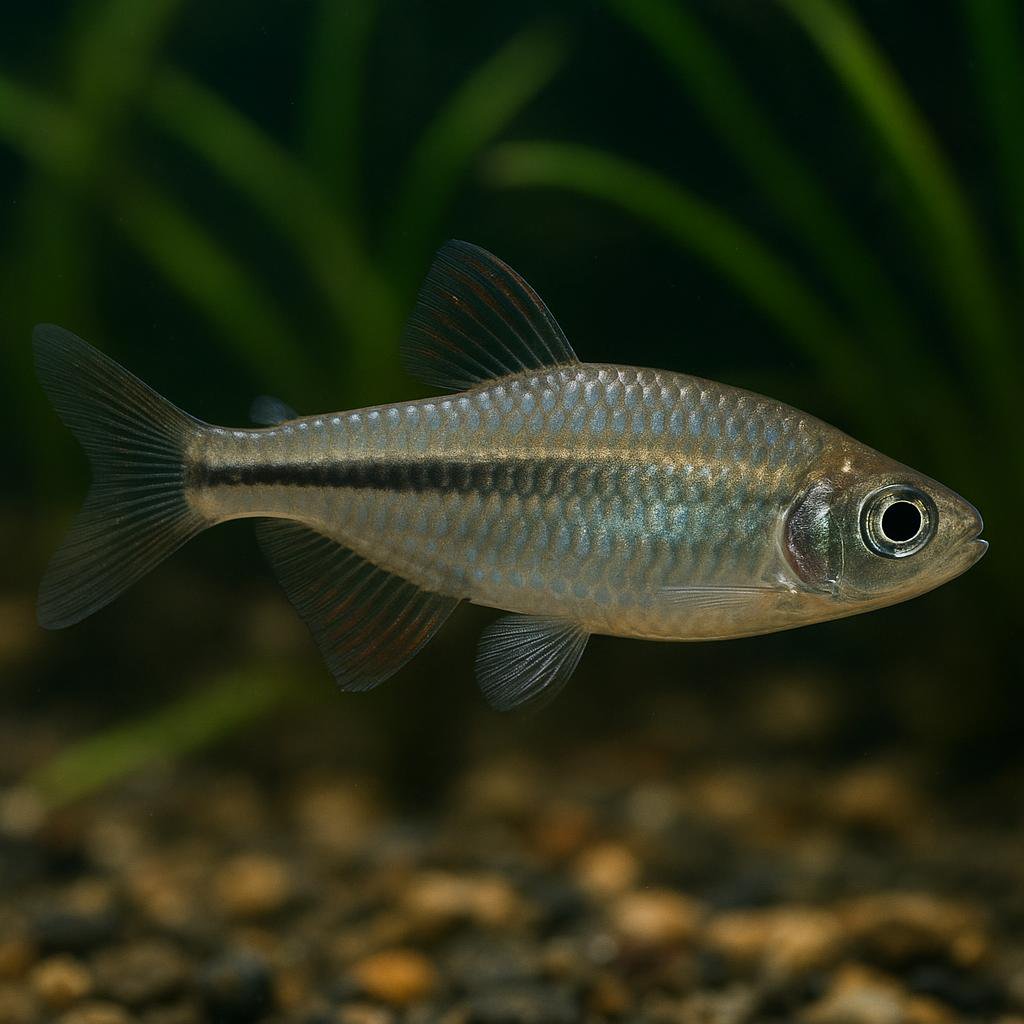
Humpbacked cardinalfish
Yarica hyalosoma
This is a chunky little cardinalfish that hangs out in mangrove creeks and river mouths, often in small groups in shallow, shady water. The look is super distinctive - pale/translucent body, and that bold black spot at the base of the tail - and like a lot of cardinalfish, the males mouthbrood the eggs.
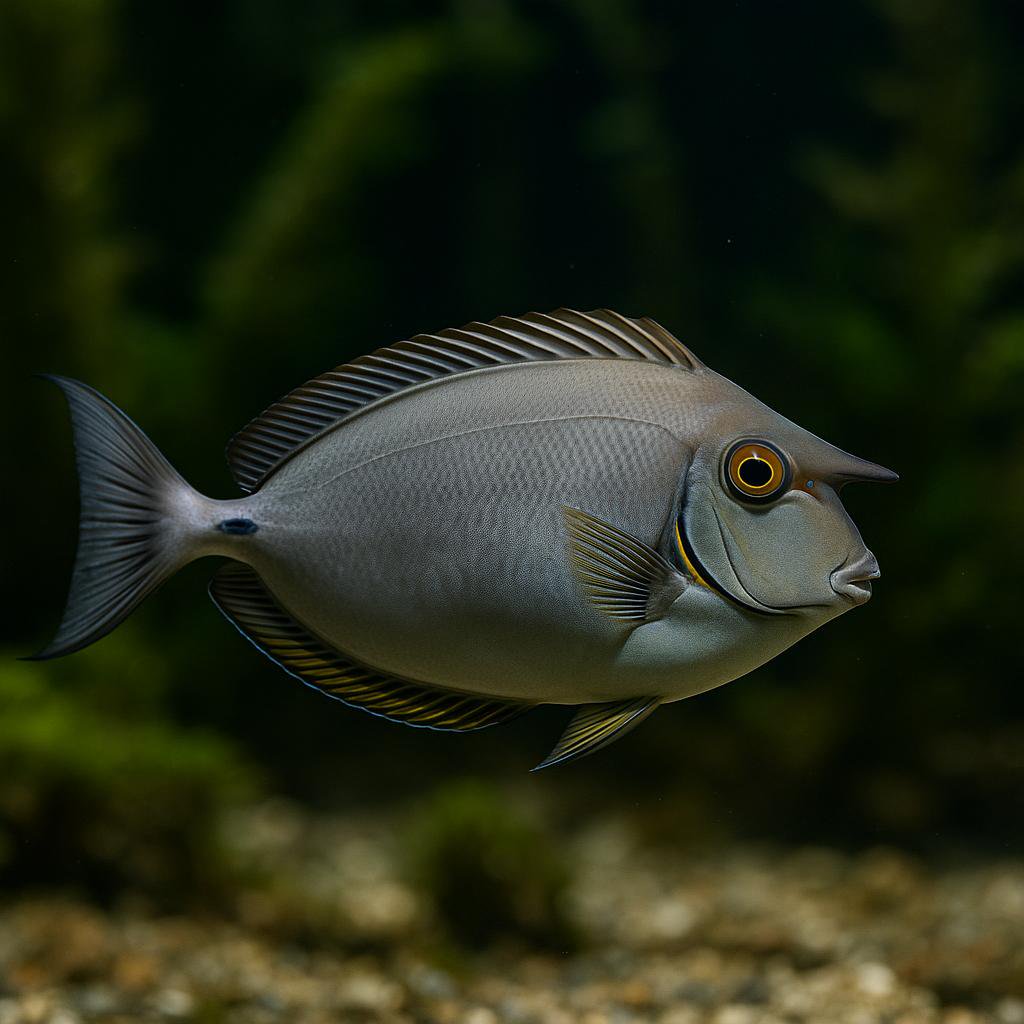
Humpback unicornfish
Naso brachycentron
This is the big, open-water cruising unicornfish with that chunky hump on the back and a horn that really shows up on adult males. In the ocean youll see them in small groups (sometimes big schools) working reef slopes and rocky areas, grazing algae and just covering ground all day. In aquariums the main thing is simple: it gets enormous and needs a truly massive, stable system to thrive.
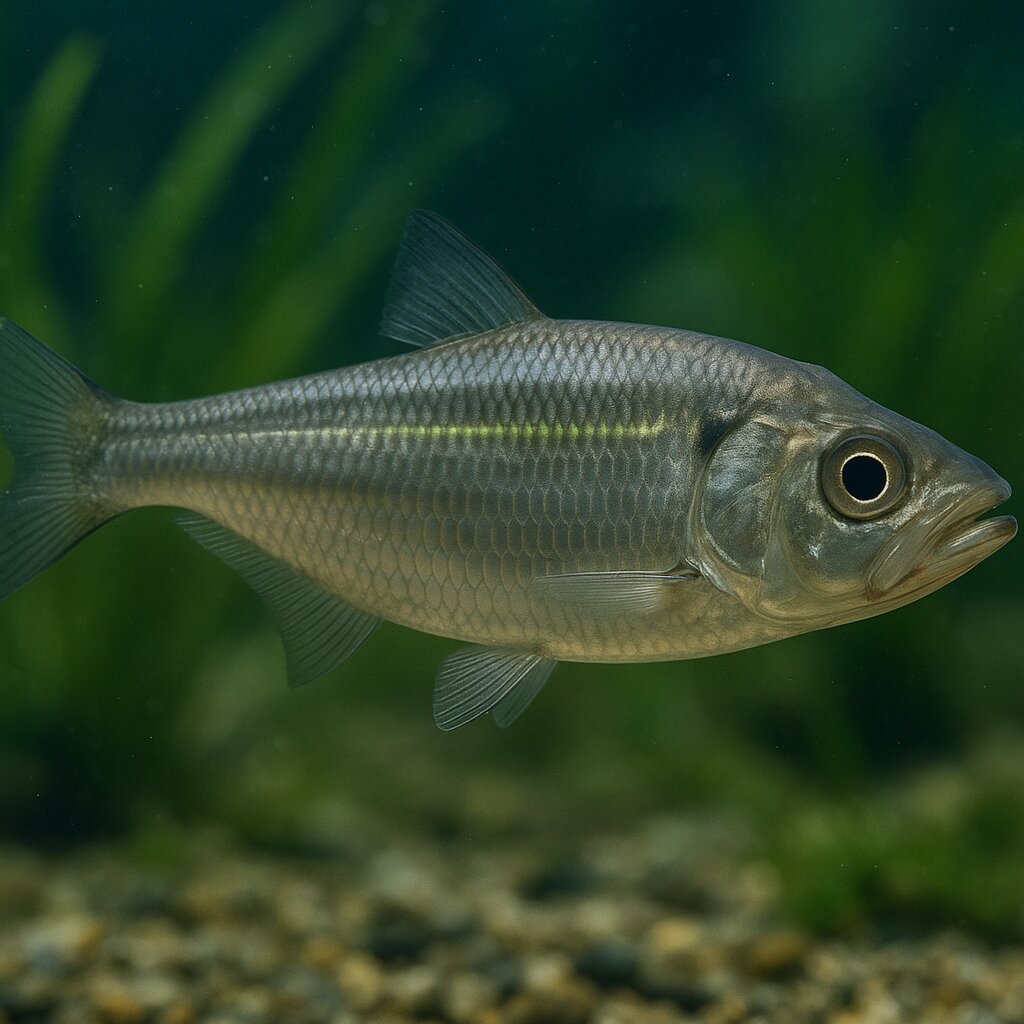
Humphead thryssa
Thryssa polybranchialis
Picture a slim, silvery anchovy with a little hump on the nape, ripping around in tight, flashy schools. It lives off tiny plankton and really needs open water and big flow, so this one is a public-aquarium fish more than a home tank project.
Hung's silvermouth cardinalfish
Jaydia hungi
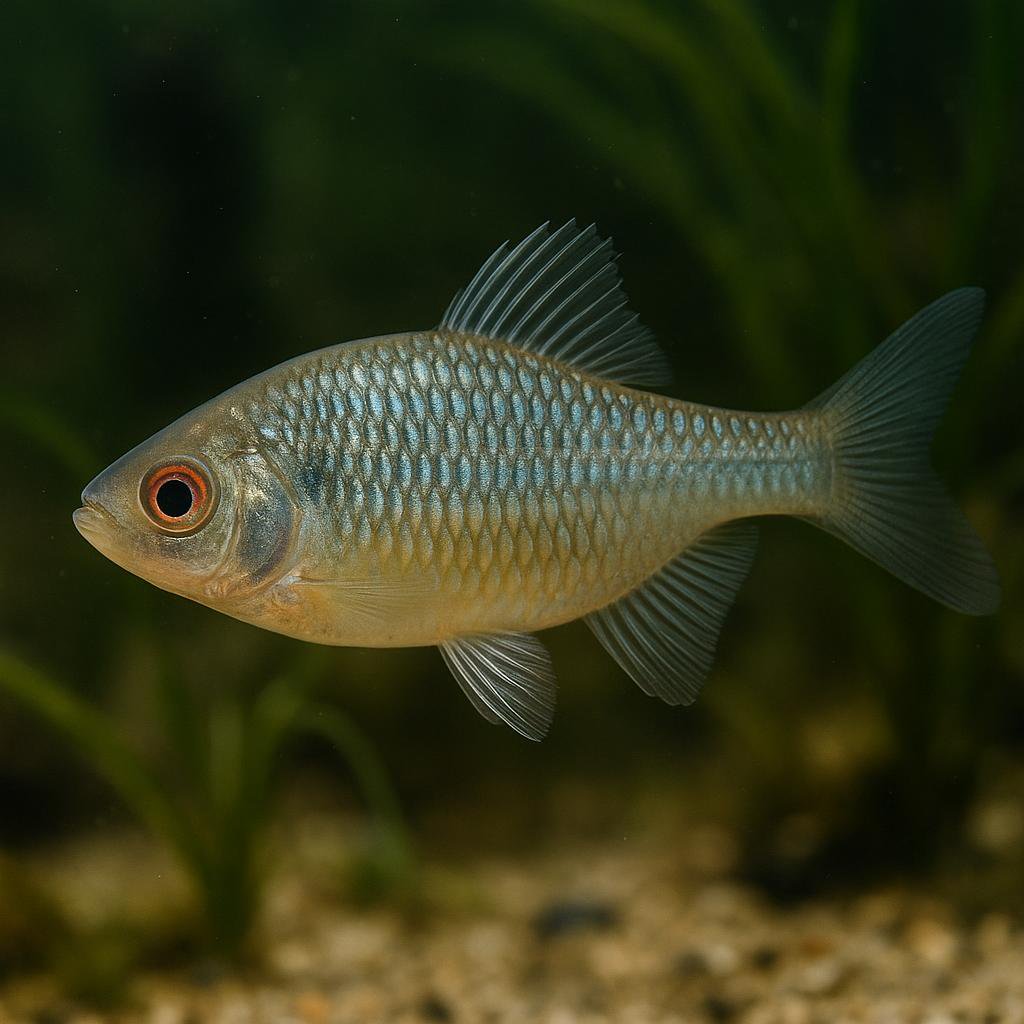
Jaydia hungi is a little marine cardinalfish from the western Indian Ocean (including the Red Sea) that spends its time down near the bottom and comes alive more at night. Like a lot of cardinalfish, the cool party trick is the male mouthbroods the eggs, so breeding behavior is way more interesting than you would guess from a small, silvery fish.
Hyaline cardinalfish
Foa hyalina
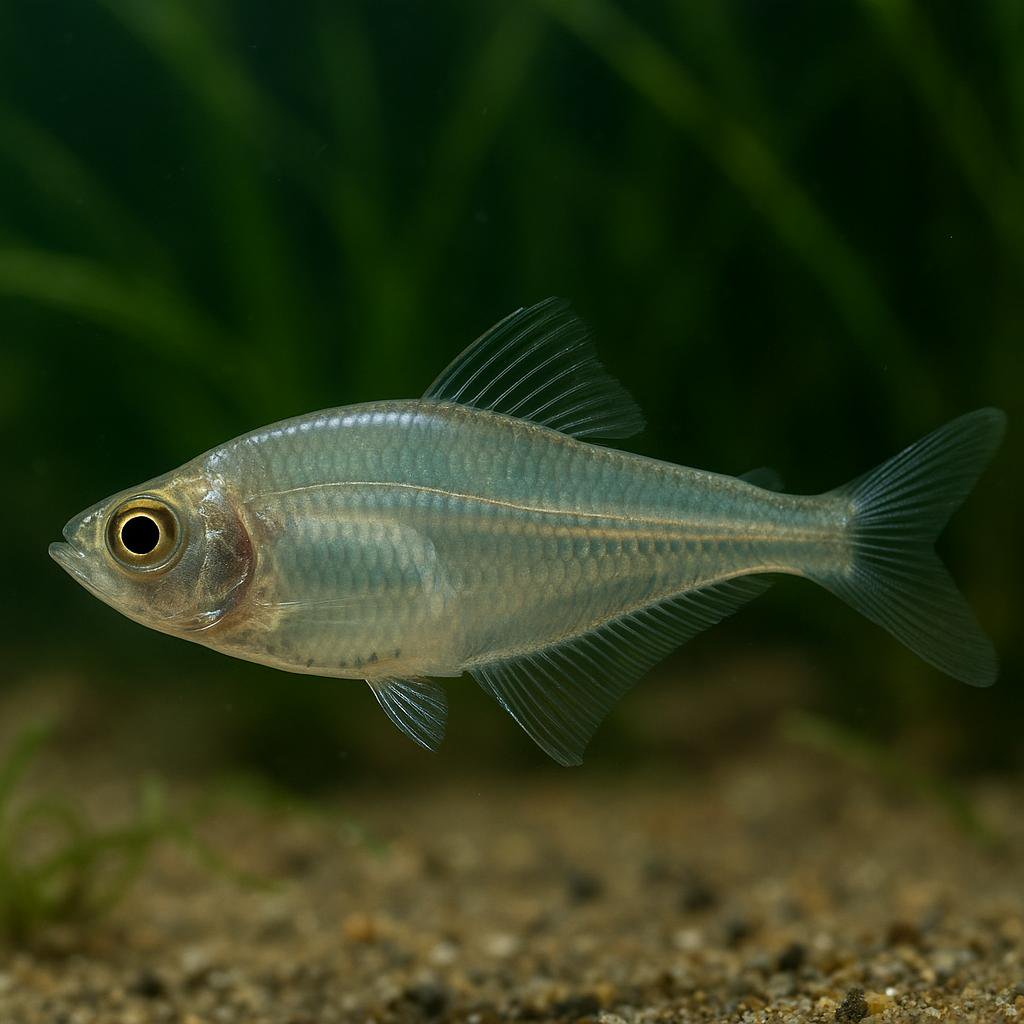
This is a tiny little reef cardinalfish that looks almost glass-clear with a few reddish-brown stripes, so it kind of vanishes when it hangs in soft corals. In the wild it tends to be solitary and it tucks itself into Sinularia-type soft coral for cover, then comes alive more at night like a lot of cardinals do. Like other apogonids, it is a mouthbrooder, so once you see a male holding, he will go off food for a bit.
Iberian arch-mouthed nase
Iberochondrostoma lemmingii
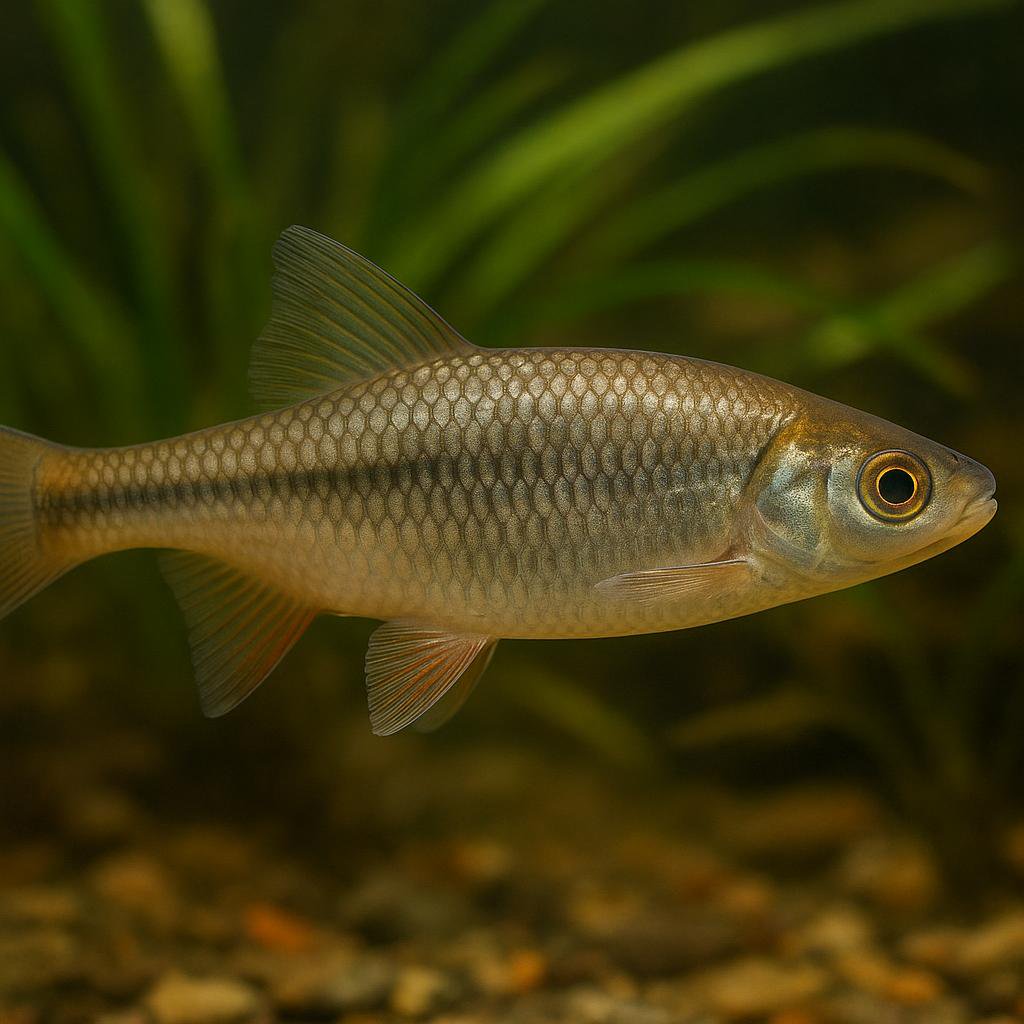
This is a temperate Iberian river leuciscid that typically inhabits middle-to-lower river reaches with weak to moderate current and abundant aquatic vegetation. It feeds largely on algae/detritus and also zooplankton and small aquatic invertebrates. It is a native conservation-interest species in parts of its range and is not commonly encountered in the aquarium trade.
Ilyin goby
Knipowitschia iljini
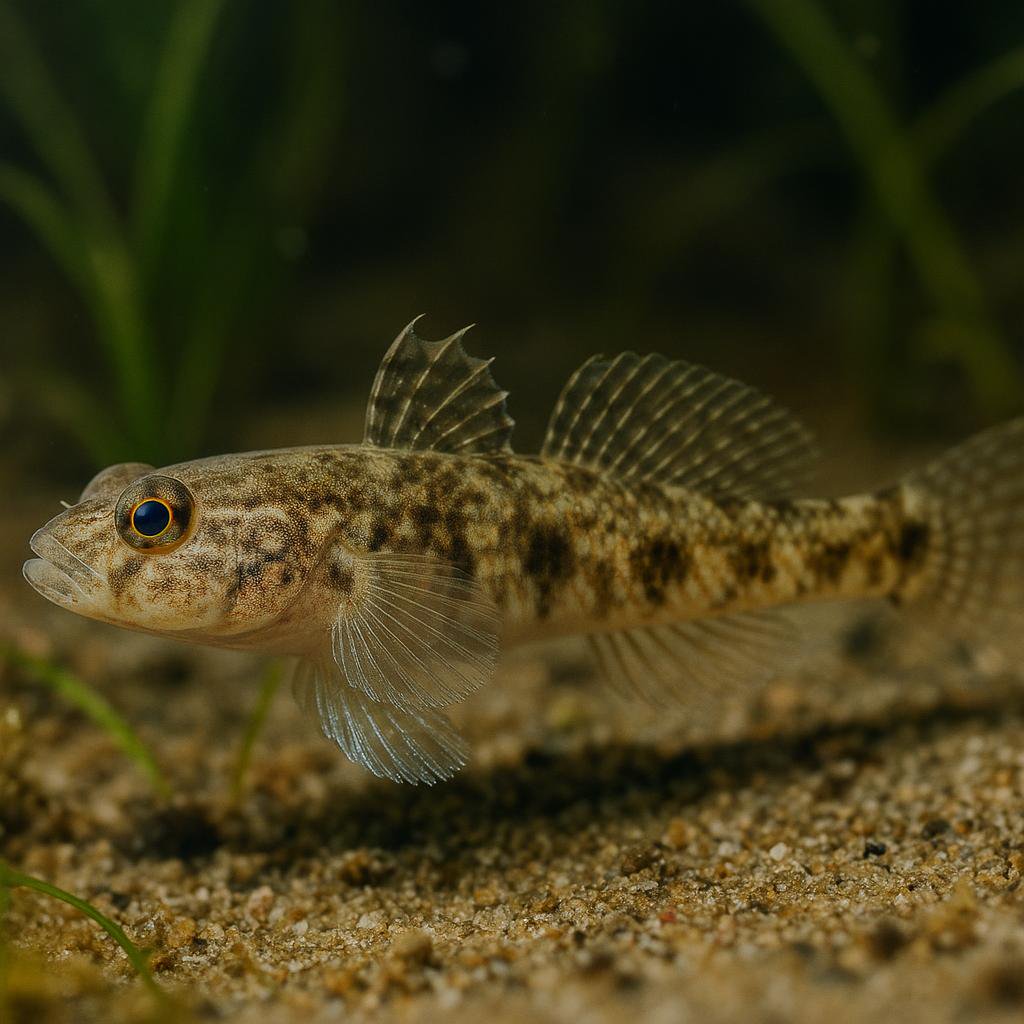
A tiny, bottom-dwelling goby endemic to the Caspian Sea, recorded from the deeper mid/southern basins. It inhabits stable brackish water around 12–13 ppt and does not occur in fresh water. Because it is a deep, cool-water species, it is essentially absent from the aquarium trade.
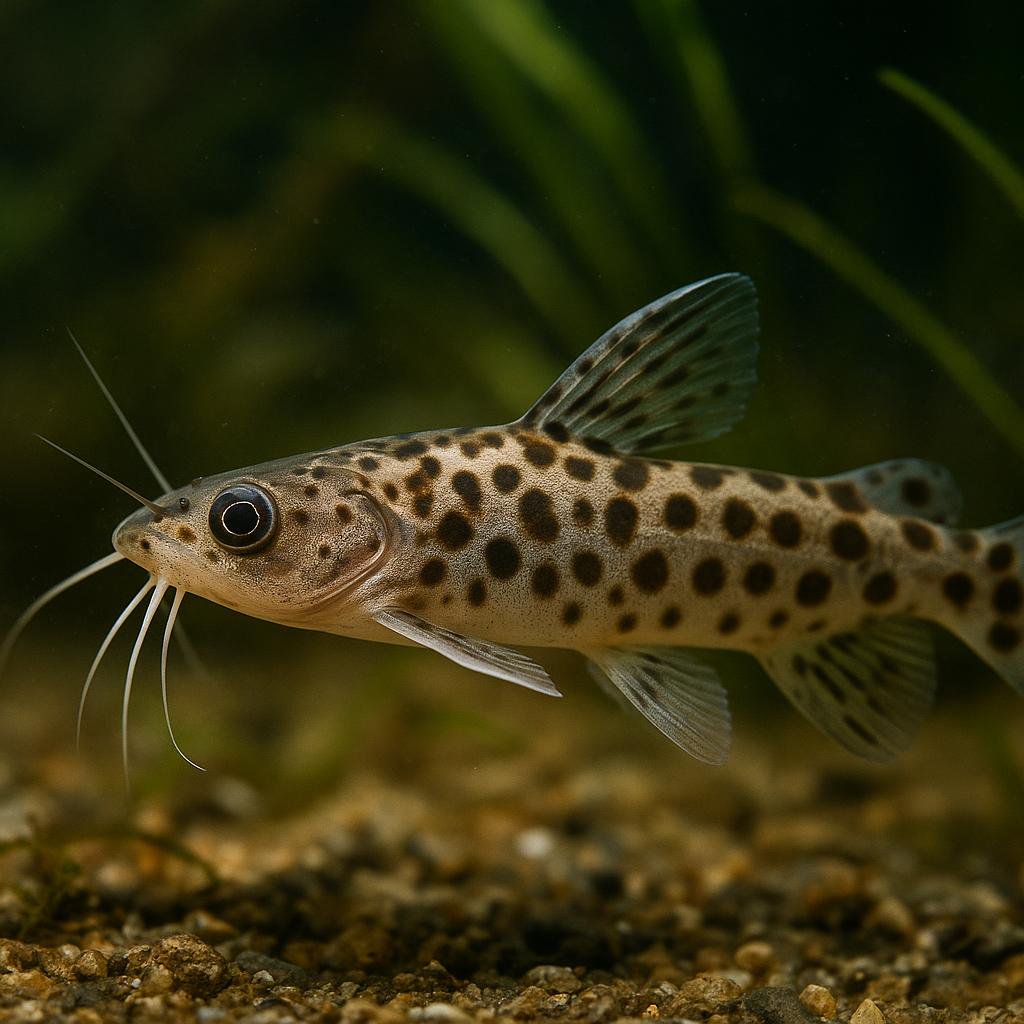
Imparfinis catfish
Imparfinis piperatus
Imparfinis piperatus is a tiny Brazilian heptapterid catfish that spends its time down on the bottom, scooting around like a little stream goblin. It stays really small (around 3.2 cm SL max), and the neat part is the subtle mottled/striped look and those long barbels that make it look way more "catfish" than its size suggests. Not super common in the aquarium trade, but it is a cool pick if you are into South American stream setups.
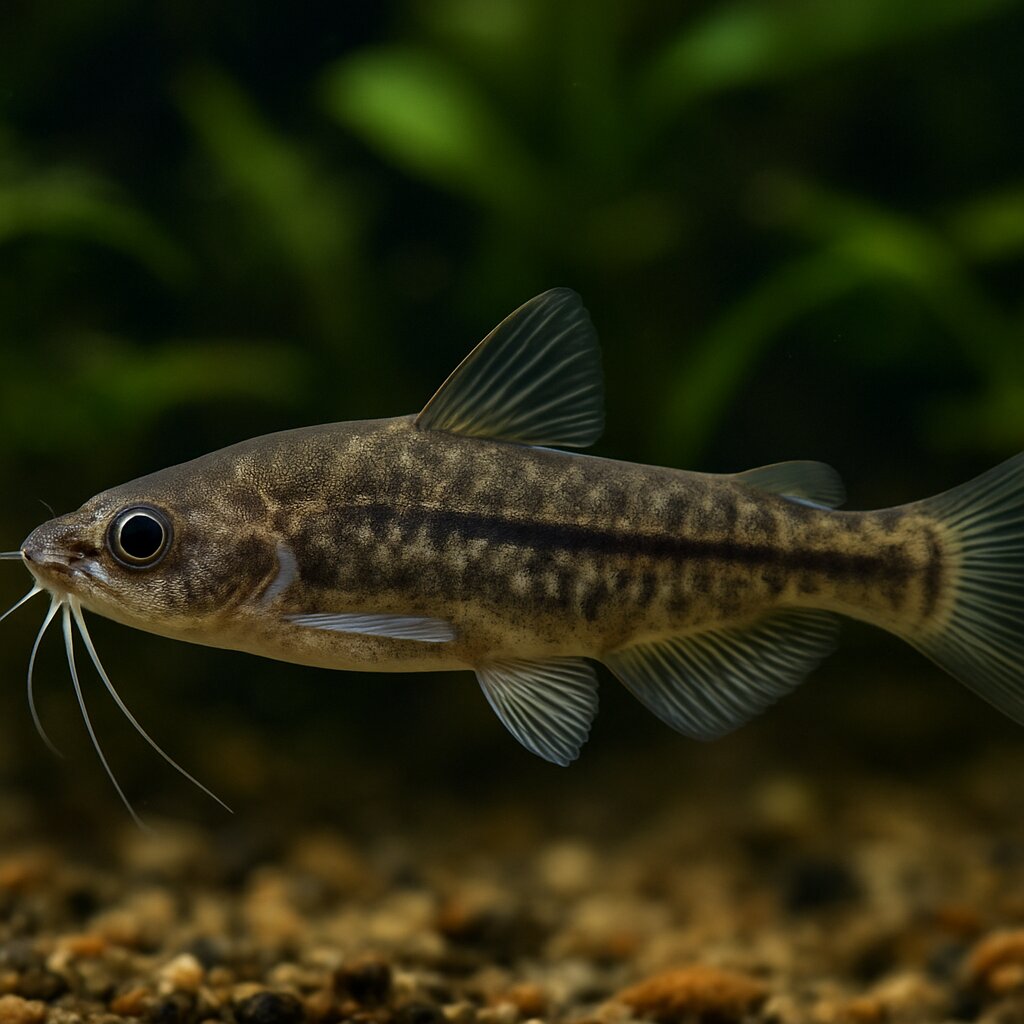
Imparfinis cochabambae
Imparfinis cochabambae
A little three-barbeled catfish from the upper Madeira-Beni system, this guy hugs the bottom and zips between stones once the lights go low. Keep it in clean, well-oxygenated flow with plenty of hiding spots and it will come out for sinking meaty foods. It stays small, so a calm community of similar-sized fish works nicely.
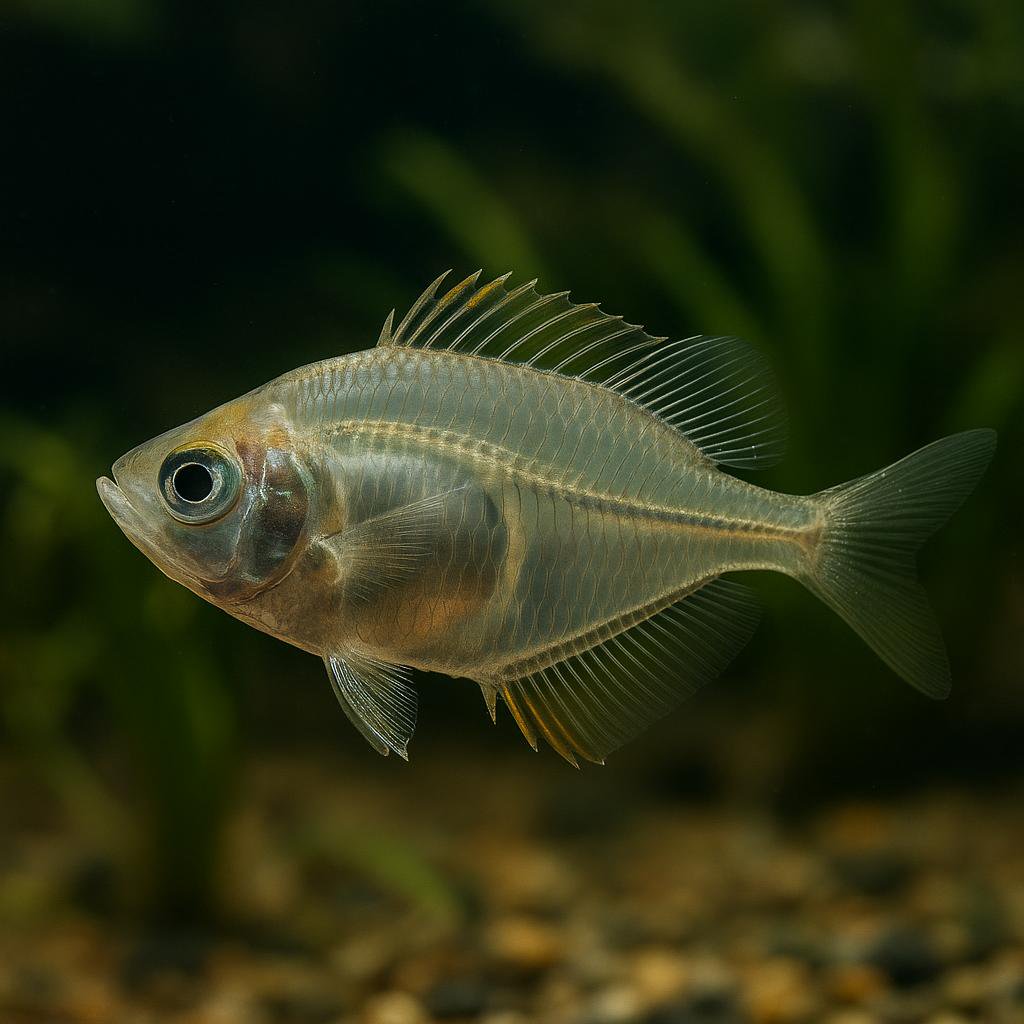
Indian glassy fish
Parambassis ranga
This is the classic see-through "glassfish" where you can literally see the bones and organs-super cool in a planted tank with calm tankmates. They're happiest when you keep a little crew of them (they get braver and way more active in a group). Also: skip any dyed/painted ones-those fish are usually in rough shape from the process.
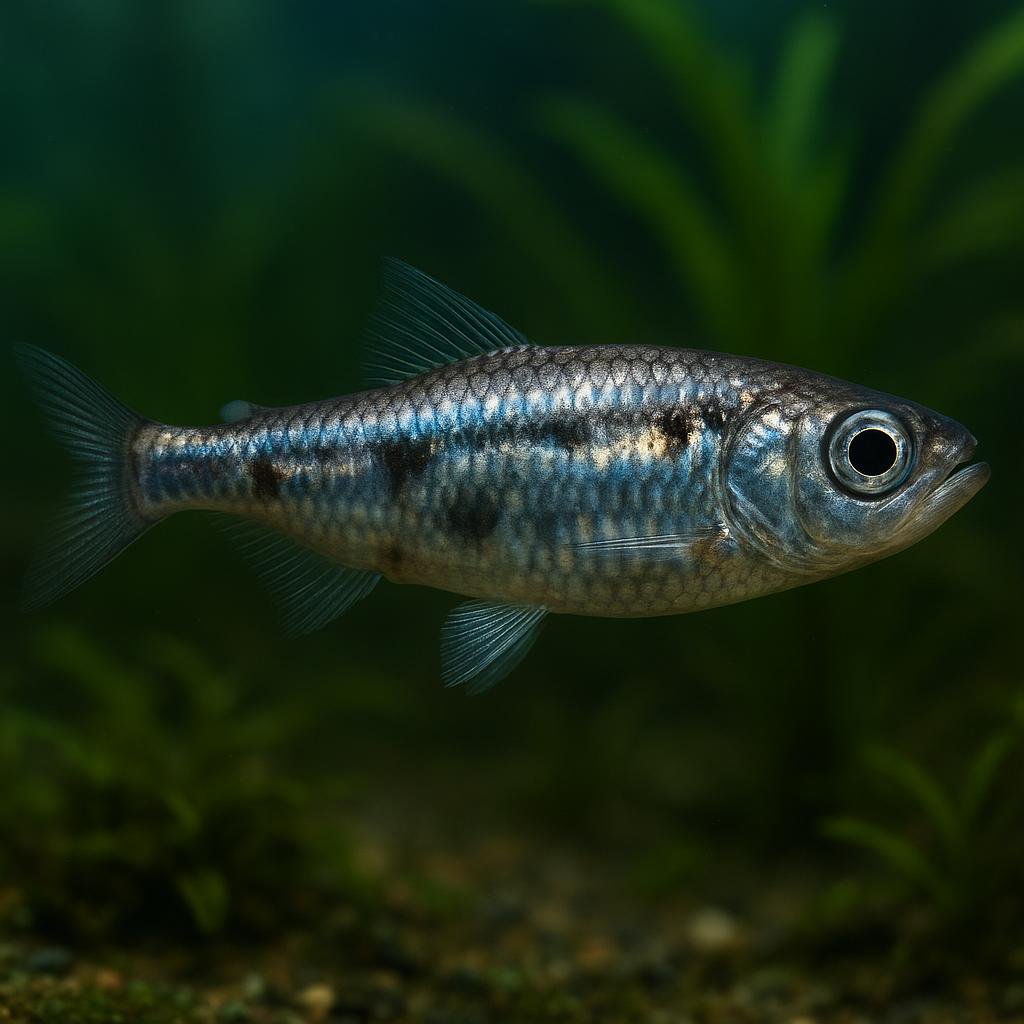
Indian Ocean lanternfish
Lampanyctus indicus
Lampanyctus indicus is a tiny deep-sea lanternfish from the equatorial Indian Ocean. Like other myctophids it has rows of light organs (photophores) and does the classic up-and-down daily migration in the water column. Super cool animal, but realistically its a research/deep-ocean species, not an aquarium fish.