

Ruaha kneria
Kneria ruaha
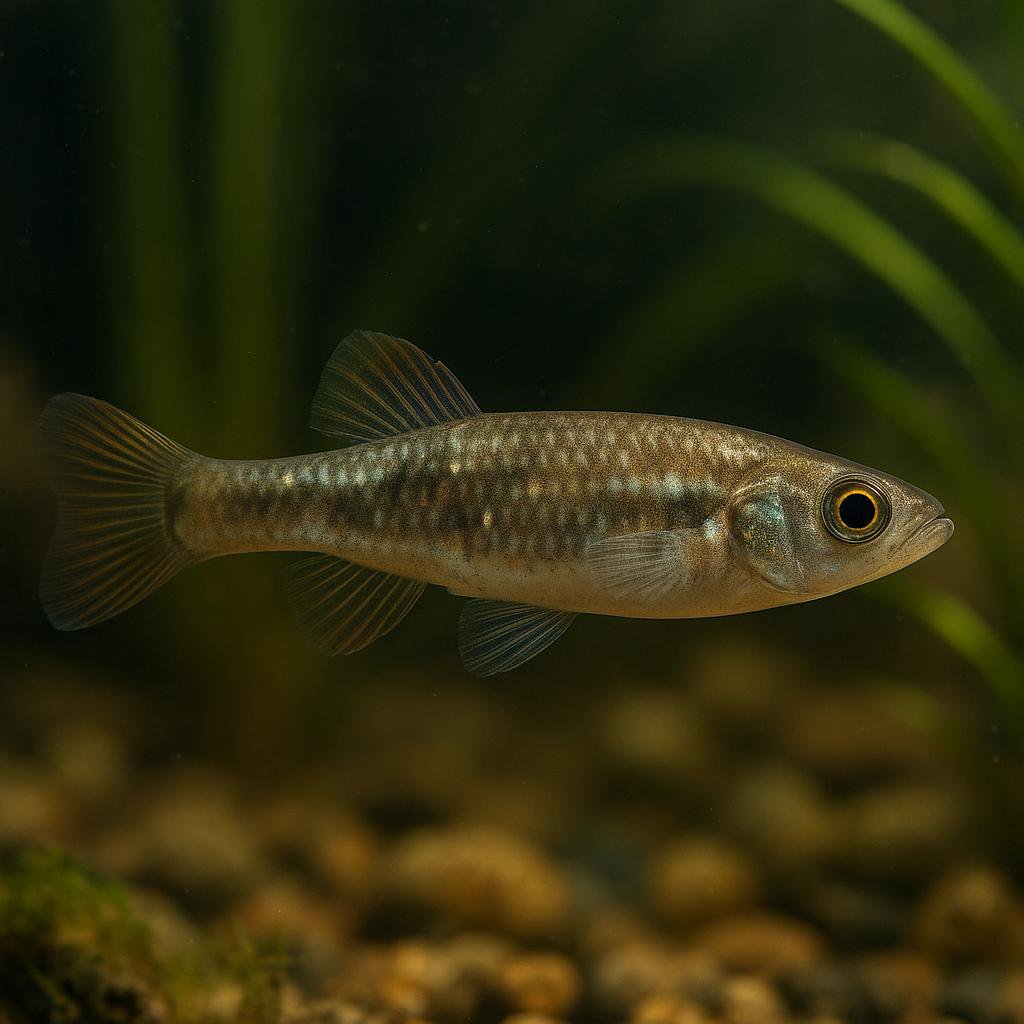
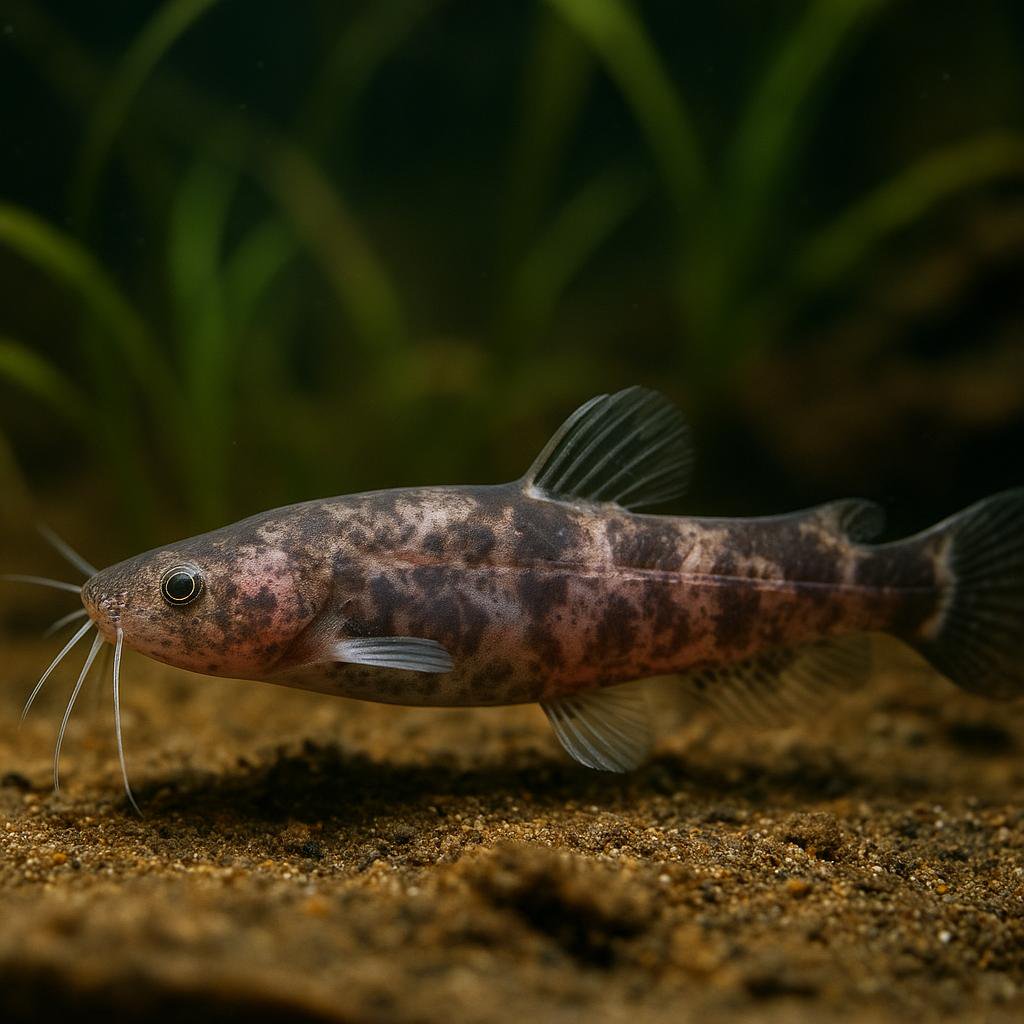
The Ruaha shellear features a streamlined body with a striking pattern of golden-yellow and dark vertical stripes, complemented by elongated fins.
This page includes AI-generated images. Why am I seeing AI images?
About the Ruaha kneria
Kneria ruaha is a small Tanzanian freshwater shellear (Kneriidae) from the Ruaha River basin. It inhabits cool, quiet stream sections and feeds on detritus in the wild; aquarium husbandry guidance is sparsely documented, so keep in a mature, oxygen-rich tank and offer a varied small sinking diet alongside natural grazing.
Also known as
Quick Facts
Size
57.5 cm
Temperament
Peaceful
Difficulty
Advanced
Min Tank Size
20 gallons
Lifespan
3-6 years
Origin
East Africa (Tanzania - Ruaha River basin)
Diet
Detritivore/omnivore - biofilm and detritus; supplement with small sinking foods and occasional frozen/live microfoods
Water Parameters
20-24°C
6.5-8
2-12 dGH
Need a heater for this species?
This species needs 20-24°C in a 20 gallon tank. Use our heater calculator to find the right wattage.
Calculate heater sizeCare Notes
- Give them a long tank with real current - powerhead or river manifold, lots of oxygen, and smooth sand with rounded rocks; they act way calmer when they can hug the bottom and tuck into flow breaks.
- Keep water cool-to-mild (about 72-78F / 22-26C), neutral-ish to slightly alkaline (pH ~6.8-7.8), and very clean; if nitrates creep up they go off food fast and look pinched.
- Wild diet is reported as detritus-based; offer small sinking foods and allow natural grazing in a mature tank. Avoid oversized foods and ensure food reaches the bottom in moderate flow.
- They startle easy and get outcompeted, so avoid boisterous feeders like big barbs, most cichlids, and hyper danios; better tankmates are calm, current-loving fish that do not hog food (hillstream loaches, small rheophilic barbs, some Synodontis if sized right).
- Run a tight lid and cover filter intakes - they can wedge into weird gaps and get sucked in when they surf the flow.
- They do best in a small group (5+ if your tank can handle it); singles tend to hide and refuse food, while groups settle in and show more natural foraging.
- Breeding is possible but not common: give lots of fine-leaved plants or moss in low-flow corners and heavy live food conditioning, then watch for tiny eggs scattered rather than a big obvious spawn; pull adults or move eggs because they will snack.
Compatibility
Good Tankmates
- Small, chill tetras like ember tetras or black neons - they stick to their own lane and wont hassle Ruaha shellear when its cruising midwater
- Peaceful, non-competitive small fish (choose species that tolerate cooler, well-oxygenated flow and won’t outcompete at feeding).
- Peaceful bottom-dwelling fish only if they share temperature/flow needs and do not outcompete K. ruaha for sinking foods.
- Small Synodontis types (like S. petricola or other dwarf synos) if the tank is big enough - they mostly do their own thing and arent fin-nippers
- Peaceful African river oddballs like upside-down catfish (Synodontis nigriventris) - similar temperament and they handle the same kind of flow and oxygen
- Other small, non-nippy community fish that like current (danio-sized, but the calmer ones) - as long as they arent speed demons at feeding time
Avoid
- Anything nippy or bossy like tiger barbs - theyll harass a peaceful fish and turn it into a shy, stressed-out hider
- Big aggressive cichlids (most mbuna, big Central Americans) - not even a fair matchup, Ruaha shellear will get bullied or eaten
- Fast, food-crazy tank hogs like giant danio schools or rainbowfish in tight quarters - they can outcompete them at meals and keep them on edge
- Predatory fish with a wide mouth (bichirs, large knifefish, big catfish) - if it can fit it, it will eventually try, especially at night
Where they come from
Ruaha shellear (Kneria ruaha) is one of those oddball African river fishes that makes you look twice. They come from the Ruaha River system in Tanzania, so think moving water, lots of oxygen, and a life spent picking at tiny food drifting past.
They are not common in the hobby, and a lot of what people struggle with is treating them like generic community fish. They are much more of a river specialist.
Setting up their tank
If you want these to do well, build the tank around flow and oxygen. Mine looked best and acted the most confident in a long tank with a clear current they could sit in and out of, kind of like little river darts.
- Tank size: I would not bother under 20 gallons long, and bigger is easier because water stays stable.
- Filtration: strong filtration plus extra aeration. A canister with a spray bar or river-manifold style flow works well.
- Flow: give them a steady lane of current, but also calmer eddies behind rocks and wood so they can rest.
- Substrate: sand or fine gravel. They do a lot of close-to-the-bottom foraging and you do not want sharp stuff.
- Hardscape: rounded river stones, some driftwood, and clumps of plants (or tough epiphytes) in the calmer zones.
- Lighting: moderate is fine. They do not need a spotlight, they need stable water.
Warm, still water is where people lose them. Low oxygen plus higher temps can knock them over fast, sometimes with no obvious warning the day before.
For parameters, I have kept them in neutral-ish water without drama. Aim for stable and clean rather than chasing a magic number. What they hate is swings, mulm buildup, and a tank that feels stuffy.
Do a little test: drop a pinch of fine food in. If it just sinks straight down everywhere, you probably do not have enough directional flow. If it whips around the whole tank like a washing machine, you have too much. You want a clear current lane and quieter pockets.
What to feed them
These are small-food fish. In my tanks they spent the day picking and snapping at tiny bits, not bulldozing big pellets. If you feed like you would for barbs or cichlids, they can slowly fade because they just are not built to compete.
- Staples: small sinking micro-pellets, crushed flakes, and fine granules that drift a bit in the current.
- Frozen: cyclops, daphnia, baby brine shrimp, finely chopped bloodworms (not as the only food).
- Live (if you can): grindal worms, microworms, newly hatched brine shrimp, small daphnia.
Feed small amounts more often, especially at first. Two to three small feedings beats one big dump. Watch their bellies and adjust.
If you have other fish in the tank, use the current to your advantage. Drop food upstream so it tumbles past them, and also target-feed a little into the quieter pockets where they like to hover.
How they behave and who they get along with
They are not nasty fish, but they are a bit high-strung at first. Once settled, they spend a lot of time facing into the flow and making quick little dashes to grab food. A group is way better than a single fish, both for confidence and for seeing natural behavior.
- Best kept: in a small group (I like 6+ if the tank size allows).
- Good tankmates: other peaceful river fish that will not outcompete them at every meal (small rheophilic cyprinids, calm loaches, similar-sized non-bullying fish).
- Avoid: aggressive fish, fast piggy eaters, fin nippers, and anything big enough to treat them as snacks.
They are not a classic "centerpiece" fish. They are a behavior fish. If you like watching natural feeding and current-surfing, you will get it.
Breeding tips
Breeding Kneria in home aquariums is not something you see every day. I have not had consistent spawns, but I have seen behavior that looked like conditioning and chasing when the group was well-fed and the water was very fresh.
If you want to take a run at it, think like a small river spawner: lots of tiny live foods, heavy oxygenation, and regular cool-ish water changes to imitate new water coming in.
- Use a group, not a pair. Let them sort themselves out.
- Provide spawning media: fine-leaved plants, moss, or a layer of smooth pebbles where eggs can fall out of reach.
- Condition with small live and frozen foods for a couple weeks.
- Do frequent water changes and keep the tank spotless.
- If you see egg scattering behavior, consider moving adults out or using a breeder-style setup so eggs do not get eaten.
If you get fry, they will need tiny foods right away (infusoria, microworms, baby brine). In a high-flow tank, fry can get pushed around, so a calmer rearing tank helps.
Common problems to watch for
Most losses I have seen (mine and other hobbyists) trace back to the same themes: not enough oxygen, not enough small food, and stress from tankmates or unstable water.
- Rapid breathing or hanging near the surface: usually an oxygen or temperature issue. Add aeration and check for clogged filter media.
- Slow weight loss: they are getting outcompeted or the food is too big. Switch to micro foods and feed smaller portions more often.
- Hiding all the time: too bright, too little cover, too much chaos from other fish, or not enough of their own kind.
- Sudden deaths after maintenance: big parameter swings or stirring up gunk. Do smaller water changes more often and avoid blasting mulm into the water column.
Do not treat them like a "set and forget" community fish. If your tank ever smells stagnant, gets that oily surface film, or the flow drops off, fix it the same day. These fish react quickly to stale conditions.
Quarantine is worth your time with this species. Wild fish can come in thin, and they do not handle rough medication routines well. I keep it gentle: clean water, high oxygen, lots of small foods, and only medicate if I actually see a clear problem.
Similar Species
Other freshwater peaceful species you might be interested in.
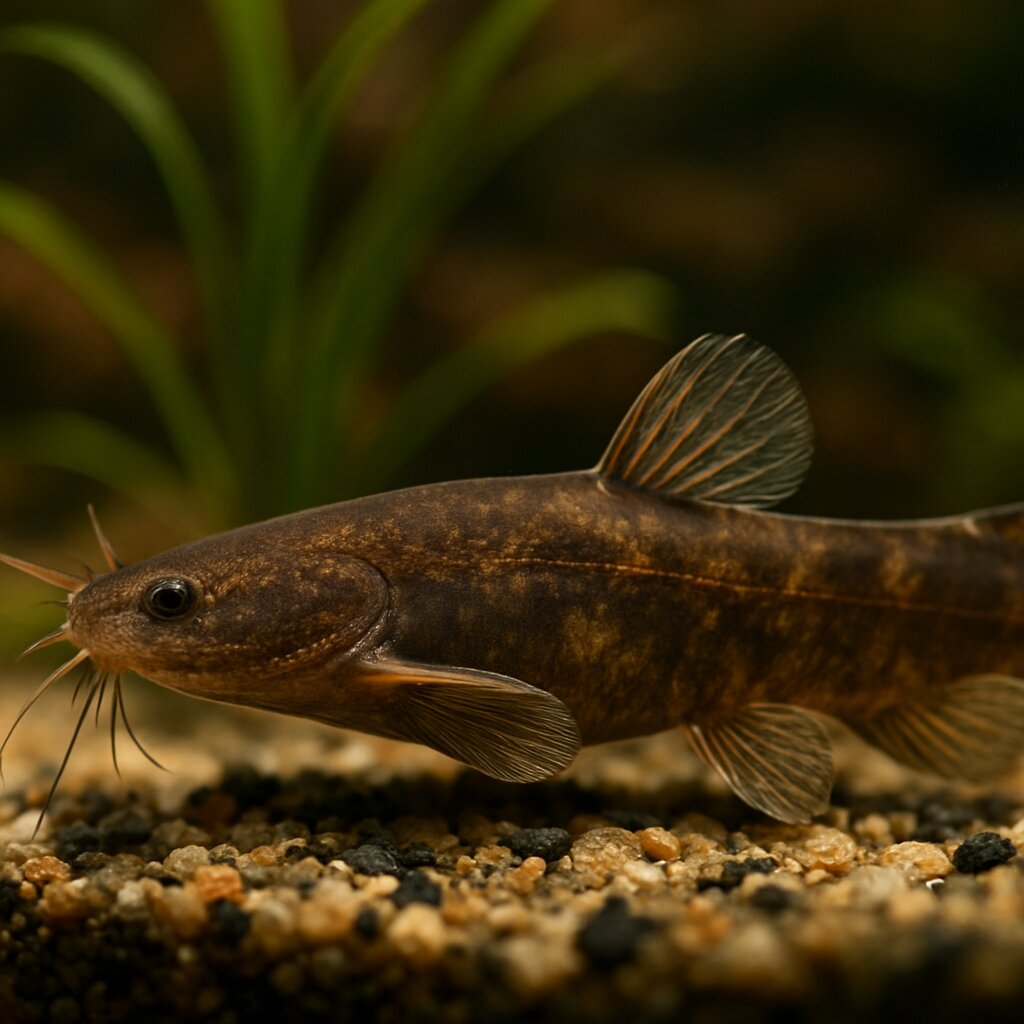
Amphilius dimonikensis
A small loach catfish endemic to the Mpoulou River in the Mayombe (Dimonika Biosphere Reserve), Republic of the Congo. Amphilius dimonikensis has a subtle banded pattern and inhabits fast, clear streams over rock and sand. In aquaria, prioritize strong, well-oxygenated flow with rounded stones and sand to mimic hillstream conditions.
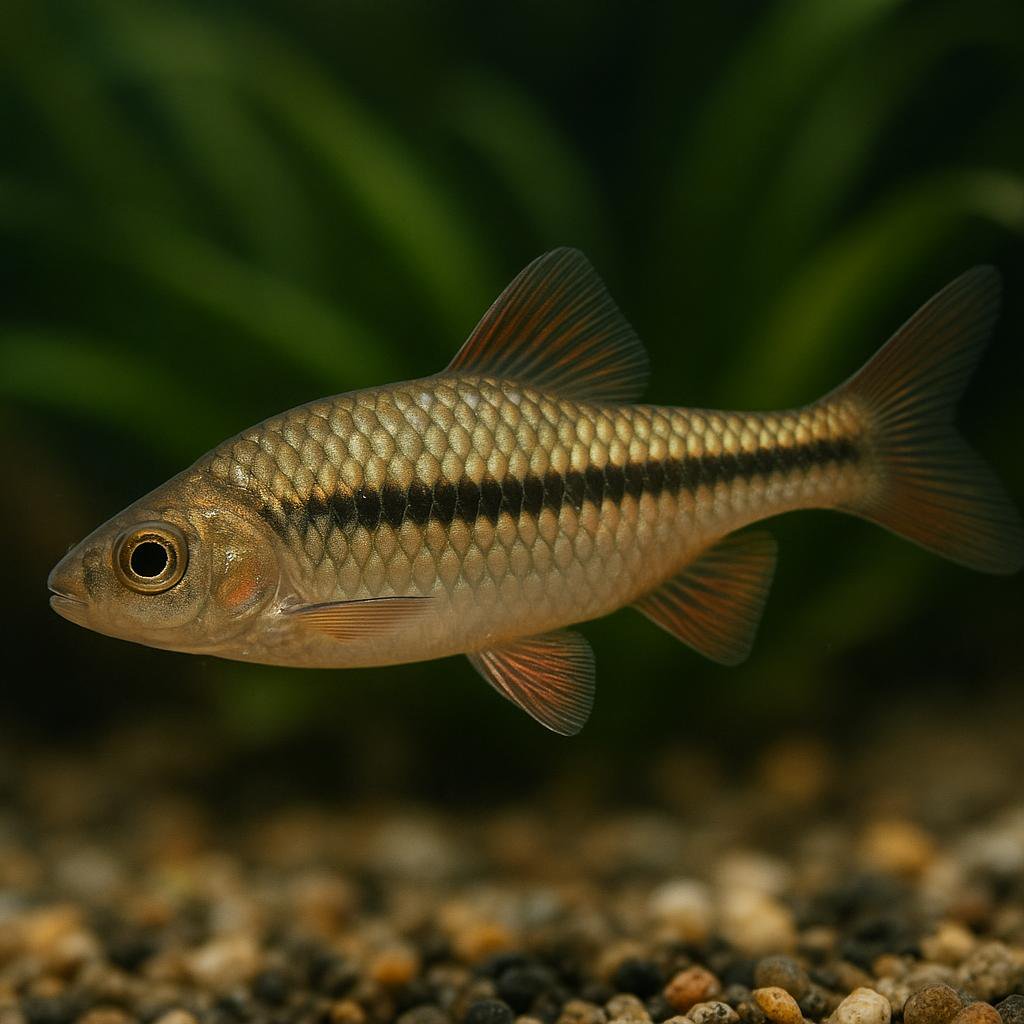
Aboina barb
Enteromius aboinensis
Enteromius aboinensis (the Aboina barb) is a small West African barb with a clean black midline stripe and a little spot right at the base of the tail. It does best when you treat it like a proper schooling fish - keep a decent group and give it plants around the edges with open swimming room in the middle.
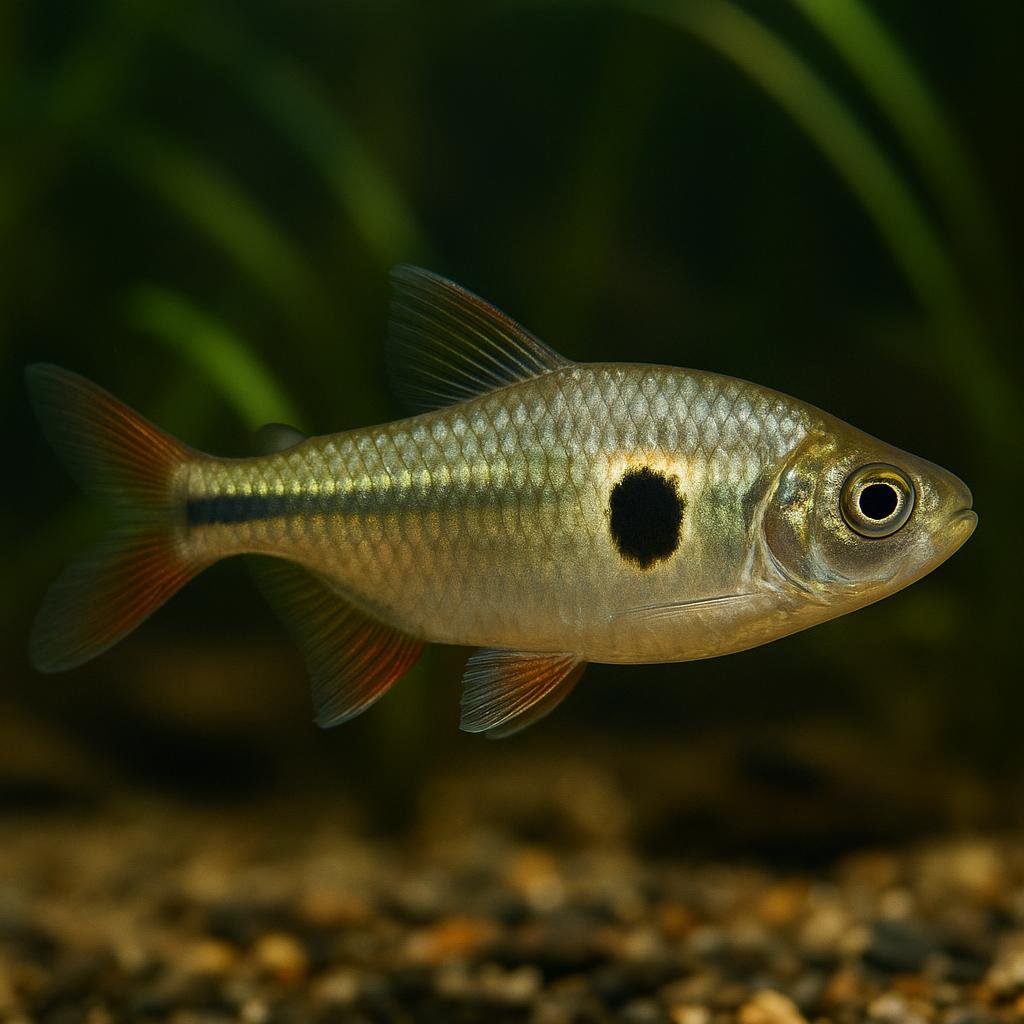
Ajuricaba tetra
Jupiaba ajuricaba
Jupiaba ajuricaba is a South American freshwater characin from the Amazon basin in Brazil (rio Negro, rio Solimões, and rio Tapajós basins). It reaches about 9.5 cm SL and is diagnosed by a narrow dark midlateral stripe, an elongated humeral spot, and an ocellated spot on the upper caudal-fin lobe. Wild specimens have been collected from blackwater forest streams and also oxbow-lake habitats.
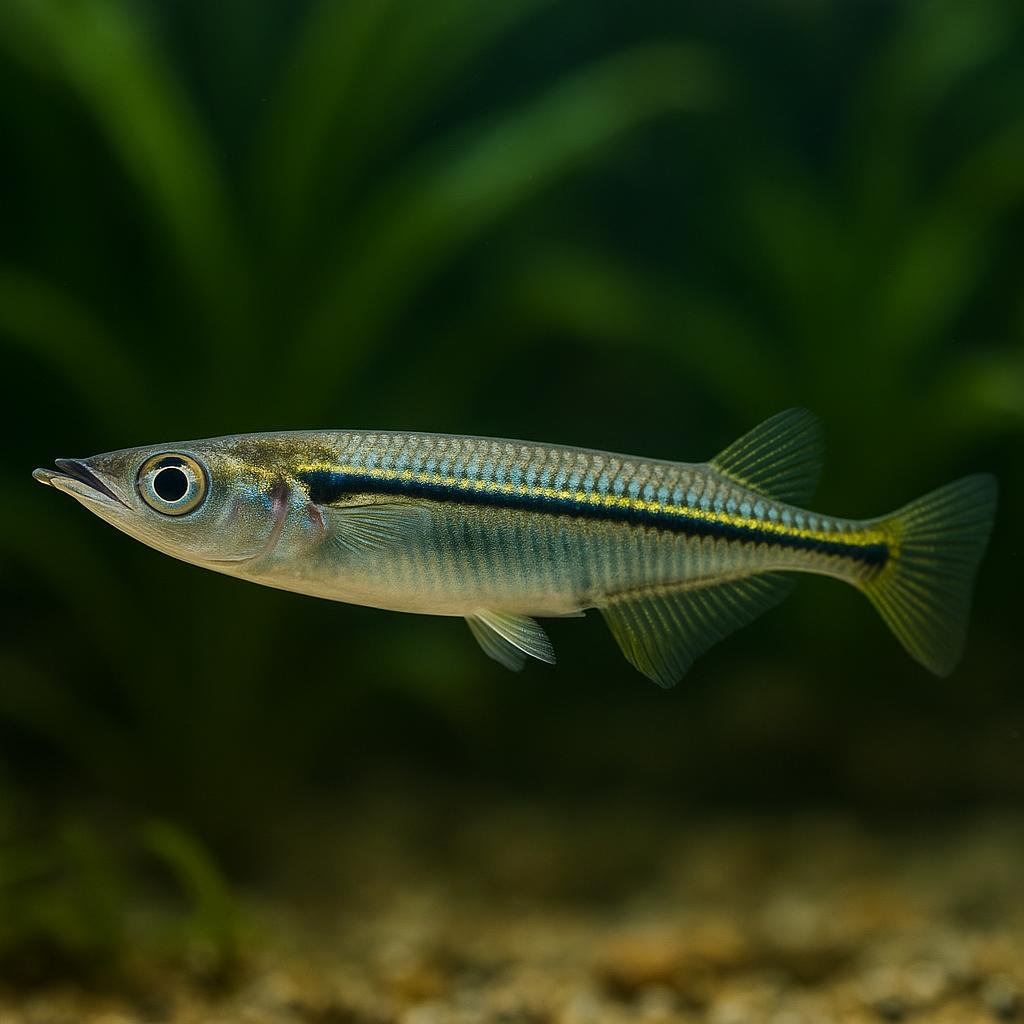
Allen's river garfish
Zenarchopterus alleni
A poorly known freshwater halfbeak endemic to West Papua (Mamberamo River), described from a single specimen (~13 cm SL). Beyond basic habitat/occurrence, little is published about its ecology or aquarium suitability; assume it is a surface-oriented, jump-prone halfbeak only by analogy with related taxa.
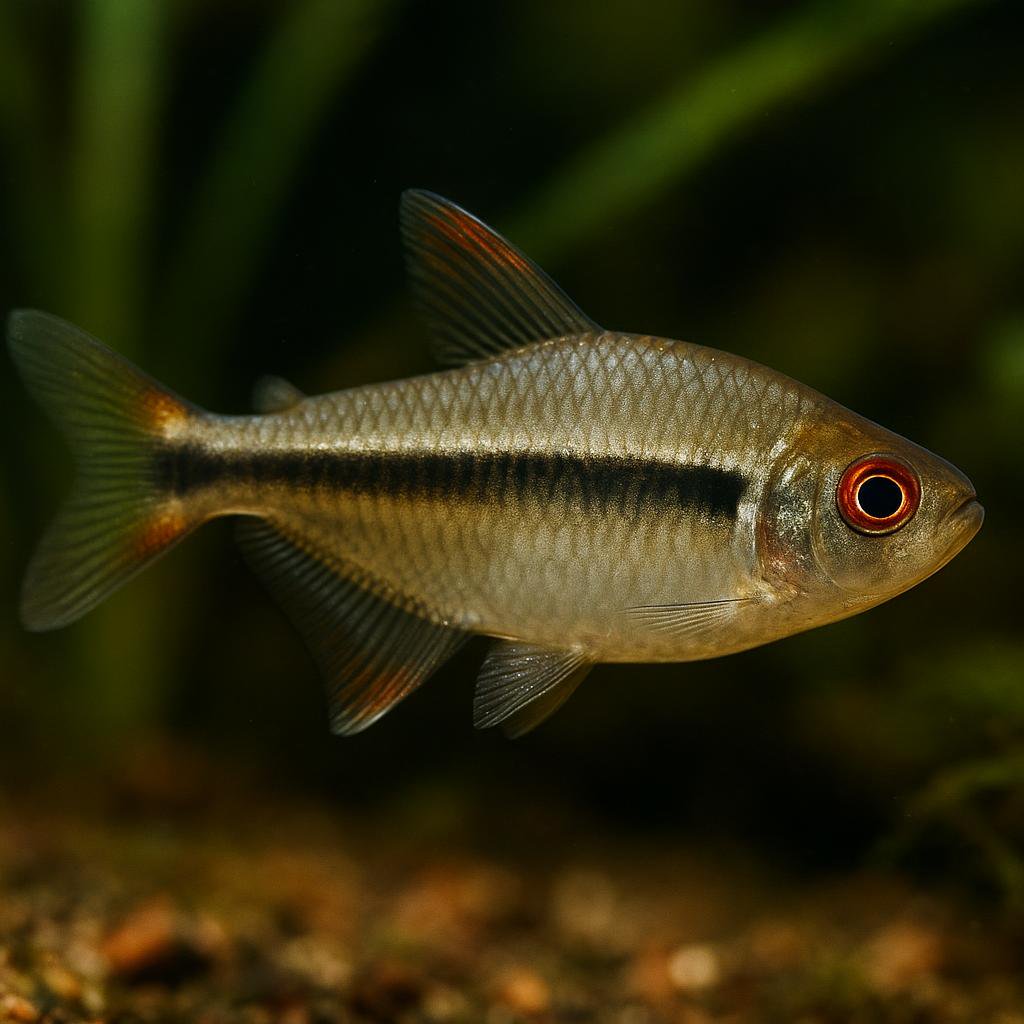
Amapa tetra
Hyphessobrycon amapaensis
This is a tiny, super sleek little tetra with a clean red stripe down the side that really pops once its settled in. It does best in a planted, slightly tinted "creek-style" setup and looks way cooler when you keep a proper group so they school and flash that line together. If you can give it soft, slightly acidic water and a calm community, its an easy fish to fall for.
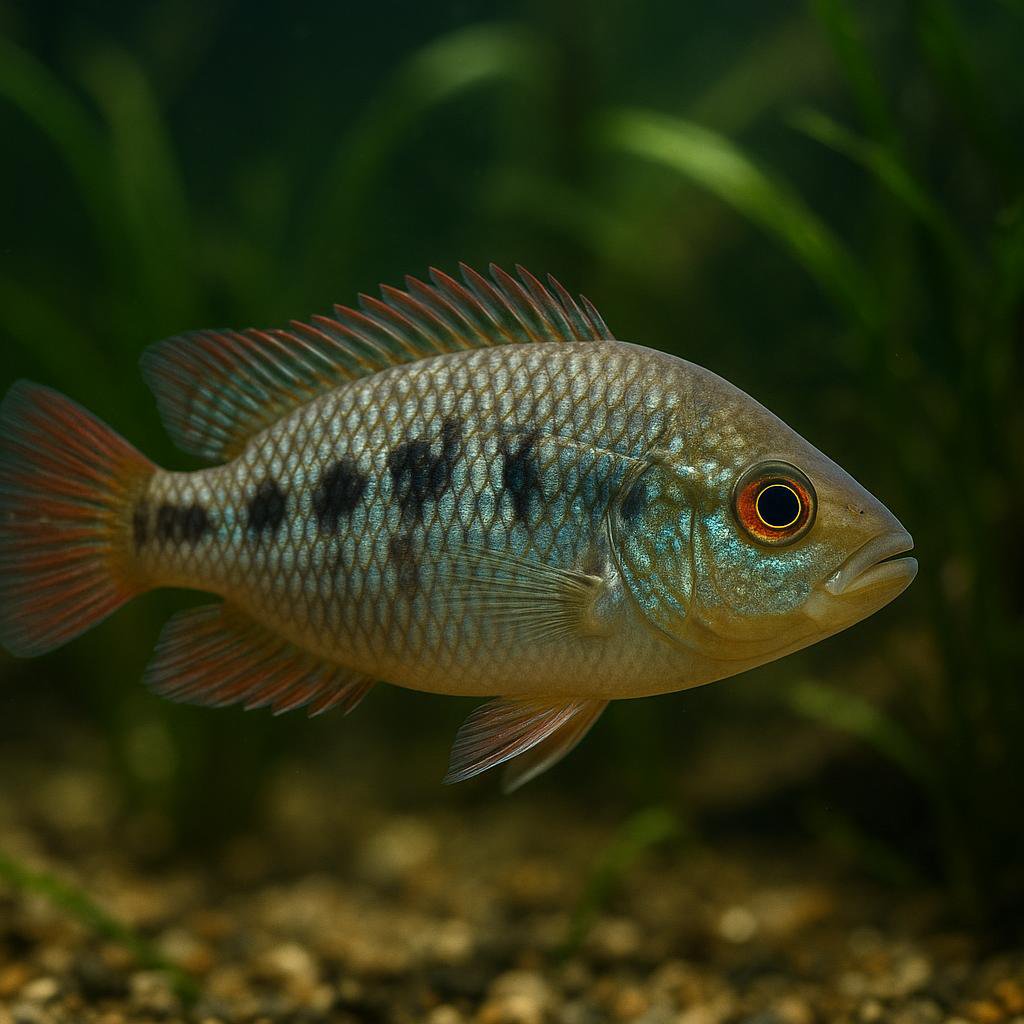
Amatlan chub
Yuriria amatlana
Yuriria amatlana (the Amatlan chub) is a little Mexican native minnow from the Ameca River basin. Its wild range is pretty limited and it is listed as Endangered, so its care info in the aquarium hobby is basically nonexistent and its availability is usually low. In the original species description, preserved fish show a dark lateral stripe with a darker patch on the caudal peduncle, and they can have tiny barbels at the mouth corners.
More to Explore
Discover more freshwater species.
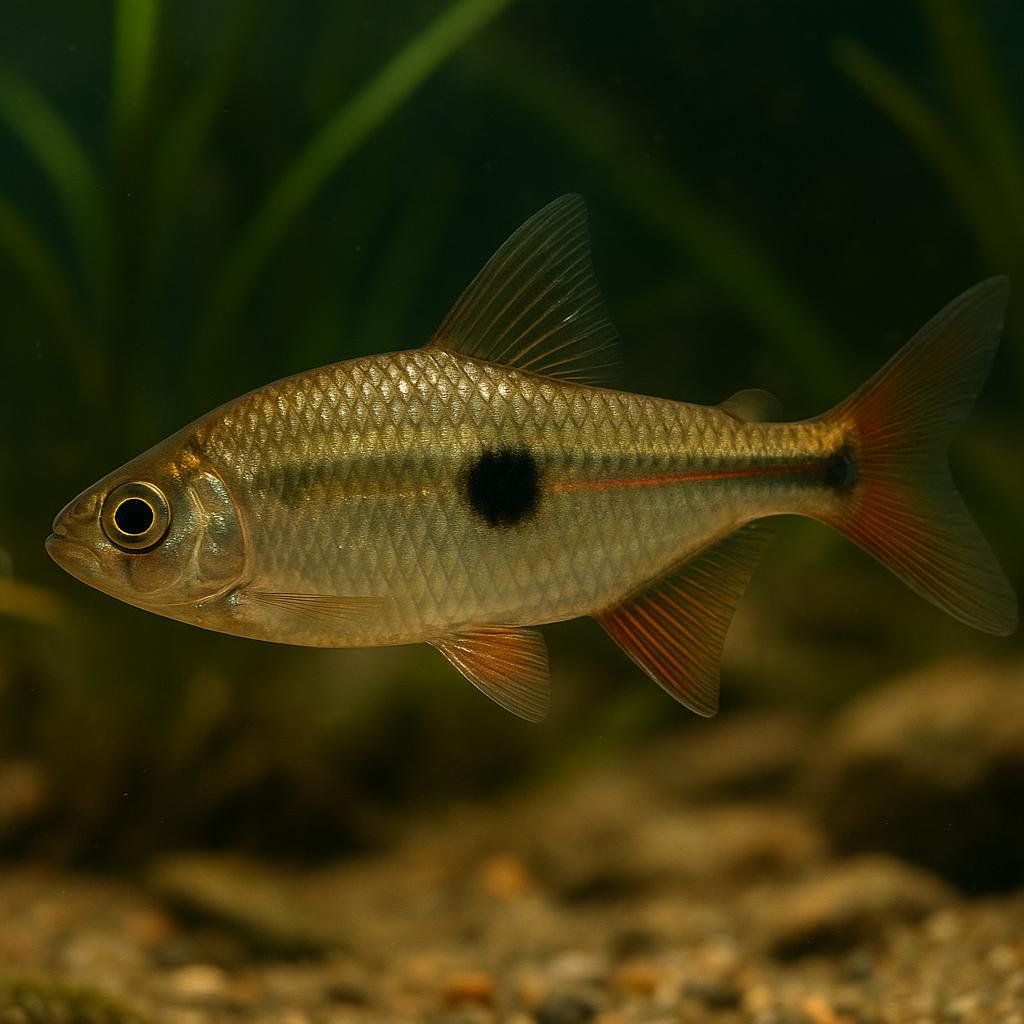
Jupiaba kurua
Small South American characin endemic to the upper rio Curuá (rio Xingu basin, Brazil). Reaches about 8.7 cm SL and inhabits clearwater rivers. Distinguished by dark dots on the bases of many lateral scales and a distinct dark caudal‑peduncle spot. Reported diet indicates omnivory, including aquatic insects, small fishes, and fragments of Podostemaceae and filamentous algae.
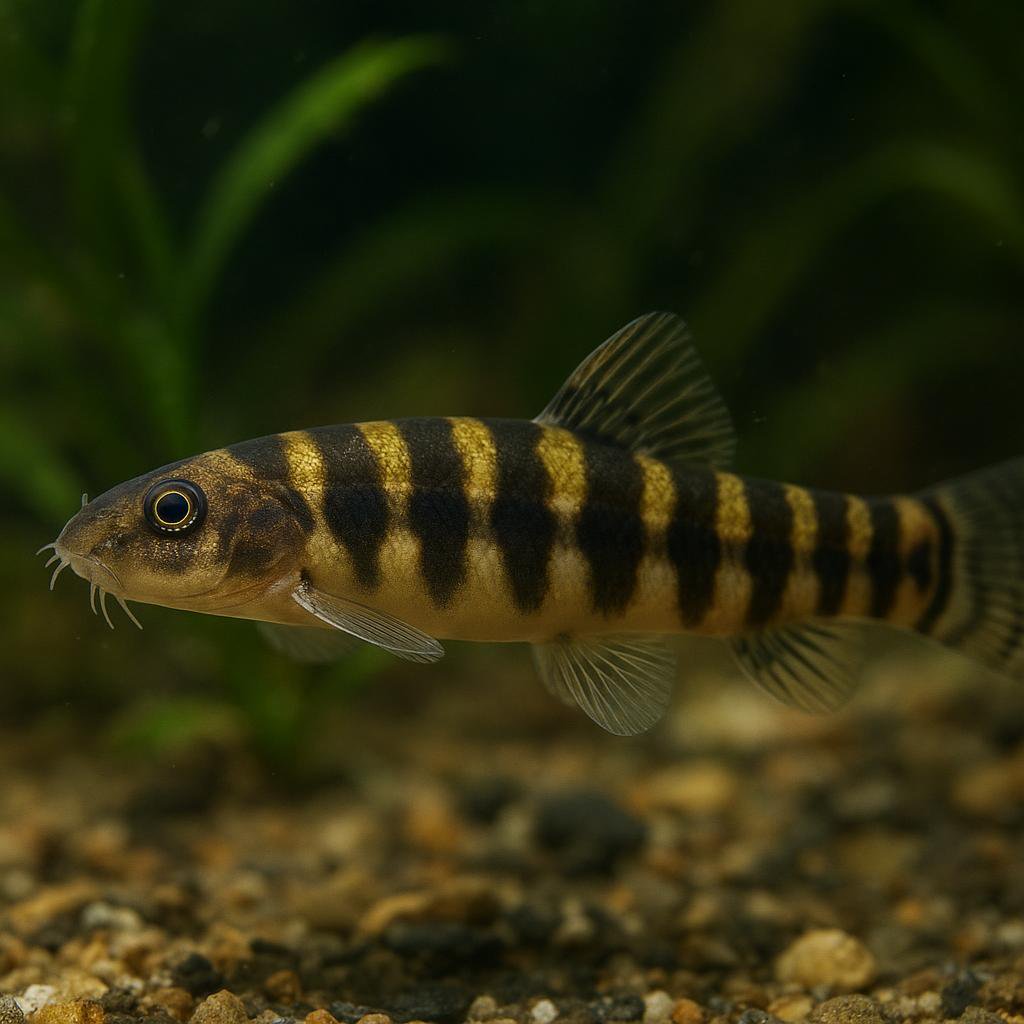
Altipedunculata stone loach
Schistura altipedunculata
Schistura altipedunculata is one of those little stream loaches that wants clean, well-oxygenated water and a bunch of rock nooks to claim as home. It is a bottom-hugger that will spend its day scooting from crevice to crevice, and it tends to get a bit spicy with its own kind if you do not give it enough hiding spots.
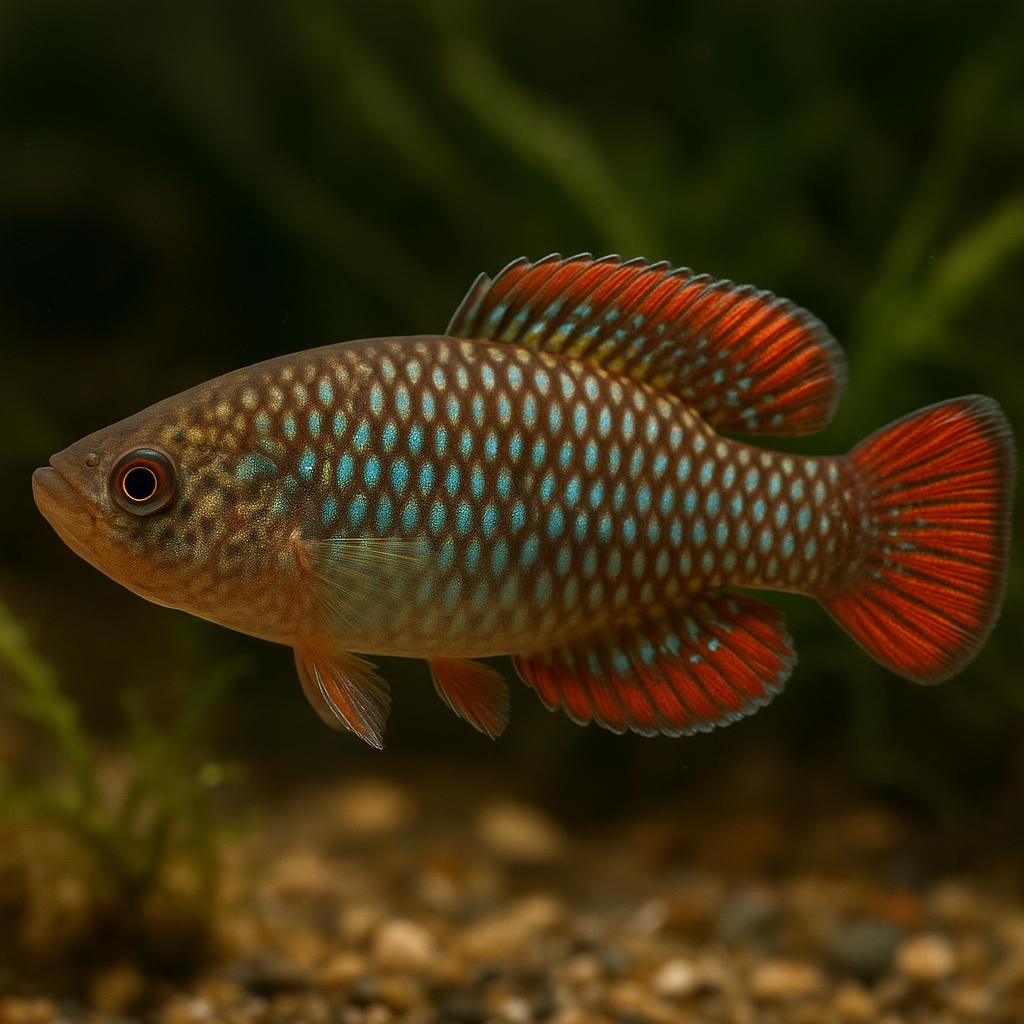
American flagfish
Jordanella floridae
Jordanella floridae is that little Florida native with the red-and-cream striping that really does look like a tiny flag once a male colors up. They graze algae like champs (especially stringy/hair algae), but they have a bit of attitude - give them plants and space so the bossy behavior stays manageable. Bonus: the male guards the eggs and will actively fan them, which is pretty fun to watch.
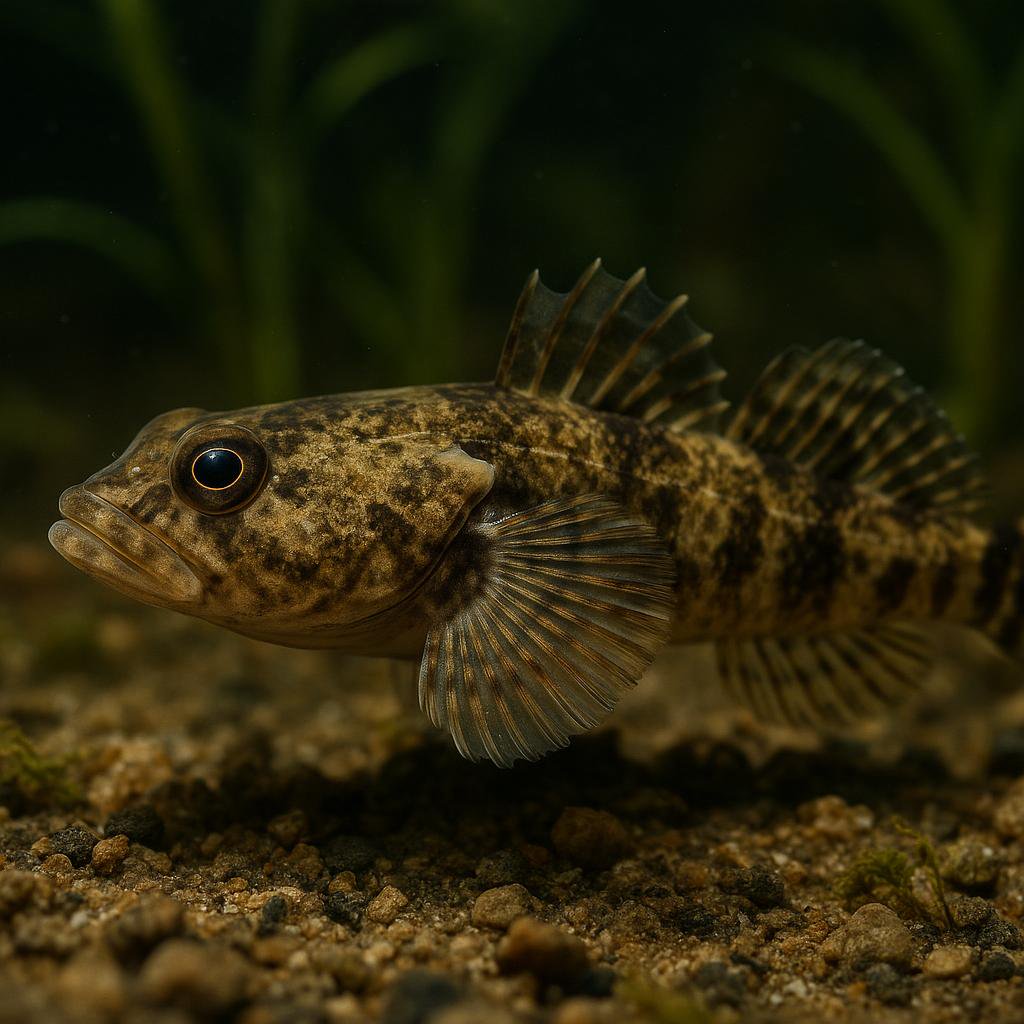
Amur sculpin
Alpinocottus szanaga
This is a little coldwater sculpin from the Amur drainage - a bottom-hugging, rock-and-gravel fish that spends its day wedged under stones and darting out to grab food. Super cool behavior and attitude, but it is absolutely not a warm tropical community fish - it wants chilly, fast, oxygen-rich water and will bicker with other bottom fish.
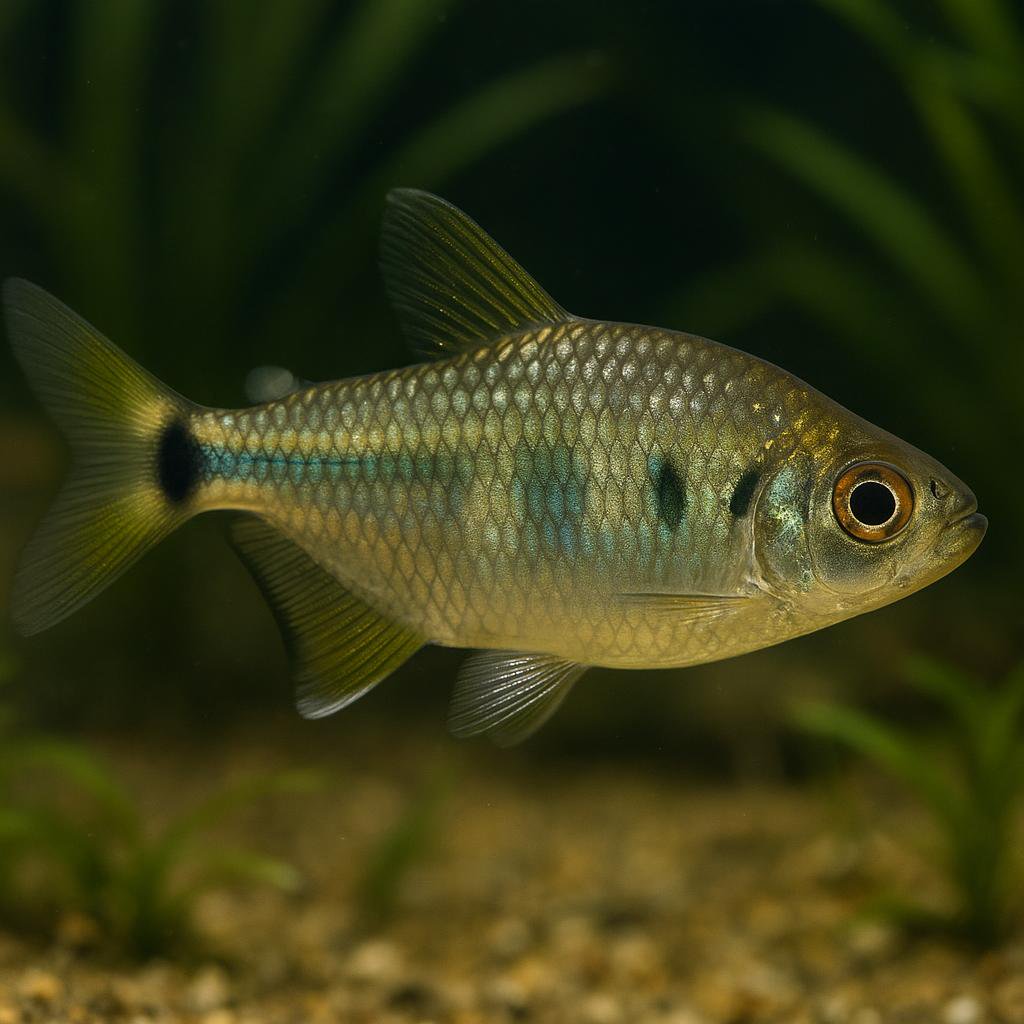
Andrica moenkhausia
Moenkhausia andrica
Moenkhausia andrica is a little Brazilian characin from the Tapajos system that tops out around 7 cm (about 2.8 inches) standard length. It has a neat netted (reticulated) scale pattern plus a dark spot on the caudal peduncle, and the really wild part is that mature females can have tiny fin hooklets too, which is usually a male-only thing in a lot of characins.
Anhanga pygmy pencil catfish
Potamoglanis anhanga
This is a truly tiny Amazonian trichomycterid catfish - like 1.3 cm max - so it is more of a micro-predator oddball than a typical community catfish. It is the kind of fish that disappears into sand, leaf litter, and plant roots, and you will spend way more time setting up the right micro-habitat than you will actually seeing it.
Looking for other species?