

Roule's abyssal cusk
Barathronus roulei
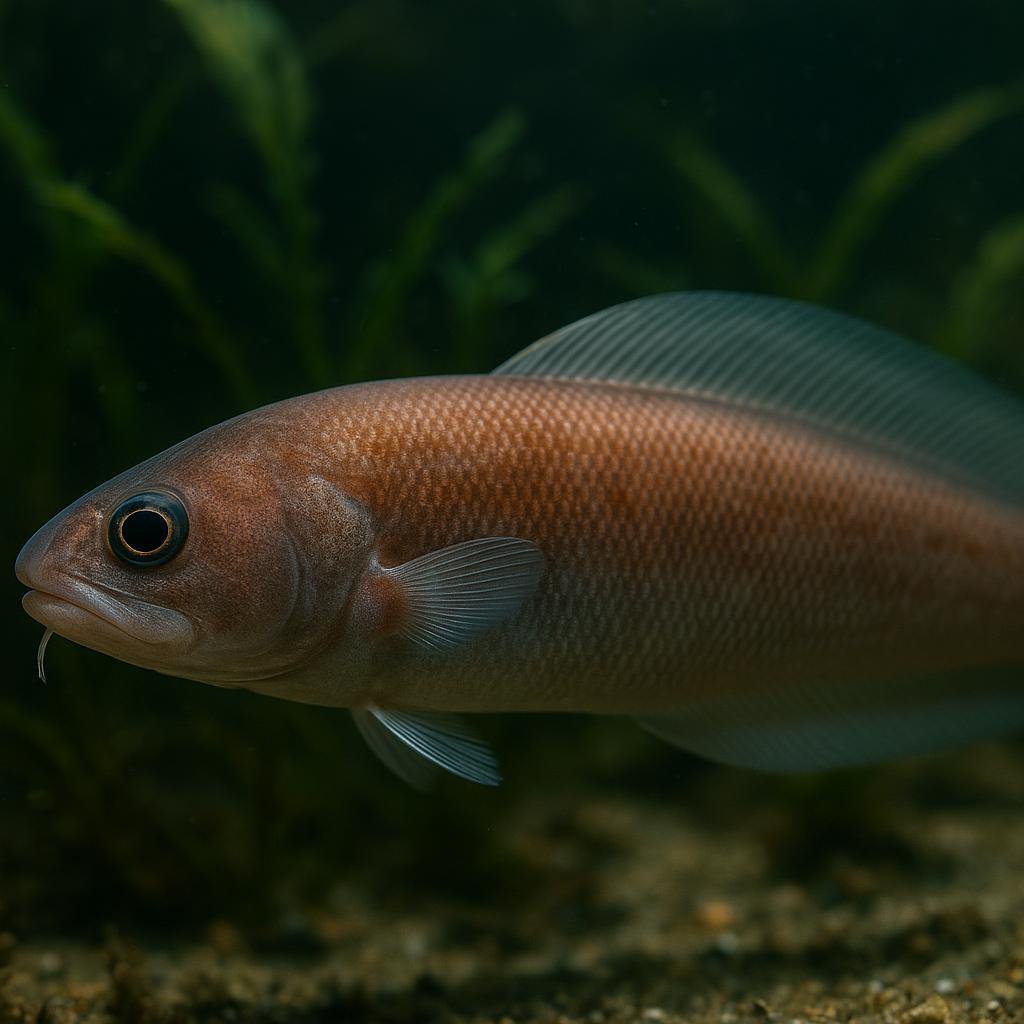
The Roule's abyssal cusk has a slender, elongated body with a pale brownish-grey coloration and distinct, small, dark spots along its flanks.
This page includes AI-generated images. Why am I seeing AI images?
About the Roule's abyssal cusk
Barathronus roulei is a deep-sea bythitid/brotula-type fish from the Northeast Atlantic, recorded from deep water (e.g., ~1349 m). It is extremely rarely encountered and not an aquarium species due to collection and decompression/pressure constraints.
Quick Facts
Size
10 cm SL
Temperament
Peaceful
Difficulty
Expert
Min Tank Size
0 gallons
Lifespan
unknown
Origin
Northeast Atlantic
Diet
Carnivore - likely small crustaceans and other tiny deep-sea animals (not established in hobby care)
Water Parameters
2-6°C
7.8-8.3
8-12 dGH
Care Notes
- This species is documented from deep water (~1349 m) and is not a practical home-aquarium fish; survival is strongly limited by collection/decompression and the inability to replicate deep-sea pressure conditions.
- Run a tight lid and cover overflows/intakes with fine screens; cusk eels are escape artists and will try to snake into plumbing when startled.
- Keep salinity stable around 1.024-1.026 and do not let pH swing (aim ~8.0-8.2); sudden changes stress them fast and they go off food.
- Feed meaty stuff only: thawed mysis, chopped squid, prawn, clam, and strips of marine fish; target feed with tongs after lights-out so faster fish do not steal it.
- Small frequent meals beat big dumps - they can regurgitate if you overdo it, and leftover chunks will nuke water quality in a cold, low-flow setup.
- Tankmates: think other coldwater, low-aggression species that will not outcompete it; avoid anything nippy or hyper, and do not keep tiny fish/crustaceans you are attached to.
- Watch for pressure-related injury signs if it was collected deep (buoyancy issues, belly bloat, lethargy) - those fish often never stabilize in a normal-pressure home system.
- Breeding in home aquaria is basically fantasy without deep-sea pressure simulation; if you ever see eggs/larvae, expect pelagic stages that are extremely hard to feed and keep alive.
Where they come from
Roule's abyssal cusk (Barathronus roulei) is a deep-sea cusk-eel type fish from way, way down the water column. Think cold, dark, high-pressure habitat where food is scarce and the fish's whole life is built around saving energy. That backstory matters because almost everything we do in a normal marine tank is the opposite: warm, bright, busy, and full of oxygen and flow.
Real talk: this is not a realistic home-aquarium species. Deep-abyss fish generally do not tolerate decompression and transport, and keeping them long-term usually requires pressure-capable life support systems that almost no hobbyist owns. If you ever see one offered, I'd treat it as a red flag on collection and survival odds.
Setting up their tank
If you're asking how you'd set one up, you're basically talking about a lab-style system, not a reef tank. The big three are pressure, cold, and darkness. Without those, you can nail salinity and still lose the fish because its biology is built for a totally different world.
- Pressure: A pressure-retaining aquarium (hyperbaric chamber) with viewing ports. Standard glass/acrylic tanks will not cut it.
- Temperature: Chilled, stable coldwater (often in the low single digits C for abyssal species). A normal chiller is not enough if you need that cold with tight stability.
- Light: Very dim. If you want to observe, use low-intensity red light and keep photoperiod minimal.
- Flow: Gentle and broad. No blasting powerheads. These fish are not built for surfing a gyre.
- Hiding: Lots of dark structure and caves. Even if the fish is calm, it will want a place to press into and feel secure.
Avoid "clean" bare setups. Deep-sea fish tend to do better with low stress, low activity surroundings. A bright sterile tank with strong flow and lots of movement is a fast track to a fish that never settles.
Water chemistry is the easy part, ironically. Natural seawater salinity range (around 1.025-ish) and stable pH is fine, but stability beats chasing numbers. The system needs to be mature and boring. No big swings, no experiments, no new gear that changes conditions overnight.
What to feed them
Abyssal cusk types are carnivores that take meaty foods. In captivity (in the rare cases people keep deep-sea fishes successfully in research systems), the trick is usually getting them to recognize food and keeping portions small. They are not grazers and they are not built for frequent big meals.
- Start with scent-heavy foods: chopped shrimp, squid, clam, or marine fish flesh (not freshwater feeder fish).
- Offer small pieces on feeding tongs near the fish's hide, and be patient. They may ignore food for a while after shipping stress.
- Once taking food, keep meals modest: small portions a few times a week rather than daily stuffing.
- Remove leftovers quickly. Cold systems can still foul, just slower and sneakier.
If the fish will only take live initially, try live mysids or small marine crustaceans, then "mix in" dead pieces on the next feed. The goal is to convert to non-live so you can control nutrition and avoid parasites.
How they behave and who they get along with
Expect a low-energy, sit-and-wait kind of fish. Most of the time it'll be tucked into a crevice or resting on the bottom, moving when it feels like it. They are not show fish. If you want constant activity, this is the wrong lane.
Tankmates are more about stress than aggression. Anything fast, nippy, or bold will keep an abyssal fish pinned in hiding and refusing food. Also, most typical marine fish cannot live at the temps a true abyssal setup demands, so compatibility is basically "other cold, low-light, low-stress animals" - which is already a tiny list.
Even if they are not outright aggressive, cusk-eel type fish will eat what fits in their mouth. Plan tankmates around mouth size, not personality.
Breeding tips
Breeding Barathronus roulei in captivity is, for hobby purposes, not really a thing. Deep-sea reproduction cues are tied to pressure, temperature, seasonal food pulses, and sometimes migrations. Even public aquariums rarely attempt this with true abyssal species, and most specimens never arrive in breeding condition anyway.
If someone tells you they are "easy to breed" in a normal marine tank, I would not trust anything else in that listing.
Common problems to watch for
With abyssal fish, the usual hobby issues (ich, algae, reef bullying) are not the main story. The main story is physiology and stress from being out of its native pressure and temperature range. If something is off, they often just stop feeding and fade rather than showing dramatic symptoms.
- Refusing food: often stress, too much light, too much activity, or temperature not cold enough (or fluctuating).
- Rapid breathing or hanging in flow: oxygen and CO2 issues, or the fish trying to compensate for discomfort. Check gas exchange and dissolved oxygen.
- Physical damage from transport: deepwater species can arrive with internal injuries from decompression. You may not see it externally.
- Secondary infections: a stressed fish in cold water can still get bacterial problems. Watch for redness, fin erosion, cloudy patches.
- Wasting away slowly: underfeeding, food not being digested well at the given temperature, or chronic stress.
Quarantine is tricky for cold, pressure-dependent fish. A normal QT tank can be a death sentence. If you cannot replicate the main system conditions in QT, the "safe" move may actually be to avoid the purchase in the first place.
If you really love the look and vibe of deepwater oddballs, I'd honestly point you toward more realistic coldwater species that can live at normal pressure (some temperate marine fish and inverts) and build a dim, chilled display around them. You'll get the same moody deepwater feel without stacking the deck against the animal.
Similar Species
Other marine peaceful species you might be interested in.
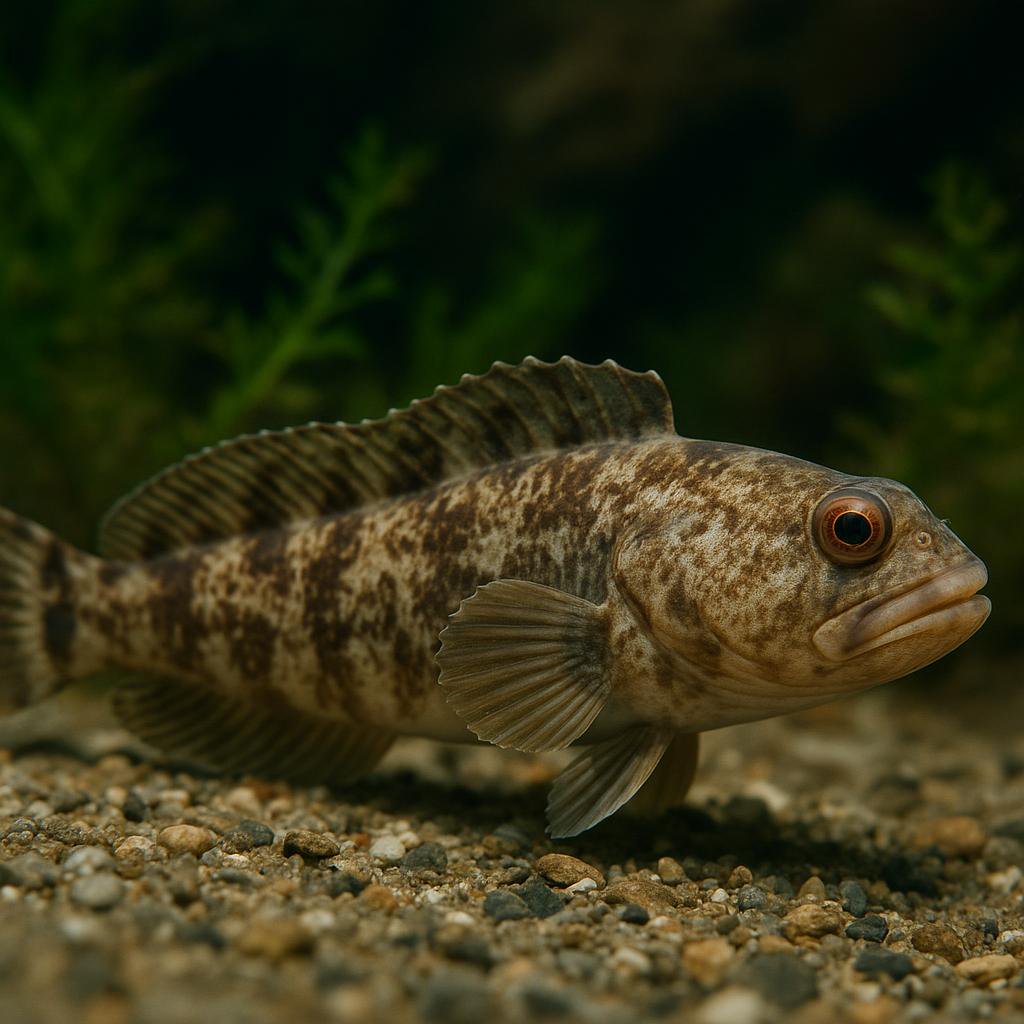
Abe's eelpout
Japonolycodes abei
Japonolycodes abei is a temperate, deepwater demersal eelpout (family Zoarcidae) endemic to Japan (Kumano-nada Sea reported; other sources also report Sagami Bay and Tosa Bay). It is the only species in the genus Japonolycodes and occurs roughly 40-300 m depth, making it an uncommon/atypical aquarium species.
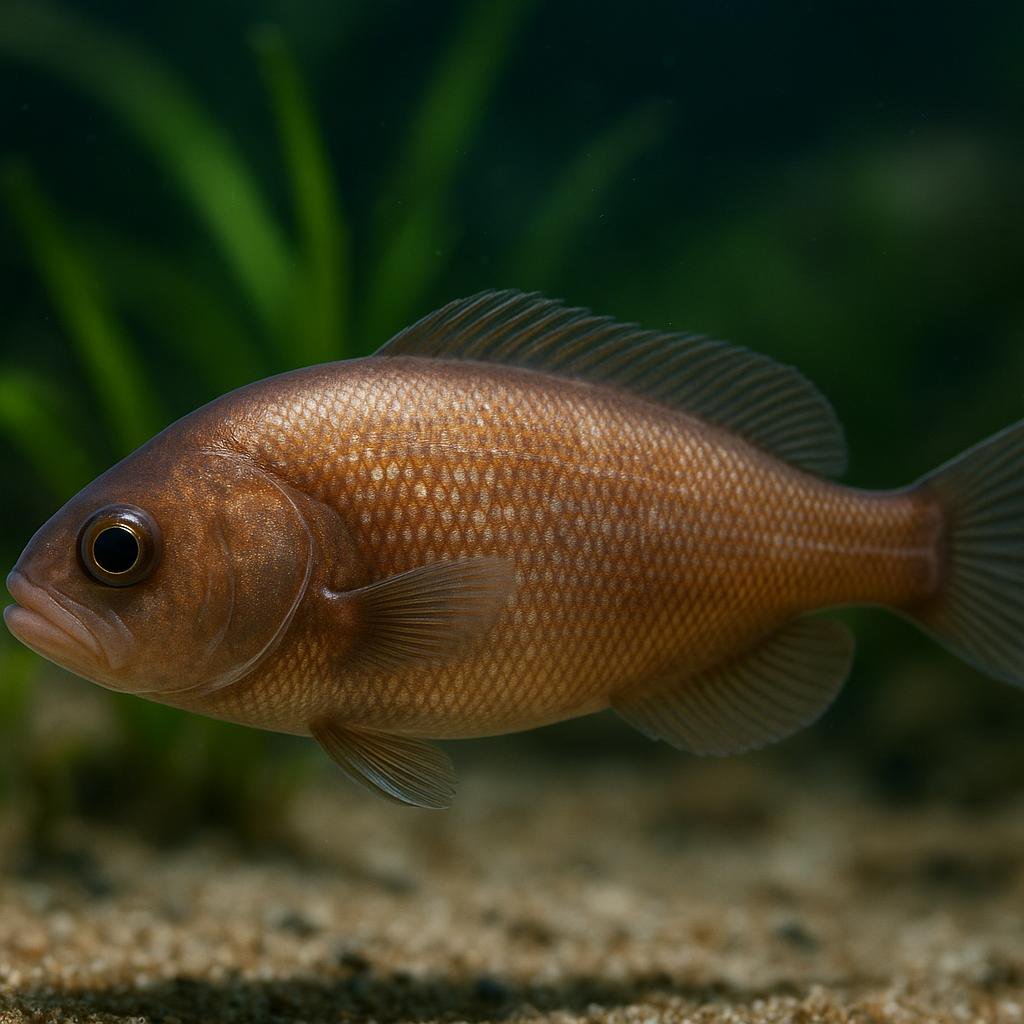
Affinis blind cusk-eel
Barathronus affinis
Barathronus affinis is a tiny, super-weird deep-sea blind cusk-eel from the western-central Indian Ocean. It is one of those gelatinous, loose-skinned brotula-type fishes that live way down in the dark and are basically never seen alive, so almost everything we know comes from preserved specimens and taxonomic work.
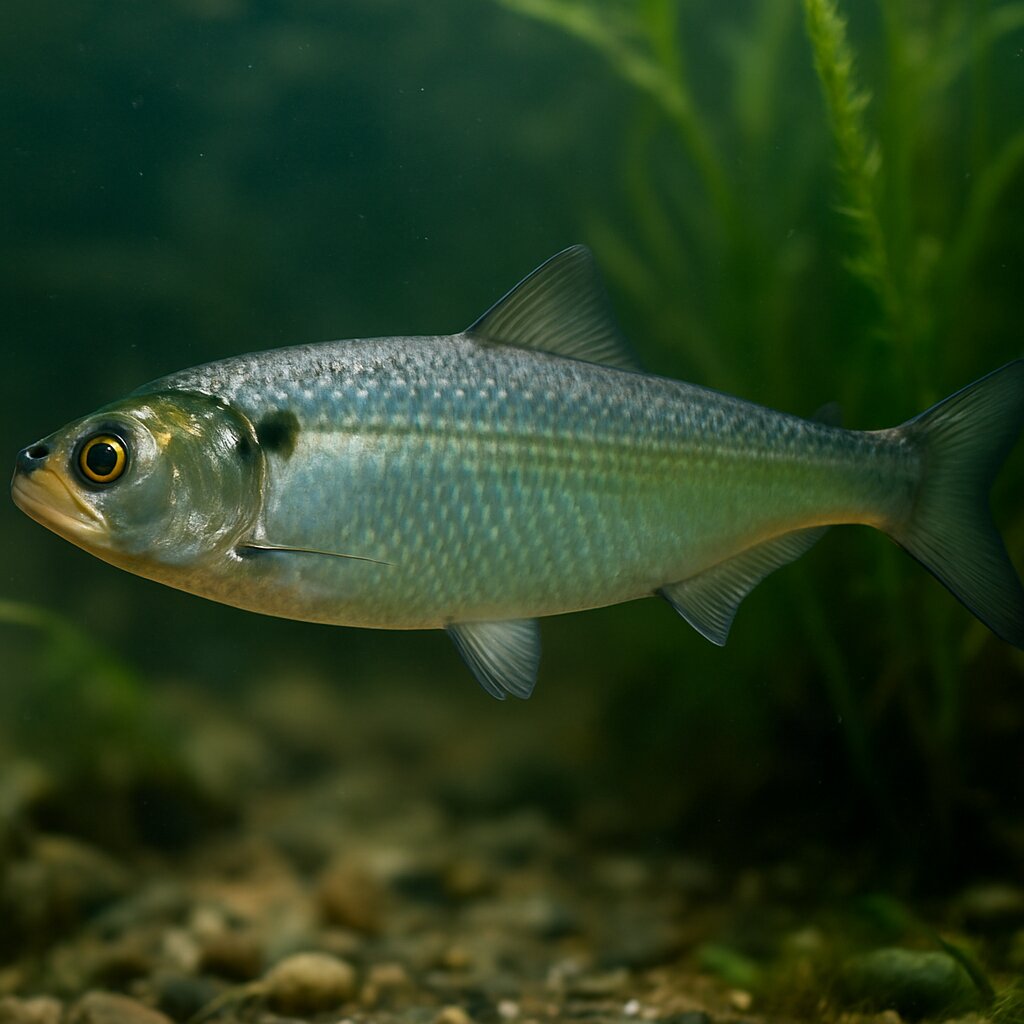
Allis shad
Alosa alosa
Gorgeous silver, fast-swimming shad that spends most of its life in the sea and then surges up big rivers in noisy, surface-spawning schools. It grows huge for a herring-type fish and needs cool, ultra-oxygenated water and tons of open space, so it is a public-aquarium species rather than a home tank fish.
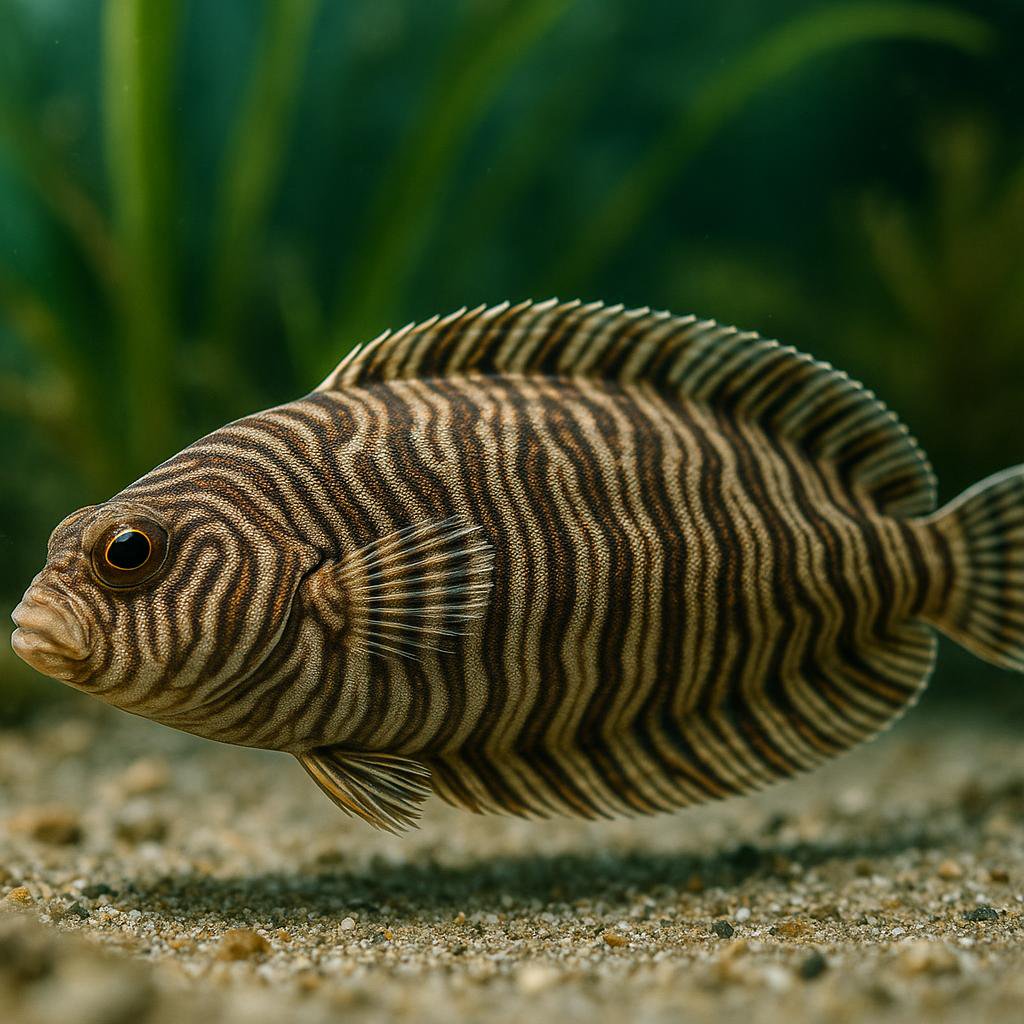
Annandale's zebra sole
Zebrias annandalei
Zebrias annandalei is a small demersal sole from coastal India that inhabits sandy or muddy bottoms and buries for camouflage. It is rarely kept in home aquaria and would require a specialized marine sand-bottom setup and appropriate feeding.
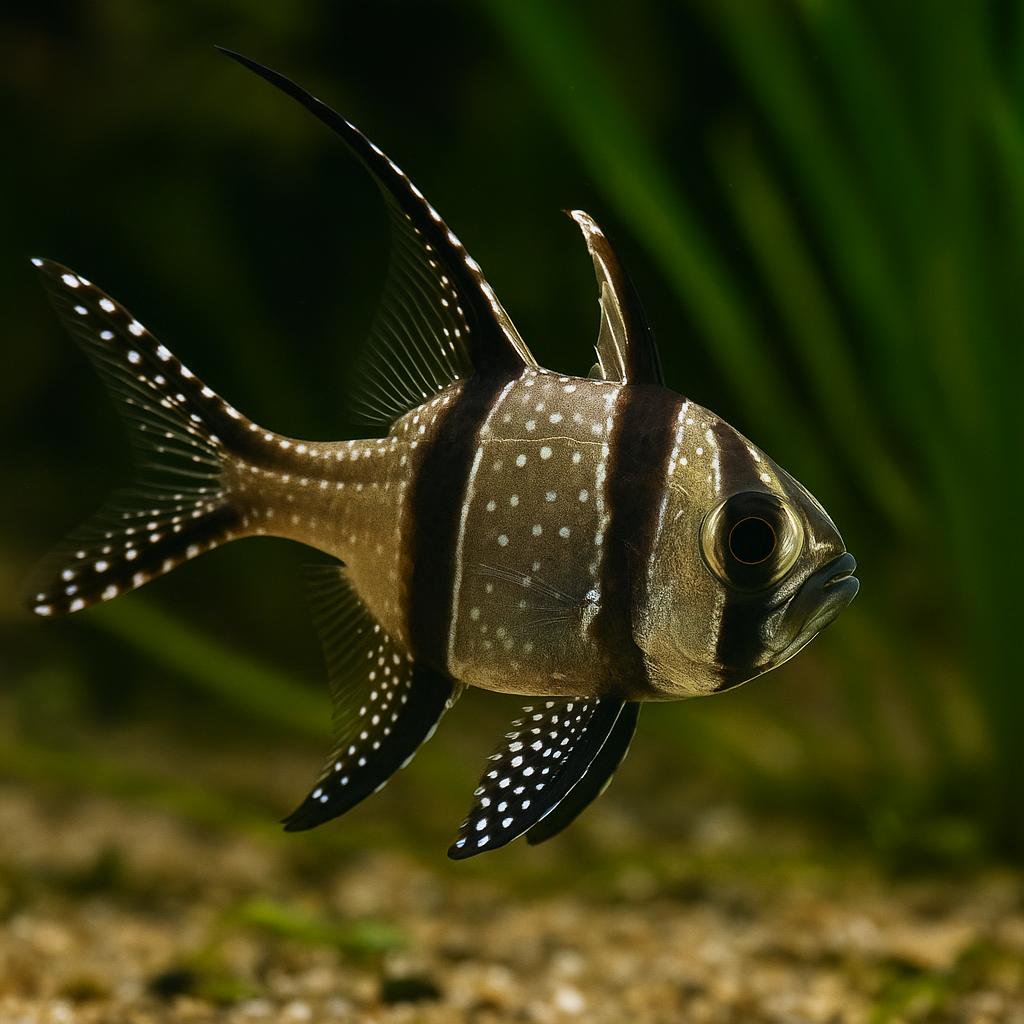
Banggai Cardinalfish
Pterapogon kauderni
Banggai cardinals just sort of hover like little underwater satellites, and the bold black bars with those long, polka-dotted fins look unreal under reef lighting. They're super chill most of the time, but once a pair forms you'll see real "fish drama," and the male will even mouthbrood the babies like a champ.
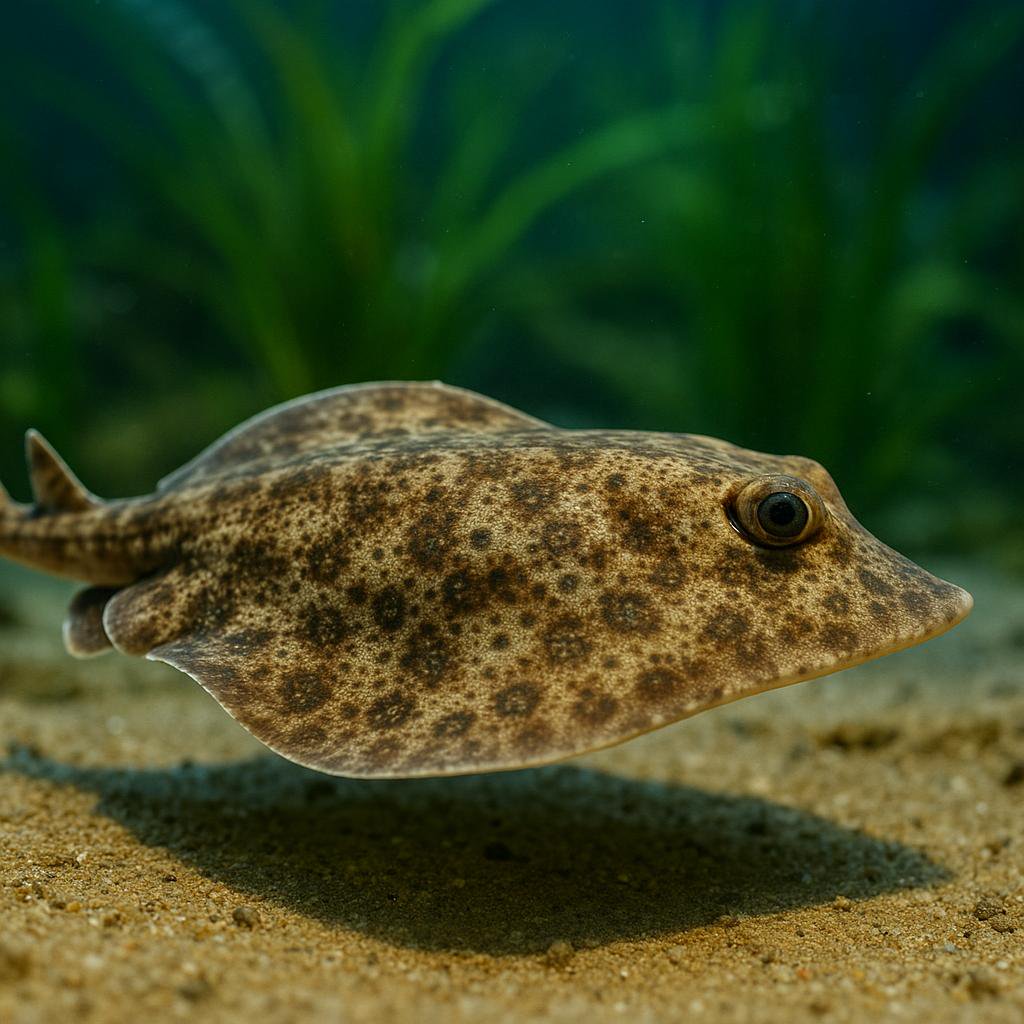
Barbedwire-tailed skate
Notoraja martinezi
Notoraja martinezi is a deepwater skate from the eastern Pacific (Costa Rica down to Ecuador) that lives way down on soft bottoms. The tail is the giveaway - it is lined with strong, hooked thorns that really do look like barbed wire. This is absolutely not an aquarium fish; it is a cold, high-pressure deep-sea animal with basically no practical home care info because it is not kept in the hobby.
More to Explore
Discover more marine species.
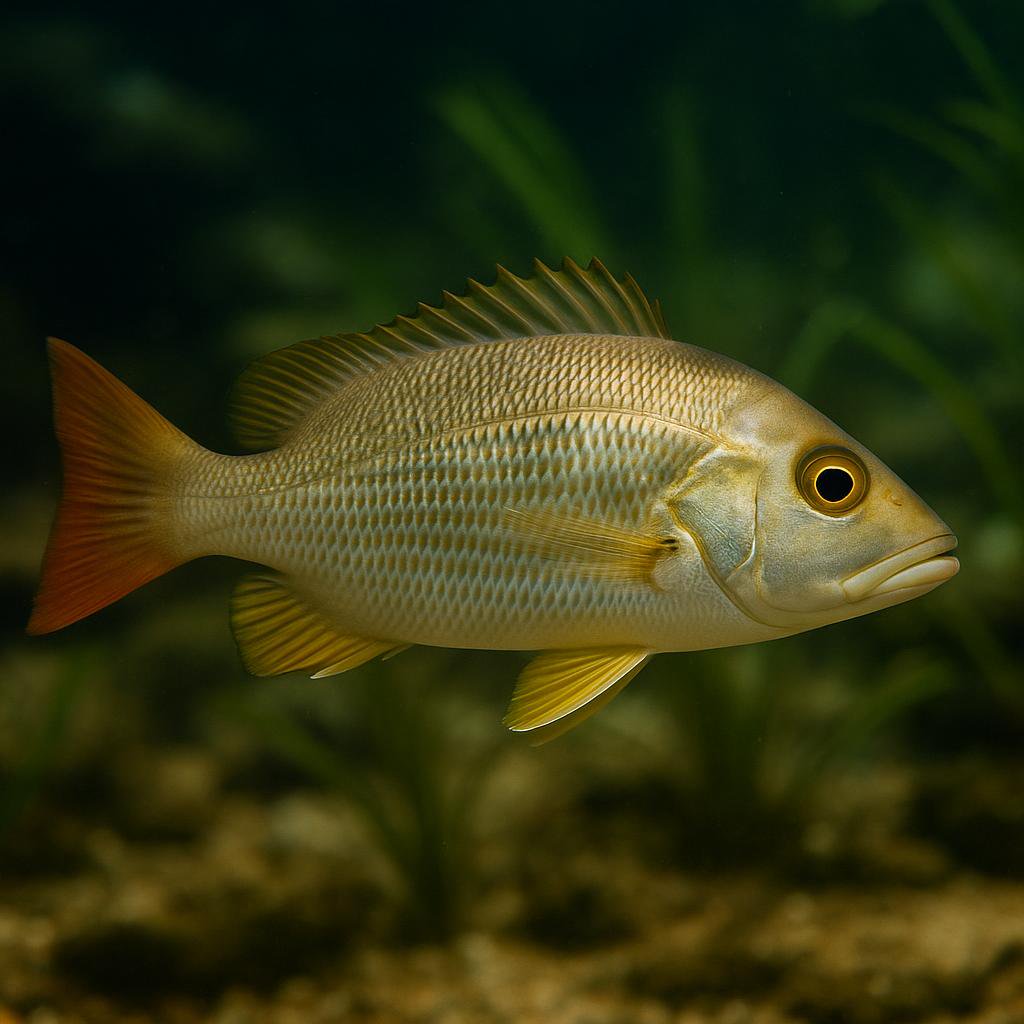
African red snapper
Lutjanus agennes
This is a true snapper from West Africa - a big, fast-growing predator that goes from coastal reefs to brackish lagoons and estuaries (especially as a juvenile). Super cool fish in the wild, but it gets absolutely huge and will eat smaller tankmates once it has the mouth for it, so its really more of a public-aquarium scale animal than a home-aquarium fish.
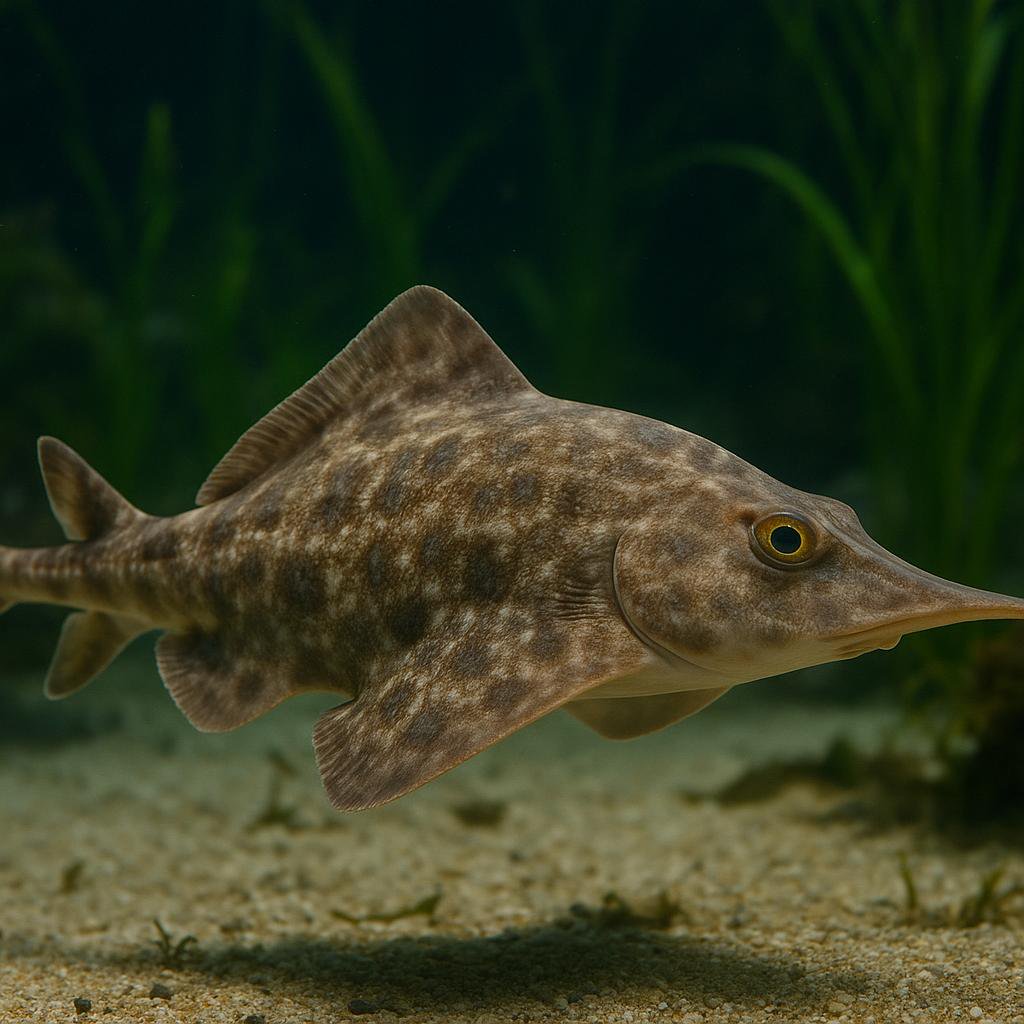
Aleutian skate
Bathyraja aleutica
This is a big, cold-water deep-slope skate from the North Pacific that cruises muddy bottoms and eats chunky benthic prey like crabs and shrimp. The really cool bit is its egg-laying skate life - it does distinct pairing (the classic skate "embrace") and drops those tough egg cases on the seafloor. Not an aquarium fish at all unless you're basically running a public-aquarium-style chilled system.
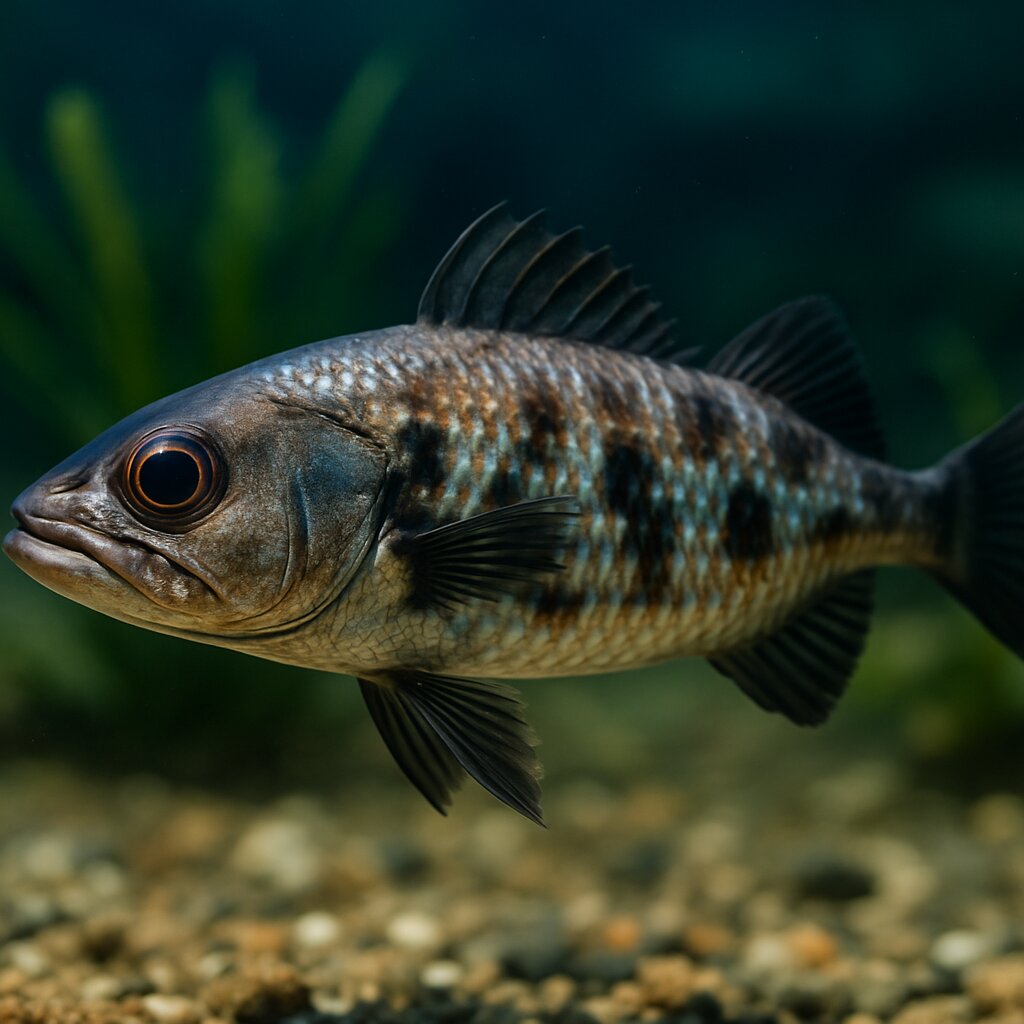
Antarctic dragonfish
Vomeridens infuscipinnis
Deep down around Antarctica, this sleek dragonfish cruises the water column like a little submarine, nearly neutrally buoyant so it can hover above the seafloor. It munches almost exclusively on Antarctic krill and lives in near-freezing water 500-800 m down, so it is a cool species to read about, not one for home tanks.
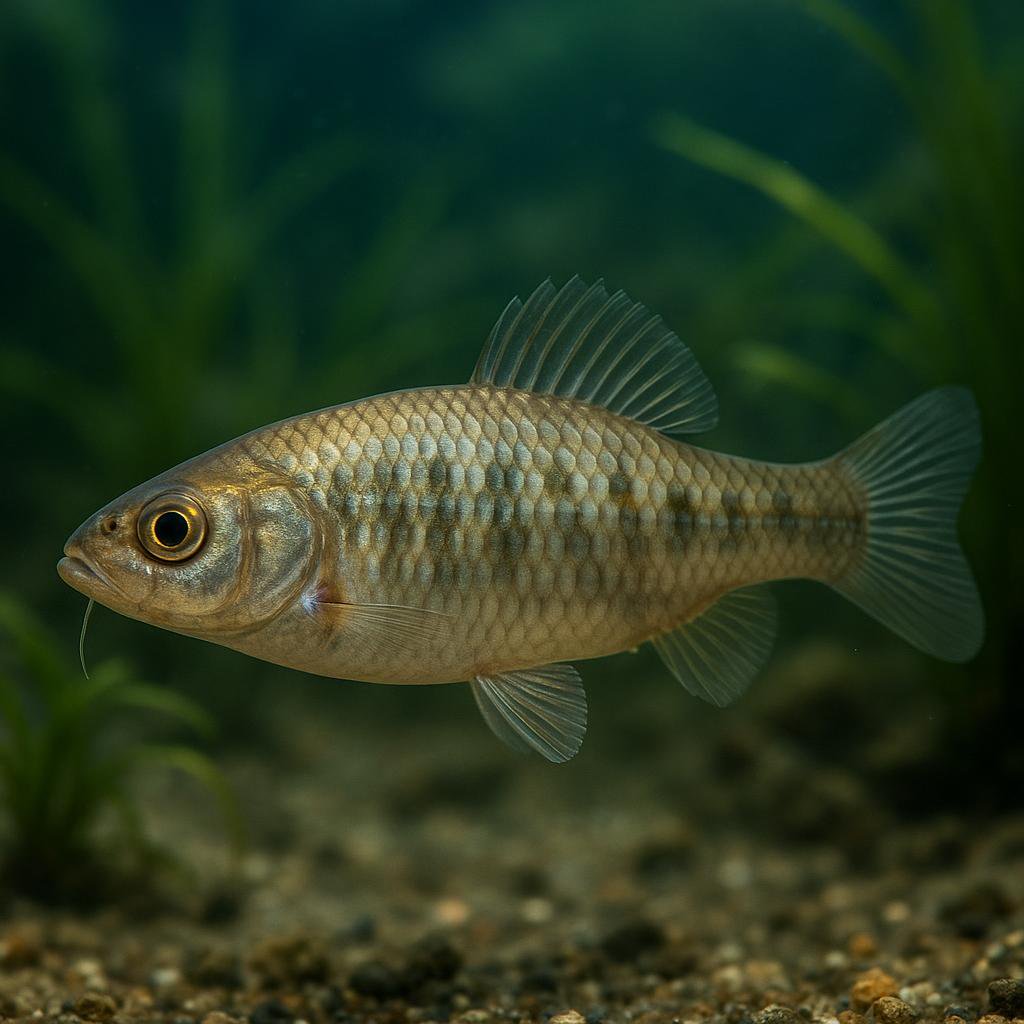
Arabian spiny eel
Notacanthus indicus
Notacanthus indicus is a deep-sea spiny eel (family Notacanthidae; not a true eel) known from the Arabian Sea on the continental slope at roughly ~960–1,046 m depth, with reported maximum length around 20 cm TL; it is a deep-water bycatch species and not established in the aquarium trade.
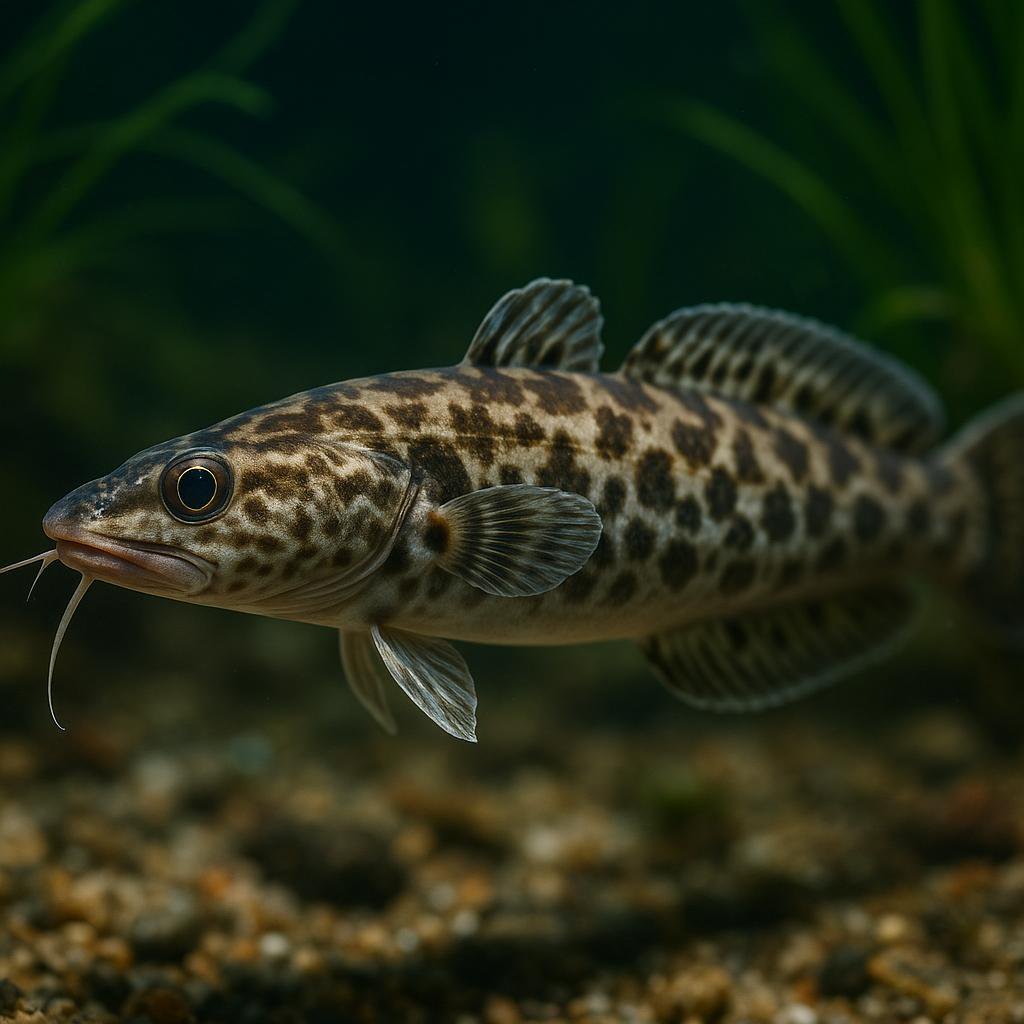
Arctic rockling
Gaidropsarus argentatus
This is a deepwater North Atlantic rockling (a cod relative) that hangs out on soft bottoms way down the slope. It is a cold-water, bottom-hugging predator that snoots around for crustaceans and will also take small fish when it gets the chance.
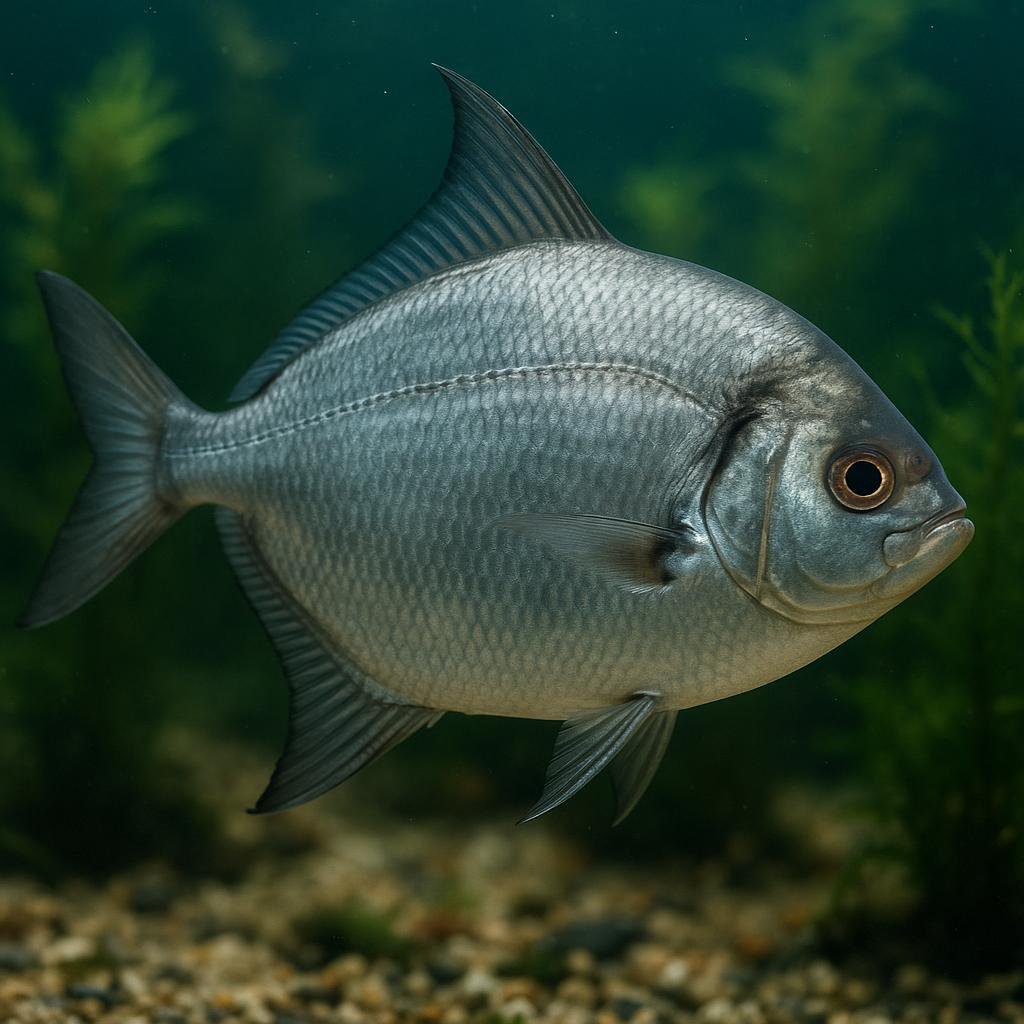
Atlantic pomfret
Brama brama
Brama brama is the Atlantic pomfret (aka Ray's bream) - a deep-bodied, open-ocean pelagic fish that cruises around in small schools and follows water temps. It is a legit big, wild marine species (not an aquarium fish) that eats other small sea critters like fish and squid, and it ranges across a huge chunk of the Atlantic plus parts of the Indian and South Pacific.
Looking for other species?