

Saikai grenadier (rattail)
Ventrifossa saikaiensis
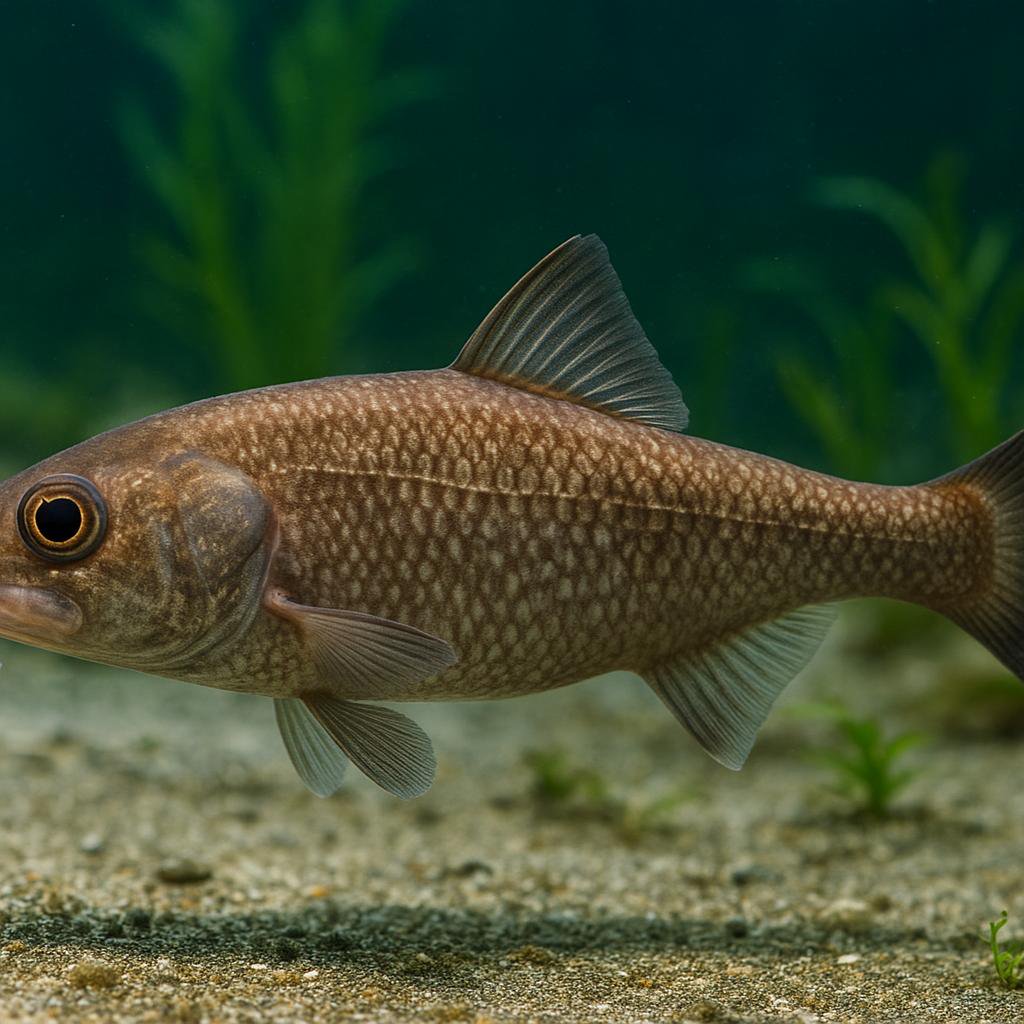
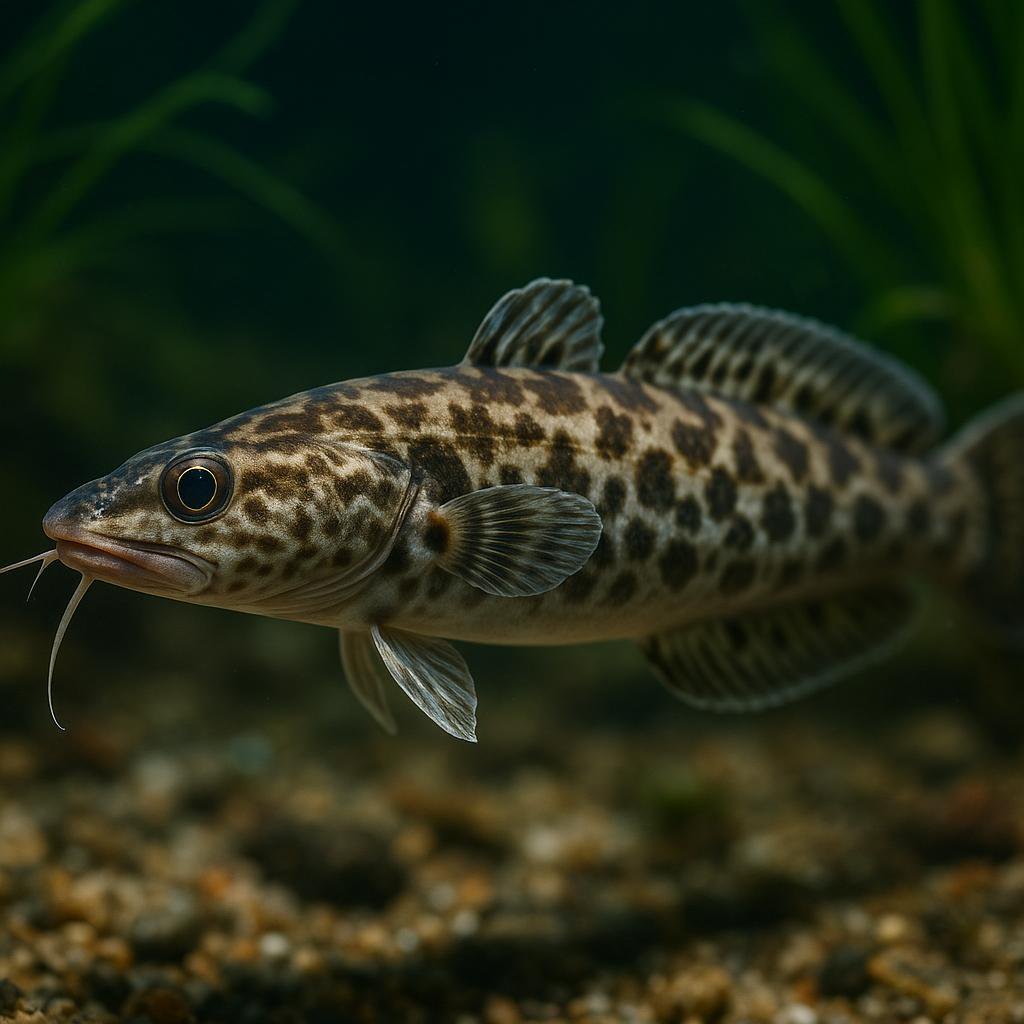
The Saikai grenadier has a slender body, elongated tail, and distinctive mottled brown and grey coloration, aiding in camouflage on the seafloor.
This page includes AI-generated images. Why am I seeing AI images?
About the Saikai grenadier (rattail)
This is a deepwater grenadier (rattail) from the western Pacific - the kind of fish that lives way down on the slope where its "aquarium" is basically cold, dark, and high pressure. It tops out around 25 cm and has that classic rattail look with a chin barbel, plus a ventral light organ. Cool animal, but realistically its not an aquarium species at all unless youre talking public-aquarium level coldwater deep-sea systems.
Quick Facts
Size
25 cm TL
Temperament
Peaceful
Difficulty
Expert
Min Tank Size
300 gallons
Lifespan
unknown
Origin
Western Pacific (southern Japan, Taiwan, South China Sea off Luzon)
Diet
Carnivore - benthic invertebrates and small fishes (deepwater benthic predator); not a practical home-aquarium feeder species
Water Parameters
6-10.6°C
7.8-8.4
8-12 dGH
Need a heater for this species?
This species needs 6-10.6°C in a 300 gallon tank. Use our heater calculator to find the right wattage.
Calculate heater sizeCare Notes
- This is a deepwater rattail - keep it in a tall, dim tank with lots of caves/overhangs and low flow; bright reef lighting will stress it out fast.
- Run it cooler than a typical reef: aim ~50-60 F (10-16 C) with 1.024-1.026 salinity, pH 8.0-8.2, and keep nitrate under ~10 ppm (they go downhill in dirty water).
- Use a fine sand or very smooth bare-bottom setup; sharp rock and rough substrate will shred fins and that long tail when it spooks.
- Feed meaty sinking foods at night - mysis, chopped shrimp, squid, clam, and quality carnivore pellets; target feed with tongs or a feeding tube so faster fish do not steal everything.
- Skip aggressive or hyper tankmates (triggers, large wrasses, big dottybacks) and avoid tiny fish/shrimp that can fit in its mouth; slow, deepwater-friendly companions are the safest bet.
- Cover every intake and overflow - they wedge into weird spots and the tail gets sucked in easily; I run sponge guards and check them daily.
- Watch for barotrauma and decompression damage if it was collected deep (floating, bulging eyes, buoyancy problems); if it is not swimming right in the first week, it usually does not recover.
- Breeding in home tanks is basically a non-starter - they are deepwater spawners and you are not going to replicate pressure/seasonal cues, so focus on long-term stability instead.
Compatibility
Good Tankmates
- Other small, peaceful deepwater-ish fish that mind their own business - think calm, non-territorial species that are fine with low light and gentle flow
- Peaceful gobies (watchman-type, sand-sifters that stay mellow) - they occupy different space and usually don't hassle a rattail
- Small, chill cardinals (Apogon and buddies) - slow-ish midwater fish that won't compete hard or pick fights
- Blennies that are more perch-and-graze than brawl (tailspot/bicolor-style temperament) - as long as they're not the super territorial kind
- Non-aggressive bottom cruisers like small dragonets (mandarin-type) - works if the tank has mature pods and you target feed so nobody starves
- Peaceful inverts like cleaner shrimp and most snails - they generally won't bother a calm rattail, and the rattail isn't built to hunt them like a predator
Avoid
- Anything nippy or pushy like dottybacks and most damsels - they love to harass shy fish and will keep a rattail pinned in a corner
- Aggressive hawkfish - perch, pounce, and generally act like little bullies, plus they can go after shrimp if you're keeping cleaners
- Predatory wrasses and bigger, boisterous wrasses - too much speed and attitude, and some will pick at anything slow and shy
- Groupers, lionfish, big scorpionfish - if it can fit the rattail in its mouth, it eventually will, even if it seems 'fine' at first
Where they come from
Saikai grenadiers (Ventrifossa saikaiensis) are deep-sea rattails. Think cold, dark slopes off Japan and nearby waters, living down where the pressure is high, the food shows up in bursts, and the current is steady but not ripping.
That background explains basically everything about keeping them: they do best in coldwater marine systems, low light, lots of dissolved oxygen, and calm, predictable surroundings.
This is not a normal "marine fish" in the home-aquarium sense. If you cannot run a reliable coldwater system year-round (chiller, insulated plumbing, backups), skip this species.
Setting up their tank
The biggest hurdle is temperature and stability. Mine did best kept consistently cold, with minimal day-night swing. They are also surprisingly easy to spook, so you want a tank that stays quiet and feels secure.
- Tank size: bigger is your friend. Aim for at least 180 gallons, and longer footprints beat tall columns. They cruise and hover more than you would expect.
- Temperature: coldwater marine. Most people who succeed keep them in the low teens C (mid-50s F) ballpark and avoid warm spikes at all costs.
- Salinity: standard marine strength, stable. Deepwater fish do not love quick swings.
- Filtration: heavy biofiltration and aggressive gas exchange. Big skimmer, big sump, lots of turnover without blasting the fish.
- Flow: moderate, directional flow is fine, but avoid a sandstorm. Think "steady current" not "surge zone."
- Lighting: dim. Give them shaded areas and do not hammer them with bright reef lights.
For decor, I like a simple slope of sand with scattered rockwork that creates overhangs. These fish are tail-heavy and can scrape themselves if you pack the tank with sharp rubble. Smooth structures and wide lanes beat a busy rock wall.
If you want to actually see the fish, set up a low-light viewing schedule and feed after lights-out with a small red light. Mine learned the routine fast and stayed out longer once they realized the tank was predictable.
Warm water and low oxygen are a nasty combo for deep-sea fish. Plan for summer heat, power outages, and pump failures before the fish arrives: battery air, generator or UPS for circulation, and temperature alarms.
What to feed them
They are meat eaters and opportunists. In my experience they settle in faster if you start with real, smelly foods and only later try to transition to cleaner options.
- Good starters: chopped squid, prawn, clam, mussel, and marine fish flesh (sparingly).
- Frozen works well if it is high quality and rinsed. These fish do not need cloudy, oily water.
- Sinking foods: they are not built to chase flakes at the surface. Use feeding tongs or drop food right in front of them.
- Variety matters. Rotate foods so they do not get stuck on one item.
Target feeding is your best friend. I use long tongs and feed near the bottom, slightly up-current so the scent trail hits them. Once they start taking confidently, you can reduce the "hand feeding" and let them pick pieces off the substrate.
Avoid freshwater feeder fish and fatty freshwater meats. They foul water fast and are not a great long-term diet for marine predators.
How they behave and who they get along with
They are quiet, sit-and-hover predators. Not aggressive in the "pick fights" way, but anything small enough to fit in the mouth is food. They also stress easily if housed with hyper, nippy fish.
- Best tankmates: other coldwater, deepwater-style fish that are calm and not bitey, and that are too large to be eaten.
- Avoid: fin nippers, fast surface feeders that keep the tank in chaos, and anything that will outcompete them at feeding time.
- Inverts: hit or miss. Small shrimp and crabs tend to become snacks. Large, armored coldwater inverts sometimes work, but do not count on it.
They do a lot of their "real" activity at low light. If you keep the tank bright and busy, you will think you bought a fish that just hides. Give them shade, calm flow, and a feeding routine, and you will see a lot more natural behavior.
Breeding tips
Realistically, captive breeding in a hobby setting is not something I would plan on. Grenadiers are deep-sea spawners with cues we cannot easily replicate (pressure, seasonal changes at depth, and wide-ranging behavior).
If you ever keep a group and notice swelling, changed behavior, or eggs, treat it as a rare observation and focus on water stability and low stress rather than trying to force a spawn.
Common problems to watch for
Most issues with Saikai grenadiers come down to shipping stress, temperature mistakes, and feeding problems during the first month. If you get past that period with a fish that eats steadily and stays calm, you are doing a lot right.
- Refusing food: common after import. Offer strong-smelling marine foods, keep lights low, and feed small amounts more often until it locks in.
- Rapid breathing or hanging in high-flow corners: often points to oxygen issues, warm creep, or dirty water. Check temp, surface agitation, and ammonia immediately.
- Mouth or snout damage: can happen from frantic dashes into rock or glass. Reduce light, add more shade, and remove sharp decor.
- Skin issues and parasites: imports can arrive rough. Quarantine is strongly recommended, but choose treatments carefully since deepwater species can react badly to harsh meds.
- Bloat/constipation: from oversized meals or too much rich food. Feed smaller pieces and mix in leaner items like squid and clam.
If you are setting up a quarantine, keep it simple: cold, dark, covered, with big oxygenation and rock-solid biofiltration. A bare tank with bright lights is the fastest way to keep a deepwater fish stressed.
Do not chase numbers with constant tweaks. These fish react poorly to rapid changes. Pick a cold, stable target and keep it boring.
Similar Species
Other marine peaceful species you might be interested in.
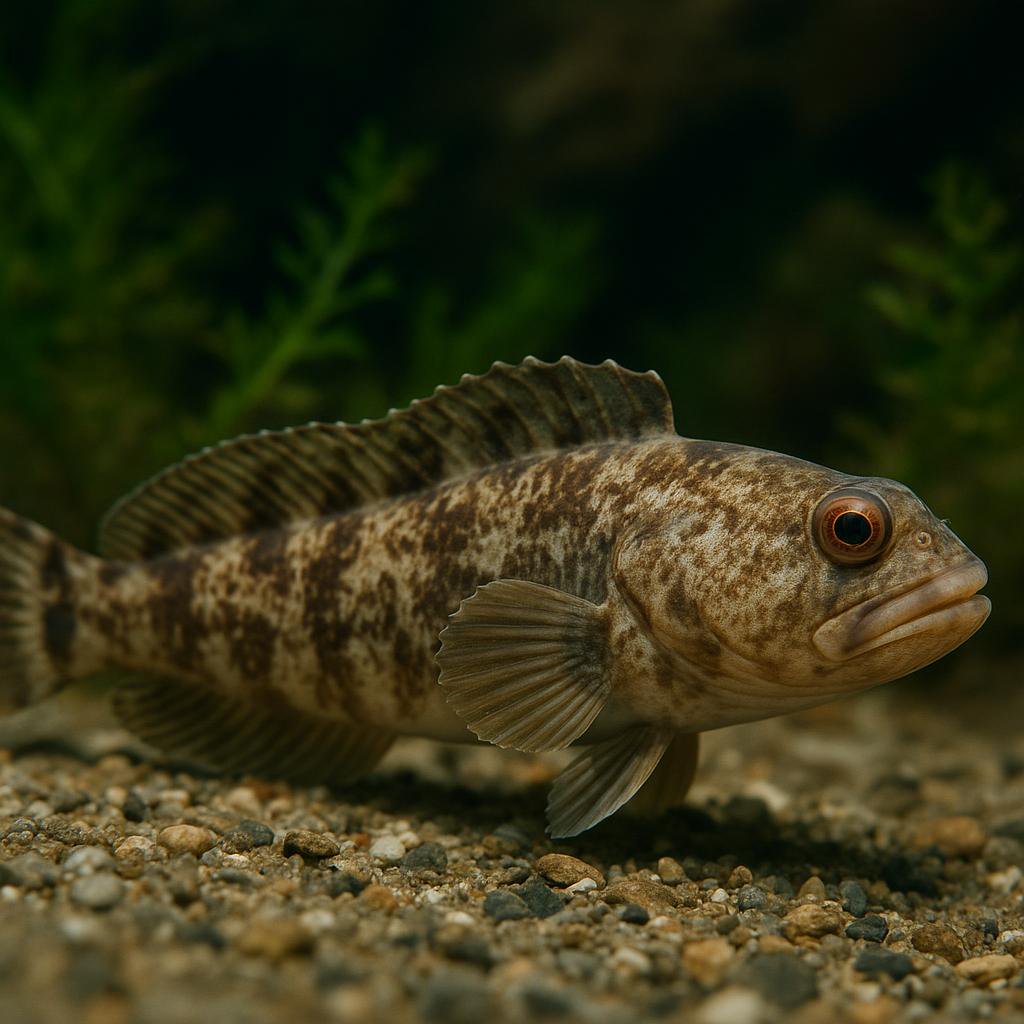
Abe's eelpout
Japonolycodes abei
Japonolycodes abei is a temperate, deepwater demersal eelpout (family Zoarcidae) endemic to Japan (Kumano-nada Sea reported; other sources also report Sagami Bay and Tosa Bay). It is the only species in the genus Japonolycodes and occurs roughly 40-300 m depth, making it an uncommon/atypical aquarium species.
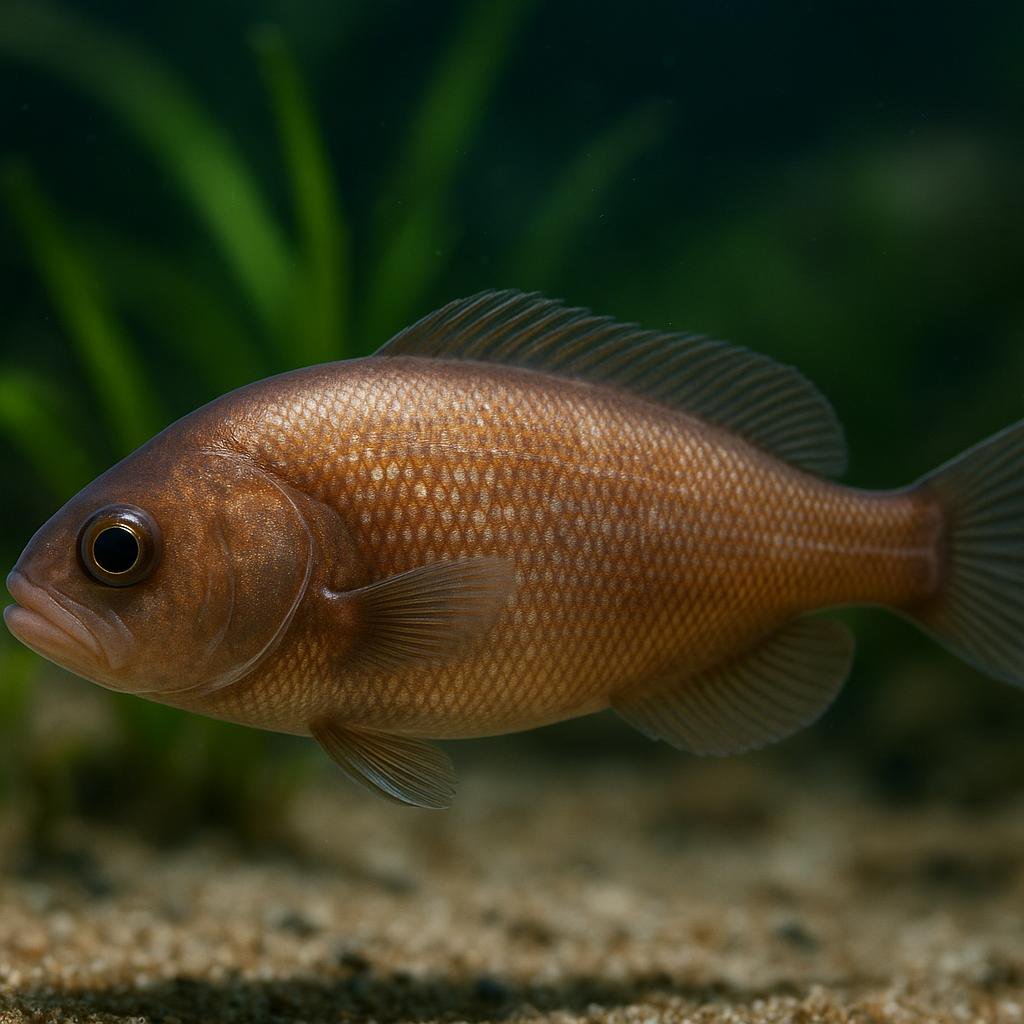
Affinis blind cusk-eel
Barathronus affinis
Barathronus affinis is a tiny, super-weird deep-sea blind cusk-eel from the western-central Indian Ocean. It is one of those gelatinous, loose-skinned brotula-type fishes that live way down in the dark and are basically never seen alive, so almost everything we know comes from preserved specimens and taxonomic work.
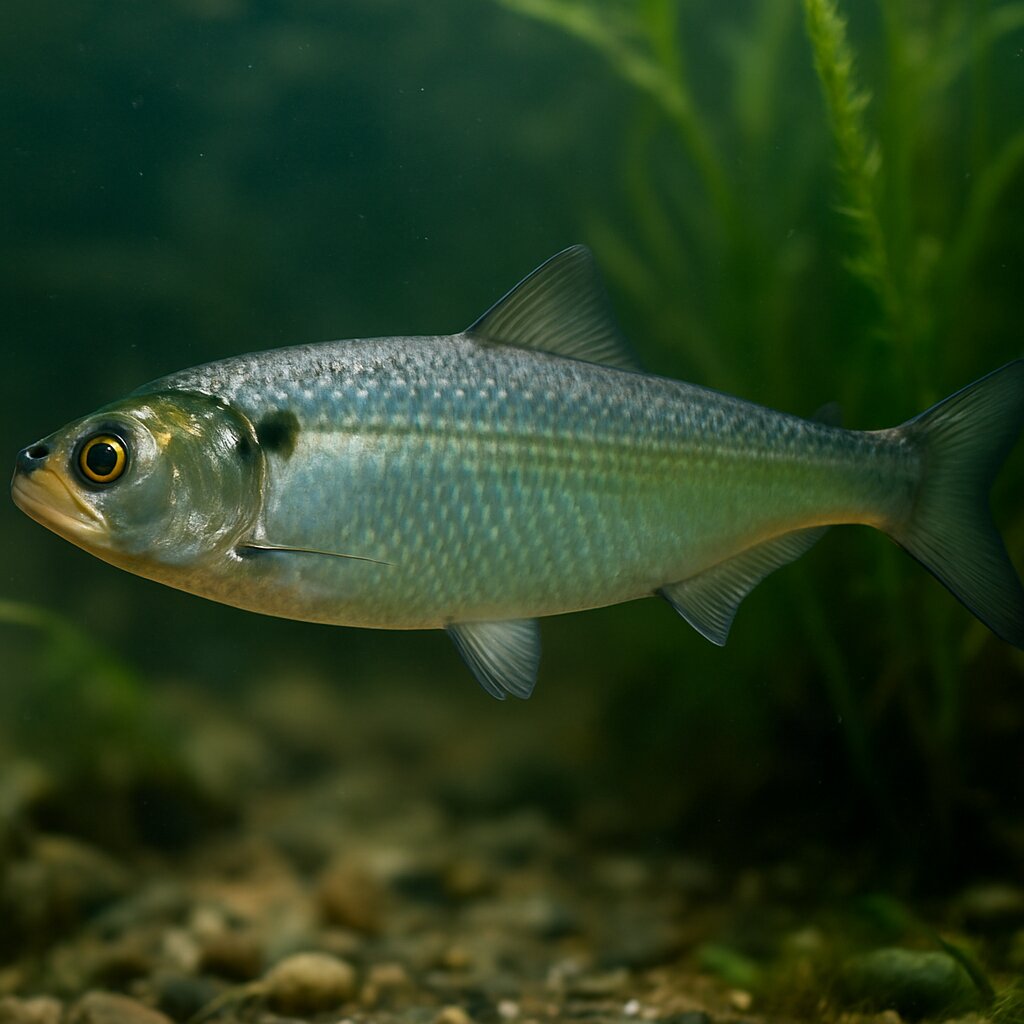
Allis shad
Alosa alosa
Gorgeous silver, fast-swimming shad that spends most of its life in the sea and then surges up big rivers in noisy, surface-spawning schools. It grows huge for a herring-type fish and needs cool, ultra-oxygenated water and tons of open space, so it is a public-aquarium species rather than a home tank fish.
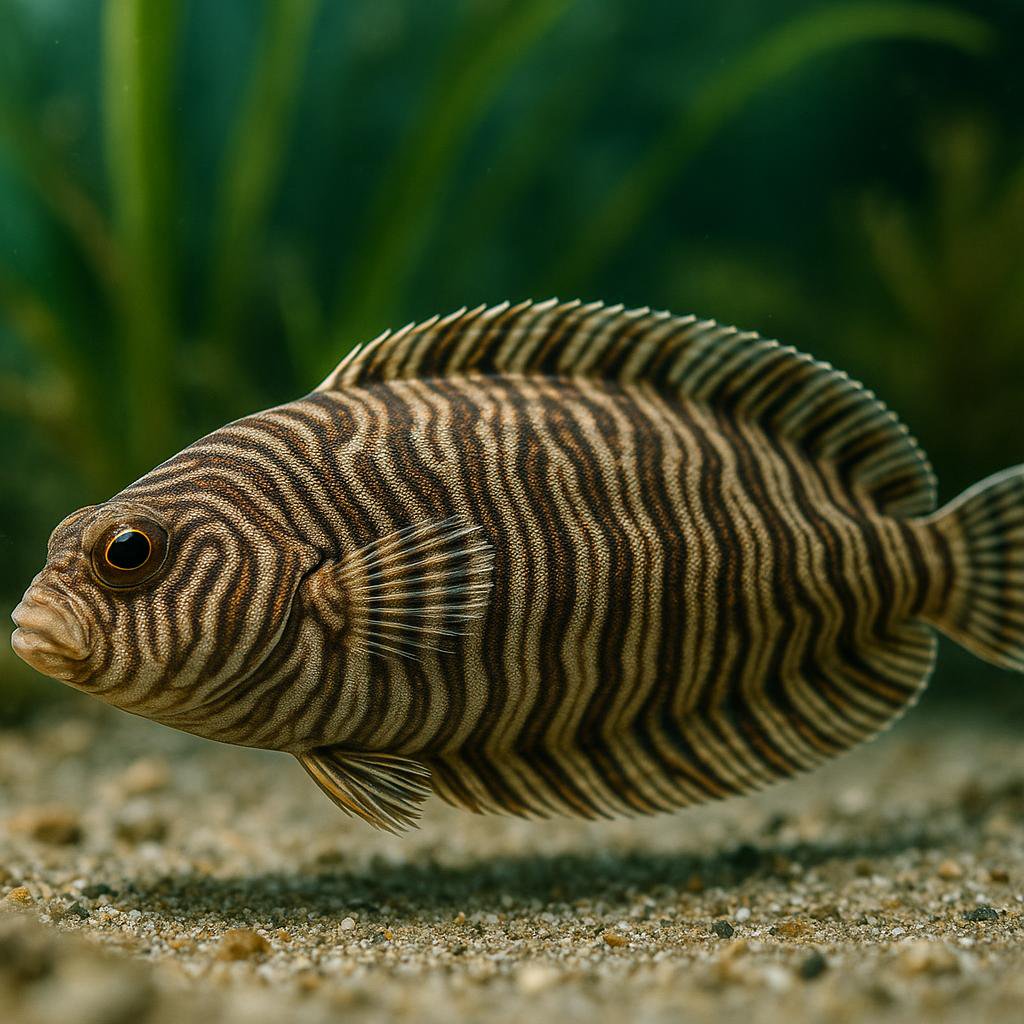
Annandale's zebra sole
Zebrias annandalei
Zebrias annandalei is a small demersal sole from coastal India that inhabits sandy or muddy bottoms and buries for camouflage. It is rarely kept in home aquaria and would require a specialized marine sand-bottom setup and appropriate feeding.
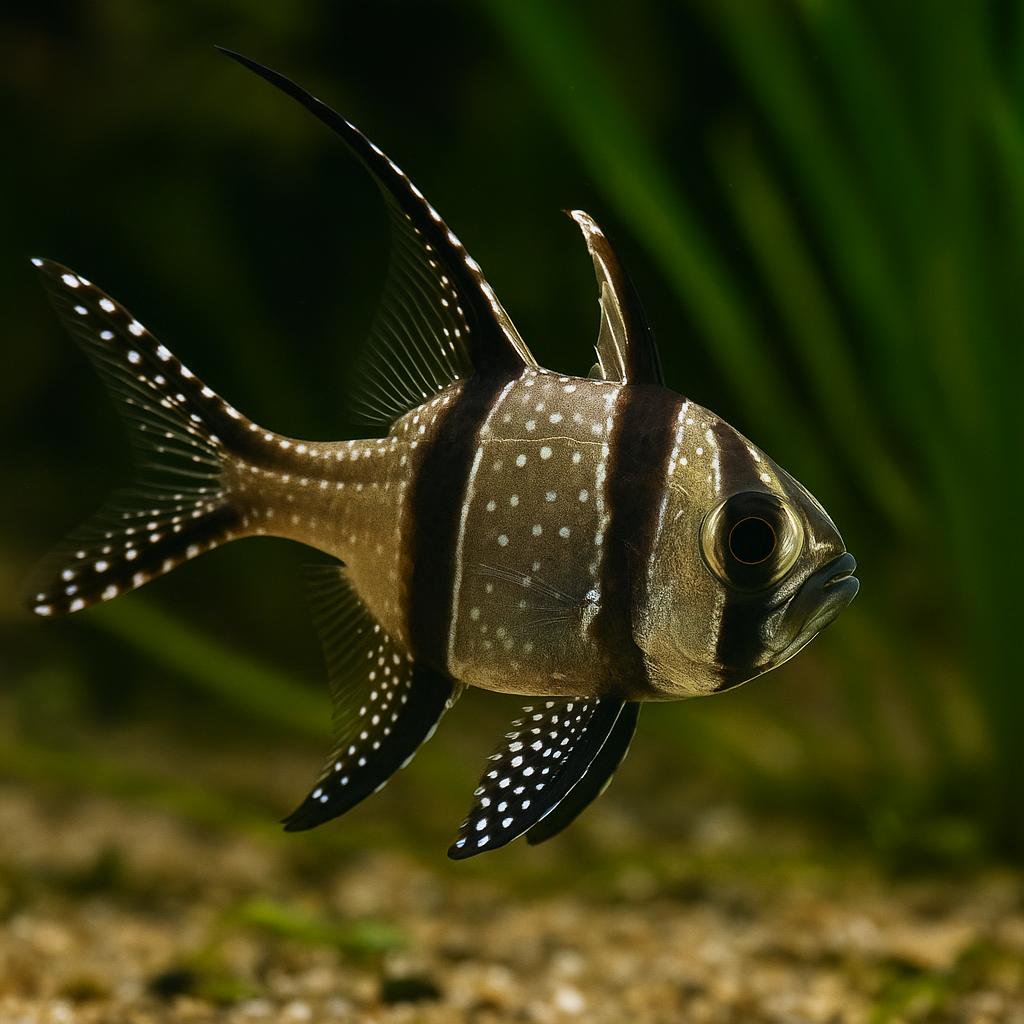
Banggai Cardinalfish
Pterapogon kauderni
Banggai cardinals just sort of hover like little underwater satellites, and the bold black bars with those long, polka-dotted fins look unreal under reef lighting. They're super chill most of the time, but once a pair forms you'll see real "fish drama," and the male will even mouthbrood the babies like a champ.
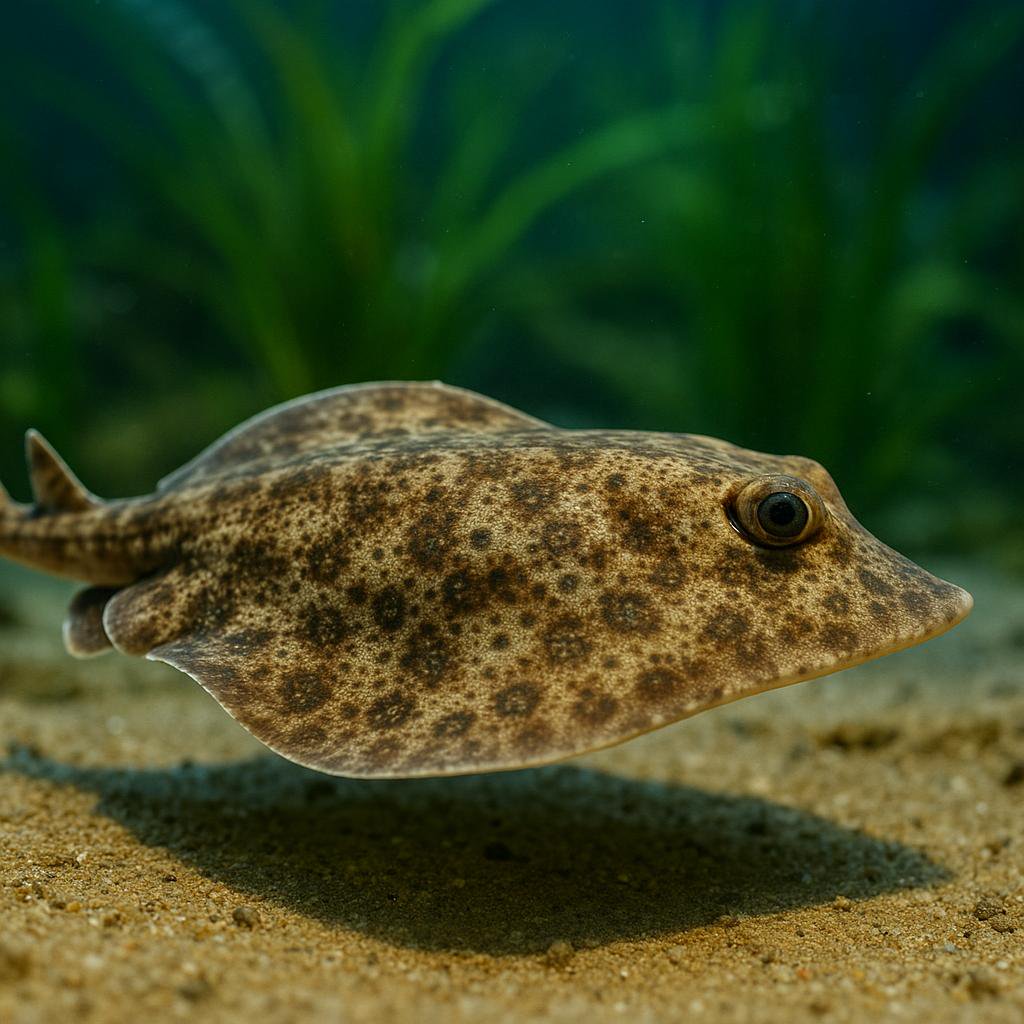
Barbedwire-tailed skate
Notoraja martinezi
Notoraja martinezi is a deepwater skate from the eastern Pacific (Costa Rica down to Ecuador) that lives way down on soft bottoms. The tail is the giveaway - it is lined with strong, hooked thorns that really do look like barbed wire. This is absolutely not an aquarium fish; it is a cold, high-pressure deep-sea animal with basically no practical home care info because it is not kept in the hobby.
More to Explore
Discover more marine species.
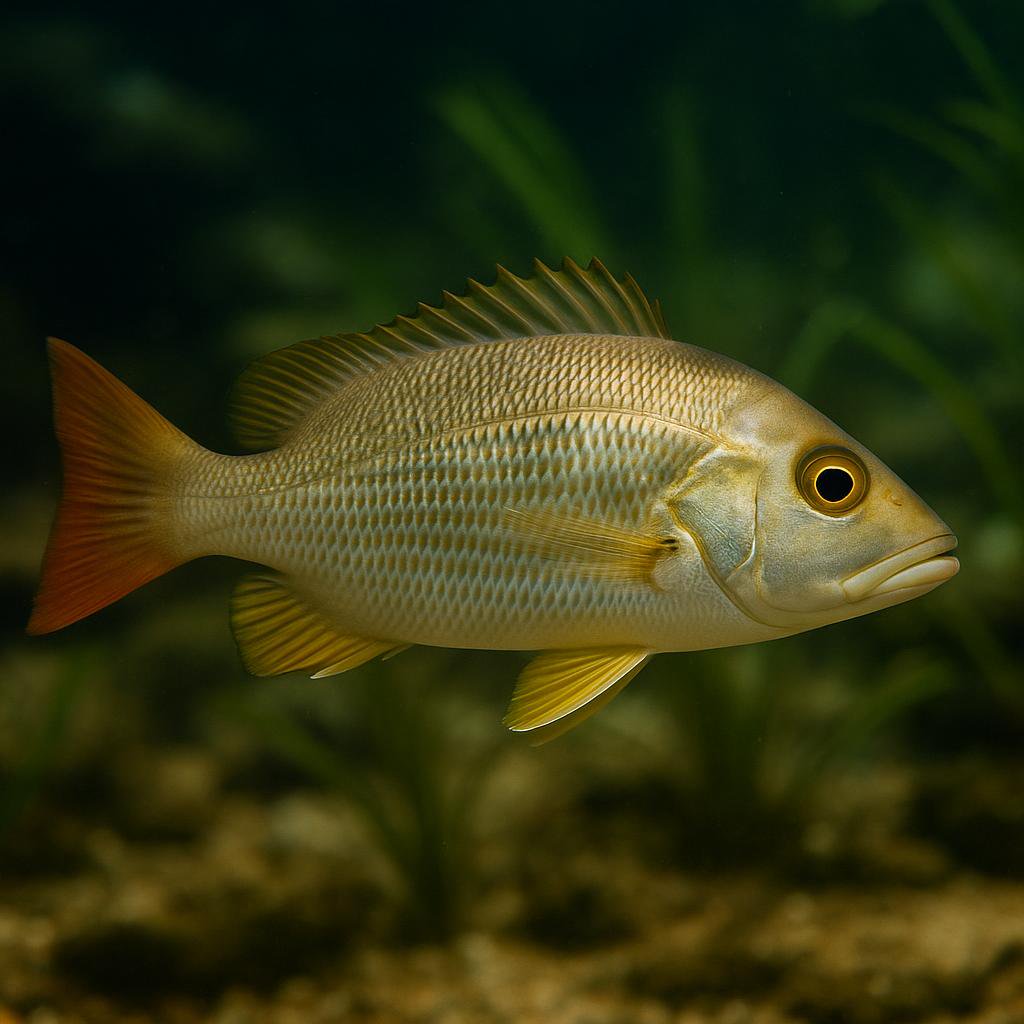
African red snapper
Lutjanus agennes
This is a true snapper from West Africa - a big, fast-growing predator that goes from coastal reefs to brackish lagoons and estuaries (especially as a juvenile). Super cool fish in the wild, but it gets absolutely huge and will eat smaller tankmates once it has the mouth for it, so its really more of a public-aquarium scale animal than a home-aquarium fish.
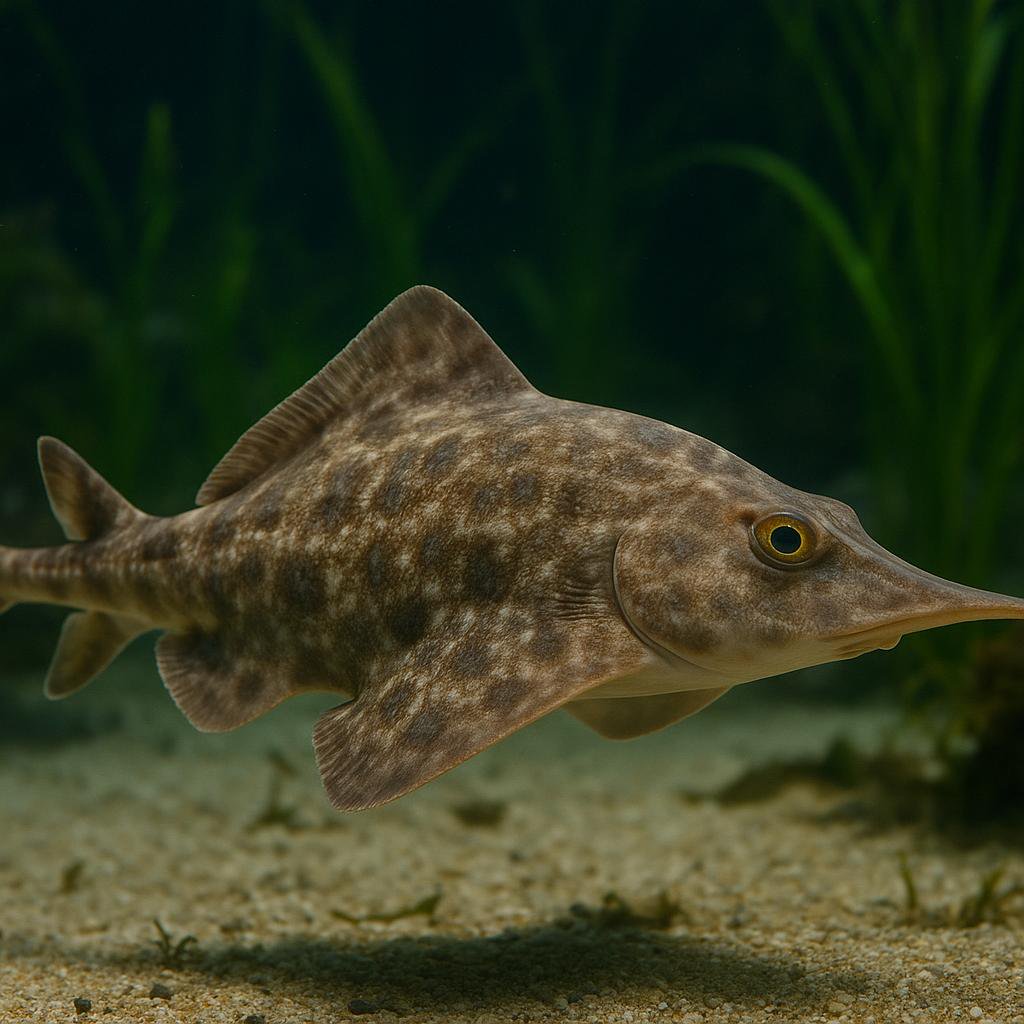
Aleutian skate
Bathyraja aleutica
This is a big, cold-water deep-slope skate from the North Pacific that cruises muddy bottoms and eats chunky benthic prey like crabs and shrimp. The really cool bit is its egg-laying skate life - it does distinct pairing (the classic skate "embrace") and drops those tough egg cases on the seafloor. Not an aquarium fish at all unless you're basically running a public-aquarium-style chilled system.
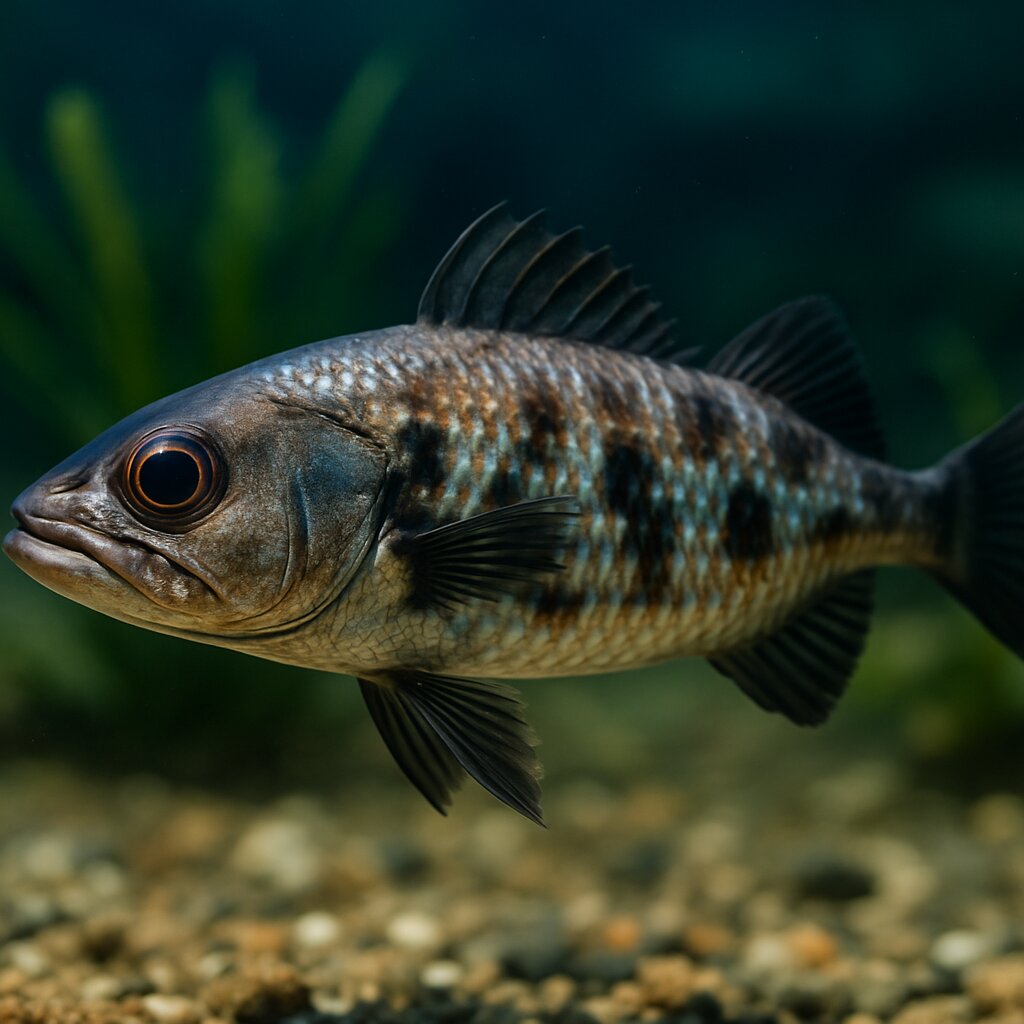
Antarctic dragonfish
Vomeridens infuscipinnis
Deep down around Antarctica, this sleek dragonfish cruises the water column like a little submarine, nearly neutrally buoyant so it can hover above the seafloor. It munches almost exclusively on Antarctic krill and lives in near-freezing water 500-800 m down, so it is a cool species to read about, not one for home tanks.
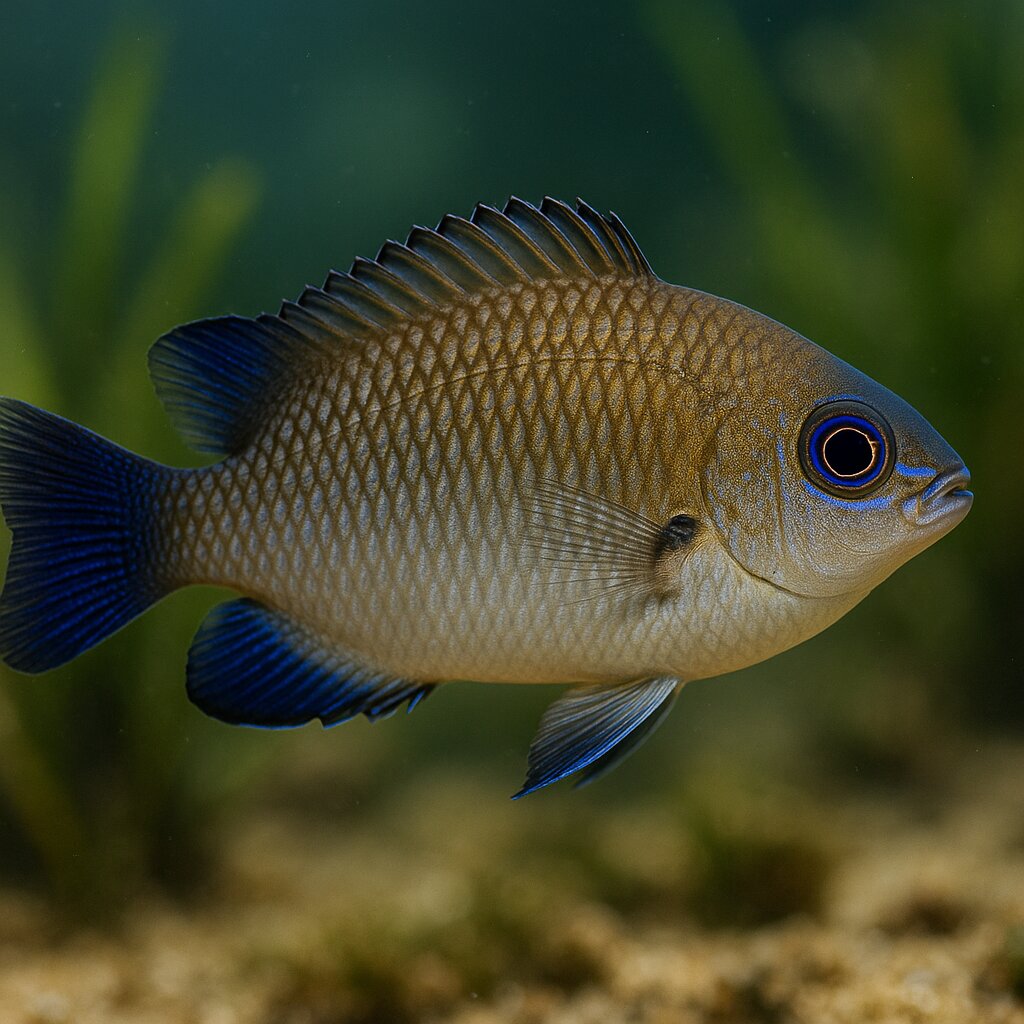
Arabian demoiselle
Neopomacentrus sindensis
A small lyretail damsel from the Persian Gulf and Arabian Sea, it hangs in loose groups around coral heads, rocks, and even pier pilings picking zooplankton from the flow. Think classic damsel toughness with a slightly milder attitude than the real bruisers, plus subtle yellow tail accents. Males clean a patch, get a mate to lay eggs there, and then stand guard fanning the clutch.
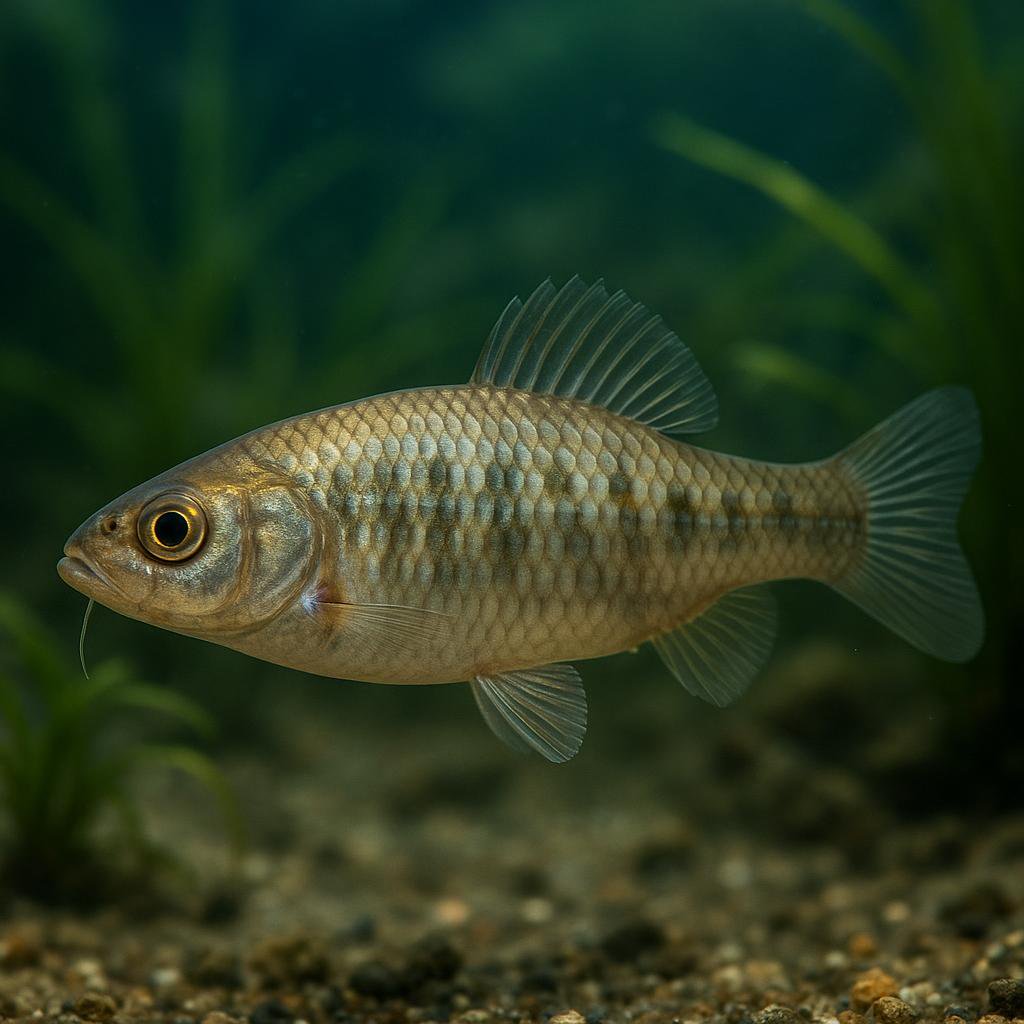
Arabian spiny eel
Notacanthus indicus
Notacanthus indicus is a deep-sea spiny eel (family Notacanthidae; not a true eel) known from the Arabian Sea on the continental slope at roughly ~960–1,046 m depth, with reported maximum length around 20 cm TL; it is a deep-water bycatch species and not established in the aquarium trade.
Arctic rockling
Gaidropsarus argentatus
This is a deepwater North Atlantic rockling (a cod relative) that hangs out on soft bottoms way down the slope. It is a cold-water, bottom-hugging predator that snoots around for crustaceans and will also take small fish when it gets the chance.
Looking for other species?