

Roundel batfish
Zalieutes elater
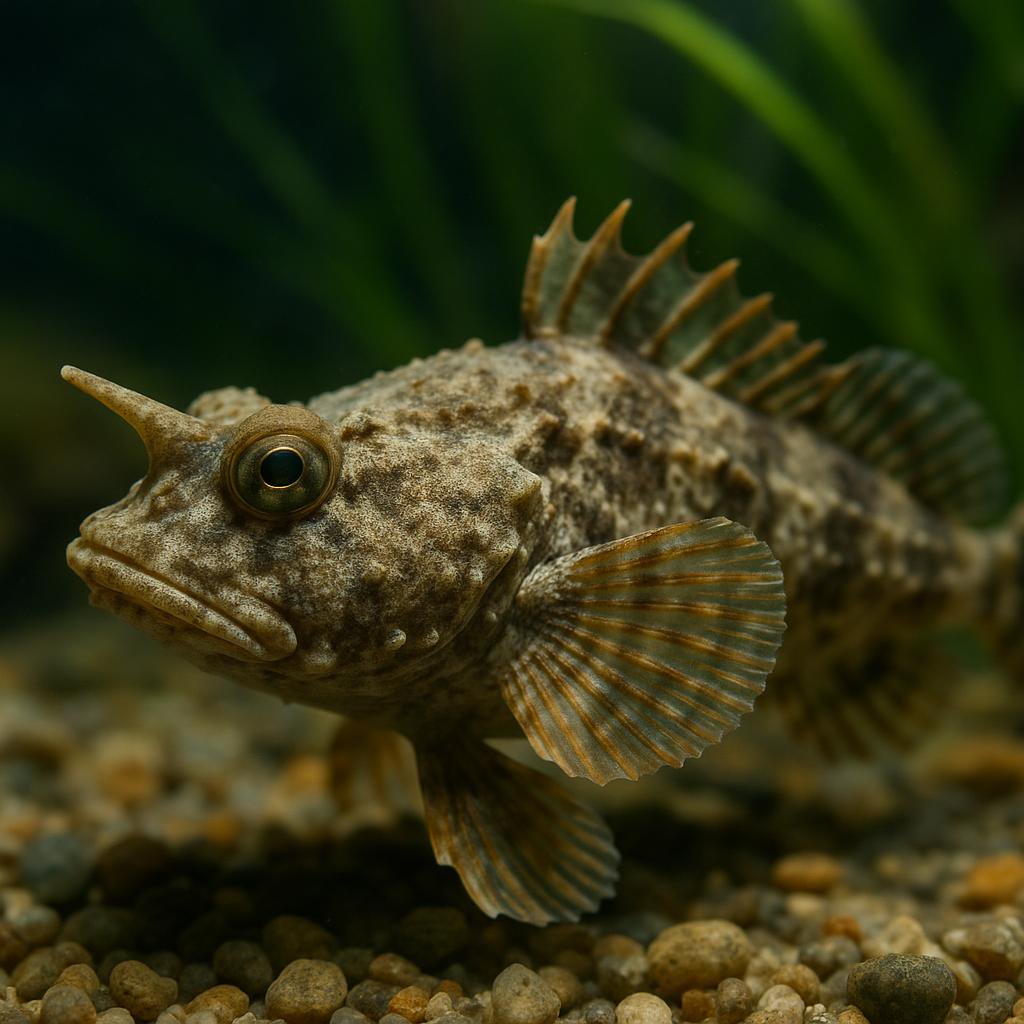
The Roundel batfish exhibits a distinctive round, flattened body with brilliant yellow and black markings and elongated pectoral fins.
This page includes AI-generated images. Why am I seeing AI images?
About the Roundel batfish
Zalieutes elater is a weird little "walking" batfish that lives on sand and mud bottoms and basically scoots around like a tiny sea creature robot. The coolest giveaway is the pair of orange-and-black eye-spots (ocelli) on its back, plus it has a short anglerfish-style lure it uses to ambush small crustaceans and fish.
Also known as
Quick Facts
Size
16.5 cm
Temperament
Peaceful
Difficulty
Expert
Min Tank Size
75 gallons
Lifespan
unknown
Origin
Eastern Pacific (California to Peru, including Cocos Island)
Diet
Carnivore - small crustaceans and small fish (meaty frozen/live foods in captivity)
Water Parameters
22-26°C
8.1-8.4
8-12 dGH
Need a heater for this species?
This species needs 22-26°C in a 75 gallon tank. Use our heater calculator to find the right wattage.
Calculate heater sizeCare Notes
- Provide a marine, soft-bottom (sand/mud) area with open floor space; this species is a bottom-dwelling fish found on sand and mud bottoms.
- Keep salinity steady around 1.024-1.026 and temp 72-76F; they crash fast if oxygen drops, so run heavy aeration and don't let detritus rot in dead spots.
- Feed like a predator that ambushes: small meaty stuff on the sand (PE mysis, chopped shrimp, clam, squid, silversides pieces) and use feeding tongs so the food doesn't just blow away.
- Train it onto frozen by mixing live ghost/grass shrimp at first; once it's taking frozen, do smaller meals 4-6x per week instead of one huge dump.
- Skip fast, nippy fish and anything that will steal food (tangs, wrasses, triggers) - it will just starve; best tankmates are calm, non-competitive bottom or midwater fish.
- Do not keep with big crabs, large puffers, or aggressive groupers that will harass it, and don't add tiny fish or shrimp you care about because it can inhale surprisingly large prey.
- Quarantine is non-negotiable: they come in beat up and prone to bacterial issues and parasites; watch for mouth damage and fin rot from shipping and treat early.
- Reproduction is oviparous with planktonic (pelagic) larvae; eggs are reported as presumably contained in floating rafts.
Compatibility
Good Tankmates
- Blennies that arent bullies (tailspot-type, small algae blennies) - good personality match, and they usually hang on rocks while the batfish chills on the sand.
- Peaceful sand sifters like small sleeper gobies or a mellow jawfish - similar vibe and they wont outcompete it too badly if you feed thoughtfully.
- Chill cardinalfish (Banggai, pajama cardinals) - slow, non-nippy midwater fish that dont treat it like a punching bag and dont steal every bite if you target feed.
- Small, peaceful wrasses like a possum wrasse - active but not a jerk, and they typically ignore bottom sitters as long as theres no crowding.
- Docile basslets like a royal gramma (in a roomy tank with caves) - generally fine if the gramma has its own bolt-hole and isnt trying to own the whole bottom.
Avoid
- Very small fish and ornamental shrimp that can be swallowed.
- Triggerfish, big wrasses, and other pushy eaters - they will bulldoze the feeding time and can straight-up harass or bite a batfish that doesnt move much.
- Aggressive damsels (most domino, blue devil, etc.) - classic fin-nippers and territory cops, and a roundel batfish is way too chill to deal with that.
- Large hawkfish - they perch and pounce just like predators, and they can pick on or outcompete a small batfish, plus they love being bossy in smaller tanks.
- Groupers, lionfish, and other big mouth predators - if it fits, it ships. Even a peaceful tank can turn into a snack situation fast.
Where they come from
Roundel batfish (Zalieutes elater) are little bottom-dwelling oddballs from the western Atlantic, especially around the Gulf of Mexico and Caribbean. They are the kind of fish you find on sand and rubble, not cruising around coral heads. Think "sit still, blend in, and ambush" more than "swim laps."
They are related to other batfishes (Ogcocephalidae), not the freshwater "batfish" people sometimes mention in forums. Different animal, totally different needs.
Setting up their tank
If you want a Roundel batfish to last, build the tank around its lifestyle: a calm, mature marine system with a big sandy parking lot. They spend a lot of time just perched, watching, and waiting for food to come close.
I have had the best luck treating them like a specialty predator that hates chaos. Strong, blasting flow across the whole tank and constant boisterous tankmates usually ends in a batfish that never really settles in or never gets enough food.
- Tank size: I'd call 30-40 gallons a realistic minimum for one, with more footprint always better than more height.
- Substrate: fine sand is your friend. Coarse crushed coral can irritate them and makes them look uncomfortable as they scoot around.
- Aquascape: keep rockwork stable and leave open sand/rubble areas. A few low rocks or shells to tuck beside helps them feel secure.
- Flow: moderate overall, but give them calmer zones near the bottom where food can settle.
- Filtration: oversized and stable. These fish do best in tanks that have been running a while and can handle messy meaty feeding.
Skip brand-new tanks. A batfish that is already stressed from shipping does not forgive swings in salinity, temperature, or nutrients.
Cover the intake on powerheads and overflows. They are not strong swimmers, and a slow, wandering batfish can end up pinned or scraped if it gets too close to suction.
What to feed them
Feeding is the whole game with this species. Most losses I have seen were basically slow starvation: the fish looks "fine" for weeks, then it just wastes away because it never truly learned the routine or got enough calories.
They go for small meaty stuff on the bottom. In my tanks, once they recognized a feeding spot and a target, they did much better. I like using feeding tongs or a turkey baster to drop food right in front of them so faster fish do not intercept it.
- Best starter foods: live or fresh-frozen enriched mysis, finely chopped shrimp, clam, scallop, and small pieces of squid
- If you can get it: live blackworms (rinsed well) can help kickstart picky individuals
- Occasional variety: krill chunks (small), fish flesh (sparingly), and quality frozen marine blends
- Avoid as staples: big oily pieces and huge chunks they struggle to swallow
Target feed after lights dim a bit. They are less shy, and the "food thieves" tend to calm down. If you have wrasses or dottybacks, this can be the difference between success and frustration.
Feed smaller portions more often at first. Two small feedings a day is not crazy for a new batfish, because you are training it and building body weight. Once it is steady and taking frozen confidently, you can usually back off a bit.
How they behave and who they get along with
Roundel batfish are sit-and-wait predators with a "leave me alone" vibe. They are not aggressive in the usual sense, but anything that fits in their mouth is on the menu. They also lose out badly to pushy eaters.
- Good tankmates: calm fish that do not hog food (think smaller gobies, blennies that stick to rockwork, and mellow, non-competitive species)
- Bad tankmates: fast, food-obsessed fish (many wrasses, damsels), fin nippers, and anything that will constantly bump them
- Also bad: tiny shrimp, small crabs, and small fish you are emotionally attached to
Cleaner shrimp are not "helpers" with this fish. They are usually just expensive snacks once the batfish settles in.
They spend a lot of time in the open on sand, but they spook easily. Lots of foot traffic, tapping the glass, or a tank that is always in feeding frenzy mode can keep them tucked and not eating.
Breeding tips
Breeding Roundel batfish in home aquariums is basically not a thing most hobbyists pull off. Sexing is not straightforward, and even if a pair spawns, raising the young would be the real mountain to climb.
If you ever see courtship behavior or eggs, treat it as a cool observation more than a plan. Focus on keeping the adults eating and stable, because that is hard enough with this species.
Common problems to watch for
Most issues with Roundel batfish trace back to three things: shipping stress, not eating enough, and being kept with the wrong tankmates.
- Refusing food: very common early on. Try smaller foods, target feeding, and quieter tank conditions. Watch the belly and overall thickness, not just whether it "nibbles."
- Slow starvation: the fish takes a bite here and there but never gets real meals. This is why I prefer species tanks or very carefully chosen tankmates.
- Physical damage: scraped belly or fins from rough substrate, rock falls, or being sucked against intakes
- Parasites: wild-caught marine fish can come in with flukes or other hitchhikers. Quarantine is your best friend if you can do it without stressing them more.
- Water quality slide: heavy meaty feeding can quietly push nutrients up. A batfish does not like a tank that is swinging around all week.
If the fish is losing weight week to week, do not wait it out. Change something immediately: reduce competition, increase targeted feedings, and simplify the environment so it can eat without being harassed.
One last practical thing: take photos from the side every week or two. With batfishes, weight loss can sneak up on you because they are weirdly shaped to begin with. A quick comparison shot tells the truth fast.
Similar Species
Other marine peaceful species you might be interested in.
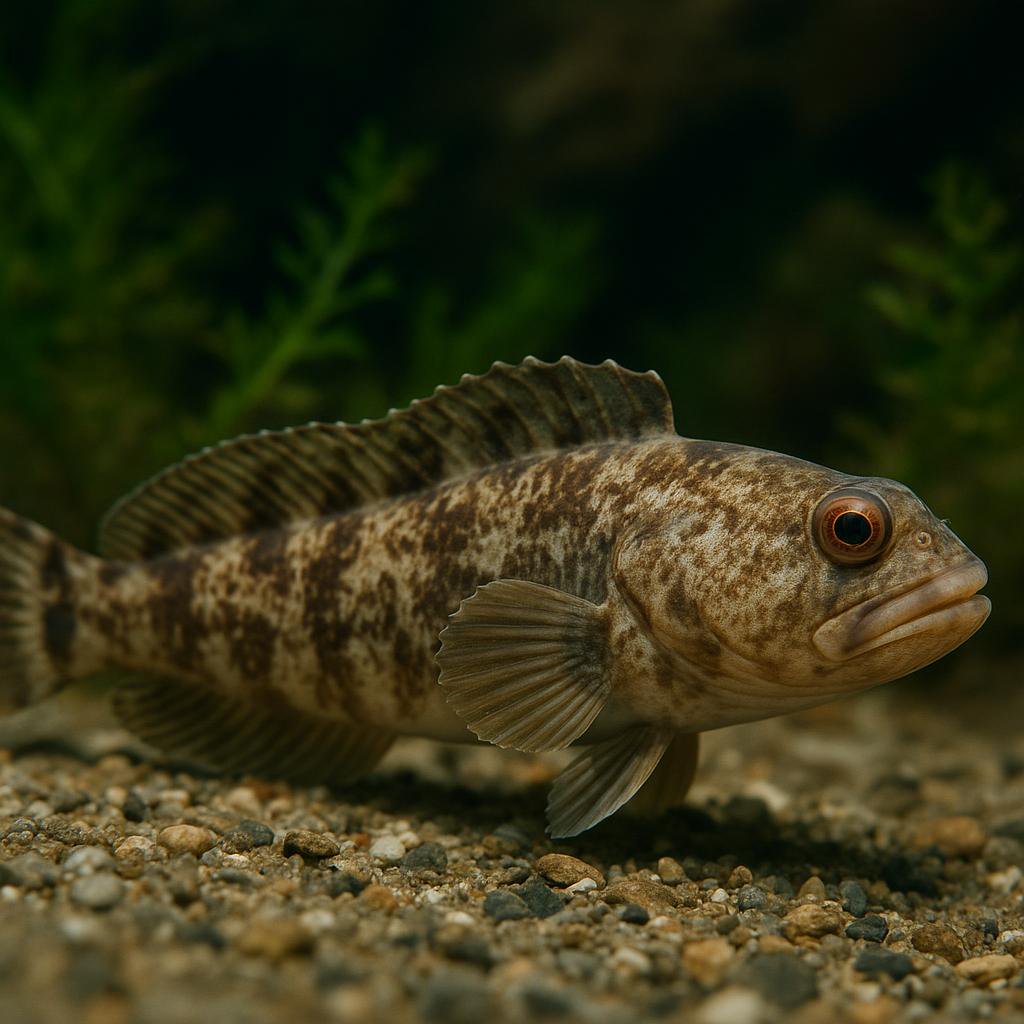
Abe's eelpout
Japonolycodes abei
Japonolycodes abei is a temperate, deepwater demersal eelpout (family Zoarcidae) endemic to Japan (Kumano-nada Sea reported; other sources also report Sagami Bay and Tosa Bay). It is the only species in the genus Japonolycodes and occurs roughly 40-300 m depth, making it an uncommon/atypical aquarium species.
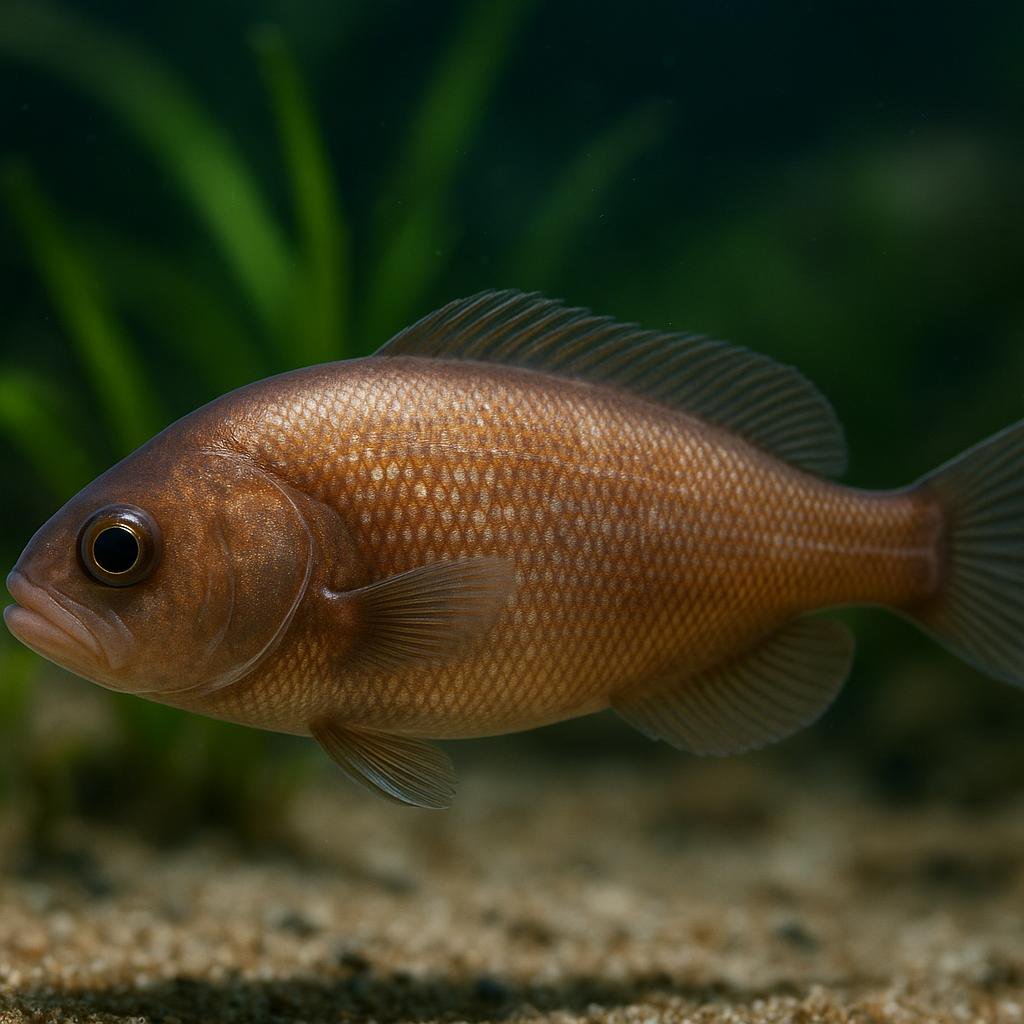
Affinis blind cusk-eel
Barathronus affinis
Barathronus affinis is a tiny, super-weird deep-sea blind cusk-eel from the western-central Indian Ocean. It is one of those gelatinous, loose-skinned brotula-type fishes that live way down in the dark and are basically never seen alive, so almost everything we know comes from preserved specimens and taxonomic work.
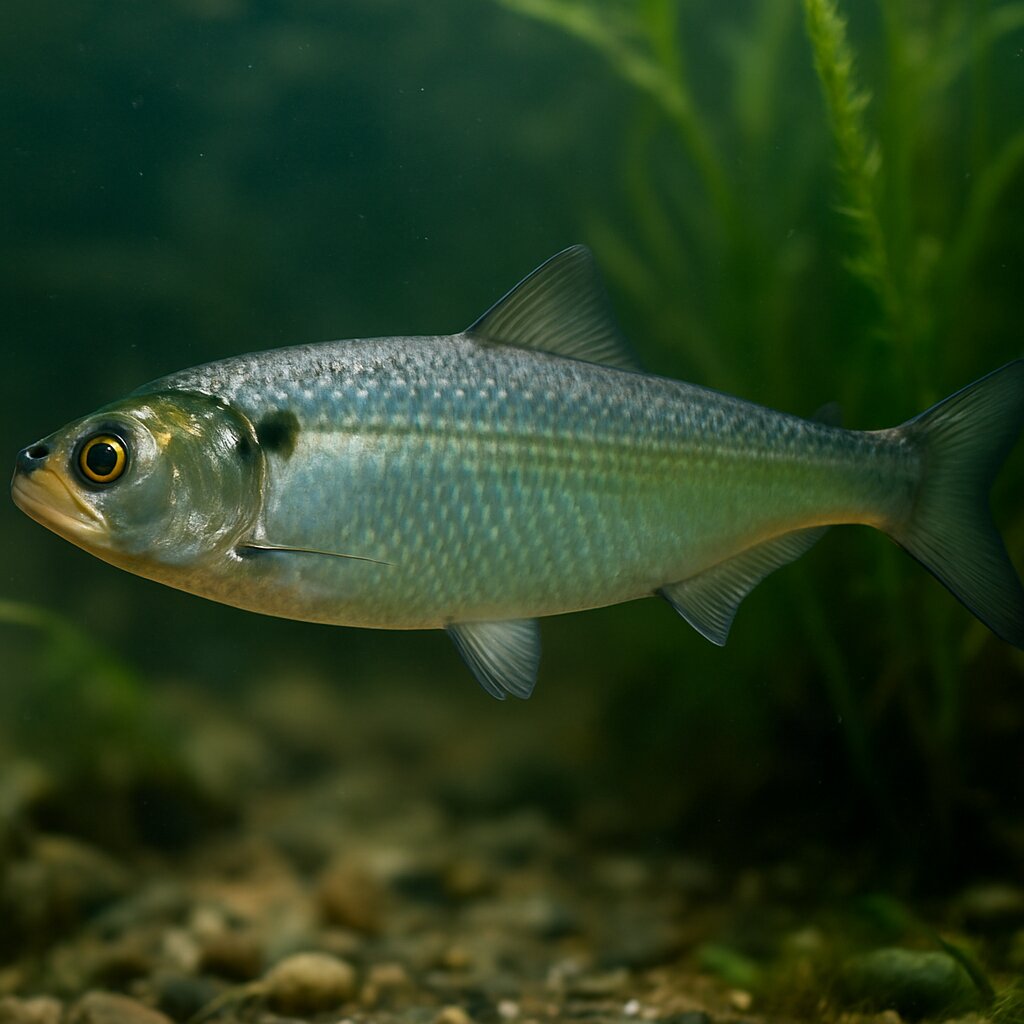
Allis shad
Alosa alosa
Gorgeous silver, fast-swimming shad that spends most of its life in the sea and then surges up big rivers in noisy, surface-spawning schools. It grows huge for a herring-type fish and needs cool, ultra-oxygenated water and tons of open space, so it is a public-aquarium species rather than a home tank fish.
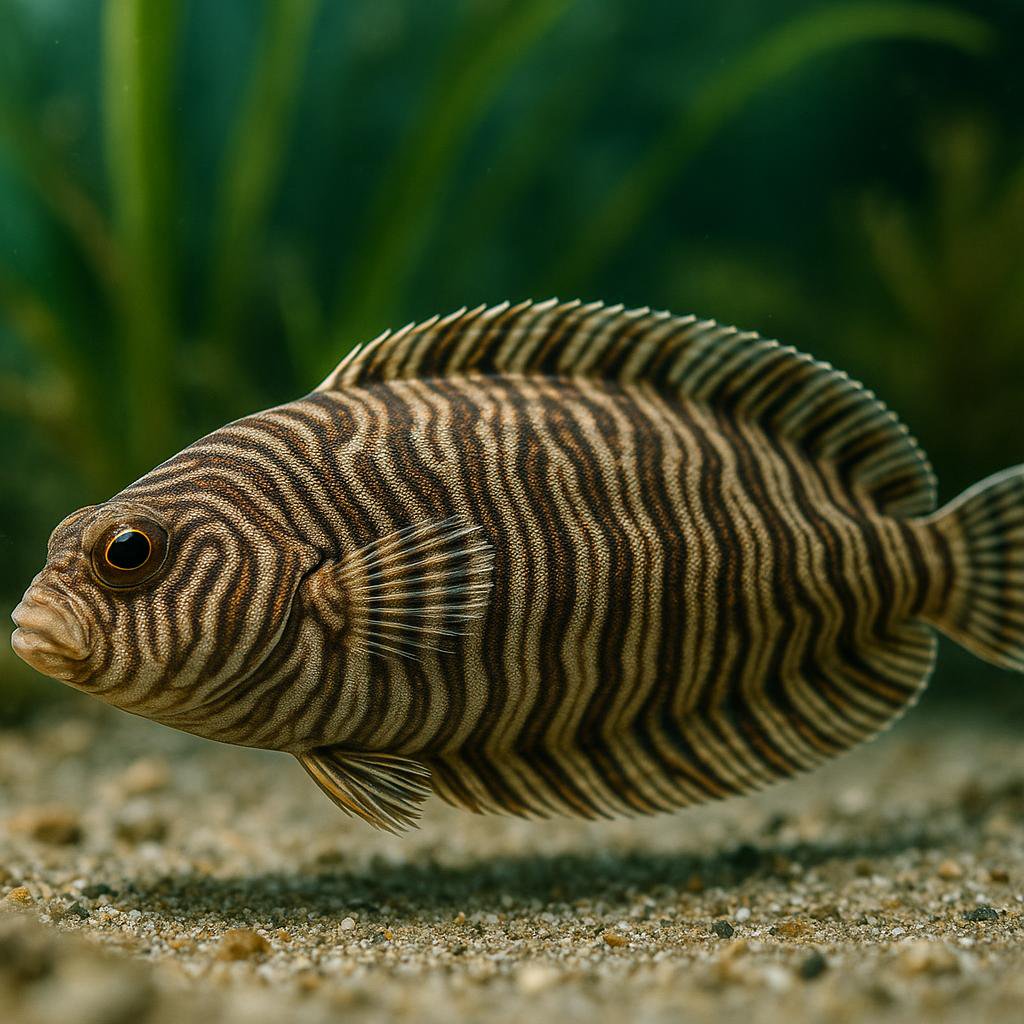
Annandale's zebra sole
Zebrias annandalei
Zebrias annandalei is a small demersal sole from coastal India that inhabits sandy or muddy bottoms and buries for camouflage. It is rarely kept in home aquaria and would require a specialized marine sand-bottom setup and appropriate feeding.
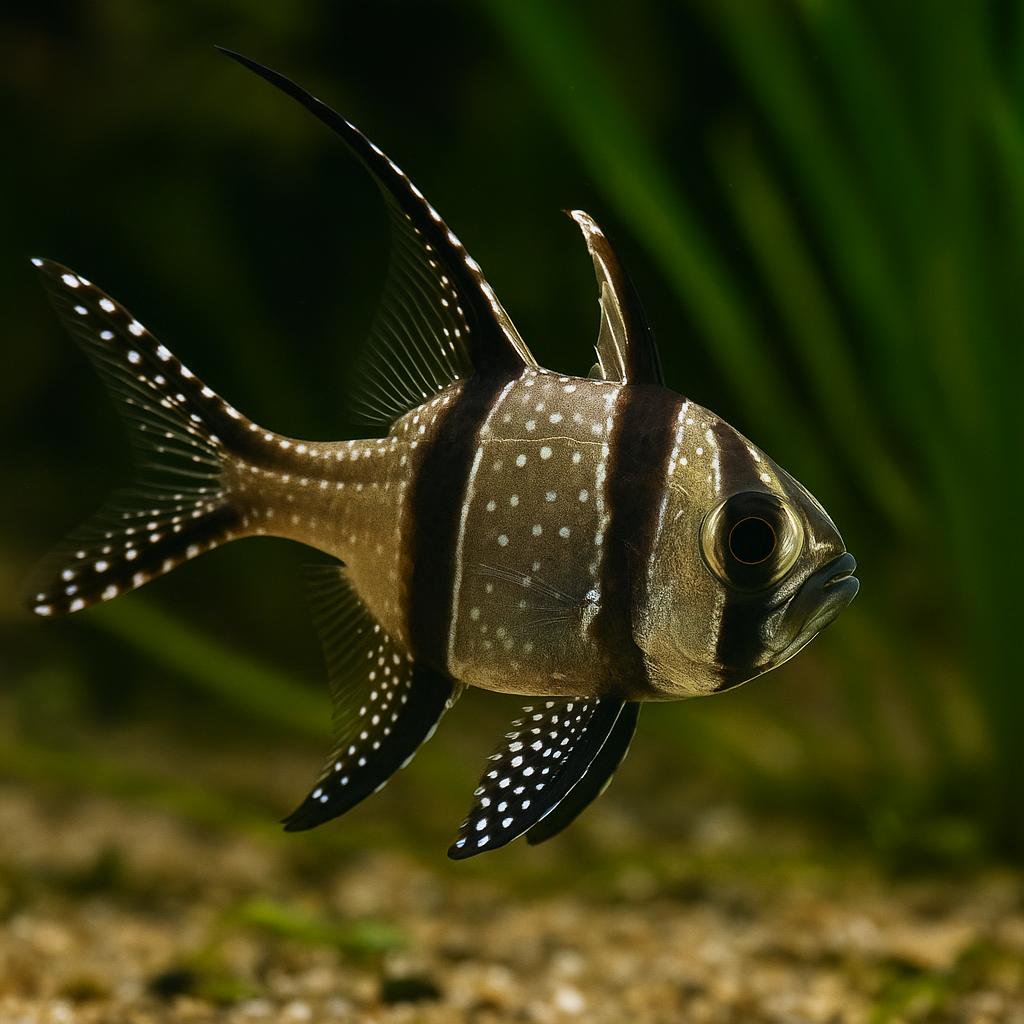
Banggai Cardinalfish
Pterapogon kauderni
Banggai cardinals just sort of hover like little underwater satellites, and the bold black bars with those long, polka-dotted fins look unreal under reef lighting. They're super chill most of the time, but once a pair forms you'll see real "fish drama," and the male will even mouthbrood the babies like a champ.
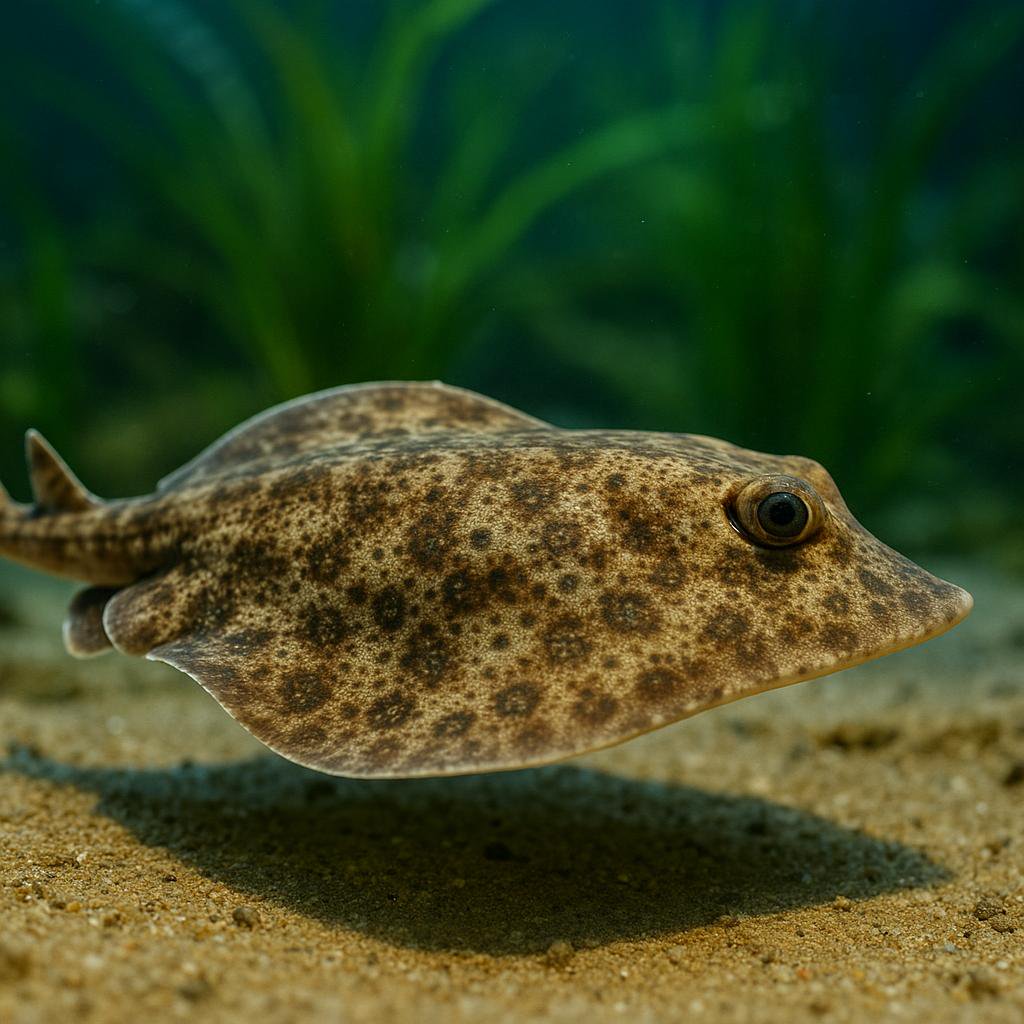
Barbedwire-tailed skate
Notoraja martinezi
Notoraja martinezi is a deepwater skate from the eastern Pacific (Costa Rica down to Ecuador) that lives way down on soft bottoms. The tail is the giveaway - it is lined with strong, hooked thorns that really do look like barbed wire. This is absolutely not an aquarium fish; it is a cold, high-pressure deep-sea animal with basically no practical home care info because it is not kept in the hobby.
More to Explore
Discover more marine species.
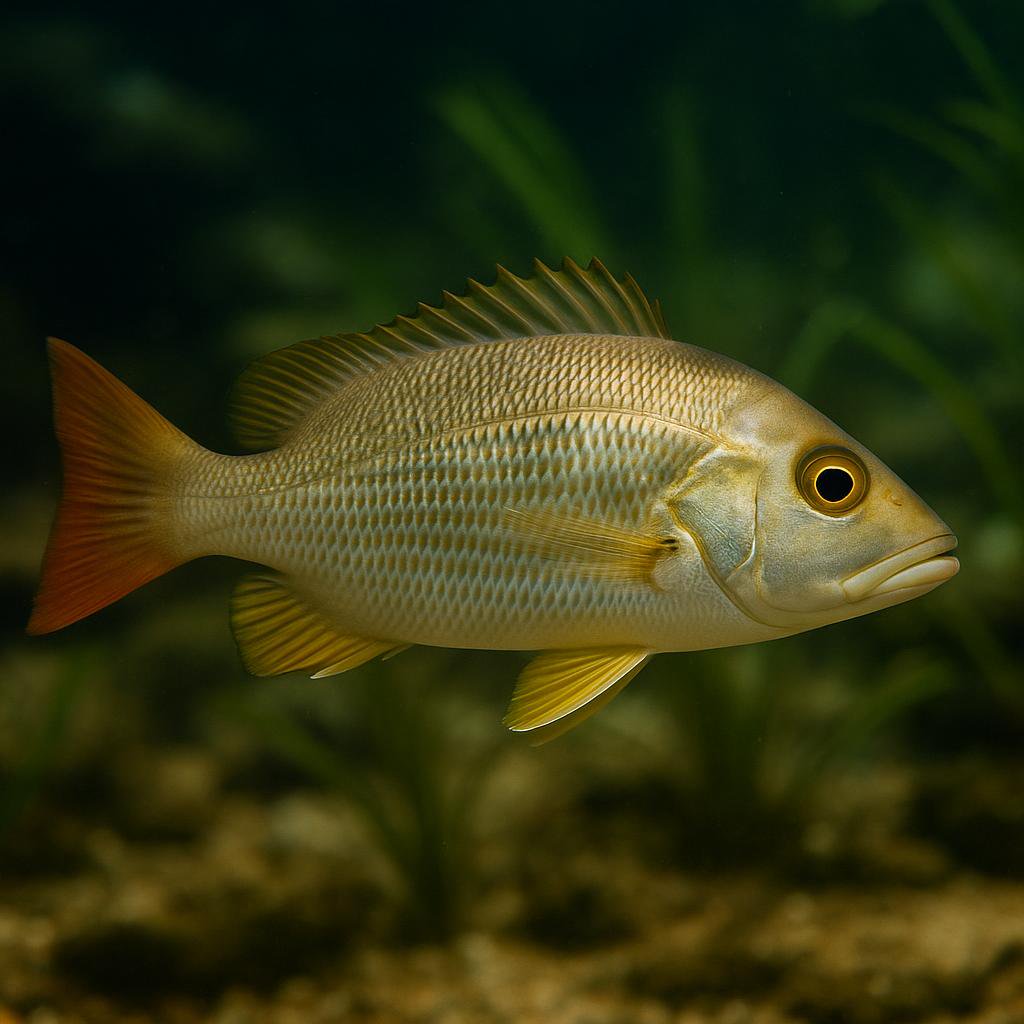
African red snapper
Lutjanus agennes
This is a true snapper from West Africa - a big, fast-growing predator that goes from coastal reefs to brackish lagoons and estuaries (especially as a juvenile). Super cool fish in the wild, but it gets absolutely huge and will eat smaller tankmates once it has the mouth for it, so its really more of a public-aquarium scale animal than a home-aquarium fish.
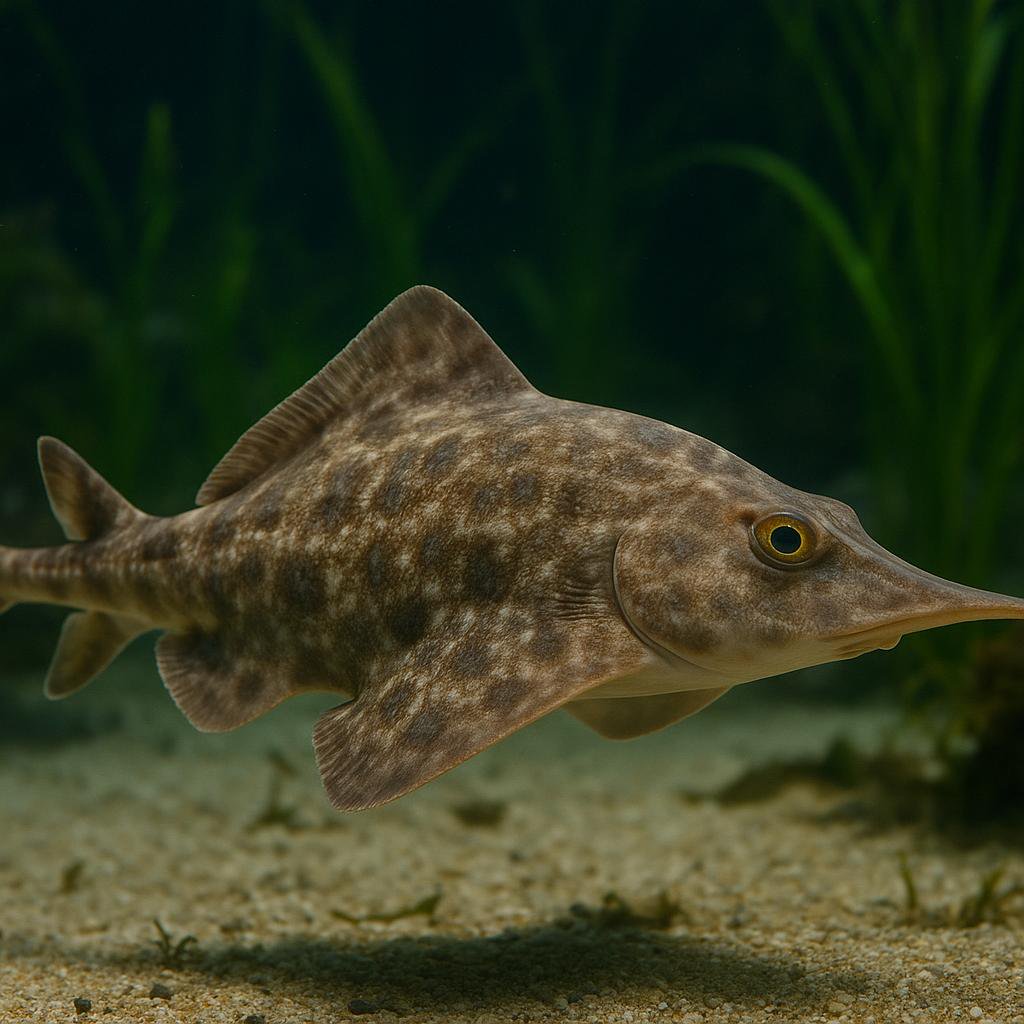
Aleutian skate
Bathyraja aleutica
This is a big, cold-water deep-slope skate from the North Pacific that cruises muddy bottoms and eats chunky benthic prey like crabs and shrimp. The really cool bit is its egg-laying skate life - it does distinct pairing (the classic skate "embrace") and drops those tough egg cases on the seafloor. Not an aquarium fish at all unless you're basically running a public-aquarium-style chilled system.
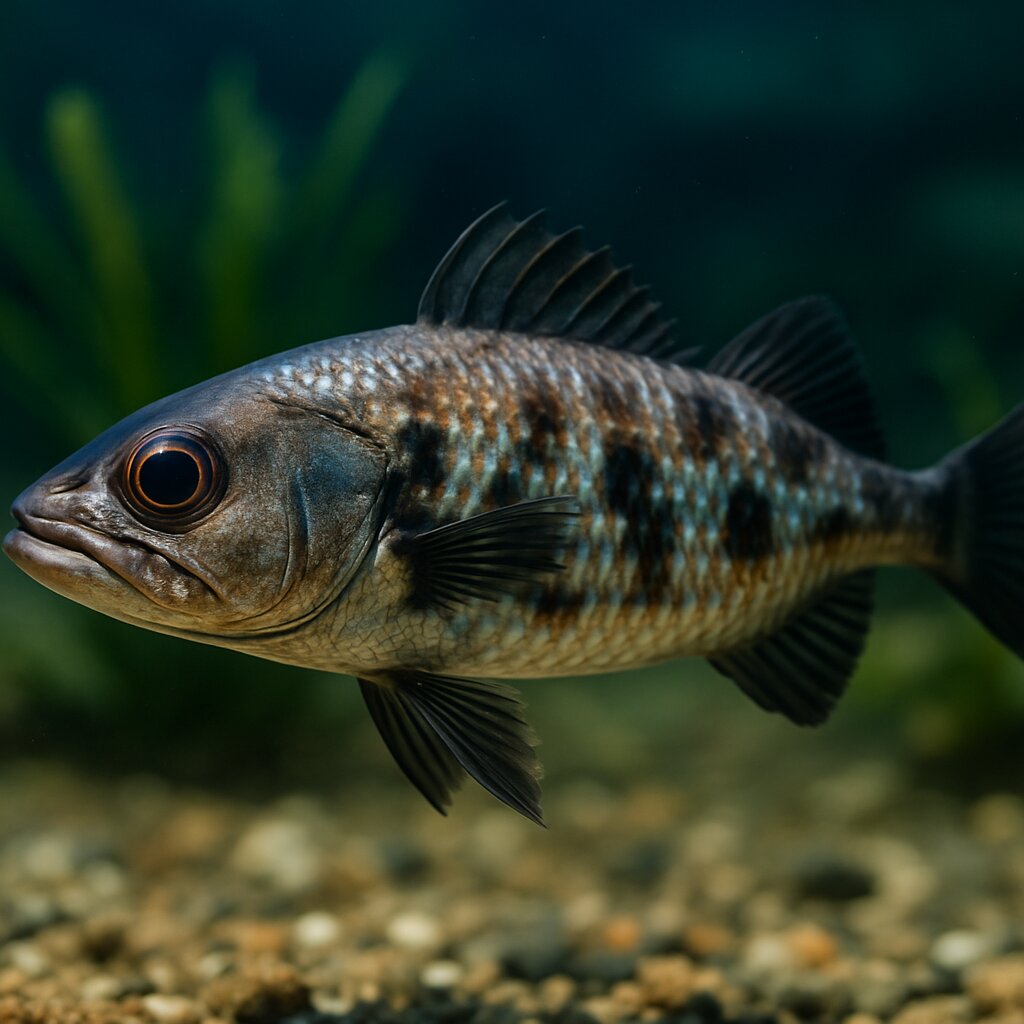
Antarctic dragonfish
Vomeridens infuscipinnis
Deep down around Antarctica, this sleek dragonfish cruises the water column like a little submarine, nearly neutrally buoyant so it can hover above the seafloor. It munches almost exclusively on Antarctic krill and lives in near-freezing water 500-800 m down, so it is a cool species to read about, not one for home tanks.
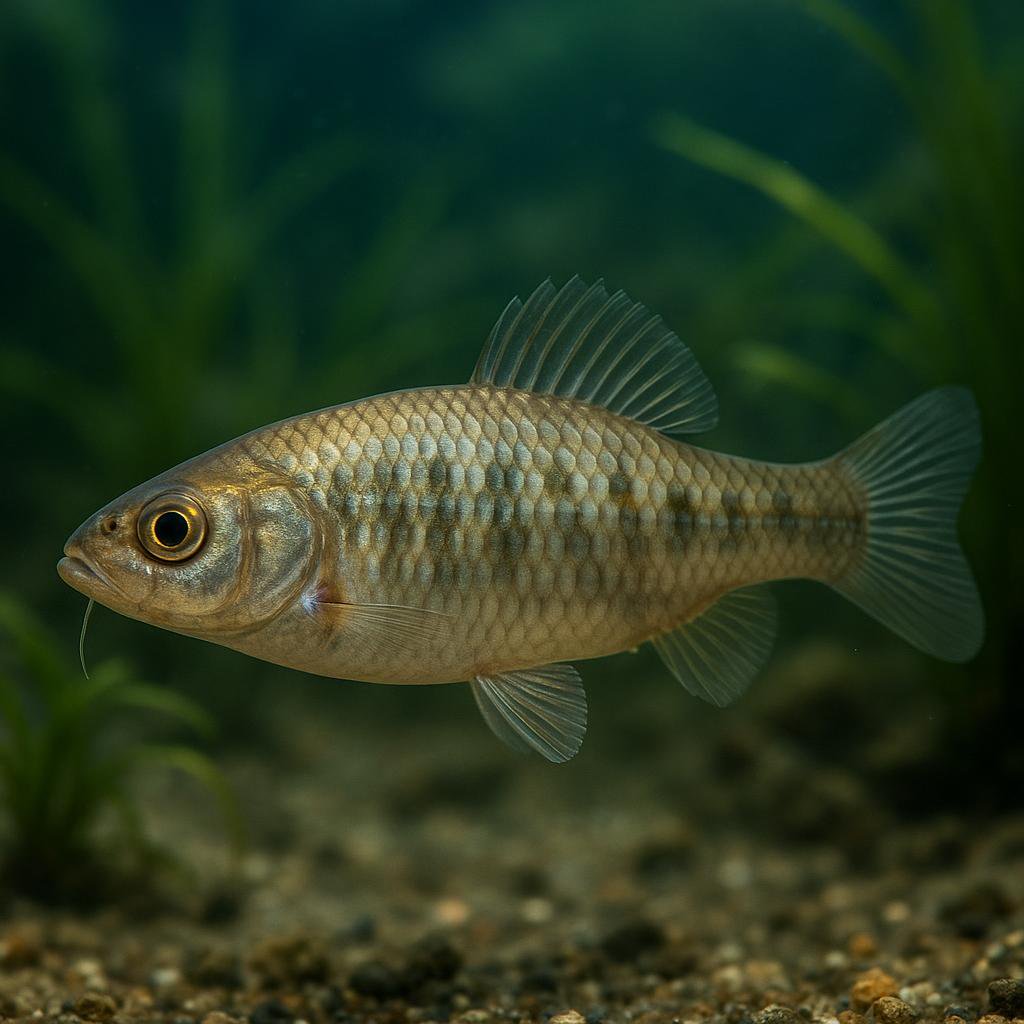
Arabian spiny eel
Notacanthus indicus
Notacanthus indicus is a deep-sea spiny eel (family Notacanthidae; not a true eel) known from the Arabian Sea on the continental slope at roughly ~960–1,046 m depth, with reported maximum length around 20 cm TL; it is a deep-water bycatch species and not established in the aquarium trade.
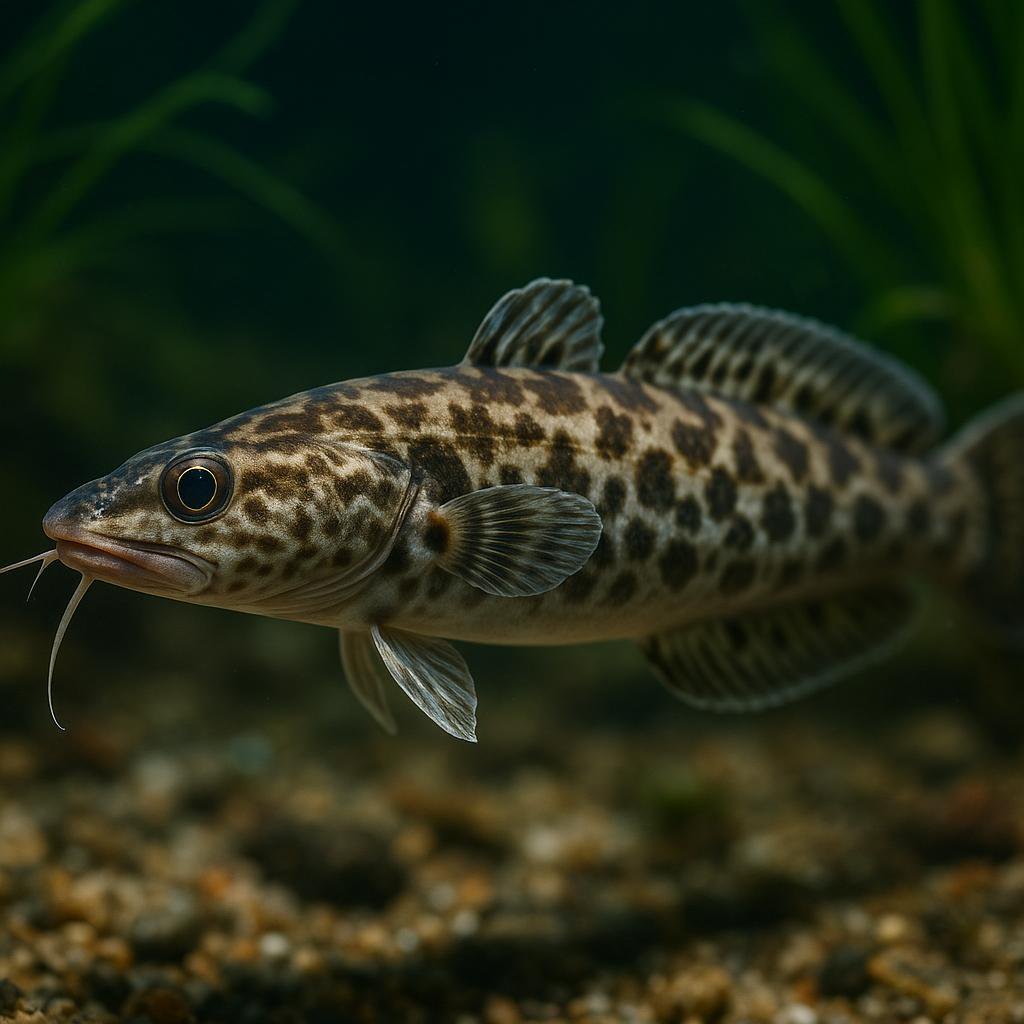
Arctic rockling
Gaidropsarus argentatus
This is a deepwater North Atlantic rockling (a cod relative) that hangs out on soft bottoms way down the slope. It is a cold-water, bottom-hugging predator that snoots around for crustaceans and will also take small fish when it gets the chance.
Atlantic pomfret
Brama brama
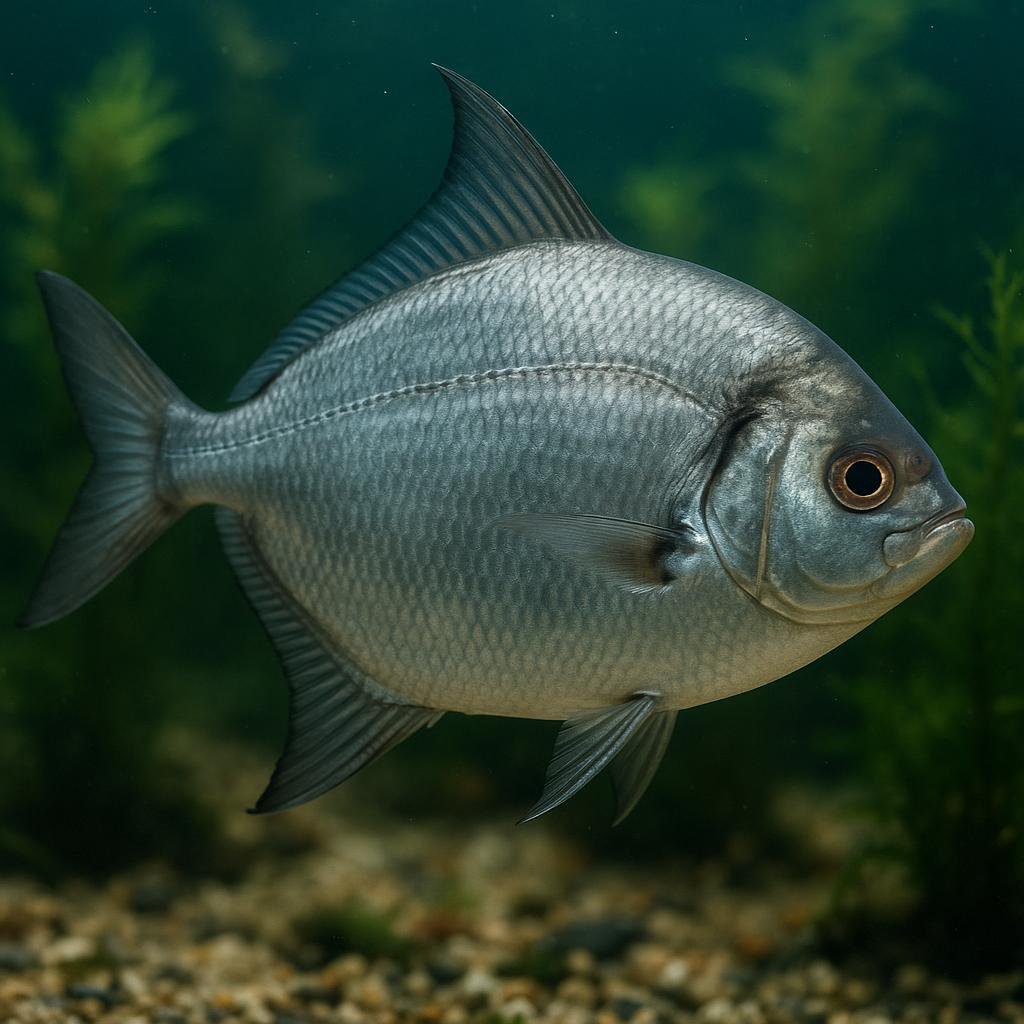
Brama brama is the Atlantic pomfret (aka Ray's bream) - a deep-bodied, open-ocean pelagic fish that cruises around in small schools and follows water temps. It is a legit big, wild marine species (not an aquarium fish) that eats other small sea critters like fish and squid, and it ranges across a huge chunk of the Atlantic plus parts of the Indian and South Pacific.
Looking for other species?