

Search Species
Search for fish species by common or scientific name, or use filters to browse by water type, size, temperament, and difficulty.
Found 541 species
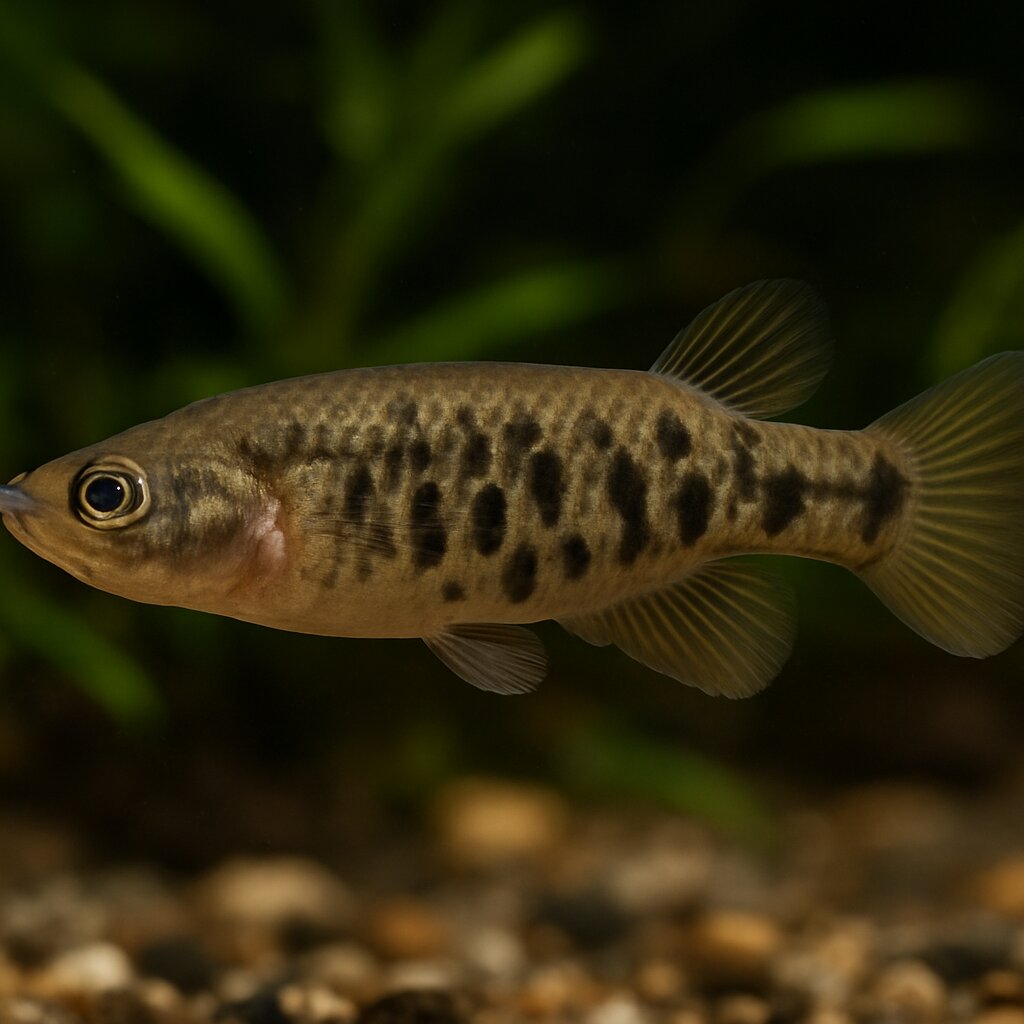
Lipeo livebearer
Jenynsia alternimaculata
A neat little Argentine-Bolivian livebearer from clear, cool hill streams, the Lipeo livebearer stays small and does great in a planted, nicely oxygenated setup. The quirky part is their one-sided mating thing, where males are left- or right-handed, which makes breeding pairs fun to watch. Keep a group and you will see lots of surface cruising and busy foraging.
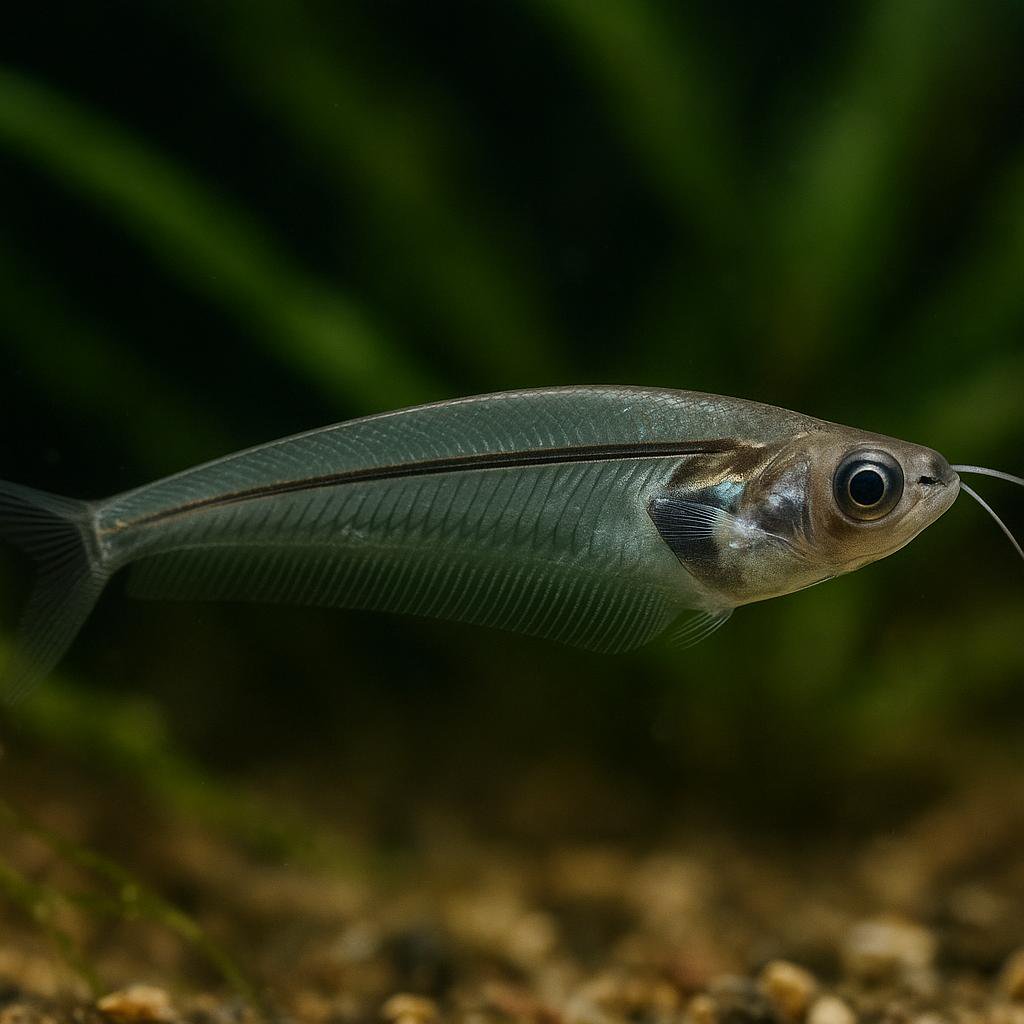
Long-barbel sheatfish
Kryptopterus limpok
Kryptopterus limpok is a Southeast Asian sheatfish with really long maxillary barbels - FishBase notes they reach past the last quarter of the anal fin, so it has that "extra-whiskery" look. In the wild its a river/stream predator that eats small fish and also takes prawns and insect larvae, so think of it as a sleek, hunting-style catfish rather than a chill algae-picker.
Longbarbel stone loach
Micronemacheilus longibarbatus
This is a little southern China stone loach with extra-long mouth barbels - built for feeling around the bottom in dark, rocky habitats. Its a super niche fish (not something you will randomly see at most stores), and it does best when you treat it like a small river/karst loach: clean water, lots of oxygen, and a soft substrate so those barbels stay perfect.
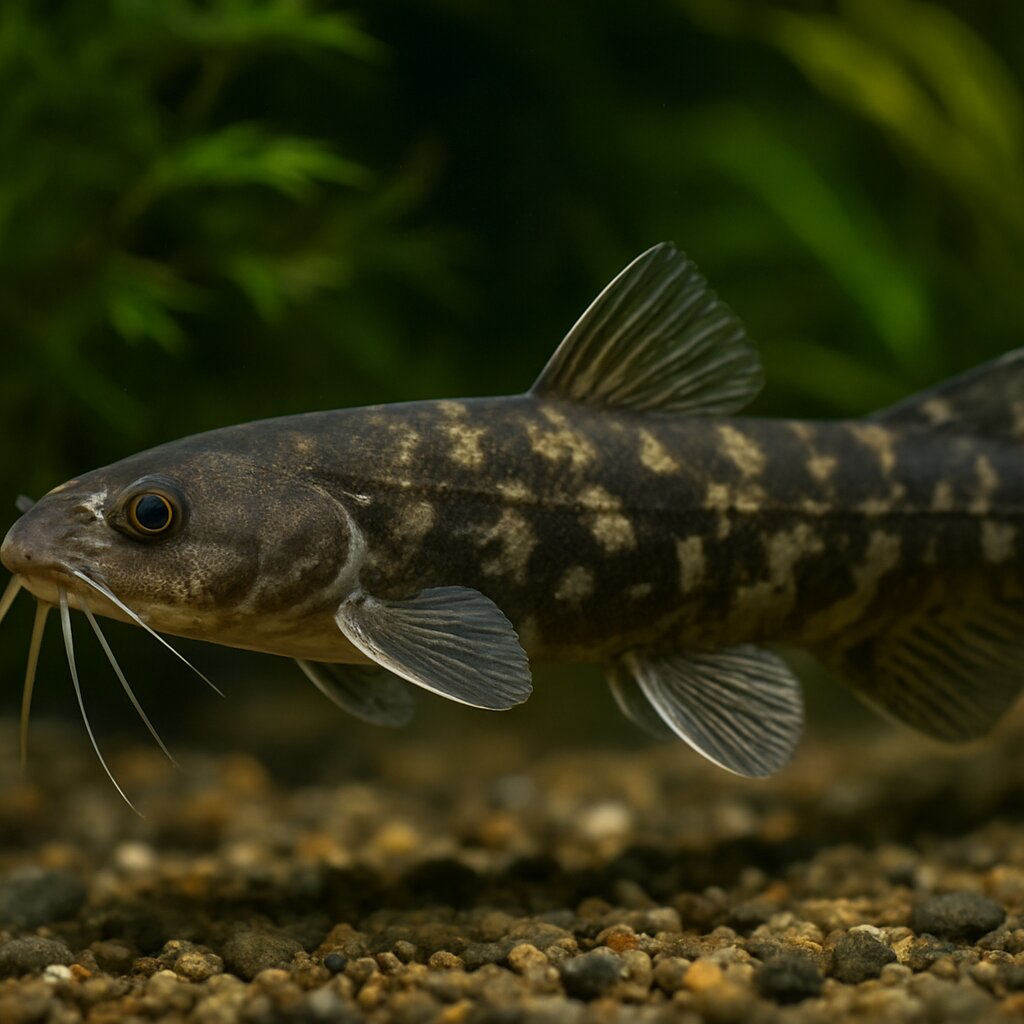
Long-barbel torrent catfish
Chimarrichthys longibarbatus
A chunky Chinese hillstream catfish with extra-long whiskers and a body built to hug slick rocks in roaring current. It thrives in cool, super-oxygenated flow and spends its day clinging to stones and prowling for meaty bites. You will also see it listed under the older name Euchiloglanis longibarbatus.
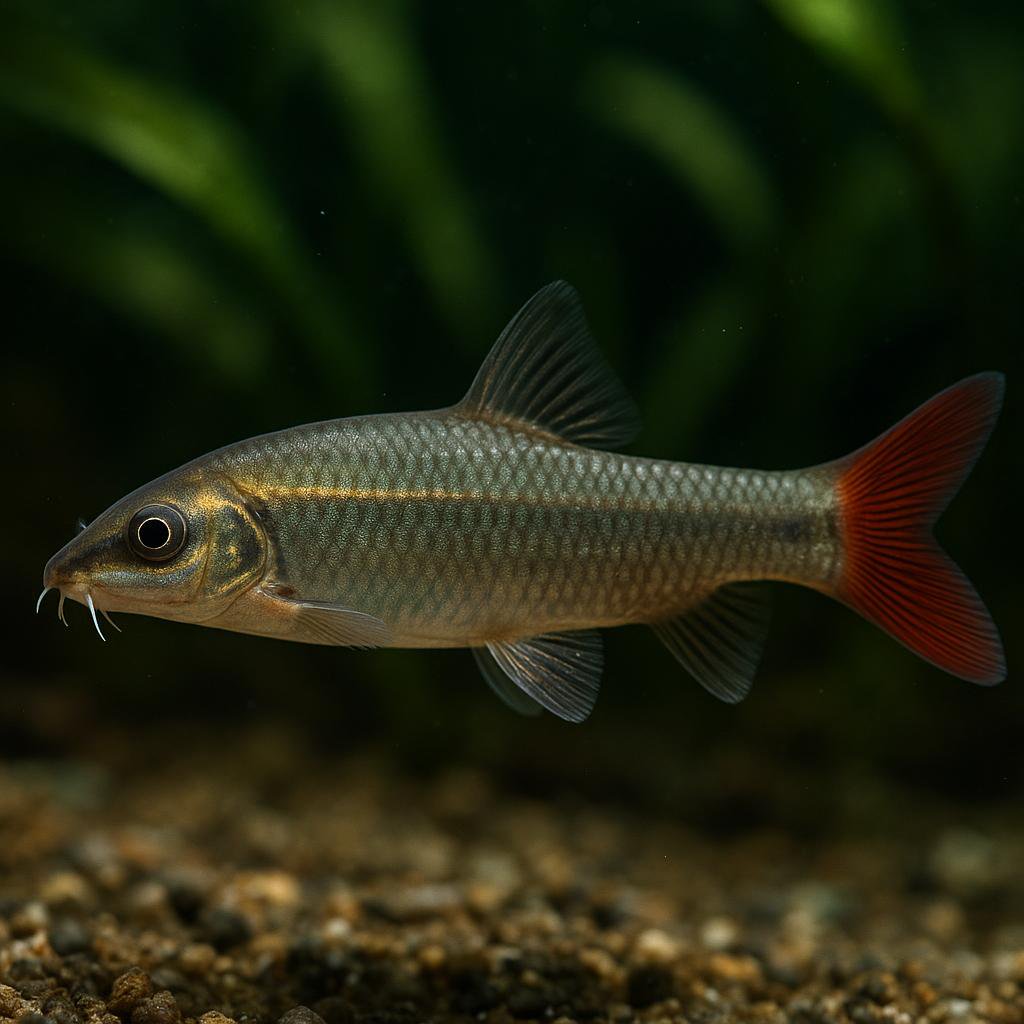
Long-dorsal Yasuhikotakia (no established common name)
Yasuhikotakia longidorsalis
This is one of those super-under-the-radar Mekong botia/loach species that you almost never see for sale. It stays fairly small (around 8 cm/3 inches max reported), but it still acts like a proper botiid - busy, social, and very into wedging itself under wood and rocks when it wants to chill.
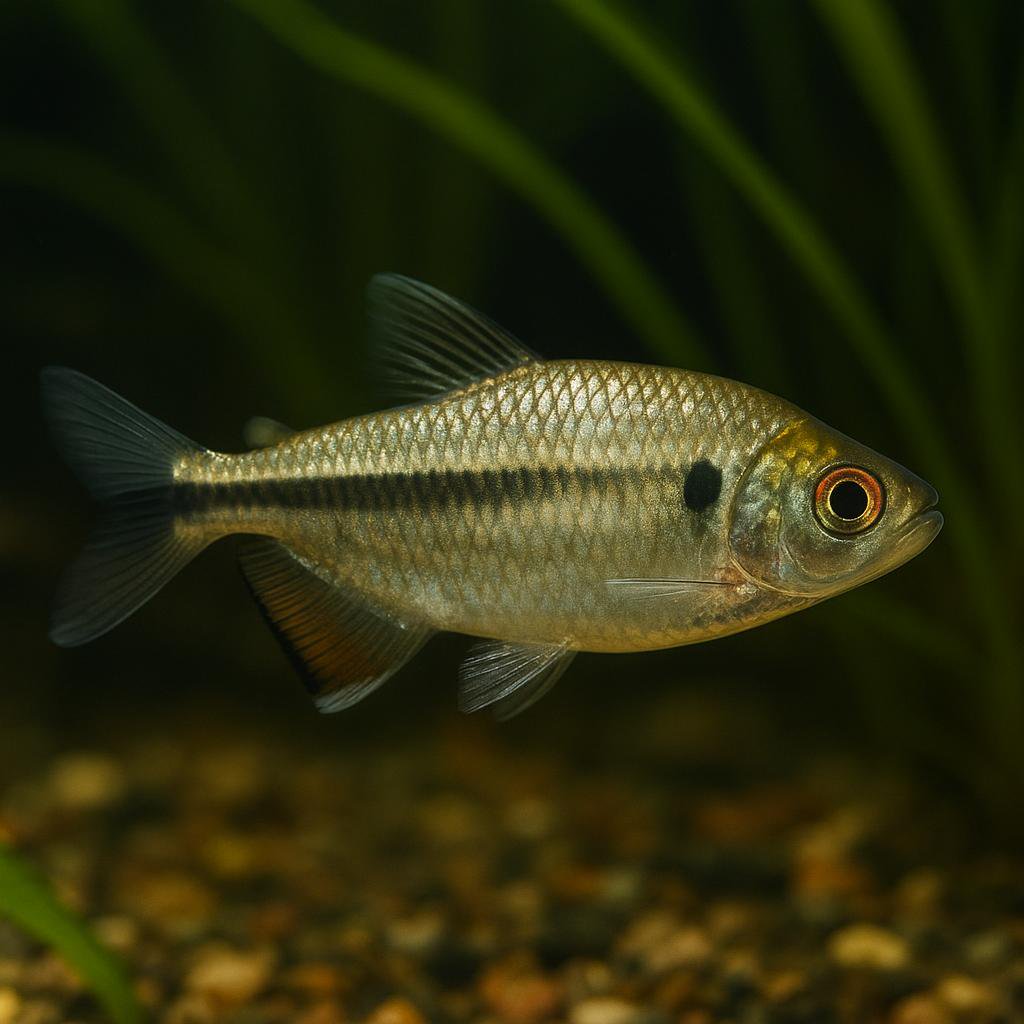
Long-finned glass tetra
Xenagoniates bondi
Xenagoniates bondi is a small South American characin from the Orinoco basin and nearby coastal drainages of Venezuela and Colombia. It has been reported as an aggressive fin-nipper, so it may not be suitable for slow or long-finned community fish.
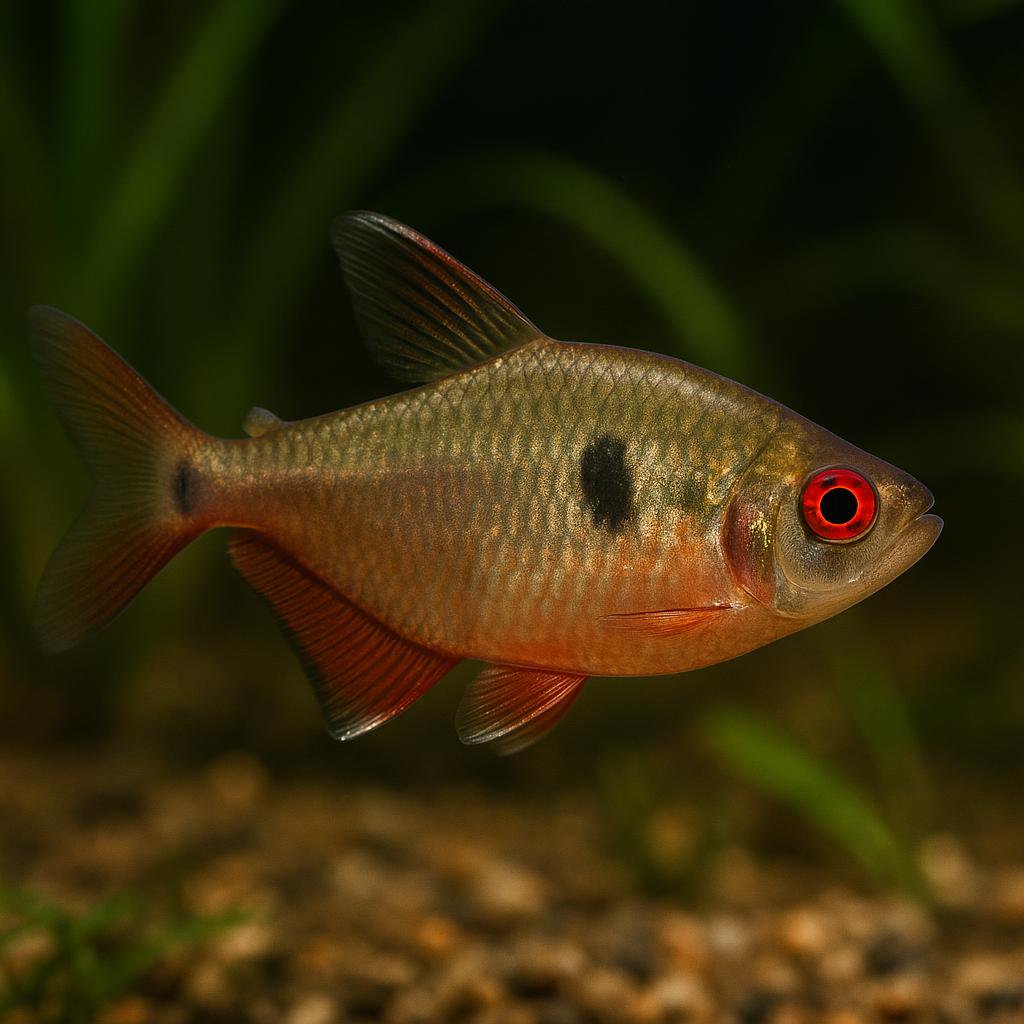
Lowe's tetra
Hyphessobrycon loweae
This is a tiny Upper Xingu tetra that can glow gold in the right light, with males showing that cool elongated dorsal fin. It does best when you keep a real group and give it a calm, planted setup so it feels bold enough to come out and color up.
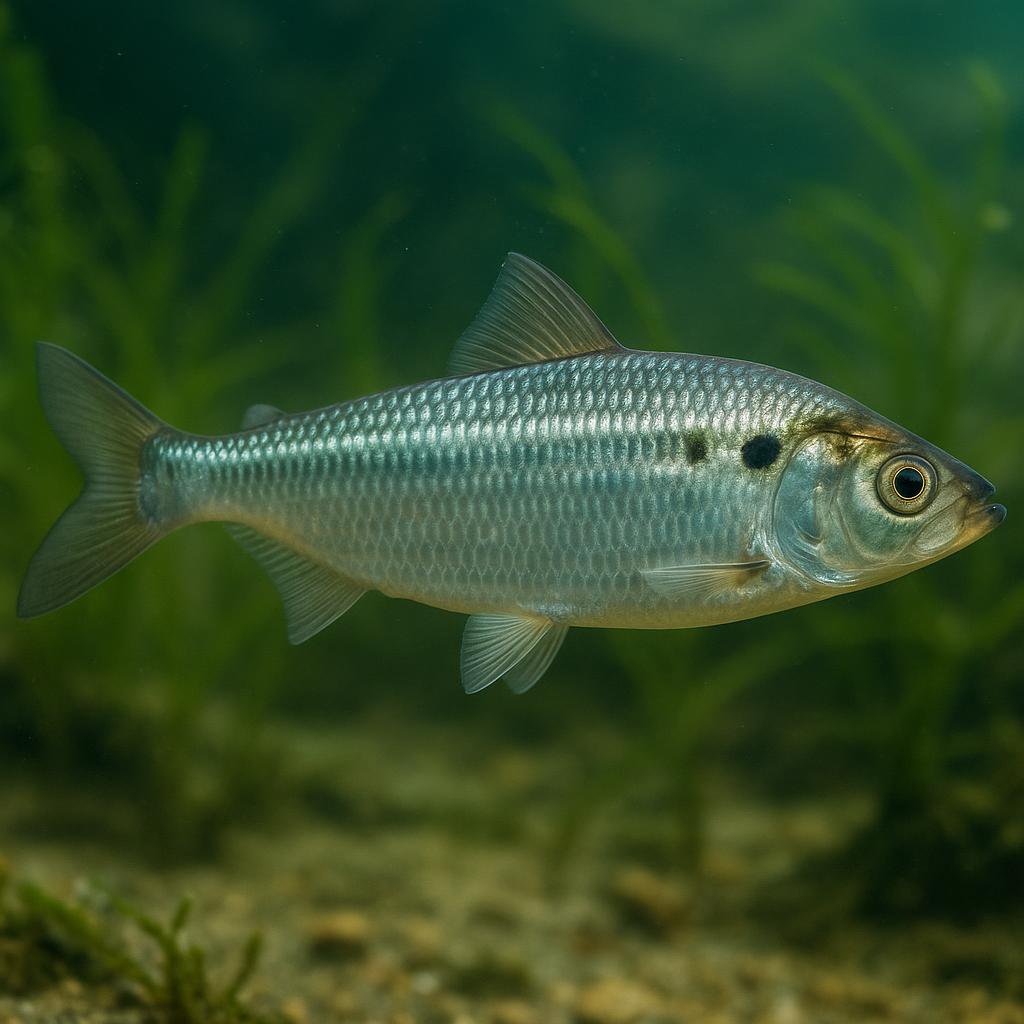
Macedonia shad
Alosa macedonica
Landlocked shad endemic to northern Greece; formerly occurred in Lakes Volvi and Koronia but now restricted to Lake Volvi. Spawning occurs in summer (July–August) and begins around 19–20 °C.
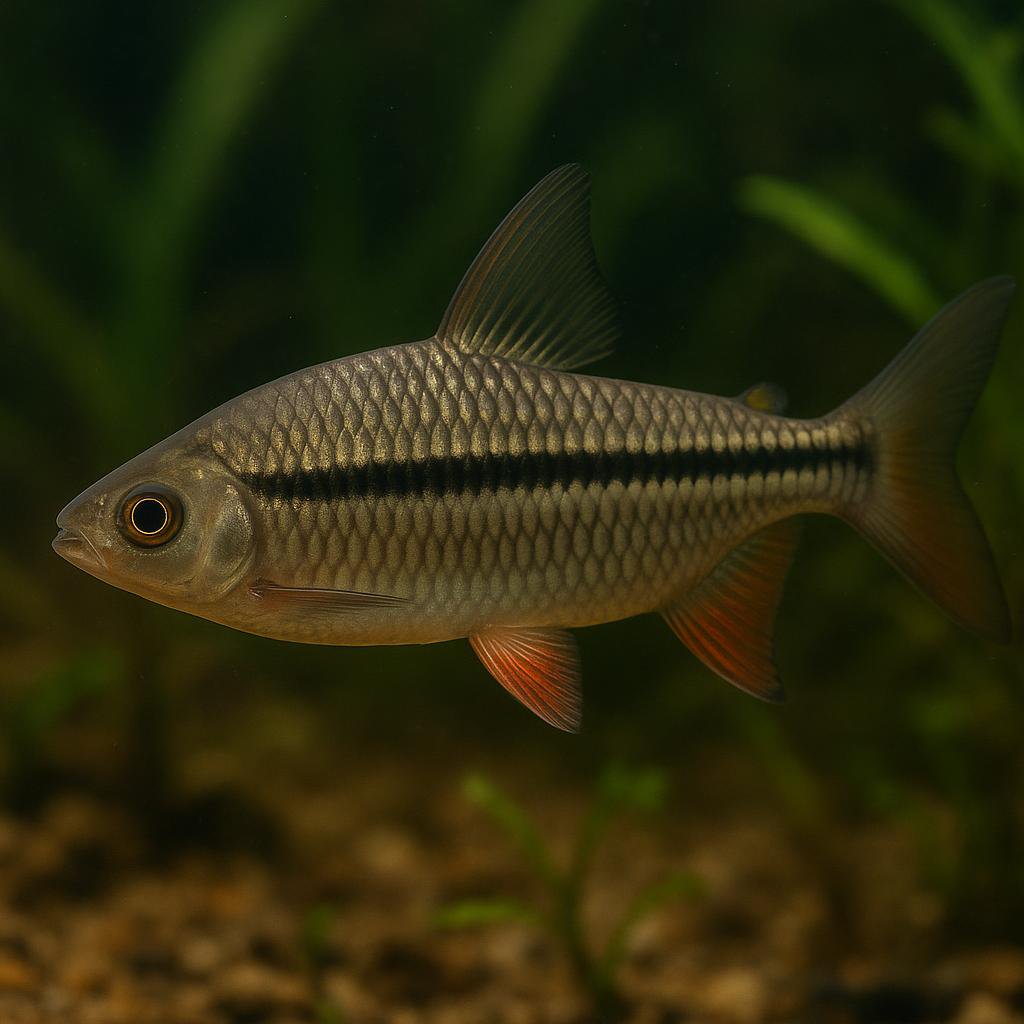
Macra headstander
Laemolyta macra
Laemolyta macra is a small South American anostomid (headstander family). Some references have treated it historically as Laemolyta garmani macra, but at least some major databases list Laemolyta macra as a valid species rather than a synonym of Laemolyta garmani.
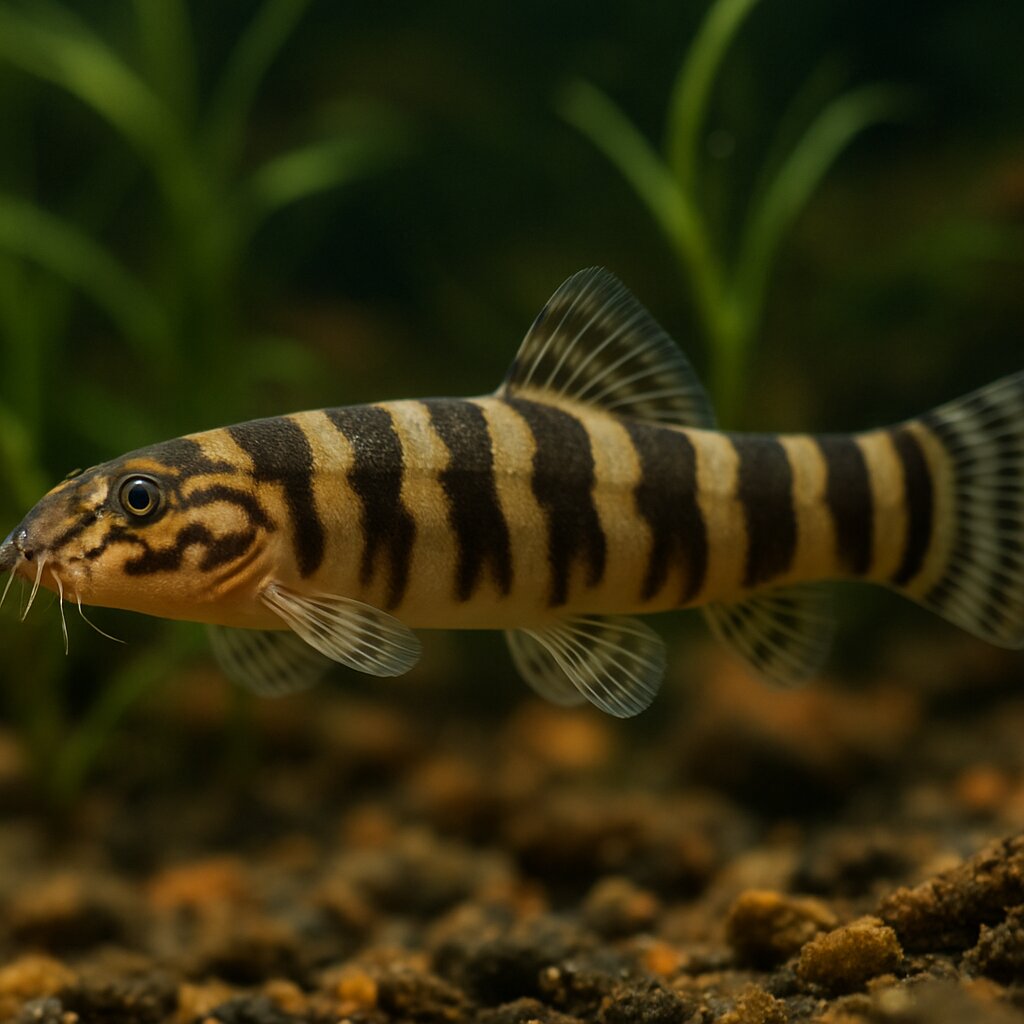
Maejo tiger loach
Rhyacoschistura maejotigrina
Little stream loach with bold tiger-like bars that really pop when it is cruising over rocks in fast flow. It stays small but has a lot of personality for its size, digging around and darting between stones if you give it current and hiding spots.
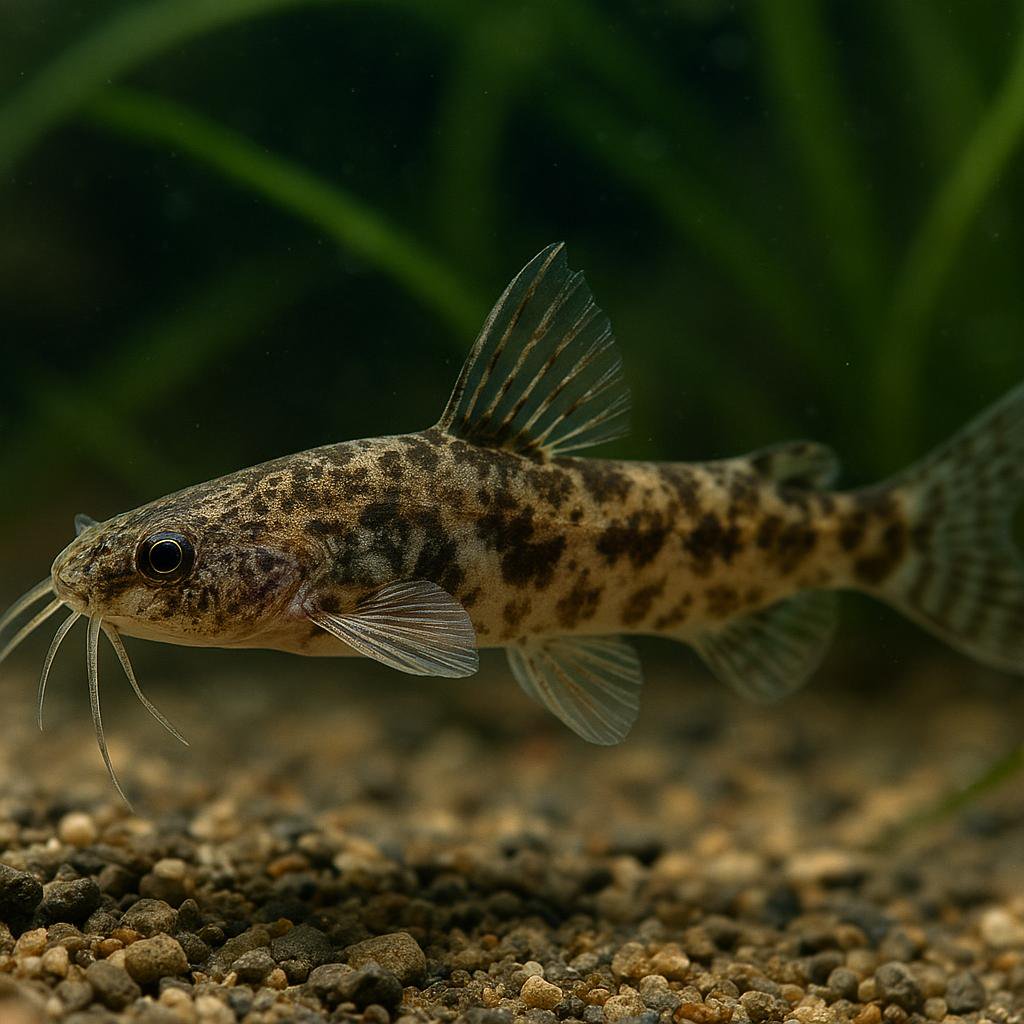
Mandeville's loach catfish
Zaireichthys mandevillei
This is a tiny little Congo River loach catfish that stays about an inch long, with a bold dark collar right behind the head and a speckly pattern. Its basically built for life in moving water - it likes to tuck into sand and squeeze around rocks - so its a super cool "micro-catfish" for a river-style setup if you can actually source one.
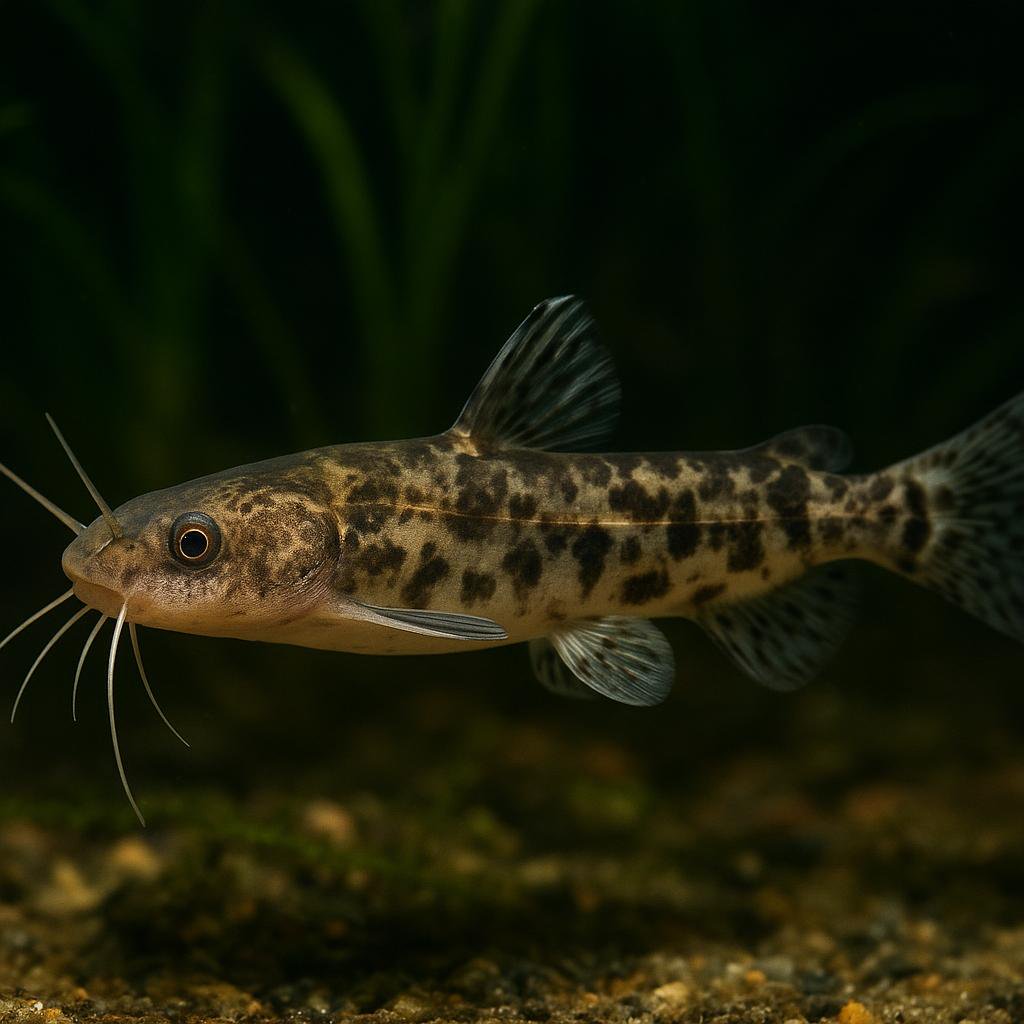
Mandi
Rhamdioglanis frenatus
Rhamdioglanis frenatus is a freshwater heptapterid catfish endemic to Brazil's Atlantic Forest coastal drainages (SE Atlantic). It reaches about 22 cm total length and is primarily carnivorous; in aquaria it is expected to appreciate ample shelter and floor space, though detailed species-specific husbandry data is scarce.