

Maejo tiger loach
Rhyacoschistura maejotigrina
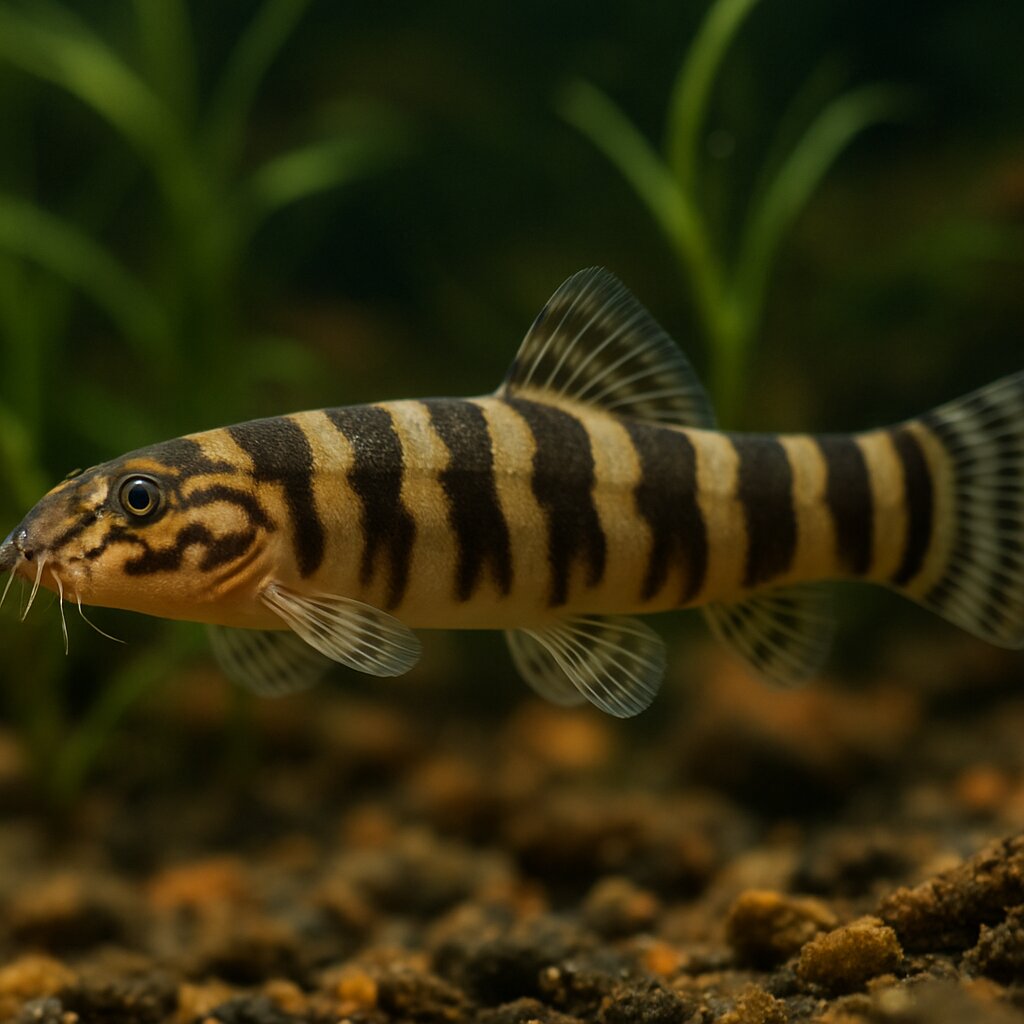
The Maejo tiger loach features dark brown to black vertical stripes against a light beige to yellowish body, enhancing its striking appearance.
This page includes AI-generated images. Why am I seeing AI images?
About the Maejo tiger loach
Little stream loach with bold tiger-like bars that really pop when it is cruising over rocks in fast flow. It stays small but has a lot of personality for its size, digging around and darting between stones if you give it current and hiding spots.
Also known as
Quick Facts
Size
5.3 cm
Temperament
Semi-aggressive
Difficulty
Advanced
Min Tank Size
20 gallons
Lifespan
3-5 years
Origin
Southeast Asia
Diet
Insectivorous micro-predator - takes small sinking pellets, frozen foods, and live worms
Water Parameters
17-25°C
7-8
4-15 dGH
Need a heater for this species?
This species needs 17-25°C in a 20 gallon tank. Use our heater calculator to find the right wattage.
Calculate heater sizeCare Notes
- Set them up river-style: 20 long footprint or bigger, turnover 10-15x with a powerhead or spray bar, and tons of oxygen. Use smooth cobbles over sand or fine gravel and prefilter every intake; tight lid because they jump and wedge into gaps.
- Run cool, clean water: 68-74 F, pH 6.2-7.2, soft to mid-hard (roughly 50-200 ppm TDS), nitrates under 15 ppm. Do 40-60% weekly changes and siphon gunk; they crash in warm, dirty water.
- They are micro-predators, so think small sinking foods: frozen bloodworms, daphnia, cyclops, brine shrimp, live blackworms, and crushed carnivore pellets. Drop food into the current or target-feed with a pipette so faster fish do not steal it.
- Keep 5-8 so the bossy ones spread their attitude; stack rocks to break line of sight and you will see less chasing. Tankmates should be fast-water types (danios, Devario, hillstream loaches, Garra) and not shrimp or slow long-fins.
- Quarantine new arrivals and deworm (levamisole or fenbendazole), since wild imports often carry worms and flukes. Drip acclimate and run extra air from minute one; low O2 during shipping is what wipes them out.
- Give them real hides: flat stones with tight crevices, pebble piles, and a bit of leaf litter to sift. Keep lighting moderate with shaded zones; a mature film of algae and biofilm on rocks is a bonus snack bar.
- Breeding at home is rare and probably crevice scatter-spawning after a cool, fresh-flow kick (big water changes). If fry ever appear, they will hide deep in the rockwork, so use a sponge prefilter and go easy on gravel vacs.
- Red patches, clamped fins, or gasping at the surface usually means heat or low oxygen, not a mystery bug. Cool the tank a couple degrees, crank surface agitation, and do a big water change before you reach for meds.
Compatibility
Good Tankmates
- Their own kind in a group (5-8) so they scrap with each other and not everyone else
- Fast river fish up top like zebra and pearl danios and other Devario that love current
- Cool-water schoolers like white cloud mountain minnows and Vietnamese cardinal minnows
- Sturdy midwater barbs that handle flow, like gold barbs and rosy barbs
- Tough algae grazers like panda garra and other Garra species, with plenty of rockwork to split territories
- Riverine midwater showpieces like rainbow shiners that stay out of the loach turf
Avoid
- Slow fish with fancy fins or long tails, like bettas, guppies, and fancy goldfish
- Peaceful bottom dwellers that will get pushed around, like kuhli loaches and Corydoras
- Tiny inverts and snails you care about, since they will get picked at
- Big aggressive fish or territorial cichlids that will claim the floor space or eat them
Where they come from
Maejo tiger loaches are little river loaches from northern Thailand. Think clear, cool hill streams running over rounded stones, sand, and leaf litter. They hug the bottom, tuck into cracks, and dash out for tiny invertebrates. The dark tiger bars really pop when they are settled and sparring.
Most in the trade are wild-caught and seasonal. Plan for a good quarantine and do not rush them into a new display.
Setting up their tank
They are a current-lover. A long tank with strong, even flow works best. I run mine in a 40-breeder with a river-manifold style setup, big canister, and a powerhead pointed along the length. Lots of oxygen, lots of surface movement.
Substrate: fine sand with mixed smooth pebbles and a few cobbles. They like to nose into sand and wedge under stones. Add leaf litter and a couple of tight rock piles so the lower-ranking fish have places to duck into. Plants that handle flow (Java fern, Bolbitis, Anubias on wood/rock, moss on stones) are great for shade.
- Tank size - 30 inches or longer for a group; more length helps spread territories
- Filtration - canister or large HOB plus extra powerhead for current
- Aeration - spray bar near the surface or an airstone in the flow
- Heater - set low; stable is better than warm
- Tight lid - they can and will jump
- Lighting - moderate; give shaded zones with plants and wood
Targets I have had good results with: 68-74 F (20-23 C), pH 6.4-7.4, soft to moderate hardness. Big weekly water changes (30-50%) keep them looking sharp. Nitrates low, ammonia and nitrite at zero, and keep the flow from getting clogged with mulm.
Warm water and low oxygen are a bad combo for this fish. If the temp creeps above mid-70s F, add extra aeration and flow. Heatwaves kill hill-stream fish quietly overnight.
What to feed them
They pick at tiny meaty foods and micro-critters. New arrivals often ignore dry food for a week or two, then figure it out.
- Live or frozen: daphnia, baby brine shrimp, cyclops, blackworms (rinsed well), mosquito larvae
- Prepared: high-quality sinking micro-pellets, bug-based granules, nano wafers
- Gels: Repashy blends (mix in a little Bottom Scratcher or Carnivore with Soilent Green)
Feed small portions 2-3 times a day at first. Use a turkey baster or feeding tube to drop food into the faster water where they patrol. They eat better with the room lights dimmed.
How they behave and who they get along with
They are busy, bottom-hugging loaches with little sumo matches over stones. In my experience they settle down if you keep a group of 6-8 and break sight lines with rock piles. One or two fish get harassed; a bigger group spreads the attitude.
- Good tankmates: fast midwater fish from similar streams (danios, smaller Devario, white clouds), Garra species, hillstream loaches, smaller Rasbora-type fish that like flow
- Use caution: shrimp get hunted, especially juveniles
- Avoid: slow or long-finned fish, delicate nano species that dislike current, big cichlids
The tiger bars get darker during sparring and feeding. Brief chasing is normal; biting and torn fins mean you need more cover and line-of-sight breaks.
Breeding tips
I have not seen a confirmed home spawn for this exact species, but they likely scatter eggs in crevices like other small nemacheilid loaches. If you want to take a shot, set up a separate high-flow tank with rounded gravel over mesh so eggs can fall through.
- Condition adults for a few weeks on live and frozen foods
- Cool, soft water changes to mimic early wet season often get them frisky
- Provide pebble beds, tight rock gaps, and leaf litter
- Remove adults if you notice eggs or tiny wigglers - the parents will snack on them
- Fry are tiny - think green water, paramecia, and fine powdered foods once they are free-swimming
Common problems to watch for
- Oxygen dips - fastest killer. Keep filters clean, add air, and avoid overheating.
- Jumping - any sudden spook and they rocket up. Tight lids, plug small gaps.
- Skinny/wormy arrivals - many wild fish carry parasites. Look for eating-without-gaining. Treat with levamisole or flubendazole after a week of settling.
- Barbel wear and mouth scrapes - sharp gravel and bare glassy rocks cause damage. Use sand and smooth stones.
- Feeding strikes - new fish may only take live foods. Start with live, then mix in frozen, then pellets.
- Ich after shipping - raise aeration, moderate temp bump, and treat promptly. They are scale-light, so follow loach-friendly dosing.
Quarantine new Maejo tiger loaches for 4-6 weeks. Treat for internal parasites, observe for bacterial issues, and get them eating well before adding to a community. This saves a lot of heartache.
Similar Species
Other freshwater semi-aggressive species you might be interested in.
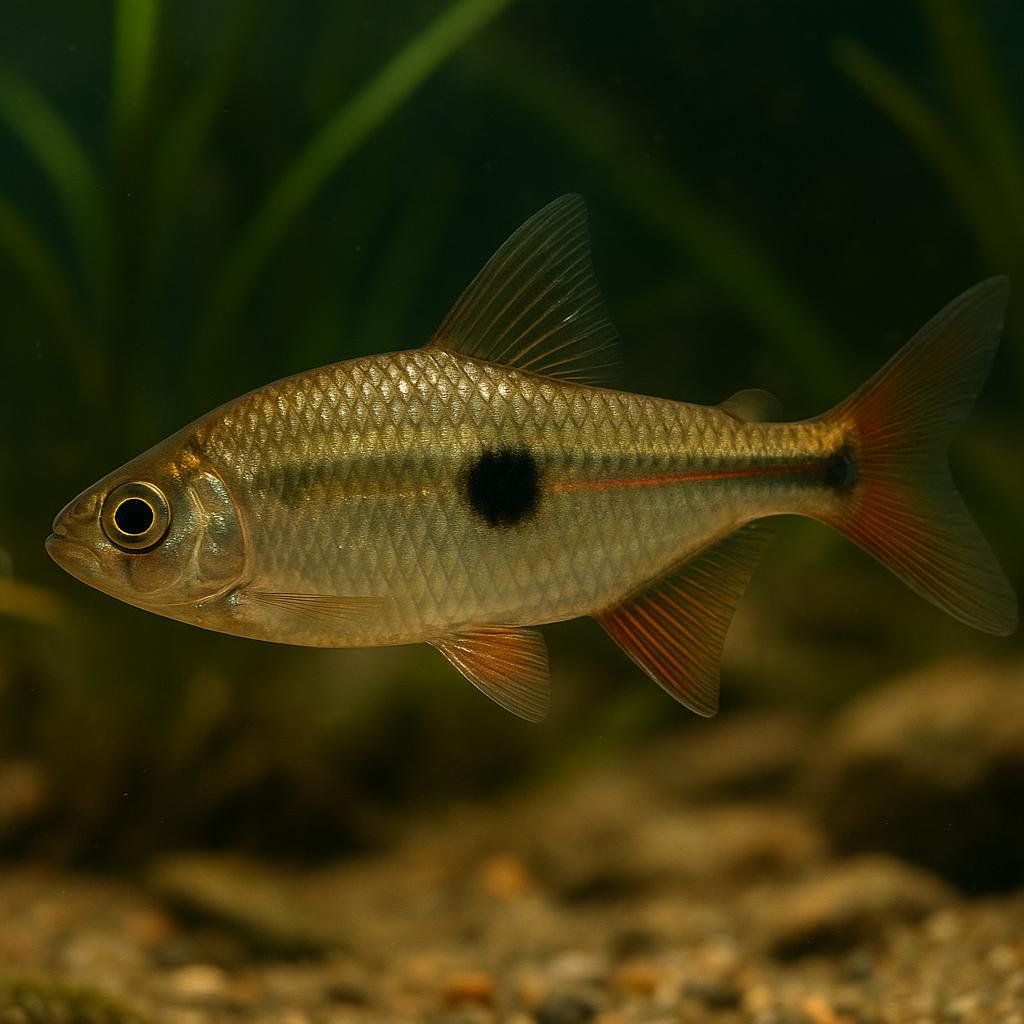
Jupiaba kurua
Small South American characin endemic to the upper rio Curuá (rio Xingu basin, Brazil). Reaches about 8.7 cm SL and inhabits clearwater rivers. Distinguished by dark dots on the bases of many lateral scales and a distinct dark caudal‑peduncle spot. Reported diet indicates omnivory, including aquatic insects, small fishes, and fragments of Podostemaceae and filamentous algae.
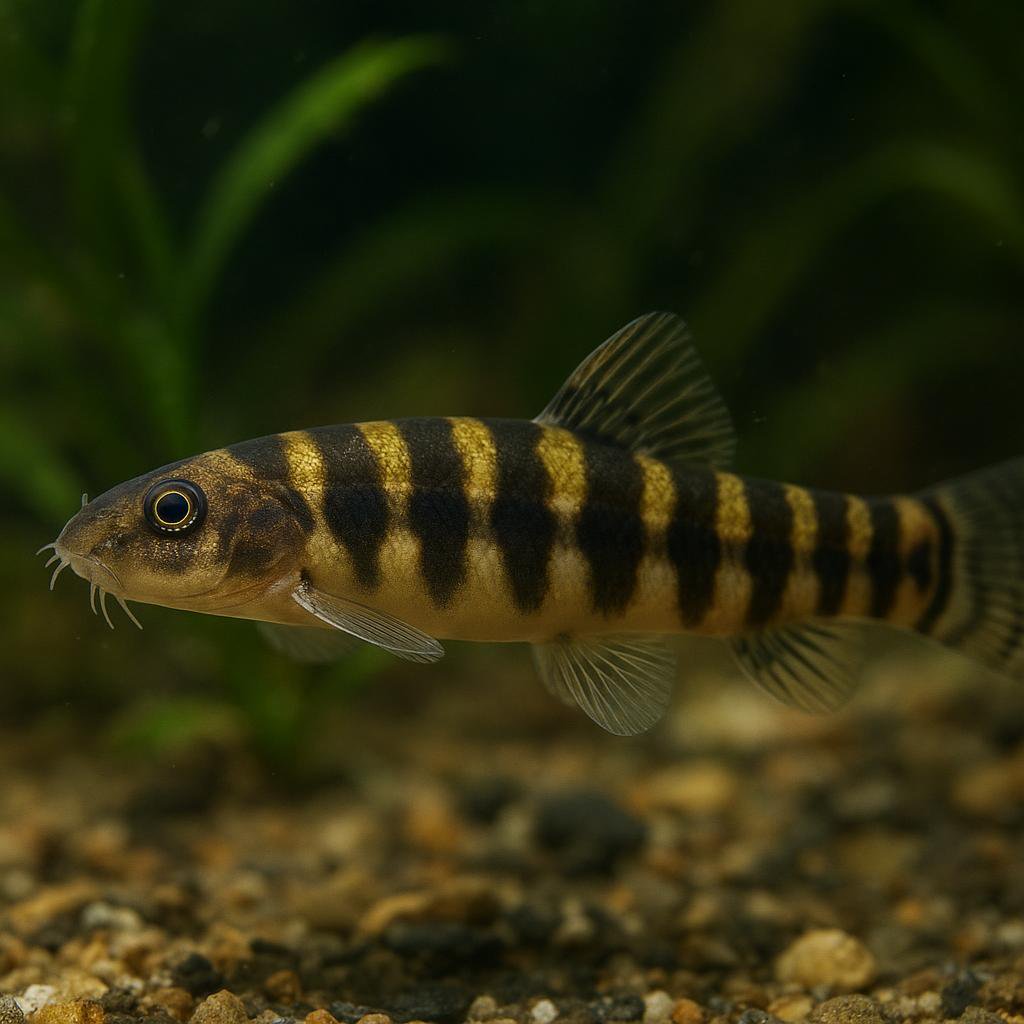
Altipedunculata stone loach
Schistura altipedunculata
Schistura altipedunculata is one of those little stream loaches that wants clean, well-oxygenated water and a bunch of rock nooks to claim as home. It is a bottom-hugger that will spend its day scooting from crevice to crevice, and it tends to get a bit spicy with its own kind if you do not give it enough hiding spots.
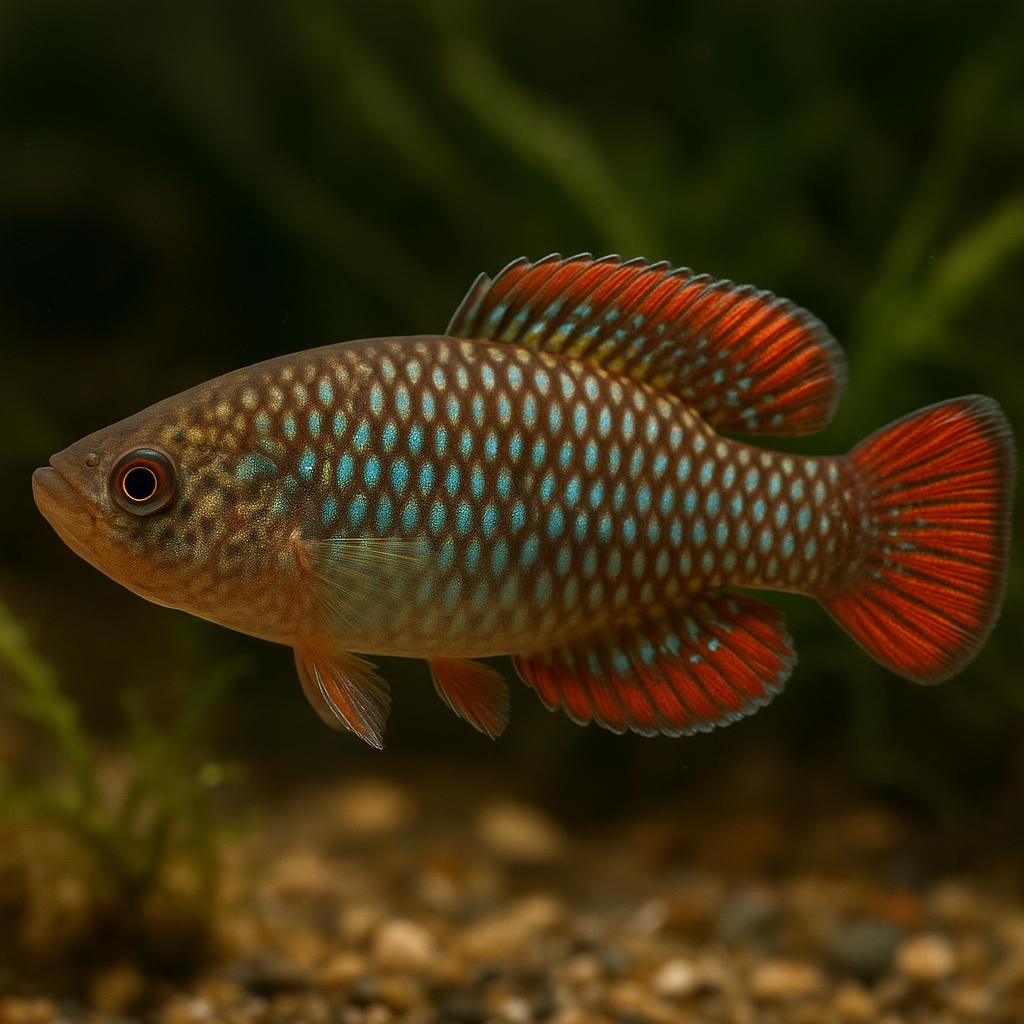
American flagfish
Jordanella floridae
Jordanella floridae is that little Florida native with the red-and-cream striping that really does look like a tiny flag once a male colors up. They graze algae like champs (especially stringy/hair algae), but they have a bit of attitude - give them plants and space so the bossy behavior stays manageable. Bonus: the male guards the eggs and will actively fan them, which is pretty fun to watch.
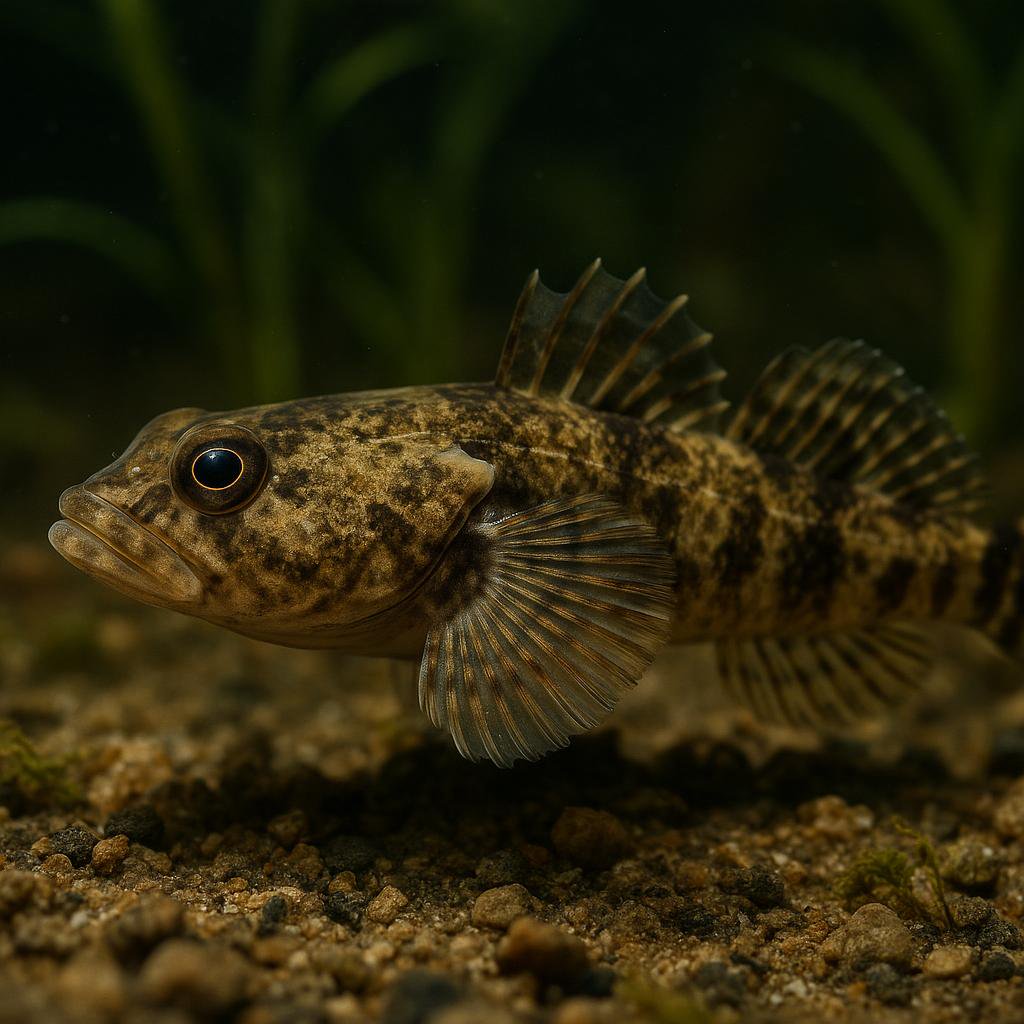
Amur sculpin
Alpinocottus szanaga
This is a little coldwater sculpin from the Amur drainage - a bottom-hugging, rock-and-gravel fish that spends its day wedged under stones and darting out to grab food. Super cool behavior and attitude, but it is absolutely not a warm tropical community fish - it wants chilly, fast, oxygen-rich water and will bicker with other bottom fish.
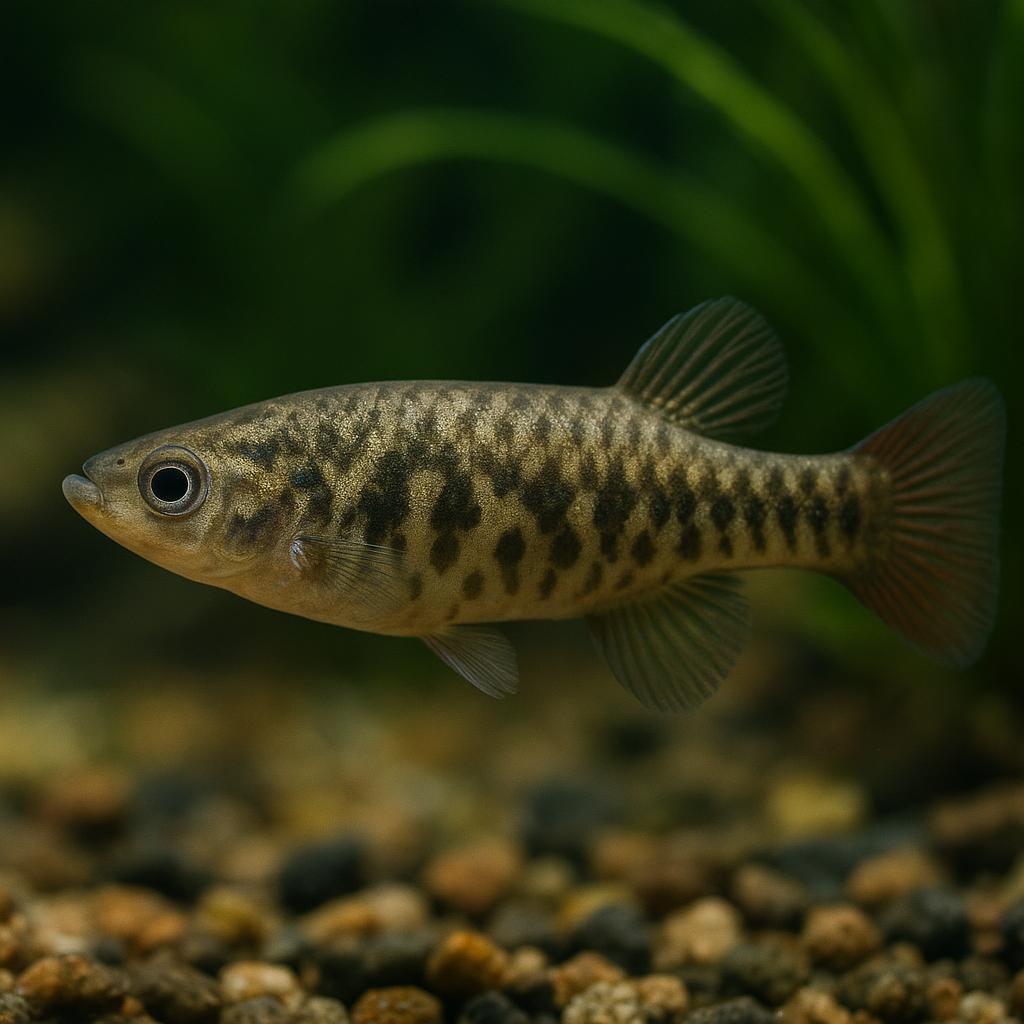
Anitápolis livebearer
Jenynsia weitzmani
Jenynsia weitzmani is a freshwater anablepid livebearer endemic to southern Brazil (currently known only from the type locality near Anitápolis, Santa Catarina). Like other Jenynsia (onesided livebearers), reproduction involves lateralized mating morphology/behavior; aquarium care guidance is not well-documented for this species specifically.
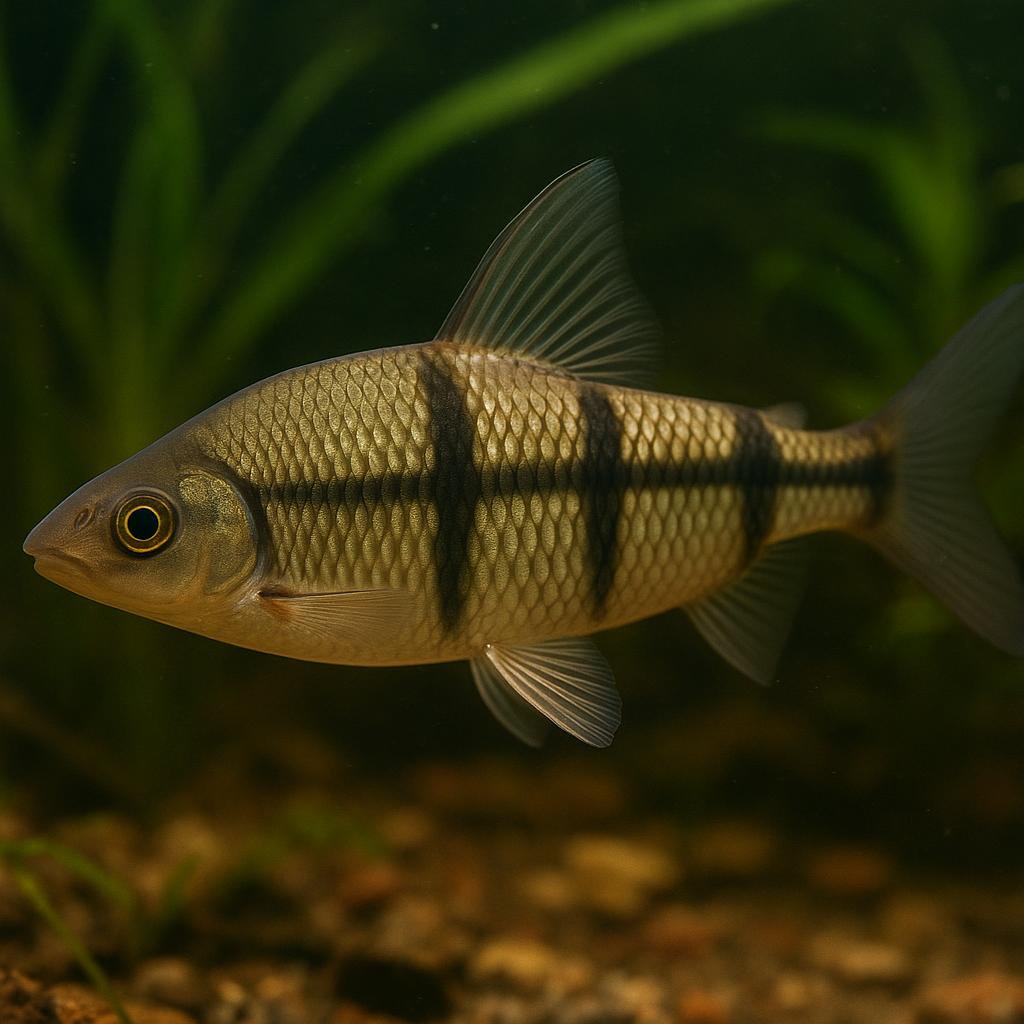
Aracu-comum
Schizodon vittatus
Schizodon vittatus is a large South American anostomid (family Anostomidae). Reported maximum size is about 35 cm standard length; it is harvested/consumed in parts of Brazil and is not commonly covered by mainstream aquarium husbandry references.
More to Explore
Discover more freshwater species.
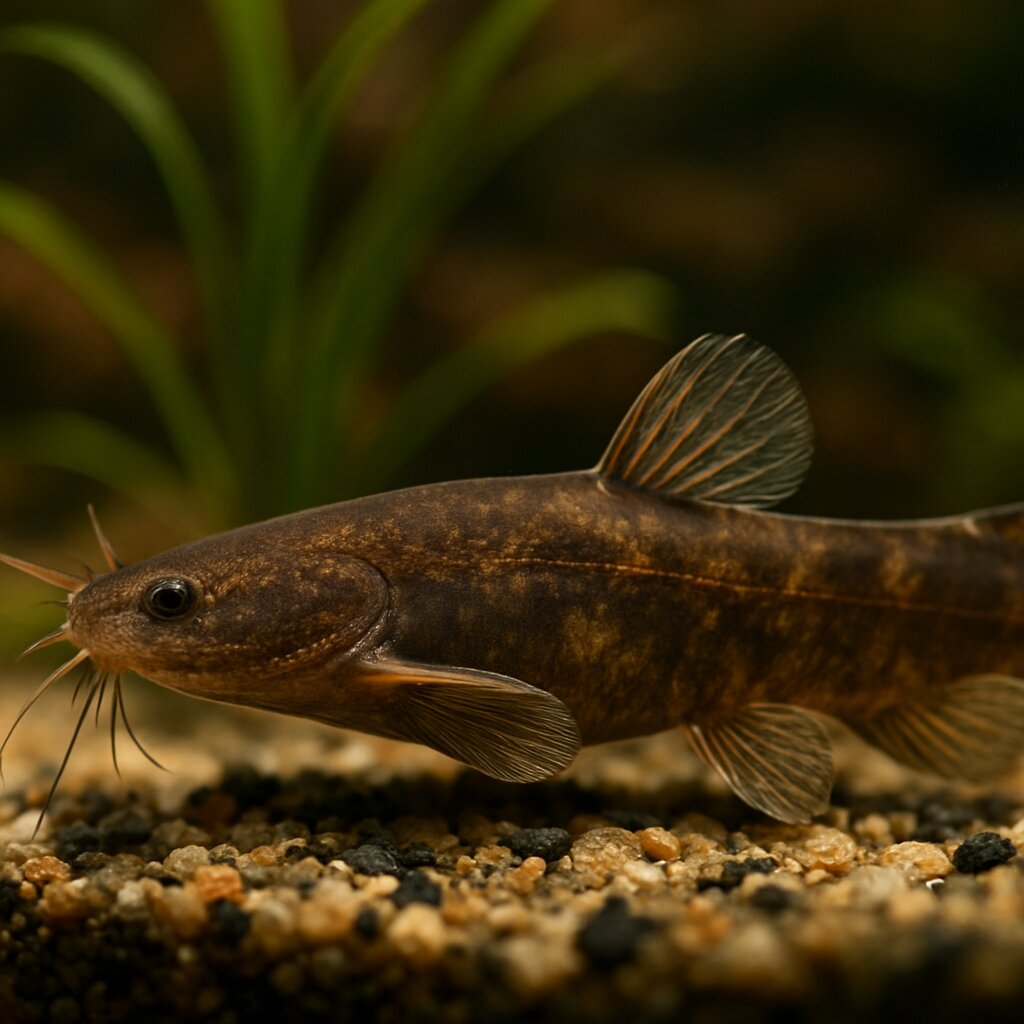
Amphilius dimonikensis
A small loach catfish endemic to the Mpoulou River in the Mayombe (Dimonika Biosphere Reserve), Republic of the Congo. Amphilius dimonikensis has a subtle banded pattern and inhabits fast, clear streams over rock and sand. In aquaria, prioritize strong, well-oxygenated flow with rounded stones and sand to mimic hillstream conditions.
Aboina barb
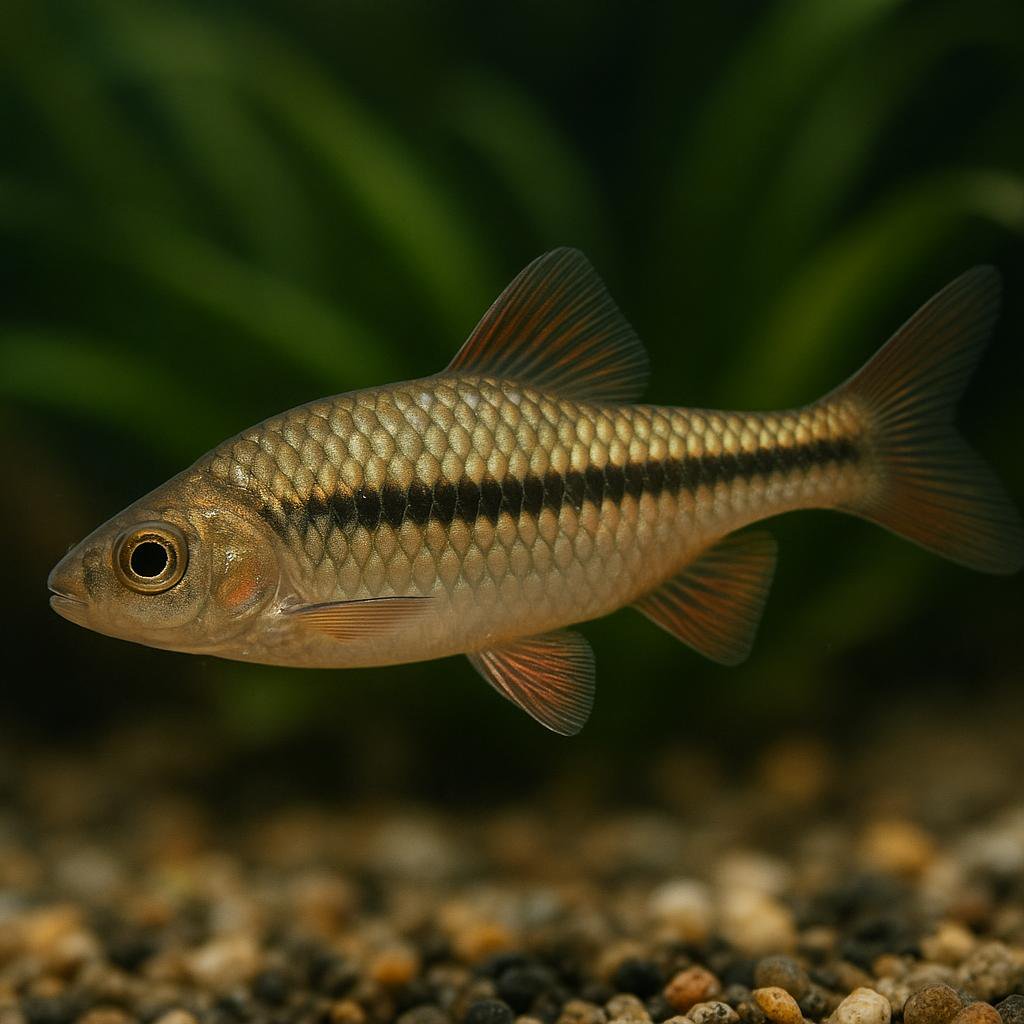
Enteromius aboinensis
Enteromius aboinensis (the Aboina barb) is a small West African barb with a clean black midline stripe and a little spot right at the base of the tail. It does best when you treat it like a proper schooling fish - keep a decent group and give it plants around the edges with open swimming room in the middle.
Ajuricaba tetra
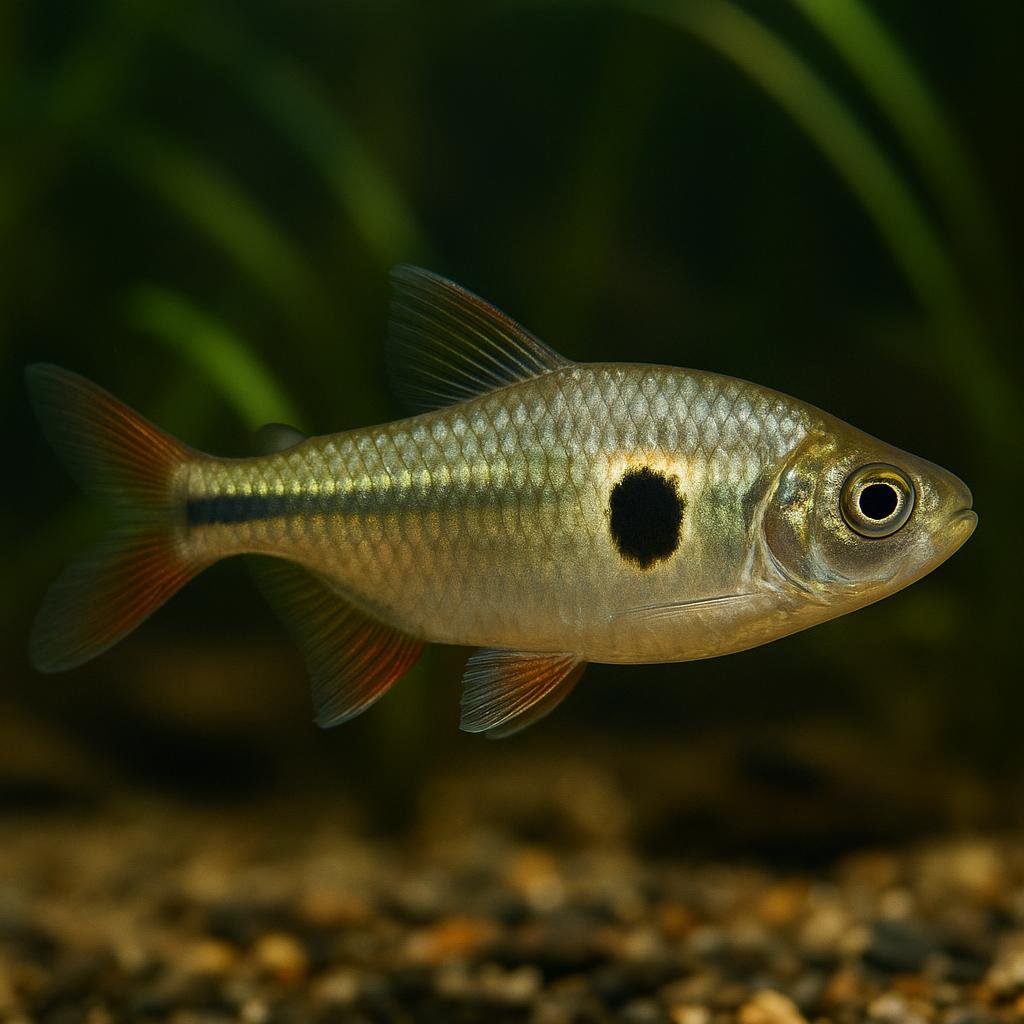
Jupiaba ajuricaba
Jupiaba ajuricaba is a South American freshwater characin from the Amazon basin in Brazil (rio Negro, rio Solimões, and rio Tapajós basins). It reaches about 9.5 cm SL and is diagnosed by a narrow dark midlateral stripe, an elongated humeral spot, and an ocellated spot on the upper caudal-fin lobe. Wild specimens have been collected from blackwater forest streams and also oxbow-lake habitats.
Allen's river garfish
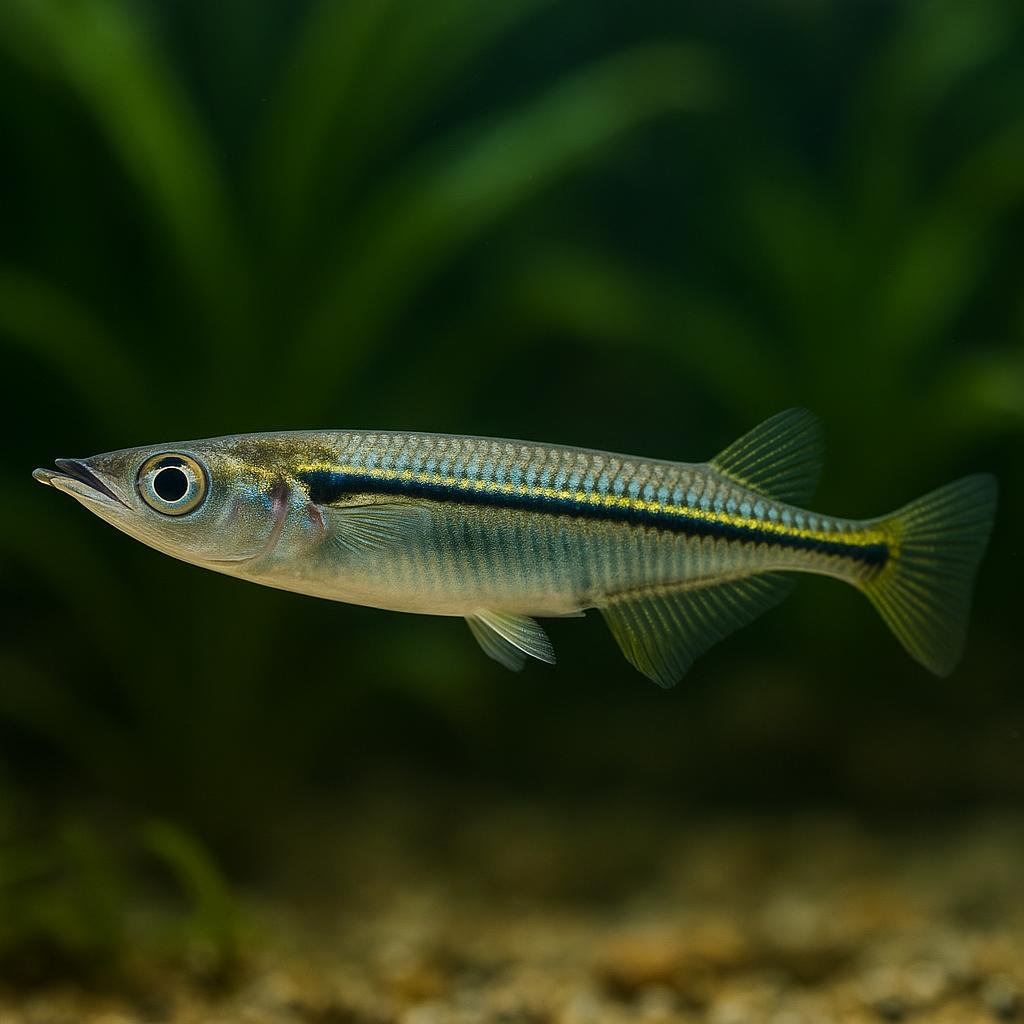
Zenarchopterus alleni
A poorly known freshwater halfbeak endemic to West Papua (Mamberamo River), described from a single specimen (~13 cm SL). Beyond basic habitat/occurrence, little is published about its ecology or aquarium suitability; assume it is a surface-oriented, jump-prone halfbeak only by analogy with related taxa.
Amapa tetra
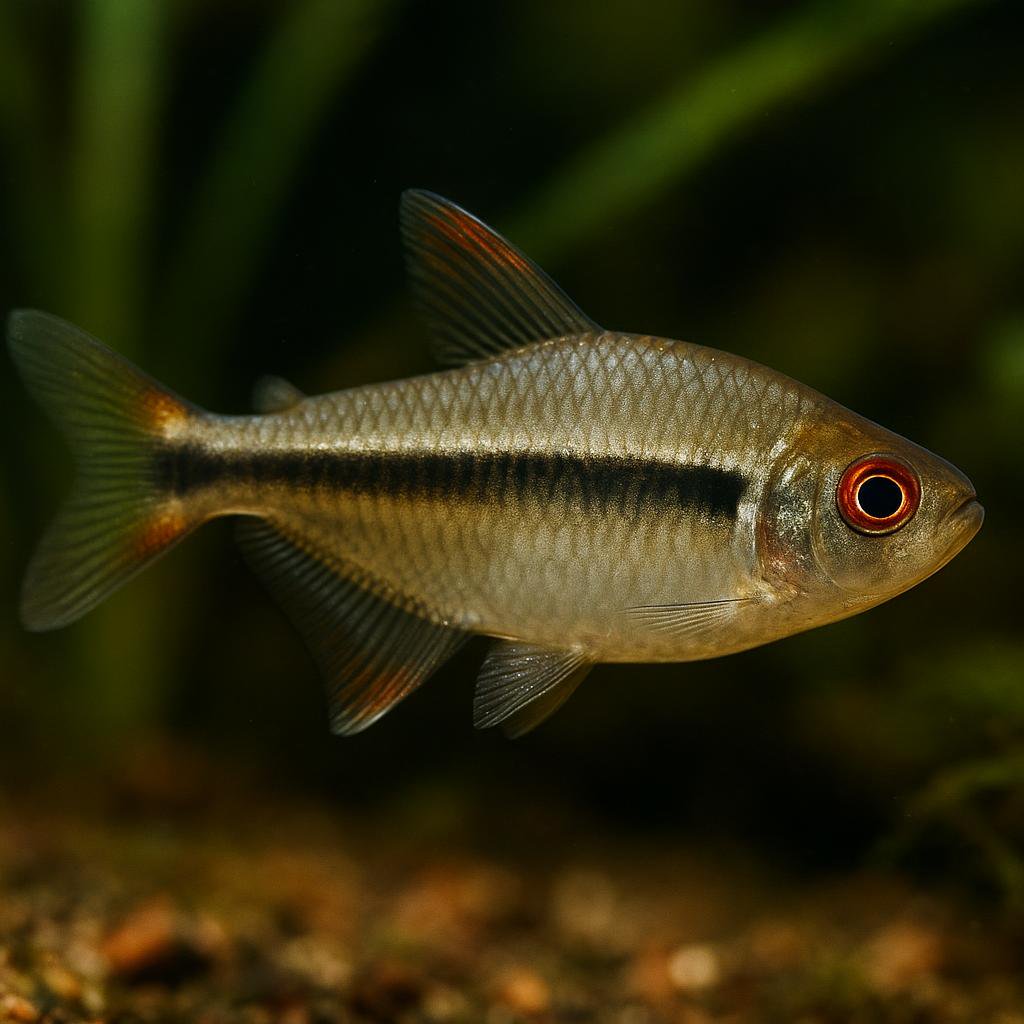
Hyphessobrycon amapaensis
This is a tiny, super sleek little tetra with a clean red stripe down the side that really pops once its settled in. It does best in a planted, slightly tinted "creek-style" setup and looks way cooler when you keep a proper group so they school and flash that line together. If you can give it soft, slightly acidic water and a calm community, its an easy fish to fall for.
Amatlan chub
Yuriria amatlana
Yuriria amatlana (the Amatlan chub) is a little Mexican native minnow from the Ameca River basin. Its wild range is pretty limited and it is listed as Endangered, so its care info in the aquarium hobby is basically nonexistent and its availability is usually low. In the original species description, preserved fish show a dark lateral stripe with a darker patch on the caudal peduncle, and they can have tiny barbels at the mouth corners.
Looking for other species?