

Lipeo livebearer
Jenynsia alternimaculata
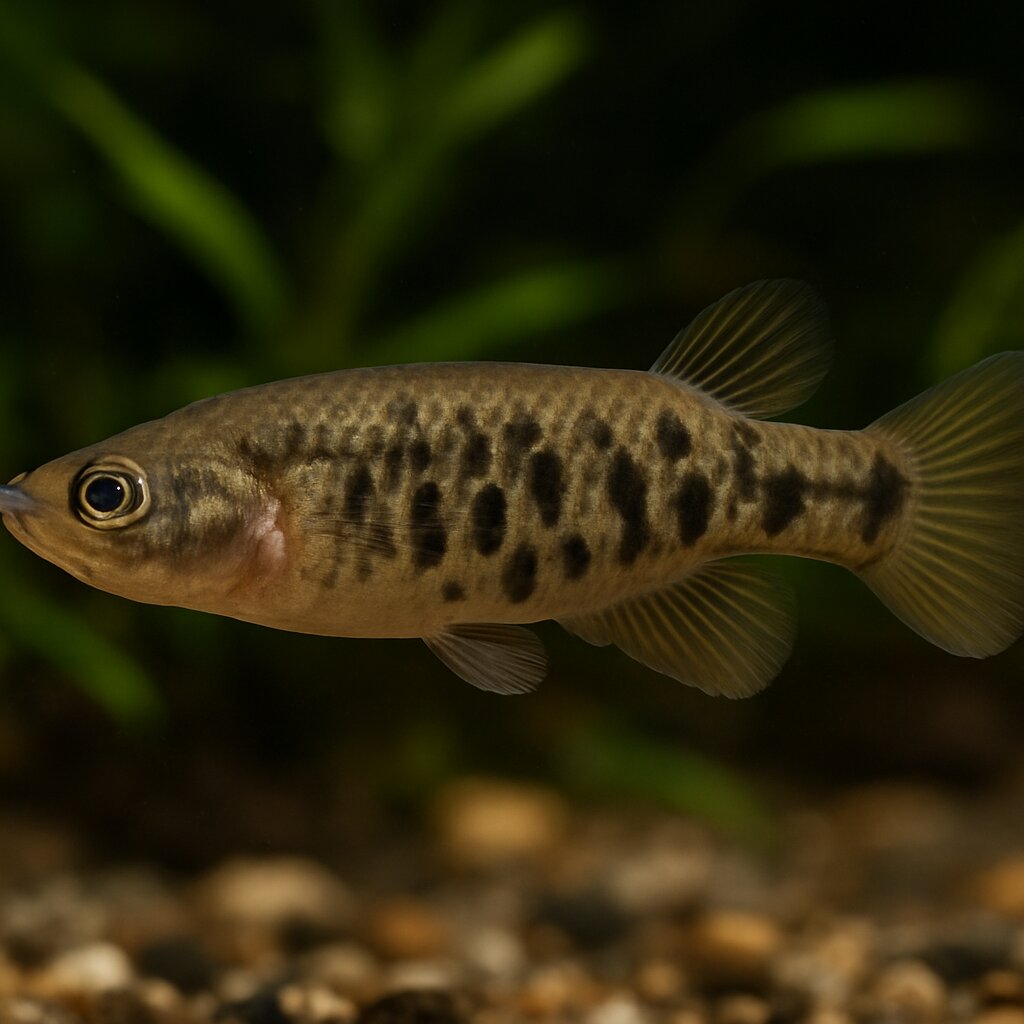
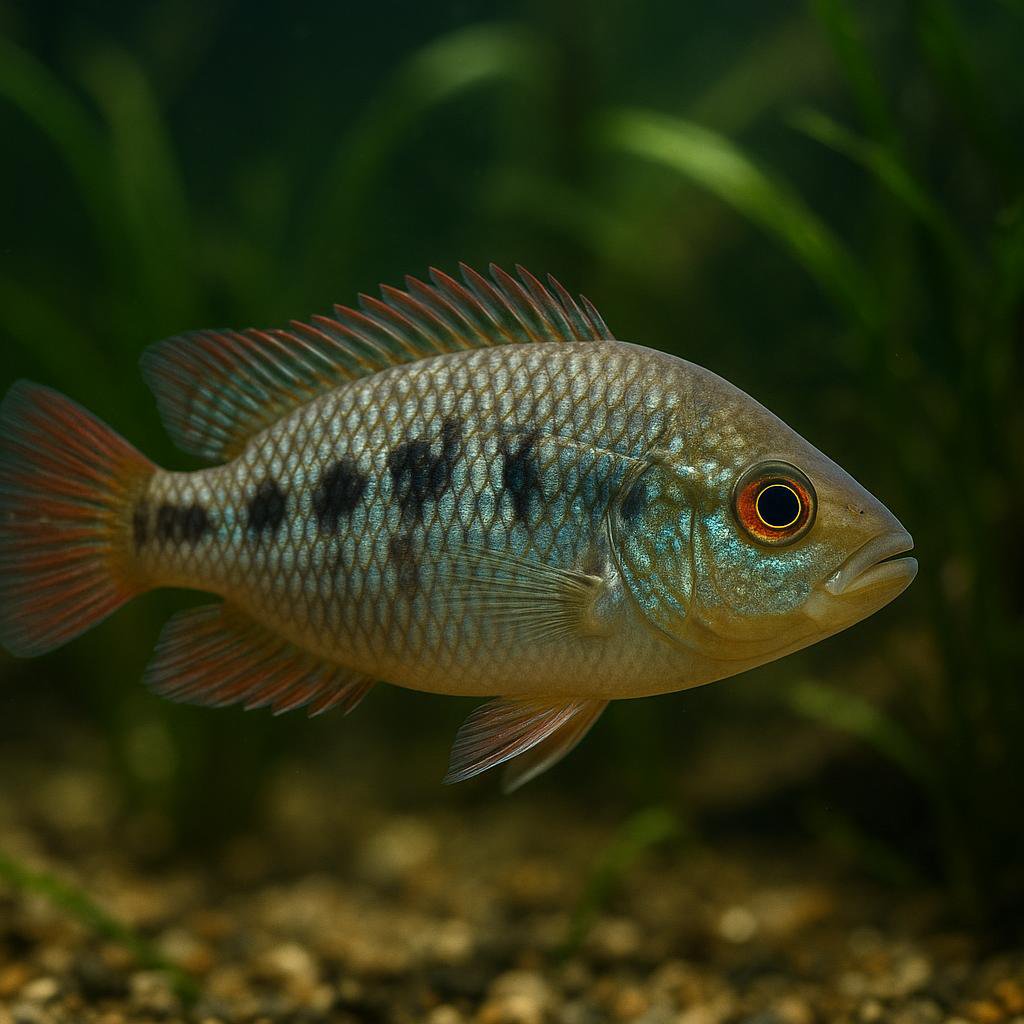
Lipeo livebearers exhibit a slender body with distinct dark spots along the sides and a metallic sheen on their scales.
This page includes AI-generated images. Why am I seeing AI images?
About the Lipeo livebearer
A neat little Argentine-Bolivian livebearer from clear, cool hill streams, the Lipeo livebearer stays small and does great in a planted, nicely oxygenated setup. The quirky part is their one-sided mating thing, where males are left- or right-handed, which makes breeding pairs fun to watch. Keep a group and you will see lots of surface cruising and busy foraging.
Also known as
Quick Facts
Size
5.5 cm SL
Temperament
Semi-aggressive
Difficulty
Intermediate
Min Tank Size
20 gallons
Lifespan
2-4 years
Origin
South America
Diet
Omnivore - small flakes and micro pellets, plus frozen/live foods like daphnia and baby brine
Water Parameters
22-25°C
7-8
5-20 dGH
Need a heater for this species?
This species needs 22-25°C in a 20 gallon tank. Use our heater calculator to find the right wattage.
Calculate heater sizeCare Notes
- Give them a 20-gallon long or bigger with a tight lid and decent flow; shoot for 64-72 F (18-22 C), pH 7.2-8.0, GH 8-20, and lots of surface agitation.
- Keep a group with more females than males (1M:2-3F) since males are pushy; add plants and hardscape to break lines of sight.
- Tankmates should be coolwater and quick: white clouds, zebra danios, and hillstream loaches work; skip bettas, guppies, angels, or any long-finned slow fish.
- Feed small portions twice daily: spirulina flake or small pellets plus frozen daphnia, baby brine, and the odd bloodworm; let some algae and biofilm stay for grazing.
- They are one-sided livebearers - males are left- or right-handed and only pair with females of the same side; buy a group to get matches, expect 4-6 week gestation, and give dense cover or pull parents or the fry will get picked off.
- Do 30-50% weekly water changes and keep the water cool and oxygen-rich; heat and stale water hit them hard, so keep under 75 F and use a fan or ice bottle during heat waves.
- They struggle in very soft, acidic water; if your tap is soft, bump minerals with crushed coral or a remineralizer, and quarantine newcomers since wild fish often bring worms (levamisole or flubendazole handles red stringy Camallanus).
Compatibility
Good Tankmates
- Fast cool-water schoolers like white clouds and zebra/pearl danios - quick enough to shrug off the occasional nip and happy in the 64-72 F range
- Rainbow shiners in a roomy, high-flow setup - same temp and tempo, and they spread the attention
- Peppered corys on sand - peaceful bottom crew that ignores the midwater squabbles
- Hillstream loaches (Sewellia/Gastromyzon) - love the same cool, oxygen-rich flow and stay out of the way
- Bristlenose plecos - armored and unfazed if a Jenynsia gets pushy, and they handle upper 60s to low 70s F fine
- Panda garra or similar Garra species - sturdy, active grazers that hold their own in current
Avoid
- Slow fish with fancy fins like guppies, long-fin variants, or angelfish - they get nipped to ribbons
- Tiny or timid nanos like celestial pearl danios, ember tetras, or endlers - they get harassed or become snacks
- Nippy roughnecks like tiger barbs or serpae/Buenos Aires tetras - just turns the tank into a slap fight
- Warm-water cichlids and gouramis (rams, apistos, bettas) - wrong temp and too much territorial drama
Where they come from
Lipeo livebearers are from cool, clear foothill streams in northwestern Argentina, including the Lipeo River. Think rocky runs with good current, bright light, and pockets of vegetation. They are built for oxygen-rich water and seasonal shifts, not warm, still ponds.
They are a cool-water livebearer. Aim for 64-74 F (18-23 C). Warmer than that and they get stressed fast.
Setting up their tank
Give them some room to cruise and some push from the filter. A 24-30 inch tank works well for a small group. They are surface and midwater fish, so length matters more than height.
- Tank size: 20-30 gallons for 6-8 fish
- Temperature: 64-74 F (18-23 C). They appreciate the lower half of that range
- pH: 7.0-8.0. Hardness: moderate, 6-18 dGH (TDS roughly 150-350 ppm)
- Flow: moderate. A hang-on-back with a spray bar or a small powerhead for extra current
- Substrate: sand or fine gravel with smooth river stones and cobbles
- Plants: vallisneria, hornwort, Java fern, or floating plants. Anchor plants so they do not uproot in current
- Cover: driftwood and rocks to break sight lines. They relax with places to duck into
- Lid: tight-fitting. They jump during chasing and feeding frenzies
- Lighting: normal community lighting. A bit of natural algae growth is a plus
If your tap water is very soft, tuck a small bag of crushed coral into the filter. These guys look and behave better with some minerals in the water.
Summer heat can wipe them out. Run a fan across the surface, boost aeration, and dim the lights if temps creep above 75 F.
What to feed them
They are true omnivores. Mine graze biofilm and algae all day, then go nuts for small live or frozen foods. Keep it mixed and keep the portions modest.
- Staples: quality spirulina flake, fine pellets, veggie wafers shaved down
- Green stuff: blanched spinach or zucchini slivers, algae wafers, nori crumbs
- Protein: live or frozen daphnia, baby brine shrimp, mosquito larvae, chopped bloodworms
- Occasional treats: crushed snails or cyclops
Two to three small feedings beat one big dump of food. They fill up fast and leftovers foul the water.
How they behave and who they get along with
Active, curious, and a bit scrappy. Males posture and chase, and they will nip fins if cramped or bored. Females are larger and more laid back. Keep them in a group so no single fish takes all the heat.
- Group makeup: 1 male to 3-4 females works well. If you keep multiple males, add extra space and cover
- Good tankmates: white cloud mountain minnows, zebra danios, peppered corydoras, hillstream loaches, smaller hoplos, hardy snails
- Use caution: long-finned fish (angels, bettas, fancy guppies) and small shrimp. Fins get nipped and shrimplets get eaten
Nipping usually means too-warm water, not enough flow, or not enough room. Fix the setup first before blaming the fish.
Breeding tips
They are livebearers with a twist. Males have a one-sided mating fin, and each male is either left- or right-oriented. Females tend to match one side better than the other. If you keep several males, the odds are good that at least one will be compatible.
- Stock a trio or harem: 1 male with 3-4 females, or 2-3 males with 6-8 females
- Condition with frequent small feeds of baby brine shrimp and spirulina
- Gestation: roughly 4-6 weeks, temperature-dependent
- Brood size: about 10-25 larger fry
- Fry safety: adults will pick at newborns. Dense plants, yarn mops, or a mesh breeder box help
- Fry food: powdered flake, newly hatched brine shrimp, microworms
Because of the left-right thing, keeping 3+ males usually gets you both orientations in the group and much better breeding success.
Common problems to watch for
- Heat stress: they get listless, gasp near the surface, and nip more at higher temps
- Low oxygen: heavy breathing and hanging in the filter outflow. Add air and current
- Water too soft or acidic: shimmying, thin appearance, poor appetite. Add mineral support
- Aggression from crowding: split the group, add cover, or upsize the tank
- Parasites on wild-caught fish: do a full quarantine and observe for wasting, stringy feces, or flashing
- New tank instability: they hate ammonia spikes. Mature the filter before adding them
Do not let a power outage or hot spell catch you off guard. A battery air pump and a clip-on fan have saved my group more than once.
Weekly 30-40% water changes keep them lively. Match temperature closely on refill to avoid shocking them.
Similar Species
Other freshwater semi-aggressive species you might be interested in.
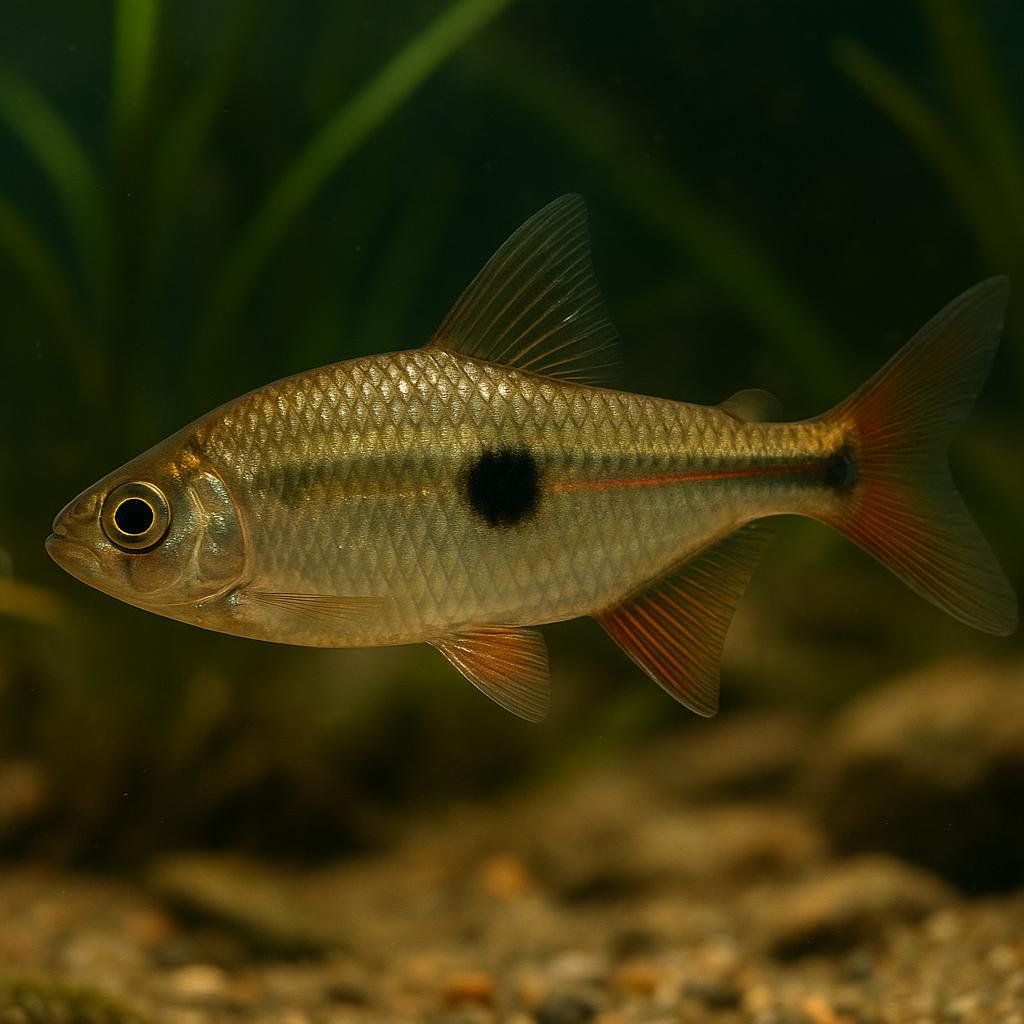
Jupiaba kurua
Small South American characin endemic to the upper rio Curuá (rio Xingu basin, Brazil). Reaches about 8.7 cm SL and inhabits clearwater rivers. Distinguished by dark dots on the bases of many lateral scales and a distinct dark caudal‑peduncle spot. Reported diet indicates omnivory, including aquatic insects, small fishes, and fragments of Podostemaceae and filamentous algae.
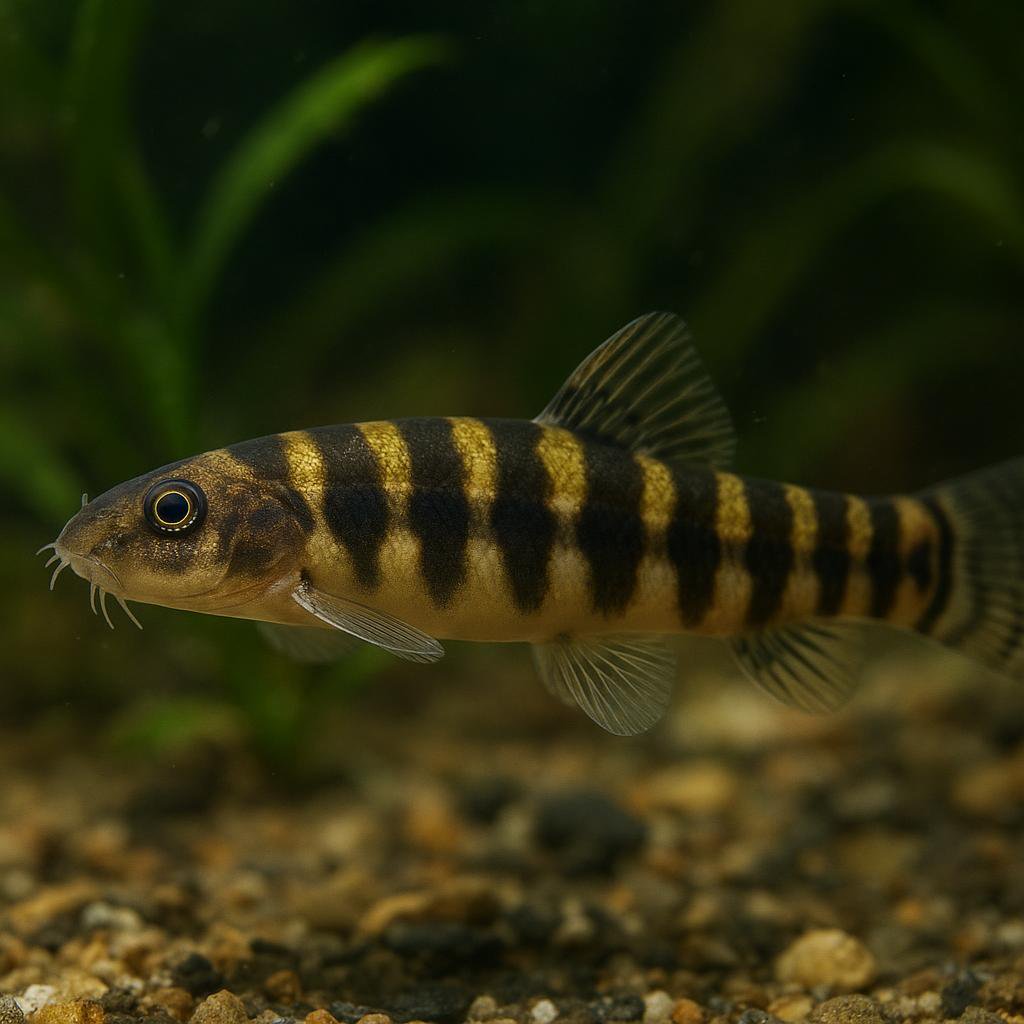
Altipedunculata stone loach
Schistura altipedunculata
Schistura altipedunculata is one of those little stream loaches that wants clean, well-oxygenated water and a bunch of rock nooks to claim as home. It is a bottom-hugger that will spend its day scooting from crevice to crevice, and it tends to get a bit spicy with its own kind if you do not give it enough hiding spots.
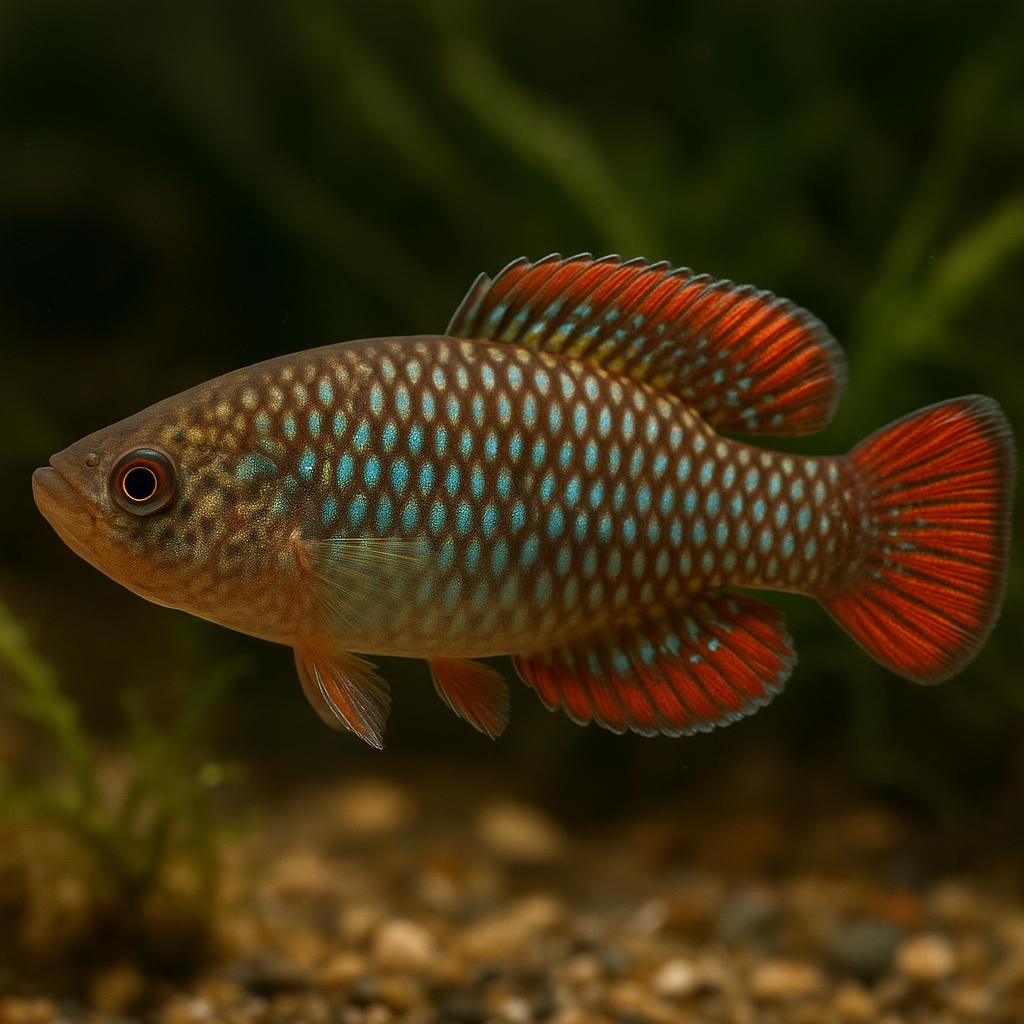
American flagfish
Jordanella floridae
Jordanella floridae is that little Florida native with the red-and-cream striping that really does look like a tiny flag once a male colors up. They graze algae like champs (especially stringy/hair algae), but they have a bit of attitude - give them plants and space so the bossy behavior stays manageable. Bonus: the male guards the eggs and will actively fan them, which is pretty fun to watch.
Amur sculpin
Alpinocottus szanaga
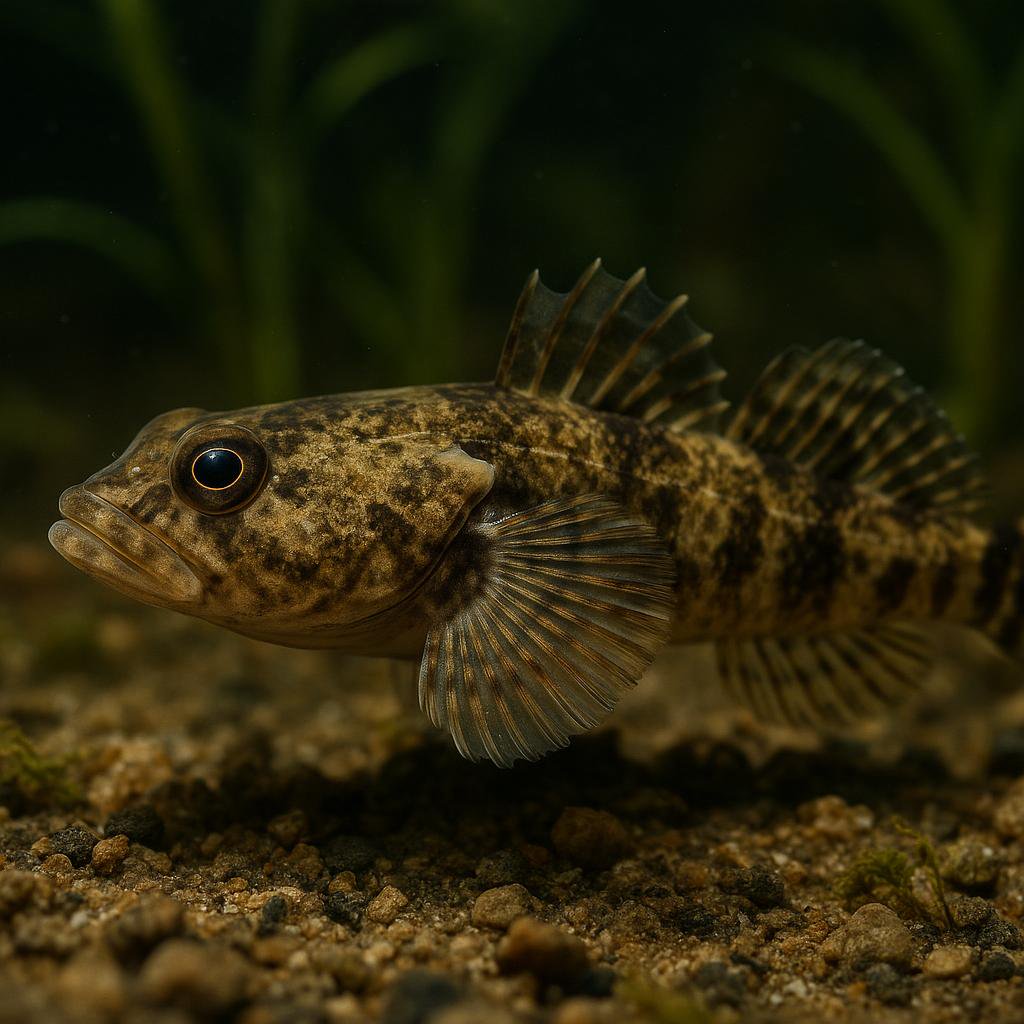
This is a little coldwater sculpin from the Amur drainage - a bottom-hugging, rock-and-gravel fish that spends its day wedged under stones and darting out to grab food. Super cool behavior and attitude, but it is absolutely not a warm tropical community fish - it wants chilly, fast, oxygen-rich water and will bicker with other bottom fish.
Anitápolis livebearer
Jenynsia weitzmani
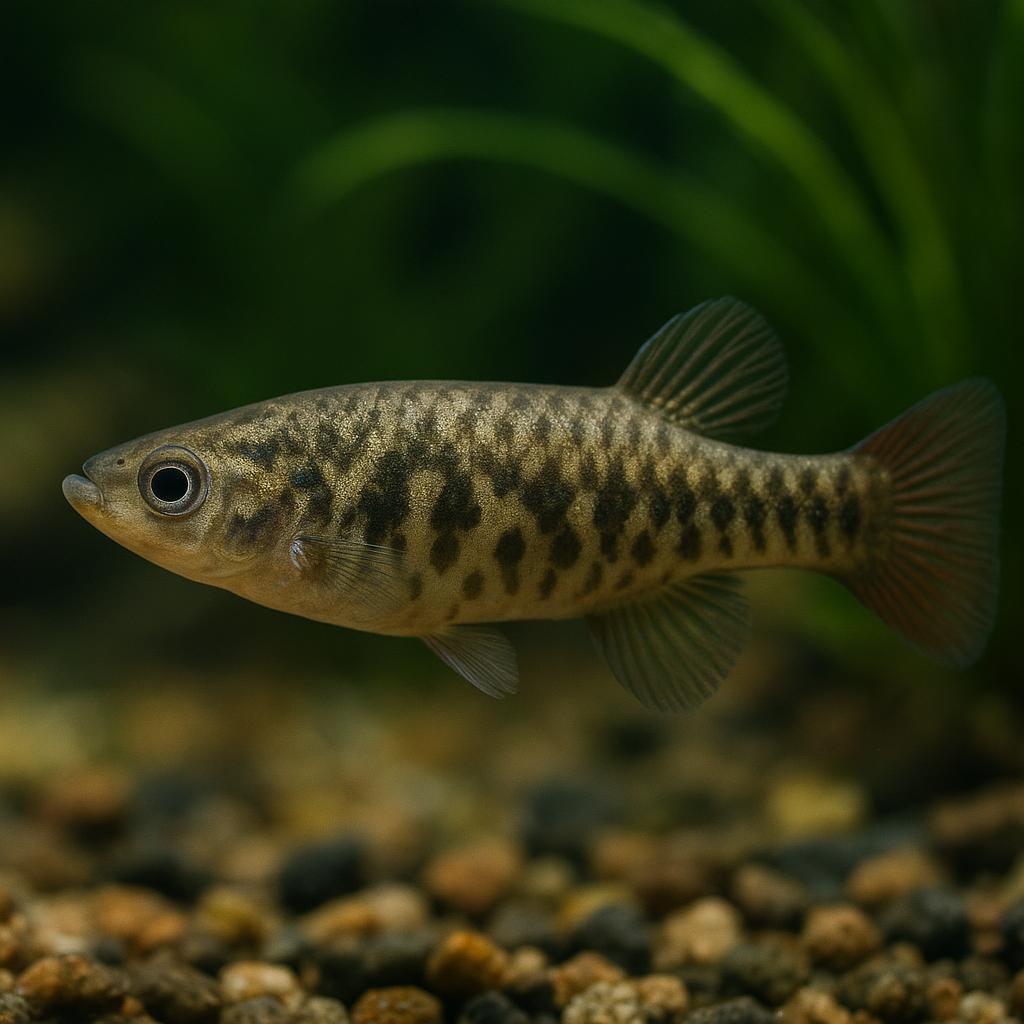
Jenynsia weitzmani is a freshwater anablepid livebearer endemic to southern Brazil (currently known only from the type locality near Anitápolis, Santa Catarina). Like other Jenynsia (onesided livebearers), reproduction involves lateralized mating morphology/behavior; aquarium care guidance is not well-documented for this species specifically.
Aracu-comum
Schizodon vittatus
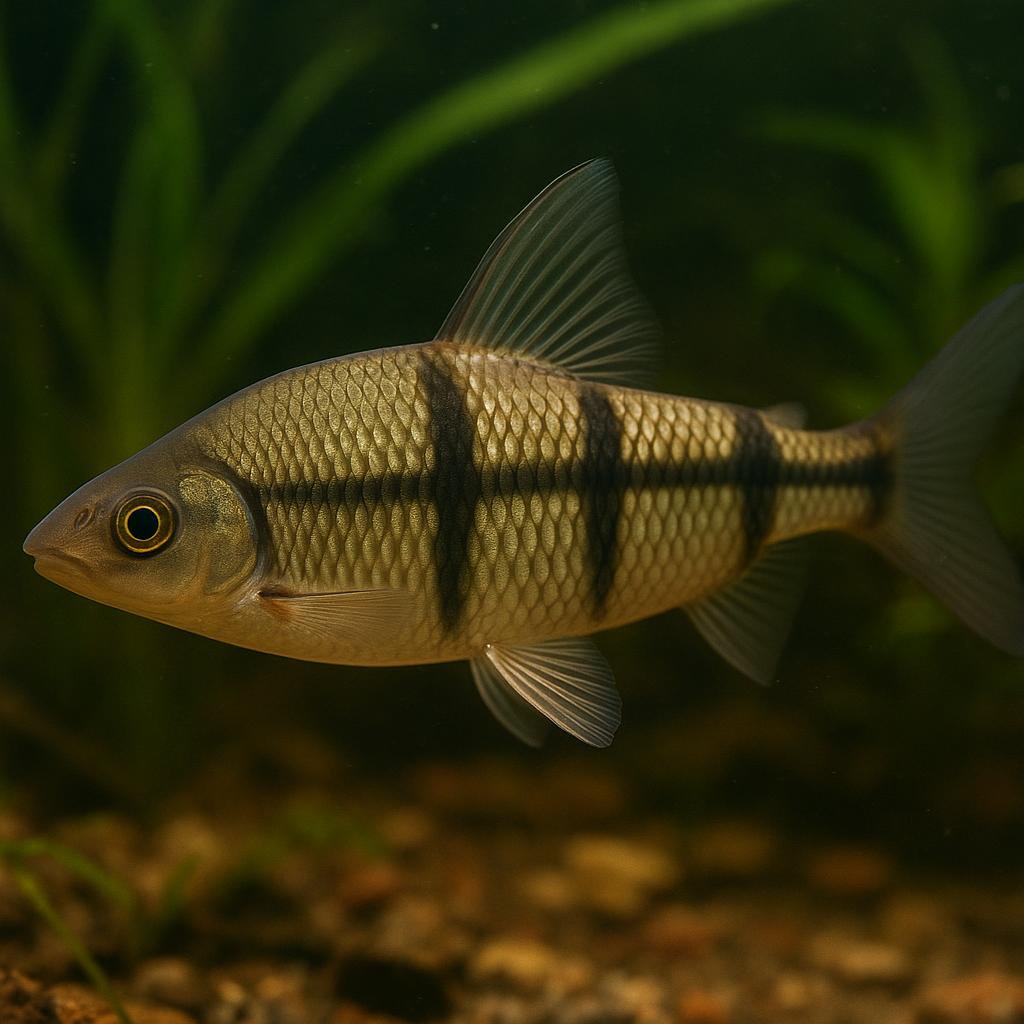
Schizodon vittatus is a large South American anostomid (family Anostomidae). Reported maximum size is about 35 cm standard length; it is harvested/consumed in parts of Brazil and is not commonly covered by mainstream aquarium husbandry references.
More to Explore
Discover more freshwater species.
Amphilius dimonikensis
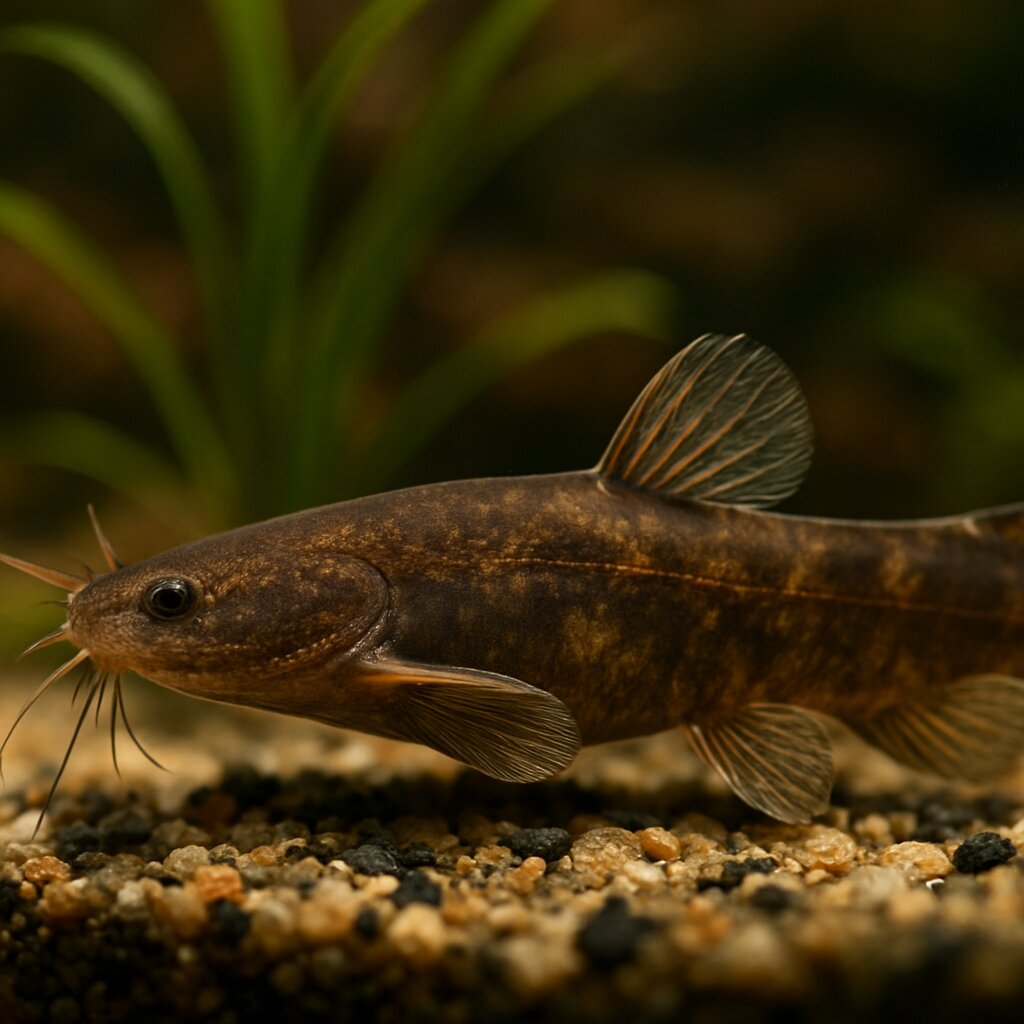
A small loach catfish endemic to the Mpoulou River in the Mayombe (Dimonika Biosphere Reserve), Republic of the Congo. Amphilius dimonikensis has a subtle banded pattern and inhabits fast, clear streams over rock and sand. In aquaria, prioritize strong, well-oxygenated flow with rounded stones and sand to mimic hillstream conditions.
Aboina barb
Enteromius aboinensis
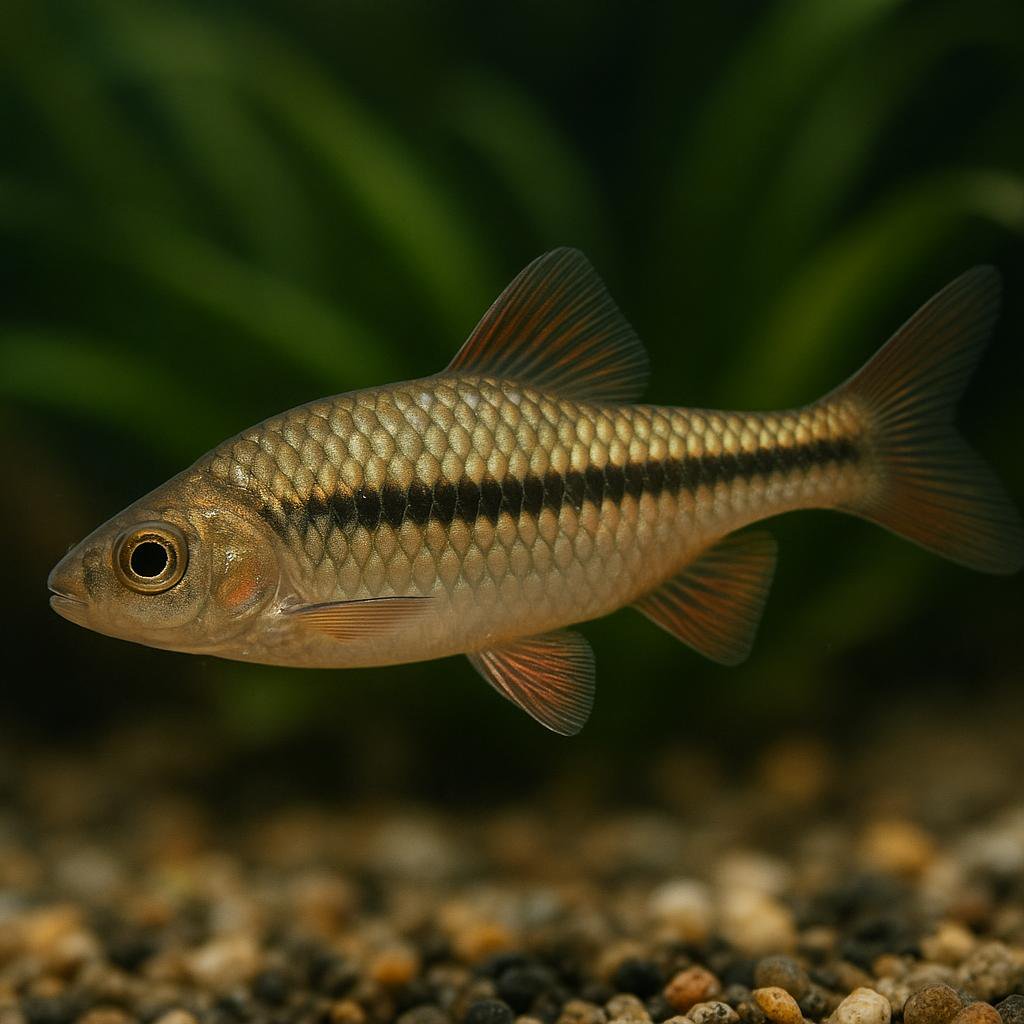
Enteromius aboinensis (the Aboina barb) is a small West African barb with a clean black midline stripe and a little spot right at the base of the tail. It does best when you treat it like a proper schooling fish - keep a decent group and give it plants around the edges with open swimming room in the middle.
Ajuricaba tetra
Jupiaba ajuricaba
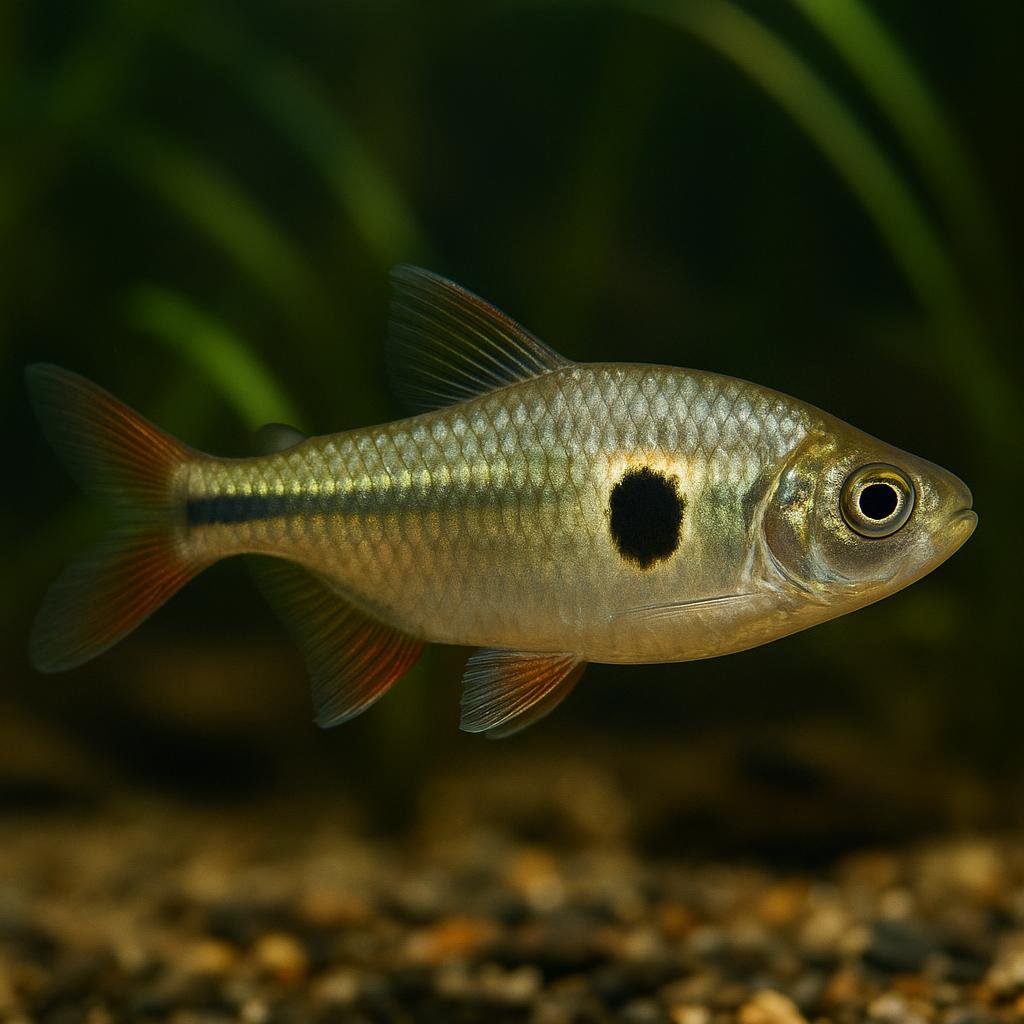
Jupiaba ajuricaba is a South American freshwater characin from the Amazon basin in Brazil (rio Negro, rio Solimões, and rio Tapajós basins). It reaches about 9.5 cm SL and is diagnosed by a narrow dark midlateral stripe, an elongated humeral spot, and an ocellated spot on the upper caudal-fin lobe. Wild specimens have been collected from blackwater forest streams and also oxbow-lake habitats.
Allen's river garfish
Zenarchopterus alleni
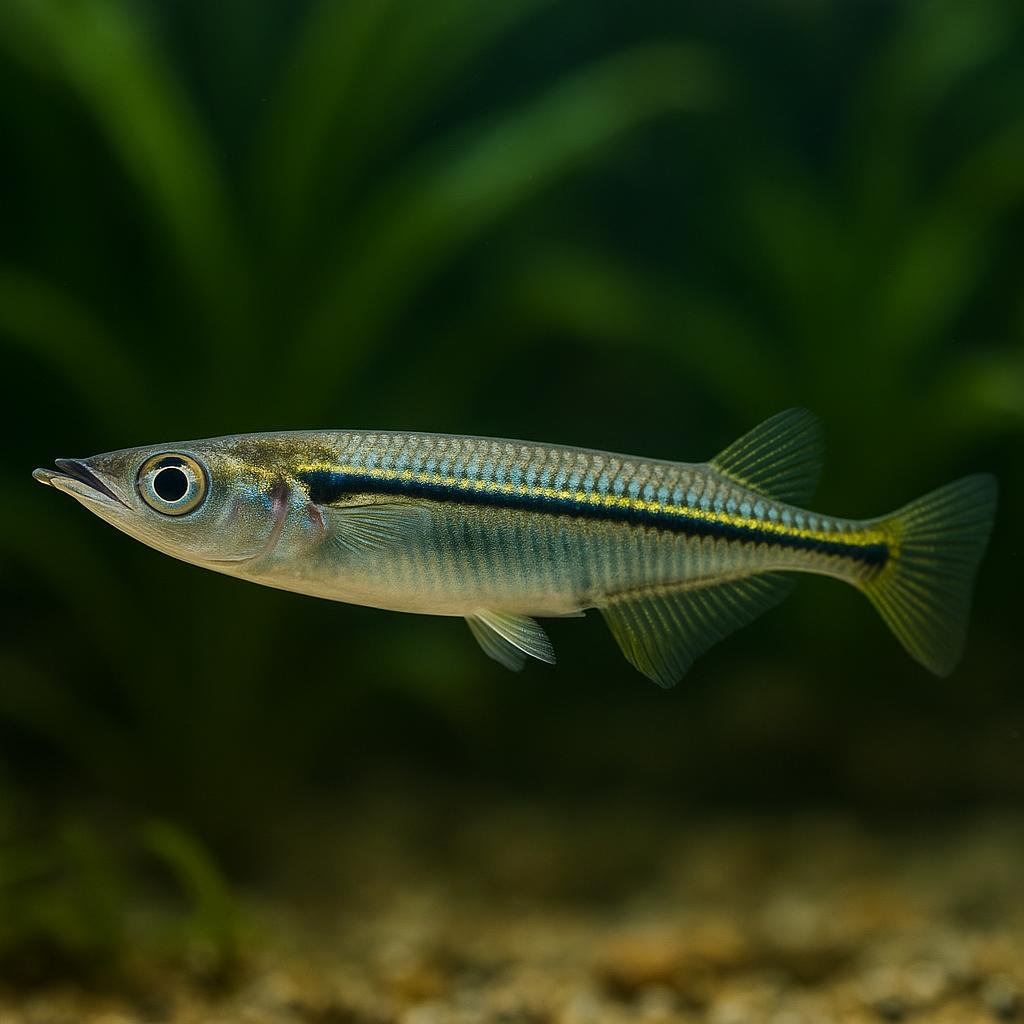
A poorly known freshwater halfbeak endemic to West Papua (Mamberamo River), described from a single specimen (~13 cm SL). Beyond basic habitat/occurrence, little is published about its ecology or aquarium suitability; assume it is a surface-oriented, jump-prone halfbeak only by analogy with related taxa.
Amapa tetra
Hyphessobrycon amapaensis
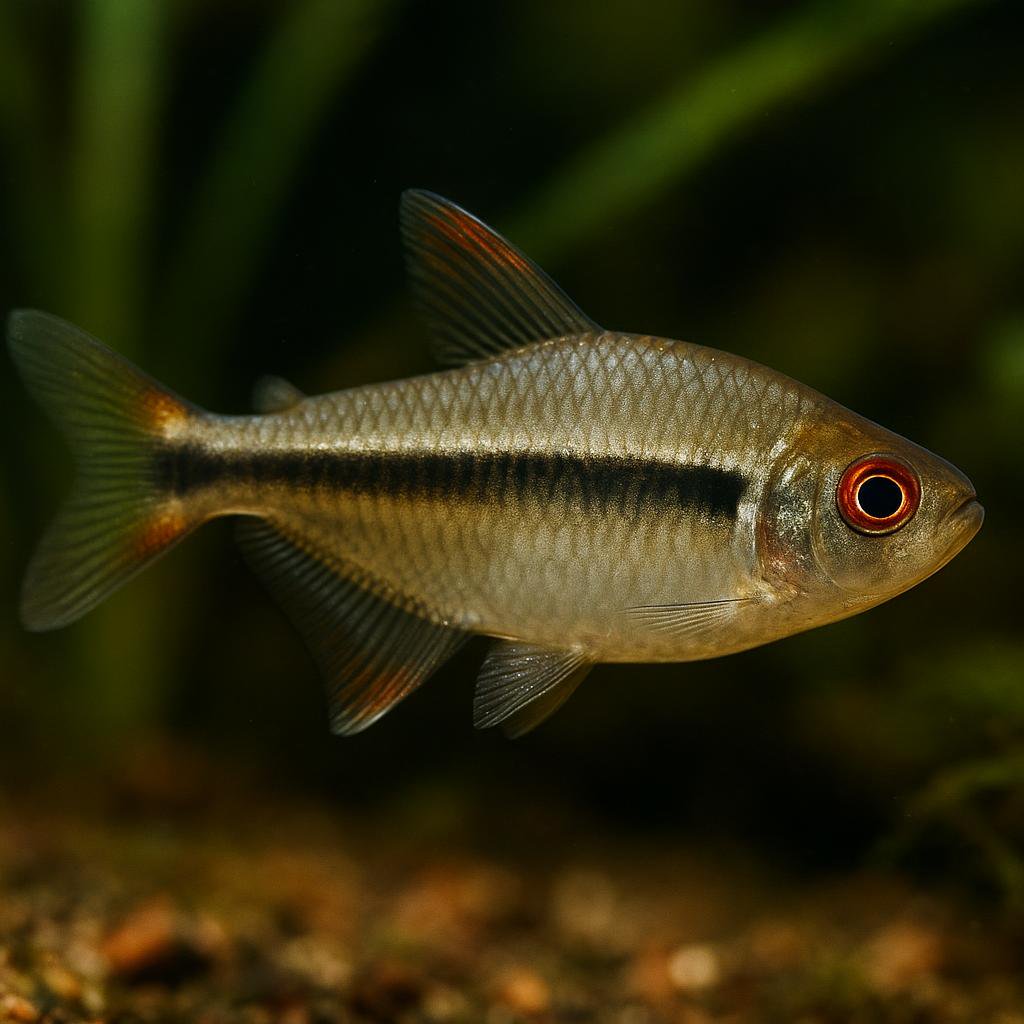
This is a tiny, super sleek little tetra with a clean red stripe down the side that really pops once its settled in. It does best in a planted, slightly tinted "creek-style" setup and looks way cooler when you keep a proper group so they school and flash that line together. If you can give it soft, slightly acidic water and a calm community, its an easy fish to fall for.
Amatlan chub
Yuriria amatlana
Yuriria amatlana (the Amatlan chub) is a little Mexican native minnow from the Ameca River basin. Its wild range is pretty limited and it is listed as Endangered, so its care info in the aquarium hobby is basically nonexistent and its availability is usually low. In the original species description, preserved fish show a dark lateral stripe with a darker patch on the caudal peduncle, and they can have tiny barbels at the mouth corners.
Looking for other species?