

Search Species
Search for fish species by common or scientific name, or use filters to browse by water type, size, temperament, and difficulty.
Found 654 species
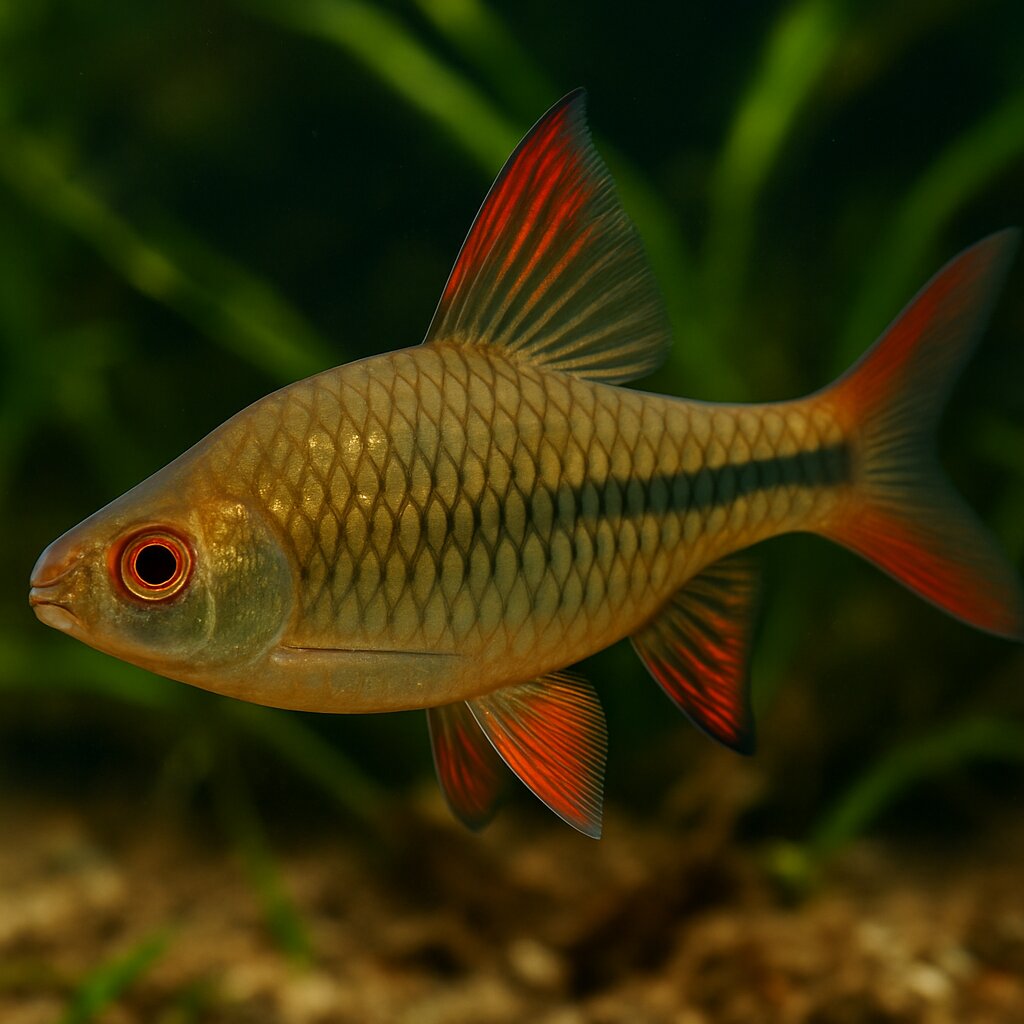
Kerala High Fin Barb
Oreichthys incognito
A tiny Western Ghats barb with a soft gold sheen and a neat dark bar in the dorsal fin. It comes from cool, crystal-clear forest streams, so it really shines in a planted, well-oxygenated tank and a good-sized group where the shy fish feel safe and color up.
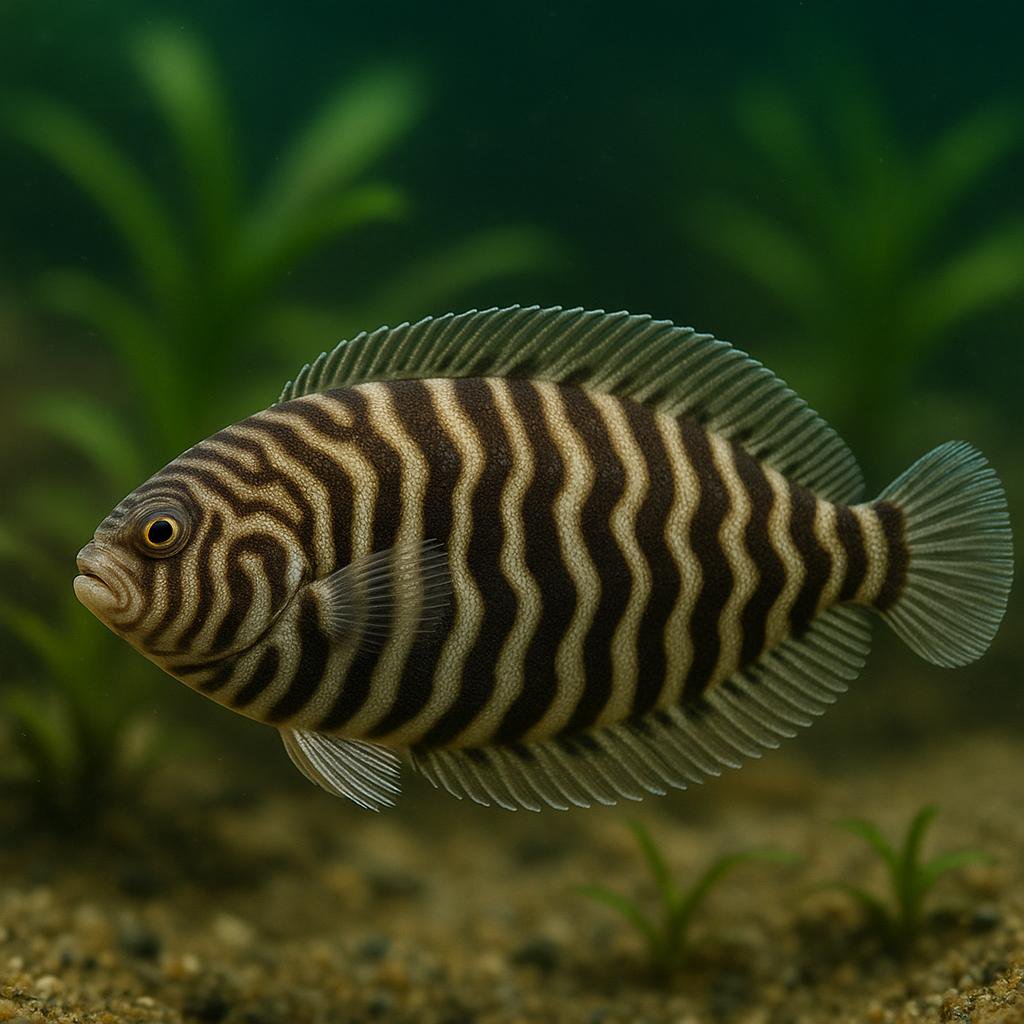
Kerala sole
Zebrias keralensis
This is a small, sand-hugging marine sole from the Kerala coast area, with that classic zebra-style banding that helps it vanish the second it settles onto the bottom. Its whole deal is staying low, burying in fine sand, and picking off tiny bottom critters - super cool fish, but not really something you see in the aquarium trade.
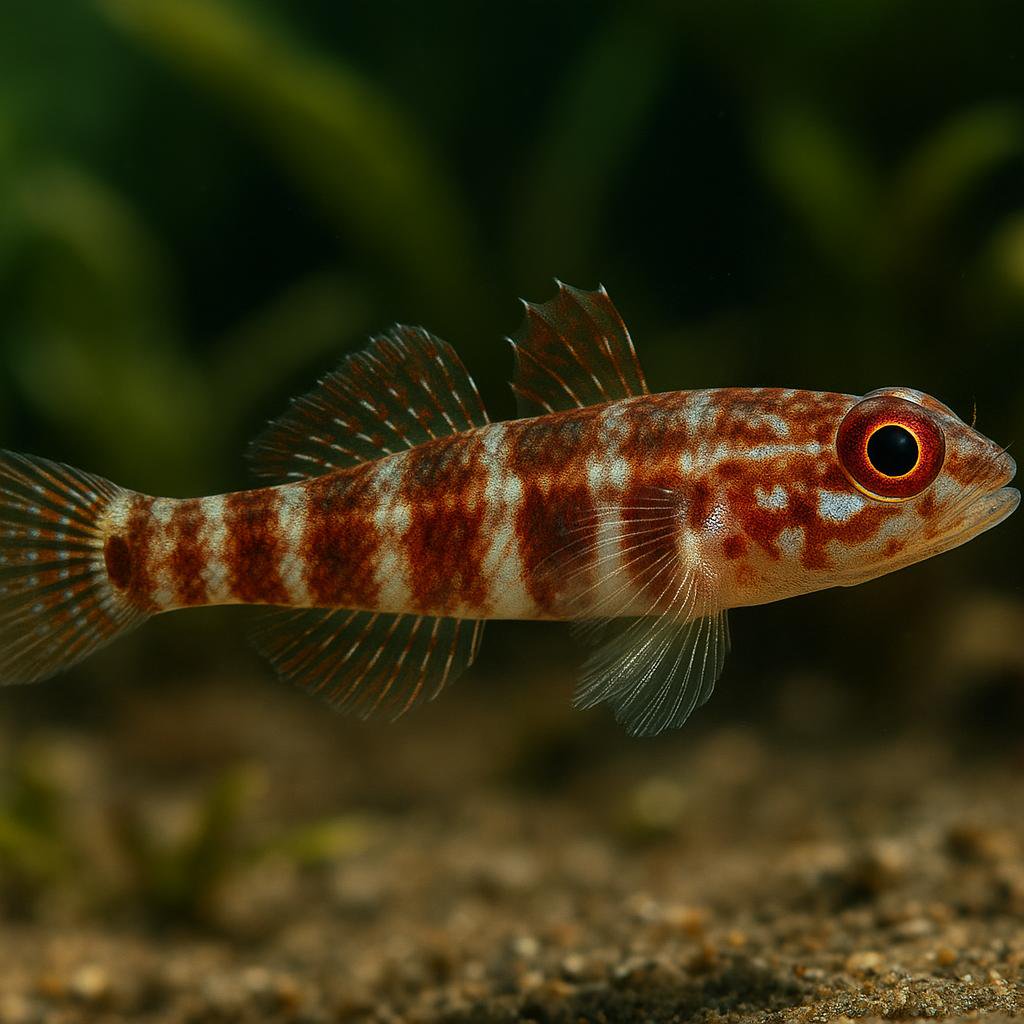
Kermadec dwarfgoby
Eviota kermadecensis
This is a true micro-goby from the Kermadec Islands (Raoul Island area) - the kind of tiny reef fish that basically lives in the nooks and crannies and makes you stare at your rockwork more. Its whole vibe is cryptic and subtle, but that is exactly why dwarfgobies are so addicting once you start noticing them.
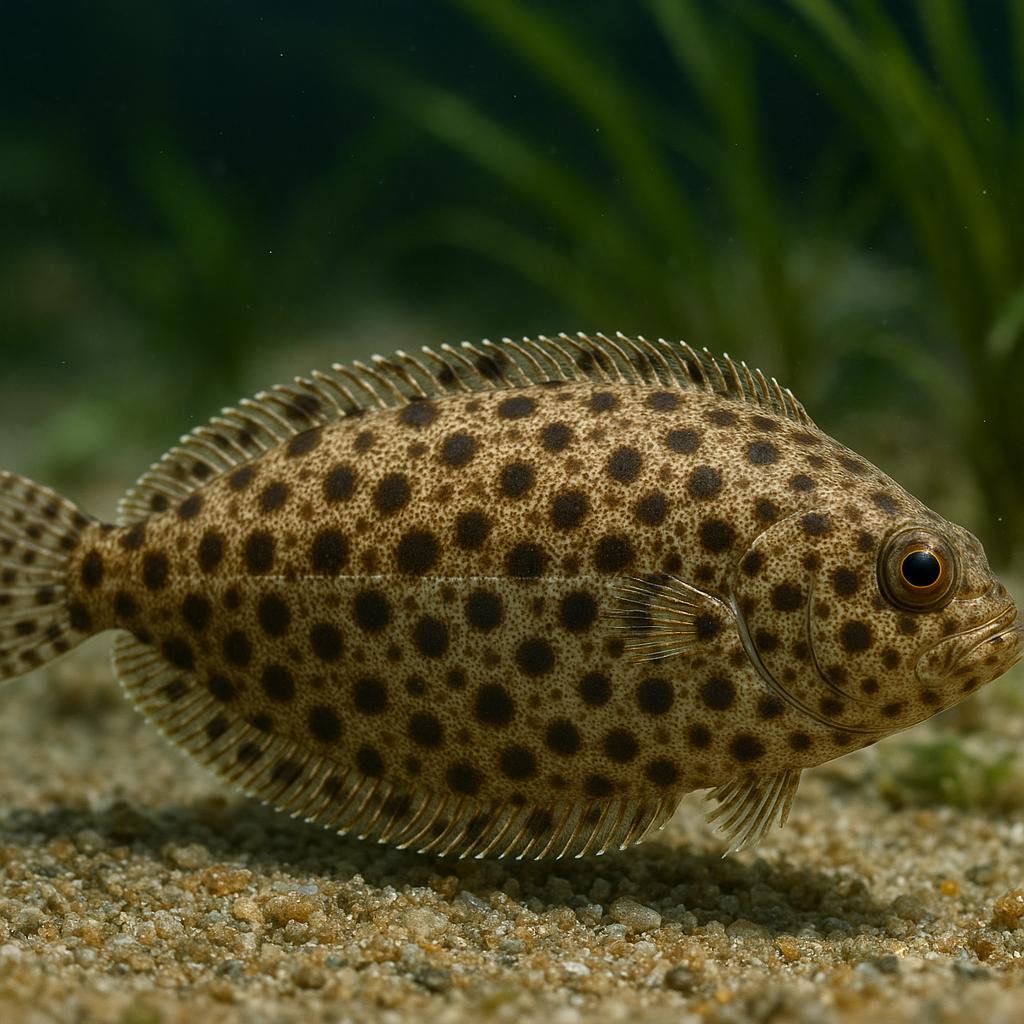
Kimura's sole
Aseraggodes kimurai
Aseraggodes kimurai is a tiny little marine sole (flatfish) from the western Pacific that spends its life glued to the bottom, blending into sand and rubble like a living leaf. Its whole vibe is stealth and camouflage, and it is the kind of fish you forget is even there until it scoots and re-buries itself. Super cool animal, but honestly not really an aquarium fish because it is a specialized bottom-dweller that wants live micro-food and a mature sandbed.
-1780625614.jpg)
Knodus victoriae
Knodus victoriae (Steindachner, 1907)
This is a tiny South American tetra from Brazil’s Parnaiba River basin that stays pocket-sized and cruises the midwater in a loose group. In nature it has even been seen tailing Corydoras catfish to snatch food from the sediment cloud they kick up, which is a fun bit of behavior to mimic at feeding time; care is basically small-tetra stuff in soft to moderately hard, slightly acidic to neutral water in the low 20s C and kept in a roomy group. Size tops out around 4.5 cm and the species itself is rarely traded, so most folks lean on care pointers from close Knodus relatives when keeping it. ([fishbase.se](https://www.fishbase.se/summary/Knodus-victoriae))
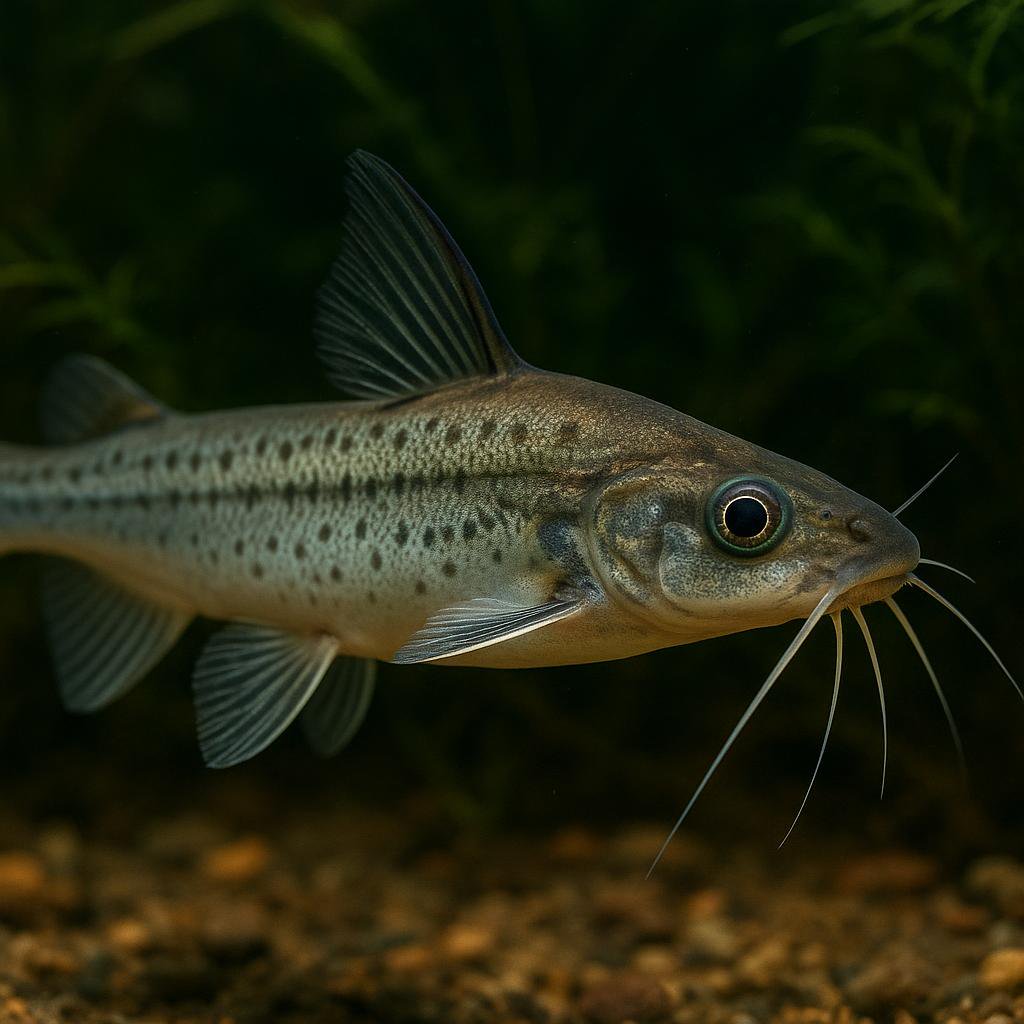
Kocha garua
Clupisoma montanum
Clupisoma montanum is a freshwater schilbeid catfish from India and Nepal that occurs in rapid rivers/streams and hill streams; it is best maintained with high oxygenation, strong filtration, and very clean water.
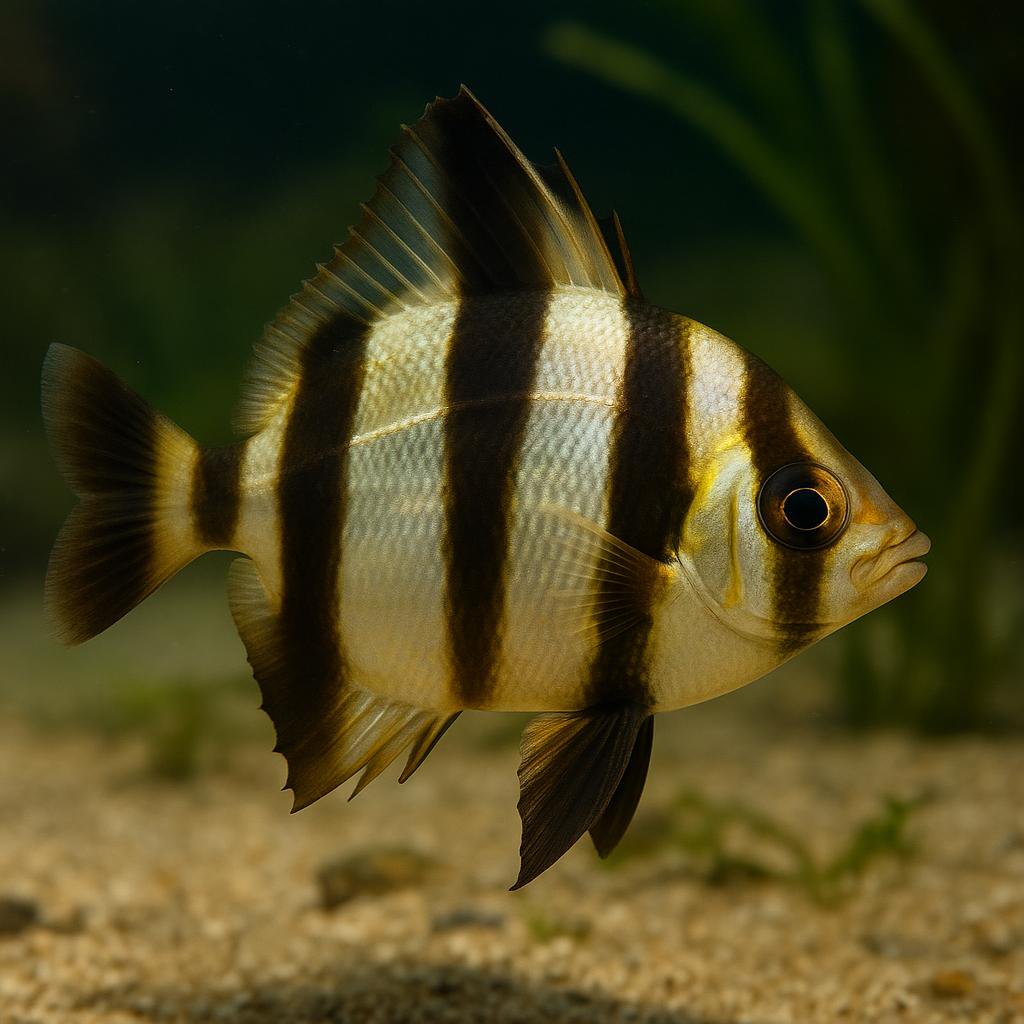
Kuiter's deepsea clingfish
Kopua kuiteri
Kopua kuiteri is a tiny deepwater clingfish from southern Australia that lives way down on the seafloor, not in the usual home-aquarium world. It is the kind of fish that sticks to hard surfaces with a suction disc and is basically a cool biology oddball rather than something you will realistically keep at home.
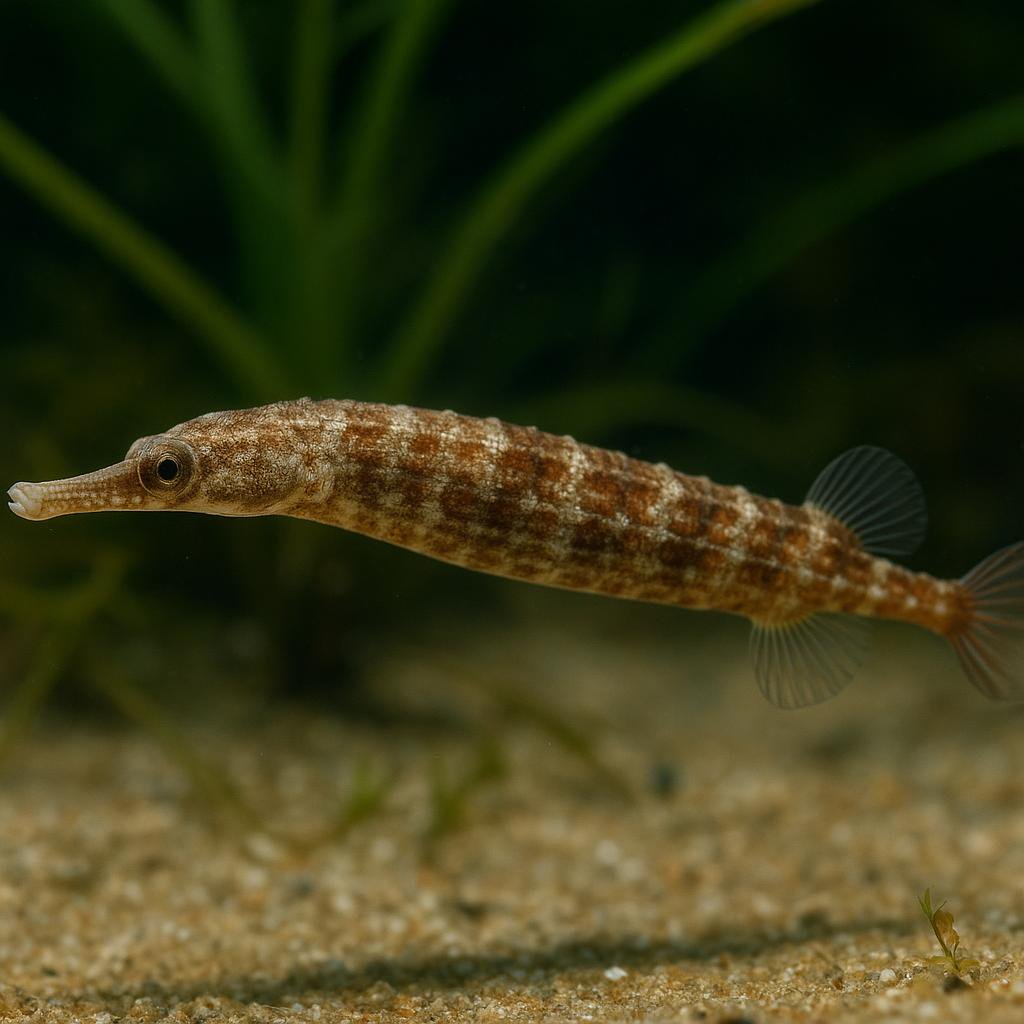
Kulbicki's pipefish
Festucalex kulbickii
This is a tiny reef pipefish from the western-central Pacific that hangs around coastal reefs and blends in with bands and ridges like a little living piece of reef debris. Like other syngnathids, the male broods the eggs in a pouch, which is honestly one of the coolest fish-family flexes in the hobby. It is not a commonly kept aquarium fish, and there are basically no solid reports of long-term captive success for this exact species, so I would treat it as a specialist-only pipefish.
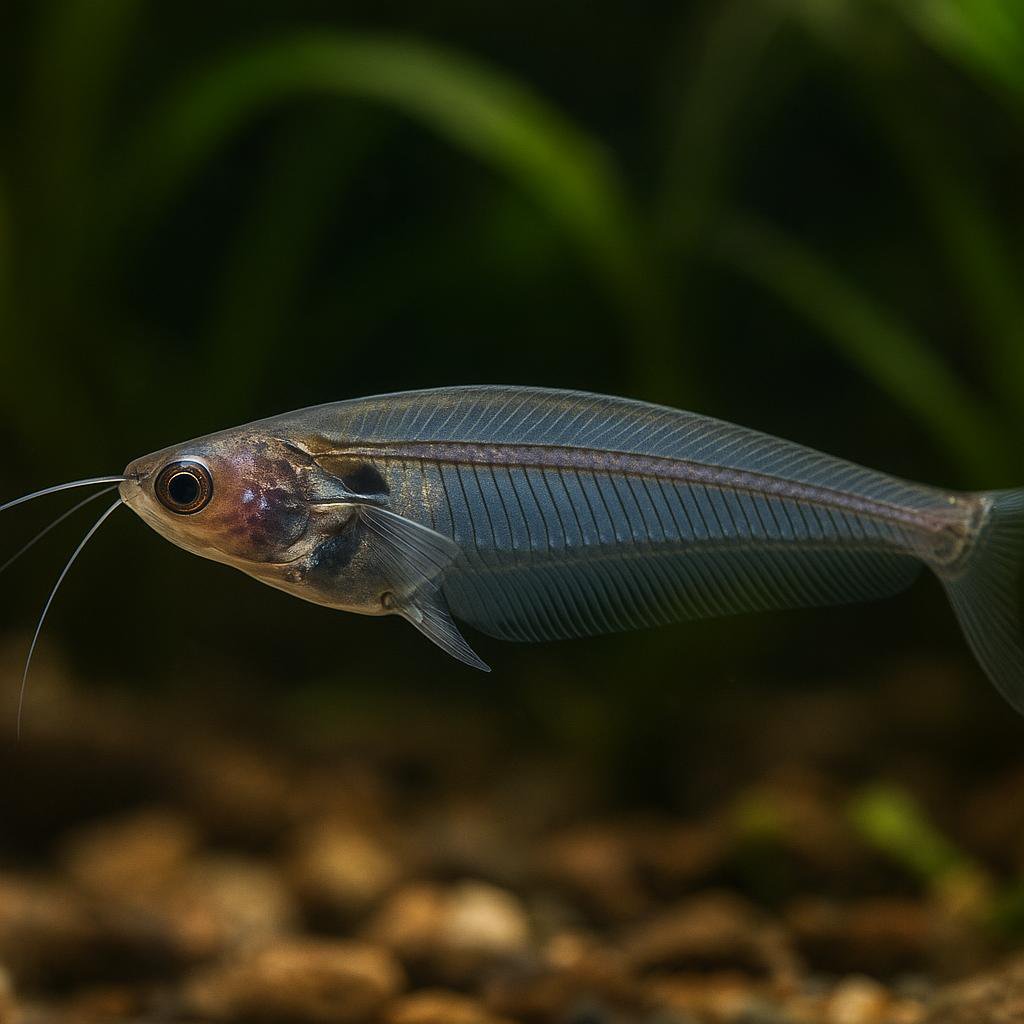
Lais kuning
Kryptopterus schilbeides
Kryptopterus schilbeides is a slim sheatfish from Southeast Asia that looks super "knife-like" because it has no dorsal fin, plus a neat narrow pink stripe along the side. In the wild it cruises rivers, canals, and swamps and even pushes into flooded forests when the water is high, picking off little fish, prawns, and insect larvae. Its not really a standard aquarium fish, so most people who want a "glass catfish" vibe are actually thinking of other Kryptopterus species.
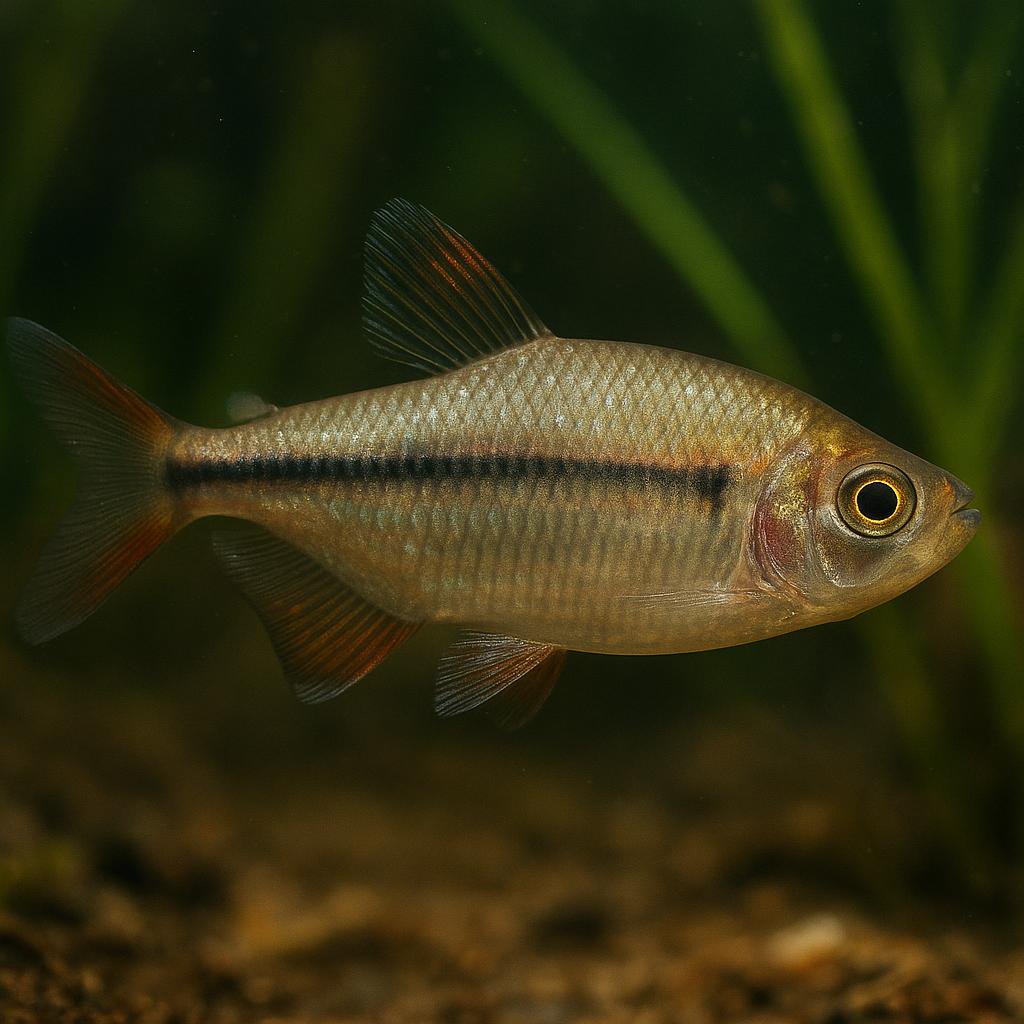
Lambari de adiposa preta
Diapoma itaimbe
This is a tiny southern Brazilian characin (a lambari) that comes from clear, cooler waters in the Tramandai-Mampituba region. In a tank it acts like a little open-water micro-predator/omnivore - happiest in a small group with plants and gentle flow. The big gotcha is temperature: its natural range is more subtropical than "hot tropical," so it does best kept cooler and stable.
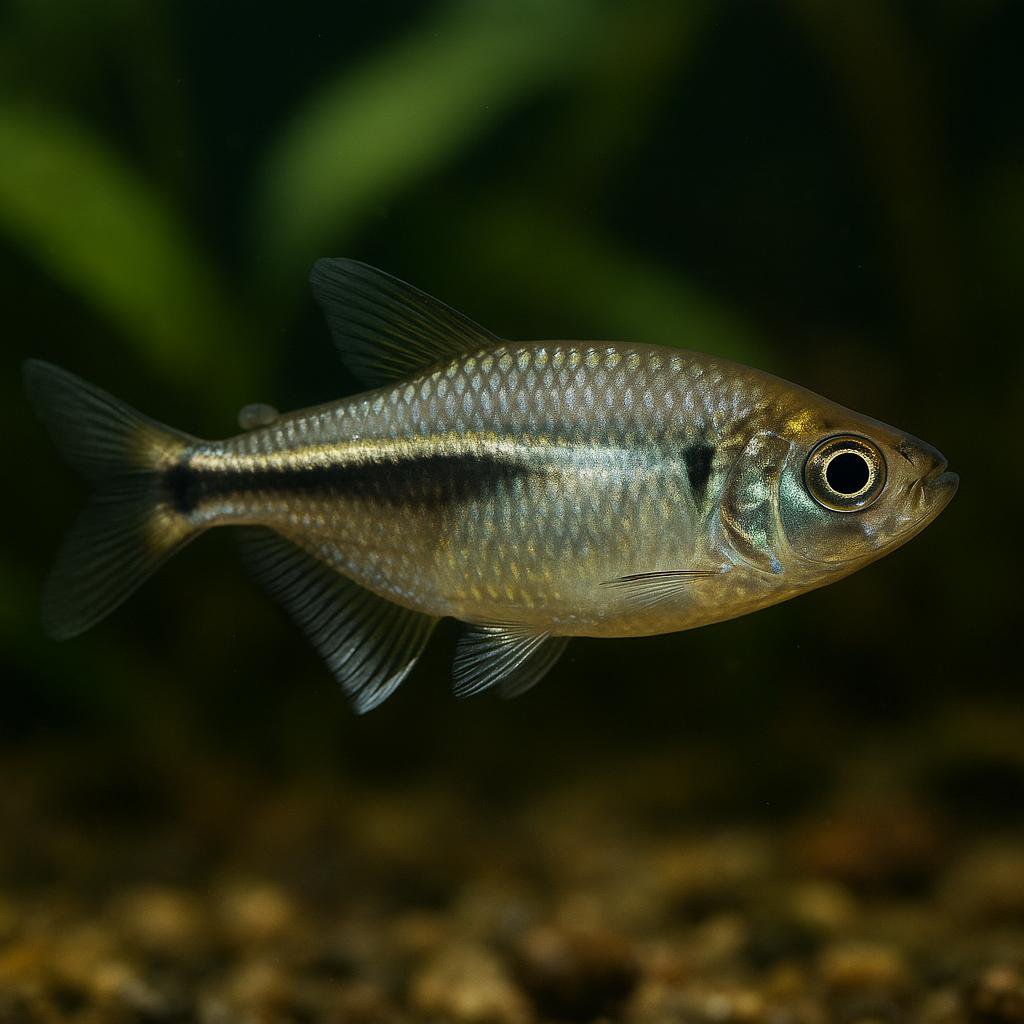
Lambari (Mimagoniates rheocharis)
Mimagoniates rheocharis
This is a tiny, stream-dwelling Brazilian characin that likes cooler, super-oxygenated water and some current - think clear Atlantic Forest creeks. In the right setup it stays busy and hangs mid-to-upper water, and it does best when you keep a little group so it feels secure.
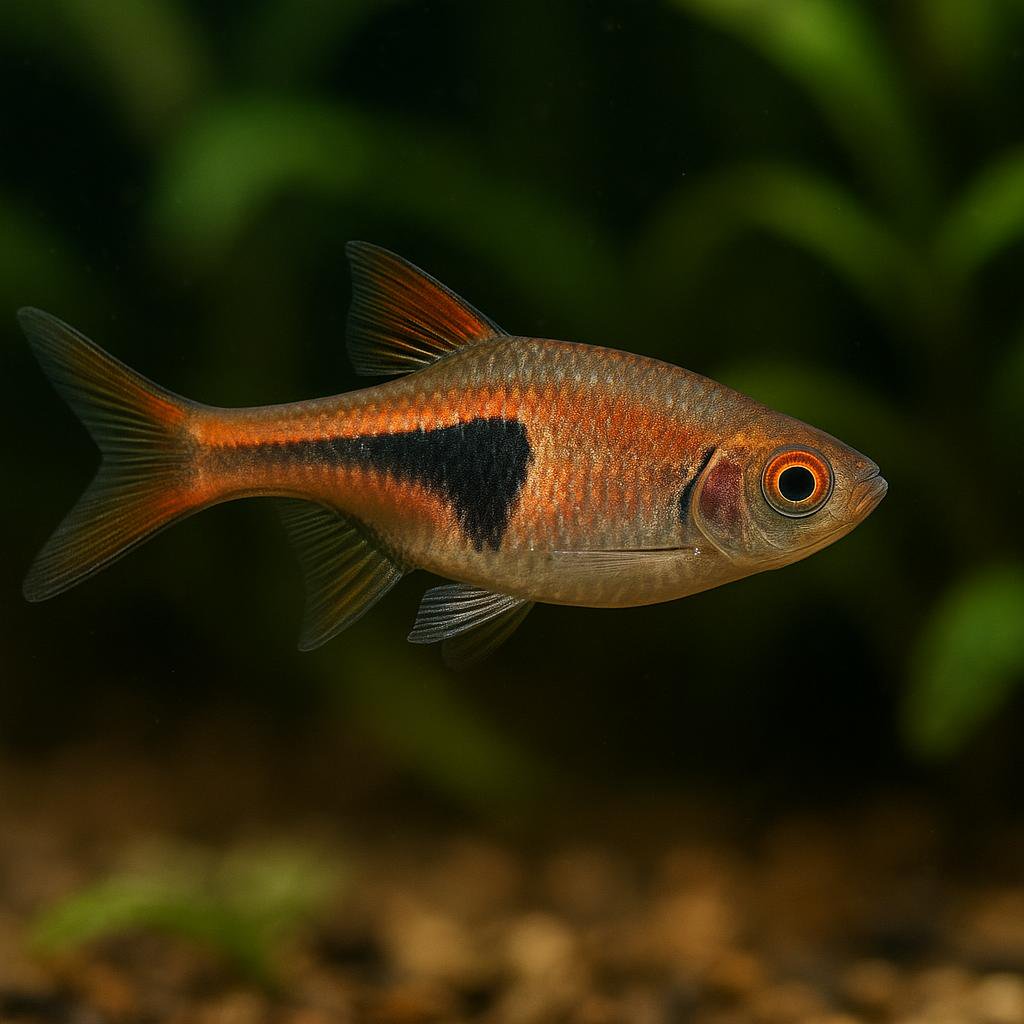
Lambchop rasbora
Trigonostigma espei
This is that tiny coppery-orange rasbora with the sharp "lambchop" black wedge on its side-super slick-looking in a planted tank. Keep a proper little gang of them and they'll cruise the midwater together, flashing color way more than when they're kept in a sad little trio. They're gentle, easy to feed, and honestly one of my favorite small-school fish for calmer community setups.