

Southwell's pipefish
Siokunichthys southwelli
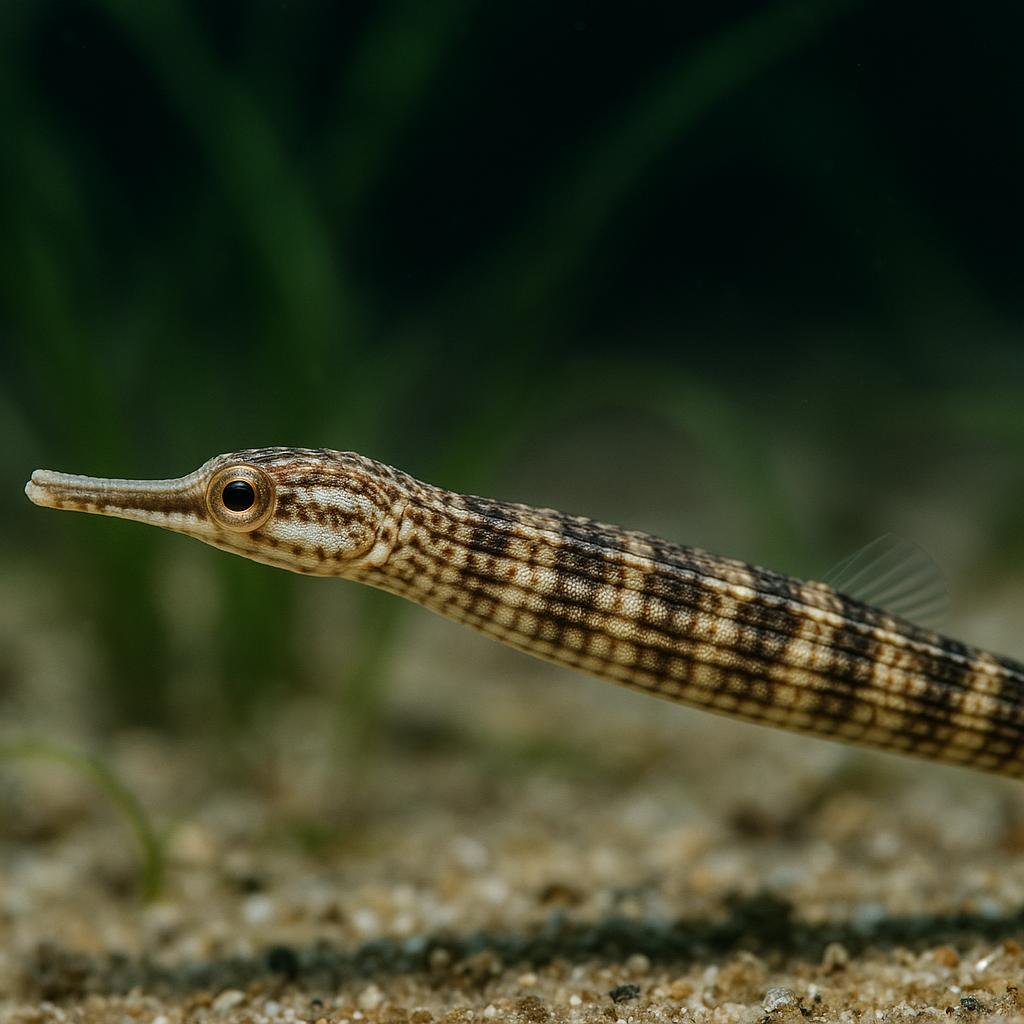
Southwell's pipefish features a slender, elongated body with a brownish coloration and distinctive, small dorsal fins positioned far back.
This page includes AI-generated images. Why am I seeing AI images?
About the Southwell's pipefish
A tiny tropical marine pipefish from Sri Lanka and the Philippines. Like many syngnathids, it is a slow, deliberate feeder that may require abundant small live foods and low-competition tankmates in captivity.
Also known as
Quick Facts
Size
4.3 cm
Temperament
Peaceful
Difficulty
Expert
Min Tank Size
30 gallons
Lifespan
2-5 years
Origin
Western Indian Ocean: Sri Lanka; Western Central Pacific: Philippines
Diet
Carnivore/micro-predator - live copepods, amphipods, enriched baby brine shrimp; sometimes frozen mysis if trained
Water Parameters
24-28°C
8.1-8.4
8-12 dGH
Need a heater for this species?
This species needs 24-28°C in a 30 gallon tank. Use our heater calculator to find the right wattage.
Calculate heater sizeCare Notes
- Give them a tall, calm tank with lots of fine branching hitching spots (gorgonians, macro like Caulerpa, fake coral trees) and low-to-medium flow - they spend most of their day clinging and snicking at tiny prey.
- Keep salinity stable and avoid rapid swings; provide a mature system and observe closely to ensure consistent feeding and body condition.
- They are slow, picky micro-predators - plan on multiple small feedings of live foods like enriched baby brine, copepods, and tiny mysis; most won"t compete for frozen unless you wean patiently with a feeding station.
- Set up a pod factory (refugium, rubble, macro) because a "clean" sterile tank starves them; if you can"t keep pods crawling on the glass, you will be fighting a losing battle.
- Tankmates need to be gentle and non-competitive: tiny gobies, small blennies, mandarins in big established systems; avoid wrasses, dottybacks, hawkfish, puffers, and anything that rushes food or nips fins.
- Watch for bloat and snout damage - they can gulp air at the surface and get buoyancy issues, and they can scrape their snout on coarse rock; keep surface agitation modest and use softer, less jagged rockwork.
- They stress out fast in bright, busy setups, so add shaded areas and keep hands out of the tank; once they stop hunting, weight loss happens quick and it can be hard to turn around.
- Breeding is cool if you can get a settled pair: the male carries the eggs, and you will need clouds of tiny live prey for the fry (think copepod nauplii rotifer-sized) from day one or you will lose the batch.
Compatibility
Good Tankmates
- Small, calm gobies like neon gobies (Elacatinus) or clown gobies (Gobiodon) - they tend to mind their own business and do not outcompete Southwell's pipefish at feeding time if you target feed the pipefish
- Tiny captive-bred seahorses (Hippocampus spp.) in a low-flow setup - similar pace and vibe, and you can feed them the same kinds of small frozen foods (think enriched brine, mysis bits, copepods)
- Firefish (Nemateleotris) - peaceful, hover-y fish that are not usually pushy, so the pipefish can cruise and hunt without getting bullied
- Very peaceful, low-competition tankmates only; monitor closely for feeding competition.
- Small non-aggressive cardinals like Banggai cardinals - mellow midwater fish that are not constant grazers on pods, so you are not instantly starving your pipefish
- Gentle cleaner-type shrimp like skunk cleaner shrimp or peppermint shrimp - generally fine, and they do not mess with pipefish (just keep an eye out at feeding time because shrimp can mug the food)
Avoid
- Any nippy fish like most damsels and dottybacks - they will harass pipefish, and even a little chasing can keep pipefish from eating enough
- Fast, food-competitive fish like most wrasses (especially sixline), anthias, and many clownfish - they will hoover up everything before the pipefish gets a shot
- Predators or mouthy fish like hawkfish, larger grammas, and big pseudochromis - they may not outright eat the pipefish, but they will stalk, snap at them, or stress them out constantly
- Fast, food-competitive fish that prevent consistent feeding; avoid pod-dependent competitors in small systems.
Where they come from
Southwell's pipefish (Siokunichthys southwelli) is one of those tiny, easy-to-miss marine pipefish that lives around shallow coastal habitats in the Indo-Pacific. Think protected areas with lots of structure: seagrass, macroalgae, rubble, little branching bits where a thin fish can disappear in plain sight.
That background explains pretty much everything about keeping them: they want calm water, tons of hitching spots, and food drifting by all day.
Setting up their tank
If you have not kept tiny pipefish before, treat this as a species tank project. They can live in a community on paper, but in real life they get outcompeted, stressed, and slowly starve. I have had the best results in a quiet, mature nano or small tank where I control every variable.
- Tank size: 10-20 gallons can work for a small group, but bigger is easier to stabilize. Stability beats volume rules with these.
- Tank age: mature system only. You want pods and microfauna already established, not a brand new sterile setup.
- Flow: gentle, indirect flow. Enough to keep oxygen up and food suspended, but not so much that the fish get pushed around.
- Filtration: oversized biological filtration, very gentle mechanical filtration. Cover intakes with a sponge so nobody gets pinned.
- Aquascape: macroalgae, gorgonians (non-stinging types), branching rock, and lots of fine hitching points at different heights.
- Lighting: whatever keeps your macro or refugium happy. They do not need blast lighting, but they do like a day-night rhythm.
Avoid stinging corals and anemones. Pipefish drift, perch, and make bad decisions. A single bad sting can turn into an infection fast.
A refugium helps a lot. Even a hang-on box stuffed with chaeto or ulva will crank out pods and gives you a backup food trickle. I like a sand-free display for cleanliness, but a small rubble zone or macro clump where pods can hide is gold.
Build a feeding station. A little shell, dish, or low-flow corner where food collects lets the pipefish hunt efficiently without you dumping clouds of food into the whole tank.
What to feed them
This is the make-or-break part. Southwell's pipefish are micro-predators. They are not made to chase big meals, and they are not made to eat once a day. They do best with frequent, small feedings of tiny live foods.
- Best staples: live copepods (mixed sizes), live baby brine shrimp (newly hatched), enriched baby brine for older individuals
- Good additions: live adult brine (only if enriched), small live mysids (often too big for tiny individuals), cultured tigger pods
- Sometimes accepted: frozen cyclops, finely chopped frozen mysis, roe - but do not count on it unless you have proof they are eating it
If you are trying to convert them to frozen, do it like you would with picky mandarins: mix frozen micro foods into live, feed in the same spot, and watch the fish. You are looking for snicking and swallowing, not just interest. A pipefish that looks like it is hunting but never bulks up is slowly losing.
Do not buy this species unless you can source or culture live foods. In my experience, people do not lose them suddenly, they lose them quietly over 2-6 weeks because they never ate enough.
Feeding schedule that has worked for me: 2-4 small feedings a day, with at least one being live pods or freshly hatched baby brine. If you can only feed once daily, this is not a great pipefish to gamble on.
How they behave and who they get along with
They are gentle, shy, and kind of funny once they settle in. You will see them hover and perch, then do quick little strikes at passing prey. They are not bold in the way a clownfish is bold. If the tank feels busy, they stay tucked away.
- Best tankmates: other tiny, peaceful fish that do not rush food (small gobies that are not aggressive at feeding time can work), tiny snails and micro hermits
- Avoid: wrasses (even the 'peaceful' ones), dottybacks, most damsels, fast anthias, hawkfish, big peppermint or cleaner shrimp that steal food
- Also avoid: aggressive copepod hunters like mandarins in small systems (you are competing for the same pantry)
Pipefish can do fine in pairs or small groups if food is abundant. If food is tight, they get thin fast and the weakest one fades first.
They like calm areas where they can hang and watch food drift by. If your flow is all gyre and no shelter, they spend too much energy just staying put.
Breeding tips
Like other syngnathids, the male carries the eggs. With Siokunichthys, the whole courtship is subtle. You will usually notice a pair sticking close, and then you spot a male looking a bit fuller in the belly area as he broods.
Raising the babies is the real hurdle. The fry are tiny and need tiny live foods right away. If you are serious, plan on a separate rearing setup and a rotifer/copepod pipeline before you ever see eggs.
- Give them stability and a calm tank. Spawning tends to happen when they are not being harassed.
- Feed heavy with live foods. Conditioning matters more than any temperature trick.
- Have live foods ready for fry: rotifers plus copepod nauplii. Baby brine is often too big at first for very small pipefish fry.
- Use gentle air-driven filtration in a fry tank. Standard overflows and power filters are a blender for newborns.
If you catch a male brooding, resist the urge to mess with him. Netting and transfers can cause premature release or loss of the brood.
Common problems to watch for
Most issues with Southwell's pipefish come down to food, stress, and secondary infections. They are tough enough if they are eating, but they do not bounce back well if they get run down.
- Slow starvation: pinched belly, sharp ridges along the body, less hunting behavior, hanging in one spot all day
- Outcompeted at feeding time: they show interest but never get bites because faster fish vacuum everything
- Snout damage: bumping glass, rough nets, or getting sucked against an intake - then it stops feeding
- Bacterial infections: red patches, cloudy areas, fin erosion - often after a sting or abrasion
- Internal parasites: still eating but getting thinner, stringy poop, fading over weeks
Quarantine is tricky with pipefish because many meds are harsh and they stress easily. If you do QT, keep it calm, mature (seeded biofilter), and be ready with live foods. Observation plus supportive care beats a medicine cocktail.
My personal checklist if one looks off: confirm it is actually swallowing food, check flow (is it being blasted?), check for intake hazards, and look closely at the snout. If the snout is damaged, the priority is low stress and easy access to dense live food at a feeding station.
Similar Species
Other marine peaceful species you might be interested in.
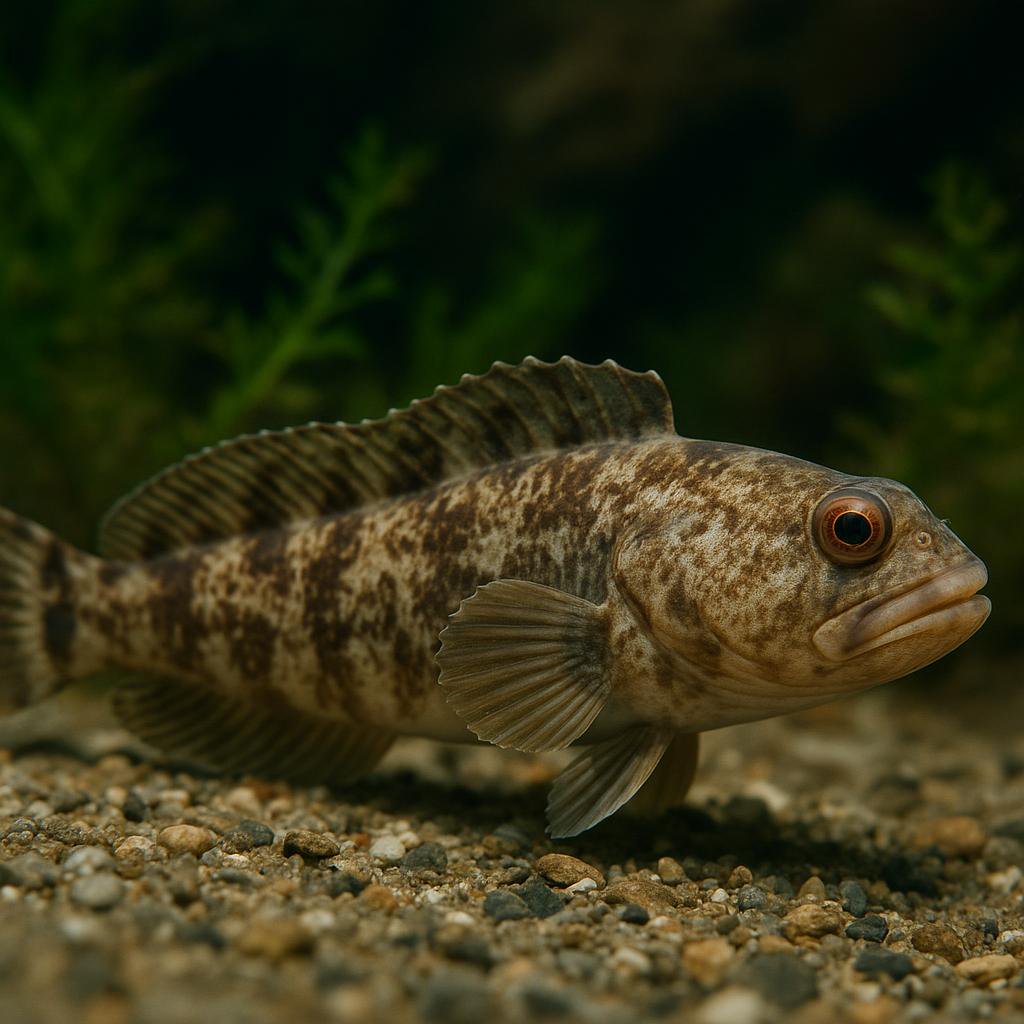
Abe's eelpout
Japonolycodes abei
Japonolycodes abei is a temperate, deepwater demersal eelpout (family Zoarcidae) endemic to Japan (Kumano-nada Sea reported; other sources also report Sagami Bay and Tosa Bay). It is the only species in the genus Japonolycodes and occurs roughly 40-300 m depth, making it an uncommon/atypical aquarium species.
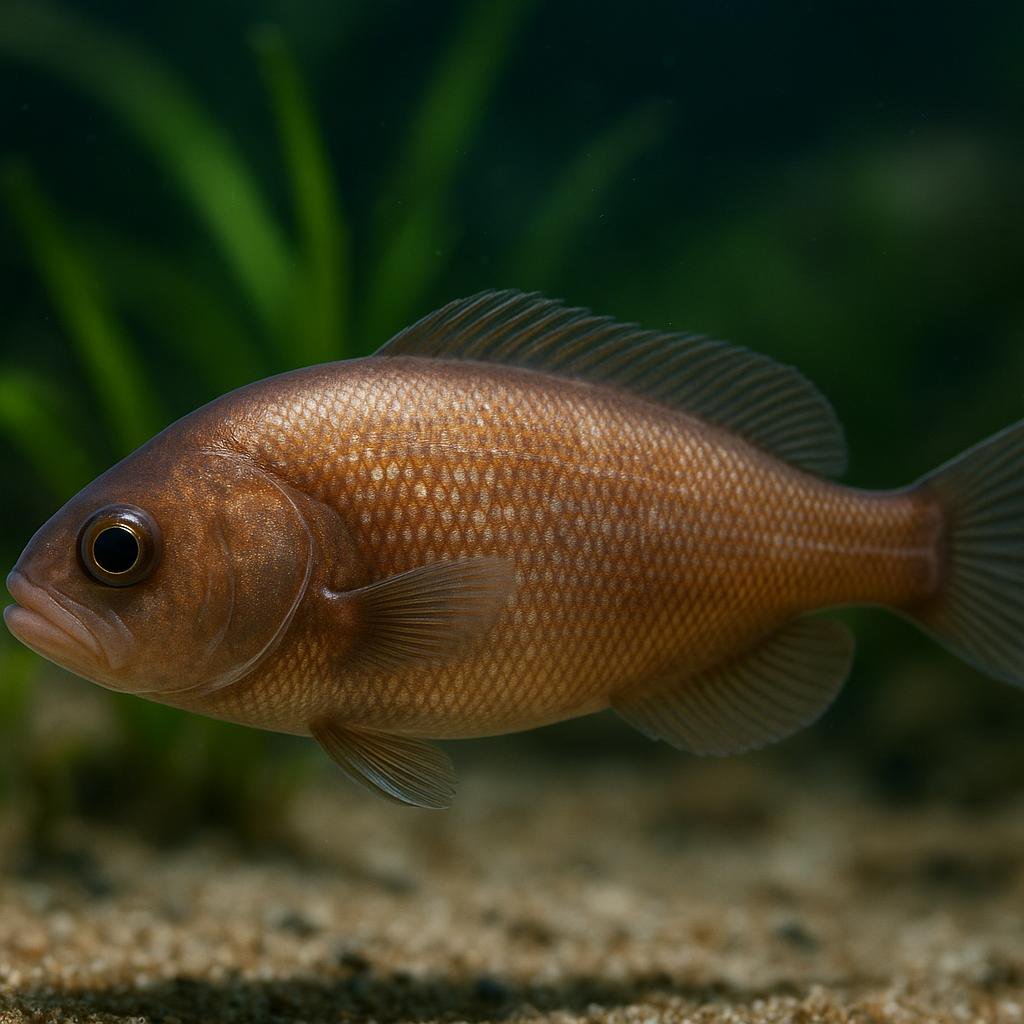
Affinis blind cusk-eel
Barathronus affinis
Barathronus affinis is a tiny, super-weird deep-sea blind cusk-eel from the western-central Indian Ocean. It is one of those gelatinous, loose-skinned brotula-type fishes that live way down in the dark and are basically never seen alive, so almost everything we know comes from preserved specimens and taxonomic work.
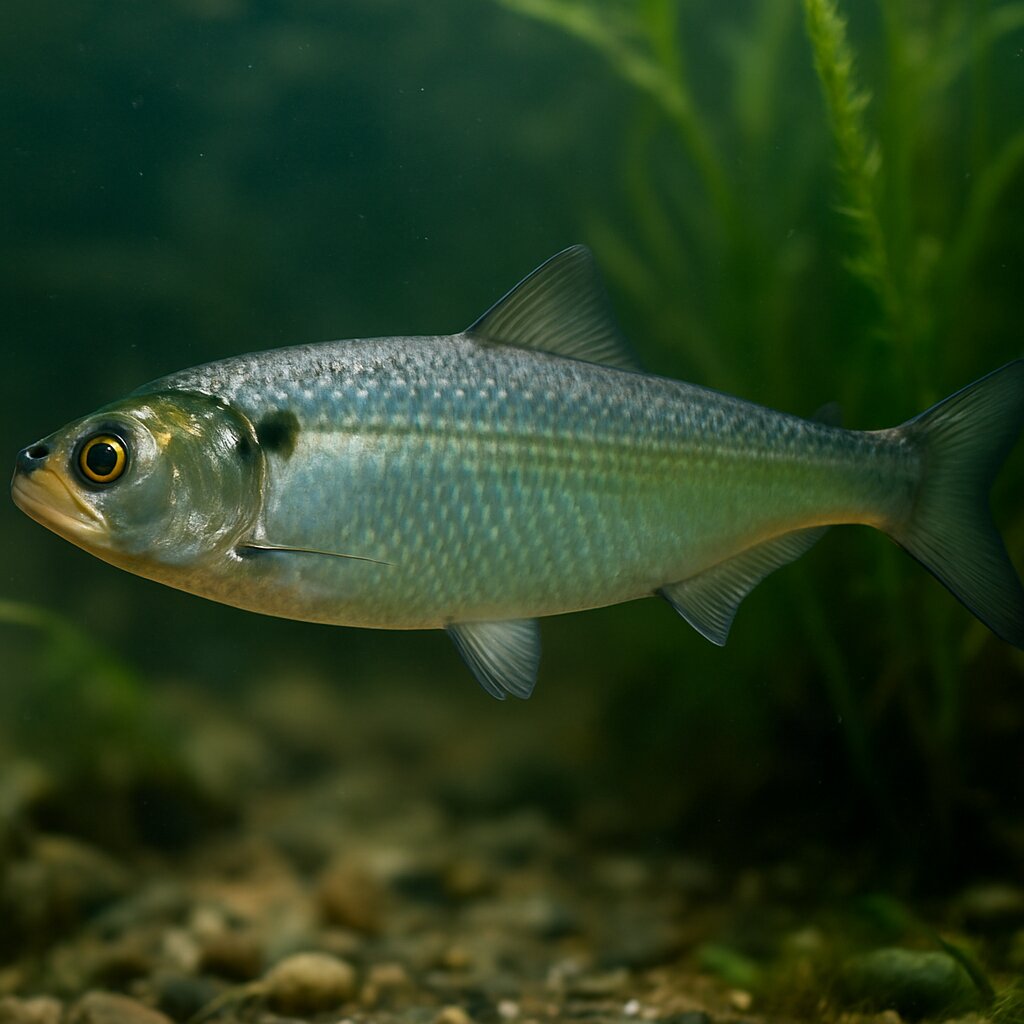
Allis shad
Alosa alosa
Gorgeous silver, fast-swimming shad that spends most of its life in the sea and then surges up big rivers in noisy, surface-spawning schools. It grows huge for a herring-type fish and needs cool, ultra-oxygenated water and tons of open space, so it is a public-aquarium species rather than a home tank fish.
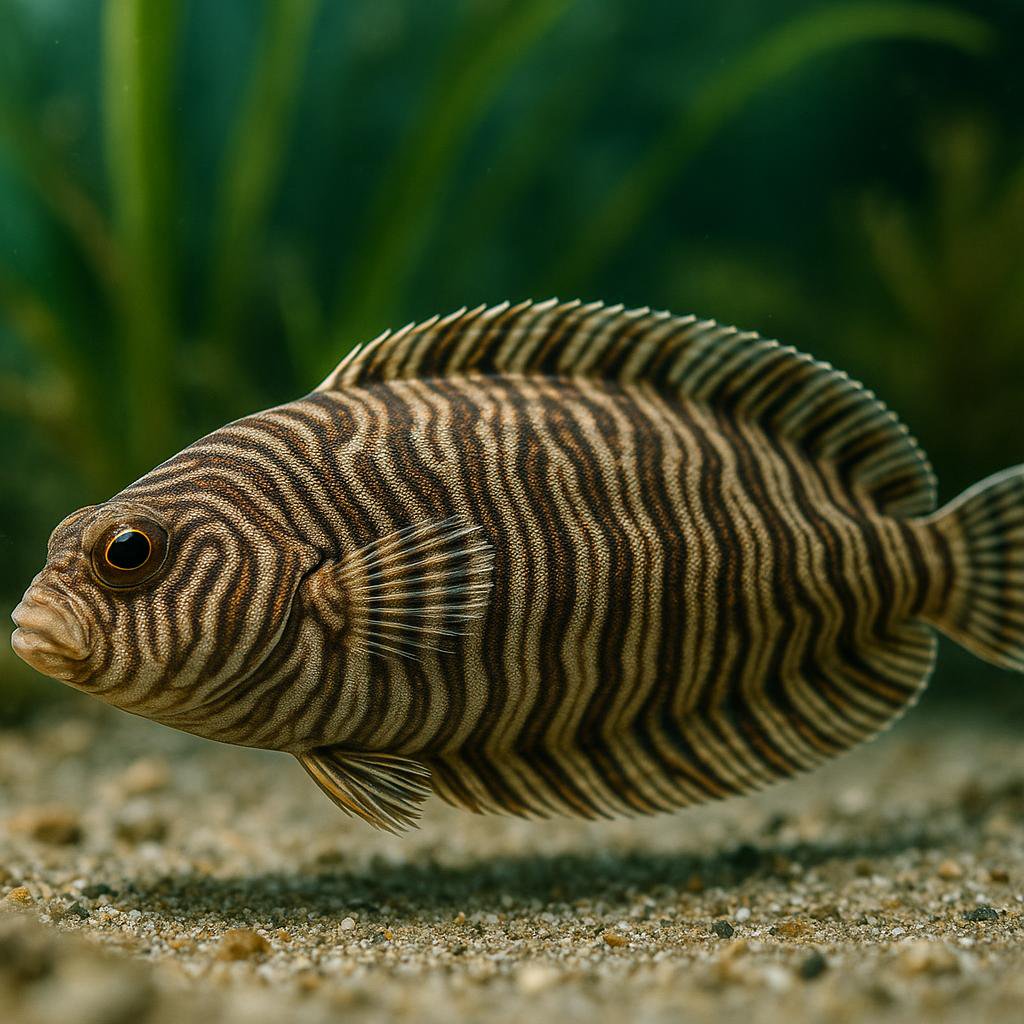
Annandale's zebra sole
Zebrias annandalei
Zebrias annandalei is a small demersal sole from coastal India that inhabits sandy or muddy bottoms and buries for camouflage. It is rarely kept in home aquaria and would require a specialized marine sand-bottom setup and appropriate feeding.
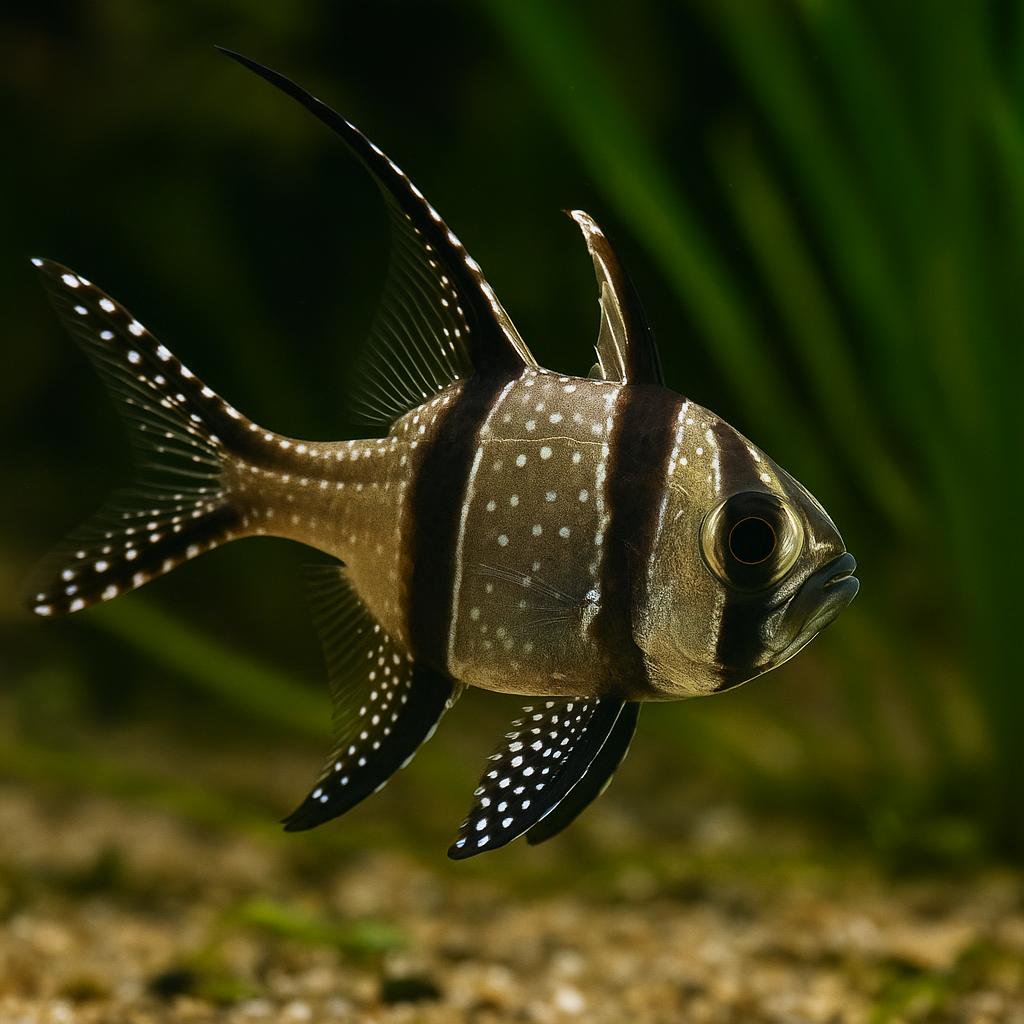
Banggai Cardinalfish
Pterapogon kauderni
Banggai cardinals just sort of hover like little underwater satellites, and the bold black bars with those long, polka-dotted fins look unreal under reef lighting. They're super chill most of the time, but once a pair forms you'll see real "fish drama," and the male will even mouthbrood the babies like a champ.
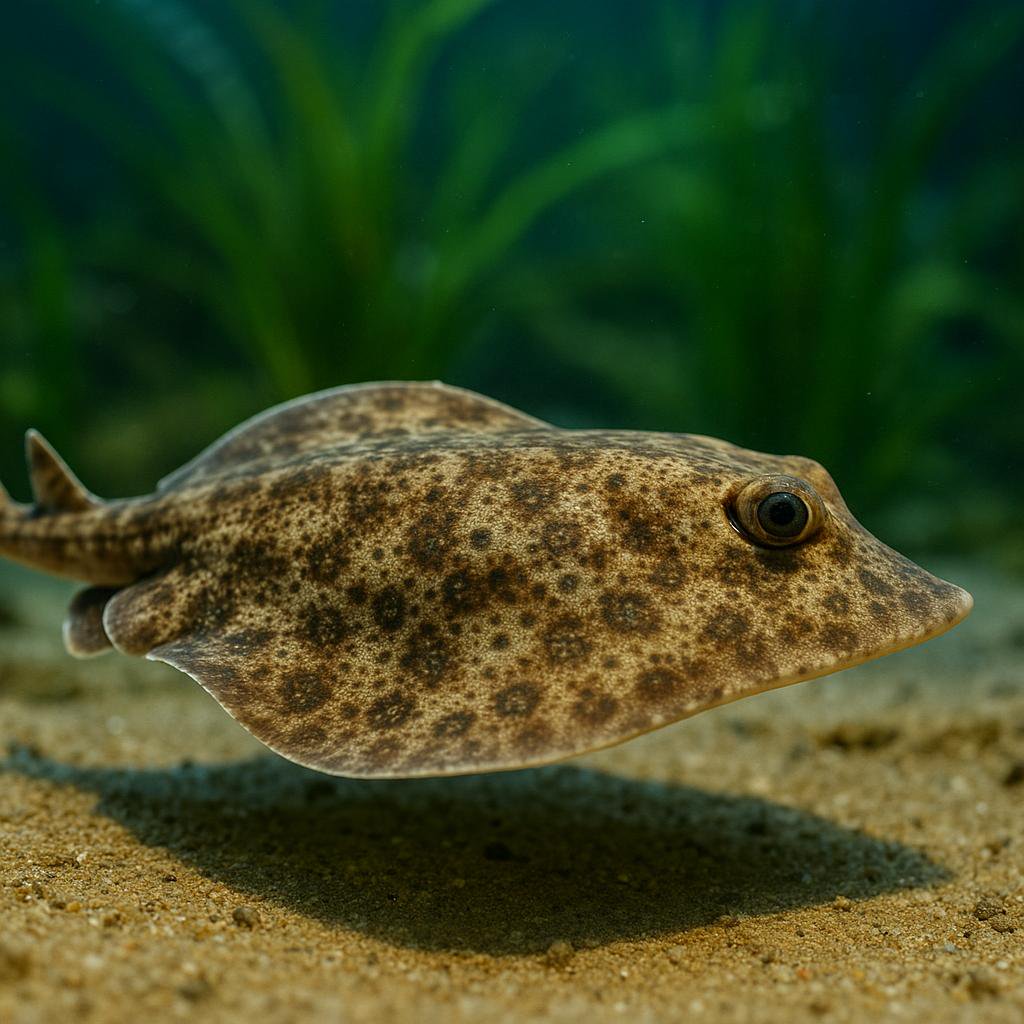
Barbedwire-tailed skate
Notoraja martinezi
Notoraja martinezi is a deepwater skate from the eastern Pacific (Costa Rica down to Ecuador) that lives way down on soft bottoms. The tail is the giveaway - it is lined with strong, hooked thorns that really do look like barbed wire. This is absolutely not an aquarium fish; it is a cold, high-pressure deep-sea animal with basically no practical home care info because it is not kept in the hobby.
More to Explore
Discover more marine species.
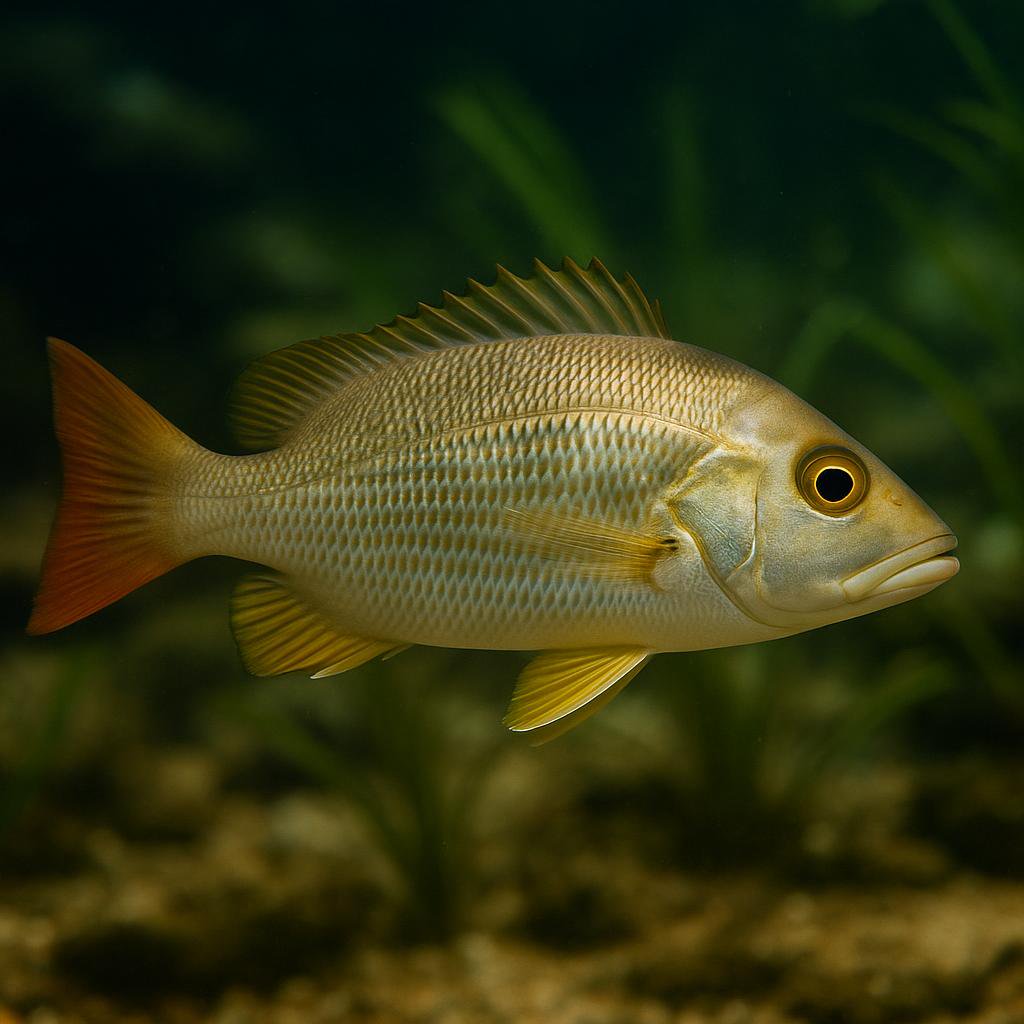
African red snapper
Lutjanus agennes
This is a true snapper from West Africa - a big, fast-growing predator that goes from coastal reefs to brackish lagoons and estuaries (especially as a juvenile). Super cool fish in the wild, but it gets absolutely huge and will eat smaller tankmates once it has the mouth for it, so its really more of a public-aquarium scale animal than a home-aquarium fish.
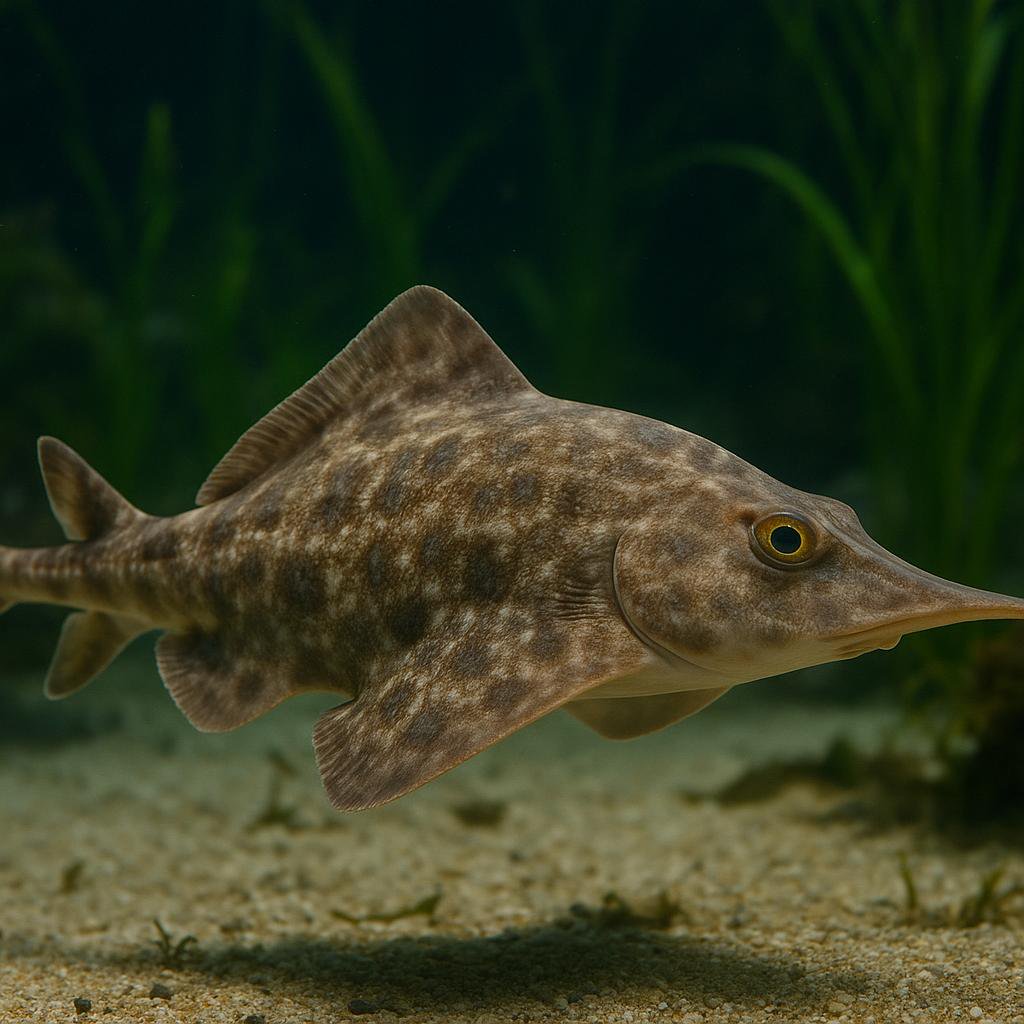
Aleutian skate
Bathyraja aleutica
This is a big, cold-water deep-slope skate from the North Pacific that cruises muddy bottoms and eats chunky benthic prey like crabs and shrimp. The really cool bit is its egg-laying skate life - it does distinct pairing (the classic skate "embrace") and drops those tough egg cases on the seafloor. Not an aquarium fish at all unless you're basically running a public-aquarium-style chilled system.
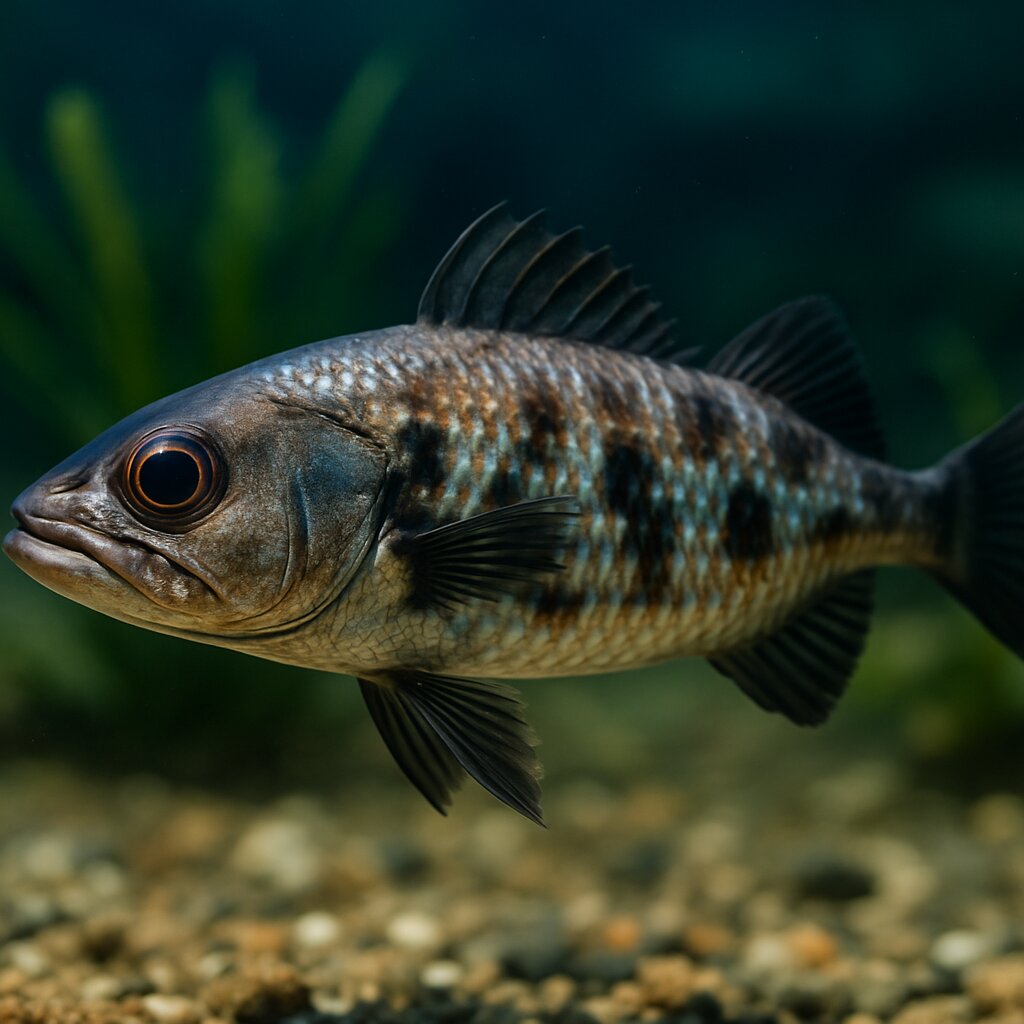
Antarctic dragonfish
Vomeridens infuscipinnis
Deep down around Antarctica, this sleek dragonfish cruises the water column like a little submarine, nearly neutrally buoyant so it can hover above the seafloor. It munches almost exclusively on Antarctic krill and lives in near-freezing water 500-800 m down, so it is a cool species to read about, not one for home tanks.
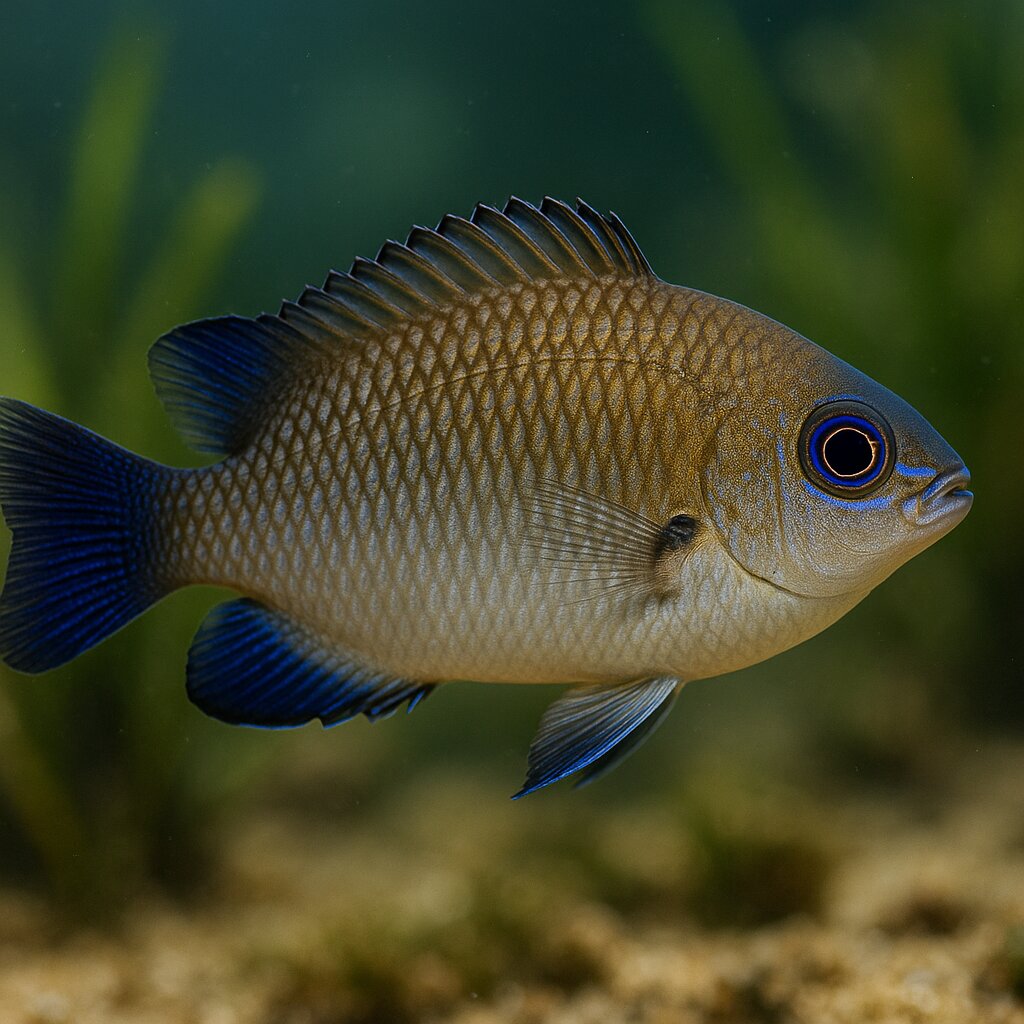
Arabian demoiselle
Neopomacentrus sindensis
A small lyretail damsel from the Persian Gulf and Arabian Sea, it hangs in loose groups around coral heads, rocks, and even pier pilings picking zooplankton from the flow. Think classic damsel toughness with a slightly milder attitude than the real bruisers, plus subtle yellow tail accents. Males clean a patch, get a mate to lay eggs there, and then stand guard fanning the clutch.
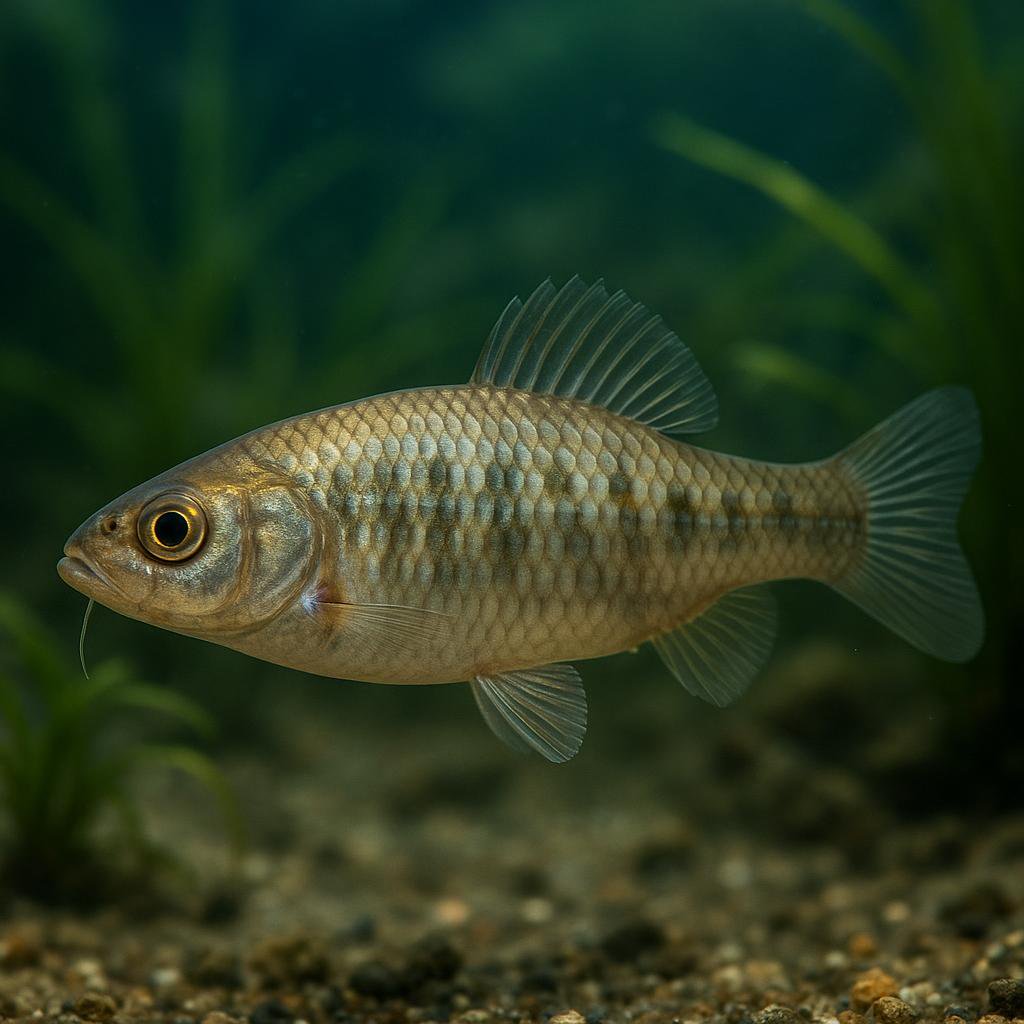
Arabian spiny eel
Notacanthus indicus
Notacanthus indicus is a deep-sea spiny eel (family Notacanthidae; not a true eel) known from the Arabian Sea on the continental slope at roughly ~960–1,046 m depth, with reported maximum length around 20 cm TL; it is a deep-water bycatch species and not established in the aquarium trade.
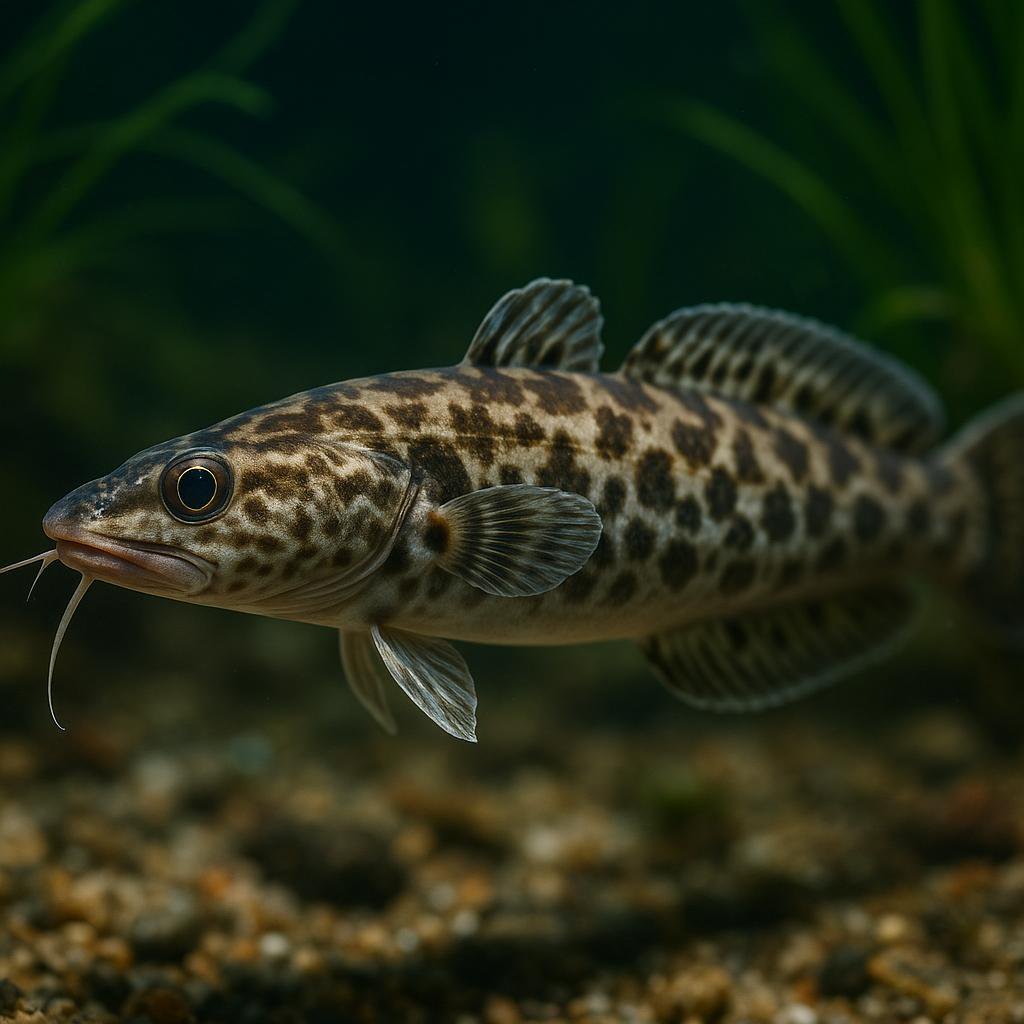
Arctic rockling
Gaidropsarus argentatus
This is a deepwater North Atlantic rockling (a cod relative) that hangs out on soft bottoms way down the slope. It is a cold-water, bottom-hugging predator that snoots around for crustaceans and will also take small fish when it gets the chance.
Looking for other species?