

Southern banded guitarfish
Zapteryx xyster
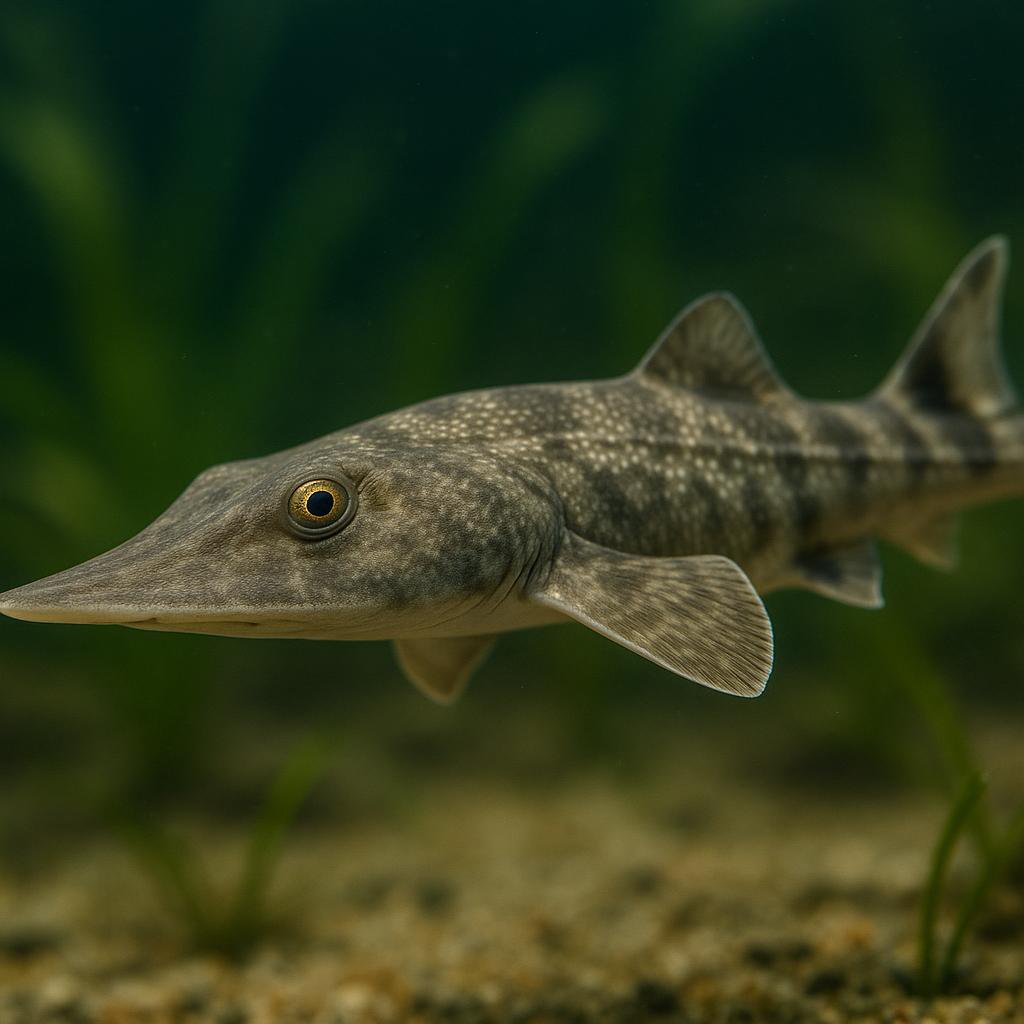
The Southern banded guitarfish has a flattened body, banded pattern of brown and cream, and long, slender snout with prominent, pointed pectoral fins.
This page includes AI-generated images. Why am I seeing AI images?
About the Southern banded guitarfish
This is a little guitarfish from the tropical eastern Pacific that cruises sandy and rocky bottoms and comes out more at night to hunt. The coolest thing on adults is the yellow ocelli (eyespots) sitting in the dark bands across the back - it looks like someone dotted it with paint. It is a true saltwater ray-like elasmobranch, so think big footprint, lots of sand, and a heavy meaty diet.
Also known as
Quick Facts
Size
78 cm
Temperament
Peaceful
Difficulty
Expert
Min Tank Size
400 gallons
Lifespan
14-22 years
Origin
Eastern Pacific (tropical Americas)
Diet
Carnivore - small fishes and prawns/shrimp (meaty frozen/seafood)
Water Parameters
24-28°C
8-8.4
8-12 dGH
Need a heater for this species?
This species needs 24-28°C in a 400 gallon tank. Use our heater calculator to find the right wattage.
Calculate heater sizeCare Notes
- Go big and go wide - think 8 ft x 3+ ft footprint minimum, tons of open sand, and zero sharp rock near the cruising lane or they'll shred their disc and snout.
- Maintain stable marine conditions (marine salinity, high oxygenation, and excellent nitrogen-cycle control with zero ammonia/nitrite). Use species-appropriate temperatures based on collection locality and avoid rapid parameter swings.
- Use fine sand (sugar-sized) and skip crushed coral - these guys bury and can get abrasions that turn into nasty bacterial issues fast.
- Feed meaty marine stuff off tongs so they actually get it: squid strips, shrimp, clam, silversides, and chunks of marine fish; smaller meals 3-5x a week beats one huge dump that fouls the tank.
- Quarantine food and watch for thiaminase-heavy diets (too many silversides) - mix foods and add a vitamin soak once or twice a week to dodge deficiency and weak appetite.
- Tankmates need to be calm and not bitey: avoid triggers, big wrasses, puffers, and anything that nips fins or eyes; also avoid fast pigs that steal all the food unless you are ready to target-feed every time.
- Cover every pump and overflow like your life depends on it - they will wedge into intakes and get torn up, and once their skin is damaged it spirals into infection.
- Breeding is doable but not casual: they are livebearers and want a lot of space and steady seasons; if a female looks boxy and stops eating, keep stress low and keep her away from aggressive feeders so she does not get bullied.
Compatibility
Good Tankmates
- Use only with other non-nippy fishes in very large systems; avoid fin/eye-nippers and aggressive feeders
- Chill sharks that mind their own business, like bamboo sharks (Chiloscyllium spp.) - similar vibe, both want a big footprint and soft sand, just watch feeding time so the guitarfish actually gets its share
- Calm, non-nippy midwater fish like bigger anthias groups (in a big system) or hardy, peaceful reef-safe-ish swimmers that stay off the bottom - the idea is: let the guitarfish own the sand without getting buzzed
- Peaceful tangs and rabbitfish (Zebrasoma, Ctenochaetus, Siganus) - good 'utility' tankmates in big marine tanks, usually ignore the bottom and do not pick on the guitarfish
- Large, mellow angels (like Genicanthus, or other calmer angels if your setup allows) - they cruise the rockwork and water column and typically leave a guitarfish alone
- Other peaceful, similarly sized bottom cruisers that are not bitey and not food-competitive - think 'chill neighbors' rather than territorial cave-guard types
Avoid
- Triggerfish (most triggers, even the 'nicer' ones) - they get curious and start chewing on fins and eyes, and a resting guitarfish on the sand is an easy target
- Big puffers and porcupinefish - same issue as triggers: nippy, bitey, and they love testing anything that sits still on the bottom
- Aggressive territorial predators like big groupers and mean wrasses - they either harass it nonstop or try to take food right off its face, and stress is what usually snowballs into problems
- Fast food-hogs like large dottybacks or super pushy wrasses - not always 'violent' but they will outcompete the guitarfish at feeding, and these guys really do better when they can eat calmly off the bottom
Where they come from
Southern banded guitarfish (Zapteryx xyster) are a cold-to-cool water guitarfish from the temperate Pacific side of South America, most associated with sandy bays and coastal flats around Chile. In the wild they spend a lot of time half-buried, cruising the bottom for worms and crustaceans, and that shows up in captivity pretty much immediately.
This is not a warm-reef animal. If you try to run them at typical tropical marine temps, you will be fighting stress, appetite issues, and infections the whole time.
Setting up their tank
Think of the tank like a big, chilled, sandy runway with clean water and lots of oxygen. The footprint matters more than the gallons on paper. These guys are all about bottom space and turning radius.
- Footprint first: a long, wide tank is the goal. For adults, you are realistically in custom system territory (public-aquarium style footprint).
- Sand bed: fine aragonite or silica sand, shallow to moderate depth. Avoid sharp crushed coral and anything that can scrape the belly.
- Rockwork: keep it minimal and stable. Put rock on the glass or on supports before sand so nothing shifts and pins the fish.
- Flow: you want good turnover and strong gas exchange, but avoid blasting the bottom where they rest.
- Chilling: plan a reliable chiller and a controller. Stable cool temps beat chasing a number day to day.
- Filtration: big skimmer, lots of biofiltration, and room to export waste (socks, rollers, etc.). They are messy eaters.
For water targets, I run them like a temperate marine system: normal marine salinity (around 1.024-1.026), a steady cool temperature, and very low nitrogen waste. They do not tolerate ammonia or nitrite at all, and they do way better when nitrate stays modest.
No copper. Ever. If you buy one that has been through copper at a shop, assume you may be dealing with long-term damage. For parasites, use non-copper approaches and a dedicated system.
Give them a few dim hide options without cluttering the floor. A low cave with smooth edges or a wide overhang can calm a new arrival, but leave the open sand as the main feature.
What to feed them
If you want this species to do well, your feeding game has to be on point. A guitarfish that eats hard from week one is a totally different animal than one you have to beg with food.
- Staples: strips of squid, shrimp (shell-on occasionally for roughage), scallop, marine fish fillet, and crab pieces.
- Great variety items: clams/mussels (especially to spark feeding), prawn, and the occasional live or freshly killed shore crab if you can source safely.
- Avoid: freshwater feeders (goldfish, rosy reds) and fatty freshwater meats. They can cause long-term problems.
- Supplements: soak pieces in a marine vitamin supplement sometimes. I also like rotating in foods naturally higher in trace nutrients (mollusks).
Target feed with tongs. It keeps them from eating sand, lets you control portions, and stops faster tankmates from stealing everything. Once they learn the routine, they will come right over and take food calmly.
Watch the belly and the back end of the disc. A guitarfish can look "fine" from above while slowly losing condition. If the hips start to show or the body looks pinched, fix diet and check for parasites.
How they behave and who they get along with
They are usually pretty chill, especially once settled, but they are still an elasmobranch with a strong feeding response. Most problems are not "aggression" so much as size mismatch or competition at feeding time.
- Best tankmates: other temperate species that ignore the bottom and do not pester them. Think calm, appropriately sized fish that will not outcompete them at every meal.
- Avoid: fin-nippers, pickers, and anything that wants to sample the edges of the fins. Also avoid triggers, many puffers, and most aggressive wrasses.
- Avoid: fast, greedy feeders that will constantly steal food (and make the guitarfish swallow sand trying to keep up).
- Rule of thumb: if it fits in their mouth, it is food. If it can bite them, it is a threat.
They spend a lot of time partially buried, then get active at dusk and around feeding time. They can spook and bolt, so keep the tank covered and do not decorate with sharp, pointy stuff in their flight path.
Handling is stressful and risky. If you have to move one, use a large, soft container or tub underwater. Nets can snag fins and scrape the skin.
Breeding tips
Breeding guitarfish in home systems is uncommon, mostly because of space, temperature stability, and the challenge of keeping a mature pair long term. They are livebearers (aplacental viviparity), so you are looking at internal fertilization and then fully formed pups.
- If you ever get to a true pair: keep diet heavy and varied, and keep temperature swings small. Conditioning is mostly about long-term consistency.
- Provide lots of open sand. Stressed females do not do well with crowded floors or constant tankmate pressure.
- Have a plan for pups: separate rearing space, small foods (tiny shrimp, chopped seafood), and zero bullying from larger fish.
Do not attempt to "try breeding" by buying extra individuals unless you have the footprint for multiple large animals. Crowding is one of the fastest ways to end up with injuries and chronic stress.
Common problems to watch for
Most issues with this species trace back to three things: warm water, dirty water, or rough environments. If you nail those, they are much more forgiving than people think.
- Refusing food after arrival: often transport stress, temp mismatch, or being harassed. Dim the lights, give sand, and offer smelly foods like clam or mussel.
- Ammonia/nitrite exposure: gill irritation, lethargy, rapid breathing. This is an emergency - big water changes and fix filtration immediately.
- Skin damage: red patches, scrapes on the belly, frayed fin edges. Usually from rough substrate, sharp rock, or bad handling.
- Bacterial infections: can follow tiny abrasions, especially if temps are too high for a temperate species.
- Parasites: flashing, rapid breathing, excess mucus. Treat in a way that is safe for elasmobranchs (no copper) and prioritize clean water and oxygenation.
- Nutritional issues: thin body despite eating, or fatty buildup from a repetitive diet. Rotate foods and use vitamins occasionally.
I keep a simple routine: check temp and breathing rate daily, watch for new scrapes, and make feeding a calm, predictable event. With guitarfish, small problems snowball fast if you miss them for a week.
Similar Species
Other marine peaceful species you might be interested in.
Abe's eelpout
Japonolycodes abei
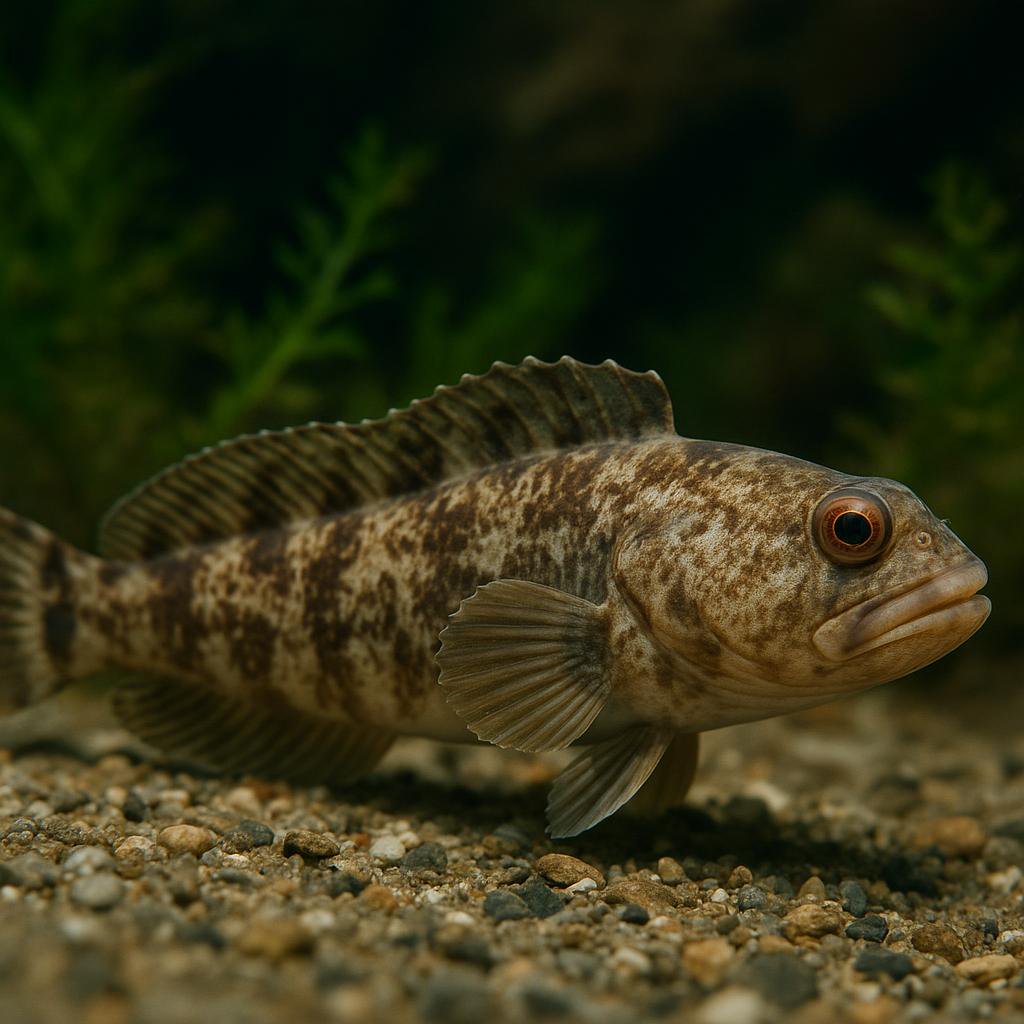
Japonolycodes abei is a temperate, deepwater demersal eelpout (family Zoarcidae) endemic to Japan (Kumano-nada Sea reported; other sources also report Sagami Bay and Tosa Bay). It is the only species in the genus Japonolycodes and occurs roughly 40-300 m depth, making it an uncommon/atypical aquarium species.
Affinis blind cusk-eel
Barathronus affinis
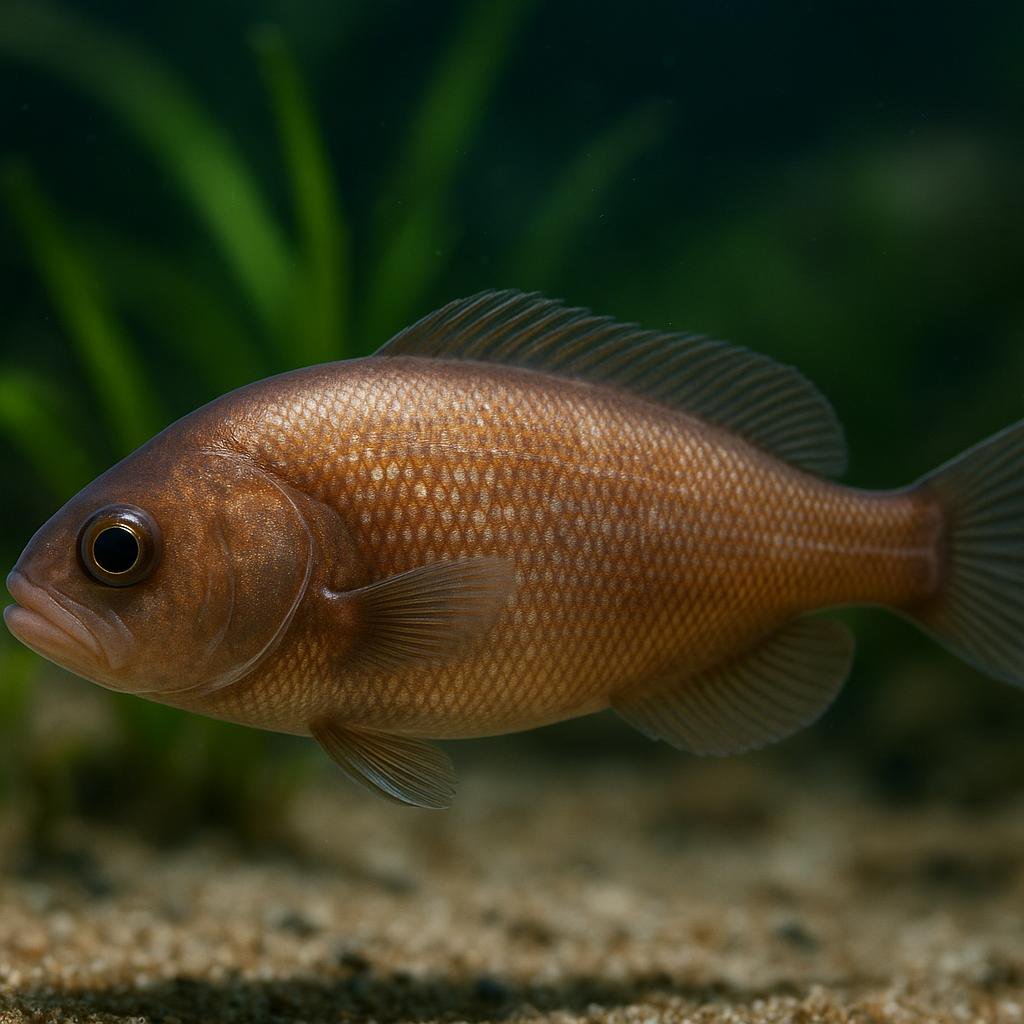
Barathronus affinis is a tiny, super-weird deep-sea blind cusk-eel from the western-central Indian Ocean. It is one of those gelatinous, loose-skinned brotula-type fishes that live way down in the dark and are basically never seen alive, so almost everything we know comes from preserved specimens and taxonomic work.
Allis shad
Alosa alosa
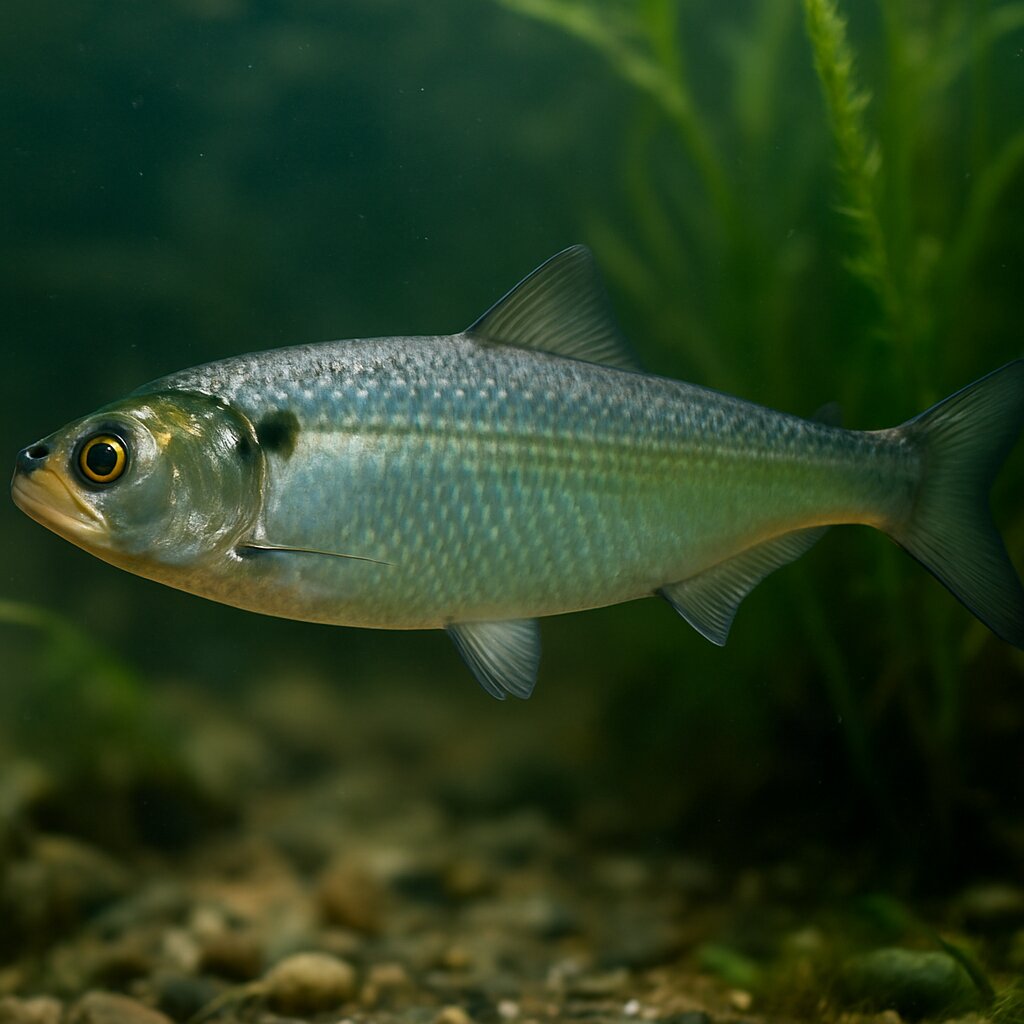
Gorgeous silver, fast-swimming shad that spends most of its life in the sea and then surges up big rivers in noisy, surface-spawning schools. It grows huge for a herring-type fish and needs cool, ultra-oxygenated water and tons of open space, so it is a public-aquarium species rather than a home tank fish.
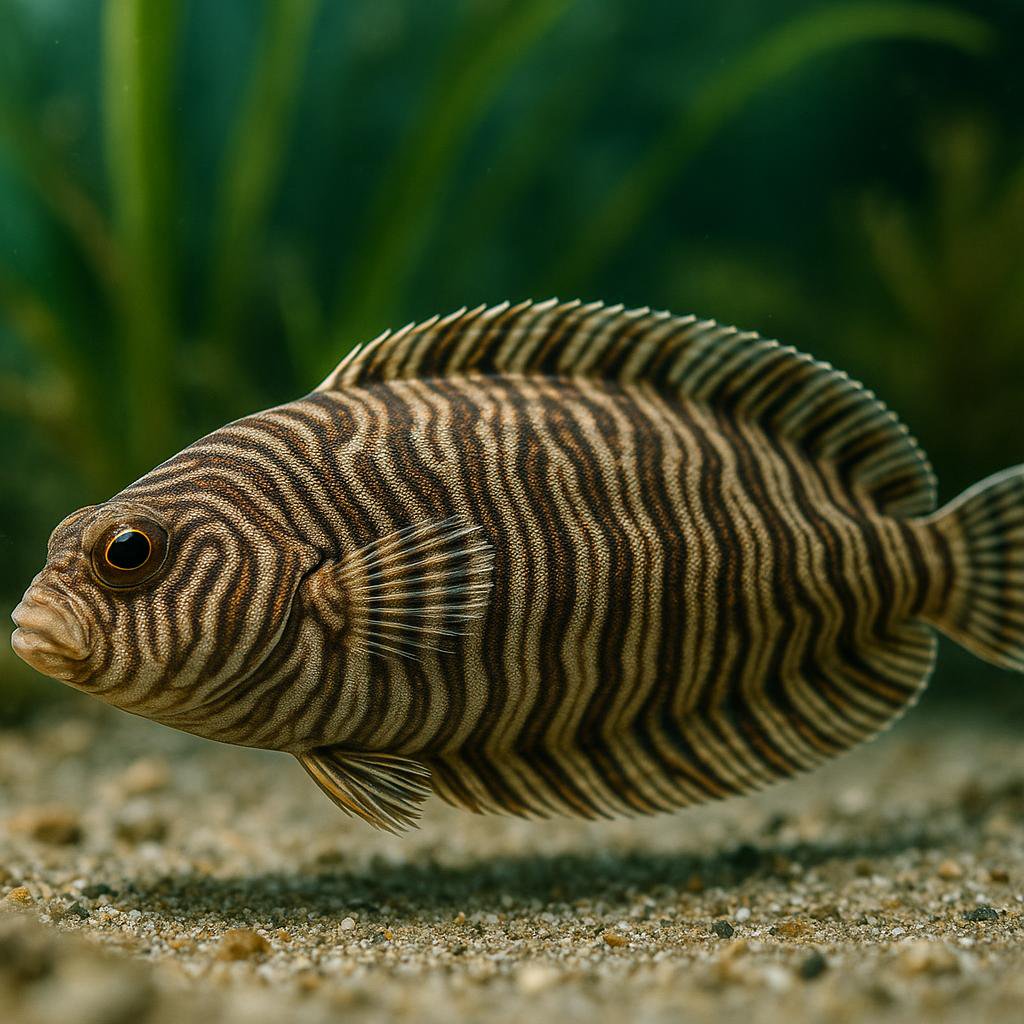
Annandale's zebra sole
Zebrias annandalei
Zebrias annandalei is a small demersal sole from coastal India that inhabits sandy or muddy bottoms and buries for camouflage. It is rarely kept in home aquaria and would require a specialized marine sand-bottom setup and appropriate feeding.
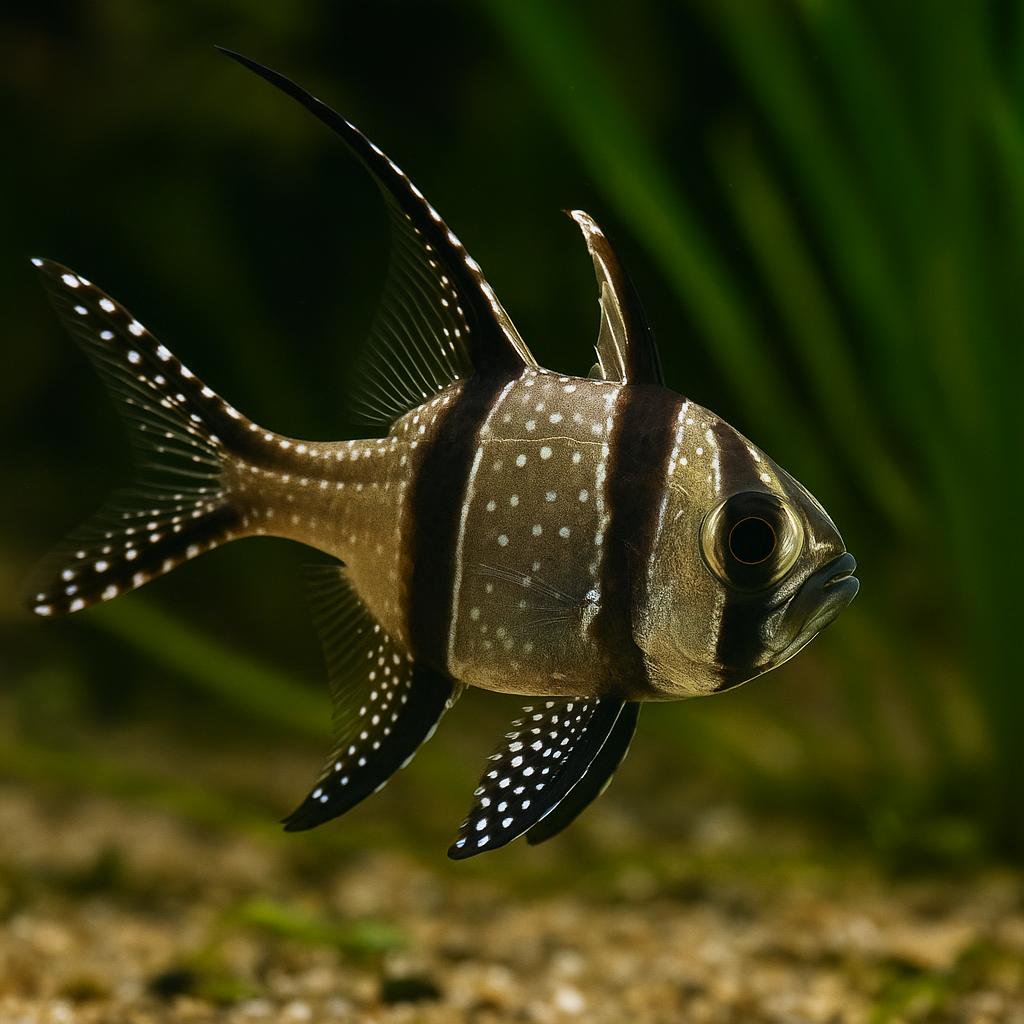
Banggai Cardinalfish
Pterapogon kauderni
Banggai cardinals just sort of hover like little underwater satellites, and the bold black bars with those long, polka-dotted fins look unreal under reef lighting. They're super chill most of the time, but once a pair forms you'll see real "fish drama," and the male will even mouthbrood the babies like a champ.
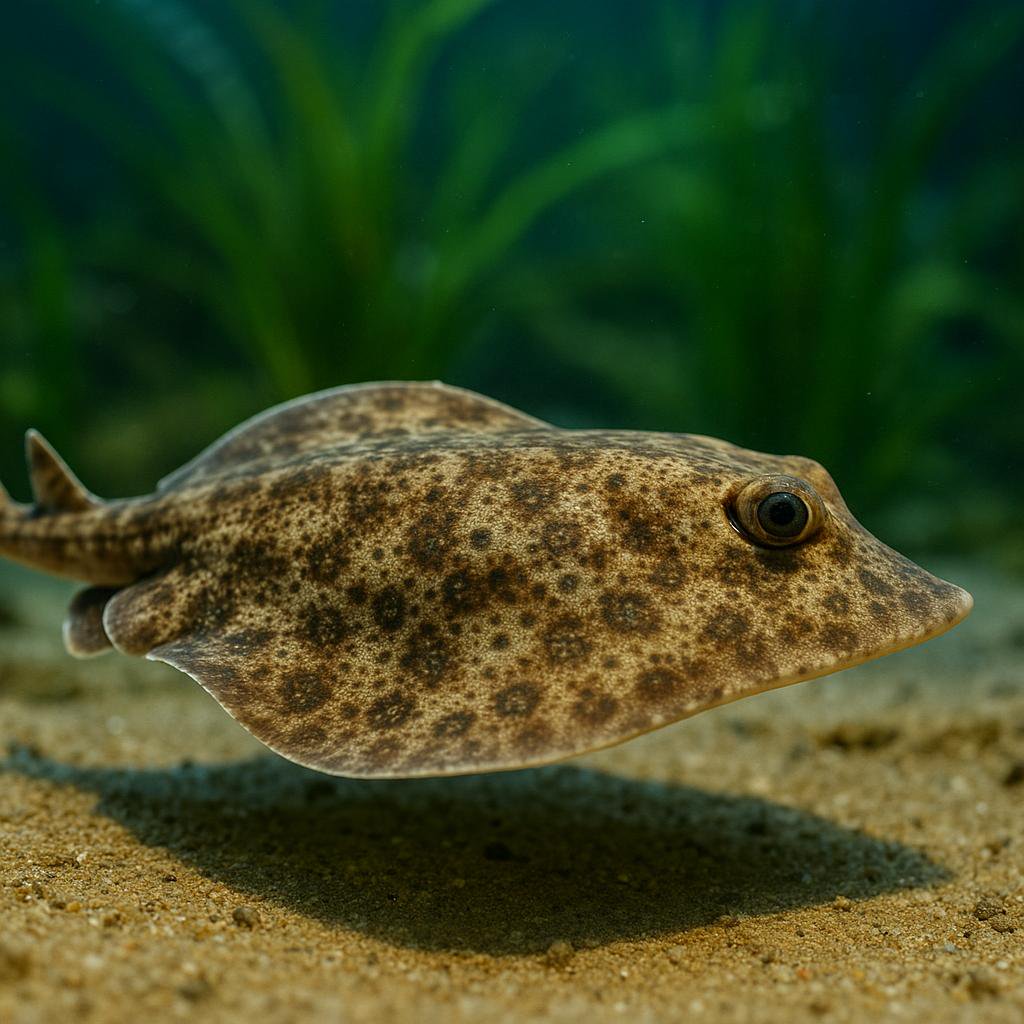
Barbedwire-tailed skate
Notoraja martinezi
Notoraja martinezi is a deepwater skate from the eastern Pacific (Costa Rica down to Ecuador) that lives way down on soft bottoms. The tail is the giveaway - it is lined with strong, hooked thorns that really do look like barbed wire. This is absolutely not an aquarium fish; it is a cold, high-pressure deep-sea animal with basically no practical home care info because it is not kept in the hobby.
More to Explore
Discover more marine species.
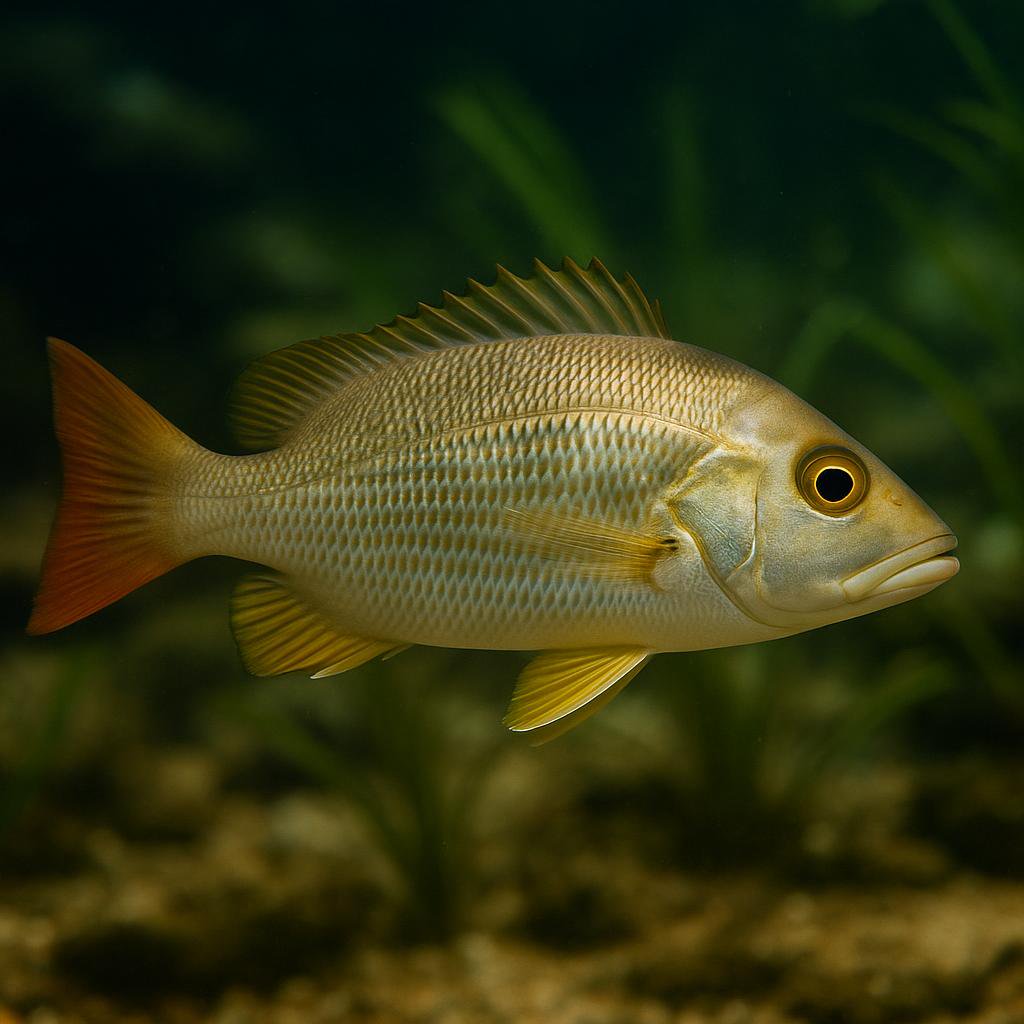
African red snapper
Lutjanus agennes
This is a true snapper from West Africa - a big, fast-growing predator that goes from coastal reefs to brackish lagoons and estuaries (especially as a juvenile). Super cool fish in the wild, but it gets absolutely huge and will eat smaller tankmates once it has the mouth for it, so its really more of a public-aquarium scale animal than a home-aquarium fish.
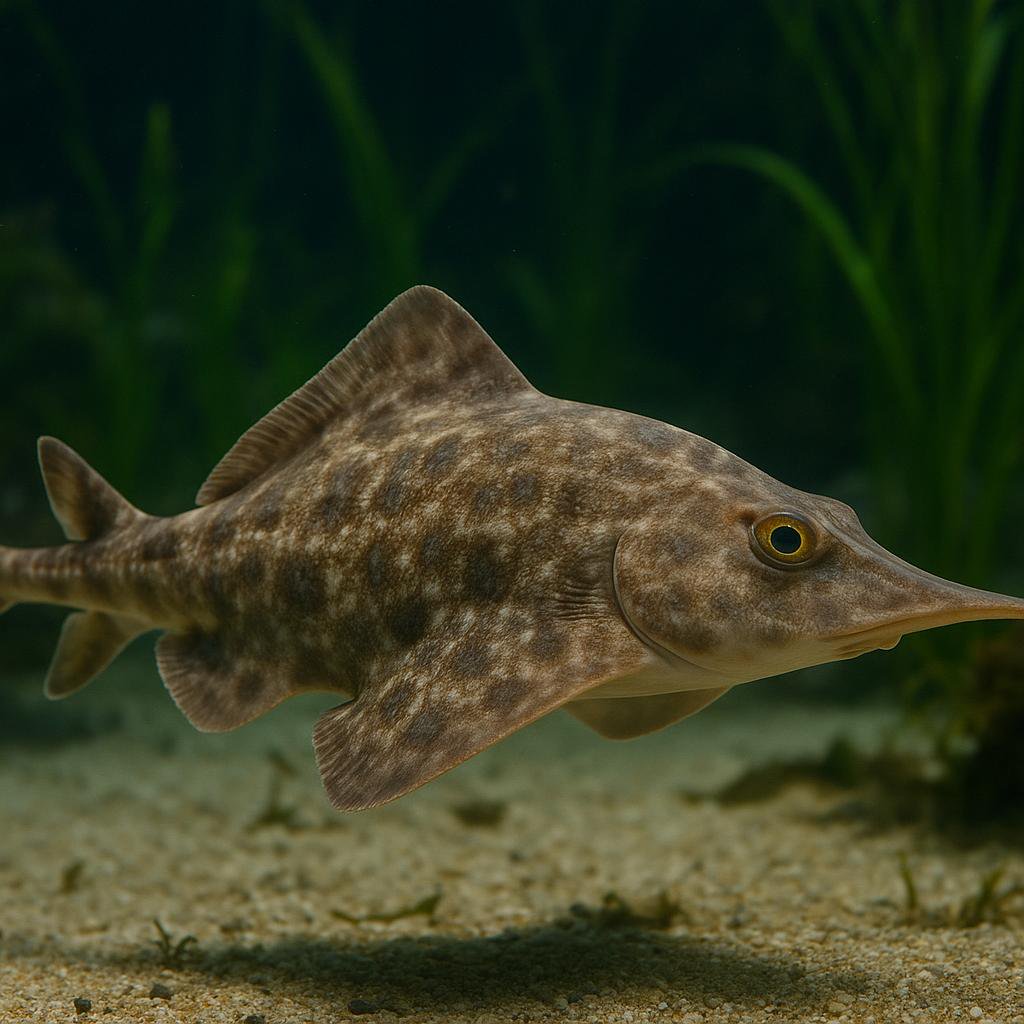
Aleutian skate
Bathyraja aleutica
This is a big, cold-water deep-slope skate from the North Pacific that cruises muddy bottoms and eats chunky benthic prey like crabs and shrimp. The really cool bit is its egg-laying skate life - it does distinct pairing (the classic skate "embrace") and drops those tough egg cases on the seafloor. Not an aquarium fish at all unless you're basically running a public-aquarium-style chilled system.
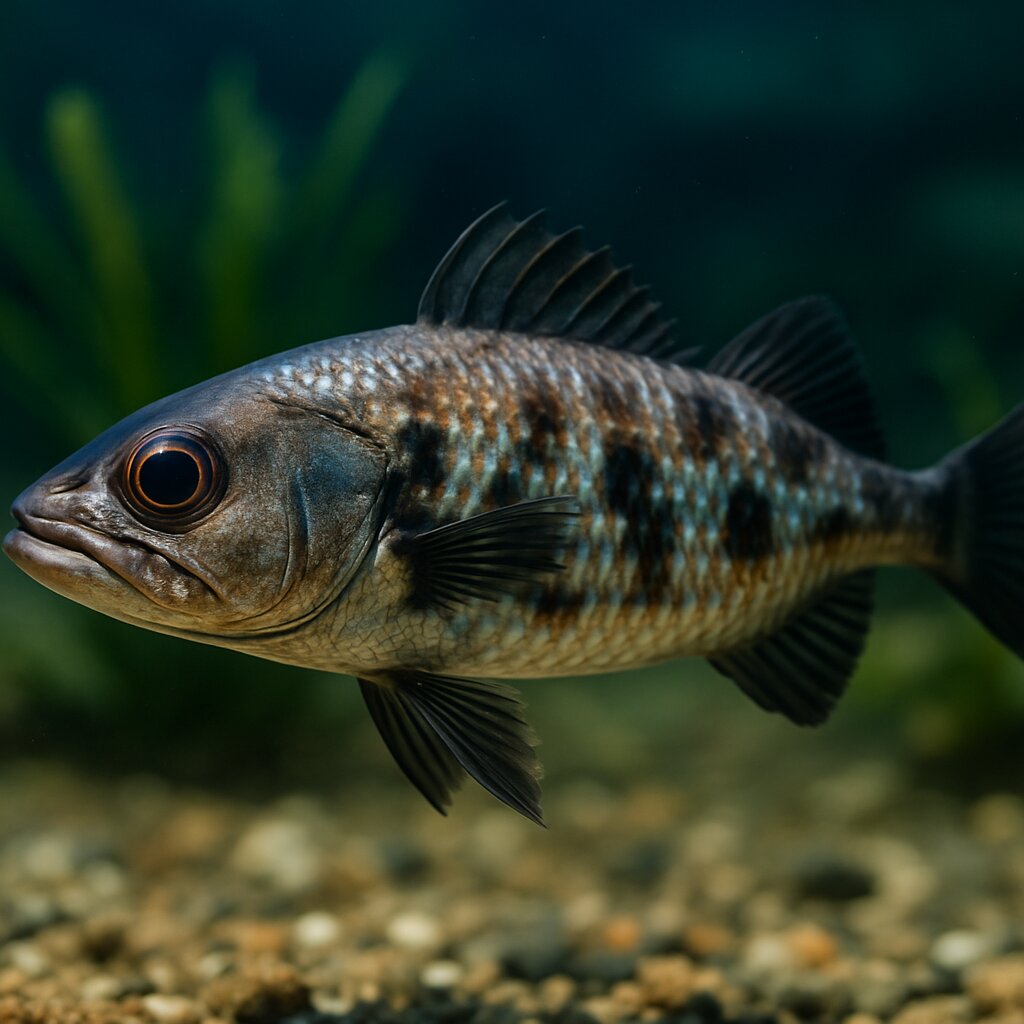
Antarctic dragonfish
Vomeridens infuscipinnis
Deep down around Antarctica, this sleek dragonfish cruises the water column like a little submarine, nearly neutrally buoyant so it can hover above the seafloor. It munches almost exclusively on Antarctic krill and lives in near-freezing water 500-800 m down, so it is a cool species to read about, not one for home tanks.
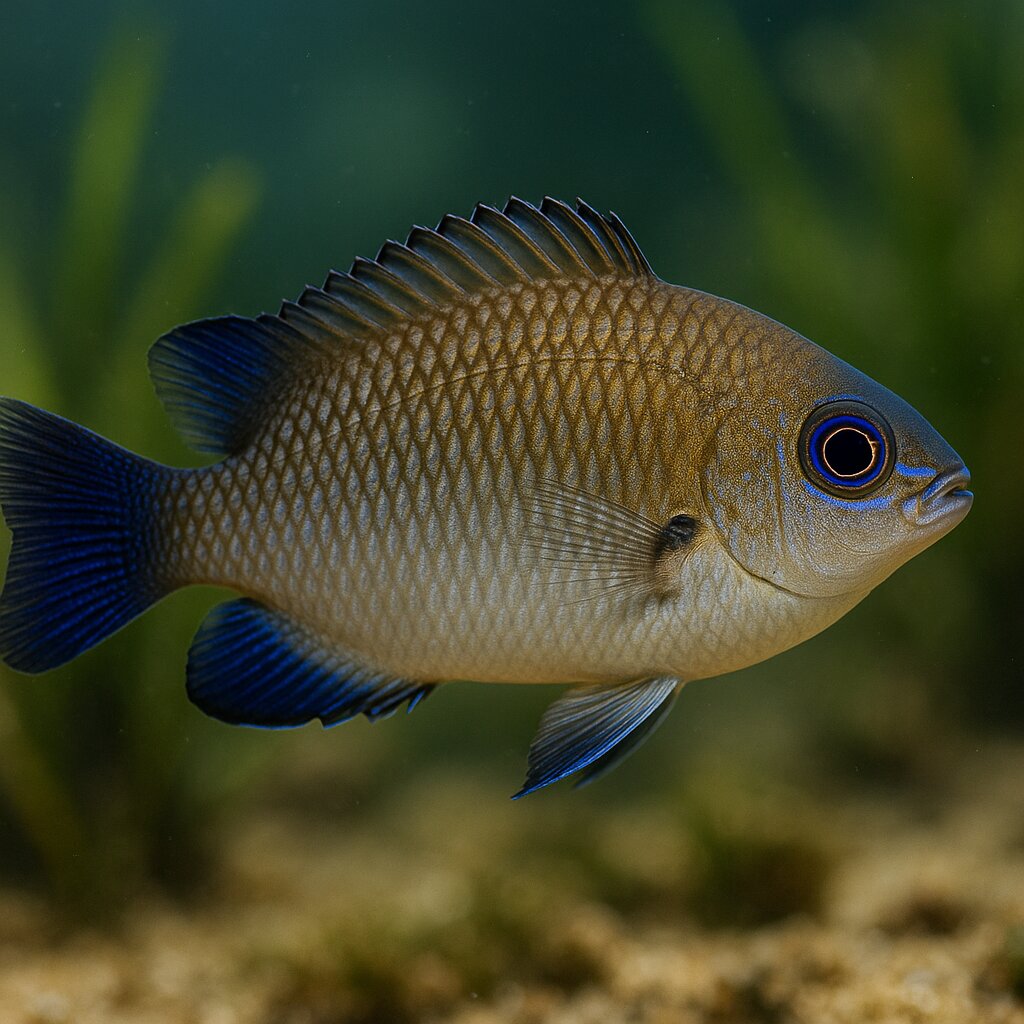
Arabian demoiselle
Neopomacentrus sindensis
A small lyretail damsel from the Persian Gulf and Arabian Sea, it hangs in loose groups around coral heads, rocks, and even pier pilings picking zooplankton from the flow. Think classic damsel toughness with a slightly milder attitude than the real bruisers, plus subtle yellow tail accents. Males clean a patch, get a mate to lay eggs there, and then stand guard fanning the clutch.
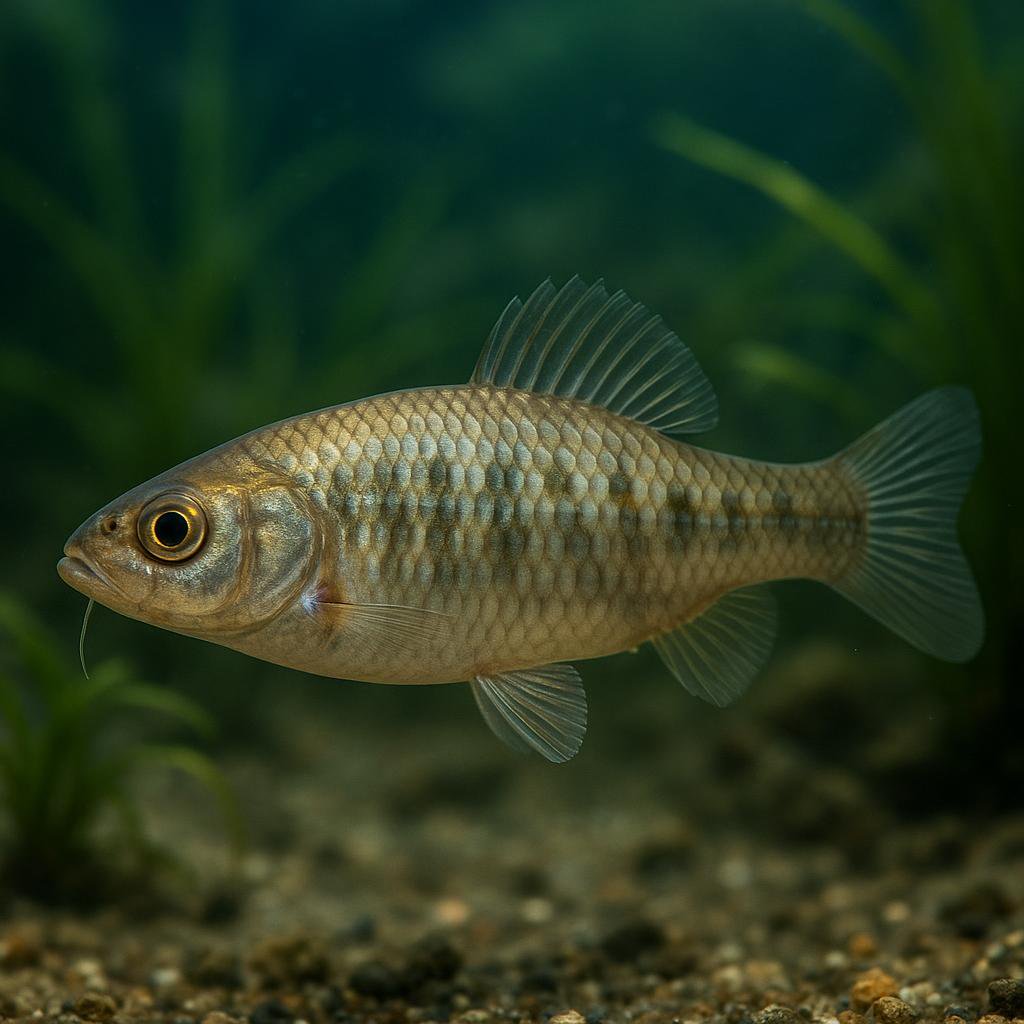
Arabian spiny eel
Notacanthus indicus
Notacanthus indicus is a deep-sea spiny eel (family Notacanthidae; not a true eel) known from the Arabian Sea on the continental slope at roughly ~960–1,046 m depth, with reported maximum length around 20 cm TL; it is a deep-water bycatch species and not established in the aquarium trade.
Arctic rockling
Gaidropsarus argentatus
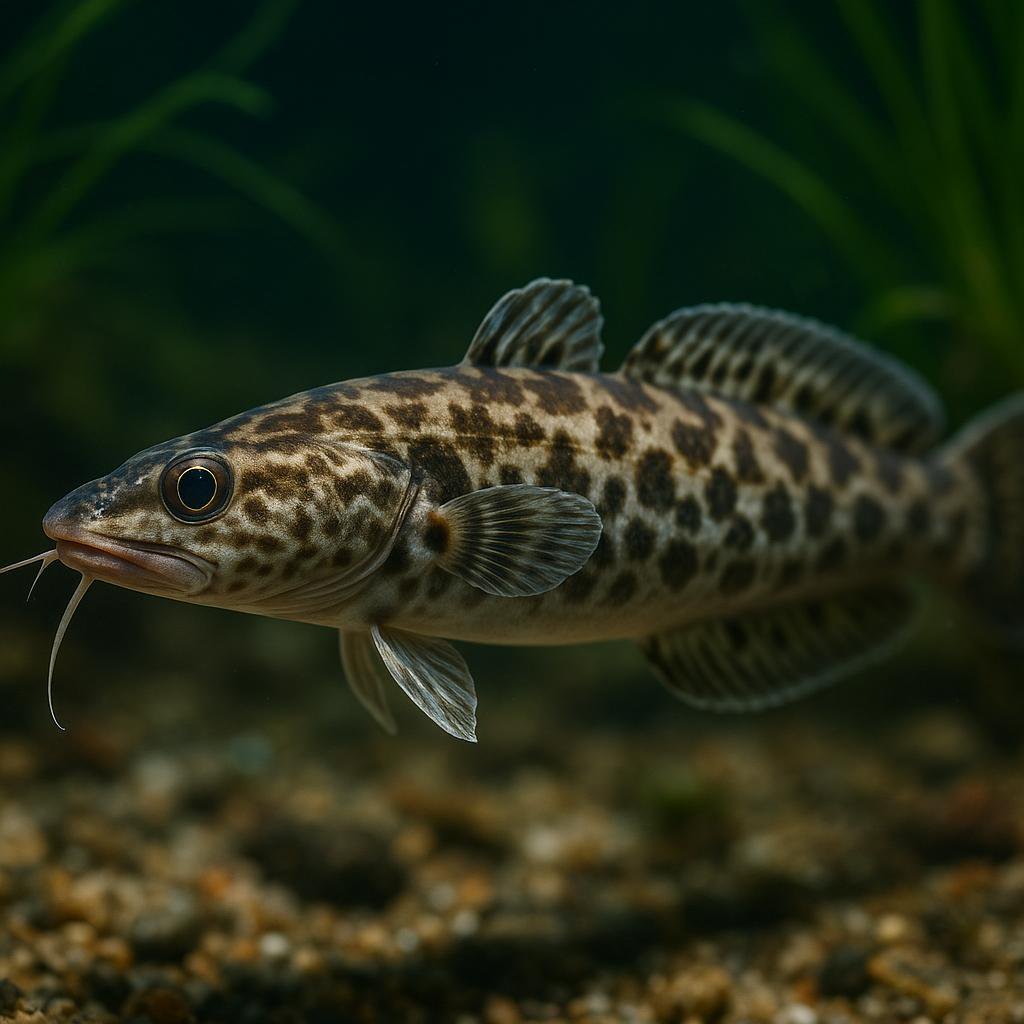
This is a deepwater North Atlantic rockling (a cod relative) that hangs out on soft bottoms way down the slope. It is a cold-water, bottom-hugging predator that snoots around for crustaceans and will also take small fish when it gets the chance.
Looking for other species?