

Search Species
Search for fish species by common or scientific name, or use filters to browse by water type, size, temperament, and difficulty.
Found 654 species
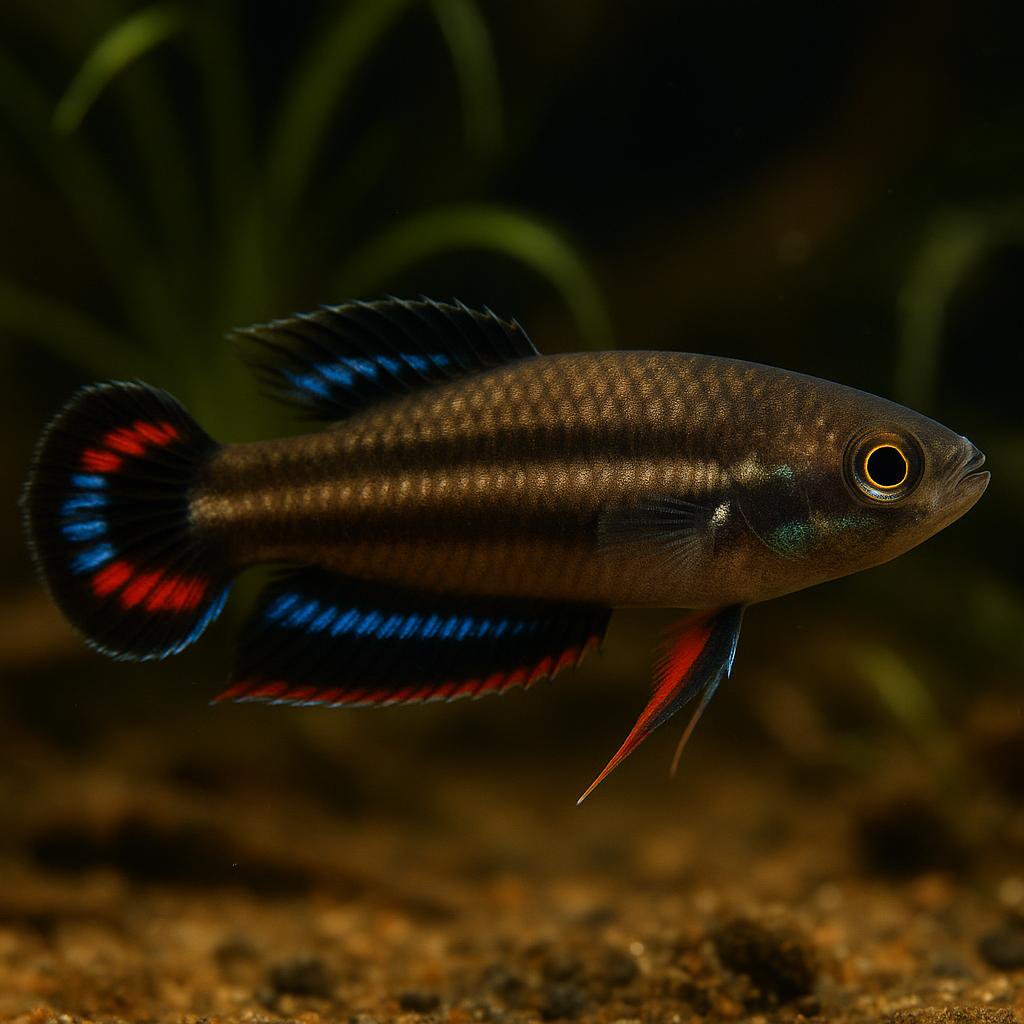
Linke’s Licorice Gourami
Parosphromenus linkei
This is one of those tiny, dark little gouramis that looks kind of understated in a store tank... until it settles in and the male starts flashing those deep reds and blues with the fancy fin edging. They're shy and a bit secretive, but when you keep them the way they like (soft, acidic, calm), they turn into these surprisingly bold little show-offs around spawning time.
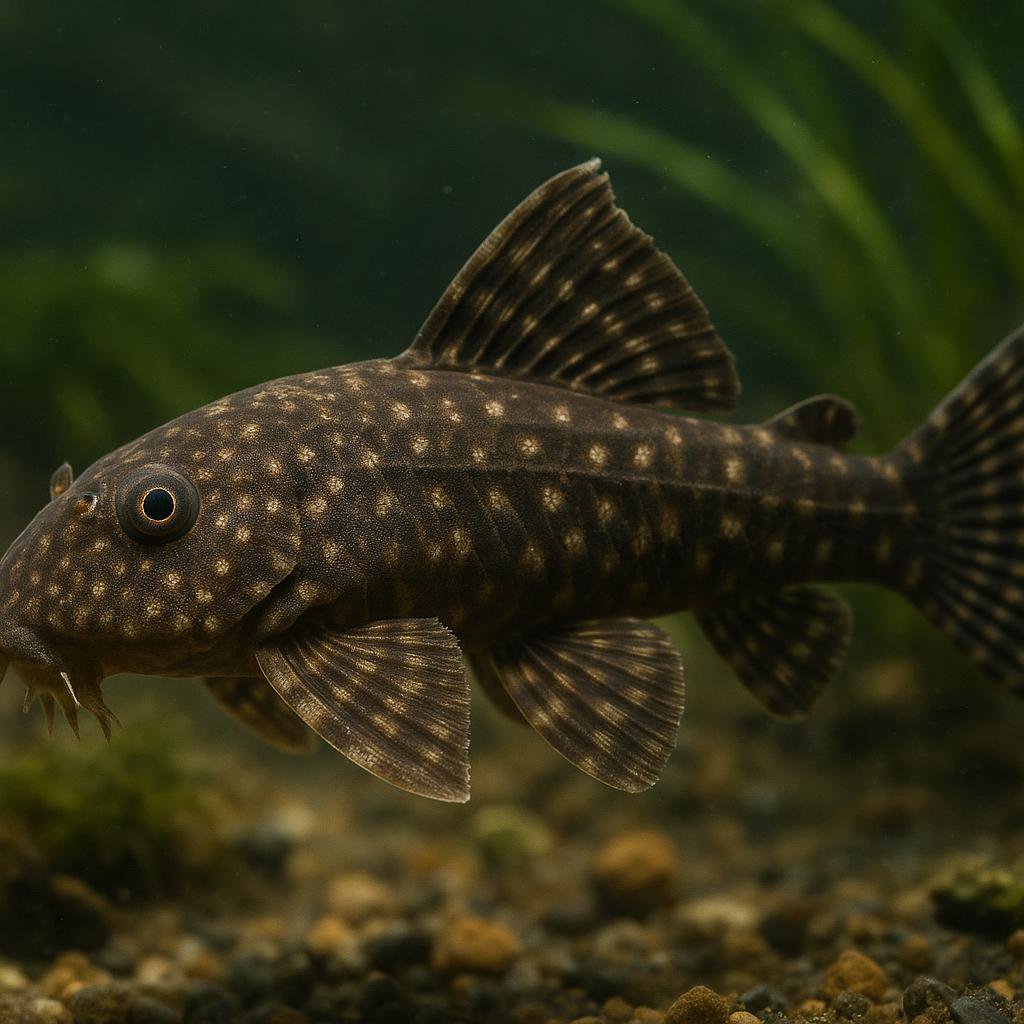
Lombok viviparous brotula
Paradiancistrus lombokensis
This is a tiny, super-cryptic marine brotula from around Lombok, Indonesia - the kind of fish that lives tucked deep in reef cracks where you basically never see it. The really neat part is its group (viviparous brotulas) gives live birth, so its biology is way cooler than its shy little "hide in the rocks" lifestyle suggests.
Longbarbel stone loach
Micronemacheilus longibarbatus
This is a little southern China stone loach with extra-long mouth barbels - built for feeling around the bottom in dark, rocky habitats. Its a super niche fish (not something you will randomly see at most stores), and it does best when you treat it like a small river/karst loach: clean water, lots of oxygen, and a soft substrate so those barbels stay perfect.
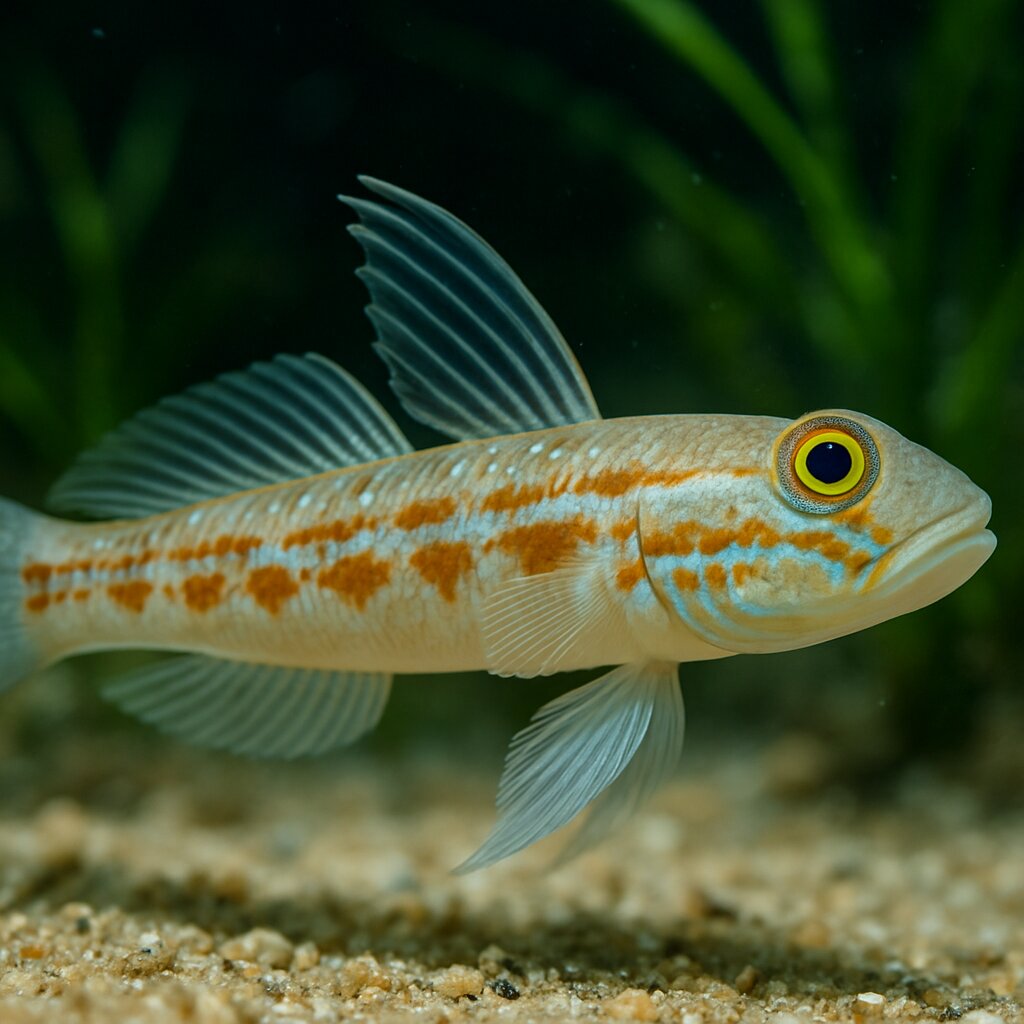
Long-finned goby
Valenciennea longipinnis
This is that sand-sifting goby that pairs up, digs tidy little burrows, and keeps the substrate looking fresh while it snacks on tiny critters. Give it a mature sand bed and a tight lid, and it will reward you with tons of personality and those blue cheek markings showing off while it works.
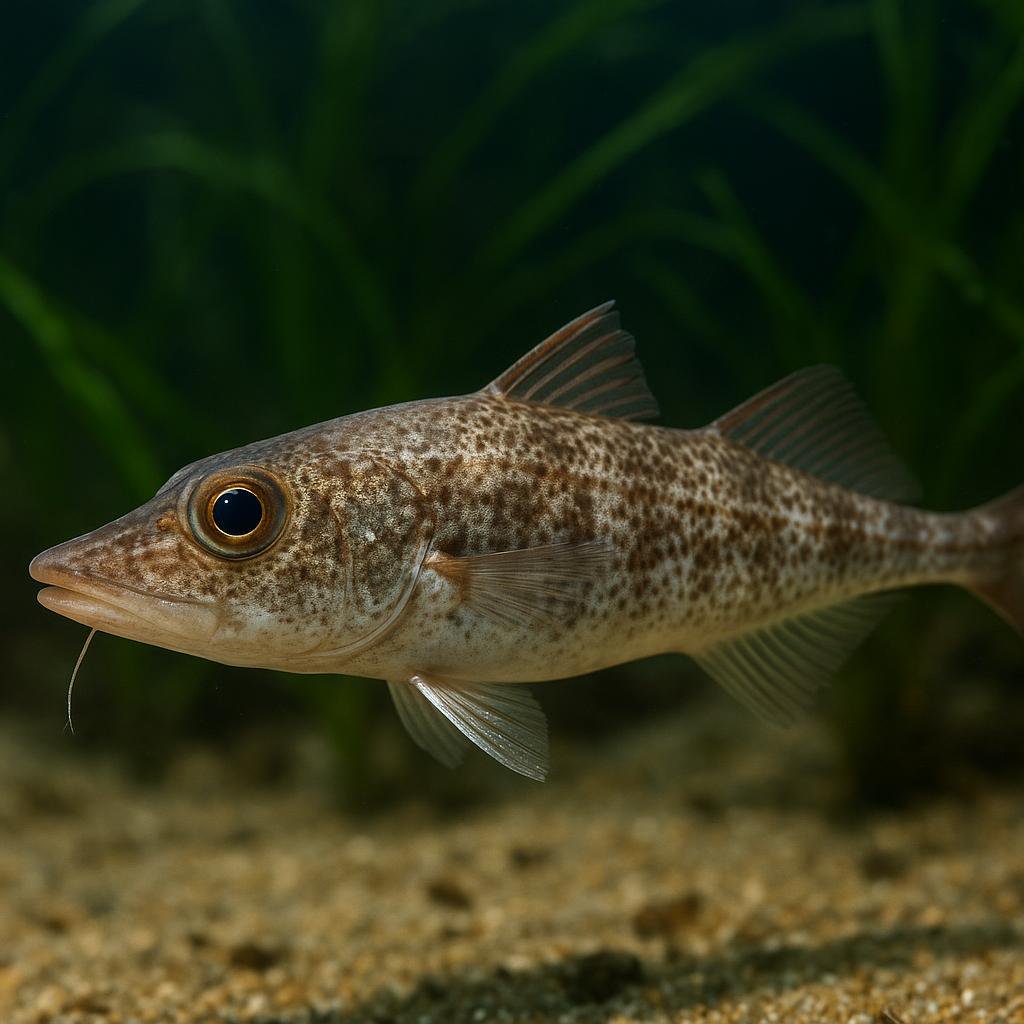
Longhead grenadier
Coelorinchus longicephalus
This is a deep-sea rattail (grenadier) from the Northwest Pacific that lives way down on the slope, not something that can be kept in a normal aquarium. It gets a long, tapering body with that classic whiptail look, and it is built for cold, high-pressure water and cruising just off the bottom hunting small prey.
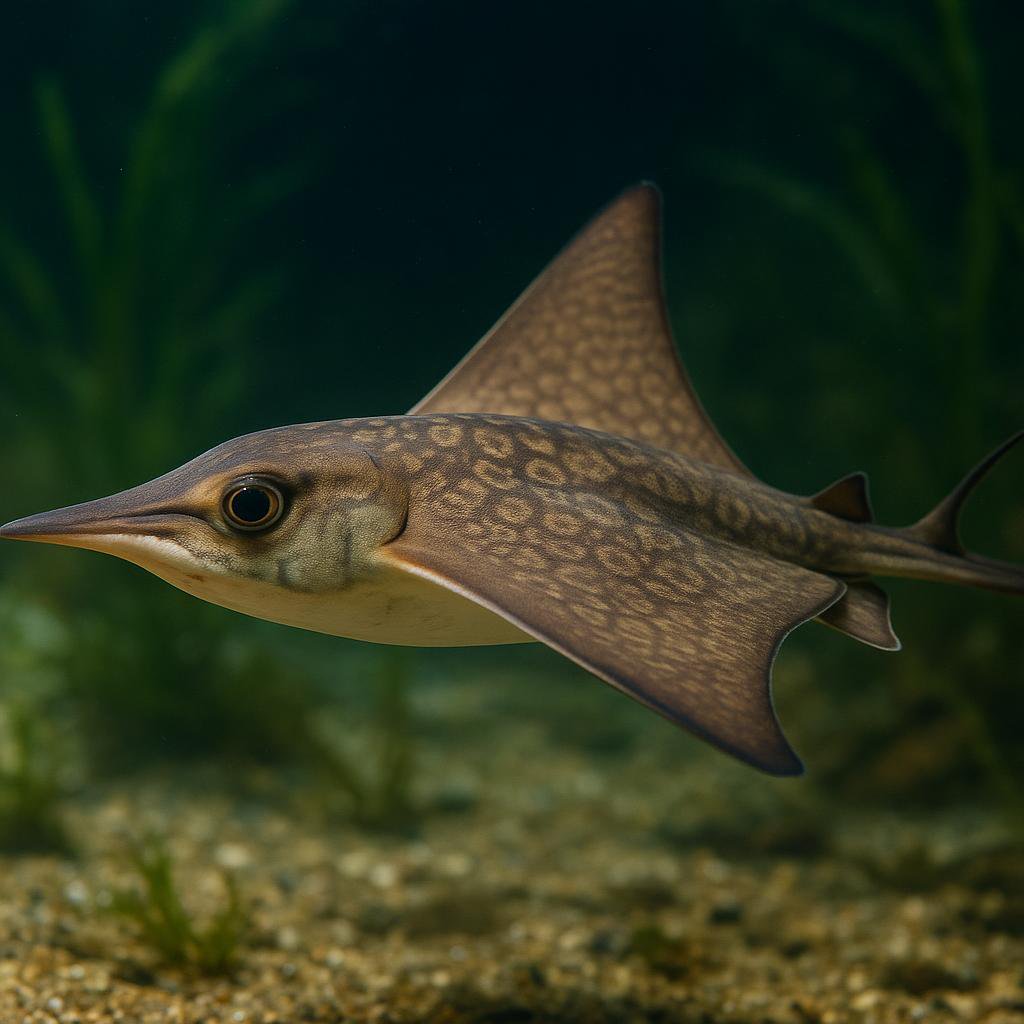
Longnose eagle ray
Myliobatis longirostris
This is a snouted eagle ray from the eastern Pacific (Gulf of California down to northern Peru) that cruises sandy coastal areas and digs out crunchy stuff like clams and crabs. Cool fish, but in real life its a big, roaming ray - not something that belongs in normal home aquariums unless youre talking a true public-aquarium-scale setup.
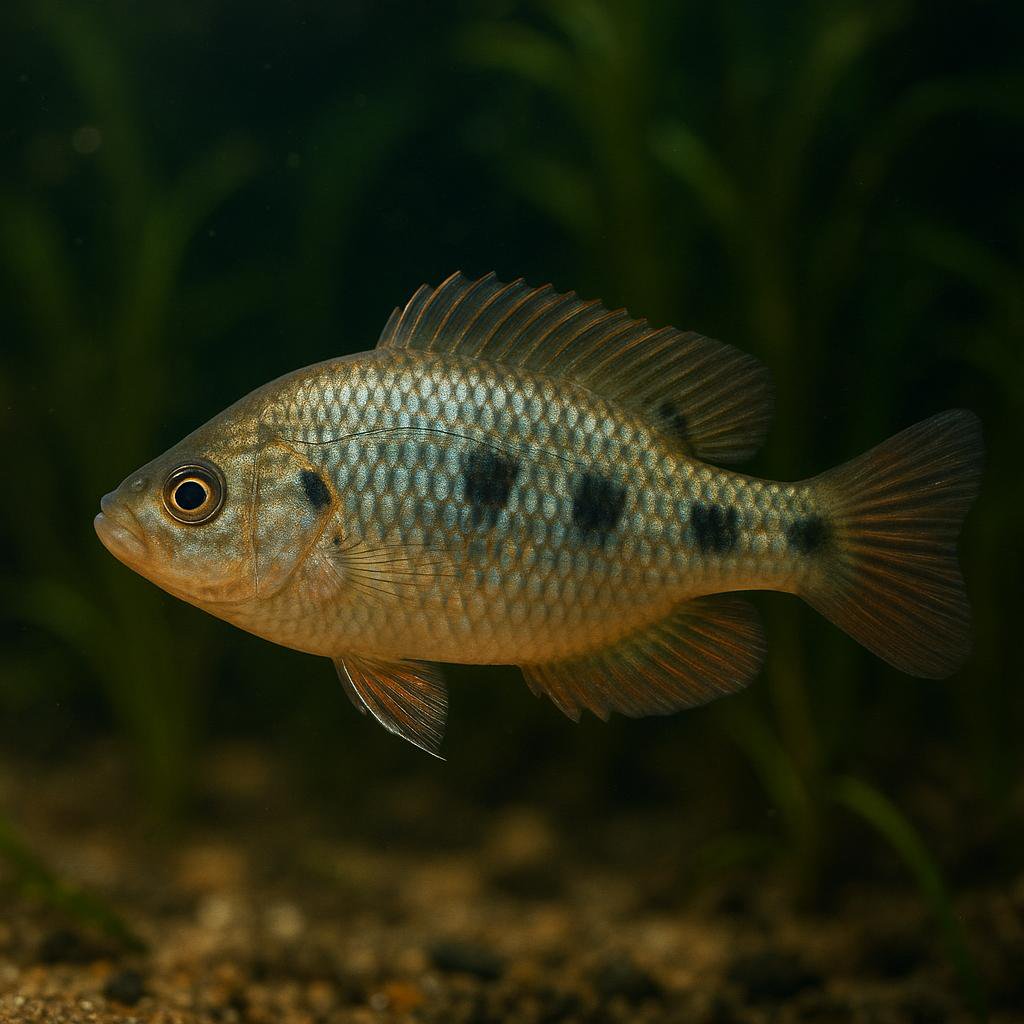
Longray fangjaw
Zaphotias pedaliotus
This is a tiny deep-sea bristlemouth that lives way down in the midwater-dark and comes up and down the water column on a day-night cycle. Its little light organs (photophores) and even a slight nightly color shift are part of the whole "life in the deep" vibe - super cool, but absolutely not a home-aquarium fish.
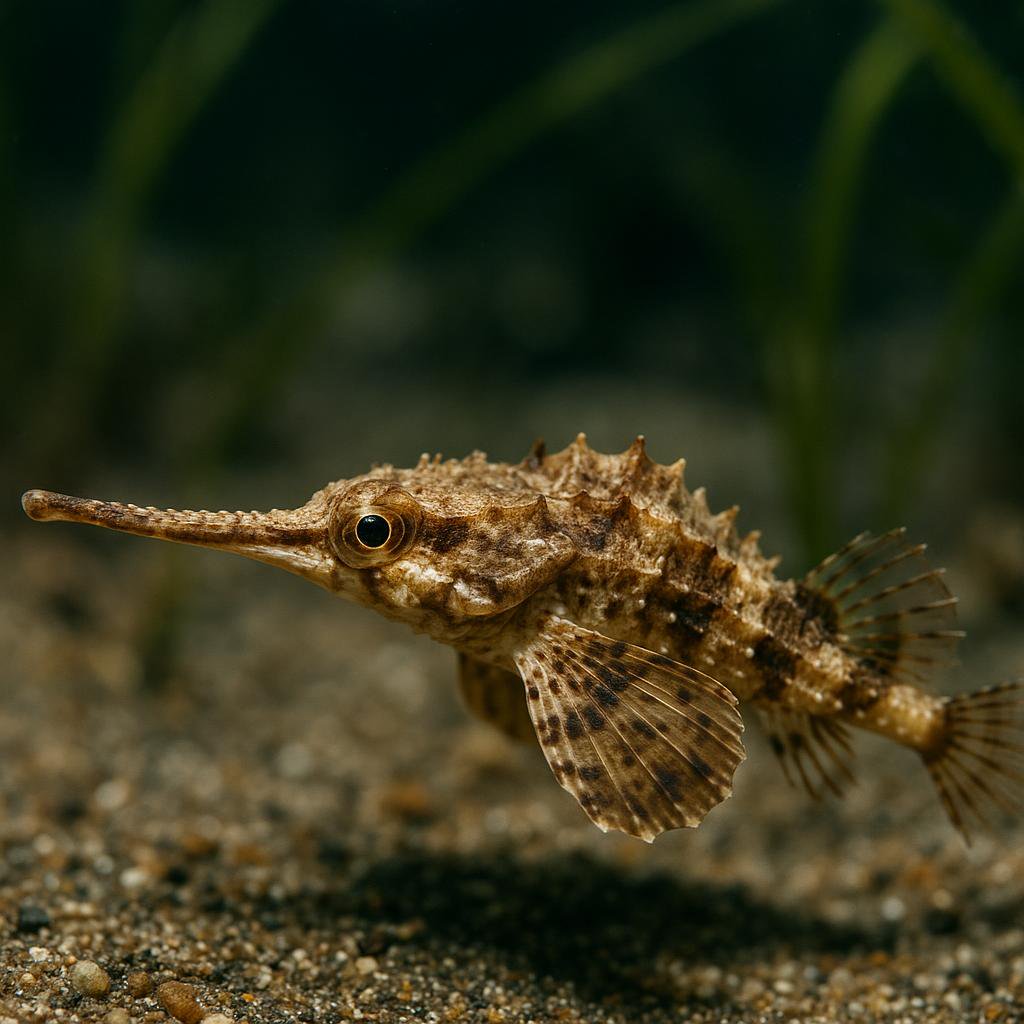
Longsnout armored searobin
Paraheminodus longirostralis
This is a deepwater armored searobin - basically a little walking tank of a fish with bony plates and feeler-like rays it uses to hunt along the bottom. Its claim to fame is the extra-long snout projections, and it lives way down on the slope, not in the usual home-aquarium zone. Realistically, this is a research-trawl kind of species rather than something you keep at home.
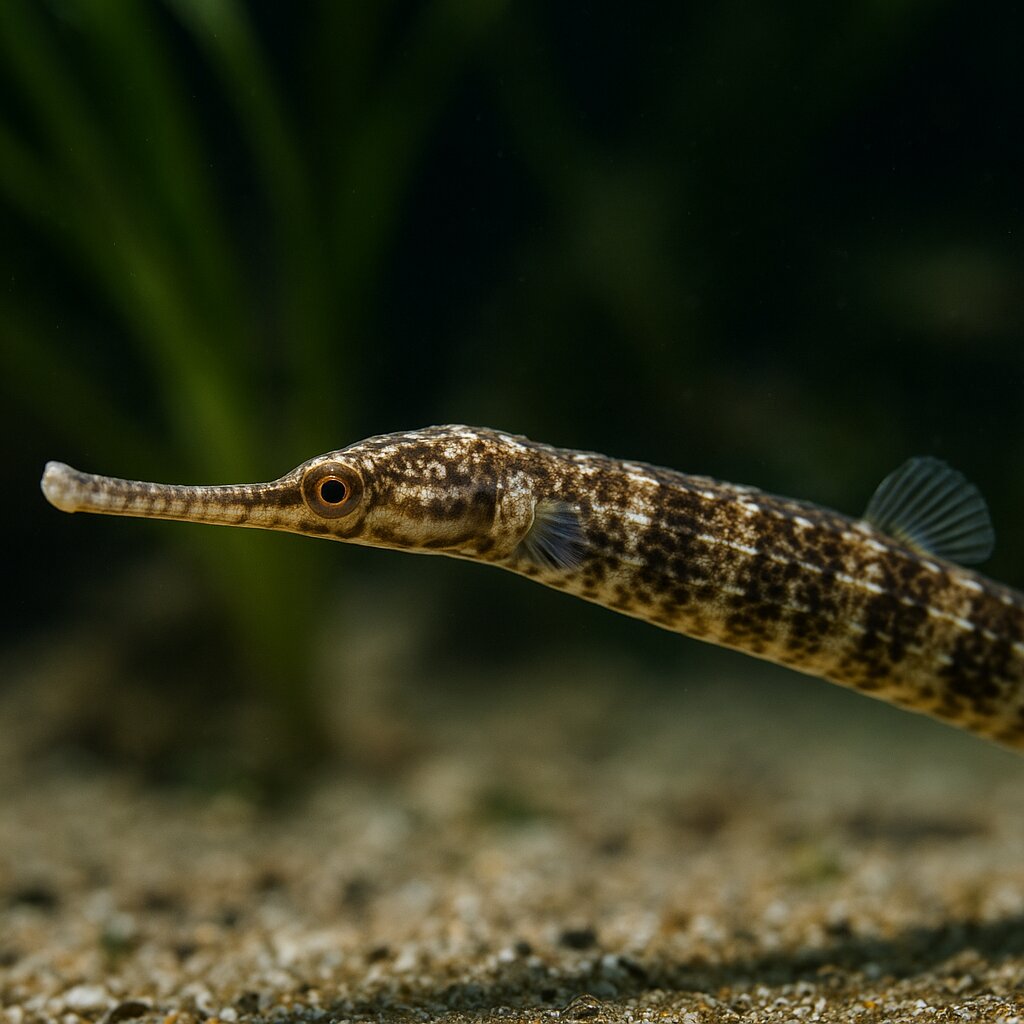
Longsnout Pipefish
Vanacampus poecilolaemus
From southern Australia’s seagrass and macroalgal beds, this temperate pipefish threads through weedy shallows picking off tiny crustaceans with its straw-like snout. It does best in a chilled system with gentle-to-moderate flow and requires frequent small feedings of live or enriched meaty foods.
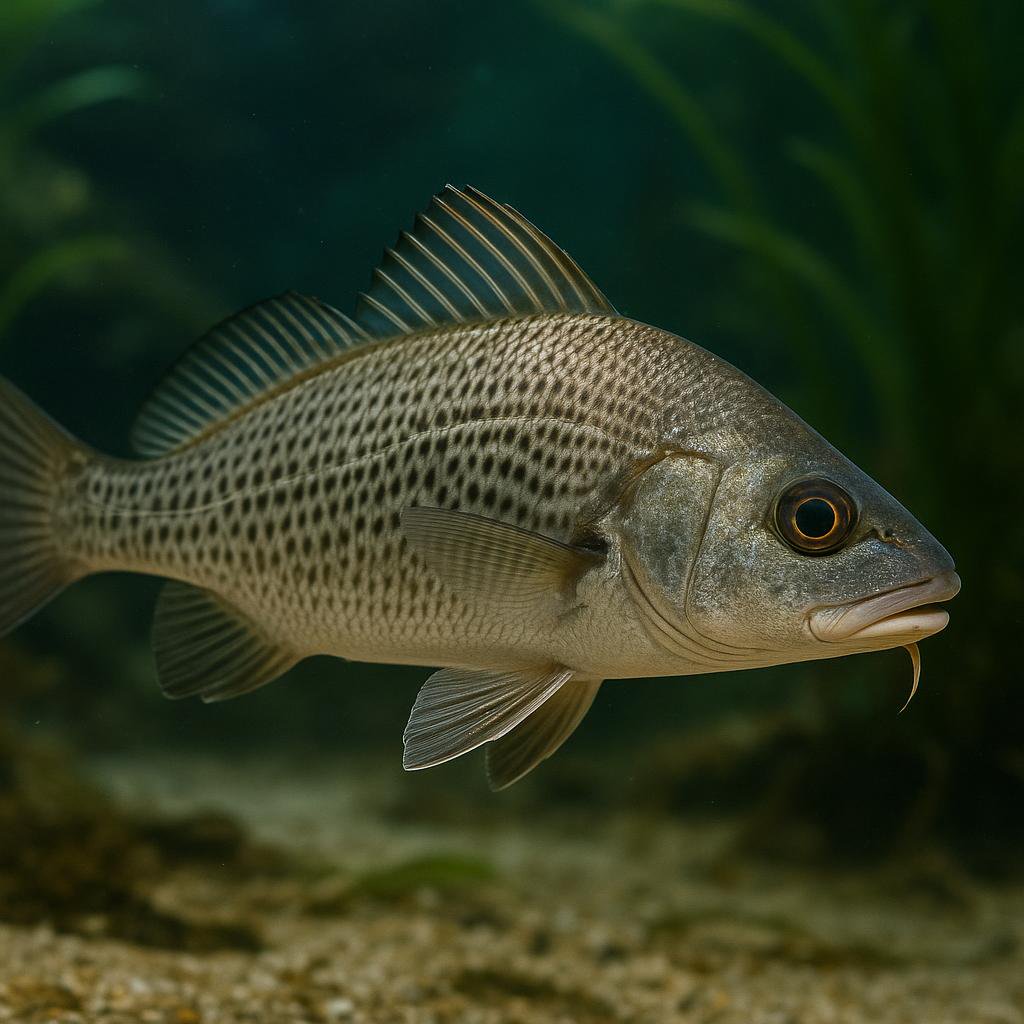
Longspine drum
Umbrina analis
Umbrina analis is an Eastern Pacific sciaenid (drum/croaker) that inhabits inshore soft bottoms (sand/mud) from the tip of Baja and the SW Gulf of California to Colombia, typically near the bottom in surf zones, bays, and shallow coastal waters (about 1–50 m). It is a carnivore feeding mainly on mobile benthic invertebrates (crustaceans, worms, and mollusks).
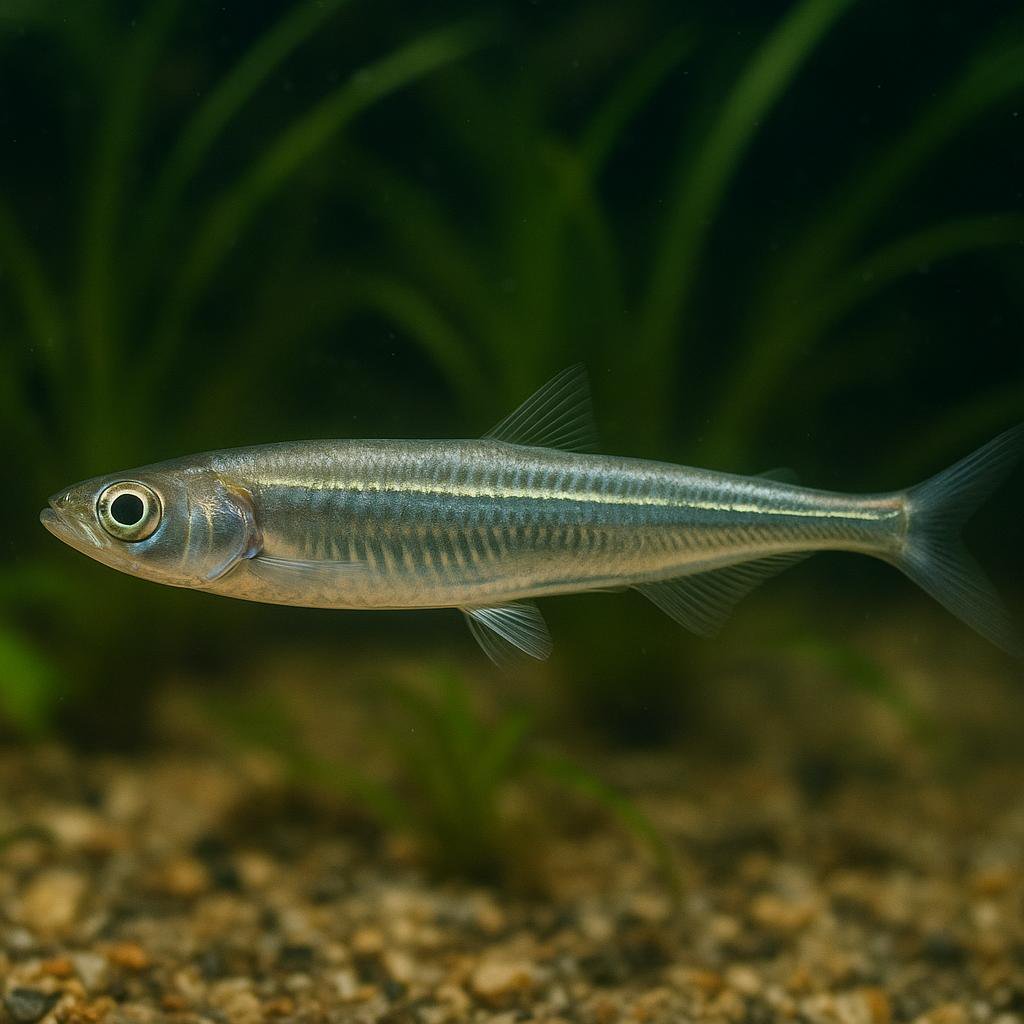
Longtail pencilsmelt
Nansenia longicauda
This one is a deepwater pencilsmelt that lives way down in the mesopelagic zone, so its more of a research-species than an aquarium fish. It tops out around 13 cm and seems to show up in patchy spots in the subtropical Atlantic and North Pacific, typically hundreds of meters down.
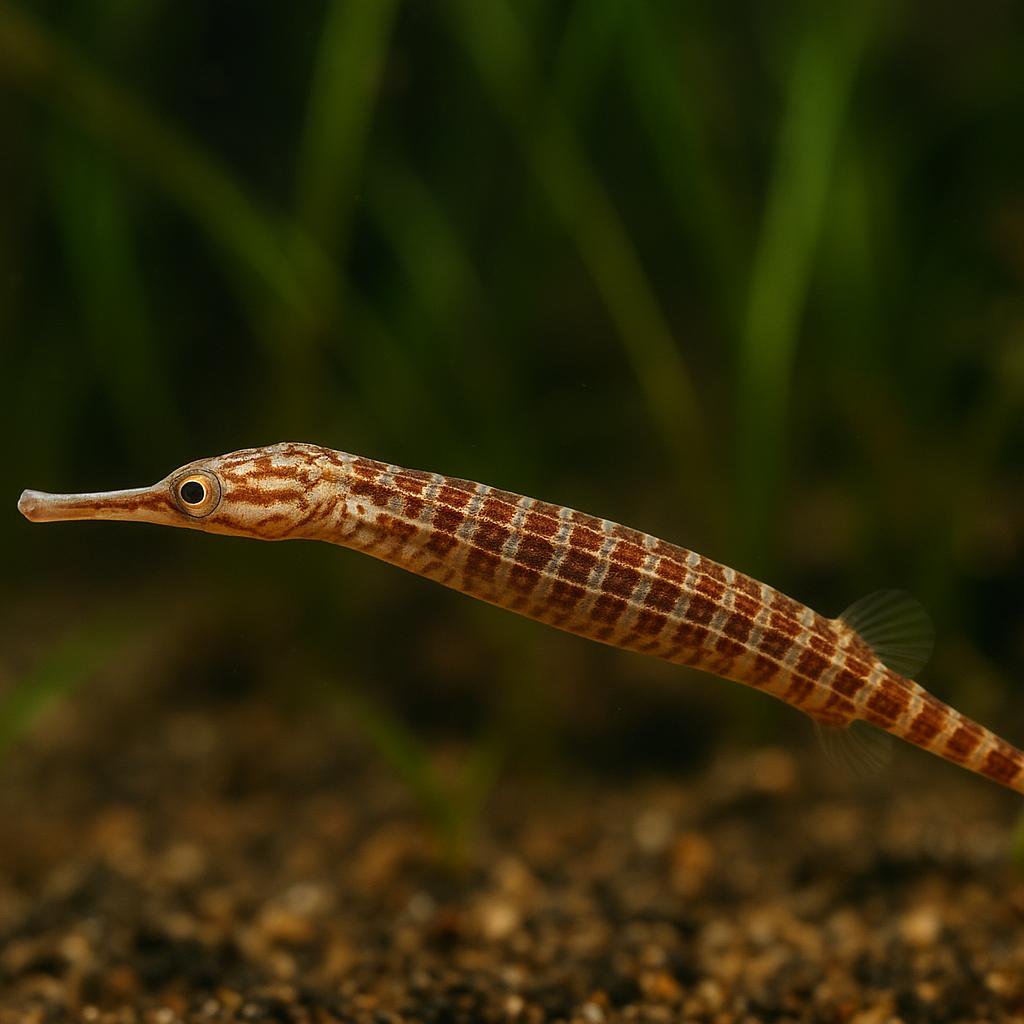
Long tail pipefish
Festucalex prolixus
This is a tiny little marine pipefish from the Western Central Pacific, and it tops out around 3.6 cm standard length. What's wild is that most of what we know comes from planktonic specimens collected in the upper water column, with adults expected deeper than about 40 m - so it is not really an aquarium species you will run into.