

Longspine drum
Umbrina analis
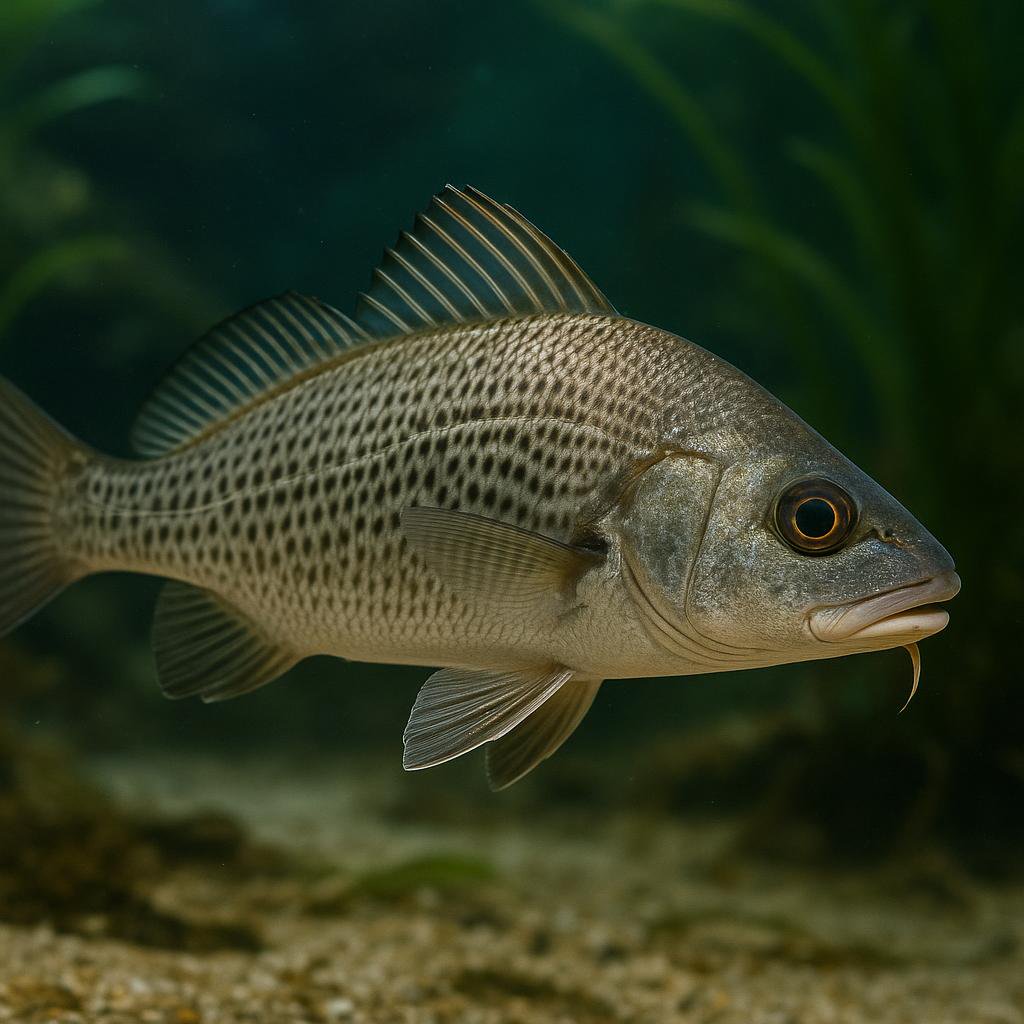
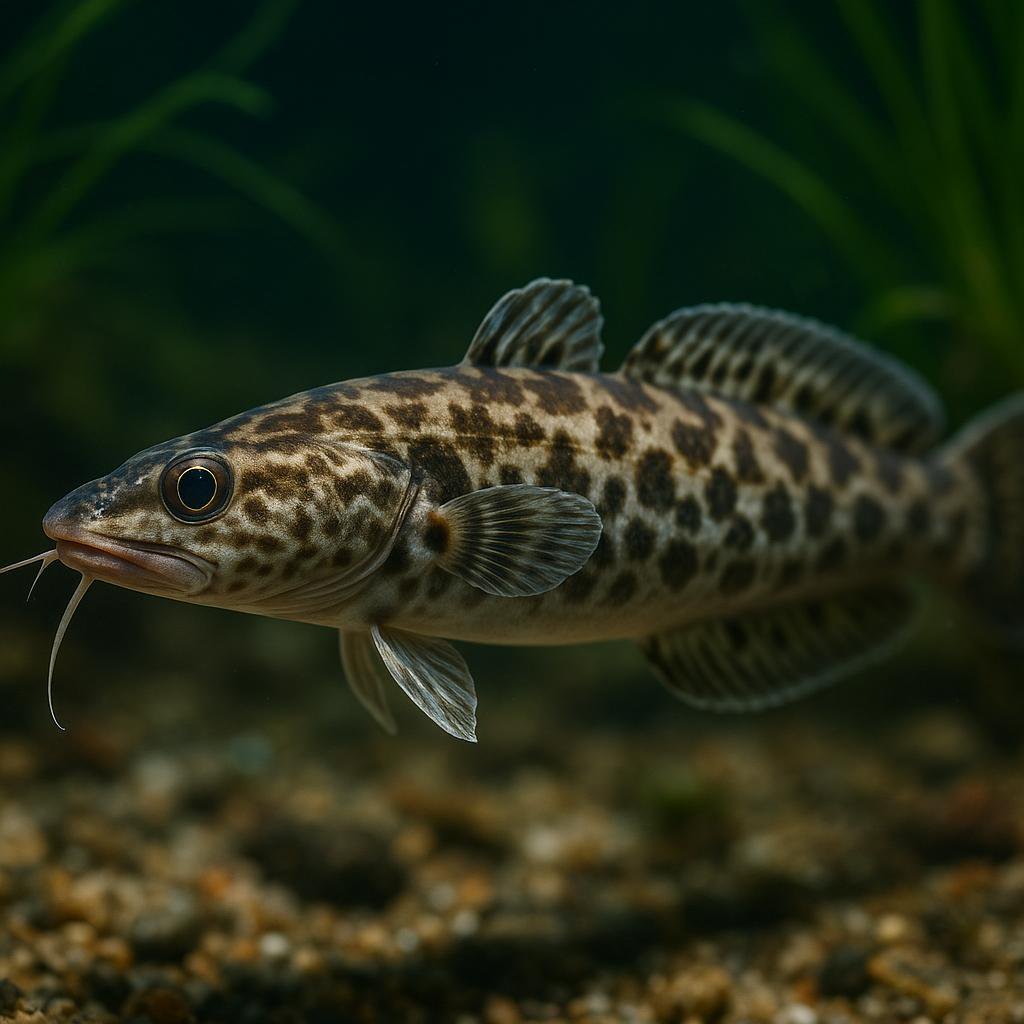
Longspine drum features a slender, elongated body, with a pronounced dorsal fin, and exhibits a silver hue adorned with dark vertical stripes.
This page includes AI-generated images. Why am I seeing AI images?
About the Longspine drum
Umbrina analis is an Eastern Pacific sciaenid (drum/croaker) that inhabits inshore soft bottoms (sand/mud) from the tip of Baja and the SW Gulf of California to Colombia, typically near the bottom in surf zones, bays, and shallow coastal waters (about 1–50 m). It is a carnivore feeding mainly on mobile benthic invertebrates (crustaceans, worms, and mollusks).
Also known as
Quick Facts
Size
35 cm TL
Temperament
Peaceful
Difficulty
Expert
Min Tank Size
180 gallons
Lifespan
6-12 years
Origin
Eastern Pacific (southern Baja California and SW Gulf of California to Colombia)
Diet
Carnivore - small crustaceans and benthic worms; will take meaty frozen foods in captivity
Water Parameters
20-28°C
8-8.4
8-12 dGH
Need a heater for this species?
This species needs 20-28°C in a 180 gallon tank. Use our heater calculator to find the right wattage.
Calculate heater sizeCare Notes
- Provide a sand/soft-bottom area (avoid sharp/abrasive substrates) and ample open bottom footprint; this species is a demersal inshore soft-bottom fish.
- Temperature requirements for Umbrina analis are not well standardized in the aquarium literature; match water temperature to the collection locality/season and avoid prolonged overheating, using strong oxygenation and excellent water quality.
- Stable salinity around 1.024-1.026 and strong oxygenation matter a lot; these guys are active and sulk fast in low O2 or when ammonia/nitrite even blip.
- Feed meaty marine foods and mix it up: chopped shrimp, squid, clam, silversides, and good sinking carnivore pellets - train it to take food off the bottom so it is not fighting at the surface.
- They are not reef-safe in the 'cute' way: small fish, shrimp, and crabs can turn into snacks, and they will bulldoze loose frags just by being clumsy and strong.
- Tankmates should be other sturdy temperate fish that can handle the same cooler temps; avoid aggressive brawlers that pick at fins and avoid anything small enough to fit in its mouth.
- Watch for barbel and mouth damage from rough substrate and sharp rock edges, plus bacterial mouth issues after it face-plants for food - smooth sand and a clear feeding zone helps a ton.
- Breeding in home tanks is basically a no-go; they are seasonal spawners and you would need big space and temp/light cycling, so focus on keeping it fat, healthy, and not overheated.
Compatibility
Good Tankmates
- Other non-aggressive, similarly sized inshore marine fishes that tolerate the same temperature range and feeding regime.
- California sheephead (female or smaller juvies) - they can work if the sheephead is not a bully and the tank is big with lots of rock to break up sight lines. Keep an eye on feeding time since sheephead can get pushy.
- Passive rock fish like a calm kelp bass juvenile or similarly tempered basslets - only if you are talking small, not the big attitude adults. The drum is pretty chill and does not want constant drama.
- Midwater schooling types that are not nippy - think sardines/anchovy-type setups or other quick, non-territorial swimmers. They do not bother the drum and make the tank feel alive.
- Non-aggressive bottom neighbors that stay in their lane - small rays or mellow bottom cruisers can be OK in large systems, because the longspine drum mostly wants sand to sift and a little personal space.
- Docile scorpionfish and similar sit-and-wait predators - weirdly can be fine behavior-wise, but only if the drum is too big to be considered food. Size matching matters a lot here.
Avoid
- Triggerfish, big wrasses, or anything that gets bored and starts picking - they will hassle the drum, steal food, and can turn a peaceful fish into a stressed-out hider.
- Territorial damsels and aggressive clowns (especially if they have claimed a corner) - constant chasing and pecking is the classic slow-burn problem with peaceful drums.
- Large predatory fish that see a drum as a snack - big groupers, big cabazon/lingcod-type predators, or any chunky ambush hunter. If it fits in their mouth, it is on the menu.
- Fin nippers and overly competitive feeders - stuff that makes every meal a brawl. Longspine drums are not built for fighting at the buffet, so they can get outcompeted and lose weight.
Where they come from
Longspine drum (Umbrina analis) are sciaenids from the eastern Pacific - think Southern California down into Baja and the Gulf of California. In the wild they hang around sandy bottoms and eelgrass beds where they can hunt and rummage, and they are pretty comfortable in cooler, oxygen-rich water compared to your typical tropical reef fish.
If your mental picture is "reef tank," reset it. These are more like a temperate sand-flat predator than a coral-reef community fish.
Setting up their tank
This is an expert-level fish mostly because of size, waste output, and temperament. They need room to turn and cruise, and they do best in a tank that feels like a wide open beach with structure on the edges.
- Tank size: big footprint beats tall. I would not bother under 300 gallons for an adult, and bigger is honestly better.
- Filtration: oversized skimmer, lots of bio media, and strong mechanical filtration you can clean often. They eat messy foods and make it obvious.
- Flow and oxygen: moderate flow but very high aeration. Good surface agitation is your friend.
- Substrate: sand. They are a sand-and-bottom fish and will act weird on bare glass long term.
- Rockwork: keep it to the sides and back so the fish has open lanes. Make sure nothing can topple if the fish bumps it.
- Cover: a tight lid. Drums can spook and launch.
Watch temperature. Many people try to run them in warm tropical systems and end up chasing stress, low oxygen, and chronic health issues. A temperate setup (cooler water) stacks the deck in your favor.
For parameters, keep salinity stable (around normal seawater), keep ammonia and nitrite at true zero, and keep nitrate as low as your system realistically allows. These fish are less forgiving of "it looks fine" water than people expect, mostly because they are large carnivores and the tank can swing fast after heavy feedings.
What to feed them
They are predators that want meaty, marine-based foods. The goal is to get them onto a varied rotation so you are not stuck relying on one food that disappears from the store for a month.
- Staples: chopped shrimp, squid, clam, mussel, marine fish flesh (not freshwater feeder fish).
- Frozen options: quality marine predator blends, mysis for smaller individuals, chopped krill sparingly (fatty).
- Live foods: can help new arrivals start eating (live ghost shrimp or marine-origin crustaceans if you can get them), but I try to transition off live as soon as possible.
- Supplements: soak a couple meals a week in a vitamin/HUFA supplement if you are feeding lots of plain seafood chunks.
Train them to eat from tongs or a feeding stick. It keeps your fingers safe, lets you control portions, and stops tankmates from stealing everything before the drum gets it.
Feeding schedule depends on size. Juveniles can take smaller meals more often. Adults do fine with fewer, larger meals, but do not turn the tank into a landfill. If you see food hit the sand and sit, you fed too much or too fast.
How they behave and who they get along with
Longspine drums are bold once settled, but they are still prey-minded when something surprises them. They also have the classic drum/croaker vibe: they can be a bit moody, and they do not tolerate being bullied.
- General behavior: bottom-oriented cruiser that patrols open areas and investigates sand.
- Territory: can get pushy in tight quarters, especially as they size up.
- Reef safety: not a reef fish. Expect it to eat crustaceans and anything it can fit in its mouth.
- Tankmates: large, sturdy temperate fish that are not fin-nippers and not small enough to become lunch.
If it fits in the mouth, it is food. People talk themselves into "maybe it will be fine" and then wonder where their smaller fish went.
I have had the best results keeping them either solo or with a carefully chosen short list of big, calm fish. Aggressive brawlers stress them out, and fast nippy fish can shred fins and keep them hiding. Give them their space and they become a lot more visible.
Breeding tips
Breeding in home aquariums is not something you should plan around. These are large marine fish with seasonal cues in the wild, and you would likely need a very large system and a mature pair (or group) with temperature and photoperiod cycling to even have a shot.
If you ever do end up with a mature pair showing spawning behavior, the hard part will be raising larvae, not getting eggs. Larval marine fish rearing is its own hobby with rotifers, phytoplankton, and dedicated tanks.
Common problems to watch for
- Temperature and oxygen issues: warm water plus a big carnivore equals low oxygen and stress. You will see heavy breathing and lethargy.
- Shipping damage and refusal to eat: new arrivals can be beat up and shy. Dim the lights, offer scent-heavy foods (clam works well), and give them time.
- External parasites: marine ich and velvet can hit hard. Quarantine is worth the hassle with a fish this expensive to replace in time and effort.
- Fin damage from tankmates or tight decor: they need open swim space and non-nippy neighbors.
- Nutritional problems from a narrow diet: feeding only one seafood (like just shrimp) can lead to long-term issues. Rotate foods and add vitamins/HUFA.
- Water quality swings after big feedings: ammonia spikes in under-filtered systems, nitrate creep, and dirty sand beds.
The "expert" part is mostly system management. A big predator in a warm, under-filtered tank will look fine... right up until it does not. Build the system around the fish, not the other way around.
If you are set on keeping a longspine drum, plan for the adult from day one: big footprint, temperate temps, heavy filtration, and simple aquascape. Do that, and they are actually pretty straightforward - just not forgiving.
Similar Species
Other marine peaceful species you might be interested in.
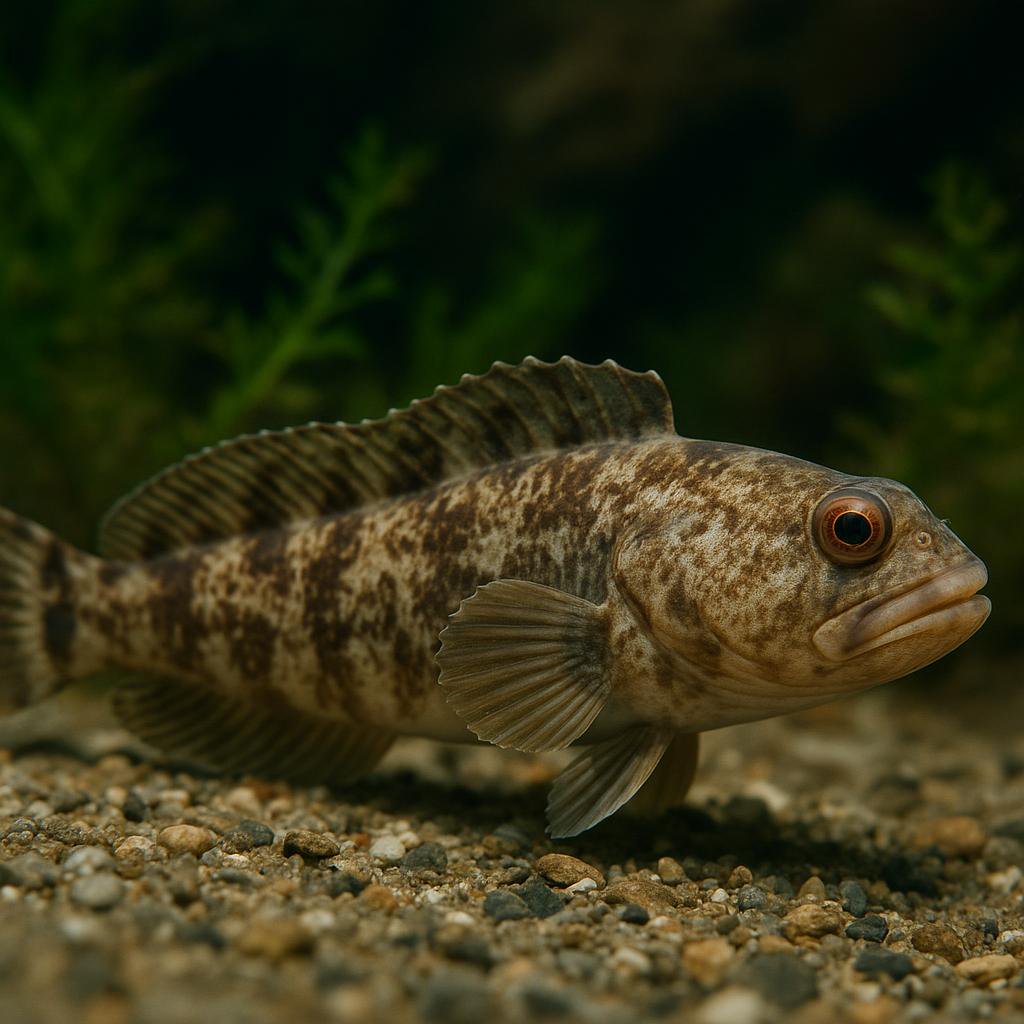
Abe's eelpout
Japonolycodes abei
Japonolycodes abei is a temperate, deepwater demersal eelpout (family Zoarcidae) endemic to Japan (Kumano-nada Sea reported; other sources also report Sagami Bay and Tosa Bay). It is the only species in the genus Japonolycodes and occurs roughly 40-300 m depth, making it an uncommon/atypical aquarium species.
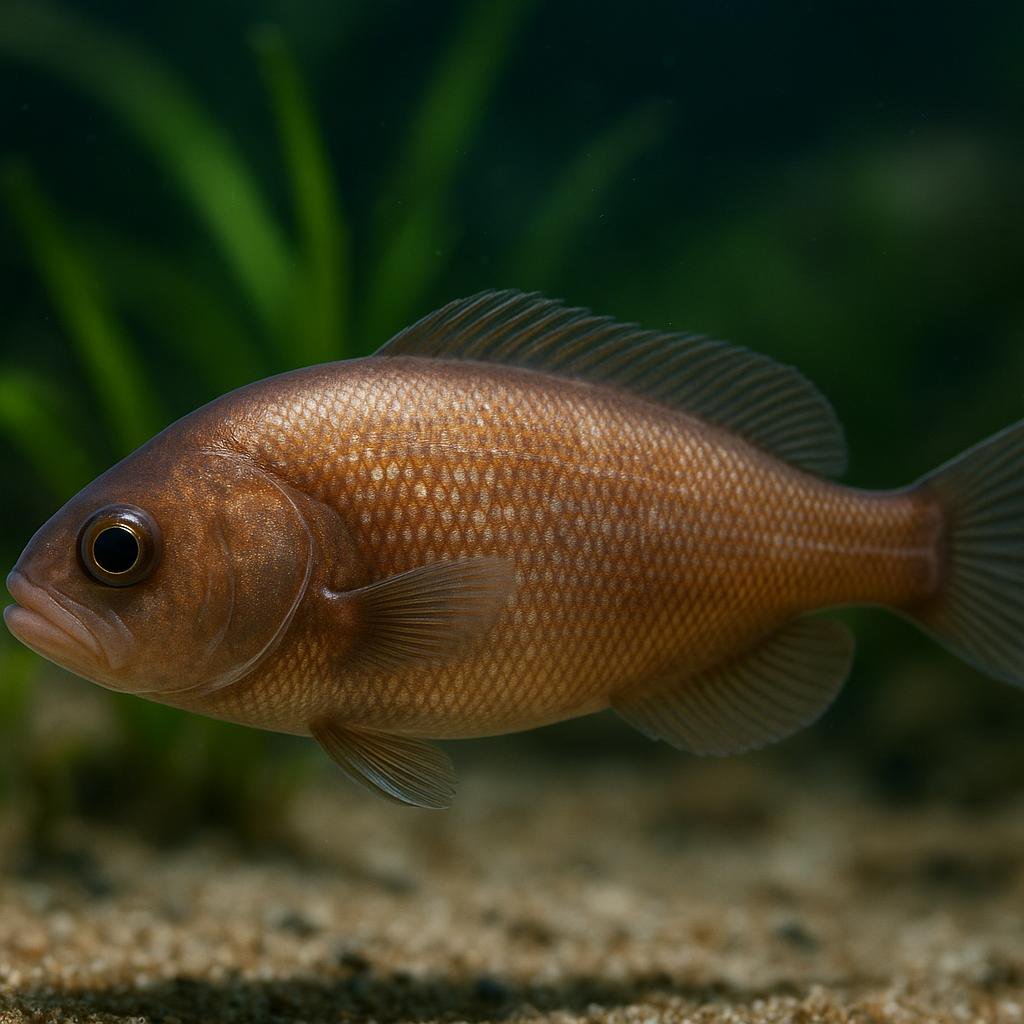
Affinis blind cusk-eel
Barathronus affinis
Barathronus affinis is a tiny, super-weird deep-sea blind cusk-eel from the western-central Indian Ocean. It is one of those gelatinous, loose-skinned brotula-type fishes that live way down in the dark and are basically never seen alive, so almost everything we know comes from preserved specimens and taxonomic work.
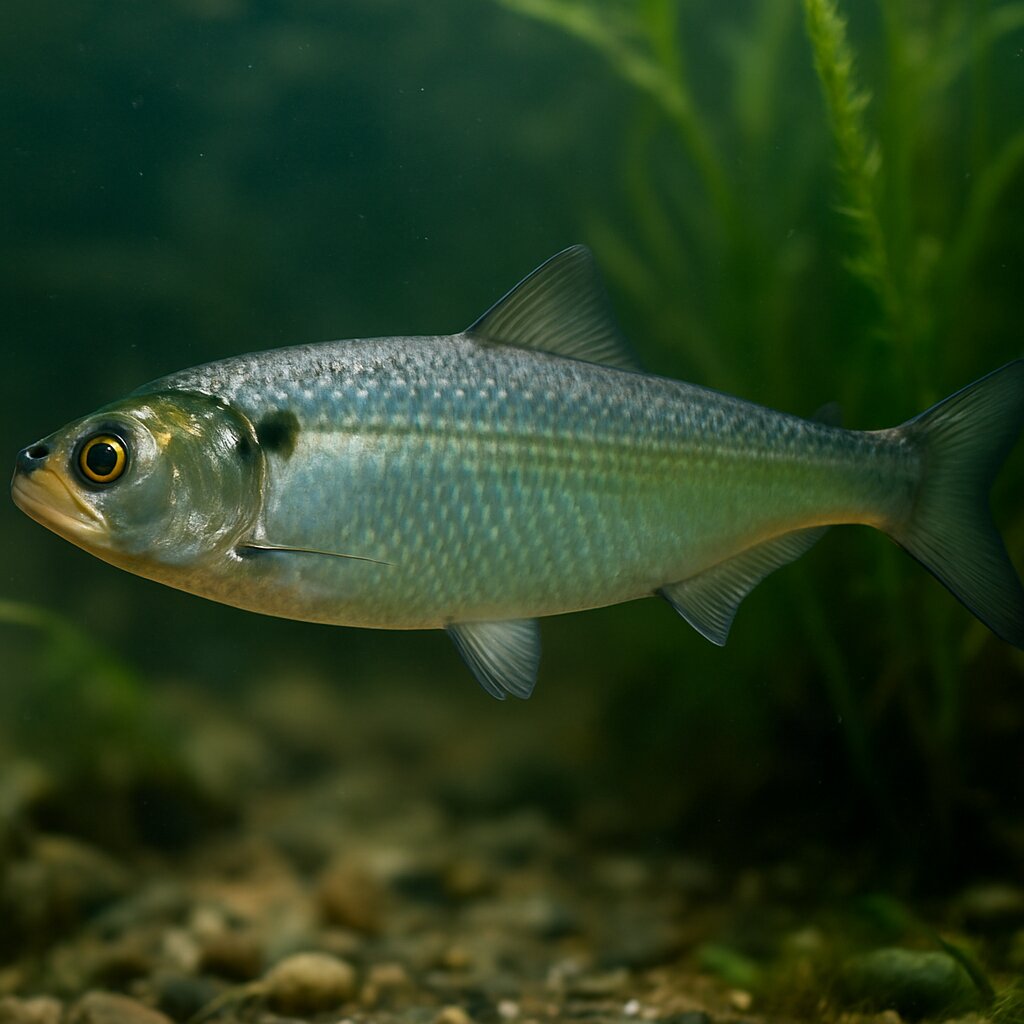
Allis shad
Alosa alosa
Gorgeous silver, fast-swimming shad that spends most of its life in the sea and then surges up big rivers in noisy, surface-spawning schools. It grows huge for a herring-type fish and needs cool, ultra-oxygenated water and tons of open space, so it is a public-aquarium species rather than a home tank fish.
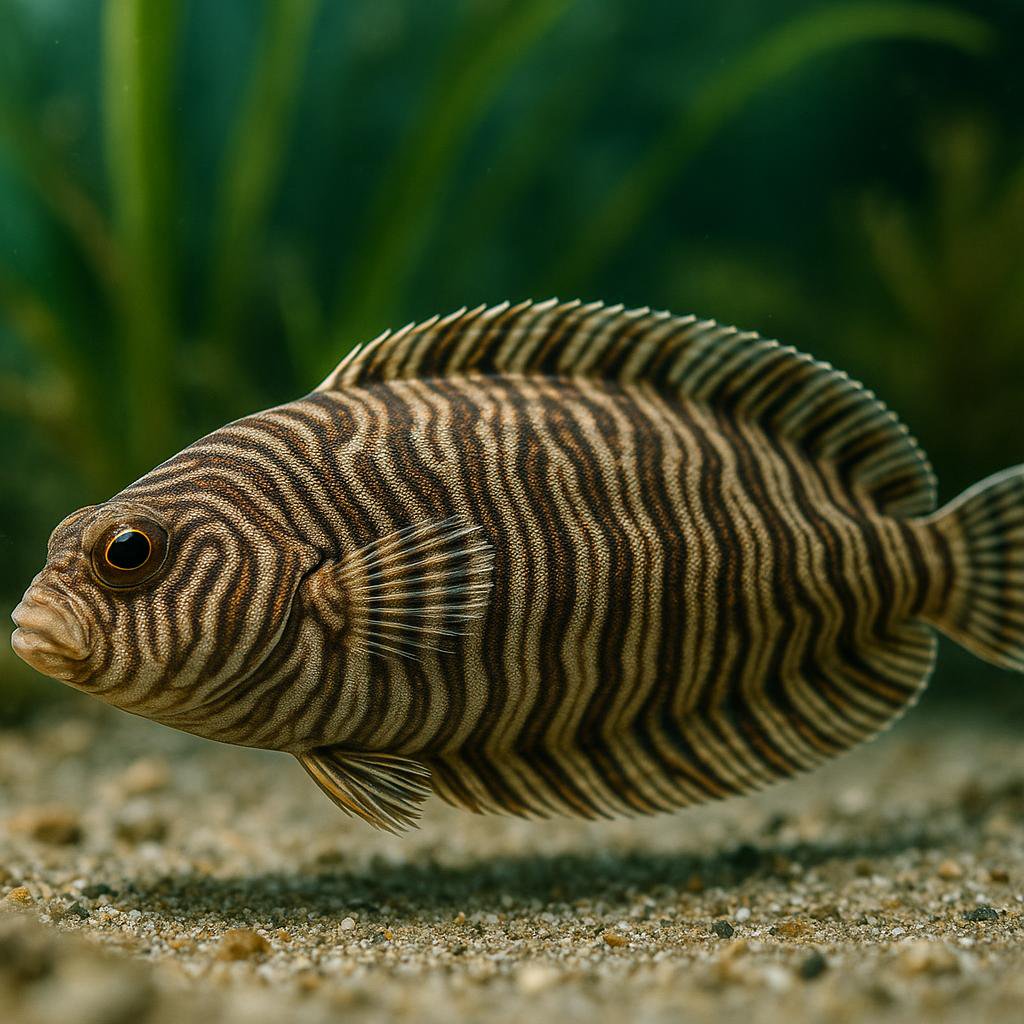
Annandale's zebra sole
Zebrias annandalei
Zebrias annandalei is a small demersal sole from coastal India that inhabits sandy or muddy bottoms and buries for camouflage. It is rarely kept in home aquaria and would require a specialized marine sand-bottom setup and appropriate feeding.
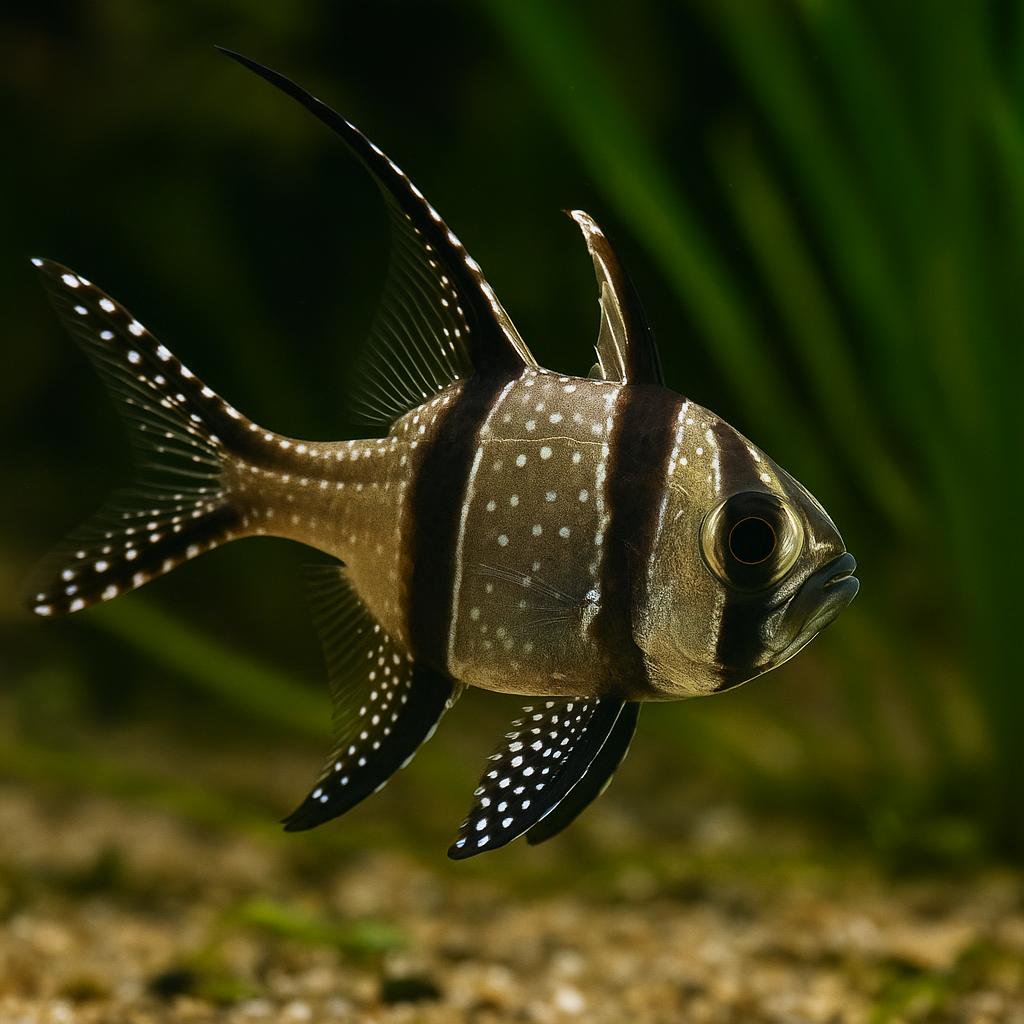
Banggai Cardinalfish
Pterapogon kauderni
Banggai cardinals just sort of hover like little underwater satellites, and the bold black bars with those long, polka-dotted fins look unreal under reef lighting. They're super chill most of the time, but once a pair forms you'll see real "fish drama," and the male will even mouthbrood the babies like a champ.
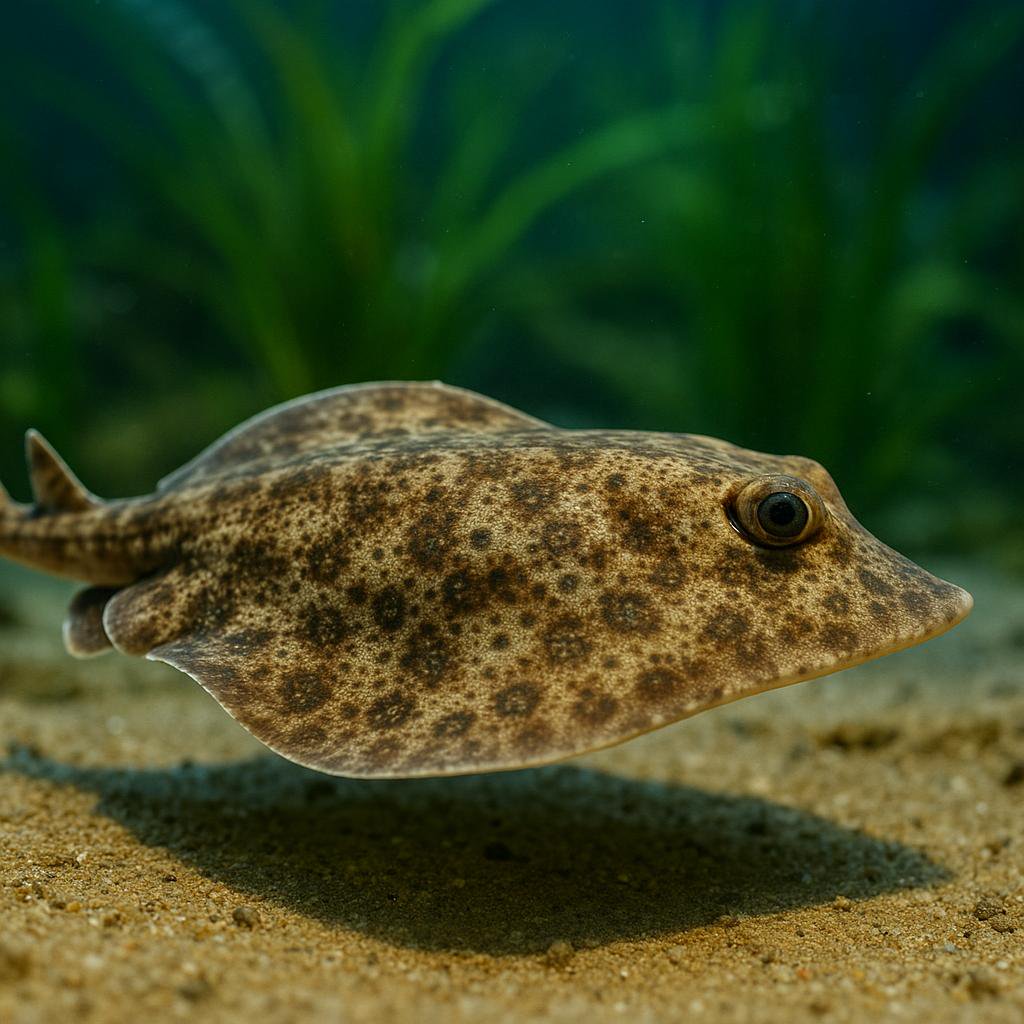
Barbedwire-tailed skate
Notoraja martinezi
Notoraja martinezi is a deepwater skate from the eastern Pacific (Costa Rica down to Ecuador) that lives way down on soft bottoms. The tail is the giveaway - it is lined with strong, hooked thorns that really do look like barbed wire. This is absolutely not an aquarium fish; it is a cold, high-pressure deep-sea animal with basically no practical home care info because it is not kept in the hobby.
More to Explore
Discover more marine species.
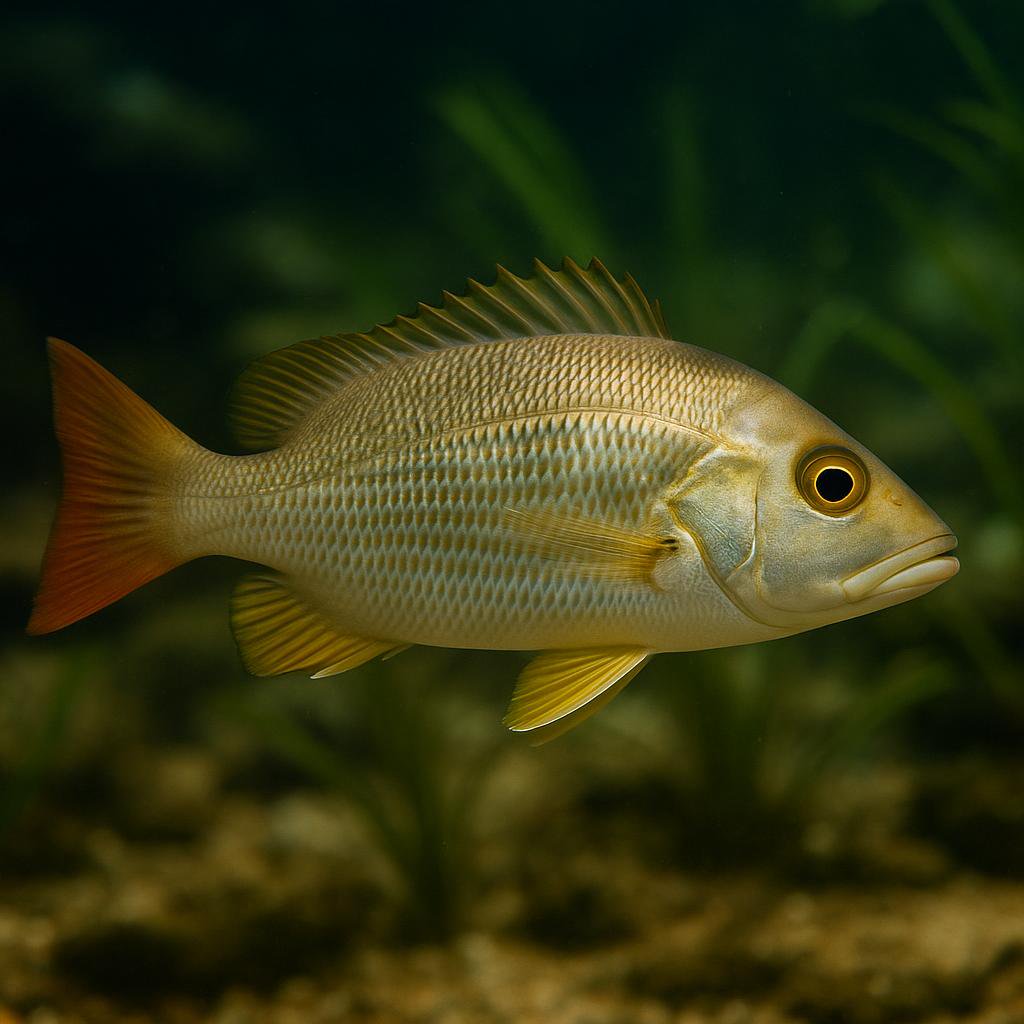
African red snapper
Lutjanus agennes
This is a true snapper from West Africa - a big, fast-growing predator that goes from coastal reefs to brackish lagoons and estuaries (especially as a juvenile). Super cool fish in the wild, but it gets absolutely huge and will eat smaller tankmates once it has the mouth for it, so its really more of a public-aquarium scale animal than a home-aquarium fish.
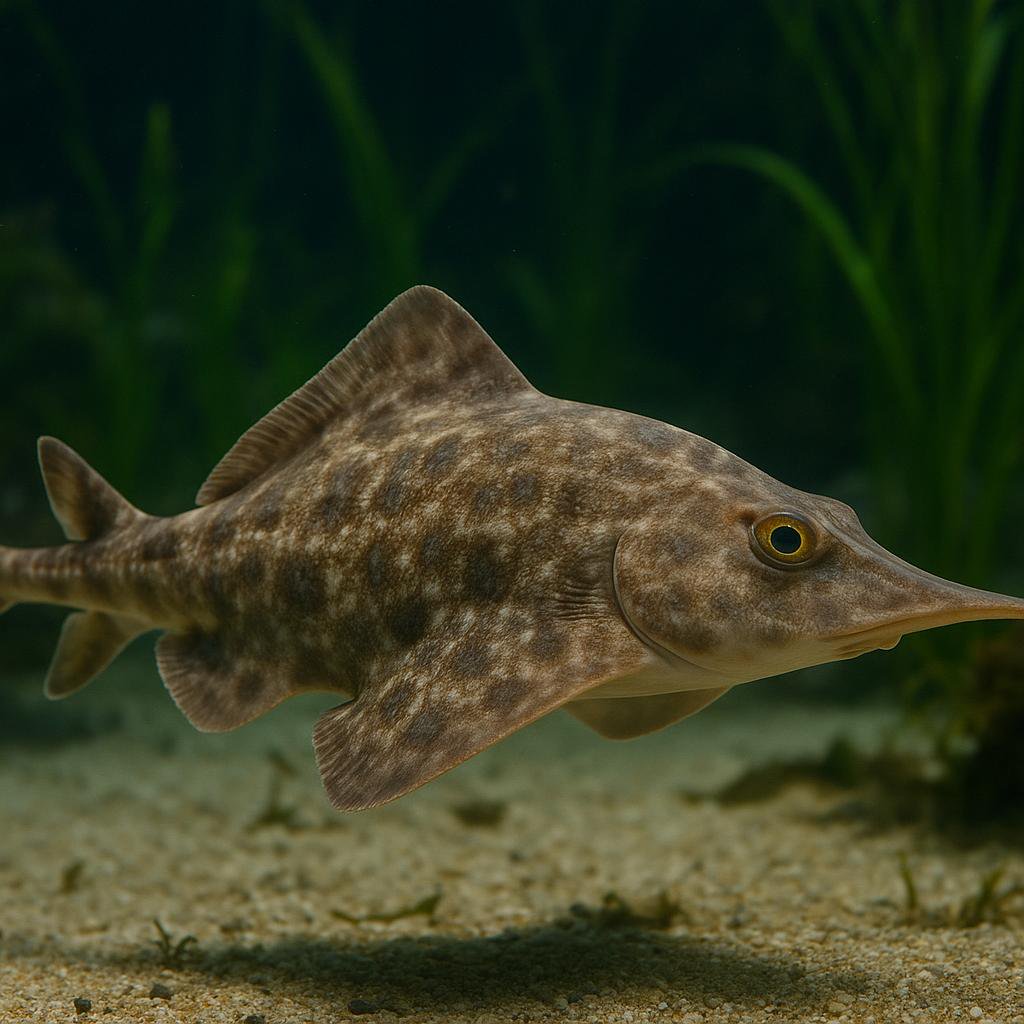
Aleutian skate
Bathyraja aleutica
This is a big, cold-water deep-slope skate from the North Pacific that cruises muddy bottoms and eats chunky benthic prey like crabs and shrimp. The really cool bit is its egg-laying skate life - it does distinct pairing (the classic skate "embrace") and drops those tough egg cases on the seafloor. Not an aquarium fish at all unless you're basically running a public-aquarium-style chilled system.
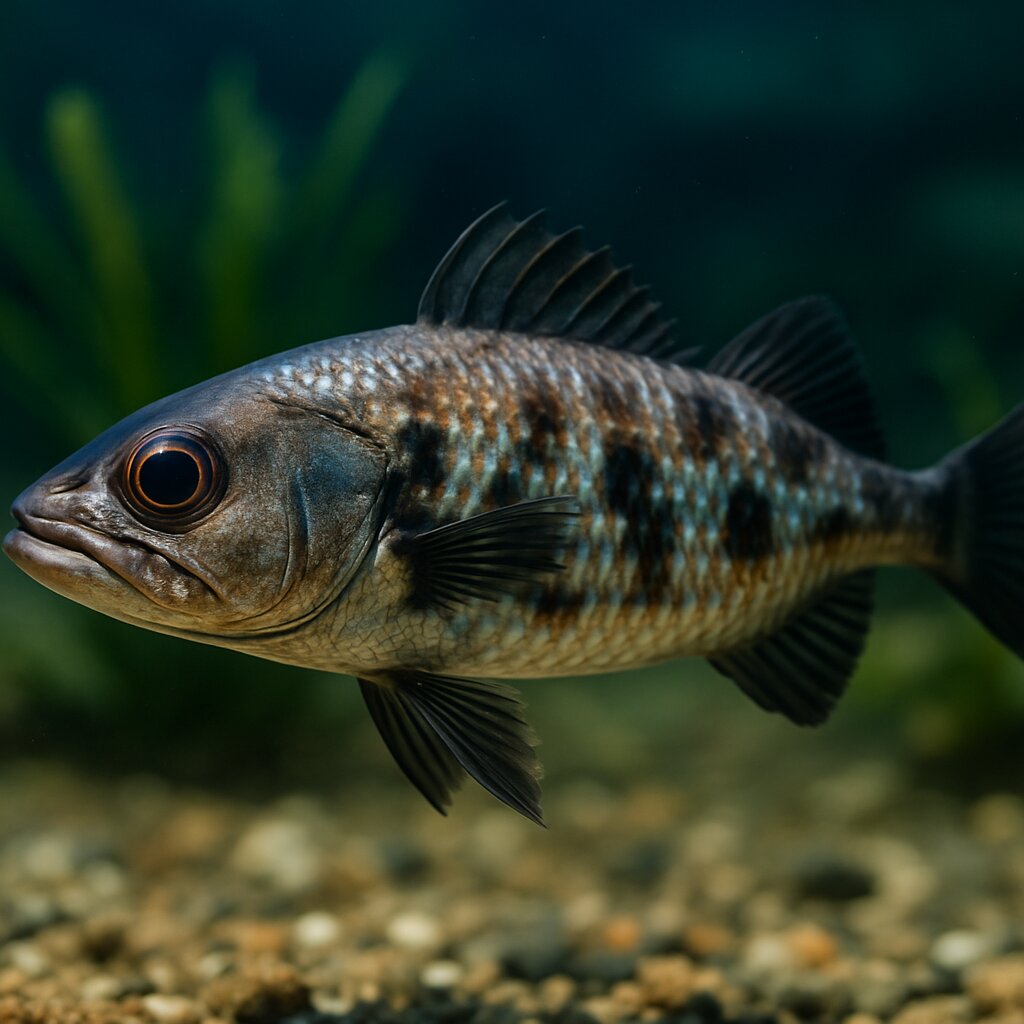
Antarctic dragonfish
Vomeridens infuscipinnis
Deep down around Antarctica, this sleek dragonfish cruises the water column like a little submarine, nearly neutrally buoyant so it can hover above the seafloor. It munches almost exclusively on Antarctic krill and lives in near-freezing water 500-800 m down, so it is a cool species to read about, not one for home tanks.
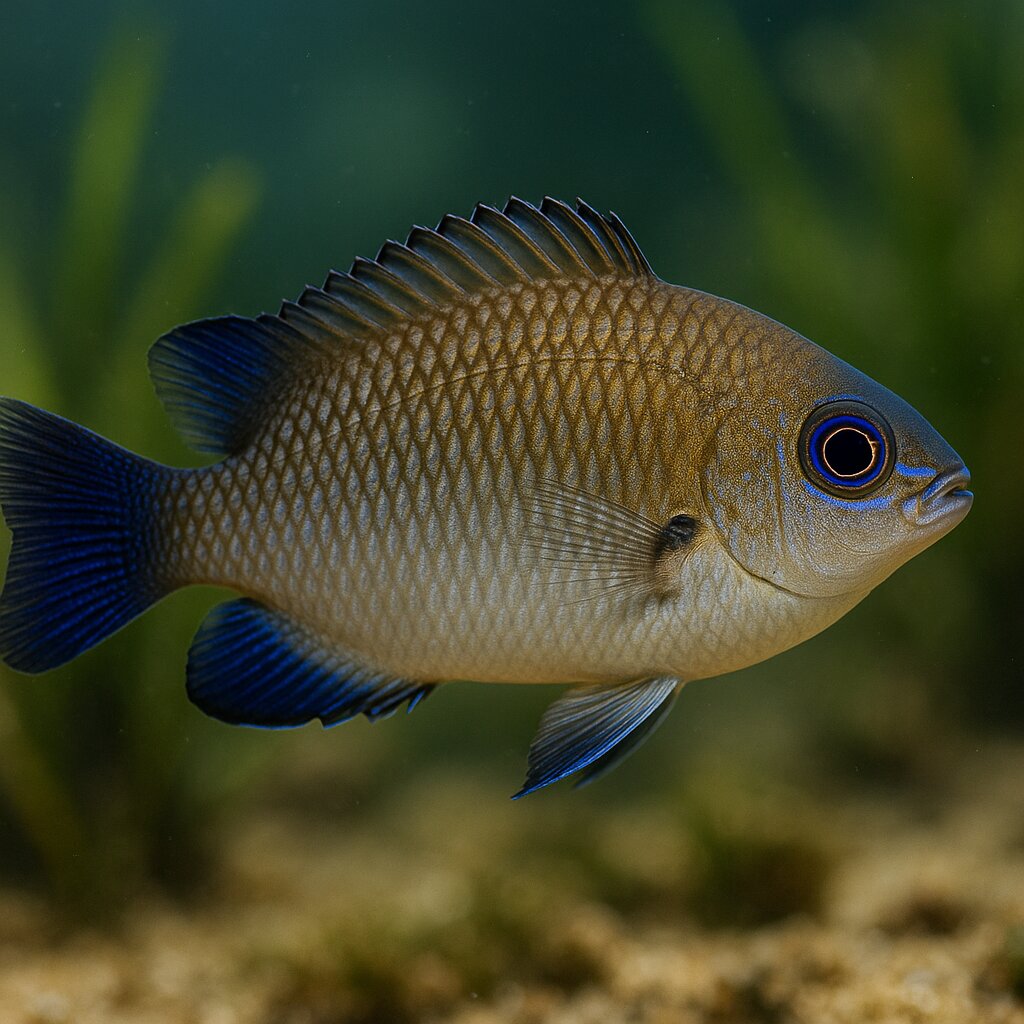
Arabian demoiselle
Neopomacentrus sindensis
A small lyretail damsel from the Persian Gulf and Arabian Sea, it hangs in loose groups around coral heads, rocks, and even pier pilings picking zooplankton from the flow. Think classic damsel toughness with a slightly milder attitude than the real bruisers, plus subtle yellow tail accents. Males clean a patch, get a mate to lay eggs there, and then stand guard fanning the clutch.
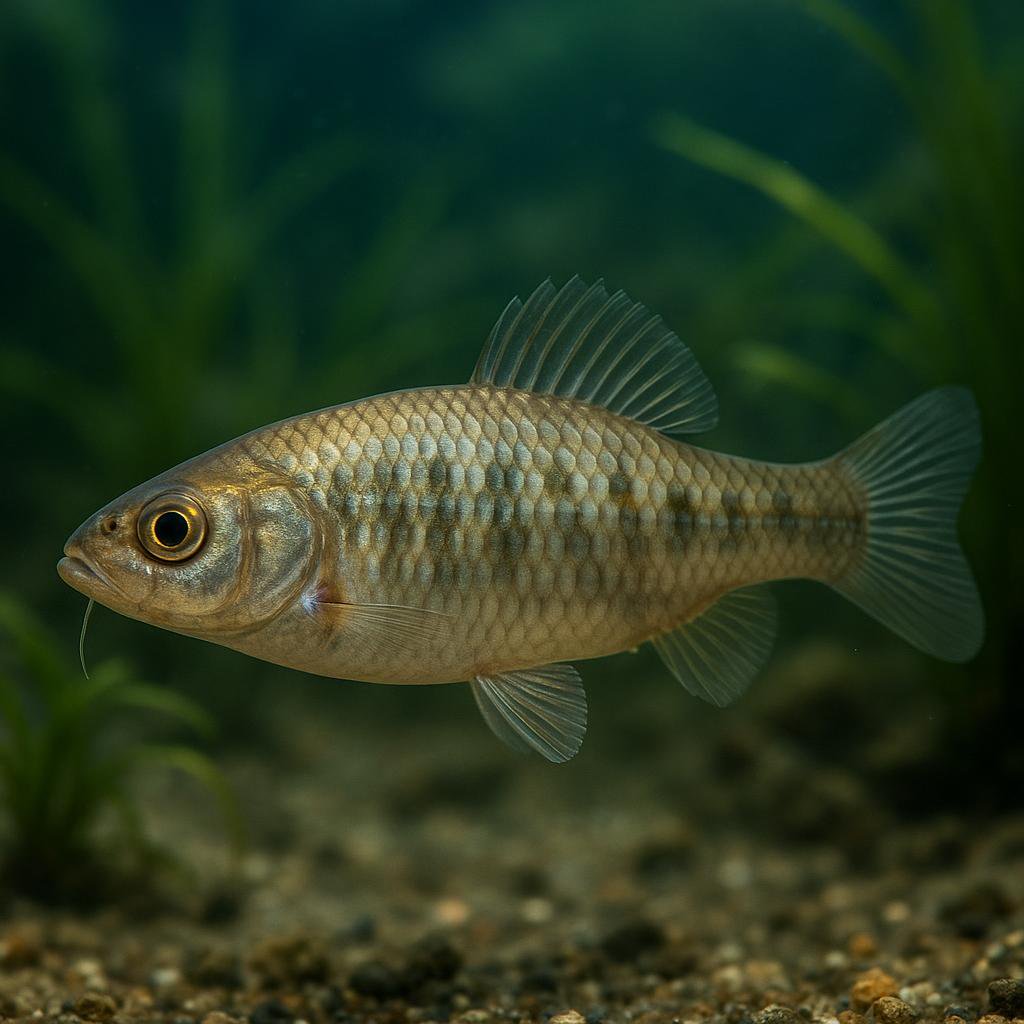
Arabian spiny eel
Notacanthus indicus
Notacanthus indicus is a deep-sea spiny eel (family Notacanthidae; not a true eel) known from the Arabian Sea on the continental slope at roughly ~960–1,046 m depth, with reported maximum length around 20 cm TL; it is a deep-water bycatch species and not established in the aquarium trade.
Arctic rockling
Gaidropsarus argentatus
This is a deepwater North Atlantic rockling (a cod relative) that hangs out on soft bottoms way down the slope. It is a cold-water, bottom-hugging predator that snoots around for crustaceans and will also take small fish when it gets the chance.
Looking for other species?