

Longsnout armored searobin
Paraheminodus longirostralis
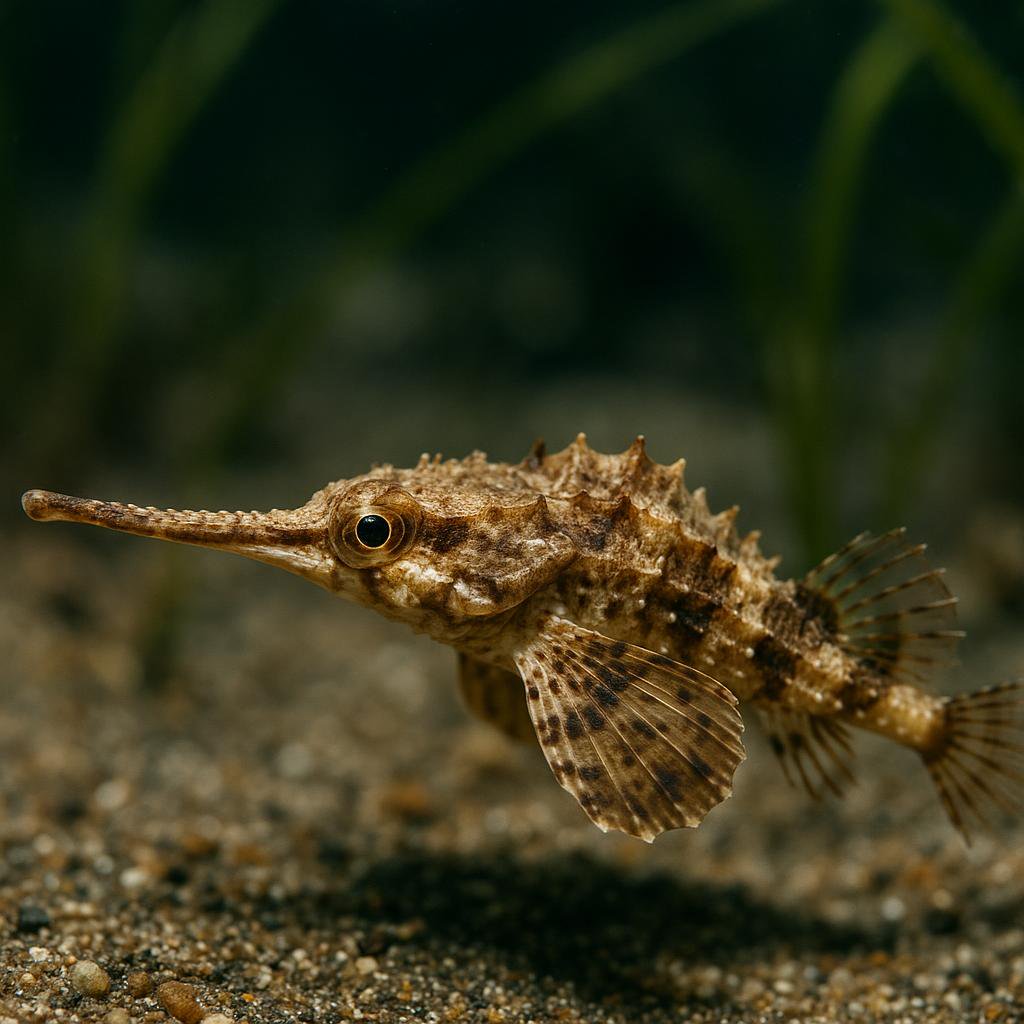
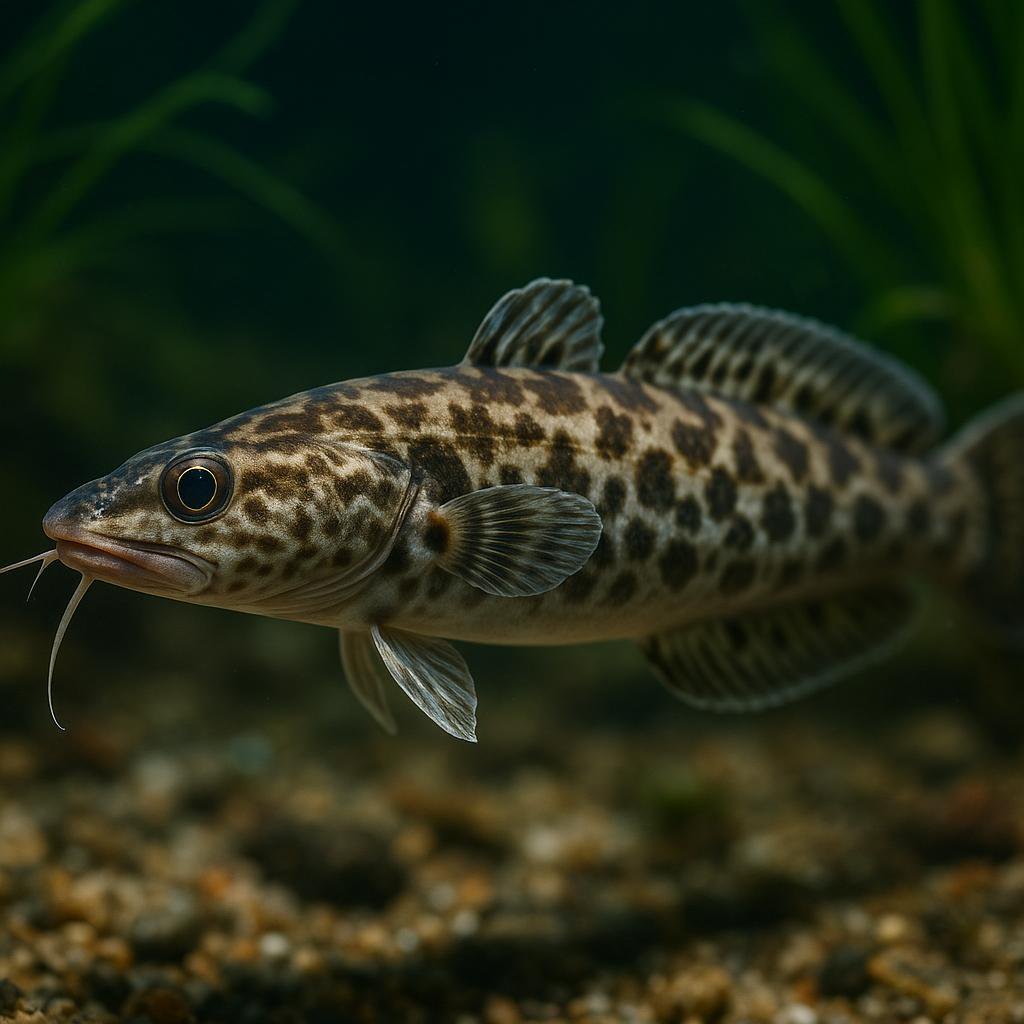
The Longsnout armored searobin has an elongated snout, bony armor, and mottled brown and cream coloration, enhancing its camouflage on the ocean floor.
This page includes AI-generated images. Why am I seeing AI images?
About the Longsnout armored searobin
This is a deepwater armored searobin - basically a little walking tank of a fish with bony plates and feeler-like rays it uses to hunt along the bottom. Its claim to fame is the extra-long snout projections, and it lives way down on the slope, not in the usual home-aquarium zone. Realistically, this is a research-trawl kind of species rather than something you keep at home.
Also known as
Quick Facts
Size
13.7 cm SL
Temperament
Peaceful
Difficulty
Expert
Min Tank Size
180 gallons
Lifespan
unknown
Origin
Western Pacific (New Caledonia area)
Diet
Carnivore - small bottom invertebrates (crustaceans, worms); would take meaty frozen foods if it could be acclimated
Water Parameters
6-12°C
8-8.4
8-12 dGH
Need a heater for this species?
This species needs 6-12°C in a 180 gallon tank. Use our heater calculator to find the right wattage.
Calculate heater sizeCare Notes
- Give it a big sandy footprint, not just gallons - fine sand 2-3 in deep and lots of open bottom, plus a few low caves/overhangs so it can park and feel secure.
- Keep flow moderate and point the powerheads so the bottom has calm zones; strong bottom blast keeps them stressed and they will stop hunting and just sulk.
- Run reef-salty water (SG 1.024-1.026), steady 24-26 C (75-79 F), and keep nitrate low (try under ~20 ppm) because they go downhill fast in dirty, low-oxygen systems.
- Feed like a bottom predator: small meaty stuff (mysis, chopped shrimp, clam, squid) and preferably live/blackworms or enriched live shrimp at first; target feed with tongs so faster fish do not steal everything.
- Do not keep it with aggressive feeders or fin-nippers (triggers, large wrasses, dottybacks) - it will get outcompeted and can end up with shredded pectorals.
- Tankmates should be calm and not small enough to be inhaled; anything that fits in its mouth (small gobies, tiny shrimp) is basically food.
- Watch the 'walking finger' rays and pectoral fins for damage and infection if the rockwork is sharp or the substrate is coarse; once those get ragged, it is a pain to reverse.
- Breeding in home tanks is basically a lottery - if you ever see courtship, it is usually tied to seasonal swings, but most pairs do not spawn in captivity and you will not be raising larvae without serious plankton setups.
Compatibility
Good Tankmates
- Other mellow sand-sifters and cruisers like dragonets (mandarins, scooters) - they mostly ignore each other as long as the tank is mature and everybody is eating
- Chill, non-nippy gobies that stick to their own patch (watchman gobies, shrimp gobies) - good fit if you have a sandy bottom and a few caves
- Peaceful wrasses that are not bullies (think smaller Halichoeres or a possum wrasse) - they stay active up top while the searobin pokes around down low
- Calm reef-safe fish like small anthias groups or chromis - they hang in the water column and do not bother a bottom-walker
- Most tangs and rabbitfish with decent manners - they are herbivore cruisers and usually do not care about a searobin at all
- Peaceful planktivores like flasher or fairy wrasses - fast enough at feeding time and generally not interested in picking on oddball bottom fish
Avoid
- Anything that is a bully or a biter (triggers, big dottybacks, nasty damsels) - they will harass the searobin when it is just trying to mosey around
- Big predatory stuff that sees bottom fish as snacks (groupers, large hawkfish, lionfish) - if it can fit the searobin in its mouth, it will eventually try
- Hyper-territorial rock defenders (mature maroon clowns, some big pseudochromis) - constant charging stresses them out and can keep them from feeding well
Where they come from
Longsnout armored searobins (Paraheminodus longirostralis) are Indo-Pacific bottom dwellers that spend their lives prowling sand and rubble for small critters. They are one of those fish that look like they were designed by a committee: armored plates, a long snout, and those walking fin-rays they use to feel around like little fingers.
Most of the ones you see in the hobby come in as deeper-water/collected fish, so they can be a little touchy from shipping and decompression. That is a big part of why I call them "expert" even if their day-to-day needs are pretty straightforward once they are settled.
Setting up their tank
Build the tank around their lifestyle: slow cruising over the bottom, hunting by scent and touch. Give them real floor space and a sandy zone they can work. They do not need a rock wall to weave through, but they do need cover and calm.
- Tank size: I would not do one in less than 75 gallons, and 100+ is a lot nicer because they like room to patrol.
- Substrate: fine sand is your friend. Coarse crushed coral can rub them up, and they spend a lot of time pressed against the bottom.
- Aquascape: low rock piles and rubble edges, with open sand lanes. Think "flat hunting grounds" not "reef maze".
- Flow: moderate. You want good oxygenation and stable parameters, but not a sandstorm.
- Lighting: they do fine under normal reef lights, but they act bolder with some shaded areas.
Do not keep them on sharp rock or rough substrate. The belly and fin edges take a beating fast, and once you get abrasions on a fish that lives on the bottom, infections love to move in.
Cover is more about security than hiding. A couple of caves/overhangs they can back into will lower stress, especially the first few weeks. I also like to provide a "quiet corner" where food naturally settles so the searobin can hunt without competing in the main current.
Lids matter. They are not classic jumpers like wrasses, but startled bottom fish can launch, and open tops + night spooks can end badly.
What to feed them
This is the make-or-break section. A longsnout armored searobin is a predator of meaty, crunchy little things. Many arrive skinny, and they will not compete well with fast pigs at feeding time. Your job is to get consistent calories into them without turning the tank into a nitrate factory.
- Best staple foods: chopped shrimp, clam, squid, scallop, and quality frozen "marine carnivore" mixes.
- If they are stubborn: live blackworms (salt acclimated), live ghost shrimp (gut loaded), or live shore shrimp can kickstart feeding.
- Treat/variety: small pieces of krill (not too often), fish flesh sparingly, and enriched mysis if they will take it.
Target feeding is your secret weapon. I use long tweezers or a feeding stick and place food right on the sand in front of them. They will often "walk" over, probe, then inhale it. Once they learn the routine, they usually come out when they see the stick.
Feed after the big, fast fish have been distracted on the other side of the tank. Give the searobin a private drop zone. It cuts down on stress and you will waste less food.
Frequency depends on the individual. New or thin fish do better with smaller meals more often (even daily at first). Once they have filled out, I have kept them in good shape with 3-5 solid feedings per week, but that assumes they actually eat every time and nobody steals their share.
How they behave and who they get along with
They are calm, deliberate hunters. Most of the day is "walk, sniff, poke, pause." They are not a showy midwater fish, but they are fascinating if you like oddball behavior.
Compatibility is mostly about two things: will tankmates outcompete them for food, and can the searobin fit that tankmate in its mouth.
- Good tankmates: peaceful to semi-peaceful fish that do not live on the sand and are not crazy at feeding time (some tangs, larger wrasses that do not harass bottom fish, larger cardinals, some angels in big tanks).
- Risky tankmates: aggressive feeders like triggers, large hawkfish, boisterous dottybacks, and anything that constantly pokes at bottom dwellers.
- Do not keep with: tiny gobies, small shrimp, small crabs, and other bite-sized cleanup crew you care about. If it moves and fits, it is food.
Shrimp and small crabs are usually on the menu. Even if the searobin ignores them for weeks, one night hunt can erase your clean-up crew.
Corals are generally fine because the fish is not a picker, but the hunting behavior can annoy corals placed on the sand. If you have LPS on the bottom, keep an eye out for the searobin bulldozing around them.
Breeding tips
Breeding this species in home aquariums is not something you see documented often. Searobins in general are egg scatterers with pelagic eggs/larvae, and the larvae are the hard part - tiny foods, specialized rearing, and a lot of losses even for people set up for it.
If you ever end up with a confirmed pair and see spawning behavior (more activity at dusk, pairing, quick rises in the water column), your best bet is to collect eggs with surface skimming and move them to a dedicated larval system. But realistically, most hobbyists keep them for the behavior, not for breeding projects.
Common problems to watch for
Most issues with longsnout armored searobins are not mysterious diseases. It is usually shipping damage, starvation, or injury from the environment.
- Not eating after arrival: common. Try low light, quiet tank, live foods to start, then transition to frozen on a feeding stick.
- Getting skinny despite feeding: tankmates stealing food, too little feeding frequency, or internal parasites. Watch the belly line and the thickness behind the head.
- Mouth/snout damage: can happen if they are in a tank with aggressive fish or if they slam into rock/glass when spooked.
- Belly abrasions and fin rot: usually from rough substrate or dirty bottom areas.
- Crypt/velvet sensitivity: many wild-caught bottom predators do poorly if you roll the dice. Quarantine and observation are worth the effort with a fish like this.
If the fish is breathing hard, staying upright but "parked" in the open, and refusing food, do not just wait it out. These guys can go downhill fast from shipping stress or parasites. Have a plan: QT tank ready, aeration, and a clear treatment decision.
I like to keep the sandbed clean but not sterile. Siphon detritus pockets, especially where you target feed, and do smaller water changes more often. It keeps bacteria pressure down while you are feeding heavy to get the fish established.
Similar Species
Other marine peaceful species you might be interested in.
Abe's eelpout
Japonolycodes abei
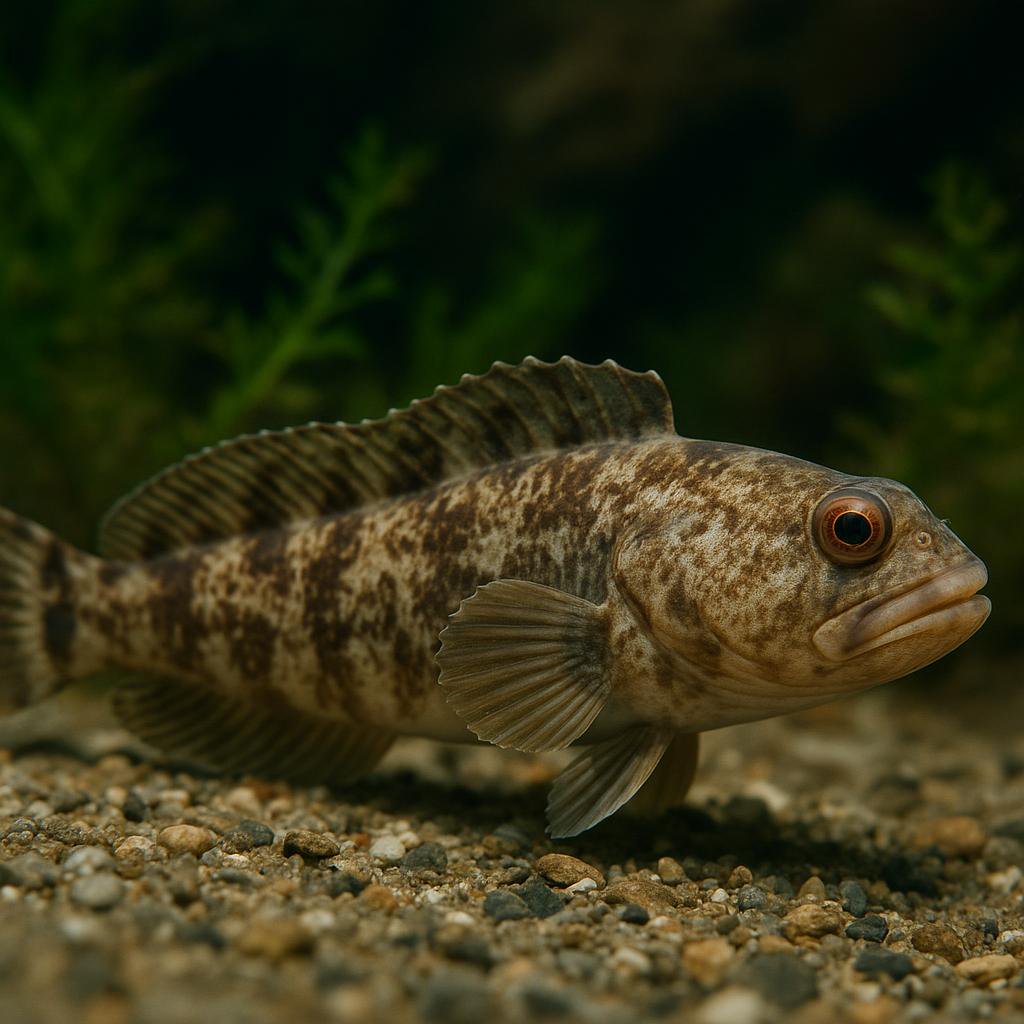
Japonolycodes abei is a temperate, deepwater demersal eelpout (family Zoarcidae) endemic to Japan (Kumano-nada Sea reported; other sources also report Sagami Bay and Tosa Bay). It is the only species in the genus Japonolycodes and occurs roughly 40-300 m depth, making it an uncommon/atypical aquarium species.
Affinis blind cusk-eel
Barathronus affinis
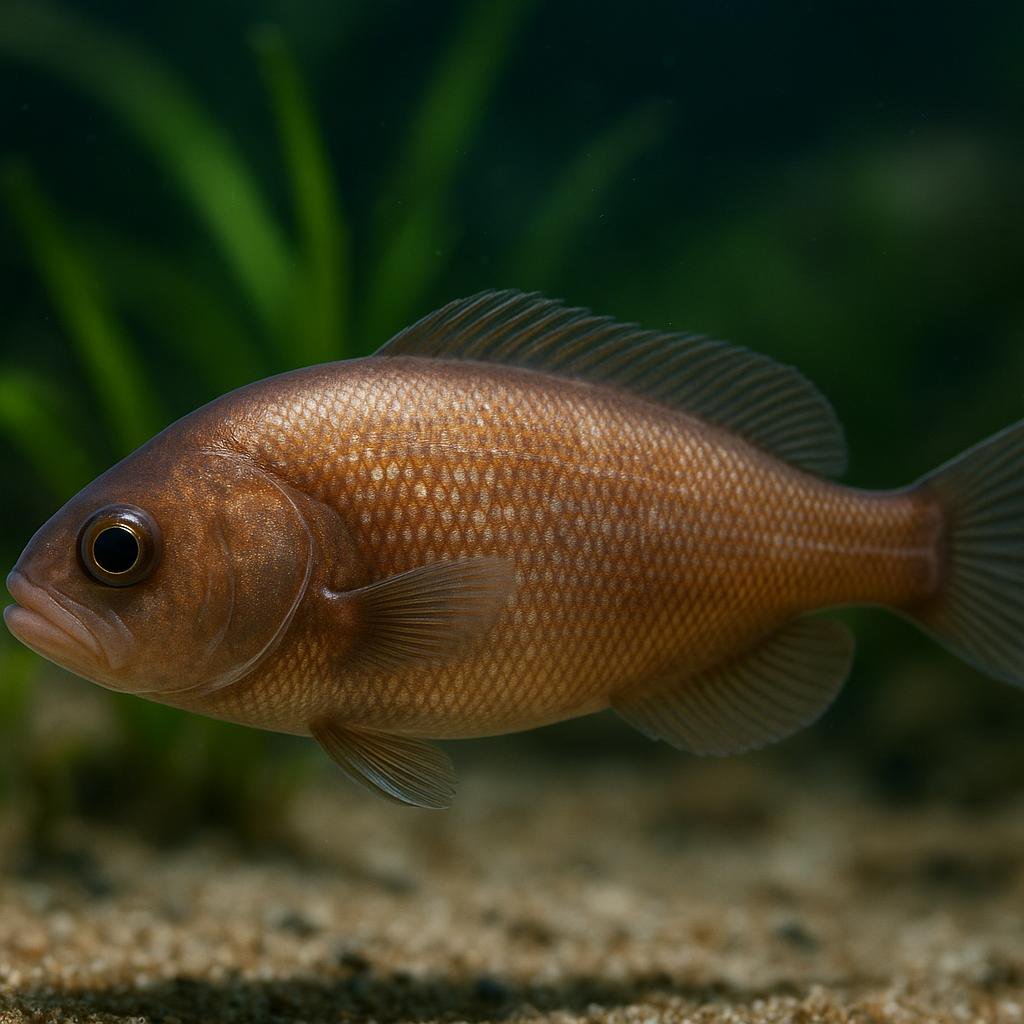
Barathronus affinis is a tiny, super-weird deep-sea blind cusk-eel from the western-central Indian Ocean. It is one of those gelatinous, loose-skinned brotula-type fishes that live way down in the dark and are basically never seen alive, so almost everything we know comes from preserved specimens and taxonomic work.
Allis shad
Alosa alosa
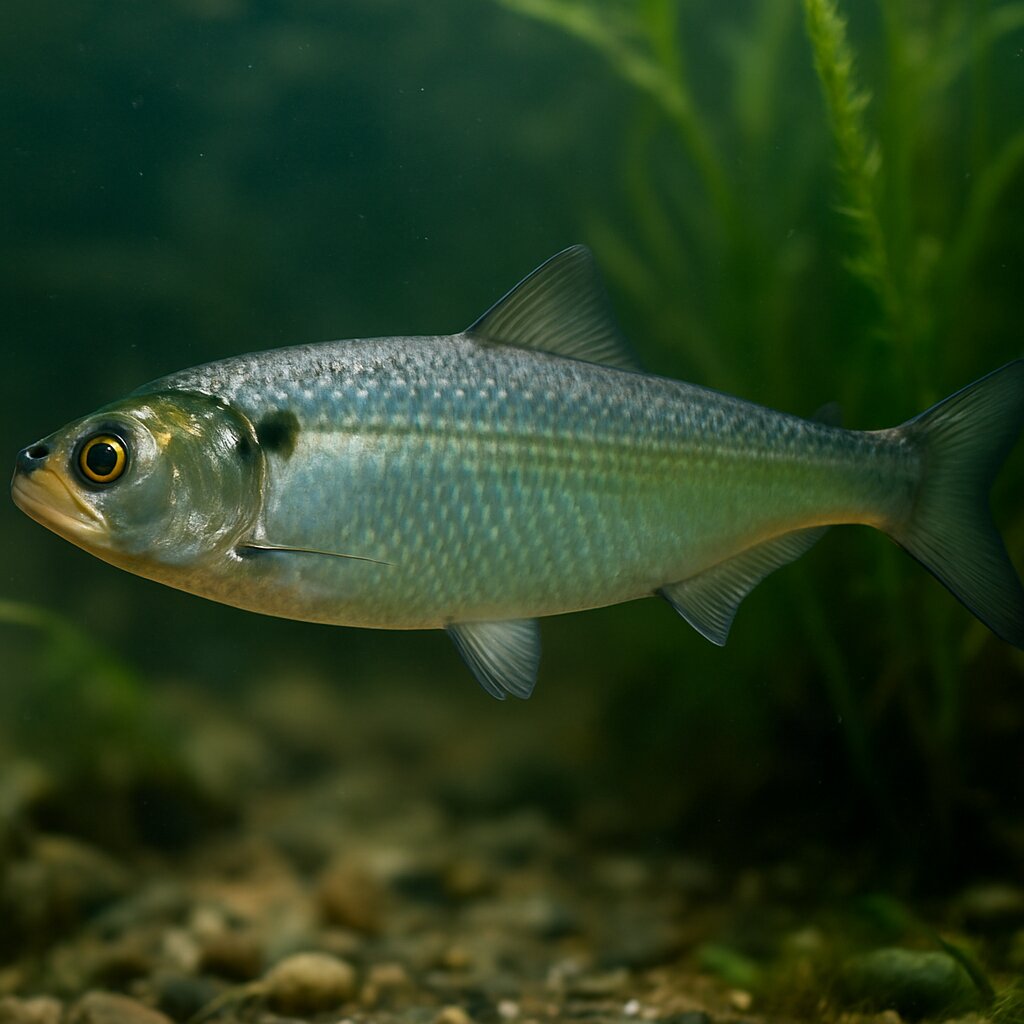
Gorgeous silver, fast-swimming shad that spends most of its life in the sea and then surges up big rivers in noisy, surface-spawning schools. It grows huge for a herring-type fish and needs cool, ultra-oxygenated water and tons of open space, so it is a public-aquarium species rather than a home tank fish.
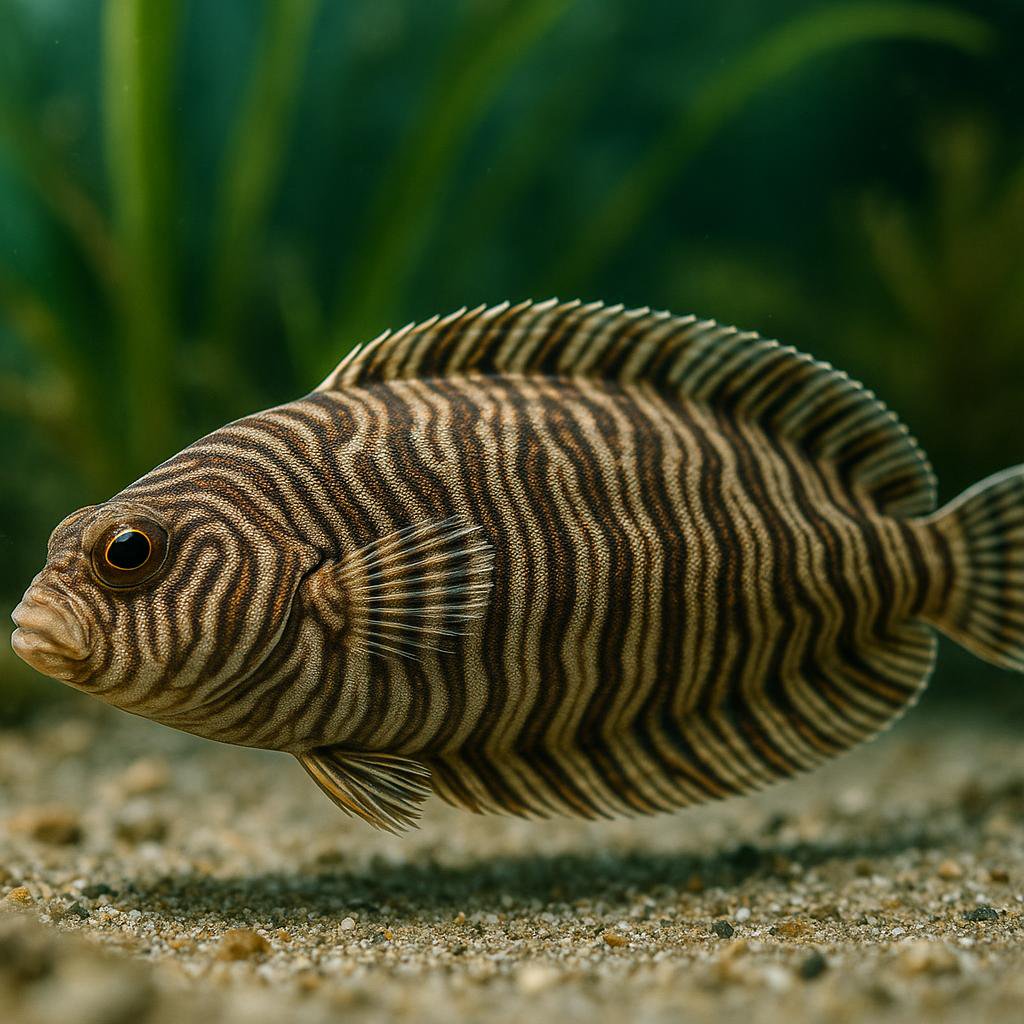
Annandale's zebra sole
Zebrias annandalei
Zebrias annandalei is a small demersal sole from coastal India that inhabits sandy or muddy bottoms and buries for camouflage. It is rarely kept in home aquaria and would require a specialized marine sand-bottom setup and appropriate feeding.
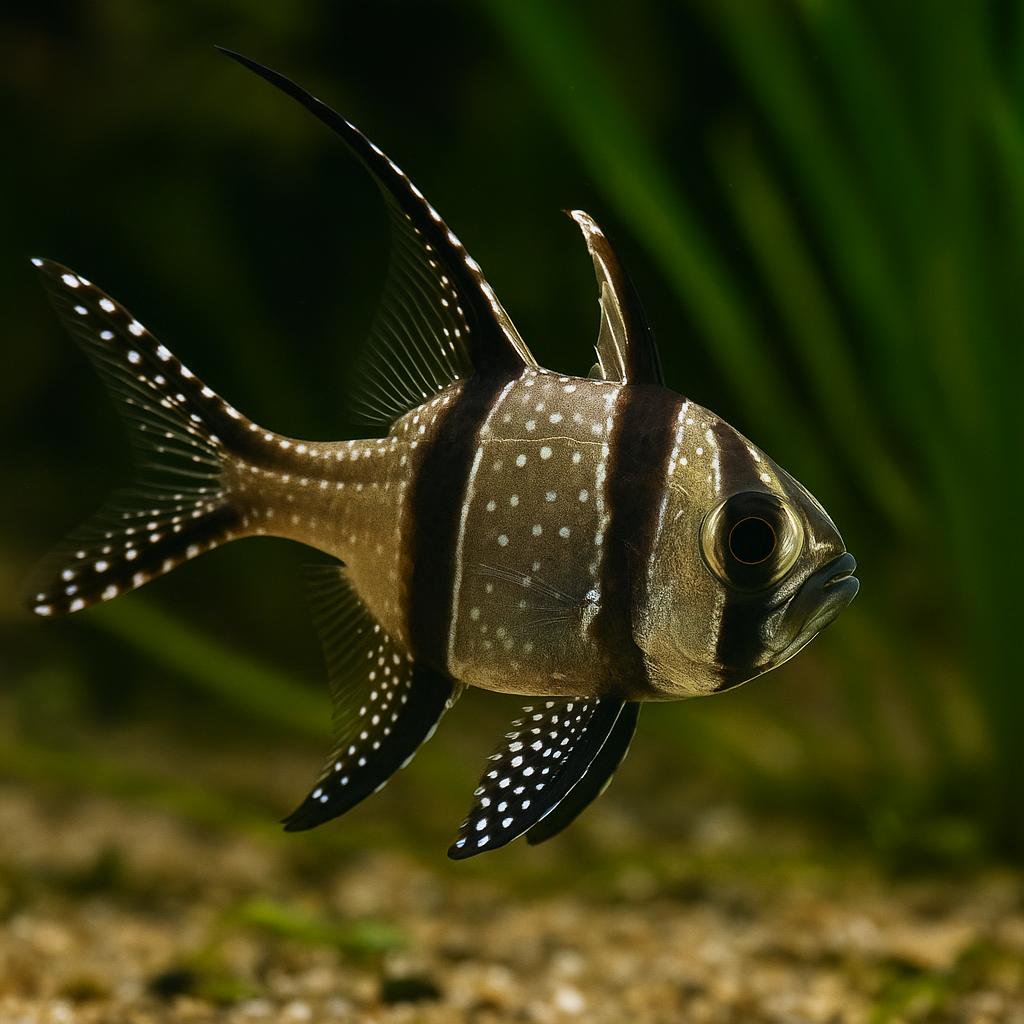
Banggai Cardinalfish
Pterapogon kauderni
Banggai cardinals just sort of hover like little underwater satellites, and the bold black bars with those long, polka-dotted fins look unreal under reef lighting. They're super chill most of the time, but once a pair forms you'll see real "fish drama," and the male will even mouthbrood the babies like a champ.
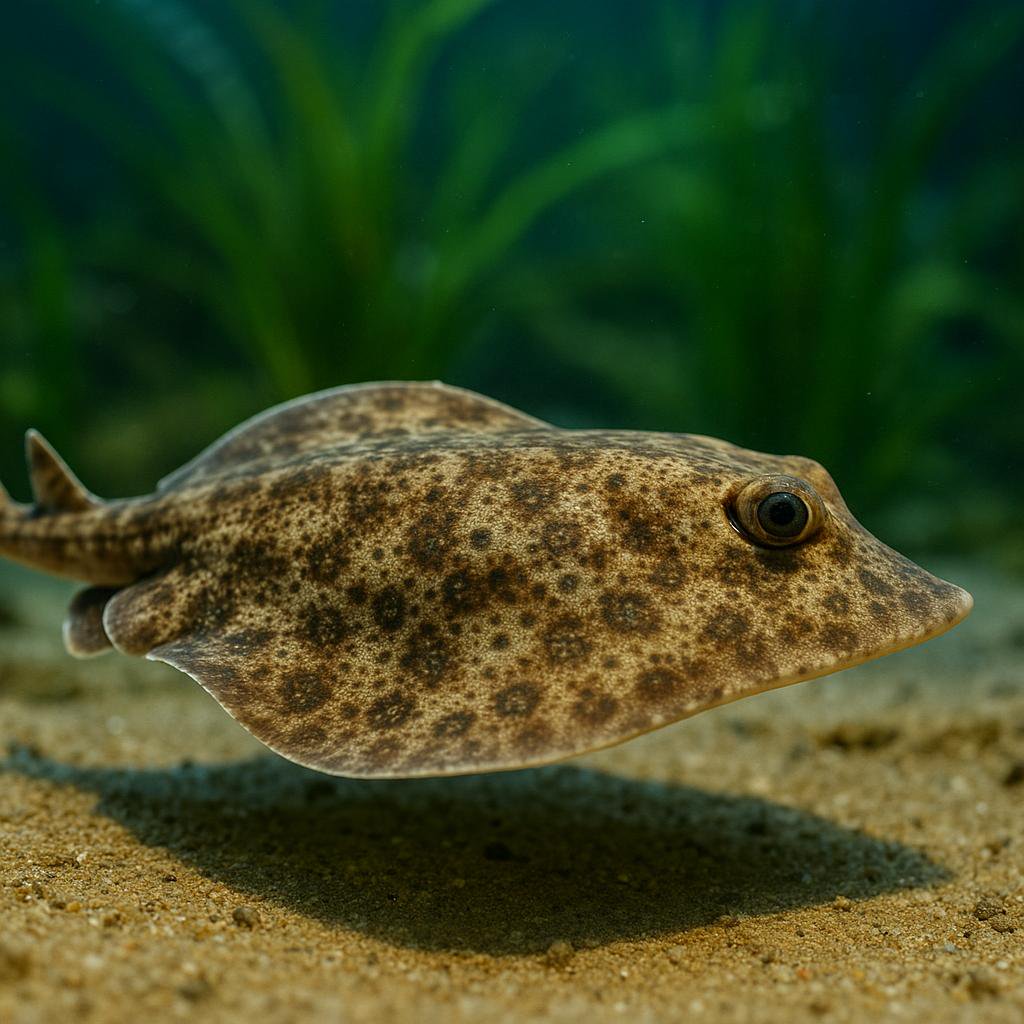
Barbedwire-tailed skate
Notoraja martinezi
Notoraja martinezi is a deepwater skate from the eastern Pacific (Costa Rica down to Ecuador) that lives way down on soft bottoms. The tail is the giveaway - it is lined with strong, hooked thorns that really do look like barbed wire. This is absolutely not an aquarium fish; it is a cold, high-pressure deep-sea animal with basically no practical home care info because it is not kept in the hobby.
More to Explore
Discover more marine species.
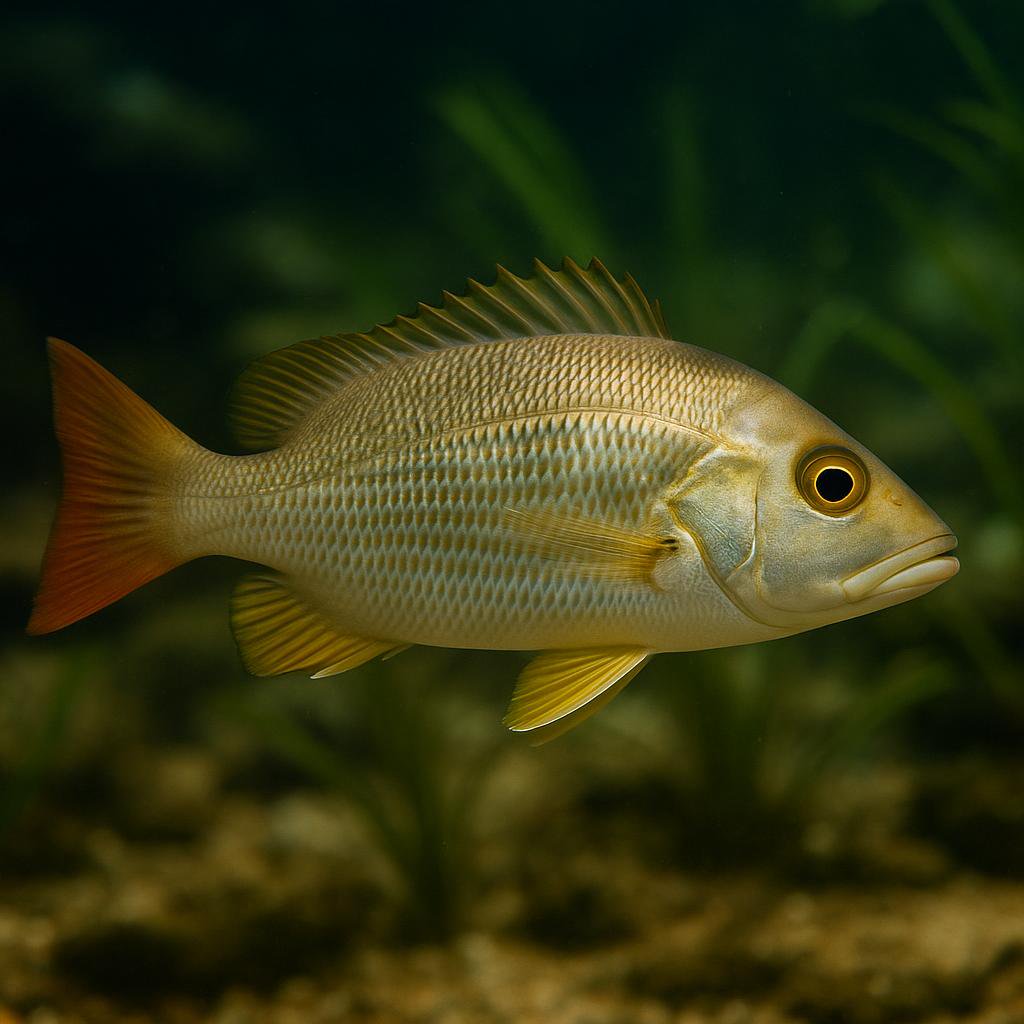
African red snapper
Lutjanus agennes
This is a true snapper from West Africa - a big, fast-growing predator that goes from coastal reefs to brackish lagoons and estuaries (especially as a juvenile). Super cool fish in the wild, but it gets absolutely huge and will eat smaller tankmates once it has the mouth for it, so its really more of a public-aquarium scale animal than a home-aquarium fish.
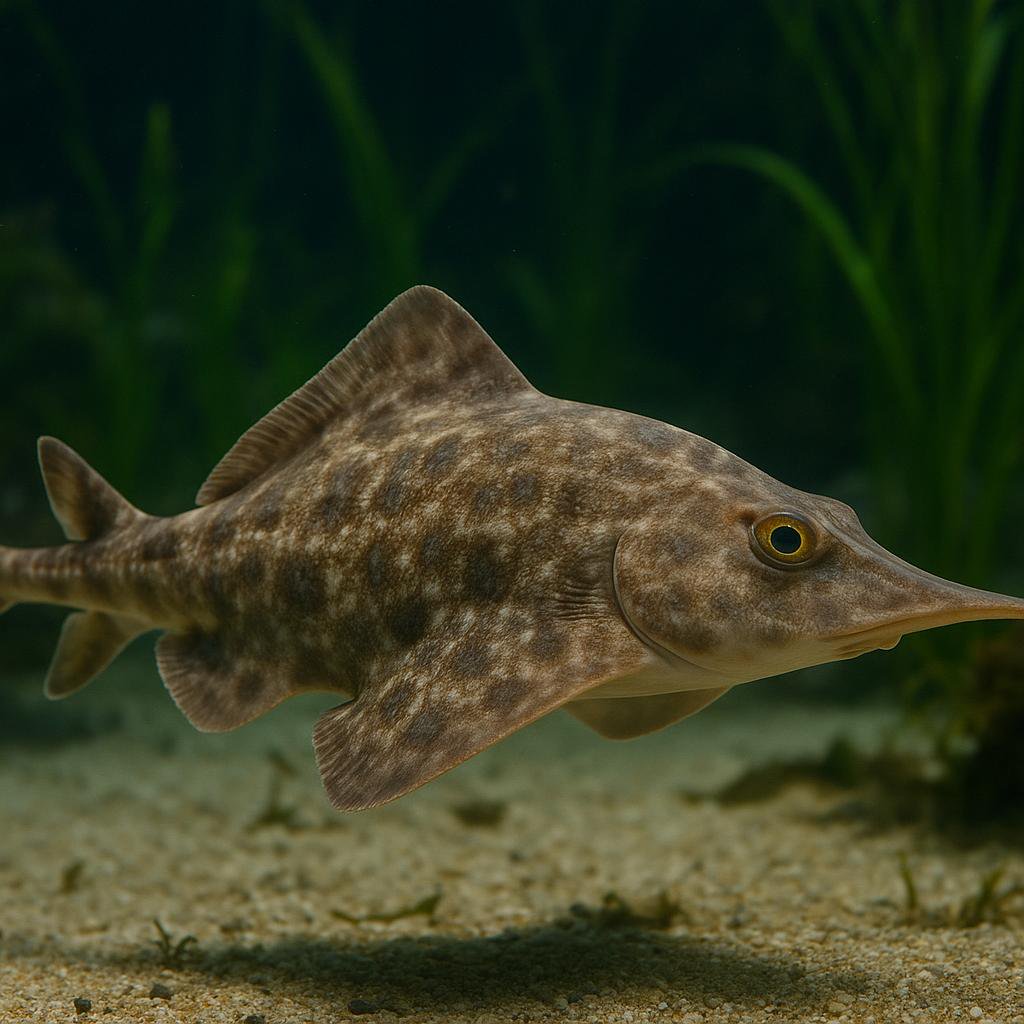
Aleutian skate
Bathyraja aleutica
This is a big, cold-water deep-slope skate from the North Pacific that cruises muddy bottoms and eats chunky benthic prey like crabs and shrimp. The really cool bit is its egg-laying skate life - it does distinct pairing (the classic skate "embrace") and drops those tough egg cases on the seafloor. Not an aquarium fish at all unless you're basically running a public-aquarium-style chilled system.
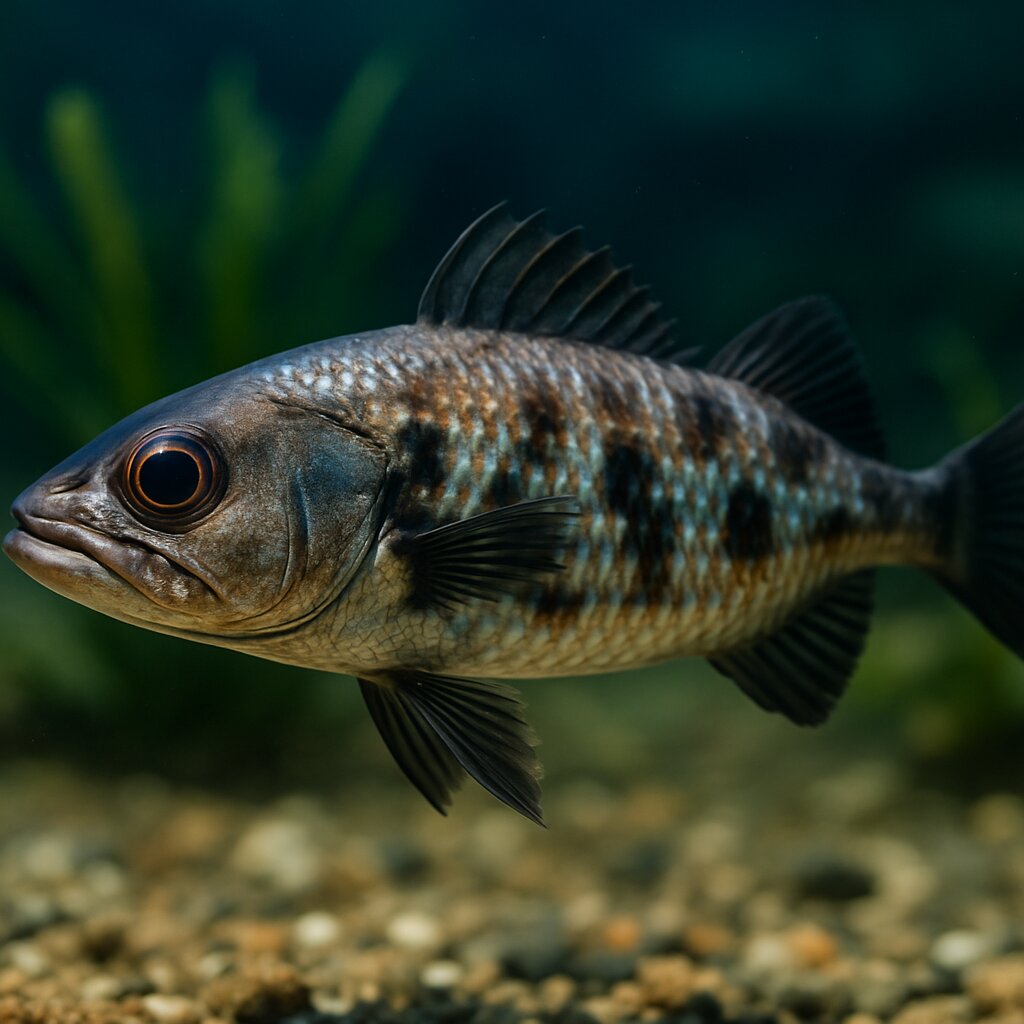
Antarctic dragonfish
Vomeridens infuscipinnis
Deep down around Antarctica, this sleek dragonfish cruises the water column like a little submarine, nearly neutrally buoyant so it can hover above the seafloor. It munches almost exclusively on Antarctic krill and lives in near-freezing water 500-800 m down, so it is a cool species to read about, not one for home tanks.
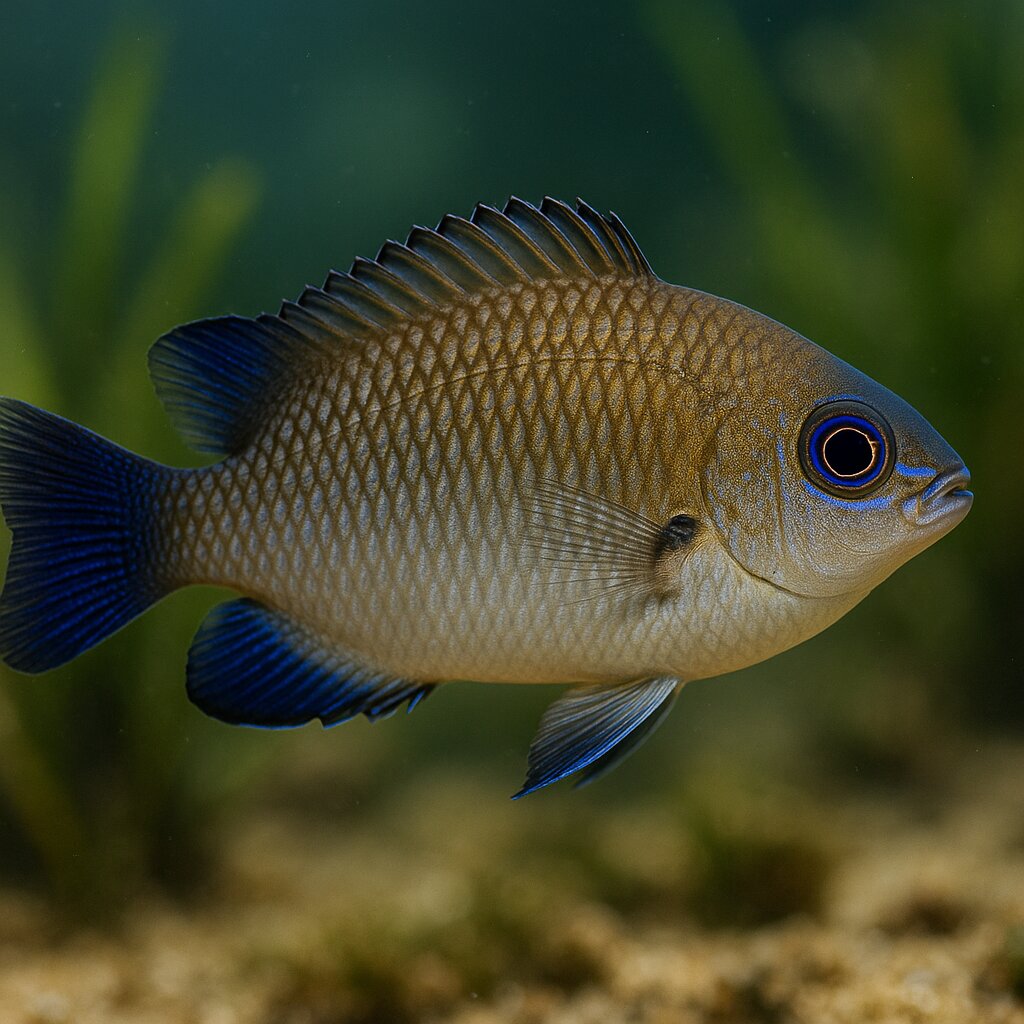
Arabian demoiselle
Neopomacentrus sindensis
A small lyretail damsel from the Persian Gulf and Arabian Sea, it hangs in loose groups around coral heads, rocks, and even pier pilings picking zooplankton from the flow. Think classic damsel toughness with a slightly milder attitude than the real bruisers, plus subtle yellow tail accents. Males clean a patch, get a mate to lay eggs there, and then stand guard fanning the clutch.
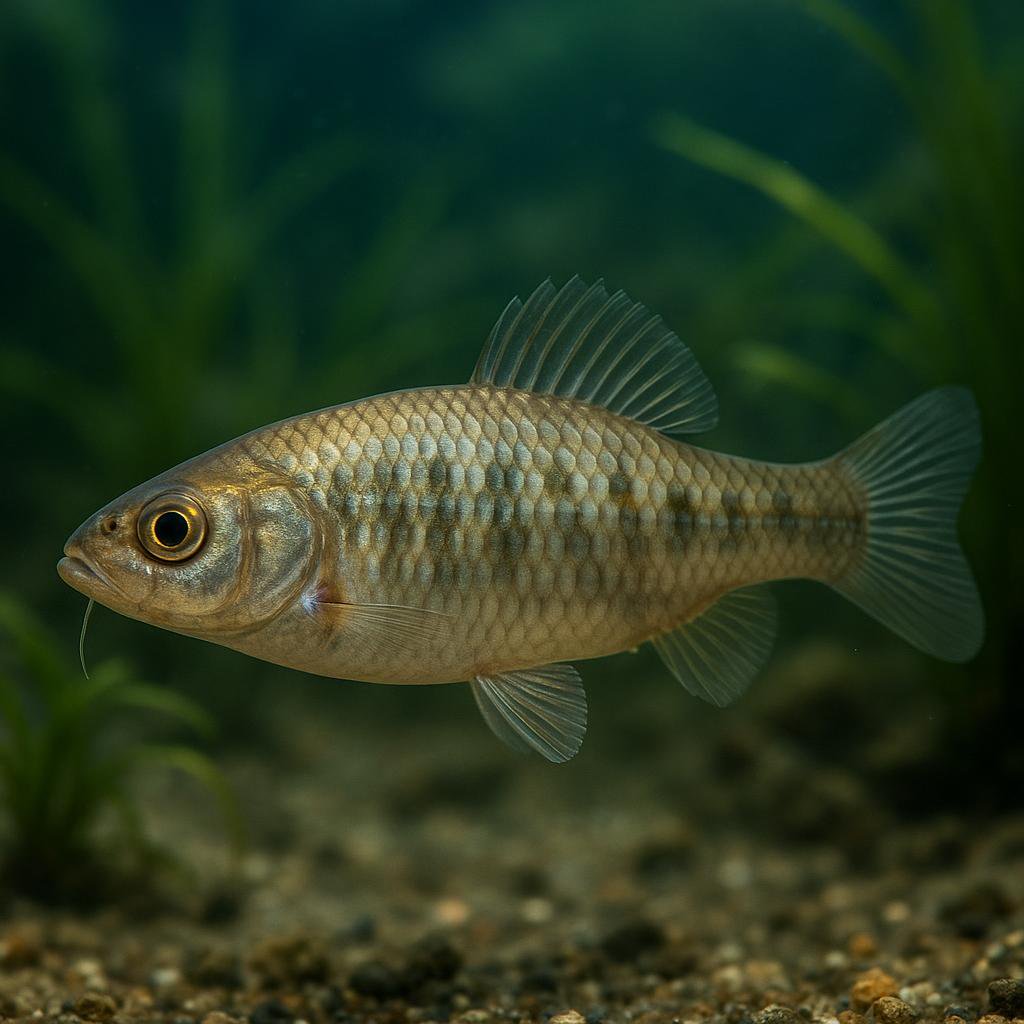
Arabian spiny eel
Notacanthus indicus
Notacanthus indicus is a deep-sea spiny eel (family Notacanthidae; not a true eel) known from the Arabian Sea on the continental slope at roughly ~960–1,046 m depth, with reported maximum length around 20 cm TL; it is a deep-water bycatch species and not established in the aquarium trade.
Arctic rockling
Gaidropsarus argentatus
This is a deepwater North Atlantic rockling (a cod relative) that hangs out on soft bottoms way down the slope. It is a cold-water, bottom-hugging predator that snoots around for crustaceans and will also take small fish when it gets the chance.
Looking for other species?