

Search Species
Search for fish species by common or scientific name, or use filters to browse by water type, size, temperament, and difficulty.
Found 541 species
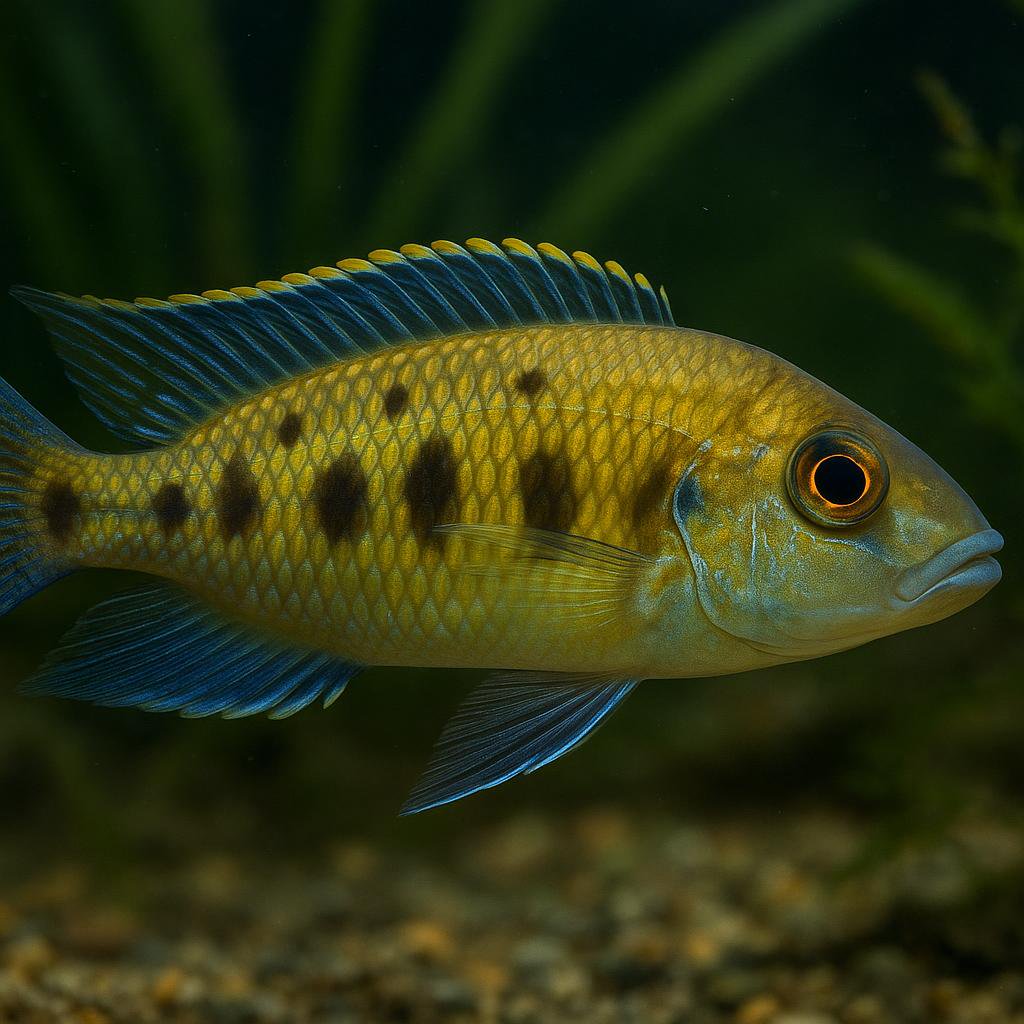
Pfeffer's cichlid
Jabarichromis pfefferi
This is a Lake Tanganyika predator that cruises the sand-rock transition zones and picks off shrimp and other little inverts. It is not a neon show-fish - more of a subtle, tough, hunting-style cichlid with a cool mouthbrooding setup. Give it space, hard alkaline water, and a sandy bottom and it will act like it owns a big chunk of the tank.
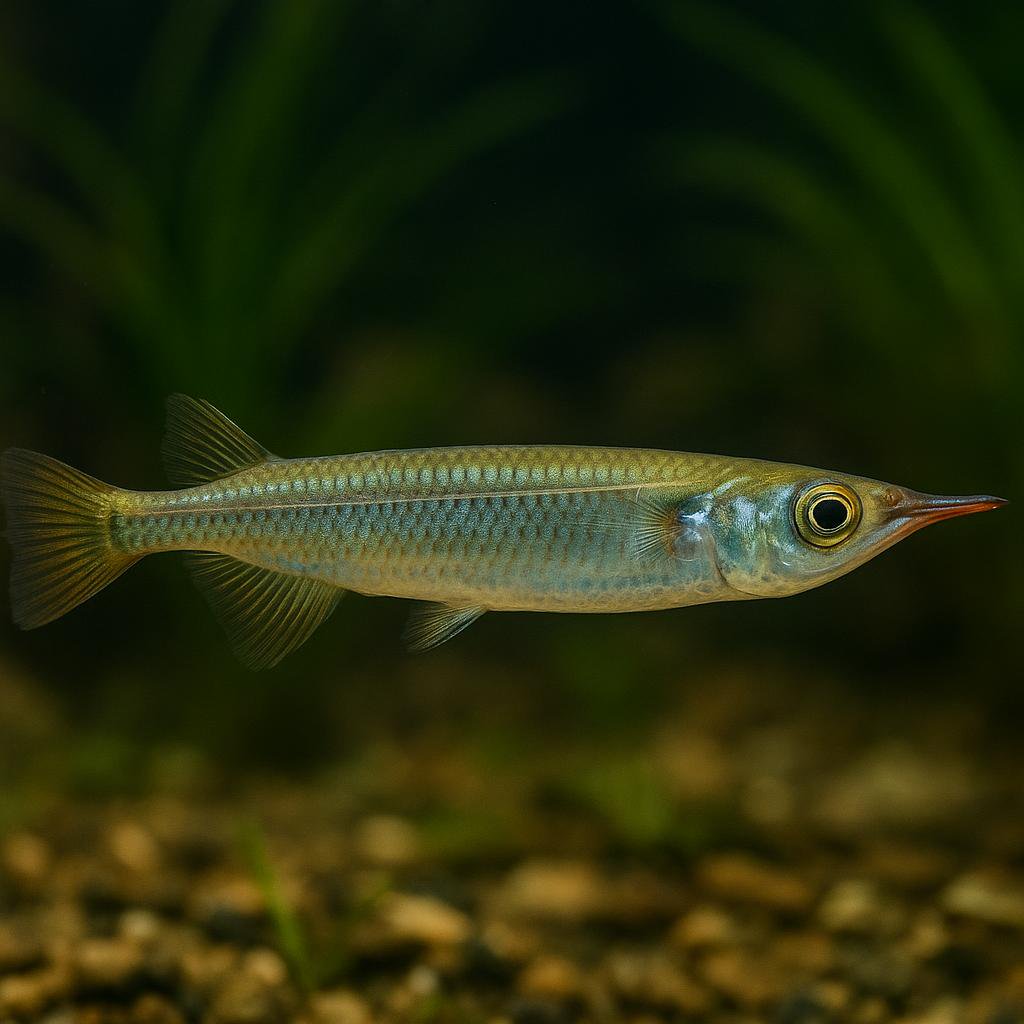
Philippine halfbeak
Zenarchopterus philippinus
This is a tiny little surface-dwelling halfbeak from the Philippines that spends its time cruising the top like a mini garfish. The really cool part is its halfbeak vibe and livebearer-style family traits (Zenarchopteridae), so you get that constant "topwater hunter" behavior in the tank. Give it calm water up top, a tight lid (they jump), and lots of open swimming room.
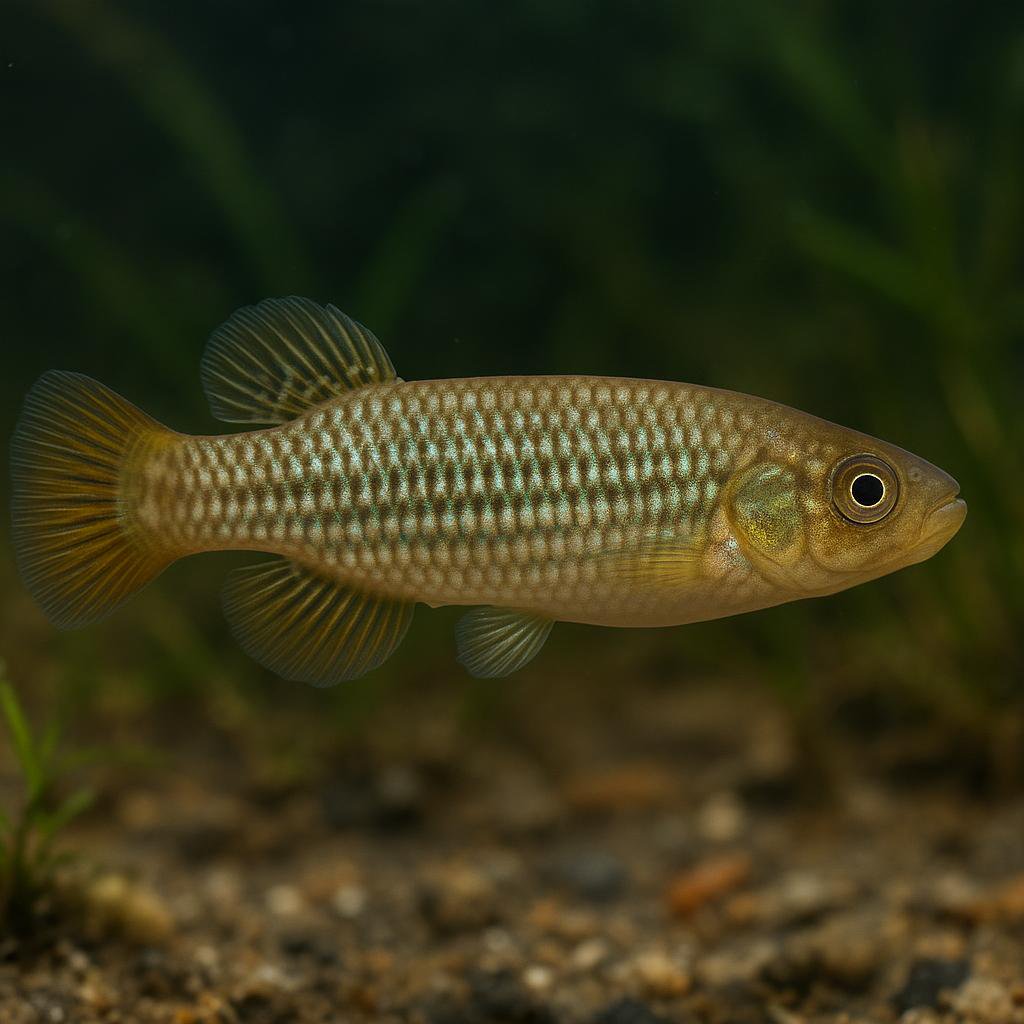
Plains topminnow
Fundulus sciadicus
This is a little North American topminnow that hangs out near the surface and loves weedy edges, spring runs, and calm backwaters. When males are in breeding mode they get some really pretty iridescent fin color, but otherwise they are kind of subtle and "wild" looking in a cool way. Its not a seasonal killifish, so you are not dealing with the whole dry-season egg thing.
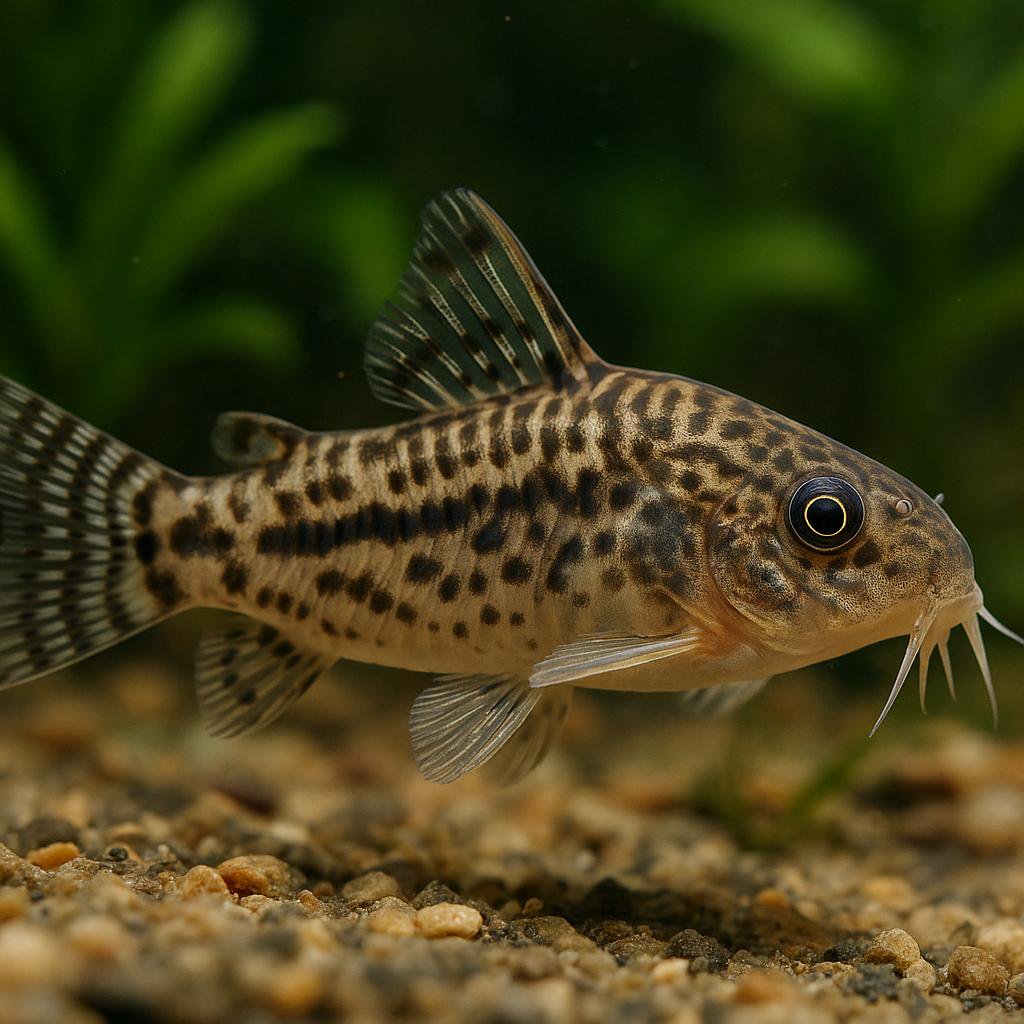
Point catfish
Aspidoras poecilus
Aspidoras microgalaeus is now treated as a junior synonym of Aspidoras poecilus, so care-wise you can think of it as that same tiny Aspidoras species. They are little bottom-scooters that do best in a group, and once they settle in you get that classic cory-style foraging and quick little dashy behavior over sand.
Polylepis hillstream loach
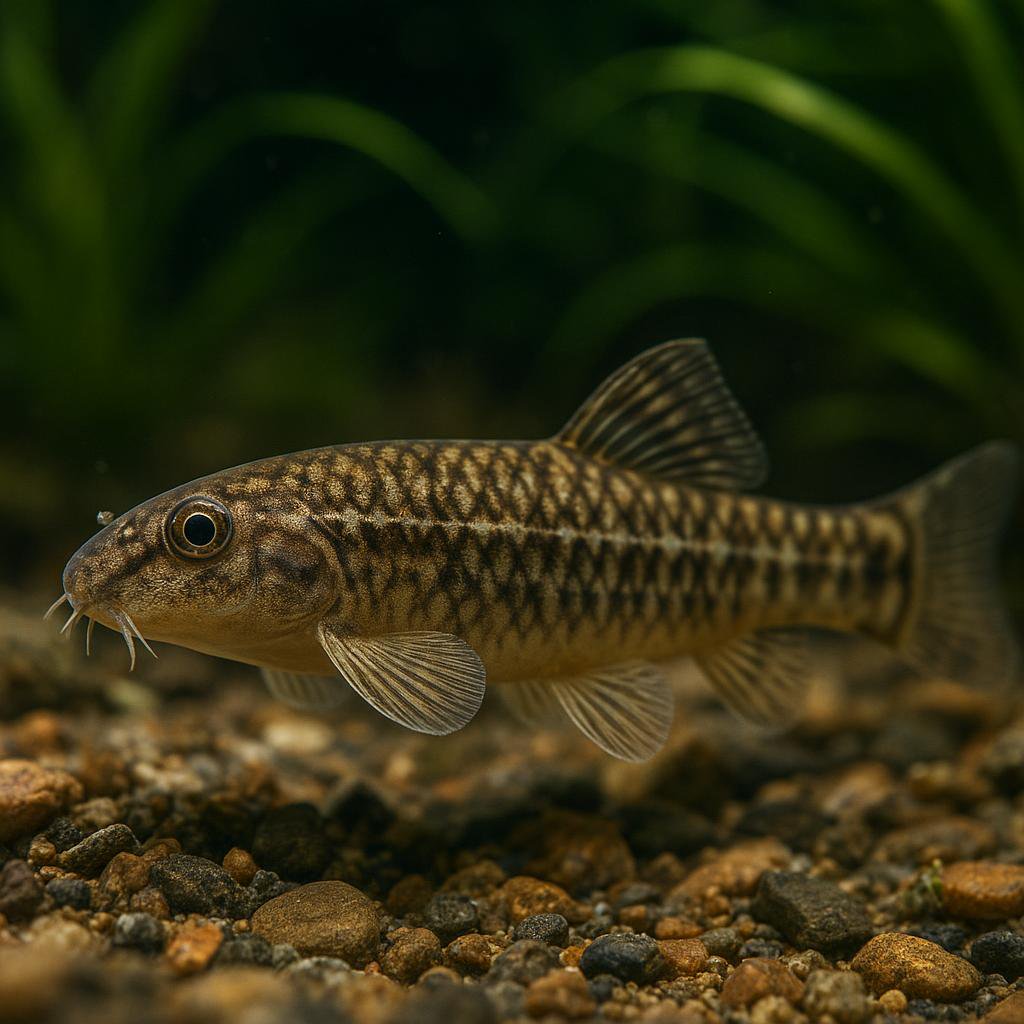
Vanmanenia polylepis
Vanmanenia polylepis is one of those slim, rock-hugging hillstream loaches that wants to live right in the current, perched on smooth stones like a little suction-cup torpedo. Its natural home is subtropical southern China, so think cool-to-mild temps, high oxygen, and lots of flow - it gets stressed fast in warm, stagnant tanks. They're super fun to watch grazing and scooting around, but they do best when you set the tank up more like a river than a typical community tank.
Poso halfbeak
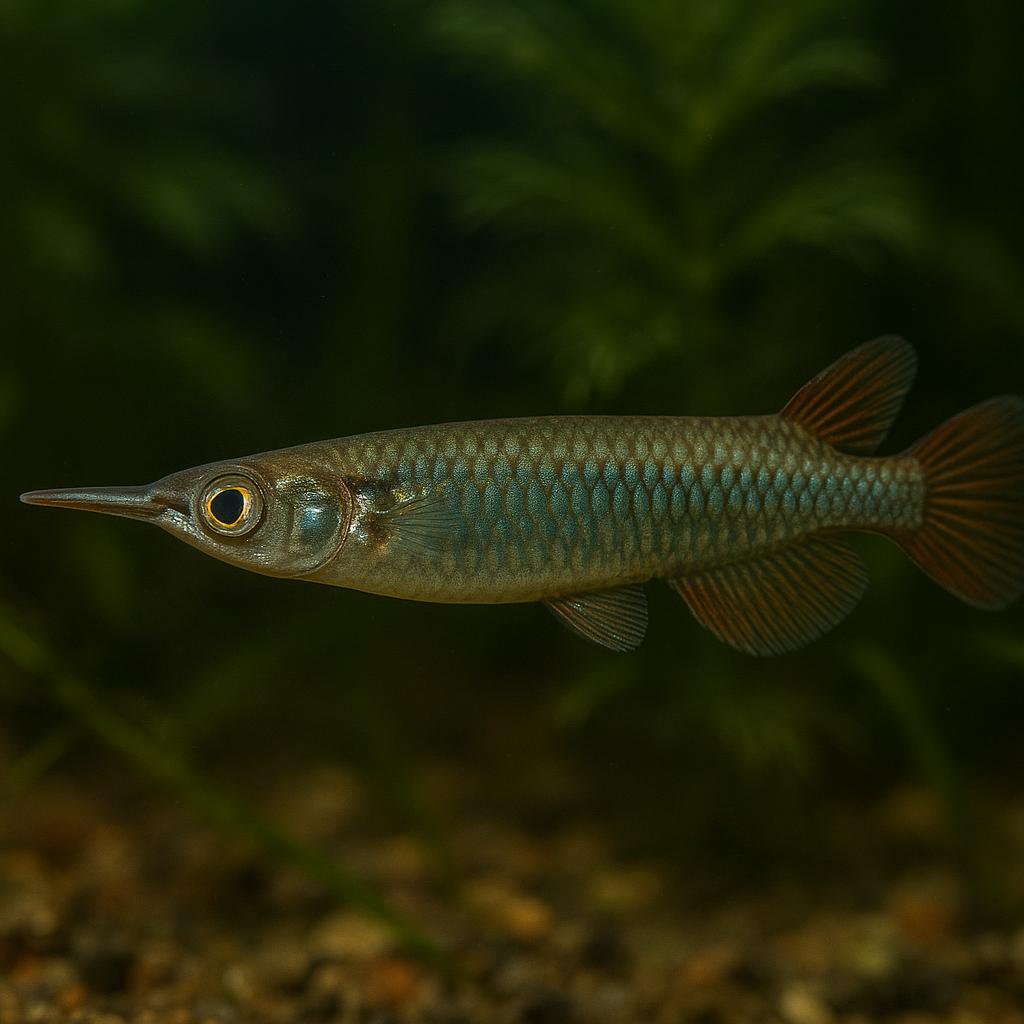
Nomorhamphus celebensis
This is a cool little Sulawesi halfbeak that spends most of its time cruising the surface and picking food right off the top. They do best in a small group with lots of surface cover (floating plants are perfect), and they really reward you if you keep the water clean and stable. Also worth knowing: a lot of info online mixes up their exact habitat, and that can lead people to keep them too warm.
Productus suckermouth catfish
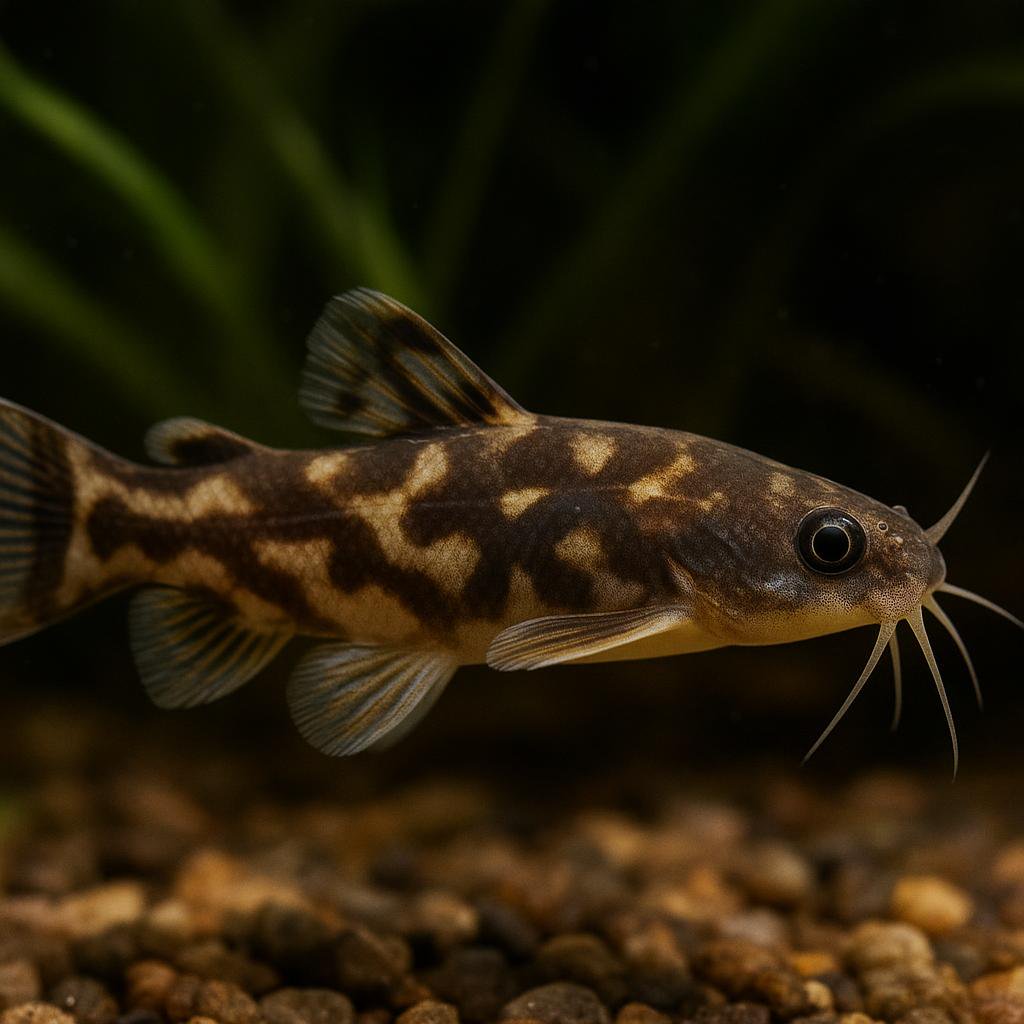
Chiloglanis productus
This is a tiny African suckermouth catfish from fast, clear tributary streams feeding Lake Tanganyika - think boulders, gravel, and current. Its little suction-cup mouth is built for clinging to rocks in flow, and males have a more drawn-out caudal fin shape (which is literally what productus is referring to). If you like oddball hillstream-style setups, this one fits that vibe perfectly.
Pseudomussullah barb
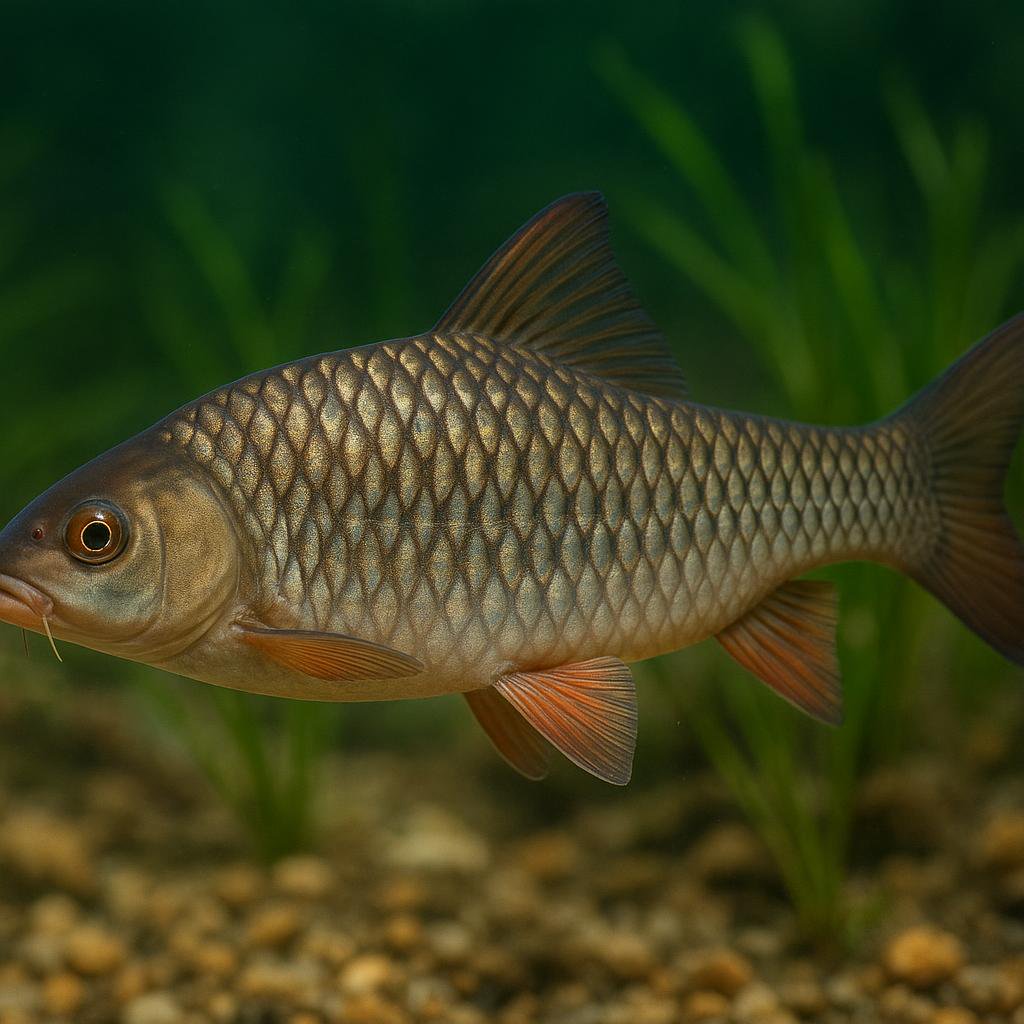
Hypselobarbus pseudomussullah
This is a Western Ghats river barb from India that gets to a solid hand-sized fish, built for cruising midwater in current. Its whole claim to fame is how close it looks to Hypselobarbus mussullah - it was literally described as the 'pseudo' mussullah - so it is the kind of fish that can be mis-ID'd in the trade if it ever shows up.
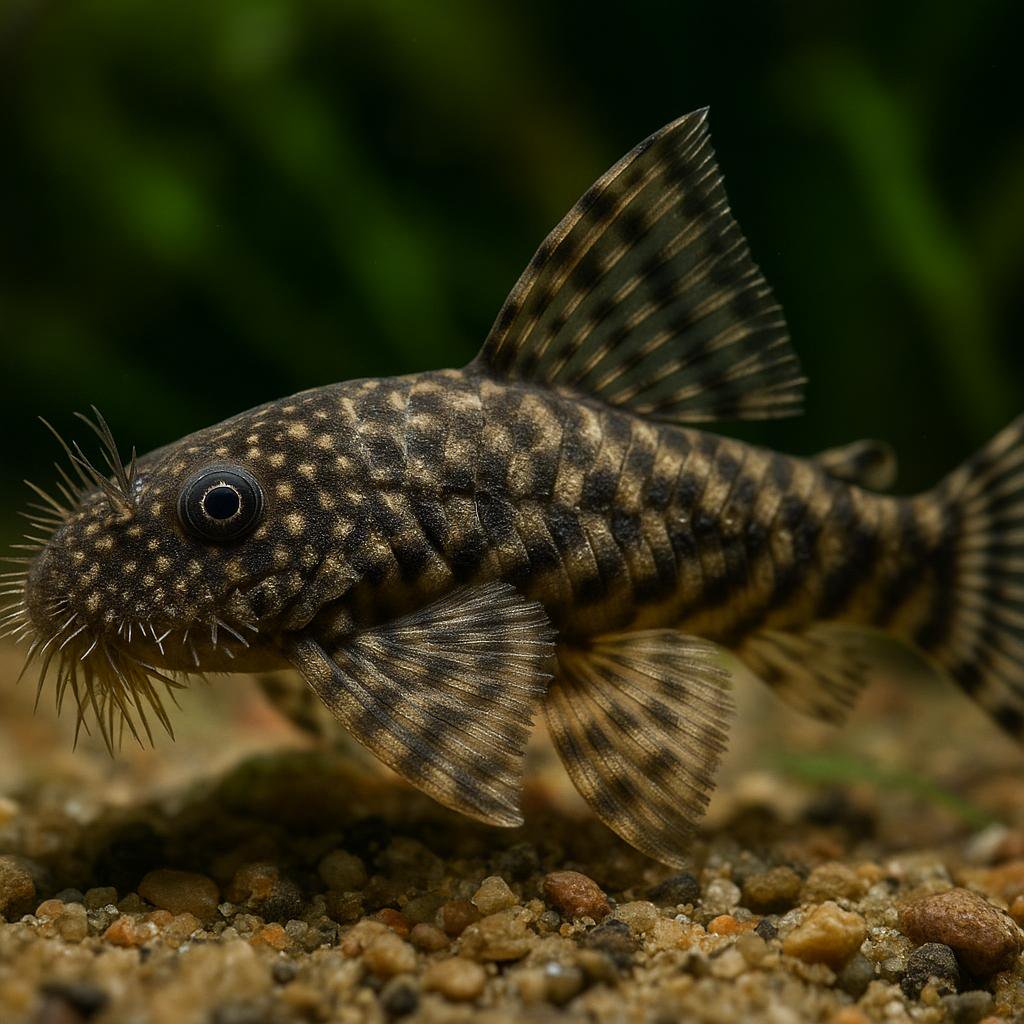
Punk pleco
Neblinichthys pilosus
This is that weirdly awesome little pleco with the punk-rock bristles - mature males get those spiky odontodes on the head and snout that make it look like it rolled out of a 1980s show. It stays pretty small for a pleco, but it is a true wild-type fish from remote Venezuela, so it does best in a clean, oxygen-rich setup with lots of flow and hiding spots.
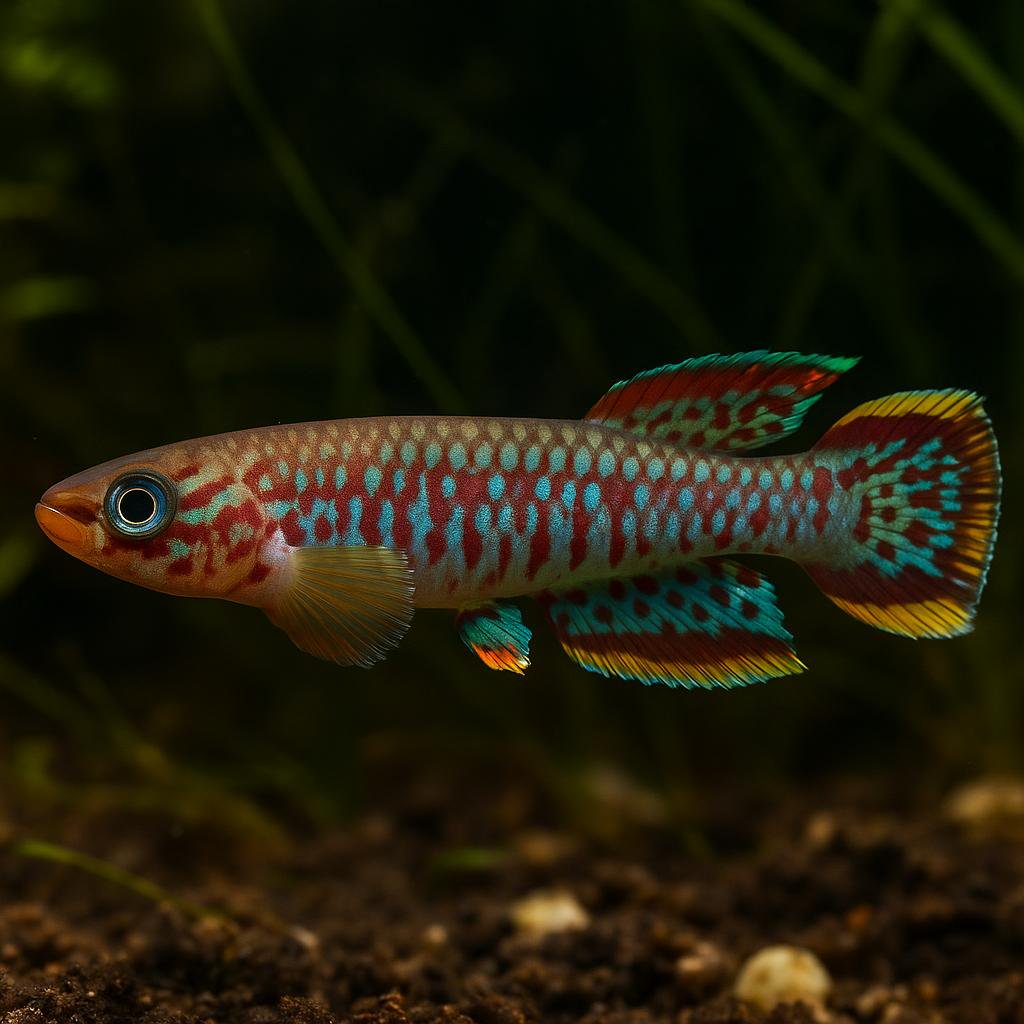
Pürzl's killifish
Fundulopanchax puerzli
Fundulopanchax puerzli is a freshwater killifish from western Cameroon (Lower Wouri system), inhabiting small rainforest streams and swampy/slow-moving waters. It reaches about 8 cm TL, and is typically maintained in soft water (around 2–5 dGH) with slightly acidic to near-neutral pH (around 6.8), subdued lighting, and dense cover/spawning mops or fine plants.
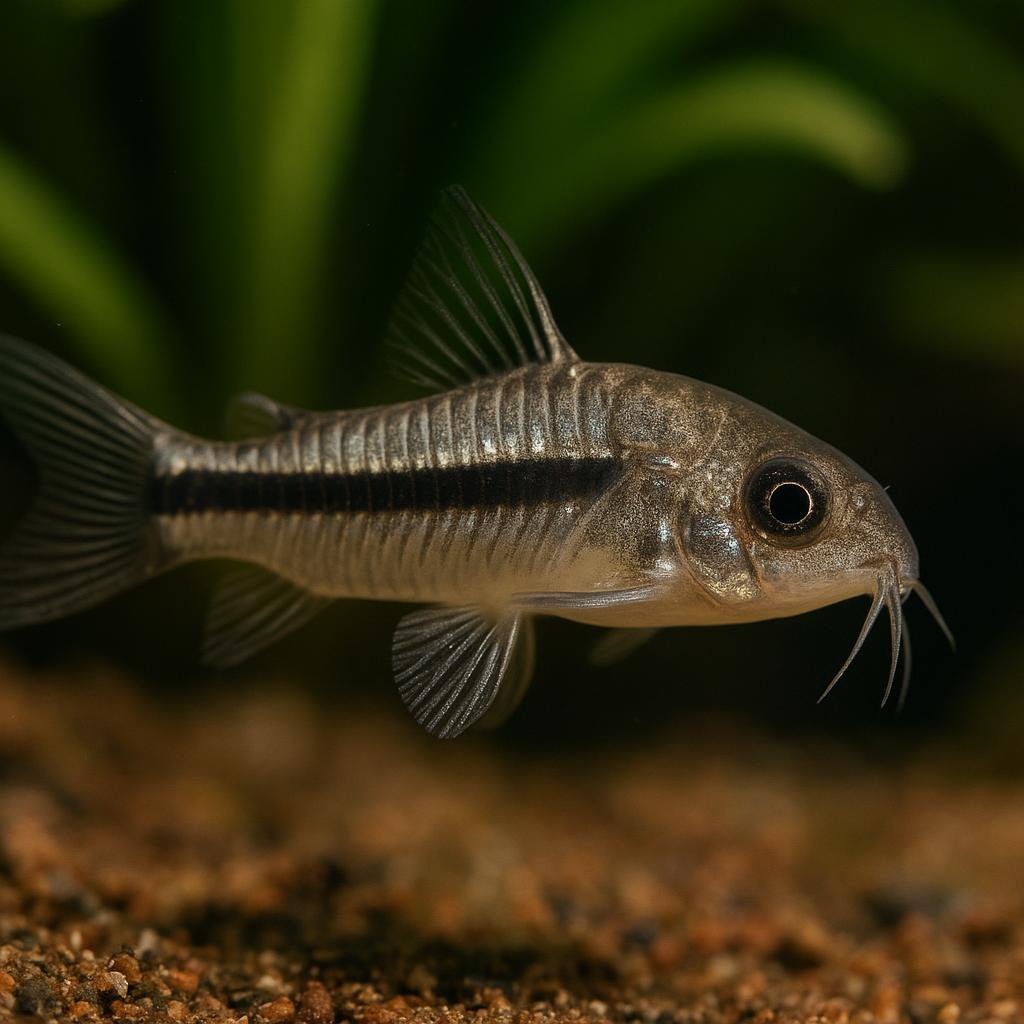
Pygmy corydoras
Corydoras pygmaeus
Pygmy cories are tiny little armored catfish that do this super-cool thing most cories don't: they'll cruise around in the midwater in a loose school instead of just shuffling along the bottom. Give them a soft sandy substrate, lots of plants to weave through, and a proper group, and they turn into nonstop little busybodies.
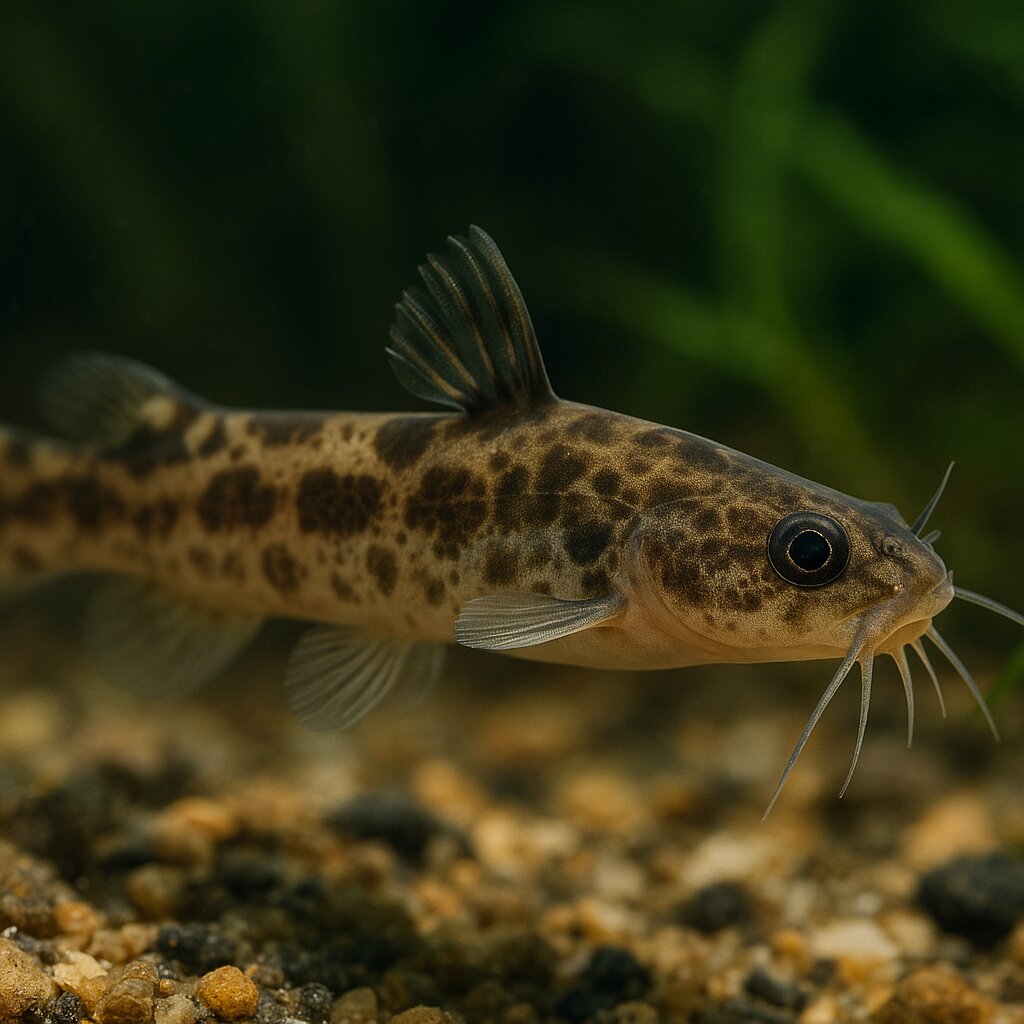
Pygmy madtom
Noturus stanauli
This is a tiny North American catfish from Tennessee's Clinch and Duck rivers that spends its days tucked under small rocks and comes out around dusk. Males guard small clutches of big eggs, which is fun to watch if you ever see footage from conservation hatcheries. It is federally endangered, so it is a fish for biologists with permits, not home aquariums.