

Search Species
Search for fish species by common or scientific name, or use filters to browse by water type, size, temperament, and difficulty.
Found 541 species
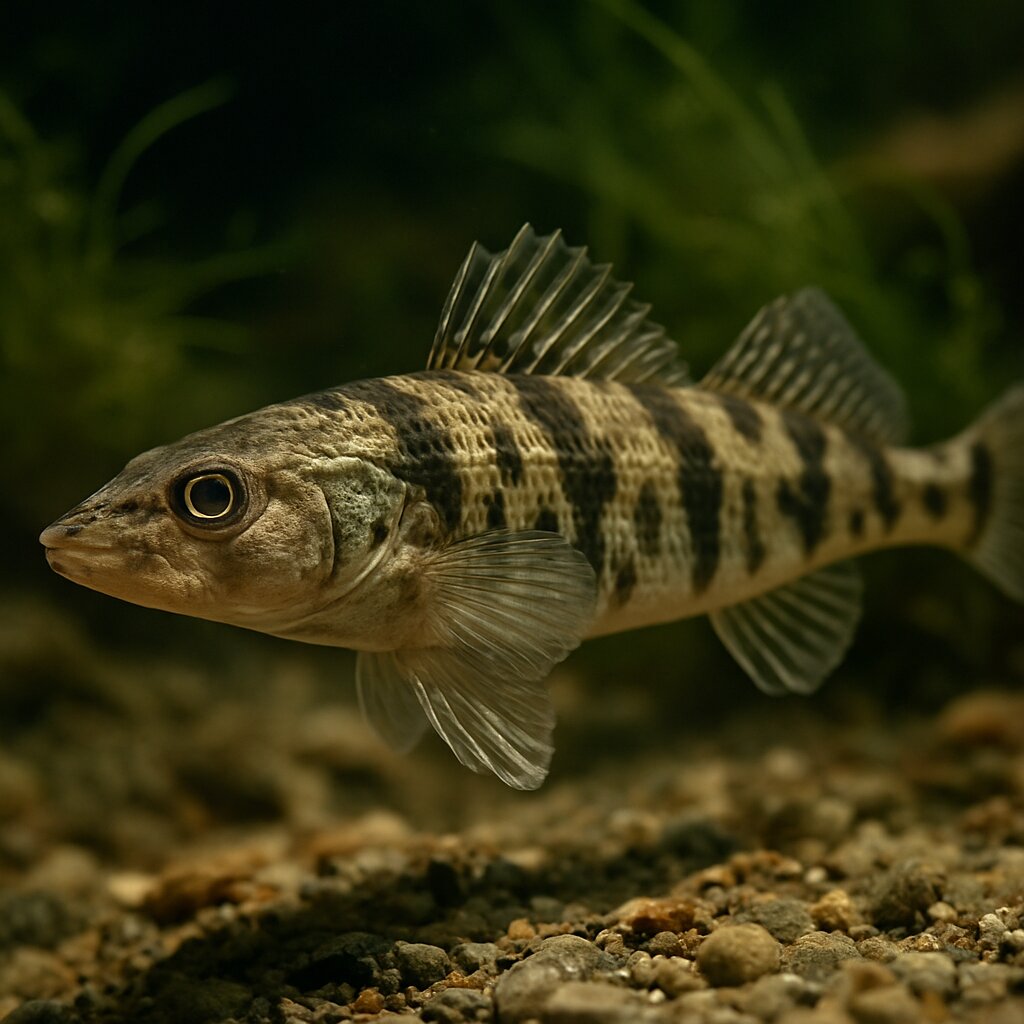
Rhone streber
Zingel asper
Think of a chunky little river perch that hugs the stones and comes alive at dusk. The Rhone streber is a cool-water, fast-current specialist from the Rhone basin with bold saddle bars and a stealthy, bottom-crawling style that is fun to watch. It is protected and tricky to keep, so it is one for serious coldwater, high-flow setups only.
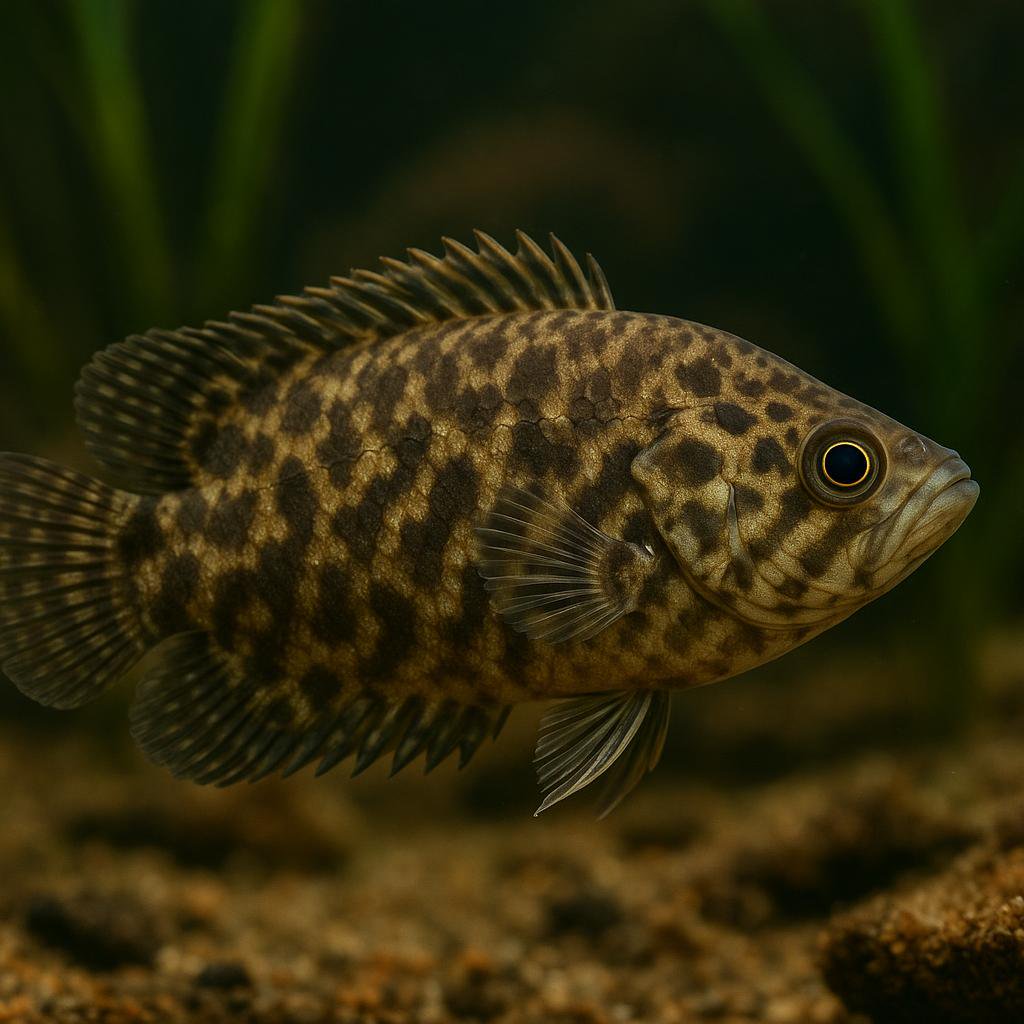
Riggenbach's ctenopoma
Ctenopoma riggenbachi
Ctenopoma riggenbachi is a small African anabantid (labyrinth fish) in the genus Ctenopoma. Like other labyrinth fishes it can breathe atmospheric air via a labyrinth organ; provide cover and ensure access to warm, humid air above the water with a secure lid.
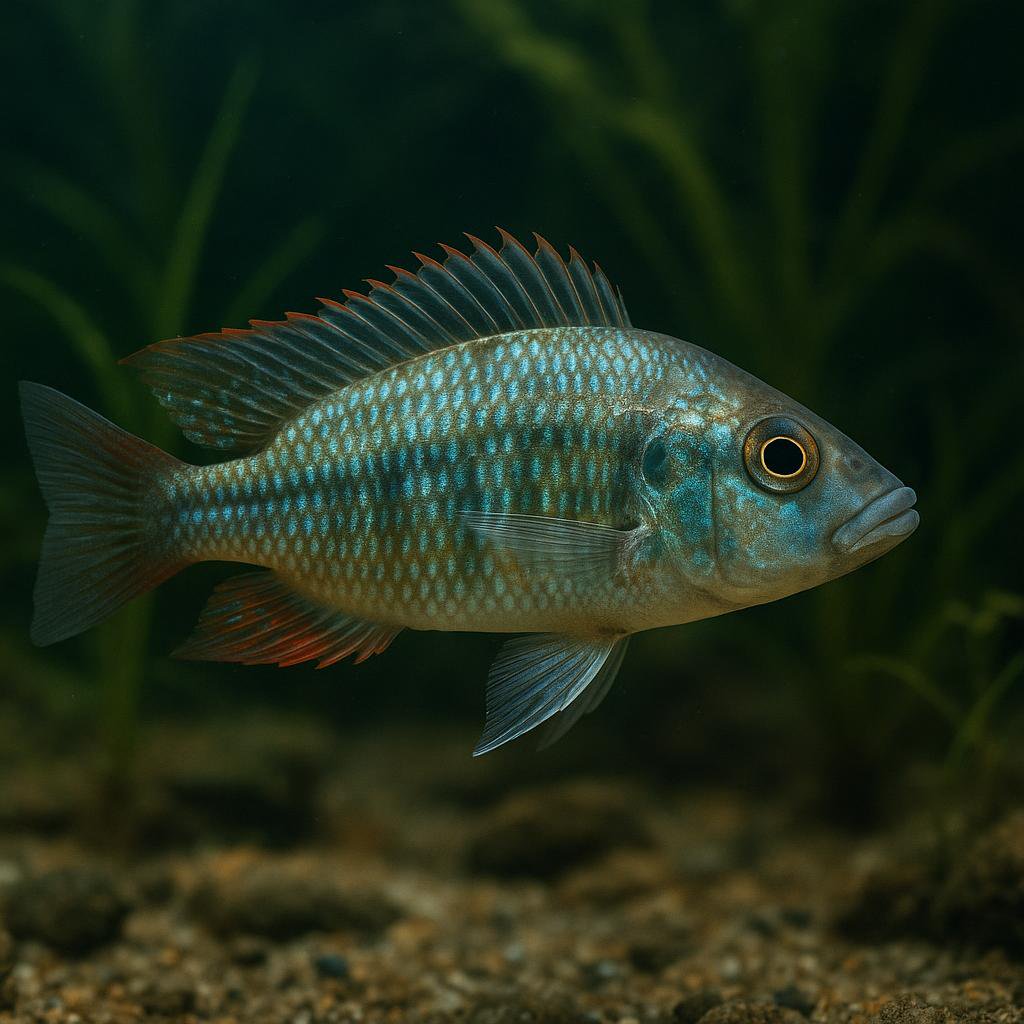
Ripon Falls haplochromine
Haplochromis macrops
This is a smaller Lake Victoria haplochromine cichlid from the littoral zone, hanging around sandy and rocky shore areas. In the wild it picks at insect larvae and other small inverts, and like a lot of Victorian haps the females are maternal mouthbrooders. Its care is basically "Lake Victoria hap" style - clean, well-oxygenated water, sand/rock decor, and a bit of attitude like most cichlids.
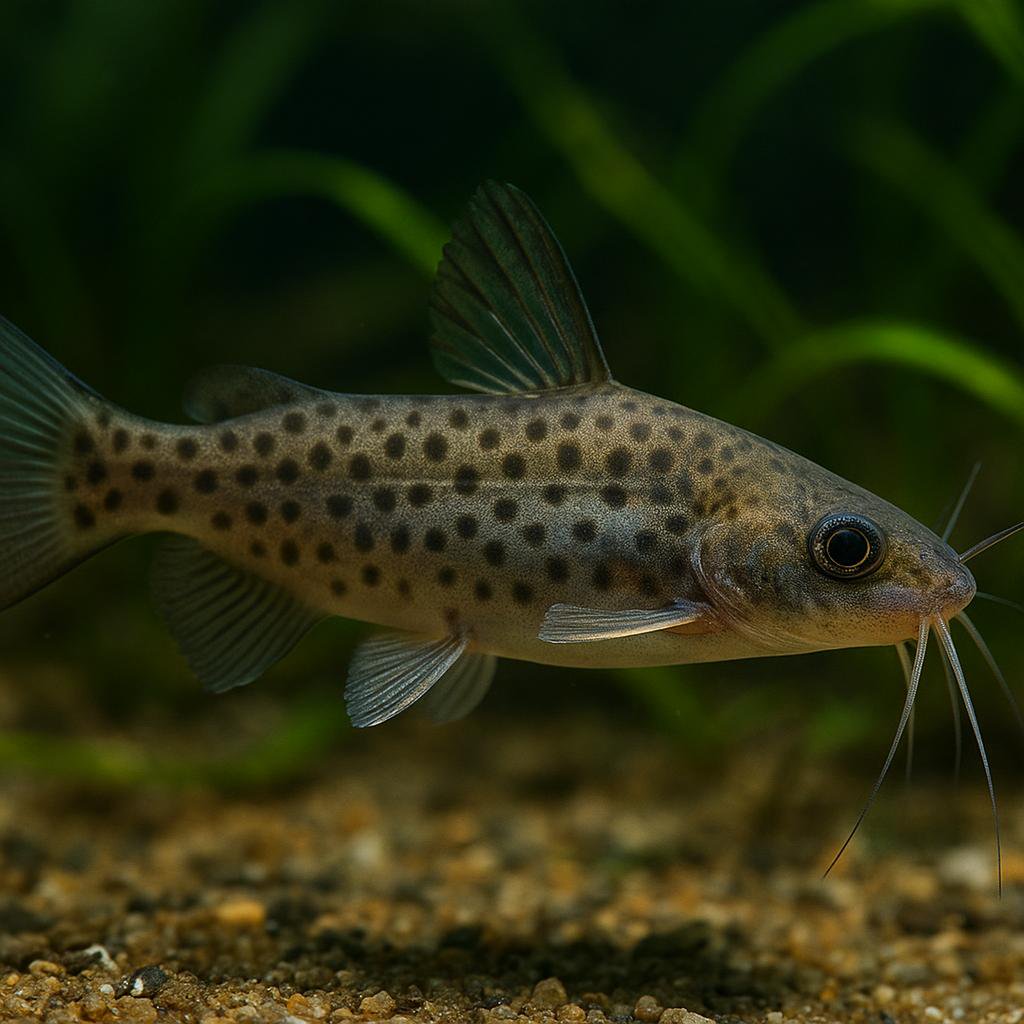
Rock catfish
Rhamdia laticauda
Rhamdia laticauda is a chunky little heptapterid catfish from Mexico down into Panama that likes moving water and hanging tight to the bottom over sand and stones. Its the kind of fish thats basically invisible all day, then cruises around after lights-out like a little whiskered vacuum cleaner hunting bugs. It also shows up in caves in the wild, which tracks with the shy, nocturnal vibe.
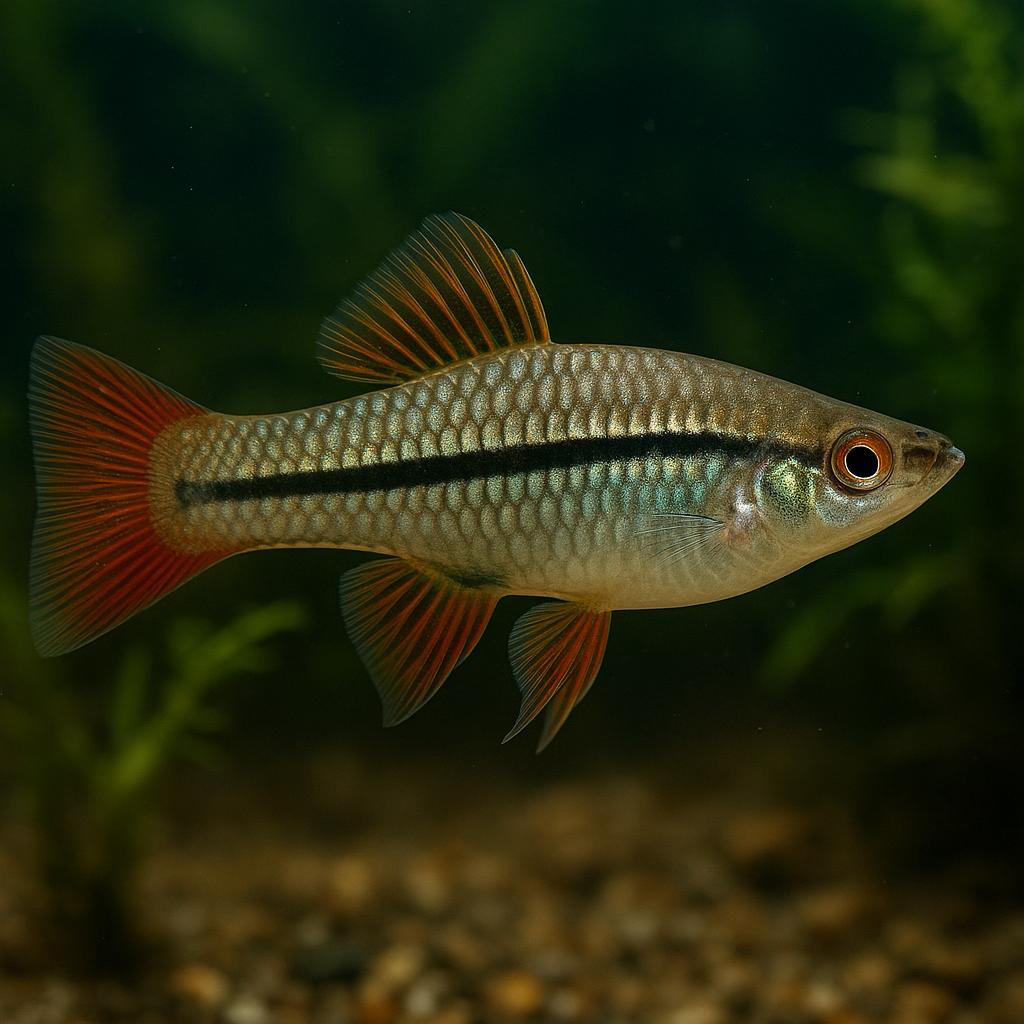
Rosen's Hybrid Platy
Xiphophorus roseni
Xiphophorus roseni is a Mexican livebearer that shows up in the hobby mostly as a "weird/obscure Xiphophorus" rather than a mainstream platy or swordtail. The big twist is that a lot of sources treat it as a natural hybrid form (often discussed as variatus x couchianus), so it is more of a "locality oddball" than a clearly distinct, widely traded species.
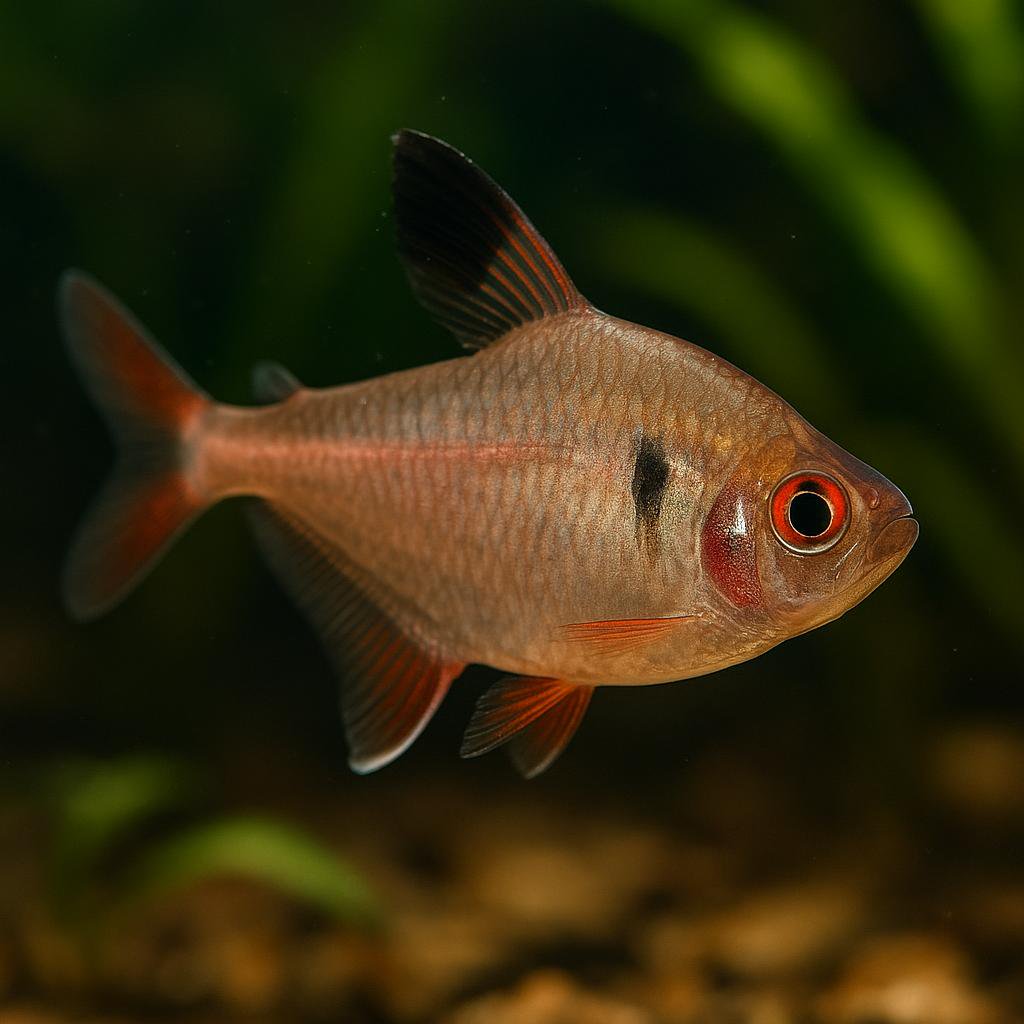
Rosy Tetra
Hyphessobrycon bentosi
Rosy tetras are those little coppery-pink characins that look kinda "glowy" when the light hits them right, and the males can get nice extended fins when they're settled in. Keep a small group and you'll see them do their little pecking-order sparring and flashing-nothing scary, just classic tetra drama that looks awesome in a planted tank.
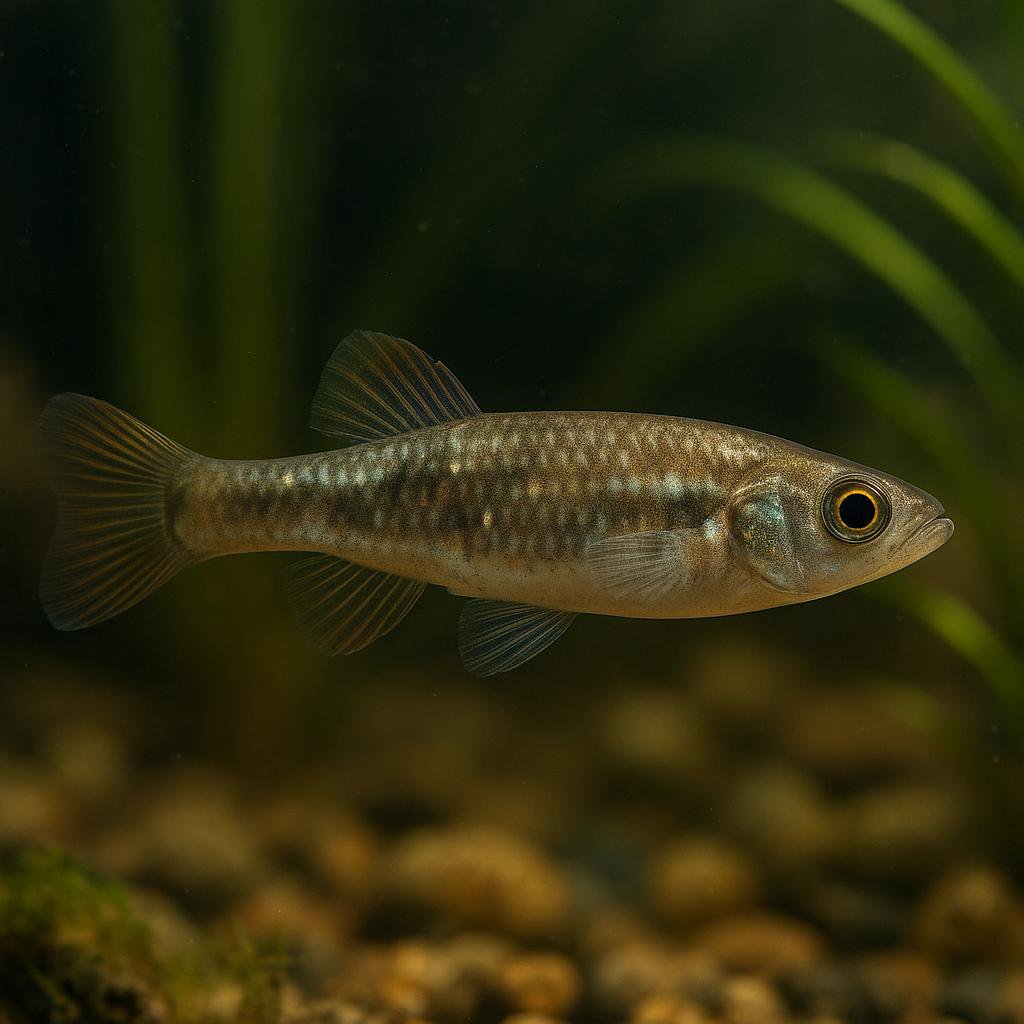
Ruaha kneria
Kneria ruaha
Kneria ruaha is a small Tanzanian freshwater shellear (Kneriidae) from the Ruaha River basin. It inhabits cool, quiet stream sections and feeds on detritus in the wild; aquarium husbandry guidance is sparsely documented, so keep in a mature, oxygen-rich tank and offer a varied small sinking diet alongside natural grazing.
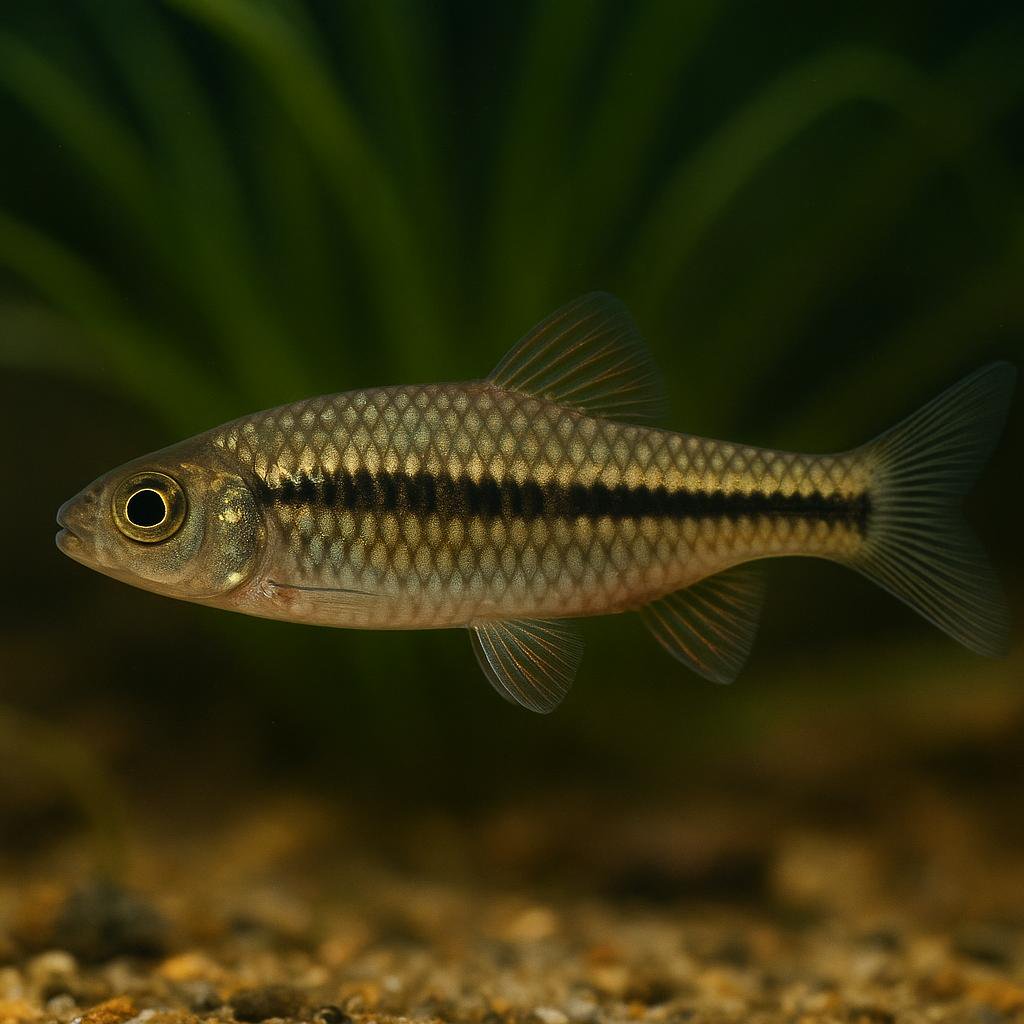
Rubenstein's nannocharax
Nannocharax rubensteini
This is a tiny Congo Basin distichodontid that stays really small and has that sleek, "mini-darter" look. It tends to hang in the water column and pick at small foods, and it really shines in a calm, well-oxygenated setup with plenty of cover and a small group of its own kind.
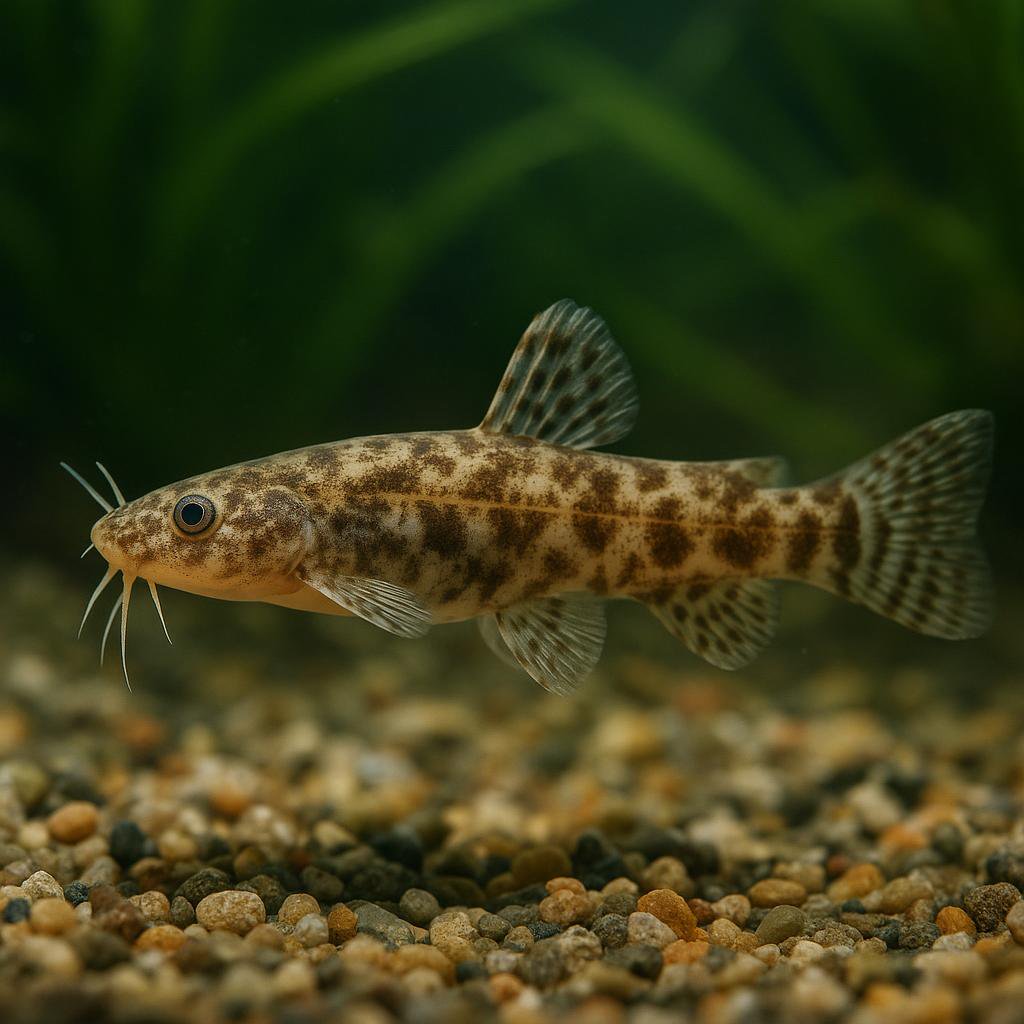
Ruitoque pencil catfish
Trichomycterus ruitoquensis
This is a tiny Colombian Trichomycterus (a pencil catfish) from cool, upland streams in the Magdalena basin. It is the kind of skinny, bottom-hugging little catfish that spends its time nosing around rocks and crevices, and its wild range is super localized around the upper Lebrija drainage.
-1771034027.jpg)
Rummy-nose tetra
Petitella rhodostoma (Ahl, 1924) (formerly Hemigrammus rhodostomus)
This is the classic rummy-nose tetra-the one with the bright red "nose" and the crisp black-and-white tail that flashes when the whole group turns together. They're tight-schoolers, so a bigger group in a longer tank is where you really get that synchronized, hypnotic swimming. The red face also doubles as a little "health meter" since it tends to fade when they're stressed or water quality slips.
-1772108746.jpg)
Rummy-nose tetra
Petitella rhodostoma (syn. Hemigrammus rhodostomus)
This is the classic rummy-nose tetra - silver body, a solid red "face," and that crisp black-and-white tail that flashes when the whole group turns at once. The red nose is a legit mood ring for water quality and stress, so when they are happy and stable, they look incredible in a tight school.
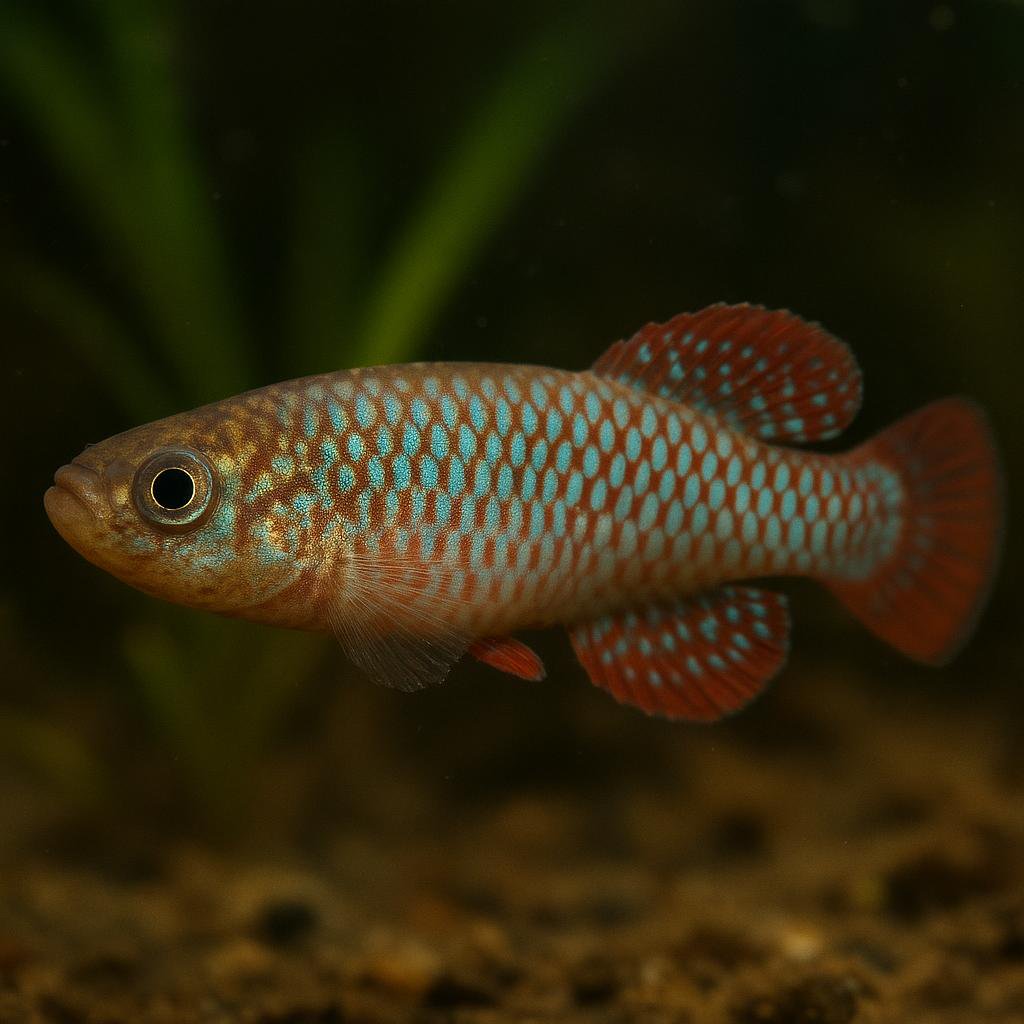
Rungwa annual killifish
Nothobranchius rungwaensis
This is one of those classic annual Nothobranchius that lives fast and bright - it comes from seasonal pools that dry out, so the adults dont stick around long. Males are the showstoppers, and like the rest of the genus they are little predators that really come alive on live and frozen foods.