

Rock catfish
Rhamdia laticauda
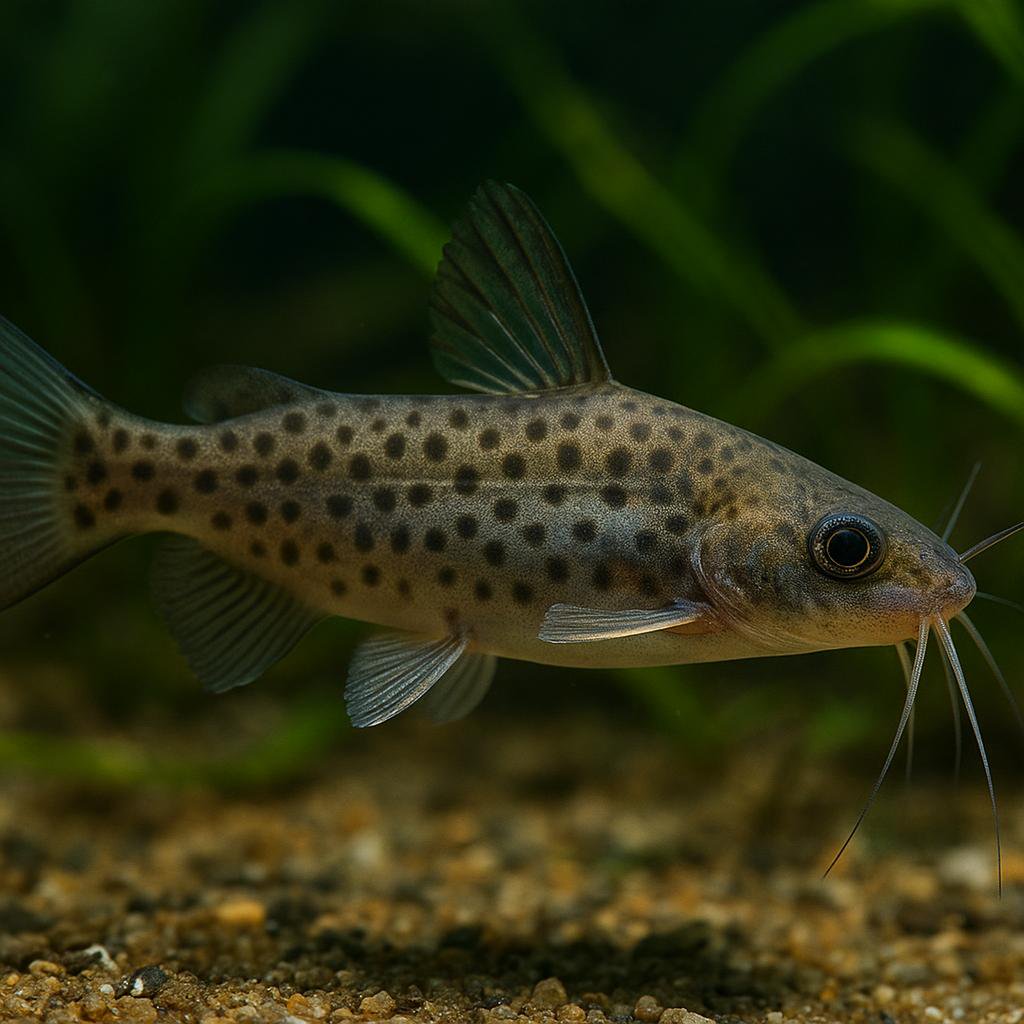
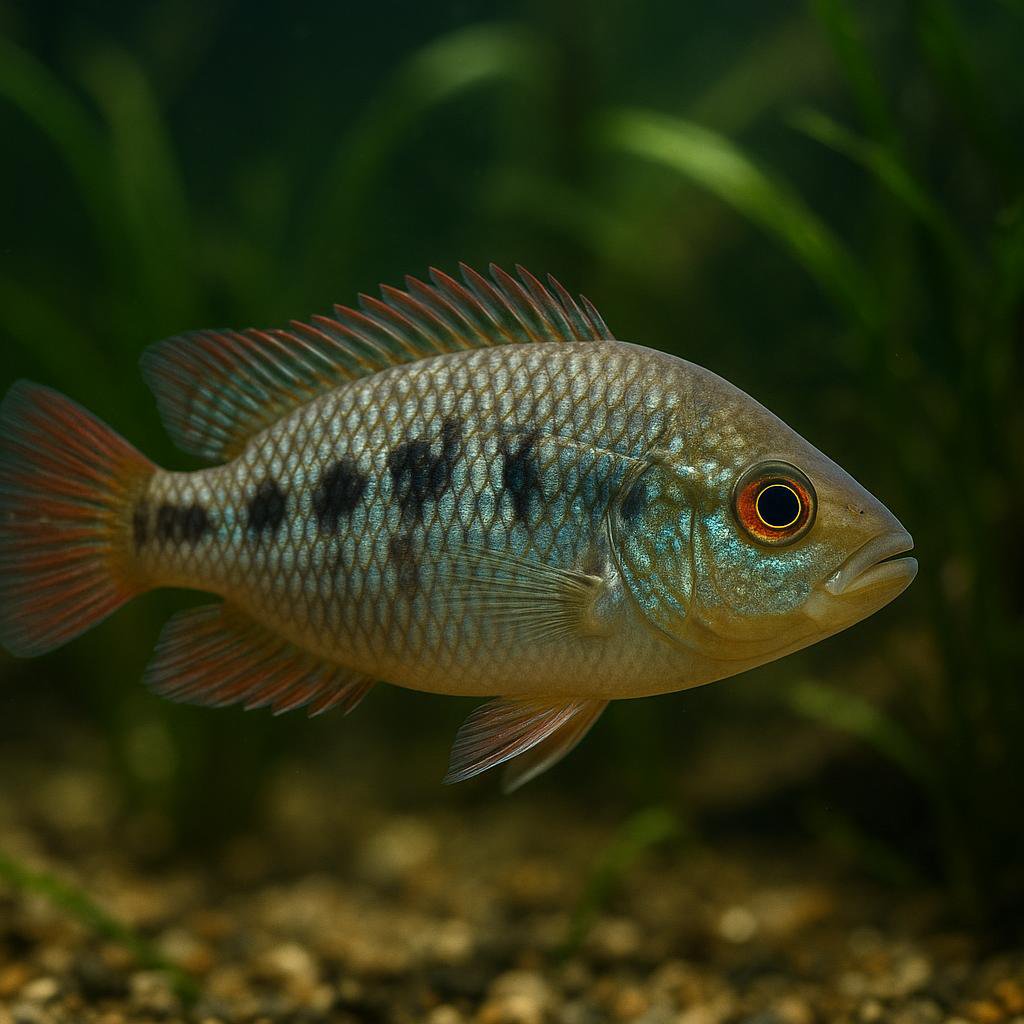
The Rock catfish has a slender body with a distinctive flattened head and dark brown to olive-green coloration, often speckled with lighter spots.
This page includes AI-generated images. Why am I seeing AI images?
About the Rock catfish
Rhamdia laticauda is a chunky little heptapterid catfish from Mexico down into Panama that likes moving water and hanging tight to the bottom over sand and stones. Its the kind of fish thats basically invisible all day, then cruises around after lights-out like a little whiskered vacuum cleaner hunting bugs. It also shows up in caves in the wild, which tracks with the shy, nocturnal vibe.
Also known as
Quick Facts
Size
29.4 cm SL
Temperament
Semi-aggressive
Difficulty
Advanced
Min Tank Size
75 gallons
Lifespan
8-15 years
Origin
North and Central America
Diet
Carnivore/insectivore - sinking pellets, frozen foods, live/frozen insects and worms
Water Parameters
24-28°C
7.5-8.5
14-25 dGH
Need a heater for this species?
This species needs 24-28°C in a 75 gallon tank. Use our heater calculator to find the right wattage.
Calculate heater sizeCare Notes
- Give them a big footprint and lots of hiding spots (PVC tubes, rock piles, driftwood) because they spend the day wedged into cover and get cranky when they feel exposed.
- They hate stale water: run strong filtration and flow, keep ammonia/nitrite at zero, and do big weekly water changes; they do fine around pH ~6.5-7.5 and mid-70s F (24-26 C).
- Use sand or very smooth gravel - sharp substrate will wreck their barbels when they root around at night.
- Feed after lights-out so they actually get their share; mix sinking carnivore pellets with meaty stuff like shrimp, earthworms, and chunks of fish, and dont lean too hard on messy foods that foul the water fast.
- Tankmates need to be too big to fit in their mouth and chill enough not to harass them - avoid tiny tetras/livebearers (they become snacks) and nippy cichlids that go after fins and whiskers.
- Lid is non-negotiable: they can bolt when startled, and a wet catfish on the floor is a bad night.
- Watch for barbel erosion, cloudy eyes, and sudden hiding/refusing food - those are usually your first clues that the bottom is dirty or oxygen is low.
- Breeding in home tanks is rare unless you can mimic rainy-season cues (cooler, big water changes, heavy feeding) and give them caves; if they do spawn, expect the adults to hunt eggs/fry unless you separate them.
Compatibility
Good Tankmates
- Medium to larger, sturdy cichlids that are not total psychos - think severums, blue acaras, firemouths. They can handle a rock catfish cruising around at night and wont get inhaled.
- Silver dollars and other big, fast schooling dither fish. They stay up in the water column, move quick, and they are too tall to be easy prey.
- Dollars-sized barbs and rasbora types (bigger ones) - like tinfoil barbs or decent-sized robust barbs. Active fish that dont sit on the bottom and dont have delicate fins.
- Armored catfish that hold their ground - larger plecos (common, sailfin, etc.) and similar tough bottom fish. Plenty of caves and wood helps keep the peace.
- Big rainbowfish (not the tiny ones). They are quick, confident, and usually avoid getting cornered when the lights go out.
- Other medium-large, non-nippy, non-delicate midwater fish like larger gouramis (blue/three-spot size, not dwarfs). They generally ignore each other if the tank has room.
Avoid
- Small fish that fit in its mouth - neons, guppies, endlers, small danios, little corys. Rock catfish are chill until its 2 AM and snack time.
- Slow fish with fancy fins - bettas, longfin angels, fancy goldfish. They get stressed, get chased, or get fin damage, and the rock catfish can be a bully at feeding time.
- Super aggressive or hyper-territorial bruisers - big oscars in tight tanks, jag cichlids, texas cichlids, some mean convicts. Theyll pick on the catfish or turn the tank into a war zone.
Where they come from
Rock catfish (Rhamdia laticauda) come from Central America, where they hang around rocky streams and river edges. Think shaded water, lots of structure, and a mix of calmer pockets and faster flow nearby. They are built for wedging into cover and coming out on their schedule - usually after the lights go down.
Setting up their tank
If you set these up like a typical "community catfish," you will be frustrated. They are strong, secretive, and messy in the way most bigger predatory cats are. Give them space and give them hiding spots they can actually fit into.
- Tank size: I would not keep one long-term in less than a 55 gallon, and bigger is better. If you want tankmates, aim for 75+.
- Substrate: sand or smooth gravel. They spend a lot of time on the bottom and sharp stuff will rough up their barbels.
- Cover: real caves (rock piles that cannot shift, PVC sections, big driftwood hollows). Make multiple hides so they do not claim the only good spot.
- Filtration: overfilter. They eat heavy and poop heavy. A canister or big HOB plus a sponge prefilter is a nice combo.
- Flow and oxygen: moderate flow and good surface agitation. They handle warm water fine, but they do not love stale, low-oxygen setups.
- Lighting: they do better with subdued light and shaded areas. Floating plants or wood cover helps.
Rockwork has to be stable. These fish can bulldoze and wriggle into places you did not expect. If a rock stack can shift, eventually it will.
For parameters, shoot for "normal" tropical freshwater and keep it steady: mid 70s to low 80s F, neutral-ish pH, and low nitrate. The numbers matter less than clean water and consistency. Weekly water changes are not optional with this species if you feed them like you should.
What to feed them
They are opportunistic predators and scavengers. In my tanks they quickly learned the feeding routine and would cruise the bottom like a little submarine once food hit the water. They are not algae eaters, and they will not stay healthy on leftover flakes.
- Staples: sinking carnivore pellets, quality catfish sticks, shrimp pellets
- Frozen: krill, shrimp, mussel, bloodworms (for smaller fish), chopped prawn
- Fresh: earthworms are gold (rinse them well). Occasional pieces of fish or clam work too.
- Avoid as a main diet: feeder fish (parasites, thiaminase issues, and bad habit-forming)
Feed after lights-out or right at dusk if they are shy. If tankmates are food hogs, use feeding tongs to drop food right at the cave entrance.
Portion control matters. They will keep eating if you keep offering. I do smaller meals 3-5 times a week for adults, and I watch the belly line. Slightly rounded is fine. Stuffed like a sausage is asking for trouble.
How they behave and who they get along with
Expect a mostly nocturnal fish that becomes bolder once it feels secure. They are not "mean" in the cichlid sense, but they are absolutely a predator with a big mouth and a strong body. Anything that fits will eventually be tested.
- Good tankmates: sturdy mid-to-large fish that will not be swallowed (bigger tetras, larger barbs, robust livebearers in hard water setups, medium cichlids with compatible temps and temperament)
- Questionable: other bottom dwellers (they compete for caves and food), slow fancy fish, long-finned fish
- Avoid: small tetras, guppies, small catfish, shrimp - basically snack-sized animals
They are more about "who fits in the mouth" than constant aggression. People often call them peaceful because they are not chasing fish all day, then wake up to missing tankmates.
With multiple rock catfish, space and hides decide whether it works. A larger tank with several caves can work, but in tighter quarters you can get one dominant fish that hogs the best shelter and keeps the others stressed and pinched out at feeding time.
Breeding tips
Breeding Rhamdia in home aquariums is not common. They can spawn in captivity, but most hobbyists never see it because you need mature fish, lots of space, and the right seasonal cues. In the wild, rising water and big water changes tied to rain cycles are a trigger for a lot of river catfish.
- If you want to try: start with a group of juveniles and grow them out (sexing is not straightforward)
- Provide cave choices: deep, dark tubes and rock caves are the usual spawning sites for cave-spawning cats
- Simulate rainy season: cooler water changes, then gradually warmer and heavier feeding
- Be ready to separate: adults may guard, or they may eat eggs/fry depending on the individual and tank setup
If you ever find eggs in a cave, the easiest move is usually to pull the cave and hatch them in a separate, gently aerated container. Trying to outsmart a hungry catfish parent at 2 a.m. gets old fast.
Common problems to watch for
Most issues with these guys come down to three things: dirty water, injuries from rough decor, and overeating.
- Barbel erosion: usually from sharp gravel, dirty substrate, or chronic high nitrate. Switch to sand, vacuum the bottom, and increase water changes.
- Hiding nonstop and not eating: often too bright, too exposed, or being bullied at night by other bottom fish. Add cover and feed after dark.
- Scrapes and split fins: they wedge into tight rocks and can come out with abrasions. Smooth your hardscape and avoid sharp slate edges.
- Bloat/constipation: too much rich food too often. Back off feeding, offer a fasting day, and use higher-fiber items like earthworms occasionally.
- Ich and other parasites: they are not magically immune. Quarantine new fish and do not rely on "clean" feeder fish.
Be careful handling them. Catfish can thrash hard, and a panicked rock catfish can damage itself on a net. I use a large, soft net or a container to move them, and I keep the lights low during transfers.
If you keep up with water changes, give them real caves, and feed like you mean it (but not like you are fattening a pig), they are tough fish. The "advanced" part is mostly that they get big, eat big, and will absolutely take advantage of sloppy stocking choices.
Similar Species
Other freshwater semi-aggressive species you might be interested in.
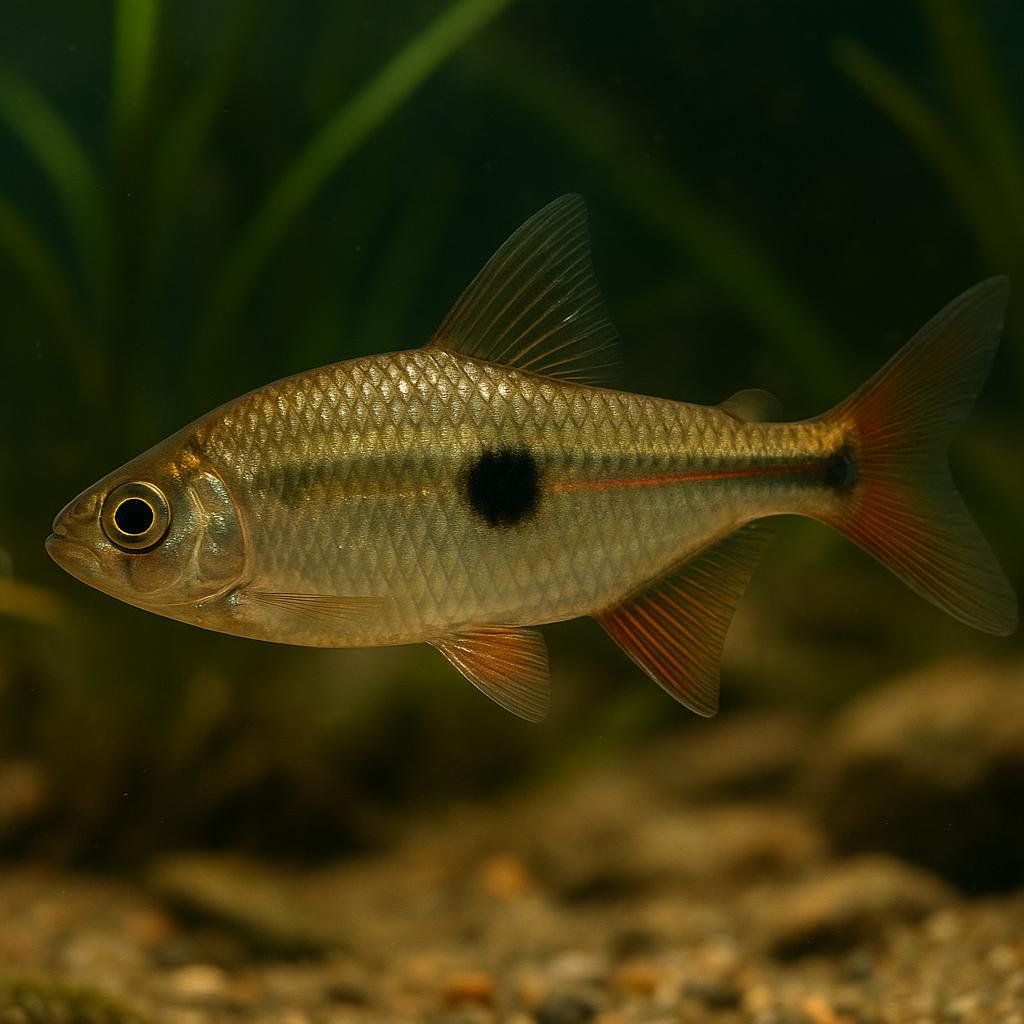
Jupiaba kurua
Small South American characin endemic to the upper rio Curuá (rio Xingu basin, Brazil). Reaches about 8.7 cm SL and inhabits clearwater rivers. Distinguished by dark dots on the bases of many lateral scales and a distinct dark caudal‑peduncle spot. Reported diet indicates omnivory, including aquatic insects, small fishes, and fragments of Podostemaceae and filamentous algae.
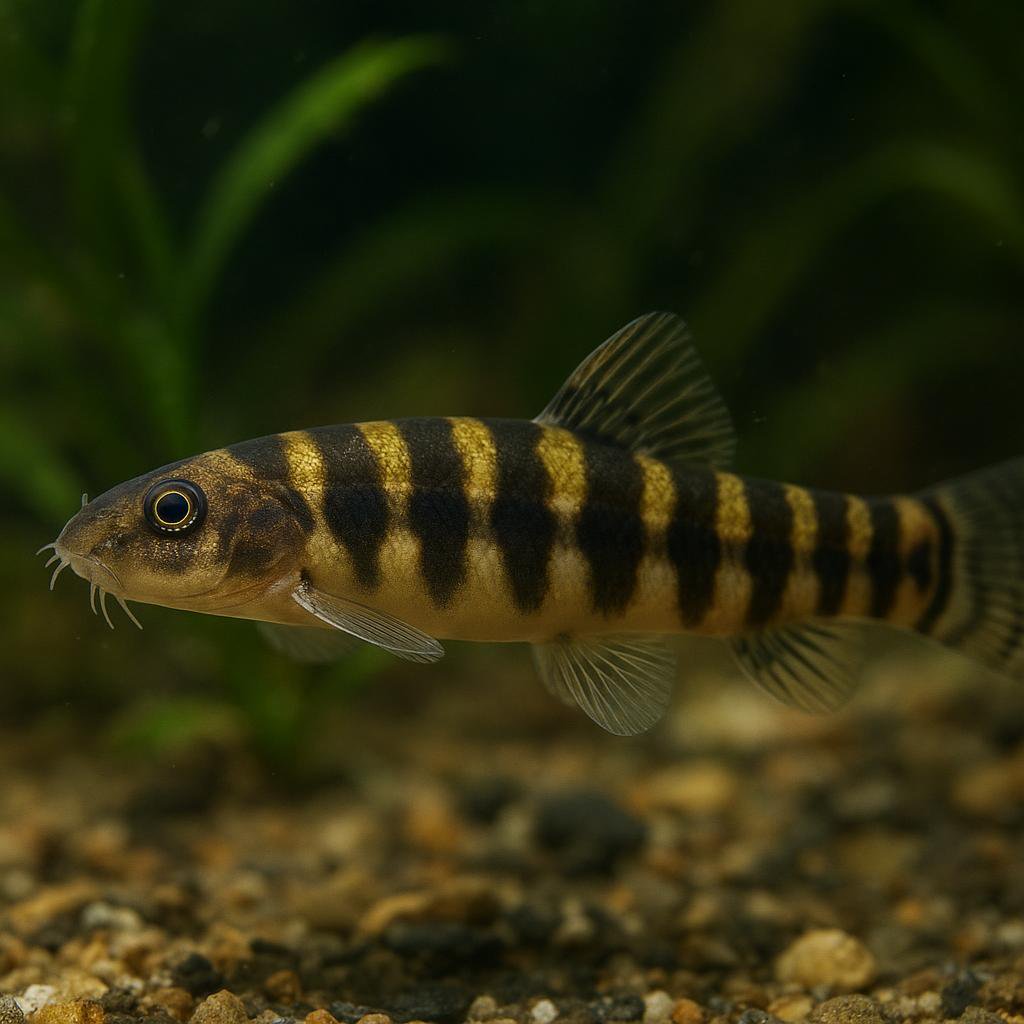
Altipedunculata stone loach
Schistura altipedunculata
Schistura altipedunculata is one of those little stream loaches that wants clean, well-oxygenated water and a bunch of rock nooks to claim as home. It is a bottom-hugger that will spend its day scooting from crevice to crevice, and it tends to get a bit spicy with its own kind if you do not give it enough hiding spots.
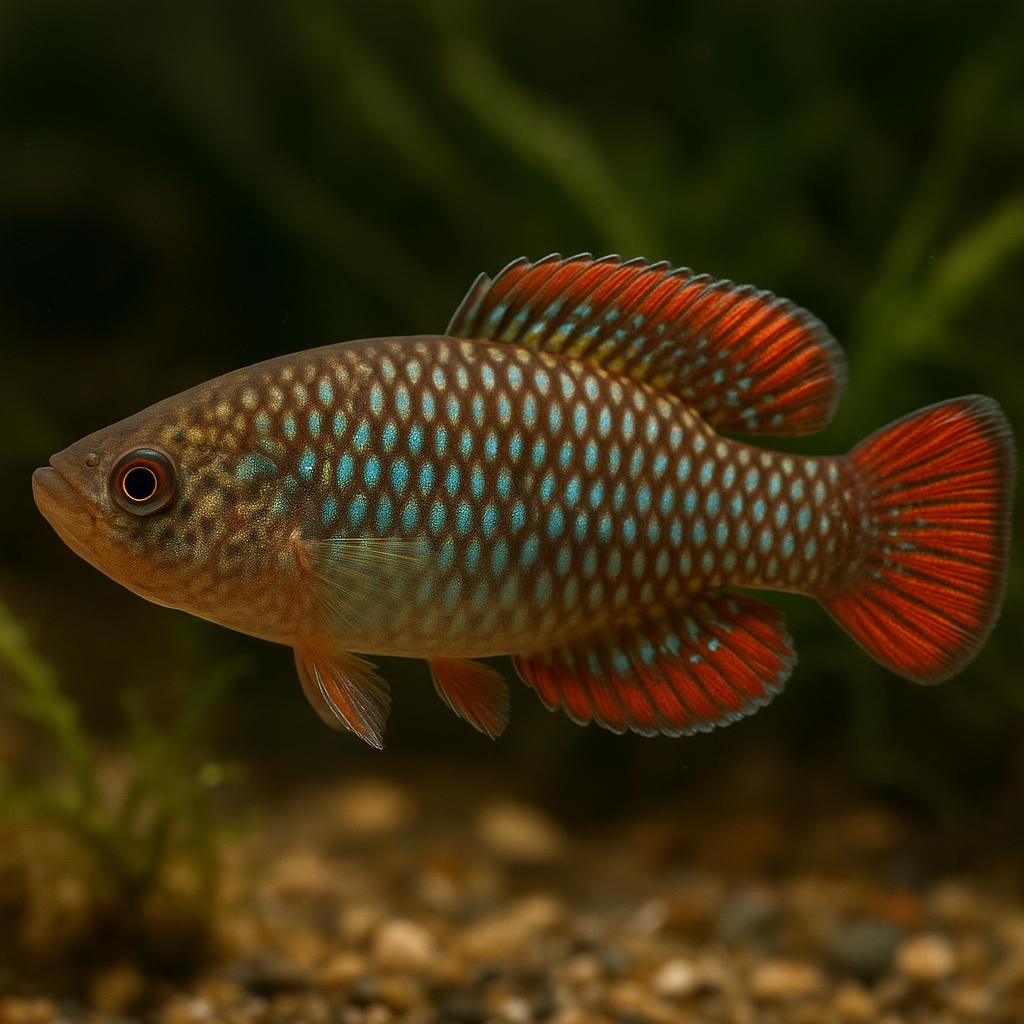
American flagfish
Jordanella floridae
Jordanella floridae is that little Florida native with the red-and-cream striping that really does look like a tiny flag once a male colors up. They graze algae like champs (especially stringy/hair algae), but they have a bit of attitude - give them plants and space so the bossy behavior stays manageable. Bonus: the male guards the eggs and will actively fan them, which is pretty fun to watch.
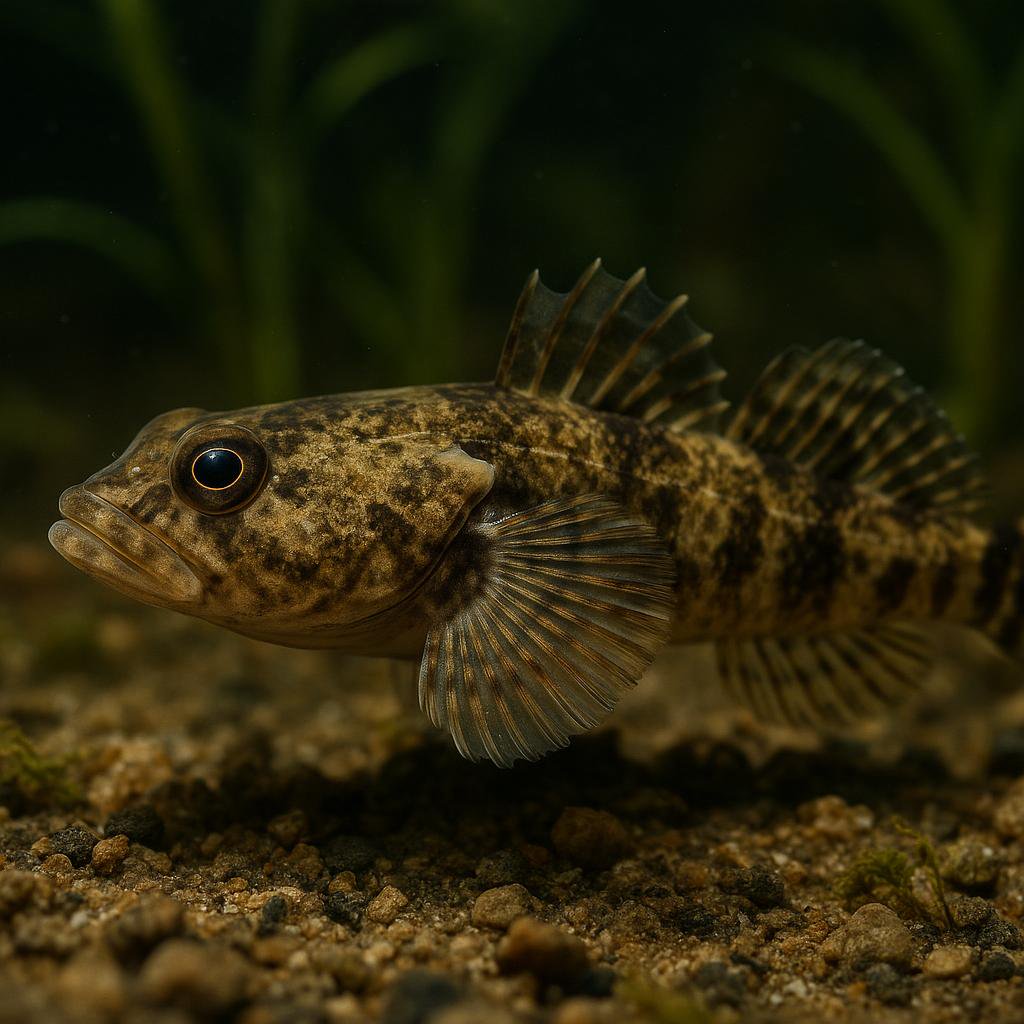
Amur sculpin
Alpinocottus szanaga
This is a little coldwater sculpin from the Amur drainage - a bottom-hugging, rock-and-gravel fish that spends its day wedged under stones and darting out to grab food. Super cool behavior and attitude, but it is absolutely not a warm tropical community fish - it wants chilly, fast, oxygen-rich water and will bicker with other bottom fish.
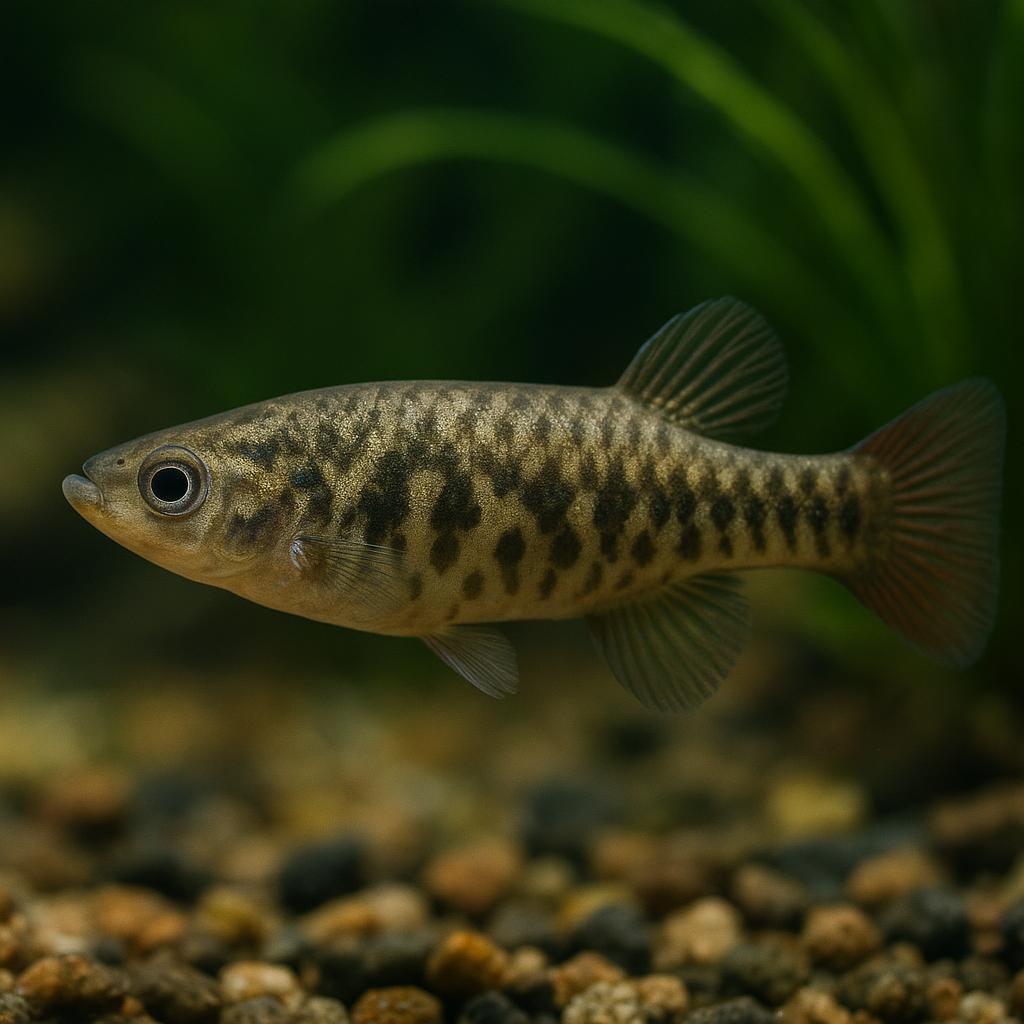
Anitápolis livebearer
Jenynsia weitzmani
Jenynsia weitzmani is a freshwater anablepid livebearer endemic to southern Brazil (currently known only from the type locality near Anitápolis, Santa Catarina). Like other Jenynsia (onesided livebearers), reproduction involves lateralized mating morphology/behavior; aquarium care guidance is not well-documented for this species specifically.
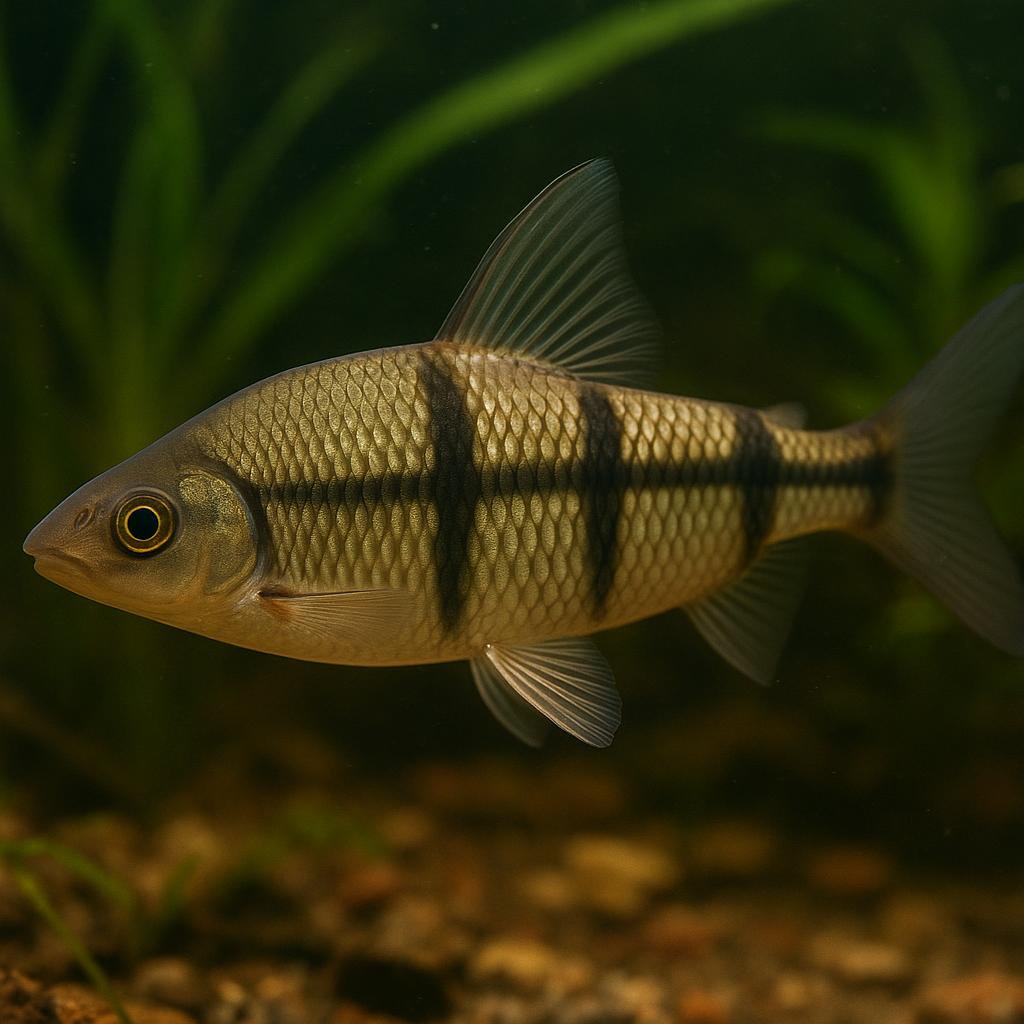
Aracu-comum
Schizodon vittatus
Schizodon vittatus is a large South American anostomid (family Anostomidae). Reported maximum size is about 35 cm standard length; it is harvested/consumed in parts of Brazil and is not commonly covered by mainstream aquarium husbandry references.
More to Explore
Discover more freshwater species.
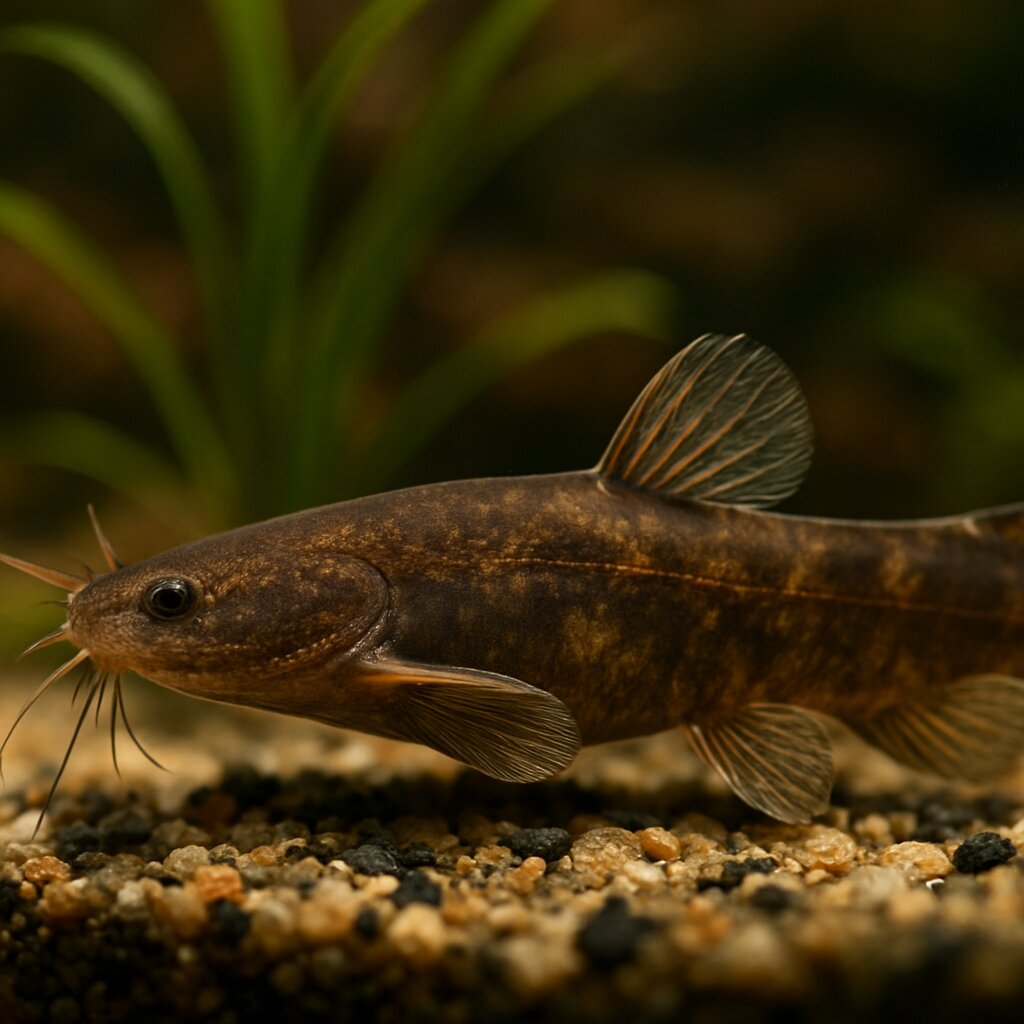
Amphilius dimonikensis
A small loach catfish endemic to the Mpoulou River in the Mayombe (Dimonika Biosphere Reserve), Republic of the Congo. Amphilius dimonikensis has a subtle banded pattern and inhabits fast, clear streams over rock and sand. In aquaria, prioritize strong, well-oxygenated flow with rounded stones and sand to mimic hillstream conditions.
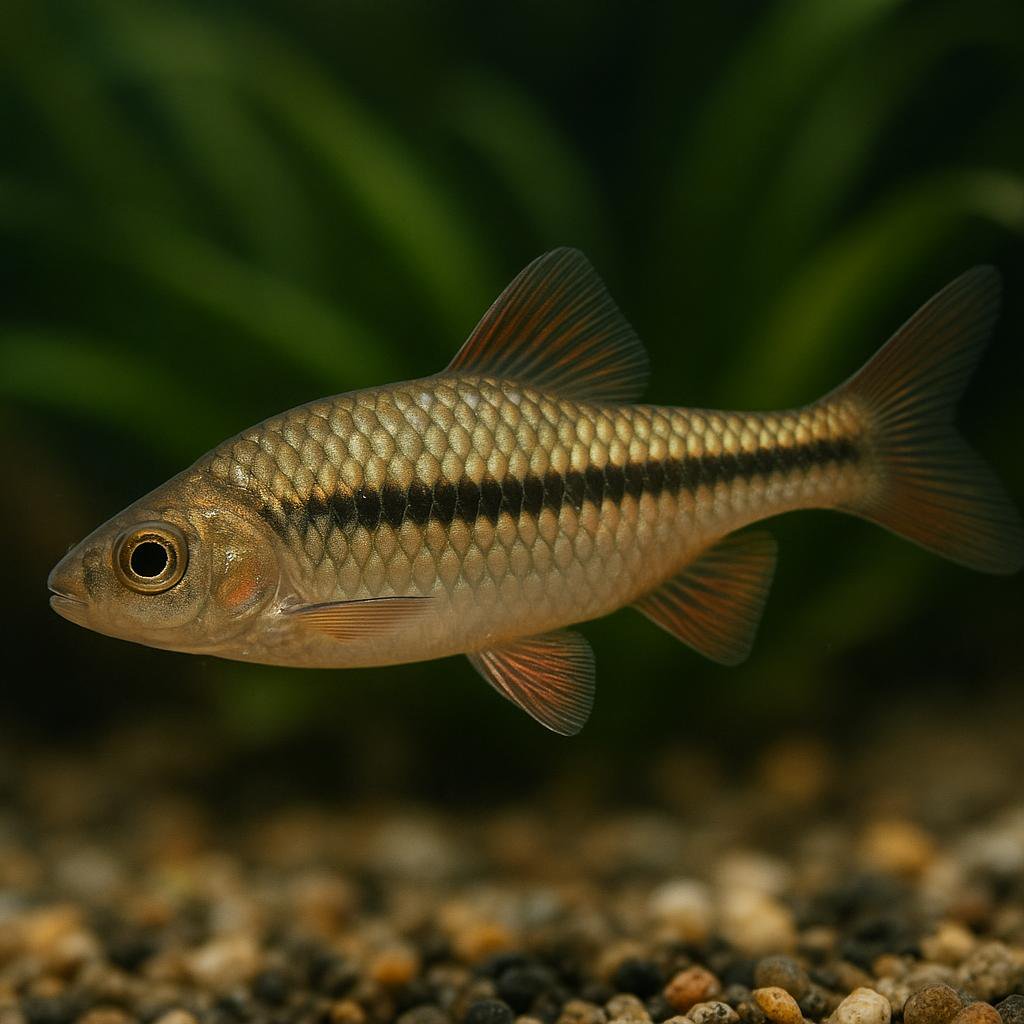
Aboina barb
Enteromius aboinensis
Enteromius aboinensis (the Aboina barb) is a small West African barb with a clean black midline stripe and a little spot right at the base of the tail. It does best when you treat it like a proper schooling fish - keep a decent group and give it plants around the edges with open swimming room in the middle.
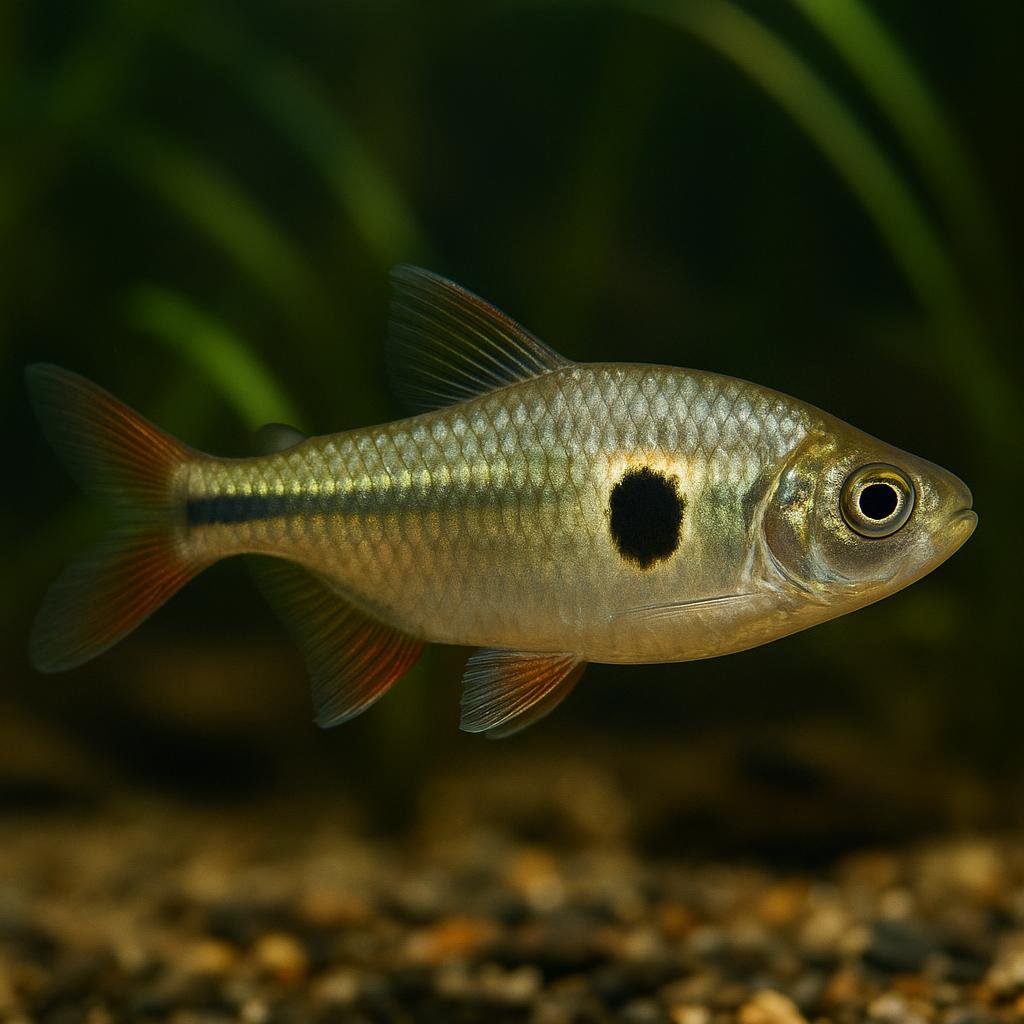
Ajuricaba tetra
Jupiaba ajuricaba
Jupiaba ajuricaba is a South American freshwater characin from the Amazon basin in Brazil (rio Negro, rio Solimões, and rio Tapajós basins). It reaches about 9.5 cm SL and is diagnosed by a narrow dark midlateral stripe, an elongated humeral spot, and an ocellated spot on the upper caudal-fin lobe. Wild specimens have been collected from blackwater forest streams and also oxbow-lake habitats.
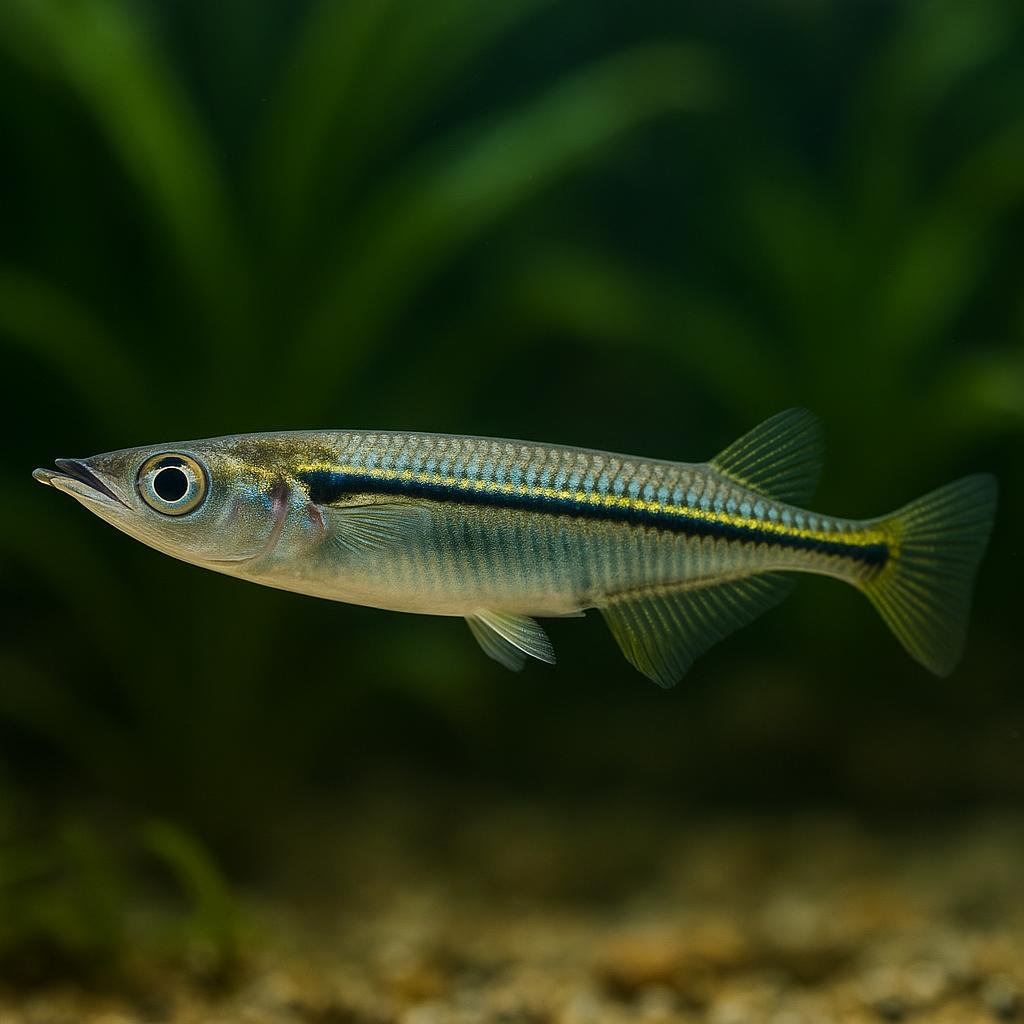
Allen's river garfish
Zenarchopterus alleni
A poorly known freshwater halfbeak endemic to West Papua (Mamberamo River), described from a single specimen (~13 cm SL). Beyond basic habitat/occurrence, little is published about its ecology or aquarium suitability; assume it is a surface-oriented, jump-prone halfbeak only by analogy with related taxa.
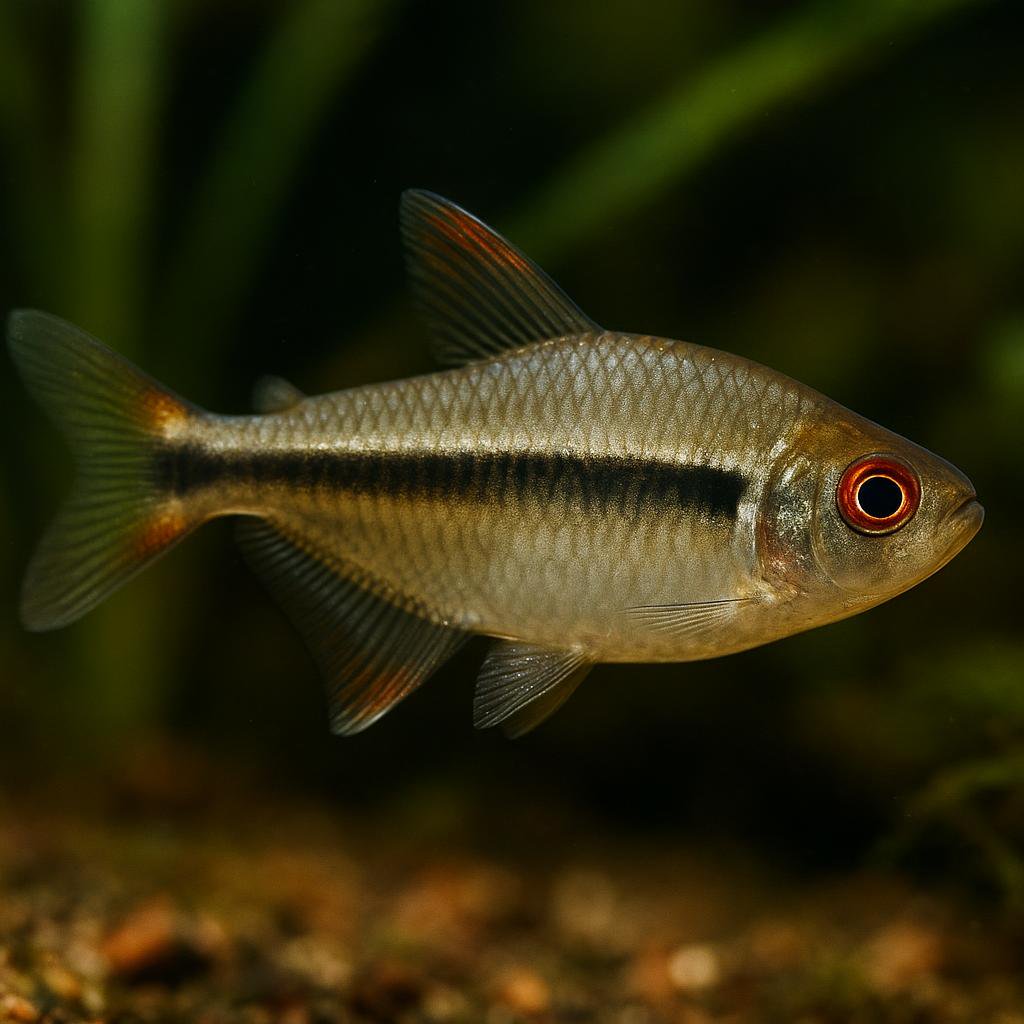
Amapa tetra
Hyphessobrycon amapaensis
This is a tiny, super sleek little tetra with a clean red stripe down the side that really pops once its settled in. It does best in a planted, slightly tinted "creek-style" setup and looks way cooler when you keep a proper group so they school and flash that line together. If you can give it soft, slightly acidic water and a calm community, its an easy fish to fall for.
Amatlan chub
Yuriria amatlana
Yuriria amatlana (the Amatlan chub) is a little Mexican native minnow from the Ameca River basin. Its wild range is pretty limited and it is listed as Endangered, so its care info in the aquarium hobby is basically nonexistent and its availability is usually low. In the original species description, preserved fish show a dark lateral stripe with a darker patch on the caudal peduncle, and they can have tiny barbels at the mouth corners.
Looking for other species?