

Rhone streber
Zingel asper
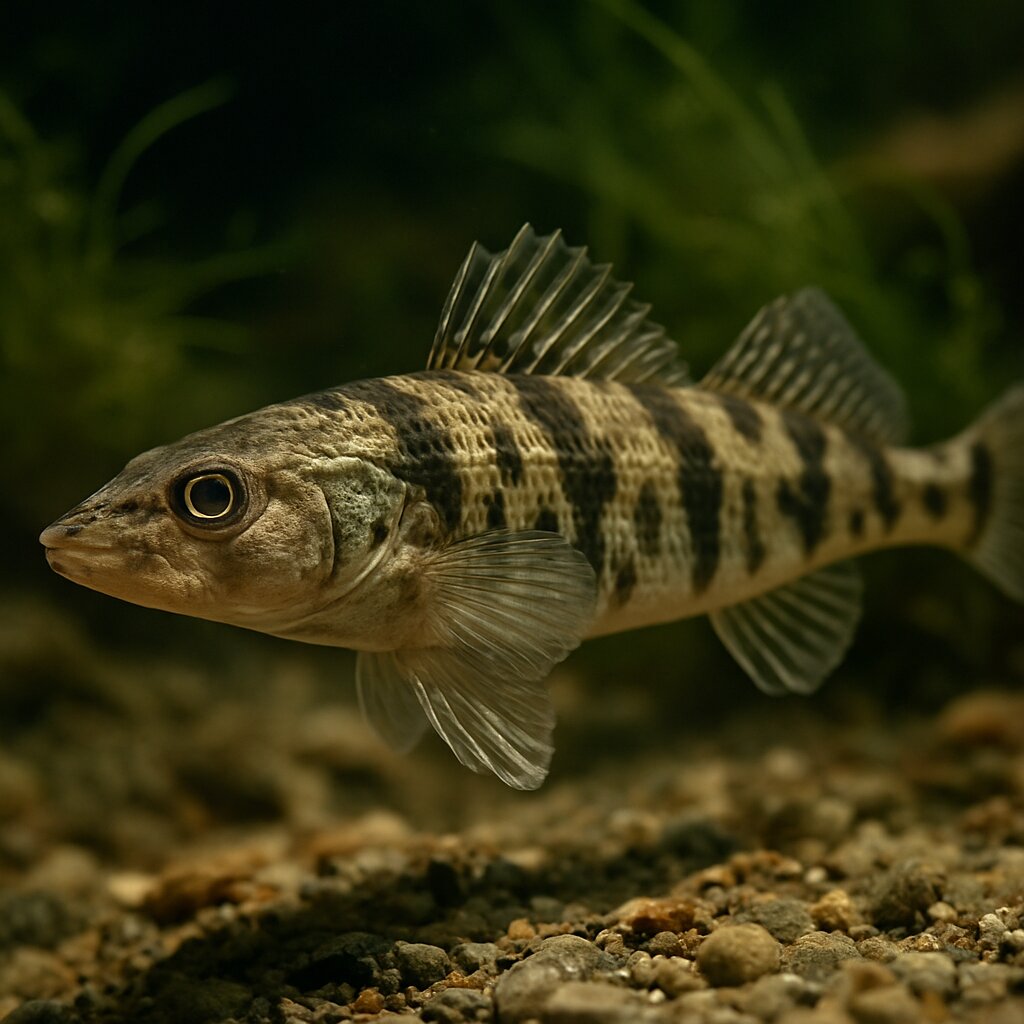
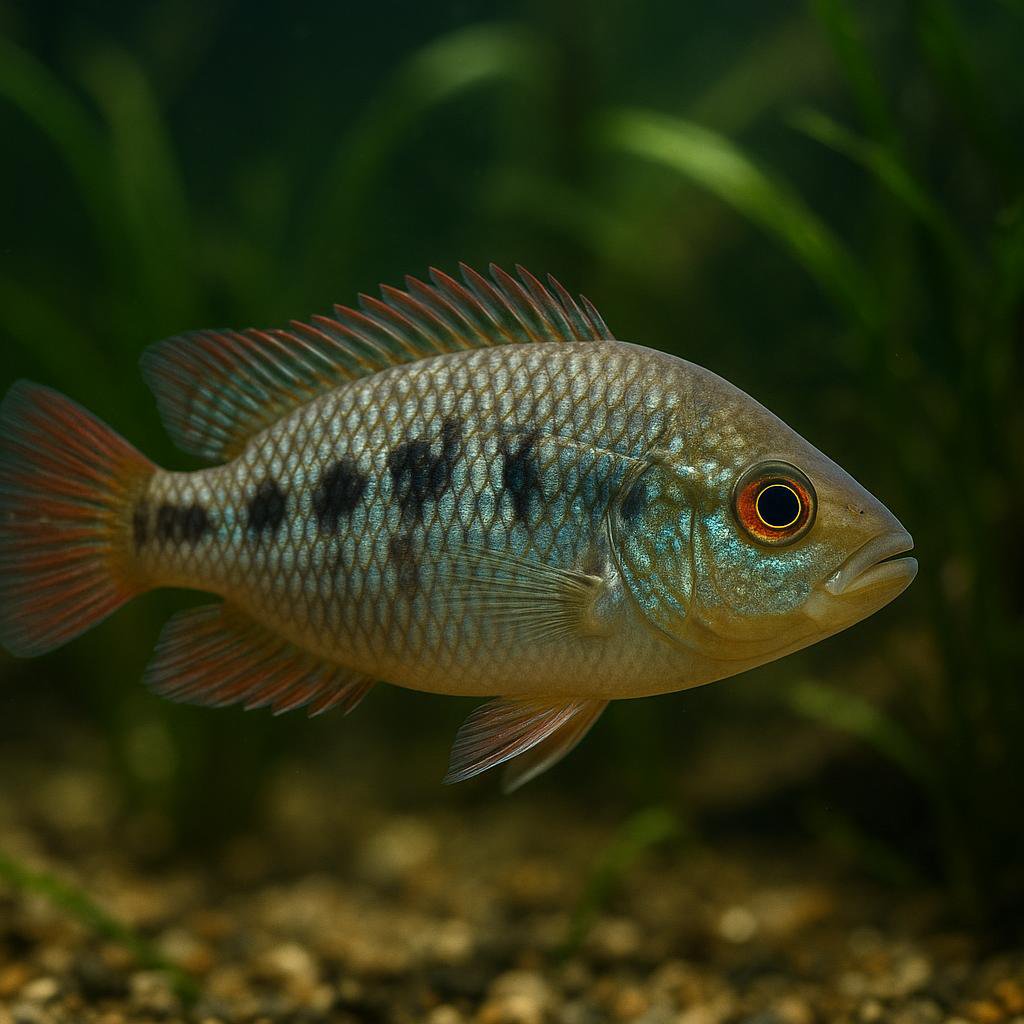
The Rhone streber features a slender, elongated body with a pale greenish-brown coloration and distinct dark vertical bands along its sides.
This page includes AI-generated images. Why am I seeing AI images?
About the Rhone streber
Think of a chunky little river perch that hugs the stones and comes alive at dusk. The Rhone streber is a cool-water, fast-current specialist from the Rhone basin with bold saddle bars and a stealthy, bottom-crawling style that is fun to watch. It is protected and tricky to keep, so it is one for serious coldwater, high-flow setups only.
Also known as
Quick Facts
Size
22 cm
Temperament
Semi-aggressive
Difficulty
Expert
Min Tank Size
75 gallons
Lifespan
3-6 years
Origin
Western Europe - Rhone basin (France and Switzerland)
Diet
Carnivore - insect larvae, small crustaceans, occasional small fish; prefers live or frozen foods
Water Parameters
6-18°C
7.2-8.4
8-20 dGH
Need a heater for this species?
This species needs 6-18°C in a 75 gallon tank. Use our heater calculator to find the right wattage.
Calculate heater sizeCare Notes
- Critically endangered and protected in much of Europe. If you cannot show permits and captive-bred proof, do not keep it.
- Run a long river-tank with serious current and a chiller. Aim for laminar flow over rounded cobbles and coarse sand with shaded rock crevices and dim light.
- Keep it cold and oxygen-rich - 10-16 C most of the year, with only brief peaks to 18 C. pH 7.2-8.0, moderate hardness, zero ammonia and nitrite, and nitrate under 10 ppm via big, frequent water changes.
- If the pump or chiller dies, they crash fast. Use redundant powerheads and air, add a temp alarm, and consider a UPS if your power blips.
- They often ignore pellets, so start with live foods moving in the current - blackworms, chironomid larvae, scuds, and small shrimp. Then target-feed frozen mysis or fine chopped prawn into the flow with a turkey baster.
- Treat this as a species tank. Small fish become food, and anything that needs warm or still water will struggle in the blast.
- Breeding needs seasonal cues - longer days, stronger spring flow, and a slight temp rise over clean gravel under fist-size stones. Male guards eggs; if you pull them, gently tumble and feed fry live microfoods in current - rotifers and copepods first, then newly hatched brine.
- Watch for scrapes and fungus if rocks are sharp or trap mulm. Use smooth stones, siphon detritus weekly, and avoid gas supersaturation from leaky pumps or aggressive venturis.
Compatibility
Good Tankmates
- Fast midwater river fish that are too big to swallow, like dace, chub, or golden orfe - they like the same cold, high-oxygen flow and can outpace a lunge
- Chunky, coolwater loaches like weather loach and larger stone loaches - bottomy like the streber, but tough enough and happy in strong current if you pack in hides
- Similar-sized gudgeon and other sturdy Gobio-type minnows - keep sizes close and break up sight lines to keep the peace
- A small group of strebers raised together in a long, rock-filled tank - they posture but settle if each has a patch and the flow is ripping
- Big, coolwater shiners and minnows (golden shiner, larger Phoxinus) that can handle current and are not bite-size
Avoid
- Small schooling fish like white clouds, danios, tetras, or guppies - they read as snacks once the lights dim
- Slow or long-finned fish (fancy goldfish, angelfish, bettas) - the flow exhausts them and the streber will hassle or nip
- Territorial bottom sitters that want the same cracks and ledges, like sculpins and river gobies - nonstop turf wars
- Warmwater tropicals that hate cold, blasting flow (corydoras, plecos, gourami) - wrong conditions and they get stressed or picked at
Where they come from
Rhone streber (Zingel asper) is a fast-water percid from the Rhone basin in France. Think cold, clear rivers, riffles, and cobble runs with a ton of oxygen roaring through. They tuck themselves between stones by day and hunt in the current after dark.
This species is protected and very rare in the wild. In many places it is illegal to keep or trade them without permits. Do not collect from the wild. If you work with them, it should be through a licensed program or institution.
Setting up their tank
Treat it like a slice of a cold river. Length and flow matter more than height. They need cold, super-oxygenated water and smooth rock structure with clean gaps to wedge into.
- Tank size: 4 ft minimum length for a small group; 5-6 ft is nicer. Footprint beats volume here.
- Temperature: 10-18 C. Above 20 C they go off food and oxygen stress kicks in. A chiller is your friend.
- Flow: high and directional. Aim for 15-20x turnover with powerheads making a river lane from one end to the other.
- Oxygen: max gas exchange. Big surface ripple, spray bars, and redundant pumps. Keep DO high, especially in summer.
- Substrate and decor: rounded cobbles over sand/gravel. Build stable rock piles with tight crevices. Leave open lanes for sprinting.
- Filtration: oversized canister(s) plus prefilter sponges on all intakes. These fish hug the bottom and kick up grit.
- Lighting: dim to moderate. They relax with softer light and shaded zones.
- Lid: tight-fitting. They are not acrobats, but a spook in strong flow can lead to leaps.
A river-manifold setup works great: intake at one end, powerheads pushing across the tank at the other. Put food into the current upstream so it naturally sweeps past their ambush spots.
Water chemistry is less fussy than temperature and oxygen. Neutral to slightly alkaline works fine (pH ~7.0-8.0, moderate hardness). Keep nitrate low with big, regular water changes. Rinse prefilter sponges often; detritus trapped under rocks goes nasty fast.
What to feed them
They are benthic insect chasers. Food moving along the bottom in the flow gets their attention. Mine ignored pellets at first and switched over only after a few weeks of consistent routine.
- Great starters: live blackworms, chopped earthworms, live or fresh-frozen insect larvae (chironomid/bloodworm, mayfly, caddis).
- Good staples once settled: frozen bloodworm, mysis, chopped prawn, finely cut mussel, quality sinking carnivore pellets (after training).
- Feeding style: dusk feedings work best. Use a turkey baster or feeding tube to send food along the current at their level.
To wean off live foods, mix a few frozen items in with live, then gradually reduce live over a week or two. Keep portions small and frequent so food does not rot in the rockwork.
How they behave and who they get along with
Mostly crepuscular to nocturnal. By day they hold tight to the bottom in breaks in the current; after lights down they patrol the riffle. They are not bullies, but they are predators. Anything bite-sized will disappear.
- Group or solo: a small group (3-5) spreads out the shoving and makes them bolder, but give many hides so no one gets pinned.
- Tankmates: in permitted, large systems, other coolwater, fast-water fish that are not tiny and can handle flow (think barbel-sized cyprinids). In practice, a species-only setup is safest.
- Avoid: small shrimps, fry, slow or delicate fish, and fin nippers that will harass them during resting hours.
Breeding tips
Spawning is a spring event in cold, clear rivers. You need seasonal cues: a cool winter period, lengthening day, and a gradual warm-up into the mid-teens C with very strong flow over clean gravel. They release eggs over stones; reports vary on how much guarding happens, so do not count on the parents to protect eggs.
What has worked in institutional setups: build a brisk riffle over pea gravel and small cobble, keep the bed spotless, and let them court in groups. If eggs appear, increase aeration through the gravel so they do not suffocate. Larvae start tiny and want natural microinverts first (rotifers, newly hatched Artemia may be too large at the start), then graduate to larger nauplii and fine chopped foods.
Only attempt breeding within permitted conservation or research programs. Document lineage and keep meticulous records. This species is too rare to wing it.
Common problems to watch for
- Heat and low oxygen: the classic summer one-two punch. Above 20 C, their breathing picks up and appetite drops.
- Dead spots in the scape: mulm collects under cobbles and fuels bacterial blooms. Turkey-baste the gaps and service prefilters often.
- Scrapes and fungus: they wedge into rocks. Keep stones smooth and stable. Treat injuries gently and skip harsh copper meds.
- Food competition: fast midwater fish steal everything. Feed after lights out and deliver food along the bottom.
- Parasites from live foods: quarantine or source carefully. Occasional deworming under vet guidance is worth planning for.
- Powerhead accidents: exposed intakes can pin a resting fish. Use guards and coarse sponges.
Have a plan for power cuts. These fish crash fast without flow. Battery air pumps and a small inverter for one circulation pump can save the day.
A handheld DO meter and infrared thermometer are worth it on this species. Catch a dip early and you will save yourself a lot of grief.
Similar Species
Other freshwater semi-aggressive species you might be interested in.
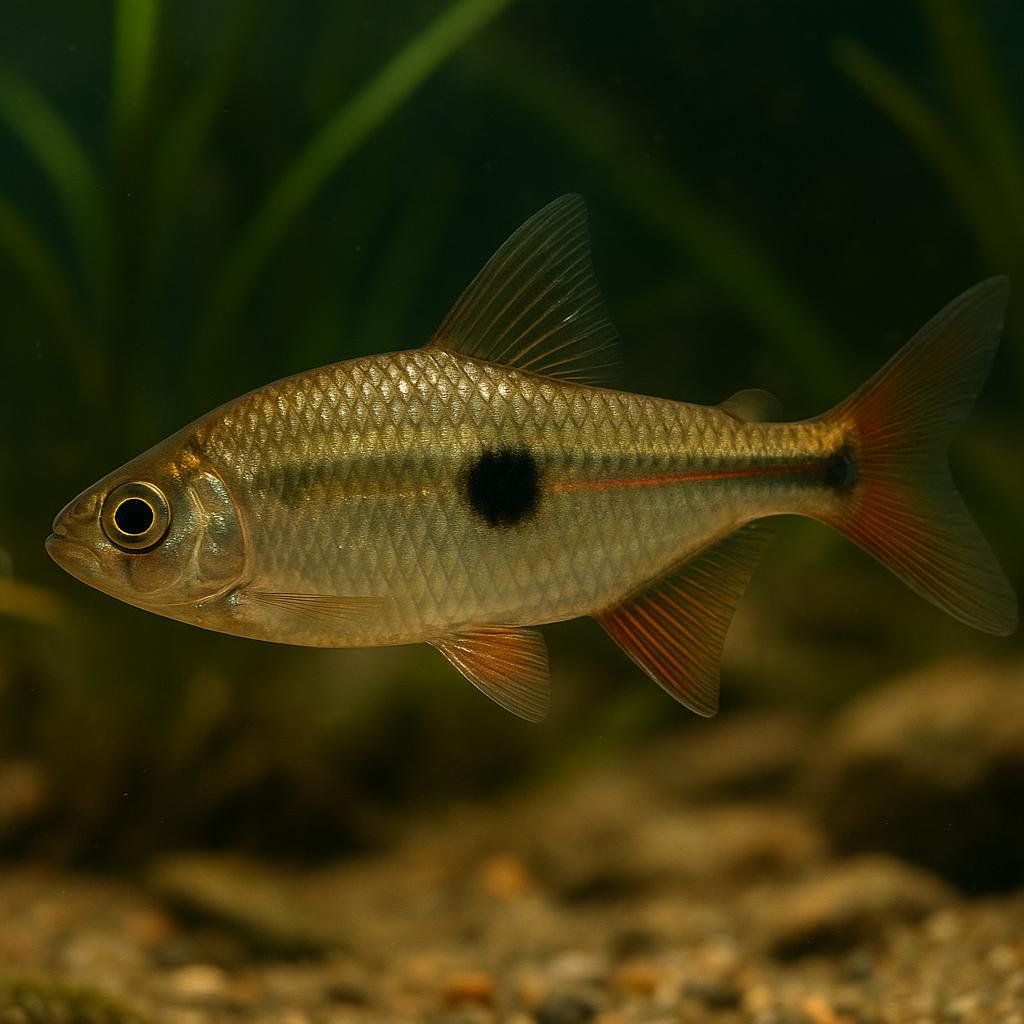
Jupiaba kurua
Small South American characin endemic to the upper rio Curuá (rio Xingu basin, Brazil). Reaches about 8.7 cm SL and inhabits clearwater rivers. Distinguished by dark dots on the bases of many lateral scales and a distinct dark caudal‑peduncle spot. Reported diet indicates omnivory, including aquatic insects, small fishes, and fragments of Podostemaceae and filamentous algae.
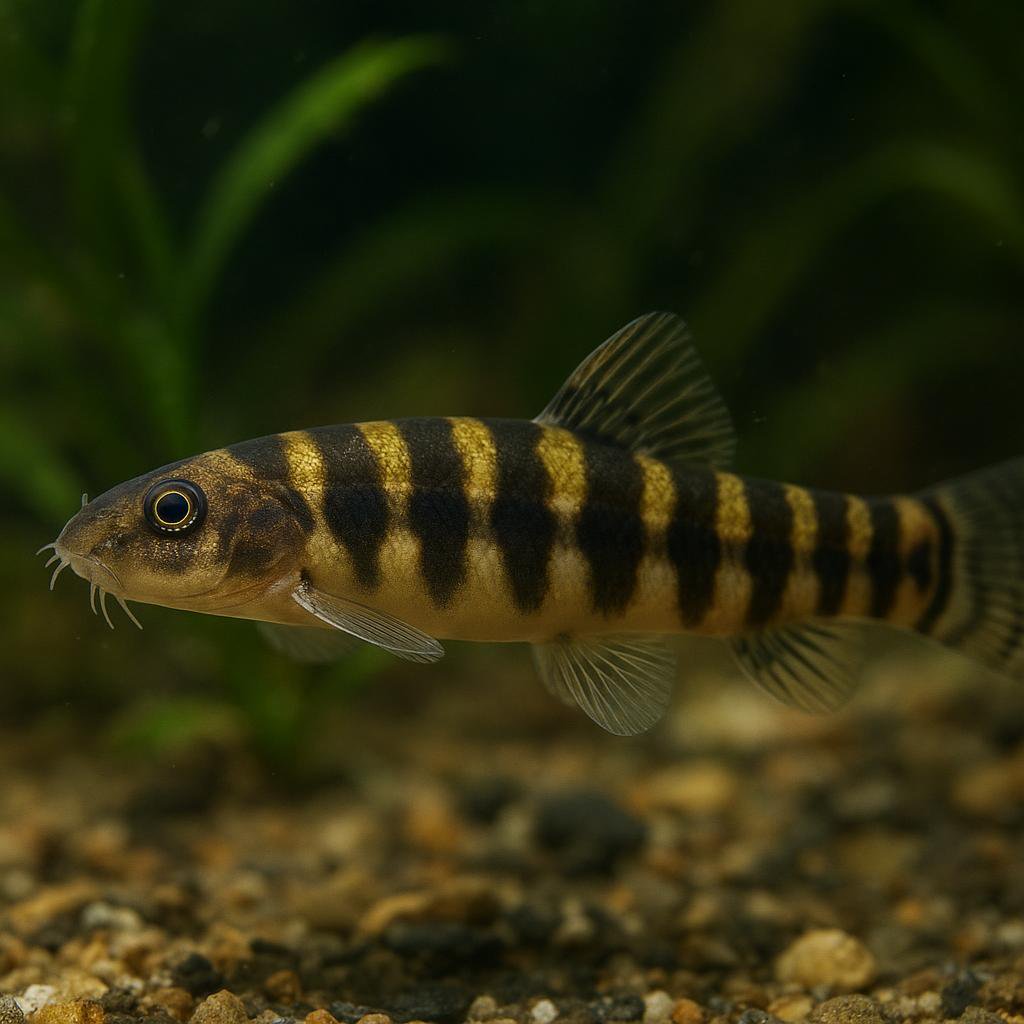
Altipedunculata stone loach
Schistura altipedunculata
Schistura altipedunculata is one of those little stream loaches that wants clean, well-oxygenated water and a bunch of rock nooks to claim as home. It is a bottom-hugger that will spend its day scooting from crevice to crevice, and it tends to get a bit spicy with its own kind if you do not give it enough hiding spots.
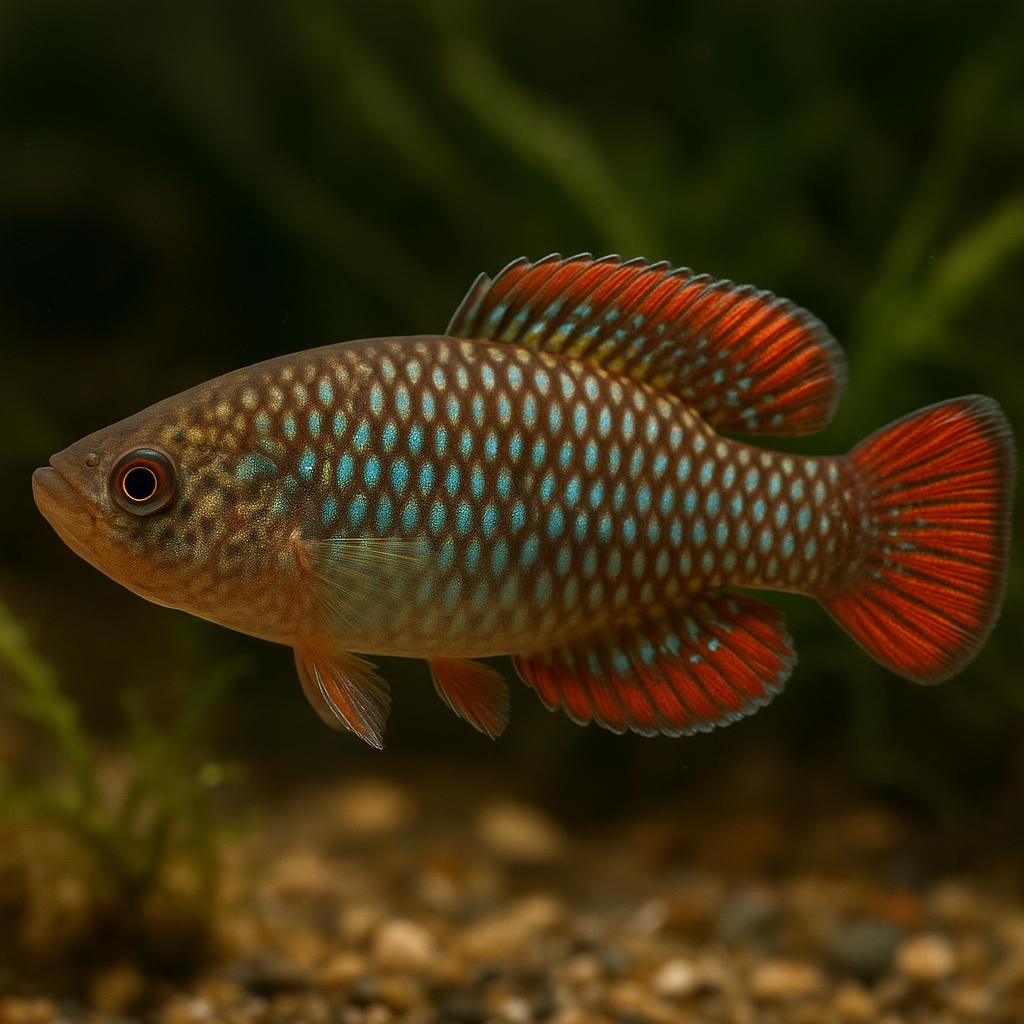
American flagfish
Jordanella floridae
Jordanella floridae is that little Florida native with the red-and-cream striping that really does look like a tiny flag once a male colors up. They graze algae like champs (especially stringy/hair algae), but they have a bit of attitude - give them plants and space so the bossy behavior stays manageable. Bonus: the male guards the eggs and will actively fan them, which is pretty fun to watch.
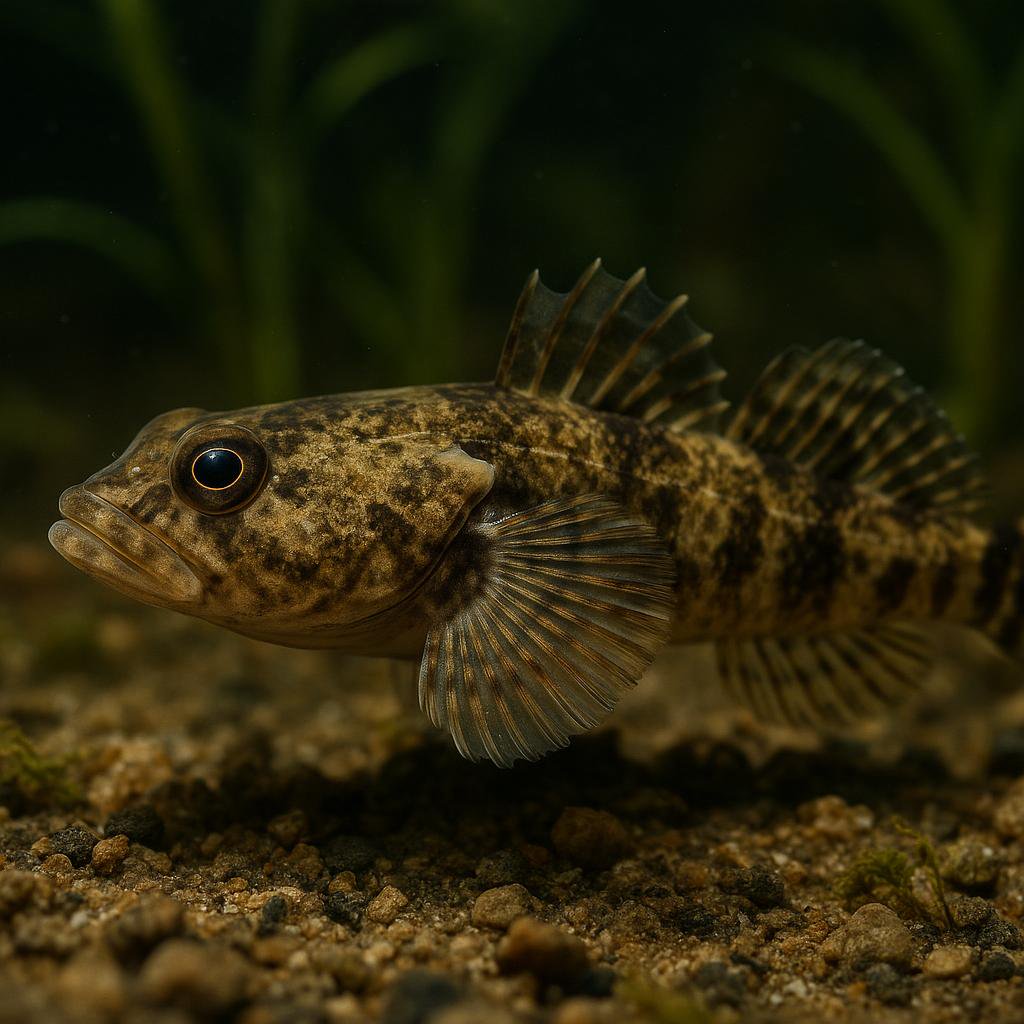
Amur sculpin
Alpinocottus szanaga
This is a little coldwater sculpin from the Amur drainage - a bottom-hugging, rock-and-gravel fish that spends its day wedged under stones and darting out to grab food. Super cool behavior and attitude, but it is absolutely not a warm tropical community fish - it wants chilly, fast, oxygen-rich water and will bicker with other bottom fish.
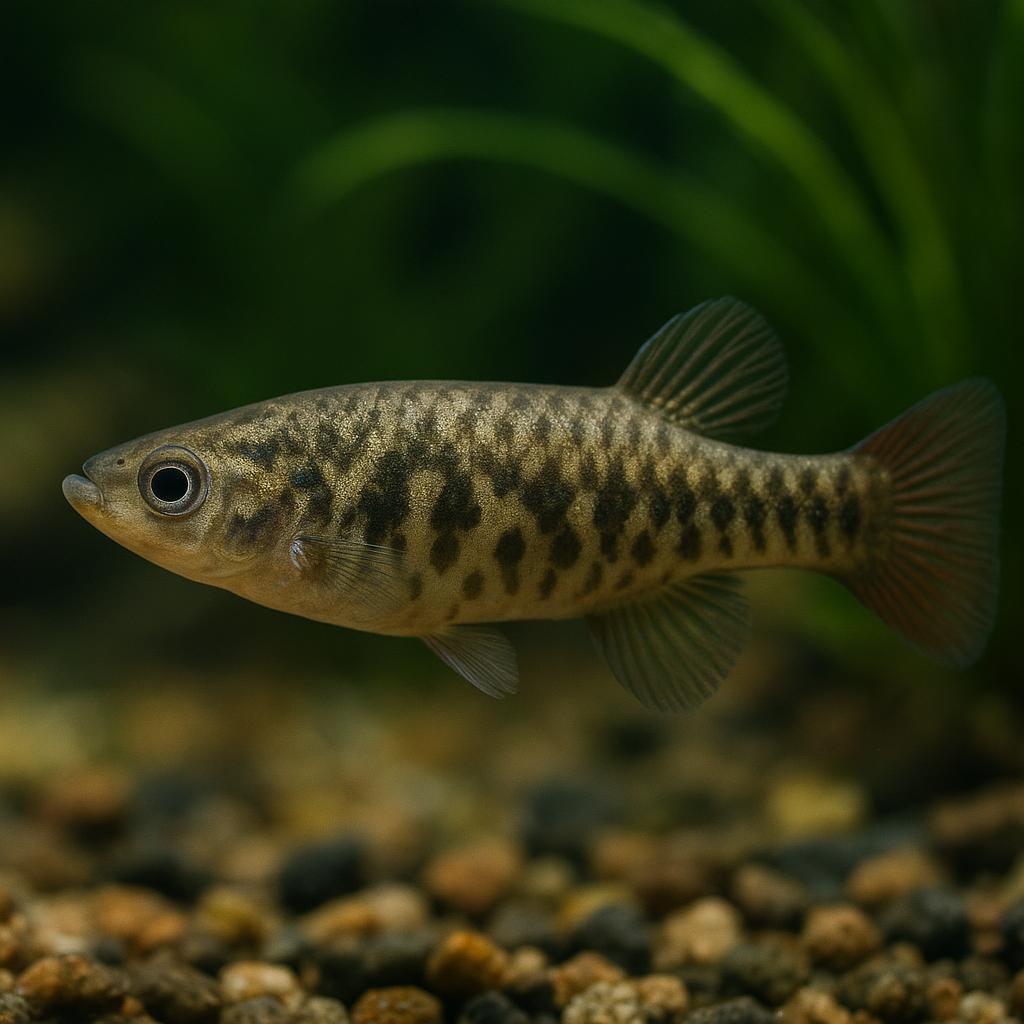
Anitápolis livebearer
Jenynsia weitzmani
Jenynsia weitzmani is a freshwater anablepid livebearer endemic to southern Brazil (currently known only from the type locality near Anitápolis, Santa Catarina). Like other Jenynsia (onesided livebearers), reproduction involves lateralized mating morphology/behavior; aquarium care guidance is not well-documented for this species specifically.
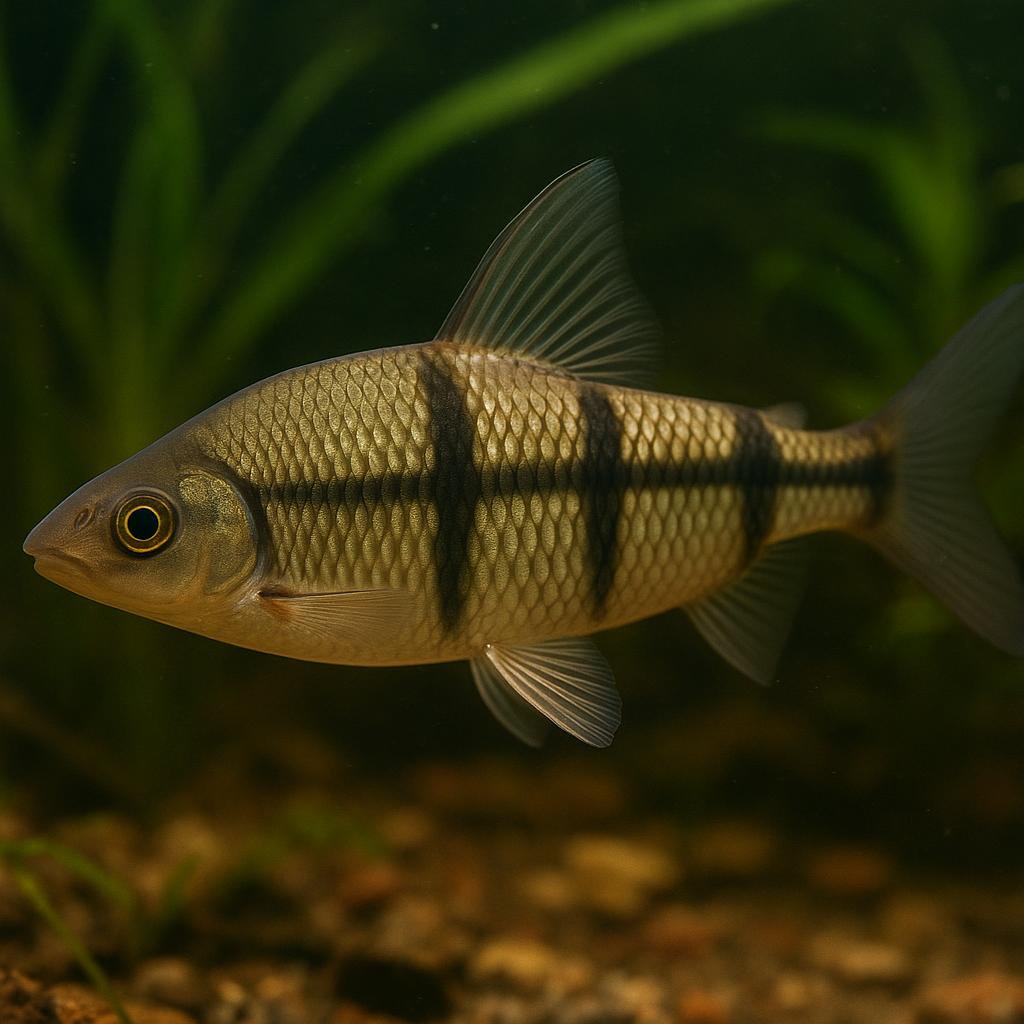
Aracu-comum
Schizodon vittatus
Schizodon vittatus is a large South American anostomid (family Anostomidae). Reported maximum size is about 35 cm standard length; it is harvested/consumed in parts of Brazil and is not commonly covered by mainstream aquarium husbandry references.
More to Explore
Discover more freshwater species.
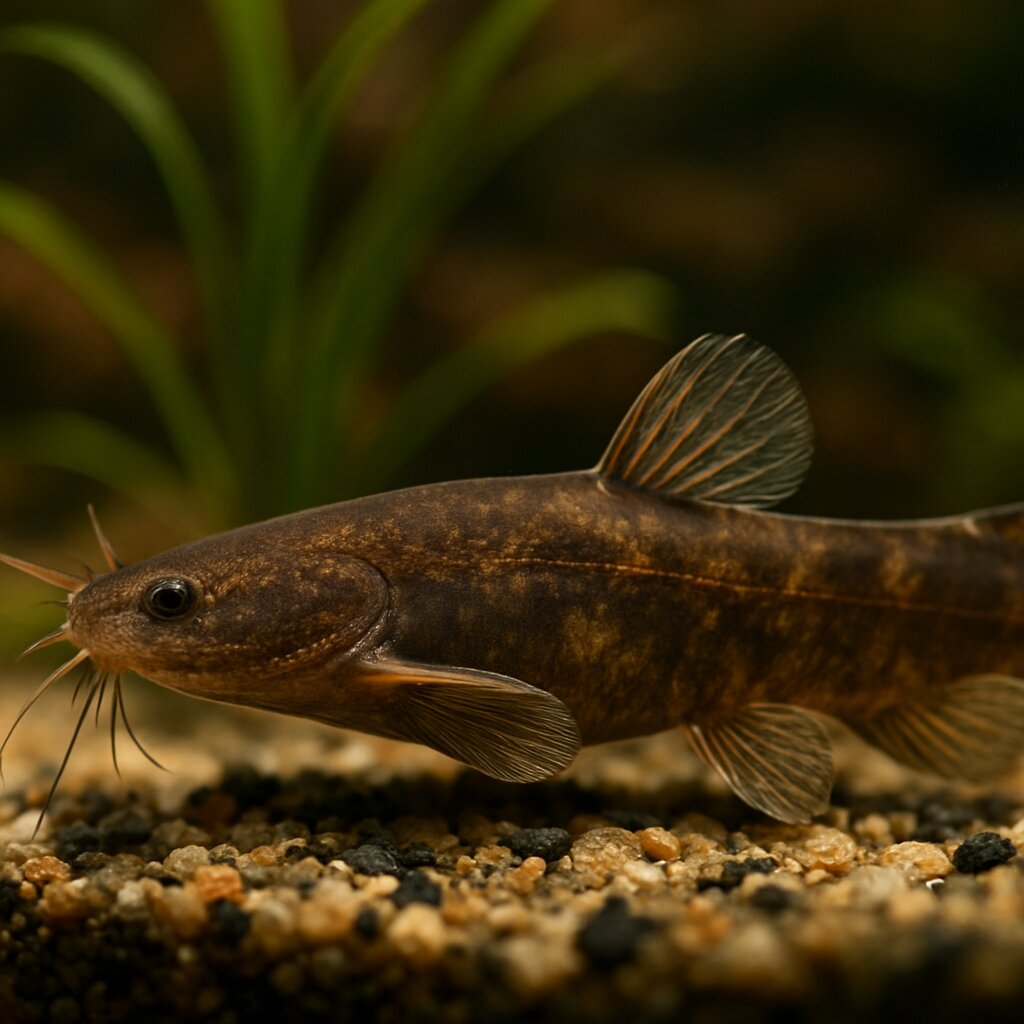
Amphilius dimonikensis
A small loach catfish endemic to the Mpoulou River in the Mayombe (Dimonika Biosphere Reserve), Republic of the Congo. Amphilius dimonikensis has a subtle banded pattern and inhabits fast, clear streams over rock and sand. In aquaria, prioritize strong, well-oxygenated flow with rounded stones and sand to mimic hillstream conditions.
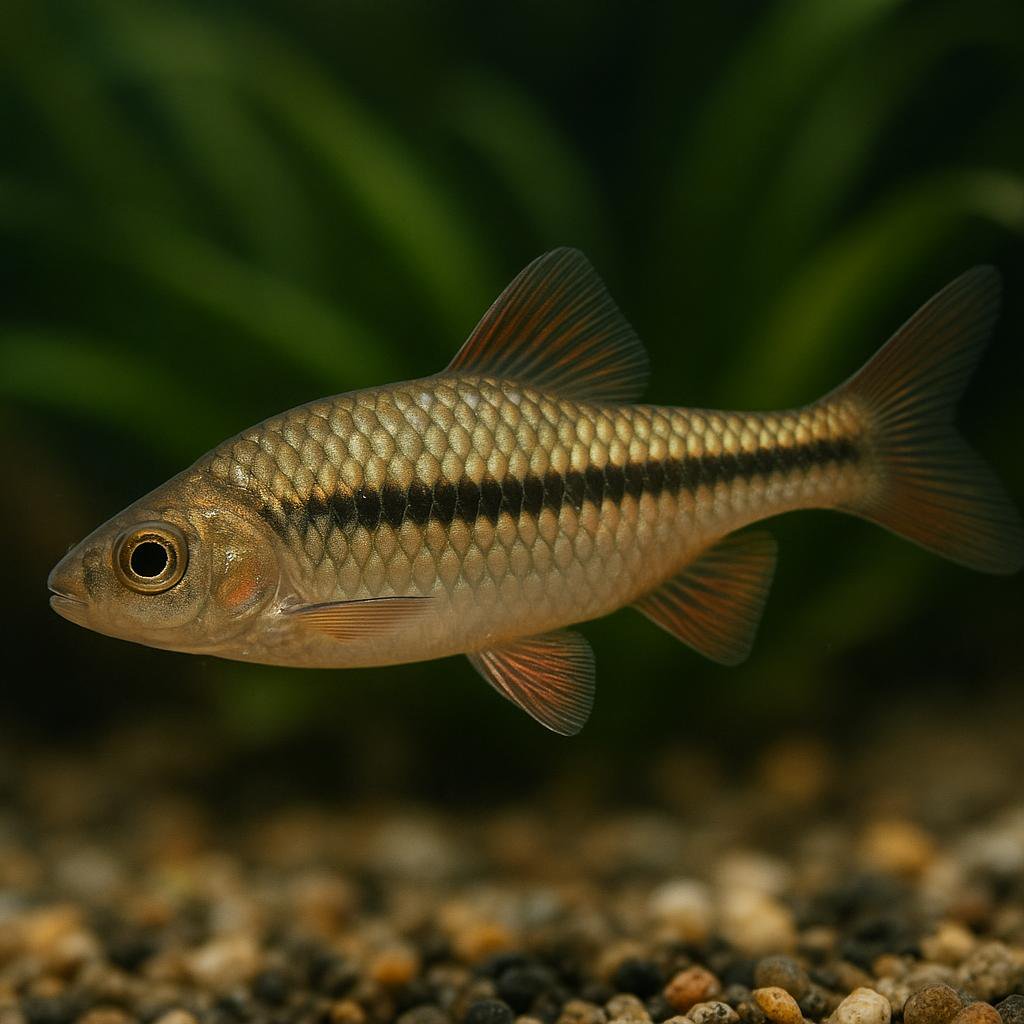
Aboina barb
Enteromius aboinensis
Enteromius aboinensis (the Aboina barb) is a small West African barb with a clean black midline stripe and a little spot right at the base of the tail. It does best when you treat it like a proper schooling fish - keep a decent group and give it plants around the edges with open swimming room in the middle.
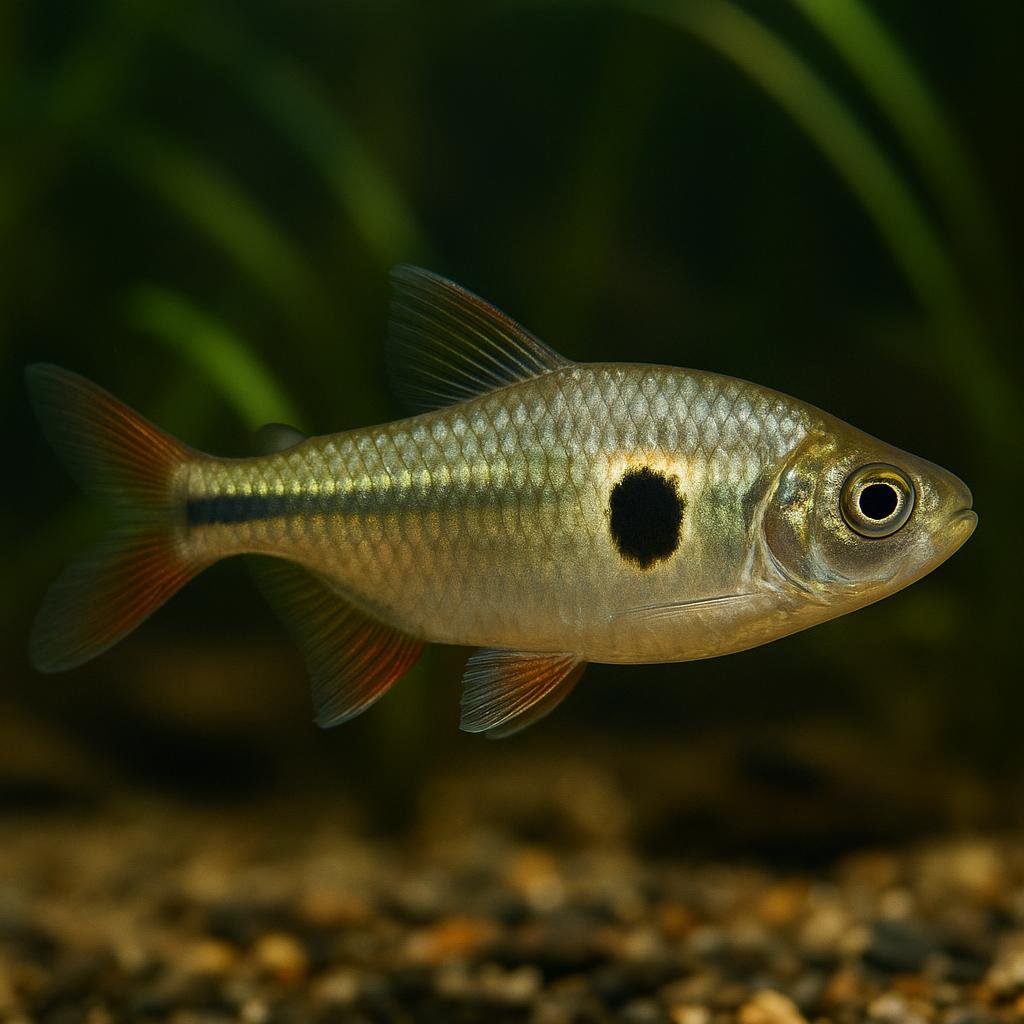
Ajuricaba tetra
Jupiaba ajuricaba
Jupiaba ajuricaba is a South American freshwater characin from the Amazon basin in Brazil (rio Negro, rio Solimões, and rio Tapajós basins). It reaches about 9.5 cm SL and is diagnosed by a narrow dark midlateral stripe, an elongated humeral spot, and an ocellated spot on the upper caudal-fin lobe. Wild specimens have been collected from blackwater forest streams and also oxbow-lake habitats.
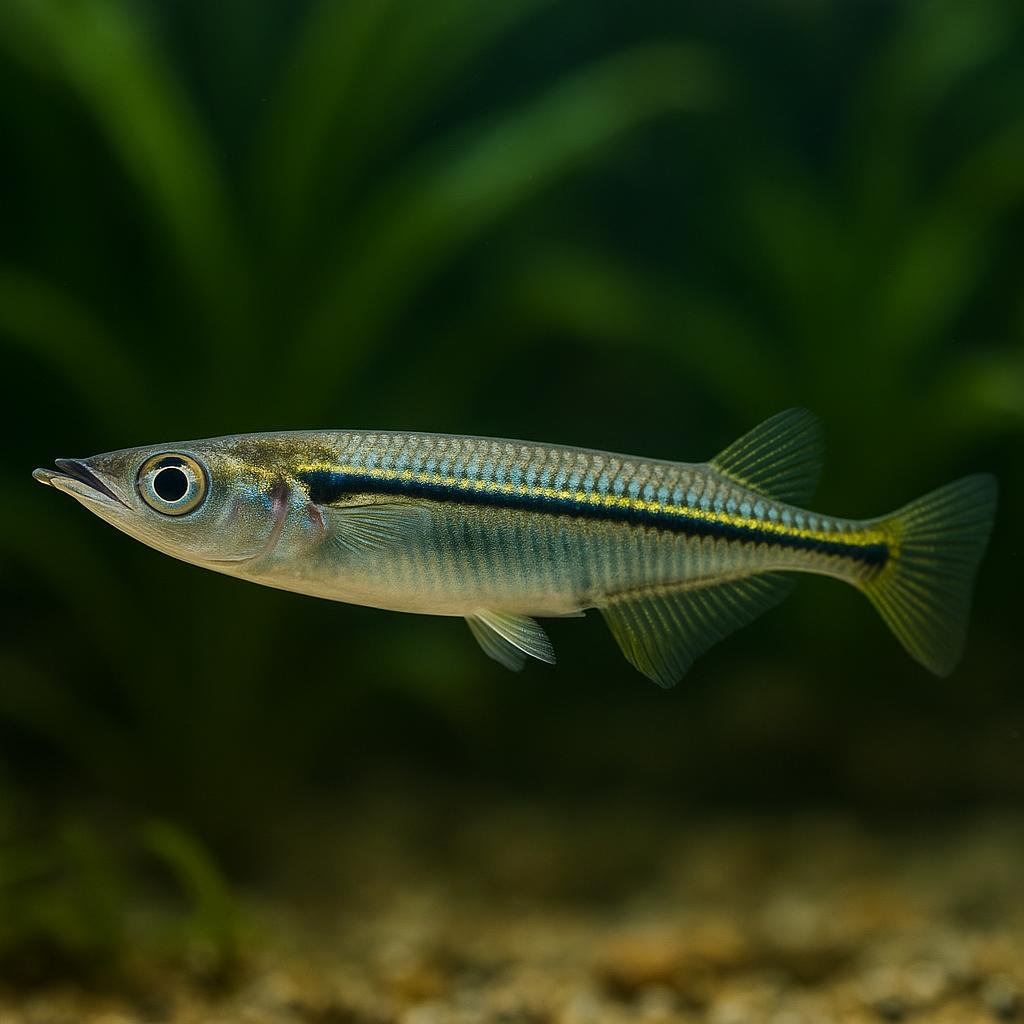
Allen's river garfish
Zenarchopterus alleni
A poorly known freshwater halfbeak endemic to West Papua (Mamberamo River), described from a single specimen (~13 cm SL). Beyond basic habitat/occurrence, little is published about its ecology or aquarium suitability; assume it is a surface-oriented, jump-prone halfbeak only by analogy with related taxa.
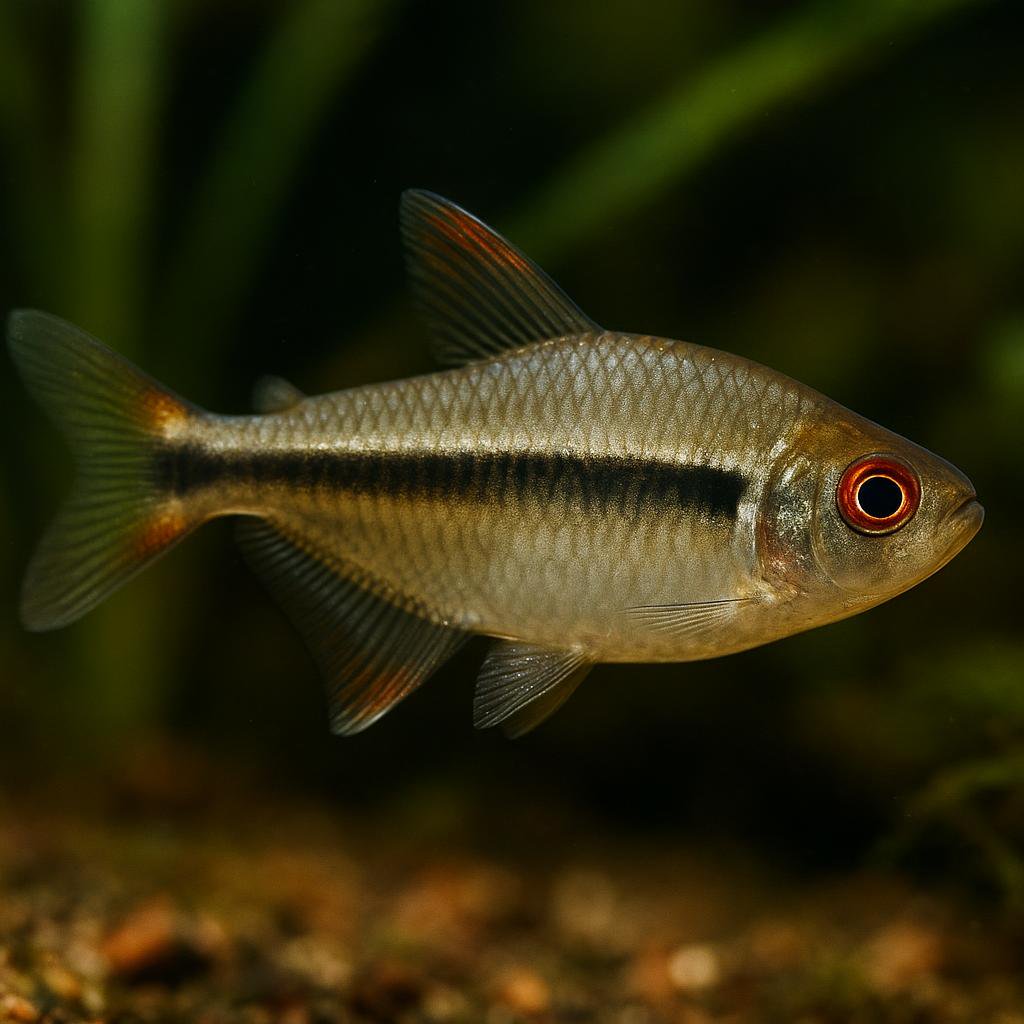
Amapa tetra
Hyphessobrycon amapaensis
This is a tiny, super sleek little tetra with a clean red stripe down the side that really pops once its settled in. It does best in a planted, slightly tinted "creek-style" setup and looks way cooler when you keep a proper group so they school and flash that line together. If you can give it soft, slightly acidic water and a calm community, its an easy fish to fall for.
Amatlan chub
Yuriria amatlana
Yuriria amatlana (the Amatlan chub) is a little Mexican native minnow from the Ameca River basin. Its wild range is pretty limited and it is listed as Endangered, so its care info in the aquarium hobby is basically nonexistent and its availability is usually low. In the original species description, preserved fish show a dark lateral stripe with a darker patch on the caudal peduncle, and they can have tiny barbels at the mouth corners.
Looking for other species?