

Search Species
Search for fish species by common or scientific name, or use filters to browse by water type, size, temperament, and difficulty.
Found 541 species
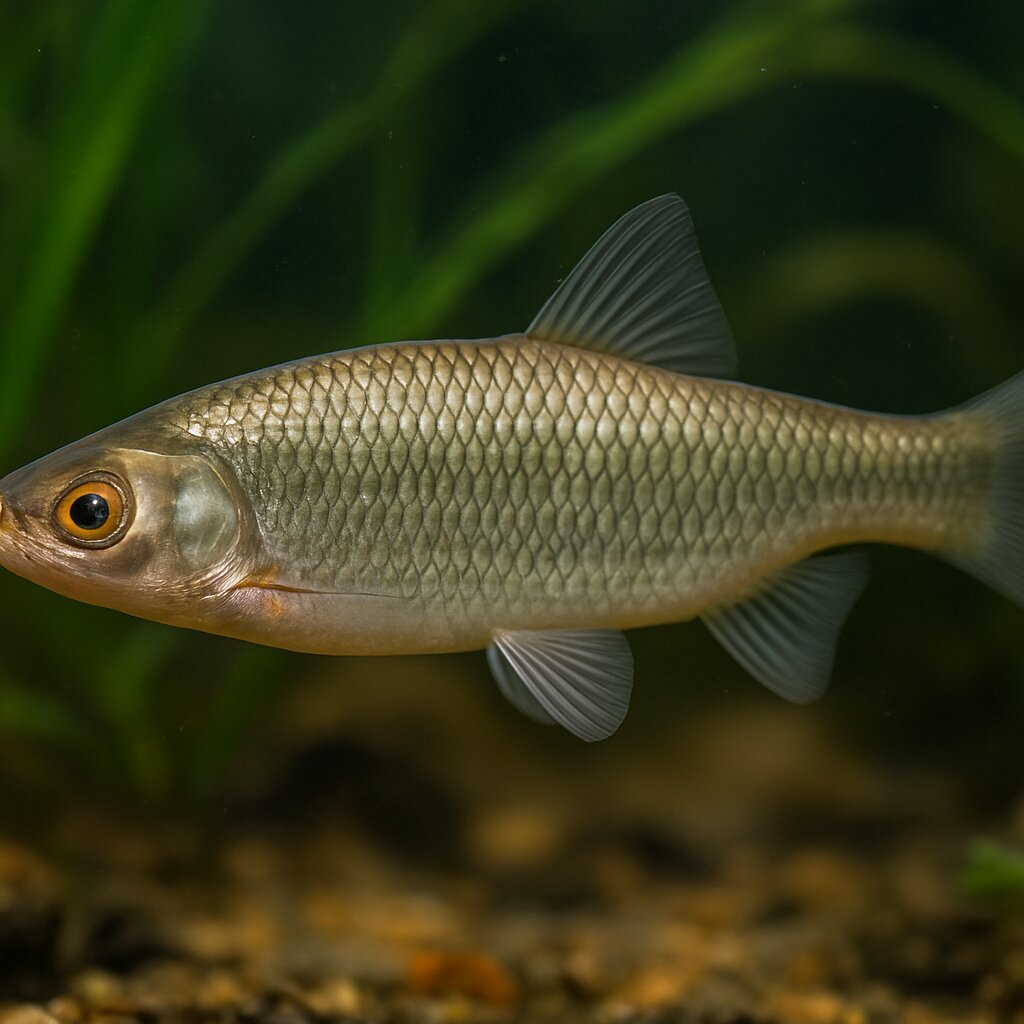
Siberian dace
Leuciscus baicalensis
Siberian dace are zippy silver minnows from Siberia and Mongolia that really come alive in cool, fast water. They school tightly and spend the day cruising midwater and over gravel, picking at insect bits in the flow. They can look awesome in a big, chilled river-style setup with strong oxygenation and plenty of swimming room.
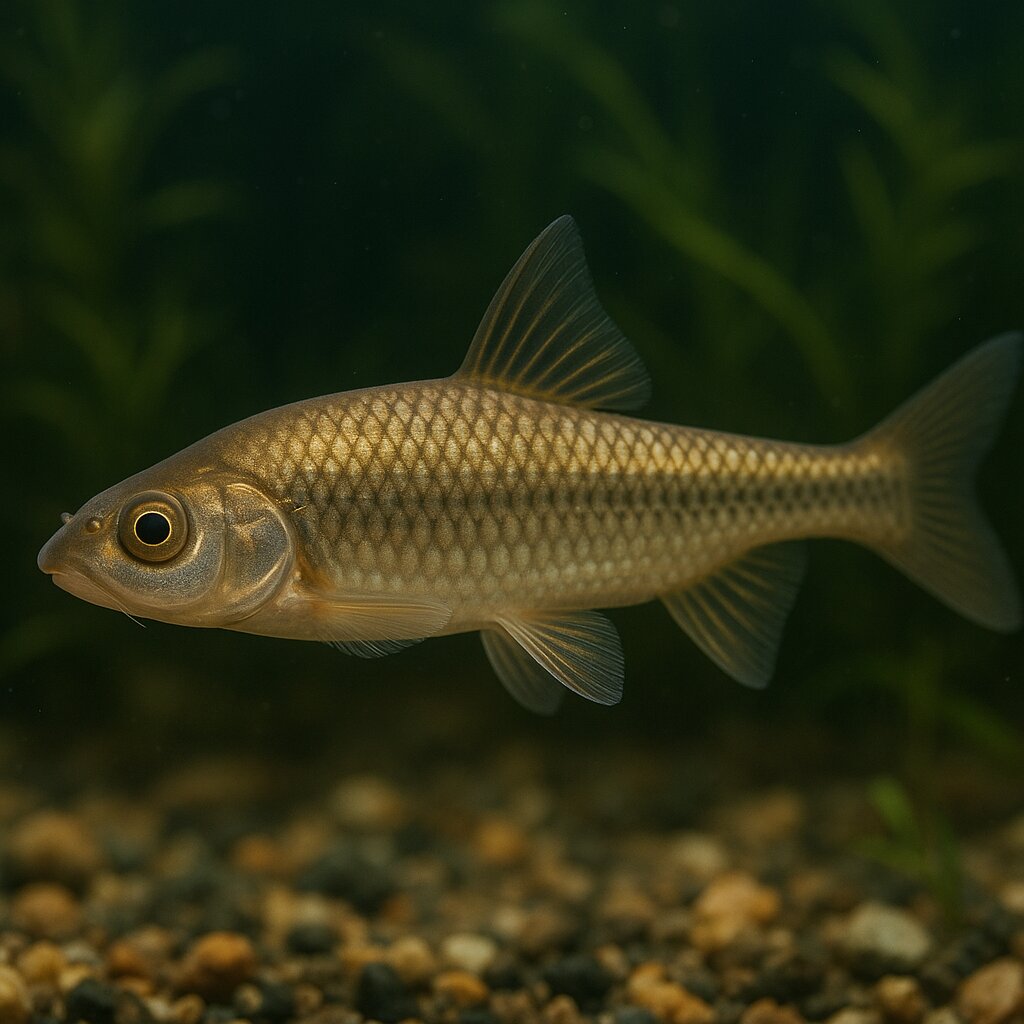
Sicklefin chub
Macrhybopsis meeki
Sicklefin chub is a sleek Midwestern river minnow with a neat sickle-shaped dorsal fin. It hugs sandy runs in fast, turbid water and relies on taste more than sight to pick off tiny drifting insects. If you ever keep it, plan on cool, high-oxygen flow and a soft sand river setup.
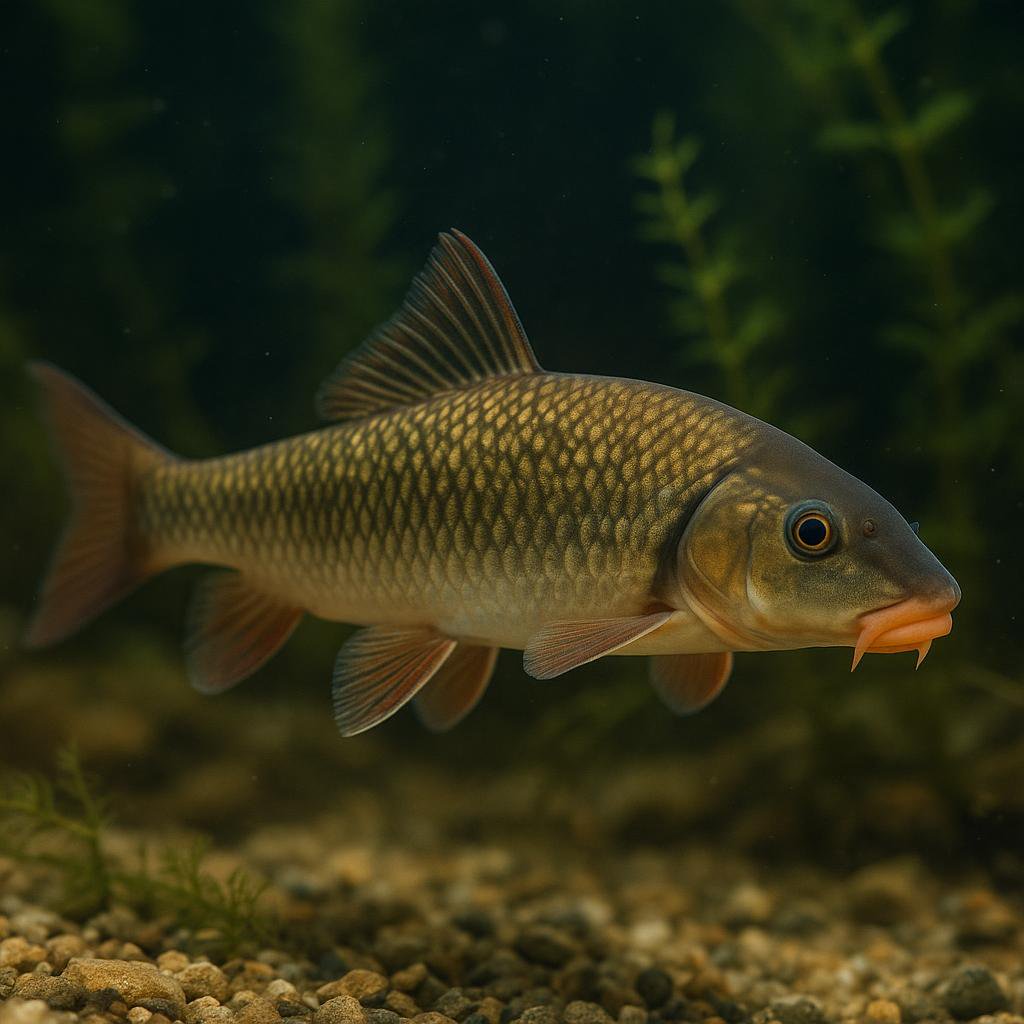
Sicklefin redhorse
Moxostoma ugidatli
This is a big, river-dwelling redhorse sucker from the southern Appalachians, and that crazy tall, sickle-shaped dorsal fin is what gives it away. Its Cherokee name (ugidatli, "it wears a feather") is straight-up perfect when you see the profile, and its whole vibe is clean, cool, fast water with lots of oxygen.
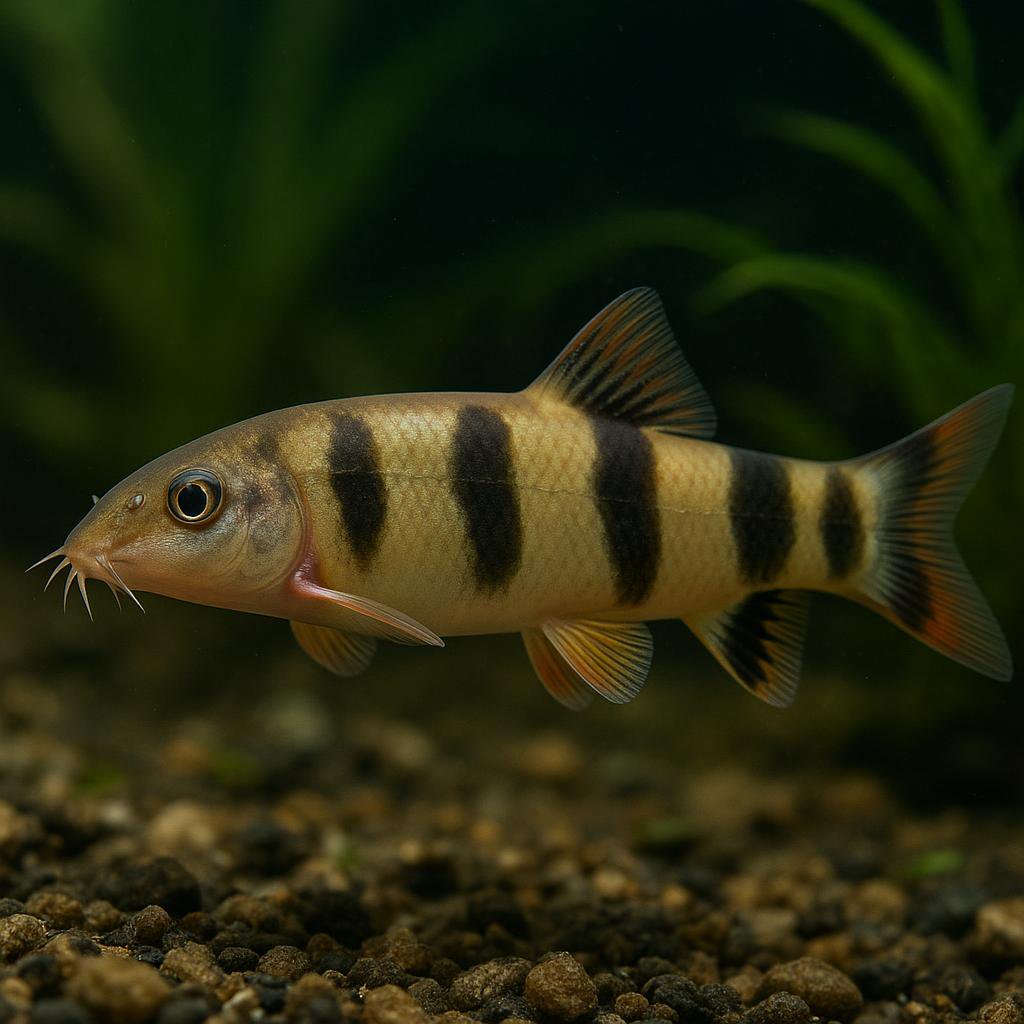
Silver loach
Yasuhikotakia lecontei
Yasuhikotakia lecontei is a chunky, fast-water botia from the Mekong area that loves to wedge itself into rock gaps by day and come out to cruise and forage at dusk. It is a real little bulldozer with snails and other bottom critters, and it gets way more confident (and entertaining) when you keep it in a proper group.
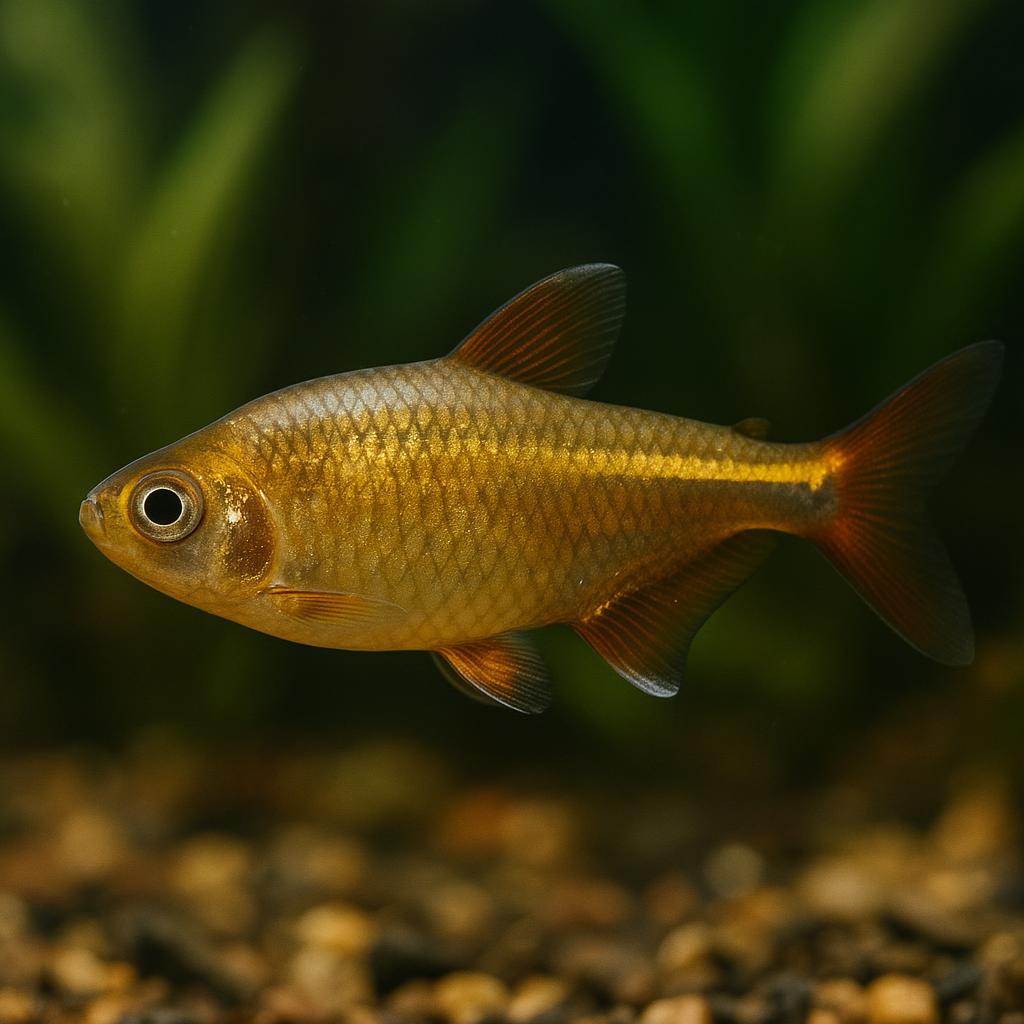
Silver Tip Tetra
Hasemania nana
These little guys are like tiny sparks in the tank-silvery bodies with those warm orange "copper" fins that really pop when they're happy and colored up. Keep them in a proper group and you'll see them cruise around together, doing that classic tetra "we're all going this way now" thing, and the males will sometimes flash at each other without it turning into real drama.
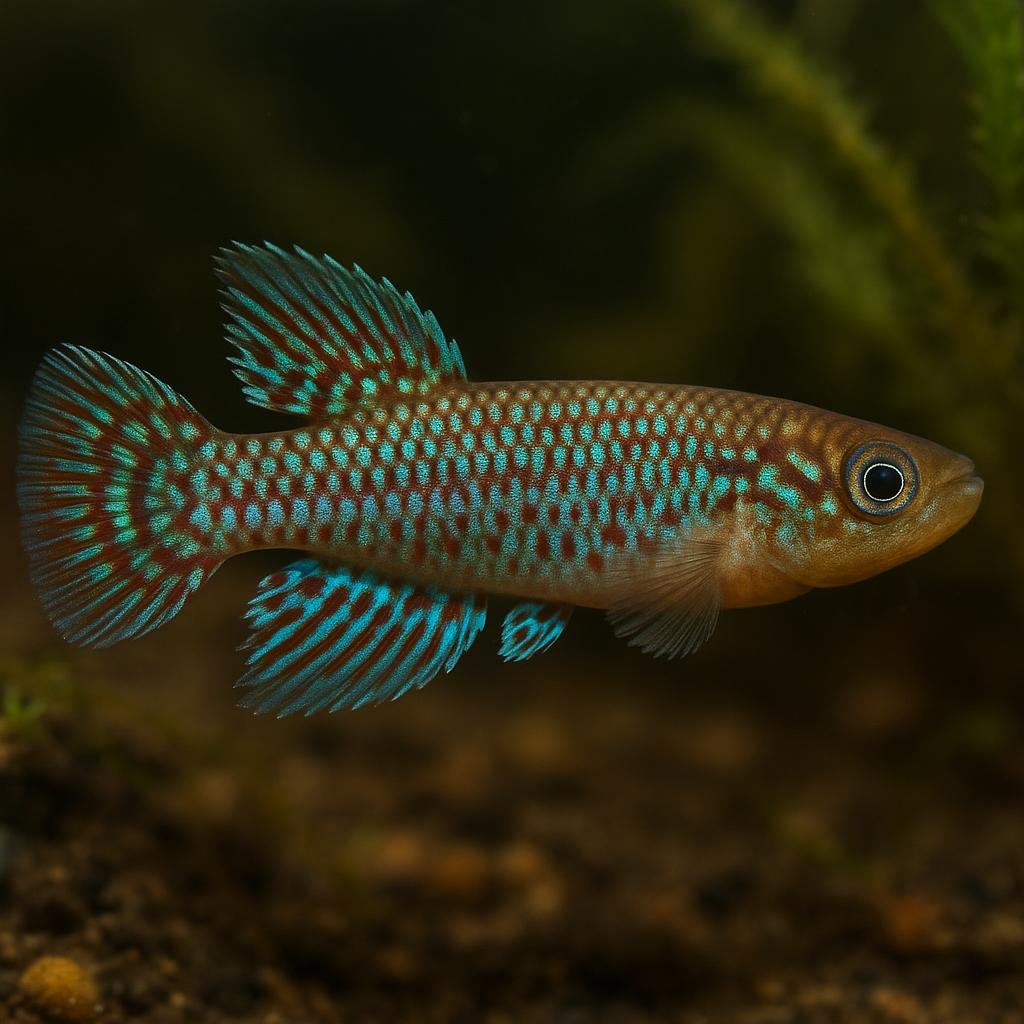
Similis annual killifish
Simpsonichthys similis
Simpsonichthys similis is a small Brazilian annual killifish from temporary pools in the São Francisco River basin. Like other annual rivulids, it spawns in the substrate; the eggs develop in a dry medium (diapause) and hatch on re-wetting. Adults are small (roughly 3–6 cm), and the species is best handled as a short-lived, breeding-focused project.
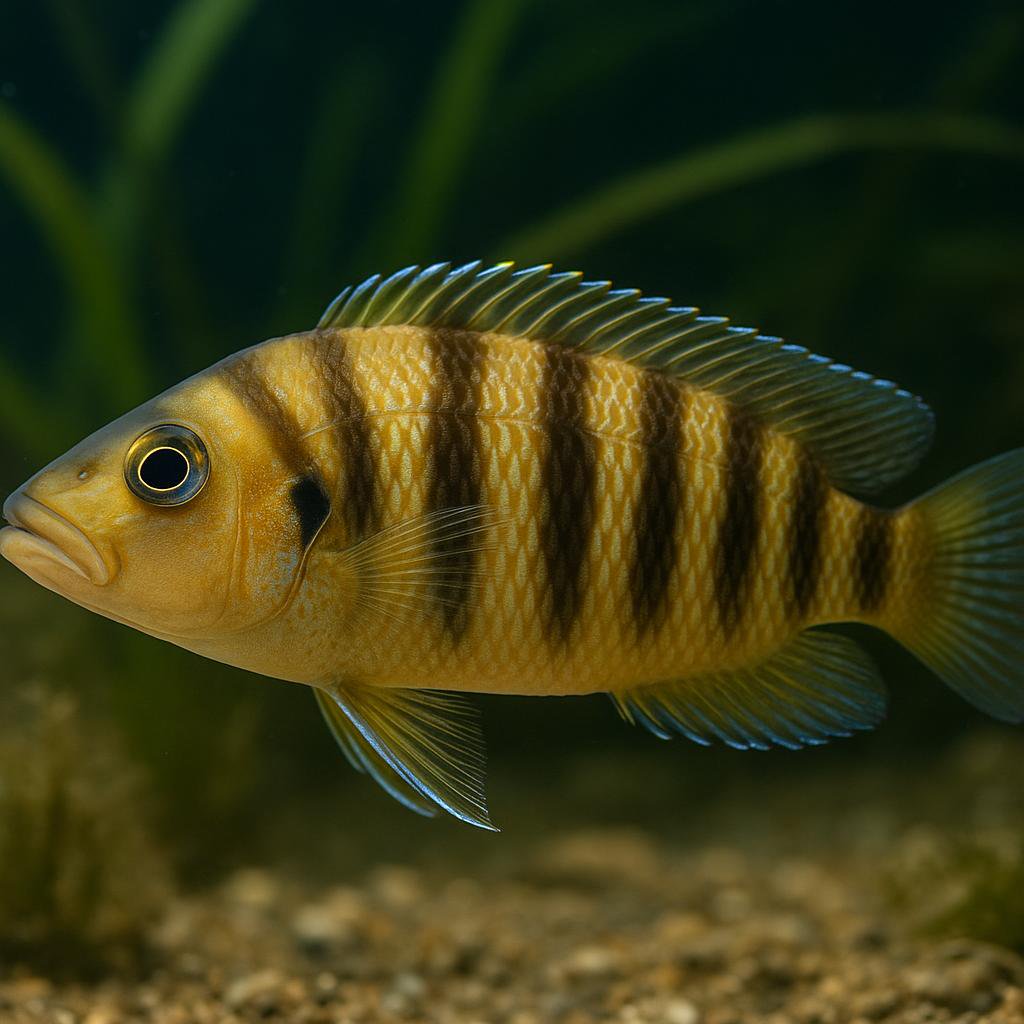
Six-bar lamprologus
Neolamprologus sexfasciatus
This is a punchy Lake Tanganyika rock-cave cichlid with bold vertical bars (and some really nice local color forms like the gold variant). Once a pair settles in, they get serious about their little chunk of rockwork, so the fun is watching territory defense and cave-spawning behavior up close.
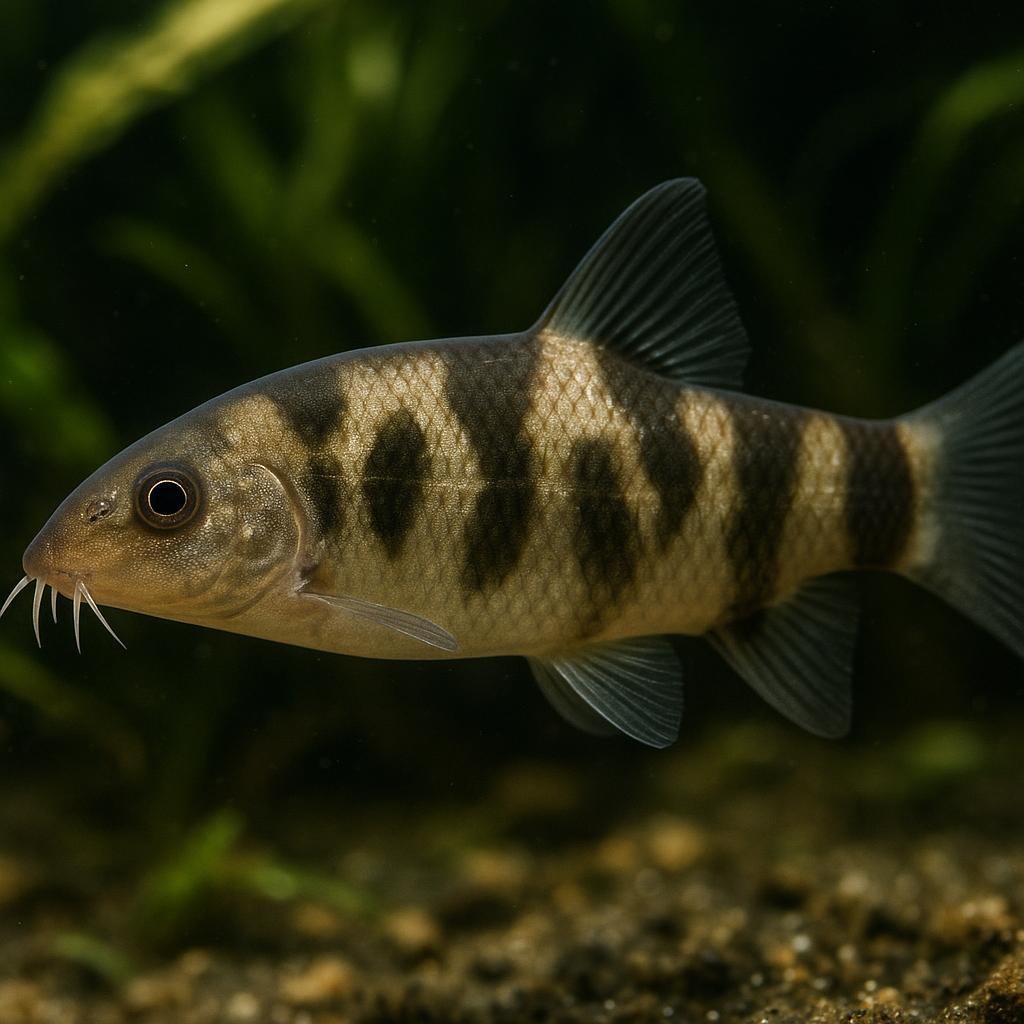
Skunk loach
Yasuhikotakia morleti
This is the little loach with the bold black "skunk stripe" down its back, and it acts just as sassy as it looks. Give it a group and a pile of caves and it turns into a busy, clicking, bottom-patrolling gremlin that will happily hunt snails. It stays fairly small, but it can get nippy if you try to keep just one or you pair it with slow, long-finned fish.
Slate cory
Hoplisoma concolor
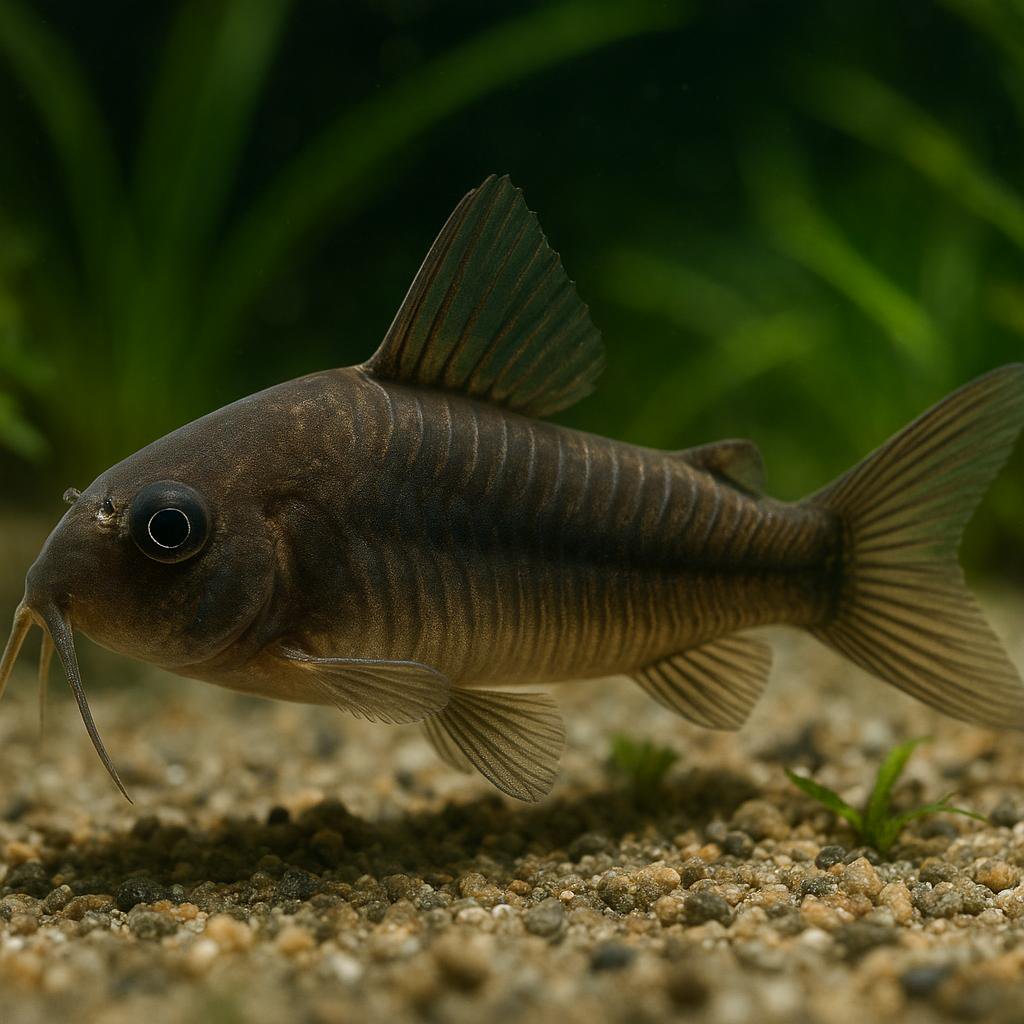
Corydoras concolor is that deep slate-gray, chunky little cory that looks almost like a moody, high-backed cousin of the bronze cory. Give them a soft sand bottom and a group to hang with, and you will see those neat rusty-orange fin flashes when they are comfortable. They are bottom cruisers that spend all day sifting and snuffling for food, and they will dart up for air now and then (totally normal).
Slender-tail golden-line barbel
Sinocyclocheilus gracilicaudatus
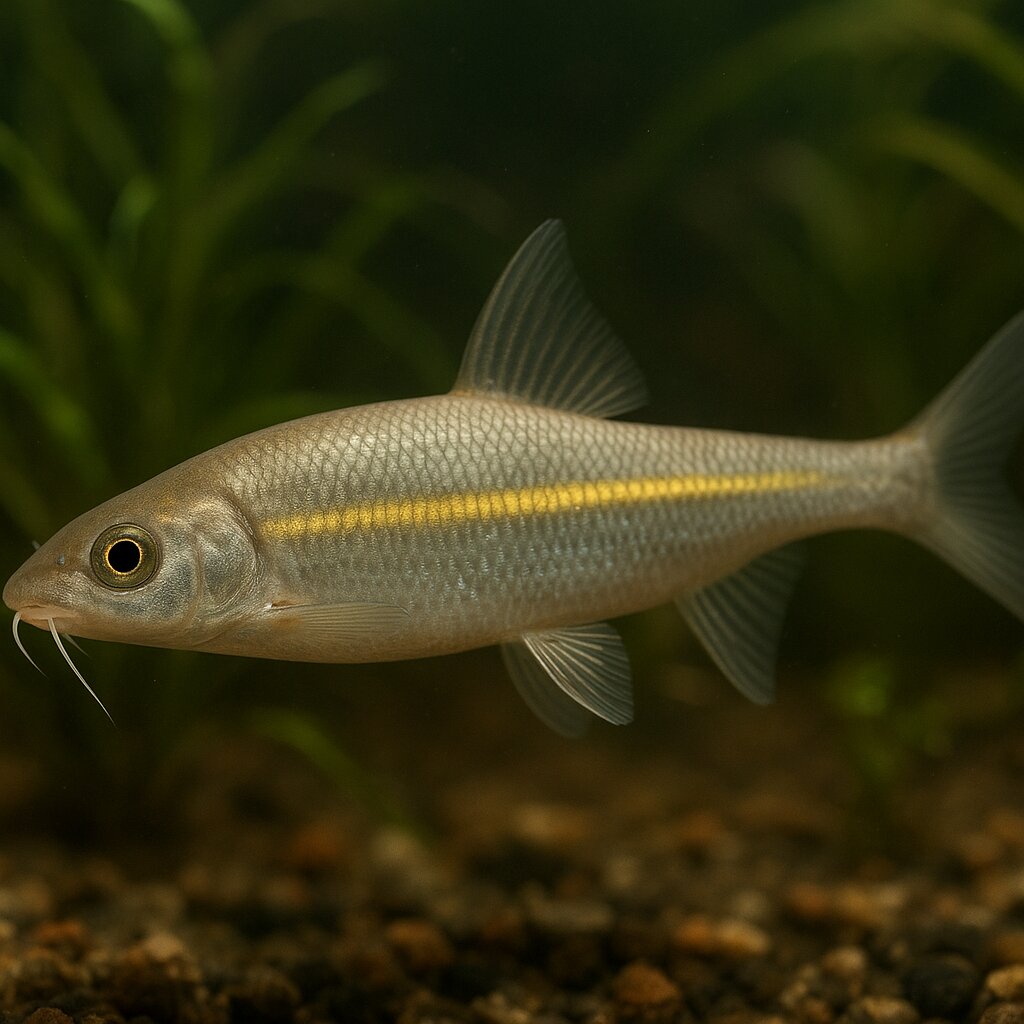
A small cave fish from the Pearl River karst in Guangxi, this one actually has normal eyes and a skinny tail, so it does not look as alien as its horned cousins. It likes cool, dark, very steady water and will cruise along the walls with that classic cavefish wall-following behavior once it settles in.
Small Yunnan loach
Yunnanilus parvus
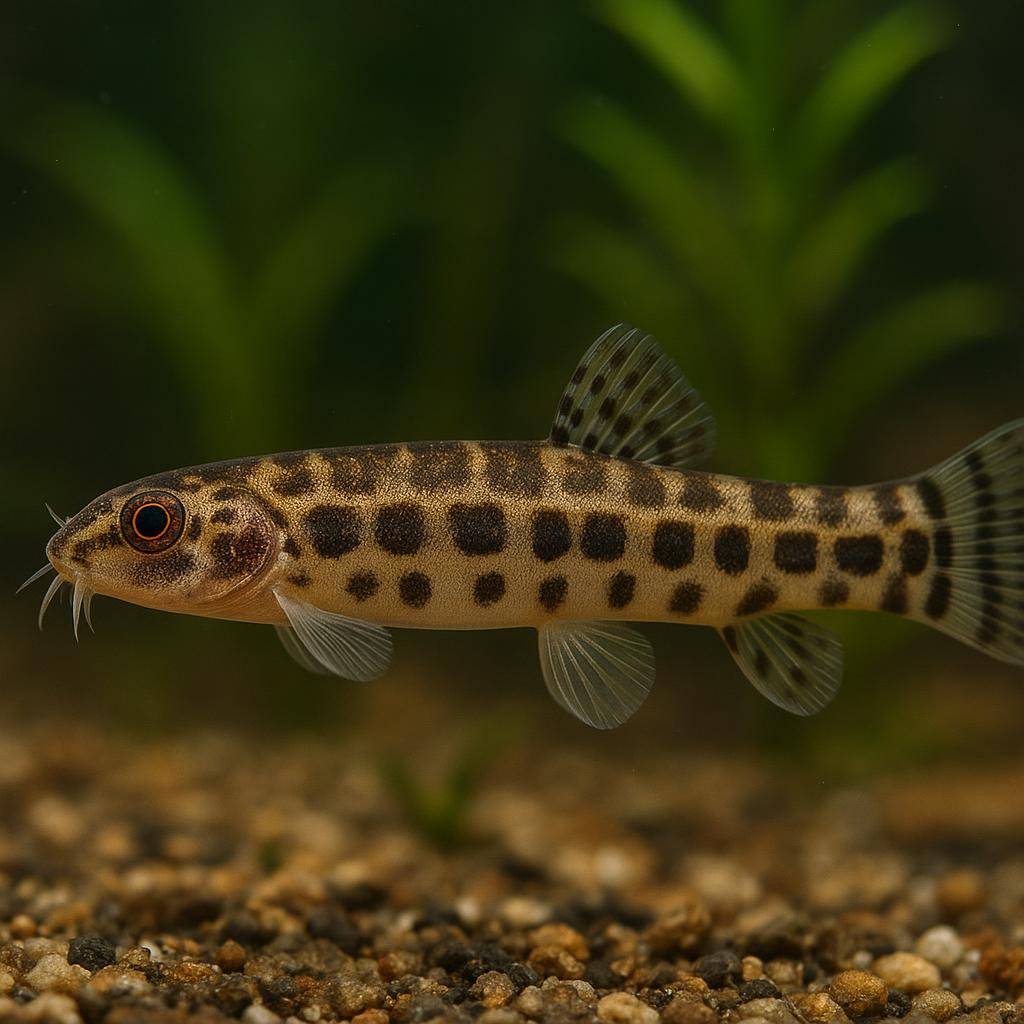
This is a tiny little stone loach from Yunnan, China that was originally described from a cave outlet - so think shady, cooler, clean water vibes. Its a bottom-hugging micro-loach that will spend a lot of time picking at the substrate for tiny bits of food, and its one of those species thats way more interesting to watch than its size suggests.
South American Bumblebee Catfish
Microglanis parahybae
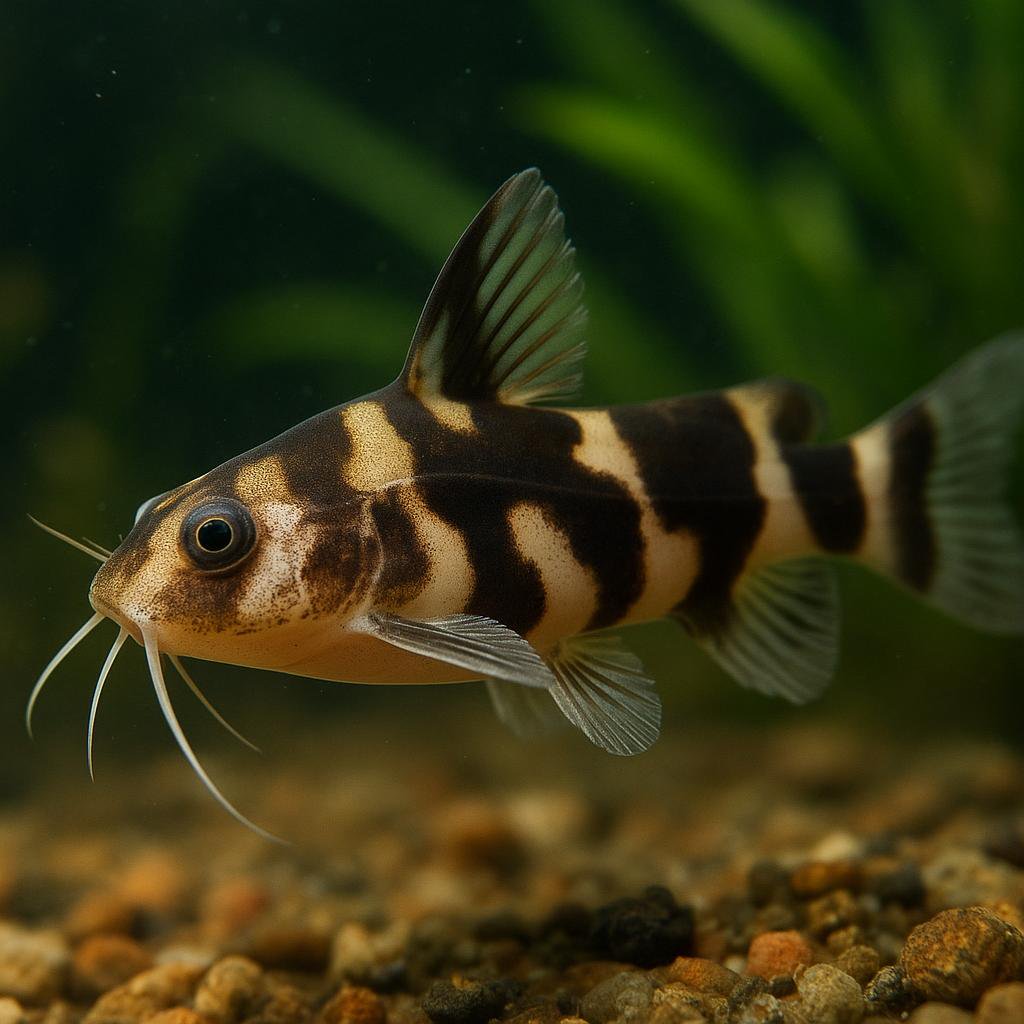
Microglanis parahybae is one of the little South American bumblebee catfish - a small, nocturnal bottom-dweller that spends the day wedged under wood, rocks, or leaf litter and comes alive at feeding time. They are peaceful with most community fish, but anything tiny enough to fit in that catfish mouth can disappear after lights-out.