

Search Species
Search for fish species by common or scientific name, or use filters to browse by water type, size, temperament, and difficulty.
Found 541 species
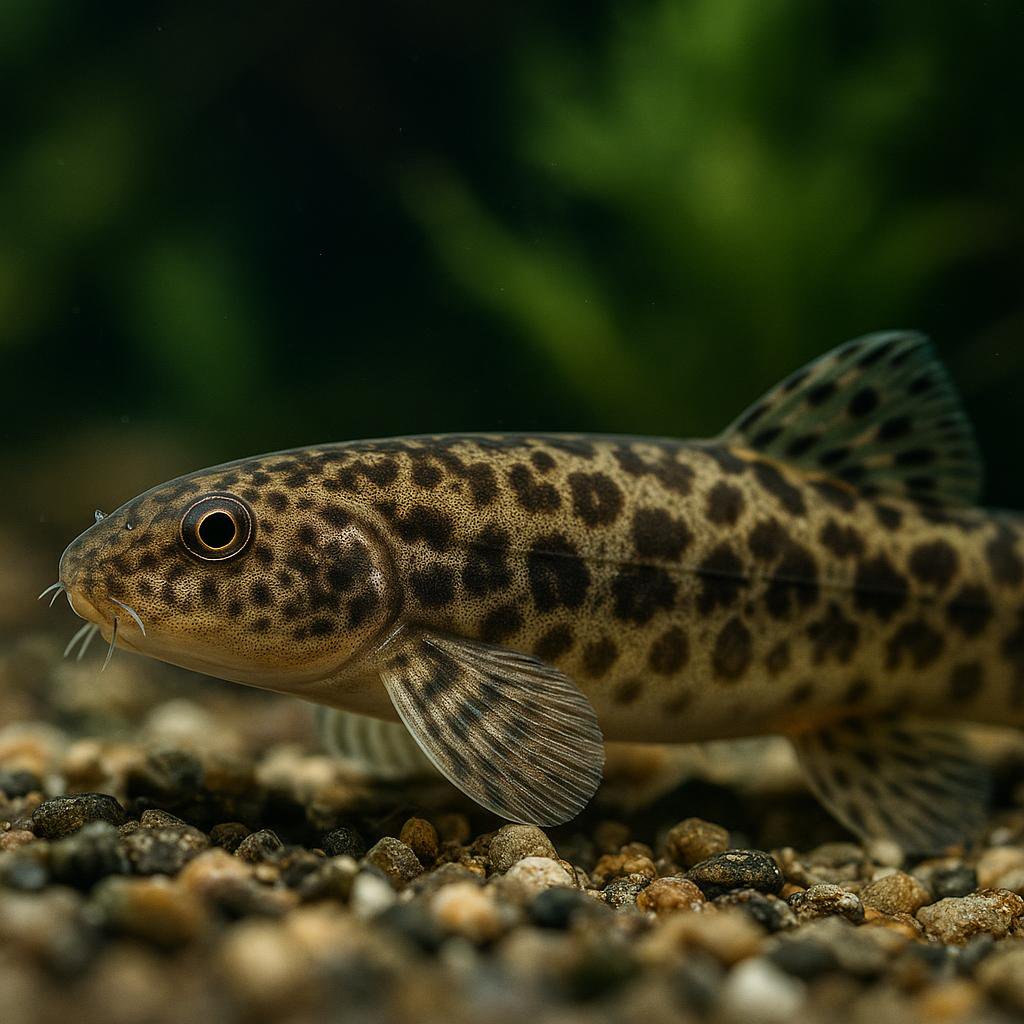
Spotted Vanmanenia (hillstream loach)
Vanmanenia maculata
This is one of those true hillstream loaches that lives in fast, clean river flow, and it is built like a little suction-cup torpedo for clinging to rocks. The patterning is the fun part - you get those pale-centered dark spots/bars that break up the body and help it vanish on stone. It does best in a "river tank" with lots of oxygen and current, where it spends the day grazing biofilm and generally minding its own business.
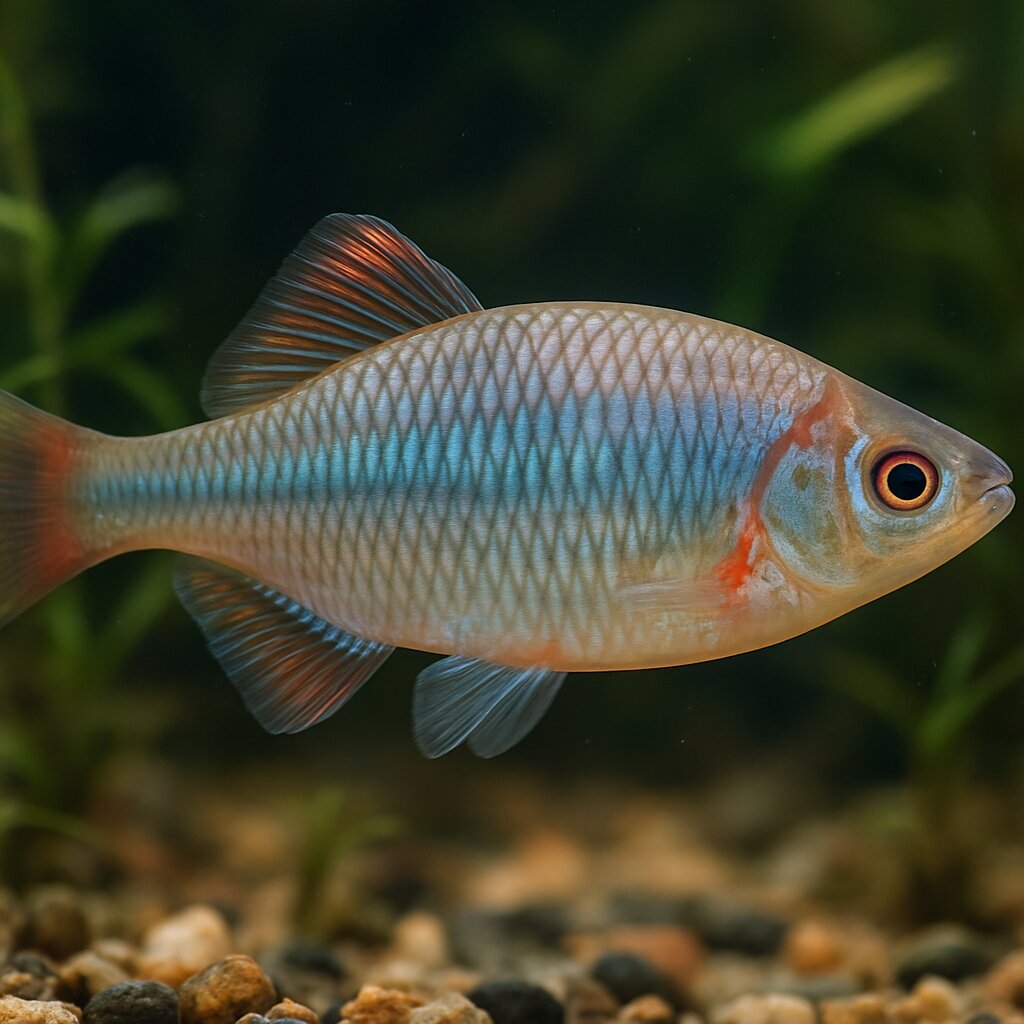
Spring bitterling
Rhodeus suigensis
This is a tiny cool-water bitterling from western Japan, and the females lay eggs inside living mussels using a little tube-like ovipositor. Males flash a subtle blue-green stripe and rosy fins when they are in the mood, which is awesome to watch in a calm, planted setup. It is protected in Japan and rarely seen in the trade, so it is more of a conservation-darling than a casual community fish.
Starhead topminnow
Fundulus dispar
Fundulus dispar is a small native U.S. topminnow associated with vegetated standing waters and quiet pools/backwaters. It is known for reflective "star" spots on the head, and FishBase notes it can be difficult to maintain in aquaria long-term.
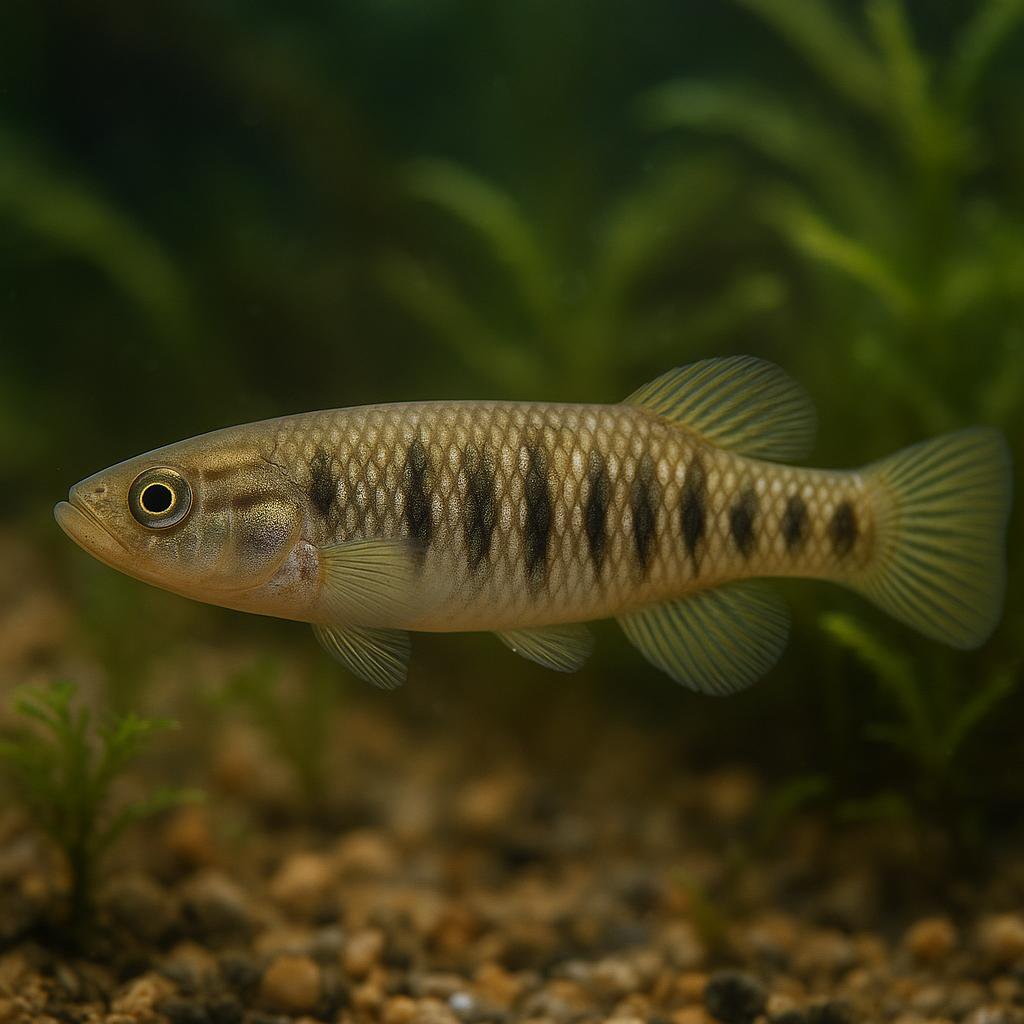
Stippled studfish
Fundulus bifax
Fundulus bifax is a native Alabama-Georgia studfish with a really slick stippled (spotty) pattern, and breeding males can get some wild blue and red-orange tones. Its also a serious jumper and an absolute rocket when it spooks, so a tight lid is non-negotiable.
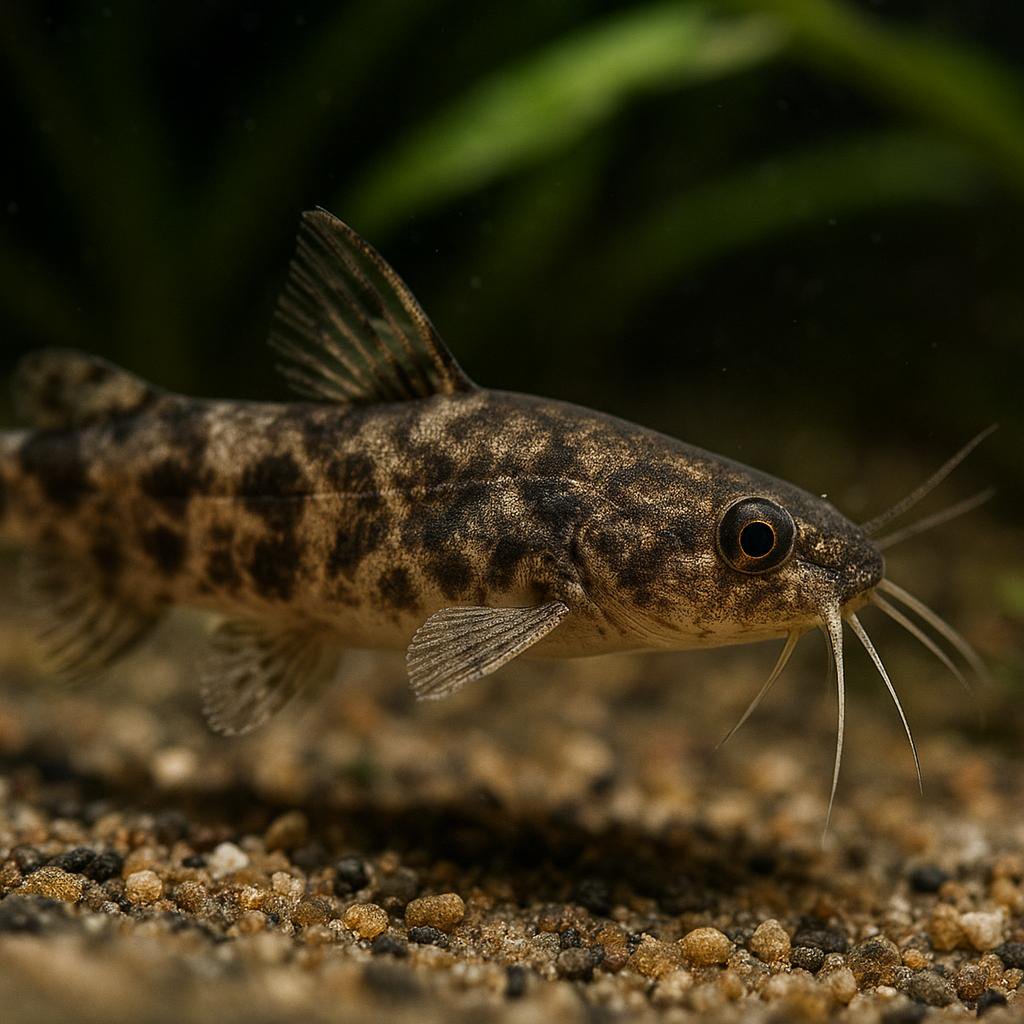
Stream catfish
Pseudobagarius macronemus
This is a tiny little akysid stream catfish from eastern Sumatra that spends its time down low, poking around the bottom (benthopelagic). The weird part with this one is the name - a lot of sources treat it as Pseudobagarius macronema, and you will see it sold or listed under either spelling.
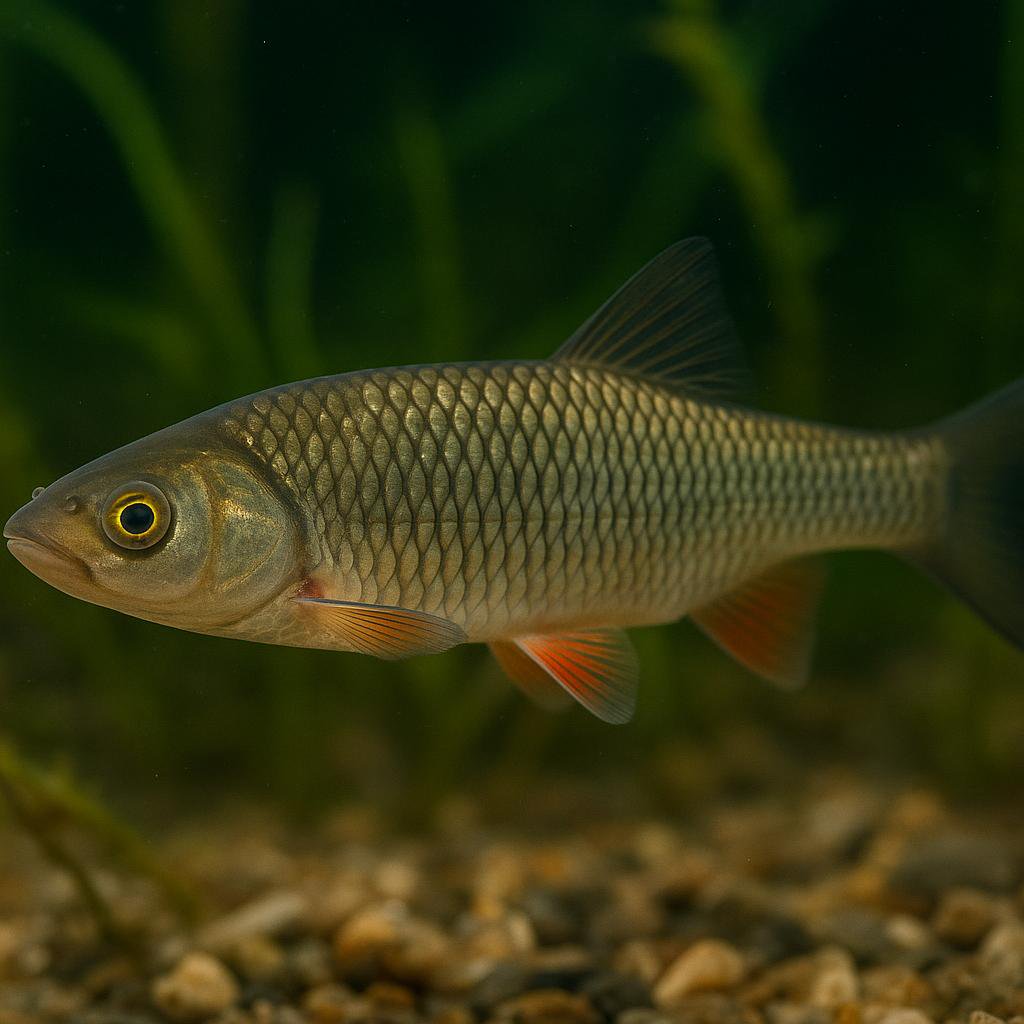
Striped chub
Squalius kottelati
This is a Turkish river chub that gets a pretty solid size and shows a bold dark stripe along the upper flank. Its natural home is flowing freshwater in the Orontes, Ceyhan, and Seyhan drainages, so think cool, oxygen-rich water and lots of swimming room.
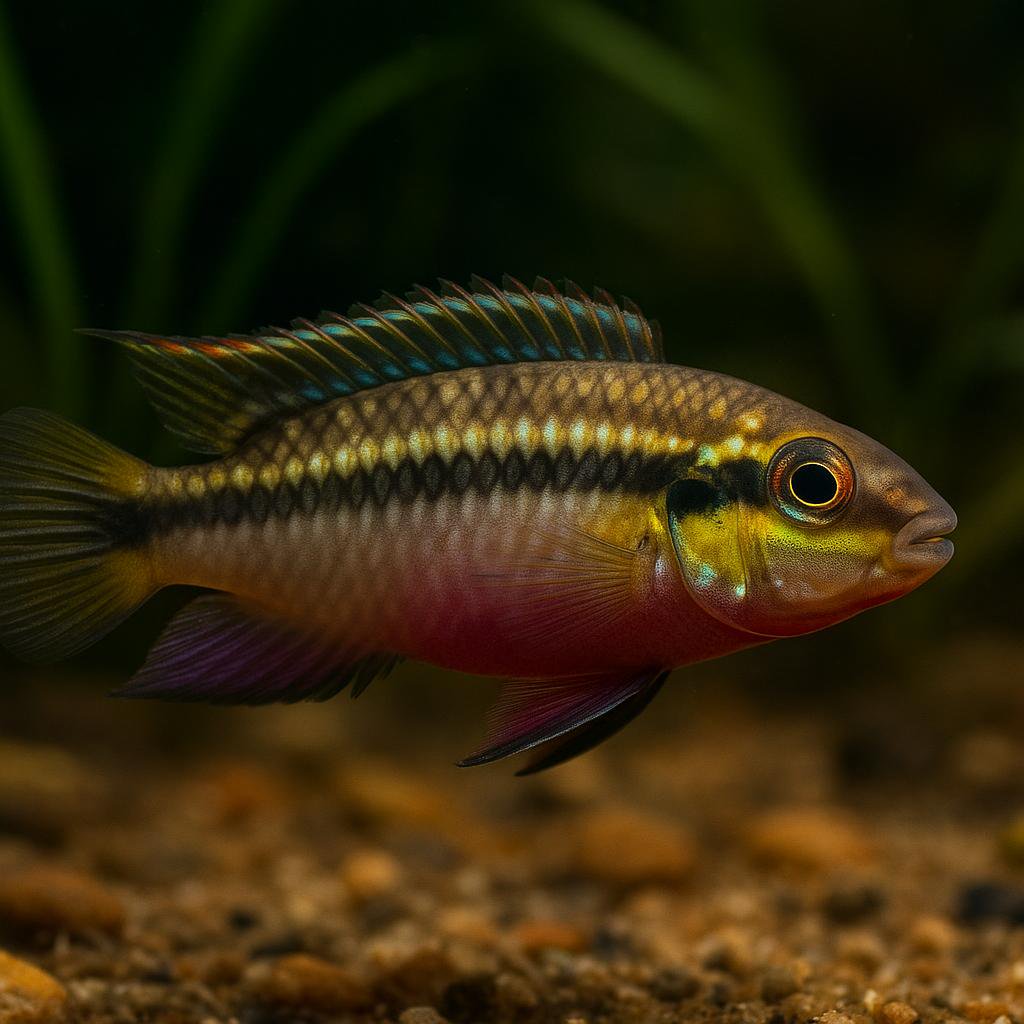
Striped Krib / Nigerian Red Krib
Pelvicachromis taeniatus
P. taeniatus is one of those West African dwarf cichlids that'll act totally chill most of the time, then flip the switch into "serious cave owner" the moment it wants to spawn. The fun part is the local color forms ("Nigeria Red", "Moliwe", etc.) and the pair-bonding-when they settle in, you really get to watch a little cichlid soap opera play out around their cave.
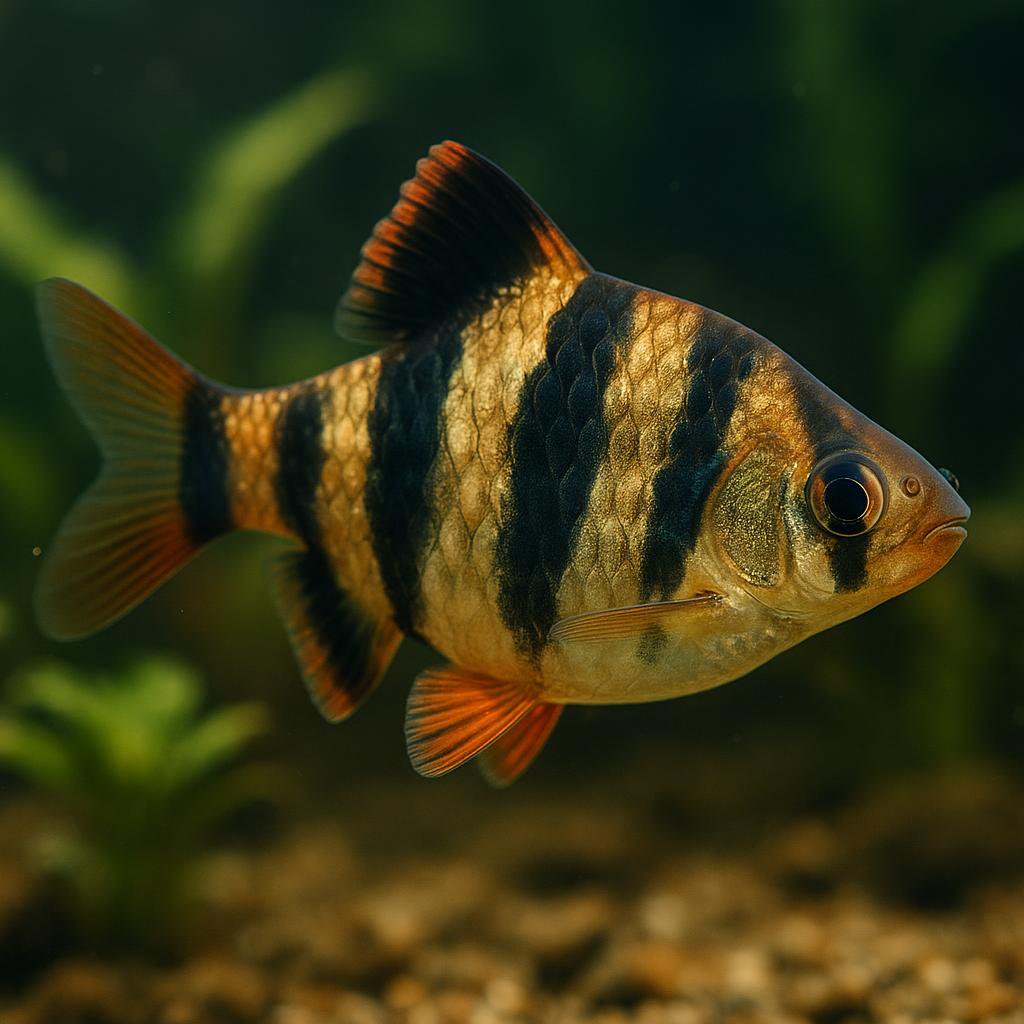
Sumatra barb (Tiger barb)
Puntigrus tetrazona
Tiger barbs are little chaos nuggets in the best way-super active, always zipping around, and they look awesome with those four bold black bars and orange fins. The big trick is keeping them in a proper-sized group so they roughhouse with each other instead of shredding a slow, long-finned tank mate's fins.
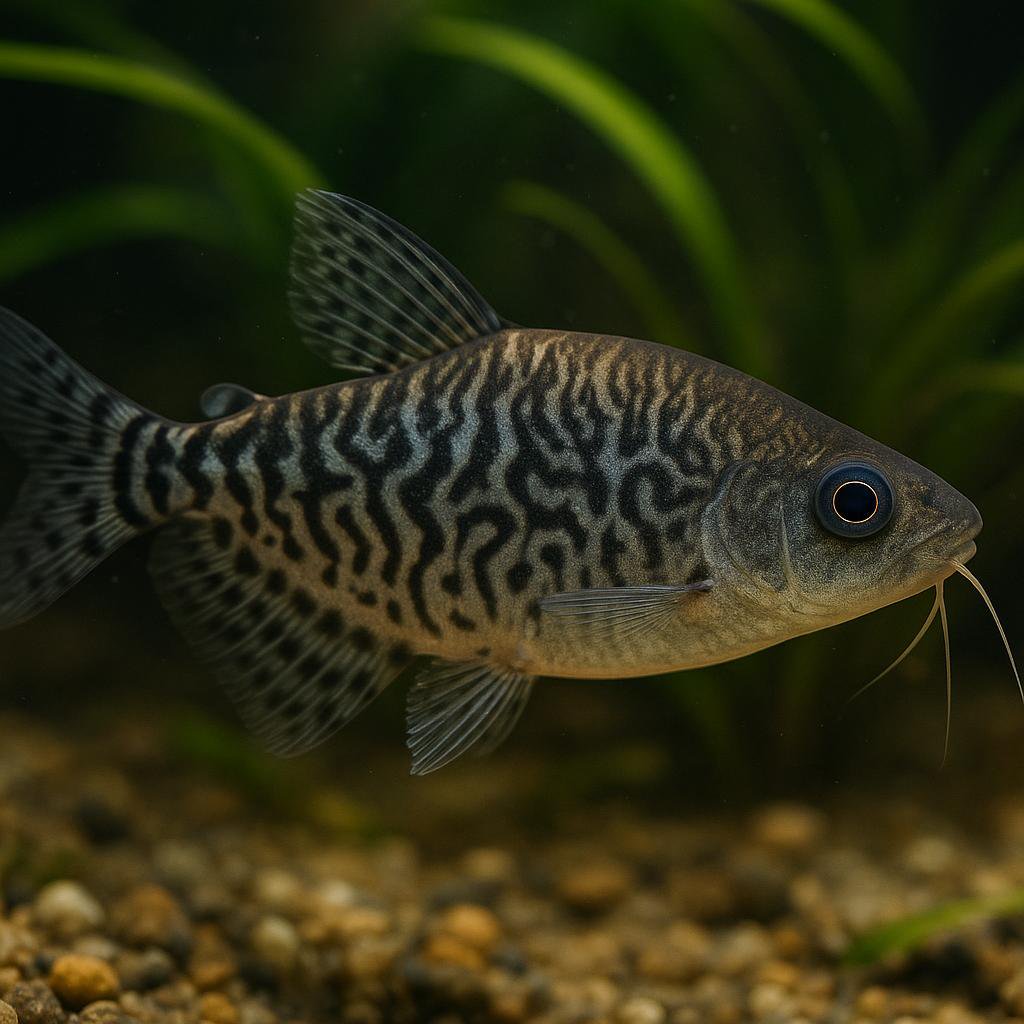
Sundolyra catfish
Sundolyra latebrosa
This is a super obscure little bagrid catfish from northwestern Sumatra, and its whole vibe is "hidden" - the species name latebrosa literally points at how cryptic and rarely seen it is. In the wild it is known from a very limited drainage, and in the hobby it is basically unicorn-level rare, so most "care" advice you see online is going to be educated guesswork rather than proven aquarium experience.
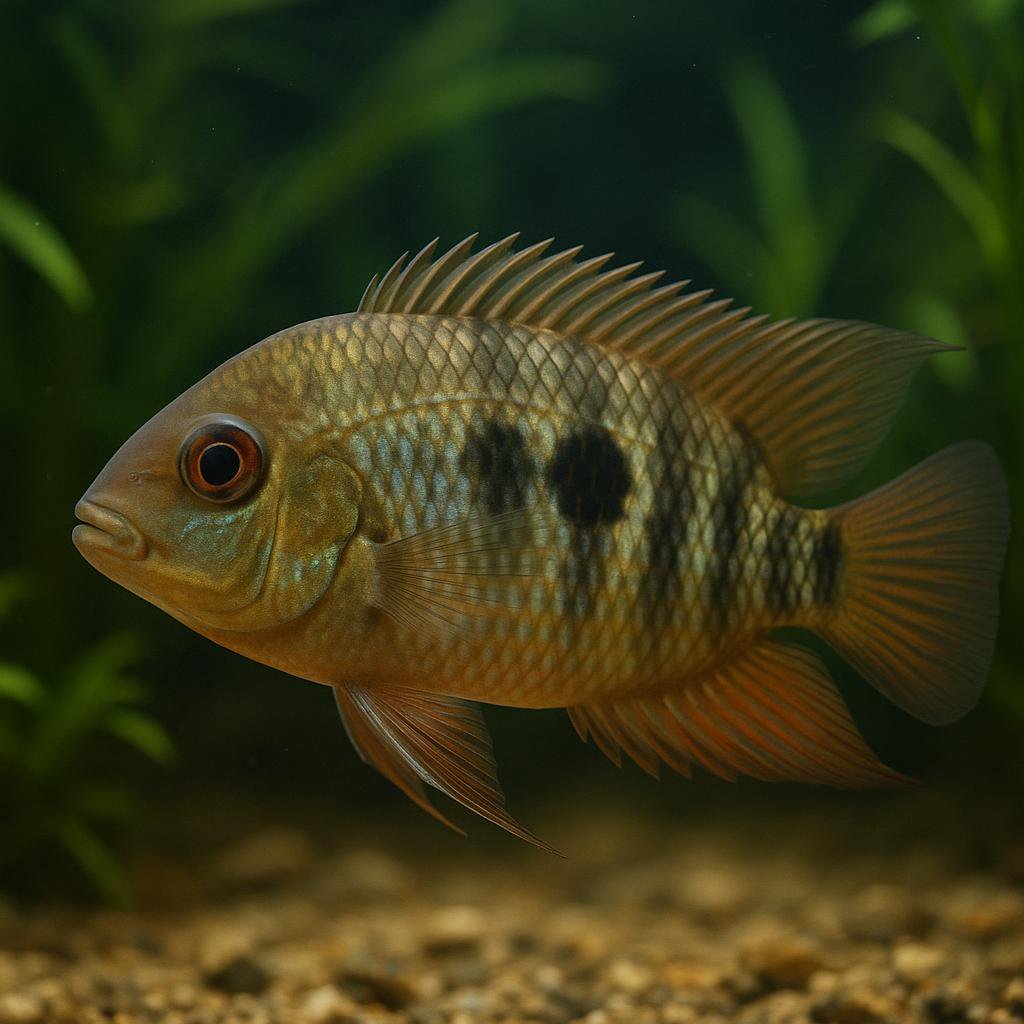
Super Orange Aequidens
Aequidens superomaculatum
This is a small South American Aequidens from the upper Orinoco and Rio Negro area, and it stays way more compact than the big bruiser acaras people usually think of. The cool bit is that it has some really interesting breeding behavior reported in captivity - it will spawn on a surface, then move the wrigglers into the mouth for care, which is just wild to watch if you ever get a pair going.
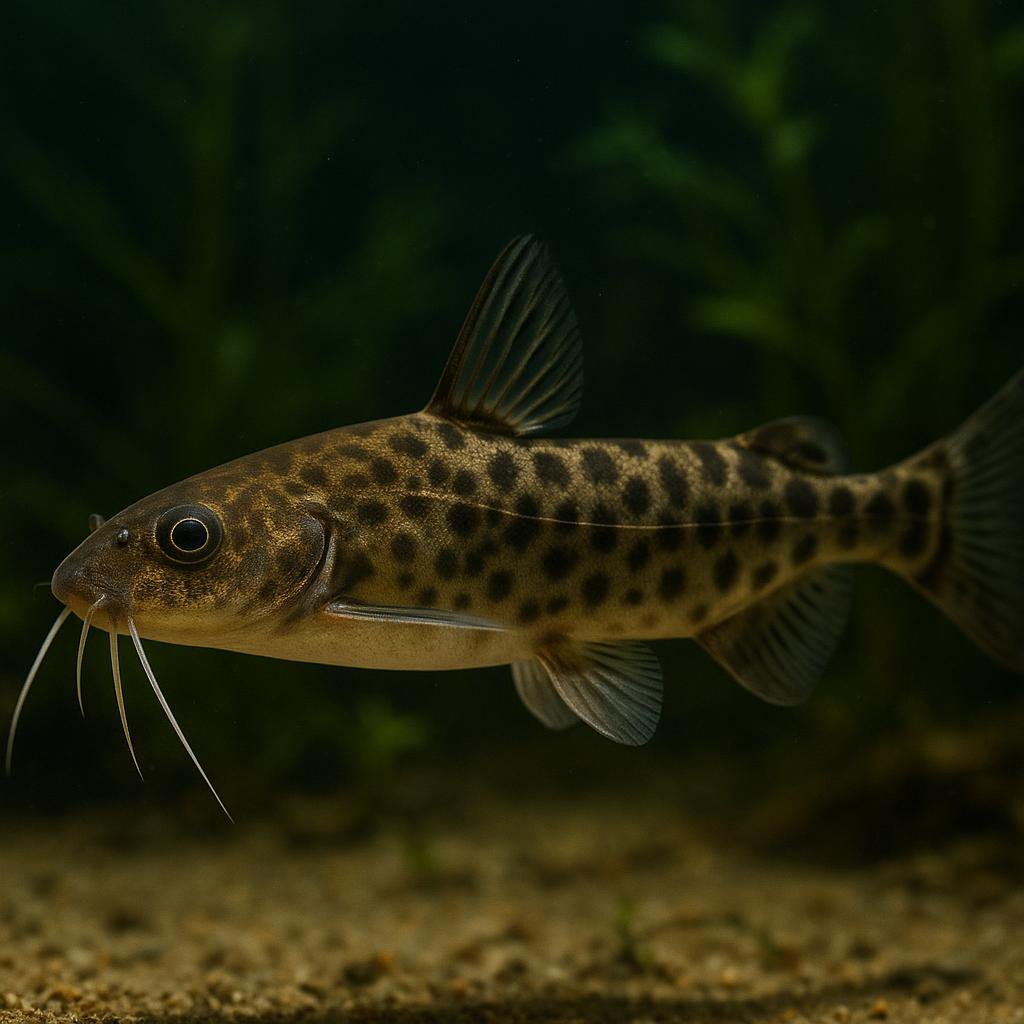
Syi mandi catfish
Iheringichthys syi
Iheringichthys syi is a medium-sized pimelodid catfish from the upper Rio Parana in Brazil. Its body pattern is more of a fine, scattered spotting (especially toward the front half), and it has those classic pimelodid whiskers plus a chunky, fleshy-lipped mouth that hints at a bottom-feeding lifestyle. This one is basically a wild river catfish rather than an "aquarium species," so most of what we know is from scientific collection data, not hobby care guides.
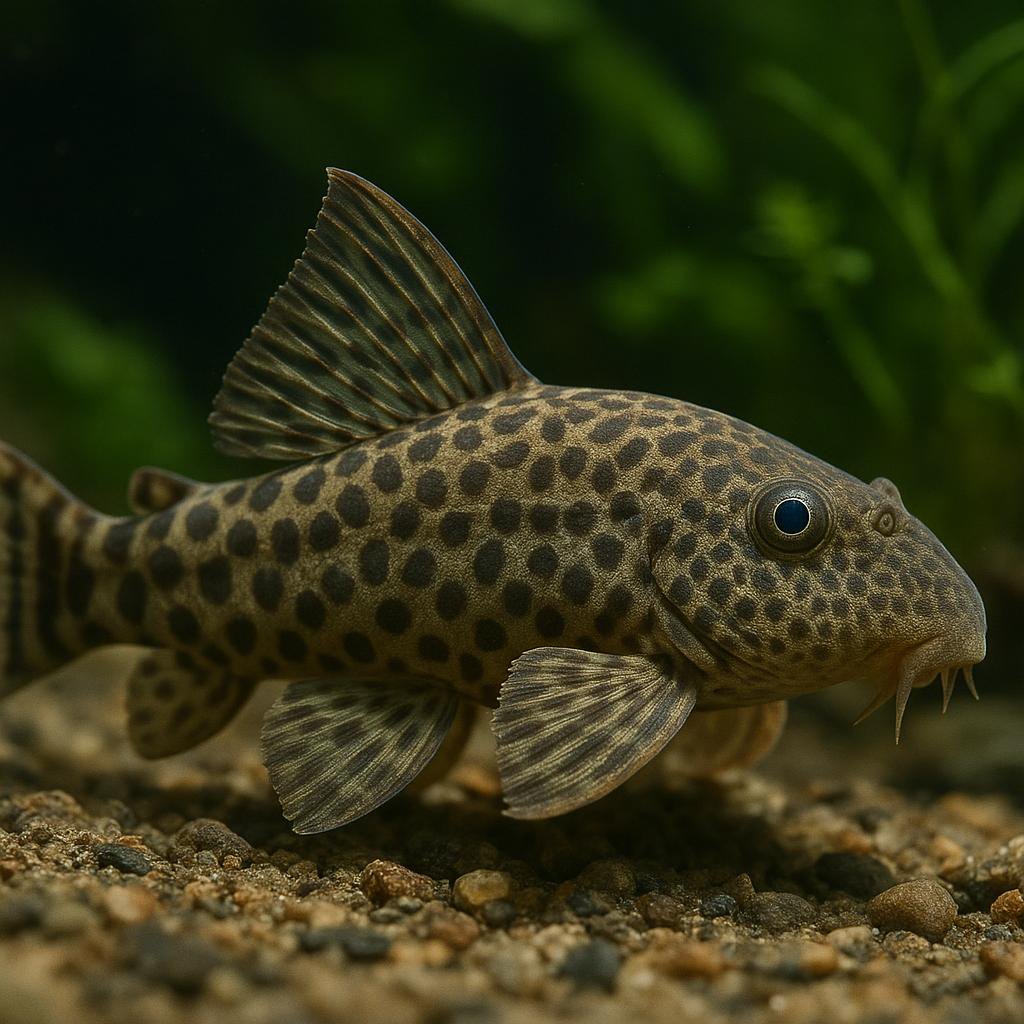
Tachira rubbernose pleco
Chaetostoma tachiraense
This is a small mountain Chaetostoma from the Catatumbo (Lake Maracaibo) drainage, the kind of fish that wants to be plastered to rocks in high-oxygen water. It stays around 3.4 inches SL, spends its time grazing biofilm, and does best when you treat it more like a river fish than a typical warm, lazy pleco.