

Spring bitterling
Rhodeus suigensis
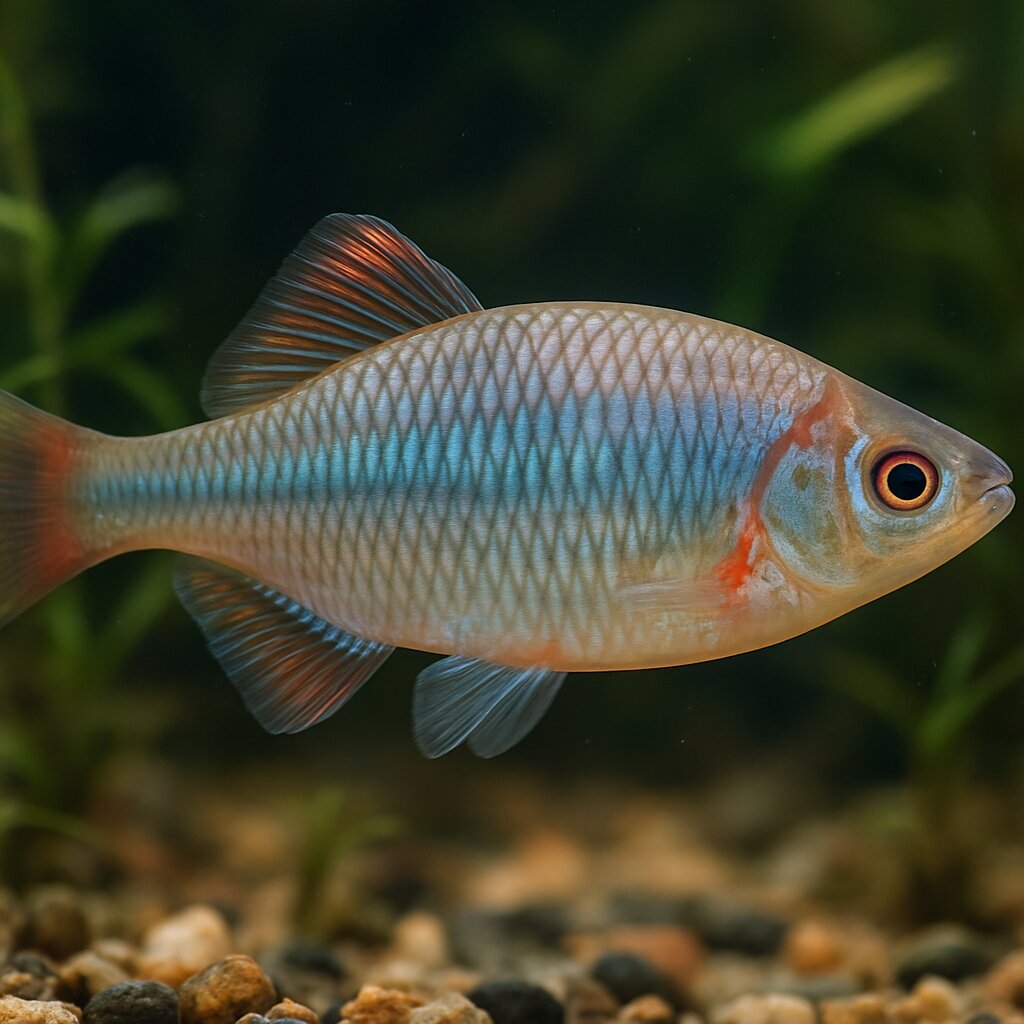
Spring bitterling exhibit a slender body with a distinctive pinkish hue and elongated dorsal fin, featuring intricate patterns on their scales.
This page includes AI-generated images. Why am I seeing AI images?
About the Spring bitterling
This is a tiny cool-water bitterling from western Japan, and the females lay eggs inside living mussels using a little tube-like ovipositor. Males flash a subtle blue-green stripe and rosy fins when they are in the mood, which is awesome to watch in a calm, planted setup. It is protected in Japan and rarely seen in the trade, so it is more of a conservation-darling than a casual community fish.
Also known as
Quick Facts
Size
4 cm
Temperament
Peaceful
Difficulty
Intermediate
Min Tank Size
20 gallons
Lifespan
1-2 years
Origin
Japan - Western Honshu (Okayama and Hiroshima)
Diet
Omnivore - quality micro-pellets or flakes, plus live/frozen foods like daphnia, baby brine shrimp, and bloodworms
Water Parameters
13-22°C
7-7.5
5.6-11.2 dGH
Need a heater for this species?
This species needs 13-22°C in a 20 gallon tank. Use our heater calculator to find the right wattage.
Calculate heater sizeCare Notes
- Give them a cool, planted setup with gentle flow and fine sand or smooth gravel; a 20-30 gallon tank for a group of 8+ works well.
- Shoot for 60-72 F (16-22 C), pH 6.8-7.8, GH 6-15 dGH, KH 3-8; skip the heater and keep temps under 75 F or they sulk and get sick.
- They eat small stuff: fine flakes, micro-pellets, and live/frozen daphnia, baby brine, cyclops; feed small portions twice a day and spread it out so shy fish get some.
- They are peaceful but like a crowd; keep more females than males and add plants or wood to break line of sight so the boys do not hassle one fish all day.
- Tankmates that behave: white clouds, zebrafish/danios, small hillstream loaches, and other cool-water peaceful fish; skip barbs, cichlids, bettas, and anything that needs tropical heat.
- If you want breeding, you need live freshwater mussels of a compatible species (often unionids); check local laws because many mussels are protected and do not add anything wild without permits.
- Oxygen and cleanliness matter for these guys; run decent surface agitation and do weekly 30-50% water changes to keep them active and showing color.
- Watch for heat waves and ich after temp swings; use a fan or frozen water bottle to drop temperature, and avoid copper or harsh meds if mussels are in the tank.
Compatibility
Good Tankmates
- White cloud mountain minnows and other small cool-water schoolers like zebra or pearl danios - same temp and pace
- Ricefish (medaka) for the mid-top - super chill and right in the same cool range
- Peaceful bottom dwellers that like cooler water, like peppered corys and hillstream loaches
- Calm nano cyprinids that handle low 60s to low 70s F, like celestial pearl danios or emerald dwarf rasboras
- Other peaceful bitterlings (Rhodeus or Tanakia) if you are not breeding - same habits and water needs
Avoid
- Warm-water tropicals that want 76-82 F, like bettas, gouramis, most tetras, or guppies
- Nippy or rowdy schoolers, like tiger barbs, serpae tetras, or giant danios
- Big eaters or semi-predators that will outcompete or snack on them, like larger cichlids, angelfish, or goldfish
- Oversized bottom fish that bulldoze the tank or steal all the food, like adult dojo loaches or pictus cats
Where they come from
Spring bitterlings (Rhodeus suigensis) are small temperate cyprinids from East Asia, showing up in slow streams, ponds, and rice-field channels with clean, cool water. The key detail about their home waters: there are freshwater mussels around, because that is where they lay their eggs.
Setting up their tank
Give them room to spar and school. A 24-30 inch tank (20-30 gallons) works for a group of 8-10. They look best in a planted setup with gentle flow and plenty of open swimming space.
- Temperature: 54-72 F (12-22 C). Aim for 60-68 F (16-20 C) most of the year.
- pH and hardness: around neutral to slightly alkaline, pH 6.8-7.8, moderate hardness (5-15 dGH).
- Flow and oxygen: gentle current with good surface agitation. They appreciate well-oxygenated water.
- Filtration: something steady and mature. A sponge prefilter helps protect any fry.
- Substrate: sand or fine gravel so mussels (if you use them) can settle, and plants can root.
- Aquascape: dense plants along the back and sides, open center, some wood or stones to break sight lines.
- Lighting: moderate. They color up nicely with a planted-tank light but do not need it bright.
- Lid: use a tight lid. They jump during spats or courtship.
Give them a short winter. Let the tank sit unheated in a cool room for 4-8 weeks so temps dip into the low 50s to low 60s F. Slowly warm back up in spring. Their behavior and color improve, and it can trigger spawning.
Overheating is the fast track to problems. Try to keep them under 72 F. A small fan across the surface can drop summer temps a couple degrees.
What to feed them
They are opportunistic omnivores. Mine perk up for moving foods and do well on a mixed diet. Small mouths, so keep particle size modest.
- Staples: quality micro-pellets and fine flake.
- Frozen/live: daphnia, cyclops, baby brine shrimp, chopped bloodworms (as a treat).
- Green stuff: they pick at biofilm and will take spirulina flakes; a touch of blanched spinach or peas now and then is fine.
Feed small amounts 2-3 times a day. Scatter the food in a few spots so the bossy males do not hog it.
How they behave and who they get along with
Peaceful, active, and a bit theatrical. Males posture and flash at each other, especially as the water warms in spring. Keep them in a group so the sparring spreads out and feels natural.
- Good tank mates: white cloud mountain minnows, medaka ricefish, small danios that like cooler water, small Corydoras from cooler habitats, Sewellia/Gastromyzon hillstream loaches (if you provide some flow and oxygen).
- Usually OK: adult Neocaridina shrimp in a well-planted tank, but babies will be snacks.
- Avoid: large or nippy fish (big barbs, most cichlids), warm-water tropicals, and anything that will outcompete them at feeding time.
Aim for more females than males. A 1:2 or 1:3 male-to-female ratio keeps the display fun rather than stressful.
Breeding tips
This is the fun, quirky part. Bitterlings lay their eggs inside live freshwater mussels. The female develops a long ovipositor in season, deposits eggs into the mussel, and the male releases milt at the mussel's siphon. The mussel broods the eggs, then spits out tiny fry.
- Seasonal cue: give them a cool winter, then let temps rise to about 64-68 F (18-20 C). Males color up and pick a mussel to guard.
- Mussels: use compatible freshwater mussels (commonly Anodonta/Unio/Sinanodonta species in the hobby). Partially bury them with the intake siphons exposed.
- Breeding tank: set up a separate, quiet tank with the mussels, plants, and a seasoned sponge filter. Move in the fish once females show ovipositors.
- Spawning: you will see the male display at the mussel and the female insert her ovipositor. This can repeat over several days.
- Fry: after 2-4 weeks, the mussel releases fry. They are tiny. Start with infusoria/green water, then switch to microworms and newly hatched brine shrimp as they size up.
Quarantine mussels. Wild or farmed mussels can carry parasites. Also, many meds (especially copper and formalin) are lethal to mussels. Treat fish and mussels in separate systems if you ever need medication.
Without live mussels, you can still keep the fish, but you are very unlikely to get viable spawns.
Common problems to watch for
- Heat stress: they get lethargic, breathe fast, and colors wash out above the low 70s F. Add surface agitation, shade the tank, and cool the room.
- Mussel die-off: a dead mussel can nuke water quality fast. Keep them in a basket so you can check them, and remove any that stay open or smell off.
- Male aggression: cramped quarters and too few females lead to shredded fins. Add line-of-sight breaks and increase group size.
- Parasites/ich: treat early, but avoid copper with any inverts present. Salt and raised temps can help, but do not push the fish into the high 70s F.
- Skinny fish: often diet-related. Increase frequency of small, protein-rich meals and consider a broad-spectrum dewormer in a hospital tank if needed.
- Oxygen dips: hot days, too much decaying plant matter, or clogged filters can crash O2 levels. Keep filters clean and keep the surface rippling.
Never release fish or mussels into local waterways. Besides being illegal in many places, it risks spreading diseases and invasive species.
Similar Species
Other freshwater peaceful species you might be interested in.
Amphilius dimonikensis
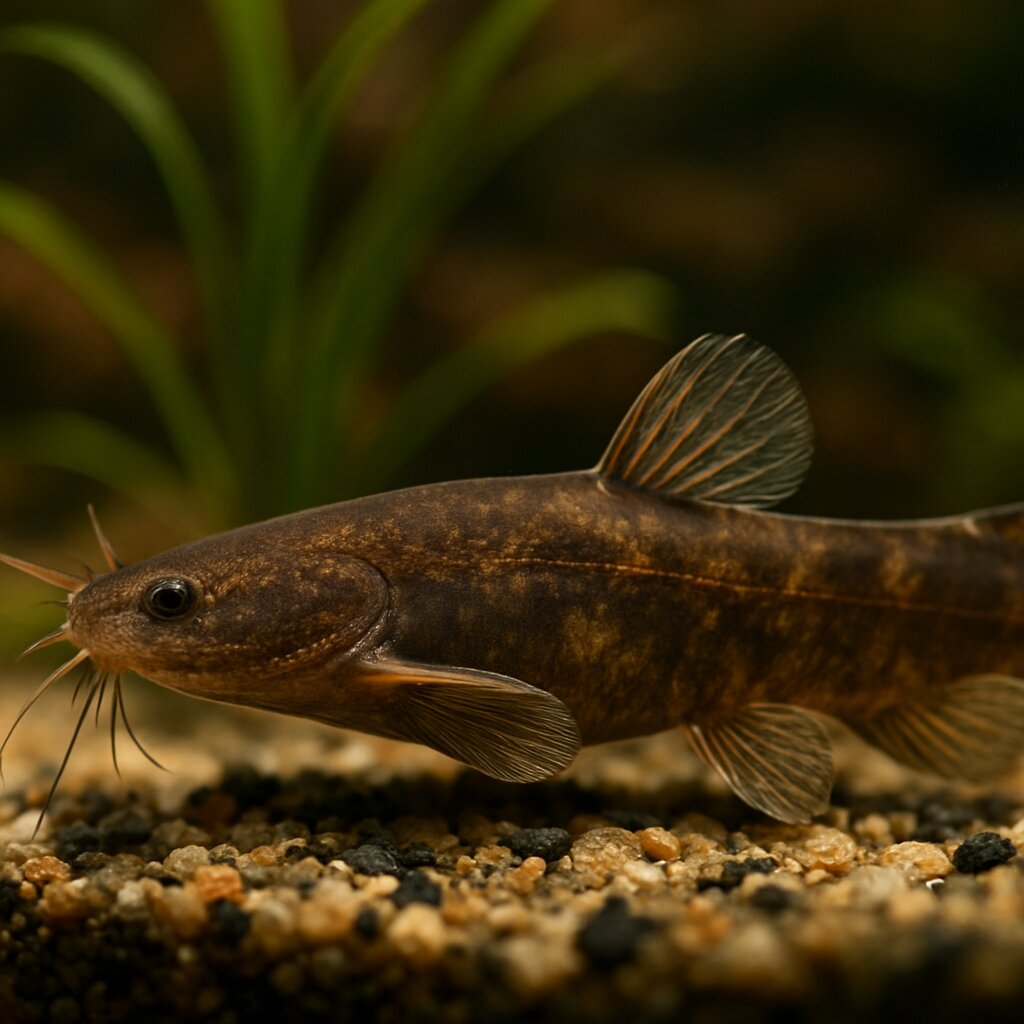
A small loach catfish endemic to the Mpoulou River in the Mayombe (Dimonika Biosphere Reserve), Republic of the Congo. Amphilius dimonikensis has a subtle banded pattern and inhabits fast, clear streams over rock and sand. In aquaria, prioritize strong, well-oxygenated flow with rounded stones and sand to mimic hillstream conditions.
Aboina barb
Enteromius aboinensis
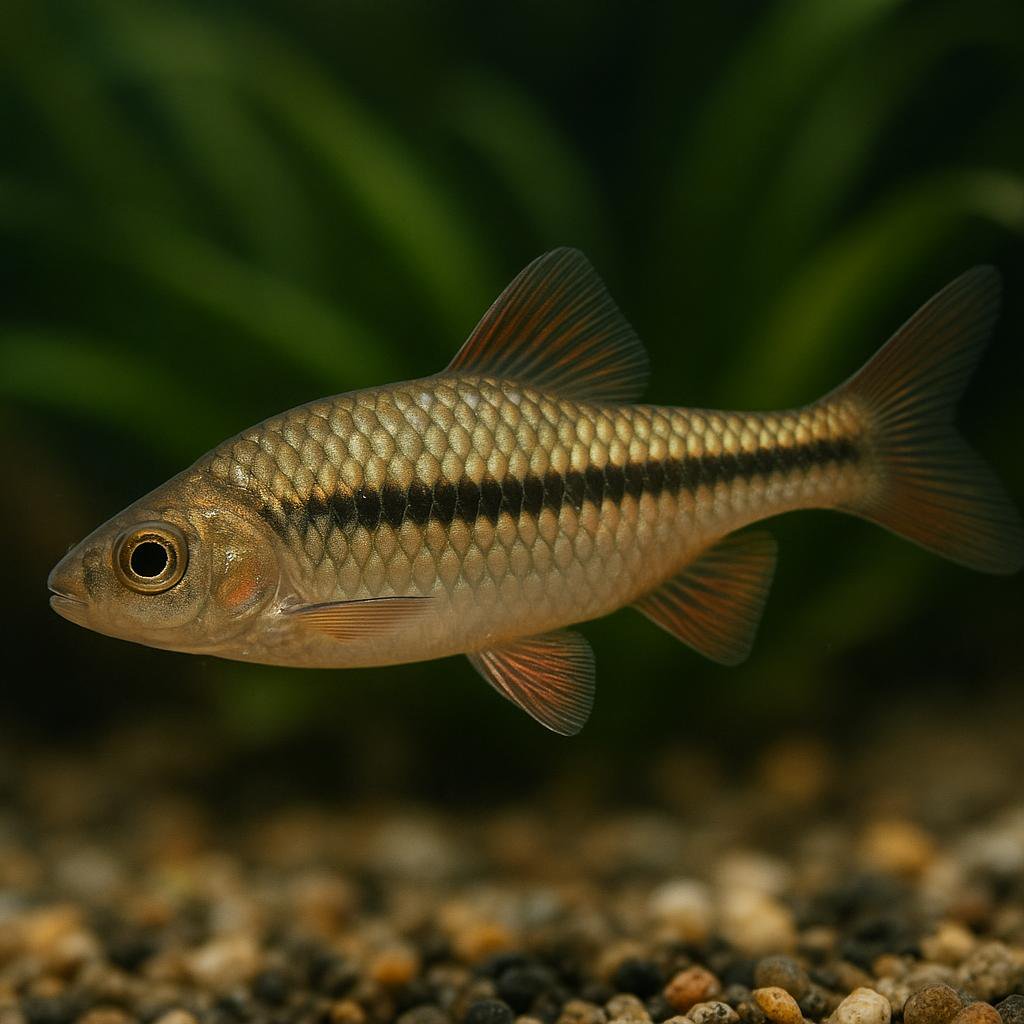
Enteromius aboinensis (the Aboina barb) is a small West African barb with a clean black midline stripe and a little spot right at the base of the tail. It does best when you treat it like a proper schooling fish - keep a decent group and give it plants around the edges with open swimming room in the middle.
Ajuricaba tetra
Jupiaba ajuricaba
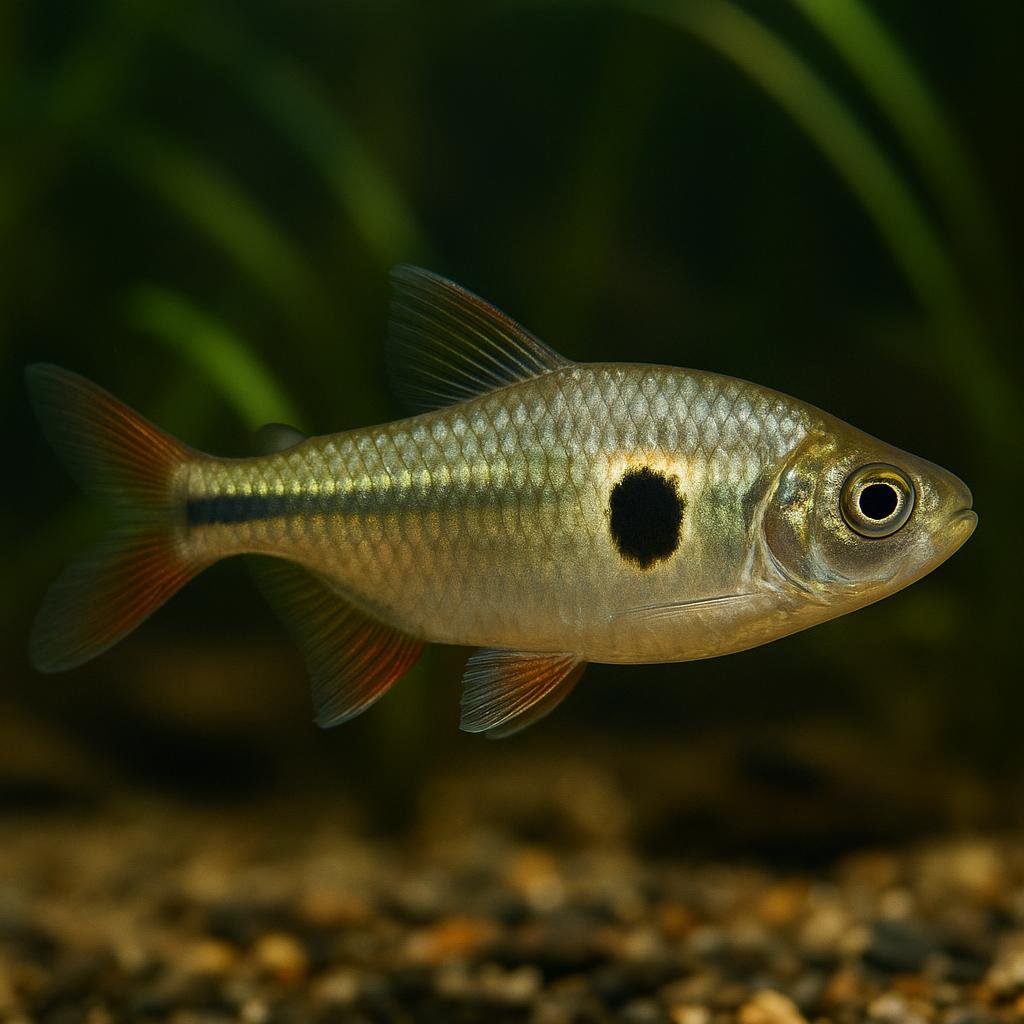
Jupiaba ajuricaba is a South American freshwater characin from the Amazon basin in Brazil (rio Negro, rio Solimões, and rio Tapajós basins). It reaches about 9.5 cm SL and is diagnosed by a narrow dark midlateral stripe, an elongated humeral spot, and an ocellated spot on the upper caudal-fin lobe. Wild specimens have been collected from blackwater forest streams and also oxbow-lake habitats.
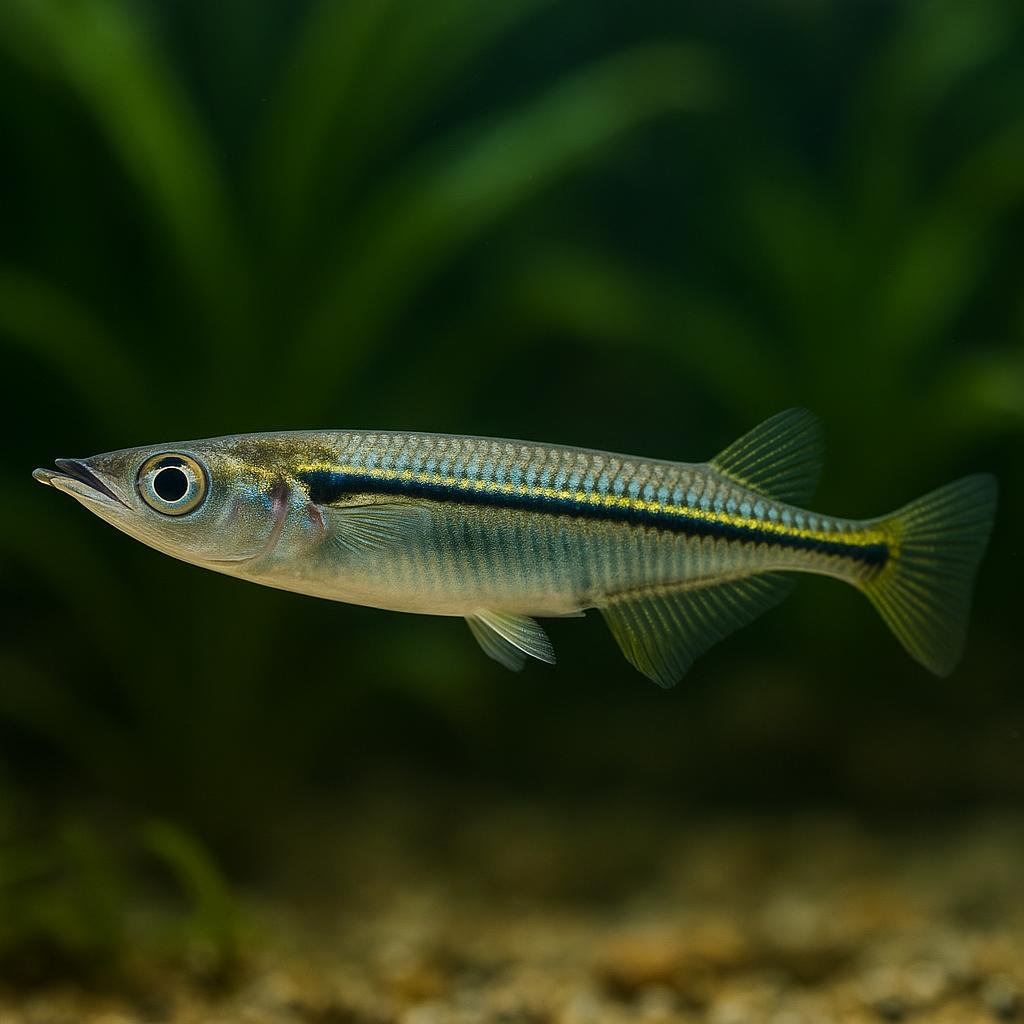
Allen's river garfish
Zenarchopterus alleni
A poorly known freshwater halfbeak endemic to West Papua (Mamberamo River), described from a single specimen (~13 cm SL). Beyond basic habitat/occurrence, little is published about its ecology or aquarium suitability; assume it is a surface-oriented, jump-prone halfbeak only by analogy with related taxa.
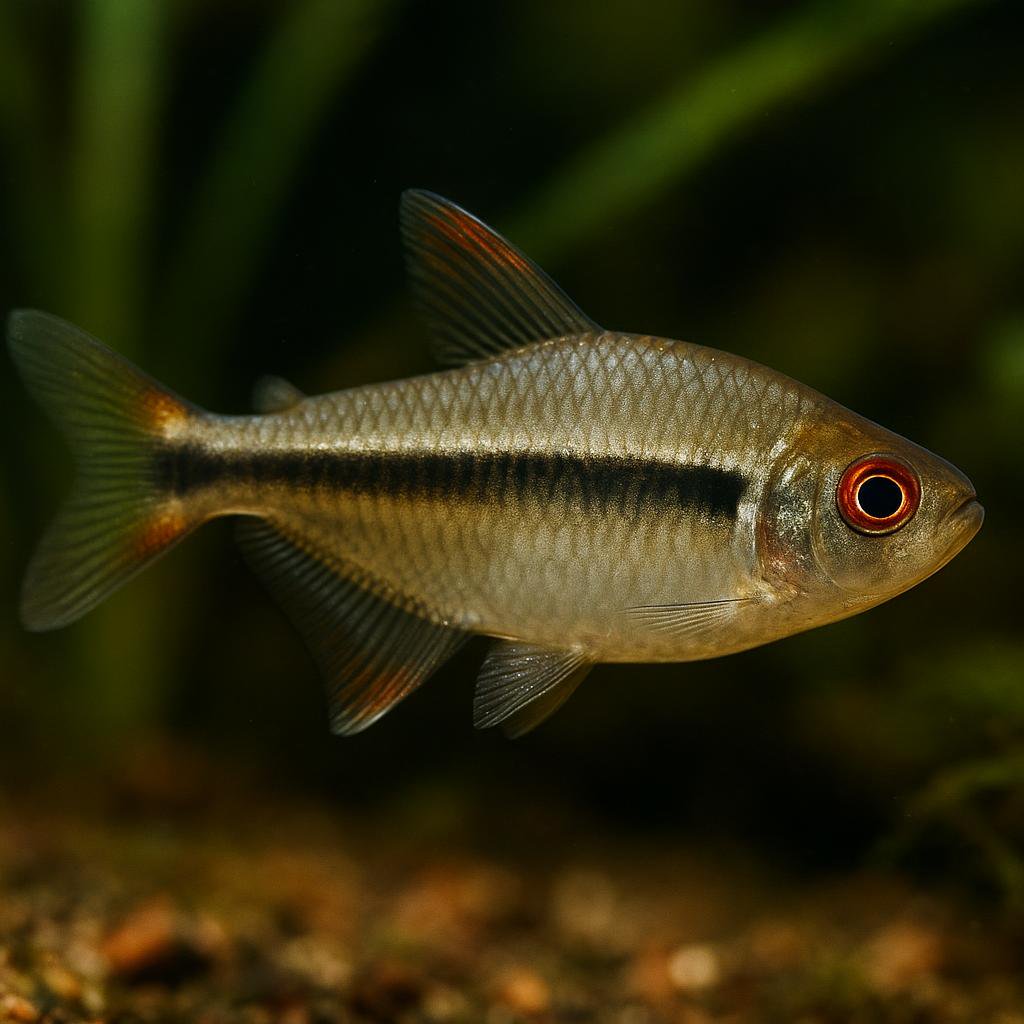
Amapa tetra
Hyphessobrycon amapaensis
This is a tiny, super sleek little tetra with a clean red stripe down the side that really pops once its settled in. It does best in a planted, slightly tinted "creek-style" setup and looks way cooler when you keep a proper group so they school and flash that line together. If you can give it soft, slightly acidic water and a calm community, its an easy fish to fall for.
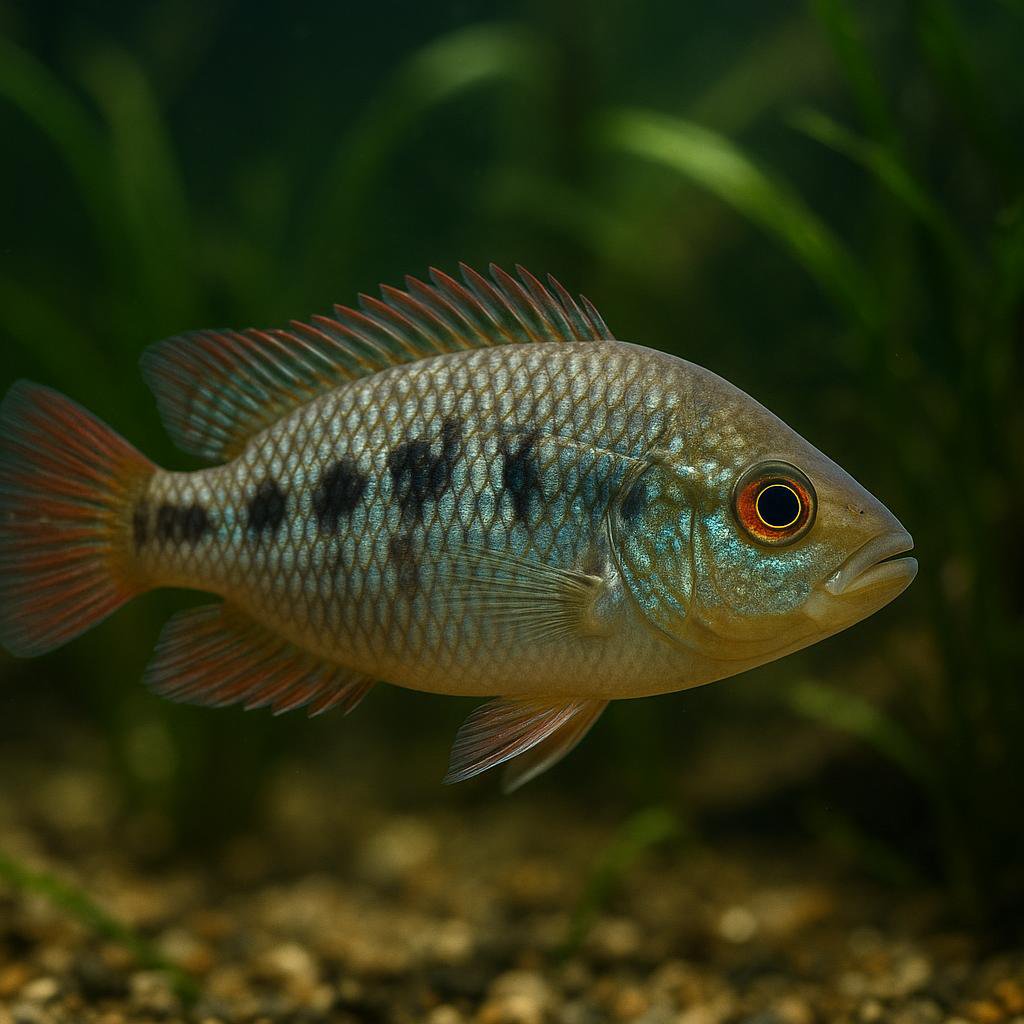
Amatlan chub
Yuriria amatlana
Yuriria amatlana (the Amatlan chub) is a little Mexican native minnow from the Ameca River basin. Its wild range is pretty limited and it is listed as Endangered, so its care info in the aquarium hobby is basically nonexistent and its availability is usually low. In the original species description, preserved fish show a dark lateral stripe with a darker patch on the caudal peduncle, and they can have tiny barbels at the mouth corners.
More to Explore
Discover more freshwater species.
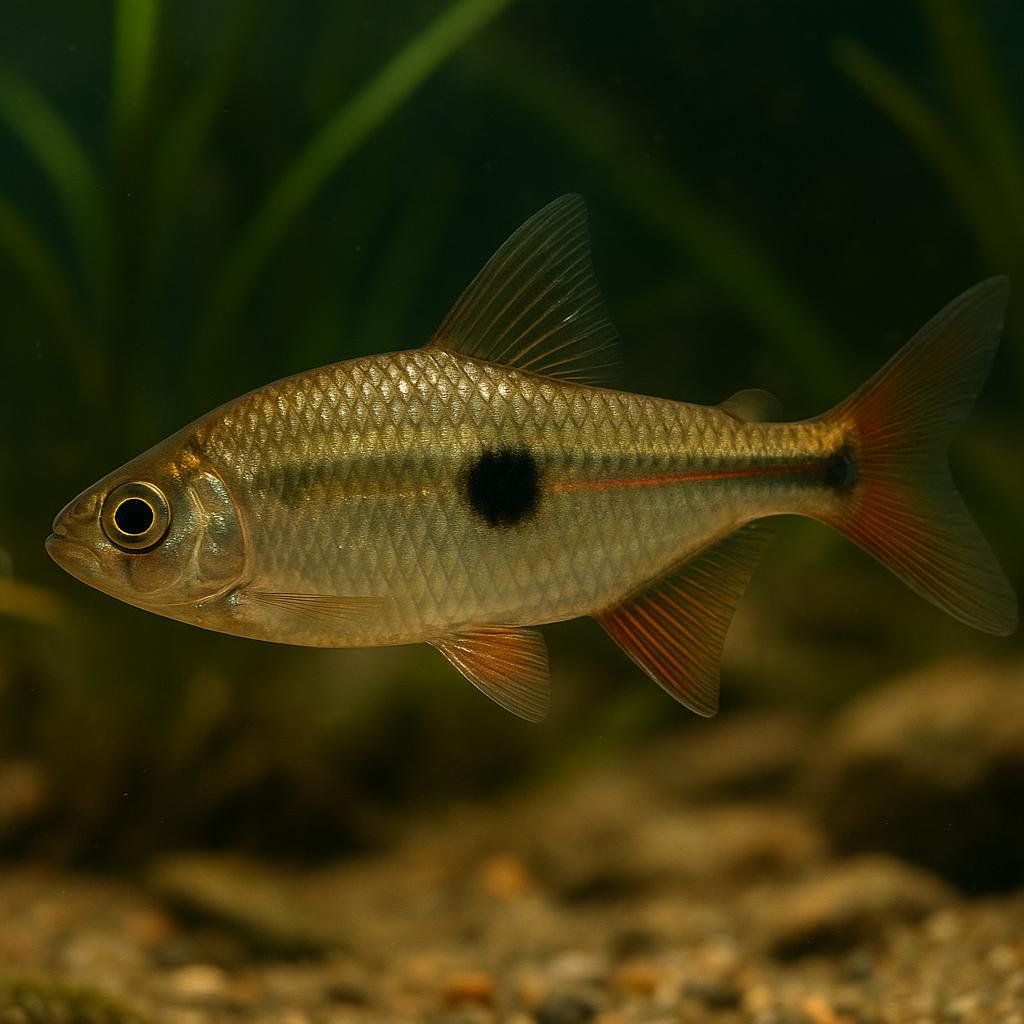
Jupiaba kurua
Small South American characin endemic to the upper rio Curuá (rio Xingu basin, Brazil). Reaches about 8.7 cm SL and inhabits clearwater rivers. Distinguished by dark dots on the bases of many lateral scales and a distinct dark caudal‑peduncle spot. Reported diet indicates omnivory, including aquatic insects, small fishes, and fragments of Podostemaceae and filamentous algae.
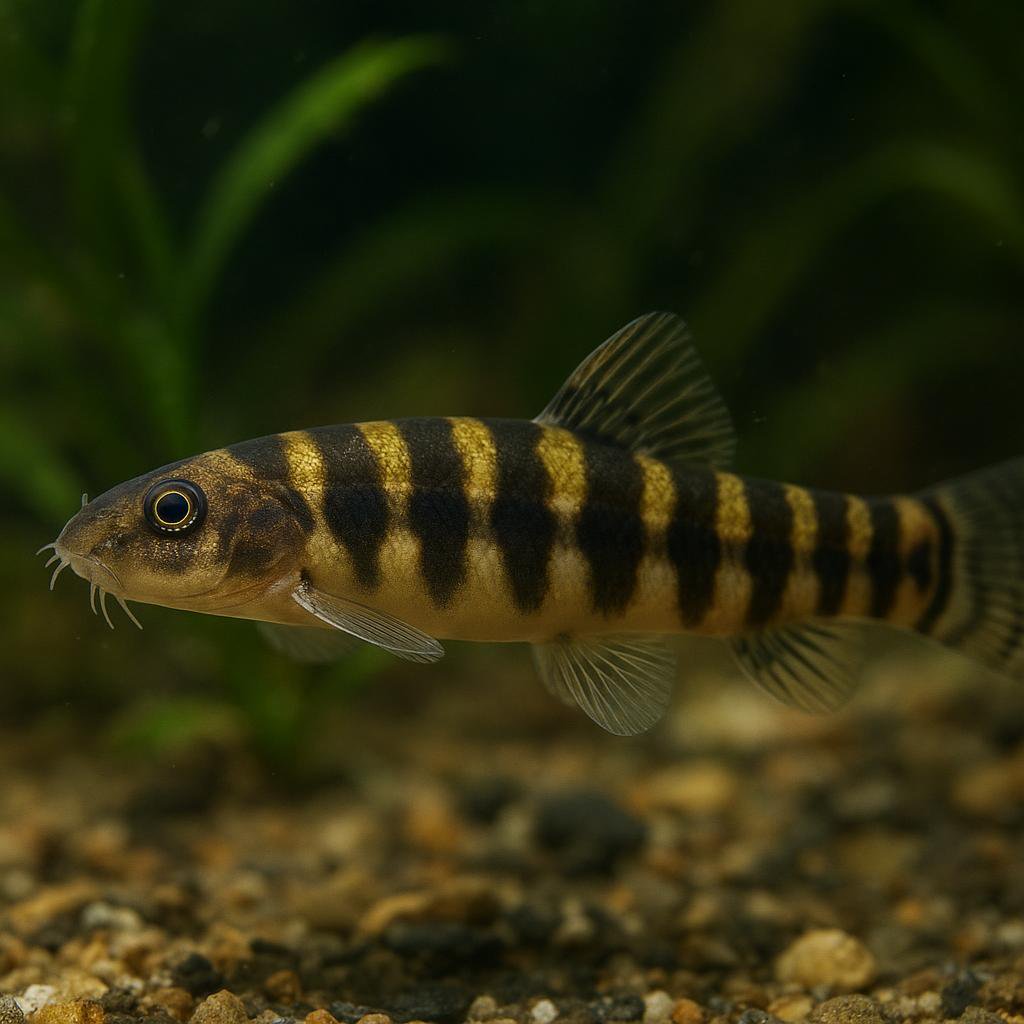
Altipedunculata stone loach
Schistura altipedunculata
Schistura altipedunculata is one of those little stream loaches that wants clean, well-oxygenated water and a bunch of rock nooks to claim as home. It is a bottom-hugger that will spend its day scooting from crevice to crevice, and it tends to get a bit spicy with its own kind if you do not give it enough hiding spots.
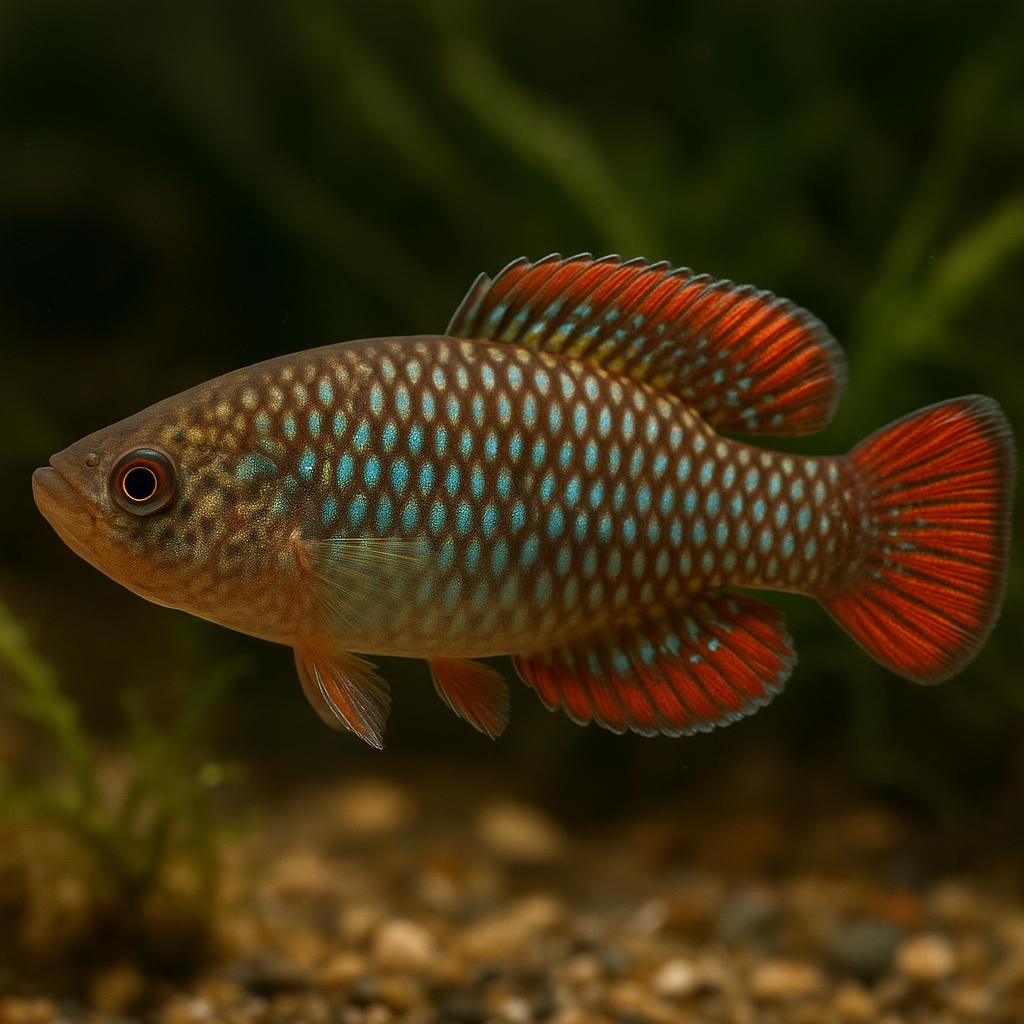
American flagfish
Jordanella floridae
Jordanella floridae is that little Florida native with the red-and-cream striping that really does look like a tiny flag once a male colors up. They graze algae like champs (especially stringy/hair algae), but they have a bit of attitude - give them plants and space so the bossy behavior stays manageable. Bonus: the male guards the eggs and will actively fan them, which is pretty fun to watch.
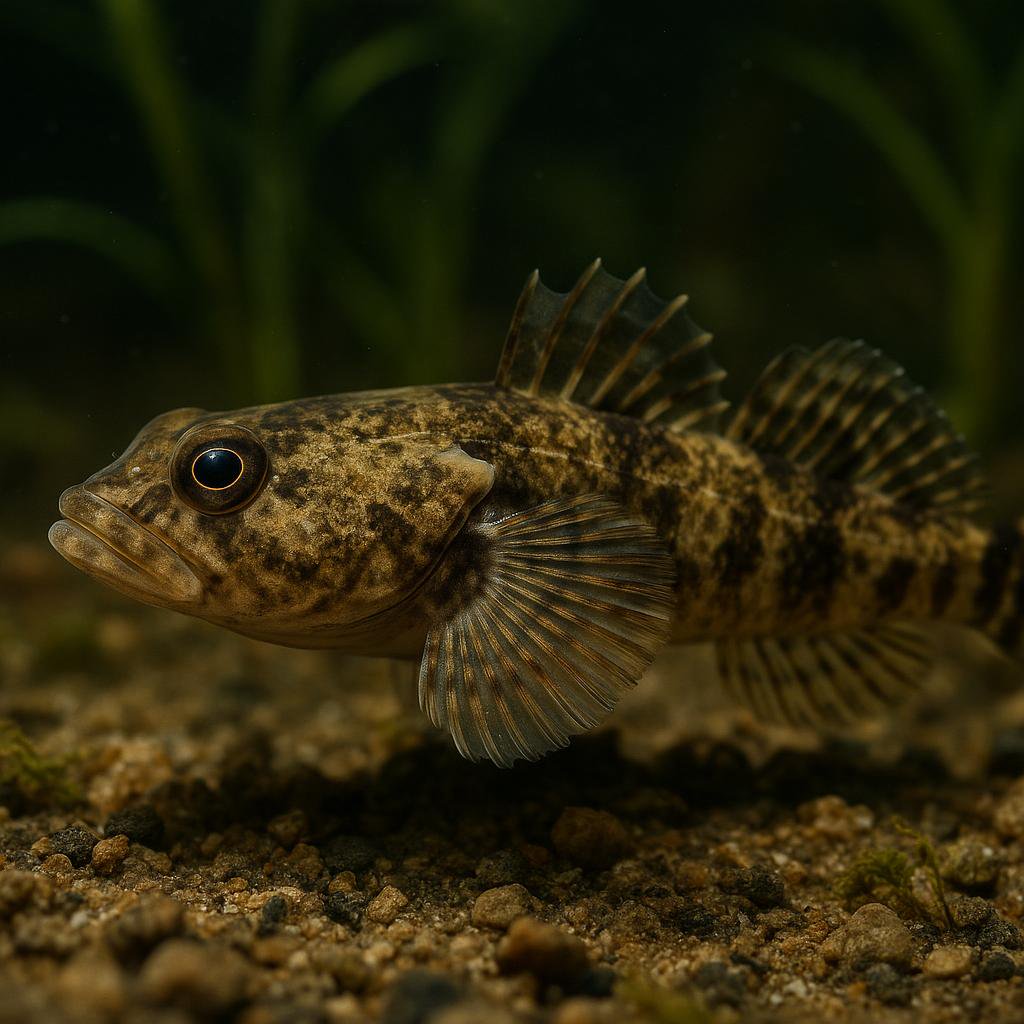
Amur sculpin
Alpinocottus szanaga
This is a little coldwater sculpin from the Amur drainage - a bottom-hugging, rock-and-gravel fish that spends its day wedged under stones and darting out to grab food. Super cool behavior and attitude, but it is absolutely not a warm tropical community fish - it wants chilly, fast, oxygen-rich water and will bicker with other bottom fish.
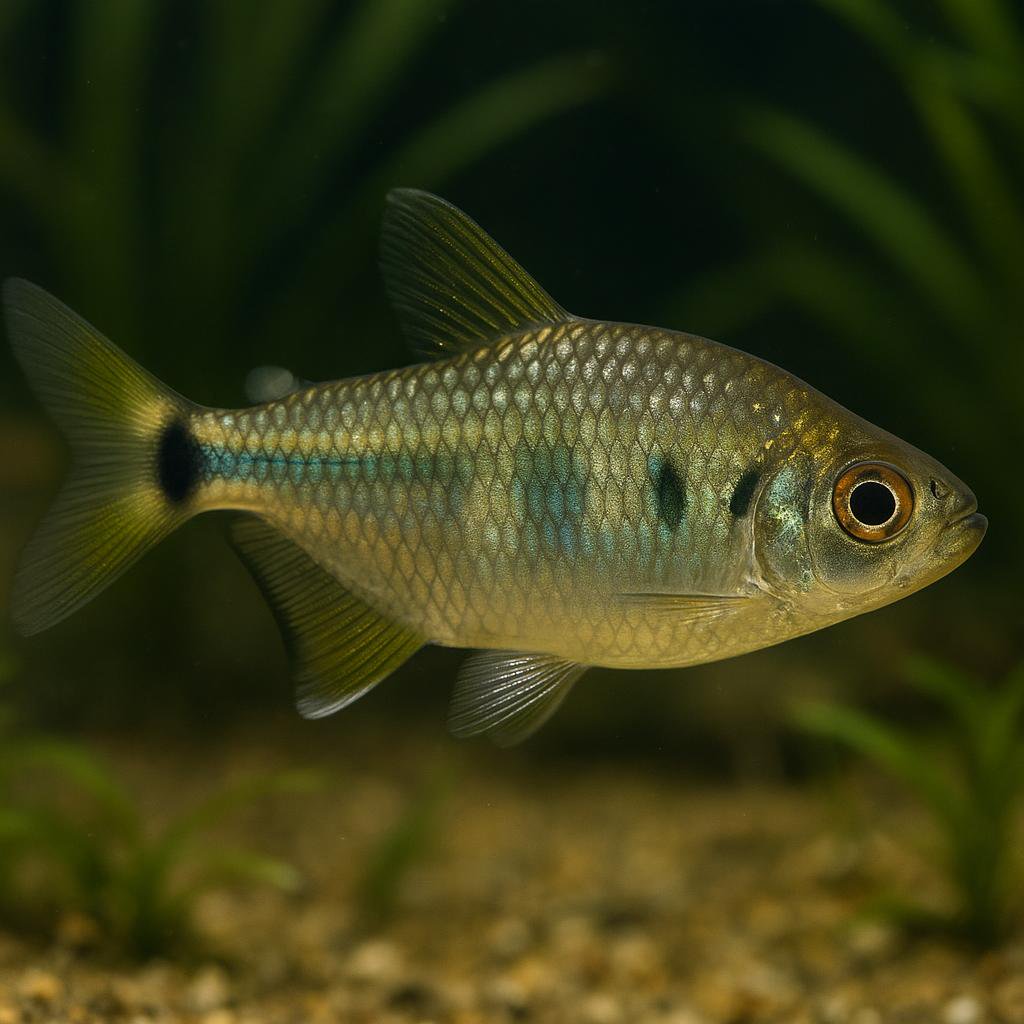
Andrica moenkhausia
Moenkhausia andrica
Moenkhausia andrica is a little Brazilian characin from the Tapajos system that tops out around 7 cm (about 2.8 inches) standard length. It has a neat netted (reticulated) scale pattern plus a dark spot on the caudal peduncle, and the really wild part is that mature females can have tiny fin hooklets too, which is usually a male-only thing in a lot of characins.
Anhanga pygmy pencil catfish
Potamoglanis anhanga
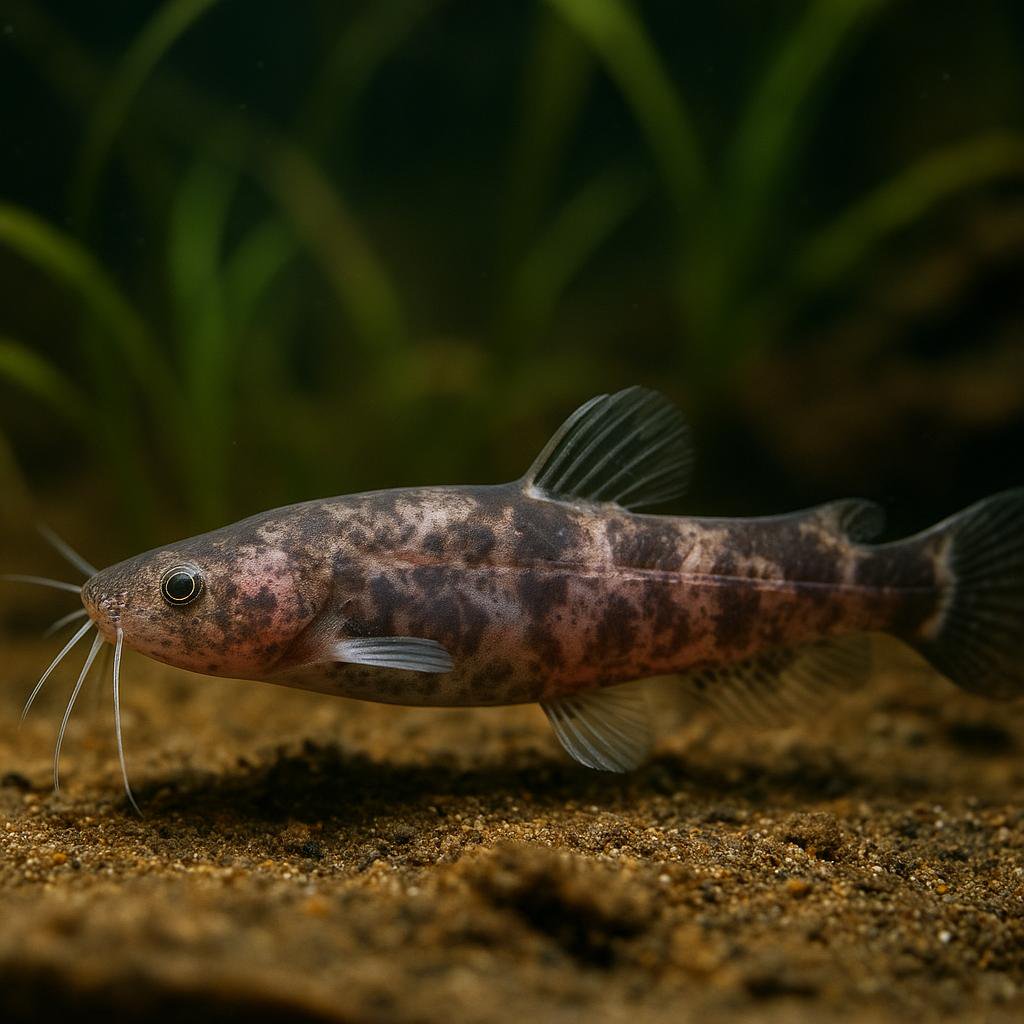
This is a truly tiny Amazonian trichomycterid catfish - like 1.3 cm max - so it is more of a micro-predator oddball than a typical community catfish. It is the kind of fish that disappears into sand, leaf litter, and plant roots, and you will spend way more time setting up the right micro-habitat than you will actually seeing it.
Looking for other species?