

Search Species
Search for fish species by common or scientific name, or use filters to browse by water type, size, temperament, and difficulty.
Found 654 species
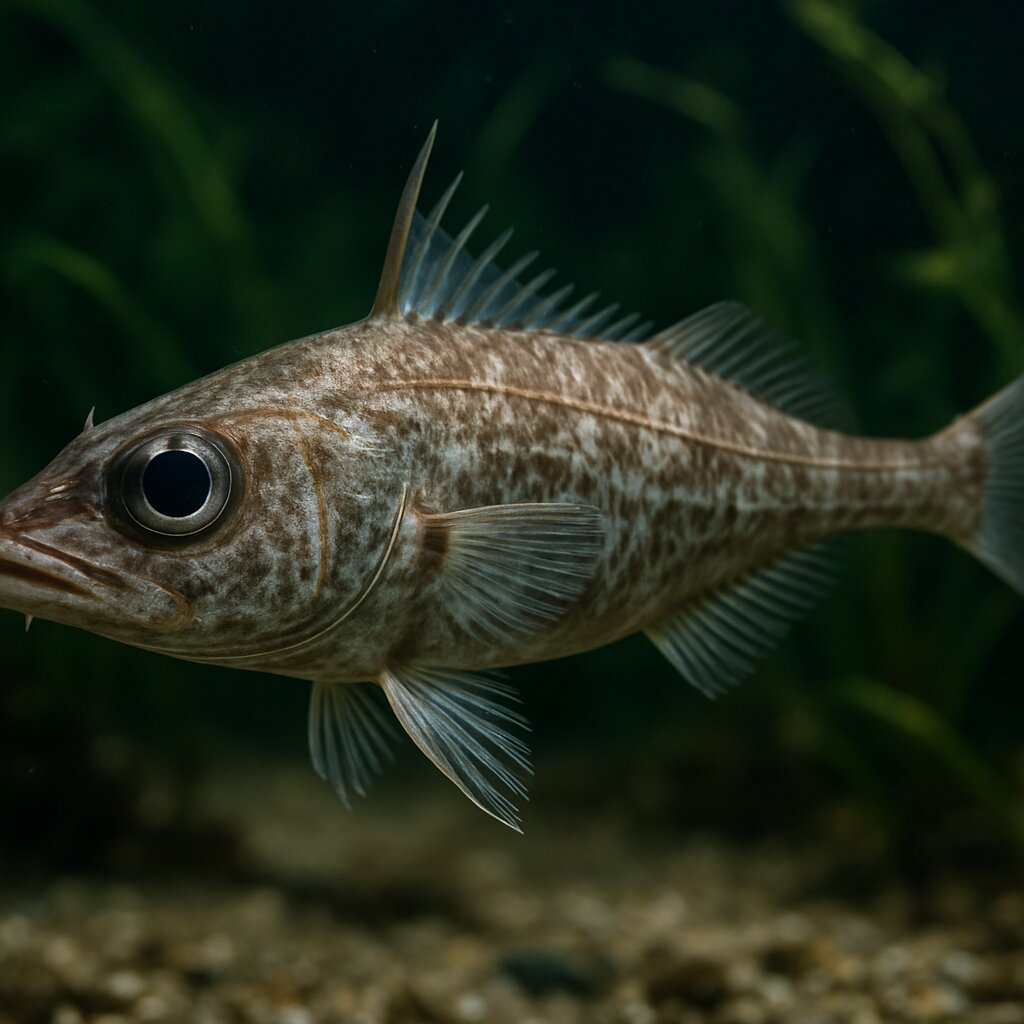
Spiny grenadier
Coelorinchus parallelus
A deep-sea rattail with a long whip tail and spiky head ridges, it cruises 600-1000 m down around Japan, the East China Sea, and the Philippines. It even has a tiny light organ near the belly, which is wild to see in photos. Super cool fish to read about, but not one to keep at home since it wants near-freezing saltwater and deep-ocean conditions.
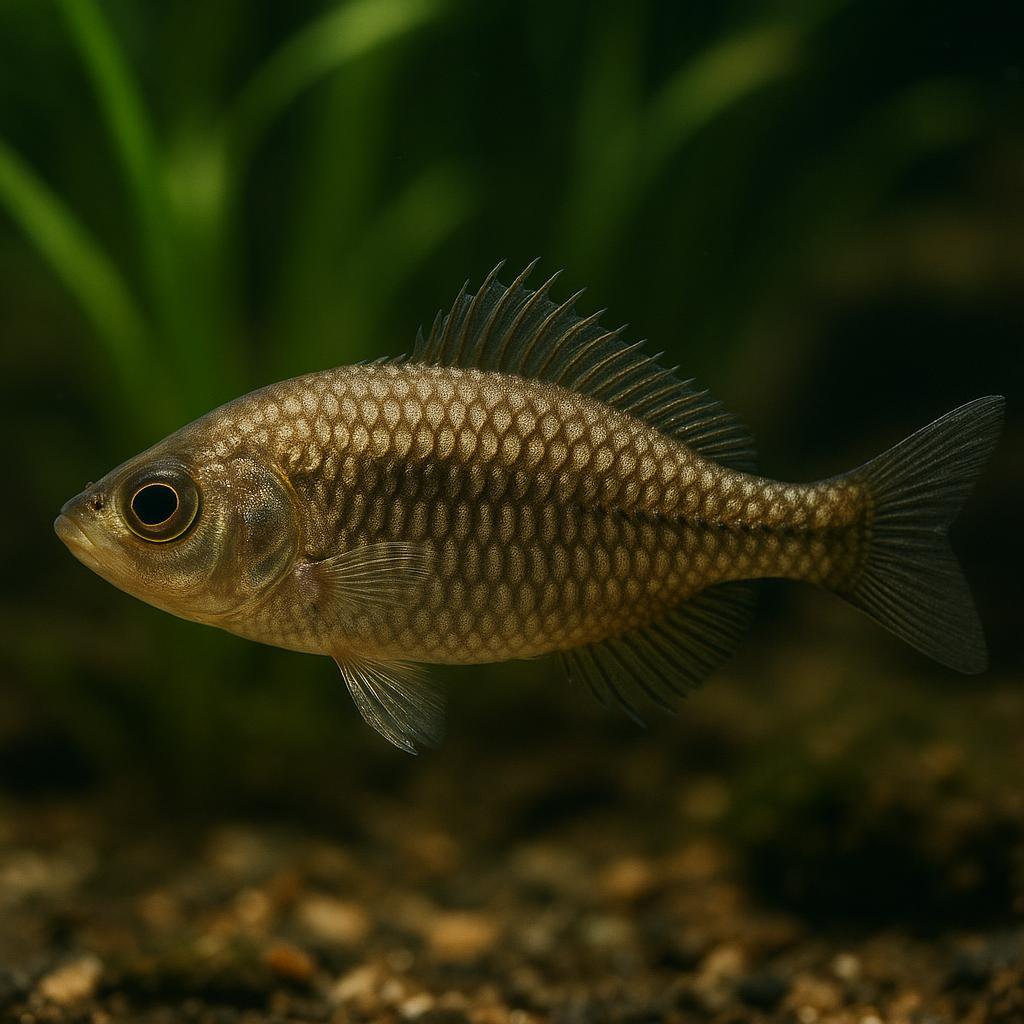
Spiny lanternfish
Dasyscopelus spinosus
This is a small oceanic lanternfish (family Myctophidae) found in tropical and subtropical waters of the Atlantic, Indian, and Pacific oceans. It is high-oceanic and mesopelagic/bathypelagic, becoming near-surface at night (nyctoepipelagic). Adults reach about 9 cm standard length and have spined ctenoid scales at the anal-fin base.
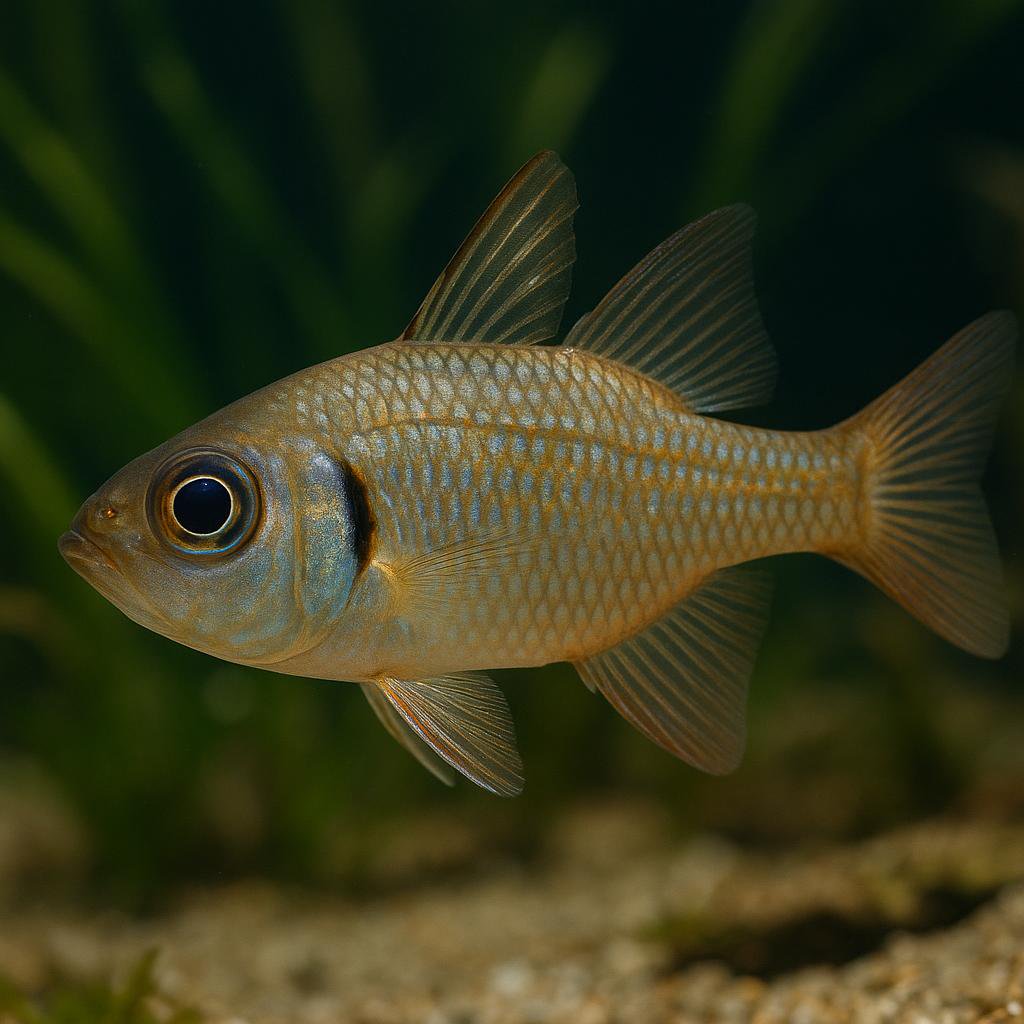
Spotfin cardinal
Jaydia queketti
This is a small marine cardinalfish from the western Indian Ocean with a really recognizable black eyespot on the first dorsal fin and a pattern of brownish spots that line up into messy stripes. It is a nocturnal zooplankton feeder that hides in rocky areas by day, then comes out after lights-out, and males mouthbrood the eggs.
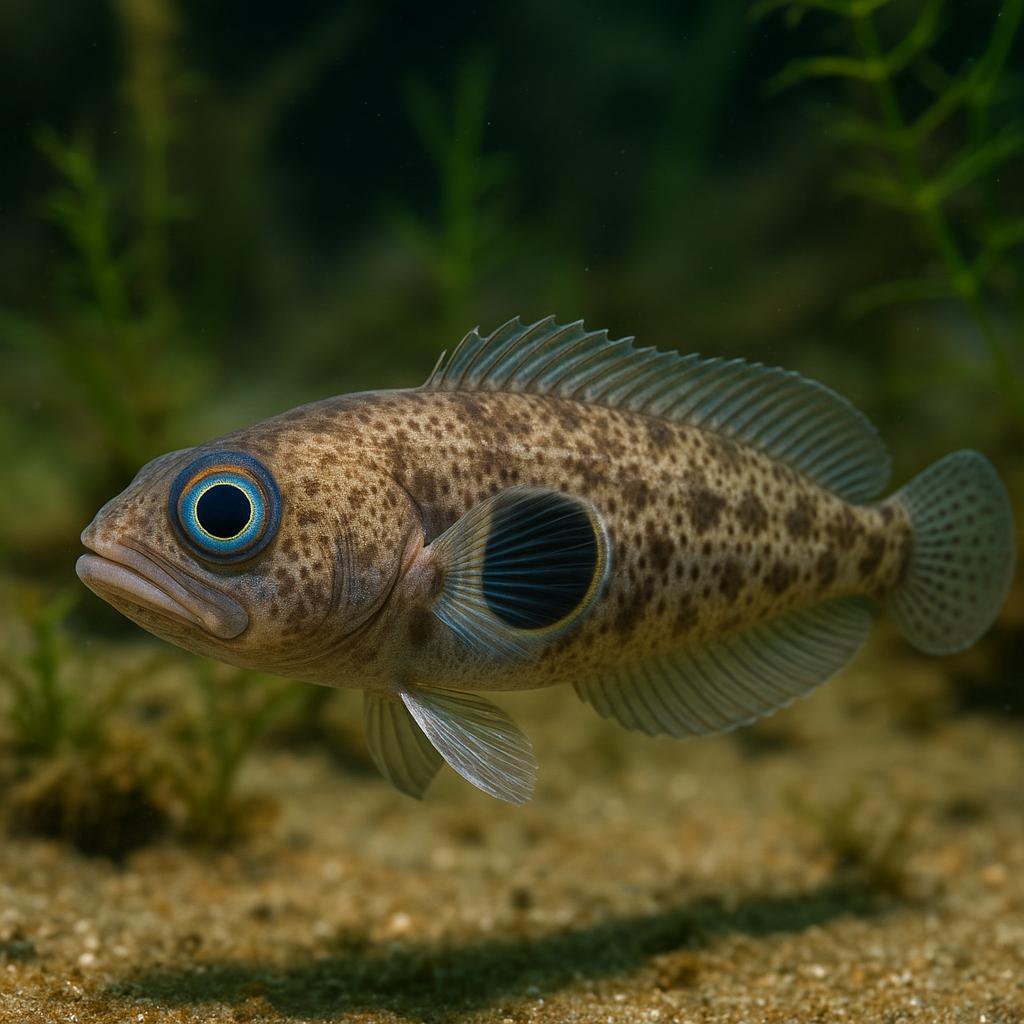
Spotfin cusk
Neobythites macrops
Neobythites macrops is a deep-slope cusk-eel from the Indo-West Pacific that hangs out way down on the shelf and upper slope. It is one of those long, eel-ish bottom fish with little eyespots (ocelli) on the dorsal fin - cool camouflage/decoy stuff for life in dim water. Not really an aquarium fish in any normal sense, since it is a true deepwater marine species.
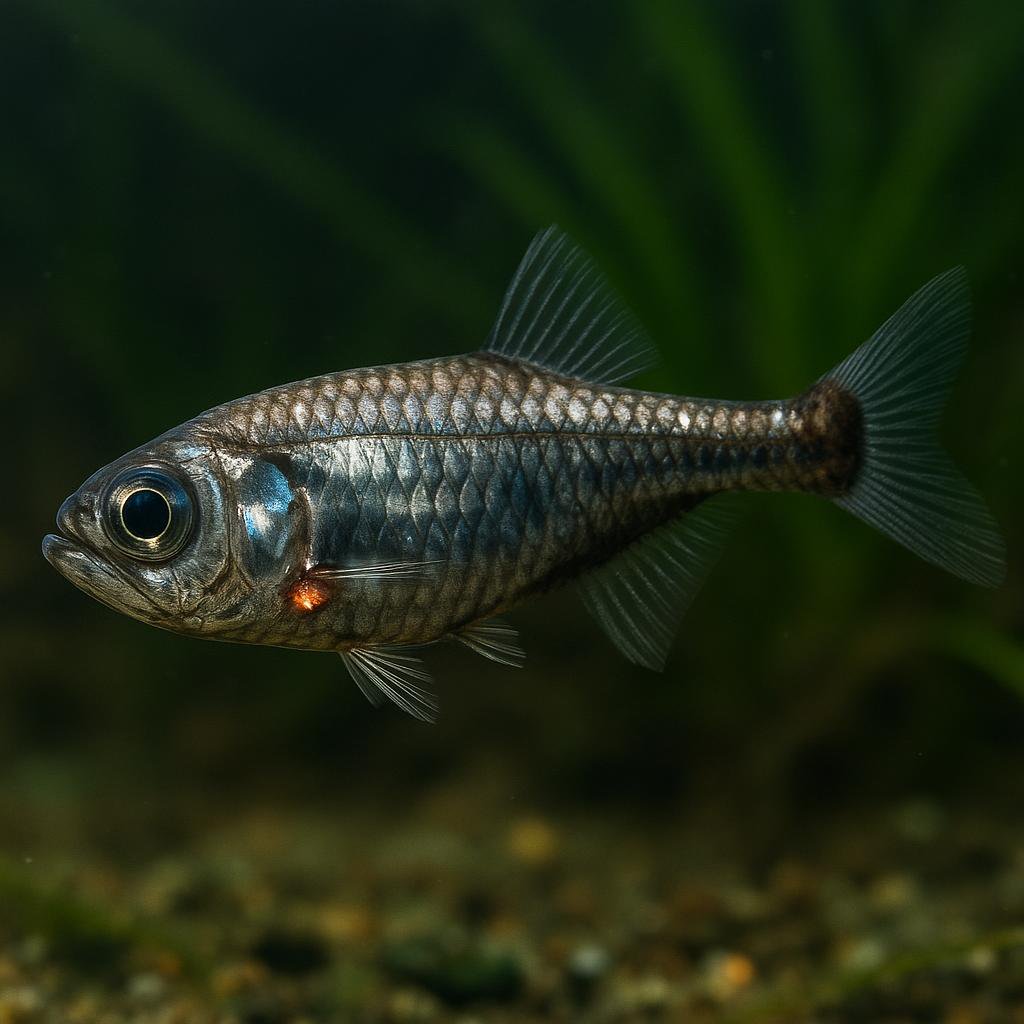
Spothead lantern fish
Diaphus metopoclampus
This is a deep-sea lanternfish with rows of photophores (little light organs) that it uses down in the dark, and it does that classic up-at-night, down-by-day vertical migration. Super cool animal, but its whole lifestyle is built around cold, high-pressure midwater life, so its not really an aquarium fish in any normal sense.
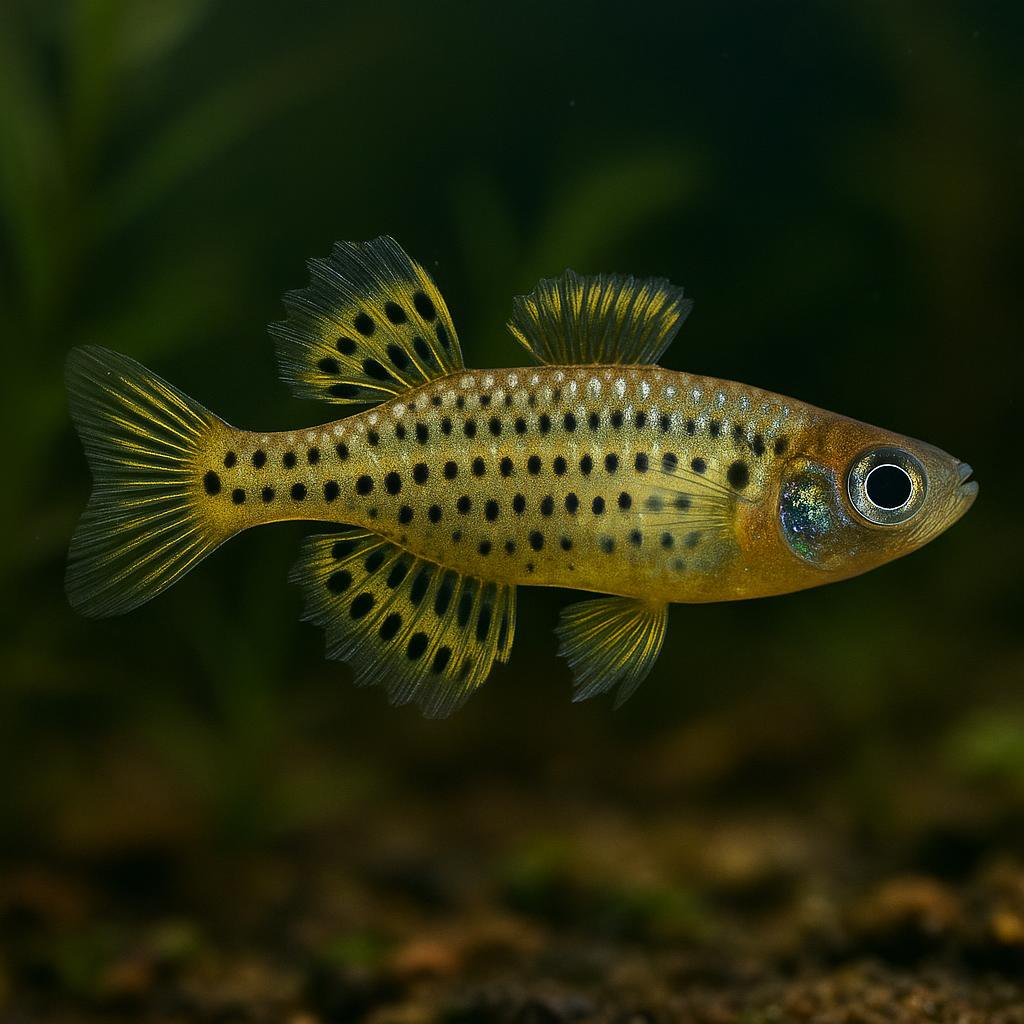
Spotted blue-eye
Pseudomugil gertrudae
This little blue-eye is one of those fish that looks "cute" at first glance, then you notice the electric-blue eyes and the males flashing those spotted fins at each other all day. They're happiest in a planted, kind of shady tank with gentle flow, where they'll cruise in a loose group and do constant mini courtship displays.
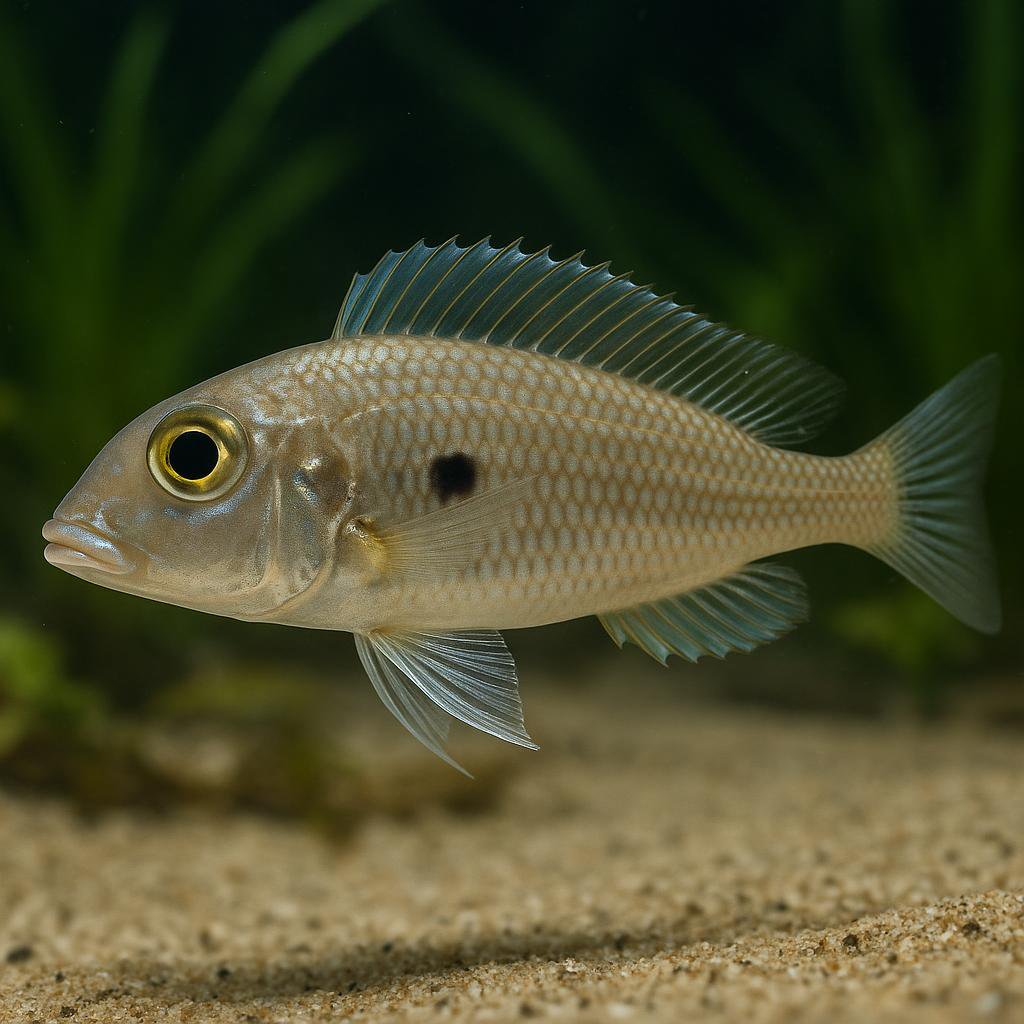
Spottedfin sand cichlid
Xenotilapia spiloptera
Xenotilapia spilopterus is a Lake Tanganyika sand-sifter that spends its day cruising over open sand, scooping mouthfuls and filtering out tasty bits like insect larvae. They are at their best in a small group where you get to watch the schooling vibe, then pairs peel off to mouthbrood when they are ready. Give them fine sand and stable, hard alkaline water and they really settle in.
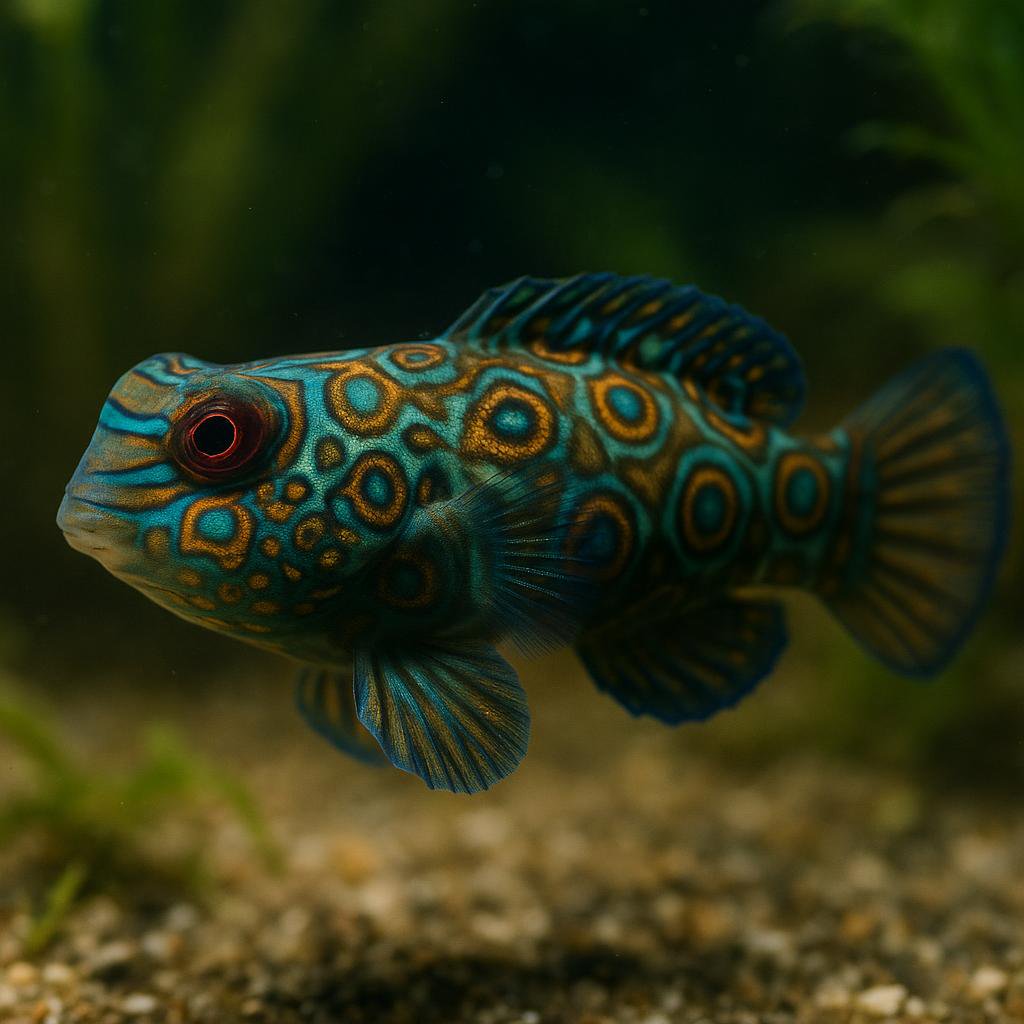
Spotted Mandarin Dragonet (Picturesque/Psychedelic Mandarin)
Synchiropus picturatus
This little dragonet is basically a living piece of reef art-chunky fins, goofy "hovering" swimming, and those crazy psychedelic spots that look painted on. The big thing with them is they're constant pickers, cruising rockwork all day hunting tiny critters, so they're happiest in a mature tank with tons of pods (or a keeper who's ready to meet them halfway on food). If you like chill fish with tons of personality that don't bother anyone, mandarin time is hard to beat.
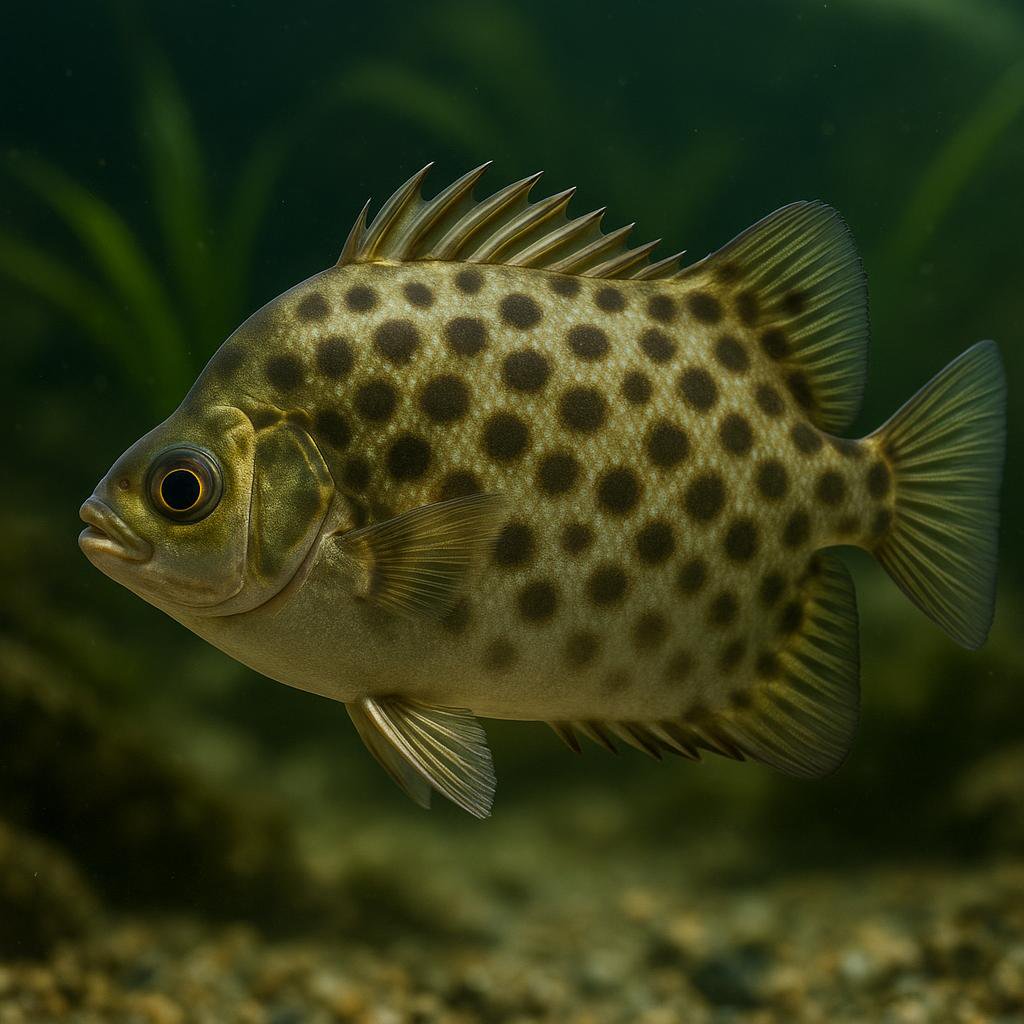
Spotted scat
Scatophagus argus
Spotted scats are those chunky, disc-shaped brackish fish with the peppered "polka dot" pattern that changes a lot as they grow. They cruise around in groups, eat basically anything you offer, and they're tough as nails-just don't fall into the super common trap of keeping them in straight freshwater long-term.
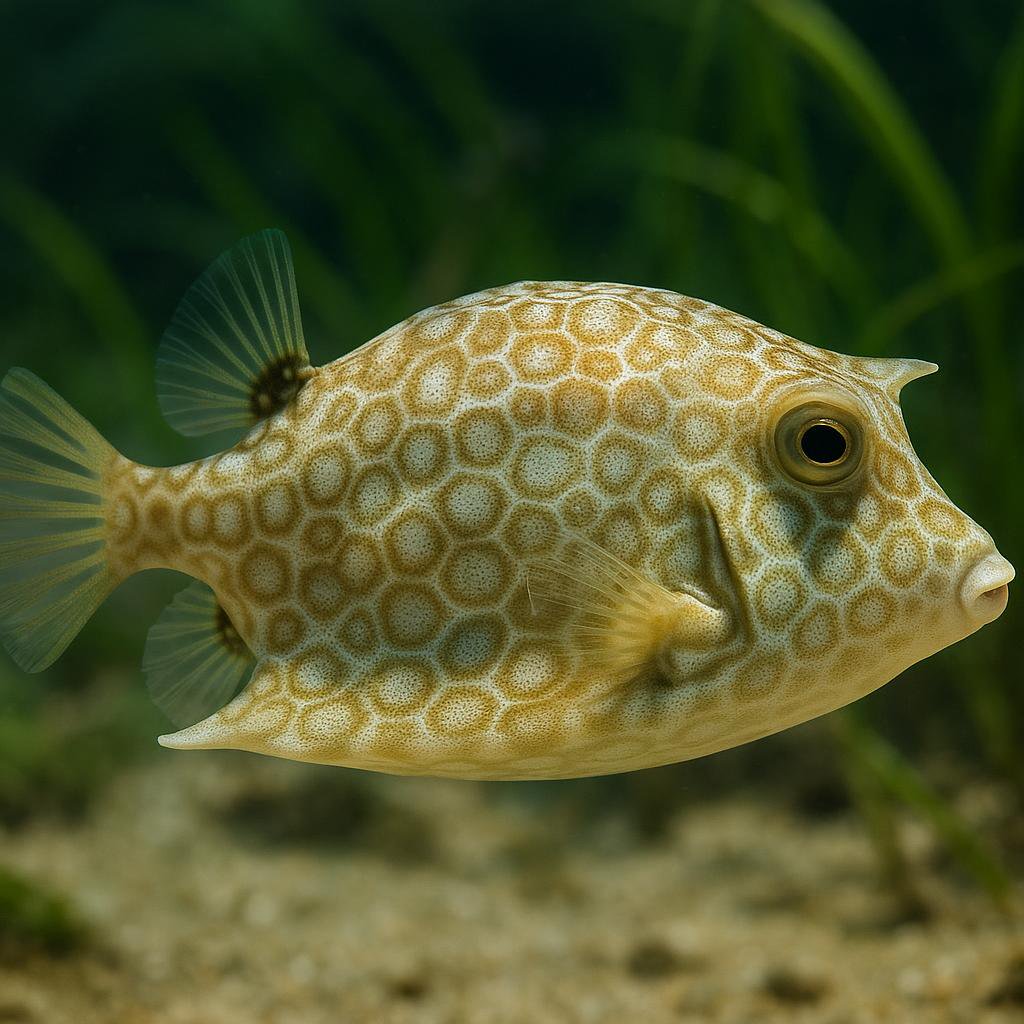
Spotted spikefish
Hollardia meadi
Hollardia meadi is a tiny deepwater spikefish from the western Atlantic with a super cool pink-and-spot pattern and those lockable spines that make the whole family look like little armored oddballs. Its a rocky-bottom, reef-associated fish that lives way deeper than typical reef tank temps, so its basically a no-go for normal home aquariums unless youre set up for chilled deepwater marine.
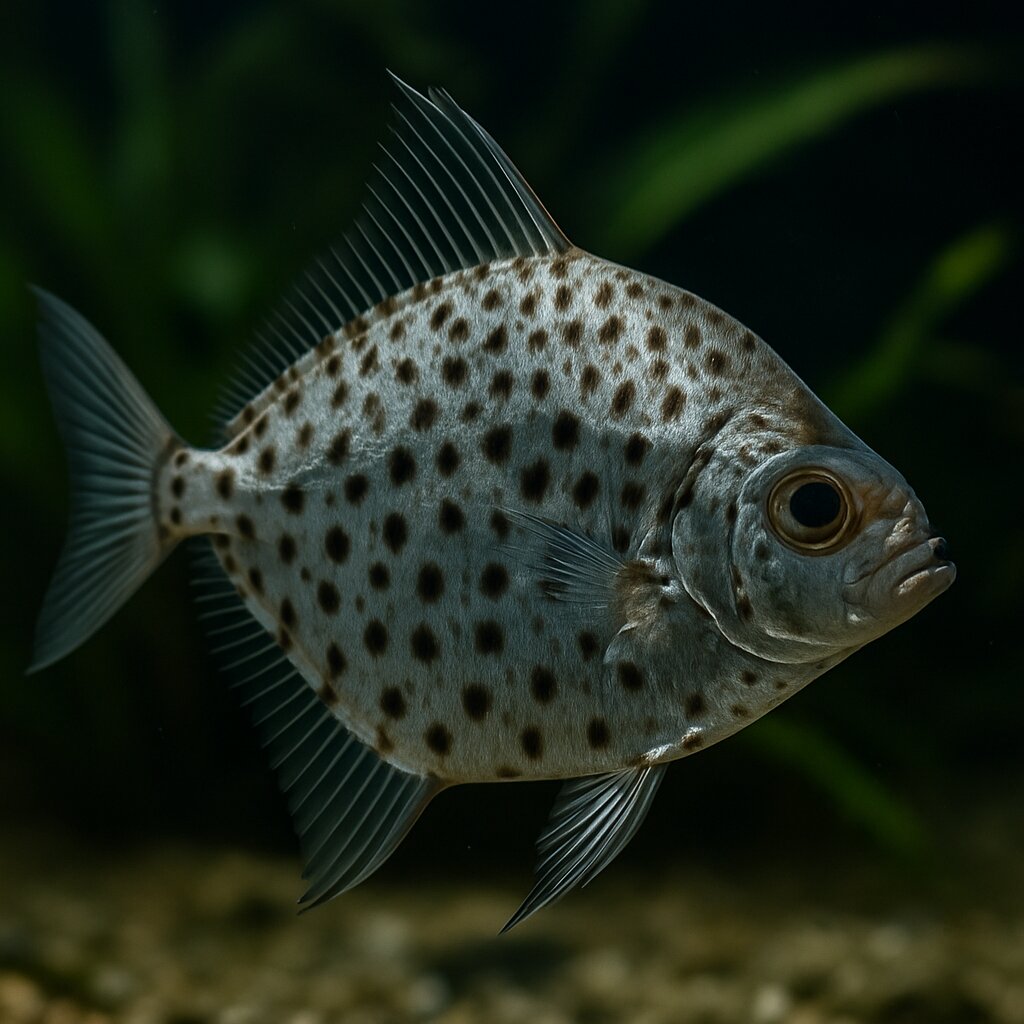
Spotted tinselfish
Xenolepidichthys dalgleishi
This is a quirky deepwater tinselfish with a shiny silver body sprinkled in black polka-dots. Juveniles sport crazy-long fin spines, and the species lives way down the continental slopes in cold, dim water. It is a marine oddball and not a realistic home-aquarium fish.
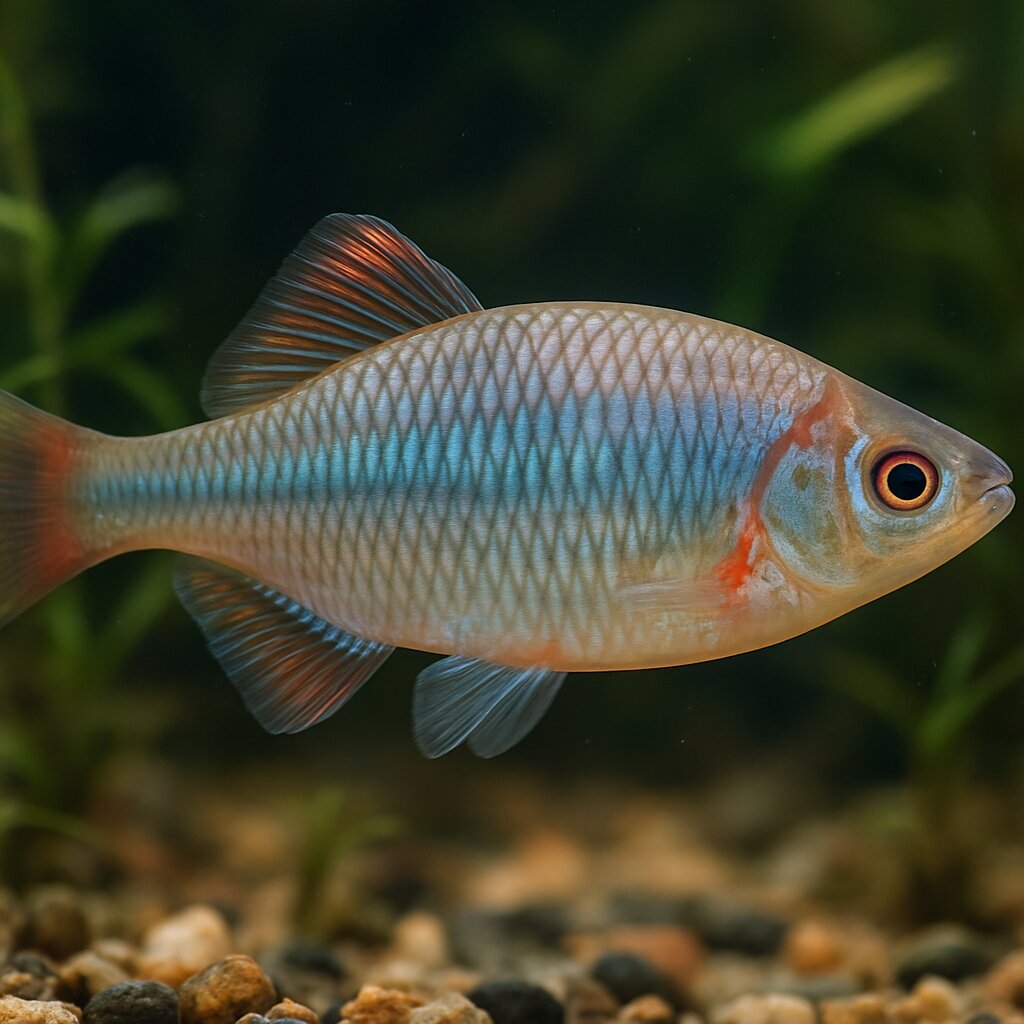
Spring bitterling
Rhodeus suigensis
This is a tiny cool-water bitterling from western Japan, and the females lay eggs inside living mussels using a little tube-like ovipositor. Males flash a subtle blue-green stripe and rosy fins when they are in the mood, which is awesome to watch in a calm, planted setup. It is protected in Japan and rarely seen in the trade, so it is more of a conservation-darling than a casual community fish.