

Spotted tinselfish
Xenolepidichthys dalgleishi
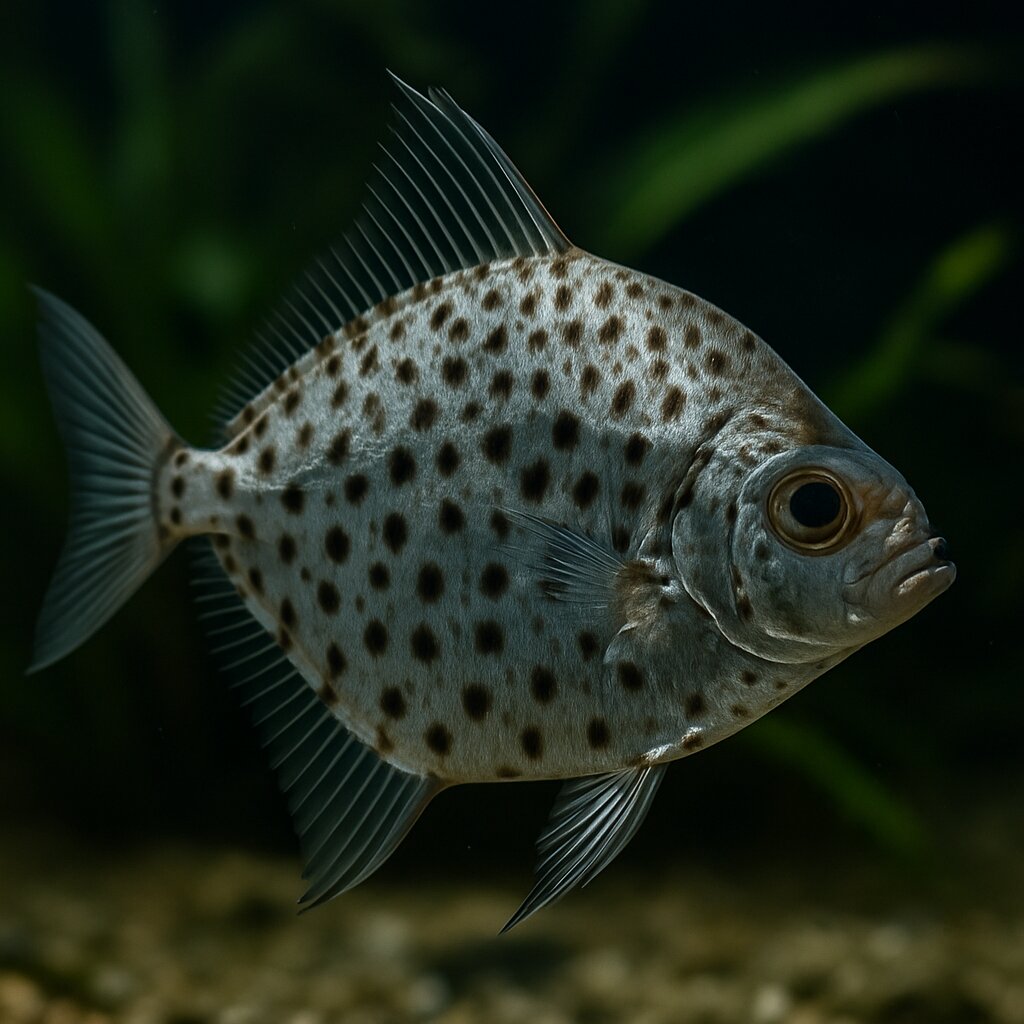
The Spotted tinselfish exhibits a slender body with bright silver scales and distinctive black spots, particularly pronounced on juvenile specimens.
This page includes AI-generated images. Why am I seeing AI images?
About the Spotted tinselfish
This is a quirky deepwater tinselfish with a shiny silver body sprinkled in black polka-dots. Juveniles sport crazy-long fin spines, and the species lives way down the continental slopes in cold, dim water. It is a marine oddball and not a realistic home-aquarium fish.
Also known as
Quick Facts
Size
17.5 cm
Temperament
Peaceful
Difficulty
Expert
Min Tank Size
0 gallons
Lifespan
unknown
Origin
Atlantic, Indian, and Pacific Oceans
Diet
Carnivore - zooplankton, fish larvae, small crustaceans
Water Parameters
9.6-19.4°C
7.8-8.2
0-0 dGH
Care Notes
- Plan for a very large chilled marine tank with tons of open water; think 300+ gallons, 6+ feet long, smooth rockwork, and a tight lid for startle dashes.
- Keep it cold and steady: 8-12 C (46-54 F), SG 1.025-1.027, very high oxygen via big skimmer and surface agitation, and only gentle laminar flow.
- Run the tank dark and quiet; deep-blue or red night lighting works, and bright light will have them pancaking into the glass.
- Acclimate in near darkness with a slow drip, no nets (use a tub), and do not try to 'vent' the swim bladder; give them hours to settle with heavy aeration.
- Feed the water column 3-5 times daily with small meaty items that drift: live or fresh mysis, calanus, enriched brine, fine krill, and soft gel diets; they almost never pick off the bottom.
- Tankmates should be other chilled-water, slow, non-nippy fish; skip tangs, triggers, wrasses, groupers, and anything that cruises fast or hogs food.
- Expect zero chance of breeding in captivity; they are pelagic spawners and there are no solid reports of captive reproduction.
- Watch for buoyancy issues and skin scrapes; avoid copper and harsh meds, keep temps rock steady, run UV/ozone, and keep all contact surfaces smooth.
Compatibility
Good Tankmates
- Their own kind, same size, kept as a small group in a chilled, low-light tank - they settle in and cruise together
- Boarfish or snipefish - gentle deepwater plankton pickers that match their slow pace
- Oreos and roughies of similar size - calm, low-light midwater fish; size match so nobody fits in anyone else's mouth
- Peaceful coldwater bottom-sitters that ignore midwater fish, like small sculpins or poachers
- Shy, non-nippy temperate schooling fish that do fine in dim light and take small zooplankton
- Carefully chosen pinecone fish in a cool, low-light setup - slow, polite night cruisers that will not hassle them
Avoid
- Fast, pushy reef fish like tangs, big wrasses, and damsels - they outswim and outcompete tinselfish at feeding time
- Predators with big mouths such as groupers, lionfish, and snappers - tinselfish are bite size
- Chronic nippers and pickers like triggers and many angels or butterflies - their delicate fins and skin get shredded
- Bright-reef sprinters like chromis and hyper anthias - too warm, too fast, and they hog the food
Where they come from
Spotted tinselfish are deepwater oddballs from the twilight zone, usually a few hundred meters down and sometimes much deeper. You see them recorded from the Atlantic and Indo-Pacific, turning up as trawl bycatch every now and then. They have that mirror-foil body that looks unreal under a light, which makes sense for life in dim, open water.
Deepwater origin drives almost every care decision: cold water, very low light, open space, and gentle current. If you cannot chill below 10 C and keep the room dark-ish, pass on this fish.
Setting up their tank
Think public-aquarium style. They pace the water column and scuff easily, so you want a big, smooth, dim box of water. Mine did best in a kreisel-style oval with blacked-out sides and no rockwork to bounce off.
- Volume: 800-2000+ liters for a single adult. More is better.
- Temperature: 6-10 C (I aim for 7-9 C). Use a reliable chiller and a backup plan.
- Lighting: very dim blue/white. Black out the sides. Red viewing light works well.
- Flow: gentle circular laminar flow. No jet blasts. Use spray bars or diffusers.
- Aquascape: open water. Round corners, soft edges, dark background. Lid is mandatory.
- Water: 35 ppt salinity, pH 8.0-8.3, near-100% oxygen saturation, very low ammonia/nitrite.
Filtration has to be rock solid because you will feed often. Oversized skimmer, lots of biomedia, UV or ozone to keep the water polished. Keep turnover high but spread out the outlets so the fish is never pinned.
Use red-spectrum room lights for maintenance. They barely react to red, which makes netting and observation far less stressful.
Have temperature alarms and a UPS on the chiller pump. A warm day or a power blip can cook a deepwater fish in hours.
What to feed them
They pick midwater prey in the wild: small crustaceans, gelatinous plankton, and tiny fish bits. Getting a new tinselfish eating is the hard part. Start with lively, neutrally buoyant foods in low light, then slowly mix in prepped items.
- Starter foods: live mysids, live glass shrimp (marine), enriched adult brine as a last resort.
- Weaning foods: PE mysis, Calanus, chopped krill, finely diced raw shrimp/squid/scallop, fish roe.
- Supplements: soak in a quality HUFA/vitamin mix; small pinch of iodine weekly helps with skin health.
- Routine: 3-6 small feeds per day at first, then 2-3 once body weight is stable.
Deliver food midwater with a turkey baster or feeding tube. Let it drift across the fish's path. They rarely take from the surface and will gulp air if pushed.
Kick the flow to half or use a feed mode so the food hangs in the water column longer. Ramp it back up after 10 minutes.
How they behave and who they get along with
Spooky, reflective, and surprisingly delicate. Mine spent most of the time cruising midwater, turning to inspect anything that drifted past. Bright lights and reflections set them off, so tape over shiny surfaces and keep the room calm.
- Best kept solo. They do not need company and can panic if crowded.
- If you must mix, only with very gentle, coldwater pelagics that ignore food competition. No nippers, no fast sprinters.
- Absolutely avoid warmwater species, triggers, wrasses, or anything territorial.
This is not a community fish. One shove from an active tankmate can send it into the glass and peel skin.
Breeding tips
None to offer from the hobby. They are almost certainly pelagic spawners with drifting larvae. No documented captive spawnings that I am aware of, and I would treat this species as display-only.
Common problems to watch for
- Barotrauma on arrival: floating, head-up posture, bubbles under the skin. If it was not decompressed at capture, survival is poor.
- Refusal to eat: try live mysids in near-dark, minimal movement around the tank.
- Light shock: frantic dashes at sudden brightness. Keep the room dim and use ramped lighting.
- Scuffing and skin infections: they scrape easily. Treat abrasions early; keep water ultra-clean.
- Buoyancy swings after surface feeding: keep food midwater; avoid gulping air.
- Warmth stress: temps creeping above 10-12 C lead to lethargy and rapid decline.
Ethics check: most spotted tinselfish enter the trade as deep trawl bycatch and do not last. If you do not already run a chilled, dim, large-volume system and have a steady supply of live food, please leave this fish to public aquariums.
Similar Species
Other marine peaceful species you might be interested in.
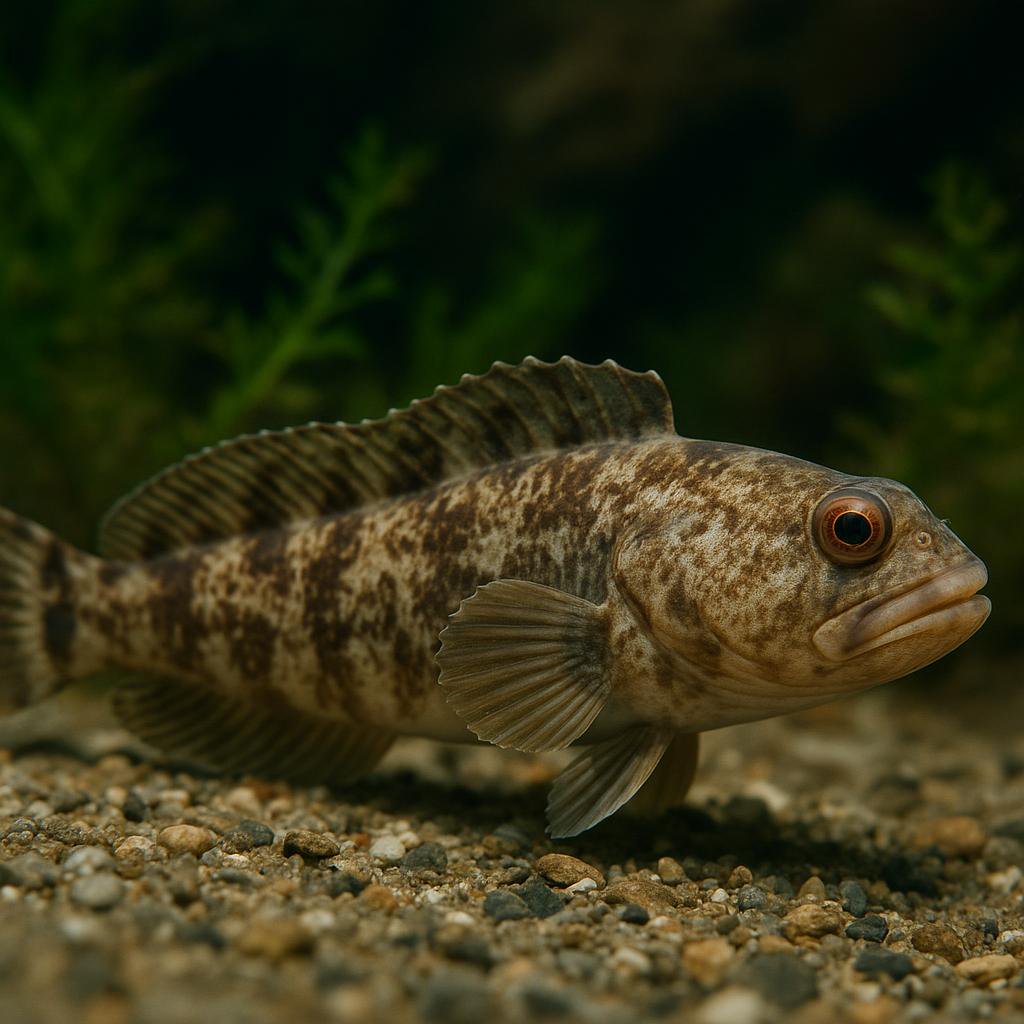
Abe's eelpout
Japonolycodes abei
Japonolycodes abei is a temperate, deepwater demersal eelpout (family Zoarcidae) endemic to Japan (Kumano-nada Sea reported; other sources also report Sagami Bay and Tosa Bay). It is the only species in the genus Japonolycodes and occurs roughly 40-300 m depth, making it an uncommon/atypical aquarium species.
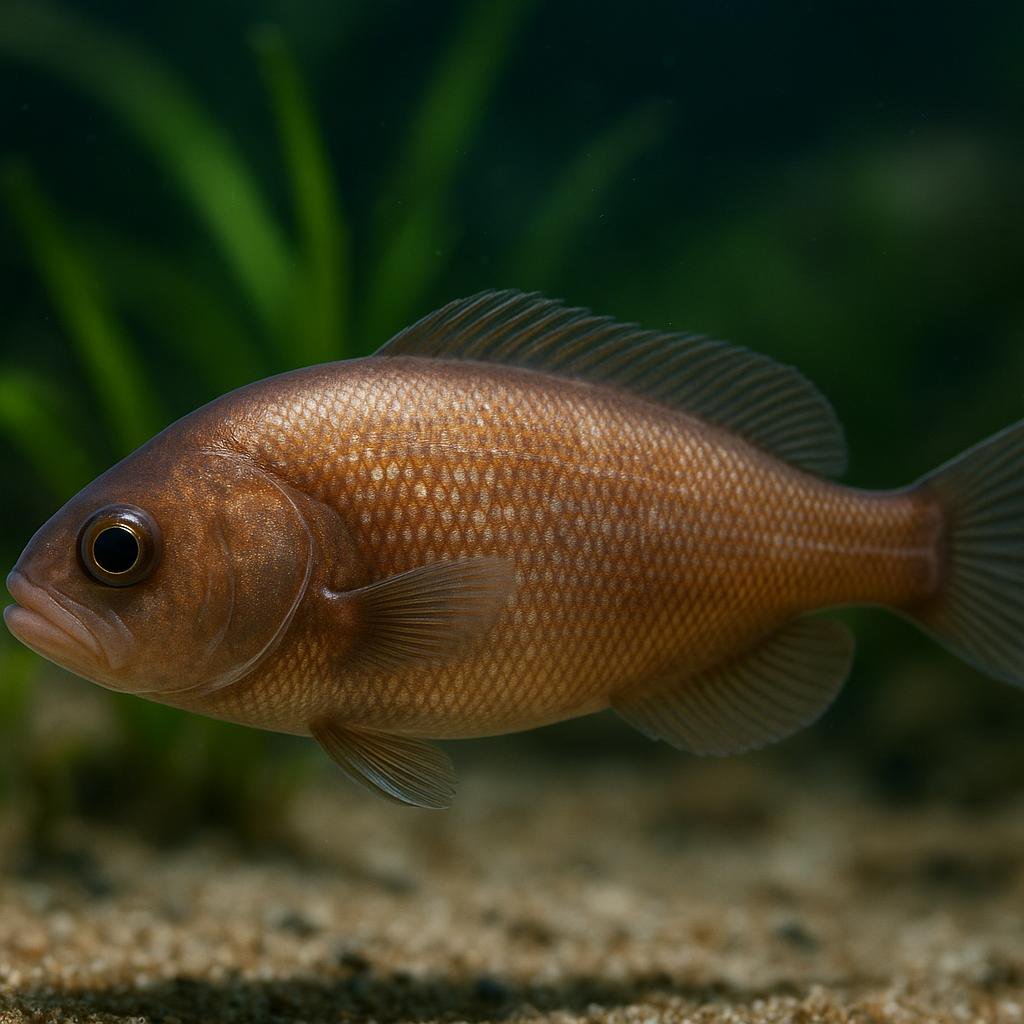
Affinis blind cusk-eel
Barathronus affinis
Barathronus affinis is a tiny, super-weird deep-sea blind cusk-eel from the western-central Indian Ocean. It is one of those gelatinous, loose-skinned brotula-type fishes that live way down in the dark and are basically never seen alive, so almost everything we know comes from preserved specimens and taxonomic work.
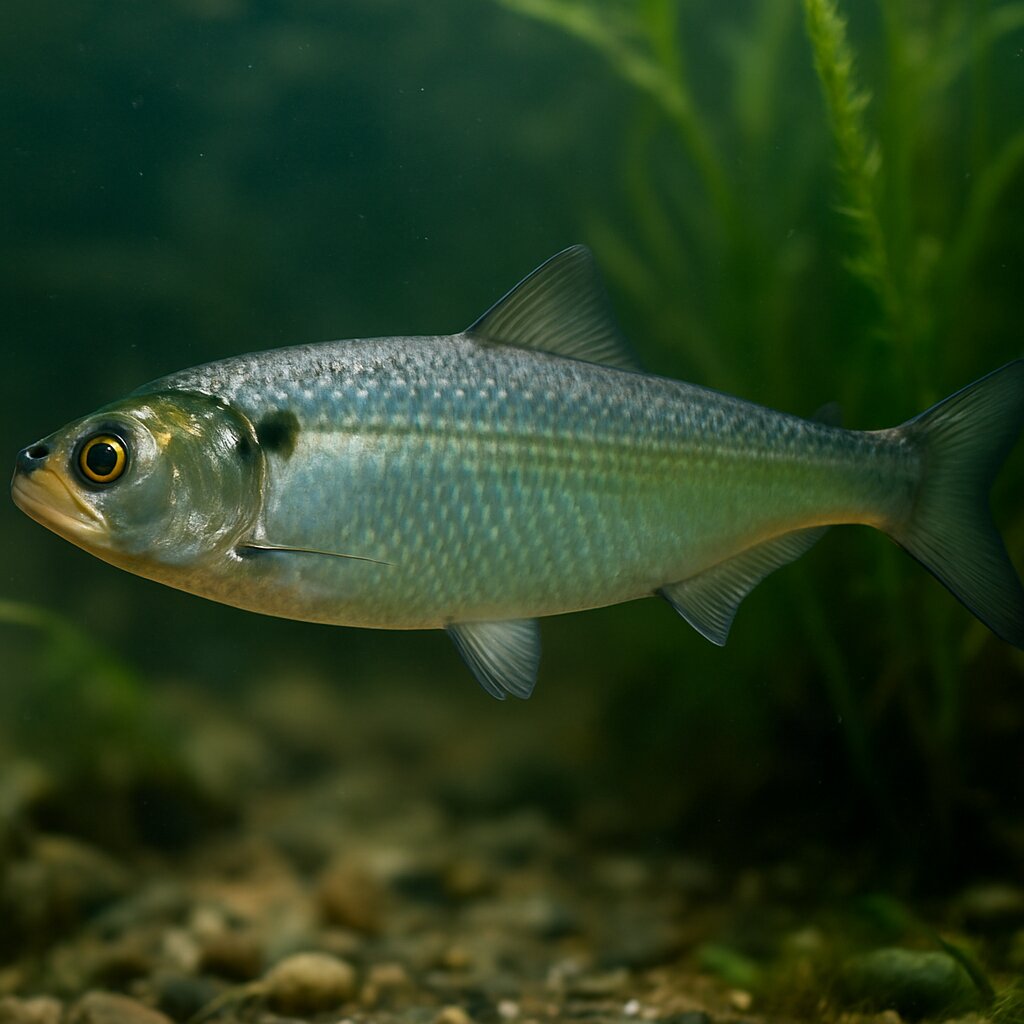
Allis shad
Alosa alosa
Gorgeous silver, fast-swimming shad that spends most of its life in the sea and then surges up big rivers in noisy, surface-spawning schools. It grows huge for a herring-type fish and needs cool, ultra-oxygenated water and tons of open space, so it is a public-aquarium species rather than a home tank fish.
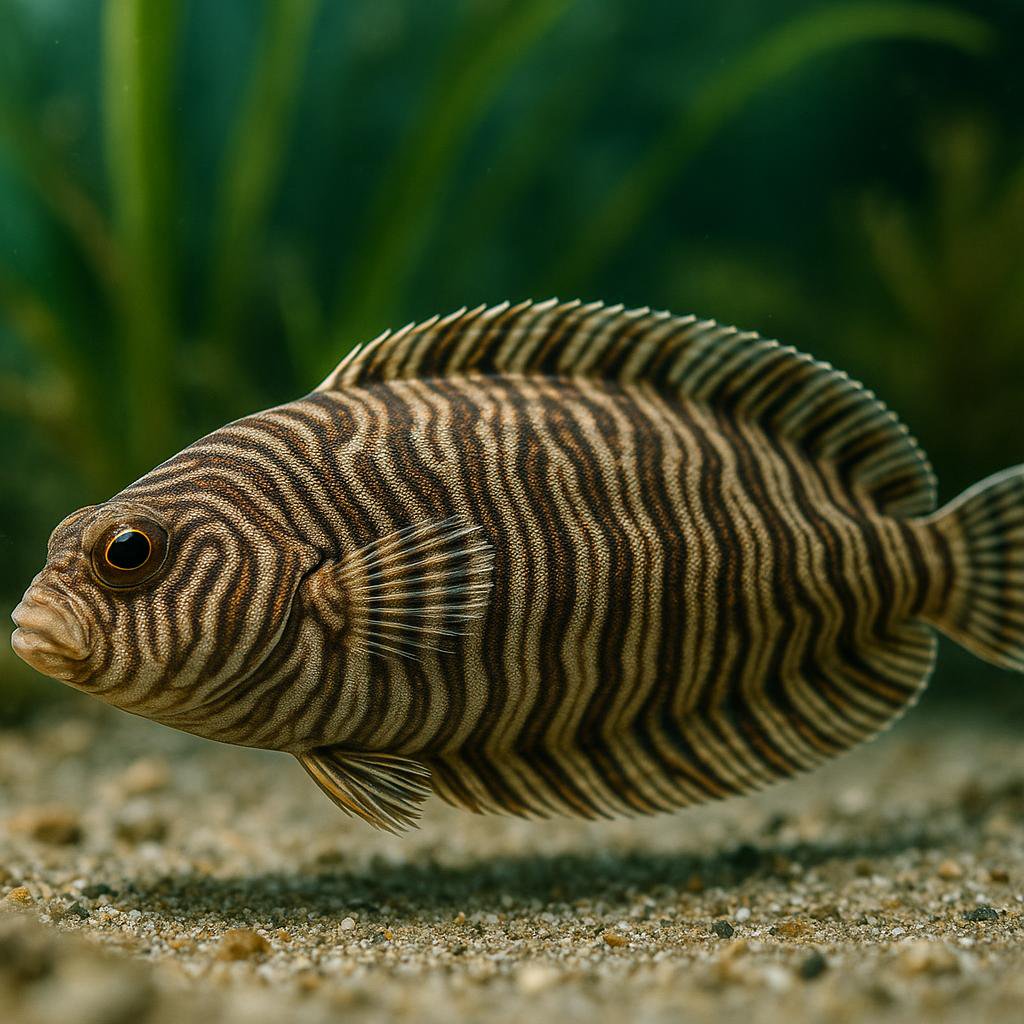
Annandale's zebra sole
Zebrias annandalei
Zebrias annandalei is a small demersal sole from coastal India that inhabits sandy or muddy bottoms and buries for camouflage. It is rarely kept in home aquaria and would require a specialized marine sand-bottom setup and appropriate feeding.
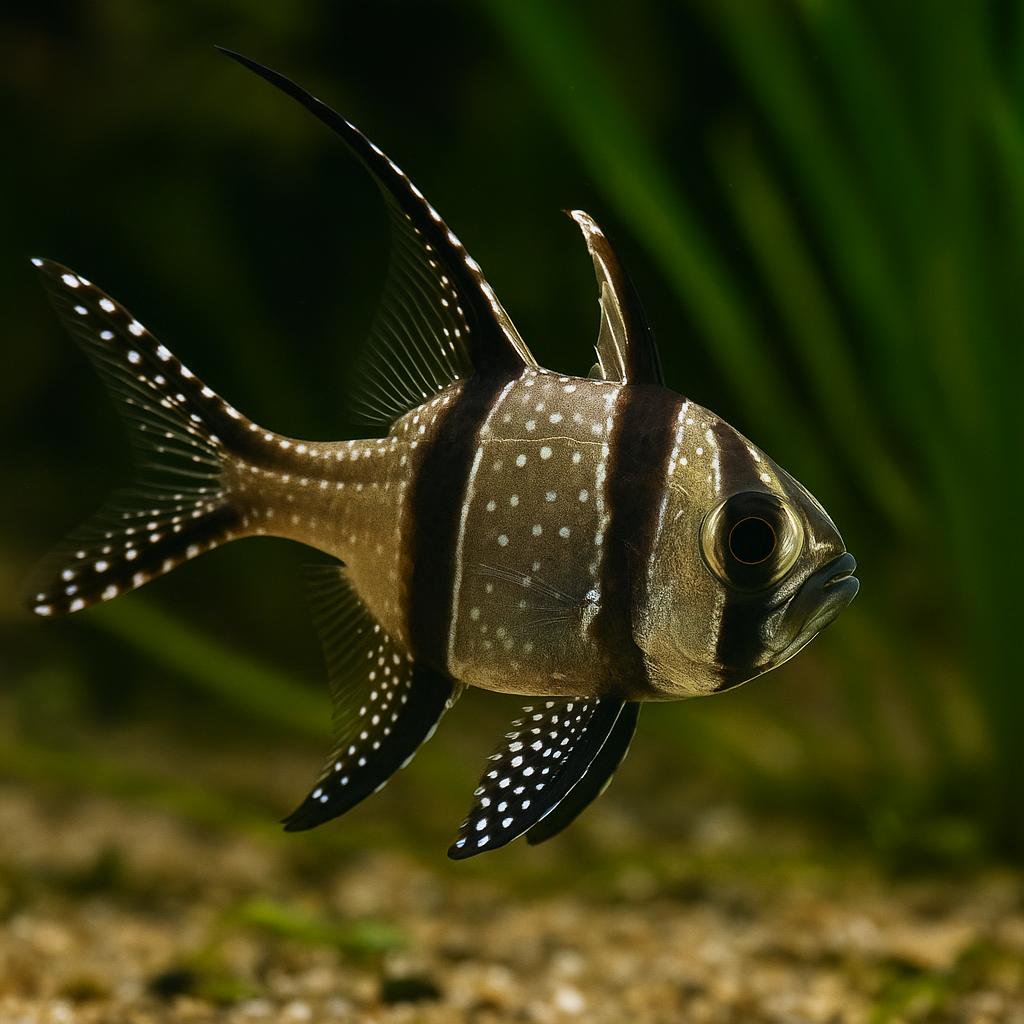
Banggai Cardinalfish
Pterapogon kauderni
Banggai cardinals just sort of hover like little underwater satellites, and the bold black bars with those long, polka-dotted fins look unreal under reef lighting. They're super chill most of the time, but once a pair forms you'll see real "fish drama," and the male will even mouthbrood the babies like a champ.
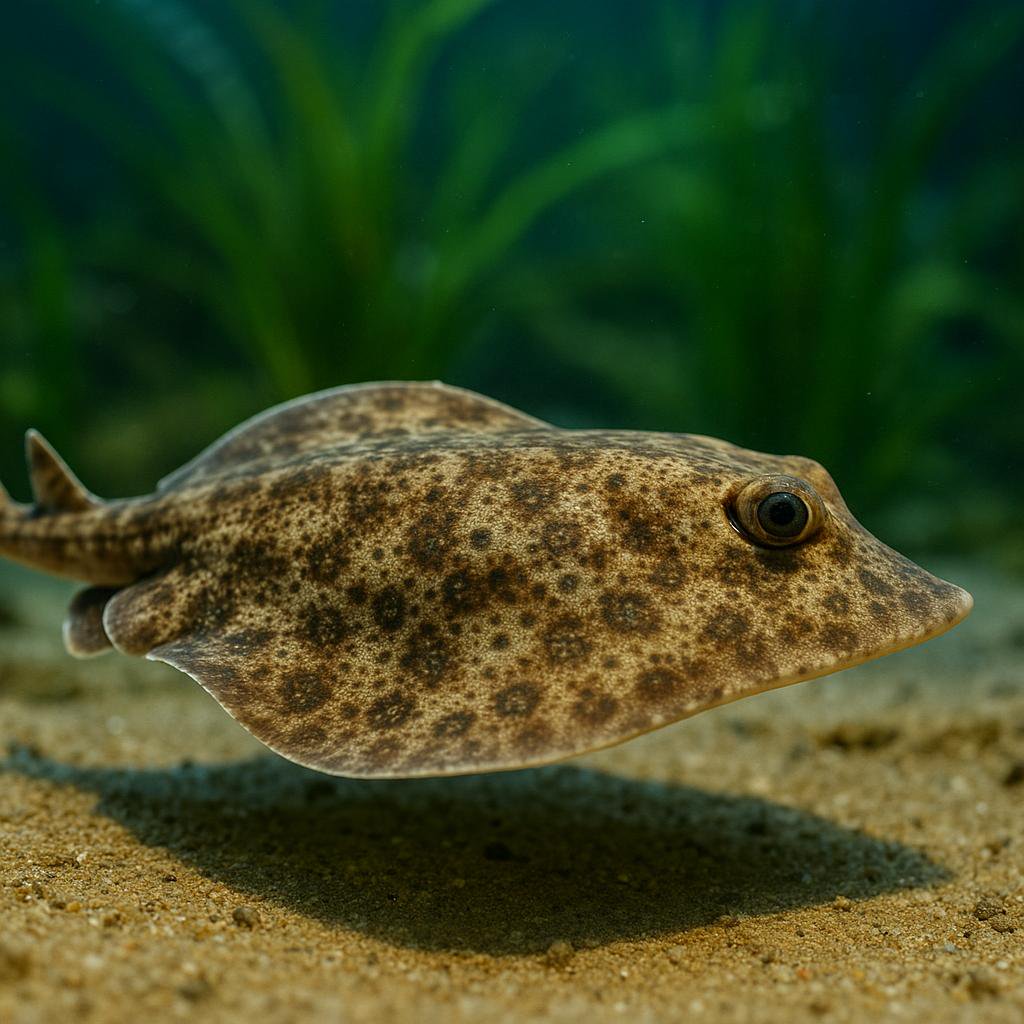
Barbedwire-tailed skate
Notoraja martinezi
Notoraja martinezi is a deepwater skate from the eastern Pacific (Costa Rica down to Ecuador) that lives way down on soft bottoms. The tail is the giveaway - it is lined with strong, hooked thorns that really do look like barbed wire. This is absolutely not an aquarium fish; it is a cold, high-pressure deep-sea animal with basically no practical home care info because it is not kept in the hobby.
More to Explore
Discover more marine species.
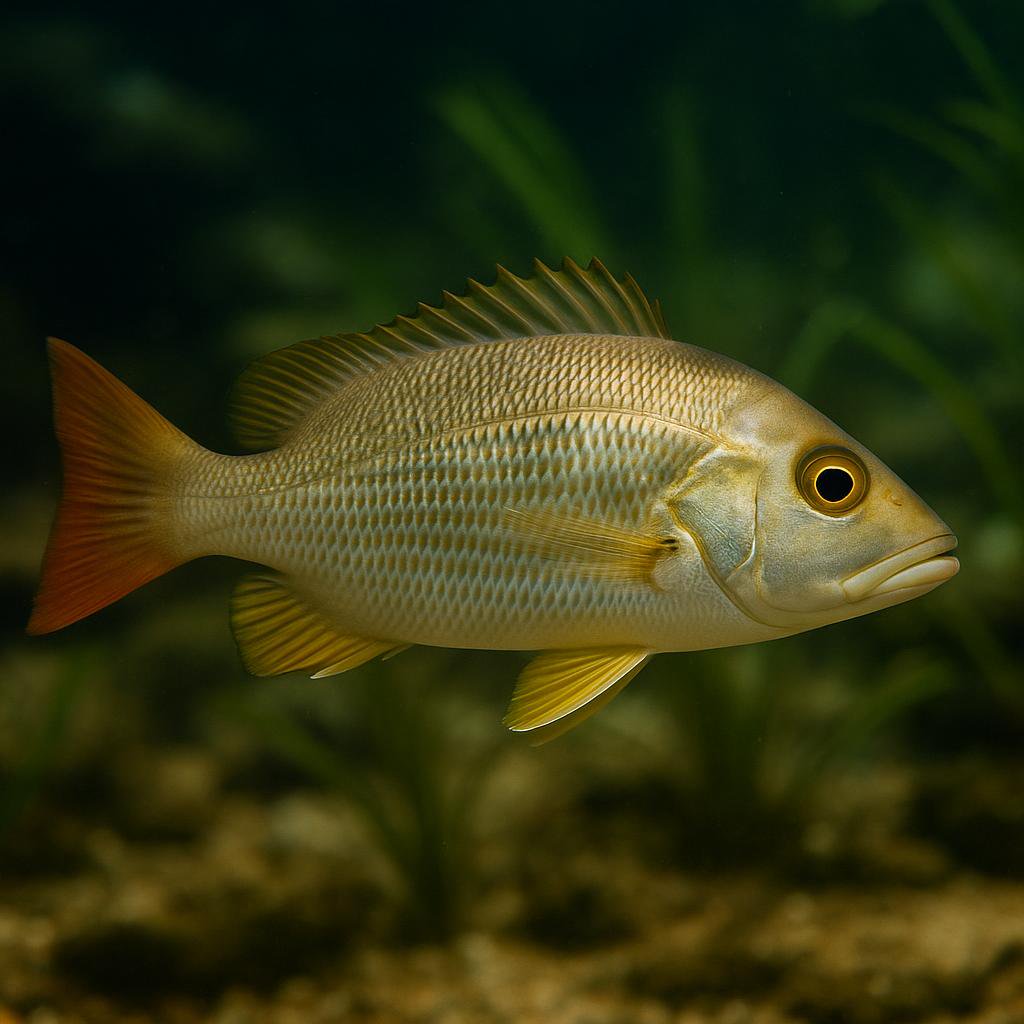
African red snapper
Lutjanus agennes
This is a true snapper from West Africa - a big, fast-growing predator that goes from coastal reefs to brackish lagoons and estuaries (especially as a juvenile). Super cool fish in the wild, but it gets absolutely huge and will eat smaller tankmates once it has the mouth for it, so its really more of a public-aquarium scale animal than a home-aquarium fish.
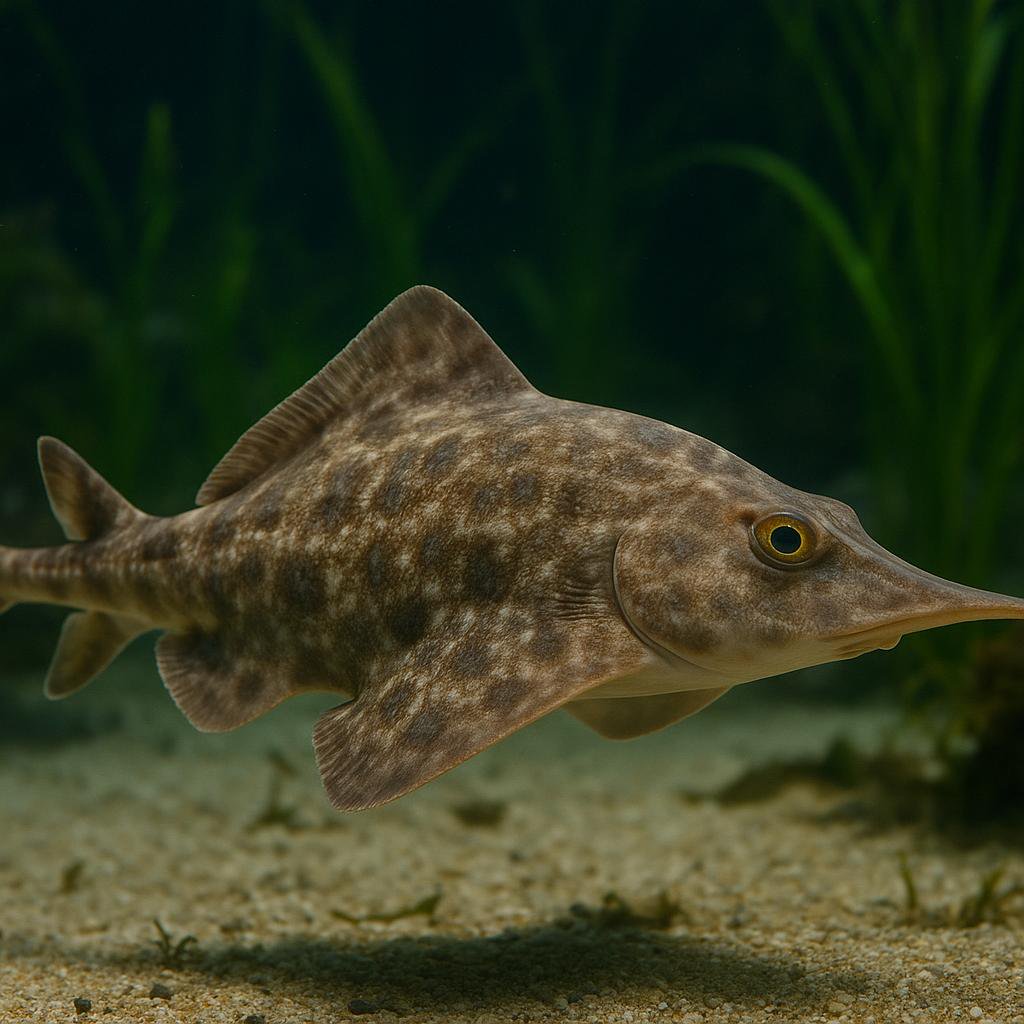
Aleutian skate
Bathyraja aleutica
This is a big, cold-water deep-slope skate from the North Pacific that cruises muddy bottoms and eats chunky benthic prey like crabs and shrimp. The really cool bit is its egg-laying skate life - it does distinct pairing (the classic skate "embrace") and drops those tough egg cases on the seafloor. Not an aquarium fish at all unless you're basically running a public-aquarium-style chilled system.
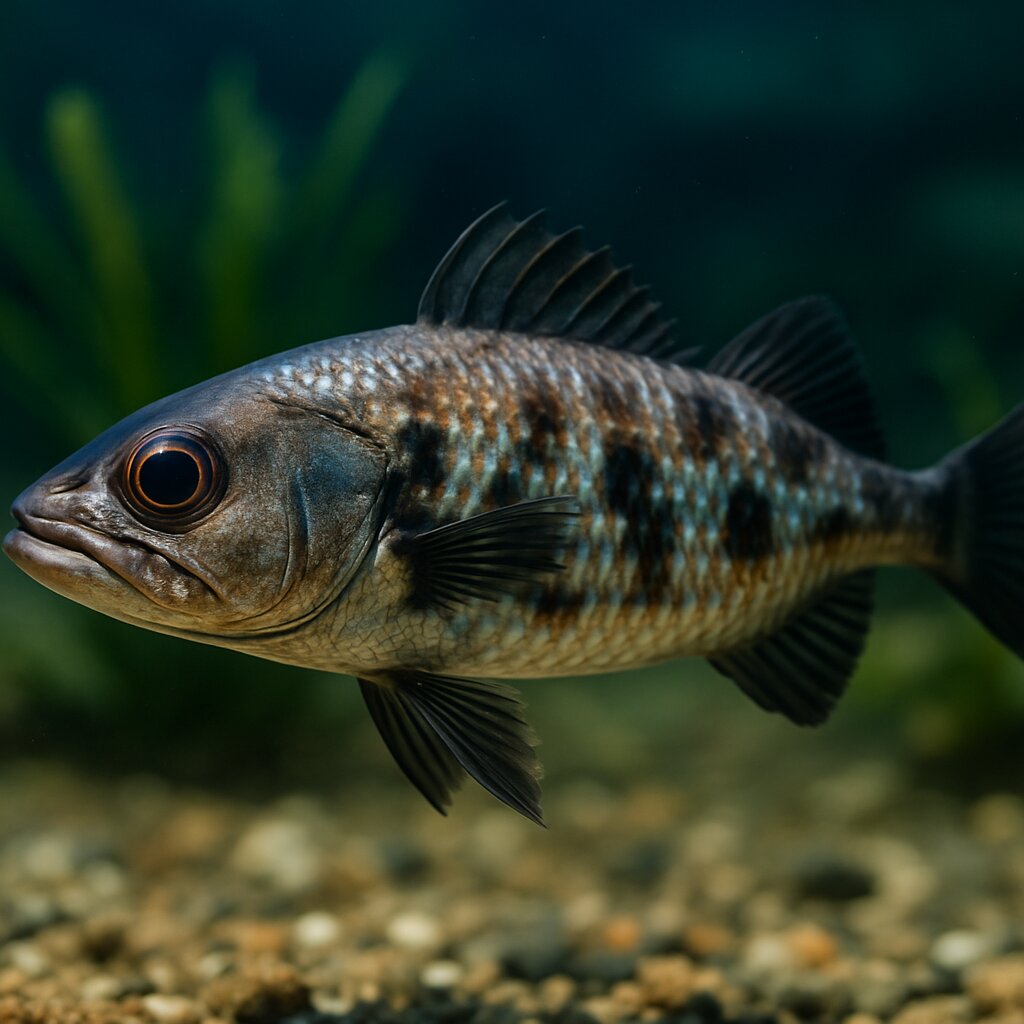
Antarctic dragonfish
Vomeridens infuscipinnis
Deep down around Antarctica, this sleek dragonfish cruises the water column like a little submarine, nearly neutrally buoyant so it can hover above the seafloor. It munches almost exclusively on Antarctic krill and lives in near-freezing water 500-800 m down, so it is a cool species to read about, not one for home tanks.
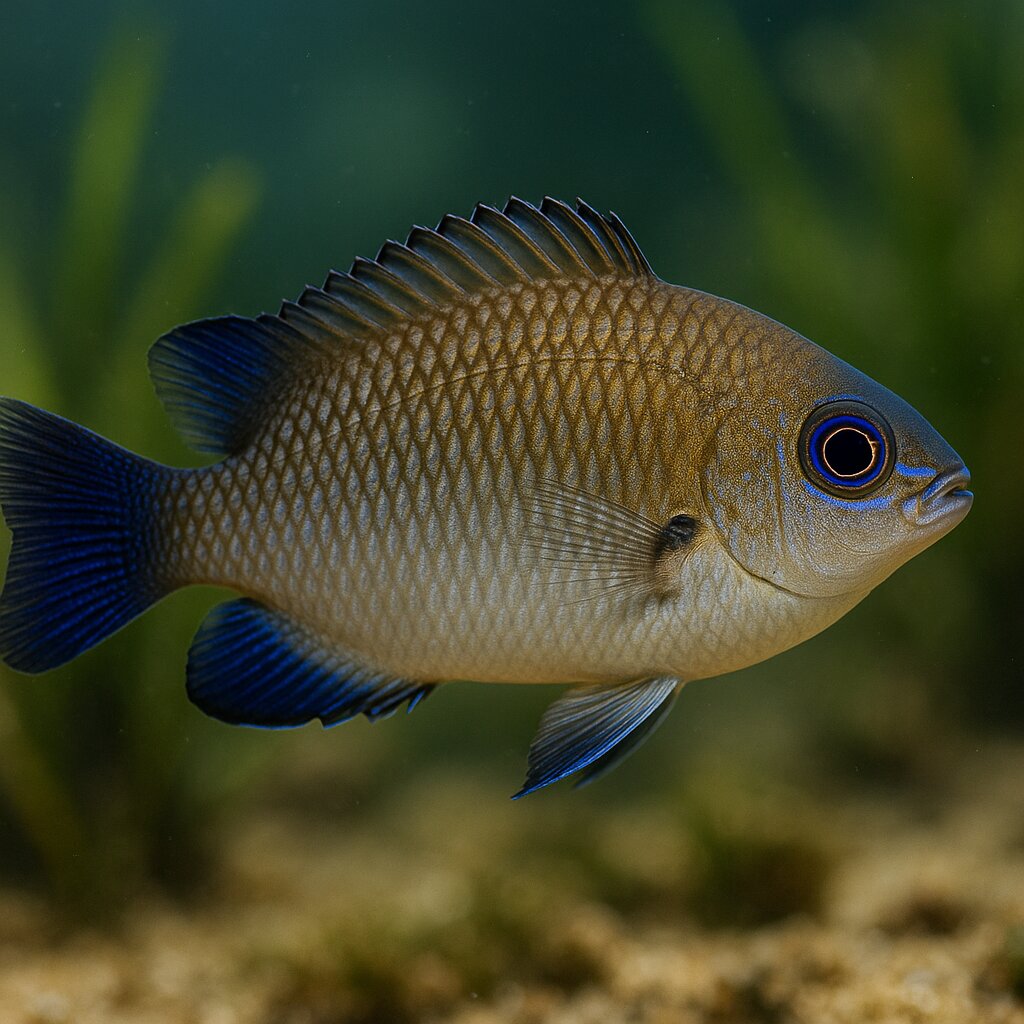
Arabian demoiselle
Neopomacentrus sindensis
A small lyretail damsel from the Persian Gulf and Arabian Sea, it hangs in loose groups around coral heads, rocks, and even pier pilings picking zooplankton from the flow. Think classic damsel toughness with a slightly milder attitude than the real bruisers, plus subtle yellow tail accents. Males clean a patch, get a mate to lay eggs there, and then stand guard fanning the clutch.
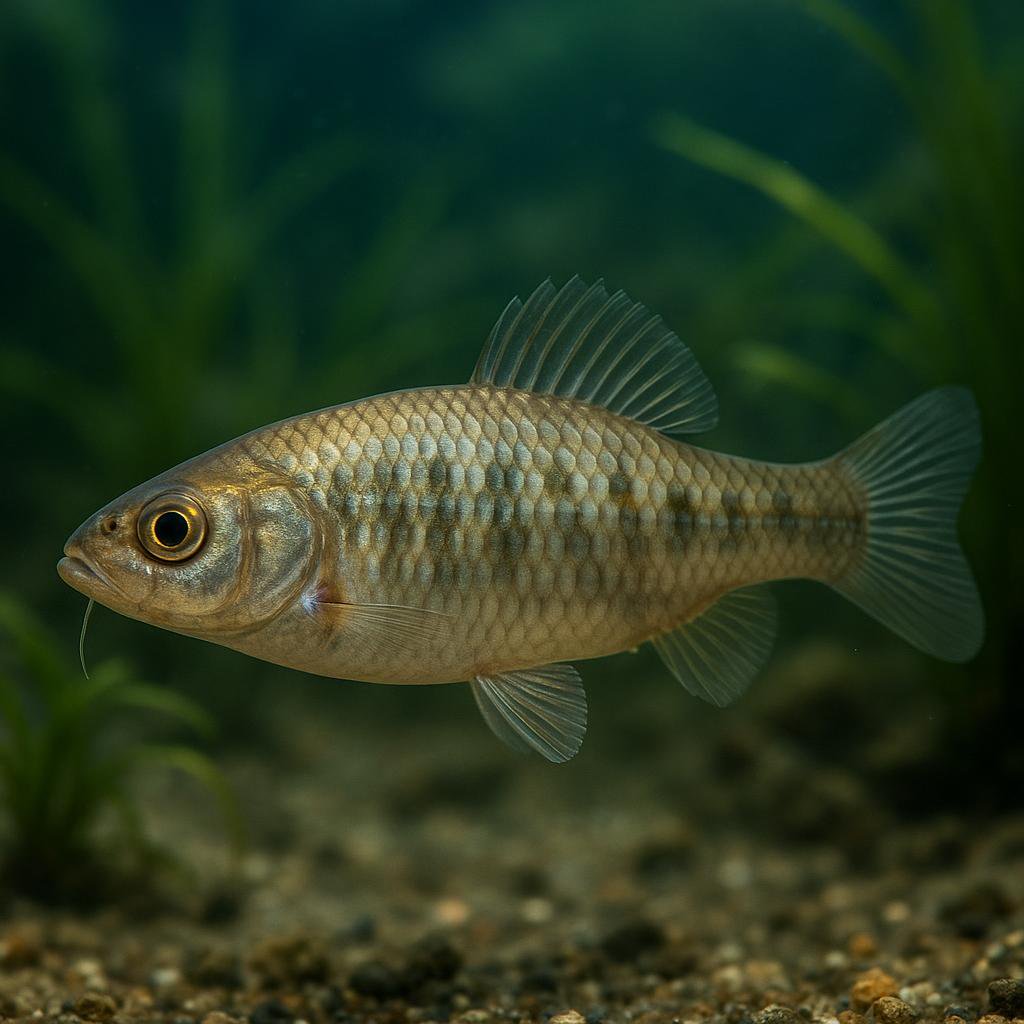
Arabian spiny eel
Notacanthus indicus
Notacanthus indicus is a deep-sea spiny eel (family Notacanthidae; not a true eel) known from the Arabian Sea on the continental slope at roughly ~960–1,046 m depth, with reported maximum length around 20 cm TL; it is a deep-water bycatch species and not established in the aquarium trade.
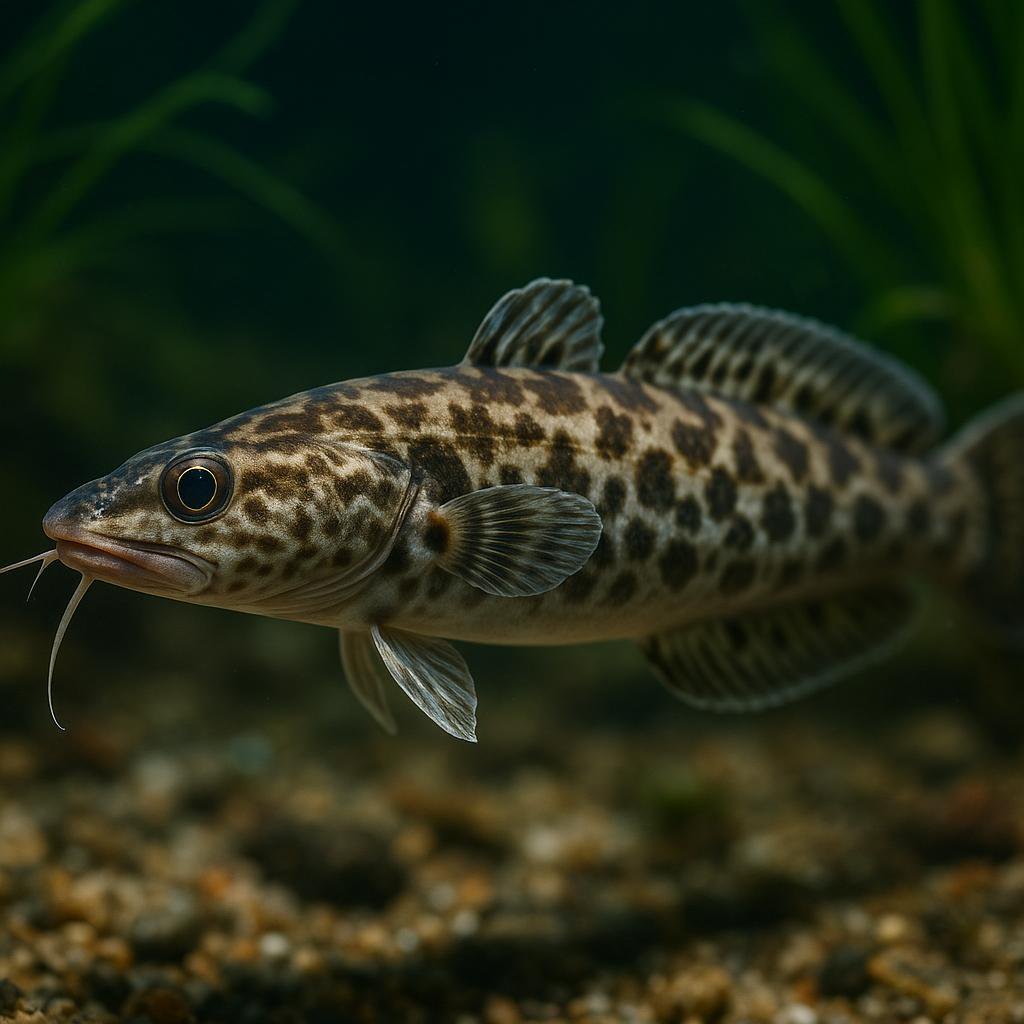
Arctic rockling
Gaidropsarus argentatus
This is a deepwater North Atlantic rockling (a cod relative) that hangs out on soft bottoms way down the slope. It is a cold-water, bottom-hugging predator that snoots around for crustaceans and will also take small fish when it gets the chance.
Looking for other species?