

Spiny grenadier
Coelorinchus parallelus
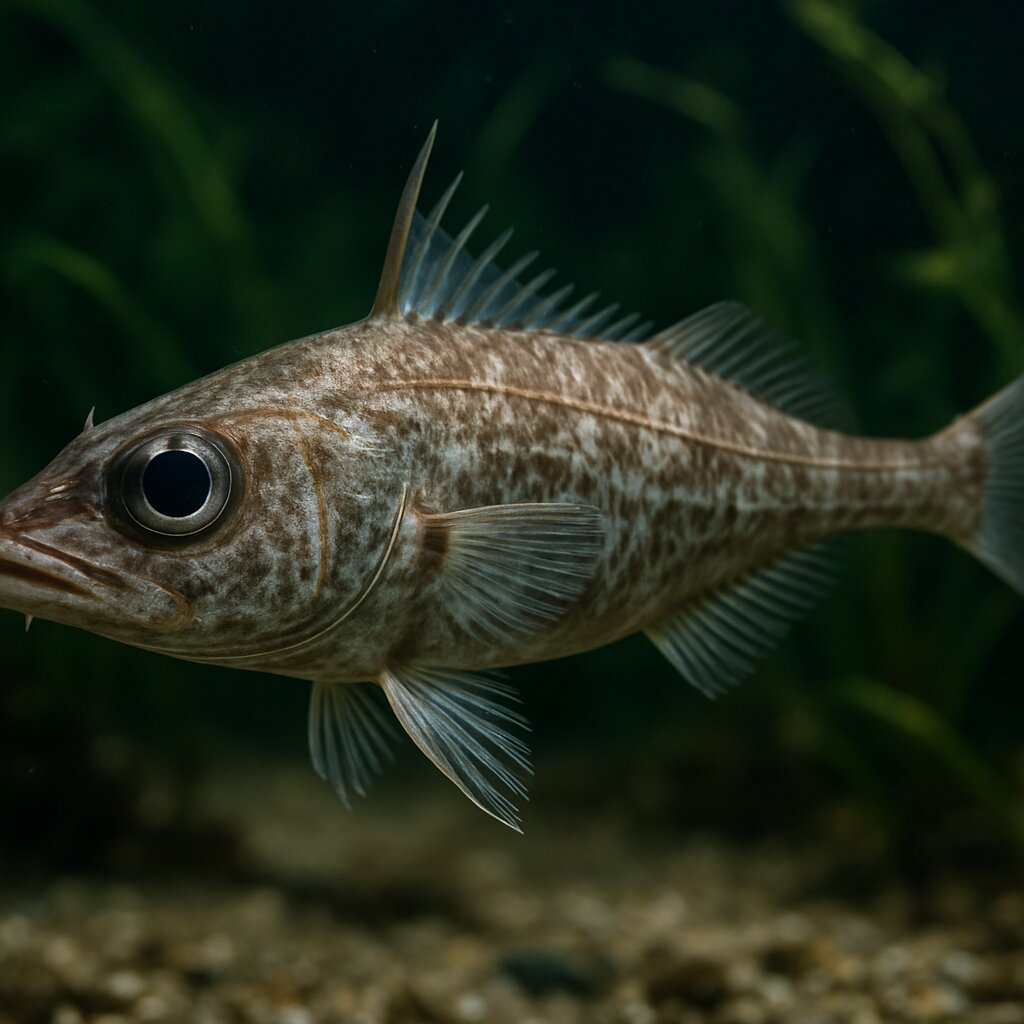
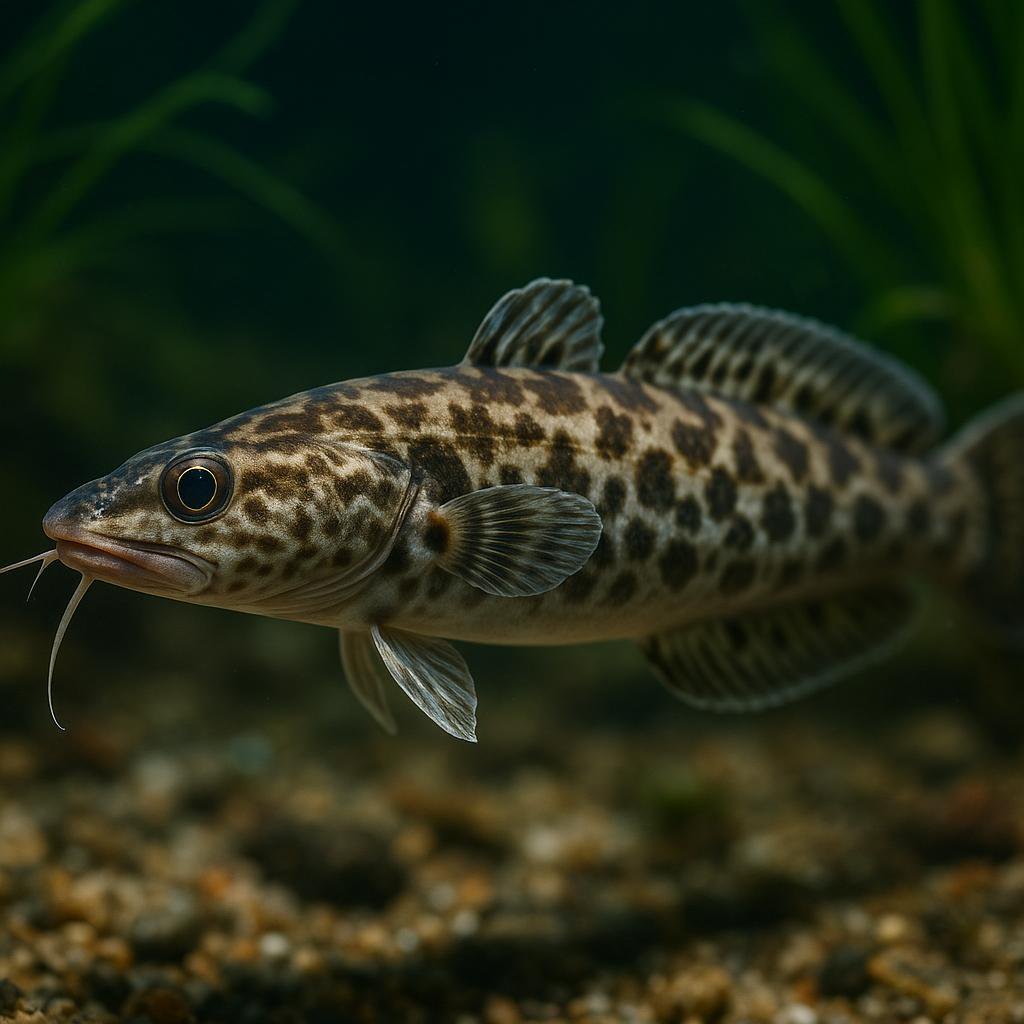
The Spiny grenadier features a slender body with elongated dorsal fin rays and is distinguished by its dark brown to gray coloration and spiny head.
This page includes AI-generated images. Why am I seeing AI images?
About the Spiny grenadier
A deep-sea rattail with a long whip tail and spiky head ridges, it cruises 600-1000 m down around Japan, the East China Sea, and the Philippines. It even has a tiny light organ near the belly, which is wild to see in photos. Super cool fish to read about, but not one to keep at home since it wants near-freezing saltwater and deep-ocean conditions.
Also known as
Quick Facts
Size
48 cm
Temperament
Peaceful
Difficulty
Expert
Min Tank Size
0 gallons
Lifespan
unknown
Origin
Western Pacific (southern Japan, East China Sea, Philippines; recorded around Taiwan and possibly to Australia and New Zealand)
Diet
Carnivore - small shrimps, crabs, and other benthic invertebrates; may take small fishes
Water Parameters
5.3-8.1°C
7.8-8.1
Care Notes
- Give it a cold, dark, big-footprint tank (400+ liters), soft sand or fine rubble, and a tight lid; run a chiller at 2-6 C with temp swings under 0.5 C per day.
- Keep seawater at 35 ppt and pH 8.0-8.2 with ammonia/nitrite at 0 and nitrate under 10 ppm; push high oxygen with strong skimming, big surface agitation, and a backup air pump.
- Use very dim lighting and view under red if you can; set gentle, broad flow along the bottom, not a jet blasting it in the face.
- Only take a specimen that was slow-decompressed during collection; most that are hauled up fast will fail no matter what you do.
- Acclimate in a chilled, dark bucket with a slow drip; do not vent the swim bladder and do not warm the fish during acclimation.
- Target-feed on the bottom 2-3x daily with chopped clam, scallop, prawn, live or thawed mysids, marine worms, and firm gel foods; rinse frozen food and pull leftovers right away.
- Tankmates should be other coldwater, non-aggressive deep-sea fish; skip warmwater species, fin-nippers, and any small shrimp or crabs you want to keep since they are menu items.
- Handle with a smooth tub, not a net; their spines snag and they abrade fast. Watch for buoyancy issues or pop-eye after stress and respond by darkening the tank and cranking aeration.
Compatibility
Good Tankmates
- Calm, coldwater midwater fish that ignore the bottom, like boarfish or temperate sweepers
- Other deep-benthic oddballs of similar size, like eelpouts or snailfish, that wont pester it
- Non-nippy temperate gobies or blennies that stick to the rocks and feed slowly
- Another grenadier of similar size, added carefully with lots of floor space and dim light
- Easygoing lumpsuckers that mostly hover and wont outcompete it for food
Avoid
- Anything nippy or territorial like damsels, dottybacks, or sergeant majors
- Fast, boisterous feeders like big wrasses or tangs that will outcompete and stress it
- Predators that swallow slender fish, like groupers, scorpionfish, or morays
- Tiny fish it can inhale after lights out, like pipefish or nano gobies
Where they come from
Spiny grenadiers are deep-slope rattails from the outer continental shelf and upper bathyal zones. Think several hundred meters down, cold and dim, cruising over soft bottoms for worms and crustaceans. You will not see them on a reef. Most that show up in captivity are accidental bycatch.
Depth-lovers like this are adapted to cold, stable water and low light. Keeping one at home is a serious project, more like running a tiny coldwater lab than a typical display tank.
Setting up their tank
Plan for a large, chilled, low-light system. They are long-bodied cruisers, not rock huggers, so give them room to glide and a soft bottom to probe.
- Tank size: 250+ gallons (950+ L) with at least a 6 ft (2 m) run. More is better.
- Temperature: 4-8 C. Hold it rock steady. Use a reliable chiller with 2x redundancy if you can.
- Lighting: very dim. Red spectrum works well for viewing without stressing them.
- Substrate: fine sand, 2-3 cm, kept very clean. Mud looks authentic but is a maintenance headache.
- Aquascape: open swimming lane with a few low, stable rock mounds. No sharp edges.
- Flow: gentle, broad flow along the bottom. High oxygenation without blasting them.
- Filtration: oversized skimmer, big biofilter, and lots of gas exchange. Cold water holds more O2, but they still like it high.
- Covers and intakes: tight lid and guarded overflows. Long tails find gaps and weirs.
I keep a strip of neutral-density film on the front glass. Peel it back for a quick look, then cover again. Stress stays low and they cruise naturally.
Acclimate cold and dark. Float to match temp in a cooler with ice packs around the bag, then slow-drip into pre-chilled water. Sudden warmth or bright light can be the end of them.
What to feed them
They are benthic pickers and scavengers. Fresh, marine-based foods work best. Scent matters more than movement at these temps.
- Staples: chopped shrimp, squid, clam, mussel, lancefish, and krill.
- Smaller items: PE mysis or finely chopped clam to start new arrivals.
- Occasional: pieces of marine worm (if you can source safely) to trigger interest.
- Supplements: soak foods in a marine vitamin mix a couple times a week.
Feed on the bottom with tongs or a feeding stick, near their path. Small portions, 1-2 times a day at first. At 4-8 C their metabolism is slow, so once stable you can go to a modest daily feed or slightly heavier every other day. Pull leftovers within 10 minutes.
If a new fish ignores food, try slightly warming the food to tank temp and adding a bit of clam juice. The scent often gets them going.
How they behave and who they get along with
Picture a quiet, methodical cruiser. Mine patrolled the bottom in slow laps, then paused to nose into the sand. They spook from fast movement and hate bright light, but they are not aggressive.
- Tankmates: best in a species setup or with other non-aggressive coldwater, deep-demersal fish that tolerate 4-8 C (think cusk-eels or snailfish in public aquaria).
- Avoid: crabs and shrimps (they may become food), boisterous swimmers, anything warmwater, and sharp décor.
- Group keeping: mixed results. They generally ignore each other, but space and food competition can stress weaker fish. If you try more than one, add them together and feed generously at multiple spots.
They are sight-limited but scent-driven. Sudden shadows can send them into a short dash. Keep the room dim and move slowly in front of the tank.
Breeding tips
Realistically, you can skip breeding plans. Spiny grenadiers are deep-sea spawners, likely releasing pelagic eggs far offshore. I am not aware of any home or public aquarium breedings. If you keep more than one, you might see size and seasonal changes in condition, but that is as far as it usually goes.
Common problems to watch for
- Heat spikes: the number one killer. Use temperature alarms and backup power for the chiller.
- Low oxygen: watch for faster gill movement and hanging near returns. Increase aeration immediately.
- Decompression/collection injuries: odd buoyancy, hemorrhages in fins, or listlessness on arrival. Dim light, perfect water, and time help more than meds.
- Refusal to eat: try softer foods (clam/squid), feed at night under red light, and reduce flow during feeding.
- Skin and snout abrasions: they rub glass and intakes. Round off rock edges and guard every opening.
- Medication sensitivity: go gentle. Many deep-sea fish react badly to strong copper or formalin. If you must treat, use a separate chilled QT and lower doses with heavy aeration.
- Internal issues from rich foods: at cold temps, overfeeding leads to regurgitation and fouled water. Keep portions small and consistent.
Ethics and survival rate: this fish rarely adapts well to warm, bright home tanks. If you do not already run a stable coldwater system, pass on it. Many are bycatch and arrive in rough shape. Be honest about your setup before taking one home.
Redundancy pays off: dual return pumps, dual temperature probes, and a battery-backed air pump. Cold, oxygen-rich, and quiet wins with grenadiers.
Similar Species
Other marine peaceful species you might be interested in.
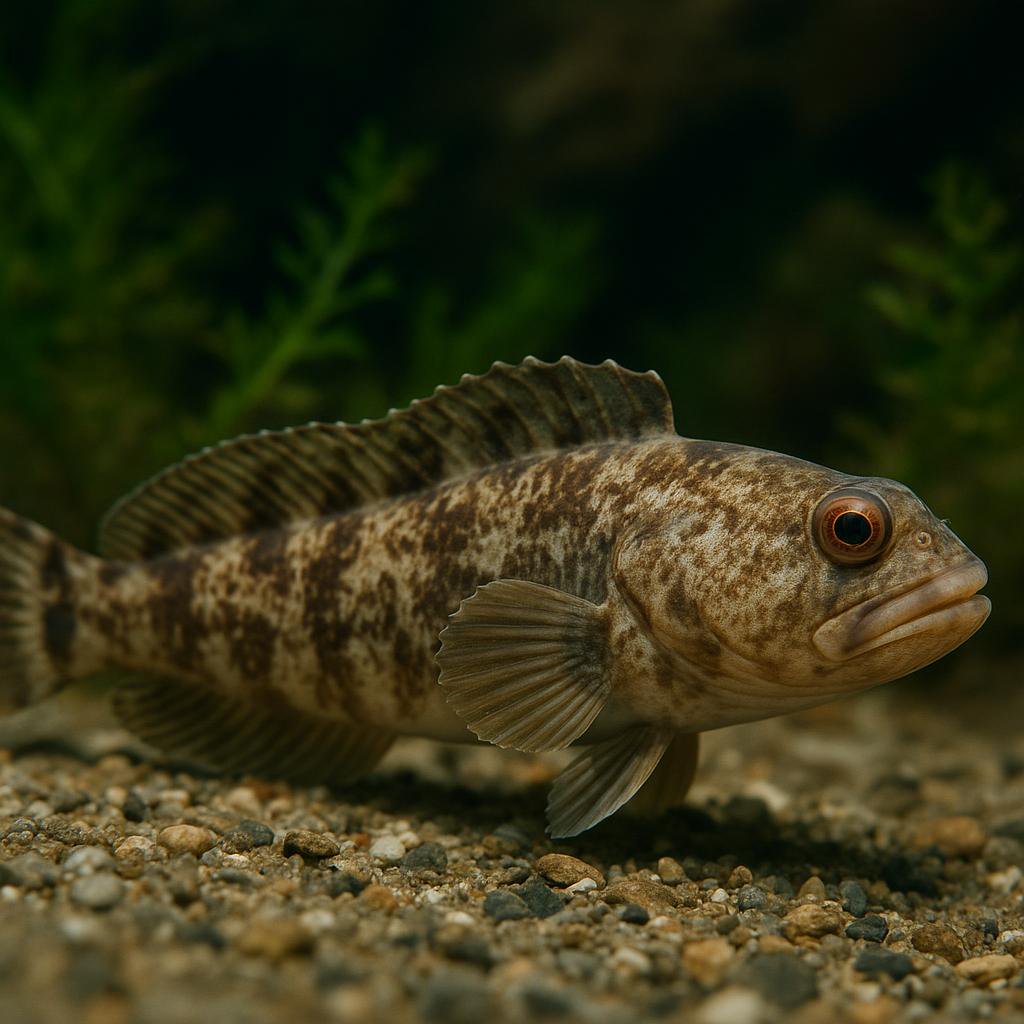
Abe's eelpout
Japonolycodes abei
Japonolycodes abei is a temperate, deepwater demersal eelpout (family Zoarcidae) endemic to Japan (Kumano-nada Sea reported; other sources also report Sagami Bay and Tosa Bay). It is the only species in the genus Japonolycodes and occurs roughly 40-300 m depth, making it an uncommon/atypical aquarium species.
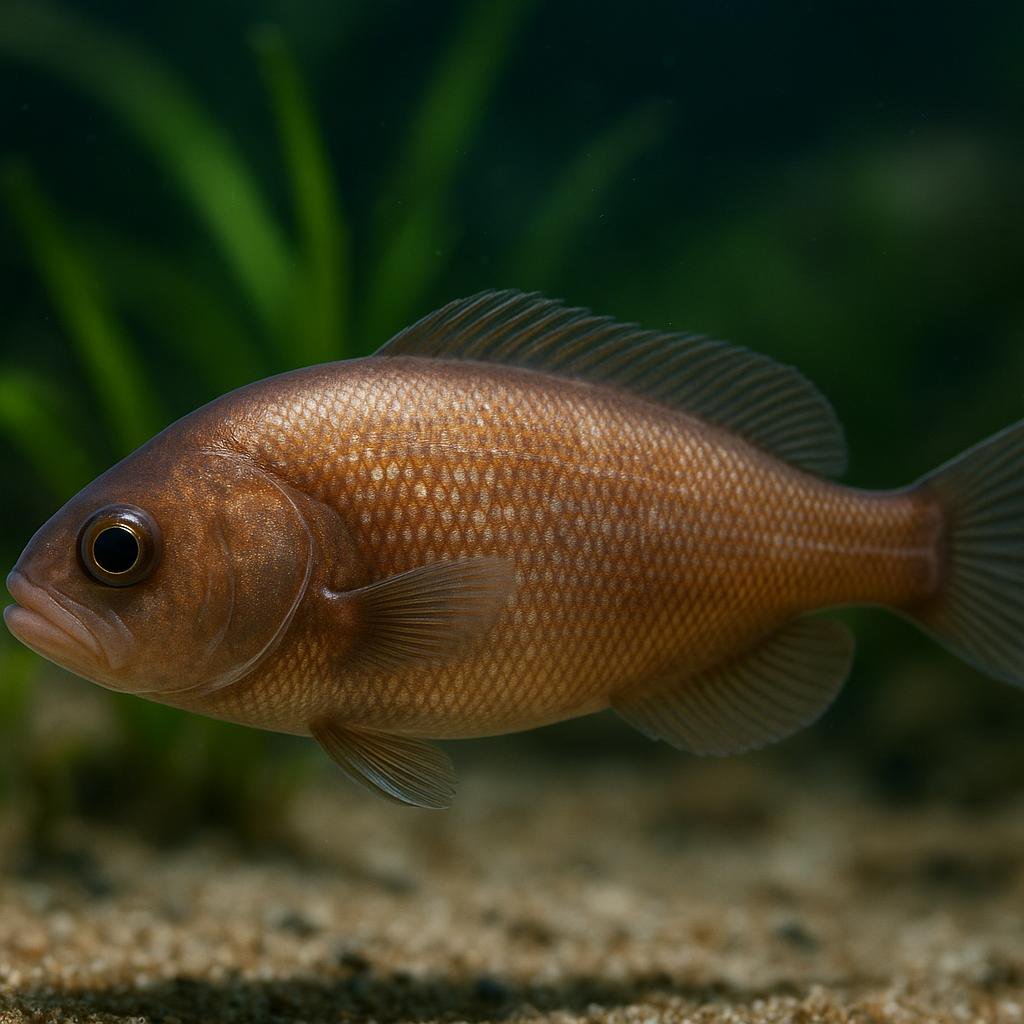
Affinis blind cusk-eel
Barathronus affinis
Barathronus affinis is a tiny, super-weird deep-sea blind cusk-eel from the western-central Indian Ocean. It is one of those gelatinous, loose-skinned brotula-type fishes that live way down in the dark and are basically never seen alive, so almost everything we know comes from preserved specimens and taxonomic work.
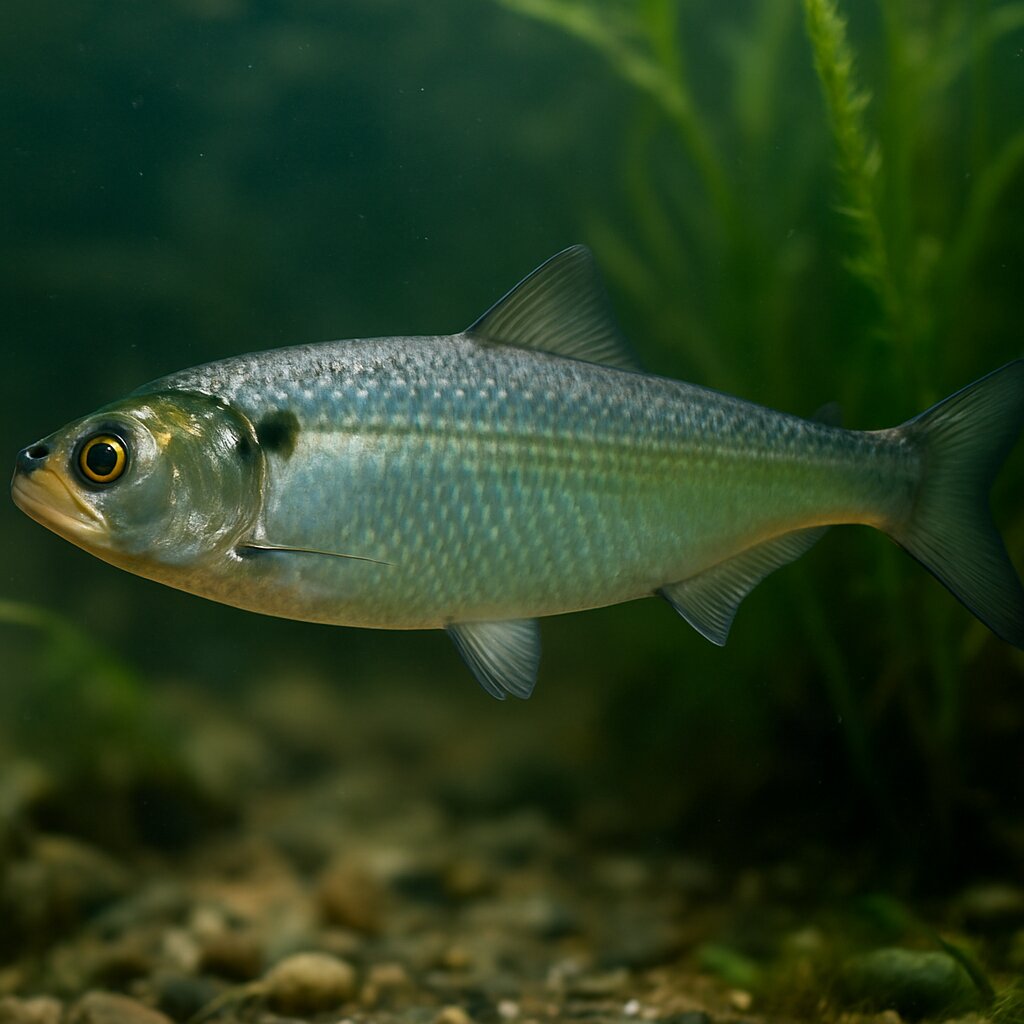
Allis shad
Alosa alosa
Gorgeous silver, fast-swimming shad that spends most of its life in the sea and then surges up big rivers in noisy, surface-spawning schools. It grows huge for a herring-type fish and needs cool, ultra-oxygenated water and tons of open space, so it is a public-aquarium species rather than a home tank fish.
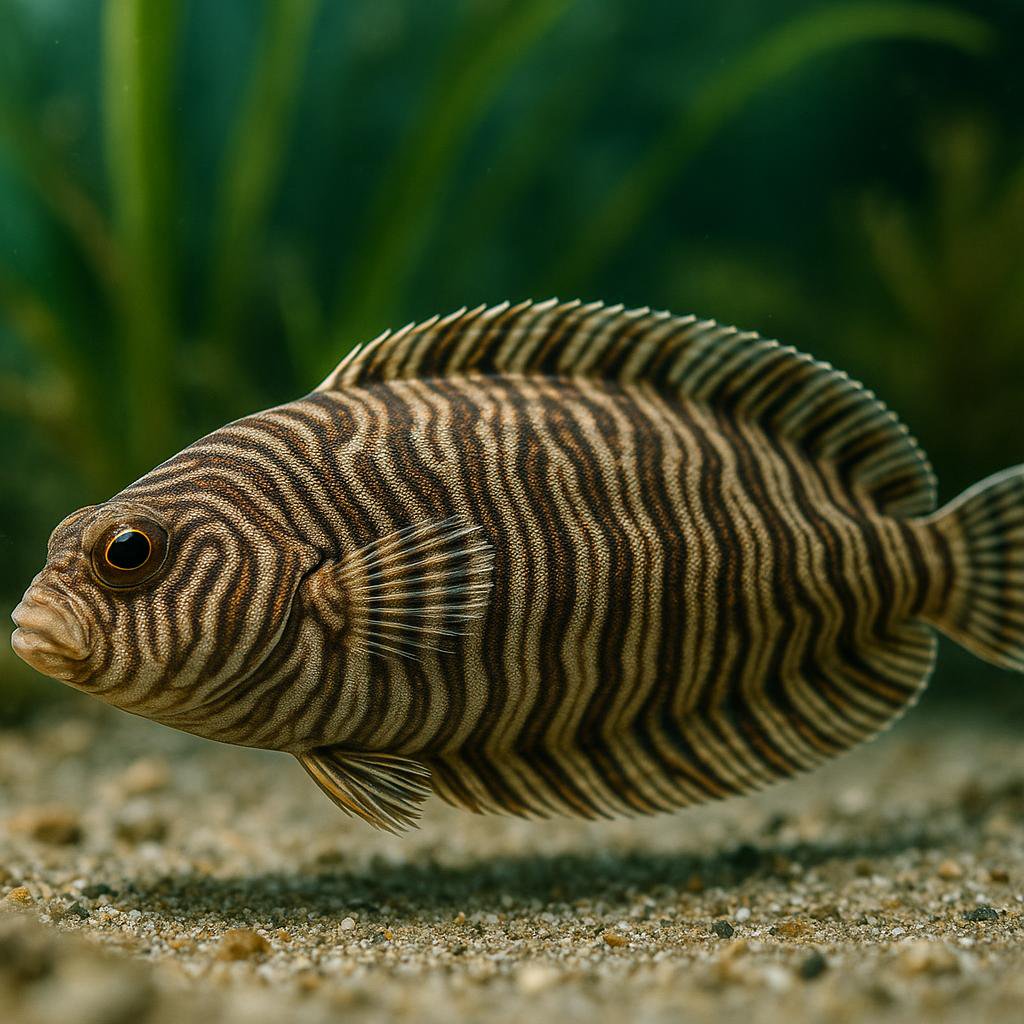
Annandale's zebra sole
Zebrias annandalei
Zebrias annandalei is a small demersal sole from coastal India that inhabits sandy or muddy bottoms and buries for camouflage. It is rarely kept in home aquaria and would require a specialized marine sand-bottom setup and appropriate feeding.
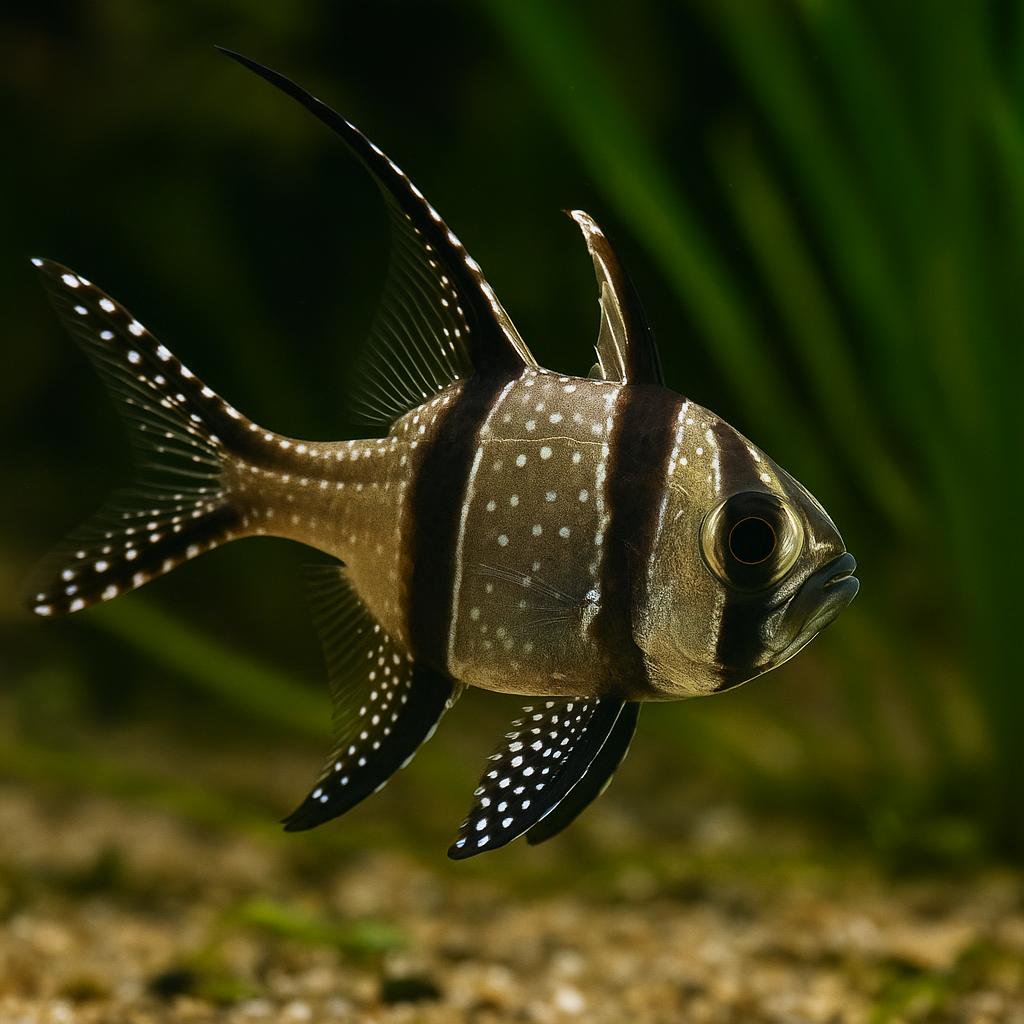
Banggai Cardinalfish
Pterapogon kauderni
Banggai cardinals just sort of hover like little underwater satellites, and the bold black bars with those long, polka-dotted fins look unreal under reef lighting. They're super chill most of the time, but once a pair forms you'll see real "fish drama," and the male will even mouthbrood the babies like a champ.
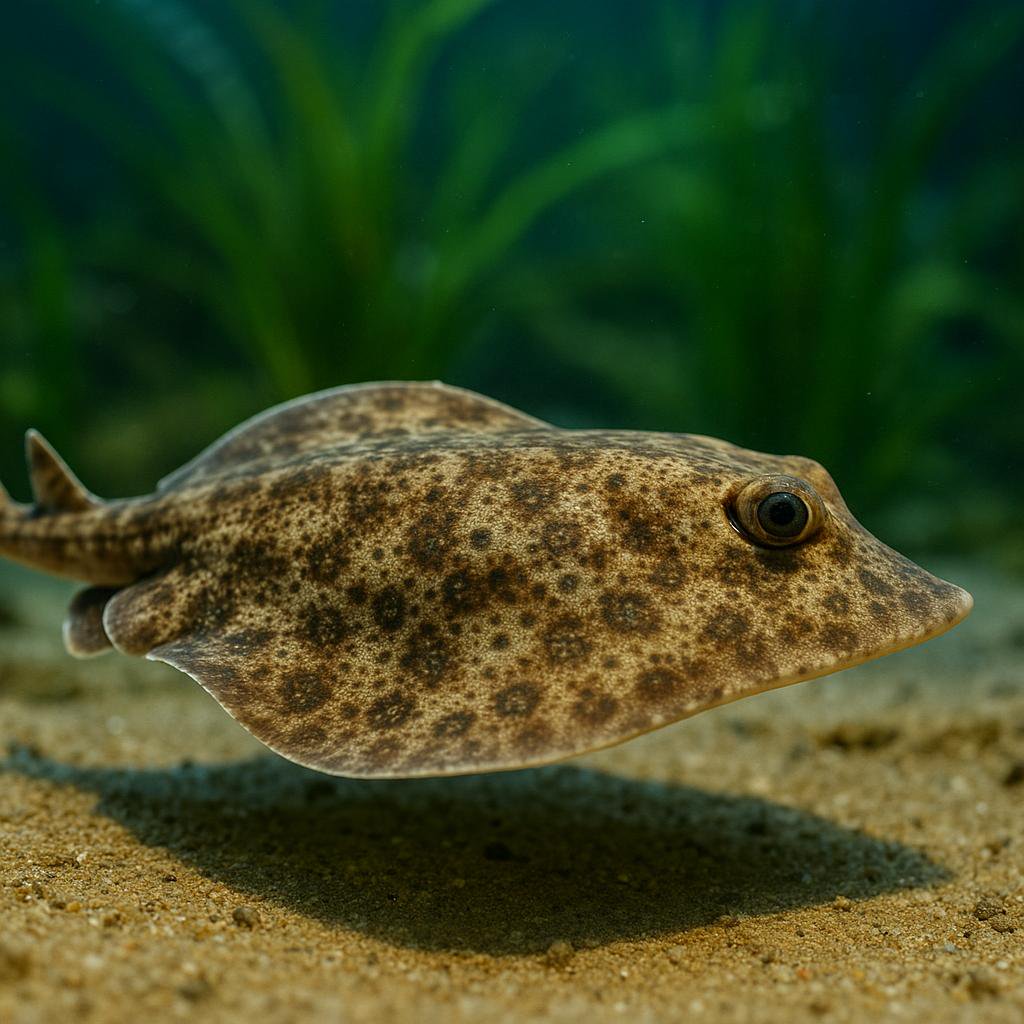
Barbedwire-tailed skate
Notoraja martinezi
Notoraja martinezi is a deepwater skate from the eastern Pacific (Costa Rica down to Ecuador) that lives way down on soft bottoms. The tail is the giveaway - it is lined with strong, hooked thorns that really do look like barbed wire. This is absolutely not an aquarium fish; it is a cold, high-pressure deep-sea animal with basically no practical home care info because it is not kept in the hobby.
More to Explore
Discover more marine species.
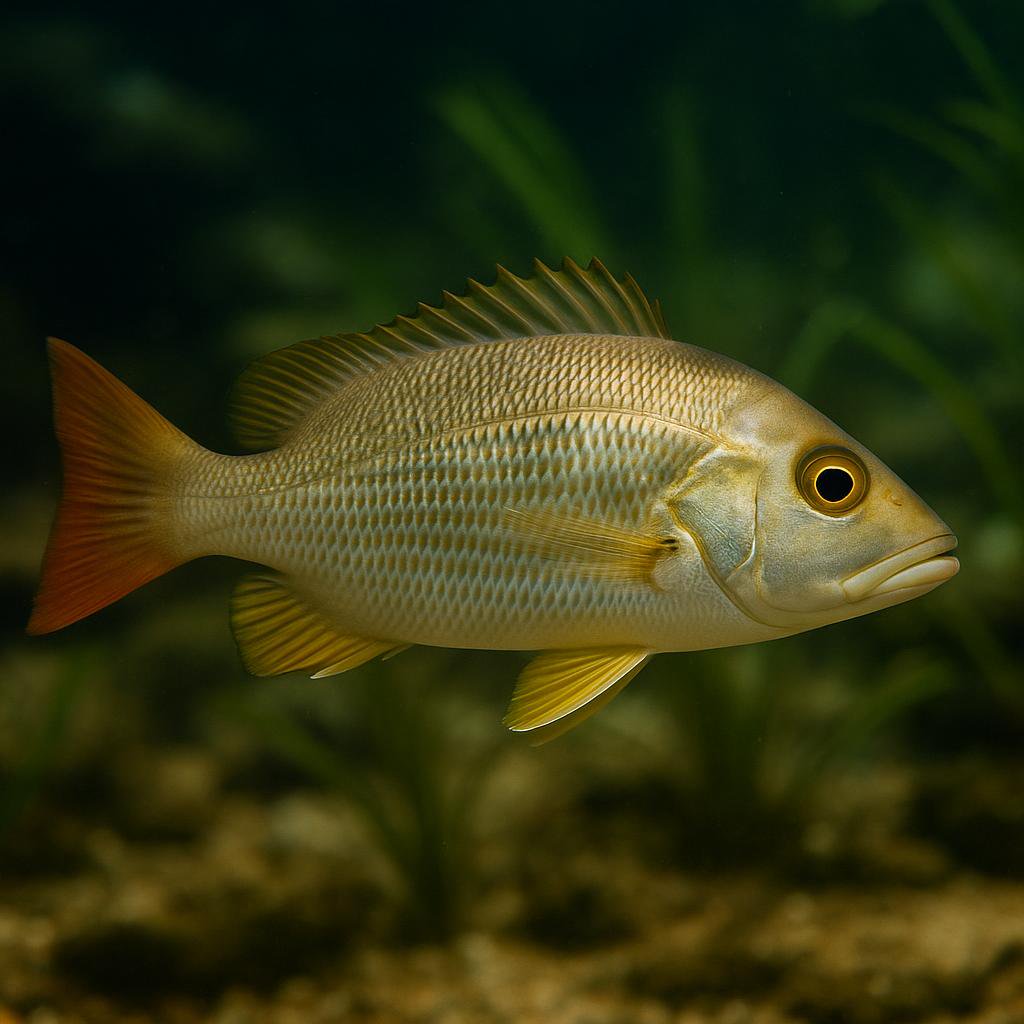
African red snapper
Lutjanus agennes
This is a true snapper from West Africa - a big, fast-growing predator that goes from coastal reefs to brackish lagoons and estuaries (especially as a juvenile). Super cool fish in the wild, but it gets absolutely huge and will eat smaller tankmates once it has the mouth for it, so its really more of a public-aquarium scale animal than a home-aquarium fish.
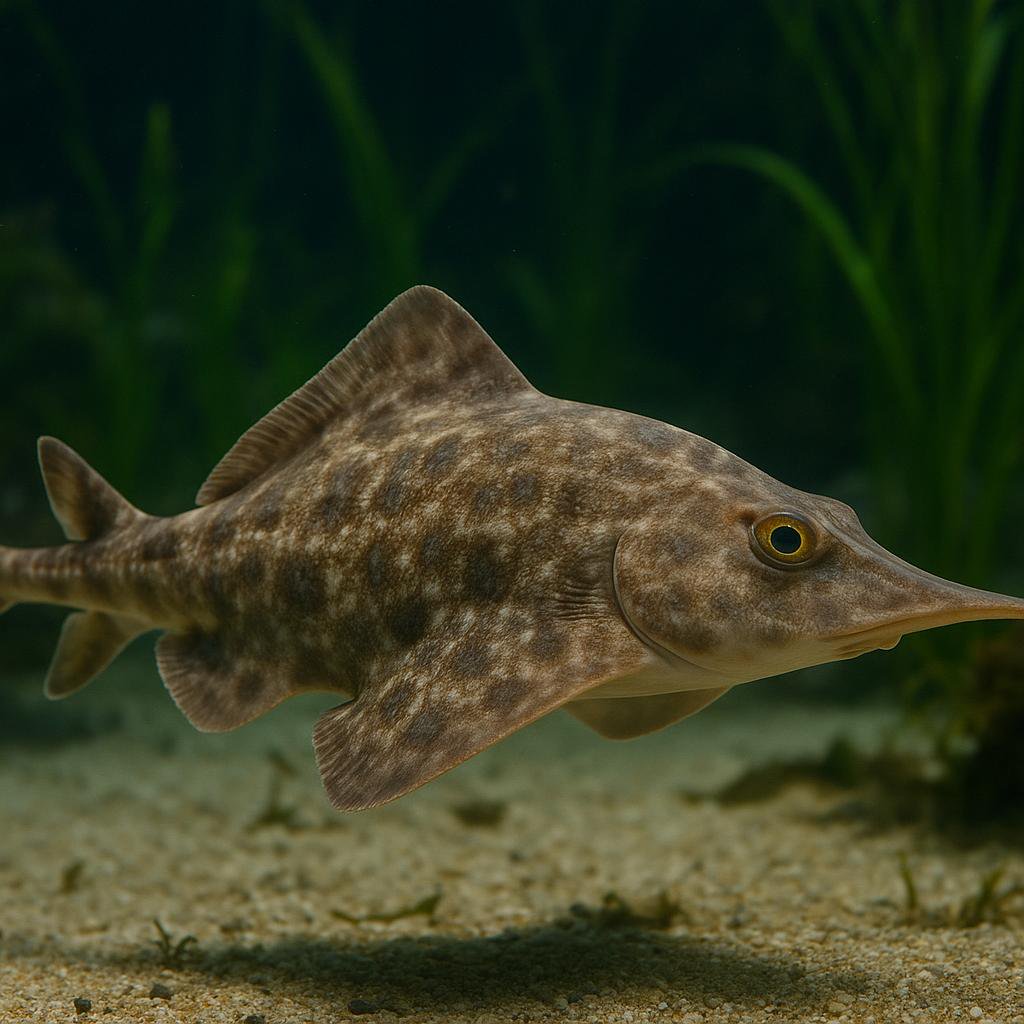
Aleutian skate
Bathyraja aleutica
This is a big, cold-water deep-slope skate from the North Pacific that cruises muddy bottoms and eats chunky benthic prey like crabs and shrimp. The really cool bit is its egg-laying skate life - it does distinct pairing (the classic skate "embrace") and drops those tough egg cases on the seafloor. Not an aquarium fish at all unless you're basically running a public-aquarium-style chilled system.
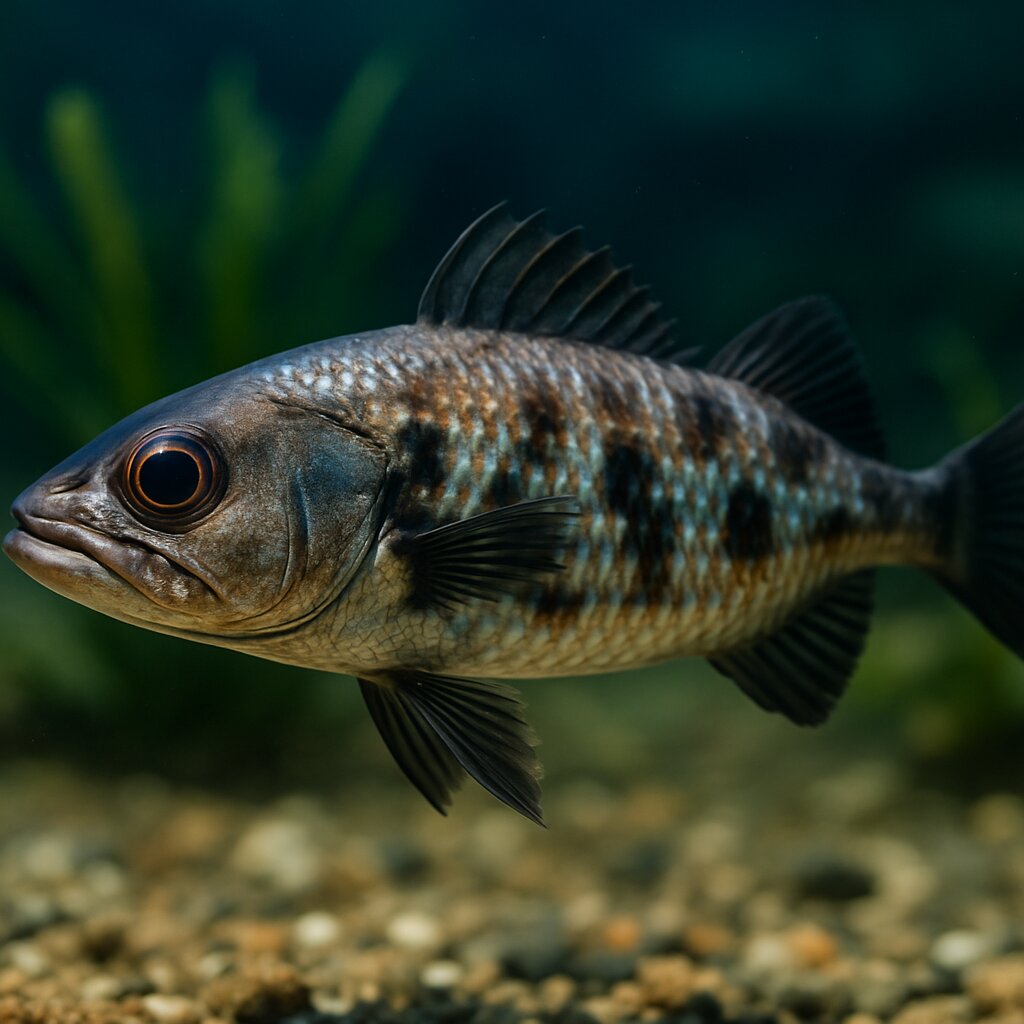
Antarctic dragonfish
Vomeridens infuscipinnis
Deep down around Antarctica, this sleek dragonfish cruises the water column like a little submarine, nearly neutrally buoyant so it can hover above the seafloor. It munches almost exclusively on Antarctic krill and lives in near-freezing water 500-800 m down, so it is a cool species to read about, not one for home tanks.
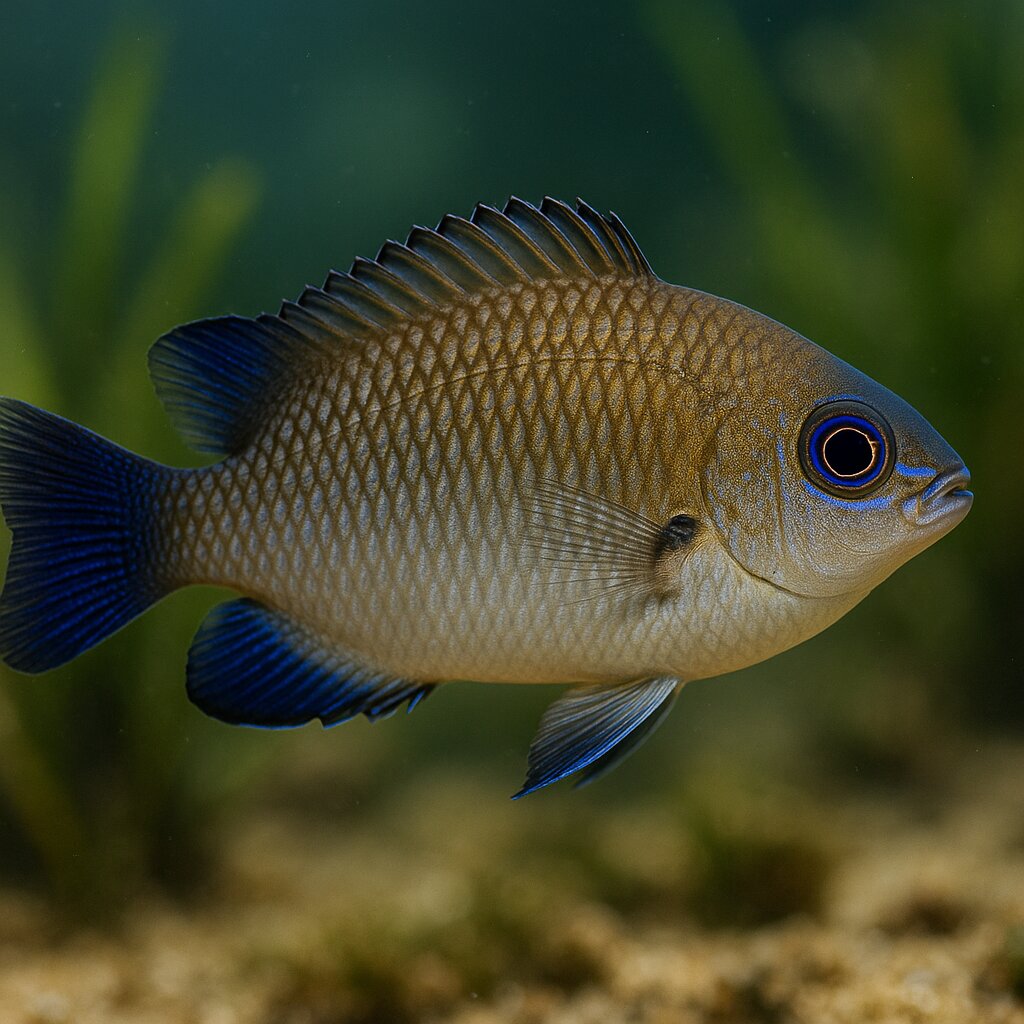
Arabian demoiselle
Neopomacentrus sindensis
A small lyretail damsel from the Persian Gulf and Arabian Sea, it hangs in loose groups around coral heads, rocks, and even pier pilings picking zooplankton from the flow. Think classic damsel toughness with a slightly milder attitude than the real bruisers, plus subtle yellow tail accents. Males clean a patch, get a mate to lay eggs there, and then stand guard fanning the clutch.
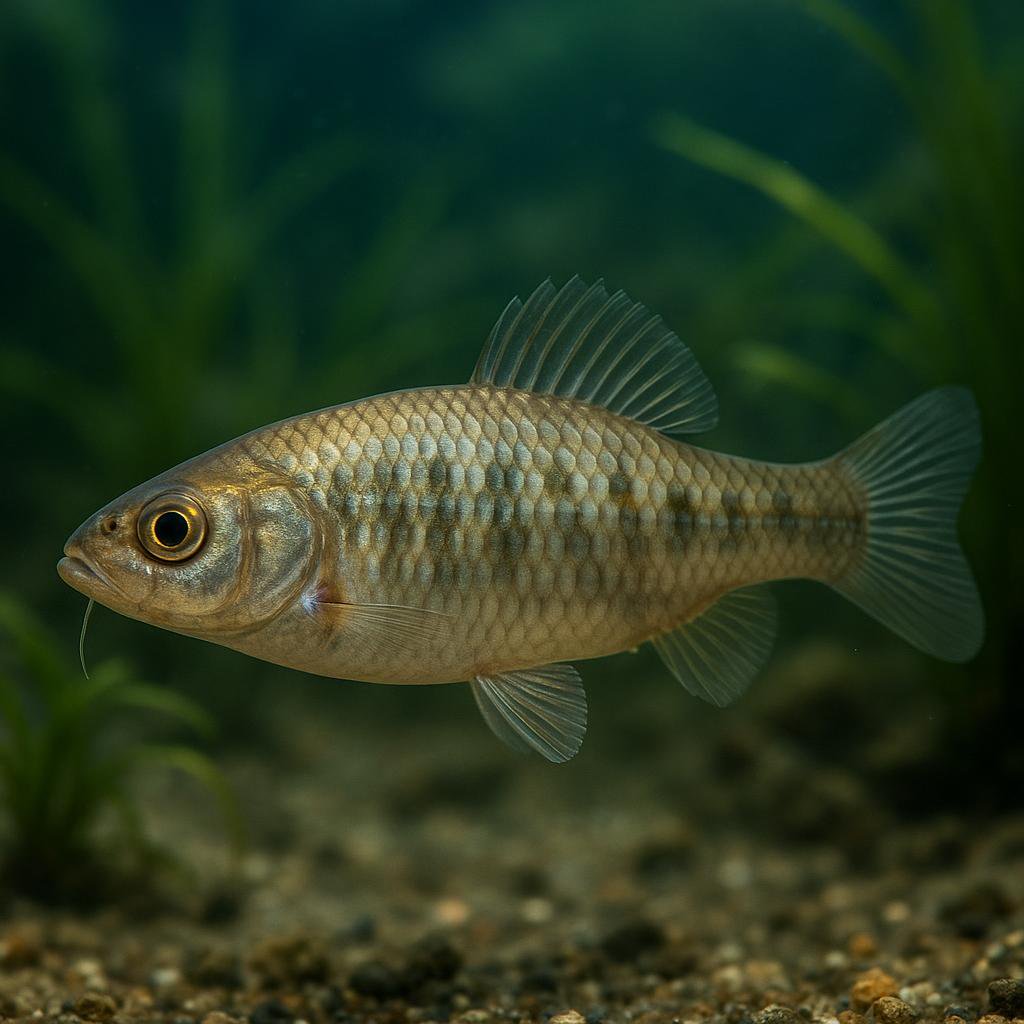
Arabian spiny eel
Notacanthus indicus
Notacanthus indicus is a deep-sea spiny eel (family Notacanthidae; not a true eel) known from the Arabian Sea on the continental slope at roughly ~960–1,046 m depth, with reported maximum length around 20 cm TL; it is a deep-water bycatch species and not established in the aquarium trade.
Arctic rockling
Gaidropsarus argentatus
This is a deepwater North Atlantic rockling (a cod relative) that hangs out on soft bottoms way down the slope. It is a cold-water, bottom-hugging predator that snoots around for crustaceans and will also take small fish when it gets the chance.
Looking for other species?