

Search Species
Search for fish species by common or scientific name, or use filters to browse by water type, size, temperament, and difficulty.
Found 83 species
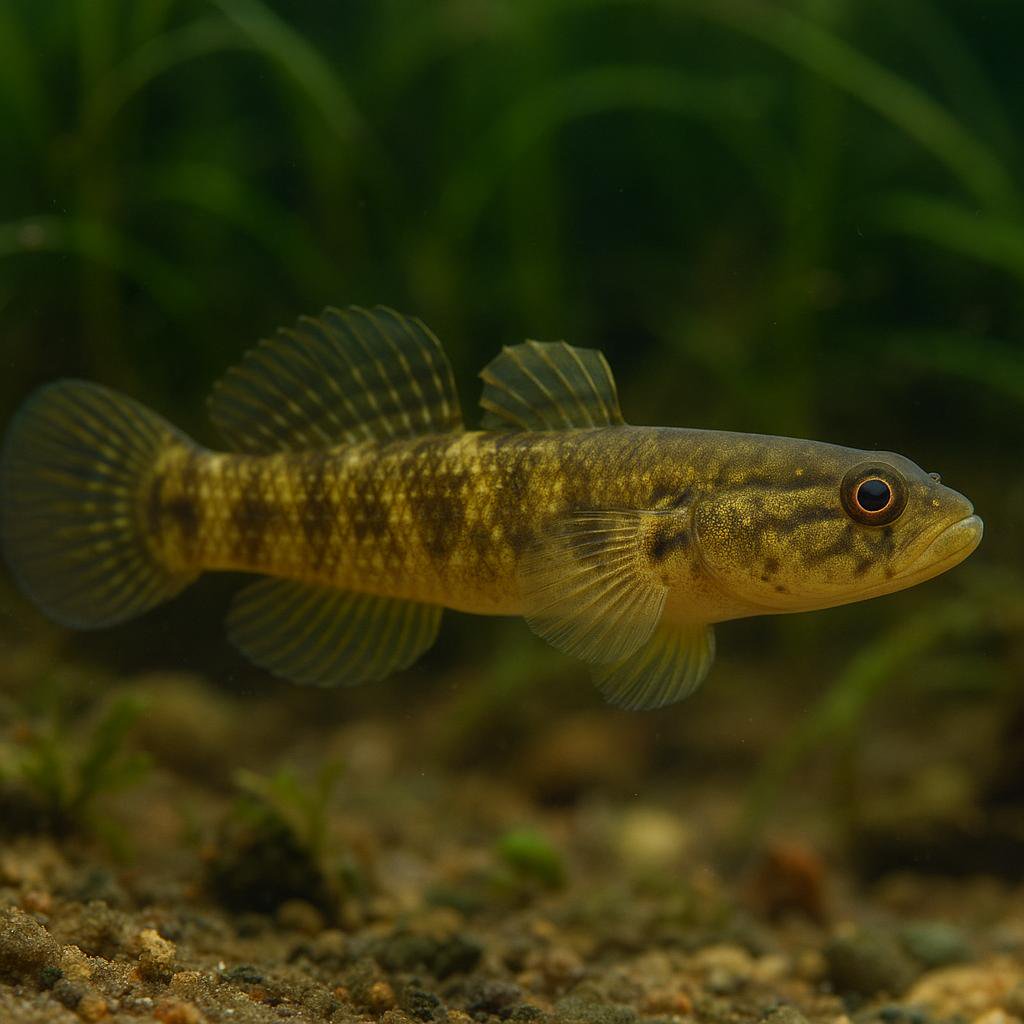
Lutea sleeper
Eleotris lutea
Eleotris lutea is a tiny little sleeper (eleotrid) that hangs out on the bottom in coastal/estuary type habitats and tends to just park itself and watch the world go by. Its wild environment is listed as marine and brackish (and it is amphidromous), so it is one of those fish people often mis-label as "freshwater goby" even though it usually does best with some salt and stable conditions.
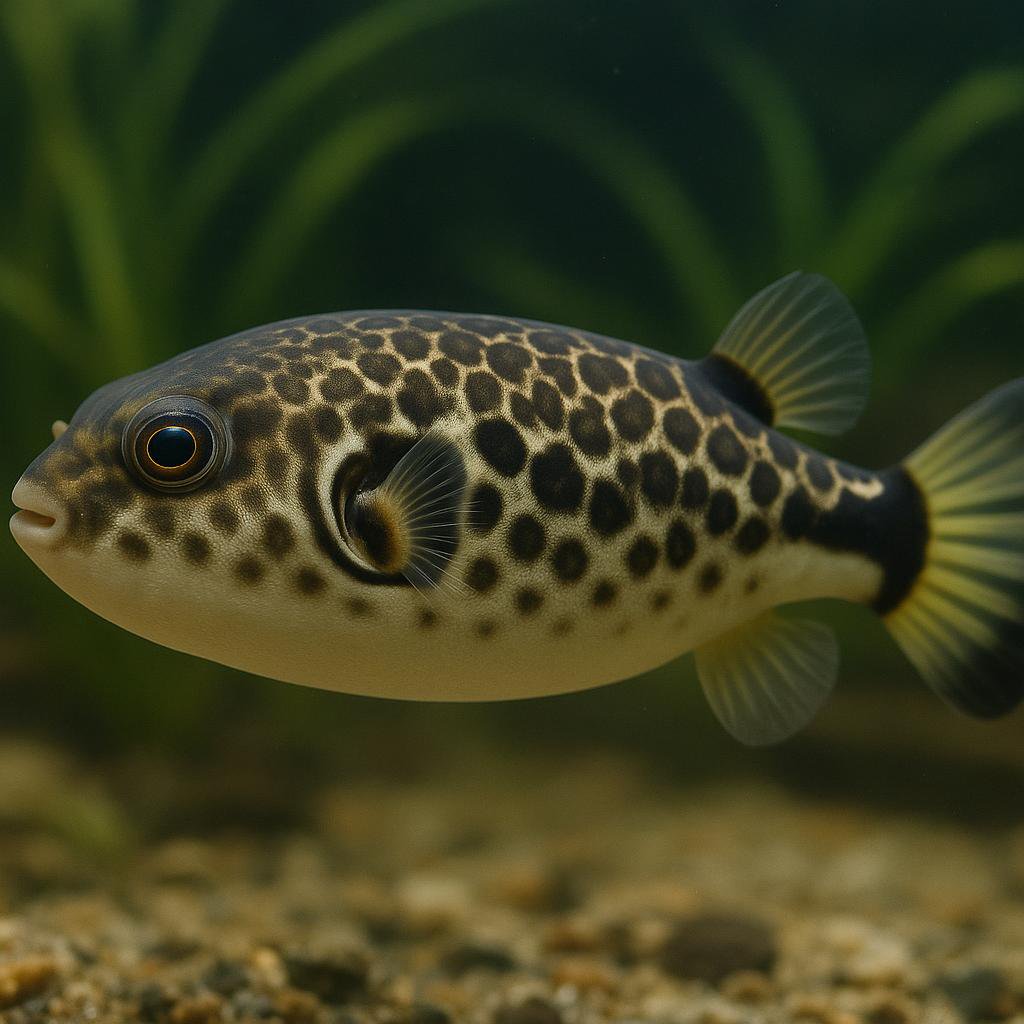
Milkspotted puffer
Chelonodontops patoca
This is that chunky, curious puffer with the milky white spots and big "what are you doing?" eyes that follows you around the glass like a little water puppy. It's a super fun fish to watch-always cruising, inspecting everything, and begging for food-but it's also one of those puffers that really needs the right setup as it grows (and it grows a lot).
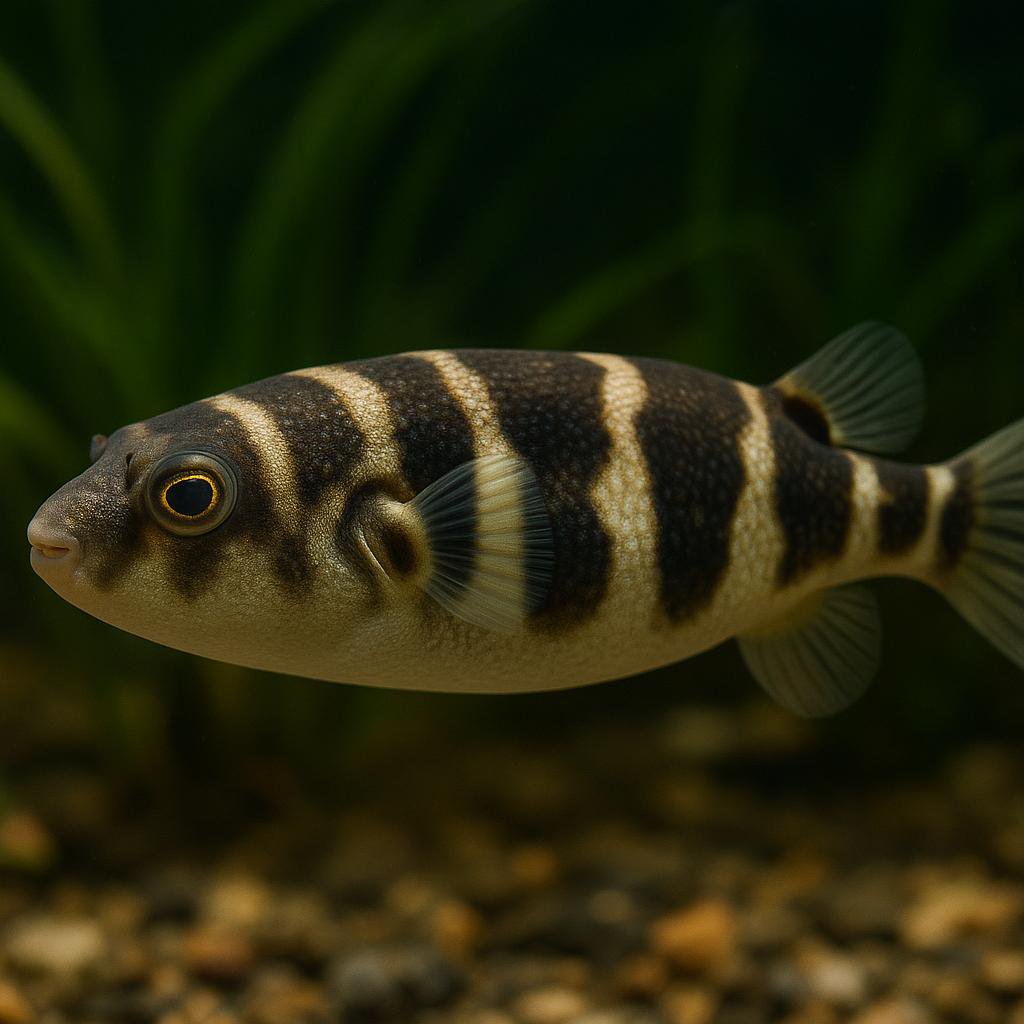
Milkspotted puffer
Chelonodon patoca
This is the big milk-spotted brackish puffer that cruises estuaries and mangroves and sometimes wanders a little way into fresh water. It gets chunky (over a foot) with those clean white spots, and it has that classic puffer personality - curious, food-motivated, and sometimes a bit too interested in other fish's fins. Long-term it really does best as a brackish-to-marine fish with hard, alkaline water and lots of crunchy shell-on foods to keep the beak worn down.
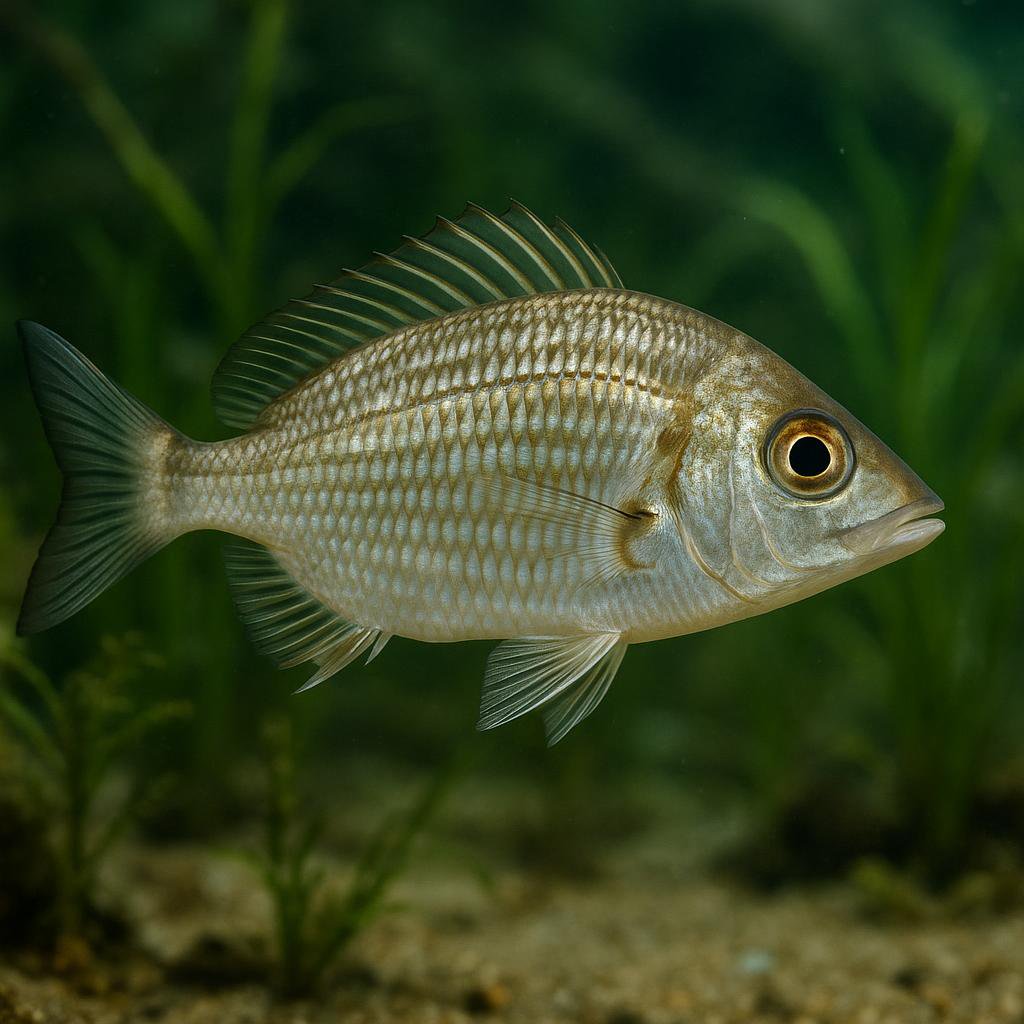
Mozambique silverbiddy
Gerres mozambiquensis
Small gerreid (silverbiddy/mojarra) described from Larde Estuary, Mozambique (holotype and paratype). Natural history details beyond the type locality are limited in readily available references; like other Gerreidae, it likely forages on benthic invertebrates in shallow estuarine/coastal habitats.
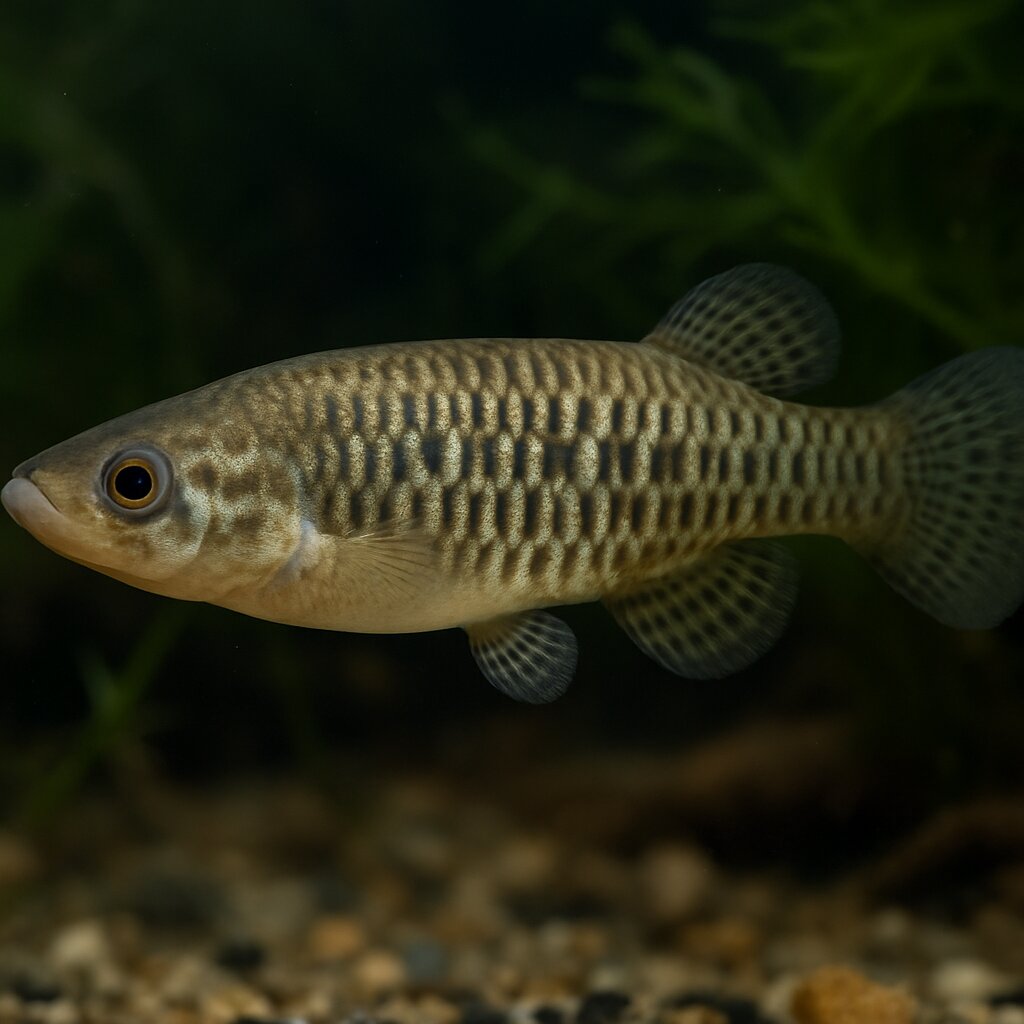
Mummichog
Fundulus heteroclitus
Tough little estuary killifish that handles swings in salinity and temperature like a champ, so it is great for a low-fuss brackish setup. In a group they are busy and curious, and breeding is fun to watch when males flash gold-green spangles. They eat pretty much anything that hits the water.
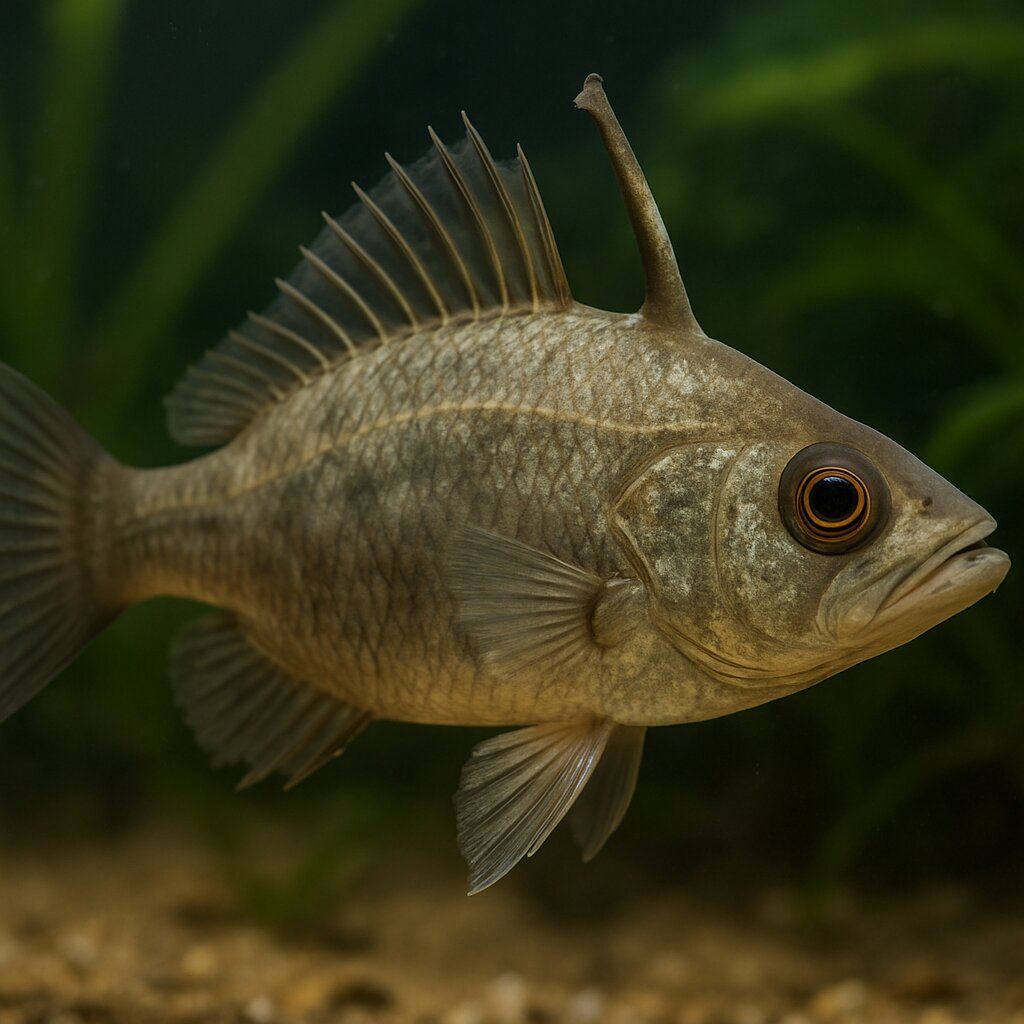
Nurseryfish
Kurtus gulliveri
This is that wild Aussie-PNG river fish where the male carries a bunch of eggs on a little hook on his forehead. It cruises turbid estuaries and lower rivers, munching small fish and shrimp, and it grows way too big for home tanks - we are talking public-aquarium scale. Super cool biology, but not a practical pet for most of us.
-1771297475.jpg)
Orange chromide
Pseudetroplus maculatus (syn. Etroplus maculatus)
This is that cute little Indian/Sri Lankan cichlid with the big black "shoulder" spot and a warm gold/orange glow when it's happy. It'll do the classic cichlid thing where it gets a bit pushy when breeding, but most of the time it's pretty chill-especially if you keep a small group. Super cool bonus: the parents actively tend the eggs and fry, and the babies even graze on the parents' skin mucus for a bit.
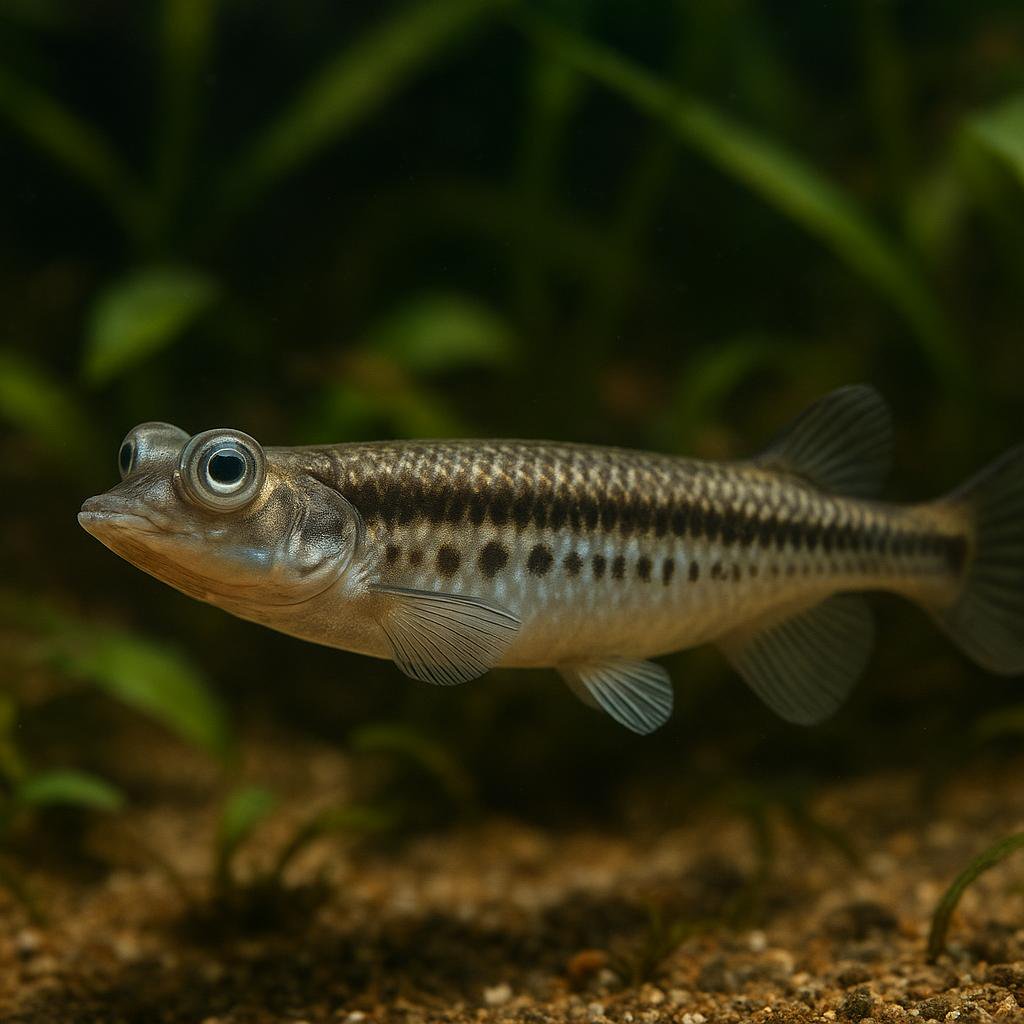
Pacific Four-Eyed Fish
Anableps dowii
This is the goofy, super-cool "four-eyed" fish that cruises the surface and looks like it's wearing little goggles-each eye is split so it can see above and below the water at the same time. They're active, always on the move, and they really shine in a long brackish tank where they can patrol the top like little patrol boats.
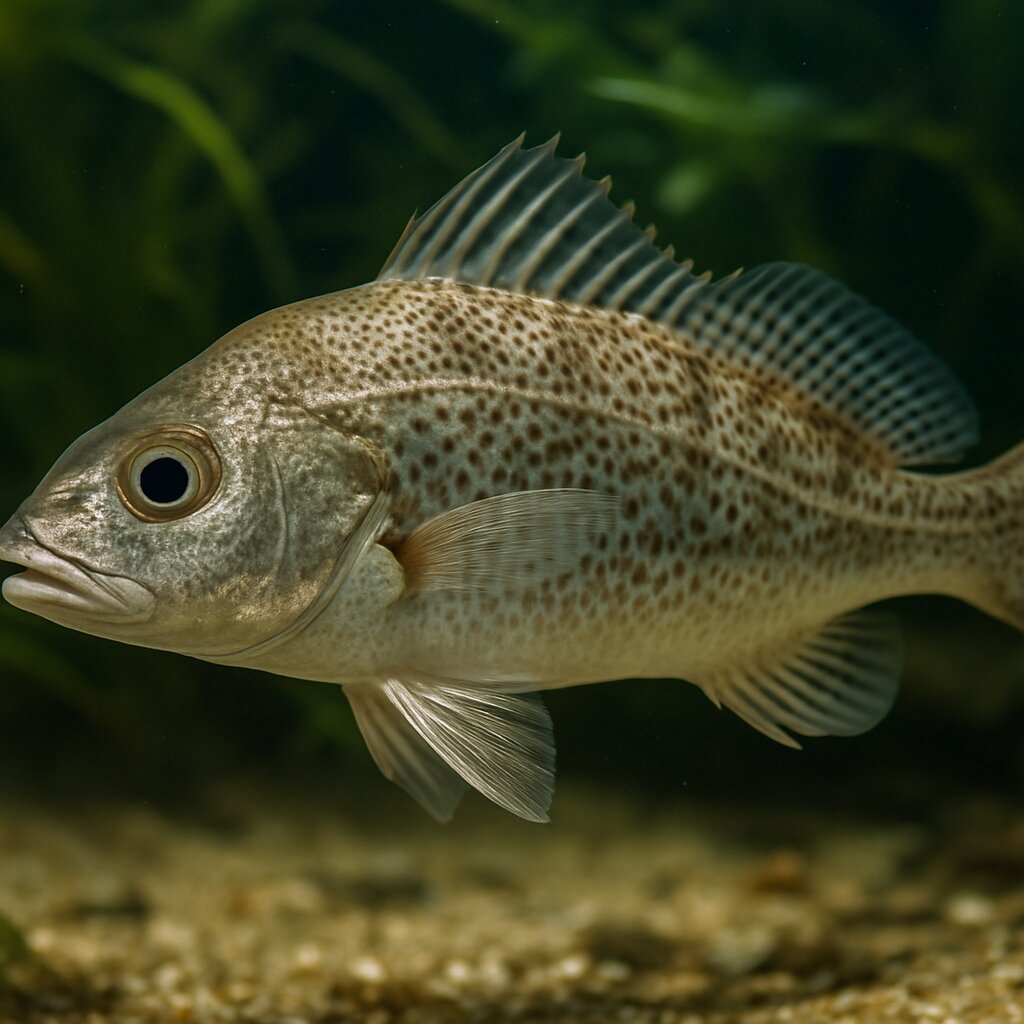
Paperhead croaker
Johnius novaeguineae
Paperhead croaker is a tiny Indo-Pacific croaker from New Guinea and northern Australia that cruises estuaries and even lower rivers, so it really prefers brackish to full marine water. ([fishbase.se](https://fishbase.se/summary/15436)) Adults top out around 9 cm and behave like little predators, picking at shrimp and worms, and they can even "croak" like other sciaenids. ([fishbase.se](https://fishbase.se/summary/15436)) If you ever spot one for sale, treat it as a brackish estuary fish rather than freshwater and keep the water warm and mineral-rich. ([aqueon.com](https://www.aqueon.com/resources/care-guides/brackish?utm_source=openai))
River garfish
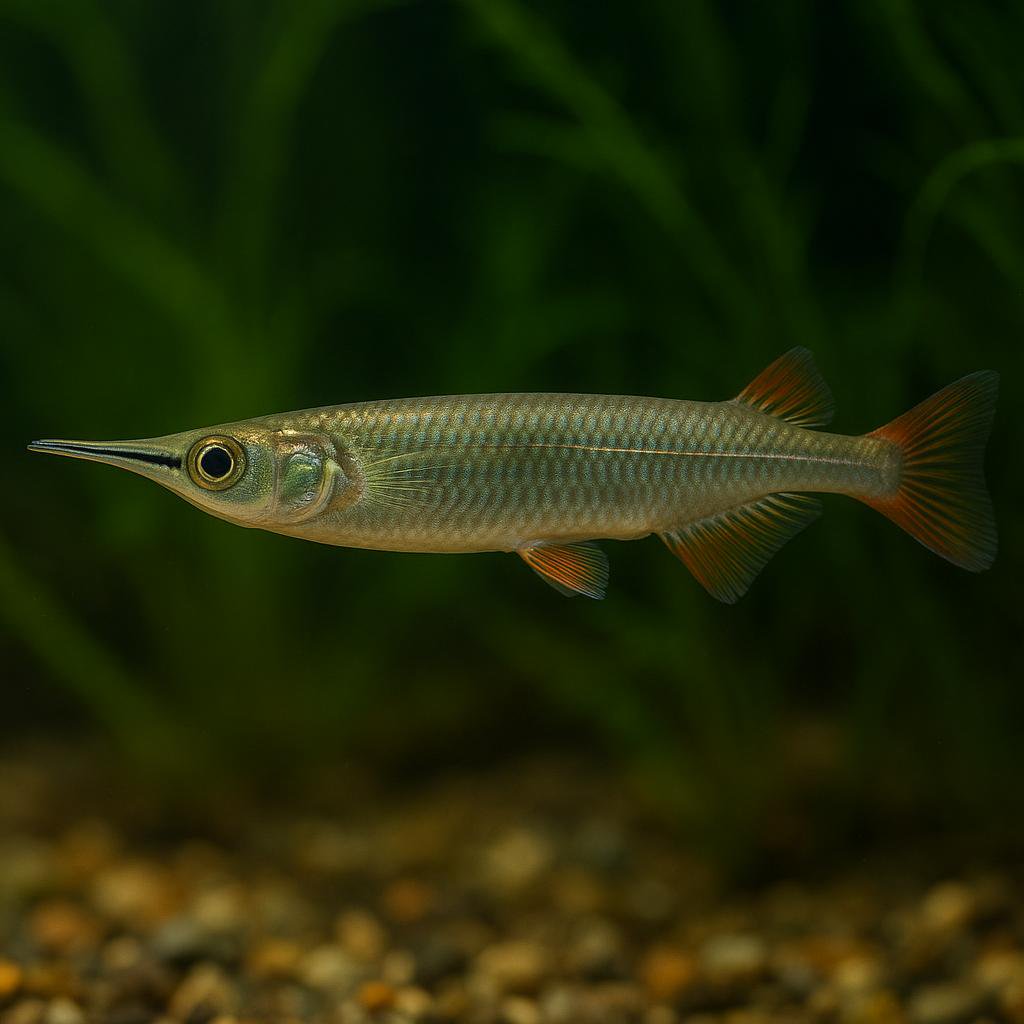
Zenarchopterus xiphophorus
This is a slim, surface-hugging halfbeak from the mouth of a river in Sumatra, and it has that classic "half-beak" look where the lower jaw sticks out. Its biology is way more "wild fish" than "pet shop fish" - think open-water cruising up top and spooking easily if the tank is busy or uncovered.
Sand catfish
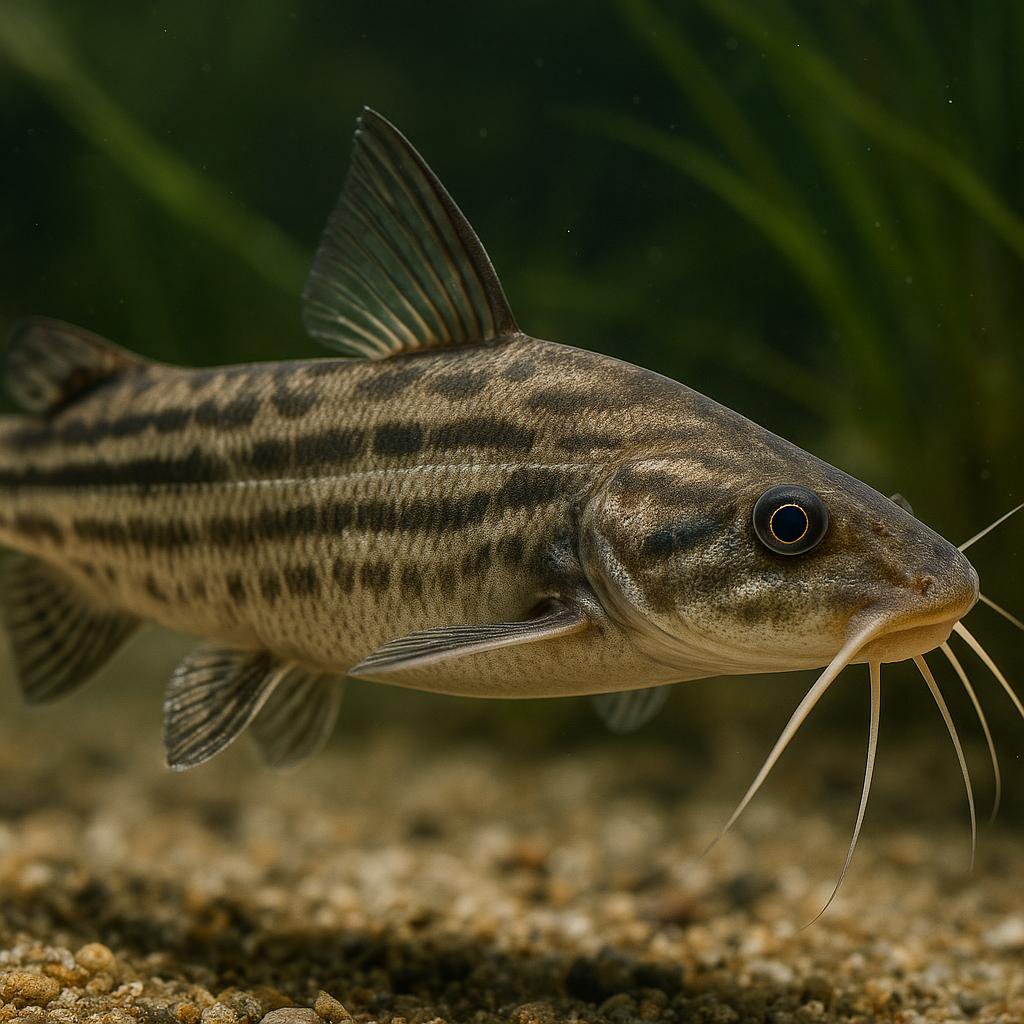
Arius arenarius
Arius arenarius is a coastal sea catfish from southern China and Taiwan that inhabits marine and brackish waters. It is a demersal ariid with a granular head shield and prominent barbels; its dorsal and pectoral spines are traumatogenic, so handle with care. It is best kept in a purpose-built brackish to marine system rather than a freshwater community tank.
San Ignacio pupfish
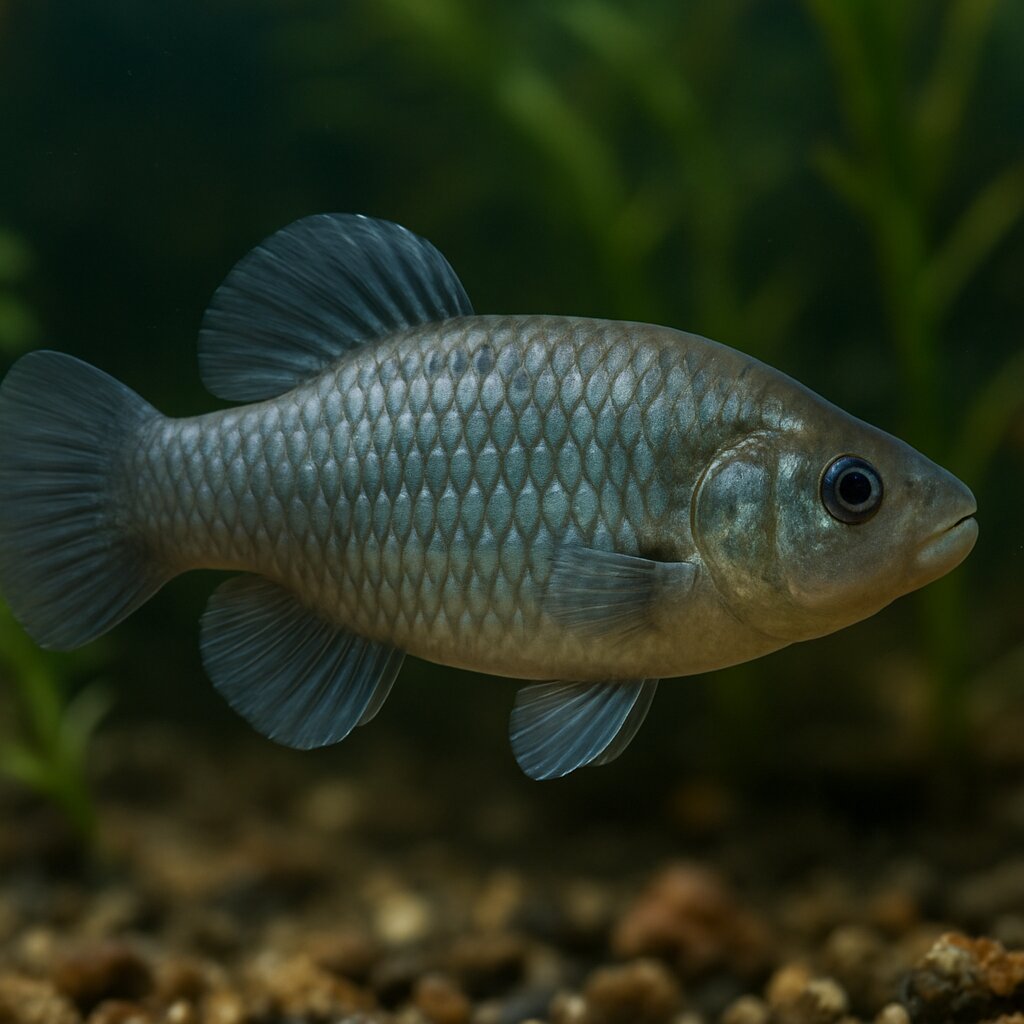
Cyprinodon bobmilleri
Tiny but full of personality, this Mexican pupfish is native to a single hot spring and actually thrives at sauna-like temps. Males posture and chase to guard little patches, so you get lots of spunky behavior in a small package. Super cool fish, but it really needs its own setup with the right salty-mineral water and heat.