

River garfish
Zenarchopterus xiphophorus
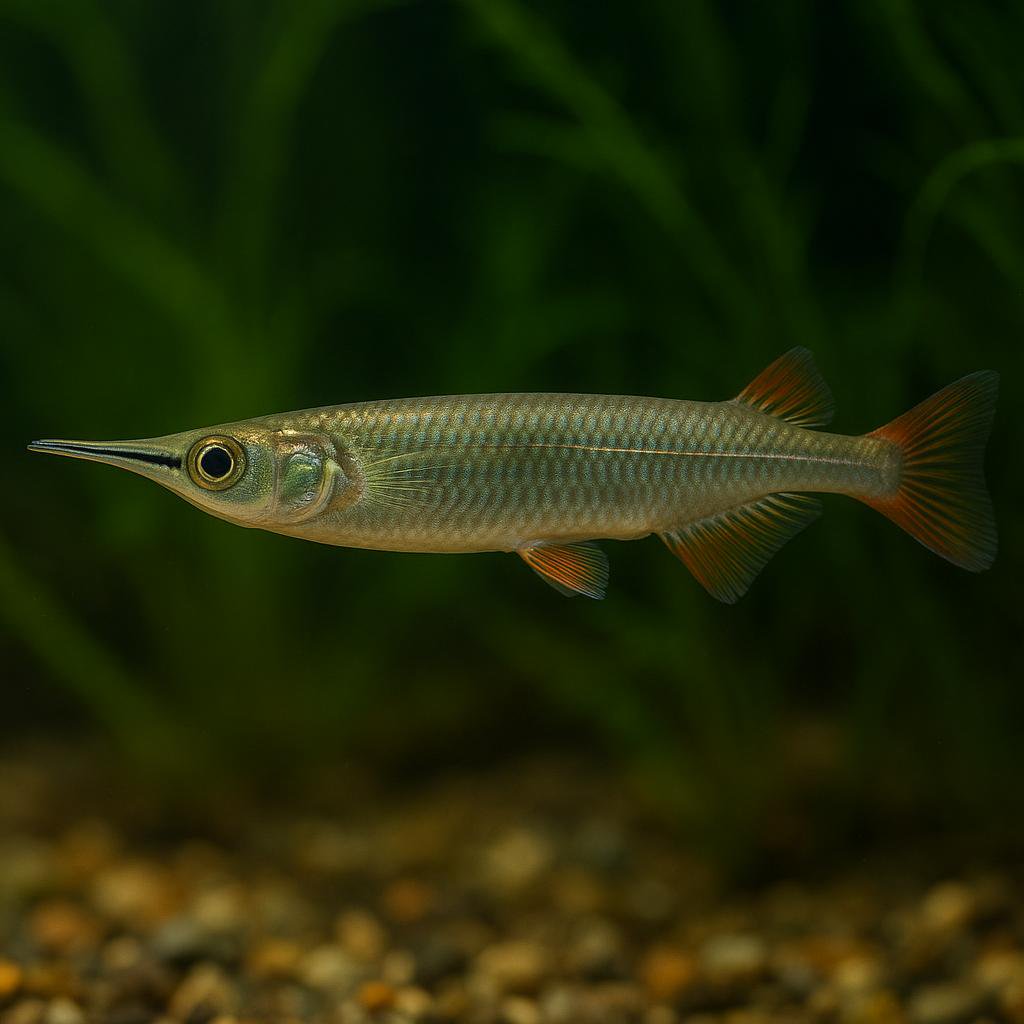
The River garfish has an elongated, streamlined body with a shiny green-blue coloration and a distinctive elongated snout with fine teeth.
This page includes AI-generated images. Why am I seeing AI images?
About the River garfish
This is a slim, surface-hugging halfbeak from the mouth of a river in Sumatra, and it has that classic "half-beak" look where the lower jaw sticks out. Its biology is way more "wild fish" than "pet shop fish" - think open-water cruising up top and spooking easily if the tank is busy or uncovered.
Also known as
Quick Facts
Size
17 cm
Temperament
Peaceful
Difficulty
Advanced
Min Tank Size
30 gallons
Lifespan
3-6 years
Origin
Southeast Asia (Indonesia - Sumatra)
Diet
Omnivore/insectivore - small floating insects, frozen foods, fine pellets/flakes taken at the surface
Water Parameters
24-28°C
7-8.2
8-20 dGH
Need a heater for this species?
This species needs 24-28°C in a 30 gallon tank. Use our heater calculator to find the right wattage.
Calculate heater sizeCare Notes
- Give them a long tank with a tight lid - they hang at the surface and they jump hard when spooked. Leave open swimming room up top and keep decor low so they do not smash their beaks.
- If you keep them in brackish conditions, keep salinity stable with proper top-off (evaporation top-off should be freshwater only). Confirm the appropriate salinity range for Zenarchopterus xiphophorus from species-specific sources rather than assuming a single SG band.
- They like some current and high oxygen, so point a powerhead along the surface and keep the film off. If you see them piping at the top even with good surface agitation, check ammonia first and bump aeration.
- Feed floating foods: small floating pellets, insects, chopped shrimp, and frozen krill work well; they are surface hunters and often ignore stuff that sinks. New ones can be picky, so start with live/floaty foods (mosquito larvae, small crickets) and wean onto pellets.
- Keep them with fast, brackish-tolerant fish that do not nip fins and will not outcompete them at the surface - think monos, scats (once sized right), or hardy gobies that stay lower. Avoid fin nippers and mouthy predators, and do not mix with tiny fish because anything that fits in that beak is food.
- They spook easily, so skip bright lights and sudden movement right in front of the glass; floating plants or a strip of surface cover helps them settle. A dark background and dimmer lighting also makes them way less jumpy.
- Watch for beak damage and mouth fungus after rough netting or collisions - use a container to move them, not a net. If the beak starts looking white/fuzzy or they stop striking at food, treat early and double-check salinity and water quality.
Compatibility
Good Tankmates
- Bumblebee gobies (Brachygobius spp.) - great little brackish buddies if you keep the salinity in that light brackish range. They mostly mind their own business on the bottom while the garfish hangs up top.
- Compatibility: Use caution with fin-nipping species (including many puffers). Verify tankmate compatibility for Zenarchopterus xiphophorus with species-specific sources; avoid presenting risky pairings as generally compatible.
- Brackish monos (Mono argentus or Mono sebae) - active, schooling, and they like similar water. They are quick enough that the garfish does not bully them at feeding time.
- Scats (Scatophagus argus) - tough, outgoing fish that do well in brackish setups. They are not easily stressed by surface activity, and they are big enough not to be seen as food.
- Knight gobies (Stigmatogobius sadanundio) - solid bottom-dweller choice for brackish. They will posture with each other sometimes, but they are not usually interested in a surface garfish.
- Archerfish (Toxotes spp.) - if the tank is roomy and you feed well, they share that top-water zone without constant drama. Both are quick feeders, so spread food out so the garfish actually gets its share.
Avoid
- Fin-nippers like tiger barbs or serpae tetras - the garfish has that long beak and slim body, and getting pecked at all day just stresses them out and can lead to injuries.
- Big aggressive brackish bruisers like green spotted puffers or bigger morays - they will eventually take bites, bully at feeding time, or just harass the garfish nonstop.
- Slow, fancy-finned fish (bettas, guppies, long-finned mollies) - not a great match in brackish anyway, and the garfish can outcompete them for food while nippy tankmates go after fins.
- Tiny fish that fit in the mouth (small livebearer fry, tiny glassfish juveniles, micro gobies) - peaceful does not mean they will not snack if something looks like food near the surface.
Where they come from
River garfish (Zenarchopterus xiphophorus) are those slim, surface-hugging halfbeaks you see in Southeast Asia. You will find them around slow rivers, canals, mangroves, and estuaries where fresh and salt mix. That brackish swing is a big part of why they can be touchy in a plain freshwater community tank.
Most shops label these as "halfbeaks" or "garfish" without mentioning they do best long-term in brackish. If yours keeps fading, clamping fins, or getting sick over and over in freshwater, this is usually why.
Setting up their tank
Think "long and calm at the top." These fish live at the surface, pace a lot, and they startle easily. A long footprint matters more than raw gallons. I would not keep a group in anything shorter than a 3 ft tank, and 4 ft makes them look way more relaxed.
- Tank size: 30-40+ gallons for a small group, but length beats height every time
- Group size: 6+ if you can, they act less jumpy in a proper group
- Flow: gentle to moderate, avoid blasting the surface like a river-tank setup
- Lighting: not too harsh, floating plants help a ton
- Cover: tight-fitting lid, tape over gaps around hoses and wires
They jump. Not "might jump." They will launch when spooked, especially at night or during water changes. A lid with no gaps is non-negotiable.
Brackish water is where most people either nail it or slowly lose fish. I mix marine salt (not aquarium tonic salt) in a bucket with a small pump, then add it to the tank. For river garfish, I have had the best luck around low to mid brackish (roughly SG 1.005-1.010). Stability matters more than chasing a perfect number, so pick a target and stick with it.
- Use marine salt mix and a refractometer or hydrometer (refractometer is way easier to trust)
- Aim for steady salinity, do not swing it up and down week to week
- Temperature: mid-70s to low-80s F (24-28 C)
- Keep nitrogen low: they are not fans of dirty surface film and high nitrates
- Leave open swimming space at the surface, but add cover around edges
Decor wise, I keep it simple: sand or fine gravel, some hardy brackish-tolerant plants (if you can keep them), and lots of floating cover. They like to cruise the top edge of the tank and hover under floaters. If the surface is wide open under bright lights, they stay skittish and hide in corners.
What to feed them
They are surface micro-predators. That beak is built for snatching insects and tiny critters off the top. New imports often ignore flakes and pellets at first, and some never really take to them. Live and frozen foods make life easier.
- Best starters: live or frozen mosquito larvae, daphnia, brine shrimp, cyclops
- Reliable frozen: bloodworms (not as a staple), mysis, finely chopped krill
- Good live options: small crickets, fruit flies, gnat-sized insects (avoid pesticide risks)
- If you want pellets: try small floating predator pellets and train slowly alongside frozen
Feed at the surface and spread food out. If you dump one blob in the corner, the bold fish hog it and the shy ones stay skinny.
Watch their bellies. A healthy river garfish should look sleek but not pinched. If you see hollow bellies or a fish hanging back at feeding time, bump up feeding frequency and make sure food is reaching everyone. I usually do smaller meals 1-2 times a day rather than one big dump.
How they behave and who they get along with
These are alert, fast, surface fish. They are not generally aggressive, but they are competitive at feeding and can harass smaller surface fish. Males can bicker and chase, especially in a small tank or if the group is male-heavy.
- Temperament: active, easily spooked, mostly peaceful but pushy at mealtime
- Tank level: top and upper-midwater
- Best kept: in groups with plenty of surface cover
- Expect: lots of surface cruising, occasional sparring, and quick darting when startled
Pick tankmates that like similar brackish water and will not bully them. Avoid anything that nips fins or constantly charges the surface. Also avoid tiny fish that can fit in that mouth. They might look delicate, but they can inhale surprisingly big snacks if it fits.
- Good options: brackish mollies, bumblebee gobies (with a peaceful setup), knight gobies (in a larger tank), some brackish-tolerant rainbowfish depending on salinity
- Use caution: archerfish and monos (often too boisterous and outcompete them)
- Avoid: fin-nippers (many barbs), hyper-aggressive cichlids, very small livebearer fry you want to keep
They spook easily. Sudden light changes, banging the glass, or a powerhead making a "slap" at the surface can keep them stressed and skittish. A calm surface and floating plants go a long way.
Breeding tips
Breeding river garfish in home tanks is possible, but it is not like breeding guppies. They are livebearers (halfbeaks), and females carry developing young for a while. The trick is getting well-conditioned adults, keeping them steady in brackish, and giving the babies somewhere to hide because adults will pick off fry.
- Keep a bigger group so you get both sexes and reduce nonstop male attention on one female
- Condition with lots of small live/frozen foods
- Provide thick floating plants or spawning mops at the surface for fry cover
- If you want to save fry, move the female near dropping time or pull the fry as you spot them
If you see a female getting noticeably thicker and she starts hanging near cover, I start checking the floaters daily. Fry like to hang right under the surface film.
Common problems to watch for
Most issues I have seen come down to three things: wrong water type (kept in straight fresh), injuries from jumping, and slow starvation because the fish never fully switches onto prepared foods.
- Jumping injuries: scraped beaks, missing scales, sudden death after a "thump" - fix lid gaps and lower stress
- Chronic sickness in freshwater: repeated ich/velvet/bacterial issues - move to stable brackish and clean up water quality
- Starvation: fish looks thin or "knife-bellied" - offer more live/frozen and spread feedings out
- Mouth/beak damage: can happen from glass surfing or panic-dashing - add floaters, reduce reflections, avoid bright bare tanks
Do not medicate blindly in brackish without checking the label. Some meds behave differently with salt, and invertebrates or sensitive tankmates may not tolerate them. If you can, quarantine new fish and treat in a separate tank.
Also keep an eye on surface scum and low oxygen at night. A heavy plant load plus warm brackish water can mean low oxygen by morning. I like a gentle sponge filter or an airstone aimed so it ripples the surface without turning it into a washing machine.
Similar Species
Other brackish peaceful species you might be interested in.
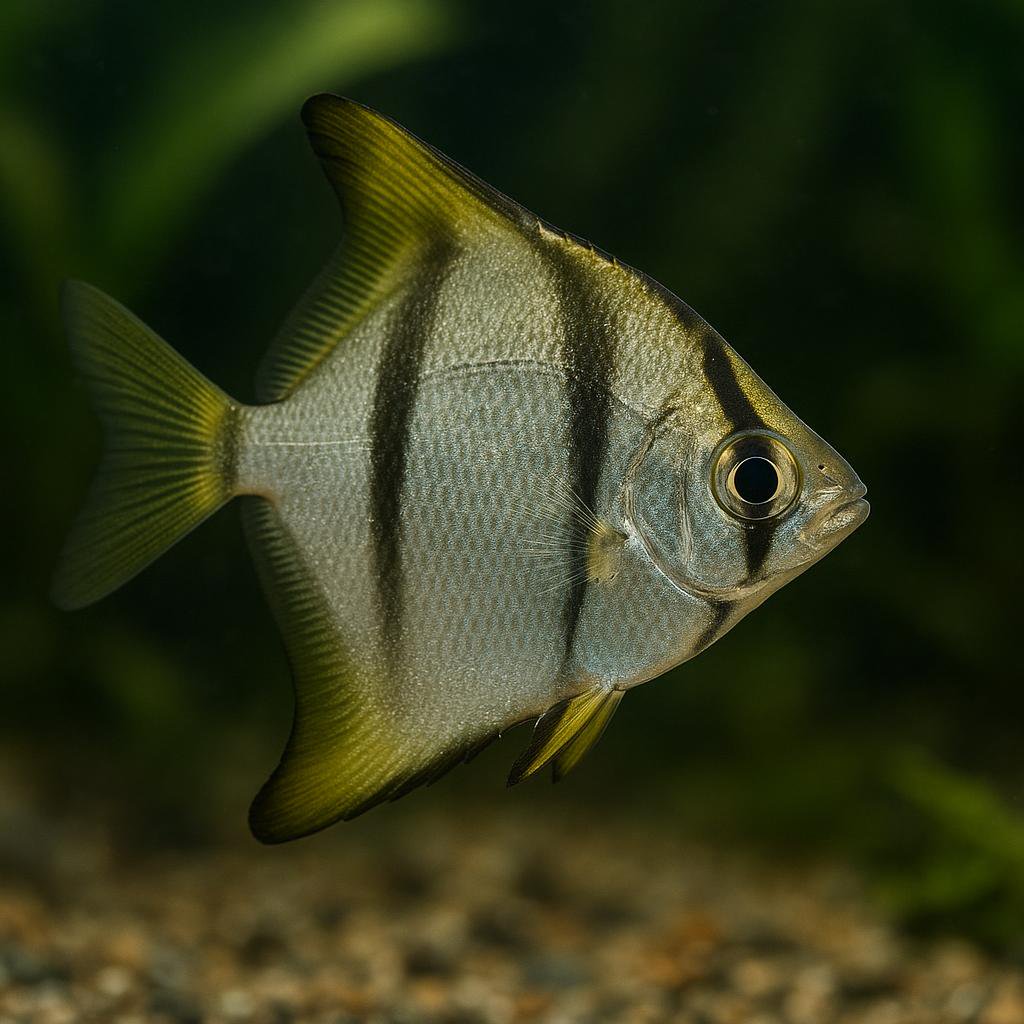
African moony
Monodactylus sebae
This is that shiny, diamond-shaped "mono" that cruises around in a tight pack and looks like a little silver dinner plate with black bars when it's young. The big thing with African moonies is they're euryhaline-so they'll tolerate freshwater as juveniles, but they really shine long-term in brackish (and can be transitioned toward marine as they mature). Give them a big, open tank and a group, and they turn into nonstop, super fun midwater swimmers.
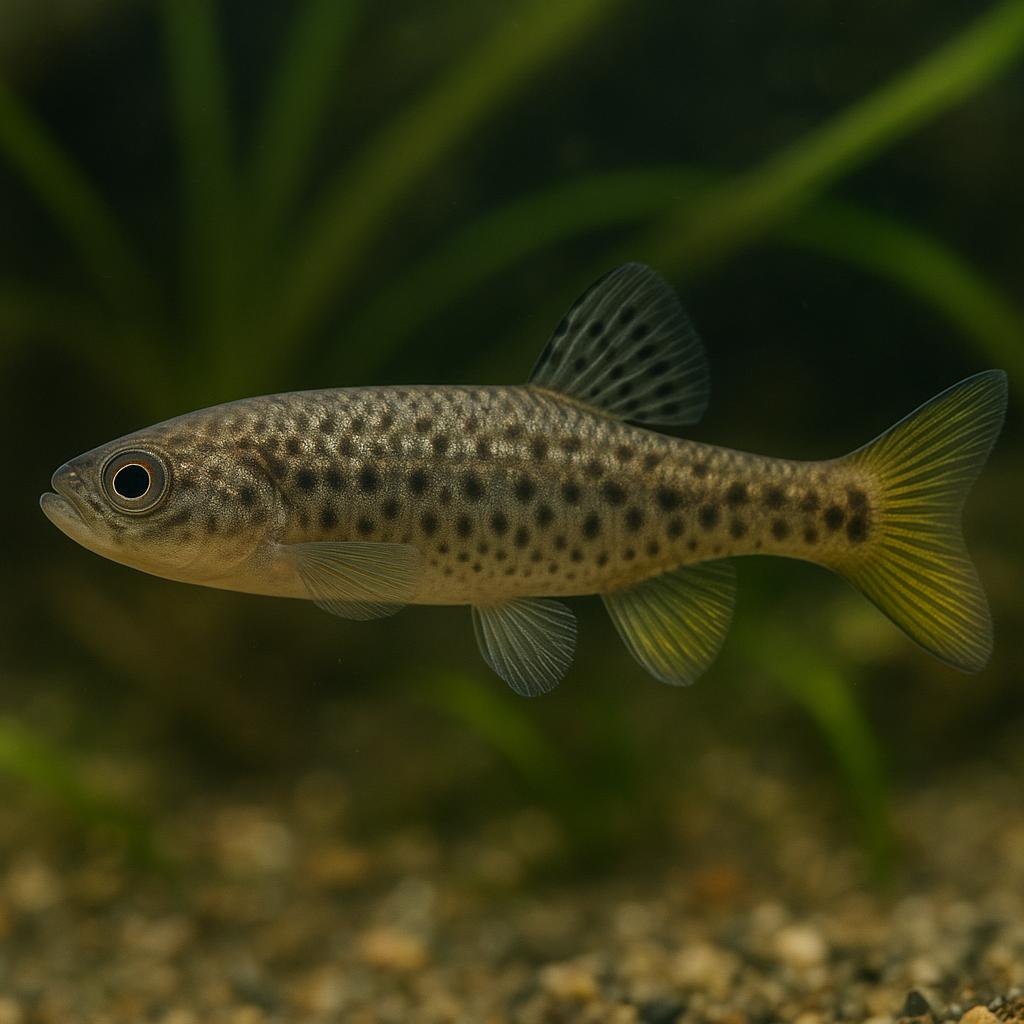
American shadow goby
Quietula y-cauda
This is a little mudflat goby from California down into the Gulf of California that loves hanging tight to the bottom and vanishing into burrows. The neat tell is that sideways Y-shaped blotch right at the base of the tail, plus the row of dark spots along the side. Its whole vibe is brackish estuary life - calm water, soft substrate, lots of hiding holes.
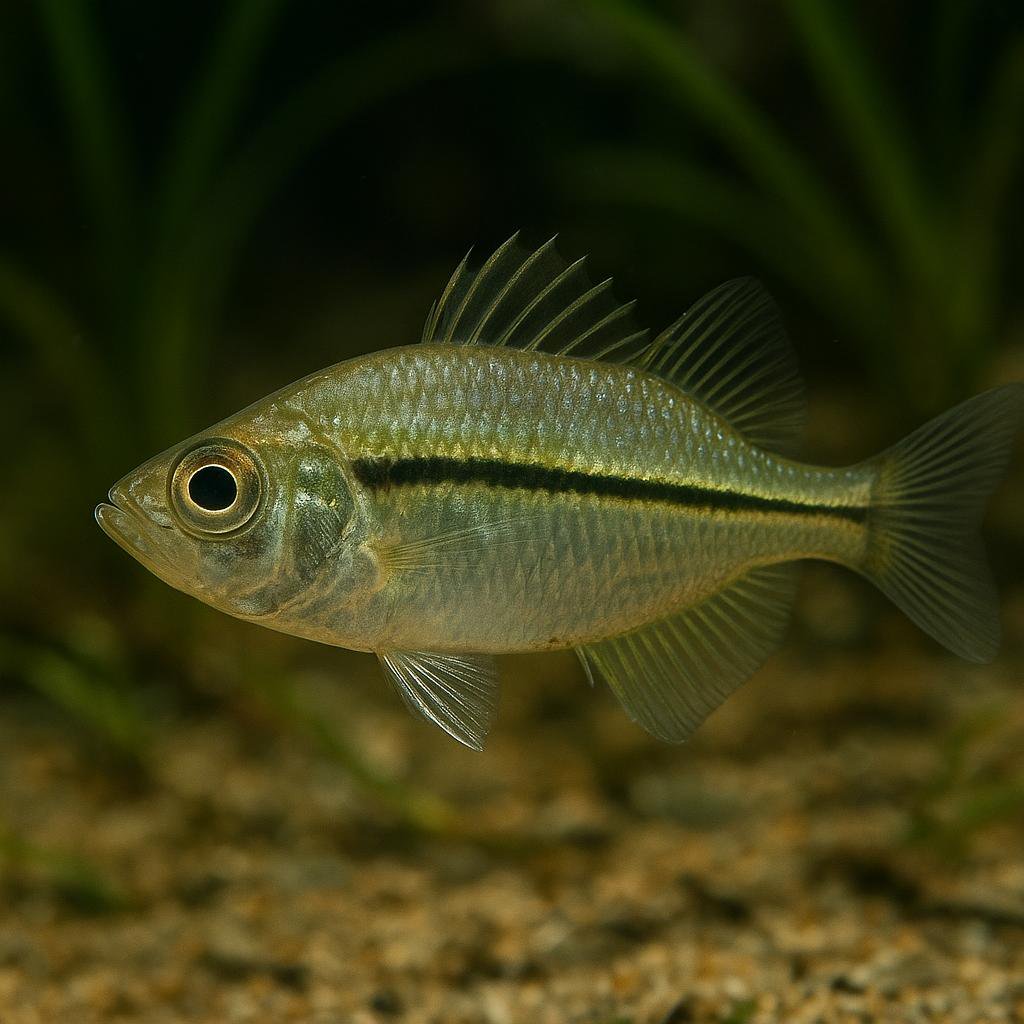
Banded-tail glassy perchlet
Ambassis urotaenia
This is one of those see-through glassy perchlets where you can literally watch the organs shimmer when it turns-super cool in the right lighting. In the wild it hangs around river mouths and mangroves and cruises in groups, so it does best when you keep a little gang of them and give them some open swimming room.
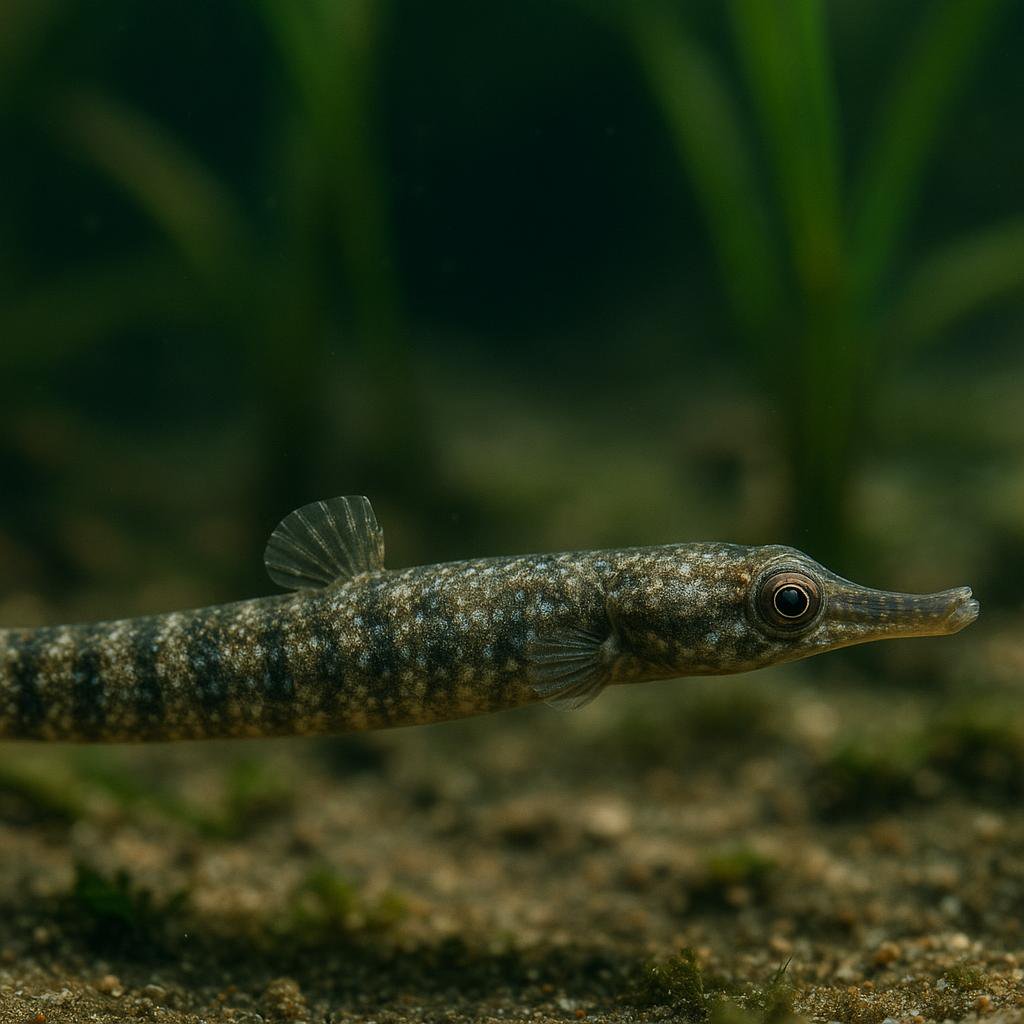
Barbed pipefish
Urocampus nanus
Urocampus nanus (barbed pipefish) occurs in protected inshore and estuarine habitats among seagrass (Zostera) in the Northwest Pacific (southern Japan and adjacent coasts). Like other syngnathids, males brood eggs in a pouch under the tail and produce fully formed young.
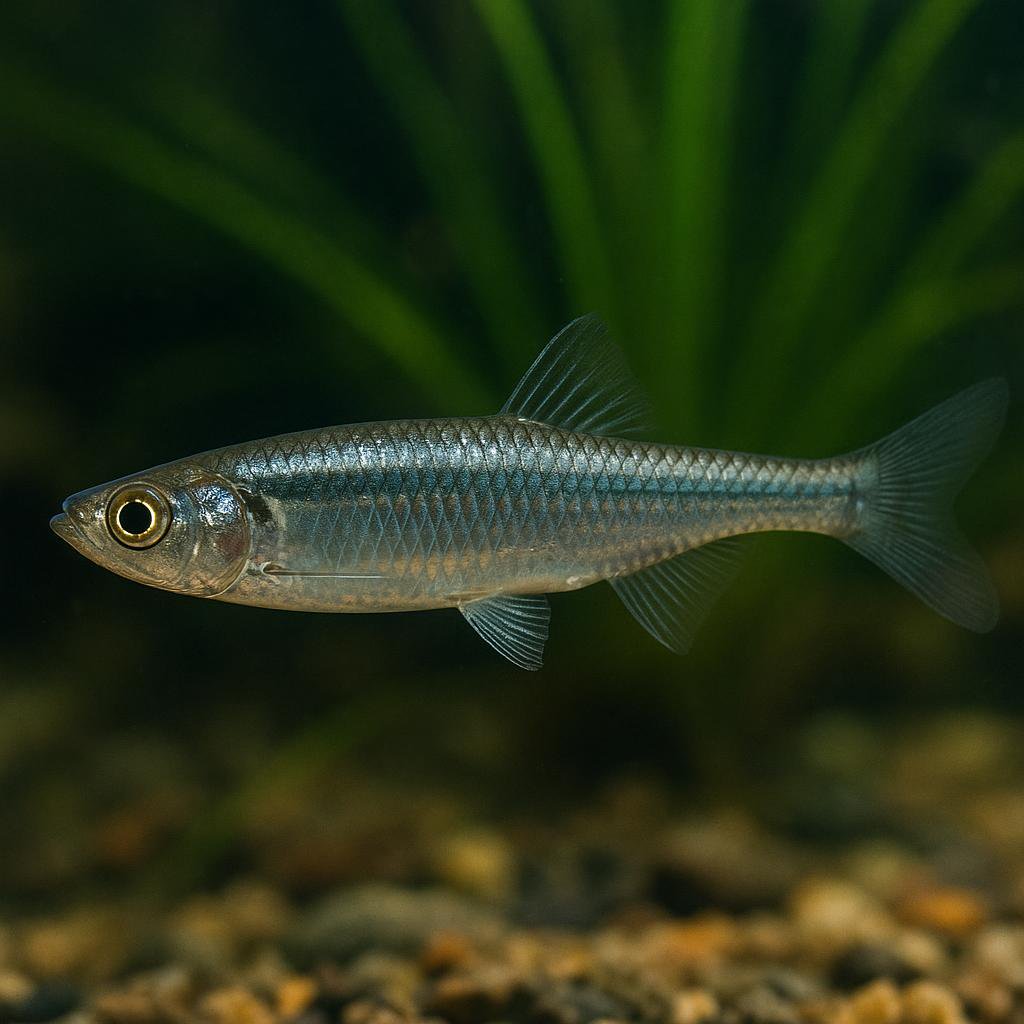
Beach silverside
Atherinella blackburni
This is a little coastal silverside that cruises the shallows in loose groups and flashes like a tiny chrome dart when the light hits it right. In the wild it hangs around beaches, estuaries, and lagoons, picking at small drifting foods in the surf zone. It is cool, but its real "gotcha" is that it is an open-water, salt-tolerant schooling fish that does best in bigger, well-oxygenated setups rather than a typical planted community tank.
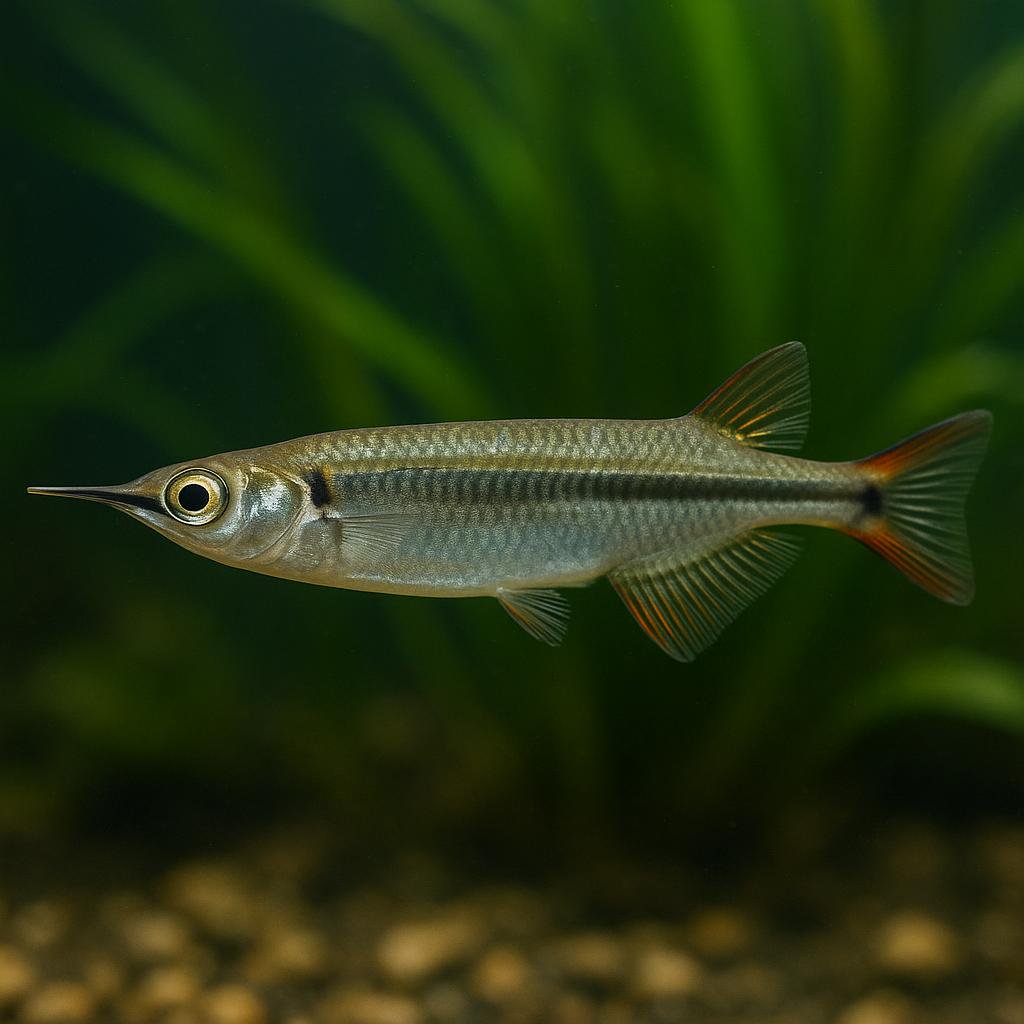
Buffon's river-garfish
Zenarchopterus buffonis
This sleek, surface-dwelling halfbeak has a distinct dark stripe along the snout and is typically found at the surface in coastal waters, estuaries, and rivers where it feeds on terrestrial insects. In aquaria it does best with floating/surface foods and a secure cover, and it requires brackish (or marine) conditions long-term. Reproduction is internally fertilized; FishBase lists the species as ovoviviparous.
More to Explore
Discover more brackish species.
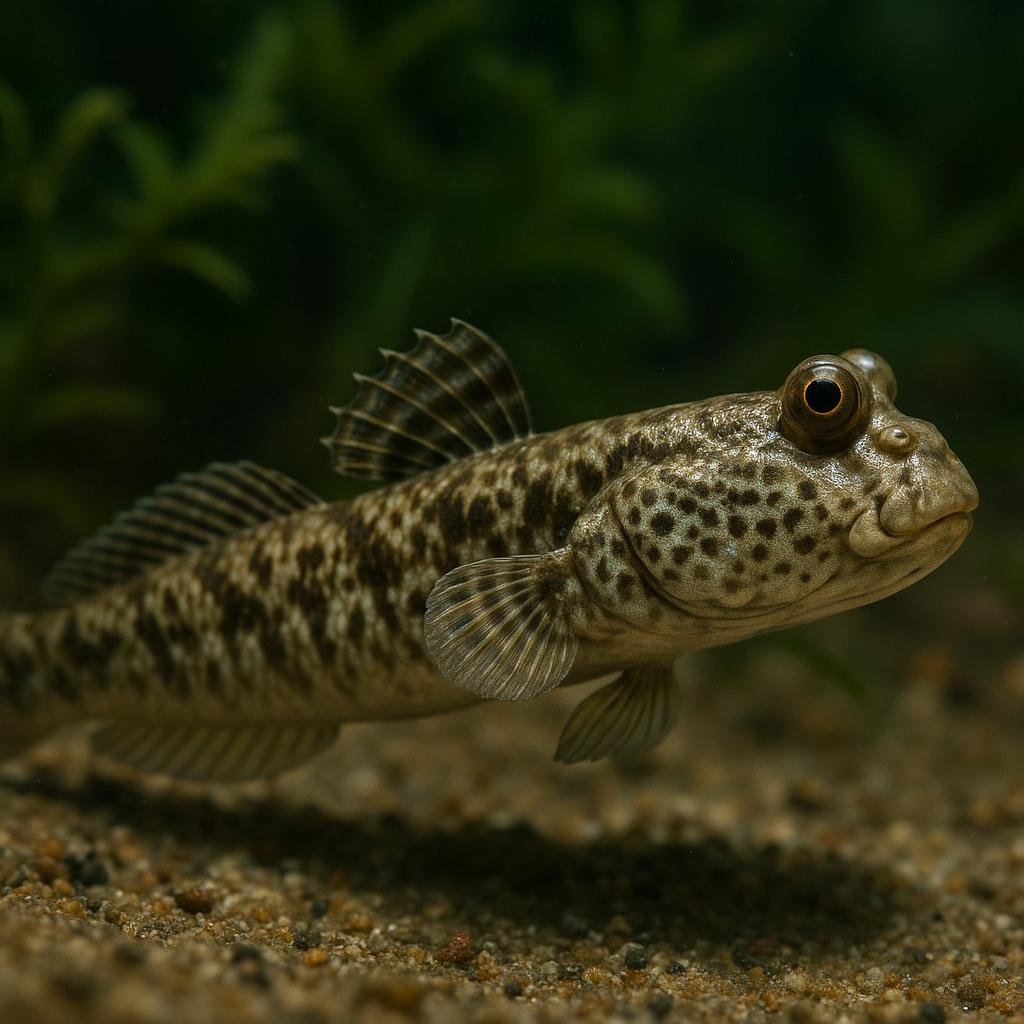
Atlantic Mudskipper
Periophthalmus barbarus
This is that wild little amphibious goby that straight-up climbs around on land like it forgot it was a fish. They've got big googly eyes, tons of personality, and they'll perch, hop, and patrol their territory-honestly more like a tiny crabby lizard than a "regular" aquarium fish.
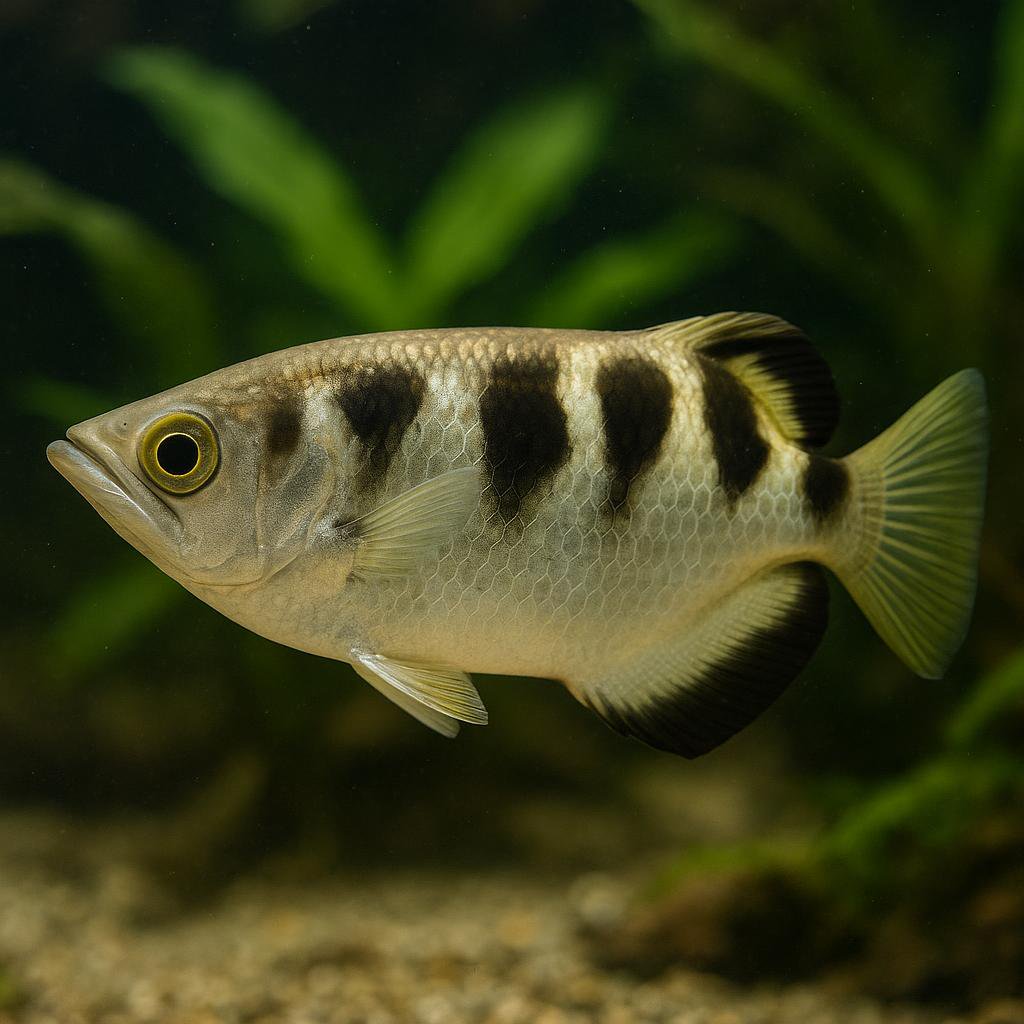
Banded Archerfish
Toxotes jaculatrix
This is the fish that literally spits jets of water to knock insects off branches-watching one "take aim" is unreal. They're super aware of what's going on outside the tank and will even learn to beg and snipe food from the surface once they settle in. Give them height and some open swimming room and they act like little aquatic sharpshooters.
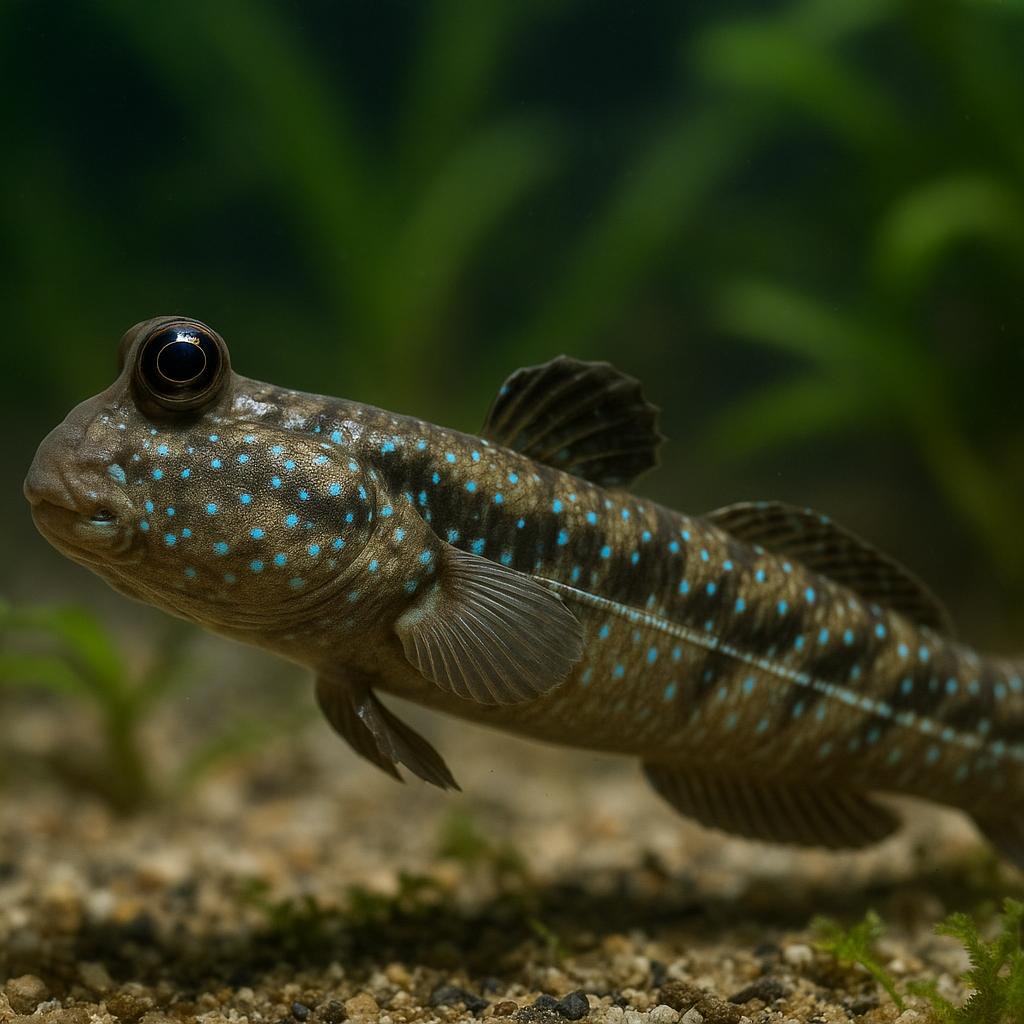
Barred mudskipper
Periophthalmus argentilineatus
This is one of those classic "walks around like it owns the place" mudskippers-big goofy eyes, climbs, hops, and spends a ton of time out on the mud when it's humid. In the wild it lives on intertidal mangrove/nipa mudflats and even shuttles between little pools and open air, hunting worms, insects, and small crustaceans. It's super fun to watch, but it really wants a brackish paludarium setup (not a normal aquarium).
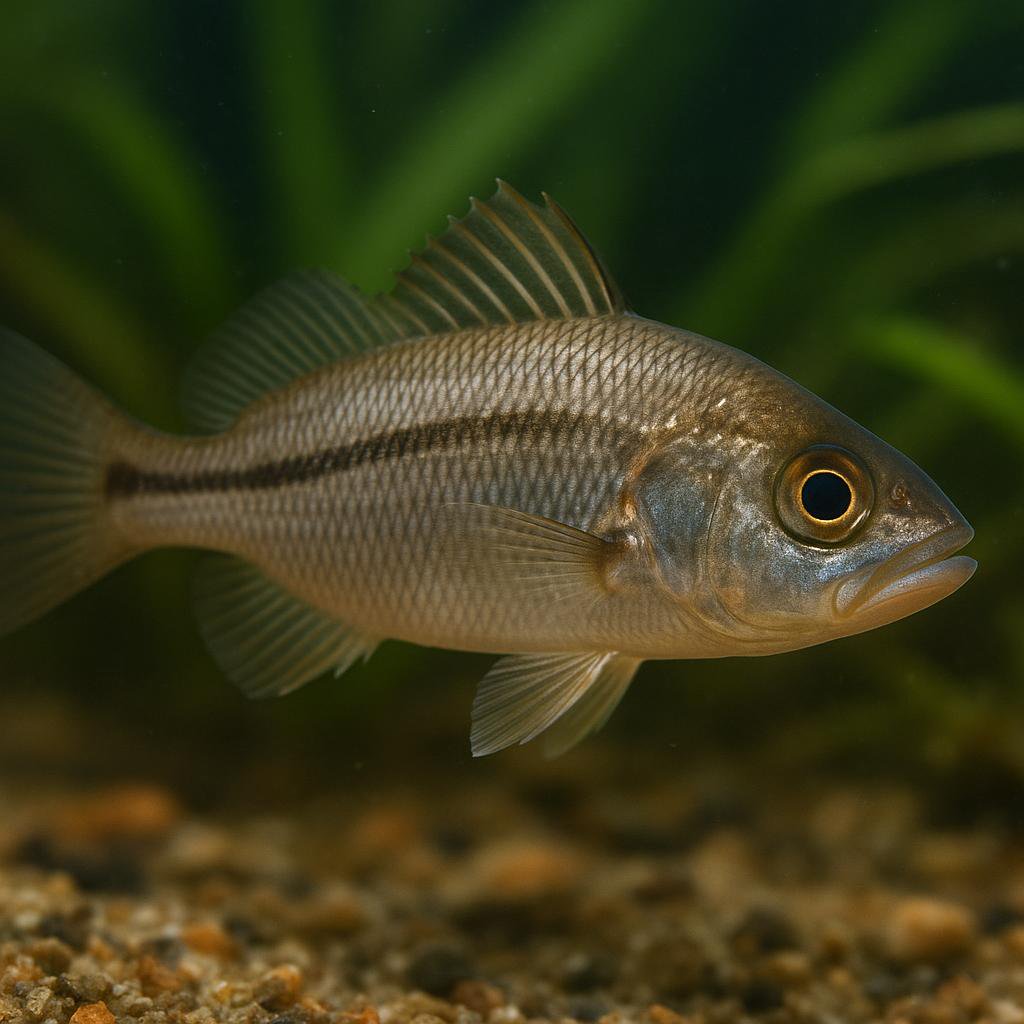
Bellfish
Johnius fuscolineatus
Johnius fuscolineatus (Bellfish/African bearded croaker) is a small coastal sciaenid from the southwestern/western Indian Ocean (Mozambique, South Africa, Madagascar), occurring in shallow marine waters (reported 0–50 m) and also associated with coastal/estuarine habitats.
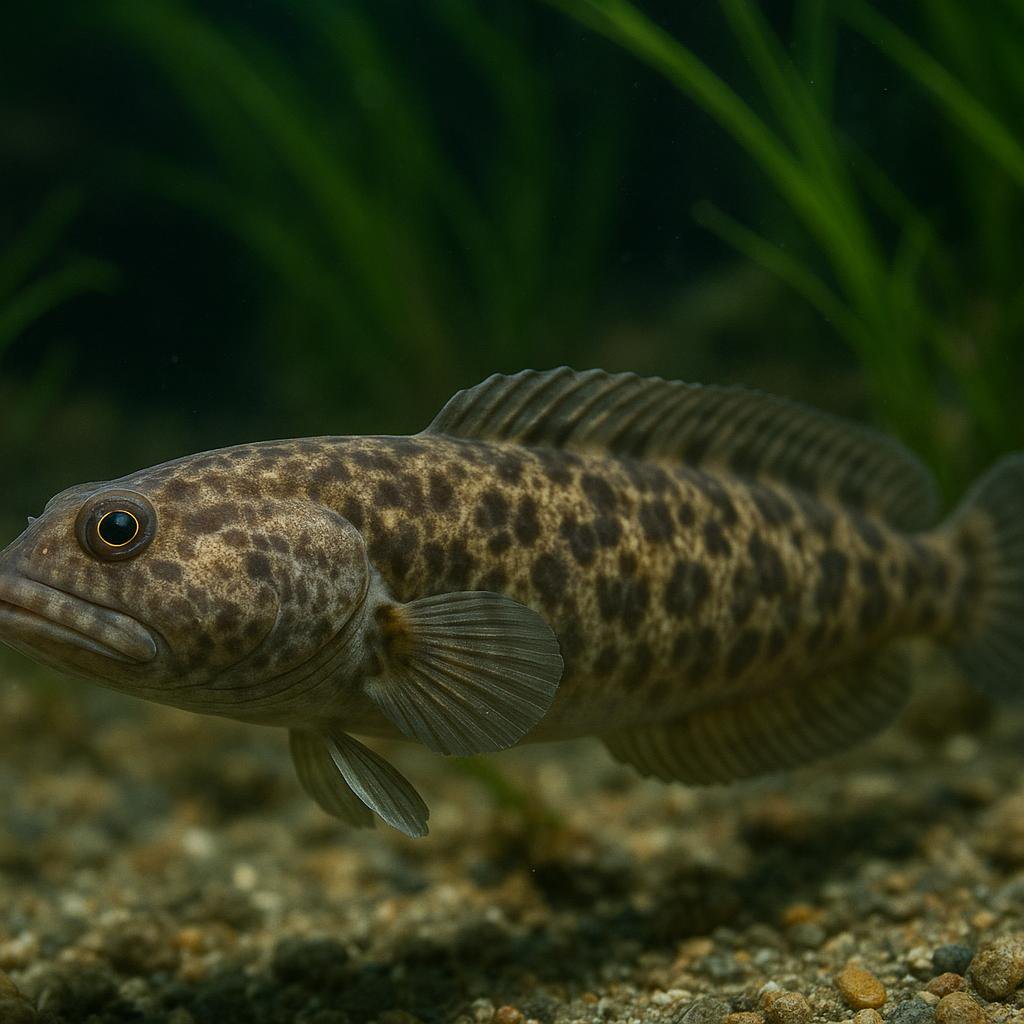
Blotched eelpout
Zoarces gillii
Zoarces gillii is a cold-temperate eelpout from the Northwest Pacific that hugs the bottom over sandy-mud inshore areas and even pushes into estuaries. It's got that long, eel-like body and a sneaky, sit-on-the-bottom predator vibe - very much a cool-water, brackish-to-marine oddball rather than a typical tropical aquarium fish.
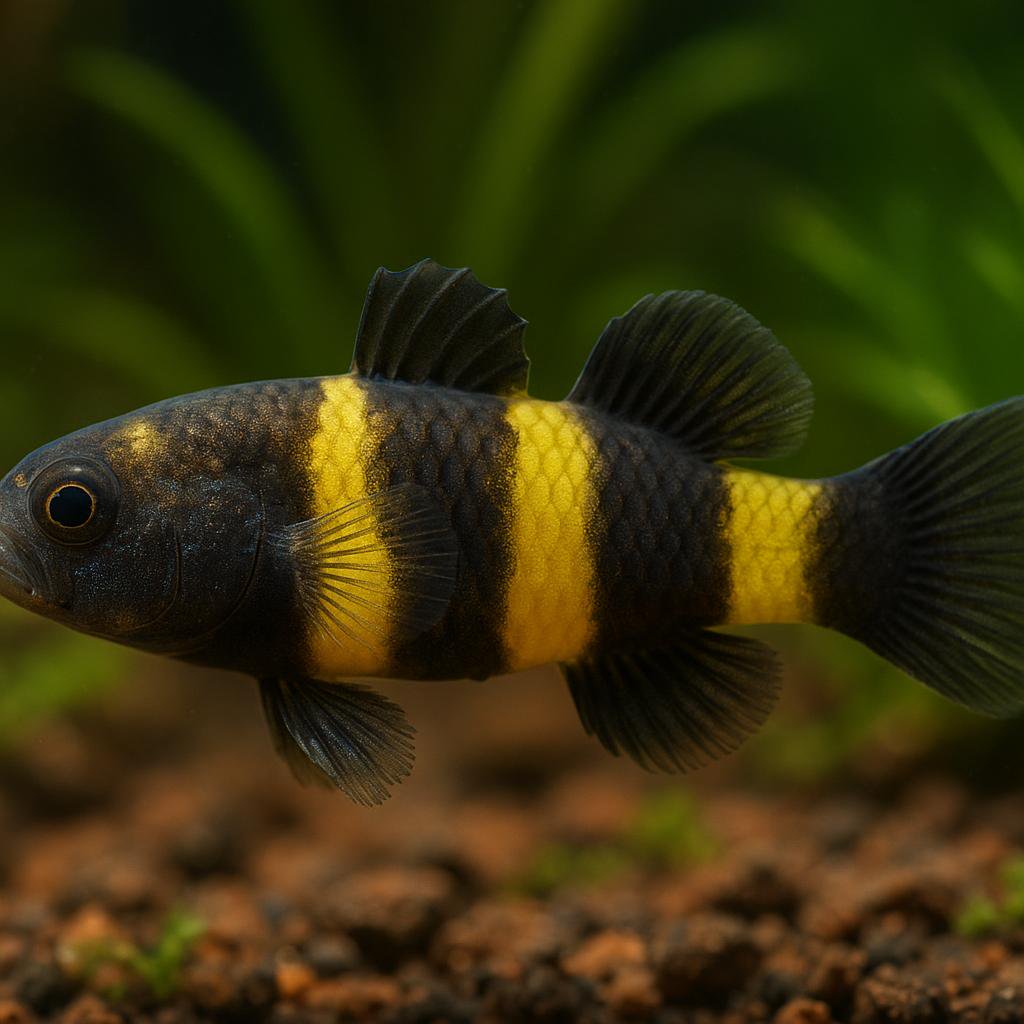
Bumblebee goby
Brachygobius doriae
Brachygobius doriae is one of the classic "bumblebee gobies" - tiny, bottom-hugging little characters that perch on rocks and sand and stare at you like they own the place. They're at their best in a calm setup with lots of caves and leaf litter, and they really shine once you get them eating frozen/live foods reliably (they're slow, picky eaters). Also: they're one of the species that gets mislabeled a lot in shops, so it's super common to see them sold under the wrong bumblebee-goby name.
Looking for other species?