

Sand catfish
Arius arenarius
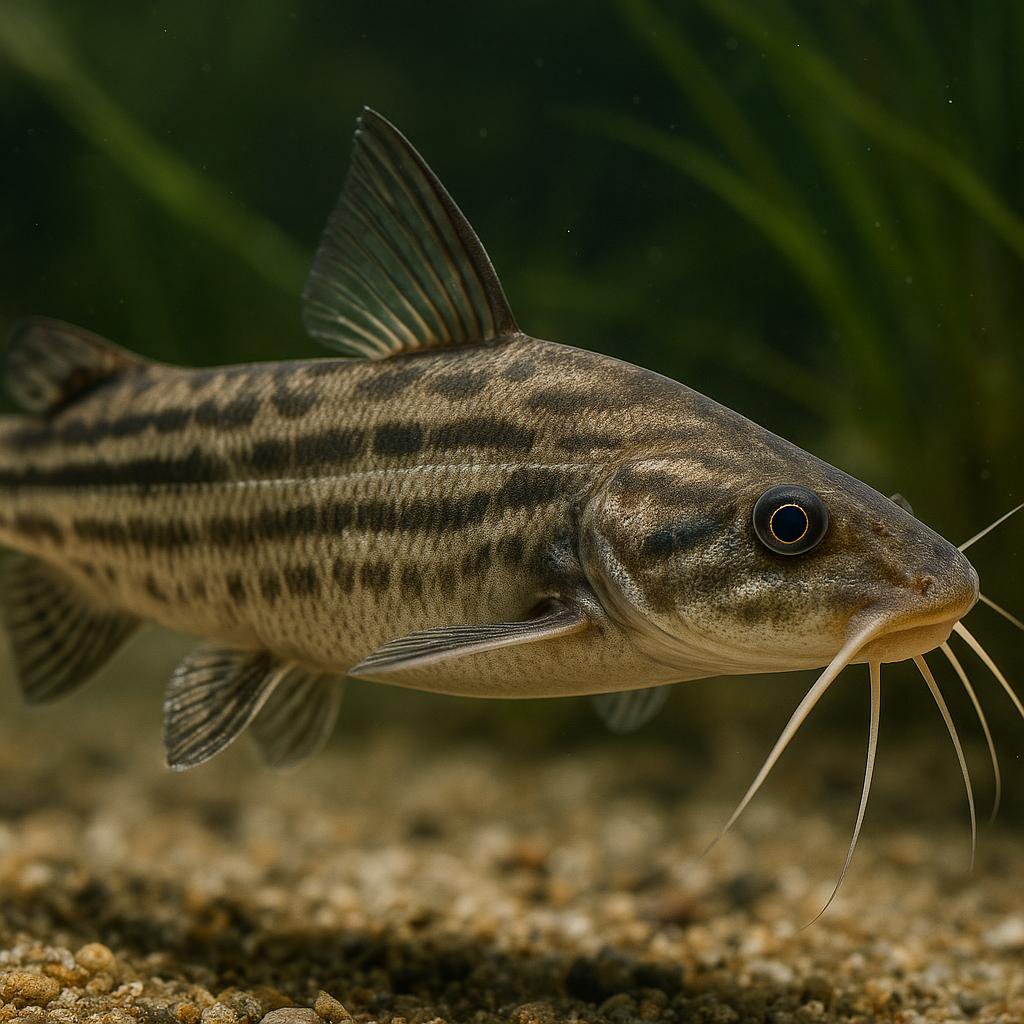
Sand catfish have a streamlined body, yellow-brown coloration, and distinctive barbels near the mouth for detecting prey in sandy habitats.
This page includes AI-generated images. Why am I seeing AI images?
About the Sand catfish
Arius arenarius is a coastal sea catfish from southern China and Taiwan that inhabits marine and brackish waters. It is a demersal ariid with a granular head shield and prominent barbels; its dorsal and pectoral spines are traumatogenic, so handle with care. It is best kept in a purpose-built brackish to marine system rather than a freshwater community tank.
Quick Facts
Size
29 cm SL
Temperament
Semi-aggressive
Difficulty
Advanced
Min Tank Size
75 gallons
Lifespan
5-10 years
Origin
Western Pacific (southern China and Taiwan)
Diet
Carnivorous benthic feeder/scavenger typical of ariid catfishes; offer meaty marine-based frozen foods (shrimp, fish, clam), and quality sinking pellets. Wild diet for A. arenarius is not specifically documented.
Water Parameters
22-28°C
7.5-8.5
8-25 dGH
Need a heater for this species?
This species needs 22-28°C in a 75 gallon tank. Use our heater calculator to find the right wattage.
Calculate heater sizeCare Notes
- Provide a large-footprint tank (75+ gallons minimum for a single fish; substantially larger for adults) with open sand and sturdy cover/caves; they are active bottom cruisers and grow to ~29 cm SL.
- Maintain true brackish conditions using marine salt mix. Target around SG 1.005–1.015 for juveniles; larger individuals can be kept at high‑end brackish to full marine. Keep temperature ~24–28°C (75–82°F) and nitrogen waste low with strong filtration.
- Use sand or very smooth fine gravel - sharp substrate plus their constant rooting equals barbels getting chewed up and infected.
- Feed after lights dim: sinking carnivore pellets, shrimp, clam, silversides, earthworms; skip feeder fish and don not make it all oily fish or you will be dealing with bloat and nasty water.
- They are not a community fish - anything small enough to fit in the mouth is food, and slow bottom fish get bullied; think robust brackish tankmates like monos/scats/large mollies or bigger gobies that can handle themselves.
- Cover the tank tight and protect intakes - they spook-jump and they will wedge themselves into pipes and decor if there is a gap.
- Watch the whiskers and belly: red/eroded barbels, cloudy eyes, and belly sores usually mean dirty substrate or too much salt swing; fix the maintenance routine before you throw meds at it.
- Breeding at home is rare - they are mouthbrooders in the wild, and you basically need a mature pair and lots of space; if you ever see one holding and refusing food, stop stressing it and keep tankmates from pestering it.
Compatibility
Good Tankmates
- Archerfish (Toxotes spp.) - they like the same brackish setup, stay mostly mid-to-top, and are confident enough that the sand catfish doing its bulldozer thing at feeding time usually does not stress them out
- Monos (Monodactylus argenteus or M. sebae) - fast, tough schooling fish that handle brackish well and will not get intimidated by a semi-aggressive catfish, just make sure the tank is big because monos get large and active
- Scats (Scatophagus argus) - messy like catfish and totally fine in brackish, plus they are sturdy and quick so they do not get picked on; biggest thing is keep everyone well-fed so the catfish is not hunting
- Green chromide (Etroplus suratensis) - a solid brackish cichlid that can hold its own, and it is not a delicate finny type; give plenty of room and some sight breaks so nobody claims the whole tank
- Knight goby (Stigmatogobius sadanundio) – conditional only in low-to-mid brackish and with small/juvenile catfish; species is primarily freshwater with some brackish occurrence, and predation risk increases as the catfish matures.
Avoid
- Bumblebee goby (Brachygobius spp.) – most species are very small (≈2–4 cm) and will be outcompeted or eaten as the catfish grows; better kept in species-appropriate nano brackish setups.
- Small fish that fit in its mouth - things like guppies, small mollies, tiny gobies, or juveniles of anything - sand catfish are opportunistic and will absolutely turn them into a midnight snack
- Slow, fancy-finned fish or delicate brackish oddballs - anything that cannot handle rough feeding scrambles (long fins, slow swimmers) tends to get stressed, bumped, or nipped when the catfish is in food mode
- Hyper-territorial bottom bruisers - big aggressive cichlids that camp the substrate or other large predatory catfish - you get constant turf wars over the floor space and it turns into a stress fest
Where they come from
Sand catfish (Arius arenarius) are coastal catfish that hang around sandy, silty shorelines and estuaries. Think river mouths, mangrove edges, and those areas where fresh and salt mix and the bottom is basically a buffet of little critters.
That habitat tells you almost everything: they like moving, oxygen-rich water, they root around on the bottom, and they do best in brackish that is kept steady rather than fiddled with every week.
Setting up their tank
This is an advanced fish mostly because of size, waste, and long-term space. A cute juvenile turns into a serious, heavy-bodied catfish. Plan the adult tank from day one, not the "I'll upgrade later" plan (I have tried that plan - it gets stressful fast).
- Tank size: big footprint beats tall. Aim for 6 ft length as a starting point for a single adult, larger for multiples.
- Filtration: oversize it. Canister or sump, plus strong mechanical filtration for sand and leftovers.
- Flow and oxygen: add powerheads/wavemakers and keep surface agitation strong.
- Substrate: sand is your friend. They mouth the bottom and you want something smooth.
- Hiding spots: big PVC elbows, lengths of pipe, or rockwork that cannot collapse. Keep it stable and heavy.
- Lighting: they do not need it bright. Dimmer setups keep them calmer.
Do not use sharp gravel. These guys cruise and dig, and a mouth or barbels full of cuts is a slow-motion disaster (infection city).
For brackish, I keep it simple: marine salt mix, a refractometer, and small adjustments. Most hobbyists land somewhere around low to mid brackish for this kind of catfish, but the bigger deal is consistency. Pick a target salinity and keep it there rather than bouncing around.
If you are converting from fresh to brackish, move salinity up gradually over days to weeks. They handle change better when you do it slowly, and your biofilter will thank you too.
Water quality matters a lot because they are messy eaters and thick-bodied fish that can outgrow your filter. Expect higher nitrates if you slack off. Big, regular water changes and a prefilter sponge you rinse often will save you headaches.
What to feed them
They are bottom-feeding predators and scavengers. In captivity they learn schedules fast. Mine would be waiting at the front like a dog the moment the room light came on.
- Staples: sinking carnivore pellets or wafers made for large catfish/predators.
- Meaty foods: shrimp, mussel, clam, squid, fish flesh (use clean sources), and earthworms.
- Frozen: krill, chopped prawn, and mixed marine blends work well.
- Occasional treats: live foods like ghost shrimp can get picky individuals eating again.
Skip feeder goldfish/rosy reds. Besides parasite risk, the fatty acid profile is rough long-term. If you want live food, use safer options like ghost shrimp or home-raised mollies acclimated to your salinity.
Feed smaller fish more often, and big adults less often. Overfeeding is the fastest way to sour the tank. I like to feed at dusk and then do a quick "leftover patrol" 10-15 minutes later with tongs or a net.
Target feeding with long tongs helps a lot. You can make sure the catfish gets its share without dumping a whole seafood platter in the sand.
How they behave and who they get along with
Sand catfish are generally not "mean" fish, but they are absolutely predatory and they get big. If it fits in the mouth, it is food. If it does not fit, it is usually ignored... until feeding time gets competitive.
They are mostly bottom-oriented and like to cruise, wedge into caves, and patrol the tank after dark. Some individuals are bold and out in the open, others turn into living logs under a pipe all day. Both can be normal.
- Good tankmates: robust brackish fish that are too large to swallow and can handle the same salinity (big scats, monos, larger brackish puffers with caution, sturdy archerfish in roomy setups).
- Avoid: anything small (will be eaten), delicate finned fish, and bottom dwellers that compete for the same caves (smaller catfish, gobies, loaches).
- Group vs single: juveniles may tolerate company, but adults often do best singly unless you have a very large system with lots of space and multiple hides.
Watch those pectoral and dorsal spines. Catfish spines can snag nets and hands, and some marine/brackish catfish can deliver a nasty puncture. Use a container to move them when possible, not a net.
Breeding tips
Realistically, breeding Sand catfish in home aquariums is uncommon. Many Ariidae catfish have unusual breeding behaviors (including mouthbrooding in some species), but getting the triggers right in a closed system is tough, and you would need a very large, stable brackish setup and a compatible pair.
If you ever want to take a swing at it, think seasonality: heavier feeding during a "wet season" phase, then a shift in water conditions that mimics coastal changes (temperature and salinity nudges, not swings), plus a huge amount of space and hiding areas. Even then, do not be surprised if nothing happens. Most hobbyists keep them for their personality and presence, not as a breeding project.
Common problems to watch for
- Barbel erosion and mouth damage: usually from sharp substrate, dirty bottoms, or bacterial issues. Sand, strong filtration, and not letting food rot helps.
- Bloat/constipation: often from overfeeding or too much rich food. Mix pellets with leaner seafood, feed less, and keep temps steady.
- Ich and other parasites: can show up after new fish. Quarantine new arrivals and do not assume brackish automatically prevents disease.
- Ammonia/nitrite spikes: these fish can overwhelm a new or undersized biofilter quickly. Cycle fully and upgrade filtration early.
- Aggression at feeding time: not always constant fighting, but sudden lunges and fin damage can happen in mixed predator tanks.
- Salinity mismatch stress: drifting salinity from top-offs or sloppy measuring can make them sulk, stop eating, or breathe hard.
Top-off with fresh water, not salt water. Salt does not evaporate, water does. This one mistake is responsible for a lot of mystery salinity creep in brackish tanks.
The biggest "problem" I see with these is people underestimating the adult size and waste output. If you build the system around the adult fish - big footprint, heavy filtration, steady brackish, and a sand bottom - they are actually pretty straightforward day to day.
Similar Species
Other brackish semi-aggressive species you might be interested in.
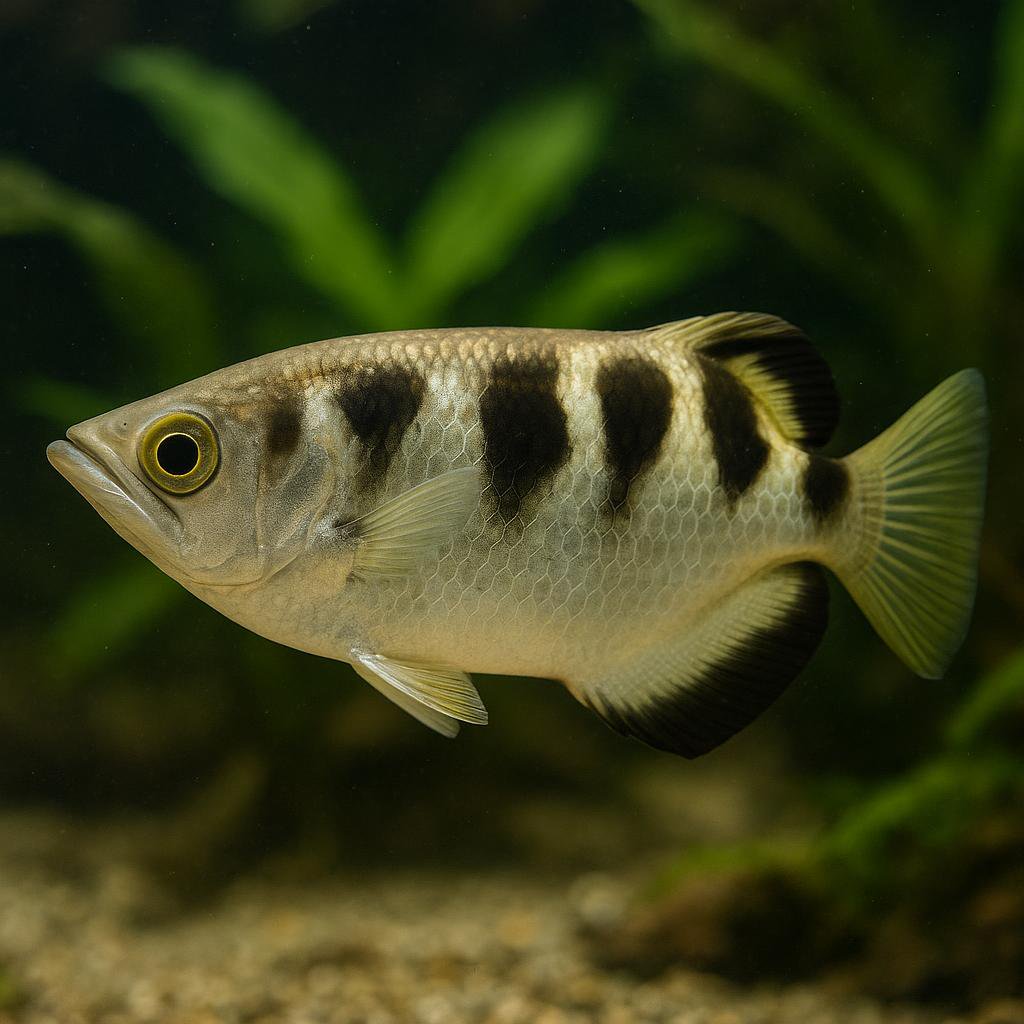
Banded Archerfish
Toxotes jaculatrix
This is the fish that literally spits jets of water to knock insects off branches-watching one "take aim" is unreal. They're super aware of what's going on outside the tank and will even learn to beg and snipe food from the surface once they settle in. Give them height and some open swimming room and they act like little aquatic sharpshooters.
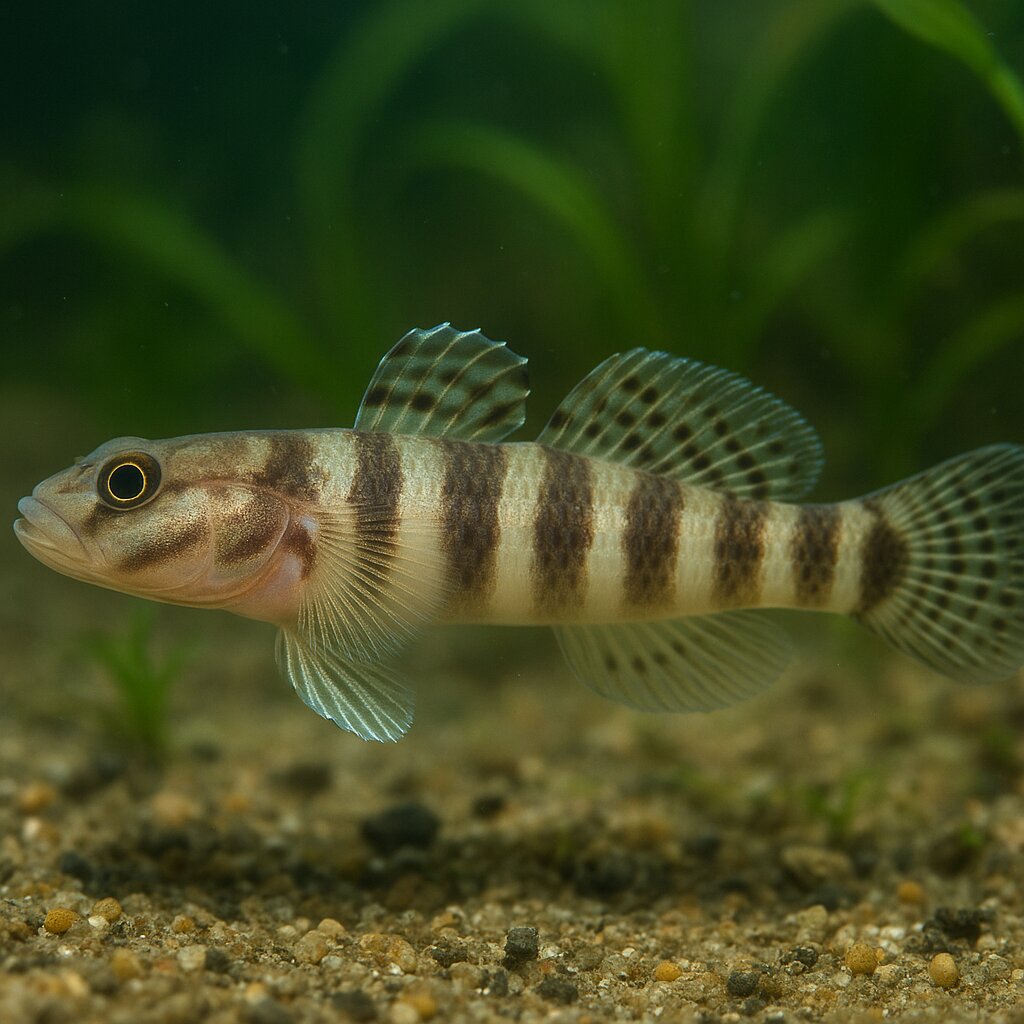
Banded mulletgoby
Hemigobius hoevenii
Neat little mangrove goby that hugs the bottom and hangs around leaf litter. The bold diagonal bars and tail spot look great, and it hunts like a tiny ambush predator, darting out for bites. Keep it gently brackish and it settles in nicely, cruising among roots and wood.
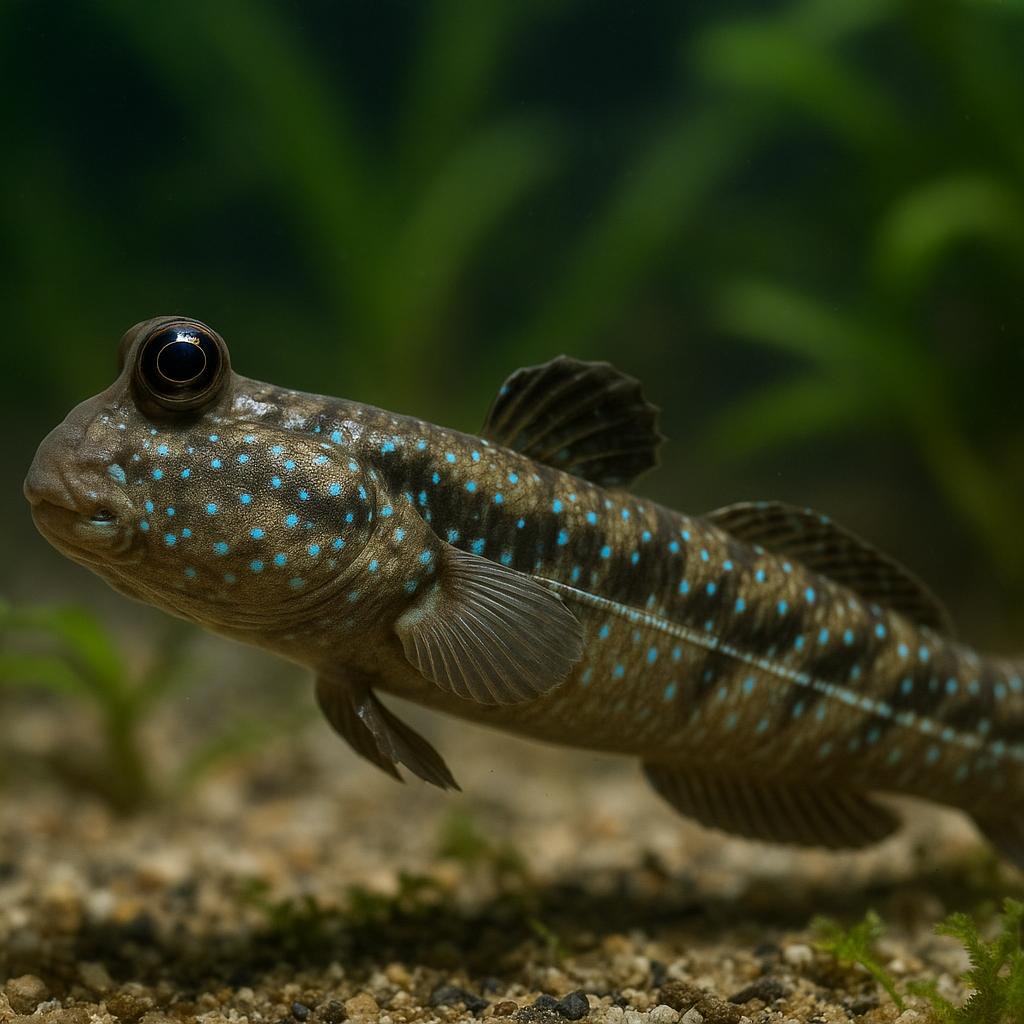
Barred mudskipper
Periophthalmus argentilineatus
This is one of those classic "walks around like it owns the place" mudskippers-big goofy eyes, climbs, hops, and spends a ton of time out on the mud when it's humid. In the wild it lives on intertidal mangrove/nipa mudflats and even shuttles between little pools and open air, hunting worms, insects, and small crustaceans. It's super fun to watch, but it really wants a brackish paludarium setup (not a normal aquarium).
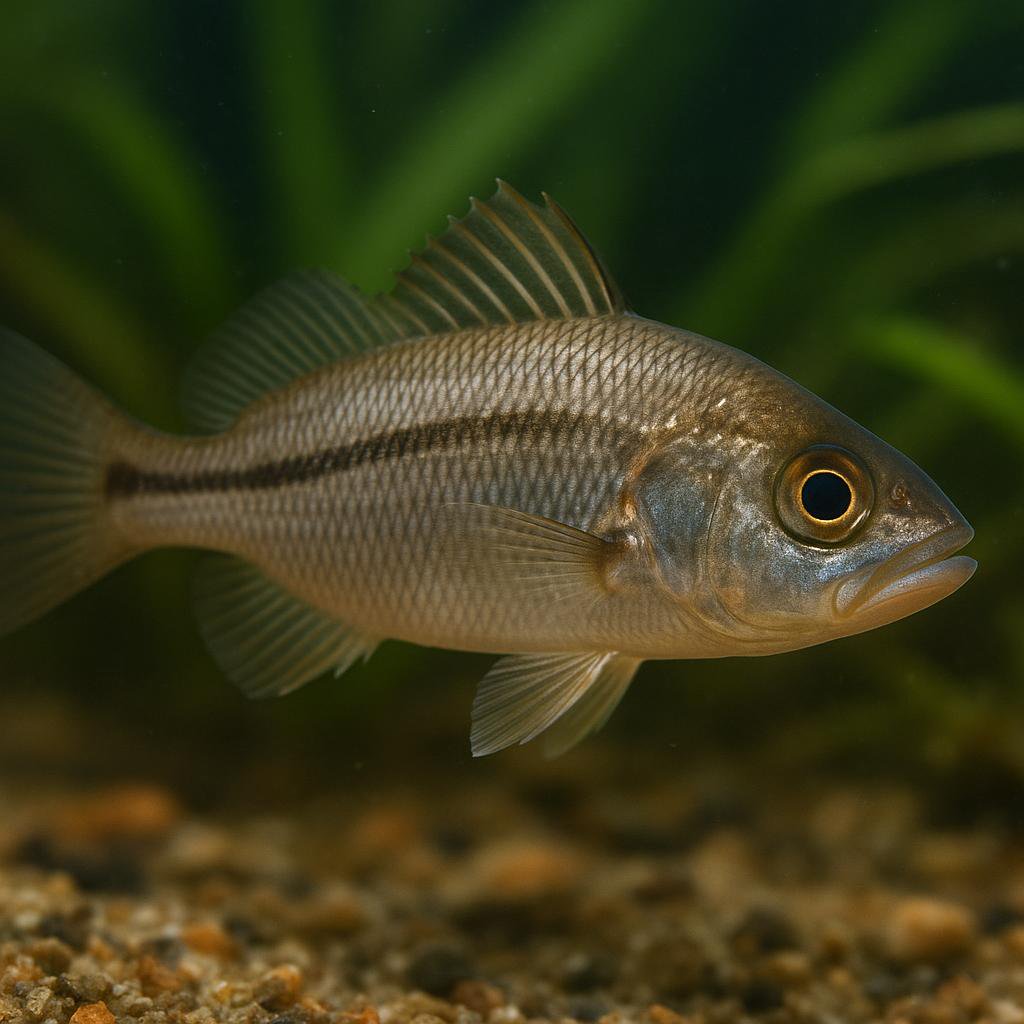
Bellfish
Johnius fuscolineatus
Johnius fuscolineatus (Bellfish/African bearded croaker) is a small coastal sciaenid from the southwestern/western Indian Ocean (Mozambique, South Africa, Madagascar), occurring in shallow marine waters (reported 0–50 m) and also associated with coastal/estuarine habitats.
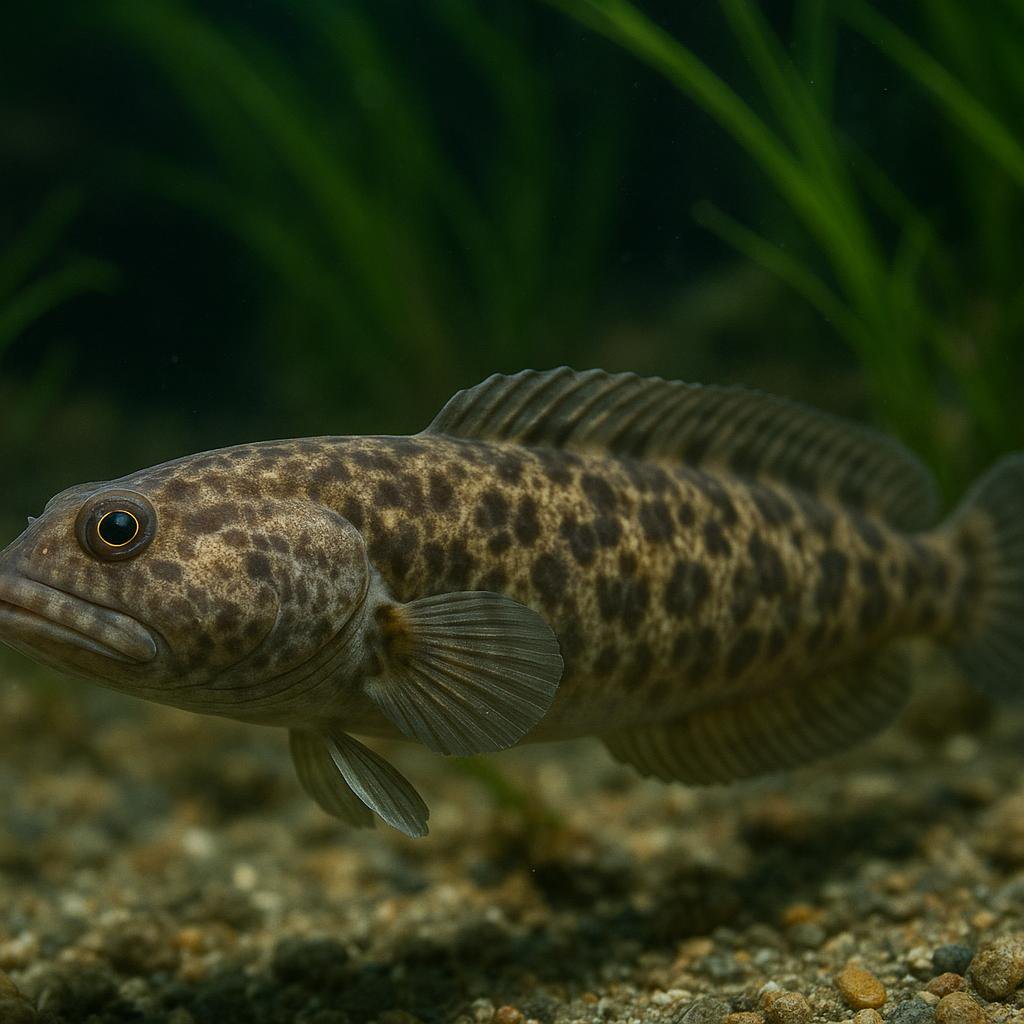
Blotched eelpout
Zoarces gillii
Zoarces gillii is a cold-temperate eelpout from the Northwest Pacific that hugs the bottom over sandy-mud inshore areas and even pushes into estuaries. It's got that long, eel-like body and a sneaky, sit-on-the-bottom predator vibe - very much a cool-water, brackish-to-marine oddball rather than a typical tropical aquarium fish.
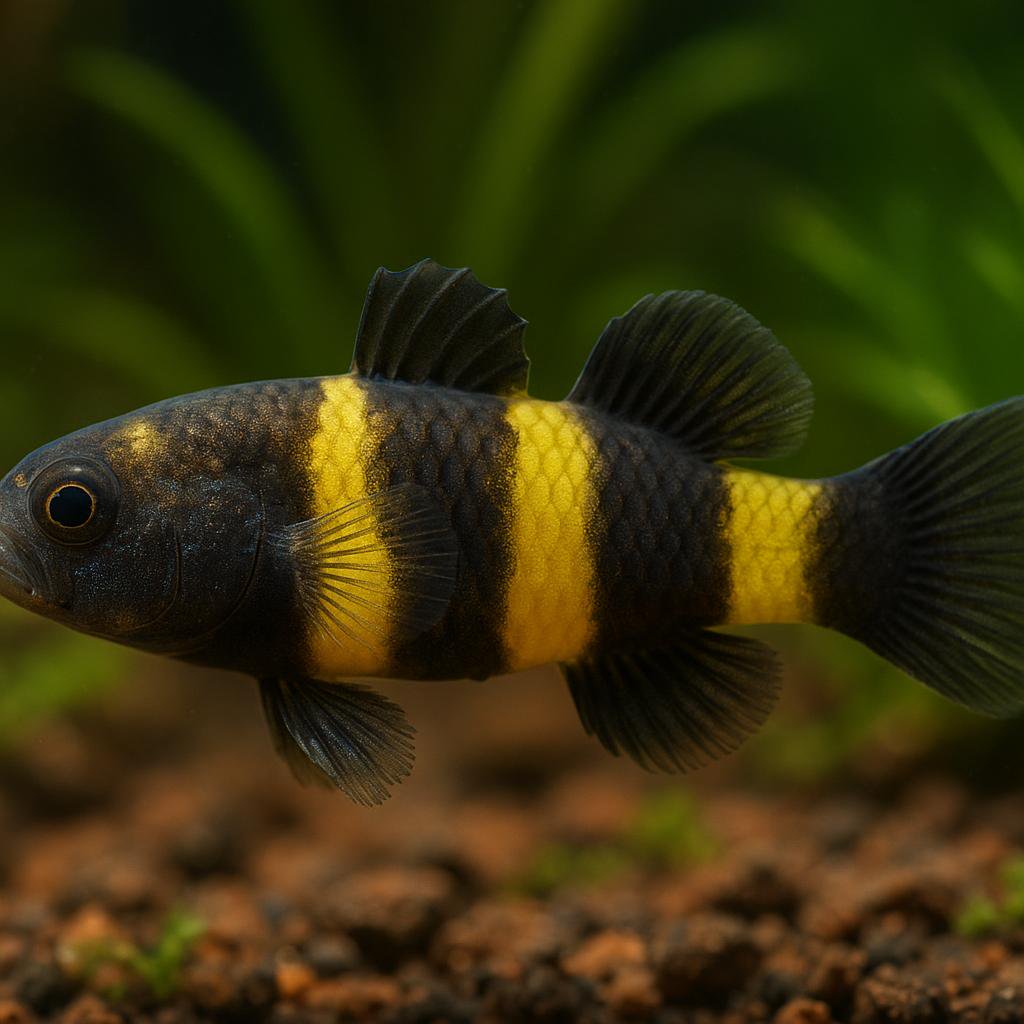
Bumblebee goby
Brachygobius doriae
Brachygobius doriae is one of the classic "bumblebee gobies" - tiny, bottom-hugging little characters that perch on rocks and sand and stare at you like they own the place. They're at their best in a calm setup with lots of caves and leaf litter, and they really shine once you get them eating frozen/live foods reliably (they're slow, picky eaters). Also: they're one of the species that gets mislabeled a lot in shops, so it's super common to see them sold under the wrong bumblebee-goby name.
More to Explore
Discover more brackish species.
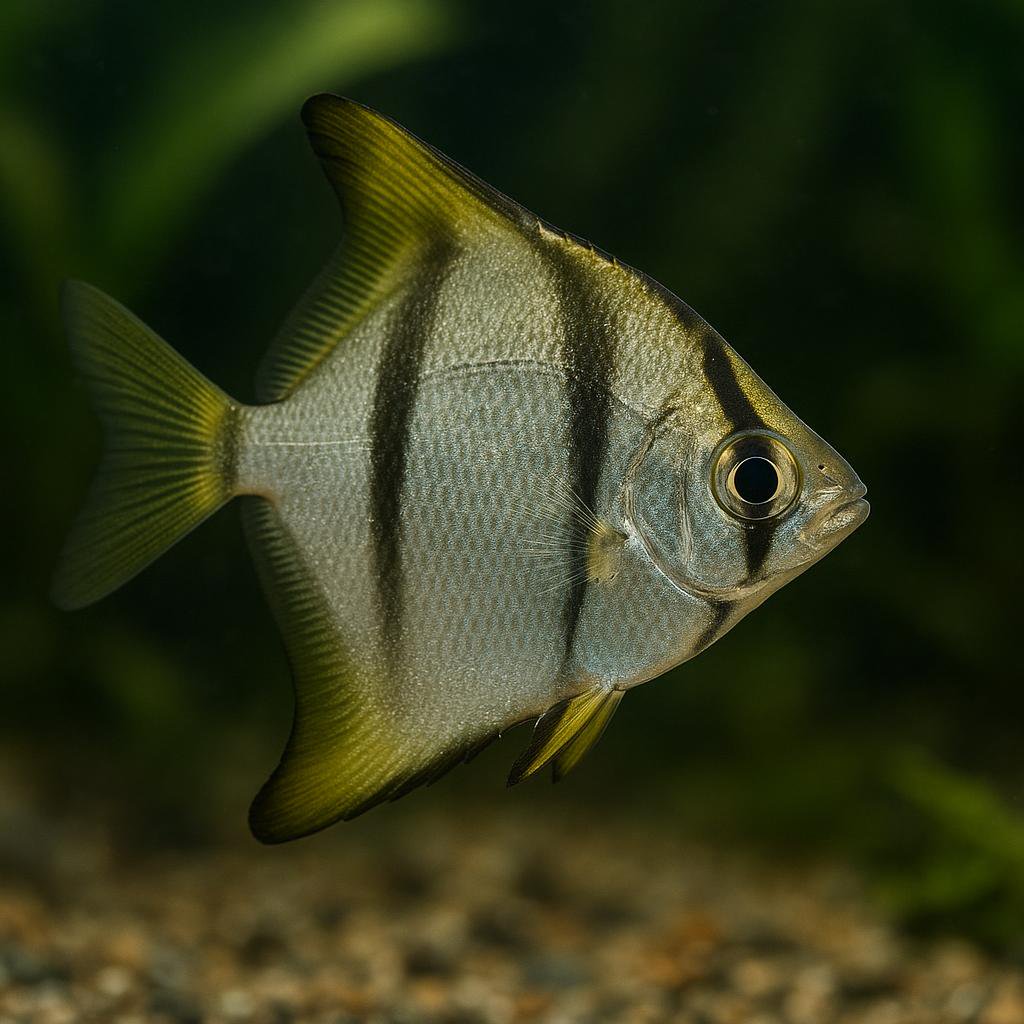
African moony
Monodactylus sebae
This is that shiny, diamond-shaped "mono" that cruises around in a tight pack and looks like a little silver dinner plate with black bars when it's young. The big thing with African moonies is they're euryhaline-so they'll tolerate freshwater as juveniles, but they really shine long-term in brackish (and can be transitioned toward marine as they mature). Give them a big, open tank and a group, and they turn into nonstop, super fun midwater swimmers.
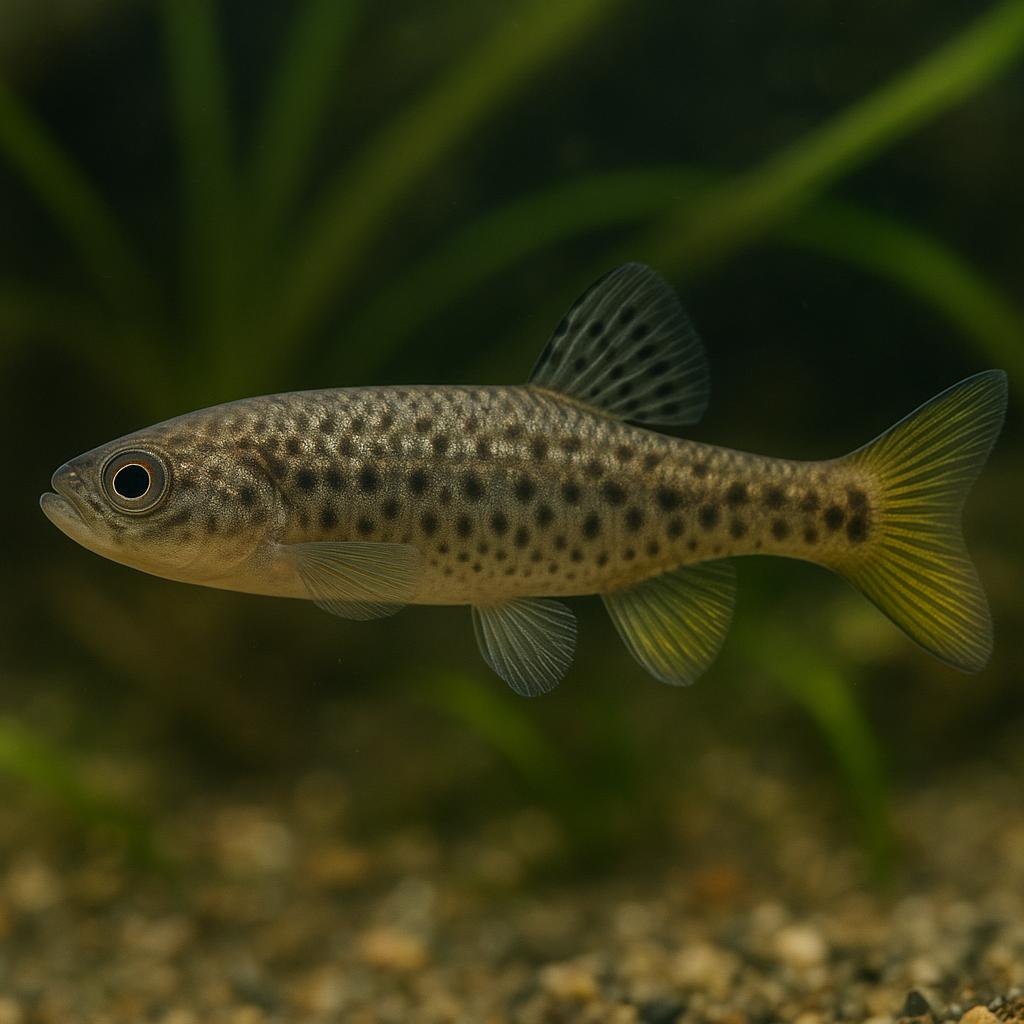
American shadow goby
Quietula y-cauda
This is a little mudflat goby from California down into the Gulf of California that loves hanging tight to the bottom and vanishing into burrows. The neat tell is that sideways Y-shaped blotch right at the base of the tail, plus the row of dark spots along the side. Its whole vibe is brackish estuary life - calm water, soft substrate, lots of hiding holes.
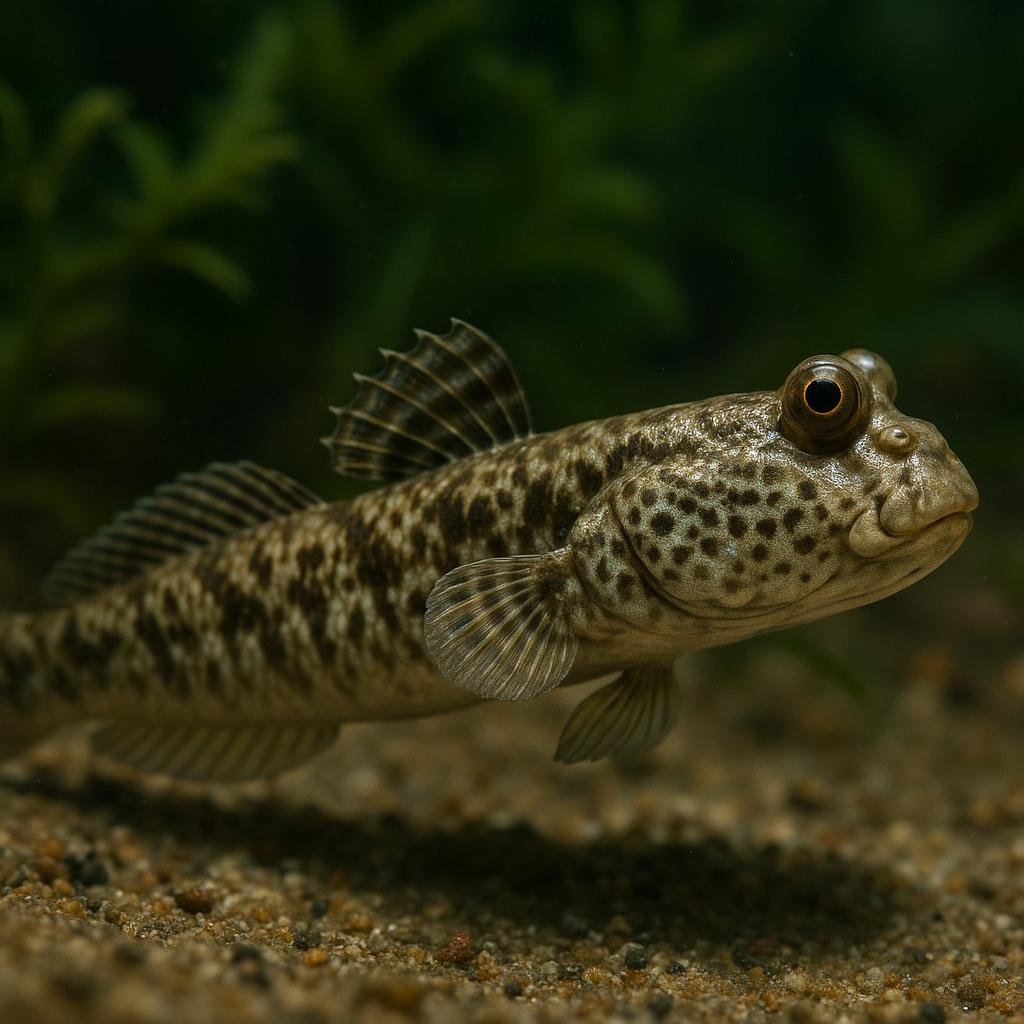
Atlantic Mudskipper
Periophthalmus barbarus
This is that wild little amphibious goby that straight-up climbs around on land like it forgot it was a fish. They've got big googly eyes, tons of personality, and they'll perch, hop, and patrol their territory-honestly more like a tiny crabby lizard than a "regular" aquarium fish.
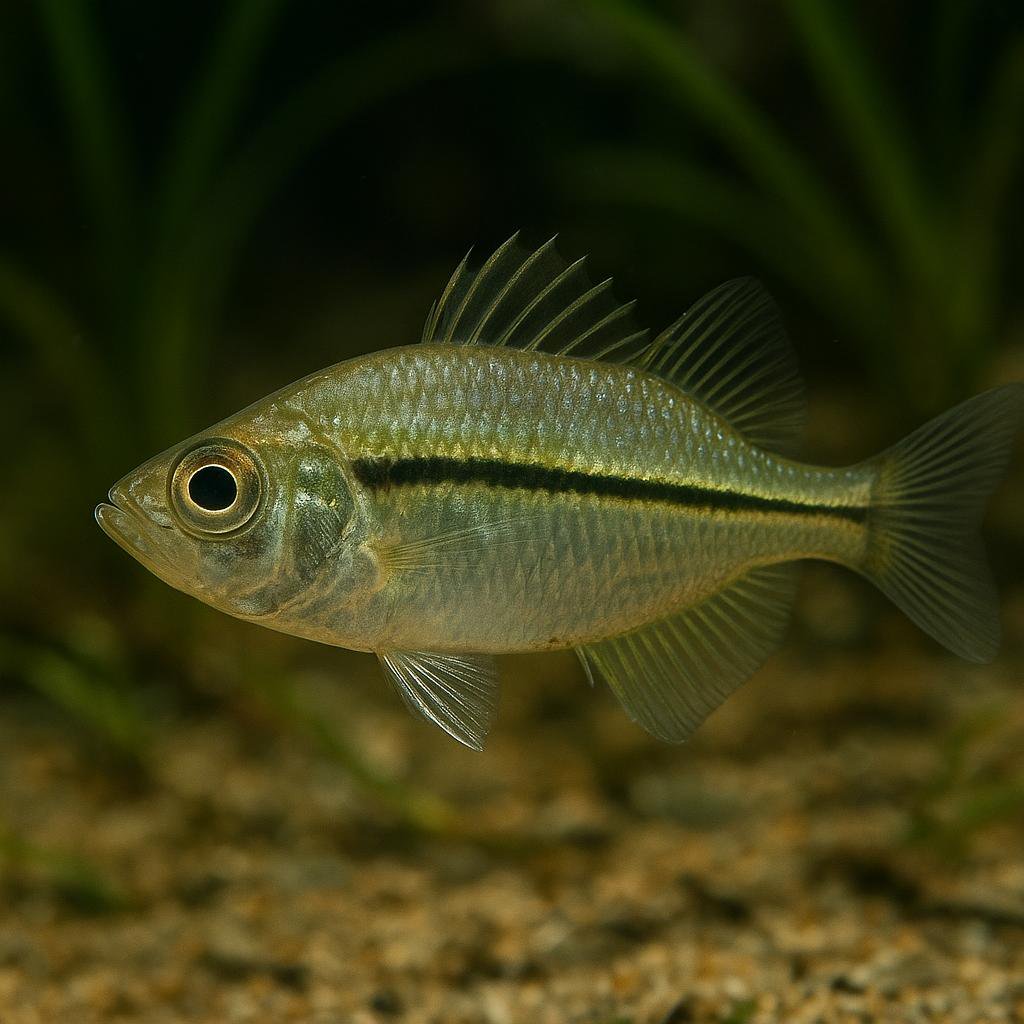
Banded-tail glassy perchlet
Ambassis urotaenia
This is one of those see-through glassy perchlets where you can literally watch the organs shimmer when it turns-super cool in the right lighting. In the wild it hangs around river mouths and mangroves and cruises in groups, so it does best when you keep a little gang of them and give them some open swimming room.
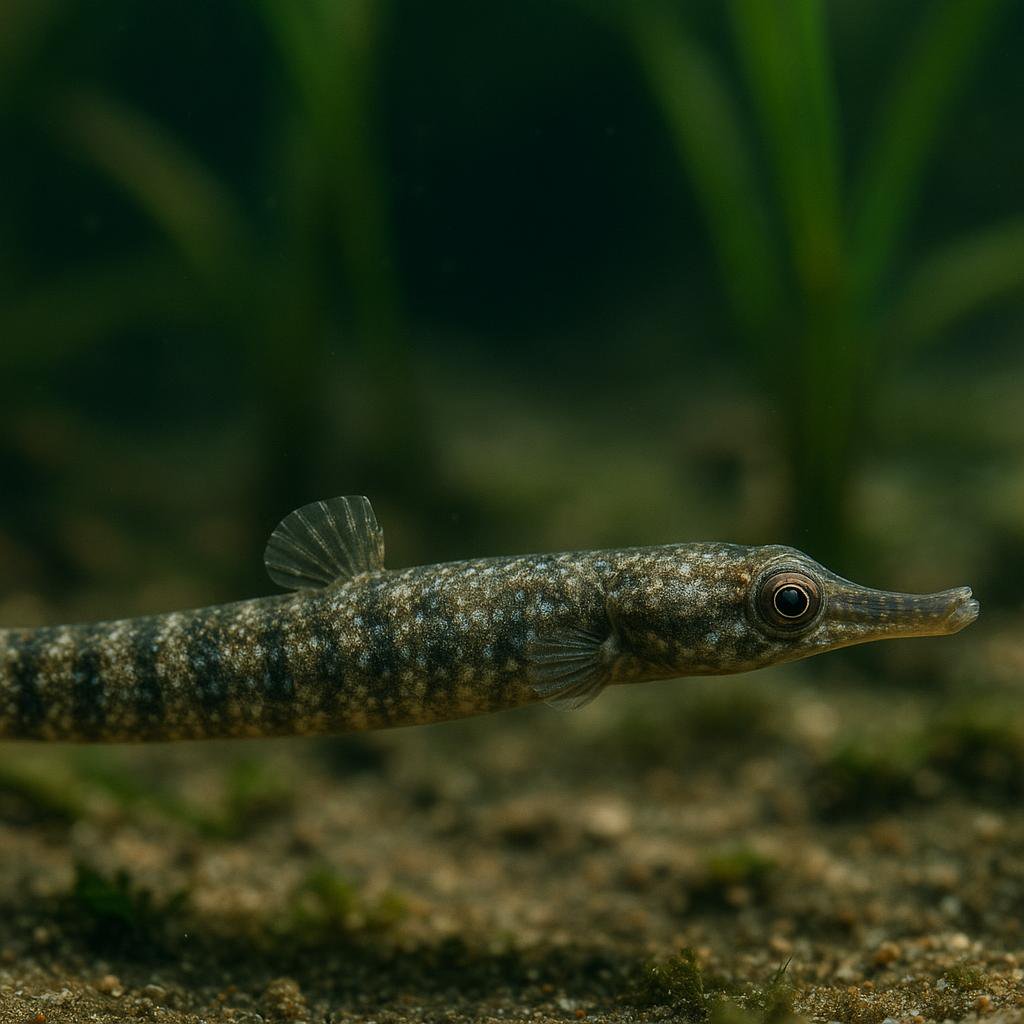
Barbed pipefish
Urocampus nanus
Urocampus nanus (barbed pipefish) occurs in protected inshore and estuarine habitats among seagrass (Zostera) in the Northwest Pacific (southern Japan and adjacent coasts). Like other syngnathids, males brood eggs in a pouch under the tail and produce fully formed young.
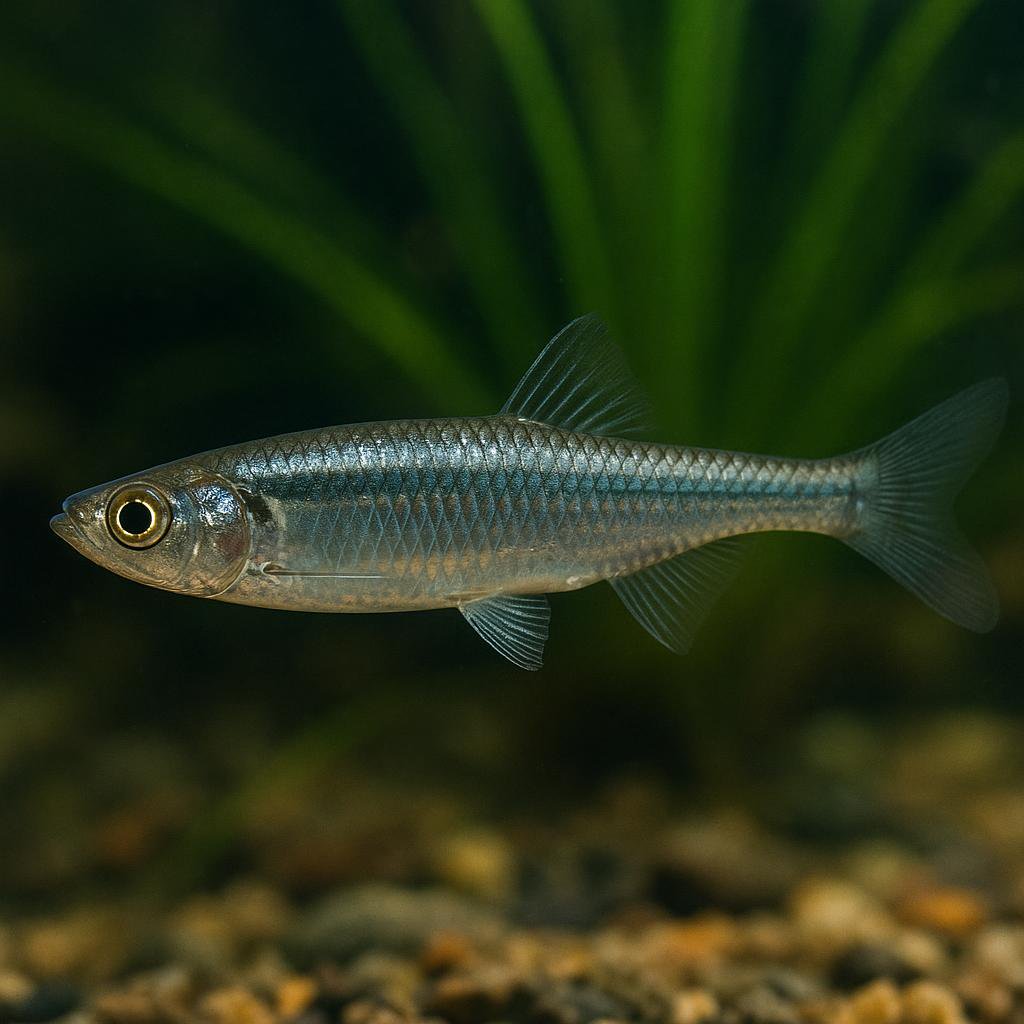
Beach silverside
Atherinella blackburni
This is a little coastal silverside that cruises the shallows in loose groups and flashes like a tiny chrome dart when the light hits it right. In the wild it hangs around beaches, estuaries, and lagoons, picking at small drifting foods in the surf zone. It is cool, but its real "gotcha" is that it is an open-water, salt-tolerant schooling fish that does best in bigger, well-oxygenated setups rather than a typical planted community tank.
Looking for other species?