

Search Species
Search for fish species by common or scientific name, or use filters to browse by water type, size, temperament, and difficulty.
Found 148 species
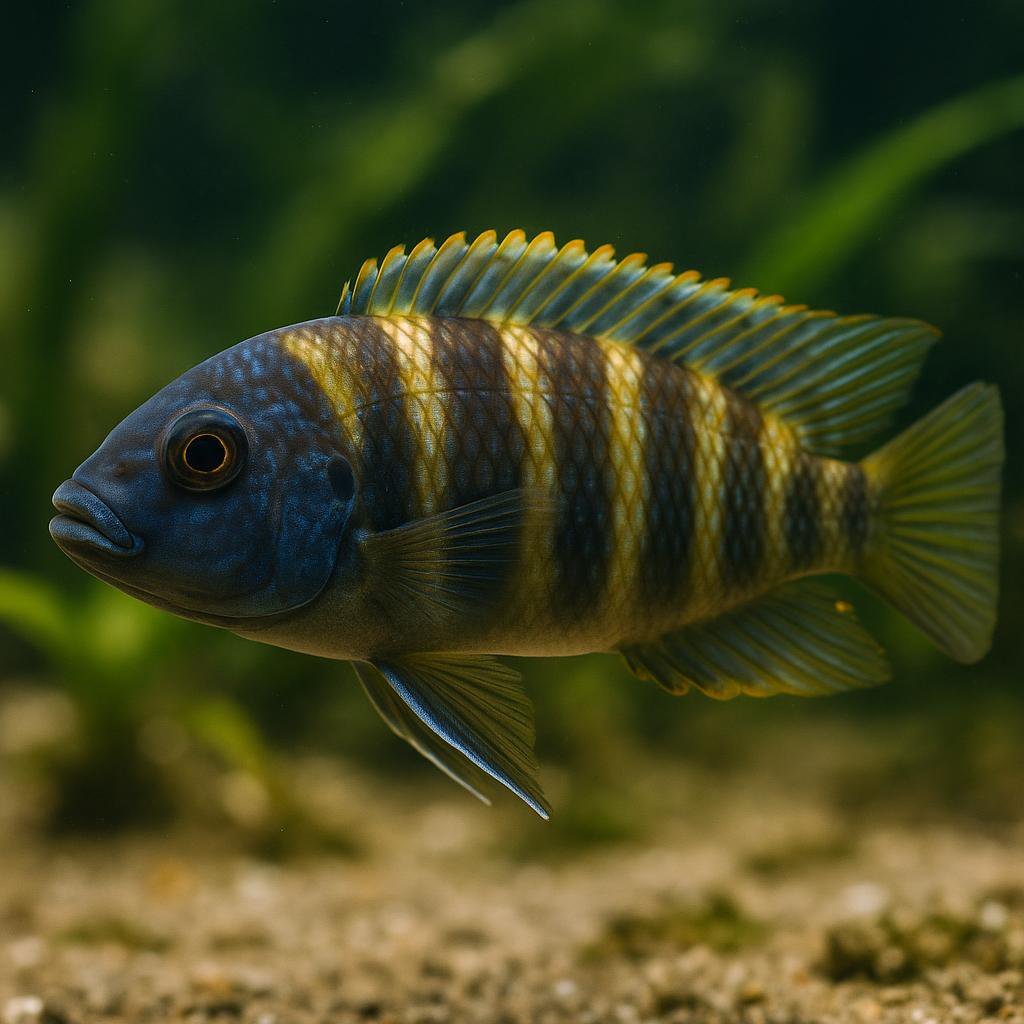
Nine-bar Tropheops
Tropheops novemfasciatus
A rock-dwelling mbuna from Lake Malawi, this fish hugs shallow, sheltered bays and spends its day grazing algae from rocks and plant leaves. It is a maternal mouthbrooder with spirited territorial displays, especially around rocky hiding spots.
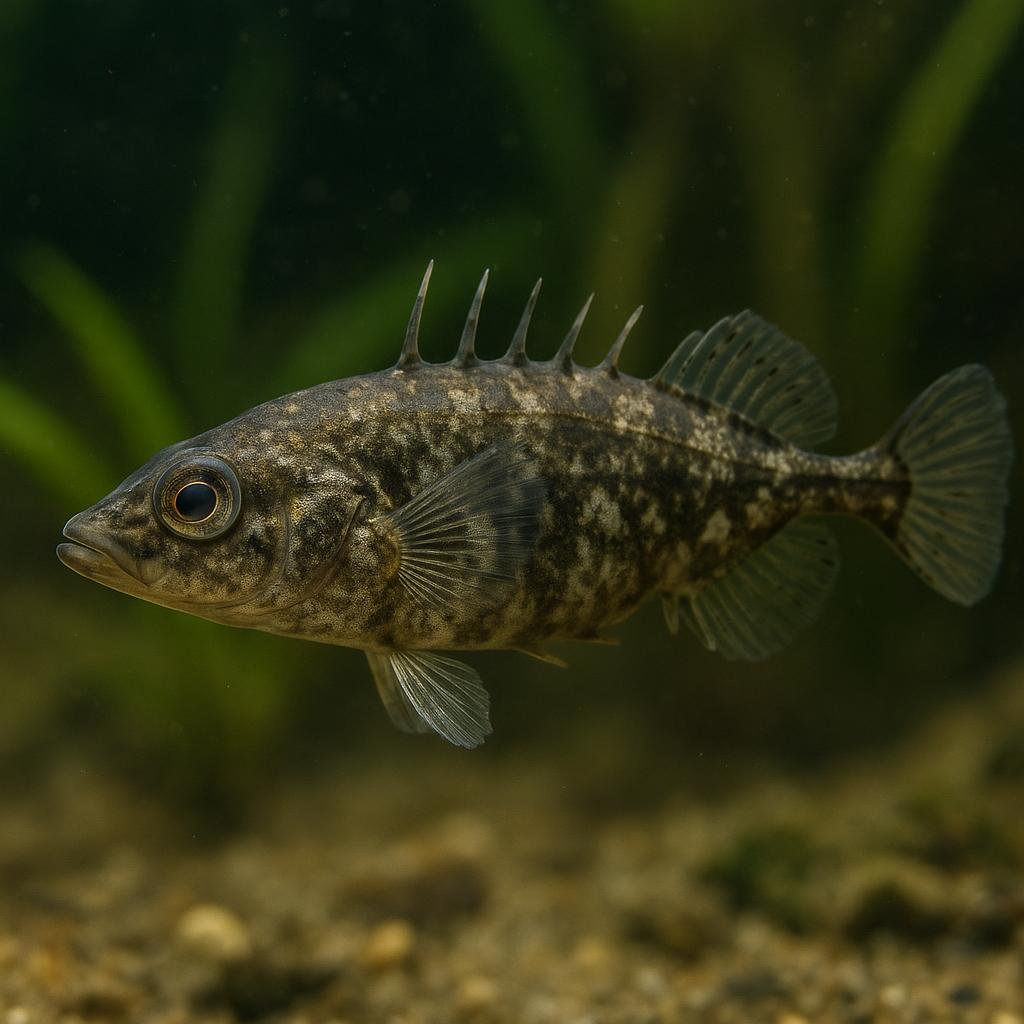
Ninespine Stickleback
Pungitius pungitius
The ninespine stickleback is a small, slender stickleback with multiple short dorsal spines and a silvery to brownish body that often shows subtle mottling. Males can develop darker coloration and enhanced contrast during breeding and may become more territorial while guarding a nest. It is adaptable to cool, well-oxygenated water and is best kept with similarly temperate species rather than tropical community fish.
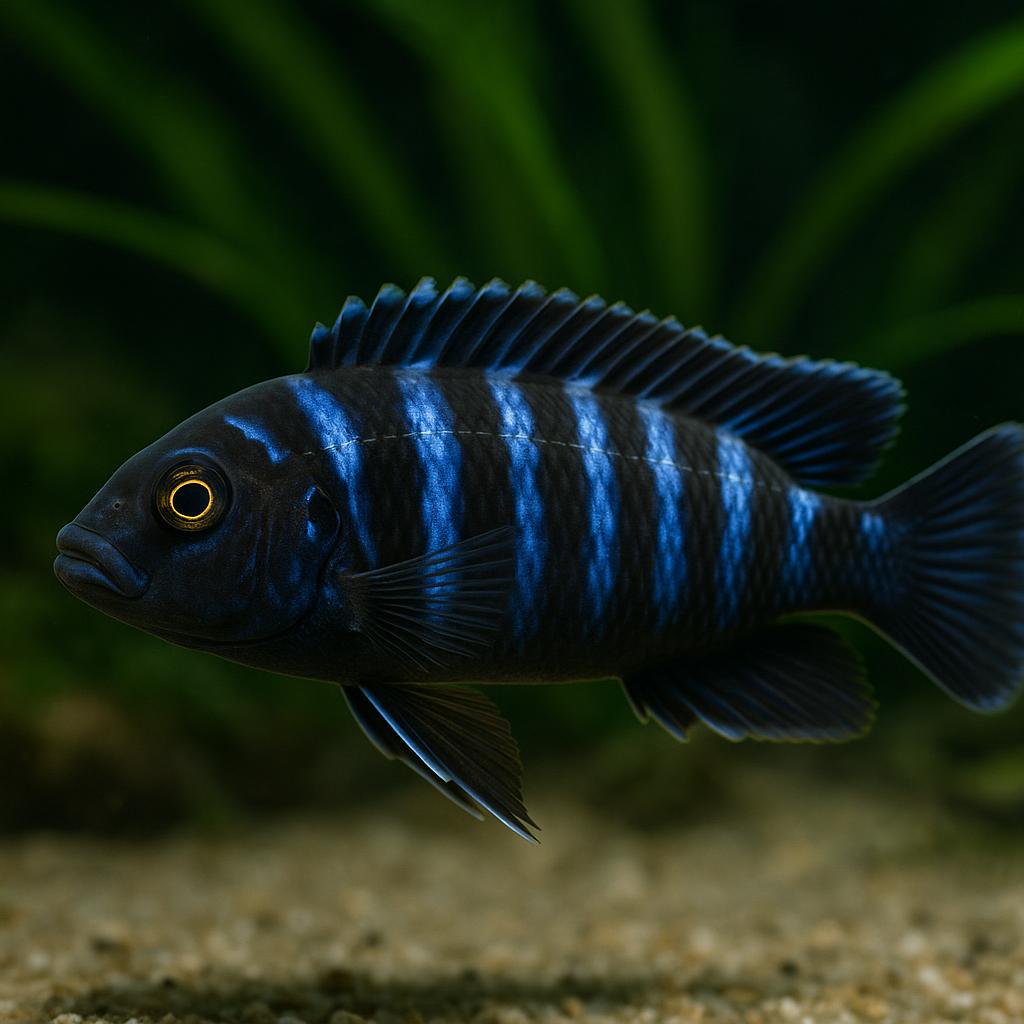
Northern blue melanochromis
Melanochromis kaskazini
A roaming, cobalt-blue mbuna from the rocky-sandy transition of Lake Malawi, it hunts larger invertebrates and small fish instead of grazing algae. Males are solid deep blue, while females are white with black stripes and a yellow-orange anal fin, which makes pairs striking to watch.
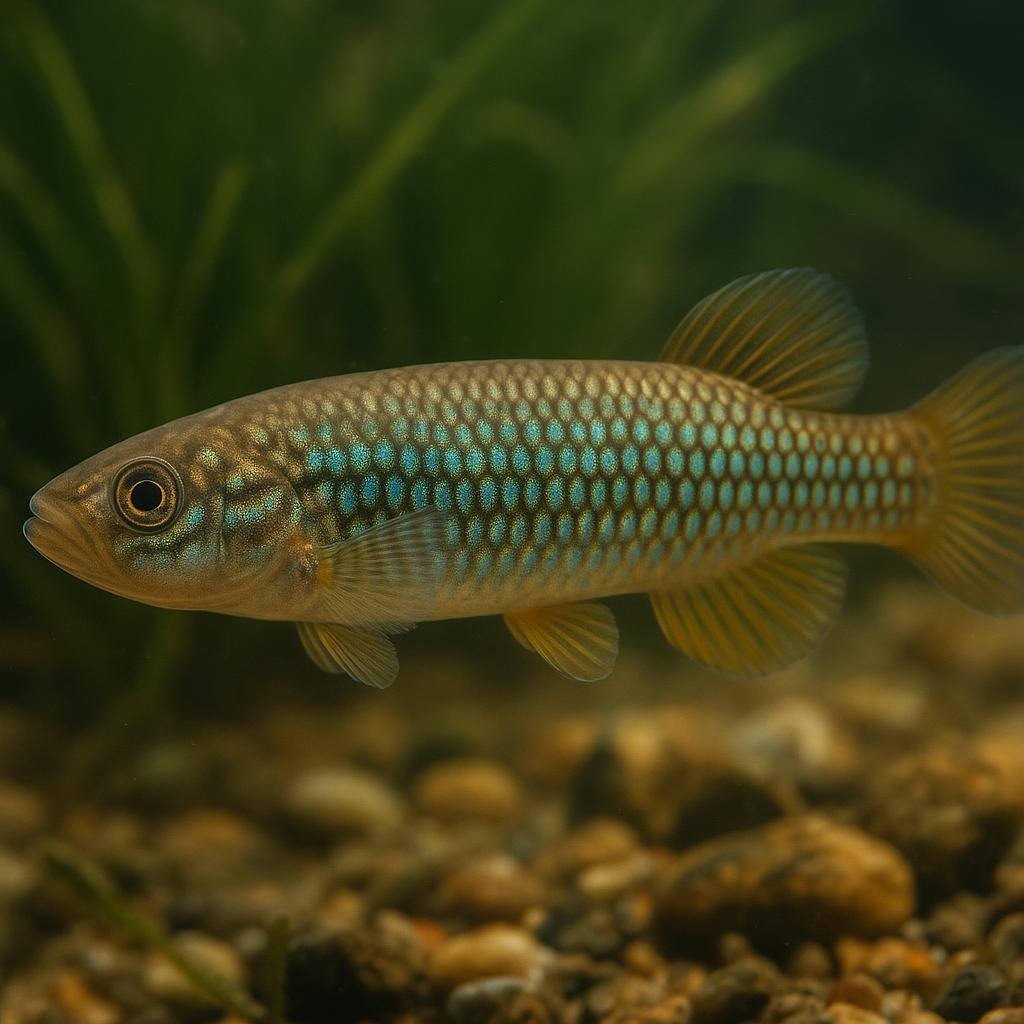
Northern studfish
Fundulus catenatus
A big North American killifish, males glow turquoise-blue with orange-edged tails and fine red lines in breeding dress. It rockets along the surface in clear, cool creeks and can be feisty and jumpy, so a tight lid and roomy quarters are a must.
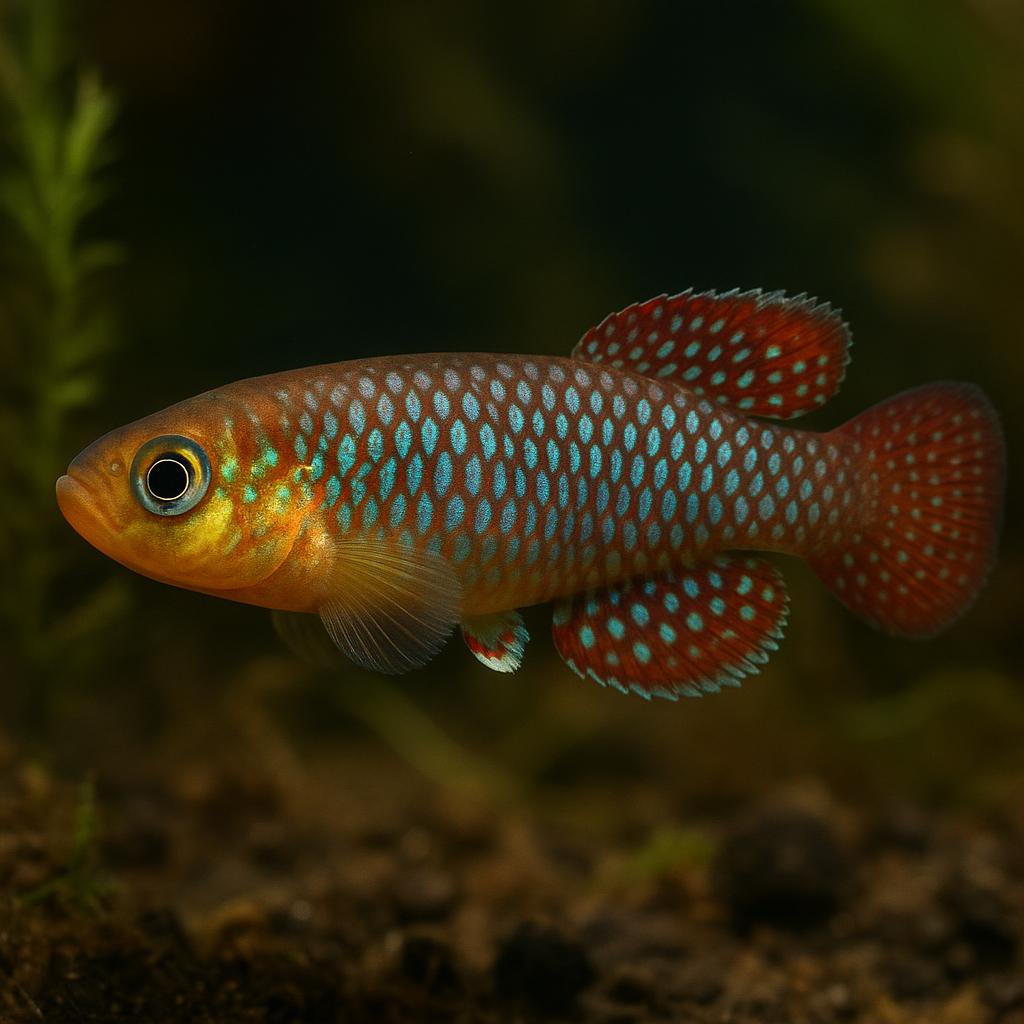
Nothobranchius foerschi
Nothobranchius foerschi
A small annual killifish from coastal Tanzania, males glow with green-blue bodies, red-reticulated scales and a bright red tail. It lives in seasonal pools and lays eggs that can pause development in dry peat, which makes its life cycle fascinating to watch.
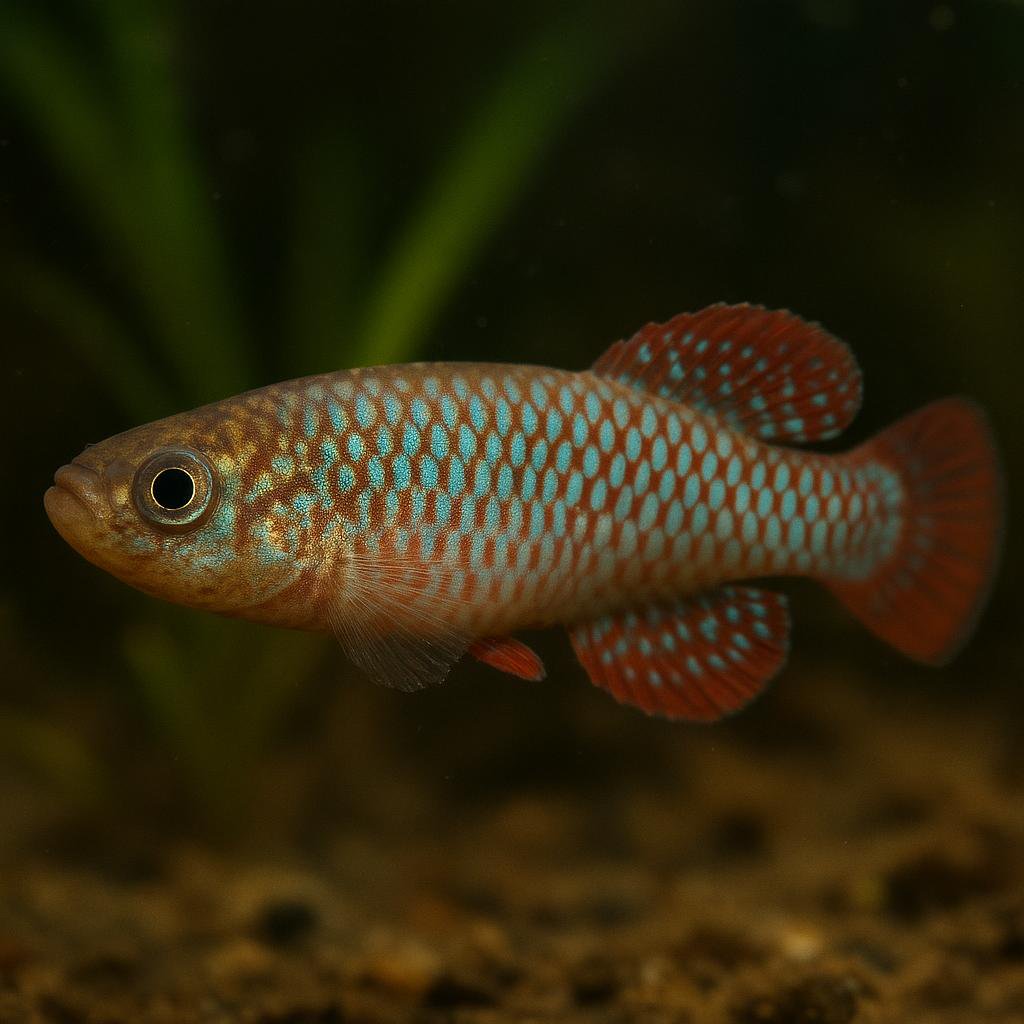
Nothobranchius rungwaensis
Nothobranchius rungwaensis
A tiny annual killifish from seasonal pools in the Rungwa River system of western Tanzania, males glow blue-green with yellow-and-black fin bands. It grows fast, reaches maturity in a few weeks, and its eggs develop dry in peat, which is part of the fun for dedicated keepers.
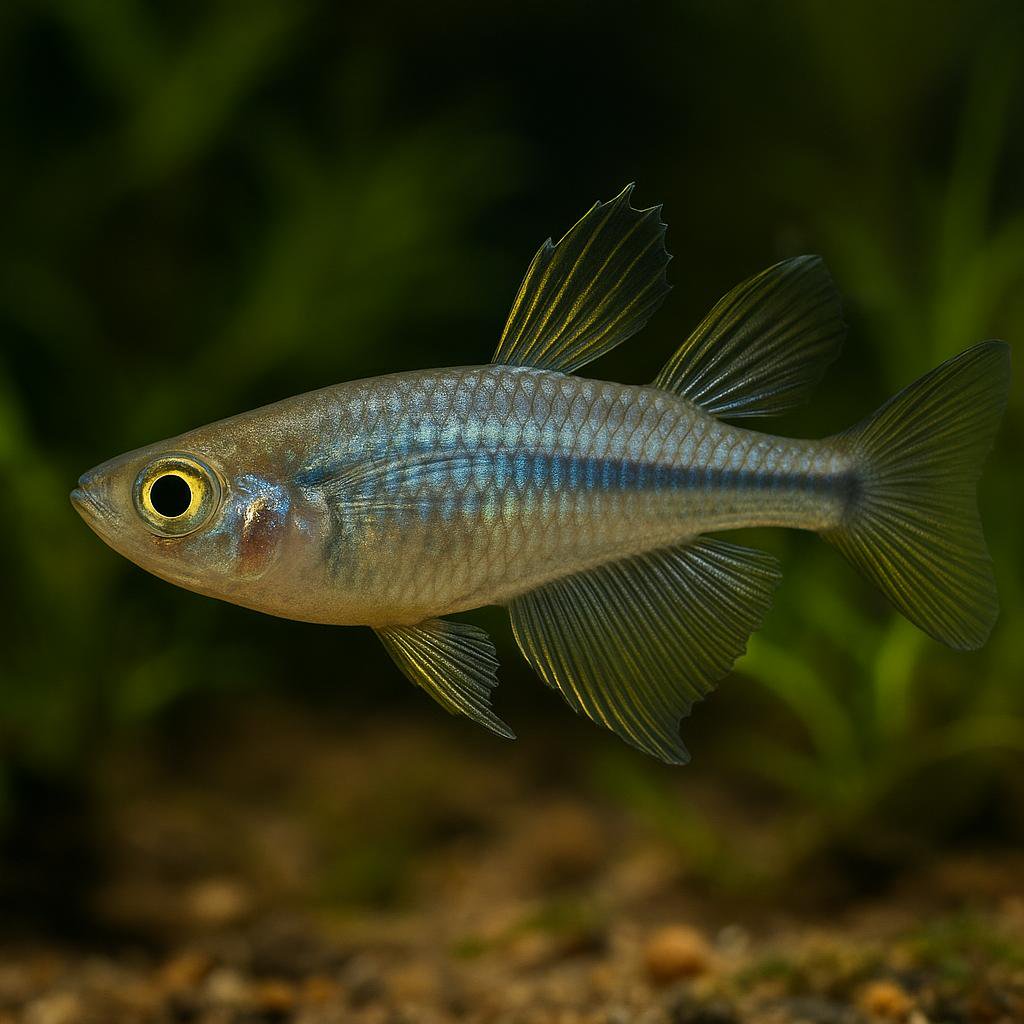
Pacific blue-eye
Pseudomugil signifer
Pacific blue-eyes are tiny Aussie "blue-eye" fish with those unreal electric-blue eyes and a nice little shimmer when they're in a group. Give them plants, gentle flow, and a proper shoal, and the males will posture and flare at each other in this super cool, non-lethal (usually) displayy way. They'll also tolerate a bit of salt (brackish), which is handy if you're doing an estuary-style setup.
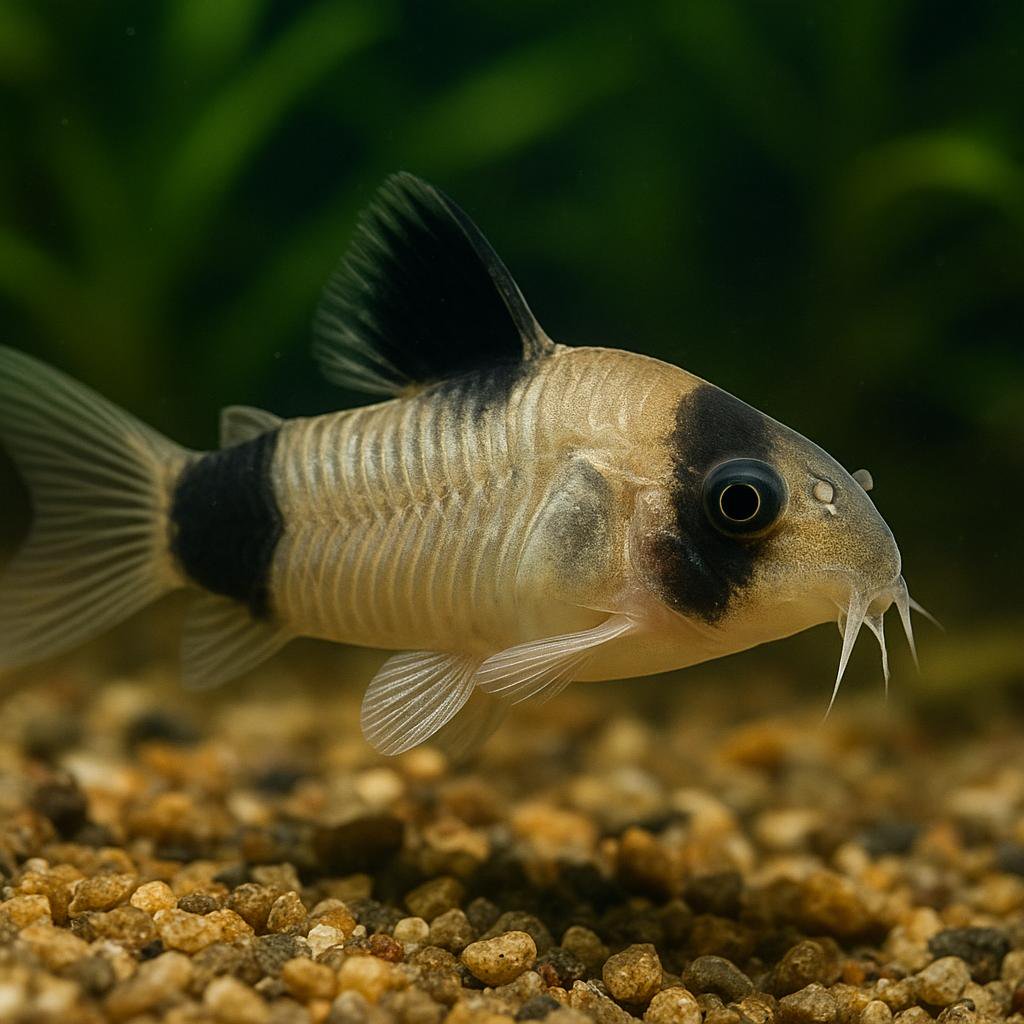
Panda Corydoras (Panda Cory)
Corydoras panda
Corydoras panda is a small, bottom-dwelling catfish known for its pale body with distinctive black patches over the eyes and near the tail, resembling a panda's markings. It is a peaceful, social schooling species that does best in groups and appreciates soft substrate and clean, well-oxygenated water. Like other corydoras, it forages constantly and should be offered sinking foods rather than relying on leftovers.
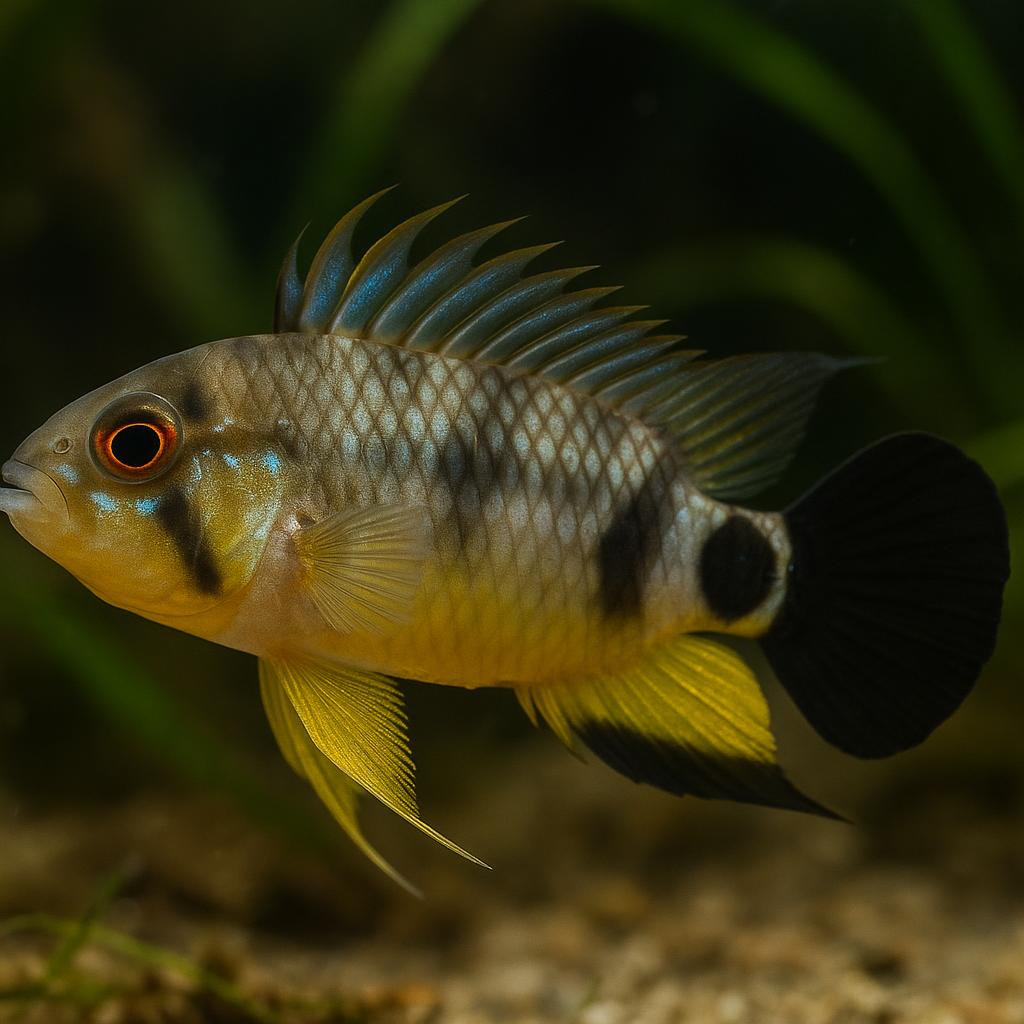
Panda dwarf cichlid
Apistogramma nijsseni
A small Peruvian dwarf cichlid with bold black patches that pop against a bright yellow female and steel-blue males. It is a cave-spawner with charming parental care and likes tannin-stained, leaf-litter streams, so a blackwater-style tank really brings out its behavior.
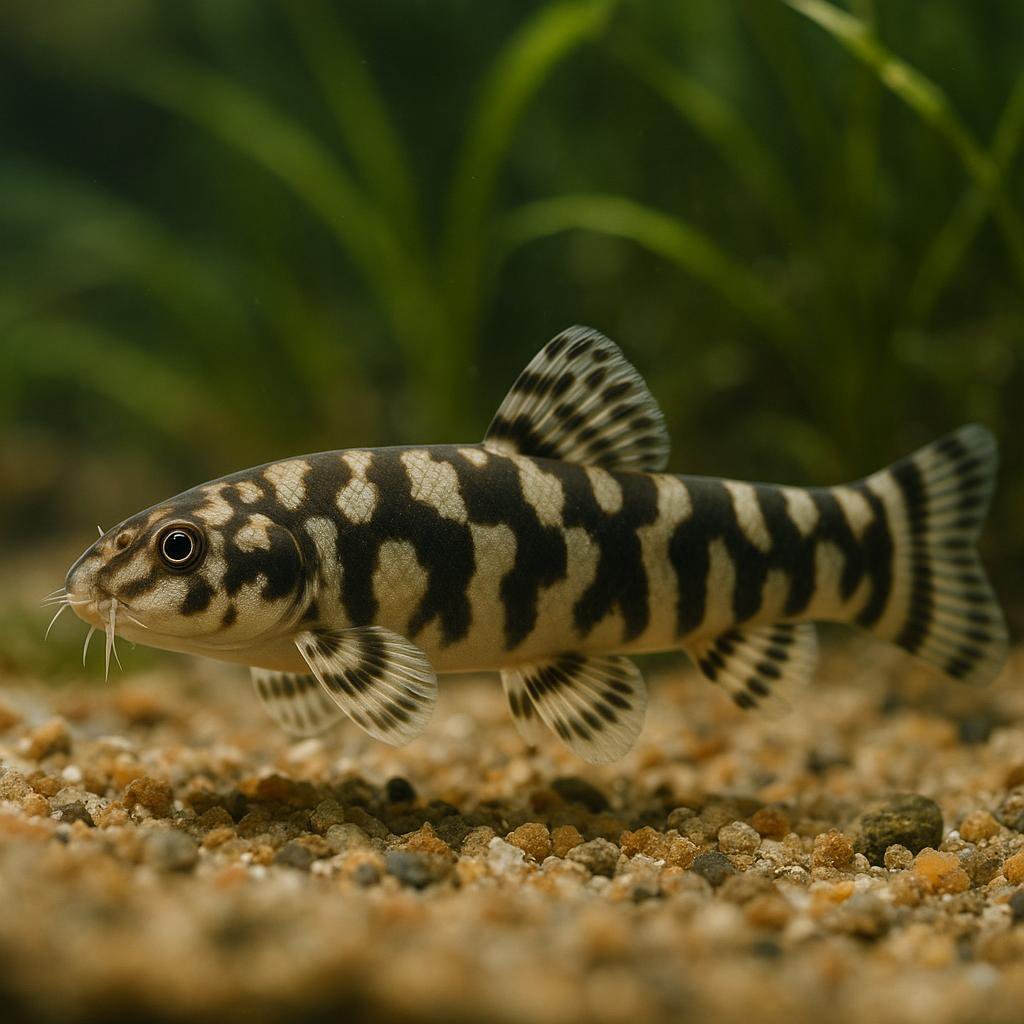
Panda loach
Yaoshania pachychilus
Hillstream loach from fast, highly oxygenated mountain streams; thrives in a mature, algae/biofilm-rich river-style aquarium with strong flow and smooth rocks. Peaceful but social, and best kept in groups where they become more active and confident.
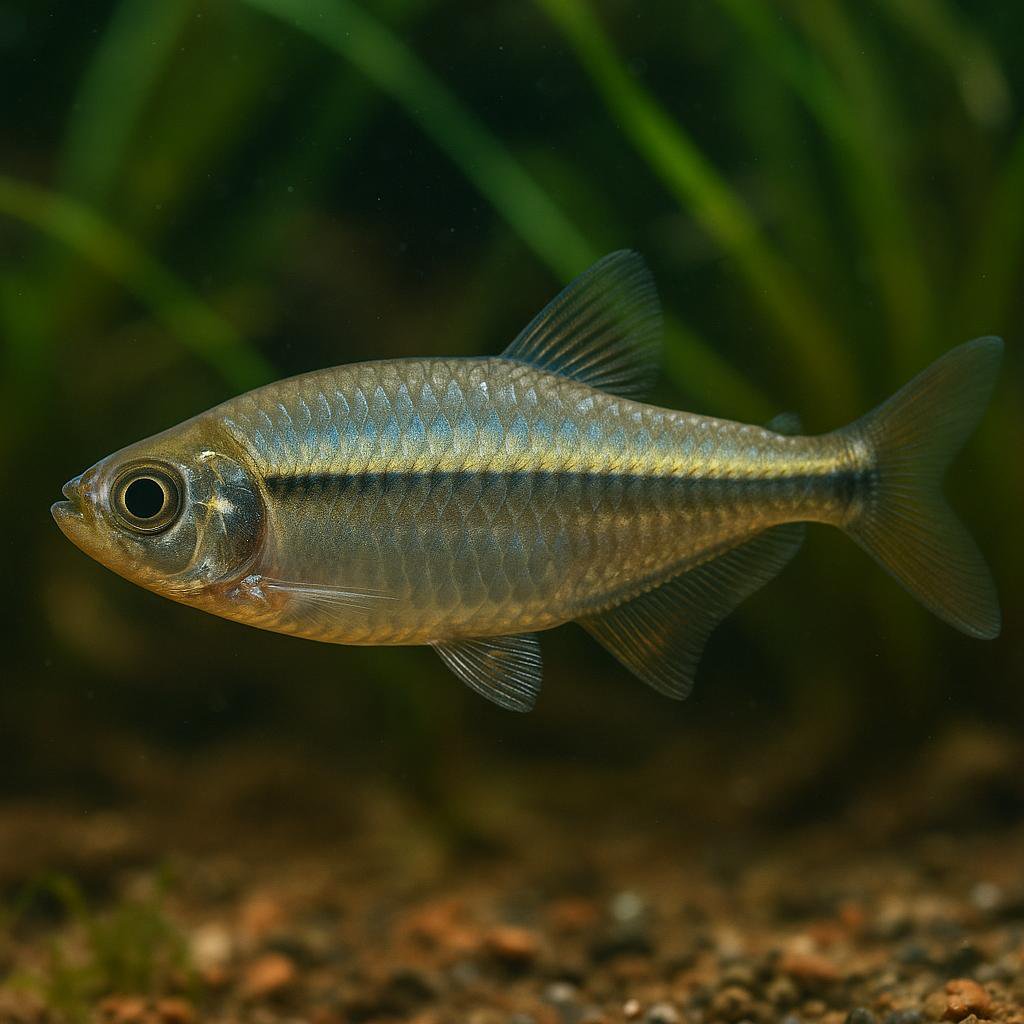
Pasca
Paragoniates alburnus
A silvery midwater characin and the only member of its genus, P. alburnus ranges across the Amazon and Orinoco drainages. It is a fairly chunky tetra for its length and does best in groups; it can be a bit pushy, so give it space and tankmates of similar size.
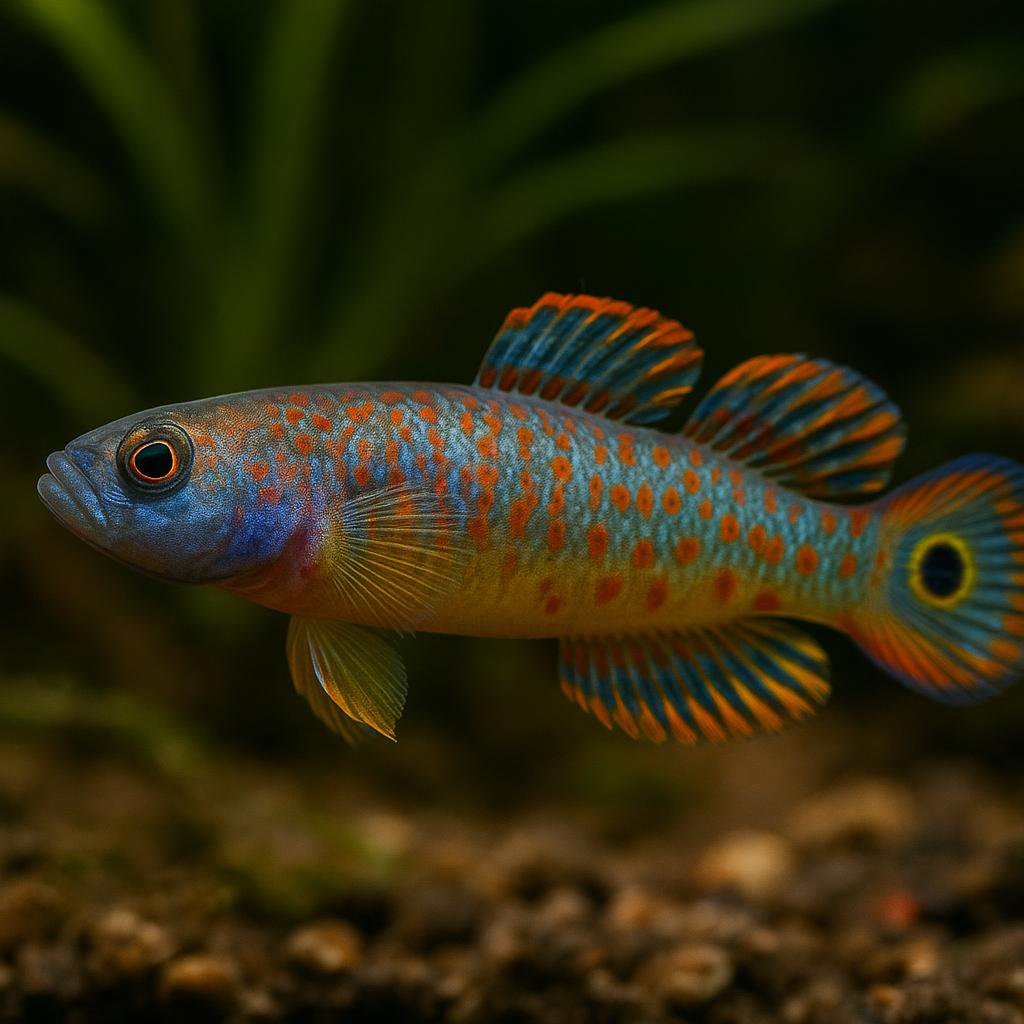
Peacock gudgeon
Tateurndina ocellicauda
Peacock gudgeons are little jewel-fish from eastern Papua New Guinea with that awesome "eye spot" on the tail and a ton of blue/yellow/red speckling. They're gentle most of the time, but the males get pretty into cave/crevice territory when they're thinking about spawning-and watching the male guard and fan eggs is seriously cool.