

European Perch
Perca fluviatilis
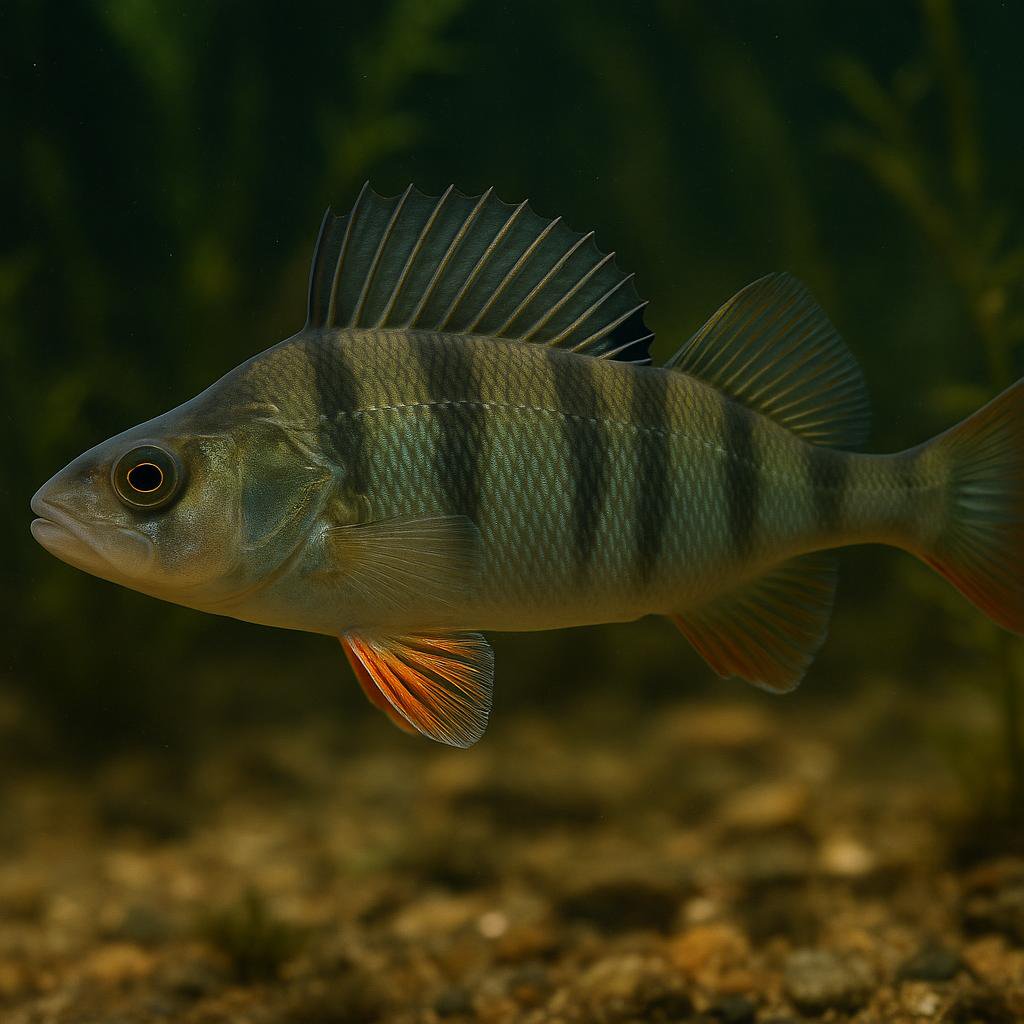
European perch exhibit a streamlined body with dark vertical stripes, greenish-yellow scales, and a prominent spiny dorsal fin.
This page includes AI-generated images. Why am I seeing AI images?
About the European Perch
The European Perch is a predatory freshwater fish recognized by its olive-green body, dark vertical bars, and bright red/orange pelvic and anal fins. It is an active hunter that can grow quite large and is best suited to coolwater, spacious aquariums with strong filtration and plenty of cover.
Quick Facts
Size
60 cm
Temperament
Semi-aggressive
Difficulty
Advanced
Min Tank Size
125 gallons
Lifespan
10-15 years
Origin
Europe and northern Asia
Diet
Carnivore/piscivore - live or frozen fish, shrimp, earthworms, insects; high-protein pellets/trout pellets as staple
Water Parameters
10-22°C
6.5-8
5-20 dGH
Need a heater for this species?
This species needs 10-22°C in a 125 gallon tank. Use our heater calculator to find the right wattage.
Calculate heater sizeCare Notes
- Provide a large, cool-temperate tank (single adult often needs 300+ L/75+ gal; more for groups) with strong filtration, high oxygenation, and open swimming space plus structure like driftwood/rocks and dense plants or artificial cover for ambush and retreat.
- Keep water cool and stable: aim for ~12-20°C (54-68°F), avoid prolonged temps above ~22°C (72°F), maintain strong surface agitation/flow, and target excellent water quality (0 ammonia/nitrite, low nitrate ideally <20-30 mg/L) with weekly water changes.
- Use a secure, tight-fitting lid and protect equipment because perch are powerful, fast feeders that can jump or slam into covers when startled; dim lighting and visual barriers help reduce stress and collisions.
- Feed a varied carnivorous diet: high-quality sinking carnivore pellets/soft-moist predator foods supplemented with earthworms, shrimp/krill, mussel, and occasional live foods; avoid routine feeder fish (parasite risk) and do not rely on mammal meat (fatty liver issues).
- Expect predatory behavior and rapid growth-anything that fits in the mouth will be eaten; best kept alone, with same-size perch, or with robust, non-biteable coolwater species too large to swallow, and avoid slow fancy fish and small community tank mates.
- Quarantine new fish and live foods carefully because wild-caught perch commonly carry external parasites (Ich, flukes, lice/anchor worm) and internal worms; watch for flashing, excess slime, clamped fins, weight loss, and treat promptly in a separate system.
- Breeding is possible but advanced: adults typically need seasonal conditioning with a cool winter period followed by warming and longer photoperiod; females lay long gelatinous egg ribbons on vegetation, and adults may eat eggs/fry so spawning pairs are usually removed or eggs incubated separately.
Compatibility
Good Tankmates
- Robust, similarly sized coldwater fish like rudd or roach (kept in roomy tanks, as they can handle perch's boisterous behavior)
- Large, fast-swimming minnows/cyprinids (e.g., larger dace-type fish) that are too big to be eaten and not easily bullied
- Adult weather/dojo loaches (Misgurnus anguillicaudatus) in cool, well-oxygenated freshwater; generally tough enough and not easily harassed
- Hillstream loaches (Sewellia/Beaufortia spp.) in high-flow, cool, oxygen-rich tanks; usually ignored due to body shape and bottom-dwelling habits
- Other European perch of similar size (best kept as a group of juveniles grown together, with plenty of space to reduce aggression and cannibalism)
Avoid
- Small schooling fish (e.g., neon tetras, danios, small rasboras) - likely to be hunted and eaten once perch grows
- Long-finned or slow fish (e.g., guppies, bettas, fancy goldfish) - prone to fin-nipping and stress from perch's aggressive feeding behavior
- Shrimp, snails, and other small invertebrates - typically treated as live food and quickly depleted
Habitat and Natural Environment
European Perch (Perca fluviatilis) is a widespread predatory freshwater fish native to much of Europe and northern Asia. In the wild it inhabits lakes, reservoirs, slow to moderate rivers, and large ponds, often favoring structurally complex shorelines with submerged vegetation, fallen branches, rocks, and man‑made structures.
Perch are adaptable to a broad range of conditions, but they thrive in well‑oxygenated water with seasonal temperature swings. Juveniles commonly use weedy shallows for cover and feeding, while larger adults patrol drop‑offs, deeper edges, and open water areas adjacent to structure.
- Typical habitat: vegetated lake margins, reed beds, rocky banks, submerged timber, docks and pilings
- Water movement: still to gently flowing; avoids extreme currents
- Seasonality: active in cool to temperate conditions; behavior shifts with temperature and daylight
European Perch is a cool-water species. Long-term maintenance in consistently warm tropical temperatures often leads to chronic stress, reduced appetite, and higher disease susceptibility.
Tank Setup Requirements
This species is best suited to large, cool-water predator systems and is considered advanced due to its adult size, predatory nature, high oxygen demand, and the need for strong filtration. A long, wide footprint tank is preferred over tall designs to provide cruising space and allow natural hunting behavior.
Tank Size and Stocking
- Minimum for one adult: ~300–450 L (75–120 gal) with ample floor space
- Better: 600 L+ (150+ gal), especially if keeping multiple perch or larger adults
- Keep singly or in a carefully managed group of similar size to reduce bullying and cannibalism risk
Water Parameters (Guidelines)
- Temperature: ~10–20 °C (50–68 °F); short seasonal variation is natural
- pH: ~6.5–8.0 (tolerant), aim for stability over chasing exact numbers
- Hardness: moderate is ideal; adapts to a range if acclimated properly
- Ammonia/Nitrite: 0; Nitrate: keep low with water changes and plant/refugium support
Do not mix European Perch with tropical community fish. The temperature mismatch and predatory behavior make it an unsafe combination.
Filtration, Oxygenation, and Flow
Perch produce substantial waste and prefer high dissolved oxygen. Oversize filtration and prioritize gas exchange with strong surface agitation. A canister filter plus supplemental powerheads/air stones is common for larger systems, and a sump is ideal where practical.
- Use high-capacity biological media and pre-filtration for heavy feeding
- Provide vigorous surface movement (spray bars, powerheads, air stones)
- Aim for moderate flow zones plus calmer areas behind decor
Aquascape and Lighting
Provide structure for ambush and retreat: rock piles, driftwood, reed-like artificial plants, and open lanes for cruising. Live plants can work in cool-water systems (e.g., Vallisneria, Elodea/Anacharis, hornwort), but expect some damage during hunting and rearrangement.
- Substrate: sand or fine gravel for natural foraging behavior
- Hardscape: driftwood/branches, rocks, and vertical structure to break lines of sight
- Lighting: moderate; include shaded areas to reduce stress
A “structured edge + open water” layout works well: dense cover at one end and open swimming space at the other, mimicking a lake shoreline and drop-off.
Feeding and Diet
European Perch are opportunistic predators. Juveniles eat aquatic insects, small crustaceans, and zooplankton; adults increasingly specialize on fish and larger invertebrates. In captivity, the goal is a varied, nutritionally complete diet without relying on risky live feeder fish.
Recommended Foods
- Frozen/thawed: fish fillet pieces, smelt/sardine segments (sparingly), shrimp, krill, mussel, squid
- Invertebrates: earthworms, nightcrawlers, live or frozen bloodworms for smaller specimens
- Prepared: high-quality sinking predator pellets (train fish to accept), gel foods for carnivores
Feeding Frequency
- Juveniles: small portions once daily or split feedings
- Adults: 2–4 times per week depending on temperature and body condition
- In cooler water, appetite may drop; avoid overfeeding and watch water quality
Avoid using common live feeder fish (e.g., goldfish/rosy reds) as a staple. They can introduce parasites, encourage picky feeding, and may be nutritionally unsuitable long-term unless properly quarantined and gut-loaded.
Behavior and Temperament
European Perch are alert, visual hunters. Smaller individuals can be loosely shoaling, while adults often become more territorial and predatory. Anything that fits in the mouth is potential prey, and size differences within groups can lead to aggression and cannibalism.
- Temperament: semi-aggressive to aggressive predator
- Activity: diurnal, most active during feeding and moderate light periods
- Compatibility: best in species-only systems or with robust, similarly sized cool-water fish (with caution)
Mixing markedly different sizes is high risk. Perch can swallow surprisingly large tankmates, and repeated “testing” bites can injure fish even if they are not consumed.
Breeding (if applicable)
European Perch are seasonal spawners in nature, typically breeding in spring as temperatures rise and daylight lengthens. They lay distinctive ribbon-like gelatinous egg strands that can be draped over vegetation, branches, or other submerged structure.
Breeding Challenges in Aquaria
Breeding is possible but advanced. Successful spawning usually requires mature adults, a large system, and seasonal conditioning (a cool “winter” period followed by gradual warming). Sexing outside of spawning condition can be difficult, and adults may eat eggs or fry if not managed.
- Conditioning: varied high-protein diet and stable cool-water conditions
- Seasonal cueing: controlled temperature and photoperiod changes to mimic winter-to-spring transition
- Spawning media: fine-leaved plants, spawning mops, or branched wood for egg ribbons
Egg and Fry Care (General)
- Remove or protect egg ribbons from predation if possible
- Provide strong aeration and clean water to prevent fungal growth on eggs
- First foods for fry: appropriately sized live foods (e.g., rotifers, newly hatched brine shrimp as they grow), then transition to larger fare
Local laws may regulate keeping, transporting, or breeding native fish species. Verify permits and sourcing requirements before attempting breeding projects.
Health and Common Issues
European Perch are hardy when kept in cool, oxygen-rich, clean water, but they are prone to problems stemming from warm temperatures, poor water quality, and parasite introduction via wild-caught stock or live foods. Quarantine and strict hygiene are especially important for this species.
Common Problems
- Stress from elevated temperature: lethargy, low appetite, rapid breathing
- External parasites (often from wild fish/live foods): flashing, excess mucus, fin damage
- Bacterial infections after injuries: reddened sores, fin rot, cloudy eyes
- Poor water quality: ammonia/nitrite burns, gill irritation, chronic susceptibility to disease
- Nutritional issues from one-sided diets: fatty liver/obesity, poor growth, weakened immunity
Prevention and Management
- Quarantine new fish and live foods; observe for parasites before introduction
- Keep temperature in the cool-water range with reliable chilling/room control if needed
- Maintain high oxygenation and strong biological filtration; remove uneaten food promptly
- Provide ample cover and manage size-matched stocking to reduce injuries
- Use varied, quality foods and train onto pellets where possible for balanced nutrition
Many medications are temperature- and oxygen-dependent. In cool-water predator systems, always ensure extra aeration during treatment and confirm the medication is appropriate for the species and tank temperature.
Similar Species
Other freshwater semi-aggressive species you might be interested in.
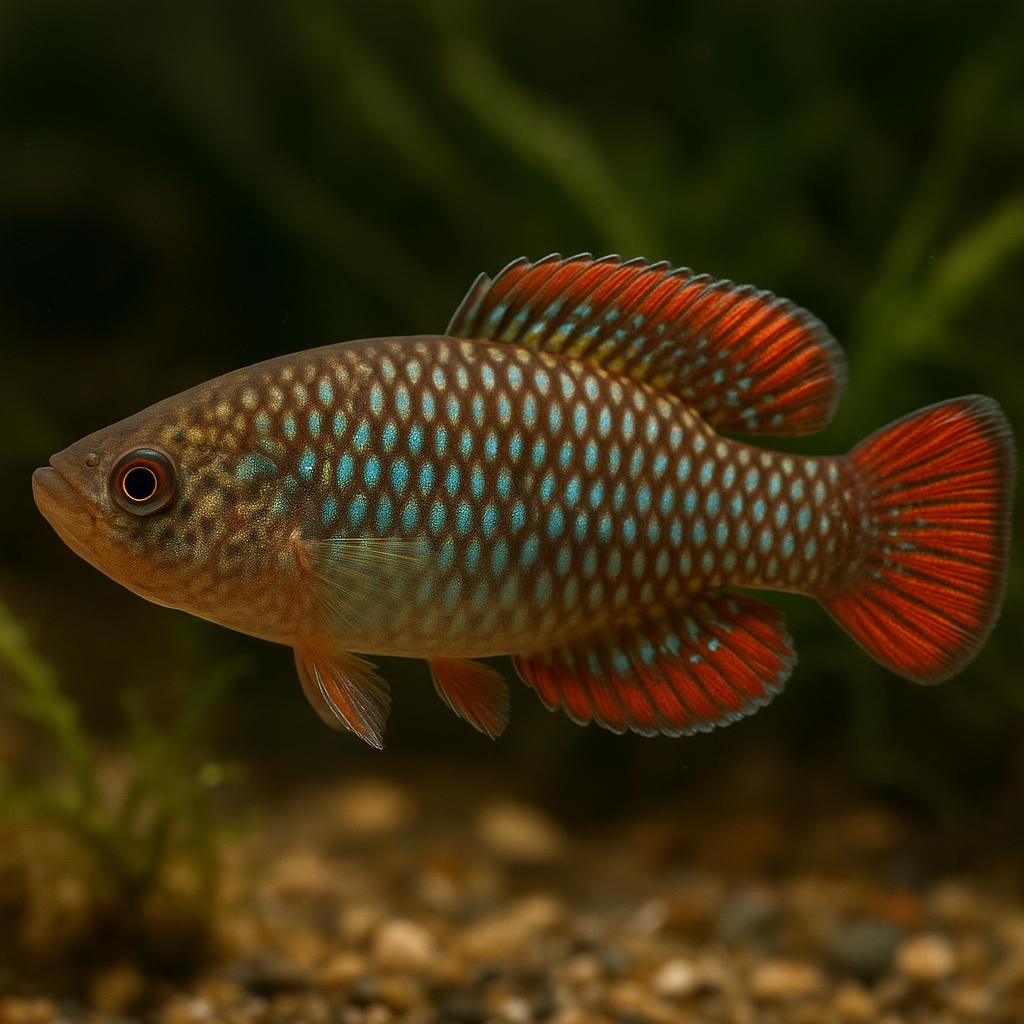
American flagfish
Jordanella floridae
Jordanella floridae is that little Florida native with the red-and-cream striping that really does look like a tiny flag once a male colors up. They graze algae like champs (especially stringy/hair algae), but they have a bit of attitude - give them plants and space so the bossy behavior stays manageable. Bonus: the male guards the eggs and will actively fan them, which is pretty fun to watch.
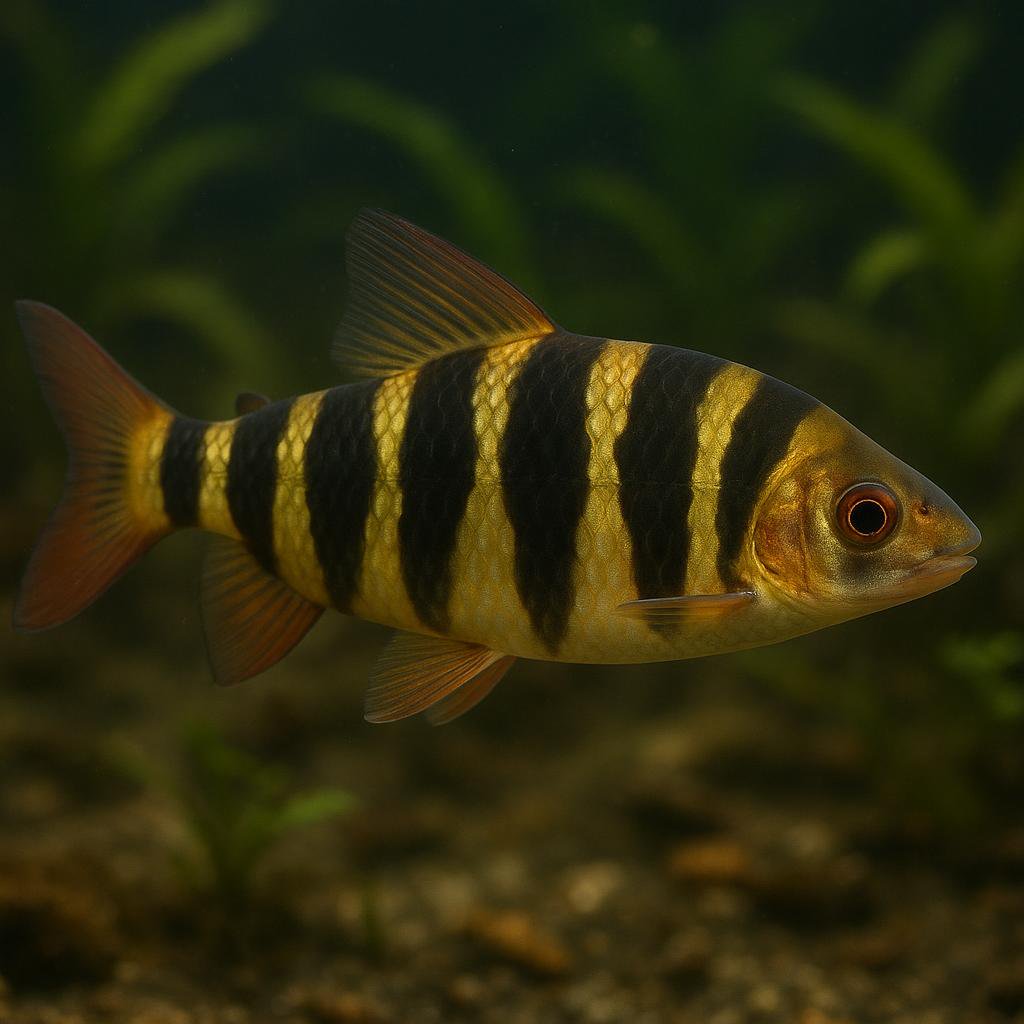
Banded Leporinus
Leporinus fasciatus
Banded Leporinus are those torpedo-shaped, black-and-yellow striped fish that look like they're wearing a little prison outfit-and they stay on the move. They've got a ton of personality and they're awesome to watch cruising and picking at stuff, but they're also the kind of fish that will redecorate your tank and "taste test" anything soft-looking.
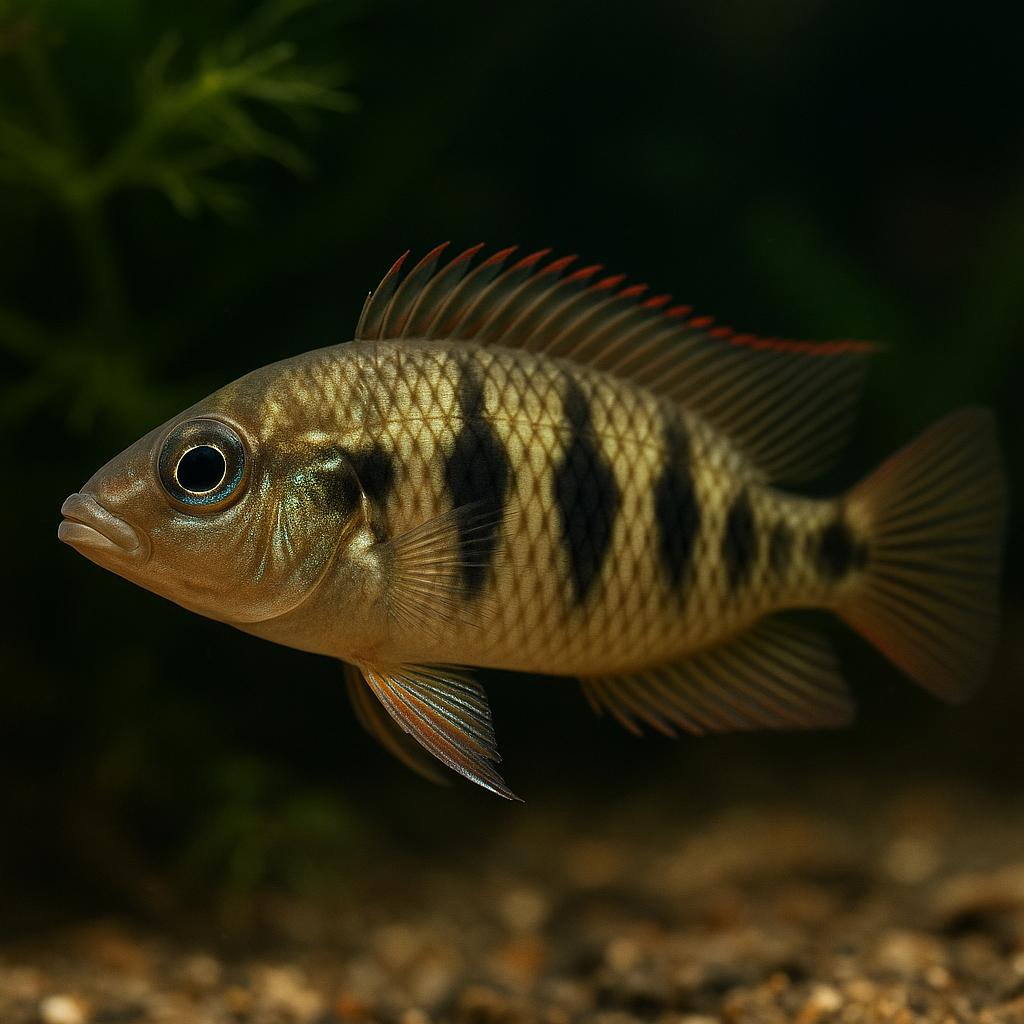
Bandi cichlid
Wallaceochromis signatus
A West African dwarf cichlid from Guinea's Bandi River, this fish shows crisp vertical bars and spotted fins with red highlights. Females have a bold black spot at the base of the tail, and pairs guard eggs and fry in caves, which makes their parental behavior fun to watch.
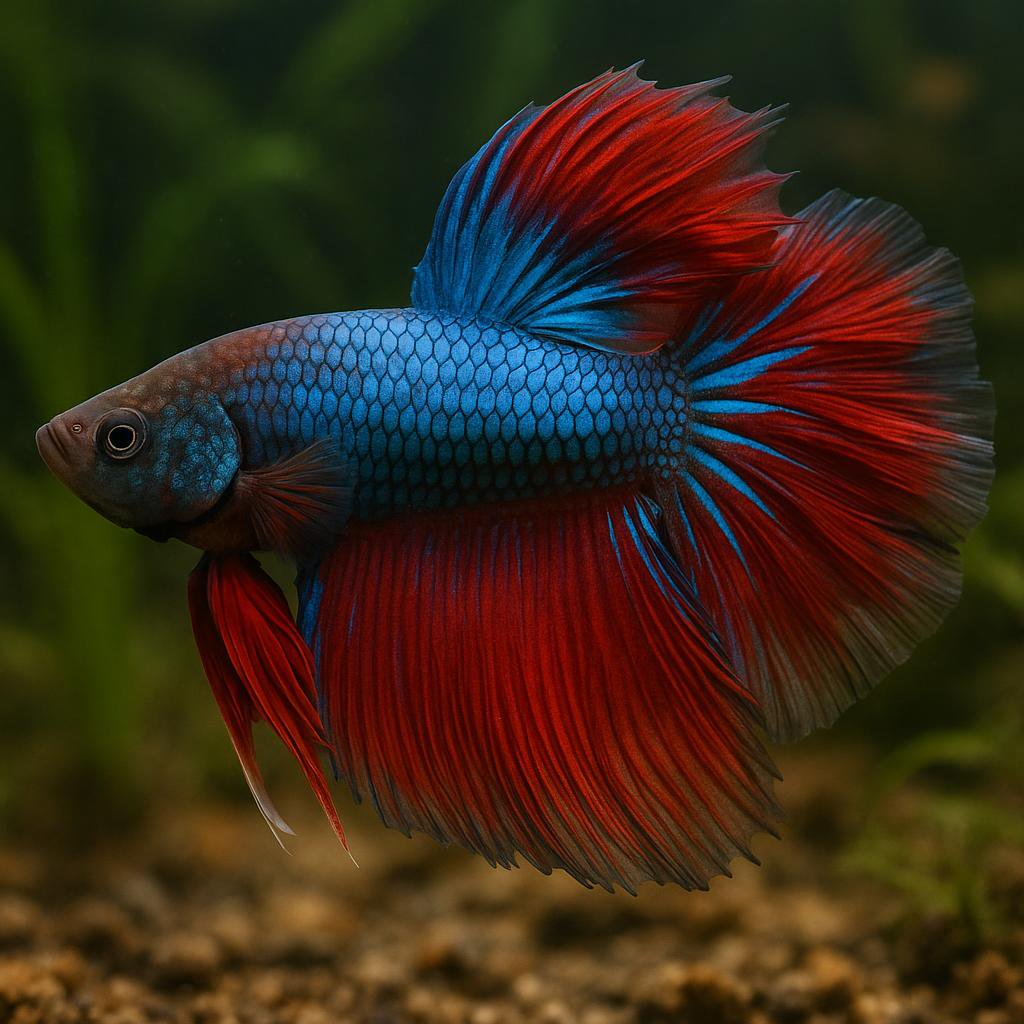
Betta
Betta splendens
Betta fish, also known as Siamese fighting fish, are popular for their striking colors and flowing fins. They are known for their territorial nature, especially males, which can display aggressive behavior towards each other.
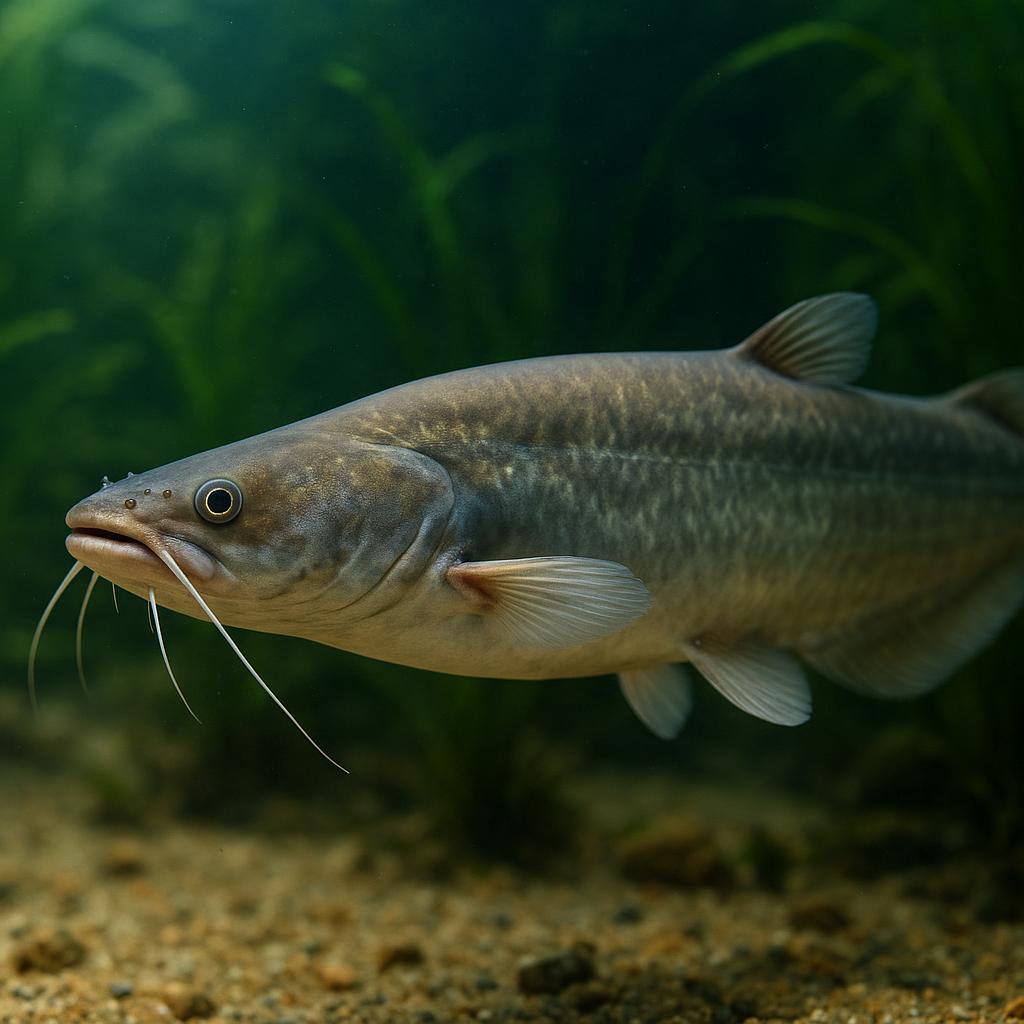
Blackhawk catfish
Wallagonia micropogon
Wallagonia micropogon is a giant Southeast Asian sheatfish with an eel-like body and a huge, scoop-like mouth for hunting other fish. It is native to the Mekong and middle Chao Phraya basins and was long confused with Wallagonia leerii, which makes IDs and care notes tricky. Stunning as a juvenile but it grows to true megafish size, so it is only realistic for expert keepers or public aquariums.
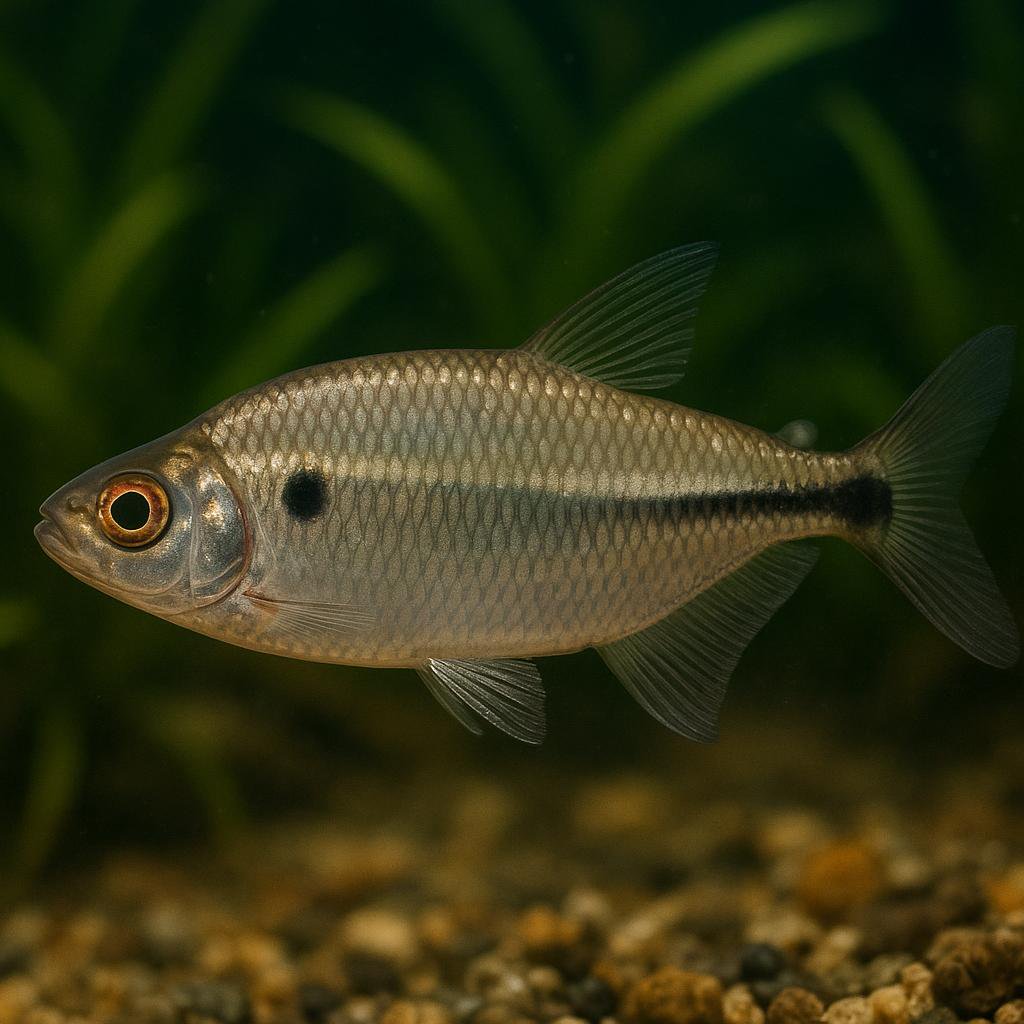
Boulenger's Featherfin Tetra
Bryconaethiops boulengeri
A big, fast African tetra from the Congo River basin, it cruises the mid-to-upper water in active groups and flashes a bold broken stripe along its flanks. In the wild it hunts insects at the surface and can leap, so aquariums need tight lids. Keep it with robust tankmates it cannot swallow.
More to Explore
Discover more freshwater species.
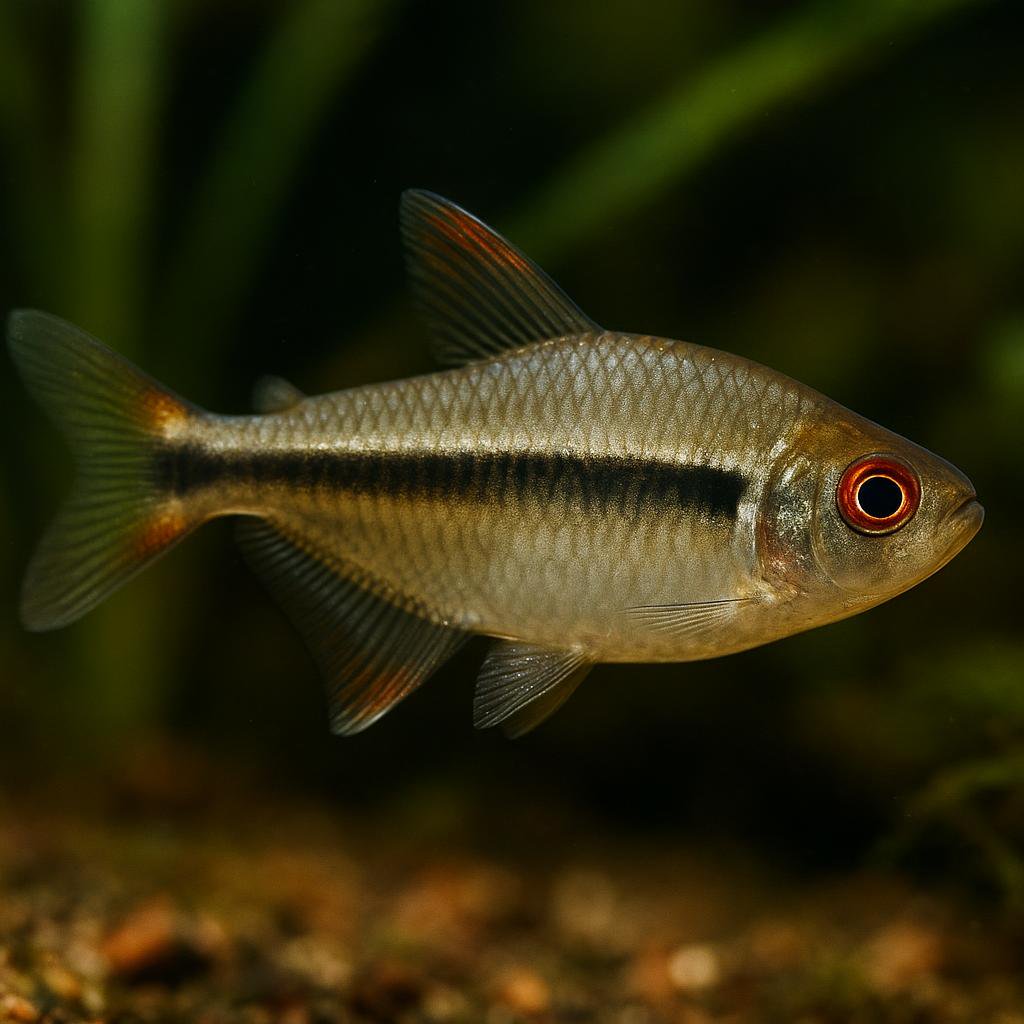
Amapa tetra
Hyphessobrycon amapaensis
This is a tiny, super sleek little tetra with a clean red stripe down the side that really pops once its settled in. It does best in a planted, slightly tinted "creek-style" setup and looks way cooler when you keep a proper group so they school and flash that line together. If you can give it soft, slightly acidic water and a calm community, its an easy fish to fall for.
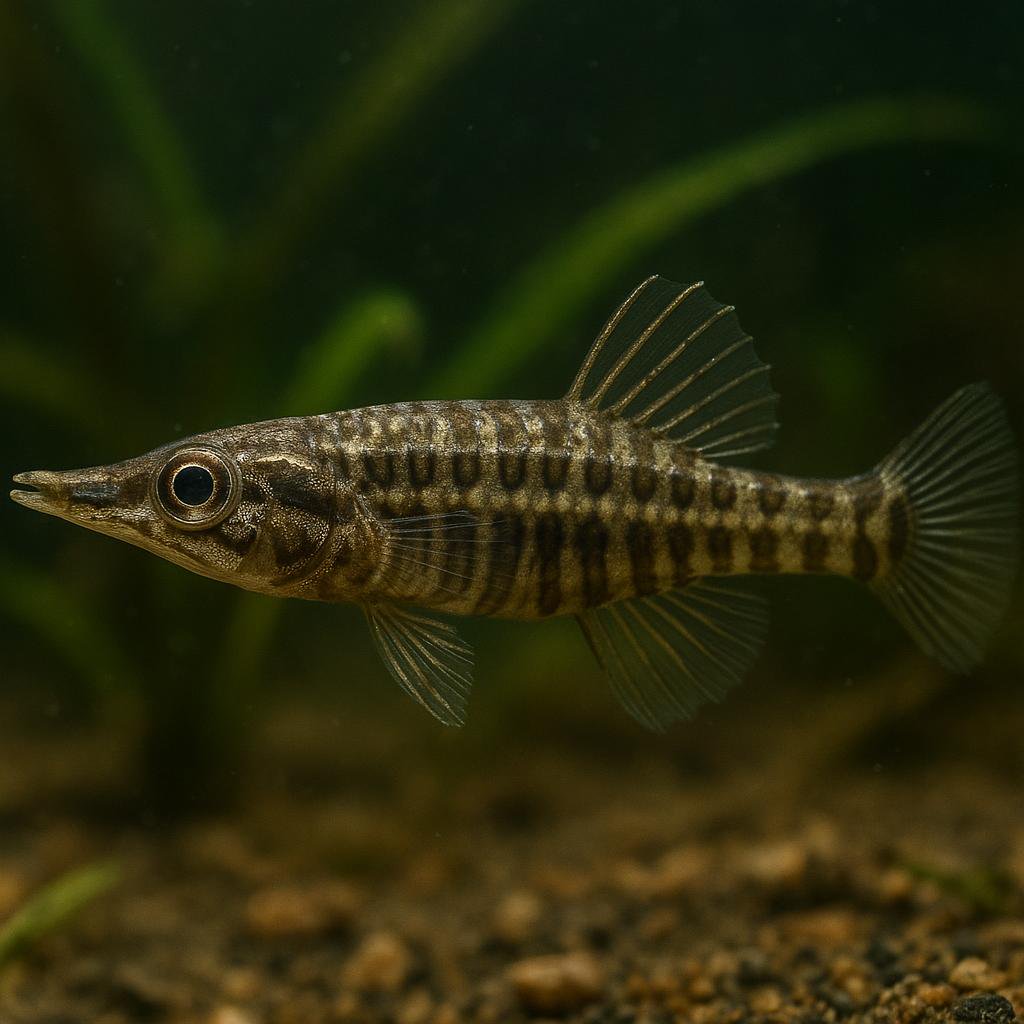
Armoured stickleback
Indostomus paradoxus
This is that goofy little "freshwater seahorse"-looking fish that just kind of perches and scoots around like a tiny armored twig. Its whole vibe is slow, sneaky micropredator - once its settled in, you will catch it stalking microfoods and doing these subtle little posture displays. The big trick is feeding: they do best when you can provide lots of small live foods in a calm, planted tank.
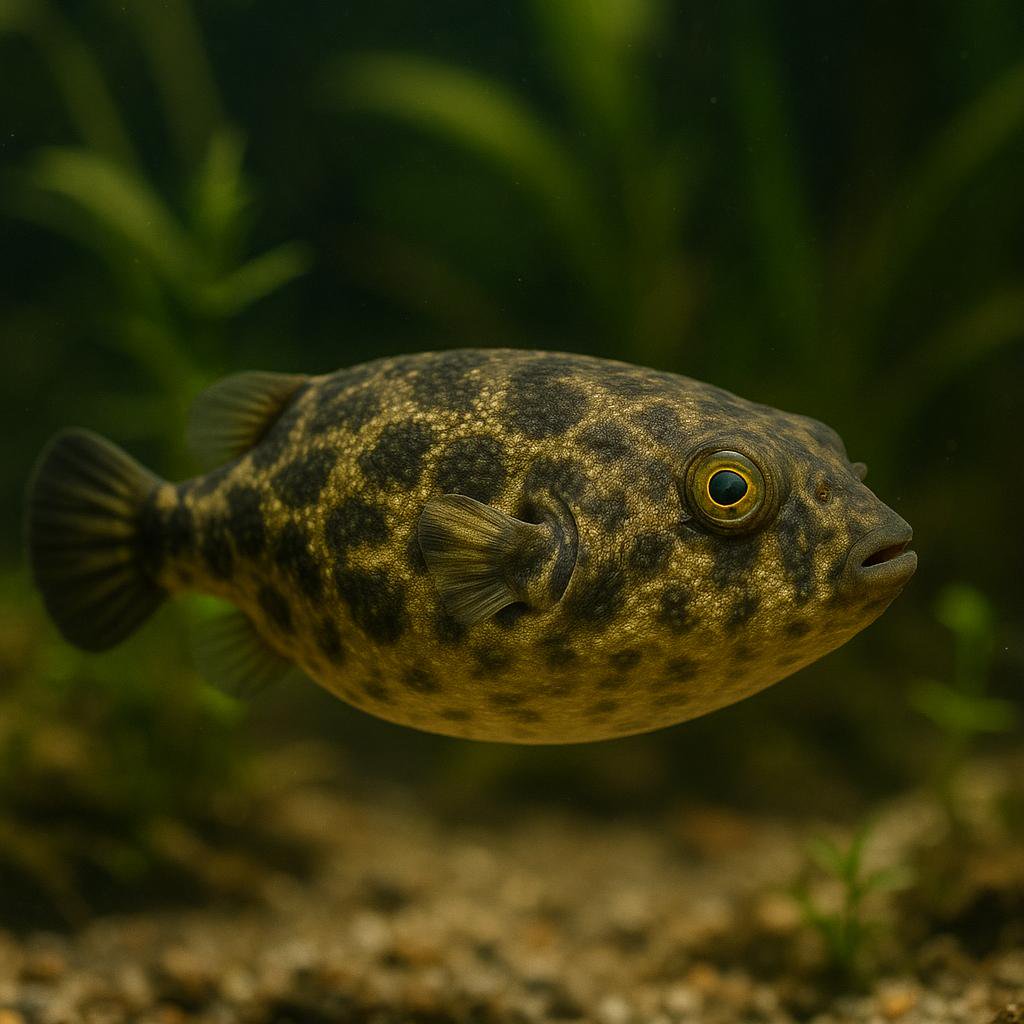
Arrowhead puffer
Pao suvattii
Pao suvattii is that sneaky Mekong puffer that likes to sit low and ambush food, and it has that super recognizable arrow/V pattern on its back. Gorgeous fish with tons of personality, but it is absolutely not a community guy - plan on a solo, species-only setup if you want everybody to stay in one piece.
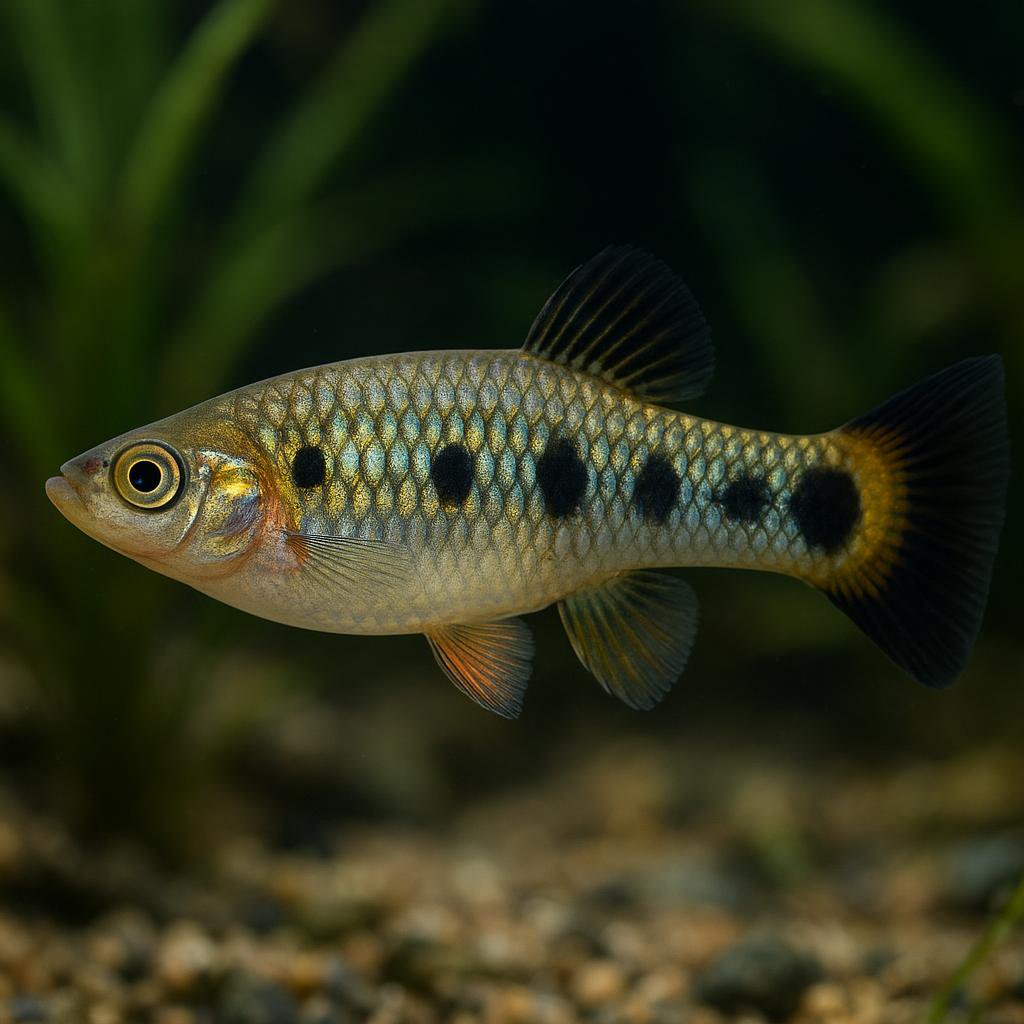
Bishop toothcarp
Brachyrhaphis episcopi
This is a tiny Panamanian livebearer that does best when you treat it more like a shy wild fish than a fancy guppy-lots of cover, calm vibes, and really clean water. The fun part is watching the males posture and spar while the females cruise around dropping fully-formed fry about once a month.
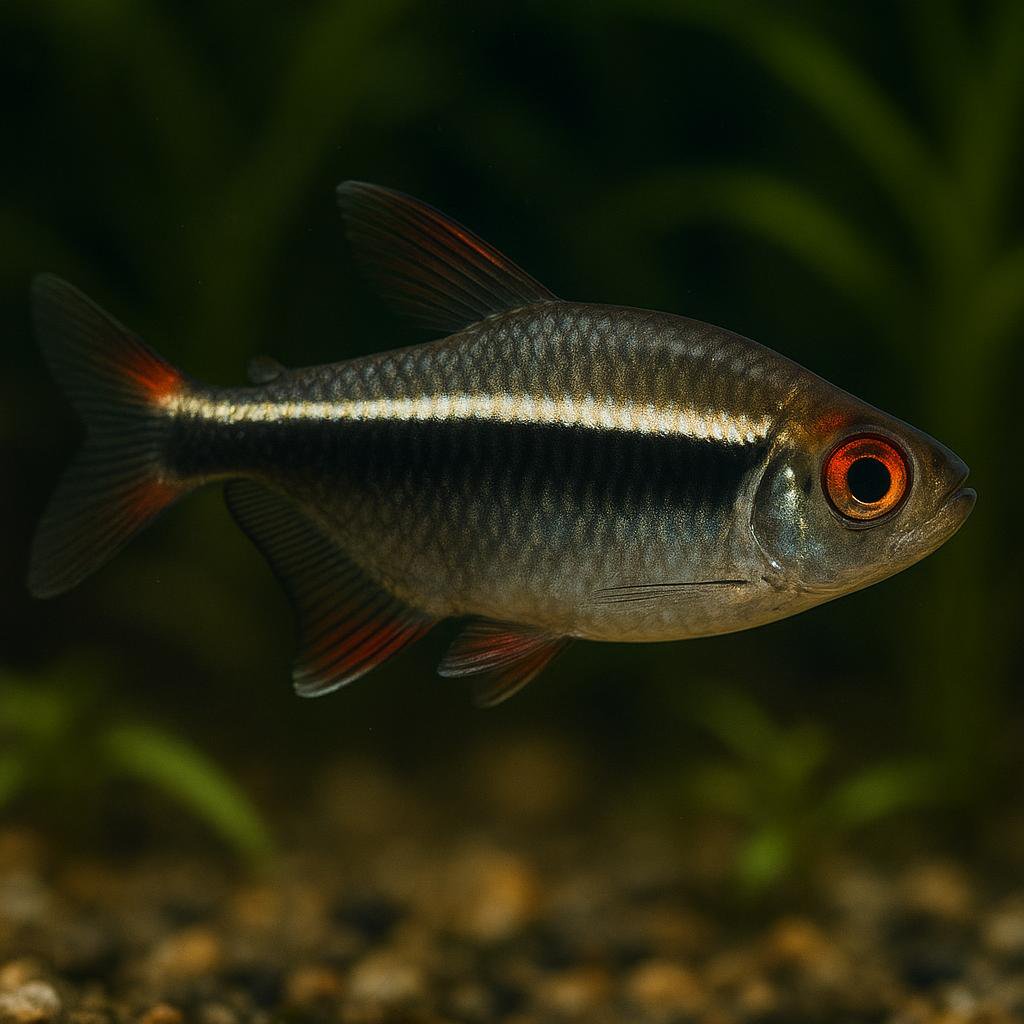
Black Neon Tetra
Hyphessobrycon herbertaxelrodi
Black neons are one of those little tetras that look kinda understated until the light hits them-then that bright stripe pops and they shimmer when the school turns together. They're super chill, always cruising mid-water, and they make a tank feel "alive" without being hectic. If you keep a nice group, they get bolder and you'll see way more of their personality.
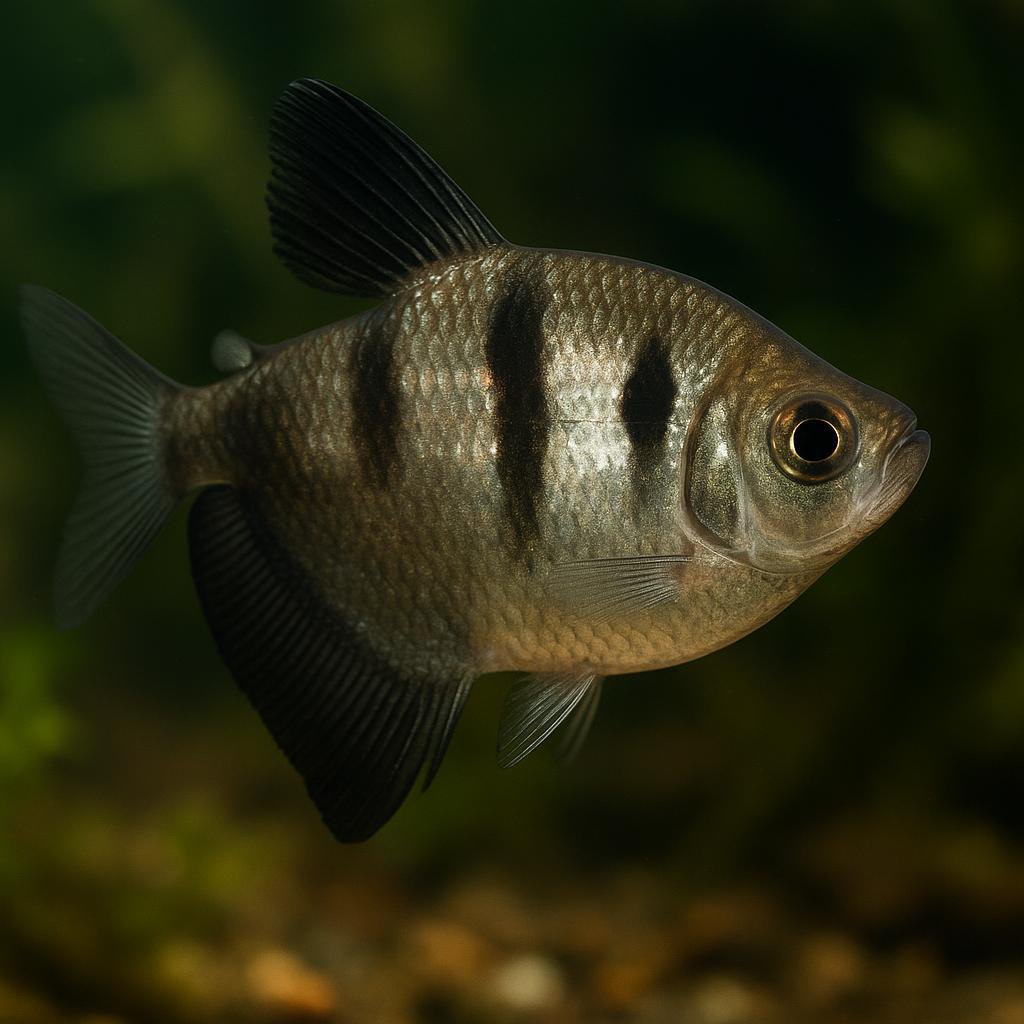
Black Skirt Tetra (Black Widow Tetra)
Gymnocorymbus ternetzi
Black skirts are those little "suit-and-tie" tetras with the dark bands and flowing fins that look way fancier than they should for how tough they are. They're super active midwater fish, and when you keep a proper group they do that tight, zippy schooling thing that makes the whole tank feel alive. Just give them enough buddies and finny tankmates they won't be tempted to nip.
Looking for other species?