

Search Species
Search for fish species by common or scientific name, or use filters to browse by water type, size, temperament, and difficulty.
Found 29 species
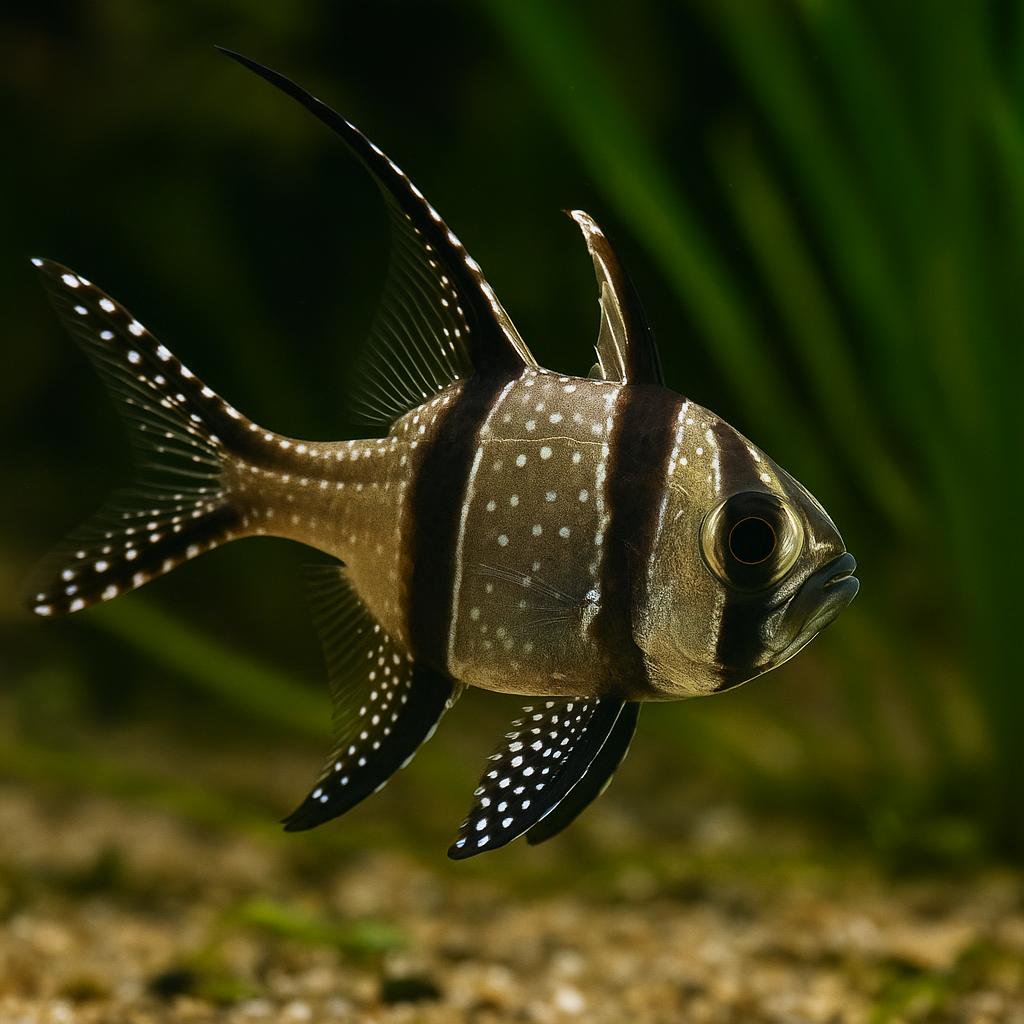
Banggai Cardinalfish
Pterapogon kauderni
Banggai cardinals just sort of hover like little underwater satellites, and the bold black bars with those long, polka-dotted fins look unreal under reef lighting. They're super chill most of the time, but once a pair forms you'll see real "fish drama," and the male will even mouthbrood the babies like a champ.
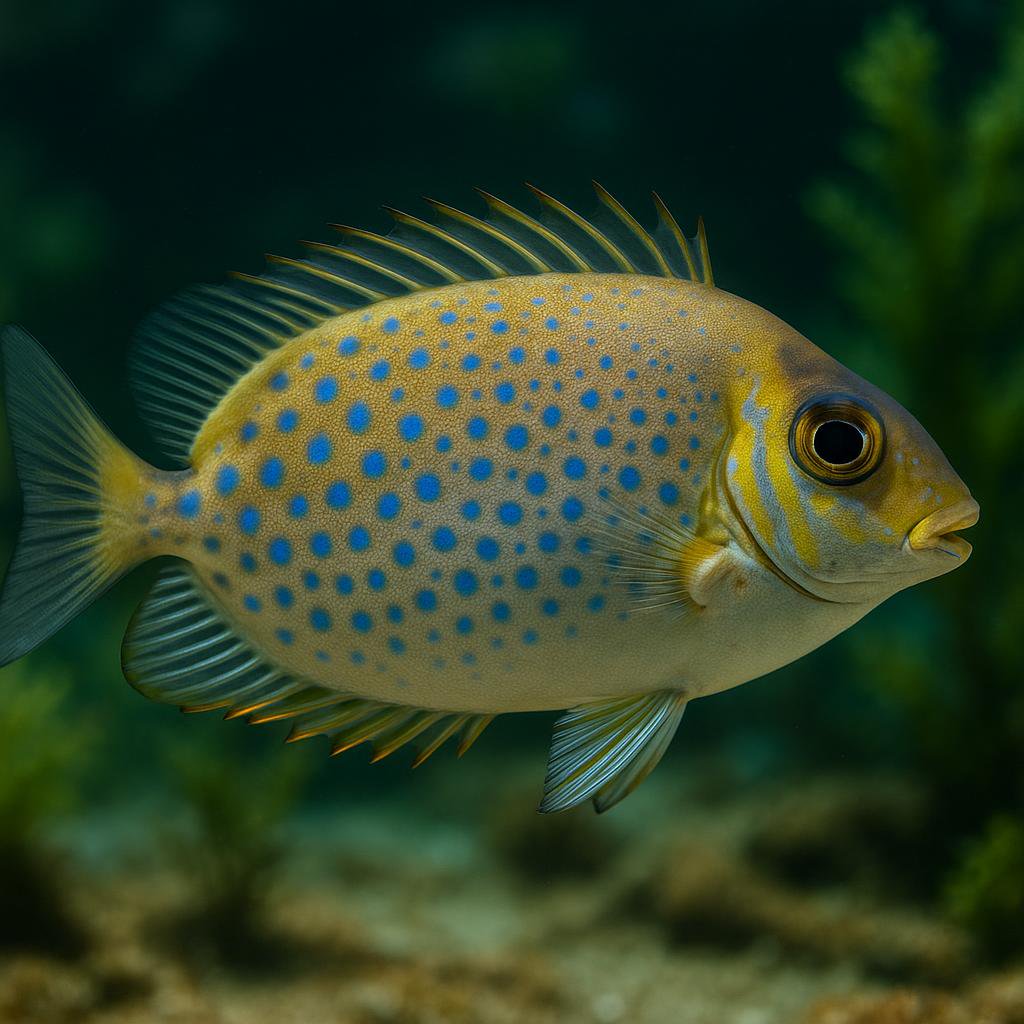
Bicolored foxface
Siganus uspi
A Fiji native with a sharp two-tone look, the bicolored foxface is half deep brown and half yellow with a crisp line between. It spends the day grazing algae and can snap into a mottled camouflage when spooked; those tall dorsal spines are venomous, so other fish usually keep their distance.
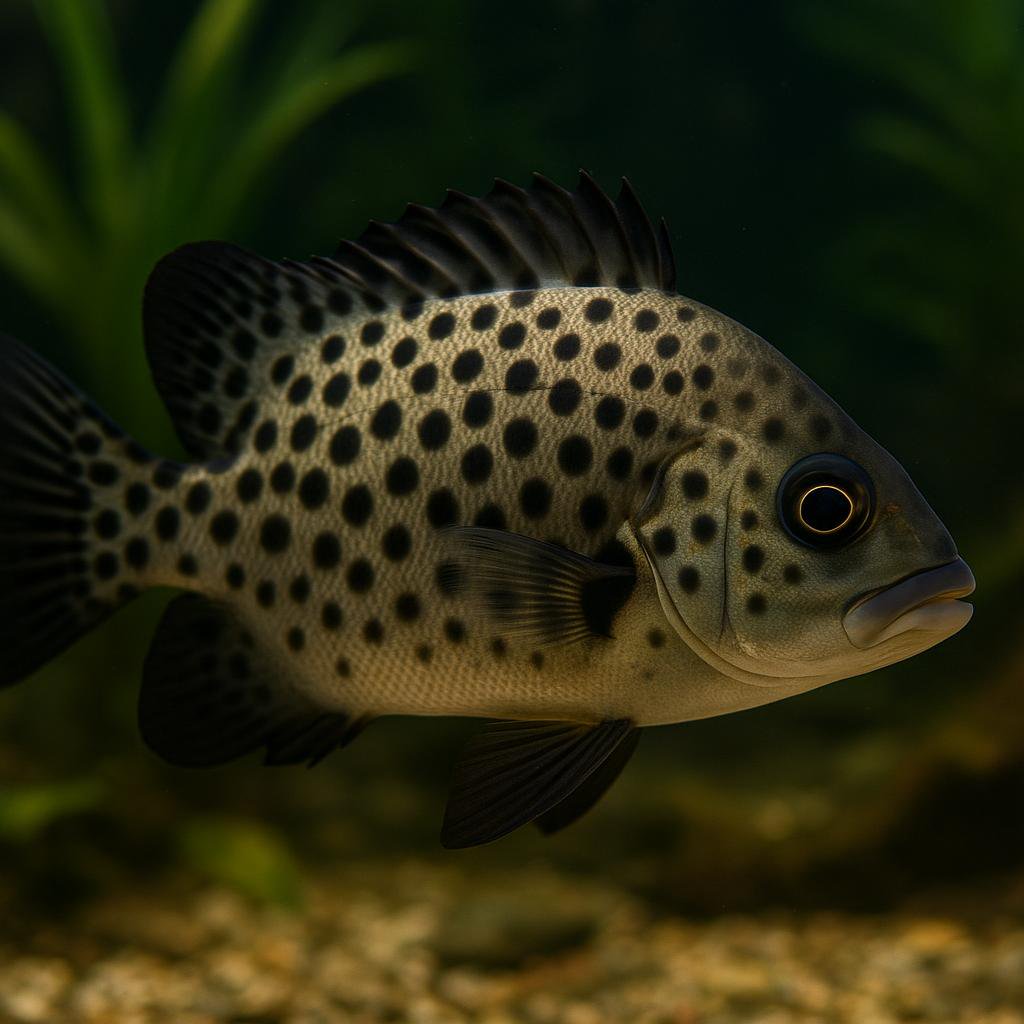
Blackfin slatey
Diagramma melanacrum
A large sweetlips from Southeast Asian reefs with a pale silvery-yellow body sprinkled in dark spots and distinct black pelvic and anal fins. Juveniles linger in silty shallows, while adults rest in small groups on deeper reef walls by day and roam at night to pick off crabs, shrimp, and other invertebrates.
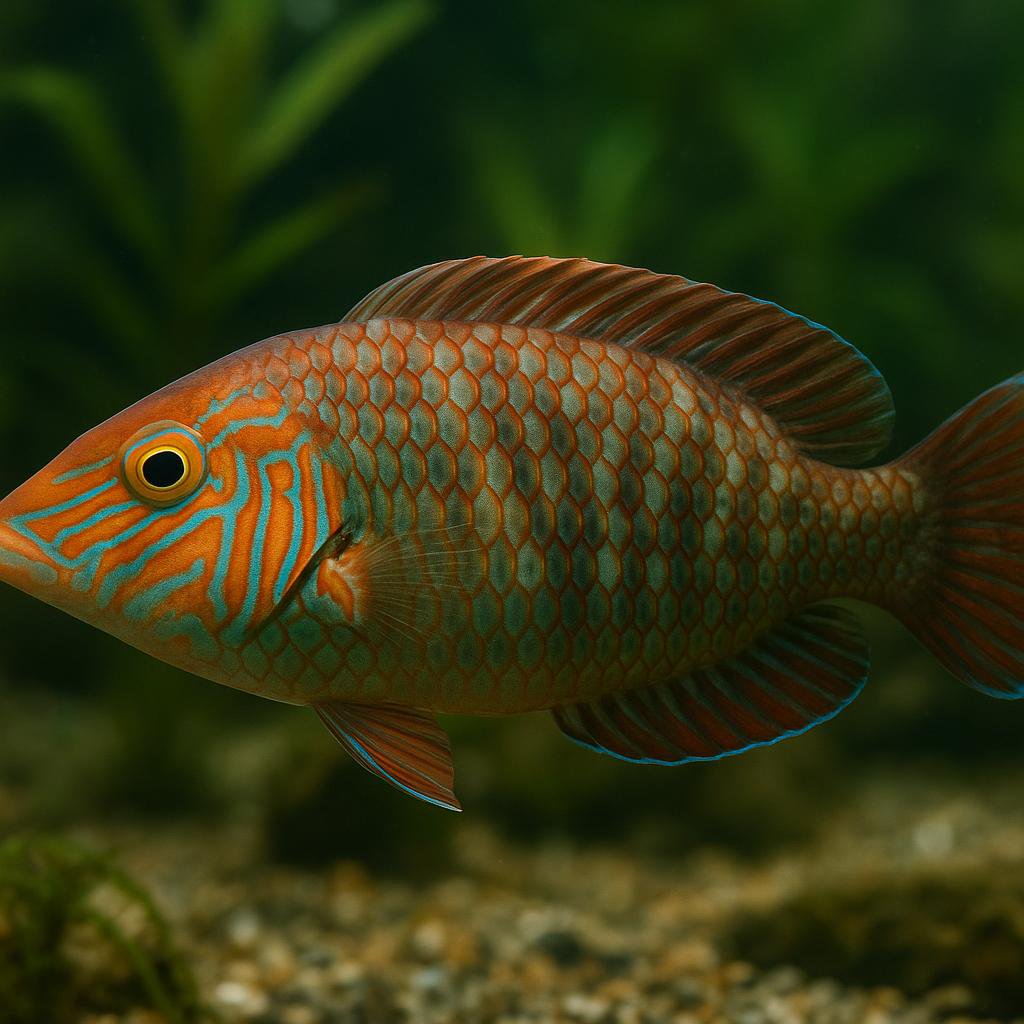
Blackspot razorfish
Iniistius dea
This is one of the coolest "knife-bodied" wrasses - it hangs over open sand and, when it gets spooked or wants to sleep, it literally torpedoes straight into the sand. Give it a deep, fine sand bed and it will act totally different (and way more natural) than a typical rock-hugging reef wrasse. Adults are usually shy and cruisy with tankmates, but they are not forgiving about rough handling or sketchy setups.
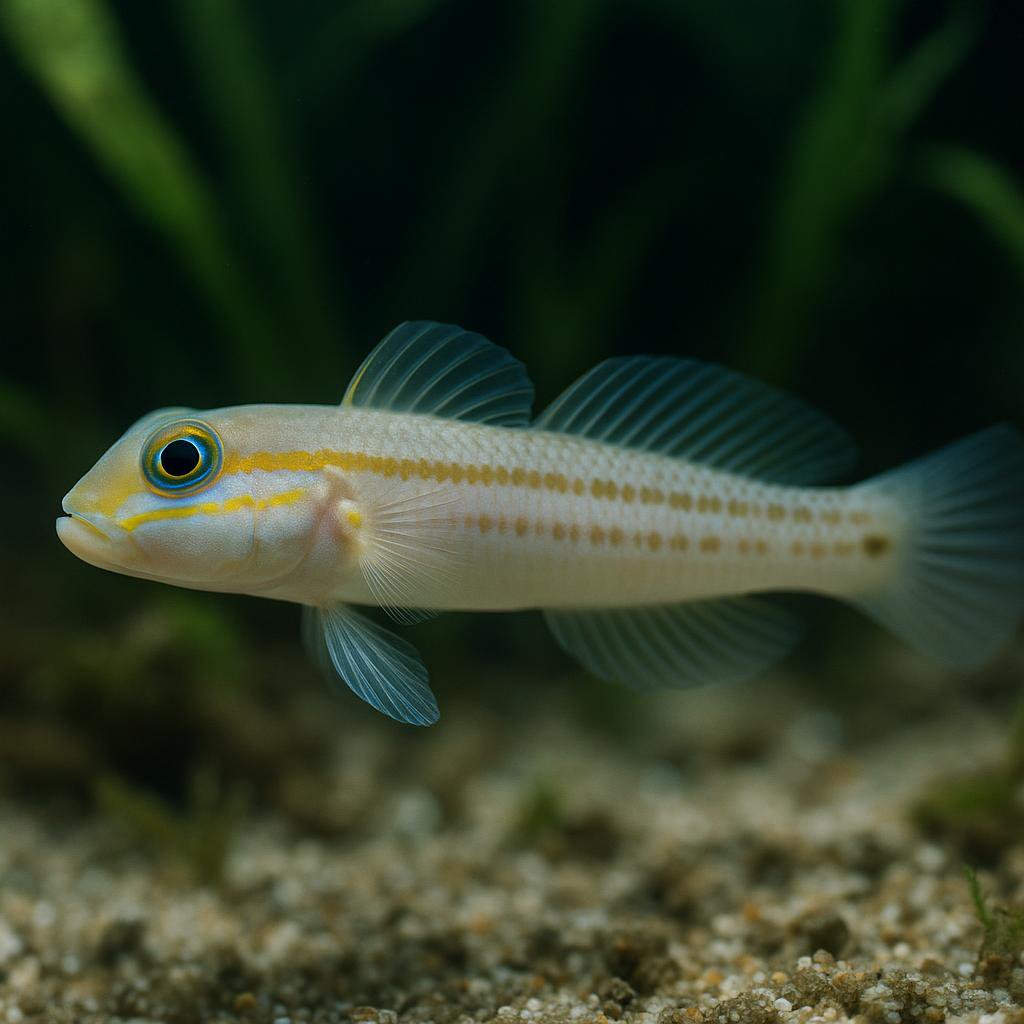
Blueband goby
Valenciennea strigata
This is that classic gold/yellow-headed sand-sifting goby with the little blue cheek stripe-always busy, always rearranging your sandbed. In a reef tank it'll spend the day taking mouthfuls of sand, filtering out tiny critters/foods, then "snowing" clean sand back out, and it'll usually claim a burrow area (often as a pair in the wild). It's super cool behavior-wise, but you really do need a mature tank with a proper sandbed and a lid because they can jump.
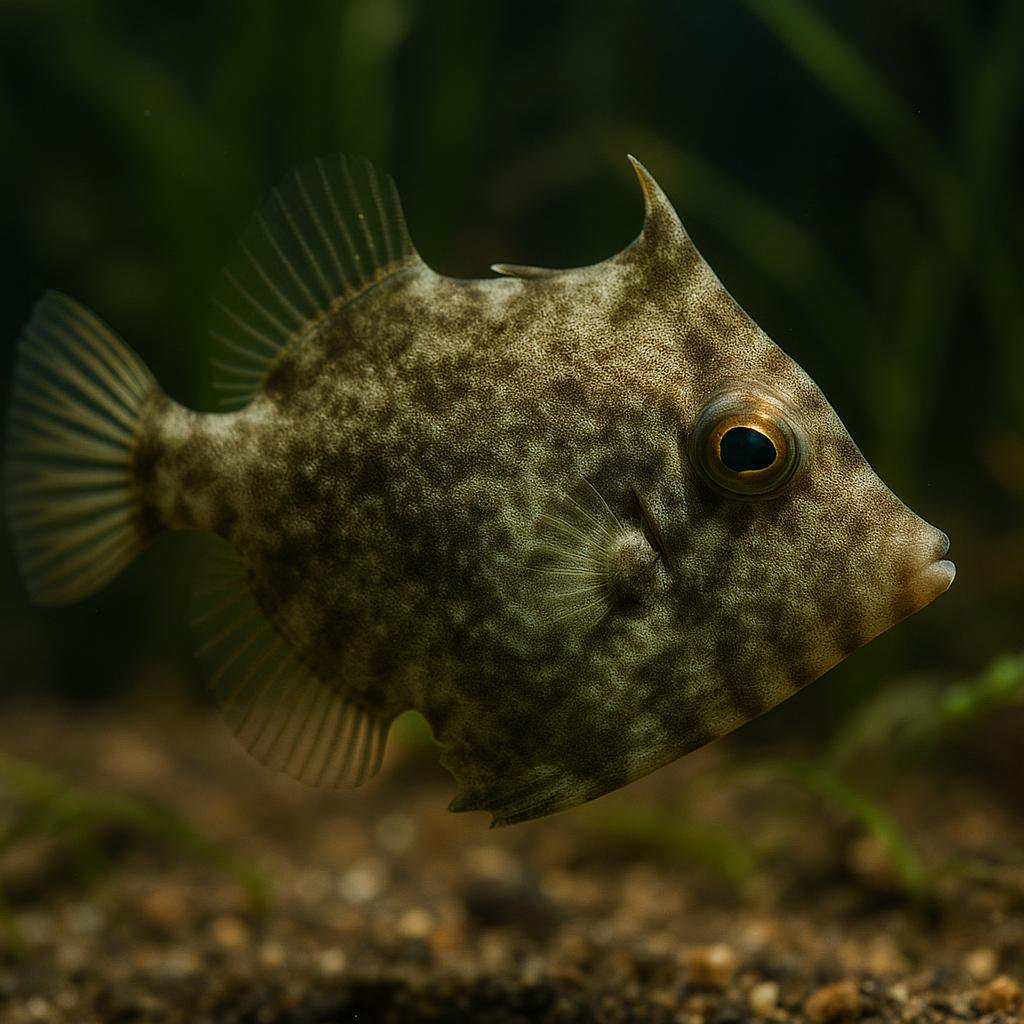
Bristletail Filefish (Aiptasia-Eating Filefish)
Acreichthys tomentosus
This little weirdo is one of my favorites because it's got that goofy filefish "face," a knack for wedging itself into rockwork, and a ton of personality once it settles in. People love them for the chance they'll snack on nuisance Aiptasia, but even when they're not on pest patrol they're just fun to watch cruise around and pick at stuff all day.
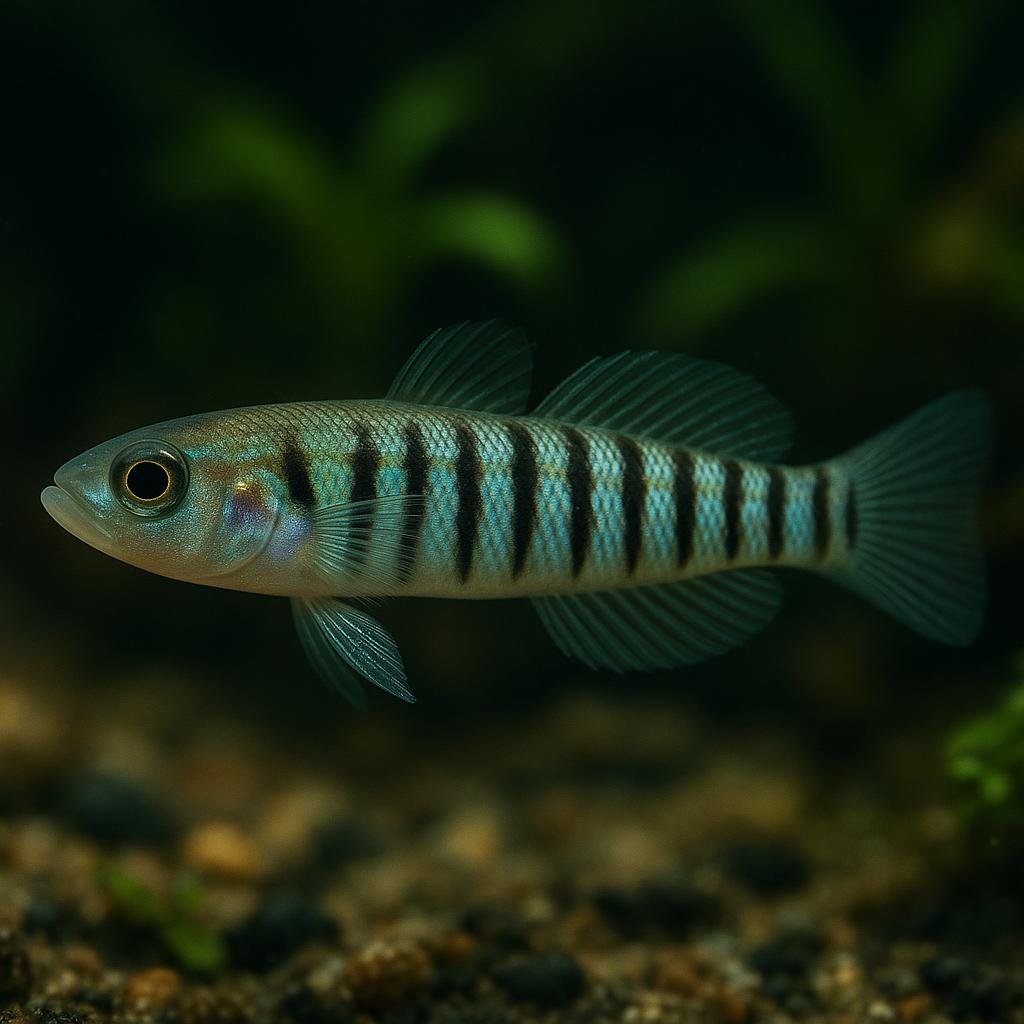
Chinese zebra goby
Ptereleotris zebra
Ptereleotris zebra is one of those slick, torpedo-shaped dartfish that likes to hover in the water column, then instantly zip back into a bolt-hole when it gets spooked. In the wild it hangs out on exposed seaward reefs in groups, often in current, and in a tank the big thing is giving it open swim room plus tight cover because it is absolutely a jumper.
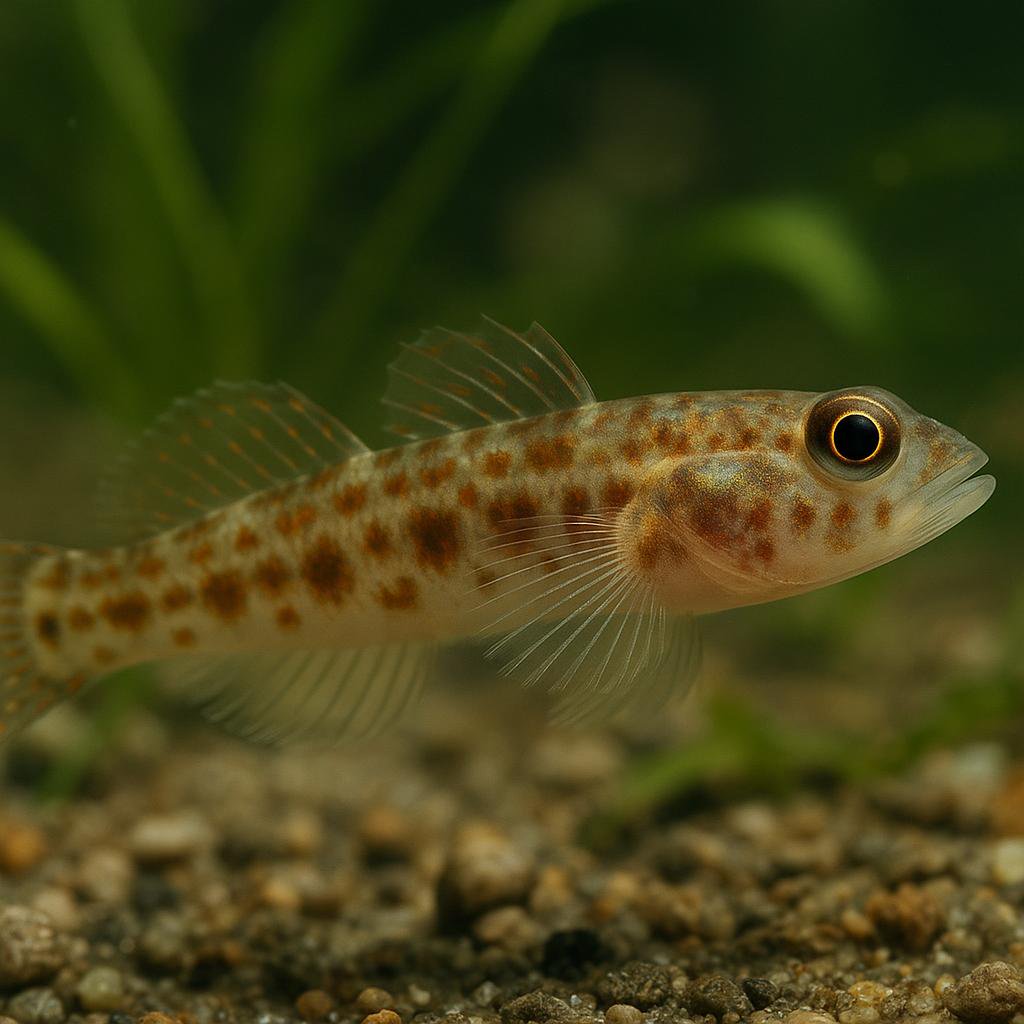
Common fusegoby
Fusigobius neophytus
A tiny sand-perching goby from Indo-Pacific reefs, it spends its days sitting on rubble or sand patches and making quick dashes for tiny prey. The body is semi-translucent with fine speckling and a small black spot on the first dorsal, and it usually shows up alone or in small loose groups.
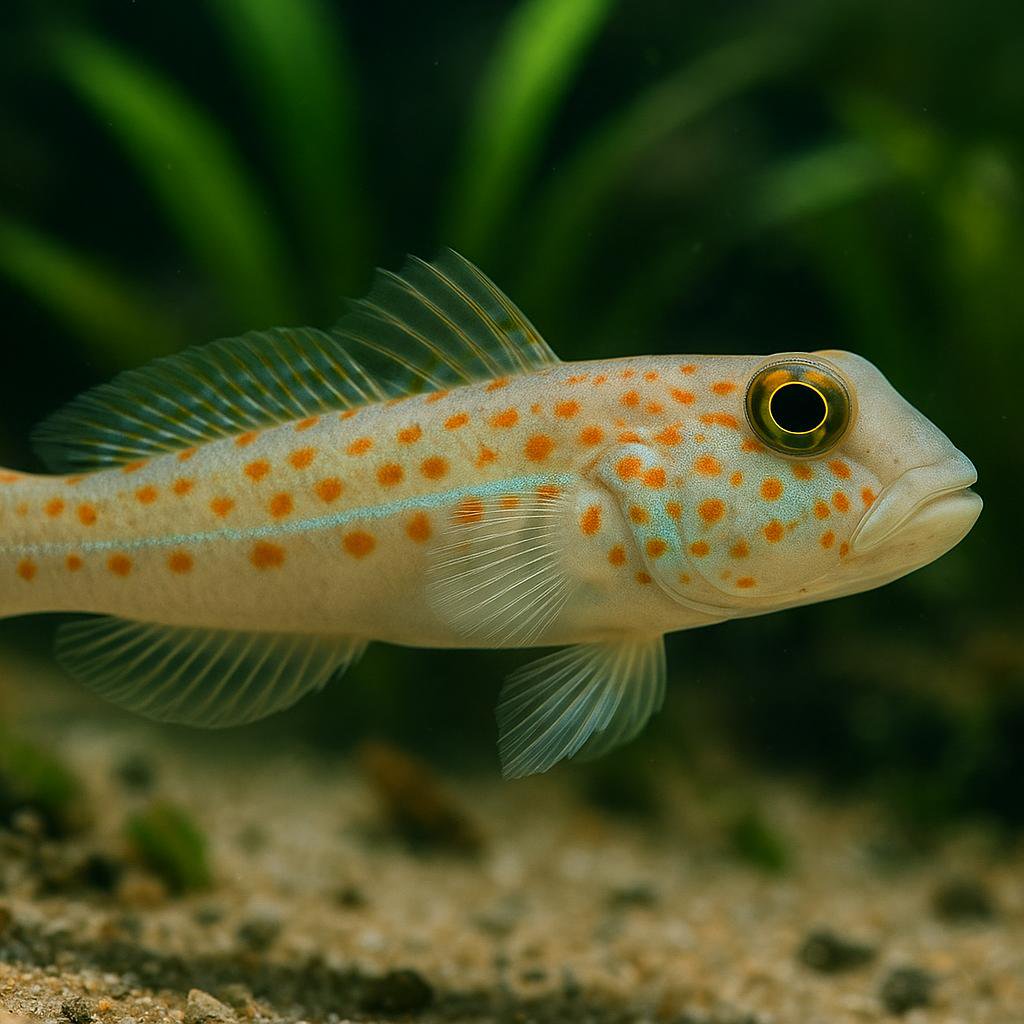
Diamond Watchman Goby
Valenciennea puellaris
This is that sand-sifting goby you'll see cruising the bottom, taking huge mouthfuls of sand and spitting it out like a little construction crew. It's awesome for keeping a sandy substrate looking clean, but it'll also redecorate-so anything sitting on the sand is gonna get buried or undermined sooner or later. Super cool personality too, especially once it picks a favorite burrow and starts "working" all day.
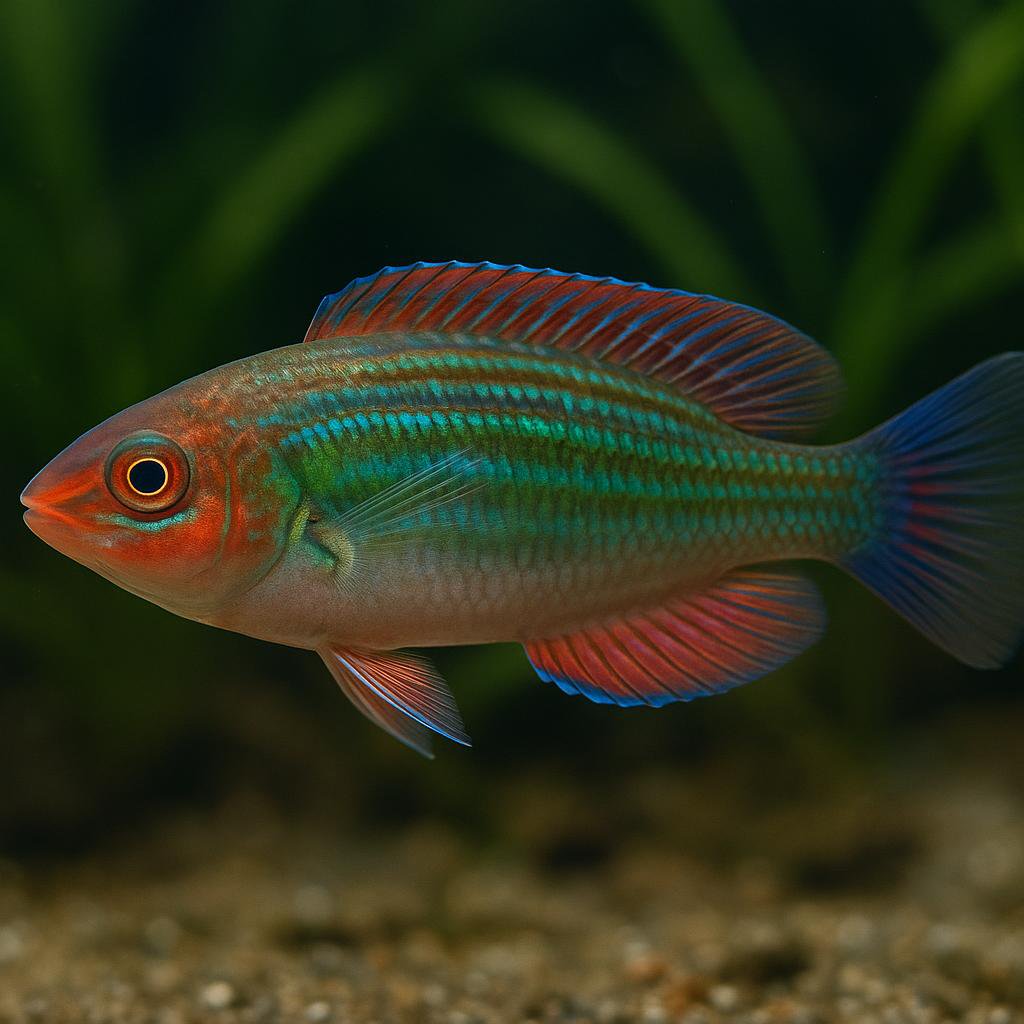
Exquisite wrasse
Cirrhilabrus exquisitus
This is one of those fairy wrasses that looks like it was painted with highlighters - males can shift through greens, reds, blues, and purples depending on mood and whether they are showing off. In a reef tank its usually out and cruising the water column, grabbing tiny meaty foods, and doing little display flare-ups at its own reflection or other wrasses. Biggest real-world gotcha is they are jumpers, so a tight lid or mesh top is basically mandatory.
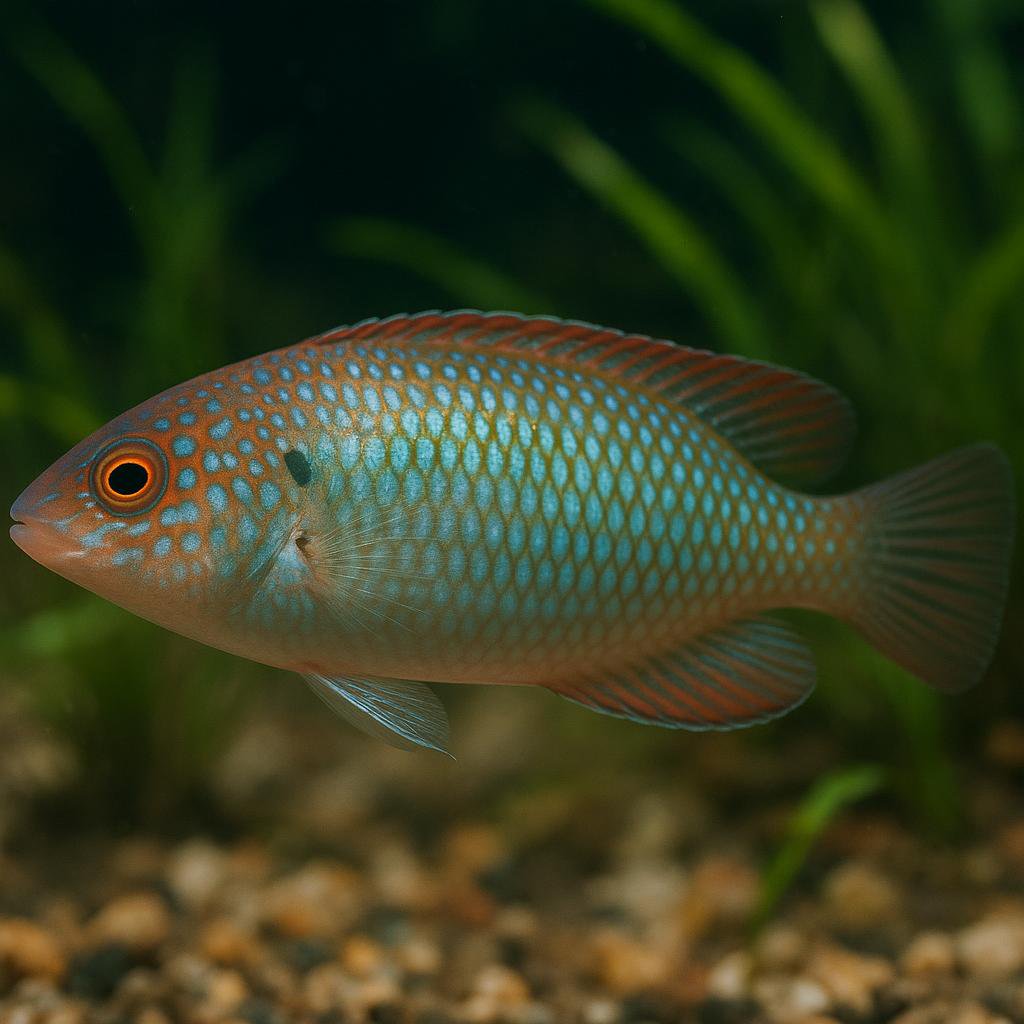
Finspot wrasse
Xenojulis margaritacea
This is a small Western Pacific wrasse that cruises shallow weedy and rubble zones, then dives into sand to sleep. Males get a burgundy body with green head striping and little spots on the fins, and it spends the day picking tiny invertebrates off macroalgae. In a tank it appreciates a deep sand bed and a tight lid.
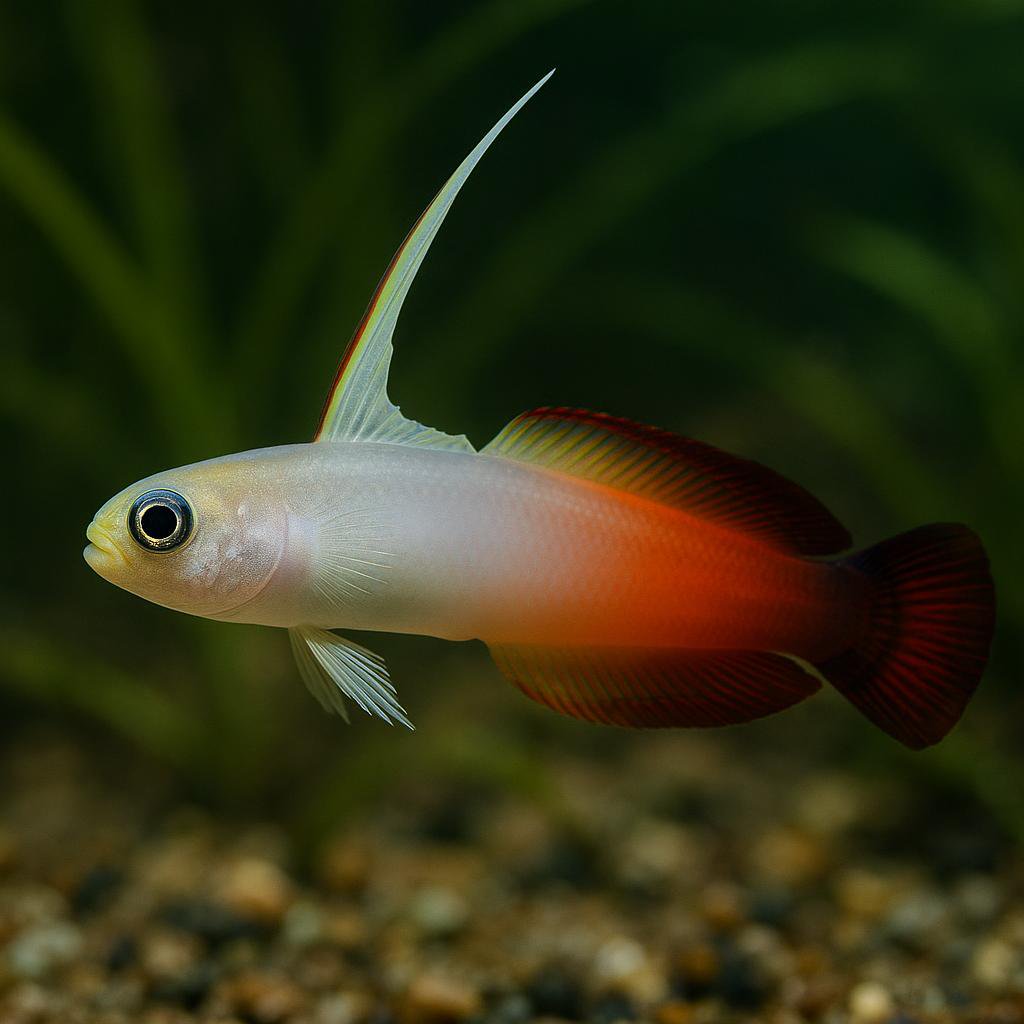
Firefish (Fire Goby / Fire Dartfish)
Nemateleotris magnifica
This is that little "hover-and-dart" reef fish with the yellow face and the white-to-red fade that looks like it was airbrushed on. It'll pick a bolt-hole in the rockwork, hang in the water column facing the current, and do that cute little flag-flick with the tall first dorsal fin when it's feeling bold.