

Bigeye lightfish
Danaphos oculatus
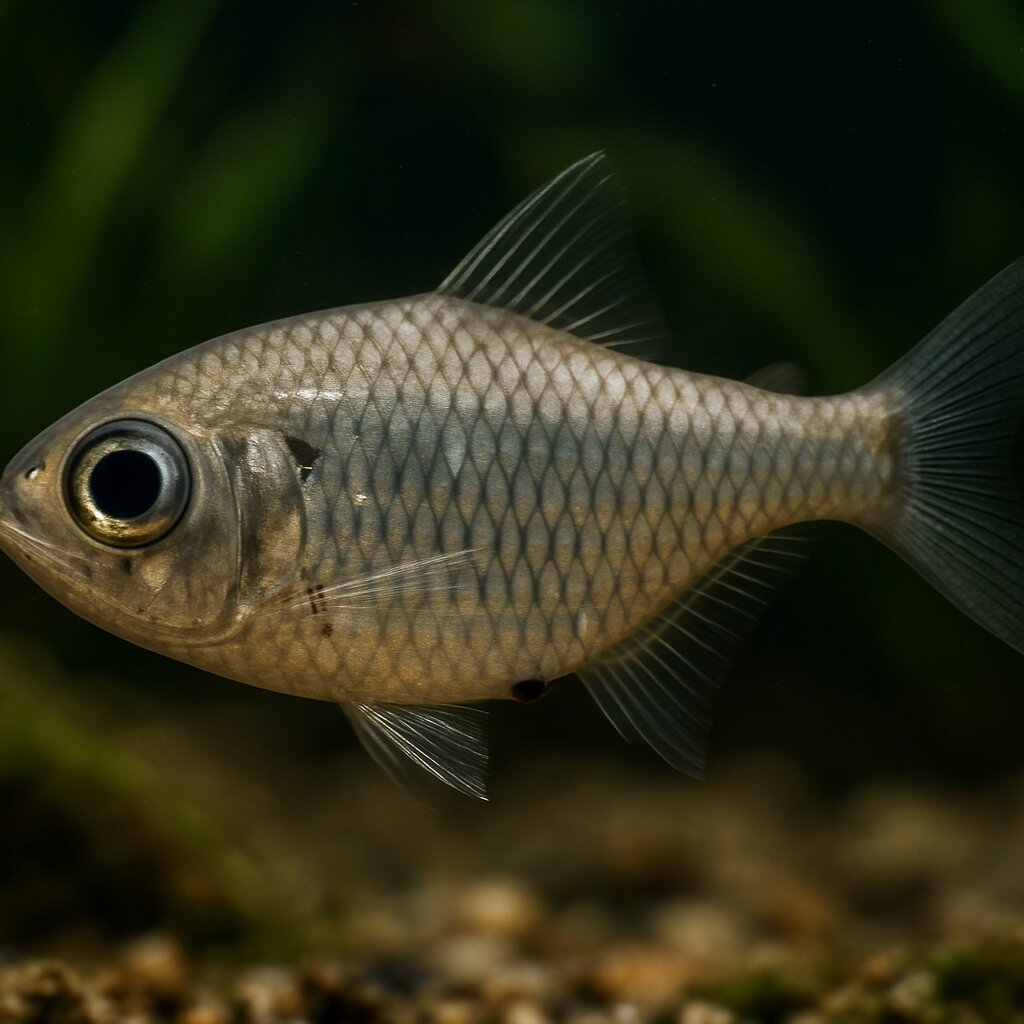
Bigeye lightfish (Danaphos oculatus) exhibit a translucent body with large, prominent eyes and luminescent organs along the sides.
This page includes AI-generated images. Why am I seeing AI images?
About the Bigeye lightfish
Tiny deep-sea bottlelight that hangs out 400-650 m down, flashing belly photophores and peering with big eyes. Adults stay petite at about 5.7 cm and turn up from the NE Pacific (British Columbia to California) out to Hawaii, with records in the SE Pacific too. Not an aquarium fish at all - it lives in cold, high-pressure darkness and munches large copepods, so it is one to admire in field guides rather than tanks. ([fishbase.se](https://fishbase.se/LarvalBase/Summary/LarvaSummary.php?genusname=Danaphos&speciesname=oculatus&utm_source=openai))
Also known as
Quick Facts
Size
5.7 cm (2.2 inches)
Temperament
Peaceful
Difficulty
Expert
Min Tank Size
0 gallons
Lifespan
Unknown - not well documented
Origin
Eastern and Central Pacific (NE Pacific to Hawaii) and SE Pacific
Diet
Zooplanktivore - large copepods (Pleuromamma, Euchaeta)
Water Parameters
4-7°C
7.8-8.2
0-0 dGH
Care Notes
- Run a chilled marine system and keep it dim - 6-10 C, blacked-out sides, and use a red flashlight if you want to peek at night.
- Give them open, midwater space with gentle, circular flow; skip heavy rockwork and cover pump intakes so they do not get pinned.
- Shoot for ocean salinity (SG 1.025-1.027) and high oxygen; big skimmer or O2 supplementation helps a lot in cold water.
- Feed after lights-out with small planktonic fare - live copepods, mysid nauplii, enriched brine, and very fine chopped krill - in multiple small doses.
- Keep them by themselves or with other cold, slow, pelagic species; fast reef fish and bright daytime setups stress them and steal their food.
- Acclimate in the dark and cold with a slow drip, and keep the room dim for a few days; temp spikes and bright light are the usual killers.
- Watch for shipping barotrauma signs like buoyancy issues and wall-bumping; move them with a specimen cup, not a net, to protect the skin.
- They are pelagic spawners and no home breeding records exist; enjoy their dusk-to-night cruising rather than expecting fry.
Compatibility
Good Tankmates
- Flashlight fish (Anomalops or Photoblepharon) that cruise calmly in low light
- Pinecone fish and other shy cave lurkers that like dim tanks and wont hassle midwater swimmers
- Peaceful cardinalfish like pajama or banggai cardinals that hang out and dont chase
- Small assessors and gramma basslets that keep to the rockwork and stay mellow
- Tiny gobies and combtooth blennies that mind their own business and wont outcompete them
Avoid
- Predators like lionfish, scorpionfish, and groupers that will treat slender lightfish as food
- Fast, boisterous cruisers like big tangs and large wrasses that spook them and steal all the food
- Territorial nippers such as aggressive damselfish, dottybacks, or a cranky sixline wrasse
Where they come from
Bigeye lightfish are mesopelagic wanderers found in tropical and subtropical oceans around the world. They hang out in the deep scattering layer by day and ride the nightly elevator up toward shallower water to chase plankton. Think 200-700 m most of the time, with big eyes and rows of tiny lights (photophores) to match that dim world.
- Range: pretty much global in warm seas
- Lifestyle: midwater, not reef-bound
- Daily routine: deeper by day, shallower at night
Setting up their tank
This is a specialist fish. If you do not have a chiller, blackout options for the tank, and a plan for heavy plankton feeding, skip this species.
You want a quiet, dim, chilled midwater setup. They are easily spooked and do best in open water with gentle, even flow. Think more like a jellyfish kreisel than a coral tank.
- Volume: 150-300 liters for a small group. Bigger is easier to keep stable.
- Temperature: 14-18 C is the sweet spot in my experience. A reliable chiller is non-negotiable.
- Salinity: 34-35 ppt. pH 8.0-8.3. Keep it steady.
- Lighting: extremely dim. I black out three sides and use red film over a small inspection light. They hate bright, white light.
- Flow: wide, laminar flow. Avoid point-source jets. Round corners or a kreisel-style display helps prevent panic injuries.
- Cover: tight lid. They will bolt to the surface if startled.
- Aquascape: open water. A dark back and bottom (vinyl wrap or paint) cuts reflections. A little live rock in a sump is enough for biofiltration.
- Filtration: oversized skimmer and good mechanical filtration. You will feed a lot of fine foods and need to pull out the leftovers.
- Oxygen: keep O2 high. Cold water holds more oxygen, but I still run strong gas exchange and surface agitation.
Tape over any tiny indicator LEDs. Even a blinking power light can set them off. Red light is your friend for observation.
Quarantine them in the same kind of dim, chilled conditions. Lights out for the first 24 hours, then peek with red light only. I drip acclimate slowly and keep the room dark the whole time.
What to feed them
They are midwater plankton pickers. Moving food flips the switch for them, especially after lights-out.
- Live foods to start: copepods (Acartia, Parvocalanus), small mysids, enriched Artemia nauplii. This gets them eating reliably.
- Frozen options once they settle: Calanus, Cyclops, finely chopped mysis, fish eggs. I target-feed with a long tube into the midwater.
- Feeding schedule: several small dusk-to-night feedings. I do 3-5 micro-meals and watch bellies. Slight, even fullness is the goal.
- Enrichment: add HUFA/omega enrichment to live/frozen a few times a week.
- Avoid: big chunks, dry pellets, and bright feeding times. They often ignore static food in bright light.
Set your lights to a long dusk. Start the first feeding right as the tank dims, then do the rest under red light.
How they behave and who they get along with
Quiet, schooling, and easily startled. They sit midwater, orient to the current, and pulse forward to grab passing specks. A lone fish tends to sulk and stop eating; a small group settles much better.
- Group size: 6+ is ideal if you can source them. Three is the bare minimum I would try.
- Tankmates: best as a species-only project. Fast swimmers, bright lights, or boisterous feeders will stress them and outcompete them.
- Activity: mostly crepuscular to nocturnal in captivity. Expect very low daytime movement if the room is bright.
If you must try companions, pick cold, gentle midwater plankton feeders of similar size and temperament, and keep lighting very low. Test with a divider first.
Breeding tips
Realistically, this is one for public aquariums with specialized plankton systems. Bigeye lightfish are pelagic spawners with tiny drifting eggs and larvae. I have not seen or heard of a confirmed home spawning, and you would need live marine plankton at multiple sizes around the clock to raise fry.
Common problems to watch for
- Refusal to eat: usually lighting or flow is wrong. Darken the tank, switch to moving live foods, and feed at dusk.
- Panic injuries: nose rubs and scale loss happen after sudden light or vibration. Keep the room calm, pad the lid, and use rounded corners or a kreisel.
- Barotrauma from collection: some arrive with buoyancy issues. If they cannot hold position and keep floating or sinking, survival is hit-or-miss.
- Heat spikes: anything over ~18 C for long stretches will stress them. Have alarms on the chiller and a backup plan.
- Bacterial infections: abrasion spots can fuzz up fast in warm, dirty water. Keep it cold, keep it clean, and avoid harsh meds. If you treat, use gentle options like short baths of nitrofurazone or a low-dose praziquantel for worms once they are feeding.
- Competition: any tankmate that blasts around at feeding time will starve them out. Feed them first, with the room dim, and scatter food into the current.
Collection and shipping are rough on deepwater fish. Buy only from a source that collects them shallow at night (light traps) and ships cold and dark. If they arrive rolling or with bulging eyes, do not expect miracles.
Little details that helped me: black vinyl on sides and bottom, foam strip under the lid to soften jumps, and a feeding tube that releases food midwater so they do not have to chase it to the surface or floor.
Similar Species
Other marine peaceful species you might be interested in.
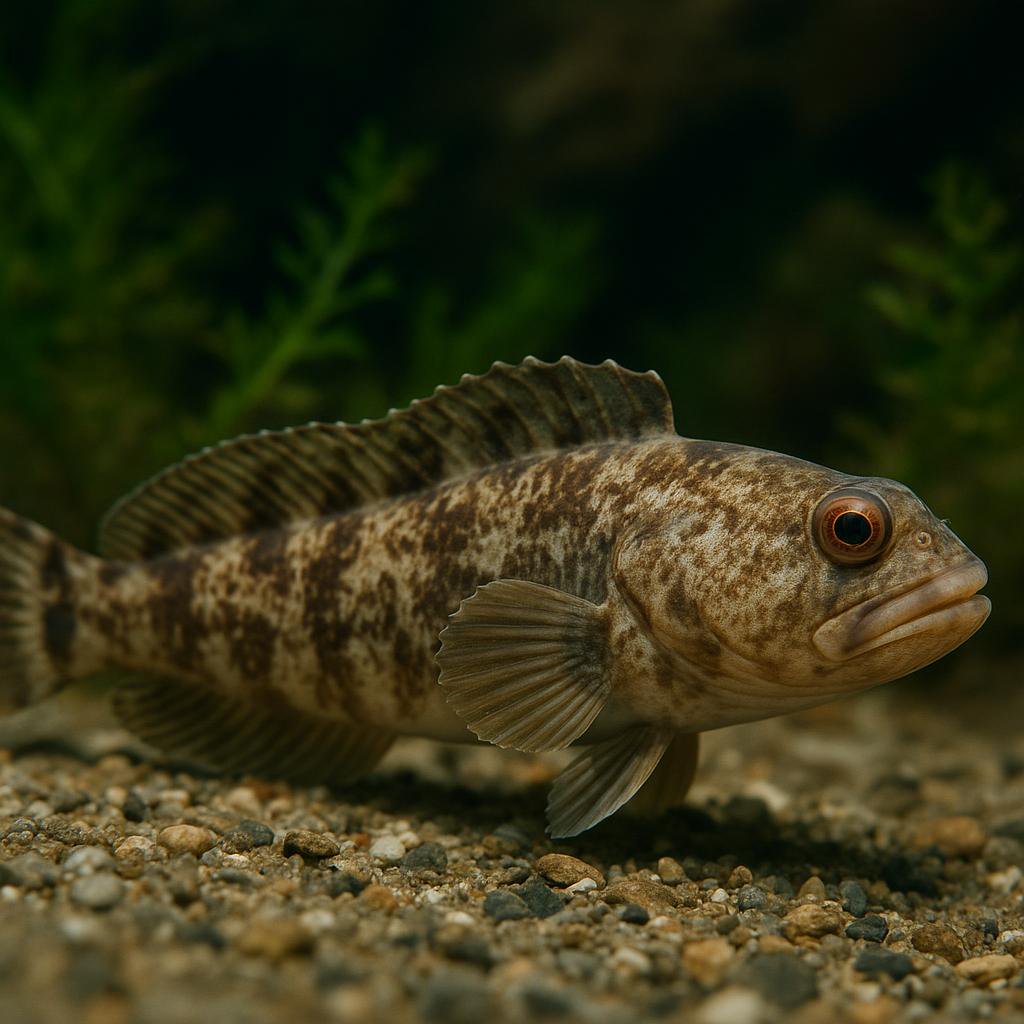
Abe's eelpout
Japonolycodes abei
Japonolycodes abei is a temperate, deepwater demersal eelpout (family Zoarcidae) endemic to Japan (Kumano-nada Sea reported; other sources also report Sagami Bay and Tosa Bay). It is the only species in the genus Japonolycodes and occurs roughly 40-300 m depth, making it an uncommon/atypical aquarium species.
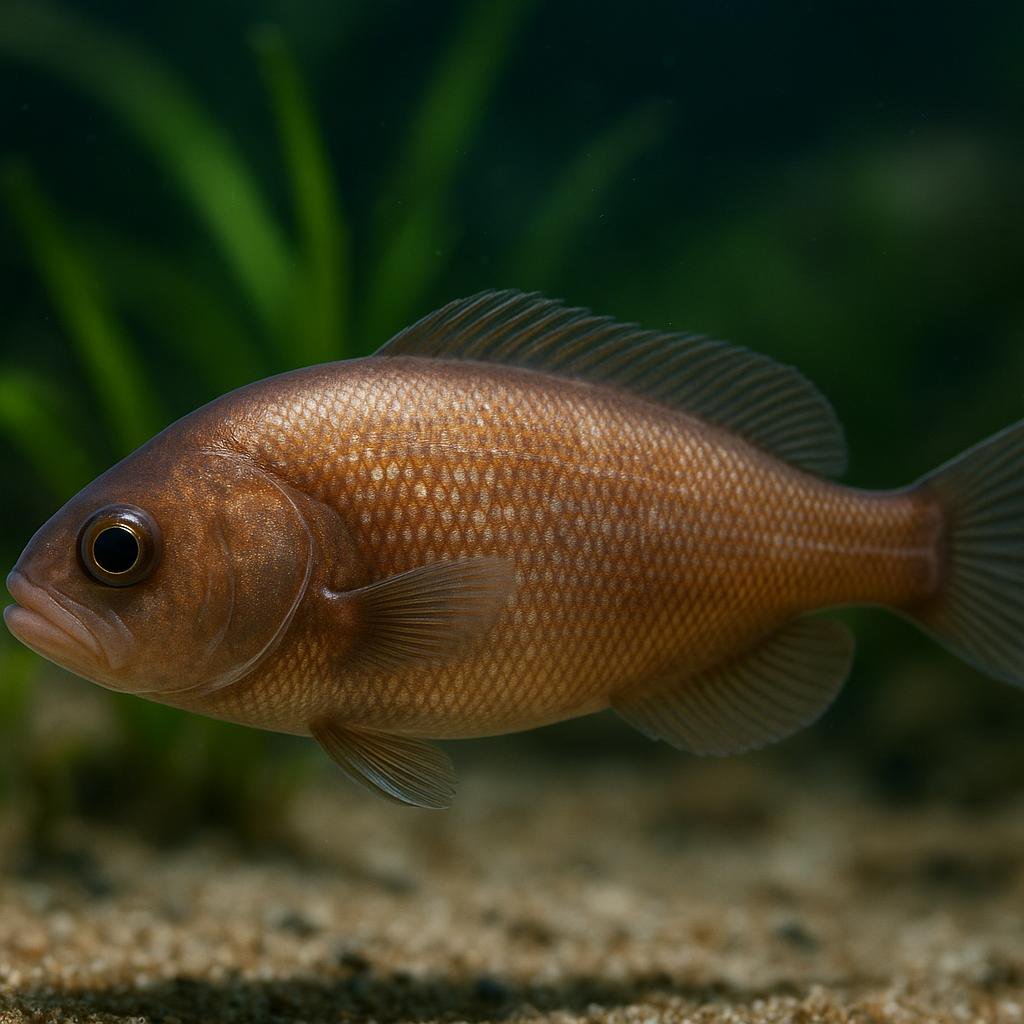
Affinis blind cusk-eel
Barathronus affinis
Barathronus affinis is a tiny, super-weird deep-sea blind cusk-eel from the western-central Indian Ocean. It is one of those gelatinous, loose-skinned brotula-type fishes that live way down in the dark and are basically never seen alive, so almost everything we know comes from preserved specimens and taxonomic work.
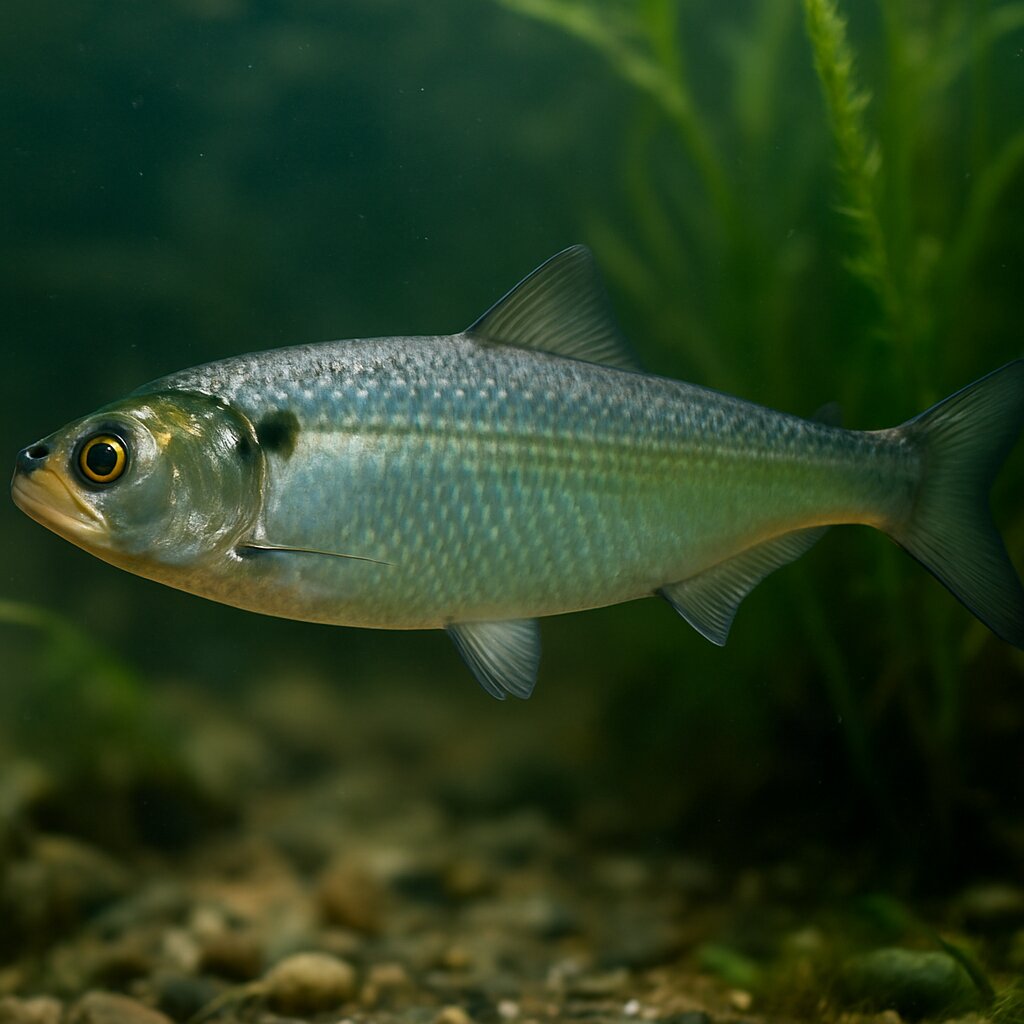
Allis shad
Alosa alosa
Gorgeous silver, fast-swimming shad that spends most of its life in the sea and then surges up big rivers in noisy, surface-spawning schools. It grows huge for a herring-type fish and needs cool, ultra-oxygenated water and tons of open space, so it is a public-aquarium species rather than a home tank fish.
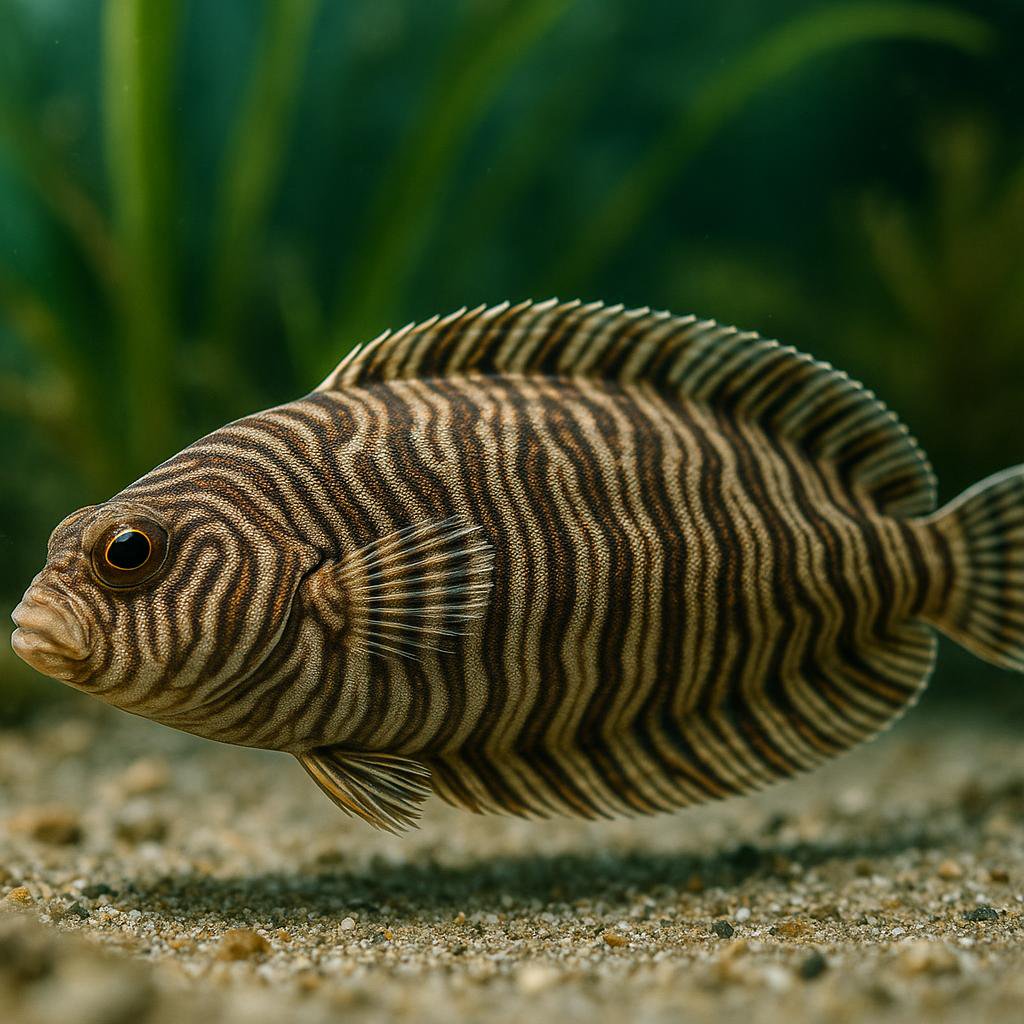
Annandale's zebra sole
Zebrias annandalei
Zebrias annandalei is a small demersal sole from coastal India that inhabits sandy or muddy bottoms and buries for camouflage. It is rarely kept in home aquaria and would require a specialized marine sand-bottom setup and appropriate feeding.
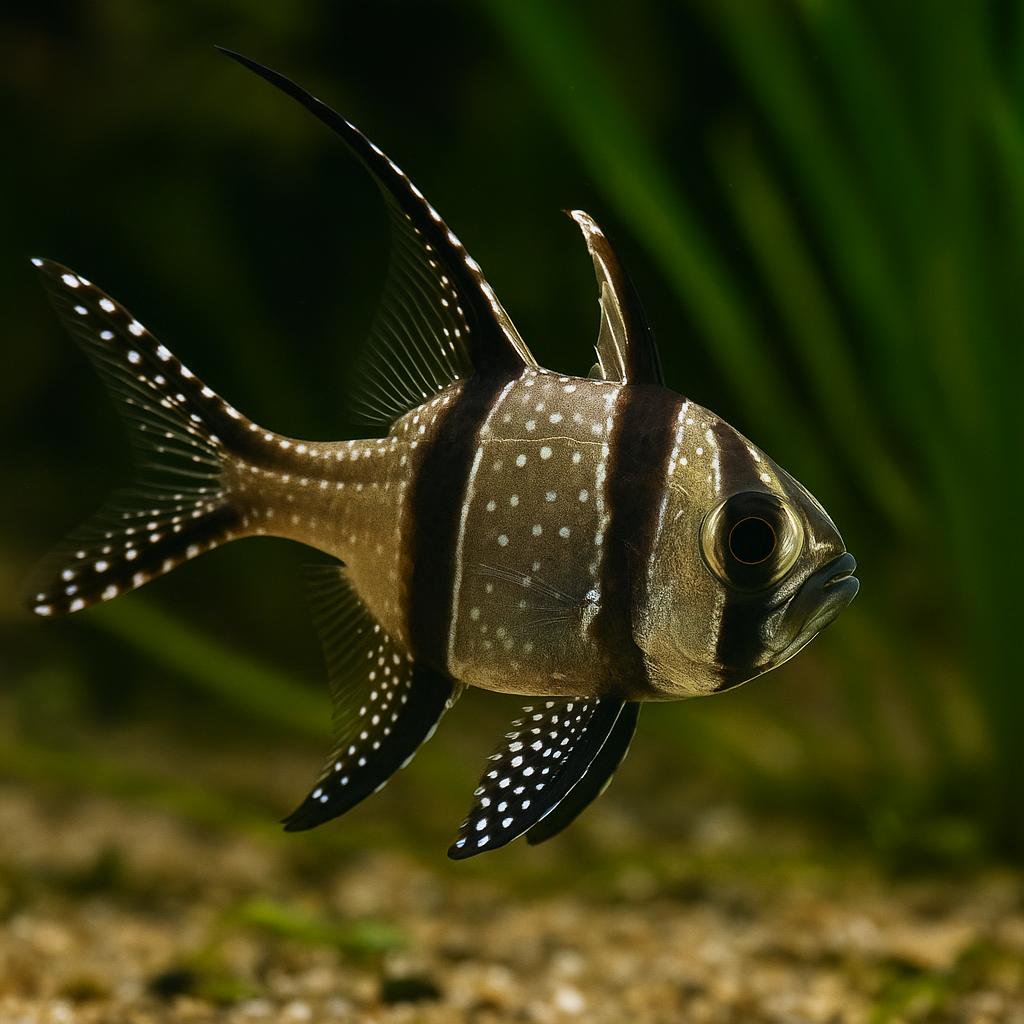
Banggai Cardinalfish
Pterapogon kauderni
Banggai cardinals just sort of hover like little underwater satellites, and the bold black bars with those long, polka-dotted fins look unreal under reef lighting. They're super chill most of the time, but once a pair forms you'll see real "fish drama," and the male will even mouthbrood the babies like a champ.
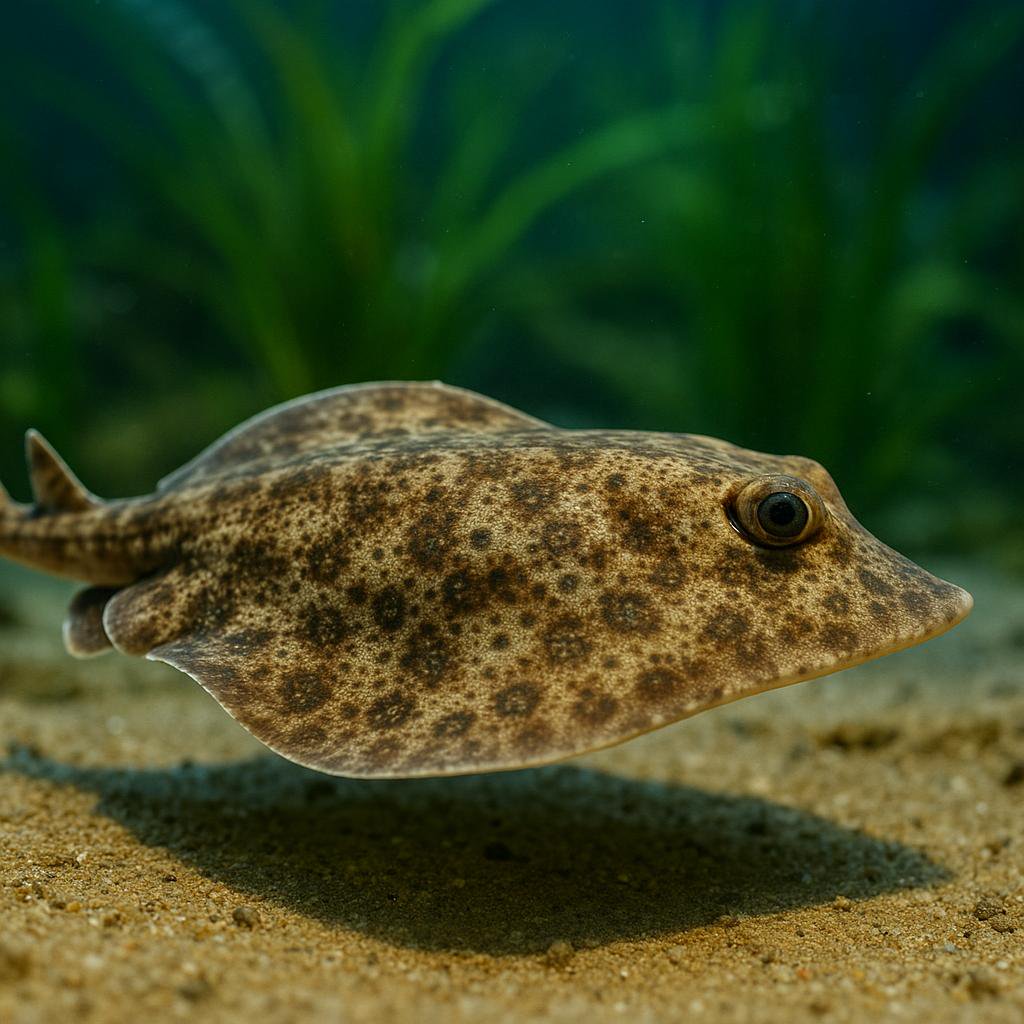
Barbedwire-tailed skate
Notoraja martinezi
Notoraja martinezi is a deepwater skate from the eastern Pacific (Costa Rica down to Ecuador) that lives way down on soft bottoms. The tail is the giveaway - it is lined with strong, hooked thorns that really do look like barbed wire. This is absolutely not an aquarium fish; it is a cold, high-pressure deep-sea animal with basically no practical home care info because it is not kept in the hobby.
More to Explore
Discover more marine species.
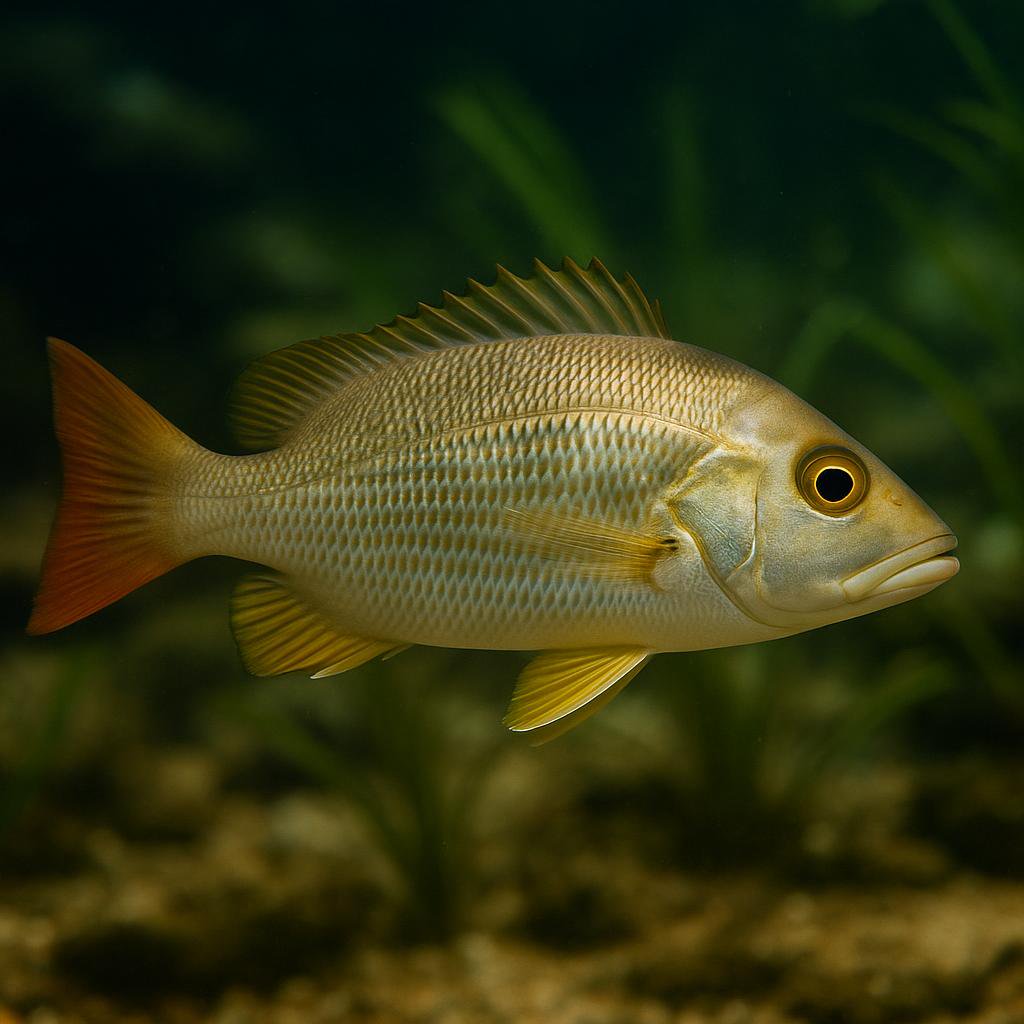
African red snapper
Lutjanus agennes
This is a true snapper from West Africa - a big, fast-growing predator that goes from coastal reefs to brackish lagoons and estuaries (especially as a juvenile). Super cool fish in the wild, but it gets absolutely huge and will eat smaller tankmates once it has the mouth for it, so its really more of a public-aquarium scale animal than a home-aquarium fish.
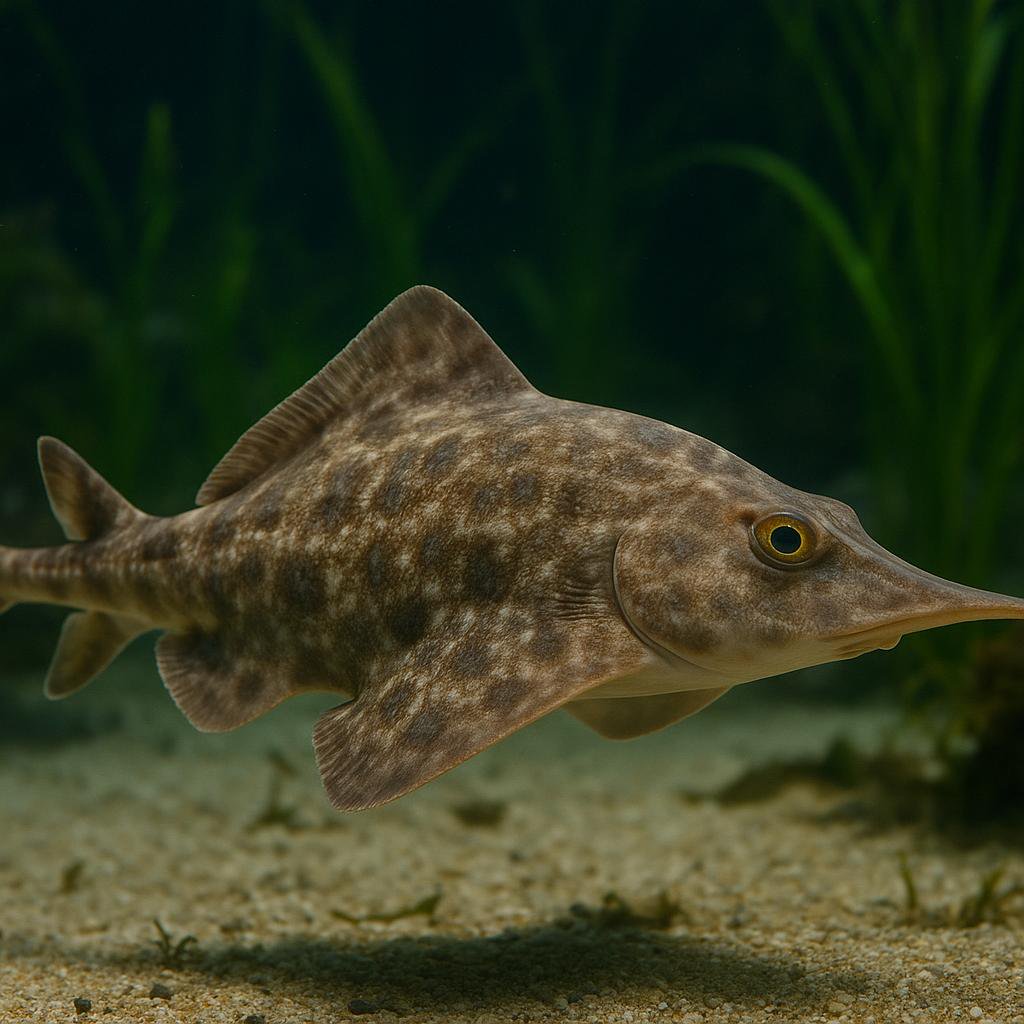
Aleutian skate
Bathyraja aleutica
This is a big, cold-water deep-slope skate from the North Pacific that cruises muddy bottoms and eats chunky benthic prey like crabs and shrimp. The really cool bit is its egg-laying skate life - it does distinct pairing (the classic skate "embrace") and drops those tough egg cases on the seafloor. Not an aquarium fish at all unless you're basically running a public-aquarium-style chilled system.
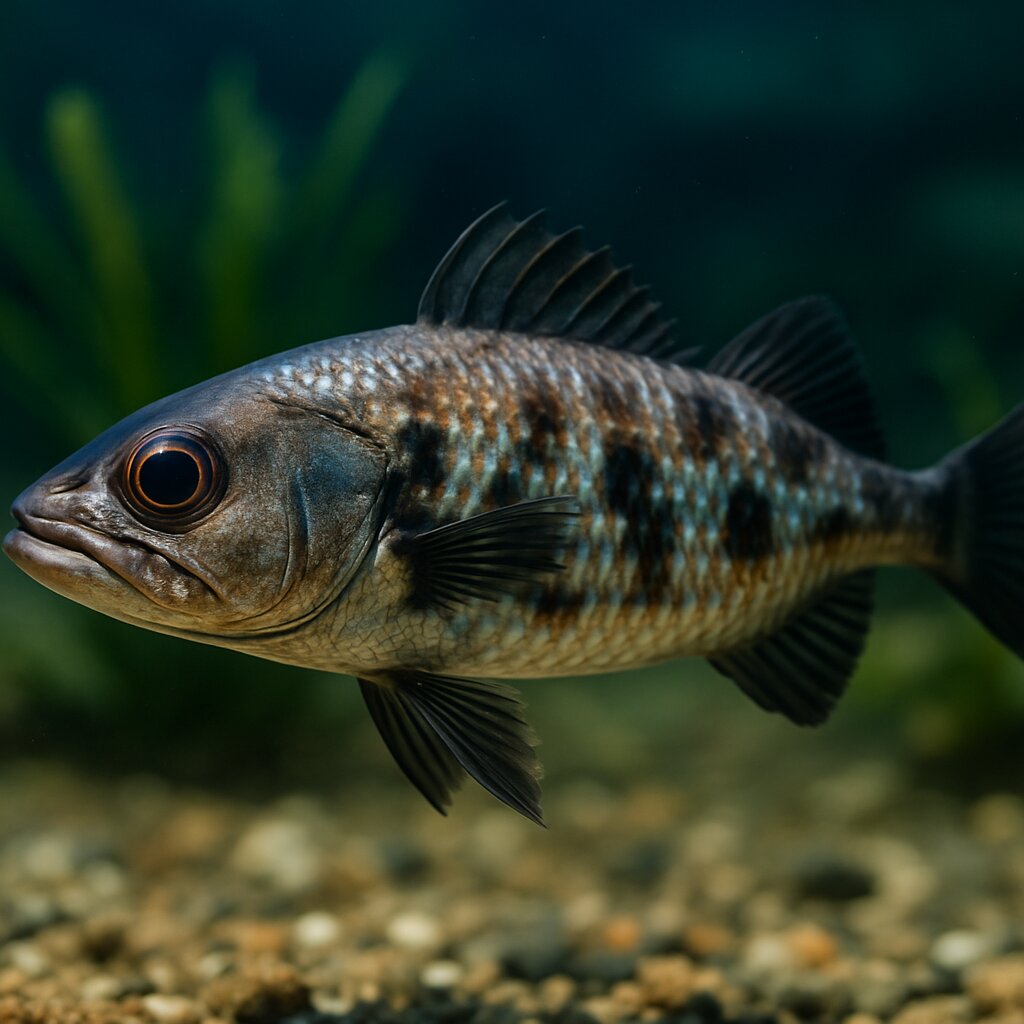
Antarctic dragonfish
Vomeridens infuscipinnis
Deep down around Antarctica, this sleek dragonfish cruises the water column like a little submarine, nearly neutrally buoyant so it can hover above the seafloor. It munches almost exclusively on Antarctic krill and lives in near-freezing water 500-800 m down, so it is a cool species to read about, not one for home tanks.
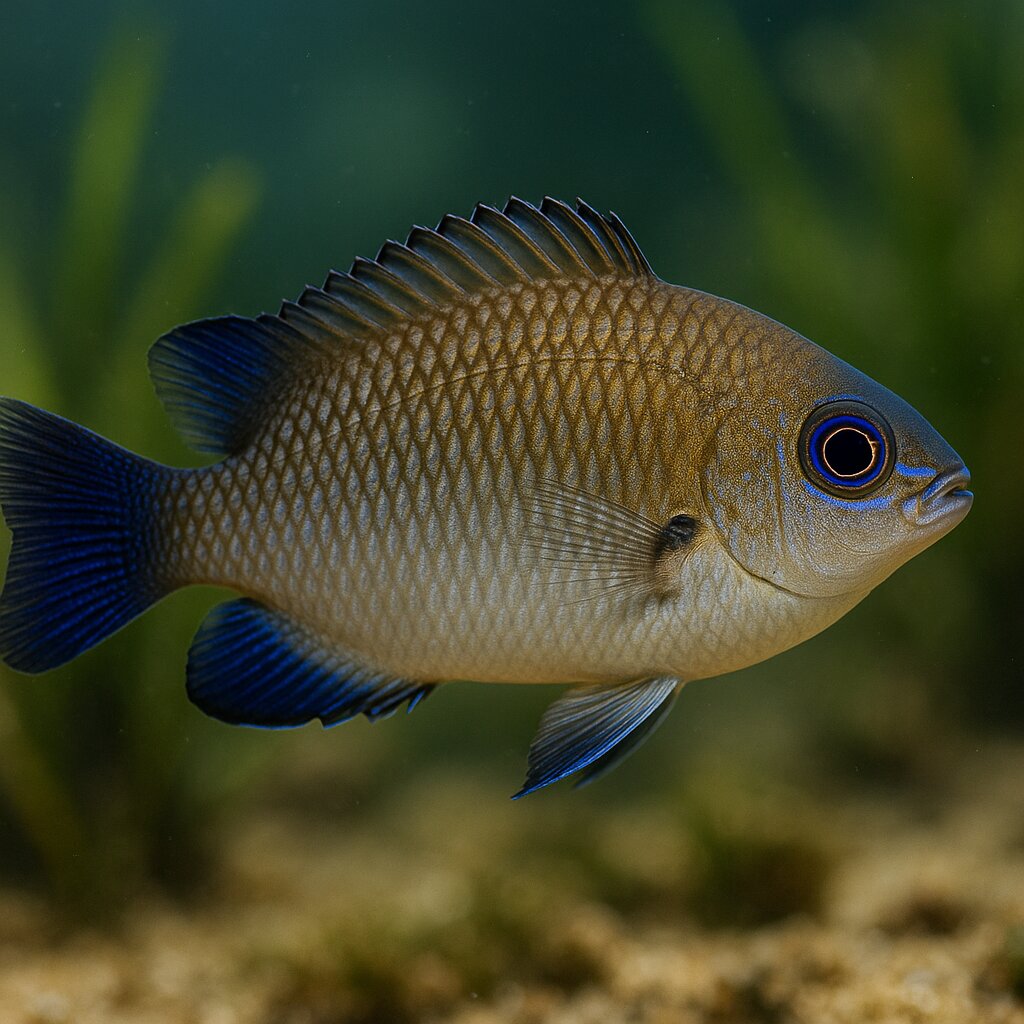
Arabian demoiselle
Neopomacentrus sindensis
A small lyretail damsel from the Persian Gulf and Arabian Sea, it hangs in loose groups around coral heads, rocks, and even pier pilings picking zooplankton from the flow. Think classic damsel toughness with a slightly milder attitude than the real bruisers, plus subtle yellow tail accents. Males clean a patch, get a mate to lay eggs there, and then stand guard fanning the clutch.
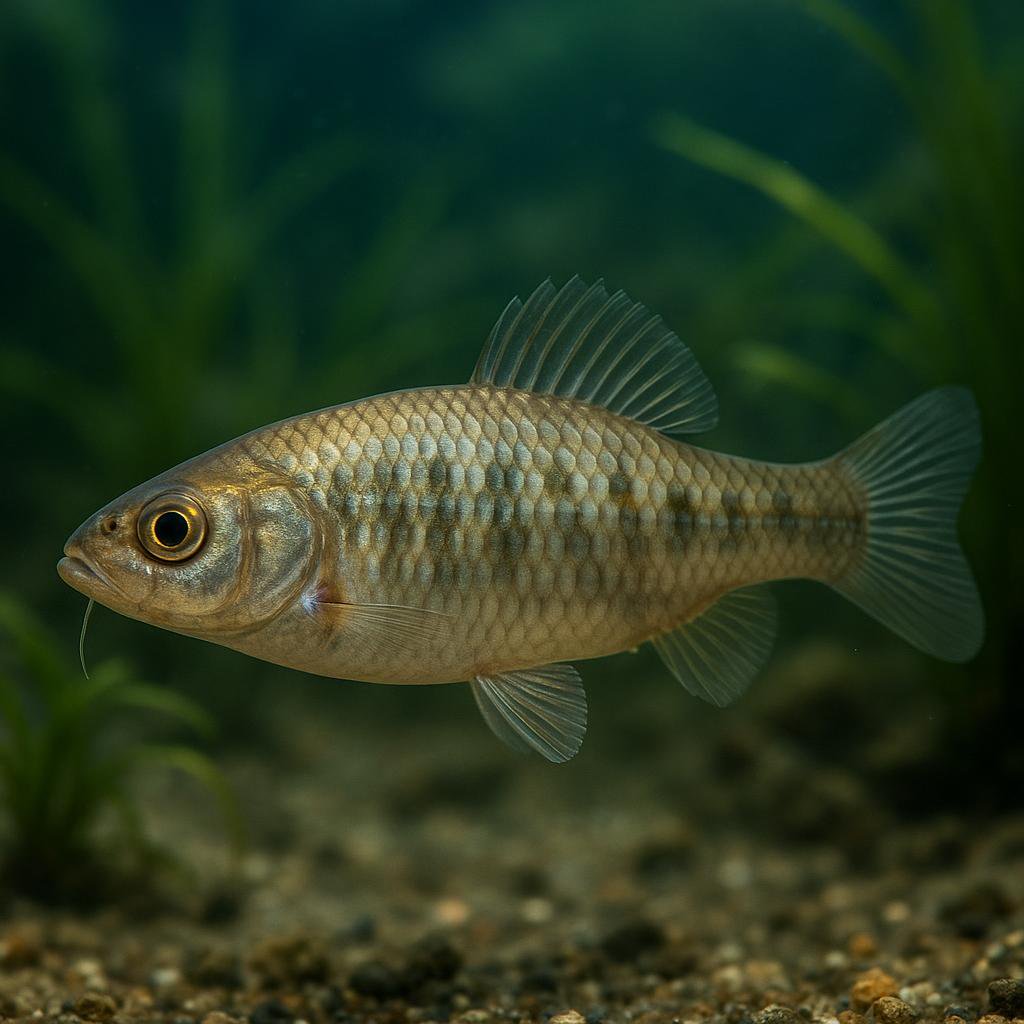
Arabian spiny eel
Notacanthus indicus
Notacanthus indicus is a deep-sea spiny eel (family Notacanthidae; not a true eel) known from the Arabian Sea on the continental slope at roughly ~960–1,046 m depth, with reported maximum length around 20 cm TL; it is a deep-water bycatch species and not established in the aquarium trade.
Arctic rockling
Gaidropsarus argentatus
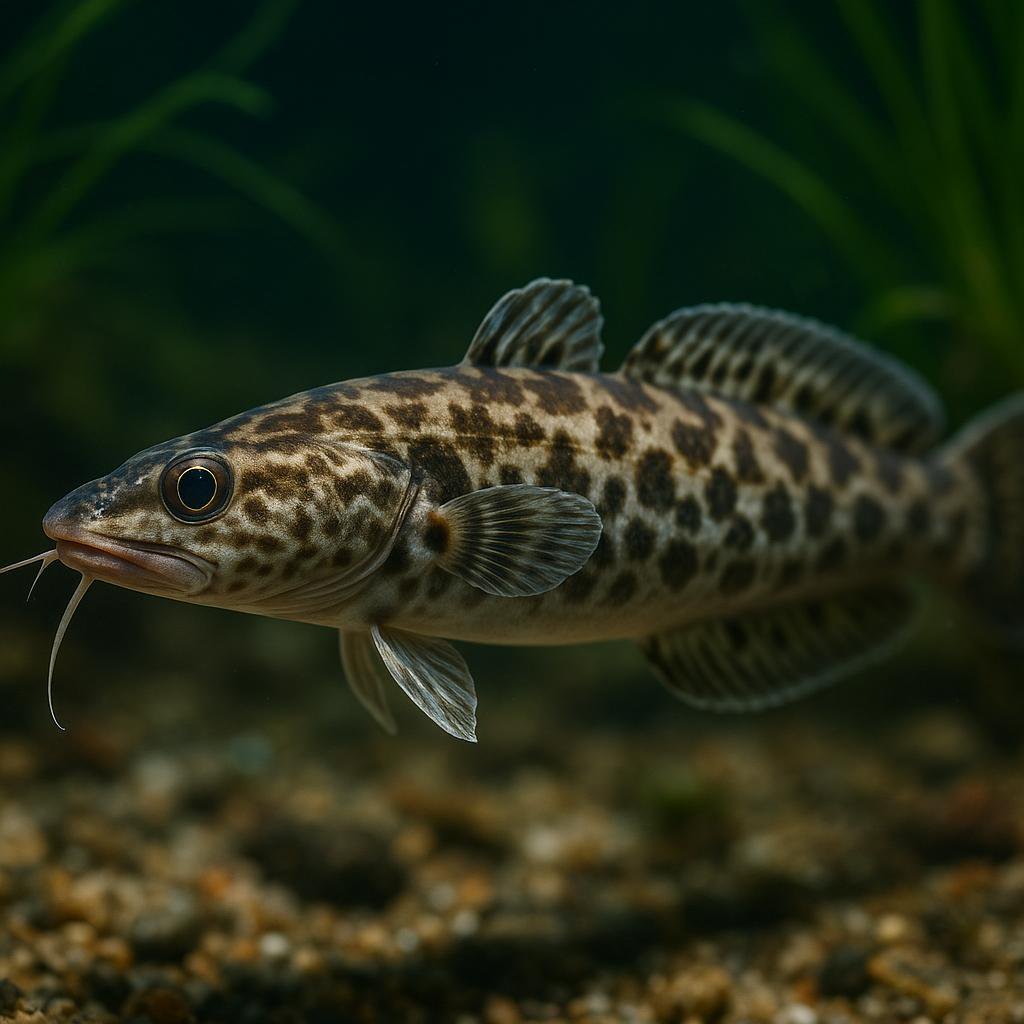
This is a deepwater North Atlantic rockling (a cod relative) that hangs out on soft bottoms way down the slope. It is a cold-water, bottom-hugging predator that snoots around for crustaceans and will also take small fish when it gets the chance.
Looking for other species?