

Big-eye anchovy
Anchoa lamprotaenia
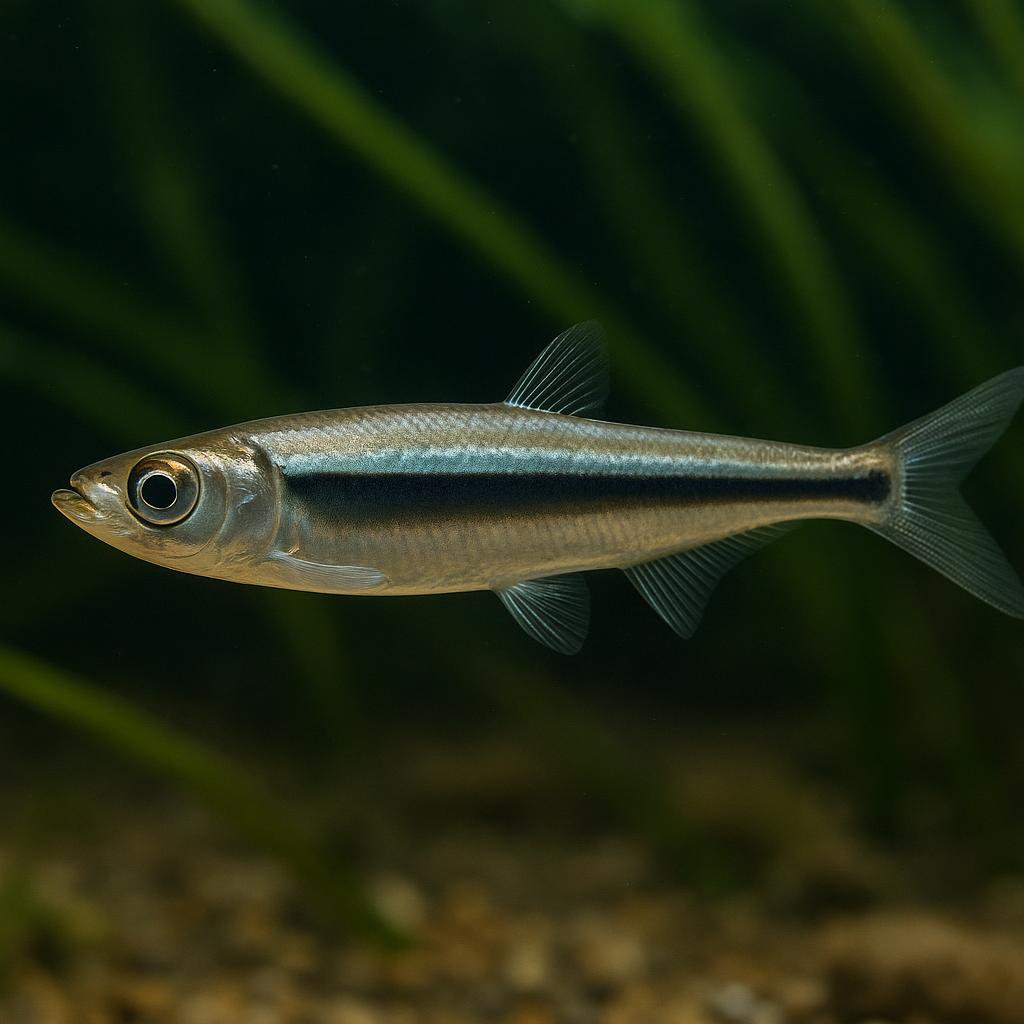
Big-eye anchovies are recognized by their large eyes, slender bodies, and silvery scales, often exhibiting a faint blue-green sheen.
This page includes AI-generated images. Why am I seeing AI images?
About the Big-eye anchovy
Anchoa lamprotaenia is a slim, silvery little anchovy from warm western Atlantic coastal waters, with that clean silver side stripe and big eyes that make it look extra sharp. It is a pelagic, open-water schooling fish that spends its life cruising near the surface and picking zooplankton out of the water column. In practice its not really an aquarium species, because it wants constant swimming room, high oxygen, and a steady supply of tiny foods.
Also known as
Quick Facts
Size
12.2 cm SL
Temperament
Peaceful
Difficulty
Expert
Min Tank Size
75 gallons
Lifespan
2-4 years
Origin
Western Central Atlantic (Greater Caribbean and nearby western Atlantic)
Diet
Planktivore - primarily zooplankton (in captivity would require live/frozen micro foods like copepods, enriched baby brine, finely chopped plankton)
Water Parameters
25.1-28.1°C
8-8.4
8-12 dGH
Need a heater for this species?
This species needs 25.1-28.1°C in a 75 gallon tank. Use our heater calculator to find the right wattage.
Calculate heater sizeCare Notes
- Give them a long tank with a tight lid - they are fast, nervous open-water swimmers and will launch themselves if startled. Leave the middle open for cruising and keep rockwork pushed to the sides.
- Keep salinity steady around 1.024-1.026 and do not let pH swing (8.0-8.3 is the lane). They crash hard from ammonia or low oxygen, so run aggressive surface agitation and oversize filtration.
- They do best in a small school (at least 6-10) - singles usually pace, stop eating, and burn out. Use dimmer lighting or floating cover if they are spooking into the glass.
- Feed small foods often: live or enriched baby brine, copepods, mysis pieces, and fine marine pellets once they recognize them. Two to four tiny feedings a day beats one big dump that fouls the water.
- Avoid slow, long-finned fish and anything that sees them as snacks (lionfish, groupers, big wrasses) because they will disappear. Good tankmates are other quick, midwater planktivores that will not bully them at feeding time.
- Quarantine is rough with these - they stress easily - so move them with a container, not a net, and keep lights low for the first day. Watch for rapid breathing, nose-up hovering, and scraped snouts from panic dashes.
- If you want to try breeding, you are basically aiming for a well-fed school, warm stable water (mid-70s F), and gentle night lighting so they keep schooling. Eggs and larvae are tiny and get eaten fast, so you would need a separate plankton-friendly rearing setup and live foods ready.
Compatibility
Good Tankmates
- Other small, peaceful schooling fish that like open water - stuff like other anchovies/small sardines/juvenile herrings (best if you can match size and keep a proper group so nobody gets singled out).
- Calm planktivores that wont hassle them at feeding time - chromis that arent overly pushy (think the more mild-mannered Chromis species, not a bully individual).
- Small, peaceful reef-safe fish that keep to the rockwork and dont compete hard for the same midwater space - watchman gobies and other sand-sitting gobies are usually a nice mix.
- Blennies that mostly mind their own business on the rocks - tailspot-type blennies and similar mellow pickers are fine since they dont chase midwater schoolers.
- Peaceful bottom dwellers and clean-up crew style fish - small wrasses that are known to be gentle (think fairy/flasher types in the right tank) can work if they are not food-hogs.
Avoid
- Seahorses and other slow, picky feeders - the anchovies are too quick at mealtime and will outcompete them, and the constant zipping around stresses the slow guys.
- Anything predatory or big-mouthed that thinks 'bite-sized schooling fish' is a menu item - lionfish, groupers, bigger snappers, bigger hawkfish, that whole vibe.
- Aggressive/nippy fish that harass or pick off schooling fish - damsels (the mean ones), dottybacks, and cranky territorial types tend to turn it into a stress fest.
Where they come from
Big-eye anchovies (Anchoa lamprotaenia) are little coastal, open-water baitfish from the tropical western Atlantic/Caribbean side of things. You see their relatives in big, glittery schools right off beaches and around reef edges, picking plankton out of the water column.
That background explains basically everything about keeping them: they are built to swim, they like company, and they want frequent tiny foods drifting past their face.
This is an expert fish because it is a nonstop swimmer with a fast metabolism. If you are not ready for multiple feedings and very stable, very oxygen-rich water, they go downhill fast.
Setting up their tank
Think "clean, wide, and windy". You want a long tank with open water, not a rock maze. They spend their whole life in the water column and hate bumping into stuff.
- Tank size: bigger is better, but the shape matters more. Go long (4+ ft) and open. A small cube feels like a box trap to them.
- Group size: keep a school. 8-12 is a nice starting point if the tank can handle it. Singles or pairs stay jumpy and burn themselves out.
- Flow and oxygen: strong circulation plus serious surface agitation. I run oversized return flow and at least one powerhead aimed to ripple the surface. A skimmer helps a lot.
- Filtration: oversize it. You are feeding heavy and often, so export has to match. Skimmer, mechanical filtration you actually clean, and something for nitrate control (refugium, water changes, etc.).
- Aquascape: minimal rock in the middle. Put rock to the sides/back so they have a "racetrack" lane.
- Lighting: not picky, but avoid blasting them with sudden light changes. Use a ramp-up if you can.
They are jumpers. Use a tight lid or mesh top with no gaps around plumbing. If you keep anchovies without a cover, you are basically donating fish to the floor.
Water parameters are typical reef range, but stability matters more than chasing a number. Sudden salinity swings from top-off mistakes will wreck them. Auto top-off is your friend here.
Quarantine is tricky with schooling fish. If you can, quarantine the whole group together in a longer bare tank with strong aeration and a lid. A tiny QT box just adds stress and pacing.
What to feed them
They are planktivores and they act like it. Big meals once a day usually does not cut it. You will get much better results feeding smaller amounts multiple times.
- Best staples: enriched live baby brine, live copepods, live adult brine (enriched), small mysis (chopped if needed), finely minced seafood.
- Prepared foods: some will learn tiny pellets or micro-granules, but do not count on it at first. Treat pellets as a long-term goal, not your plan A.
- Enrichment: soak foods with HUFA/vitamin supplements. With small, fast fish, deficiencies show up quickly.
- Feeding frequency: 2-4 times daily is where I see them hold weight and stay calm. An auto-feeder can help if they take dry foods.
Watch their bellies. Healthy anchovies look sleek but not pinched. If they start looking sharp-backed or hollow behind the head, they are not getting enough, even if you swear you are feeding "a lot".
They feed in the water column, so target feeding with a baster works. I like to shut off one pump for a couple minutes so food stays suspended instead of getting blasted into the overflow.
How they behave and who they get along with
In a group they are constantly on the move, schooling loosely, tightening up when startled. If you only keep a few, you will see more panic dashes and glass surfing. A bigger school spreads the stress out.
- Good tankmates: other peaceful open-water fish that do not compete too hard for plankton - think gentle anthias-type setups (with careful feeding), small peaceful wrasses that are not hunters, and calm community reef fish.
- Avoid: anything that views them as food (most groupers, snappers, big wrasses, lionfish, larger dottybacks), and aggressive feeders that will outcompete them (some tangs/trigger-ish personalities).
- Also avoid: nippy fish. Even small bites can spiral into infections because these guys are always swimming.
They startle easily. Fast hands in the tank, banging lids, or sudden lights will make them rocket around and smack the glass. Keep the area around the tank calm if you can.
They are basically "display baitfish". That sounds harsh, but it helps you plan: their job in the tank is to be active, stay in the open, and convert plankton into movement. Build the system around that.
Breeding tips
Breeding in home aquariums is not something most hobbyists pull off with anchovies. In the wild they are pelagic spawners with drifting eggs and larvae that need tiny live foods at the right density and size. Getting the adults to spawn is one challenge, raising the larvae is the real wall.
If you ever see spawning behavior (chasing at dusk/dawn, tight circling, quick upward dashes), keep your filtration from nuking the eggs: run finer mechanical filtration on a separate loop or pull the socks for the night and skim lightly. But honestly, plan on it being a "cool to witness" event more than a project.
Common problems to watch for
- Starvation/weight loss: the most common. They can look "fine" for a week and then crash. Fix it with more frequent small feedings and higher-quality foods, not just bigger chunks.
- Low oxygen: heavy feeding plus warm marine water is a bad combo. If they hang near the surface or look like they are working to breathe, add aeration and surface agitation immediately.
- Jumping: usually after a fright, during lights on/off, or after bullying. Cover the tank and reduce sudden changes.
- Injuries from panic: scrapes on the snout/flanks from glass or rock. Keep the swim lane open and the school size appropriate.
- Parasites from wild-caught stock: flashing, rapid breathing, refusal to eat. Quarantine if possible and be ready with a plan for marine ich/velvet level threats (these fish do not tolerate "wait and see").
- Nitrate creep and dirty water: you are feeding like an anthias tank, but if export is like a nano reef, things get ugly fast.
If you suspect velvet (very fast breathing, lethargy, "dusty" look, rapid decline), do not delay. These fish can go from "off" to dead in a day or two. Have a hospital tank plan before you buy them.
If you set the tank up like a little open-water plankton highway and you are consistent with feedings, they are awesome to watch. But they do not forgive missed meals and sloppy stability, so be honest with your schedule before you commit.
Similar Species
Other marine peaceful species you might be interested in.
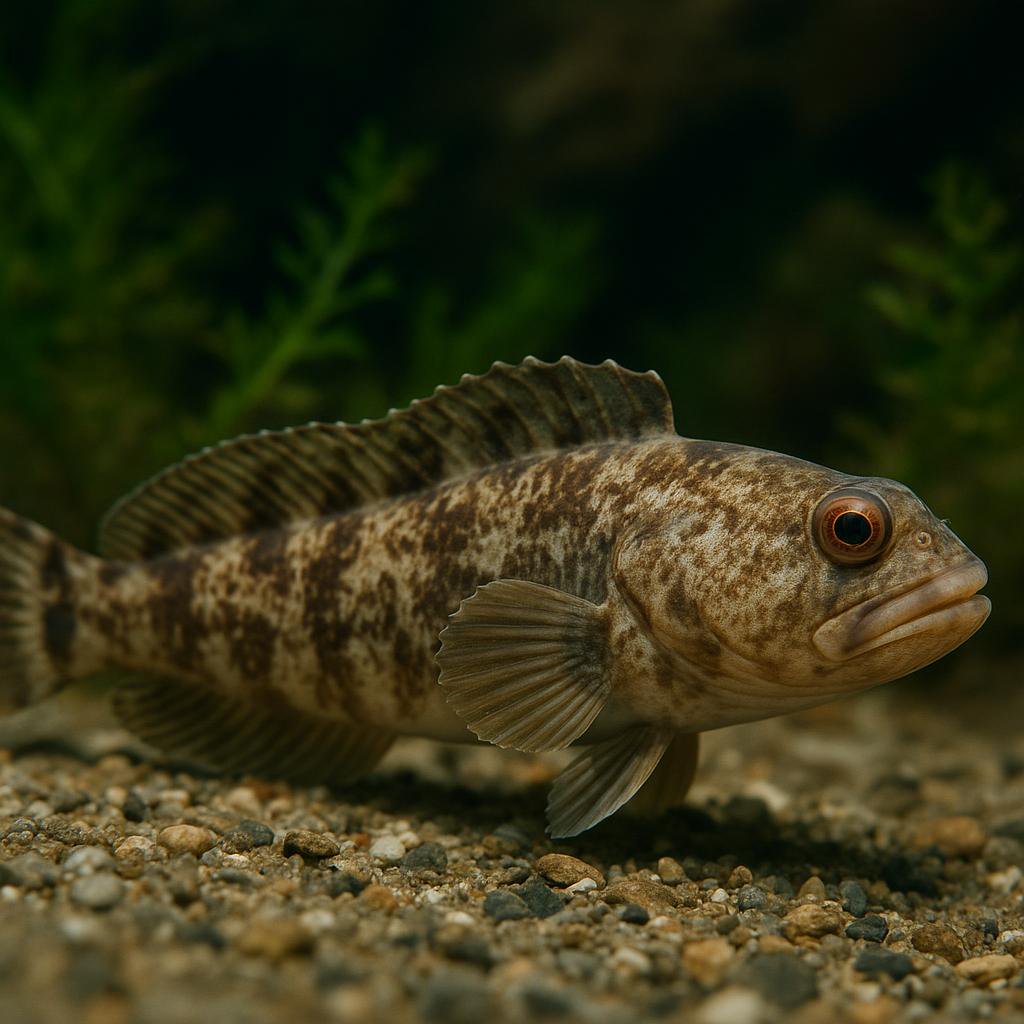
Abe's eelpout
Japonolycodes abei
Japonolycodes abei is a temperate, deepwater demersal eelpout (family Zoarcidae) endemic to Japan (Kumano-nada Sea reported; other sources also report Sagami Bay and Tosa Bay). It is the only species in the genus Japonolycodes and occurs roughly 40-300 m depth, making it an uncommon/atypical aquarium species.
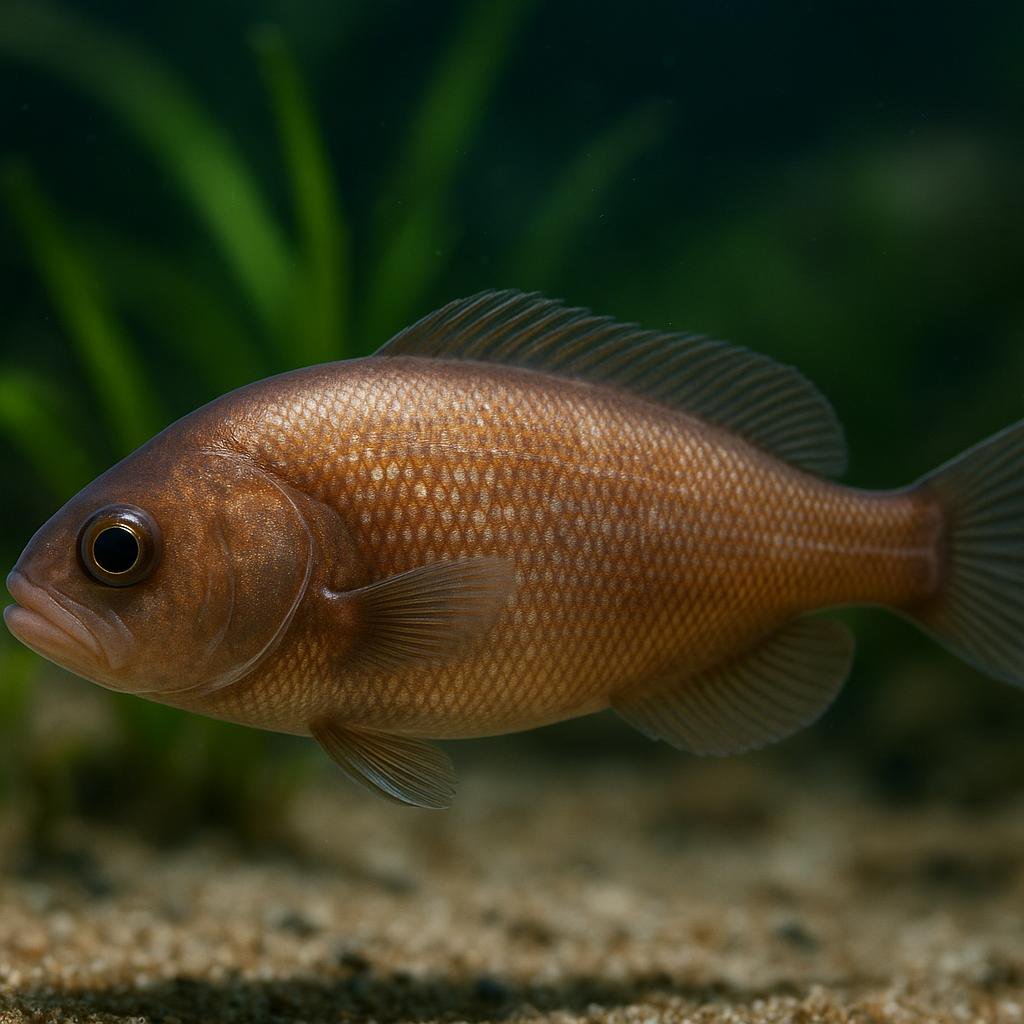
Affinis blind cusk-eel
Barathronus affinis
Barathronus affinis is a tiny, super-weird deep-sea blind cusk-eel from the western-central Indian Ocean. It is one of those gelatinous, loose-skinned brotula-type fishes that live way down in the dark and are basically never seen alive, so almost everything we know comes from preserved specimens and taxonomic work.
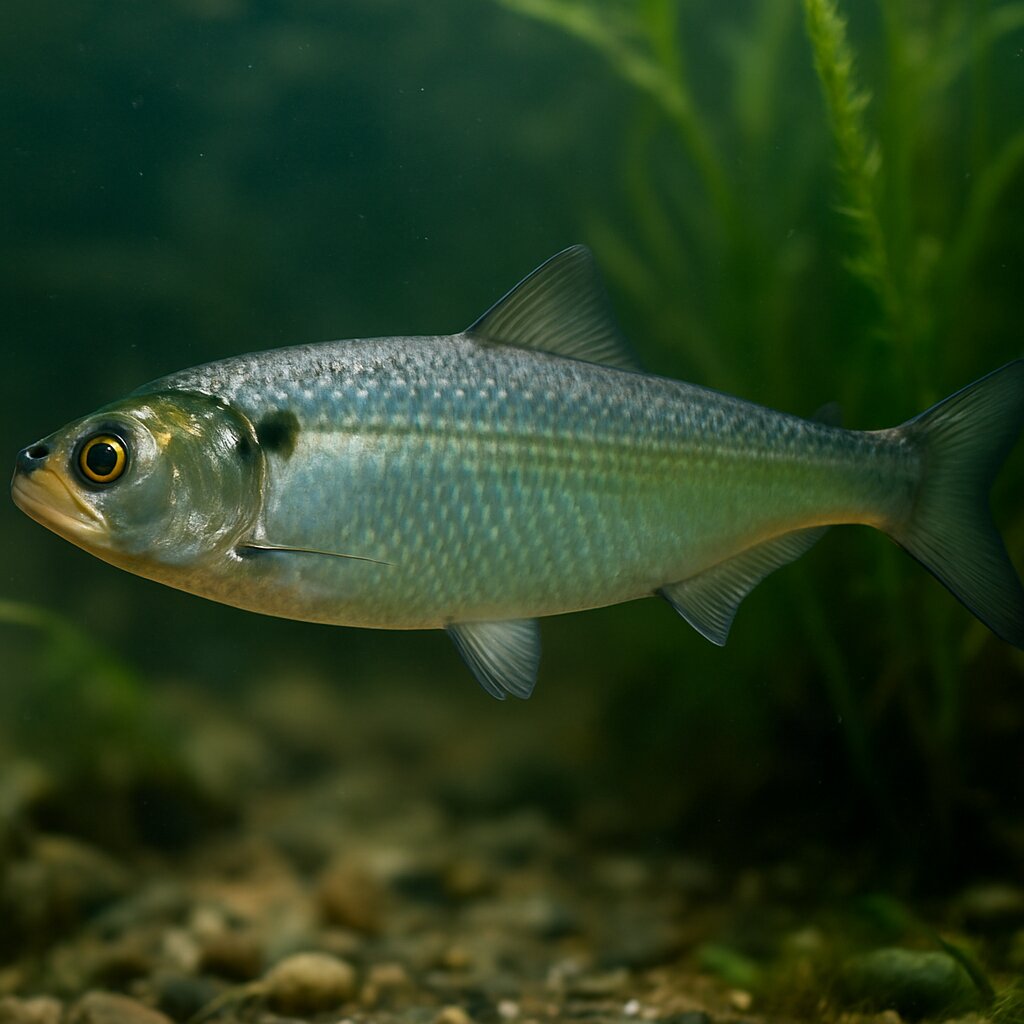
Allis shad
Alosa alosa
Gorgeous silver, fast-swimming shad that spends most of its life in the sea and then surges up big rivers in noisy, surface-spawning schools. It grows huge for a herring-type fish and needs cool, ultra-oxygenated water and tons of open space, so it is a public-aquarium species rather than a home tank fish.
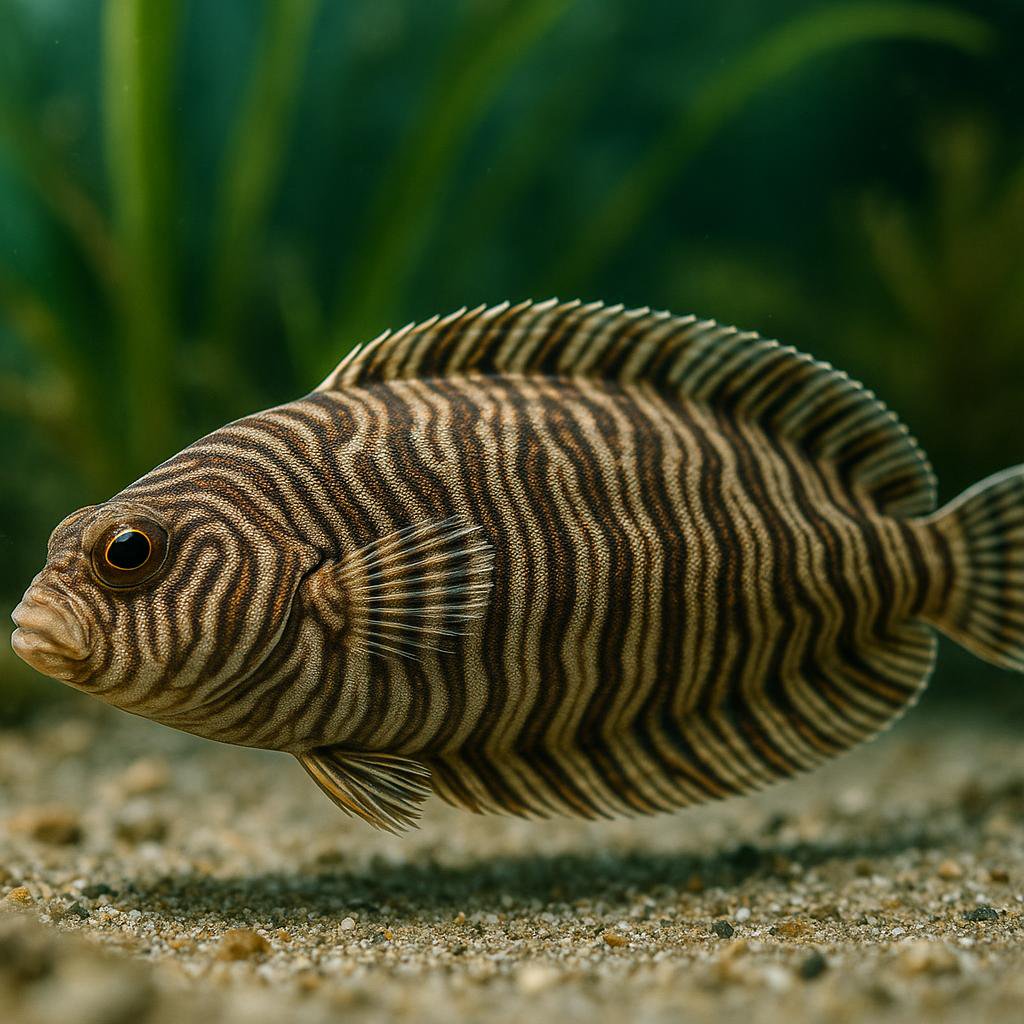
Annandale's zebra sole
Zebrias annandalei
Zebrias annandalei is a small demersal sole from coastal India that inhabits sandy or muddy bottoms and buries for camouflage. It is rarely kept in home aquaria and would require a specialized marine sand-bottom setup and appropriate feeding.
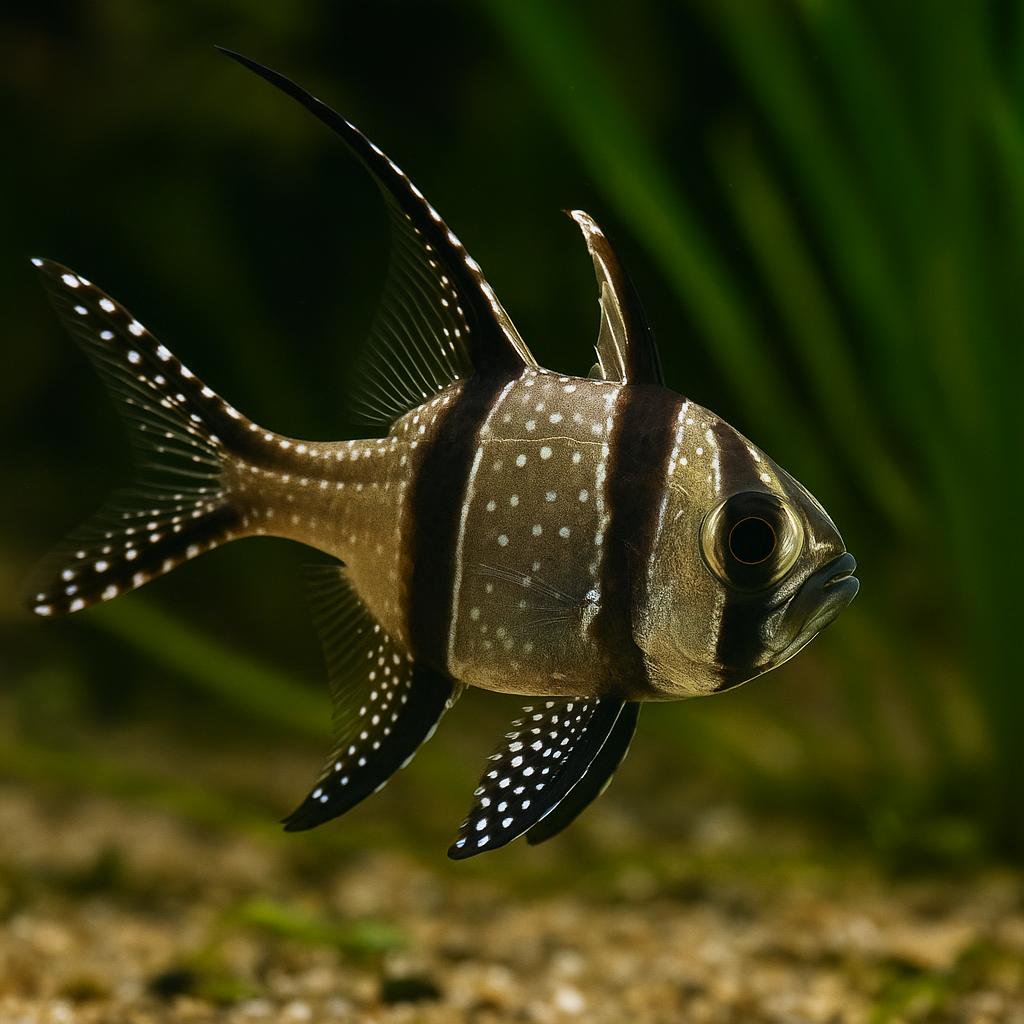
Banggai Cardinalfish
Pterapogon kauderni
Banggai cardinals just sort of hover like little underwater satellites, and the bold black bars with those long, polka-dotted fins look unreal under reef lighting. They're super chill most of the time, but once a pair forms you'll see real "fish drama," and the male will even mouthbrood the babies like a champ.
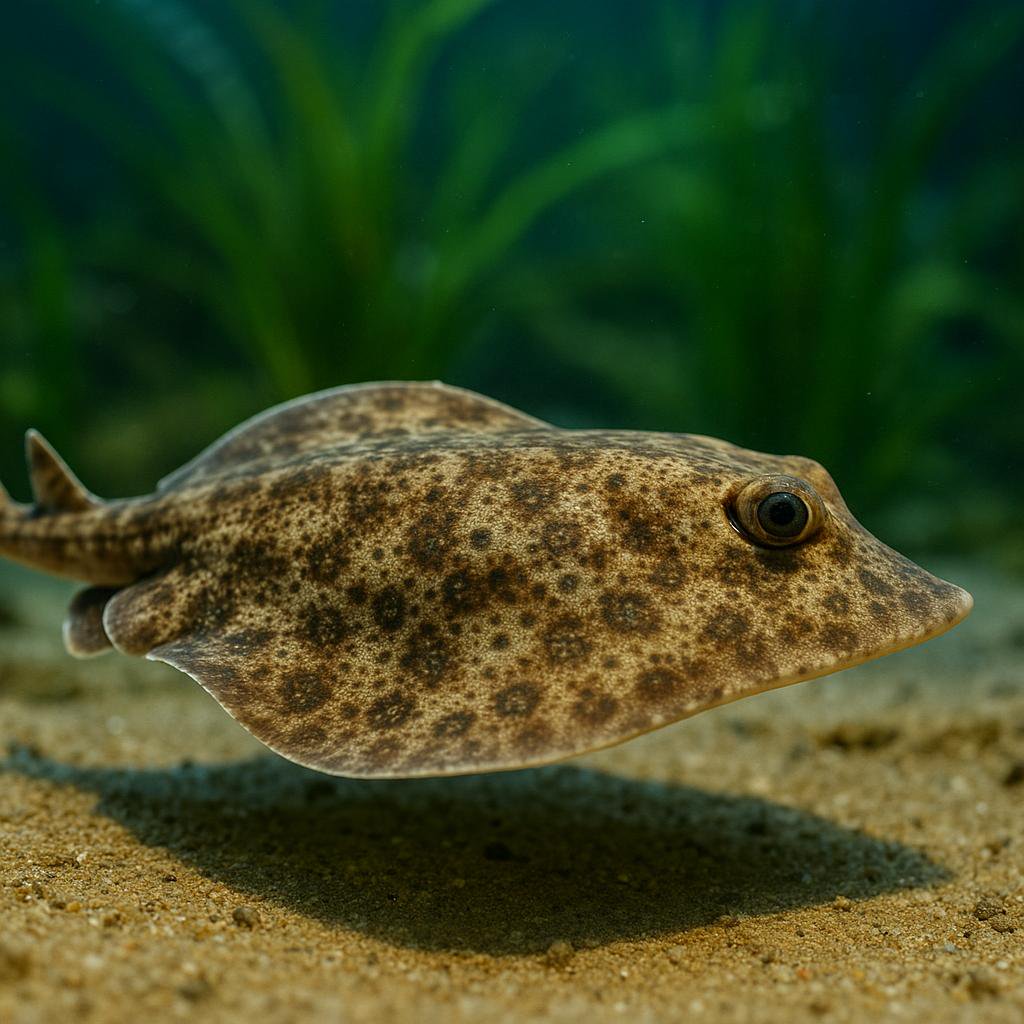
Barbedwire-tailed skate
Notoraja martinezi
Notoraja martinezi is a deepwater skate from the eastern Pacific (Costa Rica down to Ecuador) that lives way down on soft bottoms. The tail is the giveaway - it is lined with strong, hooked thorns that really do look like barbed wire. This is absolutely not an aquarium fish; it is a cold, high-pressure deep-sea animal with basically no practical home care info because it is not kept in the hobby.
More to Explore
Discover more marine species.
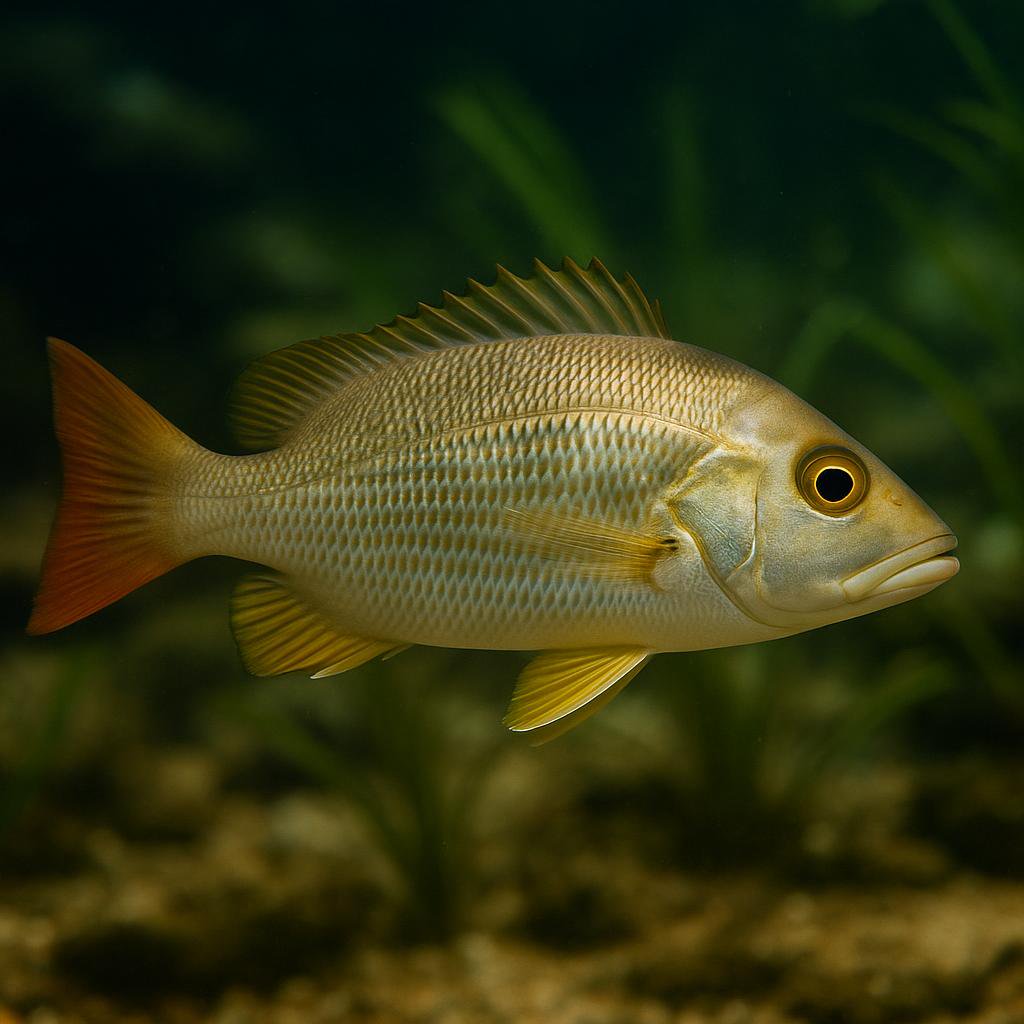
African red snapper
Lutjanus agennes
This is a true snapper from West Africa - a big, fast-growing predator that goes from coastal reefs to brackish lagoons and estuaries (especially as a juvenile). Super cool fish in the wild, but it gets absolutely huge and will eat smaller tankmates once it has the mouth for it, so its really more of a public-aquarium scale animal than a home-aquarium fish.
Aleutian skate
Bathyraja aleutica
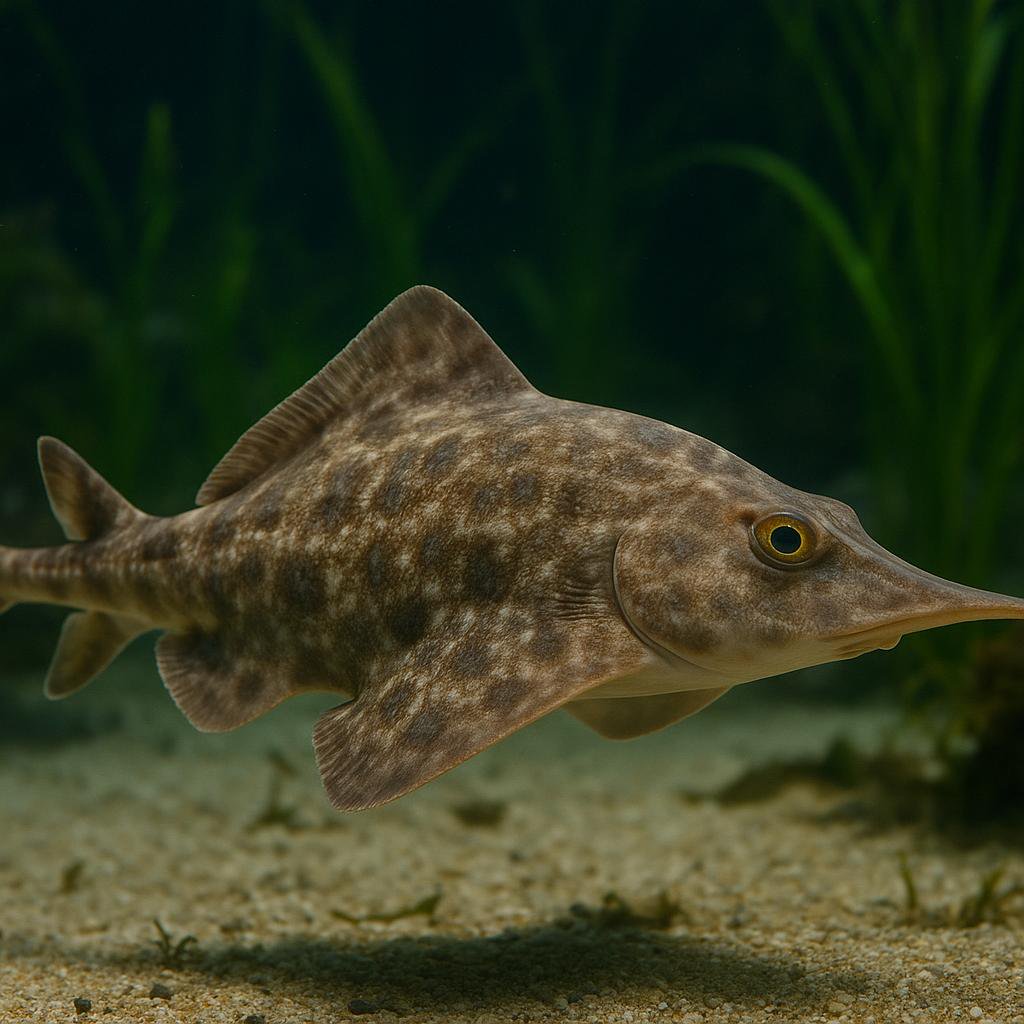
This is a big, cold-water deep-slope skate from the North Pacific that cruises muddy bottoms and eats chunky benthic prey like crabs and shrimp. The really cool bit is its egg-laying skate life - it does distinct pairing (the classic skate "embrace") and drops those tough egg cases on the seafloor. Not an aquarium fish at all unless you're basically running a public-aquarium-style chilled system.
Antarctic dragonfish
Vomeridens infuscipinnis
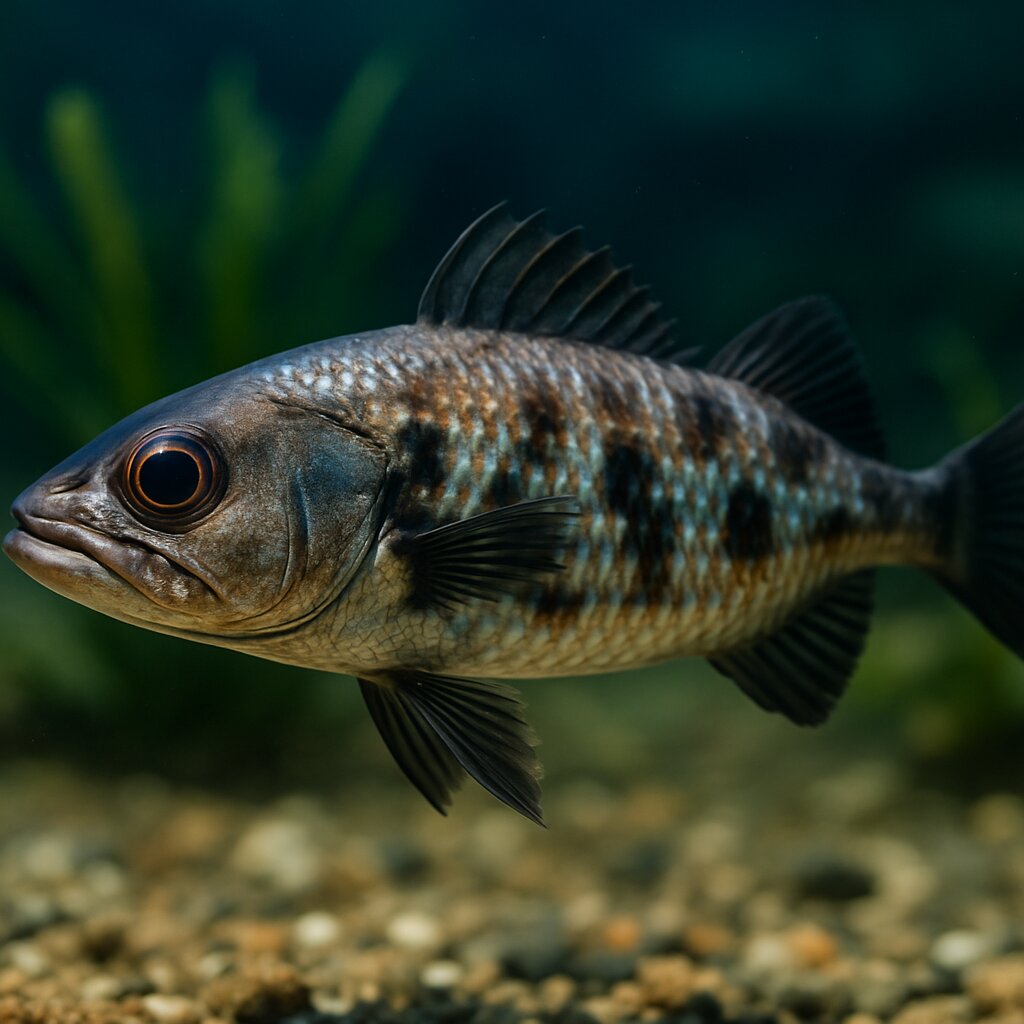
Deep down around Antarctica, this sleek dragonfish cruises the water column like a little submarine, nearly neutrally buoyant so it can hover above the seafloor. It munches almost exclusively on Antarctic krill and lives in near-freezing water 500-800 m down, so it is a cool species to read about, not one for home tanks.
Arabian demoiselle
Neopomacentrus sindensis
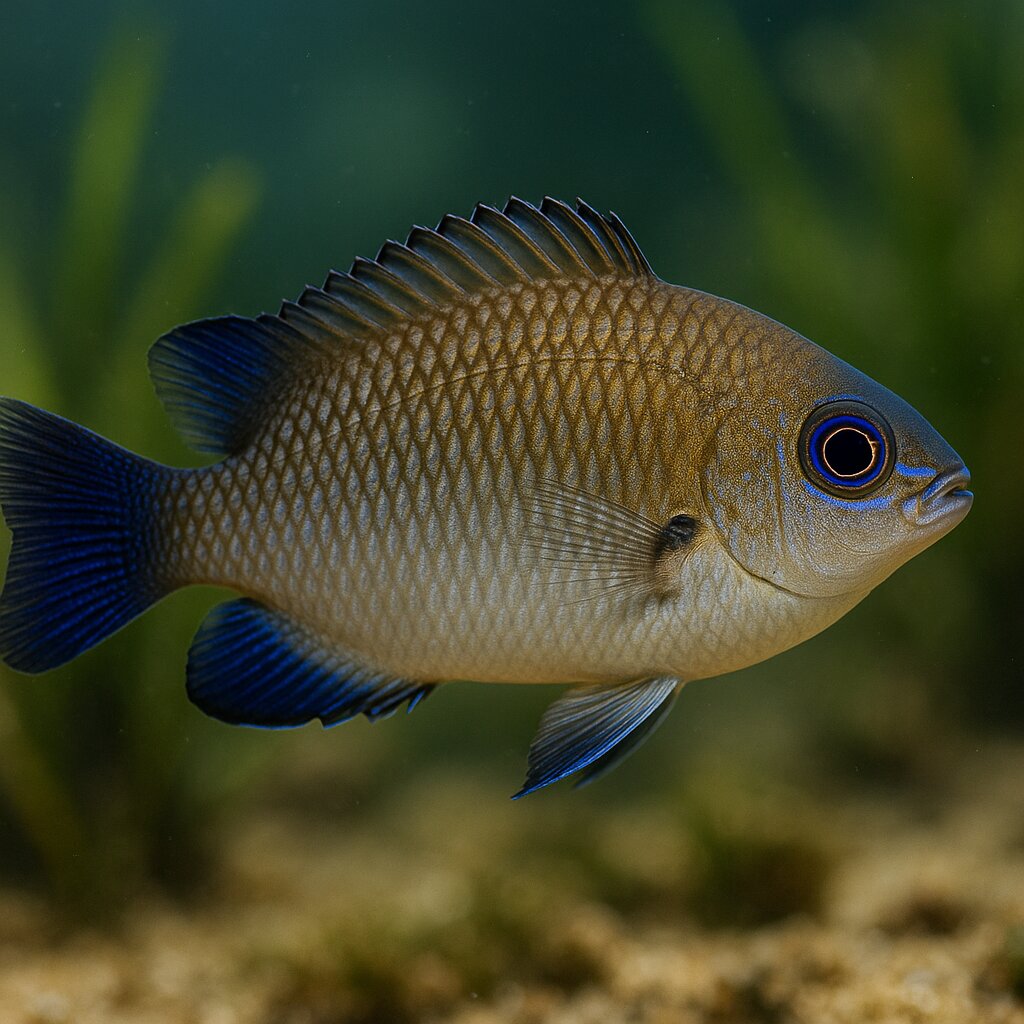
A small lyretail damsel from the Persian Gulf and Arabian Sea, it hangs in loose groups around coral heads, rocks, and even pier pilings picking zooplankton from the flow. Think classic damsel toughness with a slightly milder attitude than the real bruisers, plus subtle yellow tail accents. Males clean a patch, get a mate to lay eggs there, and then stand guard fanning the clutch.
Arabian spiny eel
Notacanthus indicus
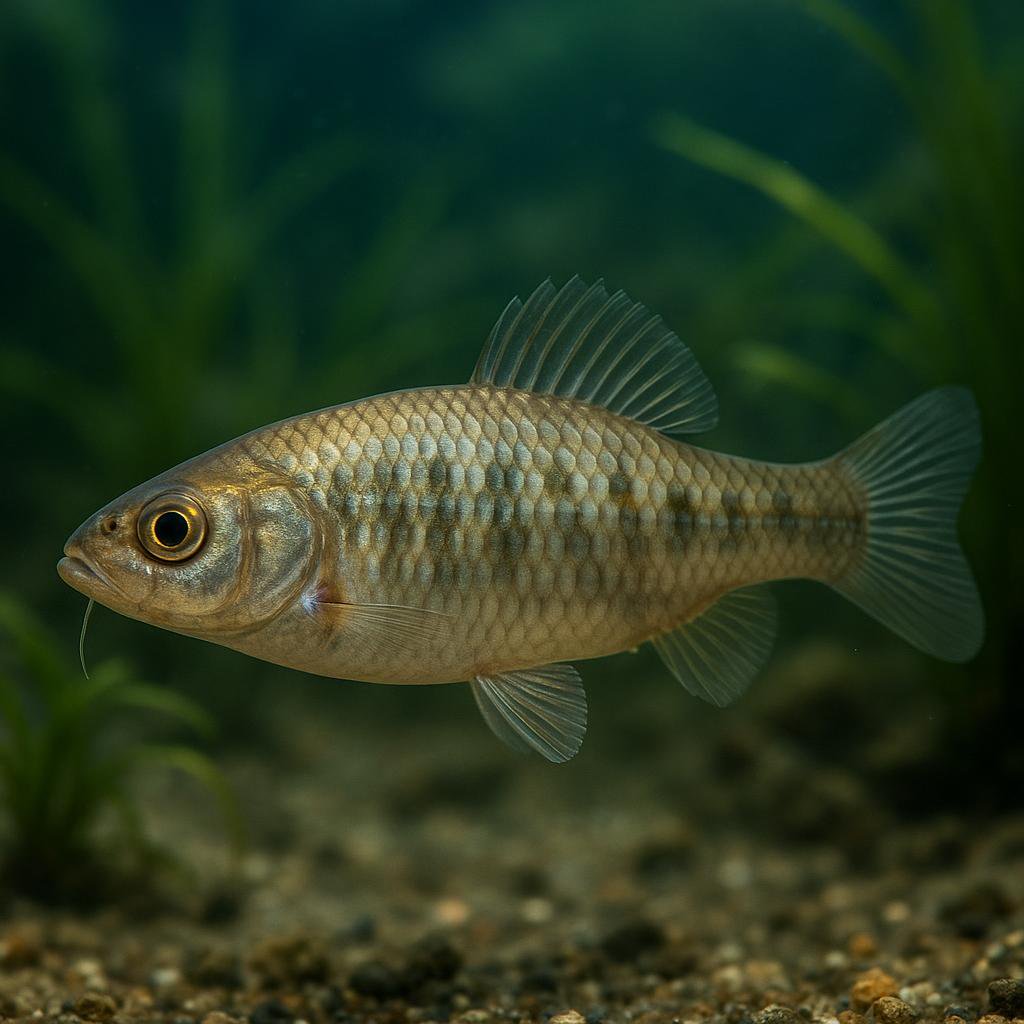
Notacanthus indicus is a deep-sea spiny eel (family Notacanthidae; not a true eel) known from the Arabian Sea on the continental slope at roughly ~960–1,046 m depth, with reported maximum length around 20 cm TL; it is a deep-water bycatch species and not established in the aquarium trade.
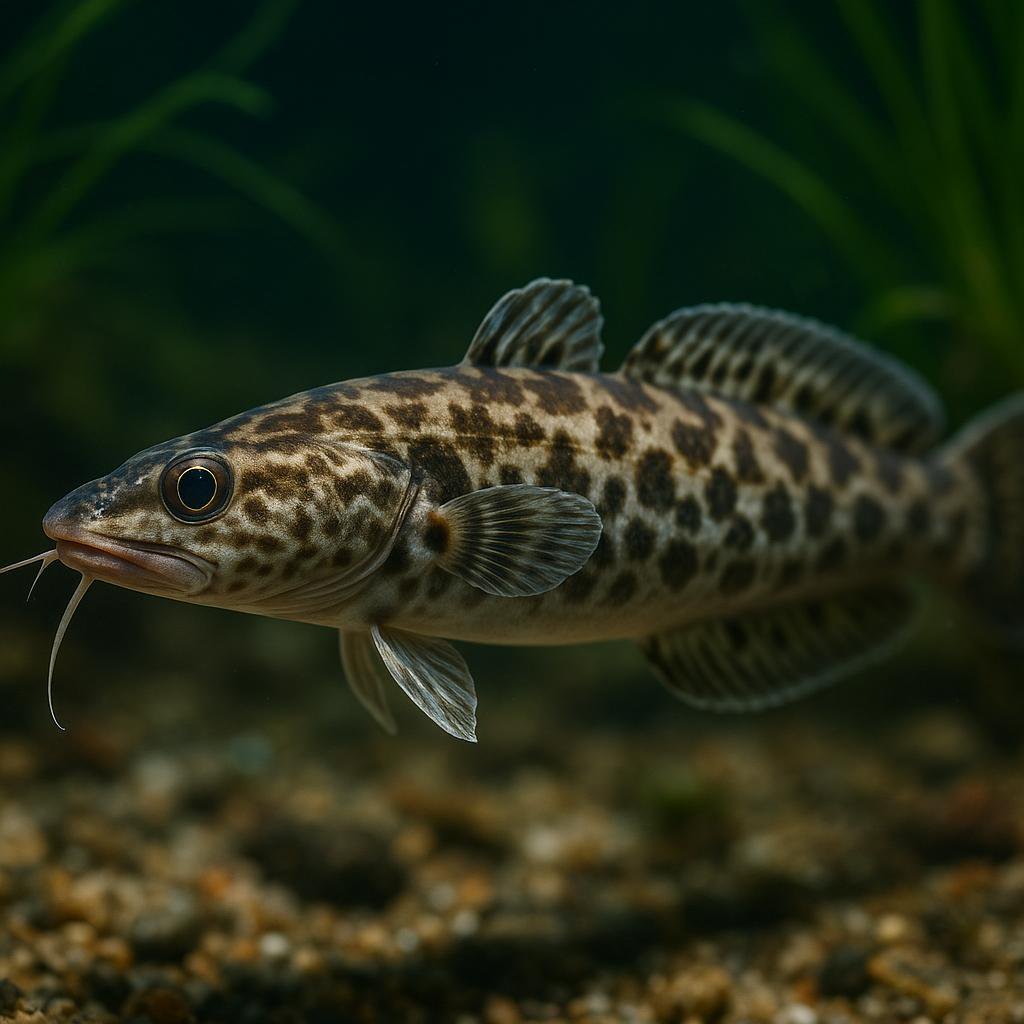
Arctic rockling
Gaidropsarus argentatus
This is a deepwater North Atlantic rockling (a cod relative) that hangs out on soft bottoms way down the slope. It is a cold-water, bottom-hugging predator that snoots around for crustaceans and will also take small fish when it gets the chance.
Looking for other species?