

Allis shad
Alosa alosa
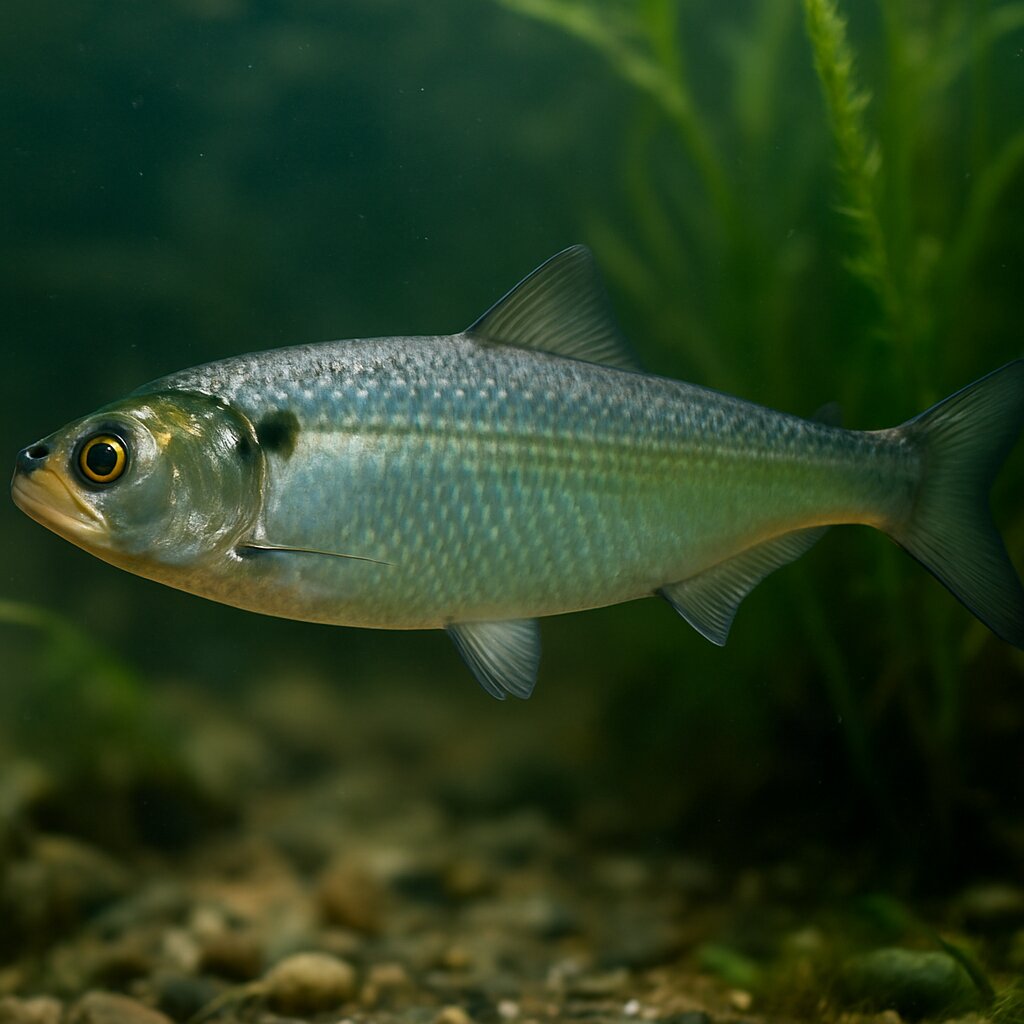
Allis shad exhibit a streamlined body, silver sides, and a prominent, deeply forked tail fin, with adults reaching lengths up to 65 cm.
This page includes AI-generated images. Why am I seeing AI images?
About the Allis shad
Gorgeous silver, fast-swimming shad that spends most of its life in the sea and then surges up big rivers in noisy, surface-spawning schools. It grows huge for a herring-type fish and needs cool, ultra-oxygenated water and tons of open space, so it is a public-aquarium species rather than a home tank fish.
Also known as
Quick Facts
Size
83 cm
Temperament
Peaceful
Difficulty
Expert
Min Tank Size
1000 gallons
Lifespan
6-10 years
Origin
Northeast Atlantic and western Mediterranean (Europe and North Africa)
Diet
Planktivore - zooplankton and crustaceans; larger adults may take small schooling fish
Water Parameters
7-16°C
8-8.3
8-20 dGH
Need a heater for this species?
This species needs 7-16°C in a 1000 gallon tank. Use our heater calculator to find the right wattage.
Calculate heater sizeCare Notes
- This is a public-aquarium fish: use a round or oval tank 2000+ gallons, 10+ ft across, smooth walls, dark background, and a tight cover to stop nose-bumping and jumping.
- Run cool, fully marine water: 33-35 ppt salinity, 10-16 C (50-61 F) with a chiller, pH 8.0-8.3, and very high O2; ammonia and nitrite at 0, nitrate under 10-20 ppm.
- Give them a steady circular current with 8-12x hourly turnover and tons of surface agitation; avoid sharp corners and dead spots.
- Feed small, frequent portions in the flow 4-8 times daily: enriched mysis, copepods/calanus, finely chopped marine fish, and small high-energy pellets if they take them.
- Keep a schooling group of 6+ and skip tankmates that chase or nip; no predators, and most reef residents will hate this current anyway.
- Handle as little as possible; they stress and crash fast, so quarantine gently with pristine water and heavy aeration, and avoid rough nets.
- Avoid copper and harsh meds; clupeids often fold under copper, so use alternative treatments and supportive care.
- Breeding at home is a no-go; they are anadromous river spawners that need seasonal cues and long migrations, and most regions protect them so check permits and sourcing.
Compatibility
Good Tankmates
- A proper school of their own species (or other similar-sized shad) - they chill out a ton in a big group and spook less
- Coolwater schooling clupeids like Atlantic herring, sardines, or anchovies - same open-water vibe, strong flow, and plankton snacks
- Temperate mullets (grey or flathead mullet) - fast, non-nippy grazers that ignore the shad and love high oxygen
- European smelt and other temperate smelts - quick midwater shoalers that can keep pace without getting pushy
- Peaceful temperate flatfish like plaice or dab - bottom sitters that will not bug the school up top
- Hardy temperate gobies that cling to rock and sand and can handle current (think robust rock or sand gobies, not tiny delicate ones)
Avoid
- Predatory speedsters like mackerel, bluefish, bonito, or barracuda - they will absolutely turn shad into snacks
- Big ambush hunters like European seabass, cod, or lingcod - too bitey and will harass or eat them
- Delicate slow feeders like seahorses and pipefish - the heavy flow and frantic feeding will starve and stress them
- Warm-water reef fish (damsels, tangs, angels) - wrong temperature and vibe for a cool, high-oxygen pelagic setup
Where they come from
Allis shad are big European herrings that spend most of their lives in the sea and run up rivers to spawn in spring. You see them along the Atlantic coasts from the Bay of Biscay up into the Channel and North Sea, plus parts of the Mediterranean. Think open water, big tides, cold, and lots of current.
Check your local laws before you go any further. In many countries Allis shad are protected, and collecting, transporting, or keeping them needs permits. I kept a small group of rehab juveniles under permit in a 20,000 L oval tank at a public facility - not a home setup.
Setting up their tank
These fish are built to cruise. Straight up: they are not a home-aquarium species. If you are in a research or public-aquarium setting and legally allowed to keep them, plan a huge, round or racetrack tank with clean, fast water and very high oxygen. Sharp corners and cluttered rockwork just lead to forehead scrapes and lost scales.
- Tank size: 10,000 L minimum for a small school, 20,000+ L is far better. Circular or long oval raceway.
- Salinity: 30-35 ppt (natural seawater). They handle brackish, but keep marine unless you are doing a controlled salinity program.
- Temperature: 10-16 C. Try hard not to let it sit above 18 C for long.
- pH: 7.9-8.3, alkalinity 7-10 dKH.
- Flow: strong, laminar gyre. Target 10-20x turnover per hour.
- Dissolved oxygen: keep near saturation (8-10 mg/L at these temps). Run big skimmers and heavy aeration.
- Gear that has worked well for me:
- - Large external moving-bed biofilter or fluidized sand bed for huge bio-load swings.
- - Ozone-fed protein skimmer to keep water polished (ORP controlled, conservative settings).
- - Chiller sized generously; these fish hate heat spikes.
- - Diffused, dimmable lighting on slow sunrise/sunset ramps.
- - Tight, flush-fitting lids or netting - they jump, and hard.
Keep the interior open. Paint or wrap the outside of the tank a matte dark color so they are not spooked by reflections. Use rounded baffles to shape flow. Any equipment inside should be smooth-faced and guarded.
Shad panic easily. Reflections, sudden lights, or people appearing at the glass can trigger wall strikes. Reduce reflections, keep lighting gentle, and give them visual barriers to foot traffic.
Acclimation: very slow drip while darkening the tank, then transfer in a wide, soft cradle without lifting them into air. Quarantine in the same style of round tank with high flow. Nets damage their scales fast.
What to feed them
They are midwater plankton pickers by nature. New arrivals often only take live, moving foods. Once they settle, you can wean them onto fine particulate and small meaty items carried by the current.
- Live: enriched Artemia, copepods (Tigriopus/Calanus), small mysids.
- Frozen: enriched mysis, finely chopped krill, finely chopped marine fish flesh, Cyclops blends.
- Dry/gel: high-quality marine micro-pellets or gels broadcasted into the flow once they are eating well.
Feed small portions many times a day. They have little interest in hunting the bottom, so let the current bring food past their noses. A peristaltic doser that drips a slurry into the gyre works great. Rinse frozen foods and enrich with HUFA vitamins.
Rotate foods to avoid thiaminase-heavy diets. I add a B-complex (especially B1) a few times a week and keep iodine/HUFA in the rotation. Watch bellies: slightly full and streamlined is the goal, not bulging.
How they behave and who they get along with
Shad are constant movers and feel safer in a school. Lone fish pinball off the walls. Keep them in a group of 6+ if you have the volume. They are peaceful, but they spook at pushy or very active predators.
- Best kept species-only, or with other fast, non-nippy pelagic fish that like cool water (think juvenile mullet).
- Avoid: tunas/bonitos, jacks, mackerels, barracuda, large basses, anything that chases shiny fish.
- Also avoid slow, delicate species that will be stressed by the flow.
They read the room. Keep traffic low near the tank and use a light ramp. Sudden silhouettes or camera flashes can set off a chain-reaction dash.
Breeding tips
Captive breeding of Allis shad is, frankly, not a home or even typical public-aquarium project. They are anadromous and cue off seasonal changes, long migrations, shifting salinity, photoperiod, and temperature. I have not seen a verified full captive cycle. If your team is attempting research breeding under permits, here is what has been associated with spawning runs in the wild and in related clupeids.
- Gradual photoperiod increase into spring, paired with a temperature rise from winter lows around 8-10 C up to 14-18 C.
- Transition from marine to near-freshwater over days to weeks in a very long raceway with strong current.
- Large, synchronized adult school with minimal disturbance and low, diffuse lighting.
- Eggs are broadcast in flow; plan gentle egg collection screens in the current path and immediate transfer to separate hatching systems.
Legal and welfare note: wild broodstock collection may be illegal, and post-spawn mortality can be high in this species. Do not attempt without permits, veterinary oversight, and a robust ethical plan.
Common problems to watch for
- Crash injuries: nose and flank abrasions from startle runs. Fix the cause (reflections, light shocks), pad impact zones, and maintain impeccable water to prevent infection.
- Low oxygen stress: rapid gilling, gulping at the surface. Increase aeration, flow, and double-check skimmer and gas exchange.
- Ammonia spikes: these fish eat often. Use oversized biofiltration and constant monitoring; keep total ammonia at 0 and nitrite at 0.
- Parasites: marine ich/velvet can hit schooling clupeids hard. They are sensitive to copper; if treatment is needed, use carefully verified concentrations or alternative protocols under vet guidance, and treat in a separate system.
- Gas bubble disease: avoid supersaturation from leaky venturis or deep returns. Watch for bubbles in fins/eyes and correct plumbing/degassing.
- Heat stress: anything above 18-20 C for extended periods leads to poor feeding and frantic behavior. Size your chiller generously.
Daily quick-check: temp, dissolved oxygen, fish out in the open and schooling, no new scrapes, feeding response strong, skimmer pulling normal. If they are hugging a wall or refusing food, investigate right away.
Similar Species
Other marine peaceful species you might be interested in.
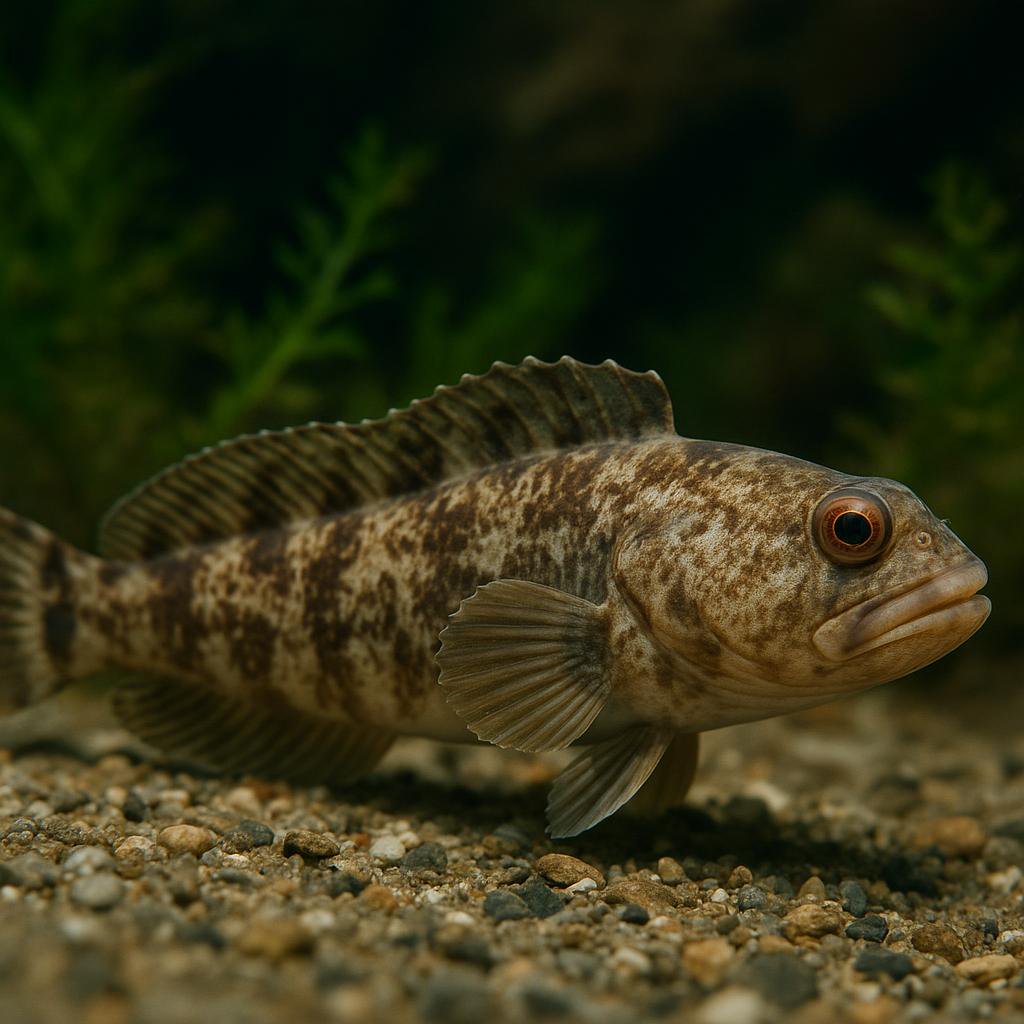
Abe's eelpout
Japonolycodes abei
Japonolycodes abei is a temperate, deepwater demersal eelpout (family Zoarcidae) endemic to Japan (Kumano-nada Sea reported; other sources also report Sagami Bay and Tosa Bay). It is the only species in the genus Japonolycodes and occurs roughly 40-300 m depth, making it an uncommon/atypical aquarium species.
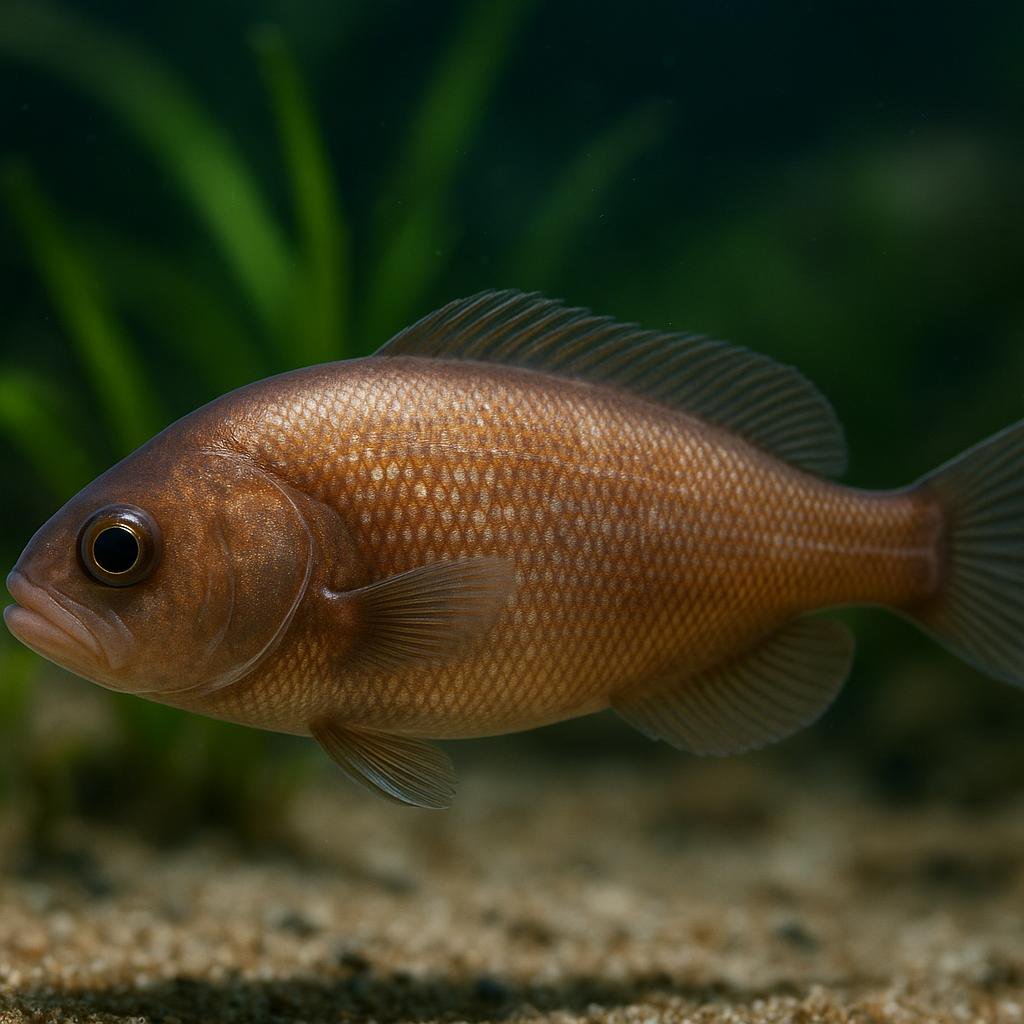
Affinis blind cusk-eel
Barathronus affinis
Barathronus affinis is a tiny, super-weird deep-sea blind cusk-eel from the western-central Indian Ocean. It is one of those gelatinous, loose-skinned brotula-type fishes that live way down in the dark and are basically never seen alive, so almost everything we know comes from preserved specimens and taxonomic work.
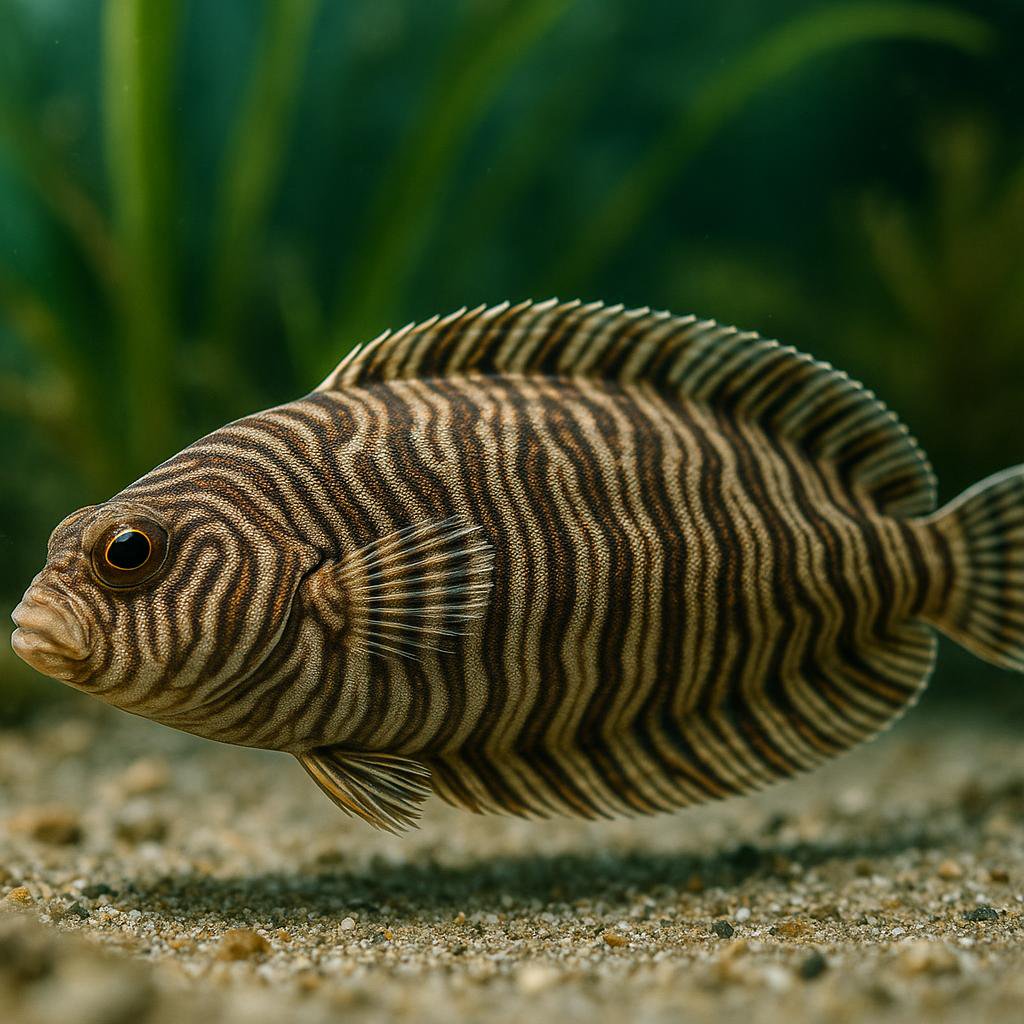
Annandale's zebra sole
Zebrias annandalei
Zebrias annandalei is a small demersal sole from coastal India that inhabits sandy or muddy bottoms and buries for camouflage. It is rarely kept in home aquaria and would require a specialized marine sand-bottom setup and appropriate feeding.
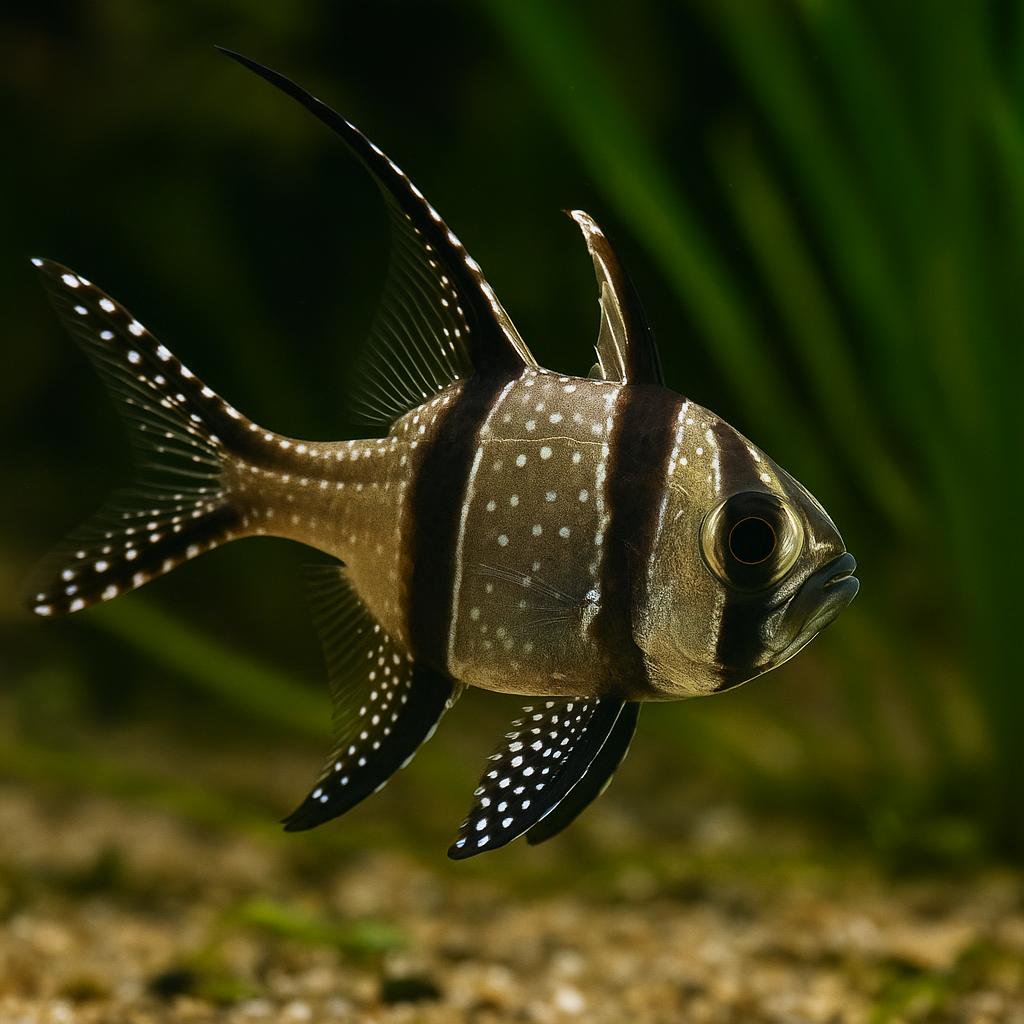
Banggai Cardinalfish
Pterapogon kauderni
Banggai cardinals just sort of hover like little underwater satellites, and the bold black bars with those long, polka-dotted fins look unreal under reef lighting. They're super chill most of the time, but once a pair forms you'll see real "fish drama," and the male will even mouthbrood the babies like a champ.
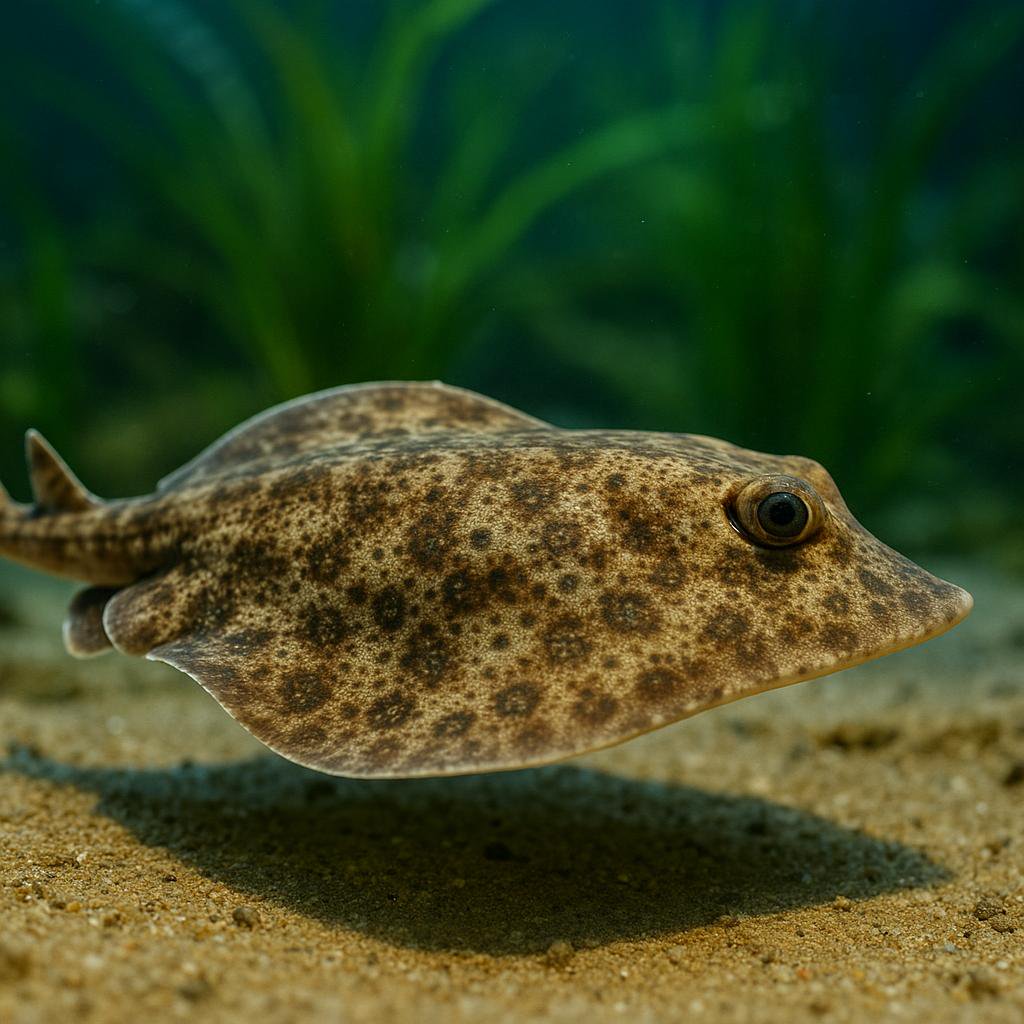
Barbedwire-tailed skate
Notoraja martinezi
Notoraja martinezi is a deepwater skate from the eastern Pacific (Costa Rica down to Ecuador) that lives way down on soft bottoms. The tail is the giveaway - it is lined with strong, hooked thorns that really do look like barbed wire. This is absolutely not an aquarium fish; it is a cold, high-pressure deep-sea animal with basically no practical home care info because it is not kept in the hobby.
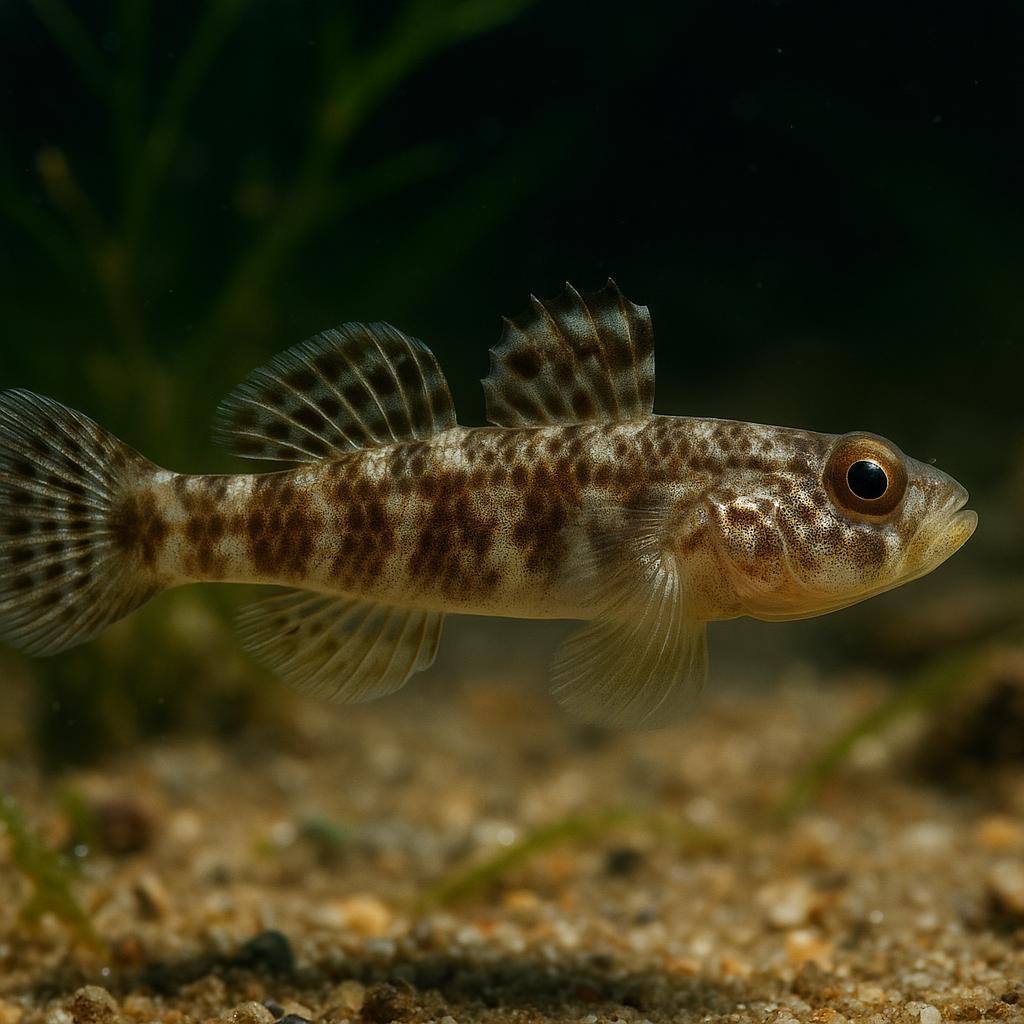
Ben-Tuvia's goby
Didogobius bentuvii
This is a tiny little Mediterranean goby from the Israeli coast that lives down on the bottom over muddy-sand, and it is likely a burrower. In other words, it is a blink-and-you-miss-it kind of fish - super small, demersal, and more about sneaky bottom-dweller vibes than flashy swimming.
More to Explore
Discover more marine species.
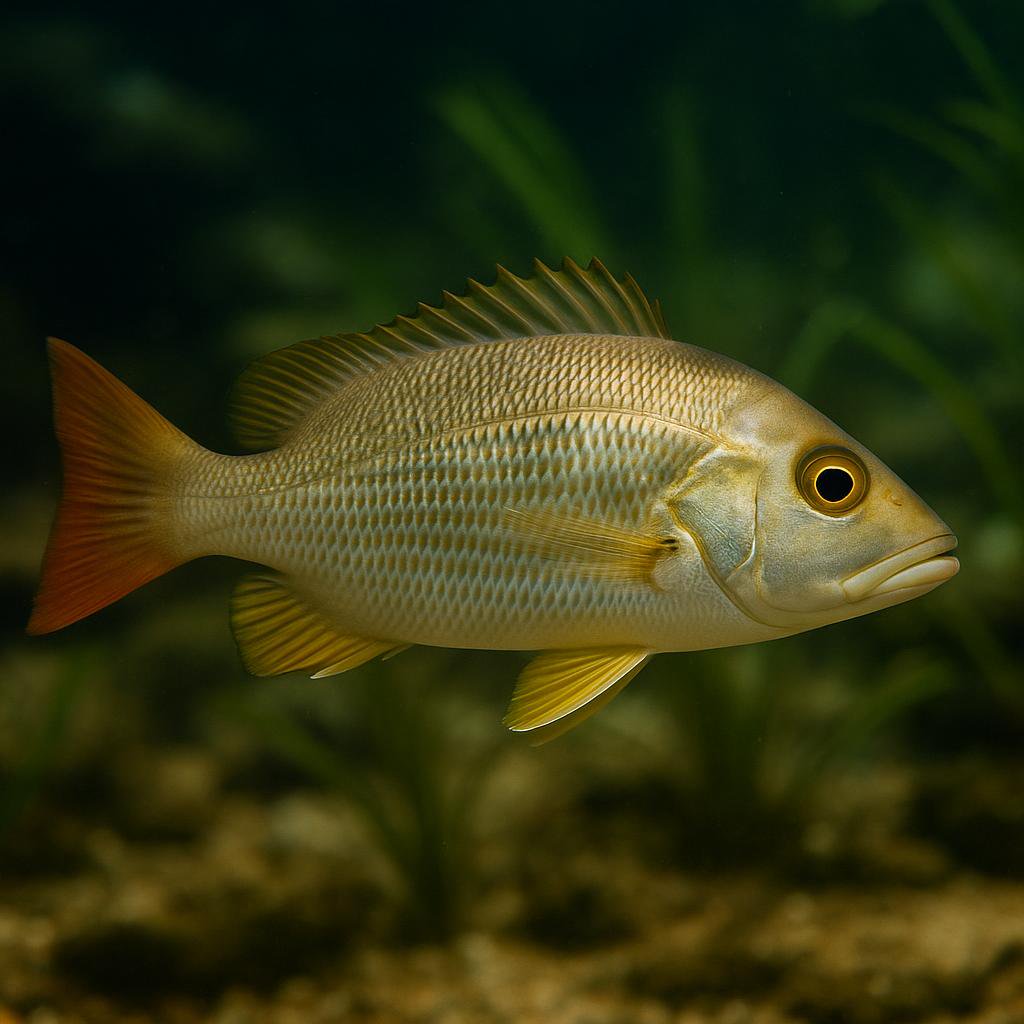
African red snapper
Lutjanus agennes
This is a true snapper from West Africa - a big, fast-growing predator that goes from coastal reefs to brackish lagoons and estuaries (especially as a juvenile). Super cool fish in the wild, but it gets absolutely huge and will eat smaller tankmates once it has the mouth for it, so its really more of a public-aquarium scale animal than a home-aquarium fish.
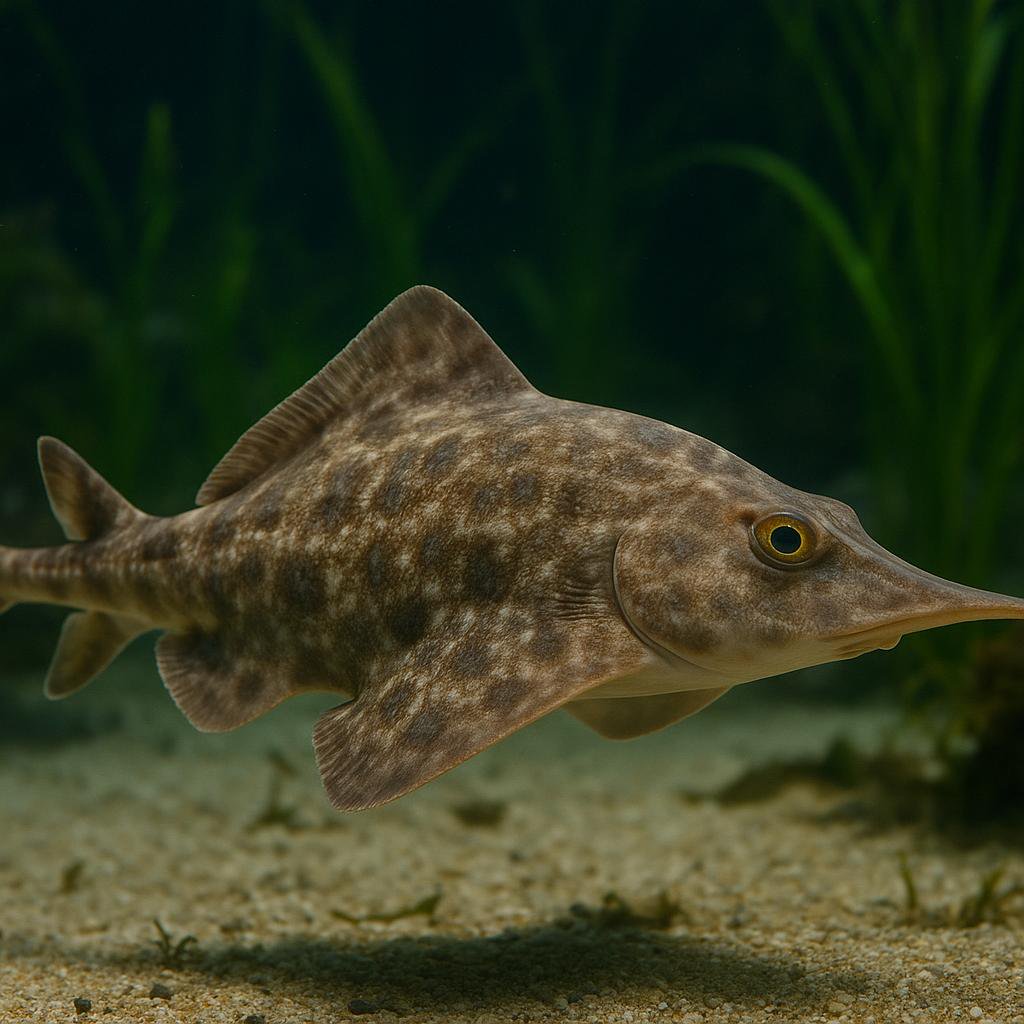
Aleutian skate
Bathyraja aleutica
This is a big, cold-water deep-slope skate from the North Pacific that cruises muddy bottoms and eats chunky benthic prey like crabs and shrimp. The really cool bit is its egg-laying skate life - it does distinct pairing (the classic skate "embrace") and drops those tough egg cases on the seafloor. Not an aquarium fish at all unless you're basically running a public-aquarium-style chilled system.
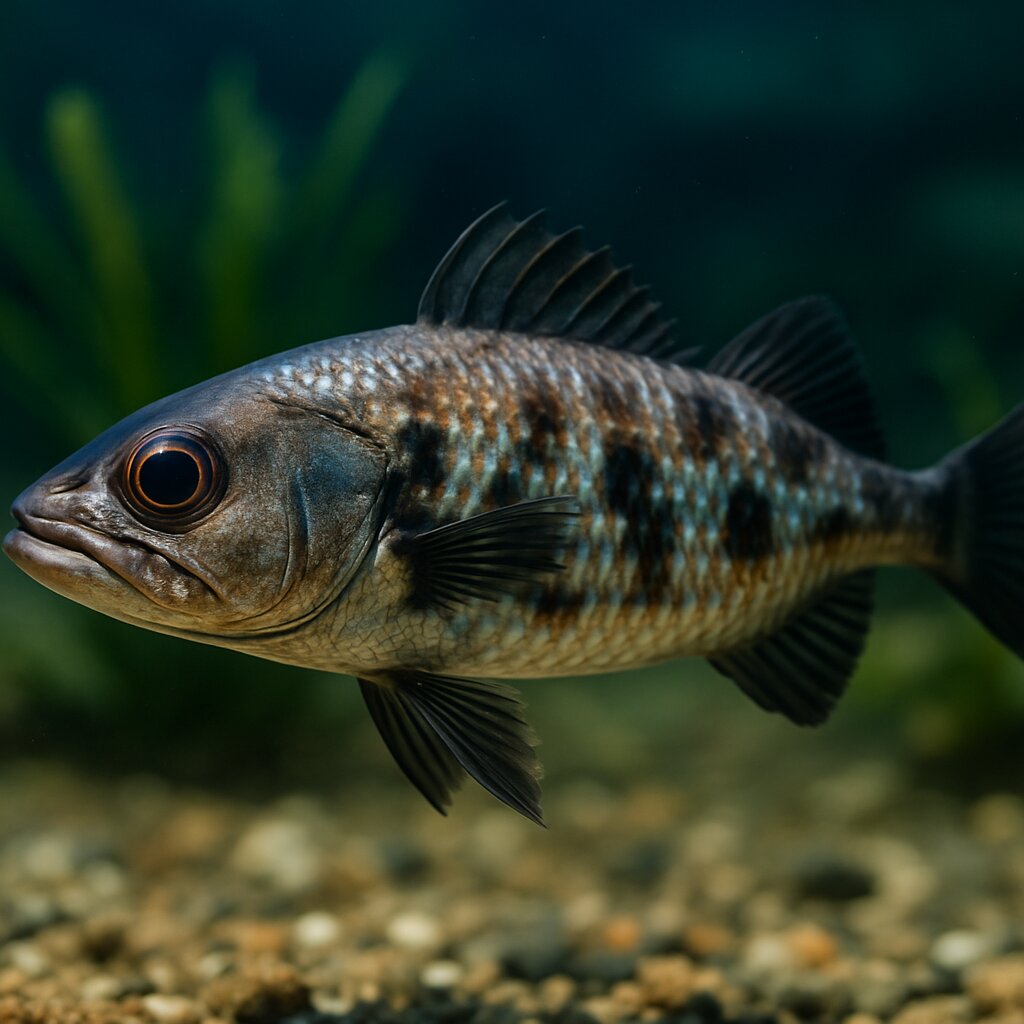
Antarctic dragonfish
Vomeridens infuscipinnis
Deep down around Antarctica, this sleek dragonfish cruises the water column like a little submarine, nearly neutrally buoyant so it can hover above the seafloor. It munches almost exclusively on Antarctic krill and lives in near-freezing water 500-800 m down, so it is a cool species to read about, not one for home tanks.
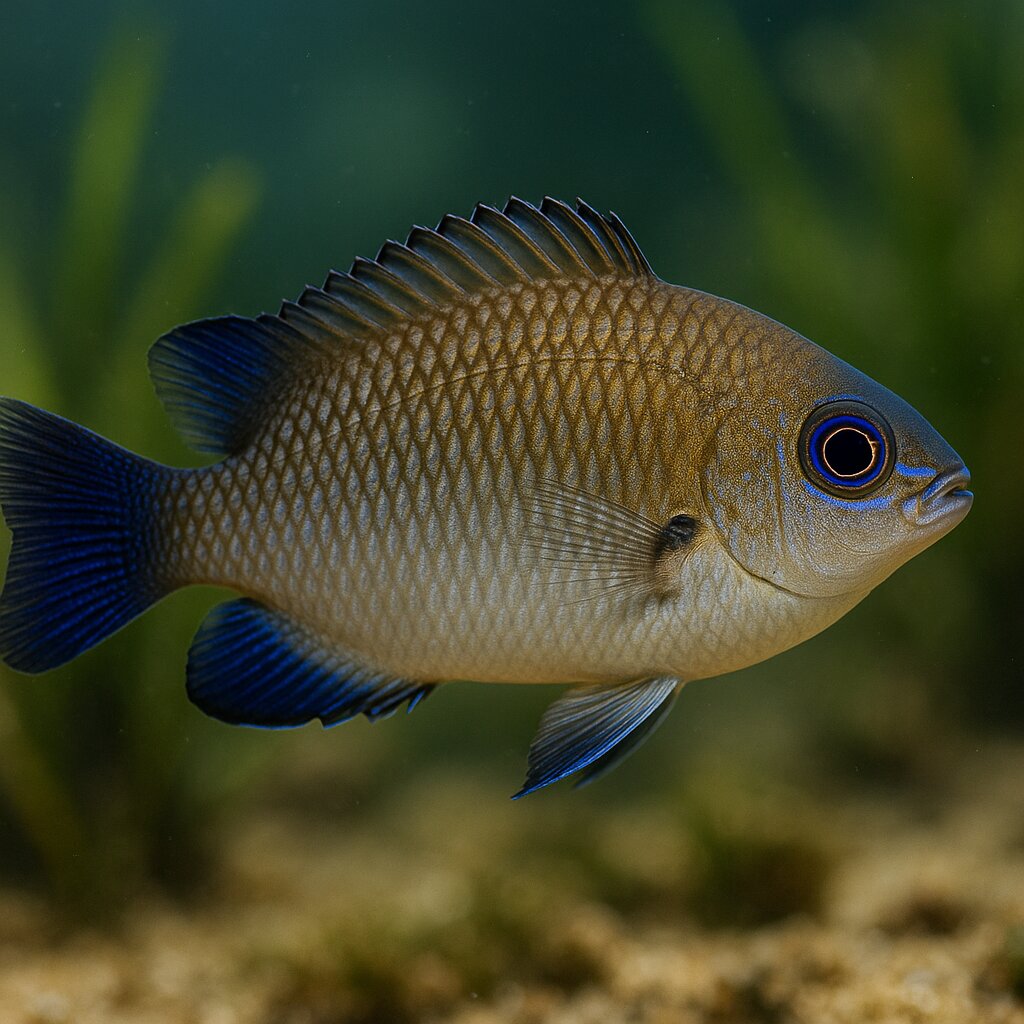
Arabian demoiselle
Neopomacentrus sindensis
A small lyretail damsel from the Persian Gulf and Arabian Sea, it hangs in loose groups around coral heads, rocks, and even pier pilings picking zooplankton from the flow. Think classic damsel toughness with a slightly milder attitude than the real bruisers, plus subtle yellow tail accents. Males clean a patch, get a mate to lay eggs there, and then stand guard fanning the clutch.
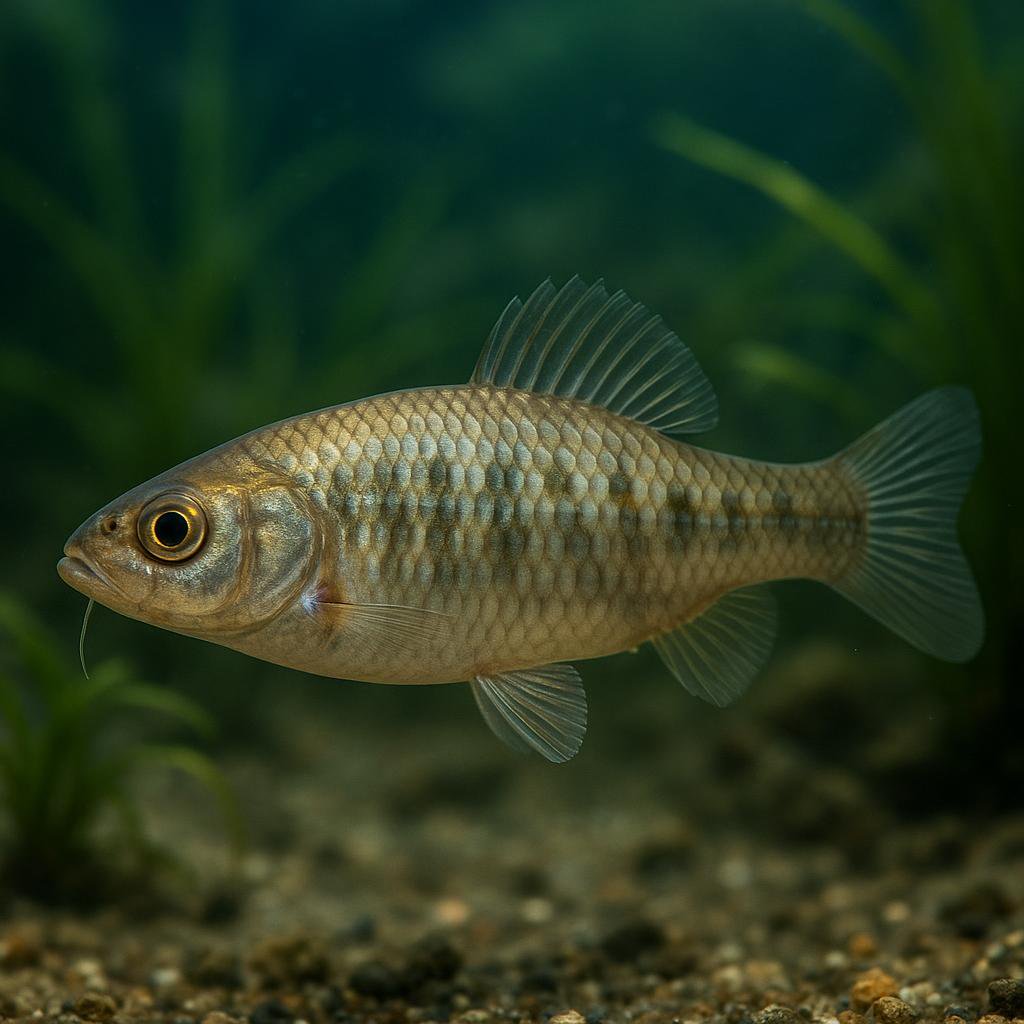
Arabian spiny eel
Notacanthus indicus
Notacanthus indicus is a deep-sea spiny eel (family Notacanthidae; not a true eel) known from the Arabian Sea on the continental slope at roughly ~960–1,046 m depth, with reported maximum length around 20 cm TL; it is a deep-water bycatch species and not established in the aquarium trade.
Arctic rockling
Gaidropsarus argentatus
This is a deepwater North Atlantic rockling (a cod relative) that hangs out on soft bottoms way down the slope. It is a cold-water, bottom-hugging predator that snoots around for crustaceans and will also take small fish when it gets the chance.
Looking for other species?