

Four-Eyed Fish
Anableps anableps
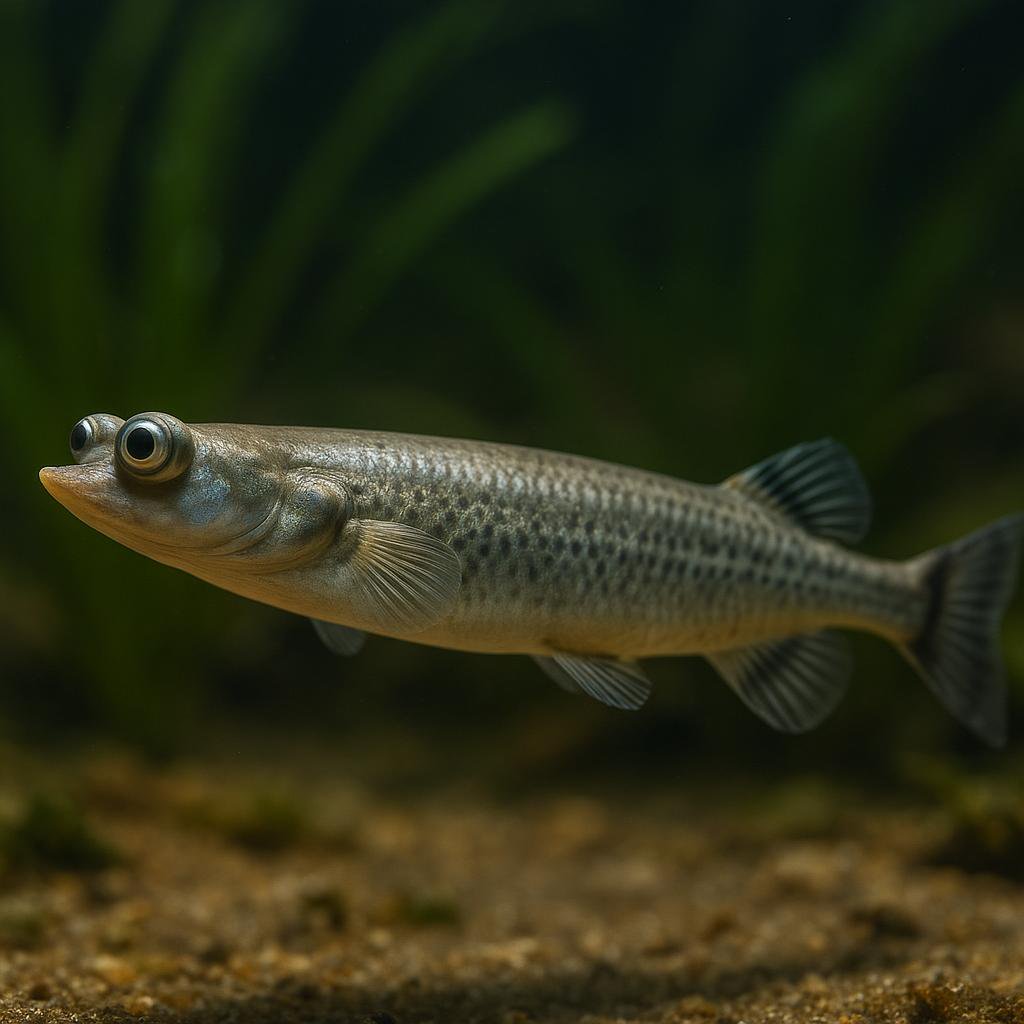
The Four-Eyed Fish features a unique, elongate body with a pair of dorsal eyes adapted for above and below water visibility.
This page includes AI-generated images. Why am I seeing AI images?
About the Four-Eyed Fish
This is that wild-looking surface cruiser with the "four eyes" - each eye is split so it can watch above and below the water at the same time. It's super active and always patrolling the top, and it really shines in a long tank with room to zoom. Just don't treat it like a regular freshwater fish; it's way happier in brackish water and needs open surface space.
Quick Facts
Size
12 inches
Temperament
Semi-aggressive
Difficulty
Advanced
Min Tank Size
65 gallons
Lifespan
5-8 years
Origin
Northern South America
Diet
Omnivore - floating pellets, insects, algae/veg, frozen foods (prefers food at the surface)
Water Parameters
24-28°C
7-8.5
10-25 dGH
Need a heater for this species?
This species needs 24-28°C in a 65 gallon tank. Use our heater calculator to find the right wattage.
Calculate heater sizeCare Notes
- Give them a long, wide tank with a tight lid-these guys live at the surface and will launch themselves out when startled. Think "riverbank cruiser," not "tall aquarium," and leave open swimming space up top.
- Run it brackish (stable salinity): aim around SG 1.003-1.010 (some keepers run slightly higher), pH ~7.0-8.5, and steady temps ~24-28°C (75-82°F). Mix saltwater separately and match salinity on water changes to avoid swings.
- Use a strong filter with good surface movement, but don't make it a washing machine-spread flow with a spray bar. They hang at the surface all day, so oily film and low oxygen mess with them quickly.
- Feed floating stuff they can grab at the surface: pellets/sticks, insects, krill, chopped shrimp, and the occasional veggie (they'll nibble). Skip sinking foods as the main diet-half of it just ends up rotting while they're still begging at the top.
- Keep them in a group (at least 4-6) or the dominant fish will harass the others nonstop. They also get big (8-12 inches isn't weird), so plan space like you're stocking for chunky surface predators.
- Tankmates: go with other tough brackish fish that won't get bullied or fin-nipped-monos, scats, bumblebee gobies, some brackish mollies can work. Avoid slow fancy fish and anything tiny; they'll pester and may snack on small surface dwellers.
- Breeding is cool but don't expect a fry explosion: they're livebearers and the females can store sperm, so babies can show up later even if you moved the male. If you want fry to survive, give dense surface cover and be ready to separate-adults don't always play nice with newborns.
Compatibility
Good Tankmates
- Other Four-Eyed Fish (Anableps) in a proper group - they're way less cranky when you keep a small shoal, and they spend their time doing their weird surface patrol instead of picking on random tankmates
- Monos (Mono argentus / Mono sebae) - classic brackish crowd fish; they're fast, sturdy, and don't get intimidated by Anableps cruising the surface
- Scats (Scatophagus argus) - another tough brackish buddy; they can handle the chaos and don't mind the busy surface action
- Brackish gobies like Knight Gobies (Stigmatogobius sadanundio) - they keep to the bottom, have enough attitude to not get bullied, and don't compete with Anableps for surface space
- Bumblebee gobies (Brachygobius spp.) in brackish setups - they mostly ignore the top, just make sure they're not getting outcompeted at feeding time since Anableps are pigs at the surface
- Mollies (esp. bigger, tougher adults) - they do well in brackish and can dodge the occasional pushy move; don't expect tiny juveniles to last if the Anableps are feeling spicy
- Archerfish - possible with adequate space and appropriate brackish conditions; monitor for feeding competition at the surface
Avoid
- Slow, fancy-finned stuff (guppies, endlers, bettas, long-fin mollies) - Anableps are curious, surface-focused, and will harass/chew fins sooner or later, especially at feeding time
- Puffers (green spotted, figure-8, etc.) - fin-nippy plus food-obsessed is a bad mix; you'll end up with shredded fins and constant drama
- Big aggressive brackish predators (larger cichlids, violent odds-and-ends) - Anableps aren't delicate, but they're not built to be slammed around, and they need calm surface room to breathe and feed
Where they come from (and why they’re so weird)
Four-Eyed Fish (Anableps anableps) come from mangroves and coastal river mouths in northern South America—think muddy, tidal water where fresh and salt mix all day. That habitat explains basically everything about them: they live at the surface, they like current and open space, and they handle shifting salinity way better than most fish.
And yeah, the “four eyes” thing is real. Each eye is split so they can look above and below the waterline at the same time. It’s as cool as it sounds, but it also means your setup has to respect their surface-heavy lifestyle.
Setting up their tank
These aren’t “cute oddball community fish.” They get big, they’re active, and they use the whole top layer like a racetrack. If you cram them into a small tank, they’ll stress, scrape themselves up, and act like little jerks to each other.
- Tank size: I wouldn’t bother under 75 gallons for a small group; bigger is genuinely easier with them.
- Footprint matters more than height. Long and wide beats tall every time.
- Lid: tight, gap-free, and weighted if needed. They jump, and they’re good at it.
- Water: brackish. Most people land around SG ~1.005–1.012, but pick a target and keep it steady.
- Filtration: strong. They’re messy eaters and you’ll be feeding at the surface a lot.
- Flow: moderate with good surface movement. They hang at the top, so oxygenation helps a ton.
Don’t mix salt “by vibes.” Use marine salt (not aquarium salt) and a refractometer or at least a decent hydrometer. Swingy salinity is one of the fastest ways to make them look rough.
Decor-wise, give them open swimming space up top. I like keeping hardscape lower—mangrove-style roots, rocks, or tough plants that tolerate brackish. Just don’t build a surface-level obstacle course; they’ll clip themselves and you’ll see split fins and scraped noses.
Leave a little air gap under the lid. They cruise right at the surface and appreciate having room—plus it reduces frantic bumping during feeding time.
What to feed them
They’re surface feeders with a big appetite. Mine acted like tiny piranhas at the top, but they’re not picky once they recognize you as the food source.
- Staples: quality floating pellets or sticks (predator/livebearer-style foods work well).
- Frozen foods: krill, mysis, chopped shrimp, bloodworms (as a treat), and good frozen blends.
- Fresh treats: small bits of seafood like clam or shrimp—rinse it first.
- Occasional greens: spirulina-based foods or blanched veg can help keep things moving.
They’ll beg constantly. If you overdo it, you’ll be fighting water quality and fatty fish. I’d rather feed smaller amounts 1–2 times a day and keep the filter and water changes doing their job.
Behavior and tankmates
They’re social and you’ll get better behavior in a group, but they also establish a pecking order. Expect some chasing, especially at feeding time or if the tank’s cramped.
They’re also constant motion. If you want a calm, zen tank—this isn’t that. They’re more like a busy shoreline scene.
- Keep them in a group (I’ve had the best luck with 5+ in a big tank).
- Aim for tankmates that like brackish water, can handle boisterous surface activity, and aren’t small enough to be harassed or eaten.
- Avoid slow, delicate fish and anything that hangs at the surface and can’t compete at feeding time.
If you notice one fish getting pinned in a corner or repeatedly run off food, you may need to rearrange decor, add space, or rehome the bully. They can wear a weaker fish down fast.
Breeding tips (if you want to go there)
Breeding them is doable, but it’s not like guppies where you blink and there are 50 babies. Four-Eyed Fish are livebearers, and the wild part is the males have “left” or “right” sided anatomy—pairing matters.
- Keep a group so compatible pairs can happen naturally (that left/right thing makes forced pairing frustrating).
- Lots of food and stable brackish conditions help get them in the mood.
- Pregnant females get noticeably fuller, but they’re still active surface fish—don’t expect them to hide much.
- If you want to raise fry, have a separate brackish grow-out ready; adults will eat small fry if they get the chance.
Fry do better with gentle filtration (sponge filter) and frequent small water changes. Brackish fry tanks can go sideways fast if you let food rot.
Common problems to watch for
Most issues I’ve seen with Anableps come from three things: not enough space, sloppy brackish mixing, and surface injuries from bad tank design (or a bad lid situation). Fix those and you’re already ahead of the game.
- Jumping and lid injuries: tiny gaps are enough. Check around hoses and cables.
- Scrapes on the back/top: they race the surface and smack decor or the lid, especially during feeding frenzies.
- Fin damage from squabbles: usually a sign the group is too small or the tank is too tight.
- Chronic stress from wrong salinity: they’ll look washed out, clamp fins, or act skittish.
- Poor water quality: they’re hardy in the “tough fish” sense, but high waste will still burn them—especially at the surface where oxygen matters.
If you’re treating disease, remember meds behave differently in brackish systems and some fish (and inverts) react badly. Double-check compatibility and don’t shotgun treatments just because someone on a forum said so.
If you nail the big tank + steady brackish water + tight lid combo, Four-Eyed Fish are insanely rewarding. They’ll recognize you, swarm the surface at feeding time, and you’ll catch them “staring” above the waterline like they’re plotting something.
Similar Species
Other brackish semi-aggressive species you might be interested in.
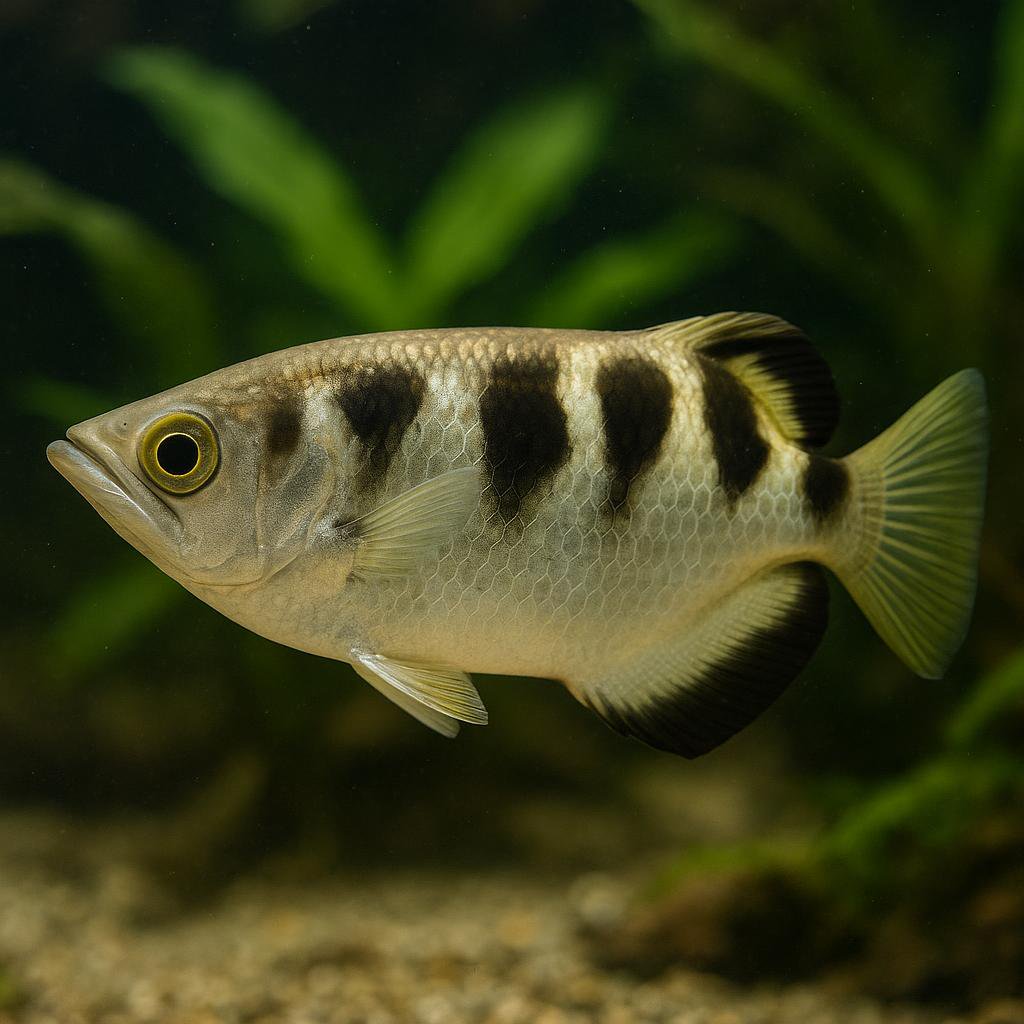
Banded Archerfish
Toxotes jaculatrix
This is the fish that literally spits jets of water to knock insects off branches-watching one "take aim" is unreal. They're super aware of what's going on outside the tank and will even learn to beg and snipe food from the surface once they settle in. Give them height and some open swimming room and they act like little aquatic sharpshooters.
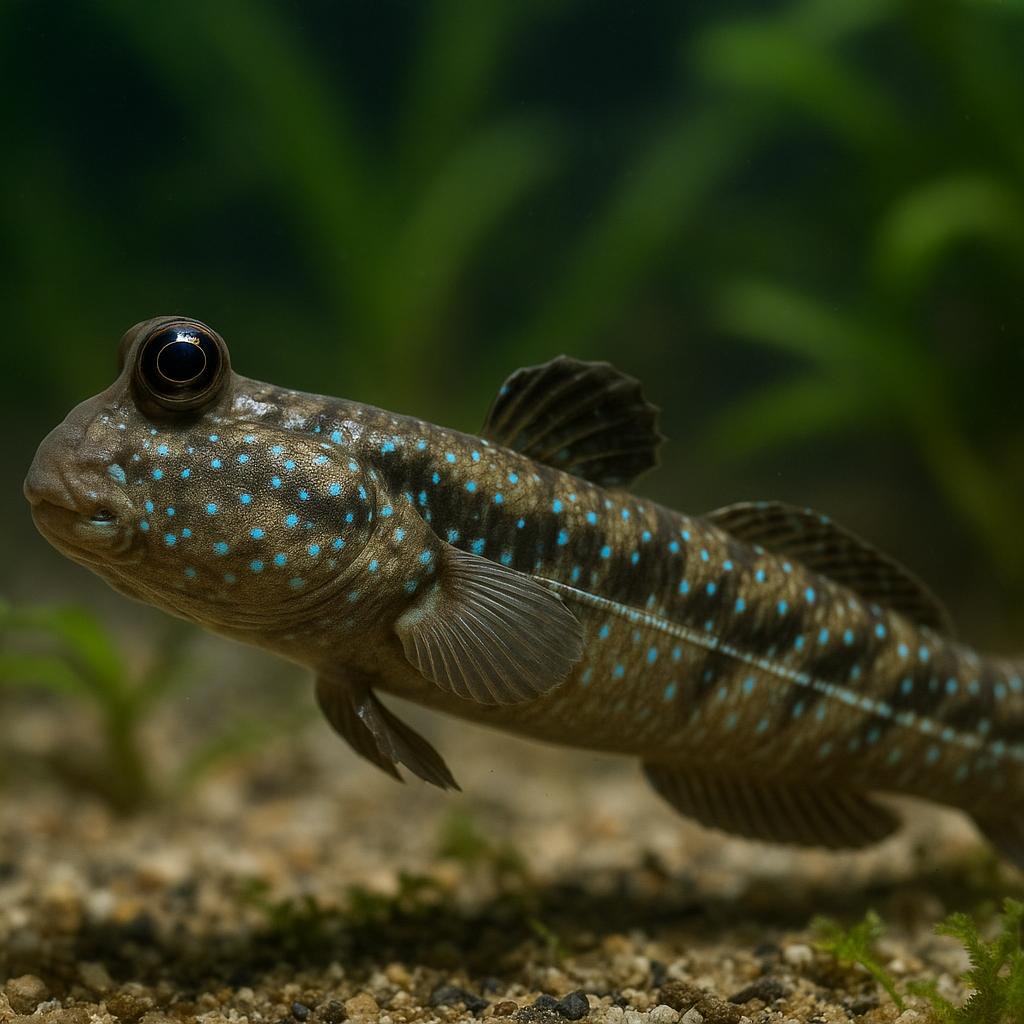
Barred mudskipper
Periophthalmus argentilineatus
This is one of those classic "walks around like it owns the place" mudskippers-big goofy eyes, climbs, hops, and spends a ton of time out on the mud when it's humid. In the wild it lives on intertidal mangrove/nipa mudflats and even shuttles between little pools and open air, hunting worms, insects, and small crustaceans. It's super fun to watch, but it really wants a brackish paludarium setup (not a normal aquarium).
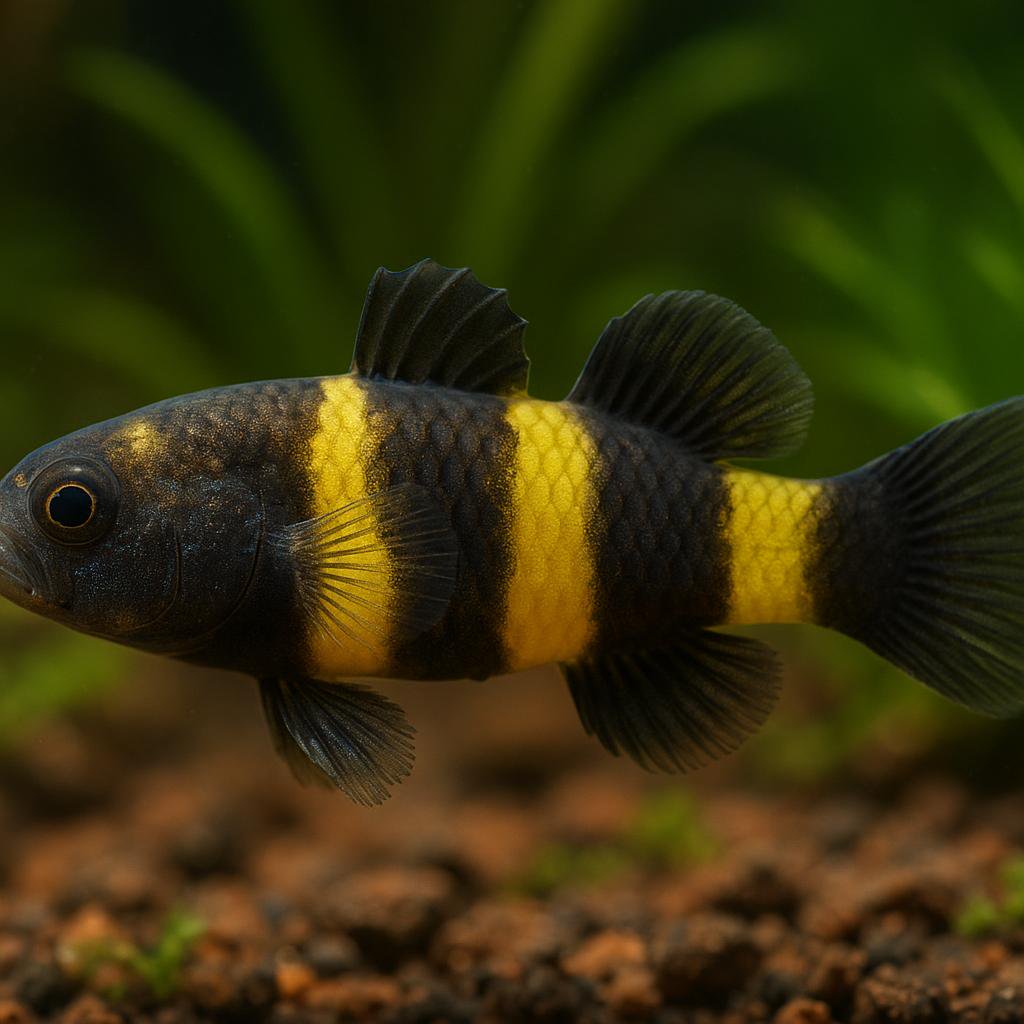
Bumblebee goby
Brachygobius doriae
Brachygobius doriae is one of the classic "bumblebee gobies" - tiny, bottom-hugging little characters that perch on rocks and sand and stare at you like they own the place. They're at their best in a calm setup with lots of caves and leaf litter, and they really shine once you get them eating frozen/live foods reliably (they're slow, picky eaters). Also: they're one of the species that gets mislabeled a lot in shops, so it's super common to see them sold under the wrong bumblebee-goby name.
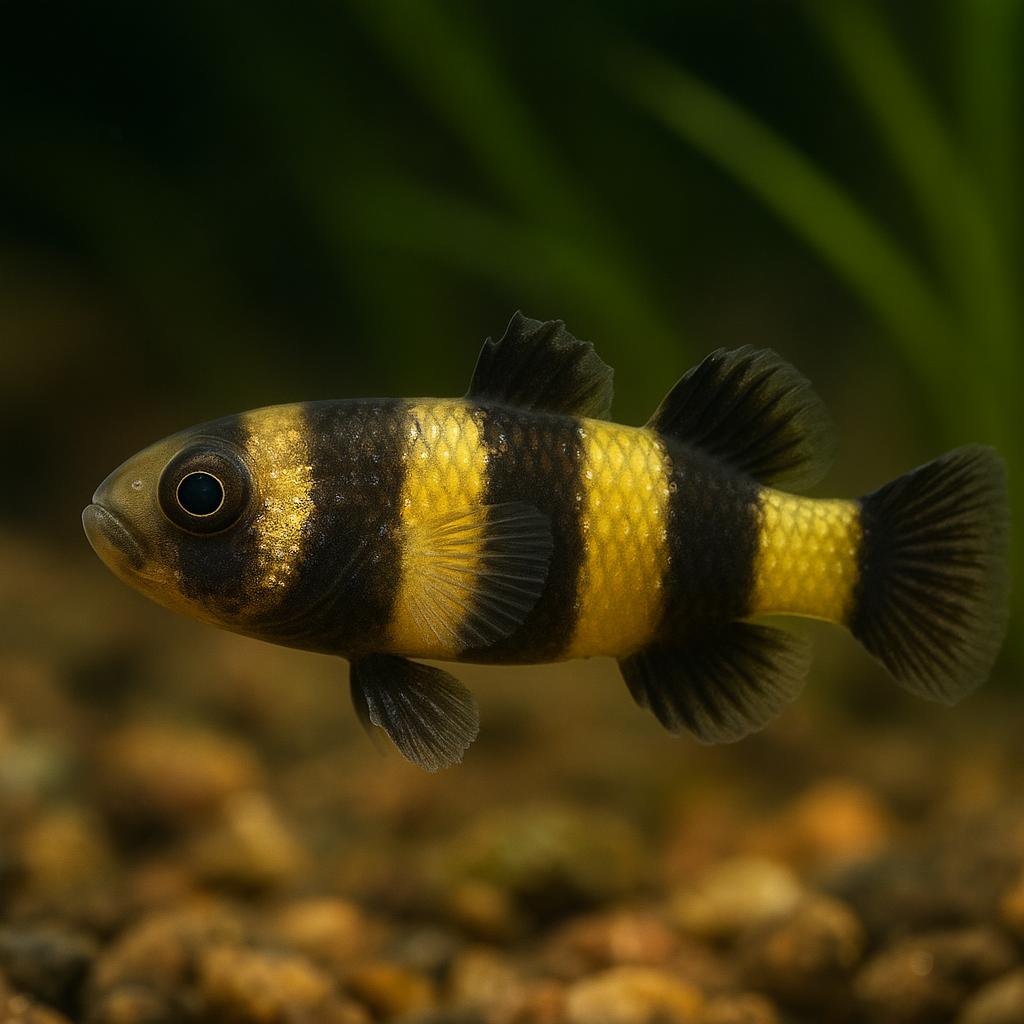
Bumblebee goby (Bumblebee fish)
Brachygobius xanthozonus
This is that tiny little goby with the bold black-and-yellow bands that likes to perch on the bottom and stare back at you like it owns the place. It's happiest in lightly brackish water with lots of little caves and sight-breaks, and it's one of those fish that often refuses flakes-frozen/live meaty foods usually flip the "yes, I will eat" switch.
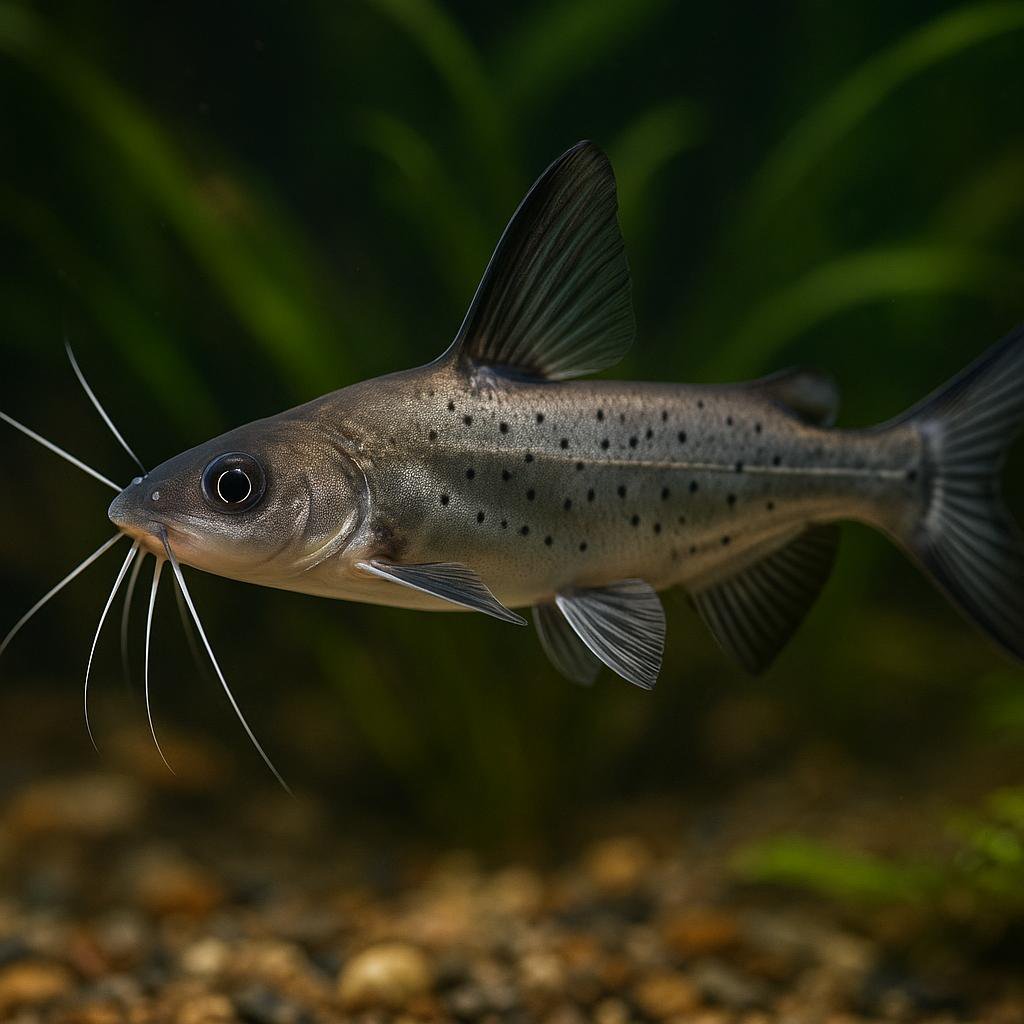
Colombian shark catfish
Ariopsis seemanni
This is that slick silver "shark-looking" catfish with the black fins and white tips that cruises around like it owns the place. The big gotcha is it's not a true freshwater community fish long-term-juveniles show up in shops as "freshwater," but as it grows it really wants brackish and eventually full marine conditions, plus a lot of swimming room.
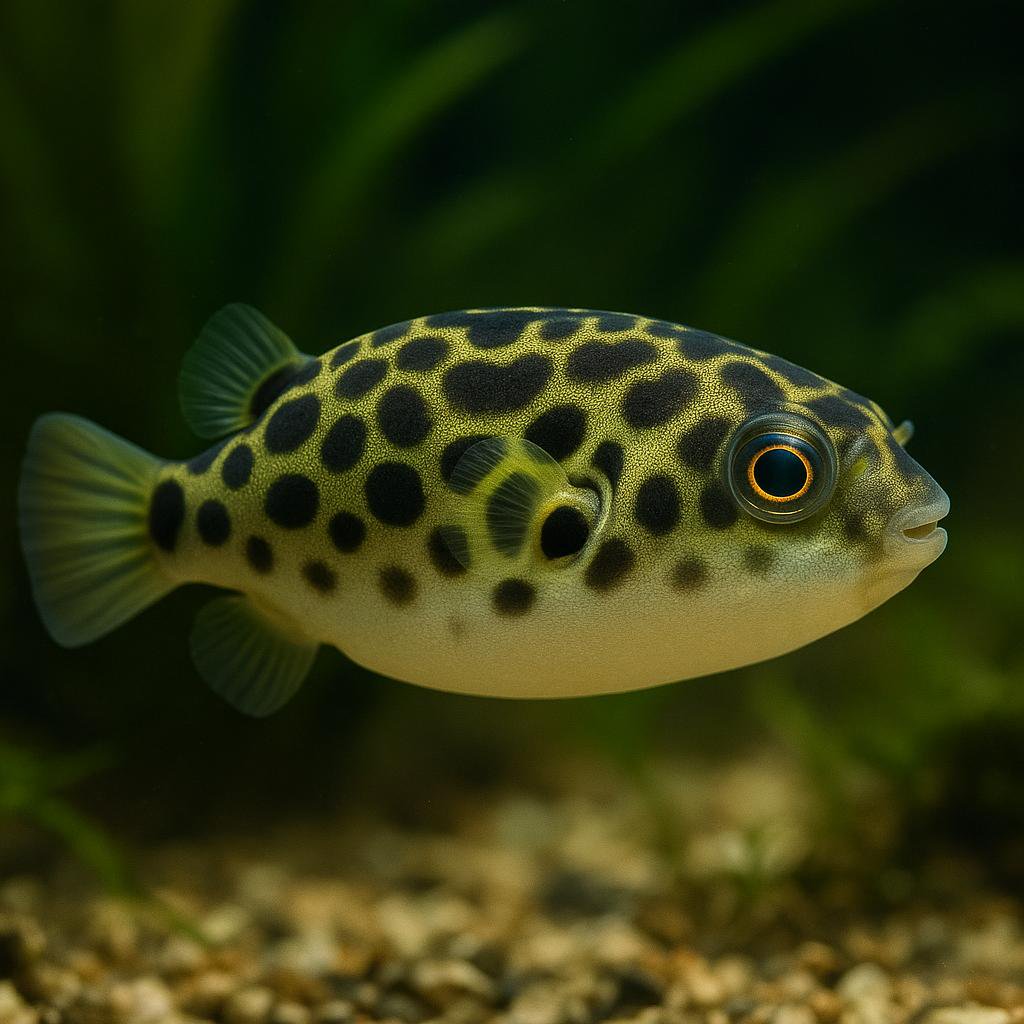
Eyespot pufferfish (Figure-8 puffer)
Dichotomyctere ocellatus
This is the little "figure-8" puffer with the yellow-green squiggles and the two bold eyespots near the tail-tons of personality in a small body. They're basically snail-hunting machines with a curious, interactive vibe, but they can be spicy with their own kind, so you plan the tank around that.
More to Explore
Discover more brackish species.
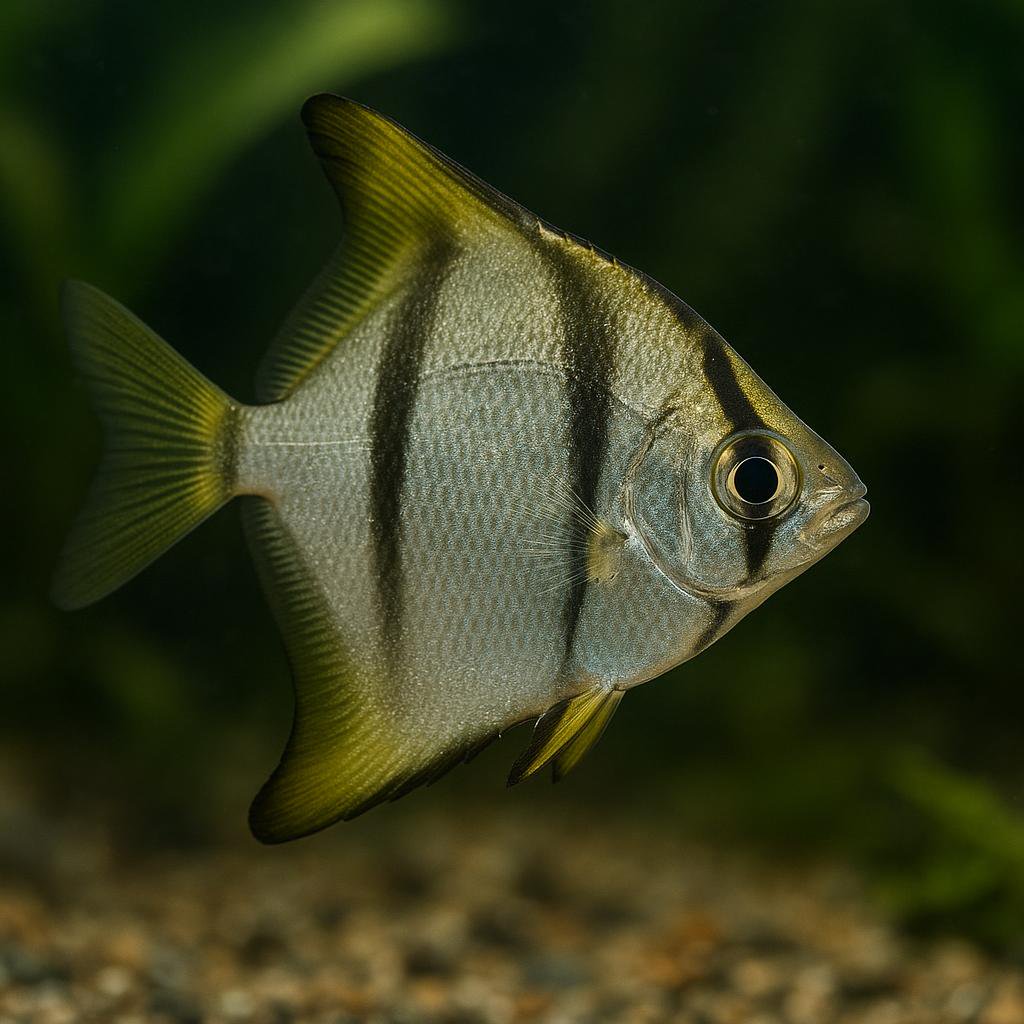
African moony
Monodactylus sebae
This is that shiny, diamond-shaped "mono" that cruises around in a tight pack and looks like a little silver dinner plate with black bars when it's young. The big thing with African moonies is they're euryhaline-so they'll tolerate freshwater as juveniles, but they really shine long-term in brackish (and can be transitioned toward marine as they mature). Give them a big, open tank and a group, and they turn into nonstop, super fun midwater swimmers.
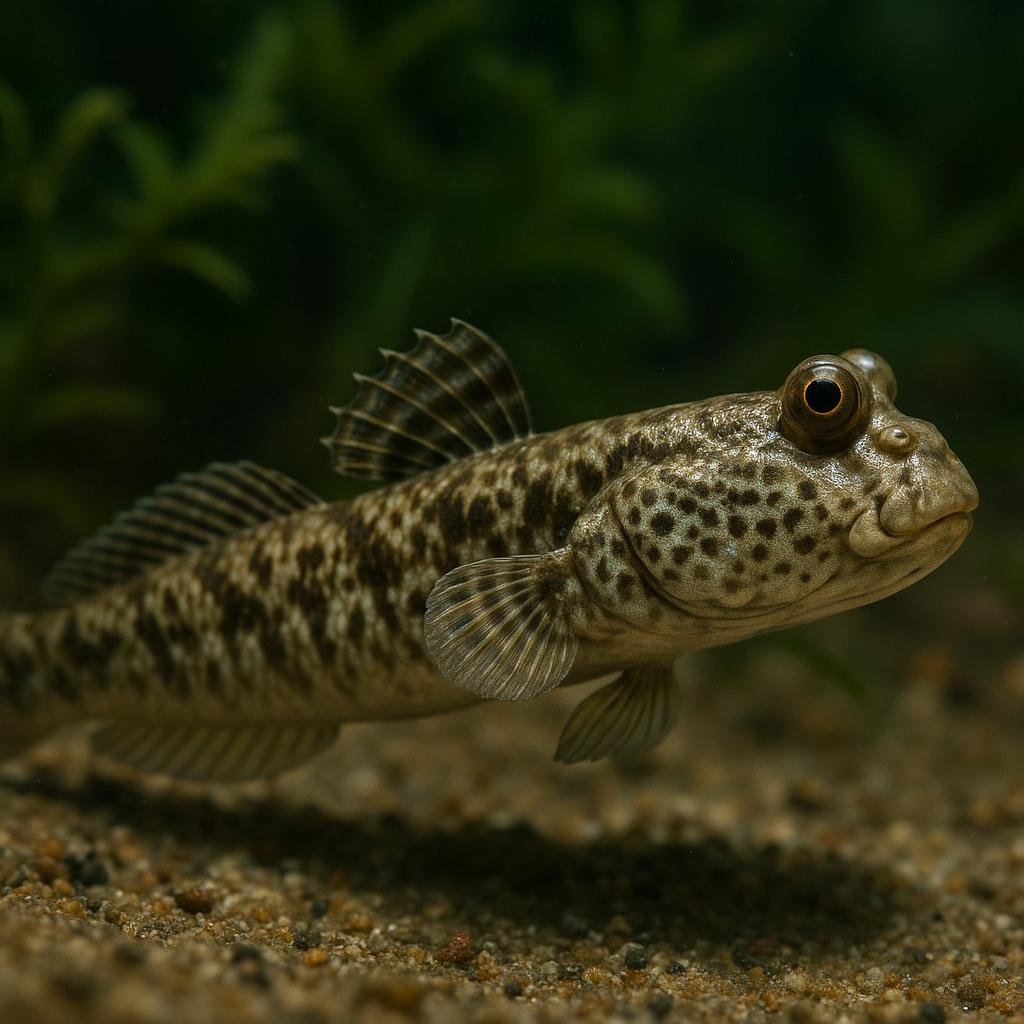
Atlantic Mudskipper
Periophthalmus barbarus
This is that wild little amphibious goby that straight-up climbs around on land like it forgot it was a fish. They've got big googly eyes, tons of personality, and they'll perch, hop, and patrol their territory-honestly more like a tiny crabby lizard than a "regular" aquarium fish.
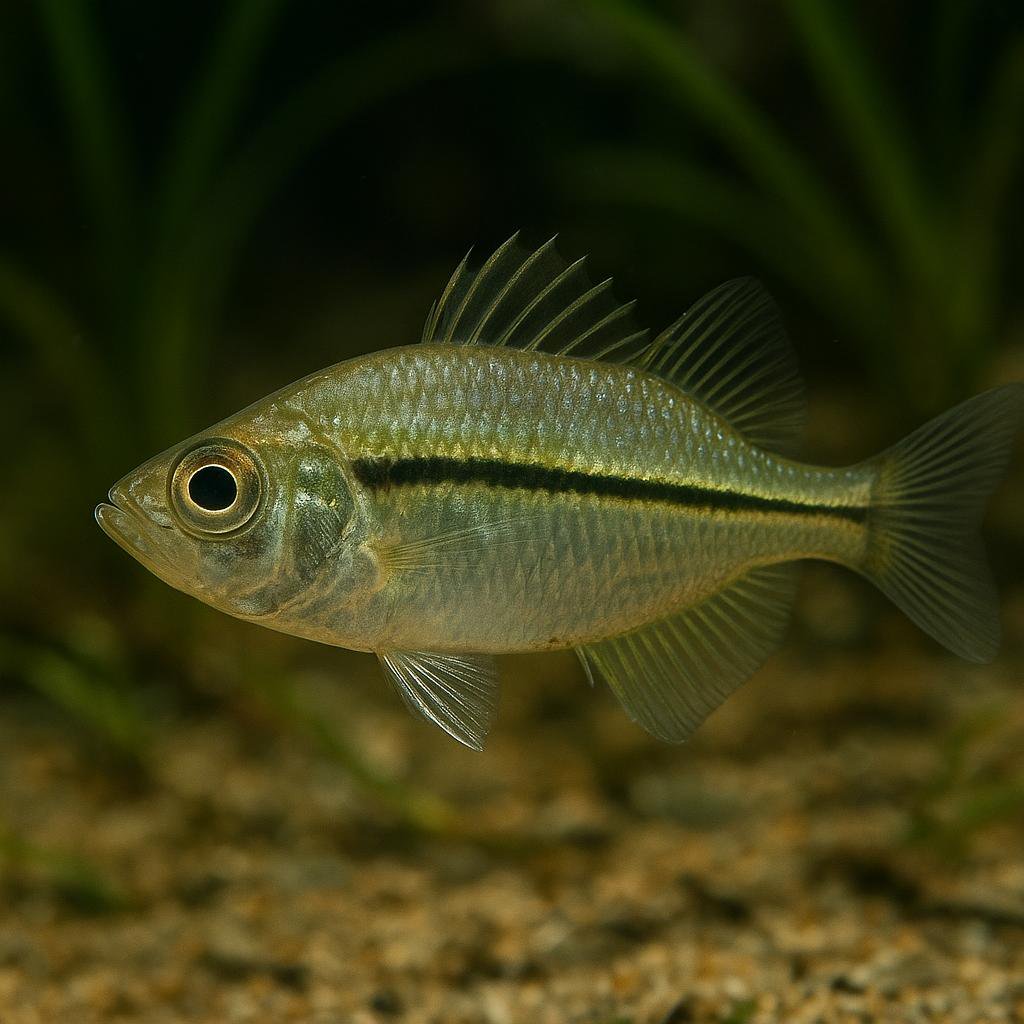
Banded-tail glassy perchlet
Ambassis urotaenia
This is one of those see-through glassy perchlets where you can literally watch the organs shimmer when it turns-super cool in the right lighting. In the wild it hangs around river mouths and mangroves and cruises in groups, so it does best when you keep a little gang of them and give them some open swimming room.
-1771643191.jpg)
Elongate mudskipper (pointed-tailed goby)
Pseudapocryptes elongatus (syn. Pseudapocryptes lanceolatus)
This is that super-cool "mudskipper-ish" goby that mostly stays in the water, but will park itself in the shallows and periscope its eyes above the surface like it's keeping watch. It's an obligate air-breather from tidal rivers/estuaries, so it really appreciates shallow, brackish setups with soft mud/sand and gentle flow-more of a mangrove vibe than a typical community tank.
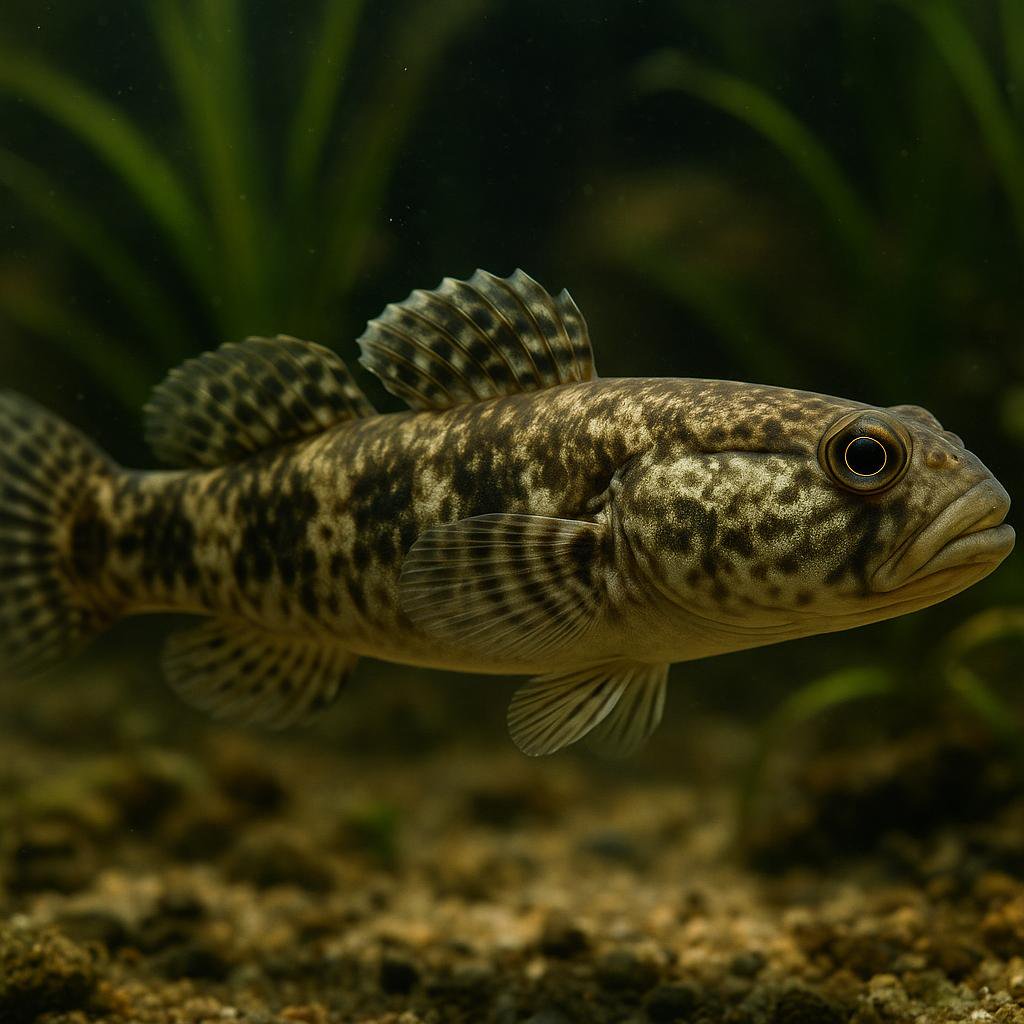
Fat sleeper
Dormitator maculatus
Dormitator maculatus is that chunky "sleeper goby" type fish with the bulldog head and the attitude of a little vacuum cleaner-always sifting and nosing around the bottom. It'll do freshwater or brackish and it can get way bigger than most people expect, so it's one of those fish that's awesome... as long as you plan the tank around the adult size, not the baby you bought.
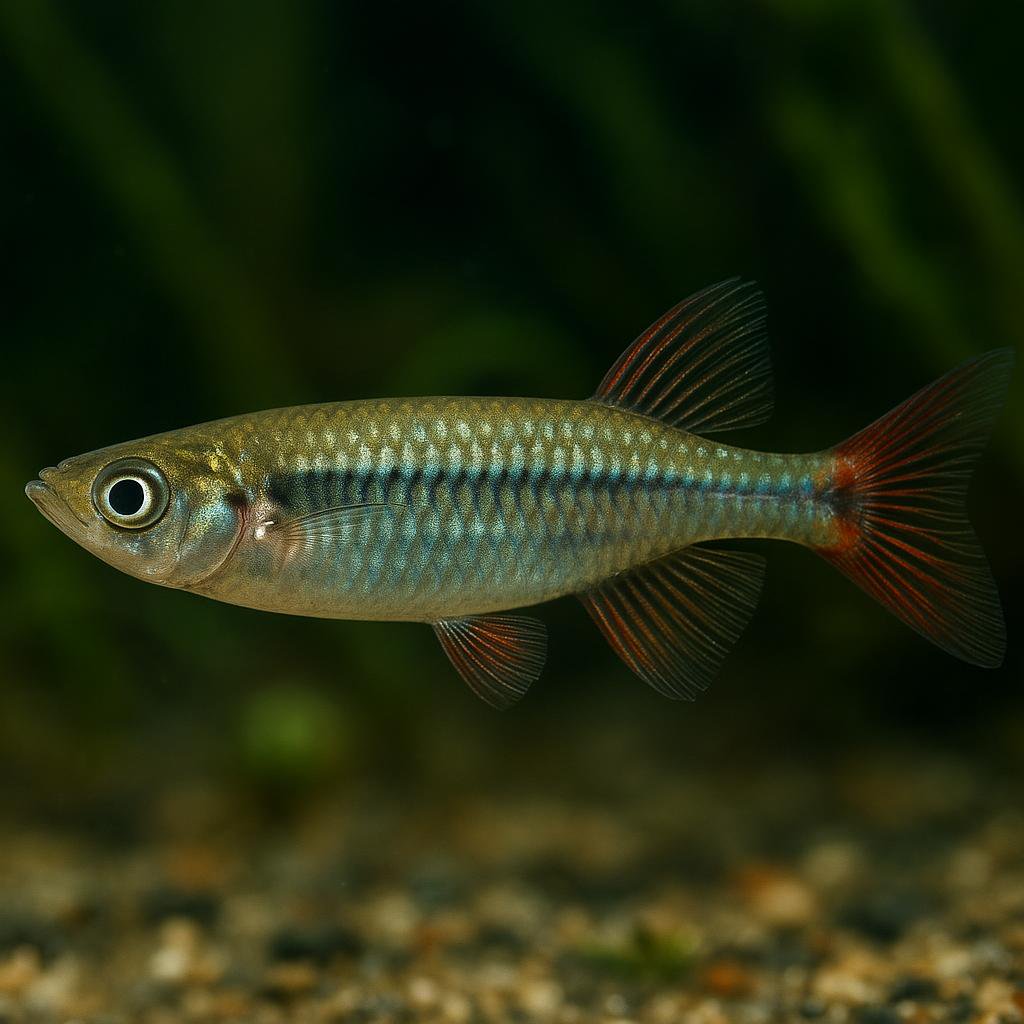
Feathered river-garfish
Zenarchopterus dispar
Zenarchopterus dispar is a surface-hanging halfbeak from mangroves and sheltered bays, with that classic long lower jaw for snapping up insects and other floaty foods. Males get those funky elongated fin rays (the "feathered" look), and they are livebearers, so once they settle in you can occasionally get surprise babies. Biggest thing with this fish is giving it calm water up top, room to cruise, and a tight lid because halfbeaks can rocket-jump.
Looking for other species?