

Banded Archerfish
Toxotes jaculatrix
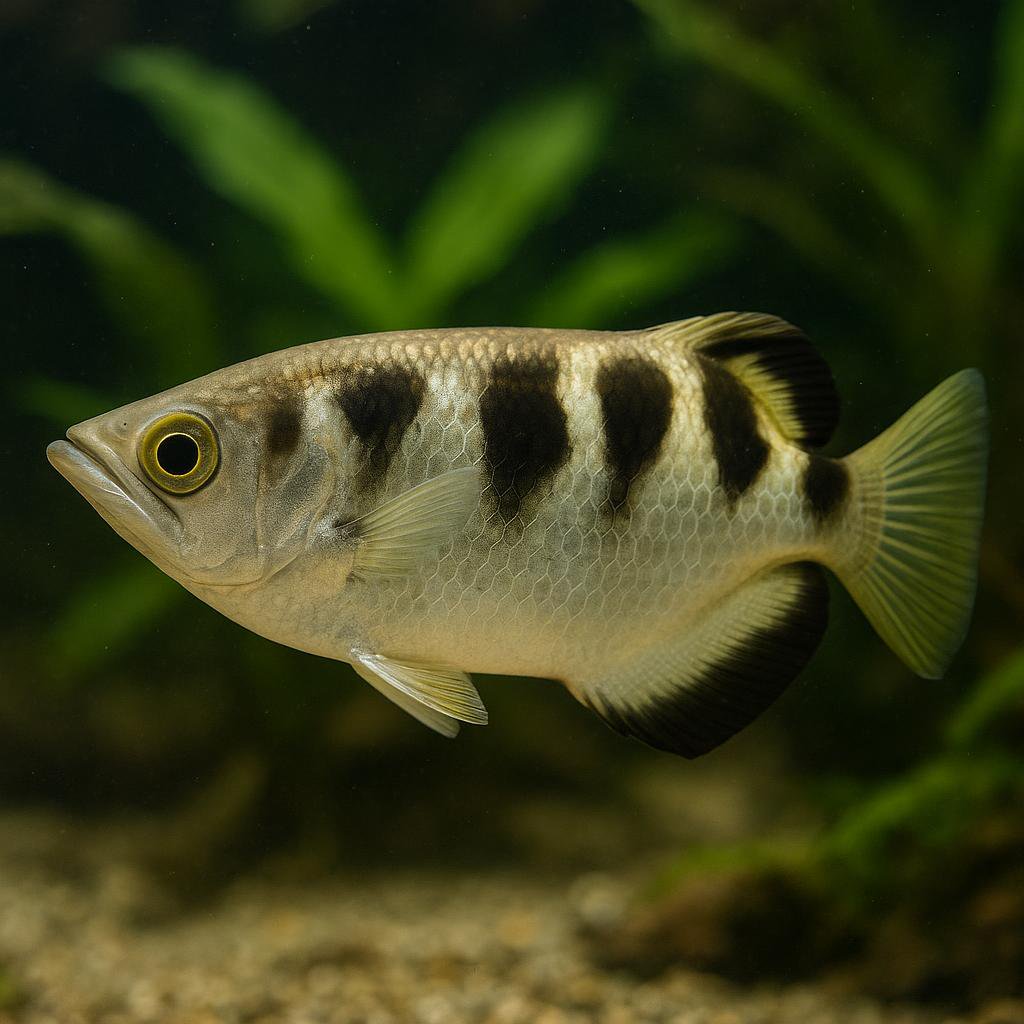
Banded Archerfish exhibit a distinctive banded pattern with dark stripes along their elongated bodies, enhancing their camouflage in brackish waters.
This page includes AI-generated images. Why am I seeing AI images?
About the Banded Archerfish
This is the fish that literally spits jets of water to knock insects off branches-watching one "take aim" is unreal. They're super aware of what's going on outside the tank and will even learn to beg and snipe food from the surface once they settle in. Give them height and some open swimming room and they act like little aquatic sharpshooters.
Quick Facts
Size
12 inches
Temperament
Semi-aggressive
Difficulty
Intermediate
Min Tank Size
125 gallons
Lifespan
5-10 years
Origin
Indo-West Pacific
Diet
Carnivore/insectivore - insects, floating pellets/sticks, frozen foods, occasional small fish/shrimp
Water Parameters
25-30°C
7.2-8.2
10-25 dGH
Need a heater for this species?
This species needs 25-30°C in a 125 gallon tank. Use our heater calculator to find the right wattage.
Calculate heater sizeCare Notes
- Give them a long, open tank with a tight lid-archerfish are strong jumpers and need lots of surface room for hunting/spitting behavior. Many care guides cite ~75-125 gallons as a minimum (larger/longer for groups).
- Run it brackish, not "kinda brackish": adults are best kept brackish; keep temps ~25-30°C with strong filtration. Typical brackish targets reported for this species are roughly SG 1.005-1.015 (some sources cite ~1.008-1.012), and adults may be kept at higher salinity than juveniles-keep salinity stable and match it across water changes.
- Keep the water clean and oxygen-rich; they're messy eaters and will punish you with ammonia/nitrite spikes if the filter isn't beefy and you slack on water changes.
- Feed like a predator: floating pellets as a base, plus insects (crickets/roaches/flies), shrimp, and chunks of fish-teach them to hit food at the surface and you'll actually see the "archer" behavior.
- Don't make feeder fish your routine; it's a parasite/bacteria delivery system-if you want live, use gut-loaded insects instead.
- Tankmates need to be brackish-capable and too big to be lunch: monos, scats, larger mollies, or big gobies can work; avoid small fish and slow long-finned stuff that gets nipped or eaten.
- Decor: leave the top half open, add mangrove-style wood/branches near the surface as "perches," and use hardy brackish plants (or fake) because they'll rearrange/chew up delicate setups.
- Breeding at home is rare-most don't spawn in typical tanks-so don't buy a 'pair' expecting babies; focus on growing them out and keeping salinity stable during moves and water changes.
Compatibility
Good Tankmates
- Monos (Monodactylus spp., e.g., Mono argentus / Mono sebae) - commonly recommended brackish schooling tankmates for archerfish in roomy tanks.
- Scats (Scatophagus argus) - solid match if the tank is roomy. They're bold eaters and can handle the archer's "I'm in charge" attitude. Just don't mix tiny juveniles with big archers.
- Knight gobies (Stigmatogobius sadanundio) - good bottom hangers for a brackish archer setup. They keep to themselves and aren't flashy targets, just give them caves and make sure the archers aren't big enough to treat them like snacks.
- Bigger glassfish (Parambassis spp.) - only the larger ones, and only if your archers are not huge. Archers are hunters and will absolutely test anything that looks bite-sized or slow.
Avoid
- Figure-8 puffers (Dichotomyctere ocellatus) - often a poor match due to different salinity preferences and potential fin-nipping/feeding competition.
- Bumblebee gobies (Brachygobius spp.) - generally unsuitable with archerfish due to very small adult size and different feeding ecology; high risk of predation and/or being outcompeted.
- Small fish (e.g., guppies/small livebearers) - archerfish are predatory and may eat fish that fit in their mouth; only consider larger, brackish-tolerant livebearers with appropriately sized archerfish.
- Slow, fancy-finned stuff like bettas/angelfish - wrong water for them long-term, and the slow-fin look tends to invite chasing and fin damage in a semi-aggressive archer tank.
- Nippy/aggressive tank brawlers like tiger barbs or cichlids - you end up with constant stress and shredded fins. Archers are already pushy at feeding time; adding a bully just turns it into a fight club.
- Tiny bottom dwellers like small kuhli loaches or dwarf corys - not brackish-friendly and they get hammered by competition. Even if nobody attacks them, they just slowly lose out and crash.
1) Where they come from
Banded Archerfish (Toxotes jaculatrix) come from mangroves, estuaries, and coastal rivers across Southeast Asia and northern Australia. Think tidal water that shifts all the time—fresh-ish after rain, saltier on the push of the tide. That “in-between” habitat is why they’re such a brackish fish in the hobby.
And yes, they really do shoot down insects with a water jet. It’s not a myth, and it never gets old.
2) Setting up their tank
These aren’t “cute little community fish.” They get big, they’re powerful, and they’re jumpy. If you’ve only ever kept small brackish fish, archers feel like stepping up to cichlid-level planning.
Tight lid is non‑negotiable. Archers will jump, and they’ll also blast water around during feeding. Leave gaps and you’ll find problems fast.
Tank size: bigger than you think. For a small group, I’d start around 75–125 gallons, and longer is nicer than taller. They’re active, they like cruising room, and they do better with buddies—but that means you need space so a bossy one can’t pin everyone in a corner.
- Salinity: brackish with marine salt mix (not “aquarium salt”). I keep mine in the low-to-mid brackish range and bump it up gradually as they grow.
- Filtration: heavy. Big eaters + messy feeders = you want strong biofiltration and decent turnover.
- Flow: moderate. They don’t need a washing machine, but stagnant brackish gets gross quickly.
- Decor: open swimming space with wood/rock structure along the back/sides. Leave the surface area clear so they can hunt.
- Plants: go for brackish-tolerant stuff (or accept that many freshwater plants melt). Mangrove-style roots/branches look great and match their vibe.
If you want to see the classic “spitting,” give them a target above the waterline (a clip, cork, or feeding platform) and keep the water level a few inches below the lid. They like having headroom.
3) What to feed them
Feeding is half the fun with archers. They learn routines fast and will beg like puppies. The trick is keeping their diet varied and not turning them into “only eats live bugs” divas.
- Staples I’ve had the best luck with: shrimp, prawn chunks, squid, white fish, mussel, and quality carnivore pellets once they’ll take them
- Treats: crickets, roaches, flies, mealworms (sparingly), and other gut-loaded insects
- Frozen options: mysis, krill, chopped clam—great for variety
Skip feeder fish. They’re a disease delivery service and they push archers toward a picky “must hunt fish” habit.
If yours won’t touch pellets at first, don’t panic. I’ve converted stubborn ones by mixing pellets with chopped seafood so the pellet scent gets “associated” with food, then gradually increasing the pellet portion. Patience beats starving them into it.
4) Behavior and tankmates
Archers are smart, alert, and more social than people expect. A lone archer can get skittish and weird; a small group acts more confident. But they also establish a pecking order, especially as they size up.
They’re predators. If it fits in their mouth, it’s food. That includes “it was fine for months” tankmates once the archer grows.
Good tankmates are generally sturdy brackish fish that can handle the salinity you’re running and won’t be intimidated at feeding time. Avoid slow, timid fish and anything small enough to be sampled.
- Often works (size and salinity depending): monos (Monodactylus), scats, larger mollies in brackish setups, some gobies that are robust and not tiny
- Usually trouble: small tetras/rasboras, tiny gobies, delicate fish, long-finned “snack-looking” species
- Intraspecies note: keep a group with enough space; odd numbers can spread aggression, but the real fix is tank size and line-of-sight breaks
One more thing: they’re competitive eaters. If you keep them with fast, aggressive feeders (like big monos), make sure the archers still get their share. I feed in two spots sometimes—one floating/above-water target area for the archers, and one “sink zone” for everyone else.
5) Breeding tips (realistic expectations)
Breeding Banded Archerfish in home aquariums is possible but not common. In the wild they’re tied to seasonal changes and bigger spaces than most of us can offer. Most specimens in the hobby aren’t coming from your average basement breeding project.
If you ever want to try, you’re looking at a large group, lots of time to let them mature, and a setup that can mimic seasonal shifts (salinity and temperature changes) without swinging parameters wildly day to day. Even then, raising fry is a whole other adventure—tiny foods, clean water, and the right salinity progression.
If your goal is a “breeding project,” pick a different brackish species. If your goal is an incredible display fish with personality, archers are absolutely worth it.
6) Common problems to watch for
Most archerfish issues I’ve seen come from three things: the wrong kind of salt, not enough tank/filtration for the bioload, and feeding habits that get messy fast.
- Using “aquarium salt” instead of marine mix: marine salt mix gives you the full mineral profile brackish fish do better with
- Nitrate creep from heavy feeding: archers eat big, and leftover seafood fouls water quickly
- Jumping and injury: spooking, chasing, or open lids = scraped noses and worse
- Aggression/bullying: cramped tanks and too-small groups make one fish become a tyrant
- Skin/fin infections after stress: usually tied to poor water quality, shipping stress, or sudden salinity changes
Don’t swing salinity quickly. If you’re adjusting it (especially upward as they grow), do it gradually over days/weeks. Sudden changes are a great way to end up with stressed fish and mystery illness.
My “boring but effective” routine is simple: big filter, consistent water changes, and I remove uneaten meaty food quickly. Keep that up and archers are surprisingly hardy for an advanced fish—they just punish sloppy setups.
Similar Species
Other brackish semi-aggressive species you might be interested in.
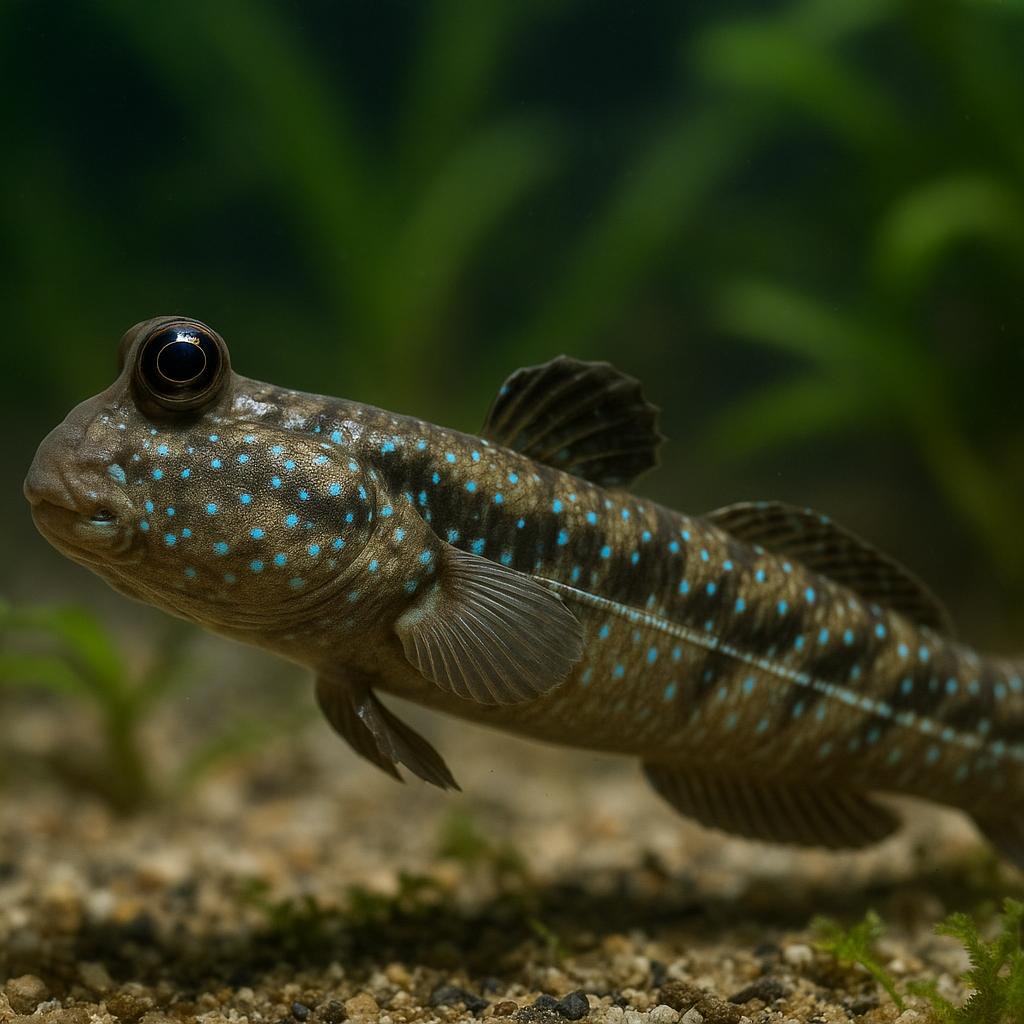
Barred mudskipper
Periophthalmus argentilineatus
This is one of those classic "walks around like it owns the place" mudskippers-big goofy eyes, climbs, hops, and spends a ton of time out on the mud when it's humid. In the wild it lives on intertidal mangrove/nipa mudflats and even shuttles between little pools and open air, hunting worms, insects, and small crustaceans. It's super fun to watch, but it really wants a brackish paludarium setup (not a normal aquarium).
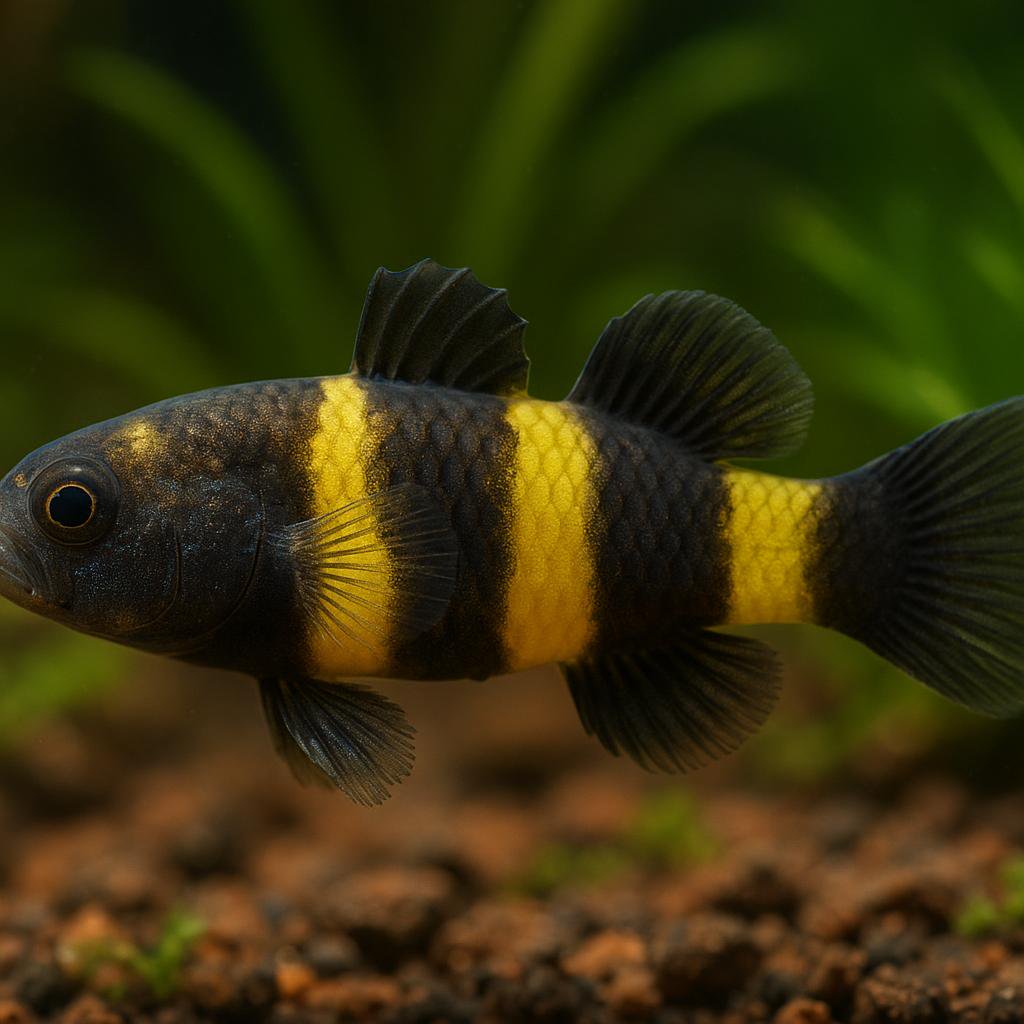
Bumblebee goby
Brachygobius doriae
Brachygobius doriae is one of the classic "bumblebee gobies" - tiny, bottom-hugging little characters that perch on rocks and sand and stare at you like they own the place. They're at their best in a calm setup with lots of caves and leaf litter, and they really shine once you get them eating frozen/live foods reliably (they're slow, picky eaters). Also: they're one of the species that gets mislabeled a lot in shops, so it's super common to see them sold under the wrong bumblebee-goby name.
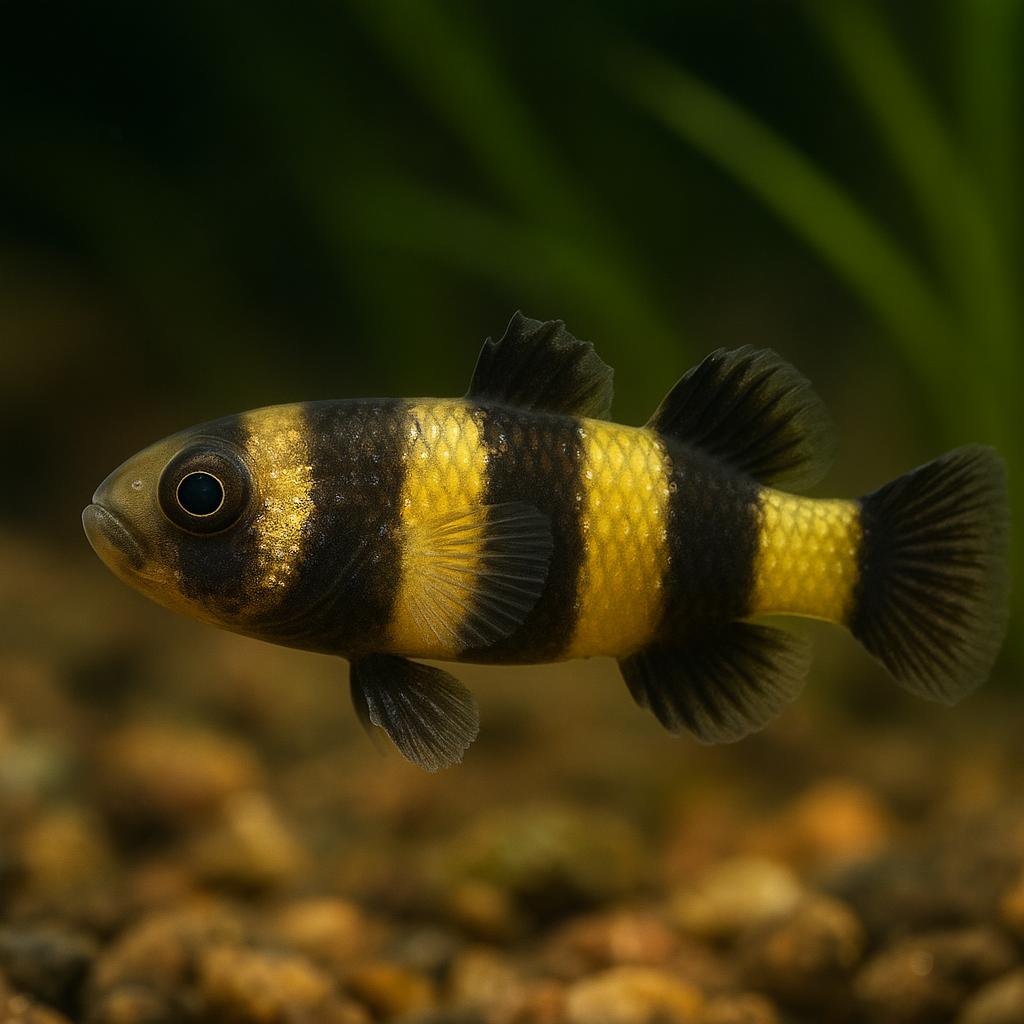
Bumblebee goby (Bumblebee fish)
Brachygobius xanthozonus
This is that tiny little goby with the bold black-and-yellow bands that likes to perch on the bottom and stare back at you like it owns the place. It's happiest in lightly brackish water with lots of little caves and sight-breaks, and it's one of those fish that often refuses flakes-frozen/live meaty foods usually flip the "yes, I will eat" switch.
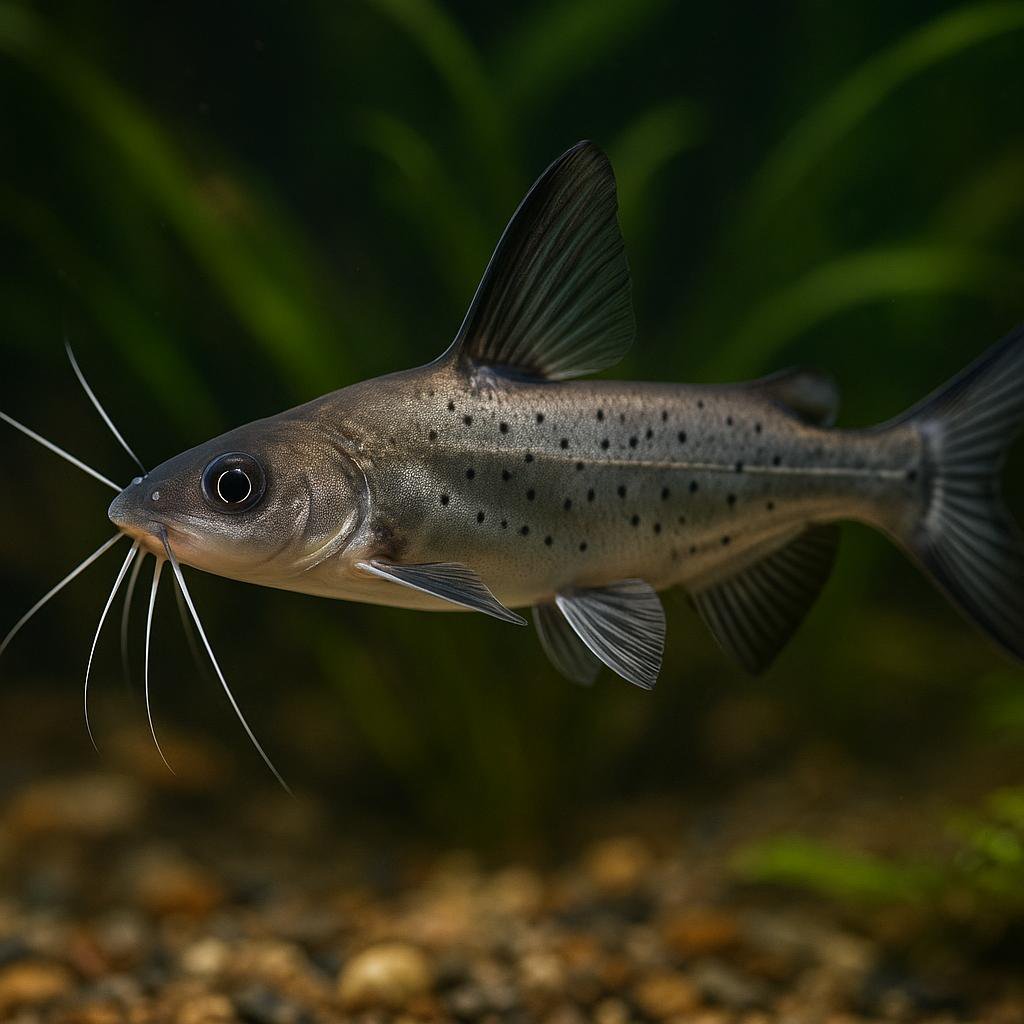
Colombian shark catfish
Ariopsis seemanni
This is that slick silver "shark-looking" catfish with the black fins and white tips that cruises around like it owns the place. The big gotcha is it's not a true freshwater community fish long-term-juveniles show up in shops as "freshwater," but as it grows it really wants brackish and eventually full marine conditions, plus a lot of swimming room.
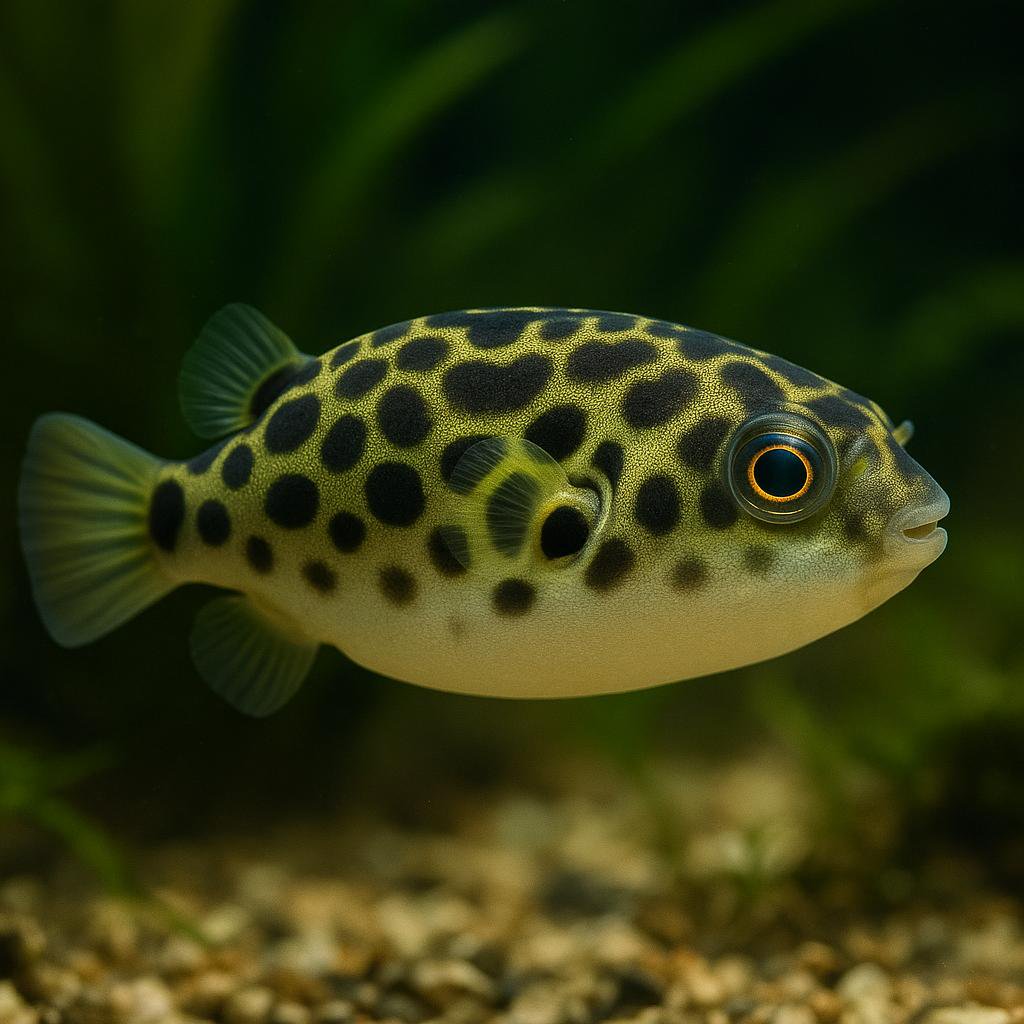
Eyespot pufferfish (Figure-8 puffer)
Dichotomyctere ocellatus
This is the little "figure-8" puffer with the yellow-green squiggles and the two bold eyespots near the tail-tons of personality in a small body. They're basically snail-hunting machines with a curious, interactive vibe, but they can be spicy with their own kind, so you plan the tank around that.
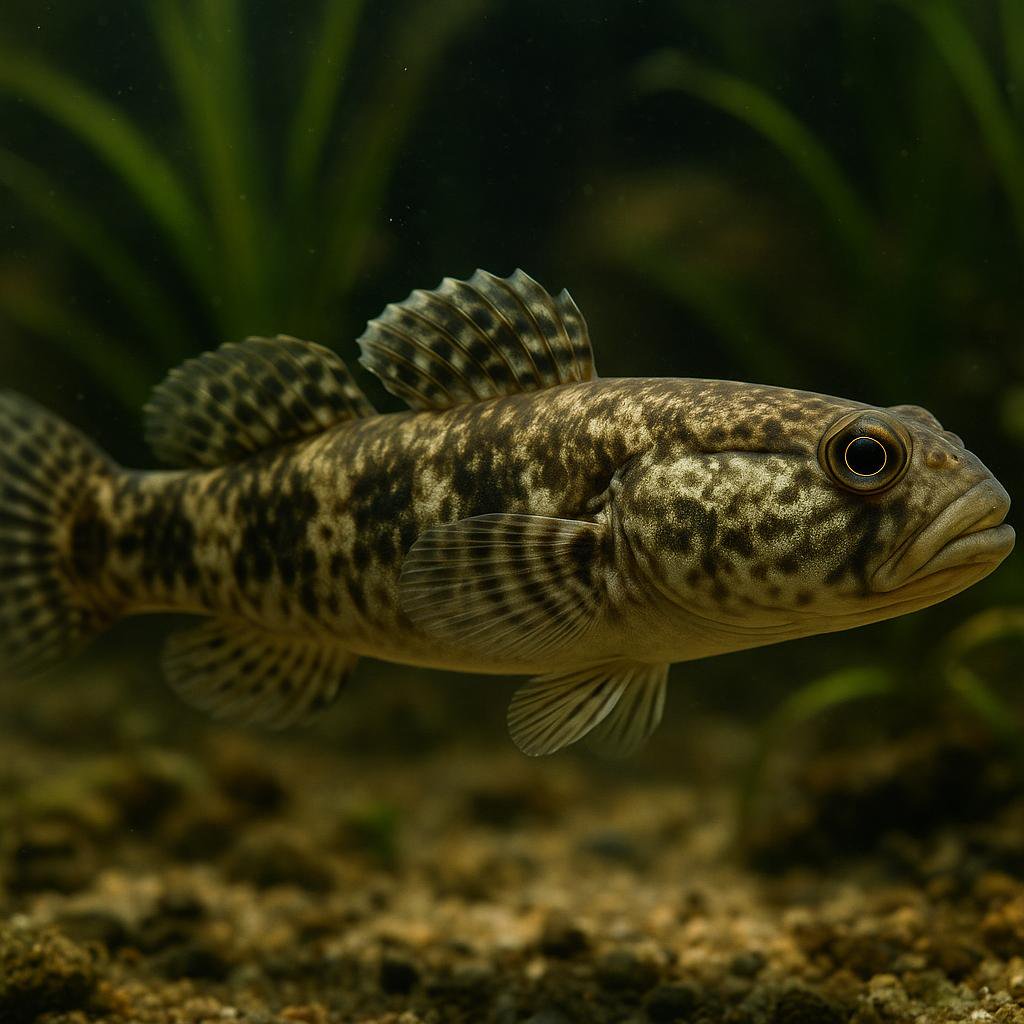
Fat sleeper
Dormitator maculatus
Dormitator maculatus is that chunky "sleeper goby" type fish with the bulldog head and the attitude of a little vacuum cleaner-always sifting and nosing around the bottom. It'll do freshwater or brackish and it can get way bigger than most people expect, so it's one of those fish that's awesome... as long as you plan the tank around the adult size, not the baby you bought.
More to Explore
Discover more brackish species.
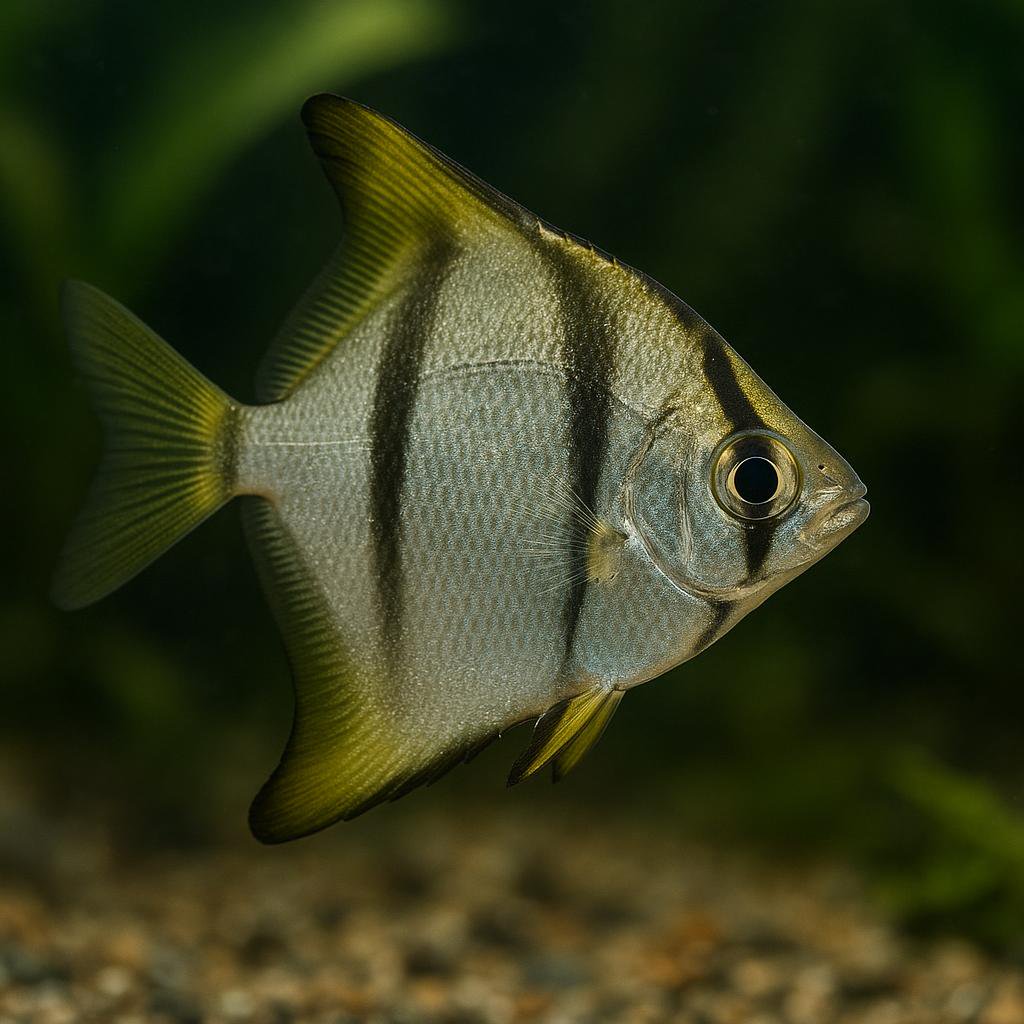
African moony
Monodactylus sebae
This is that shiny, diamond-shaped "mono" that cruises around in a tight pack and looks like a little silver dinner plate with black bars when it's young. The big thing with African moonies is they're euryhaline-so they'll tolerate freshwater as juveniles, but they really shine long-term in brackish (and can be transitioned toward marine as they mature). Give them a big, open tank and a group, and they turn into nonstop, super fun midwater swimmers.
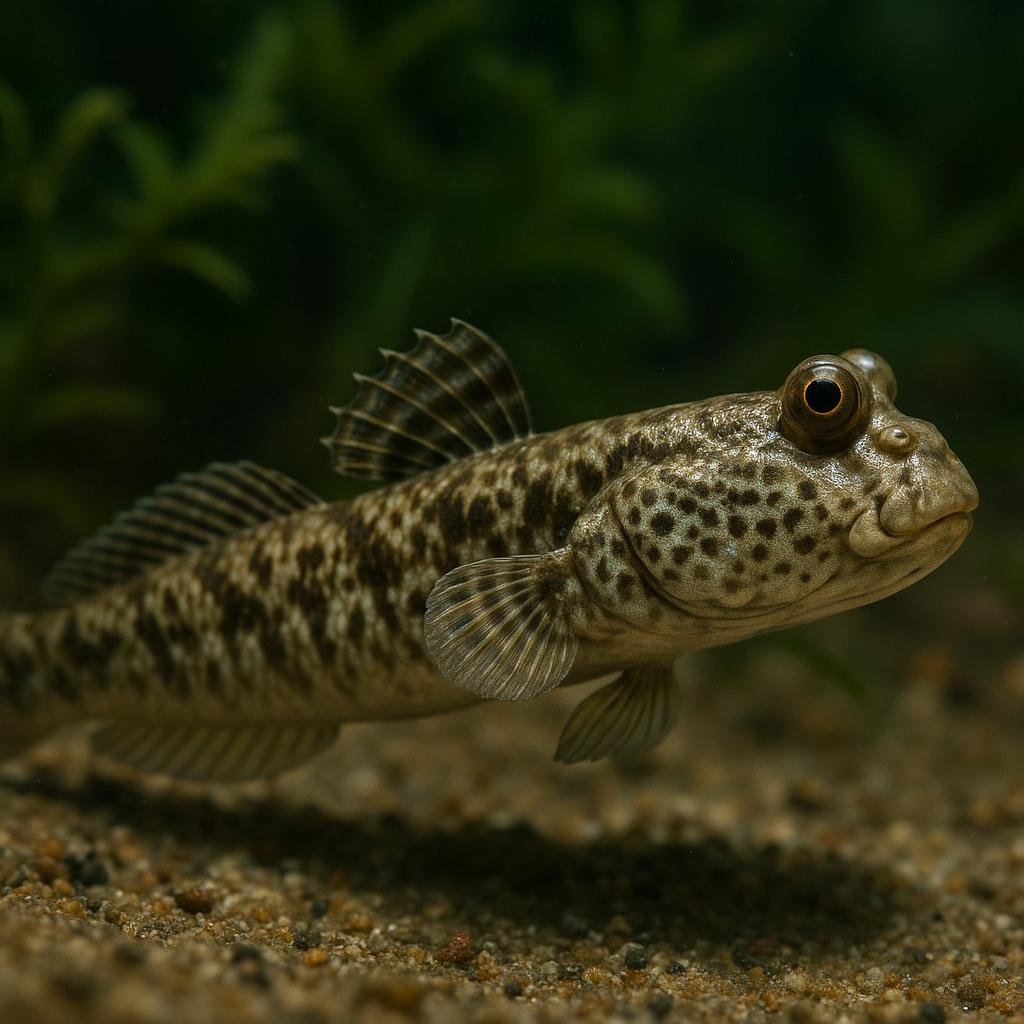
Atlantic Mudskipper
Periophthalmus barbarus
This is that wild little amphibious goby that straight-up climbs around on land like it forgot it was a fish. They've got big googly eyes, tons of personality, and they'll perch, hop, and patrol their territory-honestly more like a tiny crabby lizard than a "regular" aquarium fish.
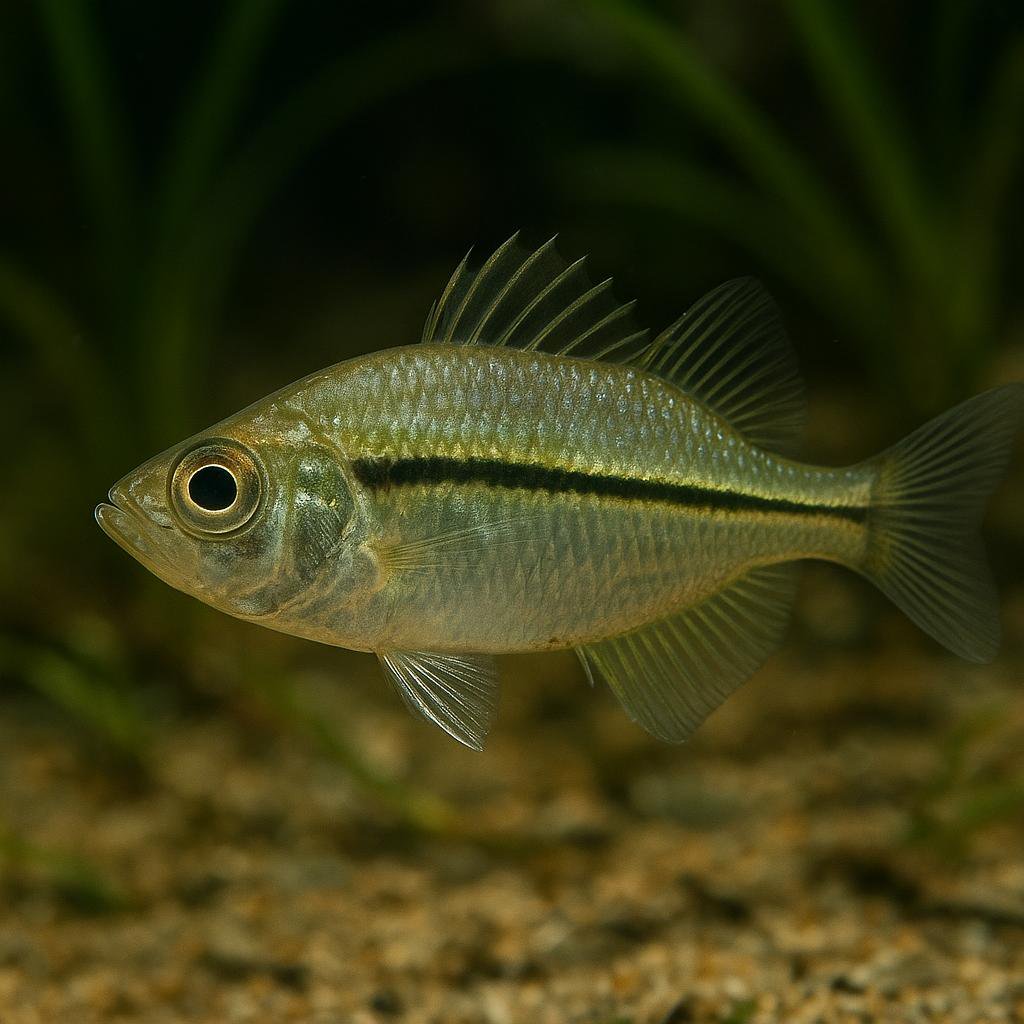
Banded-tail glassy perchlet
Ambassis urotaenia
This is one of those see-through glassy perchlets where you can literally watch the organs shimmer when it turns-super cool in the right lighting. In the wild it hangs around river mouths and mangroves and cruises in groups, so it does best when you keep a little gang of them and give them some open swimming room.
-1771643191.jpg)
Elongate mudskipper (pointed-tailed goby)
Pseudapocryptes elongatus (syn. Pseudapocryptes lanceolatus)
This is that super-cool "mudskipper-ish" goby that mostly stays in the water, but will park itself in the shallows and periscope its eyes above the surface like it's keeping watch. It's an obligate air-breather from tidal rivers/estuaries, so it really appreciates shallow, brackish setups with soft mud/sand and gentle flow-more of a mangrove vibe than a typical community tank.
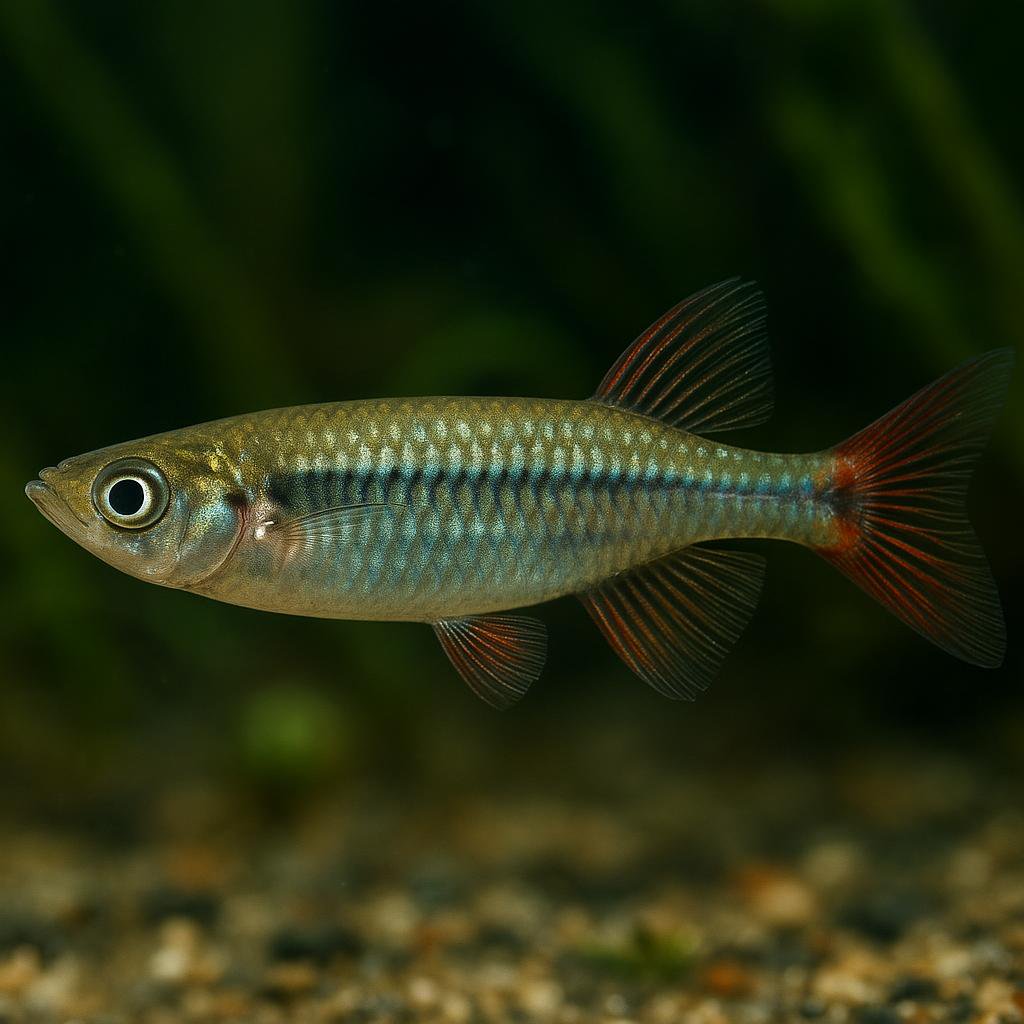
Feathered river-garfish
Zenarchopterus dispar
Zenarchopterus dispar is a surface-hanging halfbeak from mangroves and sheltered bays, with that classic long lower jaw for snapping up insects and other floaty foods. Males get those funky elongated fin rays (the "feathered" look), and they are livebearers, so once they settle in you can occasionally get surprise babies. Biggest thing with this fish is giving it calm water up top, room to cruise, and a tight lid because halfbeaks can rocket-jump.
-1771033122.jpg)
Figure 8 Puffer (Eyespot puffer)
Dichotomyctere ocellatus (syn. Tetraodon biocellatus)
This is the small "Figure 8"/eyespot puffer with two bold eyespots and a yellow-green maze-like pattern. They're interactive and can be fin-nippy and territorial, especially toward other puffers. Husbandry advice on salinity varies by source: FishBase lists it as a freshwater species, while many aquarium references recommend low-end brackish (often around SG ~1.005-1.008) for long-term keeping, with very clean, stable water.
Looking for other species?