

Atlantic Mudskipper
Periophthalmus barbarus
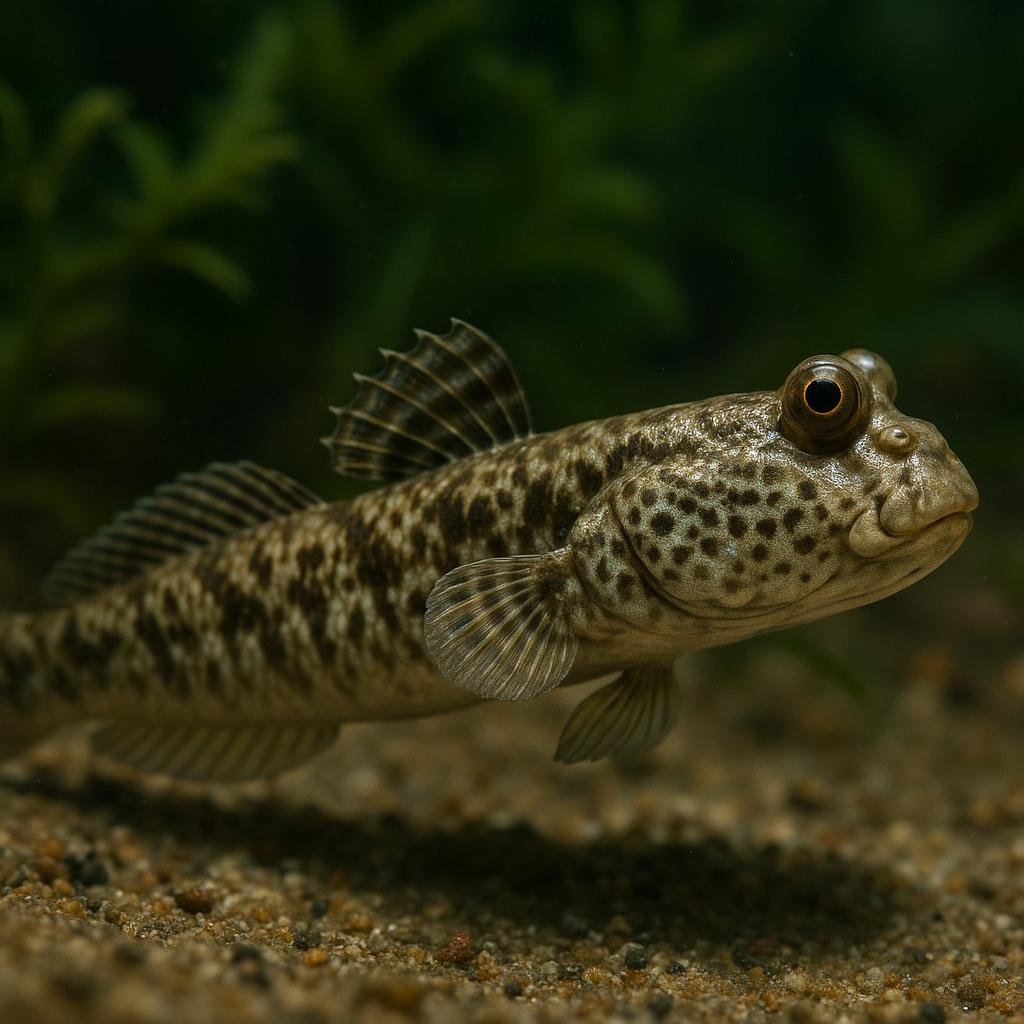
The Atlantic Mudskipper has a mottled brown and green body, prominent eyes, and elongated pectoral fins adapted for terrestrial movement.
This page includes AI-generated images. Why am I seeing AI images?
About the Atlantic Mudskipper
This is that wild little amphibious goby that straight-up climbs around on land like it forgot it was a fish. They've got big googly eyes, tons of personality, and they'll perch, hop, and patrol their territory-honestly more like a tiny crabby lizard than a "regular" aquarium fish.
Also known as
Quick Facts
Size
14.7 cm
Temperament
Aggressive
Difficulty
Intermediate
Min Tank Size
65 gallons
Lifespan
5-8 years
Origin
West Africa
Diet
Carnivore/insectivore - small crabs/shrimp, insects, worms, frozen meaty foods; pellets may be accepted
Water Parameters
25-30°C
7.5-8.5
8-18 dGH
Need a heater for this species?
This species needs 25-30°C in a 65 gallon tank. Use our heater calculator to find the right wattage.
Calculate heater sizeCare Notes
- Build it like a mini-mangrove beach: big land area (sand/mud mix) plus shallow water, with lots of roots/rocks so they can claim spots and climb out.
- They're escape artists-tight lid, block every gap around cables/filters, and keep the waterline low because they'll use anything as a ladder.
- Run brackish: target a stable brackish salinity appropriate for the setup (sources range from low brackish additions to much higher brackish/marine SG ranges), keep pH alkaline (about 7.5-8.5 depending on salinity), and keep it warm (25-30°C).
- Filtration needs to handle messy eaters, but don't blast them with current; gentle flow in the water section and good gas exchange goes a long way.
- Feed meaty foods on the land edge or in shallow water-live/ frozen crickets, roaches, earthworms, shrimp, mussel, and sinking carnivore pellets; give smaller meals more often so leftovers don't rot in the mud.
- Don't keep a single one in a tiny setup: they're territorial and will scrap, so give multiple hides and lots of floor space, or keep one mudskipper as the centerpiece.
- Tankmates are usually a headache-avoid anything that needs full freshwater or full marine, and skip fin-nippers; if you try companions, think tough brackish fish that won't bother them and can handle the same salinity (and have an exit plan).
- Watch for dried-out skin/eye issues (too little access to damp land), and for bites/torn fins from fights; most 'mystery deaths' come from escapes, wrong salinity, or aggression.
Compatibility
Good Tankmates
- Other Atlantic mudskippers (Periophthalmus barbarus) in a big, well-scaped tank - think lots of land area, sight breaks, and multiple "beach" spots. They scrap over prime perches, so more space and more hiding/visual barriers = way less drama.
- Archerfish (Toxotes spp.) only in very large brackish paludarium-style systems where both species' needs are met; compatibility is variable and size-dependent.
- Monos (Monodactylus spp.) only in very large brackish systems; many sources advise not mixing monos/scats/archers with other species due to specialized water-chemistry needs.
- Scats (Scatophagus argus) only in very large brackish systems; many sources advise not mixing scats/monos/archers with other species due to specialized needs.
- Other brackish species only in very large, carefully designed aquaterrariums; many sources recommend a species-only setup due to territoriality and predation risk.
Avoid
- Bumblebee gobies (Brachygobius spp.) - high predation/harassment risk due to size difference and mudskipper territoriality; most guidance favors species-only.
- Fancy slow fish with long fins (bettas/guppies/angels, etc.) - bad mix. Mudskippers are opportunistic and pushy, and anything slow or frilly becomes a target (or a snack attempt).
- Tiny nano fish and fry-sized stuff (neon-sized fish, small livebearers, little rasboras) - if it fits in the mudskipper's mouth, it's on the menu. Even if it doesn't, they stress easily in a rowdy brackish shoreline setup.
- Bottom-hugging peaceful fish that want to chill on the substrate (most cory-type behavior, small loaches, timid gobies) - mudskippers treat the shore and bottom edge like their turf and will harass anything that tries to share it.
- Big aggressive brackish bruisers (large cichlids, very rough puffers) - different kind of aggression. These guys can out-muscle or bite up a mudskipper, and mudskippers can't really 'escape upward' like typical fish since they need their land zone.
1) Where they come from
Atlantic mudskippers (Periophthalmus barbarus) come from West African mangroves and tidal mudflats. Think warm, shallow water that swings between fresh-ish and salty as the tide rolls in and out… and huge stretches of exposed mud where they spend half their life out of the water.
That tidal lifestyle is the whole secret. If you set them up like a normal “brackish fish tank,” they usually look miserable. If you set them up like a little mangrove shoreline, they turn into absolute characters.
2) Setting up their tank (the part that makes or breaks it)
You’re basically building a paludarium: water + land. Mudskippers need a big land area to climb, bask, and patrol. They also jump like they’ve got somewhere to be.
Lid security isn’t optional. These guys can climb silicone seams, cords, and filters. If there’s a gap, they’ll find it. I tape/clip lids down and block cable cutouts.
Tank size: bigger is calmer. I wouldn’t do adults in anything under a 30–40 gallon footprint, and I prefer long tanks over tall ones. They use floor space way more than depth.
- Layout: ~50–70% land, the rest shallow water (they don’t need deep water)
- Land: sand/mud mix or fine sand with a sloped beach; add rocks and driftwood for perches
- Hides: lots of line-of-sight breaks (roots, caves, rock piles) to cut down fighting
- Plants: mangrove-style look is great, but choose brackish-tolerant plants (or use hardy emergent plants with roots in water)
For water, aim brackish and stable. I’ve had the best luck in the low-to-mid brackish range (around SG 1.005–1.015). Mix with marine salt, not “aquarium salt.” Keep it warm (mid-to-high 70s°F / ~24–27°C) and well-filtered, but don’t blast them with current.
Give them humid air. A tight lid helps hold warmth and humidity, and they spend a lot of time out of water. If the “land side” dries out like a desert, they get cranky and hide more.
Substrate choice matters. Super-sharp gravel is a bad idea—they belly-slide, dig, and scrape themselves. Fine sand and smooth hardscape save you a lot of headaches.
3) What to feed them
They’re enthusiastic predators and they really prefer meaty foods. Mine learned to recognize the feeding tool and would come up and stare me down like tiny swamp dogs.
- Staples: frozen/thawed shrimp, krill, mussel, clam, fish fillet (sparingly), chopped earthworms
- Great options: live or frozen bloodworms, blackworms, small crabs if you can get them (treat)
- Pellets: some will take sinking carnivore pellets, but many never fully convert—use as backup, not the whole diet
Target feed with tongs on the land edge. If you drop everything into the water, one bold fish usually hogs it and the shy ones lose weight.
Feed small portions more often rather than one big dump. They’ll beg constantly, but overfeeding turns the shallow water into a waste soup fast.
4) Behavior and tankmates
They’re smart, territorial, and weirdly interactive. Expect posturing, little push-ups, fin flares, and wrestling matches. Some of it is normal… but constant chasing means the tank needs more space and more visual barriers.
They will eat anything that fits in their mouth, and they’ll bully slow or timid fish. “Community brackish” usually ends with someone stressed or missing.
Tankmates are tricky because mudskippers want land and calm shallows, while most brackish fish want more water volume. If you try tankmates, think tough, fast, brackish species that stay in the water and can handle the salinity you’re running—but even then, watch closely.
- Best plan: species-only mudskipper setup
- If mixing: pick fish that won’t be outcompeted at feeding time and won’t nip exposed mudskippers
- Keep multiple mudskippers only if the tank is large with lots of territories—otherwise one becomes the bully-in-chief
5) Breeding tips (the honest version)
Breeding P. barbarus in home setups isn’t impossible, but it’s not something most people stumble into. In the wild they dig burrows and use air pockets, tides, and very specific conditions.
If you want to try, your best shot is a big tank with a deep, diggable shoreline (mud/sand mix), stable brackish water, and a lot of privacy. You’re looking for burrow building and a male guarding a spot. The hard part is getting eggs/larvae through to juvenile stage without them disappearing.
Even if you’re not trying to breed, letting them dig (safe substrate, stable slopes, sturdy hardscape) makes them act way more natural and cuts stress behaviors.
6) Common problems to watch for
Most mudskipper problems come from one of three things: not enough land, wrong salinity, or bad escapes.
- Escape attempts: pacing and climbing—almost always a lid/gap issue or the tank is too bare/too small
- Fighting: torn fins, missing scales, one fish constantly pinned to a corner—add hides, break sight lines, or separate
- Skin/eye damage: sharp decor or abrasive substrate; also watch for cloudy eyes after scuffles
- Refusing food: stress from bullying, salinity swings, or a tank that’s all water with no usable land
- Poor water quality: shallow brackish tanks foul quickly—keep up with water changes and remove uneaten food fast
Salinity swings hit them harder than people expect. Mix new water ahead of time, match temperature, and keep your SG consistent. Sudden changes show up as lethargy, hiding, and appetite drop.
If you build the tank around their amphibious lifestyle—big land zone, warm humid air, brackish shallows, and a locked-down lid—everything else gets easier. And once they settle in, you’ll get one of the most entertaining fish you can keep.
Similar Species
Other brackish aggressive species you might be interested in.
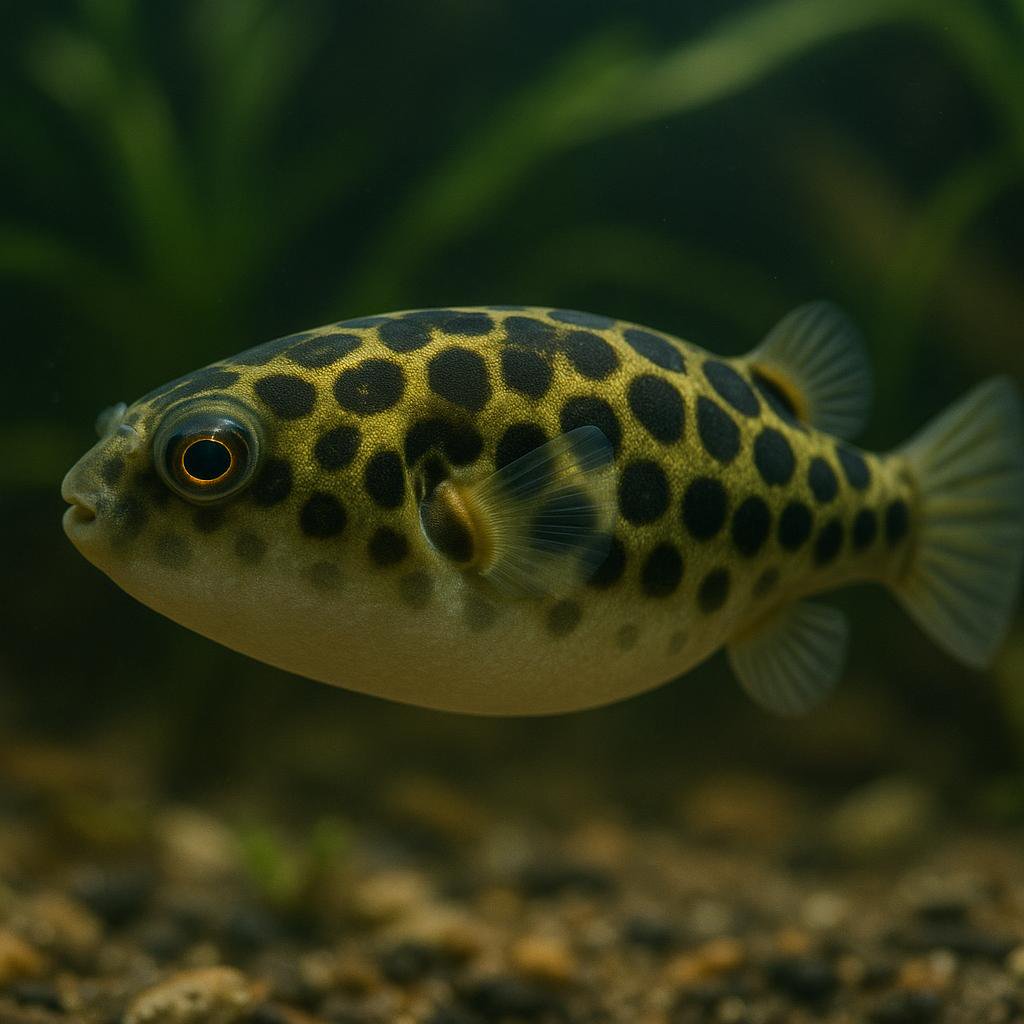
Green Spotted Puffer
Tetraodon nigroviridis
Green spotted puffers are little water puppies with fins-super curious, always watching you, and they'll beg like they've never been fed in their life. The bright green-and-black spotting stays eye-catching, and they've got that classic puffer "I'm plotting something" face. Just know they're not a true freshwater fish long-term, and they really do need crunchy foods to keep their teeth worn down.
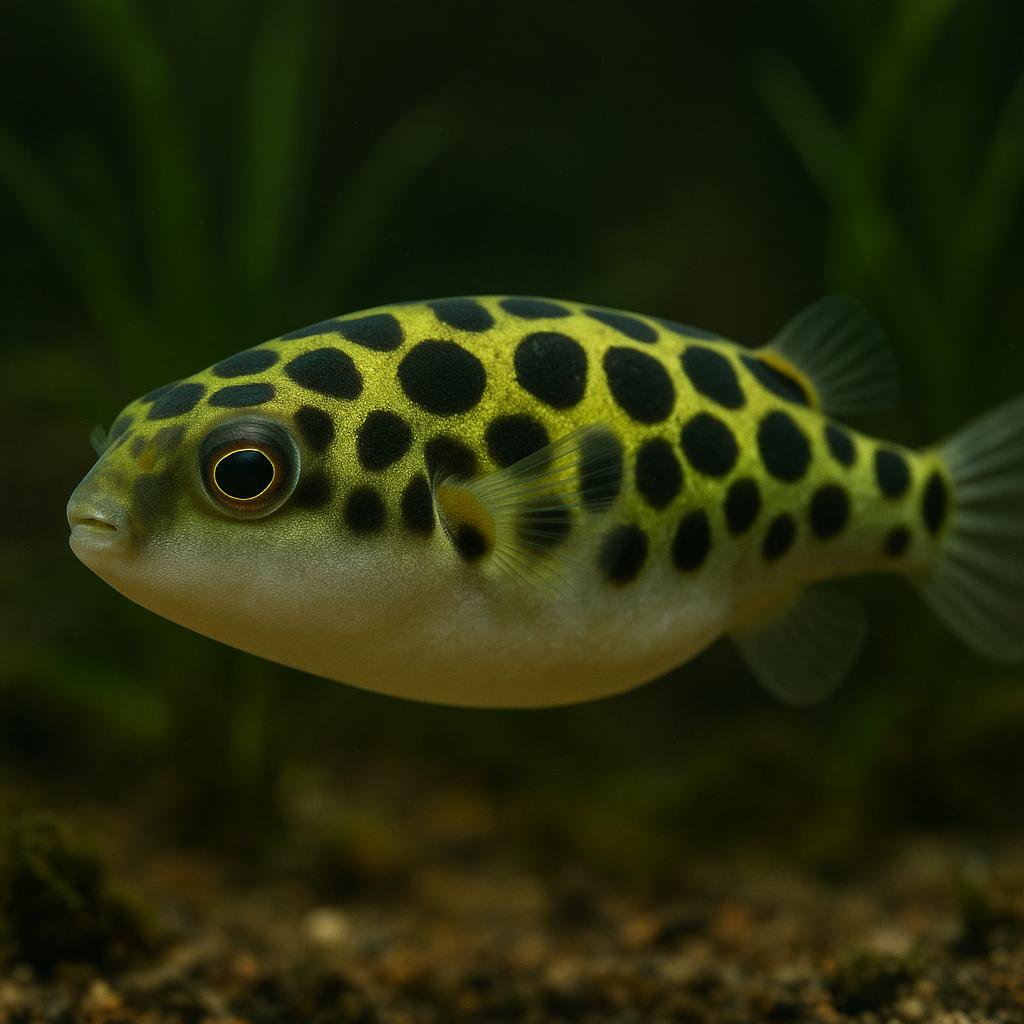
Spotted green pufferfish
Dichotomyctere nigroviridis
This is the classic green spotted puffer: bright lime-green with bold black spots and a ton of attitude packed into a football-shaped body. They're crazy interactive and will beg like a puppy, but they're also little beaked predators that need crunchy foods to keep their teeth worn down. The big "gotcha" is water: they're not a lifelong freshwater fish-brackish (and often more marine-leaning as they mature) is where they thrive.
More to Explore
Discover more brackish species.
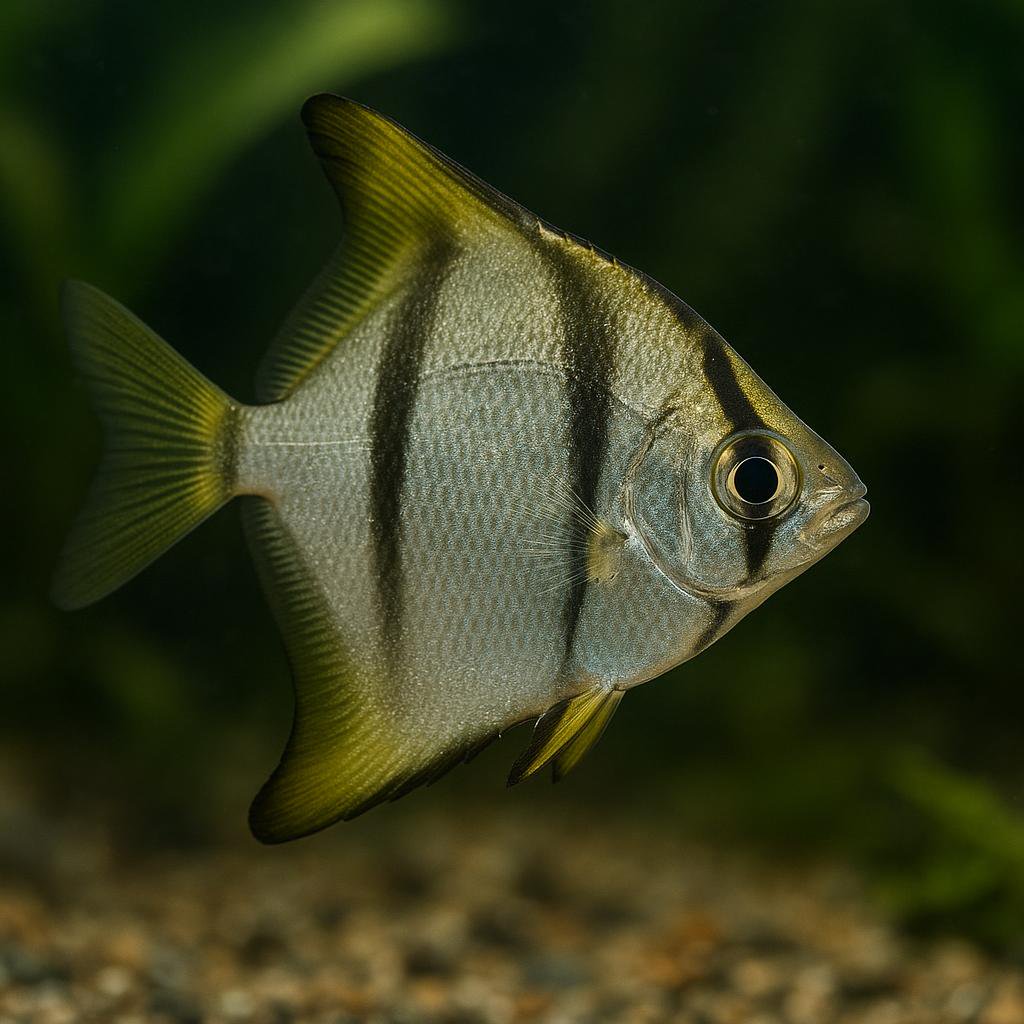
African moony
Monodactylus sebae
This is that shiny, diamond-shaped "mono" that cruises around in a tight pack and looks like a little silver dinner plate with black bars when it's young. The big thing with African moonies is they're euryhaline-so they'll tolerate freshwater as juveniles, but they really shine long-term in brackish (and can be transitioned toward marine as they mature). Give them a big, open tank and a group, and they turn into nonstop, super fun midwater swimmers.
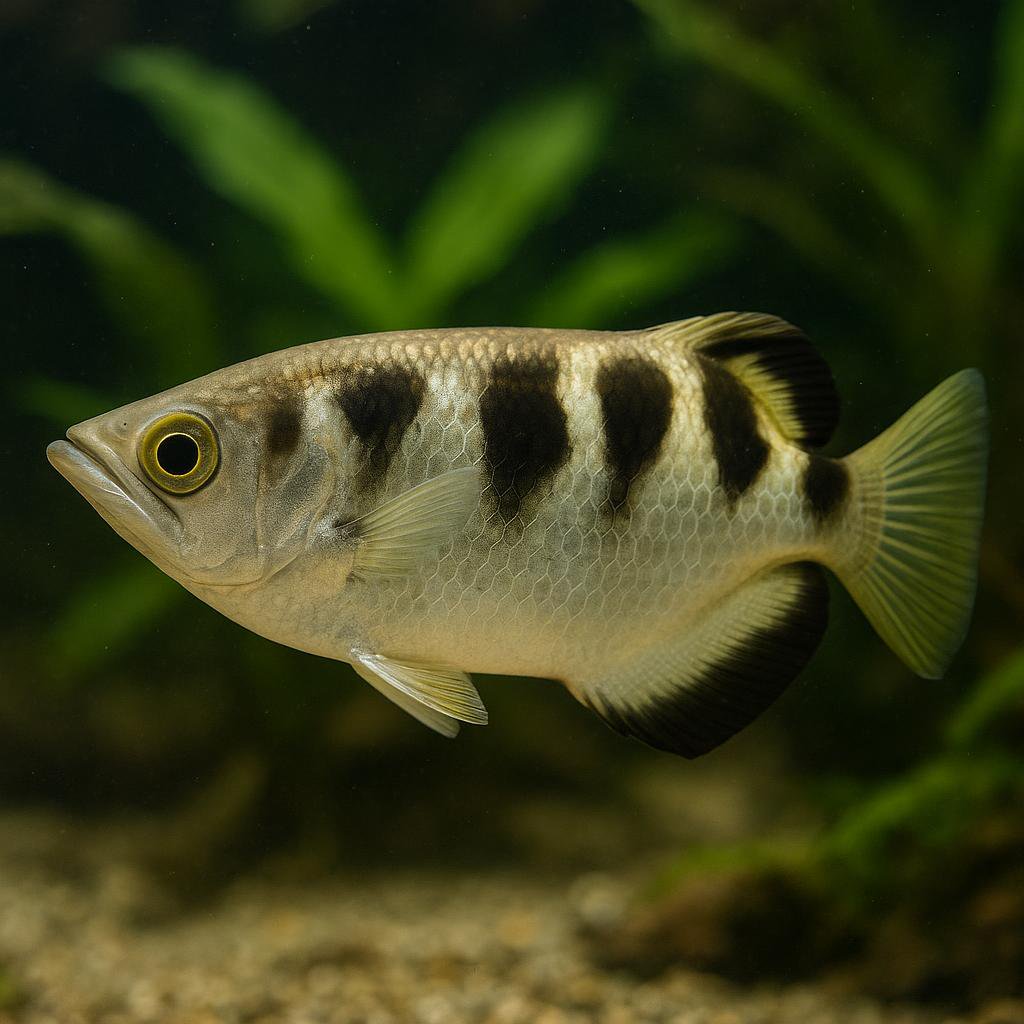
Banded Archerfish
Toxotes jaculatrix
This is the fish that literally spits jets of water to knock insects off branches-watching one "take aim" is unreal. They're super aware of what's going on outside the tank and will even learn to beg and snipe food from the surface once they settle in. Give them height and some open swimming room and they act like little aquatic sharpshooters.
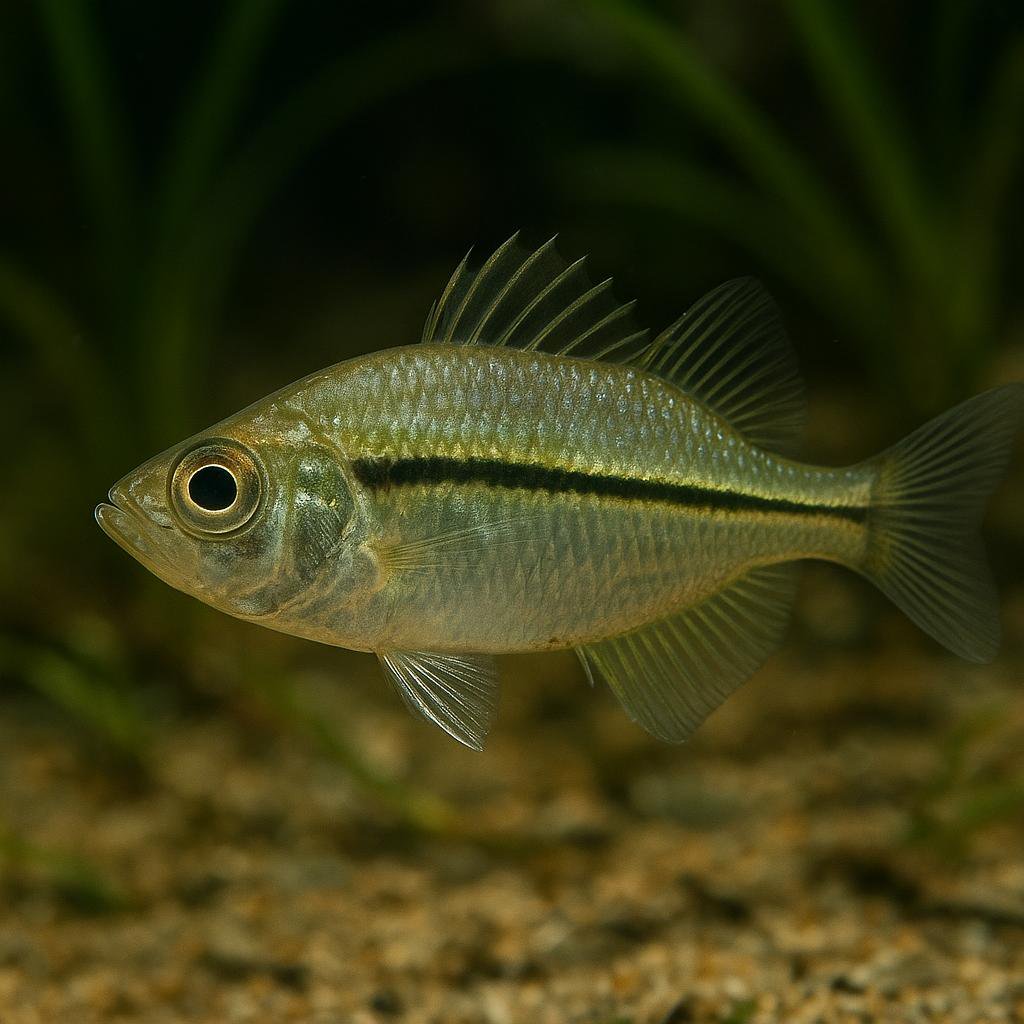
Banded-tail glassy perchlet
Ambassis urotaenia
This is one of those see-through glassy perchlets where you can literally watch the organs shimmer when it turns-super cool in the right lighting. In the wild it hangs around river mouths and mangroves and cruises in groups, so it does best when you keep a little gang of them and give them some open swimming room.
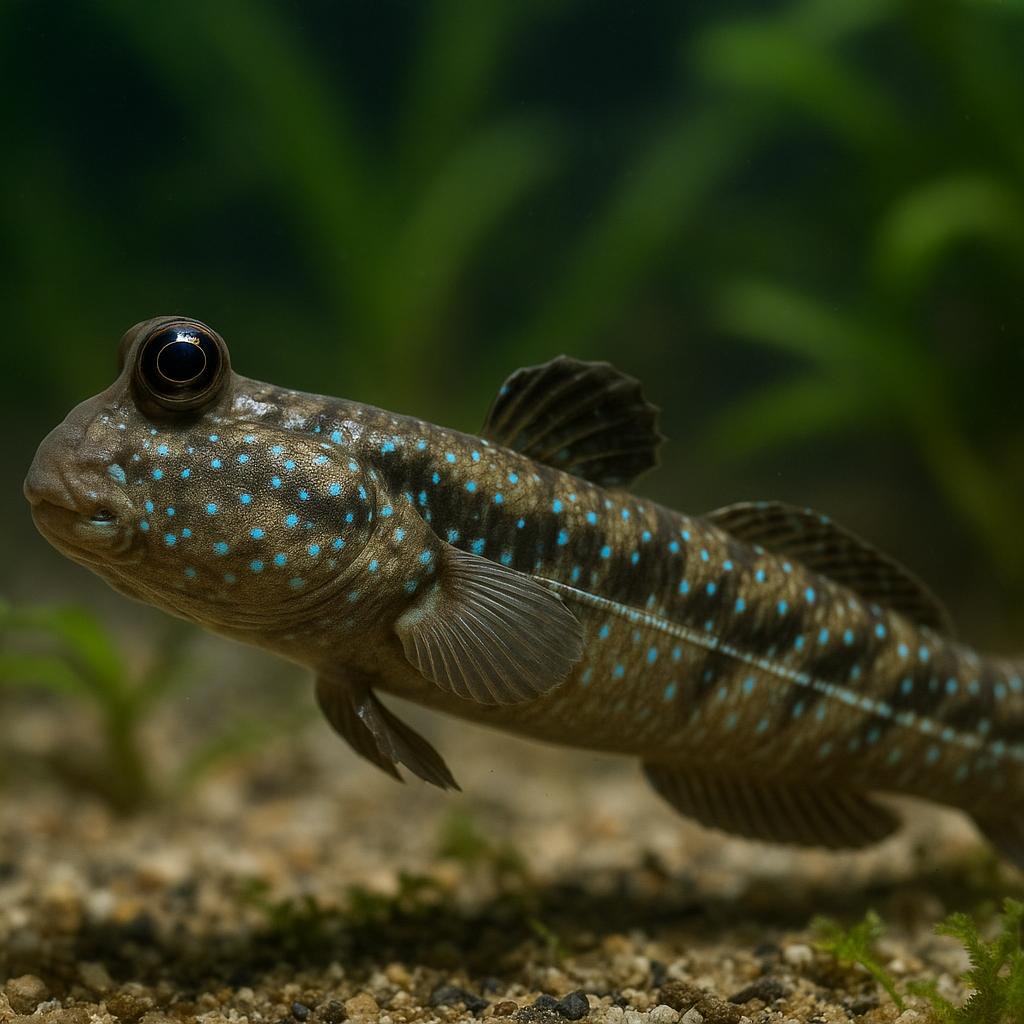
Barred mudskipper
Periophthalmus argentilineatus
This is one of those classic "walks around like it owns the place" mudskippers-big goofy eyes, climbs, hops, and spends a ton of time out on the mud when it's humid. In the wild it lives on intertidal mangrove/nipa mudflats and even shuttles between little pools and open air, hunting worms, insects, and small crustaceans. It's super fun to watch, but it really wants a brackish paludarium setup (not a normal aquarium).
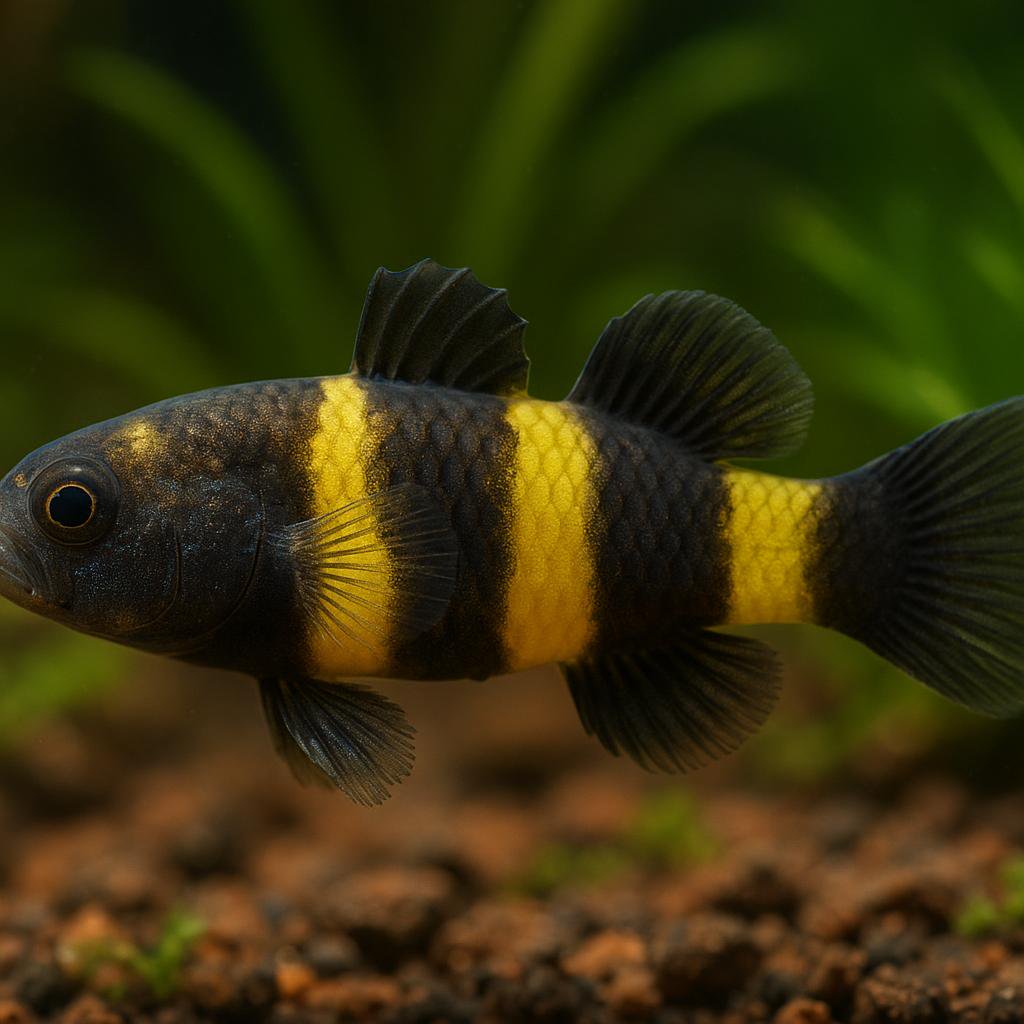
Bumblebee goby
Brachygobius doriae
Brachygobius doriae is one of the classic "bumblebee gobies" - tiny, bottom-hugging little characters that perch on rocks and sand and stare at you like they own the place. They're at their best in a calm setup with lots of caves and leaf litter, and they really shine once you get them eating frozen/live foods reliably (they're slow, picky eaters). Also: they're one of the species that gets mislabeled a lot in shops, so it's super common to see them sold under the wrong bumblebee-goby name.
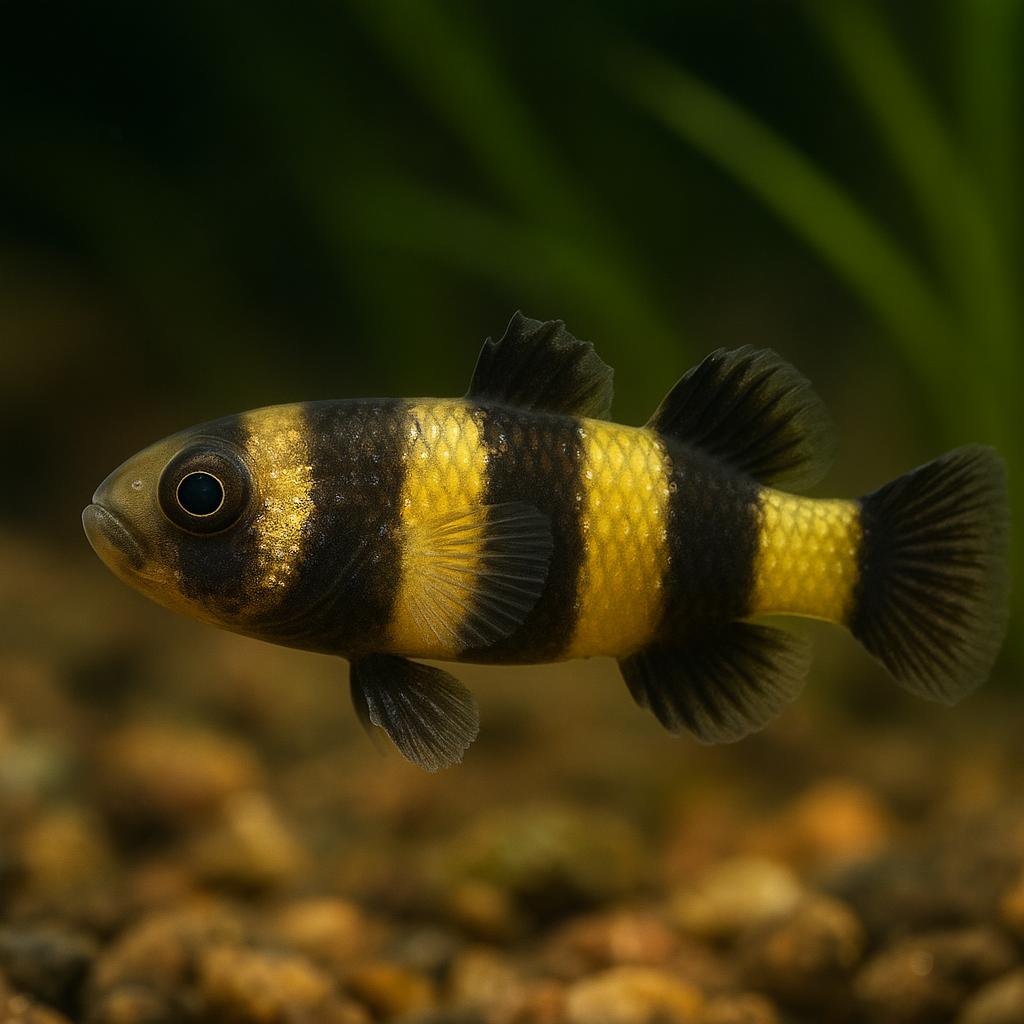
Bumblebee goby (Bumblebee fish)
Brachygobius xanthozonus
This is that tiny little goby with the bold black-and-yellow bands that likes to perch on the bottom and stare back at you like it owns the place. It's happiest in lightly brackish water with lots of little caves and sight-breaks, and it's one of those fish that often refuses flakes-frozen/live meaty foods usually flip the "yes, I will eat" switch.
Looking for other species?