

Bellfish
Johnius fuscolineatus
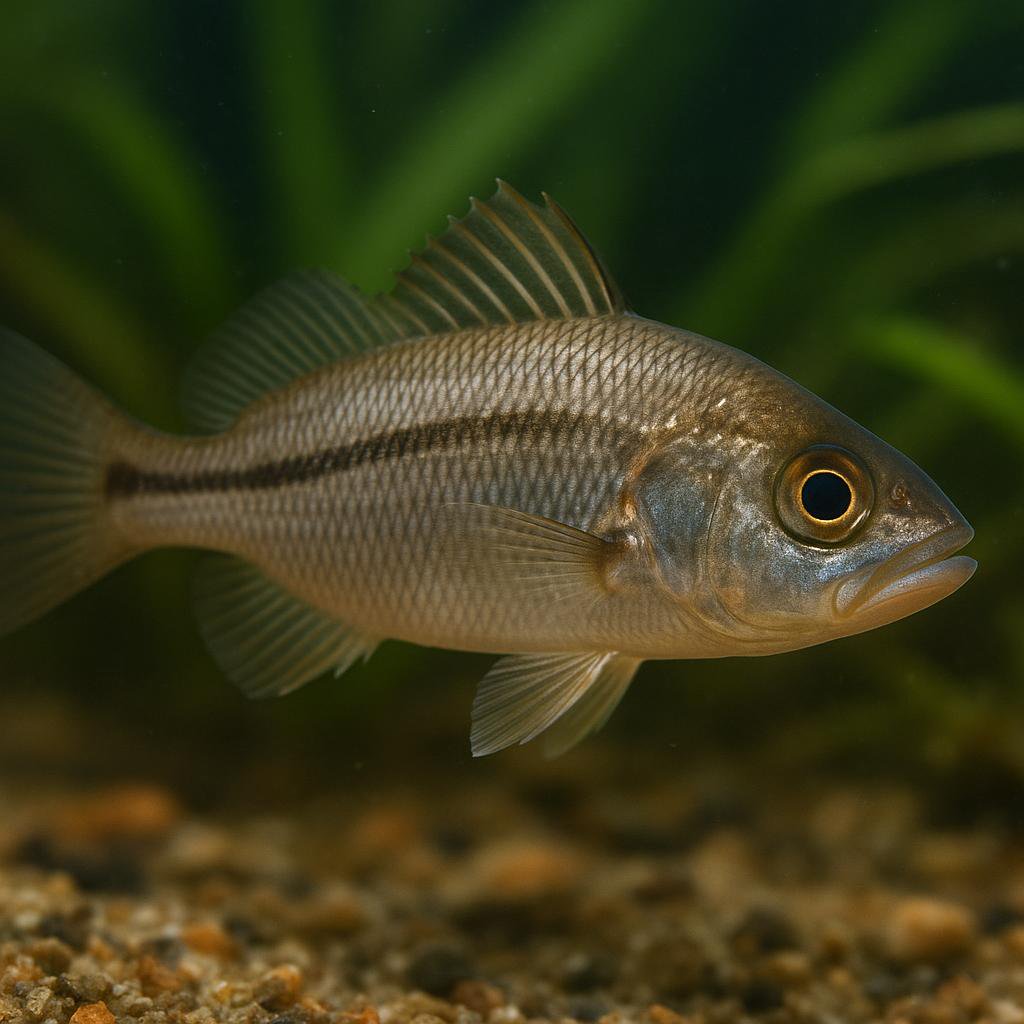
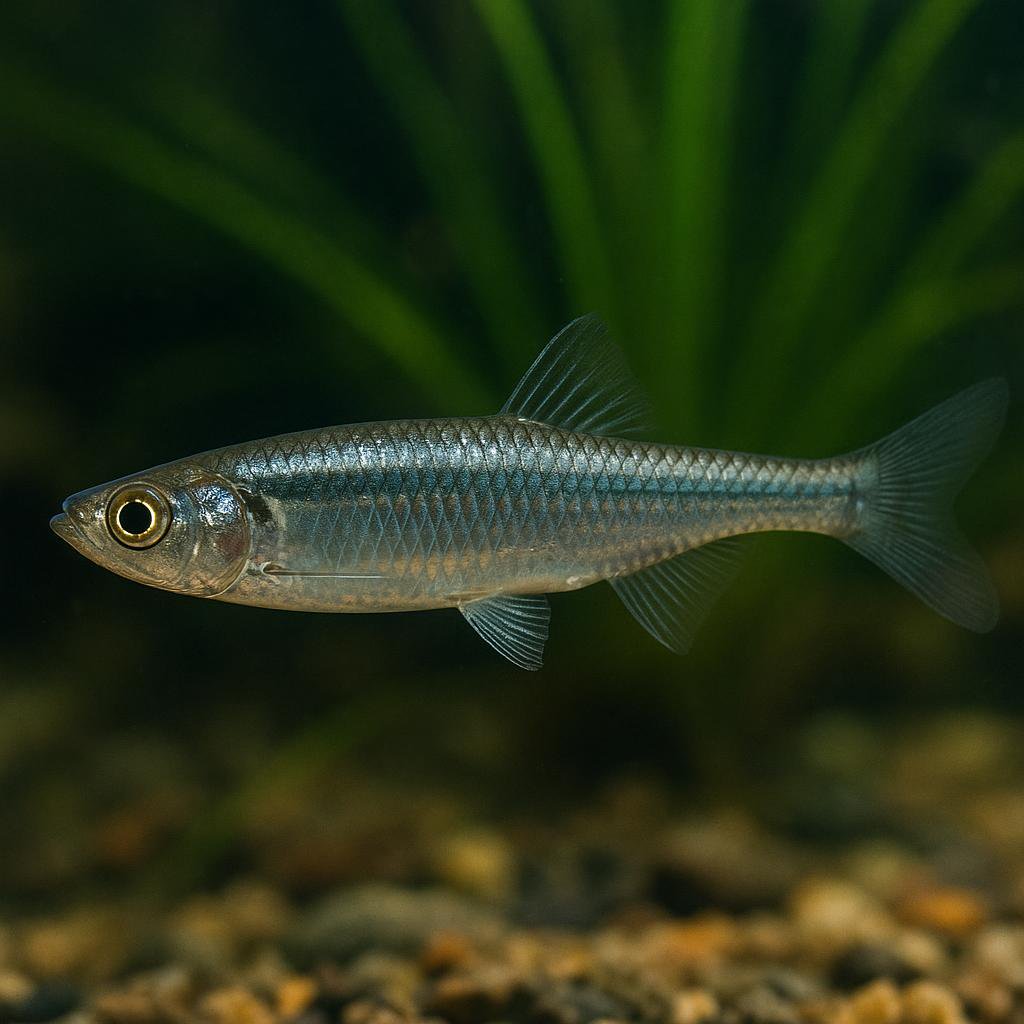
The Bellfish features a streamlined body with a distinct silver-blue sheen and a slightly elongated dorsal fin.
This page includes AI-generated images. Why am I seeing AI images?
About the Bellfish
Johnius fuscolineatus (Bellfish/African bearded croaker) is a small coastal sciaenid from the southwestern/western Indian Ocean (Mozambique, South Africa, Madagascar), occurring in shallow marine waters (reported 0–50 m) and also associated with coastal/estuarine habitats.
Also known as
Quick Facts
Size
14 cm SL
Temperament
Semi-aggressive
Difficulty
Expert
Min Tank Size
75 gallons
Lifespan
5-10 years
Origin
Western Indian Ocean (Mozambique, South Africa, Madagascar)
Diet
Carnivore/invertivore - small crustaceans, worms, small benthic prey; would take meaty frozen foods in captivity
Water Parameters
23.9-27.6°C
8-8.4
8-12 dGH
Need a heater for this species?
This species needs 23.9-27.6°C in a 75 gallon tank. Use our heater calculator to find the right wattage.
Calculate heater sizeCare Notes
- Species-specific aquarium footprint/tank-size guidance for Johnius fuscolineatus is not available in the authoritative references reviewed; avoid stating a precise 180+ gallon recommendation unless supported by a dedicated husbandry source.
- This species is reported from shallow marine waters and is also described as coastal/estuary-associated; do not assert a strict reef salinity (1.024–1.026) or narrow pH band as species requirements without a species-specific husbandry reference.
- They"re messy carnivores, so run an oversized skimmer and plan for heavy export (filter socks/roller, aggressive mechanical, and regular siphoning) or nitrates will creep up before you notice.
- Feed like a predator: chopped shrimp, squid, clam, krill, and good marine pellets, 1-2 times a day; start with meaty frozen if it"s shy, then wean onto pellets so you"re not stuck on one food.
- Tankmates: medium-large, calm but sturdy fish (bigger wrasses, tangs, larger angels) work; avoid tiny fish and shrimp/crabs because they can end up as snacks once the bellfish settles in.
- Skip the "cute" community vibe - they"ll bully similar-shaped fish and don"t mix well with hyper-aggressive brawlers that keep them pinned in a corner.
- Watch for mouth injuries and frayed fins from smashing into glass when startled; keep the lights from going full blast suddenly and cover any jump gaps because they can rocket upward.
Compatibility
Good Tankmates
- Compatibility for Johnius fuscolineatus is not documented in the authoritative sources reviewed; avoid listing specific aquarium tankmate groups as validated compatibility.
- Hardy tangs and surgeonfish (Zebrasoma/Acanthurus types) in a big tank - they are fast, confident eaters and usually ignore the bellfish's attitude.
- Moderate sized wrasses (Halichoeres and similar) - active, not easily bullied, and they do not just hover in one spot like a target.
- Rabbitfish (Siganus) - sturdy, generally peaceful but not a pushover. They tend to coexist fine as long as everyone has room and you are not crowding the rockwork.
- Bigger, robust bottom hangers like eel-shaped fish (engineer goby types) or larger hawkfish - stuff that is not tiny enough to be viewed as food and not easily intimidated.
- Damsels that are not the super psycho ones - in larger setups they can work because they are quick and street-smart, but watch for territory squabbles if the tank is tight.
Avoid
- Small, peaceful fish like firefish, dartfish, small gobies, and small blennies - bellfish are opportunistic and can harass or straight-up eat bite-sized tank mates, especially at lights-out.
- Slow cruisers with long fins or 'floaty' behavior like lionfish, fancy bannerfish, and similar - bellfish can be a fin-nipper and a food hog, and the slow fish lose out.
- Super aggressive brawlers like big triggerfish or nasty dottybacks in a cramped tank - you end up with nonstop beef, shredded fins, and one fish pinned in a corner.
Where they come from
Bellfish (Johnius fuscolineatus) are croakers/drums from the Indo-West Pacific. You usually find them around coastal shelves, sandy bottoms, and murky inshore areas where sound carries and ambush feeding works. They are not really a classic reef fish - think more "working-water" predator than coral-hugger.
If you are used to bright reef species, the Bellfish can look plain in photos. In person, a settled fish has a nice understated pattern and a very "aware" predator vibe.
Setting up their tank
This is an expert fish mostly because of space, waste, and temperament. They get sizable and they are built to eat. A small tank might keep one alive for a while, but you will spend your time fighting water quality and stress behavior.
- Tank size: I would not bother under 180-240 gallons for an adult, and bigger is better if you want tankmates.
- Footprint matters more than height. Give them room to turn and cruise.
- Substrate: sand or fine crushed coral. They like to hover low and will spook less over sand.
- Rockwork: keep it along the edges with a few caves/overhangs. Leave open swimming lanes.
- Flow: moderate, not a blasting SPS-style gyre. They handle current, but they relax more with calmer zones.
- Filtration: oversized skimmer, big mechanical stage (rollers or socks you actually change), and plenty of bio capacity.
Cover the tank. Spooked croakers can launch. I have seen them go from "resting" to "missile" in a second when a light snaps on or a door slams.
Stable salinity and lots of oxygen are your friends here. I ran mine with strong surface agitation and a skimmer that was frankly ridiculous for the stocking level. These fish are messy eaters, and you will notice fast if your export is undersized.
What to feed them
Bellfish are predators. If it fits in their mouth, it is food. The good news is they usually take frozen pretty readily once they settle. The bad news is they will train you to overfeed them because they act hungry all the time.
- Staples: chopped shrimp, squid, clam, mussel, fish flesh (marine), and quality carnivore frozen blends.
- Variety: rotate foods so you are not doing "shrimp only" for months.
- Soaks: I like a vitamin/HUFA soak a couple times a week, especially for new imports.
- Feeding schedule: smaller meals 4-6 days a week beats huge dumps of food.
- Avoid: freshwater feeder fish. It is a nutrition problem and a parasite gamble.
Train them onto tongs. It keeps your fingers safe, cuts down on food drifting into the rocks, and lets you target-feed so tankmates are not always in a panic frenzy.
How they behave and who they get along with
They are confident, pushy predators once comfortable. Not always outright aggressive like a trigger, but they are not shy about taking the best spot and they do not tolerate being constantly harassed. Expect a lot of "staring" and stalking behavior, especially around feeding time.
- Good tankmates: other large, sturdy fish that are not bite-sized and can handle a boisterous feeder (bigger tangs, larger angels, robust wrasses, some groupers of similar size).
- Bad tankmates: anything small (gobies, blennies, cardinals), slow or delicate fish, tiny crustaceans, and basically all ornamental shrimp.
- Reef safe: no, not in the way people mean it. They may ignore corals, but they will eat your clean-up crew and rearrange the food chain.
Do not trust them with "maybe safe" tankmates. If you are asking "can I keep it with a small fish/crab/shrimp," the answer is usually "not for long."
Give them a calm introduction. I have had the best luck adding them after the tank is mature, with lights low the first day, and making sure they can retreat. Once they claim the whole tank as theirs, new additions get a harder time.
Breeding tips
Breeding Bellfish in home aquariums is not something you will see often. Most Johnius species spawn in groups and time it with seasonal cues, and you would be trying to raise tiny pelagic larvae that need live foods and a dedicated setup.
- If you ever attempt it, plan on a separate broodstock system and a larval rearing setup (rotifers, copepods, greenwater).
- Conditioning is the easy part: heavy varied feeding and stable water.
- Sexing is not straightforward for most hobbyists, so you would need a group and a lot of space.
If you hear them "croak" or "drum" at night, that is normal behavior for the family. It does not automatically mean spawning, but it is a sign they are settled.
Common problems to watch for
Most issues I have seen come from three things: cramped quarters, sloppy water from heavy feeding, and rough handling. They are tough in some ways, but they do not shrug off chronic stress.
- Ammonia/nitrite spikes after big meals: they produce a lot of waste. Mechanical filtration and water changes matter.
- HLLE and general "beat up" look: often tied to diet quality, stray voltage, and dirty water. Fix the basics first.
- Marine ich/velvet: predators are not immune. Quarantine is worth the time with a fish this expensive to house long-term.
- Mouth injuries: common if they slam into glass at feeding time or during spooks. Keep the tank covered and avoid sudden light changes.
- Internal parasites: new imports can be skinny even if they eat. Watch body condition over weeks, not days.
These are heavy-bodied fish. If they are breathing hard at the surface, do not assume "they are just excited." Check oxygenation, temperature, and ammonia right away.
If you can give them space, big filtration, and a steady routine, they can be really rewarding. But they punish shortcuts. Think of it like keeping a small marine predator in a glass box: the fish is easy, the system has to be serious.
Similar Species
Other brackish semi-aggressive species you might be interested in.
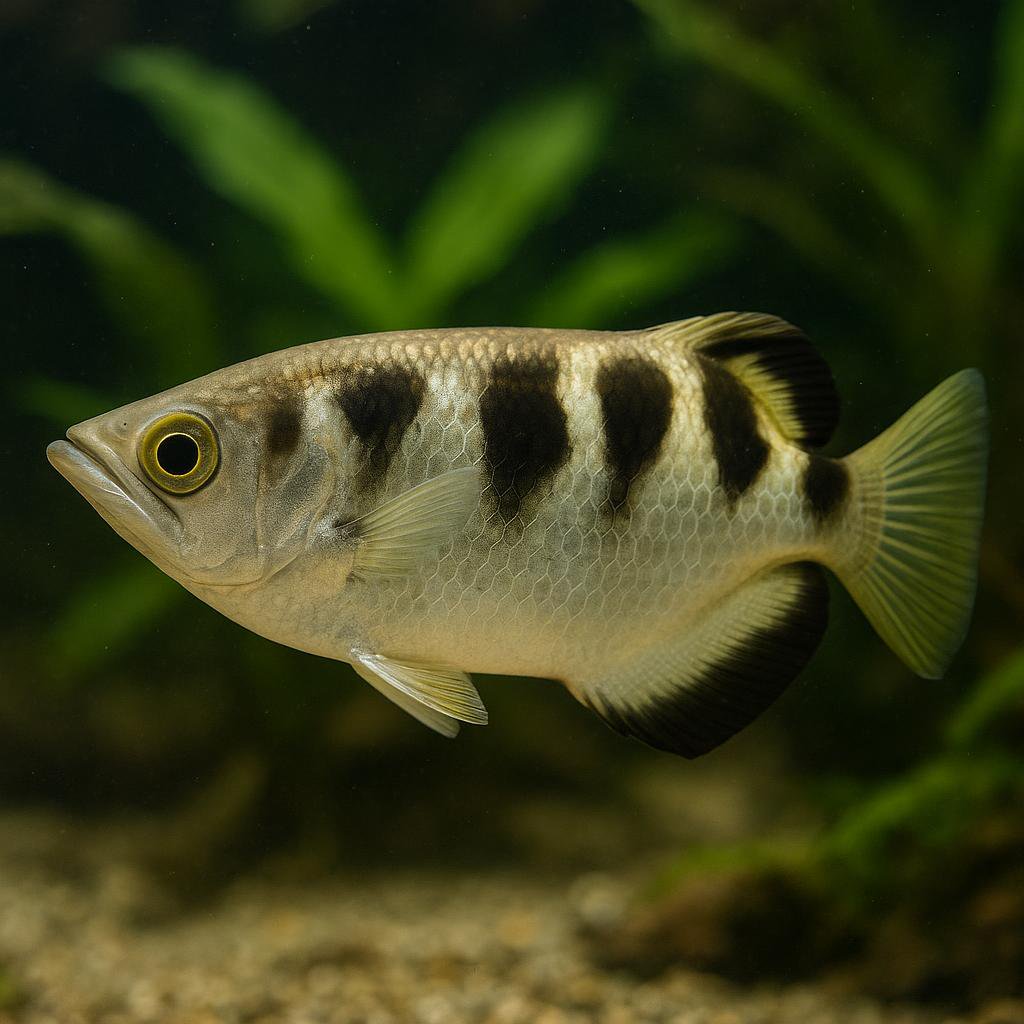
Banded Archerfish
Toxotes jaculatrix
This is the fish that literally spits jets of water to knock insects off branches-watching one "take aim" is unreal. They're super aware of what's going on outside the tank and will even learn to beg and snipe food from the surface once they settle in. Give them height and some open swimming room and they act like little aquatic sharpshooters.
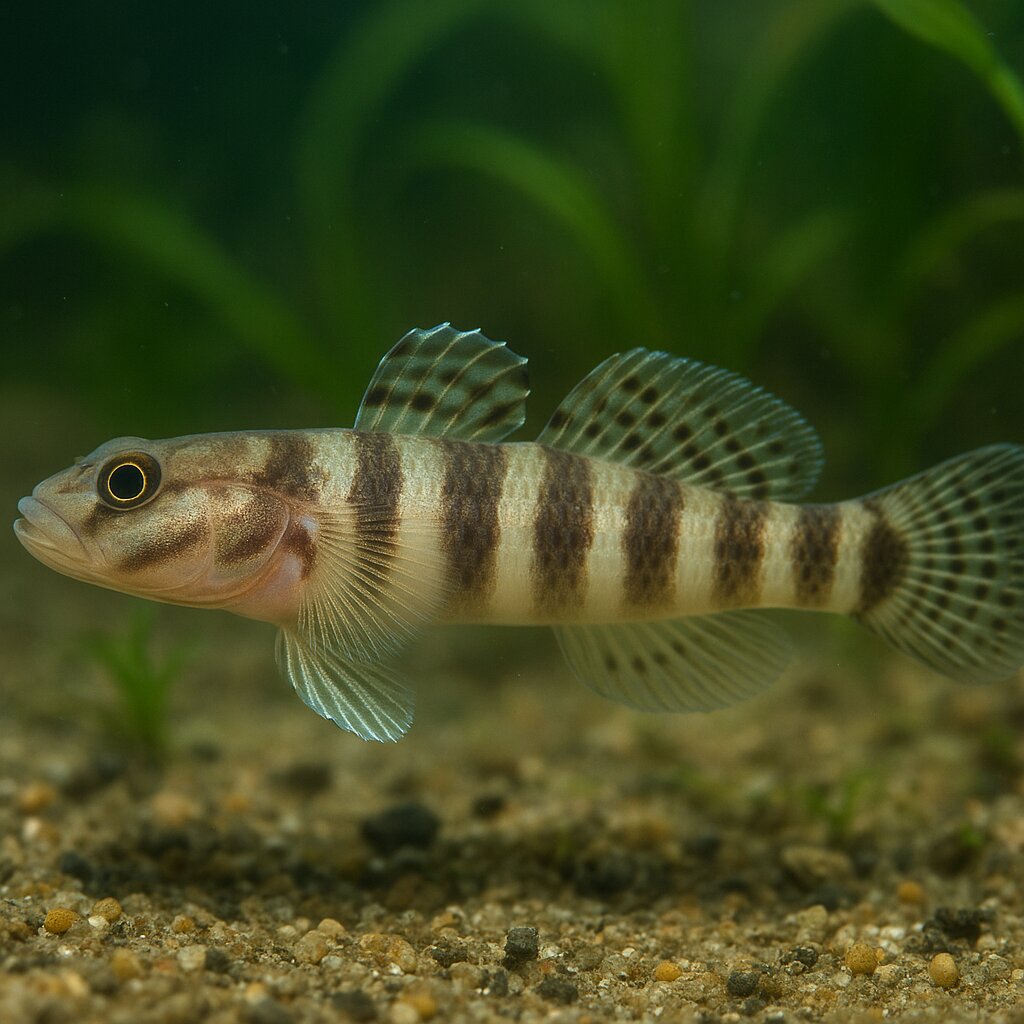
Banded mulletgoby
Hemigobius hoevenii
Neat little mangrove goby that hugs the bottom and hangs around leaf litter. The bold diagonal bars and tail spot look great, and it hunts like a tiny ambush predator, darting out for bites. Keep it gently brackish and it settles in nicely, cruising among roots and wood.
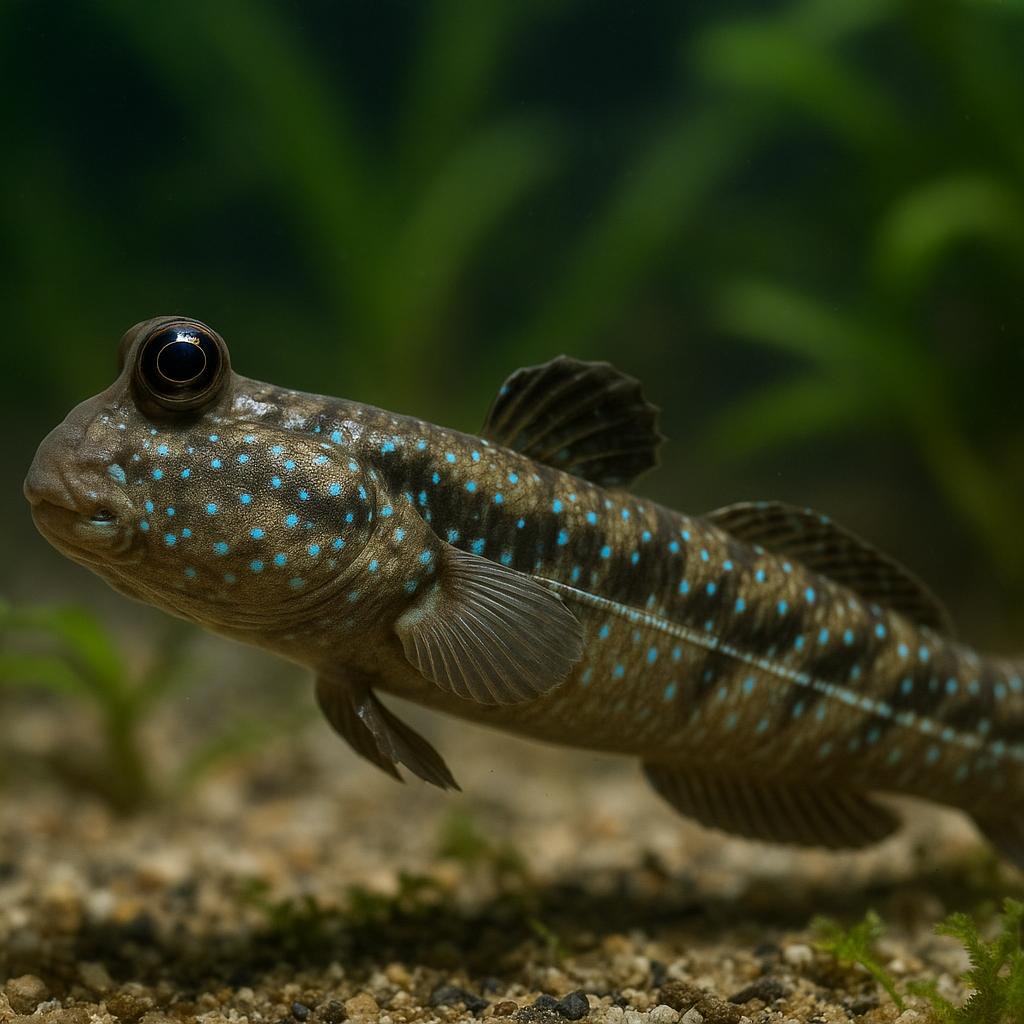
Barred mudskipper
Periophthalmus argentilineatus
This is one of those classic "walks around like it owns the place" mudskippers-big goofy eyes, climbs, hops, and spends a ton of time out on the mud when it's humid. In the wild it lives on intertidal mangrove/nipa mudflats and even shuttles between little pools and open air, hunting worms, insects, and small crustaceans. It's super fun to watch, but it really wants a brackish paludarium setup (not a normal aquarium).
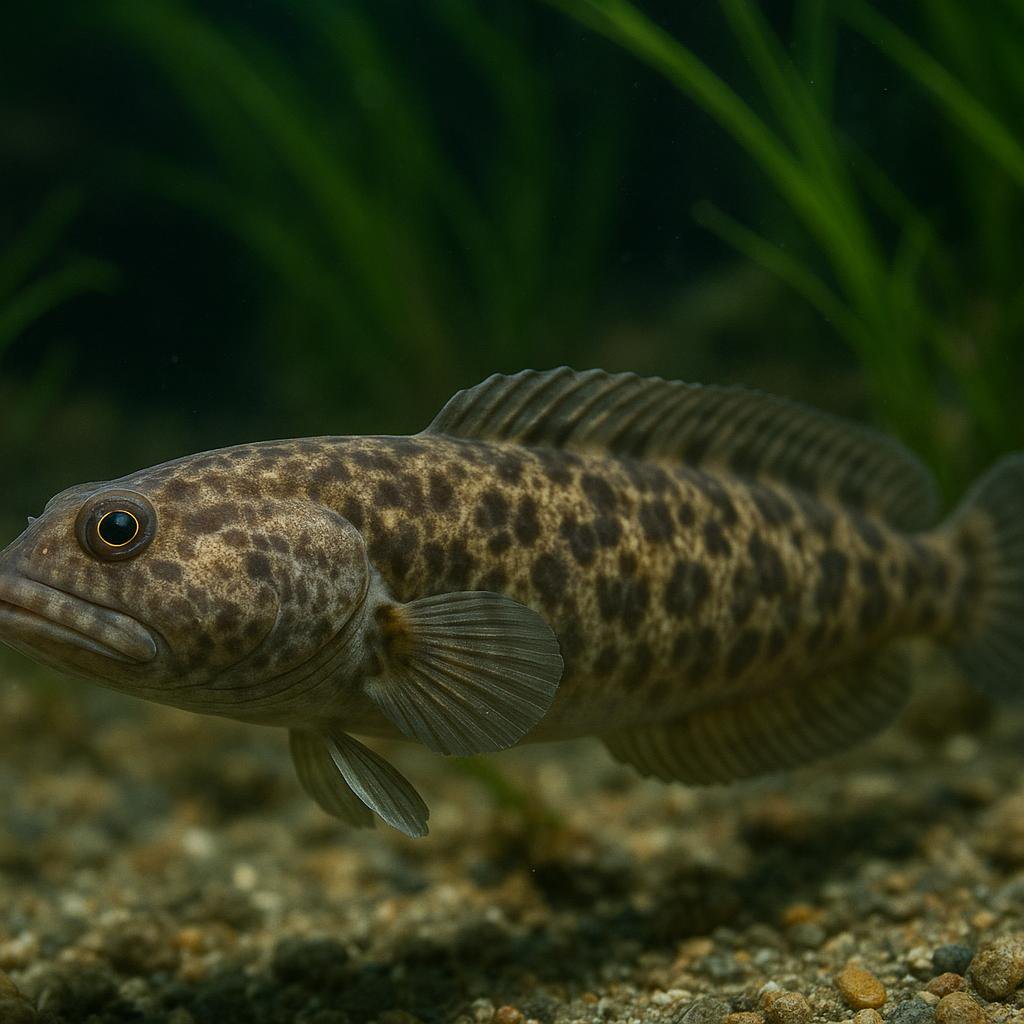
Blotched eelpout
Zoarces gillii
Zoarces gillii is a cold-temperate eelpout from the Northwest Pacific that hugs the bottom over sandy-mud inshore areas and even pushes into estuaries. It's got that long, eel-like body and a sneaky, sit-on-the-bottom predator vibe - very much a cool-water, brackish-to-marine oddball rather than a typical tropical aquarium fish.
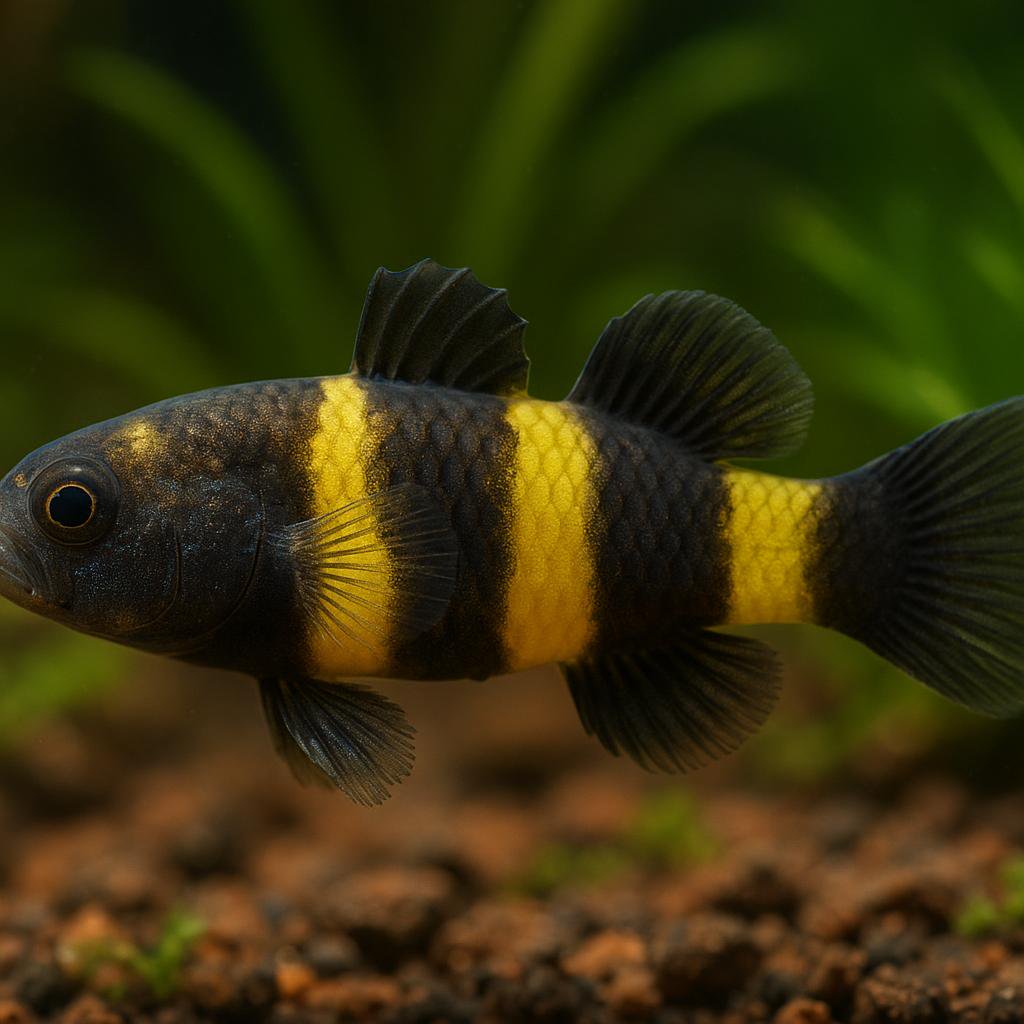
Bumblebee goby
Brachygobius doriae
Brachygobius doriae is one of the classic "bumblebee gobies" - tiny, bottom-hugging little characters that perch on rocks and sand and stare at you like they own the place. They're at their best in a calm setup with lots of caves and leaf litter, and they really shine once you get them eating frozen/live foods reliably (they're slow, picky eaters). Also: they're one of the species that gets mislabeled a lot in shops, so it's super common to see them sold under the wrong bumblebee-goby name.
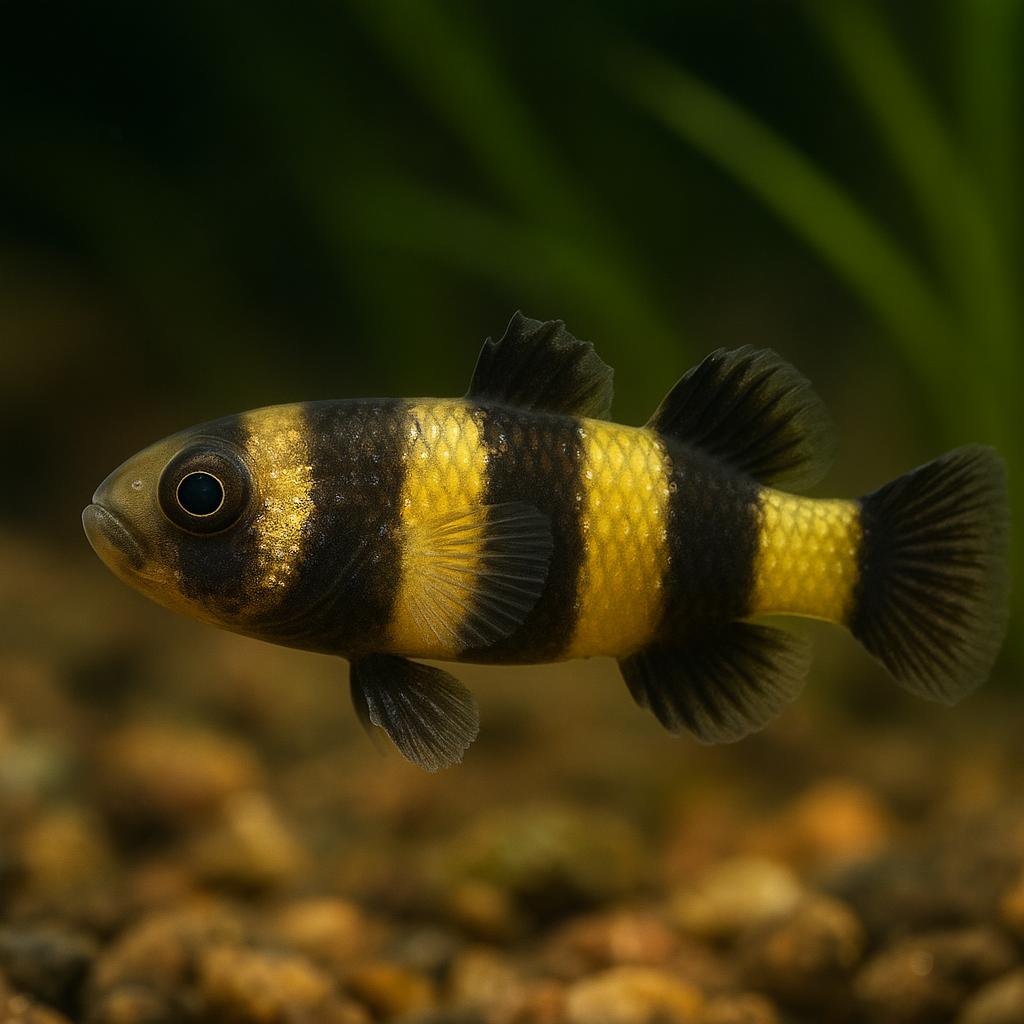
Bumblebee goby (Bumblebee fish)
Brachygobius xanthozonus
This is that tiny little goby with the bold black-and-yellow bands that likes to perch on the bottom and stare back at you like it owns the place. It's happiest in lightly brackish water with lots of little caves and sight-breaks, and it's one of those fish that often refuses flakes-frozen/live meaty foods usually flip the "yes, I will eat" switch.
More to Explore
Discover more brackish species.
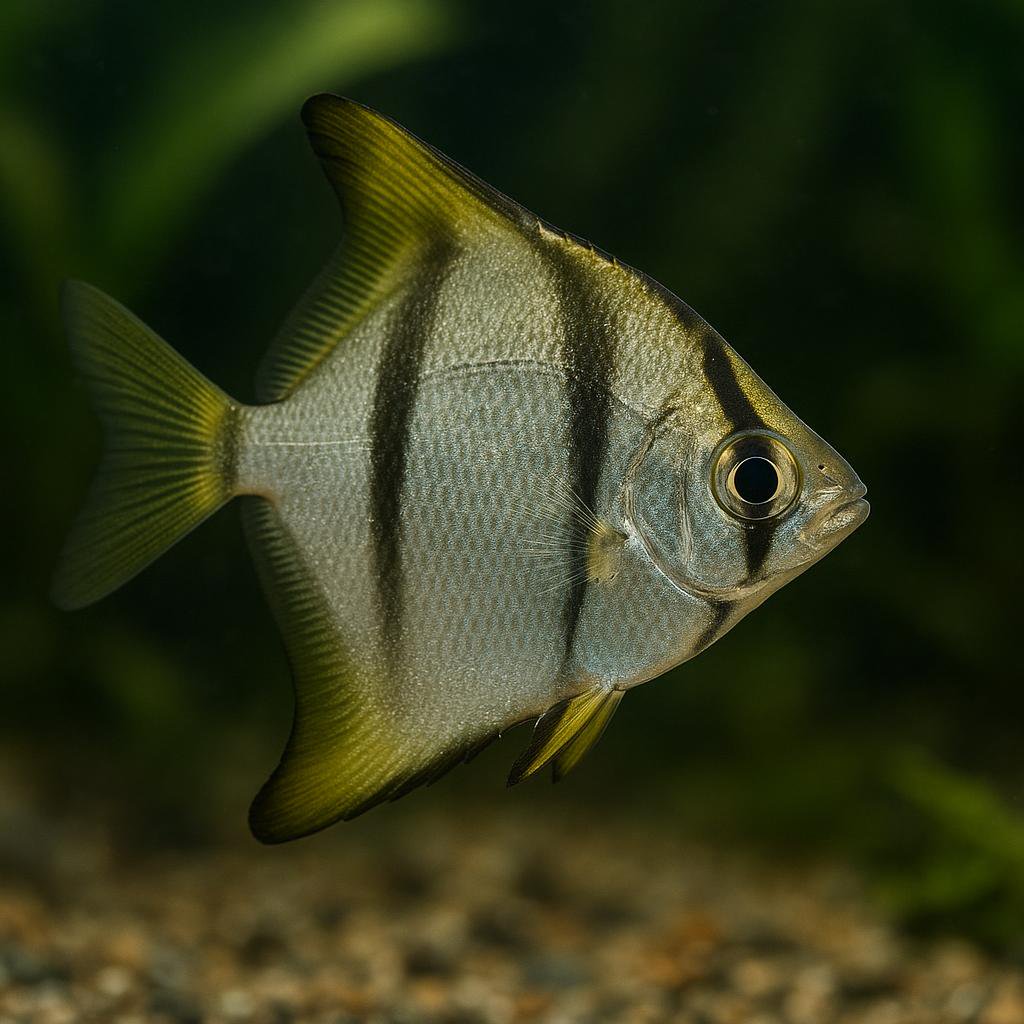
African moony
Monodactylus sebae
This is that shiny, diamond-shaped "mono" that cruises around in a tight pack and looks like a little silver dinner plate with black bars when it's young. The big thing with African moonies is they're euryhaline-so they'll tolerate freshwater as juveniles, but they really shine long-term in brackish (and can be transitioned toward marine as they mature). Give them a big, open tank and a group, and they turn into nonstop, super fun midwater swimmers.
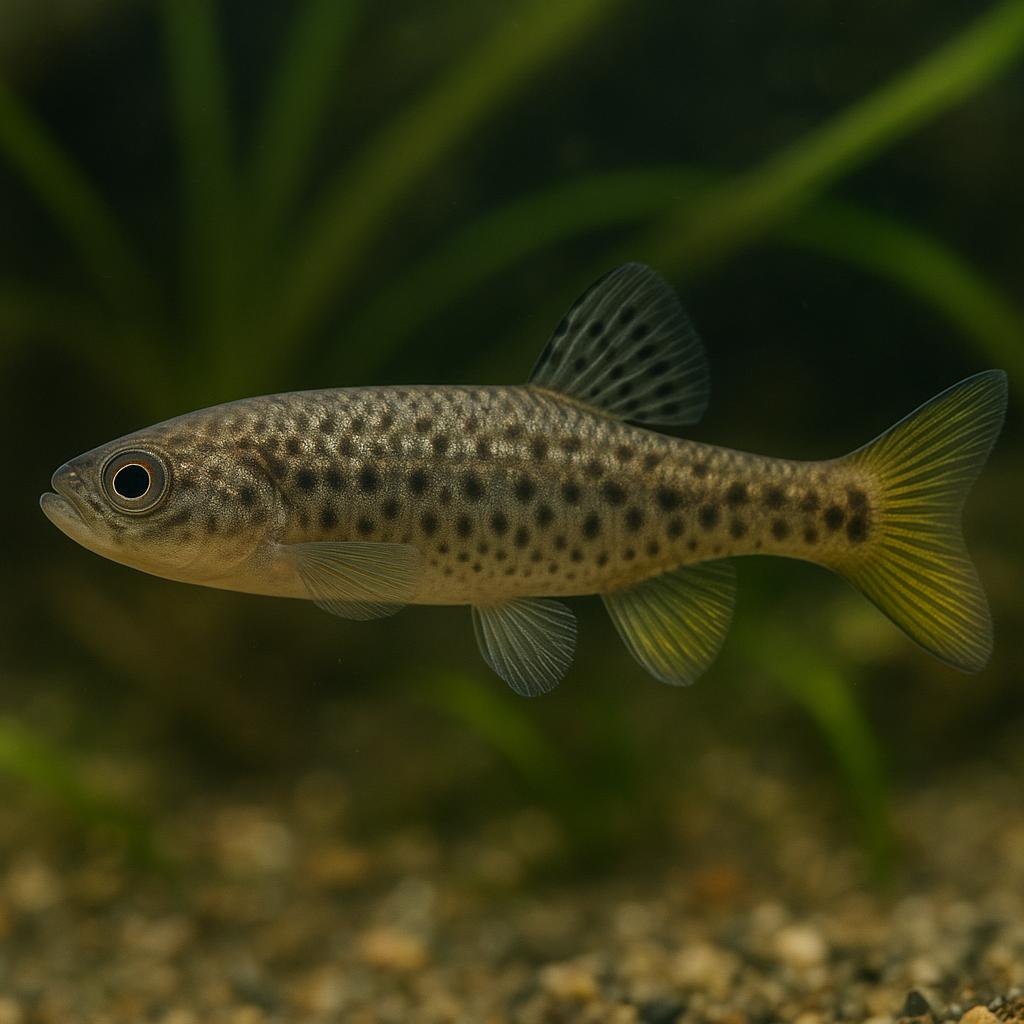
American shadow goby
Quietula y-cauda
This is a little mudflat goby from California down into the Gulf of California that loves hanging tight to the bottom and vanishing into burrows. The neat tell is that sideways Y-shaped blotch right at the base of the tail, plus the row of dark spots along the side. Its whole vibe is brackish estuary life - calm water, soft substrate, lots of hiding holes.
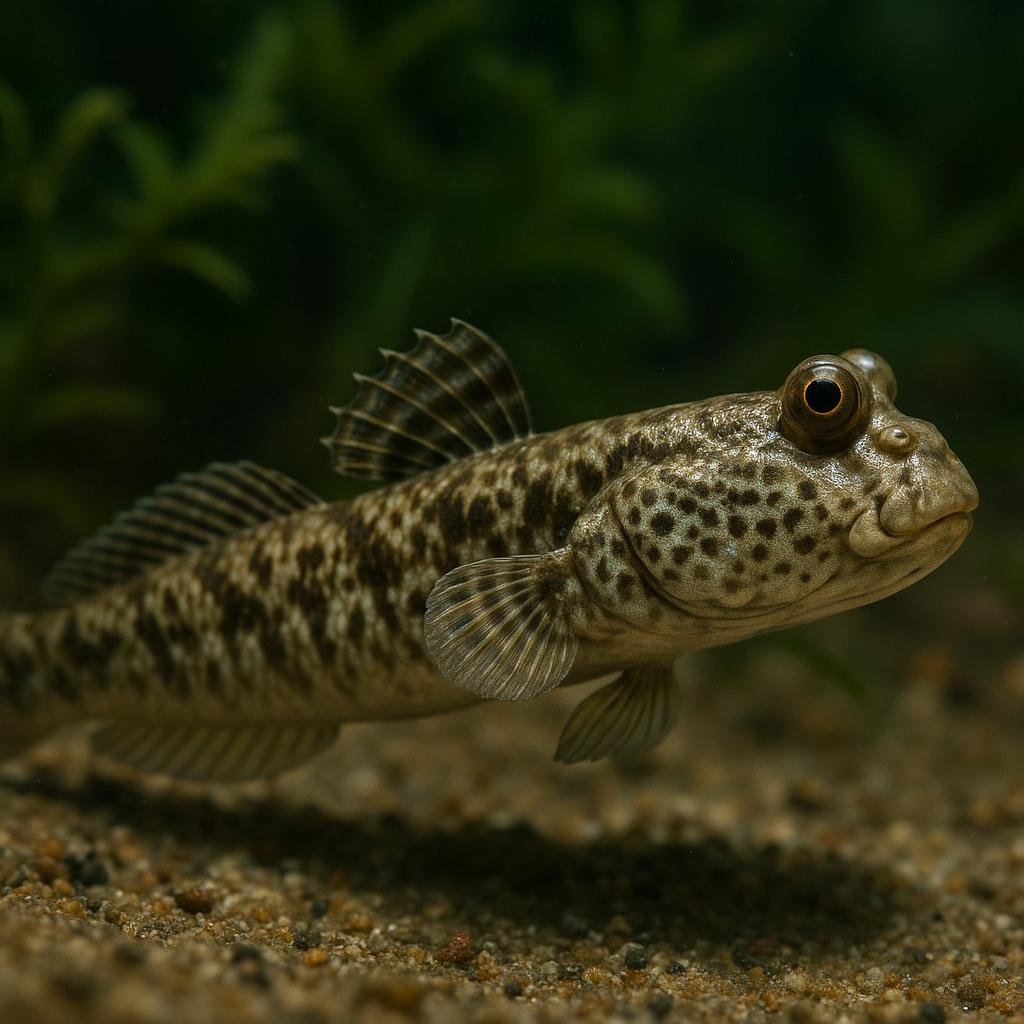
Atlantic Mudskipper
Periophthalmus barbarus
This is that wild little amphibious goby that straight-up climbs around on land like it forgot it was a fish. They've got big googly eyes, tons of personality, and they'll perch, hop, and patrol their territory-honestly more like a tiny crabby lizard than a "regular" aquarium fish.
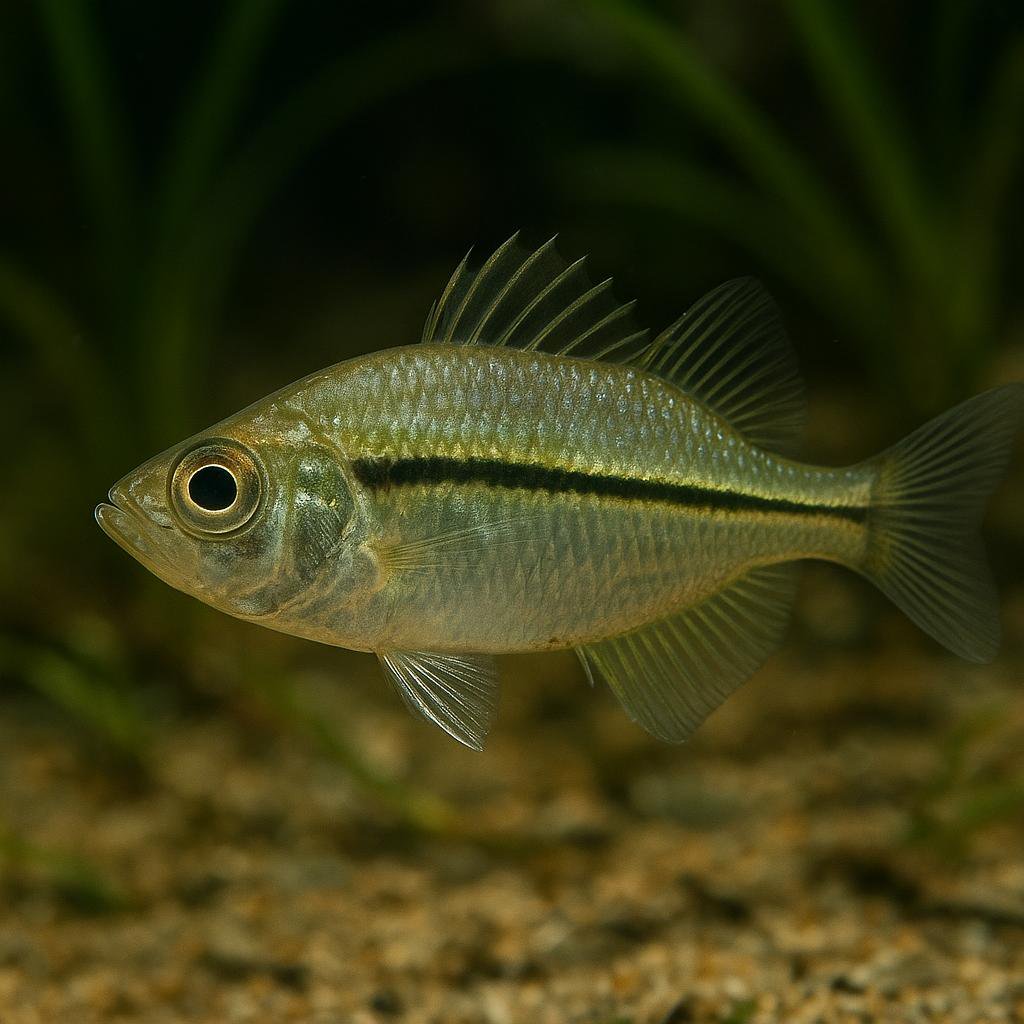
Banded-tail glassy perchlet
Ambassis urotaenia
This is one of those see-through glassy perchlets where you can literally watch the organs shimmer when it turns-super cool in the right lighting. In the wild it hangs around river mouths and mangroves and cruises in groups, so it does best when you keep a little gang of them and give them some open swimming room.
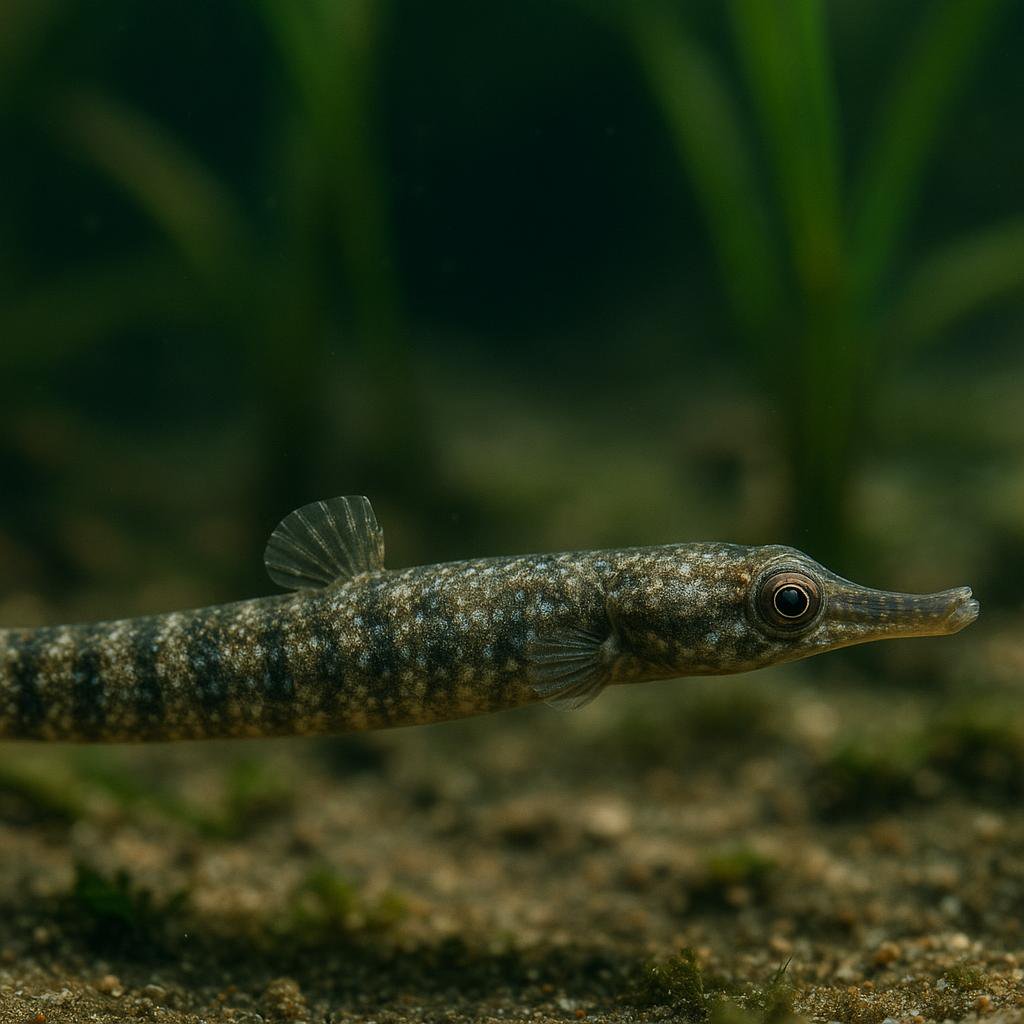
Barbed pipefish
Urocampus nanus
Urocampus nanus (barbed pipefish) occurs in protected inshore and estuarine habitats among seagrass (Zostera) in the Northwest Pacific (southern Japan and adjacent coasts). Like other syngnathids, males brood eggs in a pouch under the tail and produce fully formed young.
Beach silverside
Atherinella blackburni
This is a little coastal silverside that cruises the shallows in loose groups and flashes like a tiny chrome dart when the light hits it right. In the wild it hangs around beaches, estuaries, and lagoons, picking at small drifting foods in the surf zone. It is cool, but its real "gotcha" is that it is an open-water, salt-tolerant schooling fish that does best in bigger, well-oxygenated setups rather than a typical planted community tank.
Looking for other species?