

Buytaert's killifish
Aphyosemion buytaerti
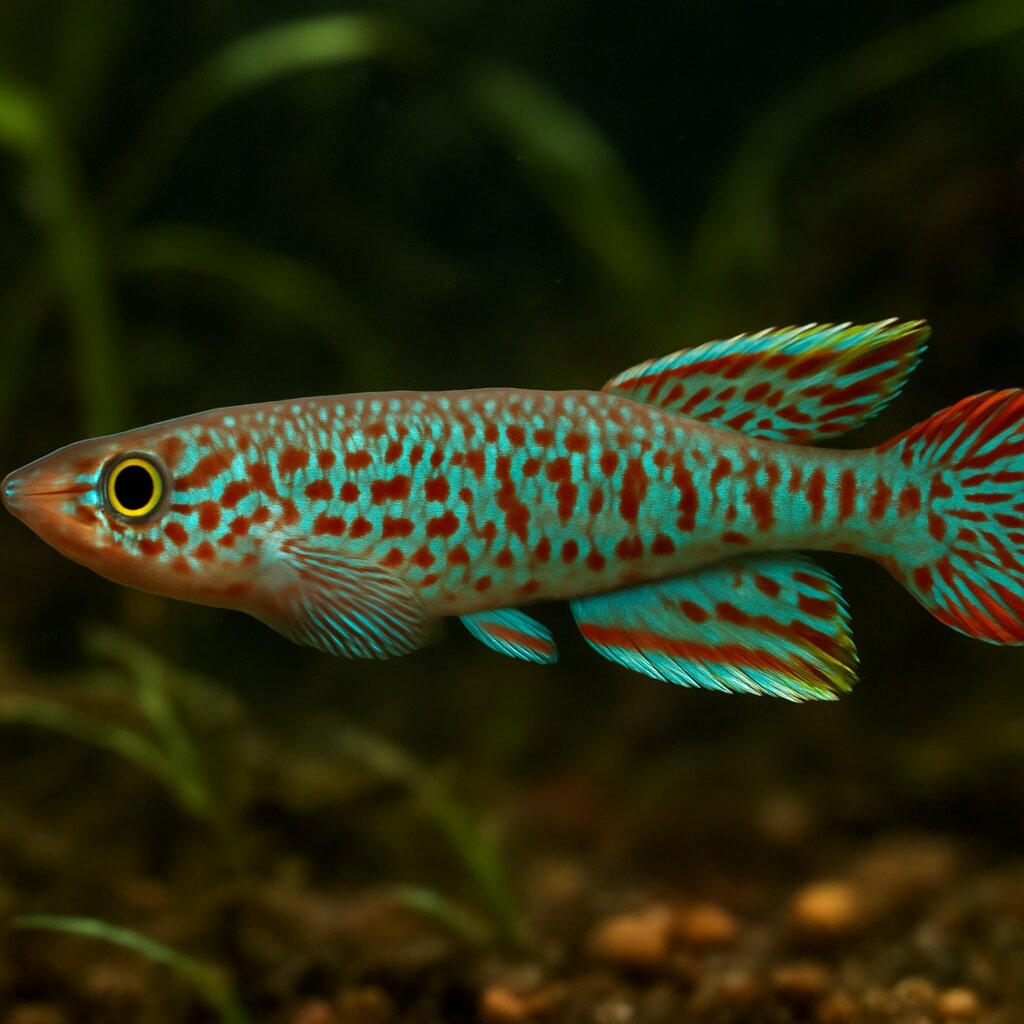
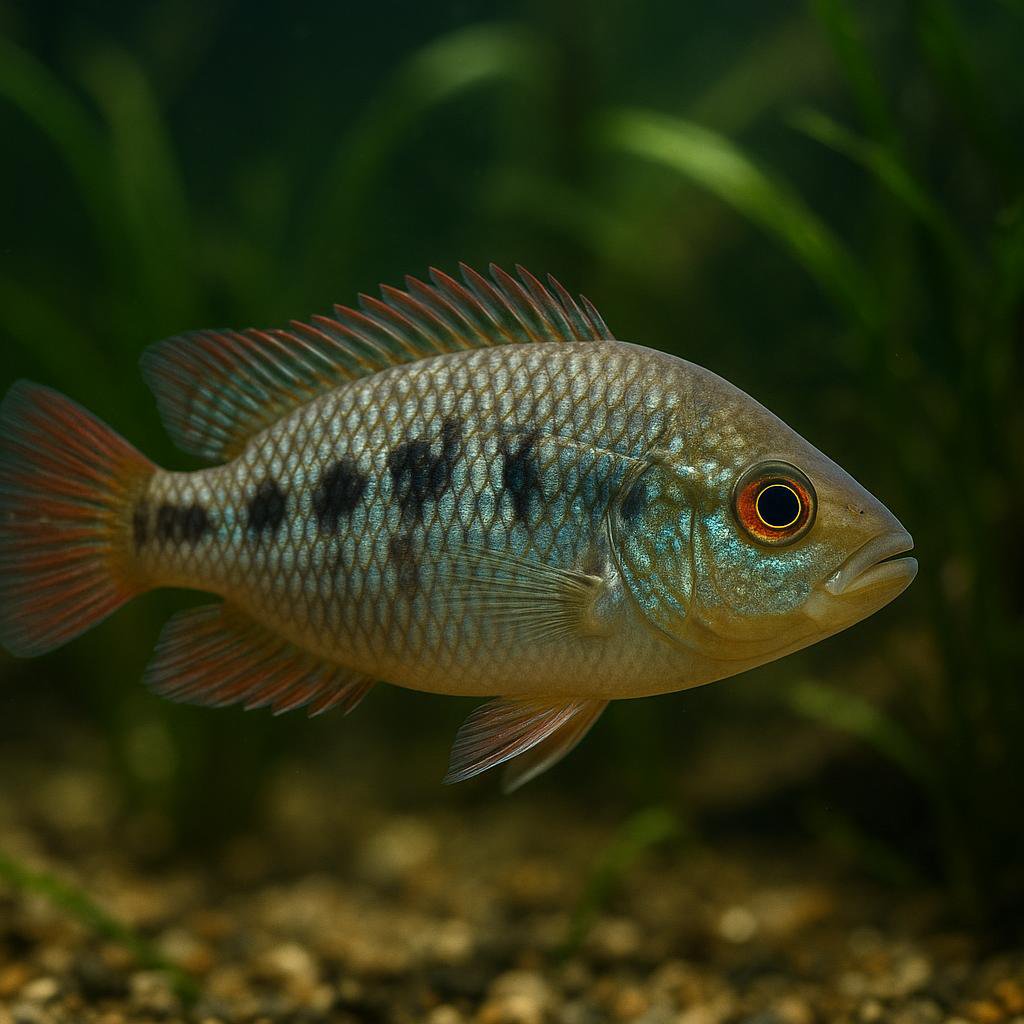
Buytaert's killifish features vibrant orange and blue patterns, with elongated fins and a streamlined body adapted for swift movement in shallow waters.
This page includes AI-generated images. Why am I seeing AI images?
About the Buytaert's killifish
Think of this one as the cool-water forest killi from Central Africa. Males show fine yellow spotting with blue trim on the fins and they perk right up once settled, but they can hassle each other, so a pair or trio works best. They really shine in soft, clean, slightly acidic water kept on the cool side.
Also known as
Quick Facts
Size
5 cm
Temperament
Semi-aggressive
Difficulty
Advanced
Min Tank Size
10 gallons
Lifespan
2-5 years
Origin
Central Africa
Diet
Carnivore - live and frozen foods like daphnia, brine shrimp, mosquito larvae, bloodworms; can be weaned to quality micro-pellets
Water Parameters
17-21°C
5.8-7.2
0-5 dGH
Need a heater for this species?
This species needs 17-21°C in a 10 gallon tank. Use our heater calculator to find the right wattage.
Calculate heater sizeCare Notes
- Set them up in a tight-lidded 10-15 gallon species tank with dim light, leaf litter, and a gentle sponge filter; they are missiles and jump.
- Run very soft, acidic water: GH 1-3, near-zero KH, pH 5.0-6.5, TDS under 100, at 70-74 F. Match temp and pH on every change to avoid shock.
- They want live or frozen micro-prey like baby brine, daphnia, mosquito larvae, and grindal or white worms; most ignore pellets. Feed small amounts twice a day and skip one day weekly; rinse worms well to avoid bloat.
- Keep one male with 2-3 females and pack in floating plants and wood for sight breaks. Skip fast fish, fin nippers, and shrimp; they either stress them or get eaten.
- For breeding, hang yarn mops or use fine plants and collect eggs daily. Incubate in damp peat 3-5 weeks at room temp or water-incubate with a touch of methylene blue and gentle air.
- Eggs fungus fast in hard water, so pull breeders or eggs to soft, tannin-rich water.
- Do small water changes, 10-15% twice a week, with pre-warmed, pre-acidified water; big swings wipe them out.
- They hate strong current; baffle the filter and keep flow minimal. Use fine sand or peat fiber and smooth decor to protect fins and give eggs a place to hide.
Compatibility
Good Tankmates
- Chill nano tetras and rasboras like ember, green neon, and chili rasboras - quick, non-nippy dithers that do not hassle them
- Pencilfish (Nannostomus) and small lampeyes (Poropanchax) - gentle top-mid swimmers that mind their own business
- Peaceful bottom crew like pygmy corys, habrosus corys, and small Aspidoras - they stay low and ignore the killis
- Otocinclus - quiet algae grazers that will not compete for meaty foods or start fights
- Pseudomugil blue-eyes (gertrudae, luminatus) - small, active, and non-nippy; good movement without crowding them
- Marble hatchetfish in a tight-lidded, planted tank - peaceful surface schoolers that keep things calm
Avoid
- Fin-nippers like tiger barbs, serpae tetras, and Buenos Aires tetras - they will shred the killis fins and stress them out
- Slow or long-finned showpieces like male bettas, fancy guppies, and longfin varieties - too easy to nip and there will be surface turf wars
- Pushy or larger cichlids and gouramis (kribs, angels, convicts, big gouramis) - they will bully or eat the killis
- Other colorful male killifish or mixed Aphyosemion species - invites male-on-male brawls and risky hybridization
Where they come from
Buytaert's killifish is a forest stream specialist from Central Africa, found in shaded creeks and seepages in the Gabon/Congo region. Think leaf-litter beds, tea-colored water, almost no current, and cool nights. That soft, acidic blackwater is the vibe you want to channel.
Setting up their tank
They do best in a species-only setup. A trio (1 male, 2 females) in 8-15 gallons works well. Go for a dark substrate, piles of leaf litter, and floating plants to knock down the light. Use a gentle sponge filter and keep the flow minimal.
- Temperature: 68-73 F (20-23 C) - cooler nights are fine
- pH: 5.5-6.5
- GH/KH: very low (GH 0-3, KH 0-2)
- Conductivity/TDS: 50-120 uS (25-80 ppm) - RO or rainwater mixed with a little tap works well
- Light: subdued, with floaters like Salvinia or frogbit
- Aquascape: dense cover, fine plants (Java moss, Najas), yarn mops, leaf litter, alder cones
Use a tight-fitting lid with no gaps. Killies are Olympic jumpers. Tape the corners and cover filter cutouts.
Acclimate slowly. If you are using very soft water, a drip acclimation over 45-60 minutes saves headaches.
What to feed them
They have small mouths and perk up for moving food. Mine put on weight and color fast with a live-and-frozen routine. Some will take high-quality micro pellets, but do not count on it at first.
- Live: baby brine shrimp, Daphnia, mosquito larvae, grindal/white worms, wingless fruit flies
- Frozen: baby brine, cyclops, daphnia, chopped bloodworms (sparingly)
- Dry (if they accept it): small soft micro pellets, crushed high-protein flakes
Small meals twice a day beat big dumps of food. Target feed with a pipette so the shy females get their share.
Go easy on bloodworms and tubifex. Rich foods every day lead to bloat and fatty fish. Mix it up.
How they behave and who they get along with
Males display a lot and can be pushy, so give them line-of-sight breaks. In a roomy, planted setup a single male with two or three females is smooth sailing. They are shy around boisterous fish and will hang near the top or in cover.
- Best: species-only tank
- If you must add company: tiny, calm fish that like soft water (e.g., small pencilfish) and will not outcompete them for food
- Avoid: fast tetras/barbs, nippy fish, larger killies, anything that likes hard/alkaline water
- Shrimp: adults may be fine, but shrimplets are snacks; snails are fine
Break sight lines with wood, plants, and leaf piles. A busy scape means less chasing.
Breeding tips
They are mop spawners and will lay daily in good condition. Parents will eat eggs and sometimes fry, so either pull the eggs or move adults out.
- Set up a trio with 1-2 floating yarn mops and one bottom mop.
- Collect eggs daily. They are adhesive and usually found in the upper mop.
- Incubate in water with a drop of methylene blue or over damp peat at 70-72 F (21-22 C).
- Hatch time: typically 10-21 days. Wait for eyes to darken before wetting peat or moving eggs to hatch water.
- Fry first foods: infusoria for a day or two if needed, then microworms/vinegar eels, then baby brine.
- Keep fry shallow (4-6 inches of water) with gentle air and daily small water changes using the same soft water.
Alder cones or a small catappa leaf in the egg container reduces fungus. Harvest eggs with wet fingers to avoid tearing the filaments.
Common problems to watch for
- Jumping: lower the waterline a couple inches and seal every gap in the lid.
- Overheating: anything above 75 F (24 C) long-term shortens their lifespan and invites disease.
- Velvet (oodinium): shows up in stressed, warm, brightly lit tanks. Dim the lights, cool the tank, and treat early.
- Hard water breeding issues: poor hatch rates and lots of fungused eggs in mineral-rich water. Switch to softer water for eggs and fry.
- Male harassment: add more cover or switch to a bigger footprint and adjust the ratio to 1M:2-3F.
- Fin nips and dull color: usually too much flow or bright light. Add floaters and reduce current.
- Shipping/acclimation stress: keep them quiet and dark for the first day, feed lightly, and skip big water changes that week.
Heat waves kill killies fast. Use a fan or a frozen water bottle in a zip bag to keep temps down. And seriously, lid every opening - they will find the smallest gap.
Similar Species
Other freshwater semi-aggressive species you might be interested in.
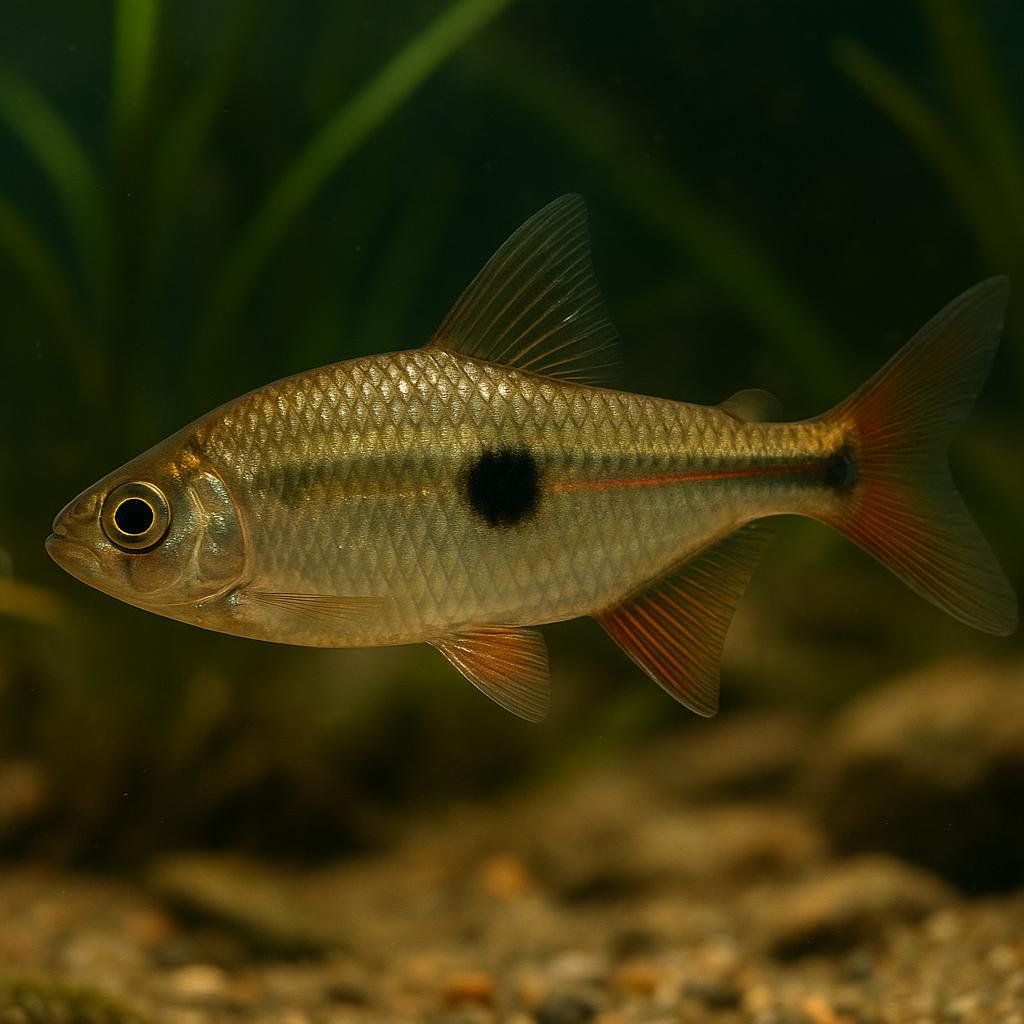
Jupiaba kurua
Small South American characin endemic to the upper rio Curuá (rio Xingu basin, Brazil). Reaches about 8.7 cm SL and inhabits clearwater rivers. Distinguished by dark dots on the bases of many lateral scales and a distinct dark caudal‑peduncle spot. Reported diet indicates omnivory, including aquatic insects, small fishes, and fragments of Podostemaceae and filamentous algae.
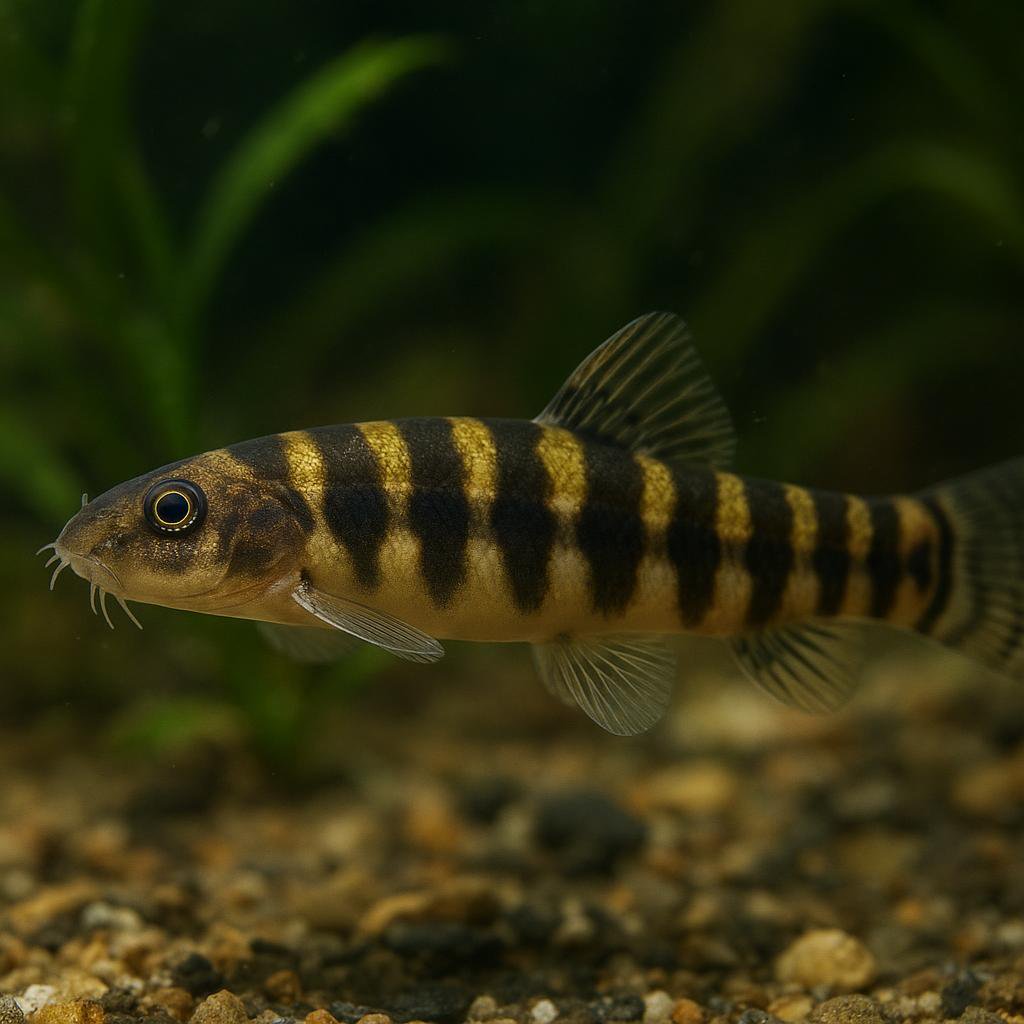
Altipedunculata stone loach
Schistura altipedunculata
Schistura altipedunculata is one of those little stream loaches that wants clean, well-oxygenated water and a bunch of rock nooks to claim as home. It is a bottom-hugger that will spend its day scooting from crevice to crevice, and it tends to get a bit spicy with its own kind if you do not give it enough hiding spots.
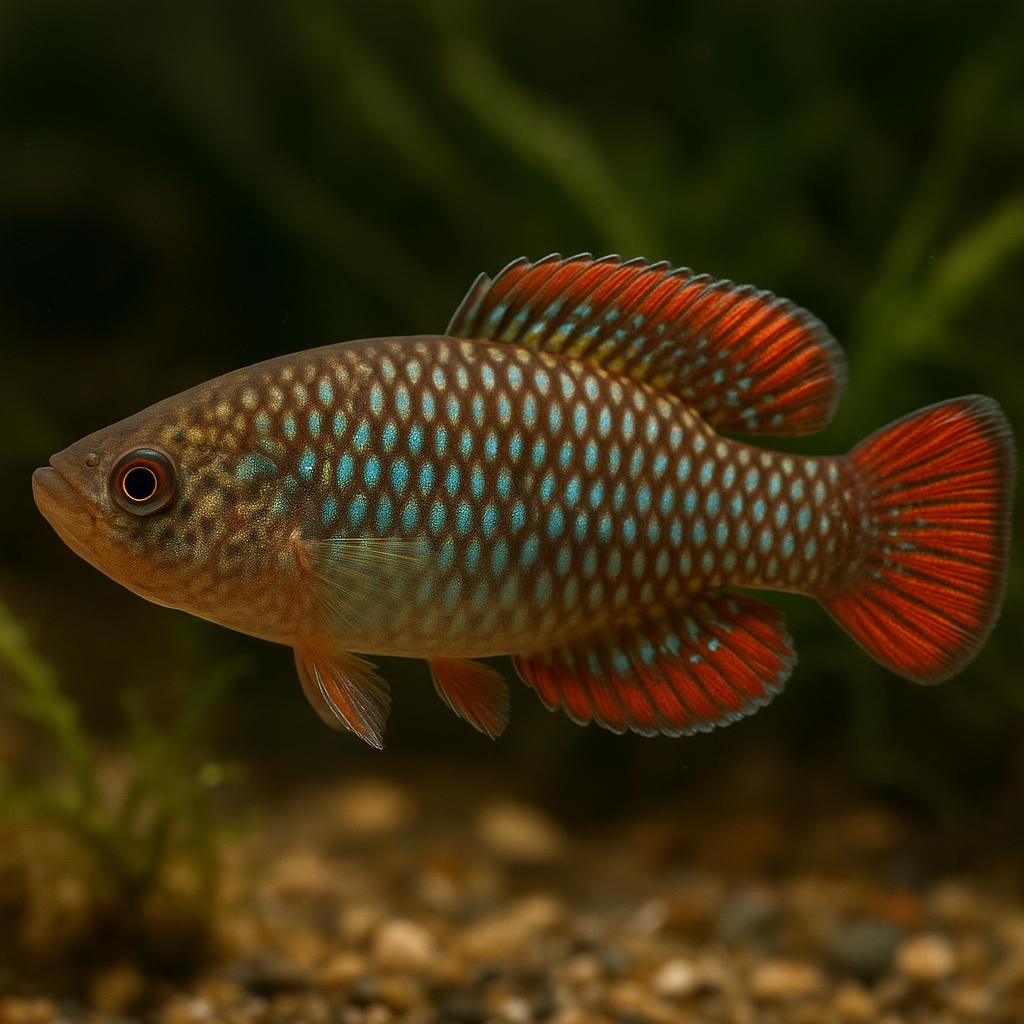
American flagfish
Jordanella floridae
Jordanella floridae is that little Florida native with the red-and-cream striping that really does look like a tiny flag once a male colors up. They graze algae like champs (especially stringy/hair algae), but they have a bit of attitude - give them plants and space so the bossy behavior stays manageable. Bonus: the male guards the eggs and will actively fan them, which is pretty fun to watch.
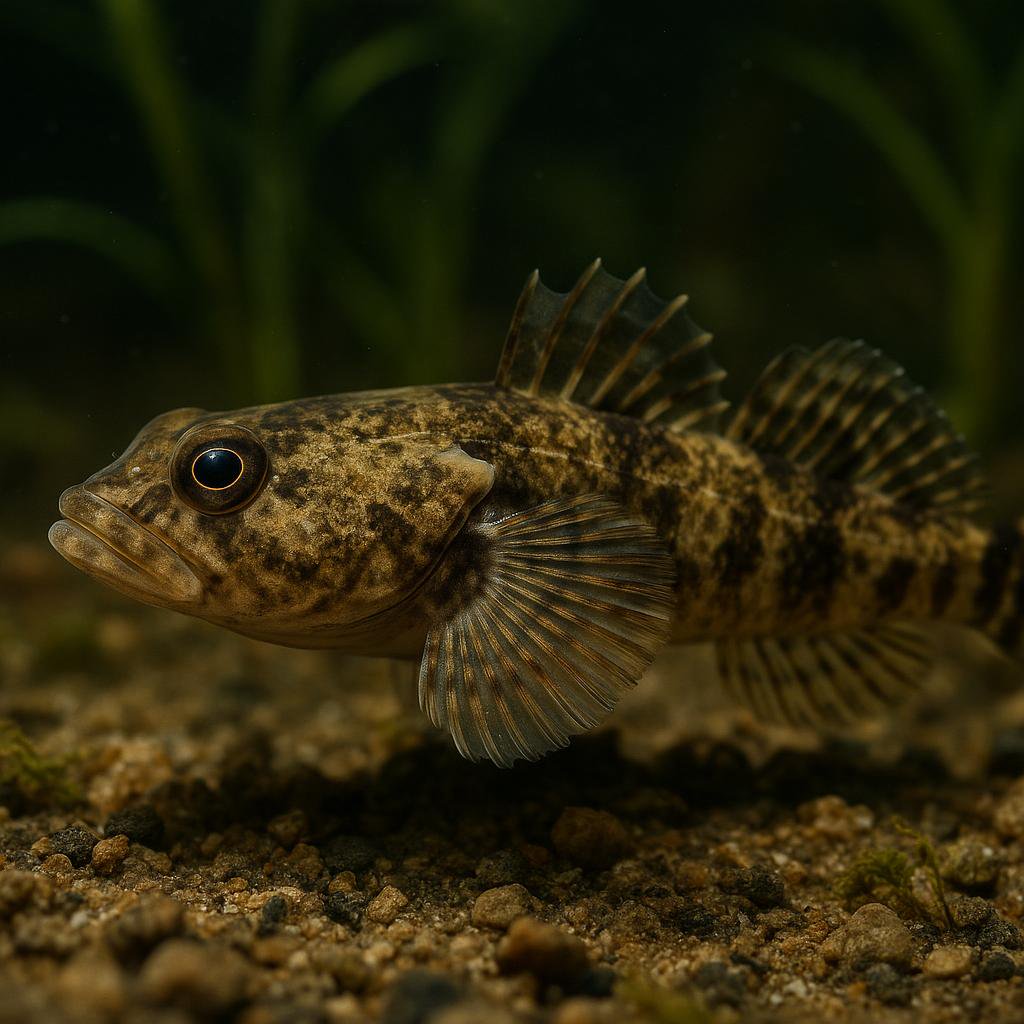
Amur sculpin
Alpinocottus szanaga
This is a little coldwater sculpin from the Amur drainage - a bottom-hugging, rock-and-gravel fish that spends its day wedged under stones and darting out to grab food. Super cool behavior and attitude, but it is absolutely not a warm tropical community fish - it wants chilly, fast, oxygen-rich water and will bicker with other bottom fish.
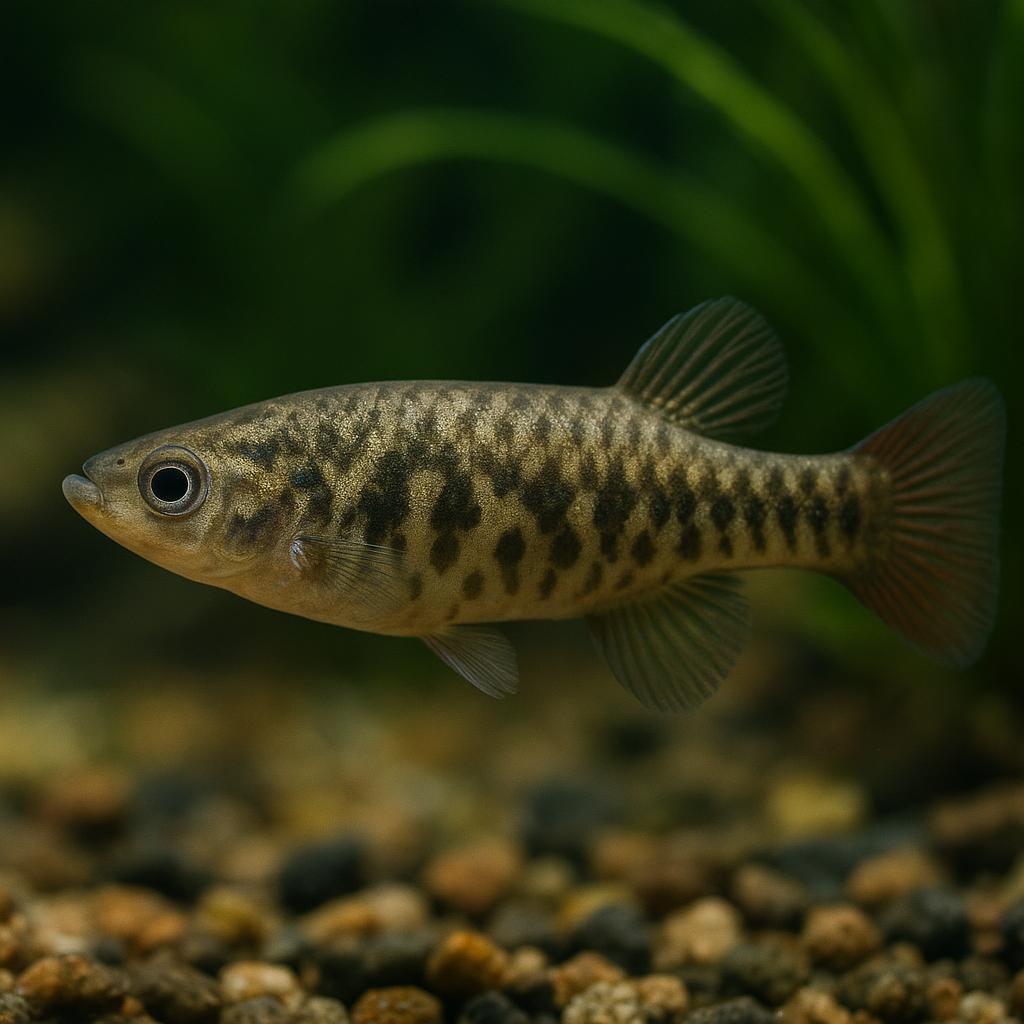
Anitápolis livebearer
Jenynsia weitzmani
Jenynsia weitzmani is a freshwater anablepid livebearer endemic to southern Brazil (currently known only from the type locality near Anitápolis, Santa Catarina). Like other Jenynsia (onesided livebearers), reproduction involves lateralized mating morphology/behavior; aquarium care guidance is not well-documented for this species specifically.
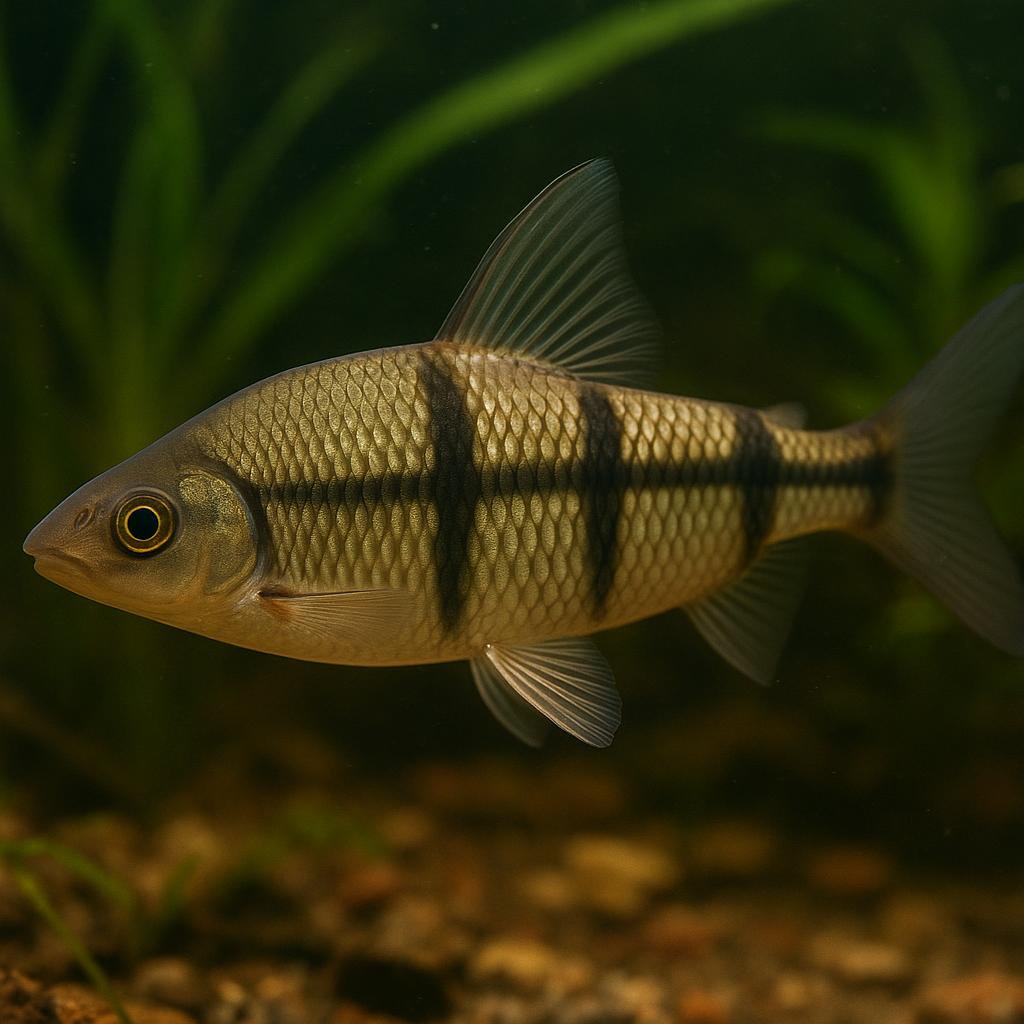
Aracu-comum
Schizodon vittatus
Schizodon vittatus is a large South American anostomid (family Anostomidae). Reported maximum size is about 35 cm standard length; it is harvested/consumed in parts of Brazil and is not commonly covered by mainstream aquarium husbandry references.
More to Explore
Discover more freshwater species.
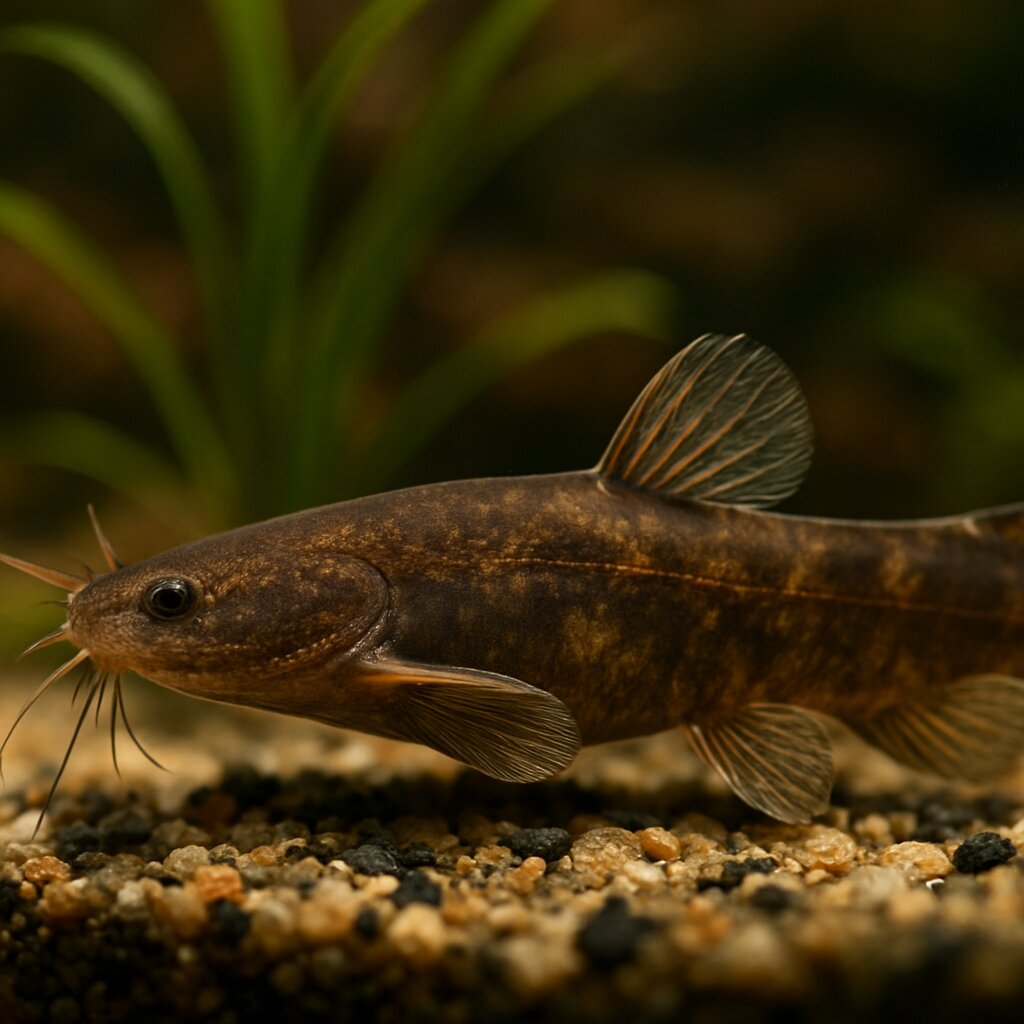
Amphilius dimonikensis
A small loach catfish endemic to the Mpoulou River in the Mayombe (Dimonika Biosphere Reserve), Republic of the Congo. Amphilius dimonikensis has a subtle banded pattern and inhabits fast, clear streams over rock and sand. In aquaria, prioritize strong, well-oxygenated flow with rounded stones and sand to mimic hillstream conditions.
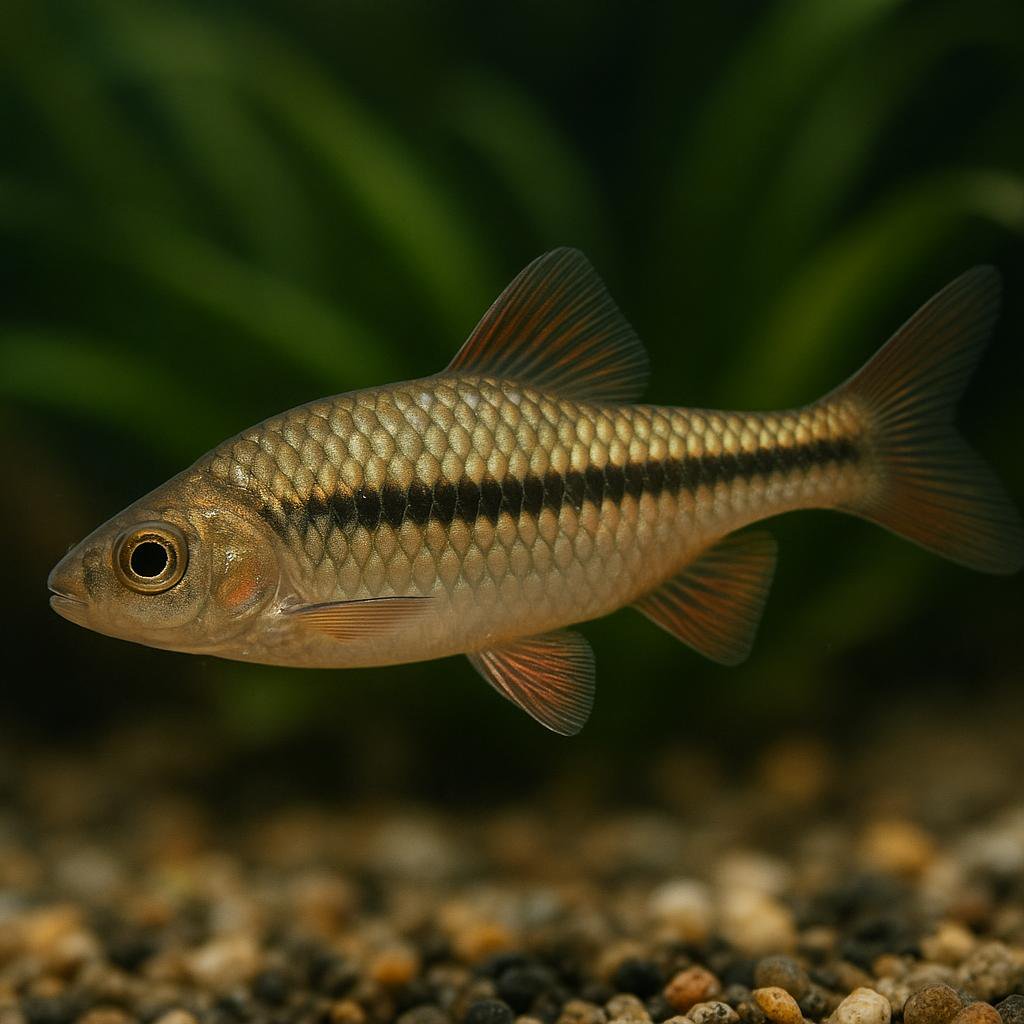
Aboina barb
Enteromius aboinensis
Enteromius aboinensis (the Aboina barb) is a small West African barb with a clean black midline stripe and a little spot right at the base of the tail. It does best when you treat it like a proper schooling fish - keep a decent group and give it plants around the edges with open swimming room in the middle.
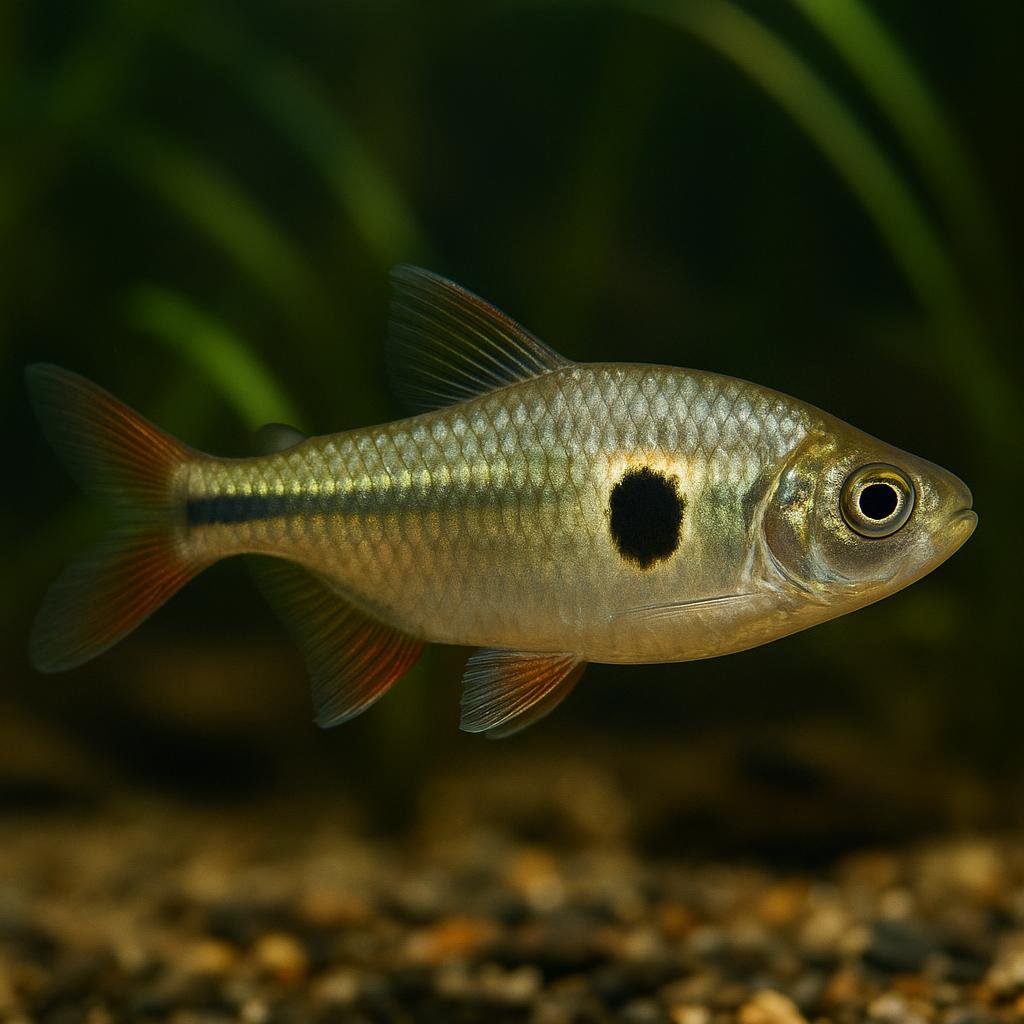
Ajuricaba tetra
Jupiaba ajuricaba
Jupiaba ajuricaba is a South American freshwater characin from the Amazon basin in Brazil (rio Negro, rio Solimões, and rio Tapajós basins). It reaches about 9.5 cm SL and is diagnosed by a narrow dark midlateral stripe, an elongated humeral spot, and an ocellated spot on the upper caudal-fin lobe. Wild specimens have been collected from blackwater forest streams and also oxbow-lake habitats.
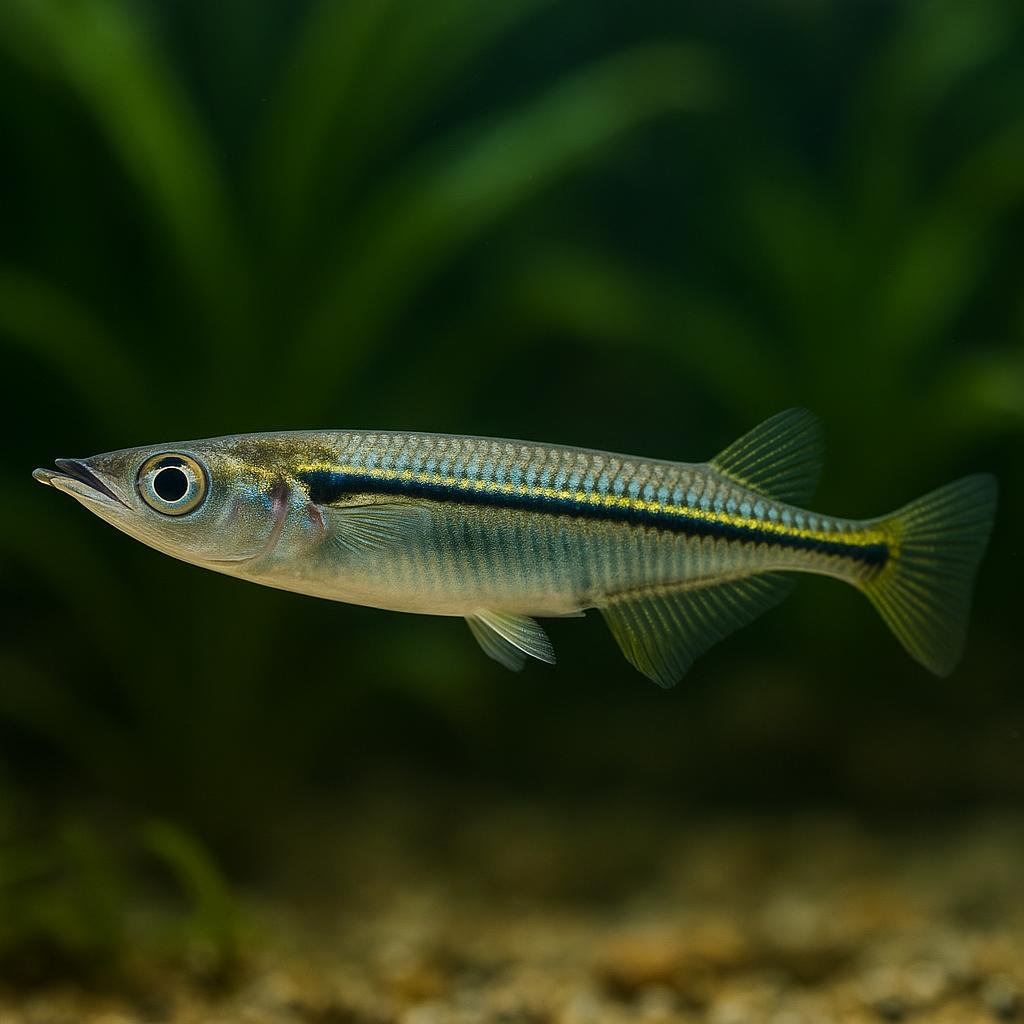
Allen's river garfish
Zenarchopterus alleni
A poorly known freshwater halfbeak endemic to West Papua (Mamberamo River), described from a single specimen (~13 cm SL). Beyond basic habitat/occurrence, little is published about its ecology or aquarium suitability; assume it is a surface-oriented, jump-prone halfbeak only by analogy with related taxa.
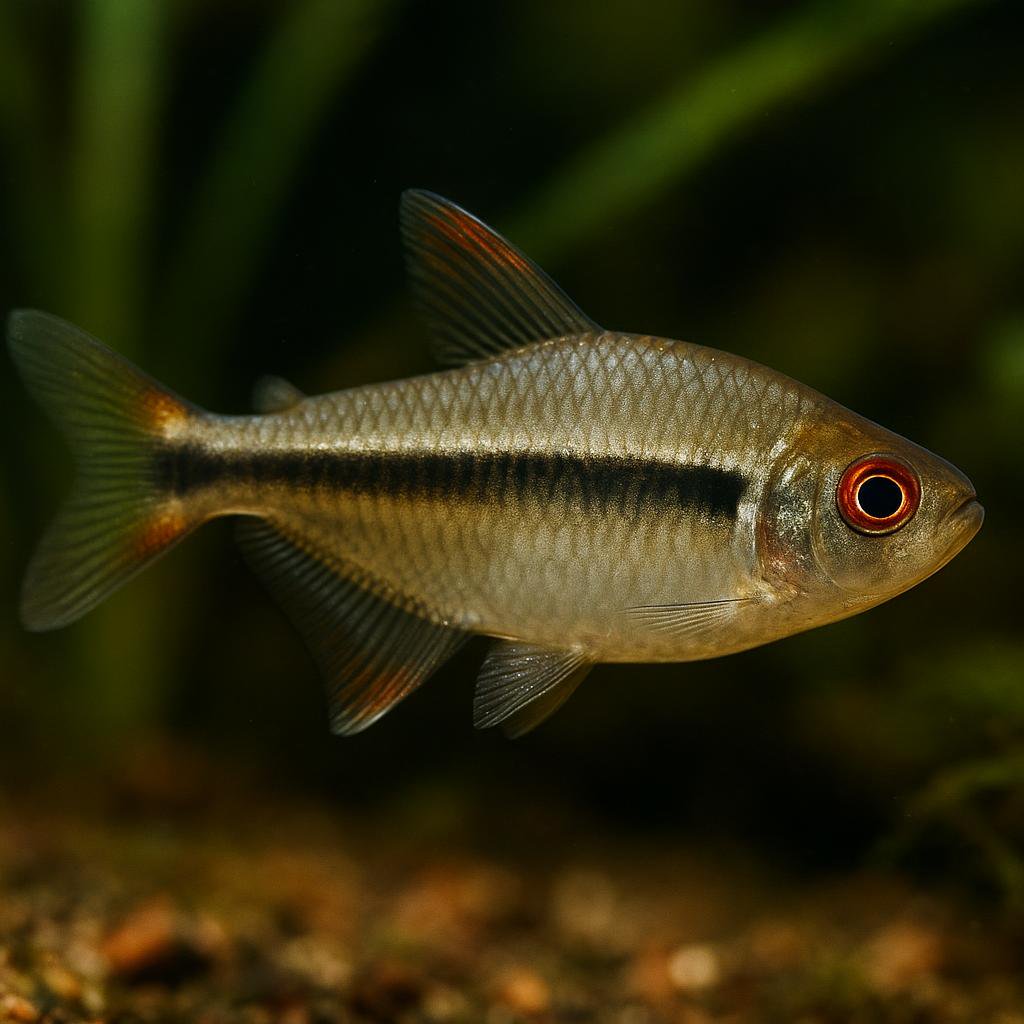
Amapa tetra
Hyphessobrycon amapaensis
This is a tiny, super sleek little tetra with a clean red stripe down the side that really pops once its settled in. It does best in a planted, slightly tinted "creek-style" setup and looks way cooler when you keep a proper group so they school and flash that line together. If you can give it soft, slightly acidic water and a calm community, its an easy fish to fall for.
Amatlan chub
Yuriria amatlana
Yuriria amatlana (the Amatlan chub) is a little Mexican native minnow from the Ameca River basin. Its wild range is pretty limited and it is listed as Endangered, so its care info in the aquarium hobby is basically nonexistent and its availability is usually low. In the original species description, preserved fish show a dark lateral stripe with a darker patch on the caudal peduncle, and they can have tiny barbels at the mouth corners.
Looking for other species?