

Kanabo Badis
Badis kanabos
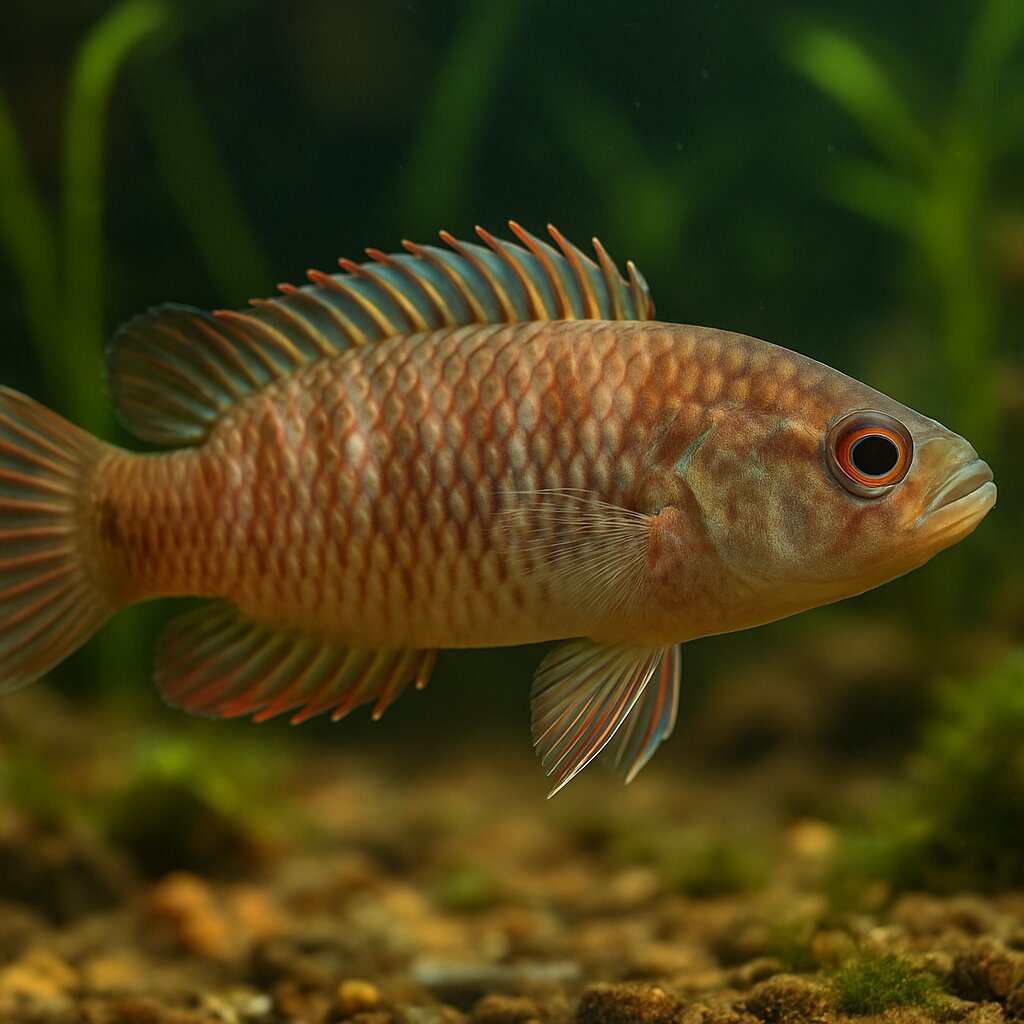
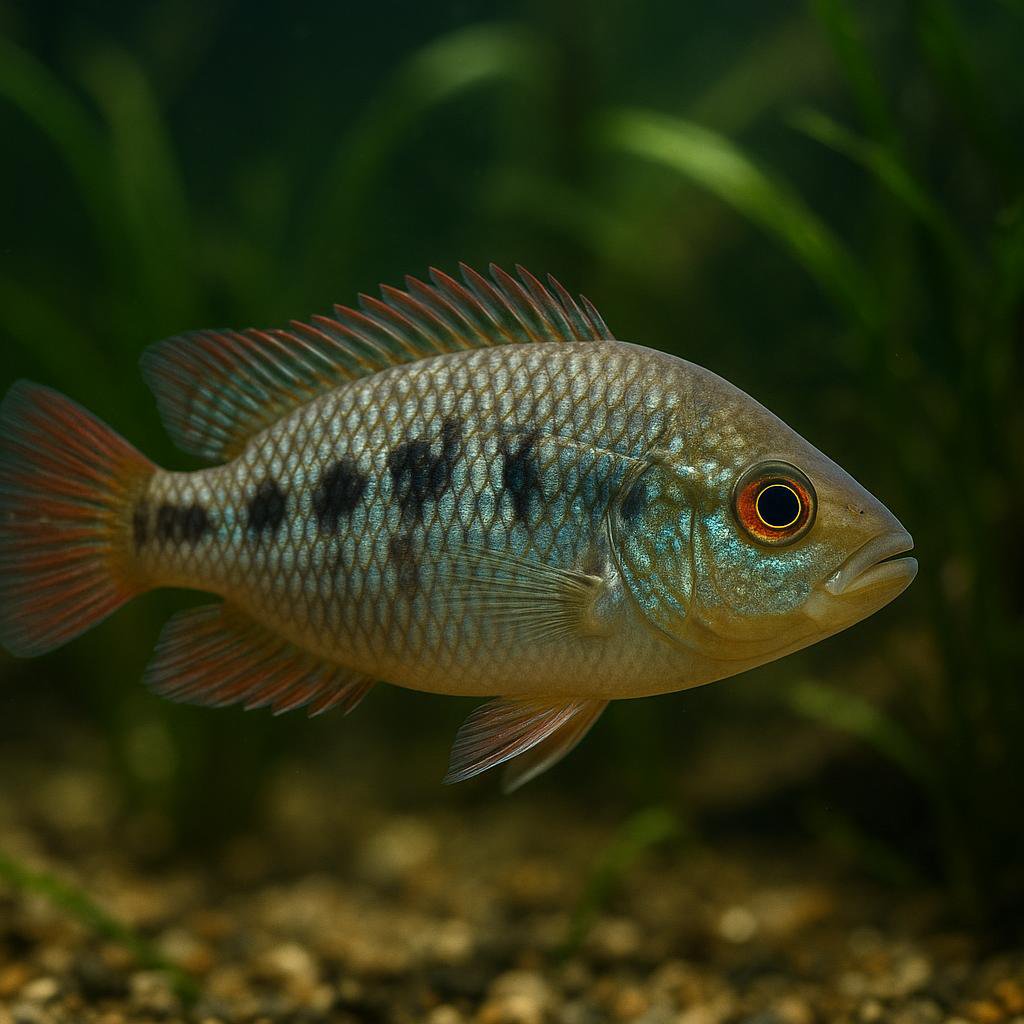
The Kanabo Badis features a robust body with striking blue and orange markings, distinguished by its elongated dorsal fin and vibrant coloration.
This page includes AI-generated images. Why am I seeing AI images?
About the Kanabo Badis
Kanabo Badis is a slender little chameleonfish from Indias Brahmaputra system that stays tiny and loves sneaking through plants and leaf litter. Males flash mood colors and posture over small patches, but most of the time they are busy stalking tiny live foods and making quick ambush dashes.
Also known as
Quick Facts
Size
3.6 cm SL (about 1.4 inches)
Temperament
Semi-aggressive
Difficulty
Intermediate
Min Tank Size
15 gallons
Lifespan
3-4 years
Origin
South Asia - India (Brahmaputra drainage, Assam)
Diet
Carnivore - micro-predator; live and frozen foods (baby brine shrimp, daphnia, bloodworms); may ignore dry foods
Water Parameters
18-25°C
6-7.5
5-19 dGH
Need a heater for this species?
This species needs 18-25°C in a 15 gallon tank. Use our heater calculator to find the right wattage.
Calculate heater sizeCare Notes
- Give a pair 20 gallons with sand, wood, leaf litter, and lots of snug caves; they hunt from cover and shut down in bare, bright tanks.
- Keep water on the cool-soft side: 72-77 F (22-25 C), pH 6.2-7.2, GH 2-8; steady, well-oxygenated flow and 30-40% weekly changes.
- They often snub dry foods at first, so start with live or frozen baby brine, daphnia, and bloodworms, then mix in micro-pellets; small feeds twice a day.
- They lose food races, so pick chill tankmates like pencilfish, small rasboras, kuhli loaches, or pygmy corys, and skip danios, barbs, bettas; they will hunt shrimp babies.
- Males spar hard; either keep one male with 2-3 females or give each male his own cave and broken sight lines in a bigger tank.
- Breeding is cave-style: the male guards eggs in a tight cave; pull the female after spawn and feed fry infusoria for a few days, then baby brine.
- Wild-caught Badis often carry worms, so quarantine 2-4 weeks and deworm with levamisole or praziquantel; watch for a pinched belly despite eating.
- They sulk and pale out if overheated or blasted by current; keep temps under 80 F and use a gentle sponge filter or baffled return.
Compatibility
Good Tankmates
- Calm mid-water schoolers like harlequin rasboras, glowlight tetras, or black neons - steady swimmers that are not nippy and wont out-hustle a Badis at feeding time
- Pencilfish up top (Nannostomus) - super chill, hang near the surface, and keep the Badis relaxed without stealing all the food
- Peaceful bottom dwellers like small Corydoras (pygmaeus, habrosus) or kuhli loaches - always busy but not pushy
- Otocinclus - great little algae grazers that ignore the Badis and dont compete much at meal times
- Amano shrimp and larger snails (nerite, mystery) - usually left alone because they are too big to be seen as food, nice cleanup crew between feedings
Avoid
- Fast, nippy, food-hogs like zebra danios, tiger barbs, or serpae tetras - they stress Badis and vacuum up every bite first
- Territorial centerpiece types like Apistogramma, rams, or paradise fish and pushy gouramis - they muscle Badis off their spots
- Tiny nano fish that fit in a Badis mouth or spook easily, like chili rasboras, green neons, or CPD juveniles - likely to get hunted or hide all day
- Another male Badis or Dario in a small tank - lots of posturing and chasing unless the tank is big and stuffed with cover
Where they come from
Kanabo Badis are from the Brahmaputra basin in northeast India and Bangladesh. Think shaded side streams with leaf litter, root tangles, and gentle flow. The water is usually cool to mild, a bit on the soft side, and tea stained from tannins.
- Shallow, slow tributaries and floodplain pools
- Leaf litter and sand or fine silt bottoms
- Plenty of cover from wood, roots, and overhanging plants
Setting up their tank
They like quiet, structure-heavy setups. A 10-gallon works for a single pair. For a small group, go 20-long or bigger so males can hold separate spots.
- Substrate: fine sand with a sprinkle of leaf litter (catappa, oak, beech).
- Hardscape: small caves and tight nooks. Use coconut shells, stacked slate, small PVC elbows, and twiggy wood.
- Plants: slow growers (Java fern, Anubias, Crypts) and some floaters to dim the light.
- Filtration: sponge or gentle canister return. They dislike blasting flow.
- Cover: a lid helps; they are not manic jumpers, but they can spook.
- Lighting: on the dim side. Floating plants calm them and help shyer fish come out.
Give them more hides than fish. Think one cave per fish plus extras so nobody gets cornered.
Keep temps on the cooler side: 68-75 F (20-24 C). They handle 76-78 F short term, but prolonged heat makes them sulky and disease prone.
Water numbers that have worked well for me: pH 6.2-7.2, GH 2-8 dGH, KH low-moderate, gentle flow, and steady weekly water changes (25-40%).
What to feed them
They are micropredators. Expect them to turn their noses up at dry food at first. Once settled, some individuals take pellets, but plan to start with live and frozen.
- Live: baby brine shrimp, daphnia, mosquito larvae, grindal/white worms, blackworms (go easy on these).
- Frozen: brine shrimp, daphnia, cyclops, mysis. Bloodworms as an occasional treat only.
- Weaning trick: thaw frozen foods with a pinch of fine pellets, then target feed with a pipette. They learn the smell association over a week or two.
- Feed small portions 1-2 times a day. One light fasting day per week helps prevent bloat.
Target feeding is your friend. Gently squirt food right near their hide so faster fish do not steal it all.
How they behave and who they get along with
They are slow, thoughtful fish. Males posture and color up around caves, but outright damage is rare if the scape has enough sight breaks. They are easy to outcompete at feeding time, so choose tankmates carefully.
- Good fits: small, calm rasboras, ricefish, ember tetras, pencilfish, pygmy Corydoras, kuhli loaches, and small snails.
- Use caution: dwarf shrimp often become snacks, especially babies.
- Avoid: nippy barbs, hyper danios, big gouramis, cichlids, or anything that blasts around and hogs food.
Stocking pattern that works: one male with two or three females in a 15-20 gallon, or two males on opposite ends of a 20-long with lots of cover. If males keep clashing, add more caves and sight breaks, not more males.
Breeding tips
They are cave spawners with dad doing the guarding and fanning. If the tank is quiet and you feed well, they will often set up a nest on their own.
- Give several cave options: tight entrances are better. Film canisters, small PVC elbows, or slate stacks work.
- Condition with live foods for a week or two. Cooler water change (2-3 F drop) can trigger spawning.
- The male courts and lures the female into the cave. After spawning, remove the female if she is getting chased hard.
- Eggs hatch in a few days. The male usually guards until fry are free swimming.
Fry start tiny. They graze microfilm in leaf litter the first couple of days. Then offer infusoria or paramecium, followed by vinegar eels, and move to baby brine shrimp once they can handle it (around day 5-7).
A handful of leaf litter is a great nursery. It grows biofilm and gives fry places to vanish so the adults do not snack on them.
Common problems to watch for
- Refusing dry food: start with live and frozen, then slowly mix in micro pellets. Target feed so they actually get some.
- Outcompeted at meals: pick gentle tankmates and feed in multiple spots.
- Internal parasites in new arrivals: a pinched belly despite eating is the giveaway. Quarantine and treat with a dewormer if needed.
- Heat stress: above 80 F they get lethargic and infections show up. Keep them cool and well oxygenated.
- Bright, open tanks: they hide and waste away. Add floaters, wood, and caves to make them feel safe.
- Egg fungus or lost spawns: add more caves so pairs can choose better sites and keep the room calm around the tank.
Quarantine new fish for 3-4 weeks. Badis are slow eaters and often wild-caught, so you do not want to import parasites into a busy community tank.
Similar Species
Other freshwater semi-aggressive species you might be interested in.
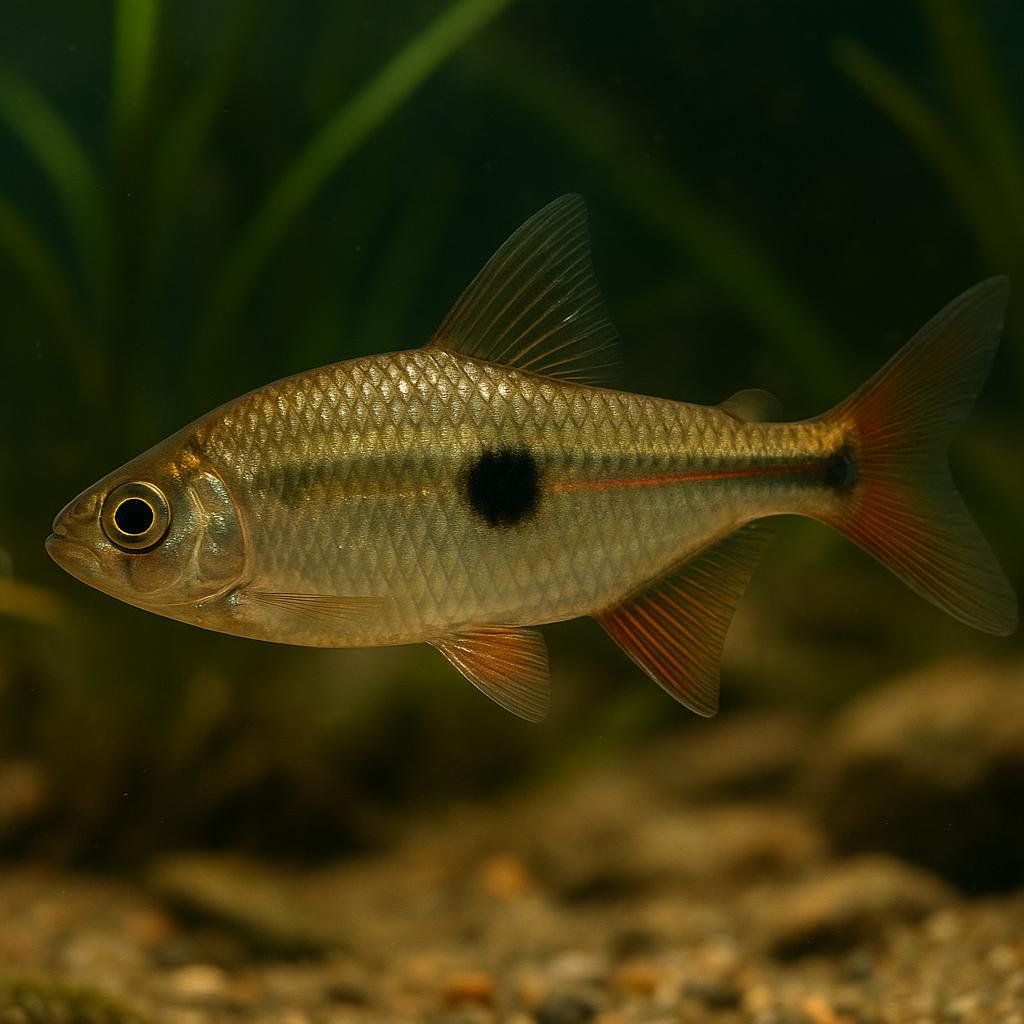
Jupiaba kurua
Small South American characin endemic to the upper rio Curuá (rio Xingu basin, Brazil). Reaches about 8.7 cm SL and inhabits clearwater rivers. Distinguished by dark dots on the bases of many lateral scales and a distinct dark caudal‑peduncle spot. Reported diet indicates omnivory, including aquatic insects, small fishes, and fragments of Podostemaceae and filamentous algae.
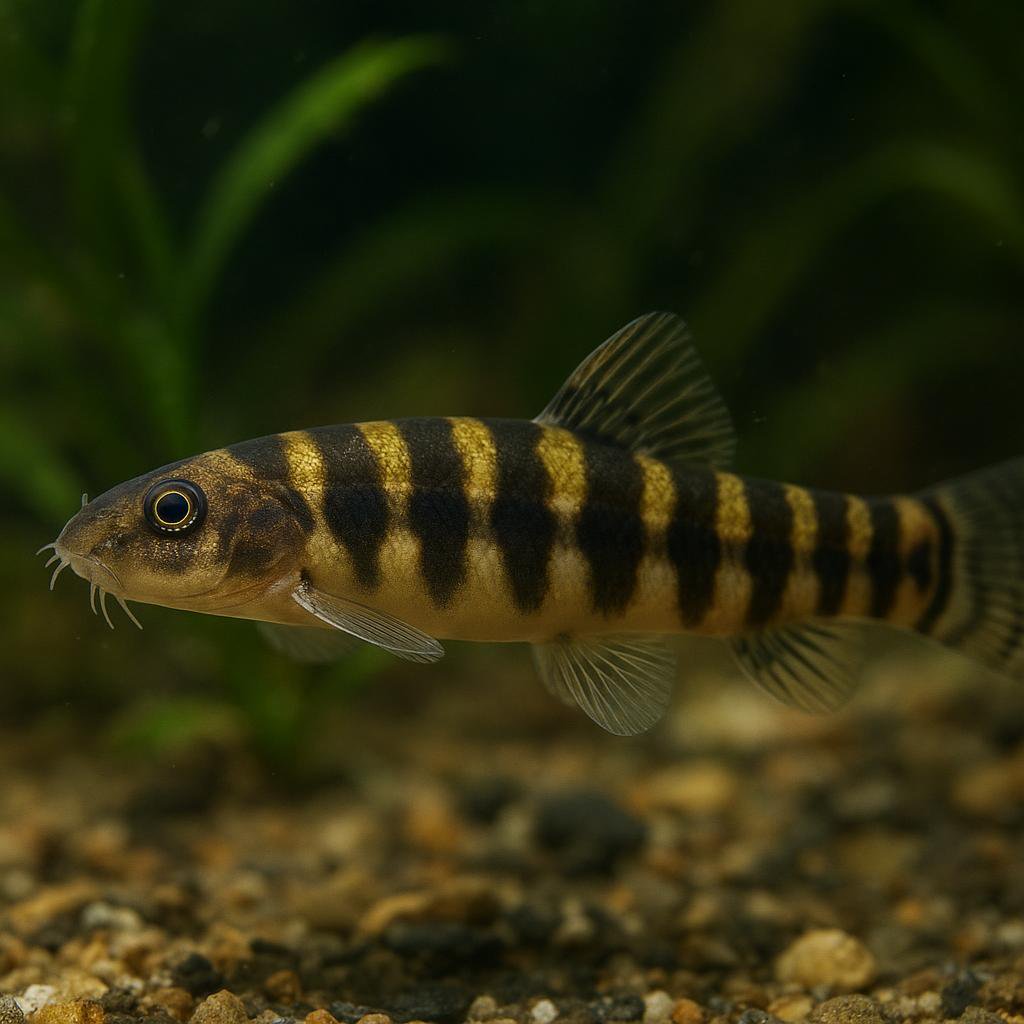
Altipedunculata stone loach
Schistura altipedunculata
Schistura altipedunculata is one of those little stream loaches that wants clean, well-oxygenated water and a bunch of rock nooks to claim as home. It is a bottom-hugger that will spend its day scooting from crevice to crevice, and it tends to get a bit spicy with its own kind if you do not give it enough hiding spots.
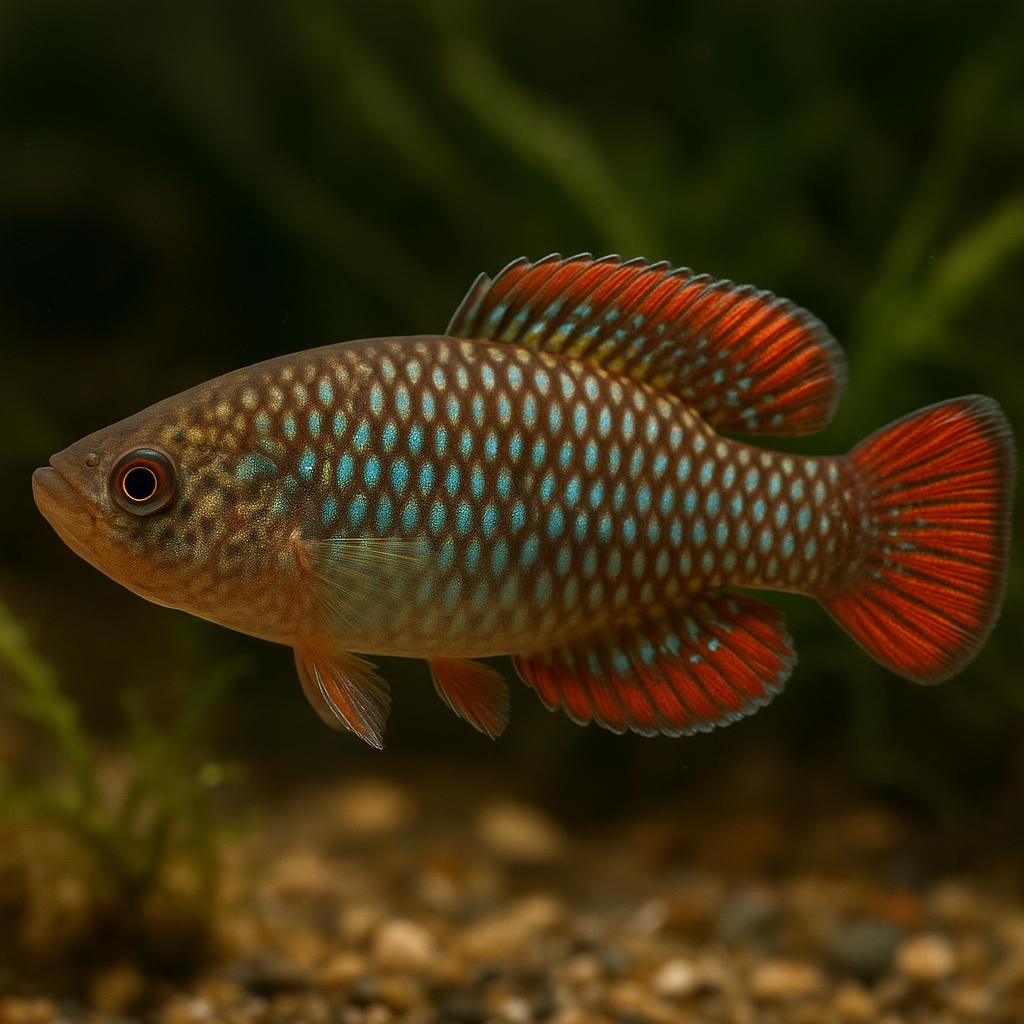
American flagfish
Jordanella floridae
Jordanella floridae is that little Florida native with the red-and-cream striping that really does look like a tiny flag once a male colors up. They graze algae like champs (especially stringy/hair algae), but they have a bit of attitude - give them plants and space so the bossy behavior stays manageable. Bonus: the male guards the eggs and will actively fan them, which is pretty fun to watch.
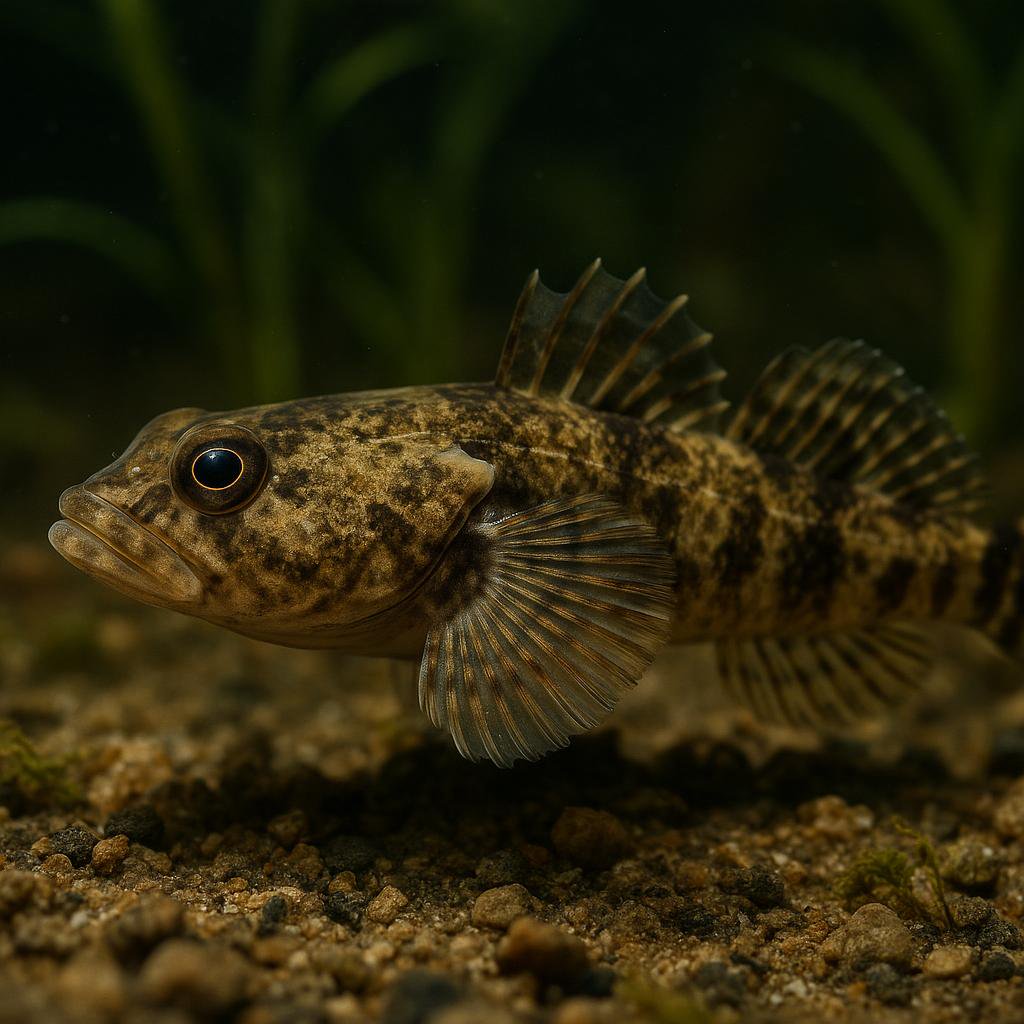
Amur sculpin
Alpinocottus szanaga
This is a little coldwater sculpin from the Amur drainage - a bottom-hugging, rock-and-gravel fish that spends its day wedged under stones and darting out to grab food. Super cool behavior and attitude, but it is absolutely not a warm tropical community fish - it wants chilly, fast, oxygen-rich water and will bicker with other bottom fish.
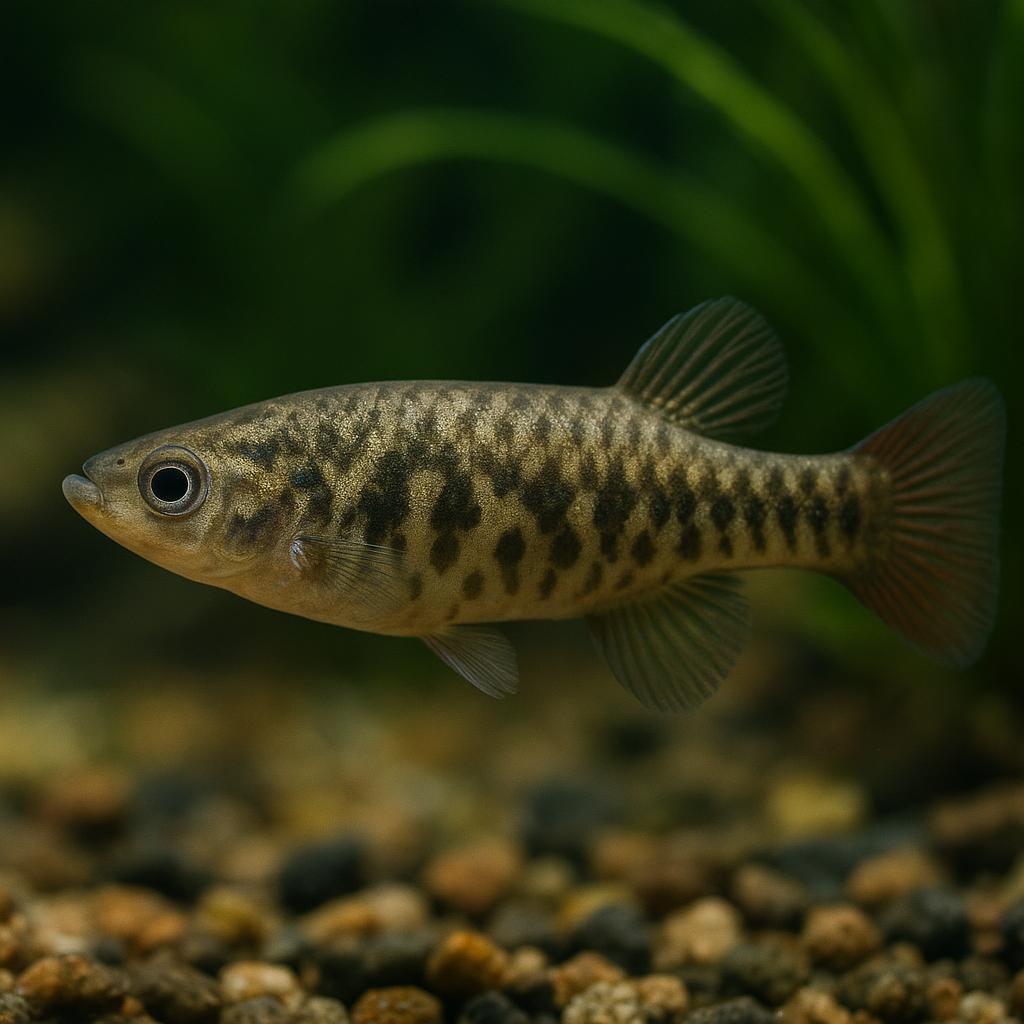
Anitápolis livebearer
Jenynsia weitzmani
Jenynsia weitzmani is a freshwater anablepid livebearer endemic to southern Brazil (currently known only from the type locality near Anitápolis, Santa Catarina). Like other Jenynsia (onesided livebearers), reproduction involves lateralized mating morphology/behavior; aquarium care guidance is not well-documented for this species specifically.
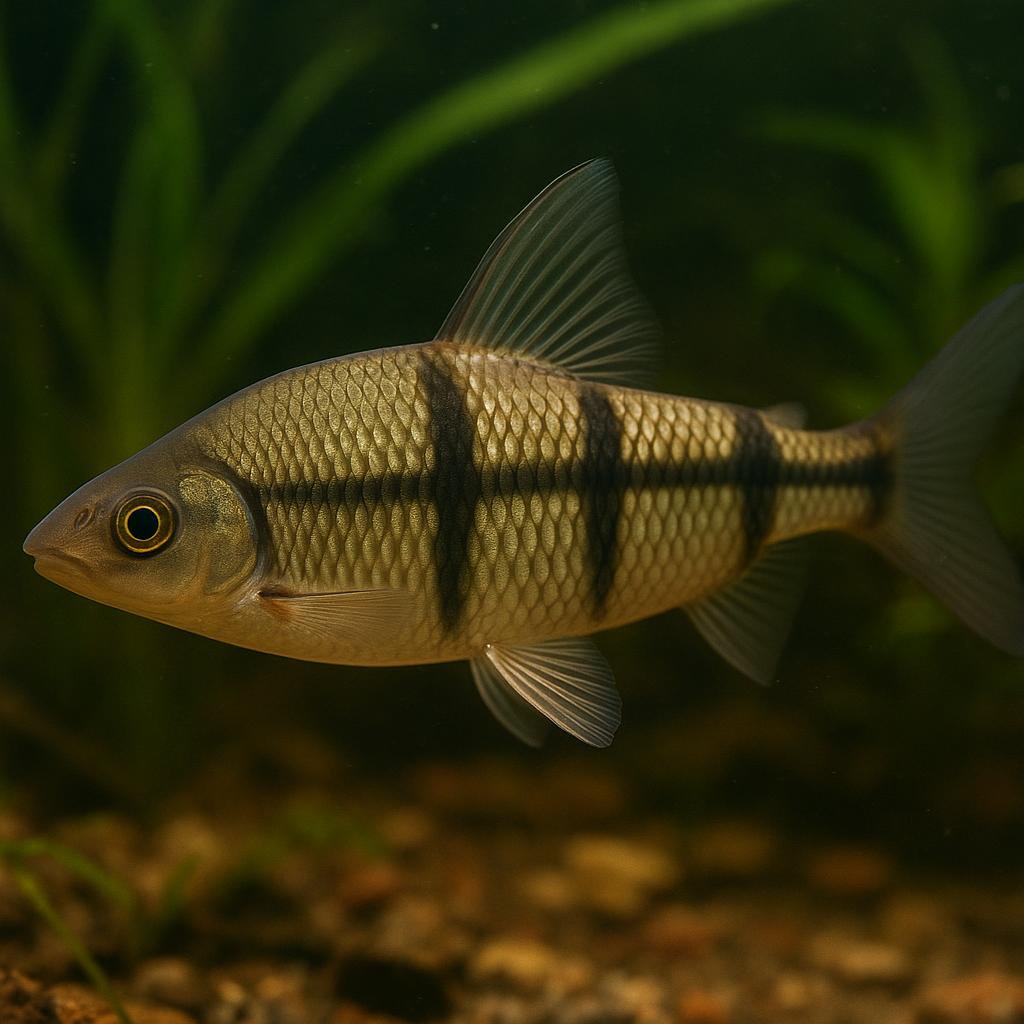
Aracu-comum
Schizodon vittatus
Schizodon vittatus is a large South American anostomid (family Anostomidae). Reported maximum size is about 35 cm standard length; it is harvested/consumed in parts of Brazil and is not commonly covered by mainstream aquarium husbandry references.
More to Explore
Discover more freshwater species.
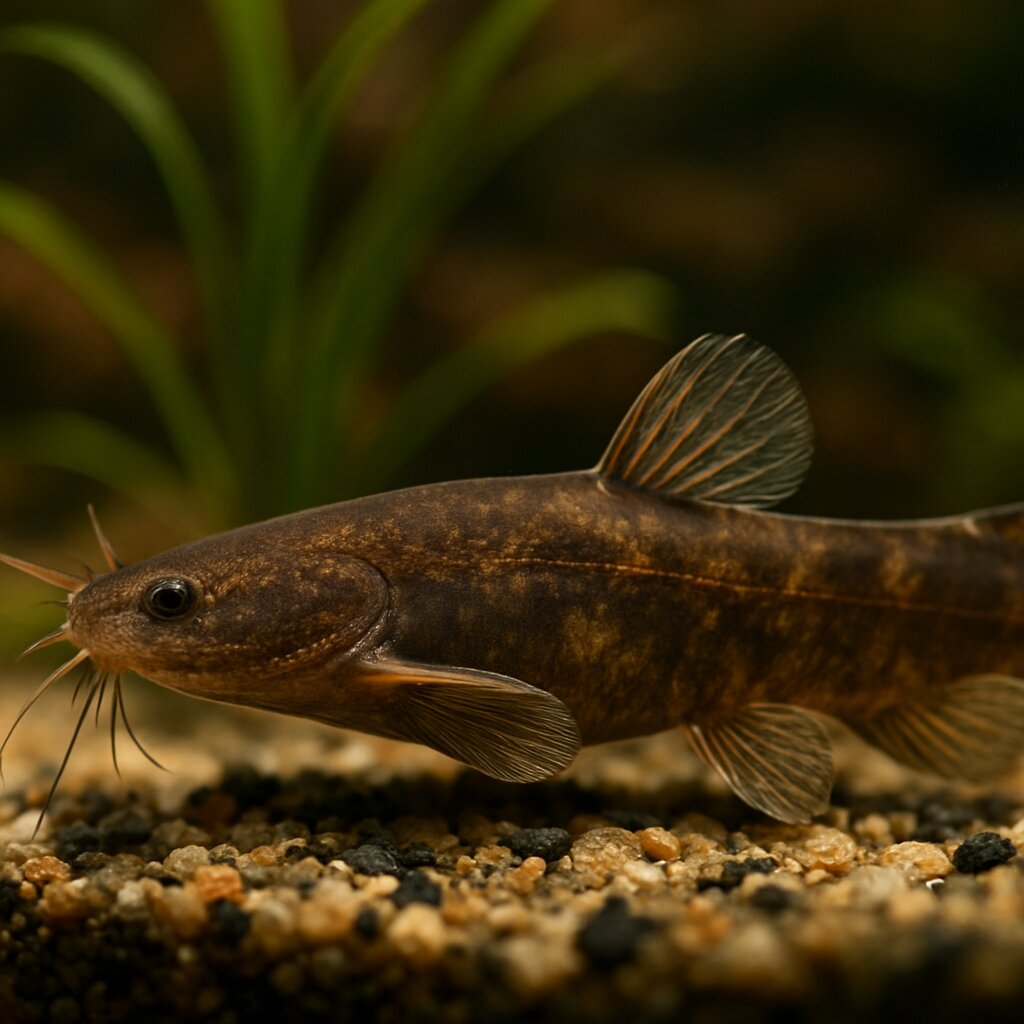
Amphilius dimonikensis
A small loach catfish endemic to the Mpoulou River in the Mayombe (Dimonika Biosphere Reserve), Republic of the Congo. Amphilius dimonikensis has a subtle banded pattern and inhabits fast, clear streams over rock and sand. In aquaria, prioritize strong, well-oxygenated flow with rounded stones and sand to mimic hillstream conditions.
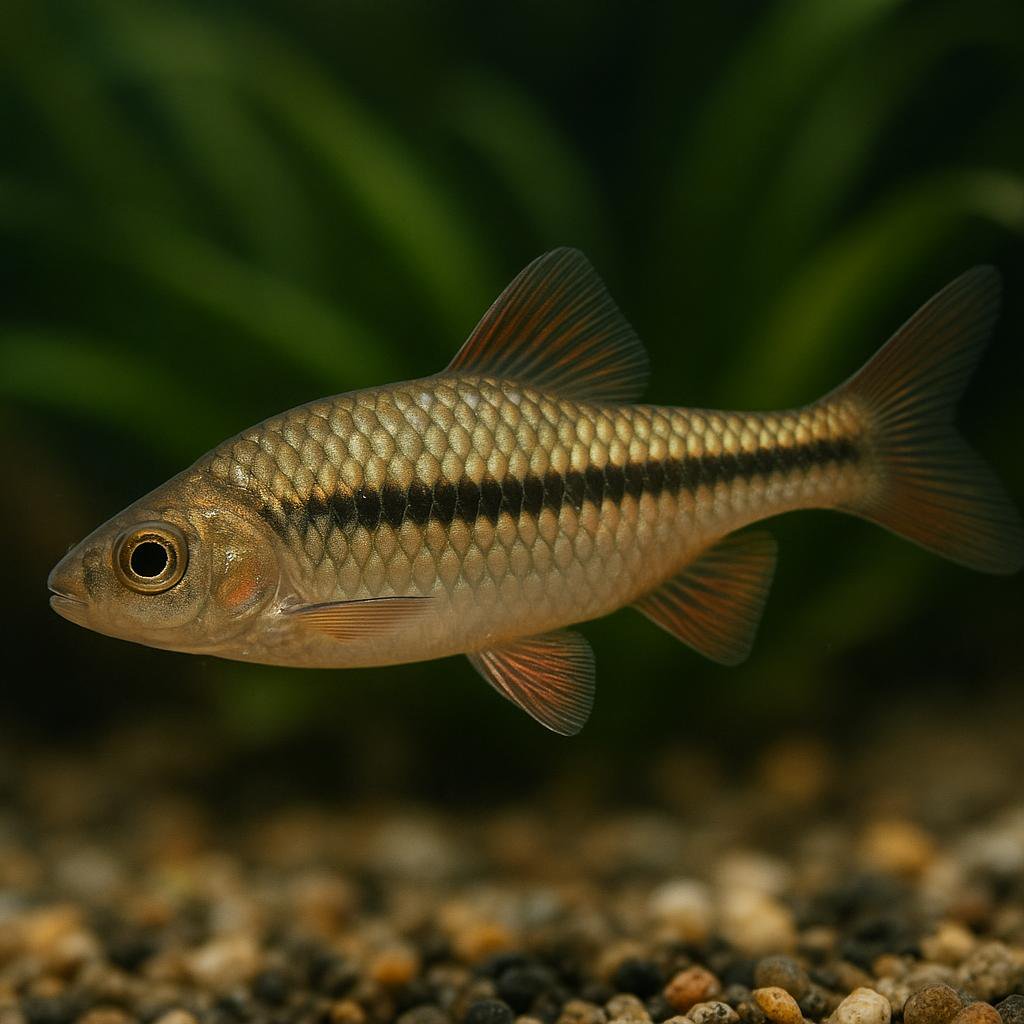
Aboina barb
Enteromius aboinensis
Enteromius aboinensis (the Aboina barb) is a small West African barb with a clean black midline stripe and a little spot right at the base of the tail. It does best when you treat it like a proper schooling fish - keep a decent group and give it plants around the edges with open swimming room in the middle.
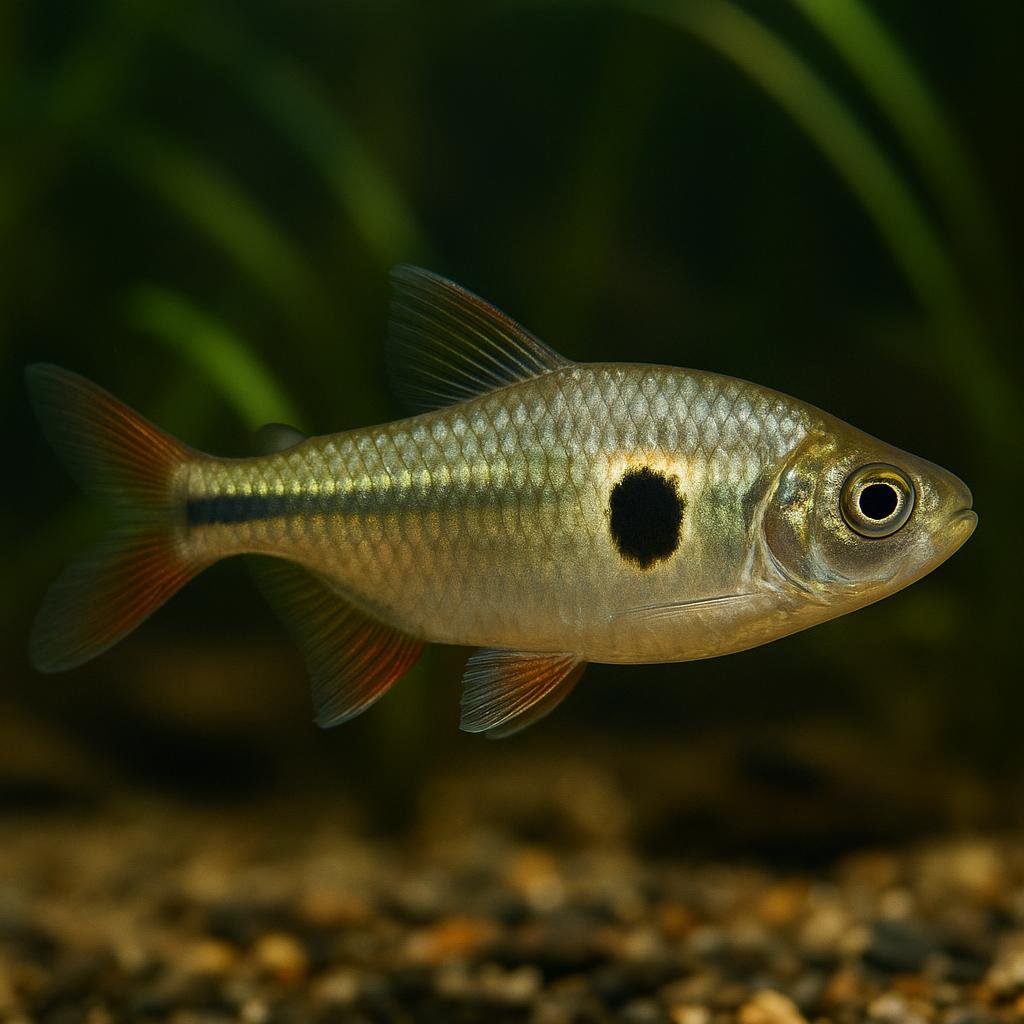
Ajuricaba tetra
Jupiaba ajuricaba
Jupiaba ajuricaba is a South American freshwater characin from the Amazon basin in Brazil (rio Negro, rio Solimões, and rio Tapajós basins). It reaches about 9.5 cm SL and is diagnosed by a narrow dark midlateral stripe, an elongated humeral spot, and an ocellated spot on the upper caudal-fin lobe. Wild specimens have been collected from blackwater forest streams and also oxbow-lake habitats.
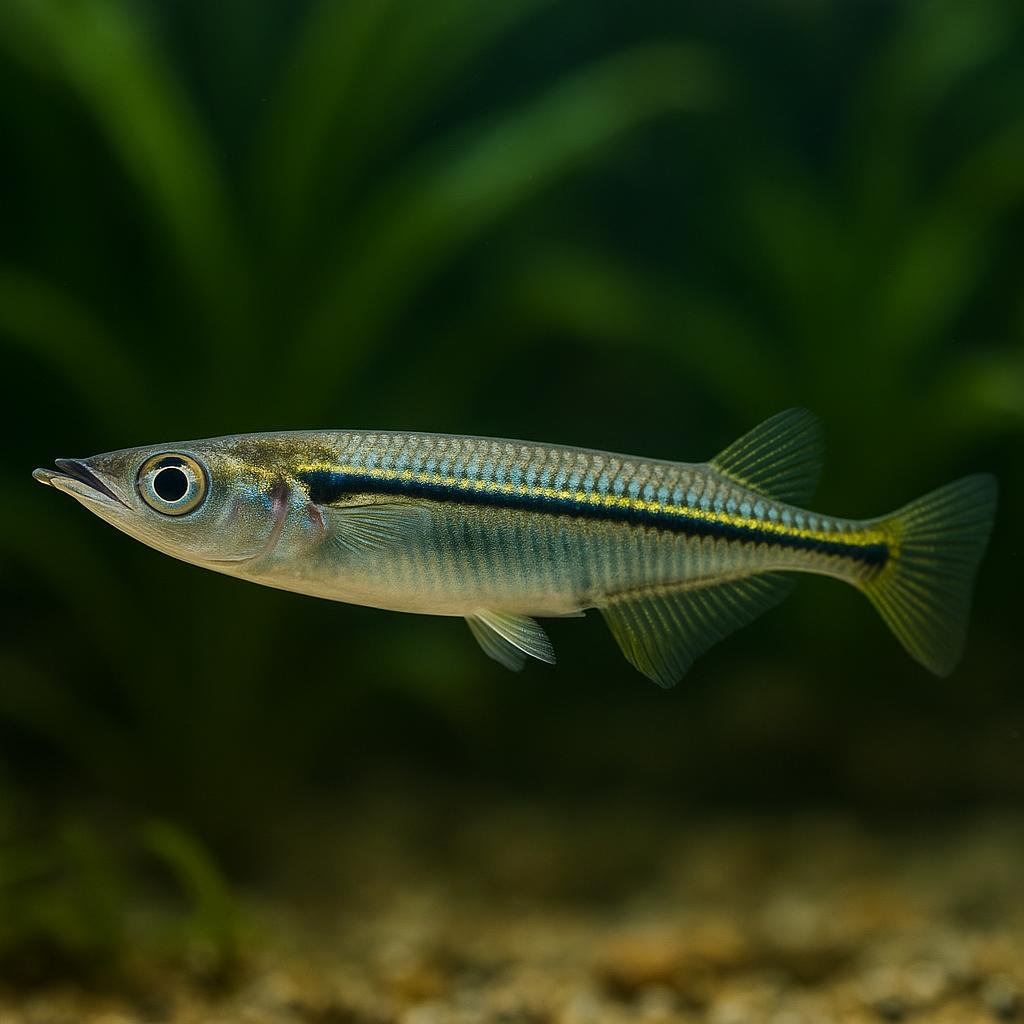
Allen's river garfish
Zenarchopterus alleni
A poorly known freshwater halfbeak endemic to West Papua (Mamberamo River), described from a single specimen (~13 cm SL). Beyond basic habitat/occurrence, little is published about its ecology or aquarium suitability; assume it is a surface-oriented, jump-prone halfbeak only by analogy with related taxa.
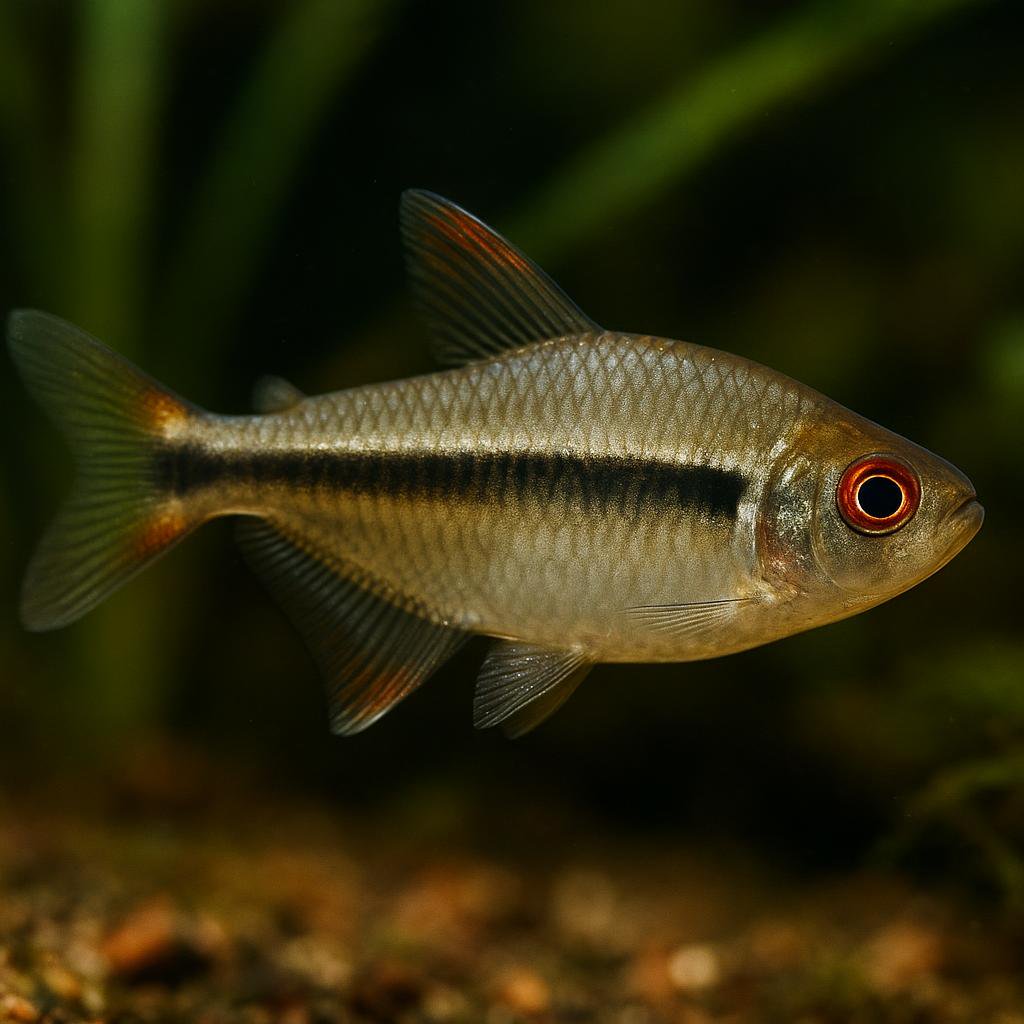
Amapa tetra
Hyphessobrycon amapaensis
This is a tiny, super sleek little tetra with a clean red stripe down the side that really pops once its settled in. It does best in a planted, slightly tinted "creek-style" setup and looks way cooler when you keep a proper group so they school and flash that line together. If you can give it soft, slightly acidic water and a calm community, its an easy fish to fall for.
Amatlan chub
Yuriria amatlana
Yuriria amatlana (the Amatlan chub) is a little Mexican native minnow from the Ameca River basin. Its wild range is pretty limited and it is listed as Endangered, so its care info in the aquarium hobby is basically nonexistent and its availability is usually low. In the original species description, preserved fish show a dark lateral stripe with a darker patch on the caudal peduncle, and they can have tiny barbels at the mouth corners.
Looking for other species?